Key Takeaways — Nyakazu Fault (Failles des Allemands)
- What: Ancient East African Rift escarpment — Burundi's most dramatic cliff viewpoint.
- Where: Rutana Province, southeastern Burundi (~130-150 km / 3-4 hours from Bujumbura).
- Height: ~300 m drop from highland rim into gorge and the Kumoso plain.
- Also Called: Failles des Allemands ("Fault of the Germans") — WWI German military post site (c. 1914).
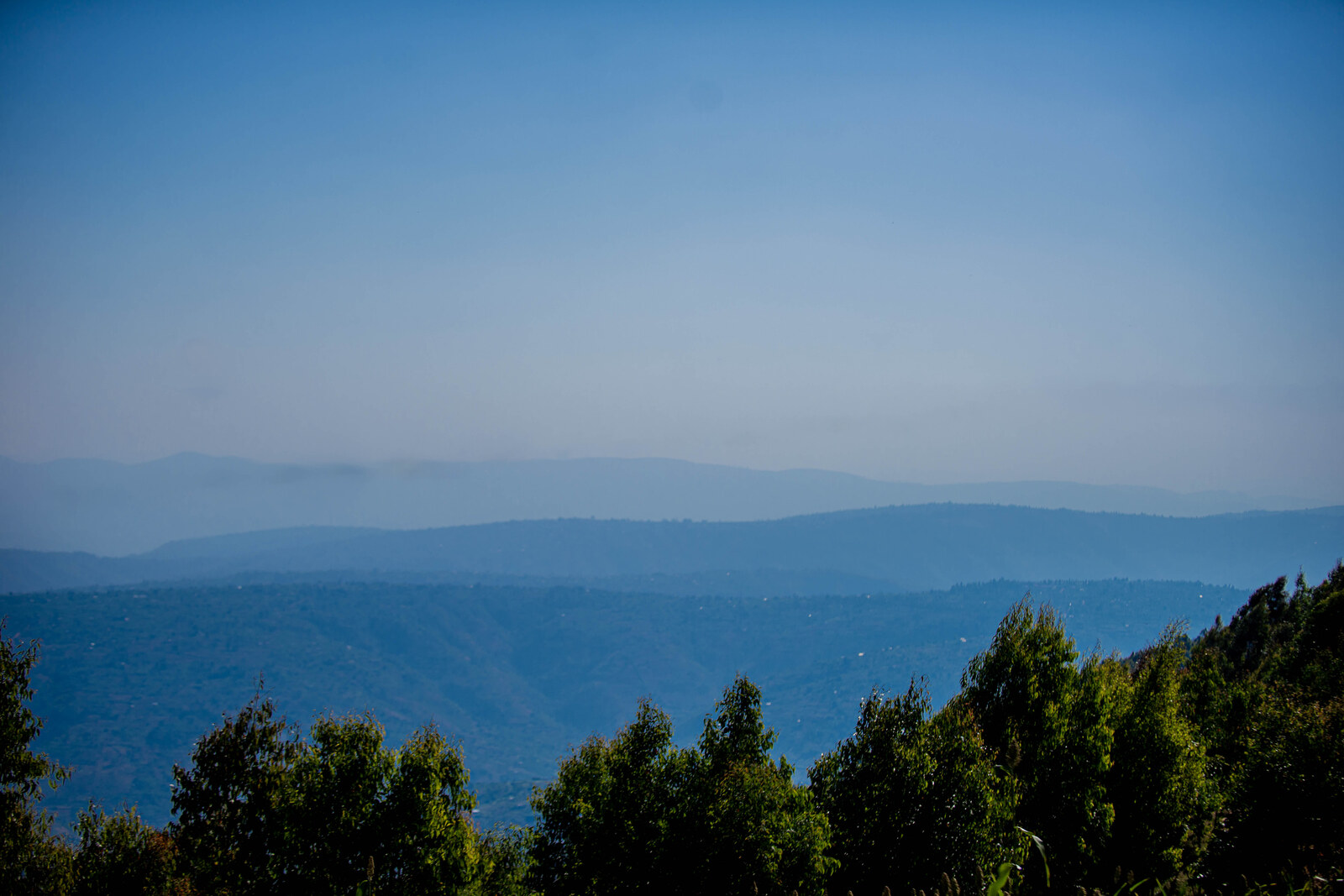
- View: Vast outlook over the Kumoso depression toward the Tanzanian border; Nkoma massif on the skyline.
- Seasonal Extra: Wet-season cascade of 100+ m threading the rock face.
- Best Time: June–September for clear long views; January–May for green slopes & waterfall.
- Combine With: Karera Falls + Source of the Nile (Rutovu) on the same southeastern circuit.
Why Visit the Nyakazu Fault?
Most travelers who reach southeastern Burundi come for Karera Falls or the Source of the Nile pyramid. Standing on the rim of the Nyakazu Fault, you understand why the third stop belongs on the same day. Here the highland plateau simply ends — a sheer, ancient break in the crust where the East African Rift has been pulling the continent apart for more than a hundred million years.
The French colonial name Failles des Allemands — "Fault of the Germans" — still appears on maps and road signs. It remembers a German military observation post that stood on this rim around 1914, watching the approaches from the plain below during the East African campaign of the First World War. Geology and history share the same cliff edge.
For anyone building a Burundi itinerary around Gishora's royal drums, Lake Tanganyika's beaches and the highland wonders of Rutana, Nyakazu is the country's purest expression of rift-valley drama — a place where you feel geological time under your boots.
Nyakazu Fault — At a Glance
| Attribute | Details |
|---|---|
| Local / French Name | Nyakazu Fault · Failles des Allemands (Fault of the Germans) |
| Type | East African Rift escarpment / natural monument |
| Cliff Height | ~300 m from highland rim to gorge floor |
| Outlook | Kumoso depression toward the Tanzanian border; Nkoma massif |
| Location | Rutana Province, southeastern Burundi |
| Distance from Bujumbura | ~130-150 km / 3-4 hours (via Gitega & Rutana) |
| Historical Note | German WWI military observation post (c. 1914) |
| Seasonal Waterfall | 100+ m cascade on the cliff face in the wet season |
| Best Time | Jun–Sep (clear views) / Jan–May (green + waterfall) |
| Time Needed | 1-2 hours on the rim; full day when combined with Karera & Nile source |
| Management | Natural monument under Burundi's environmental authority |
Geology — Where the Rift Tears Burundi
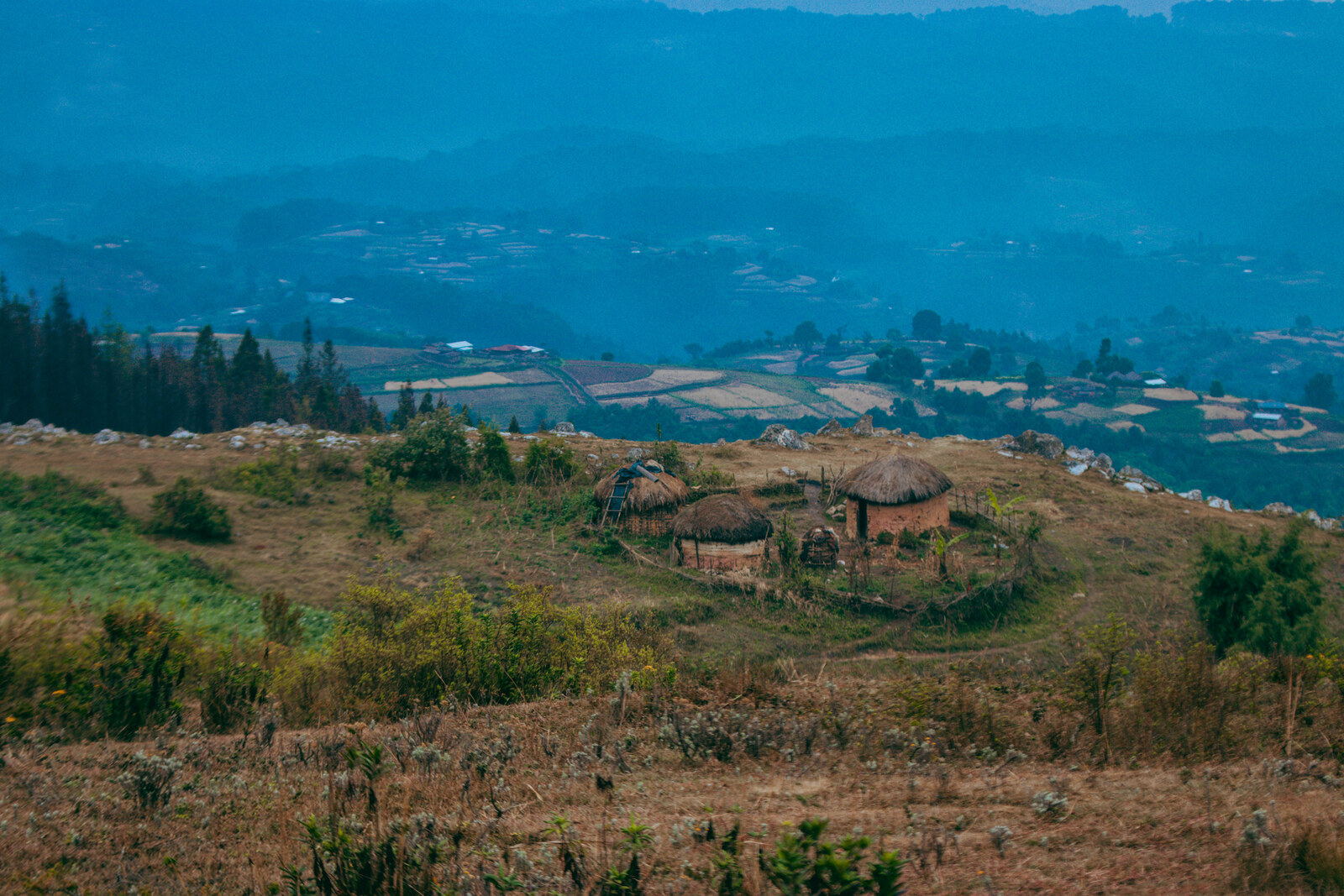
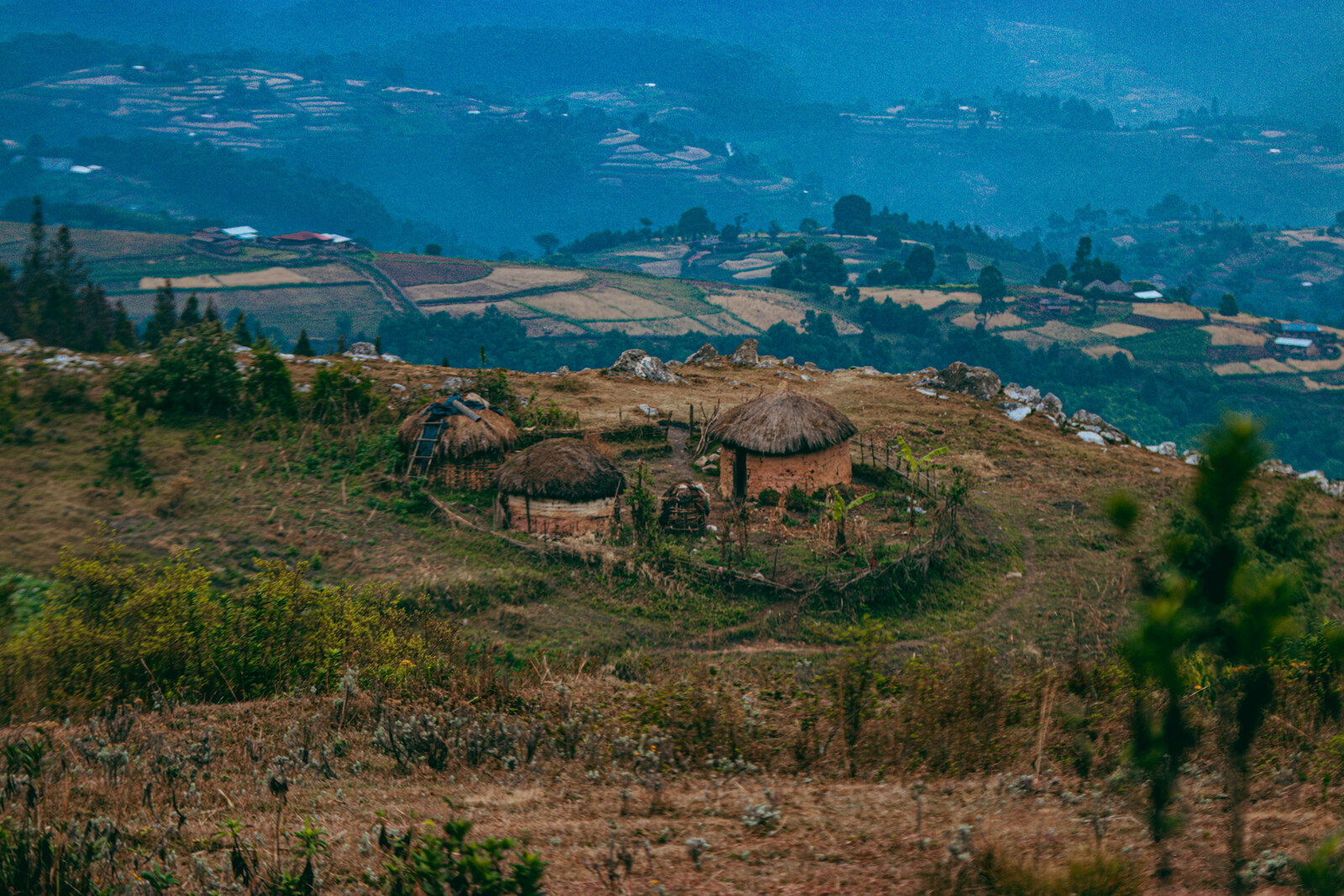
The Nyakazu escarpment is a visible scar of the East African Rift System — the same deep tectonic process that opened the Red Sea, raised the Ethiopian Highlands, and carved the great lakes of the Rift Valley. Here in southeastern Burundi the highland plateau drops abruptly into the Kumoso depression, a broad lowland that rolls east toward Tanzania.
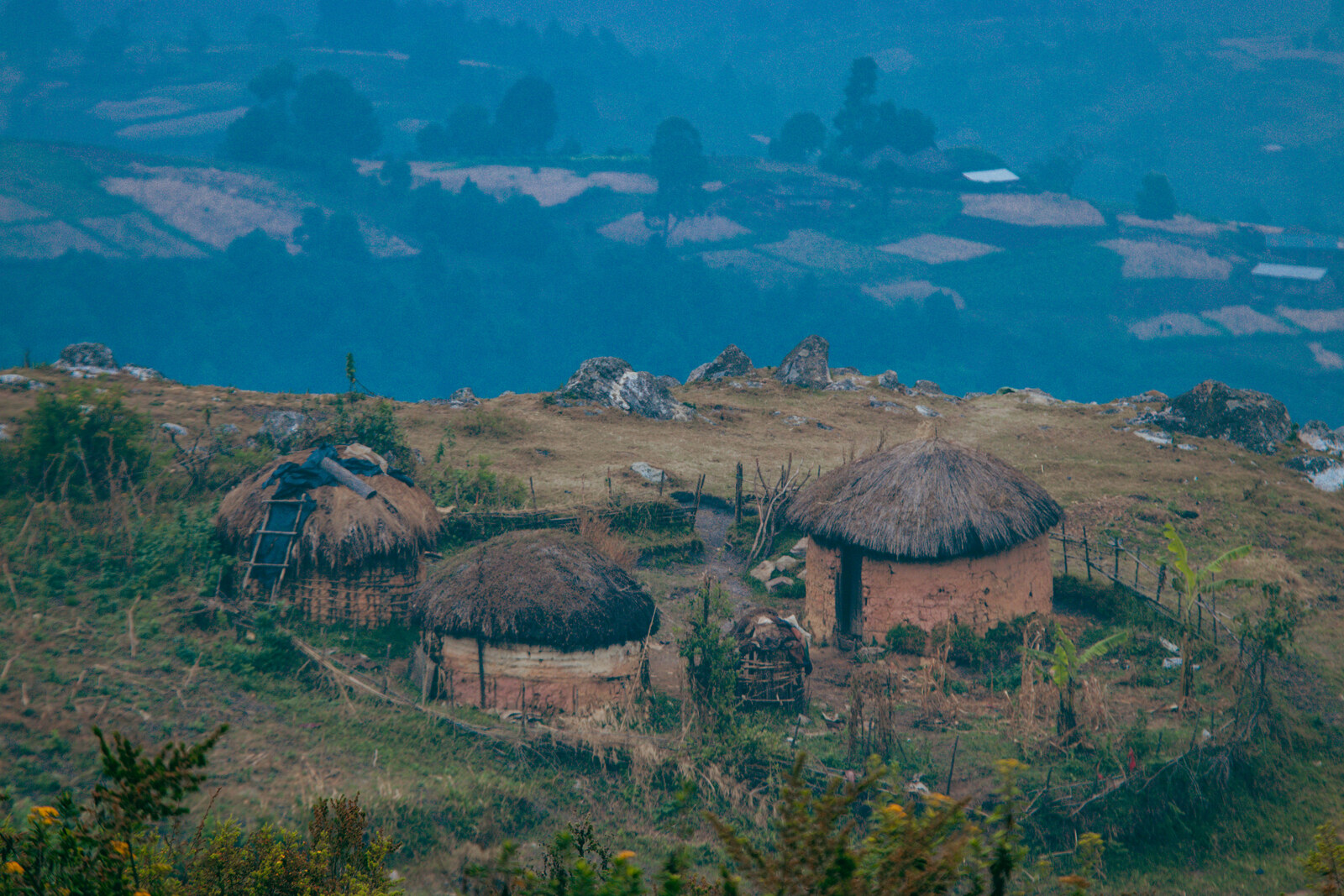
From the rim you read the landscape in layers: the near cliff of fractured highland rock, the forested gorge below, then the open plain stretching to a hazy horizon. On clear dry-season mornings the view runs for tens of kilometres. The Nkoma massif anchors the skyline — a reminder that this is still young, restless geology by Earth's standards, even if the human eye sees only stillness.
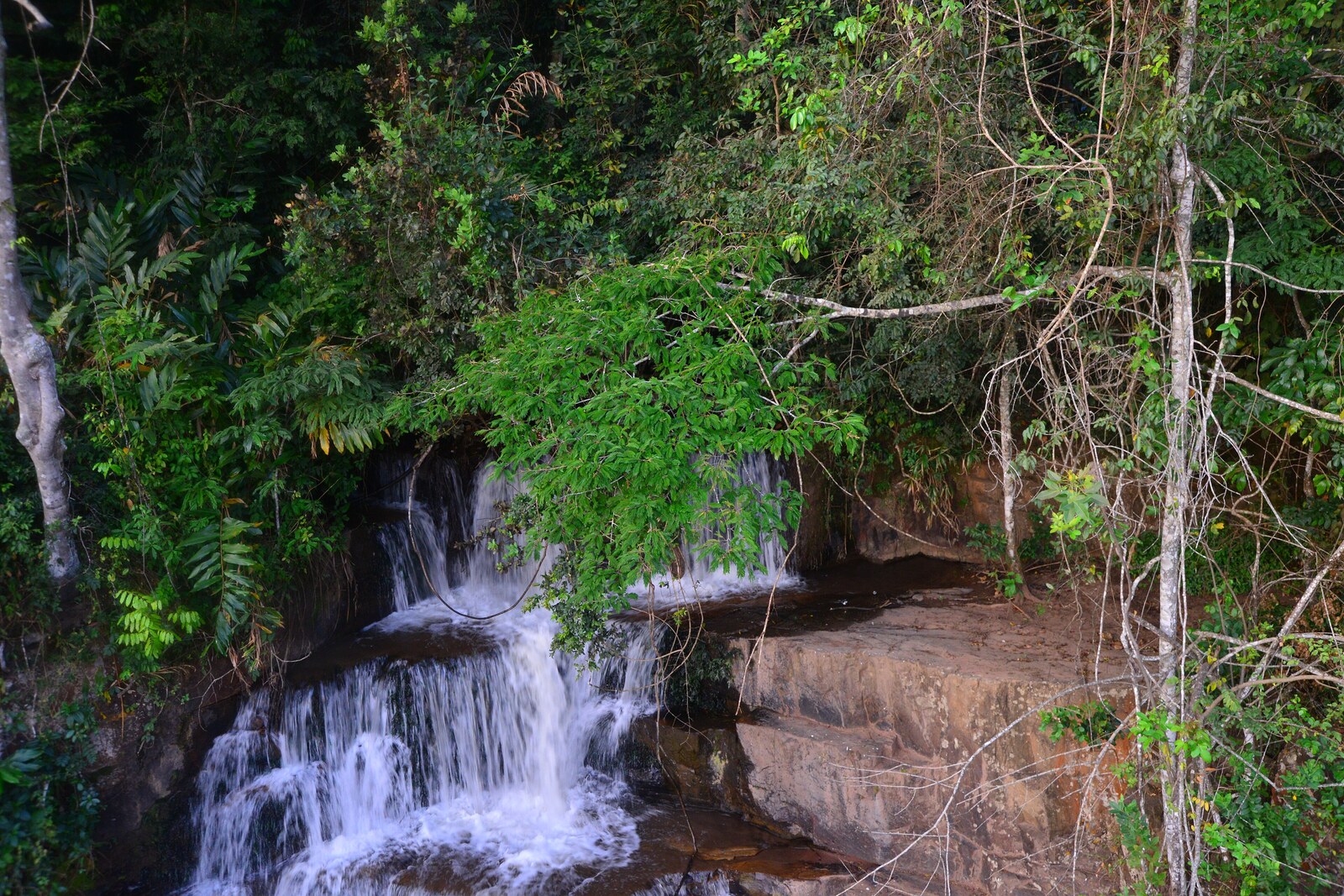
In the wet months a seasonal waterfall of more than a hundred metres can thread the rock face, turning the escarpment into a vertical river. In the dry months the trails firm, the mist lifts, and the long views become the main event.
WWI History — Why "Failles des Allemands"?
Before 1916 this corner of Africa was part of German East Africa. When the First World War reached the region, German colonial forces used high ground for observation and defence. A military post on the Nyakazu rim watched the approaches from the Kumoso plain — a natural fortress with a commanding field of view.
After the war the territory passed to Belgian administration under a League of Nations mandate, and French became the language of maps and administration. The escarpment kept the name the Belgians gave it: Failles des Allemands, the Fault of the Germans. Locally it remains Nyakazu. Both names are correct; both tell part of the story.
Little physical fortification survives for casual visitors to inspect — the drama is the place itself, and the knowledge that soldiers once stood where you stand, reading the same plain for very different reasons. It is one of the few sites in Burundi where deep geological time and twentieth-century world history occupy the same viewpoint.
Things to Do at the Nyakazu Fault
1. Stand on the Rim Viewpoint
The classic visit is simple and powerful: walk to the main viewpoint on the highland rim and take in the full sweep of cliff, gorge and plain. Allow time. The scale only settles in after a few quiet minutes. Early morning and late afternoon give the best light and the longest shadows across the Kumoso floor.
2. Walk the Escarpment Paths
Short paths run along sections of the rim and toward secondary lookouts. They are not technical hikes, but the ground can be uneven and the drop is real — stay on established tracks, keep well back from unprotected edges, and wear grippy shoes. A local guide knows which spurs are safe after rain.
3. Hunt the Seasonal Waterfall
In and just after the rains, a cascade of 100+ metres can appear on the cliff face. It is not a guaranteed spectacle every wet day, but when it runs it transforms the escarpment into something closer to a highland Yosemite wall. Pair a wet-season Nyakazu stop with peak-flow Karera Falls for a full water-and-rock day.
4. Photography & Geology Watching
Bring a wide lens for the plain and a longer one for cliff detail and the Nkoma massif. Clear dry-season air is ideal for big landscape frames; moody wet-season cloud adds drama. Birdlife uses the cliff edge and gorge forest — binoculars earn their keep.
5. Connect the Rutana Circuit
Nyakazu is at its best as part of a day, not a detour. Most visitors combine it with Karera Falls and the Source of the Nile monument, turning one long drive from Bujumbura into three of Burundi's finest highland experiences.
Best Time to Visit Nyakazu
| Season | Months | What to Expect |
|---|---|---|
| Long Dry Season | June – September | Clearest long-range views over Kumoso, firmest rim trails, most comfortable driving. Best overall window for first-time visitors. |
| Long Rains | March – May | Greenest slopes, best chance of the seasonal cliff waterfall, dramatic cloud. Trails muddier; mist can hide the plain. |
| Short Rains | October – December | Landscapes greening, fewer visitors, afternoon showers possible. Good shoulder-season option. |
| Short Dry / Early Rains | January – February | Strong light, building greenery, workable roads — a fine balance if you also want peak Karera flow. |
Recommendation: Choose June to September for the classic clear-horizon Nyakazu experience. Choose January to May if you want the escarpment green and the seasonal waterfall in play — and accept that cloud may steal the long view on some mornings. Either way, arrive in the morning for the best light and the calmest air.
How to Get to the Nyakazu Fault
From Bujumbura
Nyakazu lies roughly 130-150 km southeast of Bujumbura, a 3-4 hour drive via Gitega and Rutana. Main roads are largely surfaced; the final approach uses dirt tracks where a 4x4 is strongly recommended, especially after rain. Almost all visitors travel with a private vehicle and driver-guide on a full-day southeastern circuit.
From Rutana Town
If you are already in the southeast, the fault is a short hop from Rutana town and pairs naturally with Karera Falls the same morning or afternoon.
Guides, Entry & Practicalities
The site is managed as a natural monument. Expect a modest local entry or guide arrangement similar to other Rutana sights — carry cash in Burundian francs. A local guide adds safety on the rim and context for both the geology and the German-post story. There are minimal facilities; bring water and any snacks you need.
Combine Nyakazu With Nearby Highlights
Karera Falls (Chutes de la Karera)
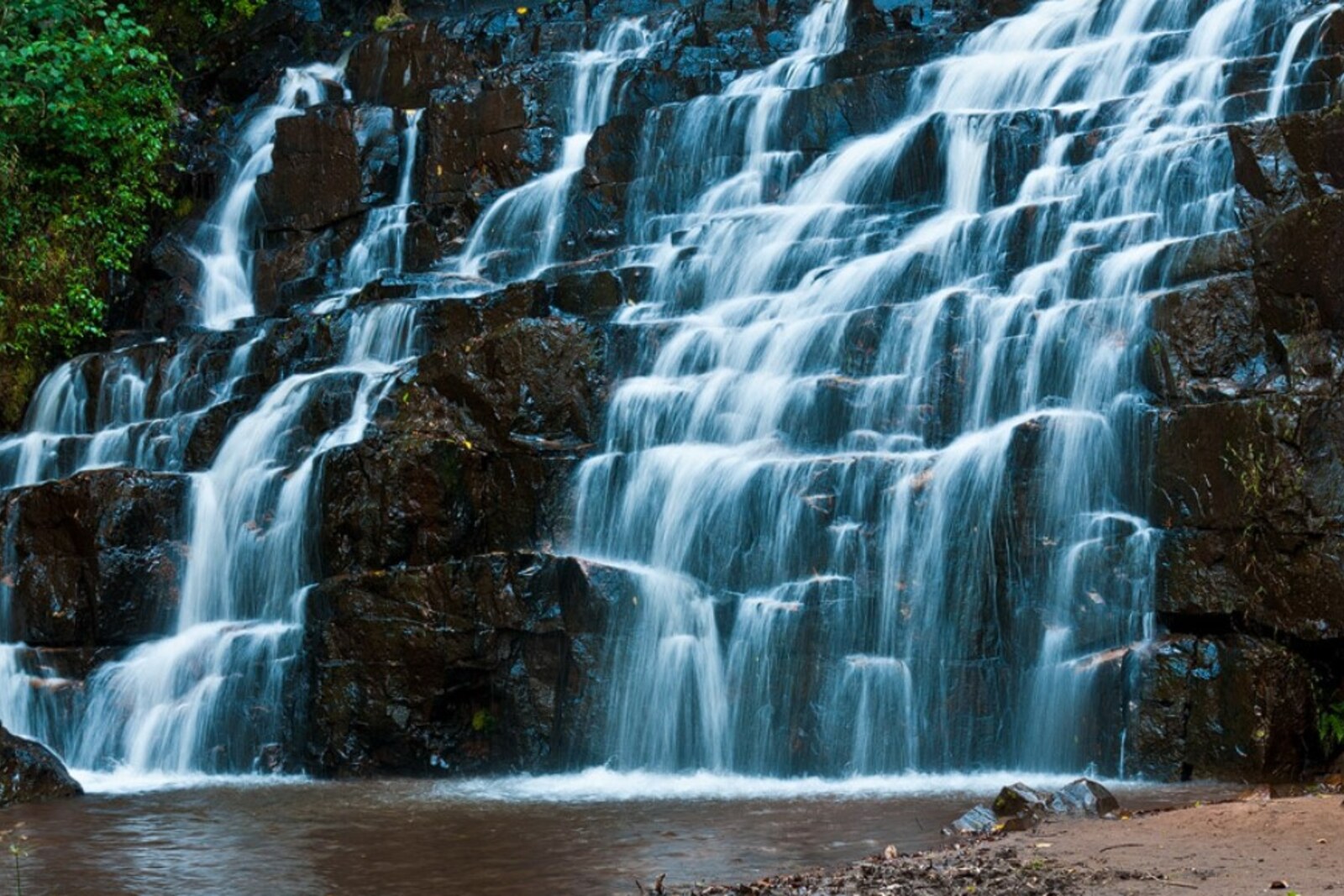
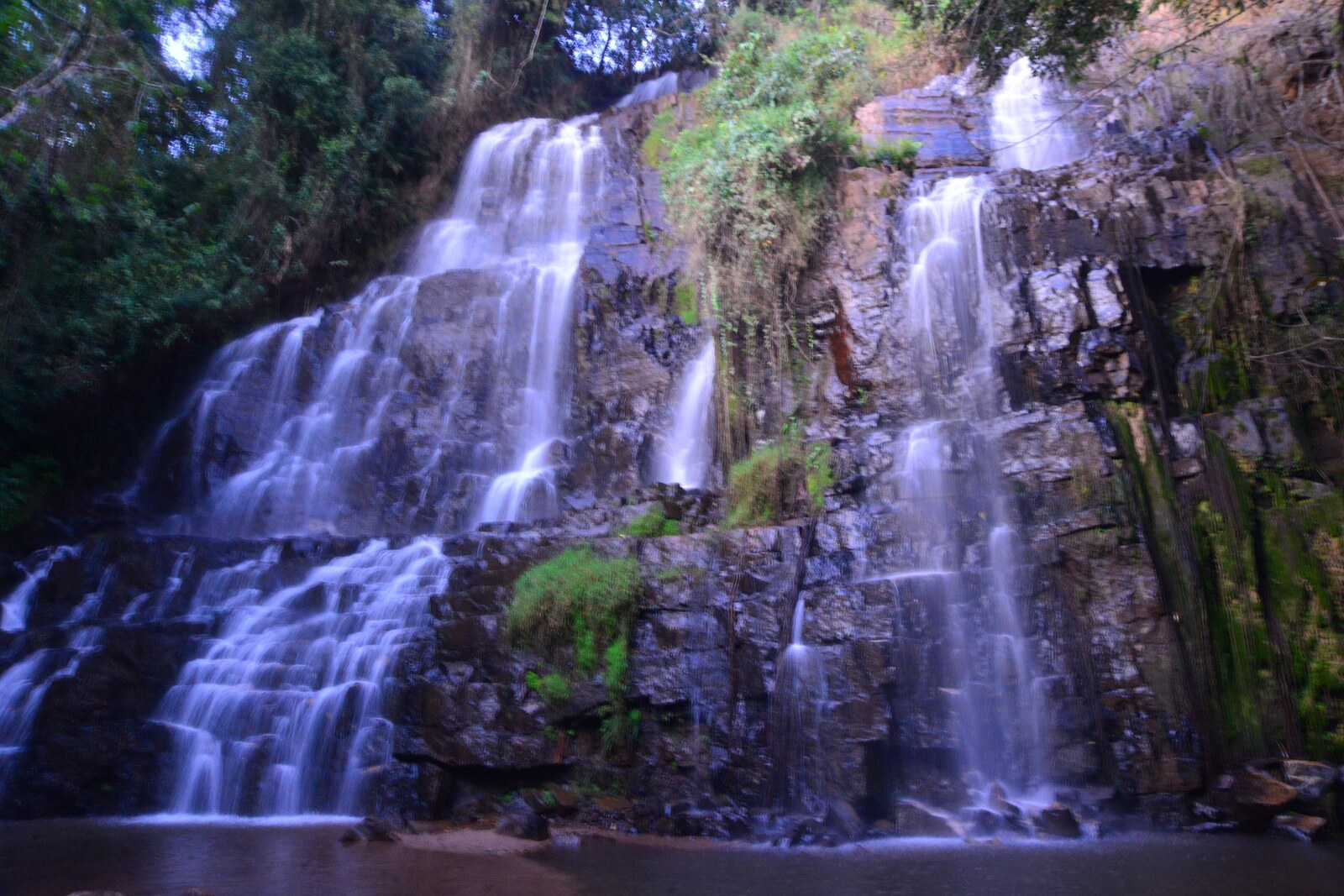
Burundi's signature four-tier waterfall, ~140 m of cascades through highland forest — the natural partner to Nyakazu's dry drama. See our Karera Falls complete guide.
Source of the Nile (Rutovu)
The Caput Nili pyramid monument marking the southernmost source of the Nile sits in the same southeastern highlands. See our Source of the Nile Burundi guide.
Gishora Royal Drummers
On the road via Gitega, the UNESCO-recognized Royal Drummers of Burundi at Gishora add living cultural thunder to a day of rock and water.
Ruvubu National Park
Further north, Burundi's largest park offers hippos, boat safaris and savanna game. See our Ruvubu National Park guide.
Sample Itineraries Featuring Nyakazu
1-Day: Southeastern Trinity from Bujumbura
- 06:00 — Depart Bujumbura by private 4x4 via Gitega.
- 09:30 — Karera Falls — walk the cascade circuit in morning light.
- 12:00 — Picnic near the falls or en route.
- 13:00 — Nyakazu Fault — rim viewpoint, gorge and Kumoso plain.
- 15:00 — Source of the Nile (Rutovu pyramid) if time and energy allow.
- Return to Bujumbura by early evening.
2-Day: Highlands & Heritage Loop
Day 1: Bujumbura → Gitega → Gishora Royal Drummers → overnight Gitega or Rutana.
Day 2: Karera Falls (morning) → Nyakazu Fault → Source of the Nile → return to Bujumbura & Lake Tanganyika sunset.
3-Day: Drums, Wildlife & the Rift
Day 1: Bujumbura → Gishora → Ruvubu National Park (overnight near park).
Day 2: Ruvubu boat safari & game drive → drive south → overnight Rutana/Gitega.
Day 3: Karera Falls → Nyakazu Fault → Source of the Nile → return to Bujumbura.
Where to Stay Near Nyakazu
There is no lodge on the escarpment itself. Base in the same towns you would use for Karera:
- Rutana: Simple guesthouses for a true southeastern base (~$20-40/night).
- Gitega: Hotel Tropitel and mid-range guesthouses ($40-80/night) — the most convenient highland hub.
- Bujumbura: Lakefront hotels such as Hotel Club du Lac Tanganyika and Tanganyika Blue Bay Resort ($80-180/night) for the start and end of the journey.
What to Bring
- Grippy footwear — rim paths can be loose, dusty or muddy.
- Wind layer — the escarpment edge is often breezy even on warm days.
- Sun protection & water — exposed viewpoint, limited shade and facilities.
- Cash (Burundian francs) — for entry, guide and tips.
- Camera with wide + short-tele lenses — plain vistas and cliff detail both reward you.
- Binoculars — for distant plain detail, the massif and cliff-edge birds.
- Light rain jacket in the wet season — mist and showers move fast along the rift.
Safety & Responsible Visiting
Nyakazu is a rewarding, generally straightforward scenic stop — treat the cliff with the respect it deserves:
- Stay back from the edge: There are sheer drops and unprotected sections of rim. Keep children close; never climb out onto overhanging rock for a photo.
- Go with a guide: Local knowledge keeps you on safe paths and adds the German-post and geology story.
- Check advisories: Review your government's current travel advice for Burundi and use a reputable operator who monitors local conditions.
- Drive by day: Highland roads are winding; final tracks are rough — avoid night driving.
- Health: Yellow fever vaccination certificate required for entry to Burundi; malaria prophylaxis and insect repellent recommended.
- Leave no trace: Carry out all rubbish; do not disturb vegetation or any remaining historical traces on the rim.
Final Thoughts — Burundi's Ancient Rift
The Nyakazu Fault does not shout. It does not need to. You walk out to the rim, the wind comes up off the plain, and the ground simply falls away — three hundred metres of rift rock, a gorge of forest, and the Kumoso depression rolling toward another country. Somewhere in that view is a century-old echo of a German watch post; everywhere in it is the deeper story of a continent still slowly pulling itself apart.
Pair Nyakazu with the silver cascades of Karera, the Caput Nili pyramid at the Source of the Nile, the sacred drums of Gishora and a Lake Tanganyika sunset, and you have a Burundi journey that almost nobody you know has taken — and that you will not forget.
Come stand at the edge. Feel geological time under your boots. This is Burundi's ancient rift — wild, historic, and unforgettable.