Key Takeaways — Lake Cohoha
- What: A hidden northern crater lake shared with Rwanda.
- Where: Kirundo Province, far northern Burundi (~220-240 km / 4-5 hours from Bujumbura).
- Character: Peaceful, shallow, scenic — less famous and less visited than Lake Rwihinda.
- Highlights: Endemic cichlid fish, traditional fishing pirogues, off-beaten-path birding, cultivated highland scenery.
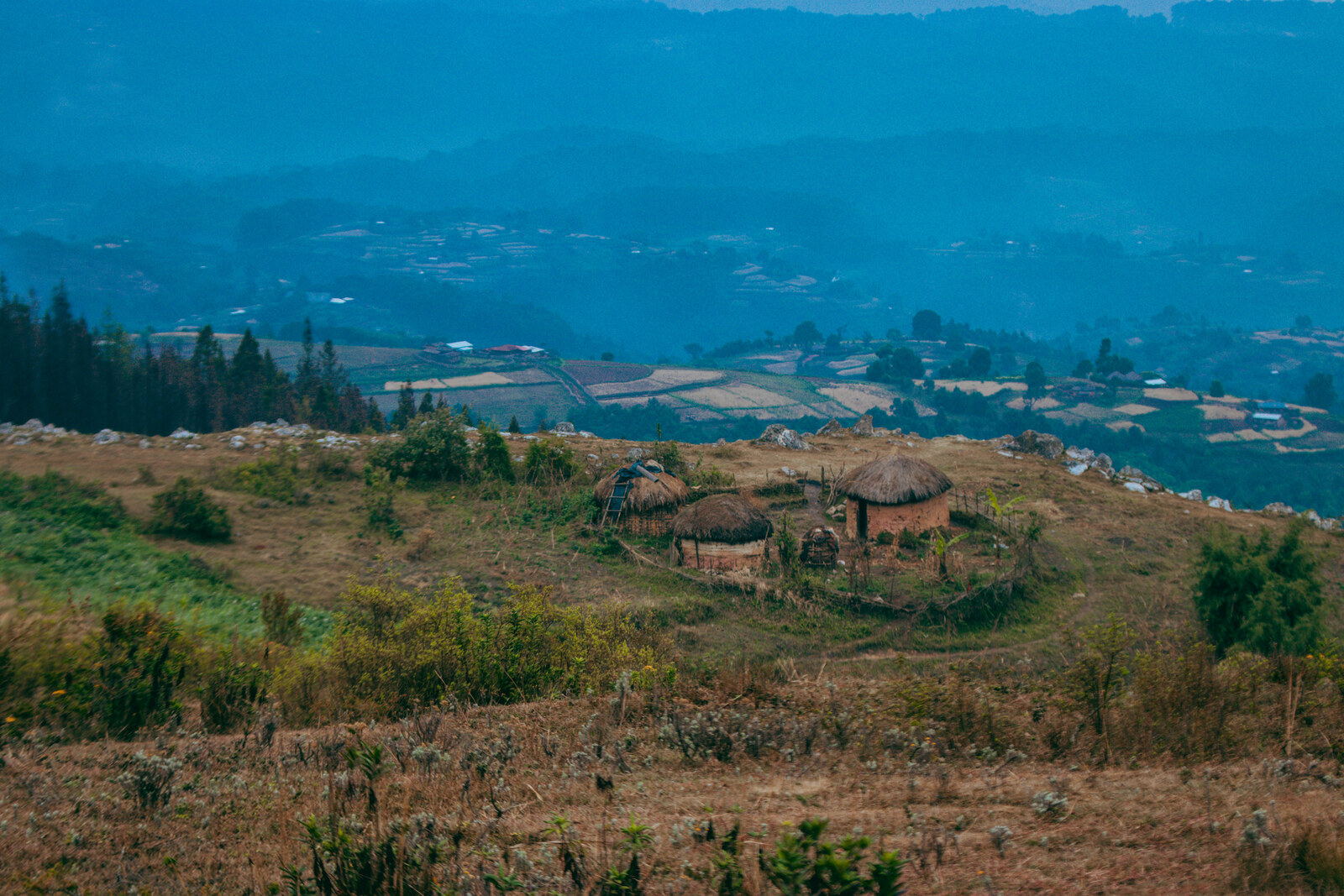
- Setting: Crater lake on the northern plateau at ~1,400-1,500 m, surrounded by green terraced hills.
- Best Time: June–September for easiest travel; November–May for lush green landscapes.
- Entry: No formal fee; hire local guide or pirogue (~$10-30 pp).
- Combine With: Lake Rwihinda (the Lake of Birds) & Lake Rweru for a northern-lakes loop.
Why Visit Lake Cohoha?
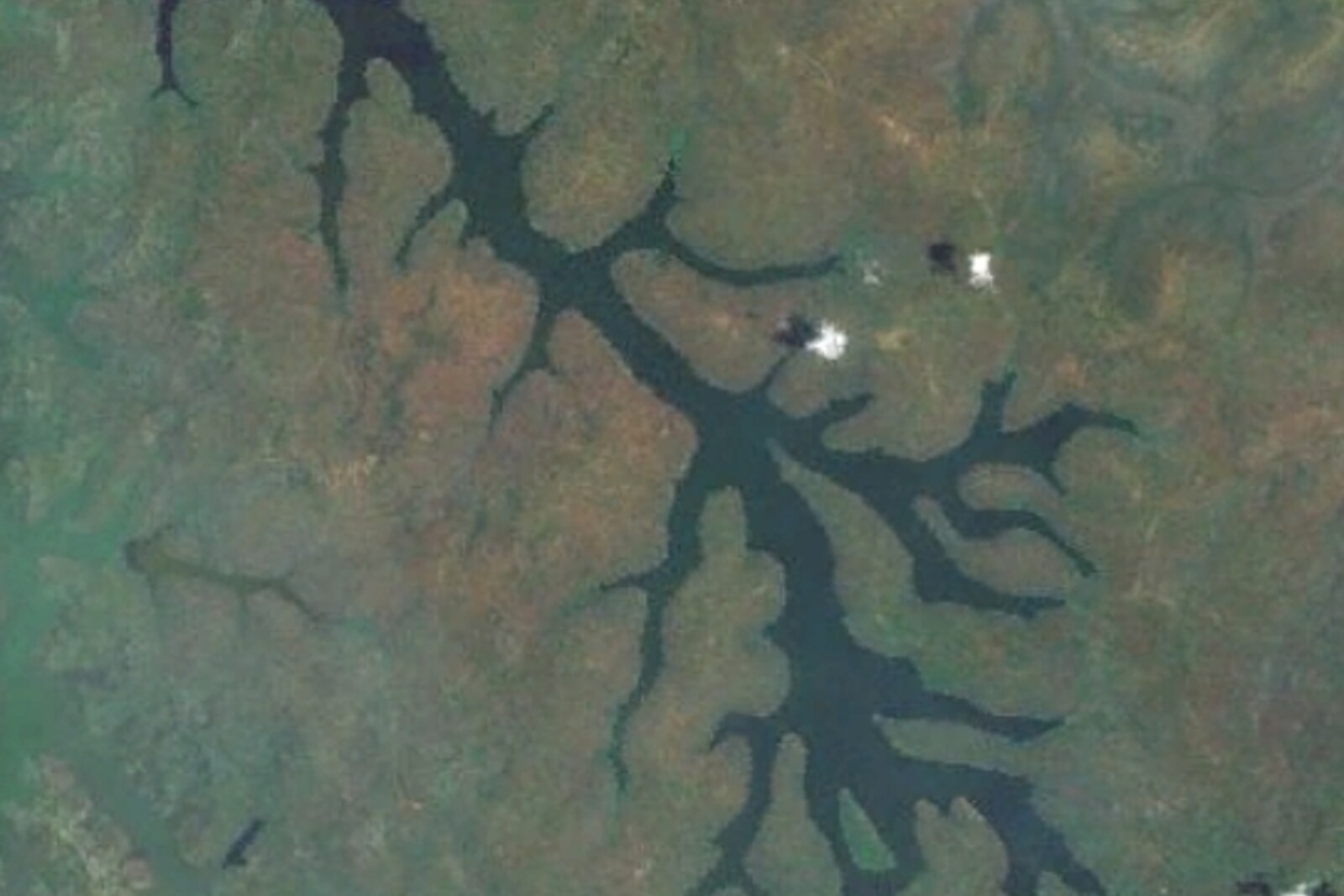
There is a lake in the far north of Burundi that does not appear in the guidebooks, does not have a lodge on its shore, and almost never sees a foreign visitor. Lake Cohoha — a shallow, peaceful crater lake on the border with Rwanda — sits quietly on the green plateau of Kirundo Province, its surface mirroring the sky and its shallows hiding fish found nowhere else on Earth.
What Cohoha offers is not drama or spectacle, but something rarer: genuine remoteness and a window into traditional lakeside life. The fishermen here paddle wooden pirogues by hand and cast their nets as their grandfathers did. The birders who come — and there are not many — speak quietly of cormorants, kingfishers and ducks, and of a silence that feels like it belongs to another century. The endemic cichlid fish that flash beneath the surface exist nowhere else, having evolved in isolation in the lake's clear waters.
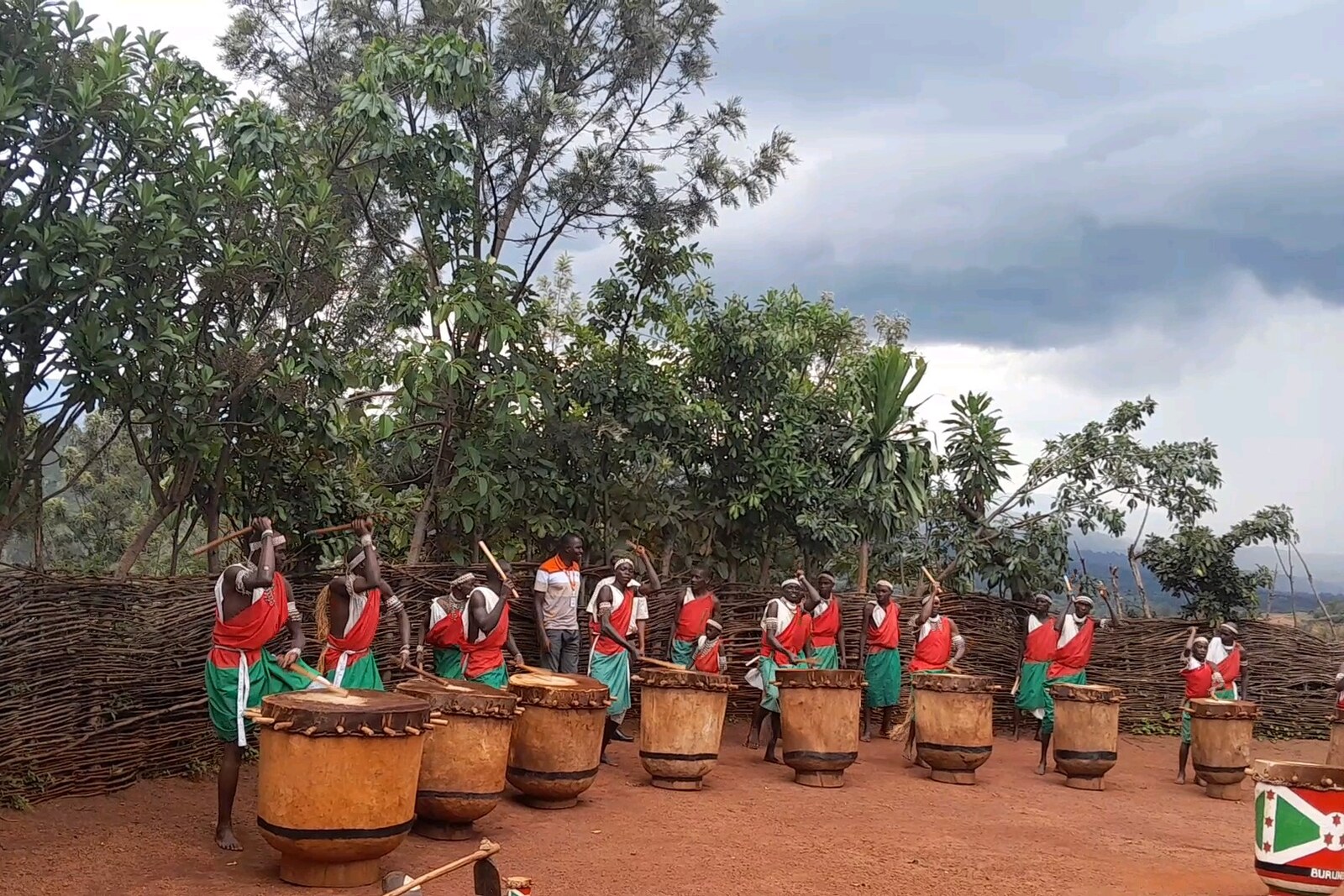
For travelers building a Burundi journey around the royal drummers of Gishora, the bird-watching sanctuary of Lake Rwihinda and the beaches of Lake Tanganyika, Cohoha is the quiet detour — the lake that no one else has heard of, and that you will remember longest.
Lake Cohoha — At a Glance
| Attribute | Details |
|---|---|
| Type | Shallow crater lake (shared with Rwanda) |
| Character | Peaceful, scenic, off-the-beaten-path — less visited than Rwihinda |
| Highlights | Endemic cichlid fish, traditional fishing pirogues, birding, cultivated highland scenery |
| Location | Kirundo Province, far northern Burundi (near the Rwandan border) |
| Elevation | ~1,400-1,500 m (northern plateau) |
| Distance from Bujumbura | ~220-240 km / 4-5 hours (via Ngozi & Kirundo) |
| Entry | No formal fee; hire local guide or pirogue (~$10-30 pp) |
| Best Time | Jun–Sep (easiest travel) / Nov–May (lush green) |
| Time Needed | 2-3 hours on the lake; half-day or full day from Kirundo |
Cohoha is often described as Lake Rwihinda's quieter twin. Where Rwihinda is a protected Ramsar reserve with huge waterbird colonies, Cohoha is a borderland crater lake — larger, less regulated, and less travelled. The two lakes are close enough to visit on the same trip, and together they offer a glimpse of northern Burundi that almost no one from outside the region ever sees.
What to See & Do at Lake Cohoha
1. Endemic Cichlid Fish
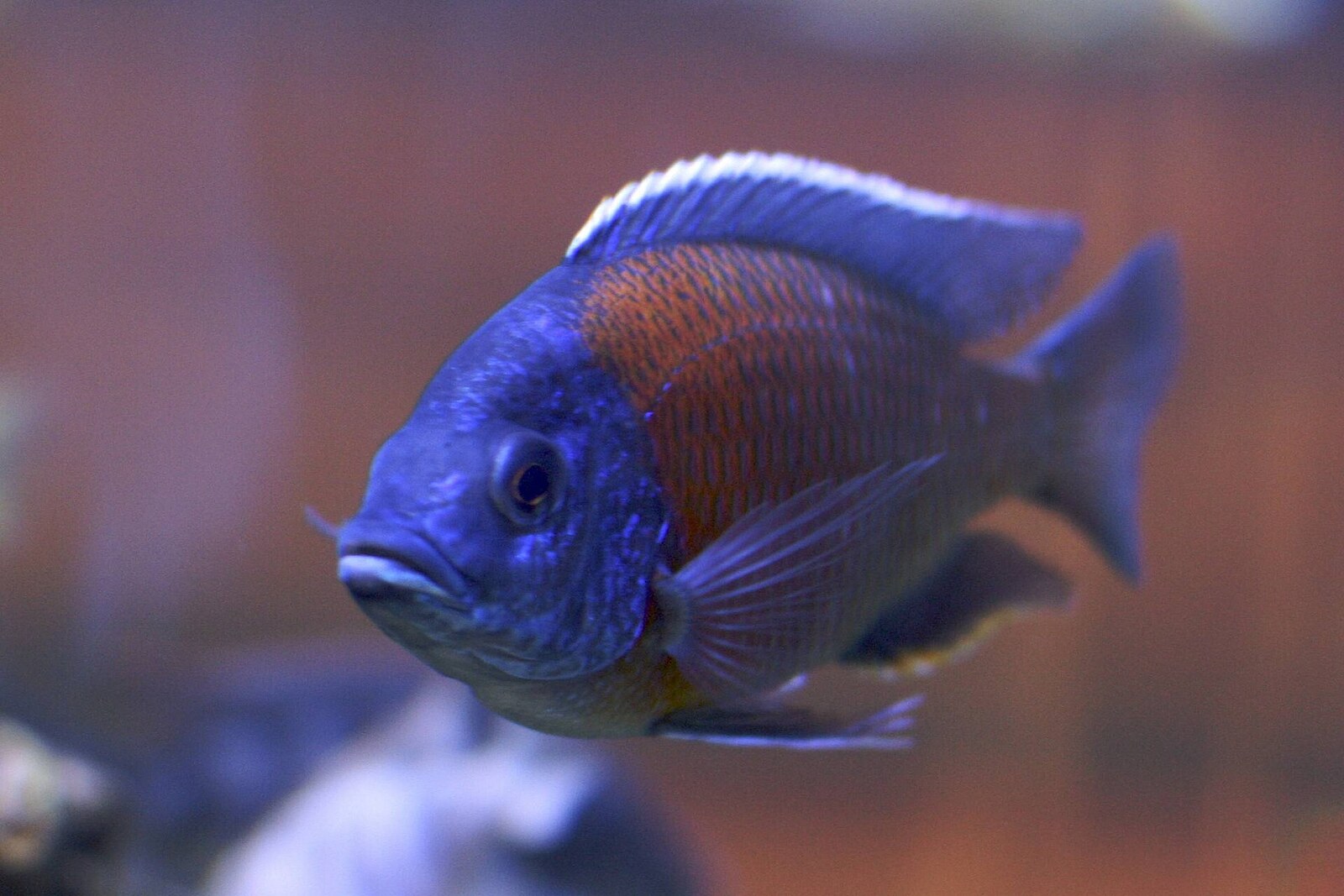
Lake Cohoha, like other northern crater lakes in the region, is home to endemic species of cichlid fish — small, colourful fish found nowhere else on Earth. These cichlids have evolved in isolation in the lake's clear waters over thousands of years, and they are a point of fascination for ichthyologists and nature lovers. Local fishermen catch and release them using traditional methods, and a patient observer at the water's edge can sometimes glimpse their colours in the shallows.
2. Traditional Fishing Pirogues
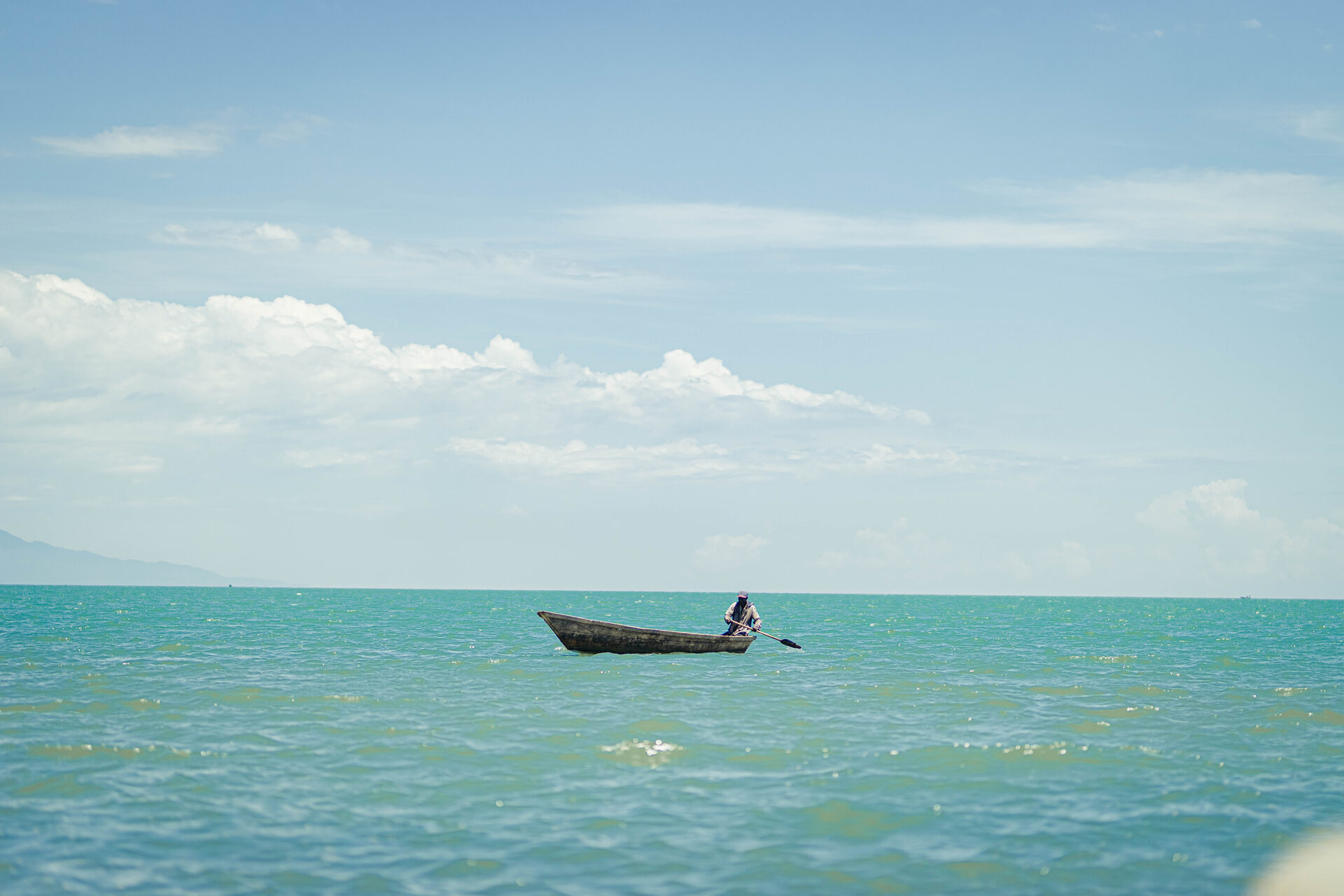
The signature image of Cohoha is the wooden pirogue — a traditional dugout canoe paddled quietly across the still water by local fishermen. Unlike Rwihinda, where pirogues are hired for birdwatching, Cohoha's pirogues are working boats, fishing for the local catch. If you arrange it with a guide, a fisherman may take you out for an hour to drift the shallows and watch the nets come in — a timeless, unhurried experience.
3. Birding
Cohoha does not have Rwihinda's huge waterbird colonies, but it is still rewarding for birders. Expect to see cormorants, kingfishers, ducks, herons and egrets working the shallows and the papyrus fringes. Early morning is the best time, when the water is calm and the birds are active.
4. Scenic Beauty & Photography
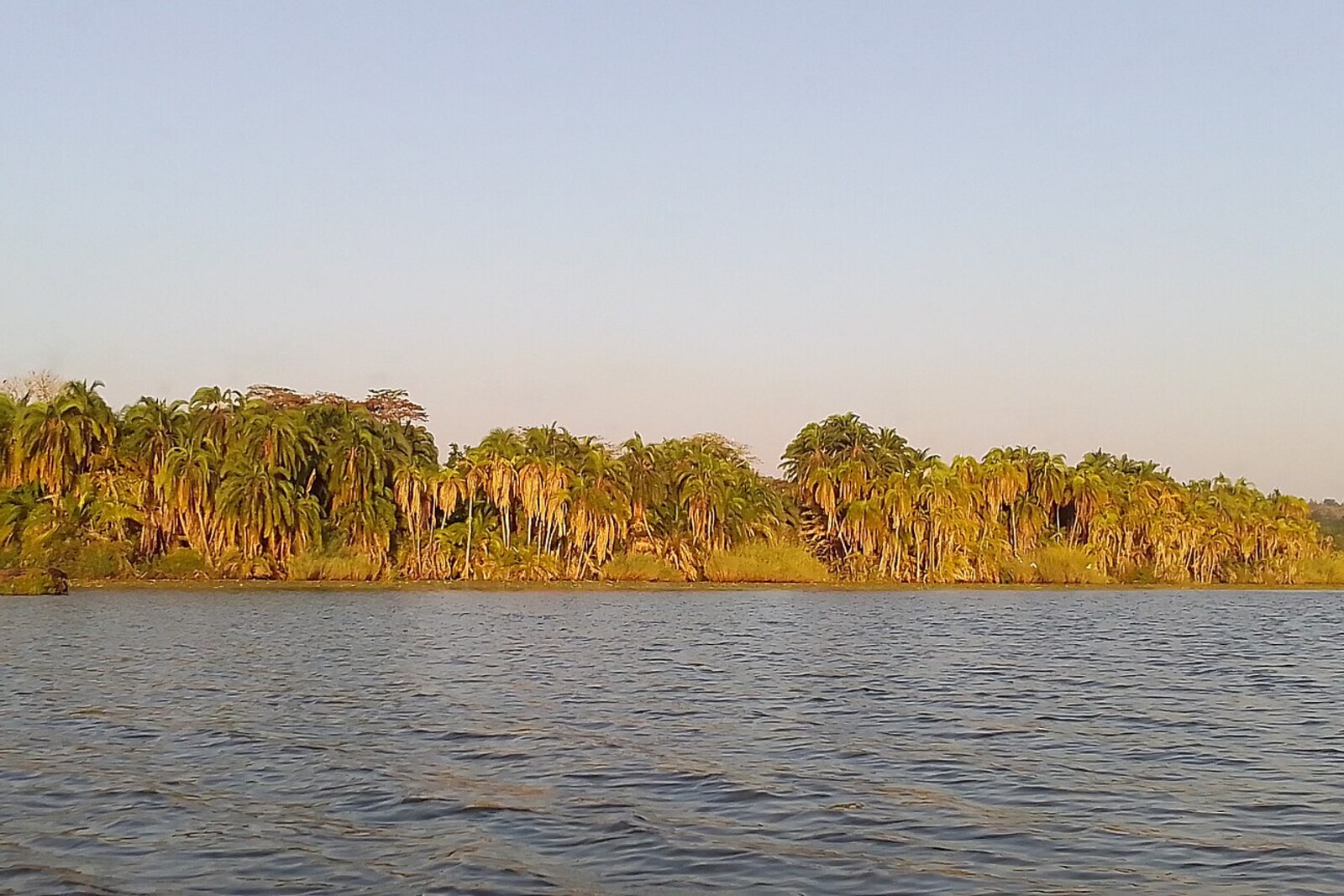
The cultivated green hills that ring the lake — terraced with banana, bean and cassava plots — make for beautiful, pastoral scenery. Bring a camera for the mirror-calm water at dawn, the pirogue silhouettes, and the wide skies that stretch from Burundi into Rwanda.
5. Border-Lake Culture
Cohoha sits on the border with Rwanda, and the lakeside communities on both sides share customs, language and a long history of coexistence. A local guide can introduce you to the fishermen, explain the traditional nets and boats, and share the stories of the lake.
Best Time to Visit Lake Cohoha
| Season | Months | What to Expect |
|---|---|---|
| Long Dry Season | June – September | Easiest travel to the far north, clear skies, comfortable temperatures. Roads in best condition. Best for combining multiple northern sites. |
| Short Rains | October – December | Landscapes greening up, occasional afternoon showers, few visitors. Migratory birds arriving. |
| Long Rains | March – May | Lush green hills, full lake levels, heavier showers. Roads can be muddy; 4x4 recommended. |
| Short Dry / Early Rains | January – February | Pleasant temperatures, occasional rain, good birdlife. A quieter time to visit. |
Recommendation: For the easiest travel and reliable road access to the far north, choose June to September. For lush, green landscapes and the chance of migratory birds, November to February can be rewarding. Whatever the season, come in the morning when the water is calm and the light is soft.
How to Get to Lake Cohoha
From Bujumbura
Lake Cohoha is roughly 220-240 km north of Bujumbura, a 4-5 hour drive via Ngozi to the town of Kirundo. The main roads are mostly surfaced, but the far north is remote, so a private vehicle with a driver-guide is the practical choice. Because of the distance, most visitors either make it a long day trip from Ngozi or overnight in Kirundo to explore the northern lakes at a relaxed pace.
From Kirundo Town
From Kirundo, the provincial capital, the lake is a short drive away. Kirundo makes the natural base for exploring both Cohoha and Rwihinda on the same trip.
Guides & Pirogue Hire
There is no formal entry gate or ticket booth at Cohoha. If you want to hire a local guide or a pirogue with a fisherman, arrange it through your driver-guide or by asking at the lakeside. Fees are modest (roughly $10-30 per person depending on group size and time). Carry cash in Burundian francs.
Combine Cohoha With Nearby Highlights
Lake Rwihinda (the Lake of Birds)
Kirundo's other great lake, Rwihinda, is a protected Ramsar wetland reserve famous for its huge waterbird colonies — pelicans, openbill storks, egrets, herons and crowned cranes. The two lakes are close enough to visit on the same day. See our Lake Rwihinda Burundi guide.
Lake Rweru
Larger than Cohoha and also shared with Rwanda, Rweru is another borderland lake worth exploring if you have time in the north.
Ruvubu National Park
To the southeast lies Burundi's largest park — hippos, elephants, buffalo and boat safaris along the Ruvubu River. See our Ruvubu National Park guide.
Gishora Royal Drummers
On the road back south toward Gitega, the UNESCO-recognized Royal Drummers of Burundi at Gishora deliver a thunderous cultural counterpoint to Cohoha's silence.
Lake Tanganyika & the Source of the Nile
Round out the journey on the great Rift lake at Bujumbura and in the southern highlands. See our Lake Tanganyika Burundi guide and Source of the Nile Burundi guide.
Sample Itineraries Featuring Lake Cohoha
2-Day: Northern Lakes from Bujumbura
- Day 1: Depart Bujumbura, drive north via Ngozi to Kirundo (4-5 hours); afternoon at Lake Cohoha (pirogue trip, shore birding); overnight Kirundo.
- Day 2: Dawn pirogue on Lake Rwihinda (the Lake of Birds); late morning return south to Ngozi or Gitega.
3-Day: Drums, Wildlife & Northern Lakes
Day 1: Bujumbura → Gitega (Gishora Royal Drummers) → Ngozi overnight.
Day 2: Ngozi → Kirundo → morning at Lake Cohoha, afternoon at Lake Rwihinda → overnight Kirundo.
Day 3: Lake Rweru exploration → return to Bujumbura & Lake Tanganyika sunset.
Extended Northern Loop
Add Cohoha and Rwihinda as a two-day northern extension to any central-Burundi itinerary — the perfect complement to Ruvubu's wildlife and the country's cultural sites, delivering a lake-and-highland experience few travelers ever see.
Where to Stay Near Lake Cohoha
There is no accommodation on the lake itself. Most visitors base in Kirundo or Ngozi, or overnight en route.
- Kirundo: Basic guesthouses in the provincial town for early starts on the northern lakes (~$20-40/night).
- Ngozi (~70 km): The largest town of the north with simple hotels and guesthouses ($30-60/night) — a convenient staging base.
- Bujumbura: Lakefront hotels such as Hotel Club du Lac Tanganyika and Tanganyika Blue Bay Resort ($80-180/night) for the start and end of the trip.
What to Bring
- Binoculars — for the birdlife around the lake.
- Camera — for the pastoral scenery, pirogues and morning light.
- Sun hat & sunscreen — the water is exposed and the plateau sun is strong.
- Light layers — mornings can be cool before the sun climbs.
- Cash (Burundian francs) — for guides, pirogue hire and tips; no card facilities.
- Insect repellent — mosquitoes are present near the water.
- Dry bag — to protect cameras and phones in the pirogue.
Safety & Responsible Visiting
Lake Cohoha is a quiet, rural area and a rewarding, low-key excursion — but it lies in a remote corner of the country, and a little planning goes a long way:
- Go with a guide: They know the local customs, the safe areas, and can bridge the language gap.
- Respect the fishermen: The pirogues and nets are working equipment; ask before photographing people or boats.
- Mind the water: Follow your boatman in the pirogue, keep your weight low and balanced.
- Check advisories: Review your government's current travel advice for Burundi before you travel, and use a reputable operator who monitors conditions in the north.
- Health: A yellow fever vaccination certificate is required to enter Burundi; malaria prophylaxis and insect repellent are recommended.
- Travel by day: The far north is a long haul on rural roads — drive in daylight and allow generous time.
Final Thoughts — Where the Northern Lakes Keep Their Secrets
Lake Cohoha is not on the map in your guidebook. It does not have a TripAdvisor page or an Instagram tag. But for the traveler willing to drive a little further and turn off a little earlier, it is one of the most genuine, unhurried experiences Burundi has to offer.
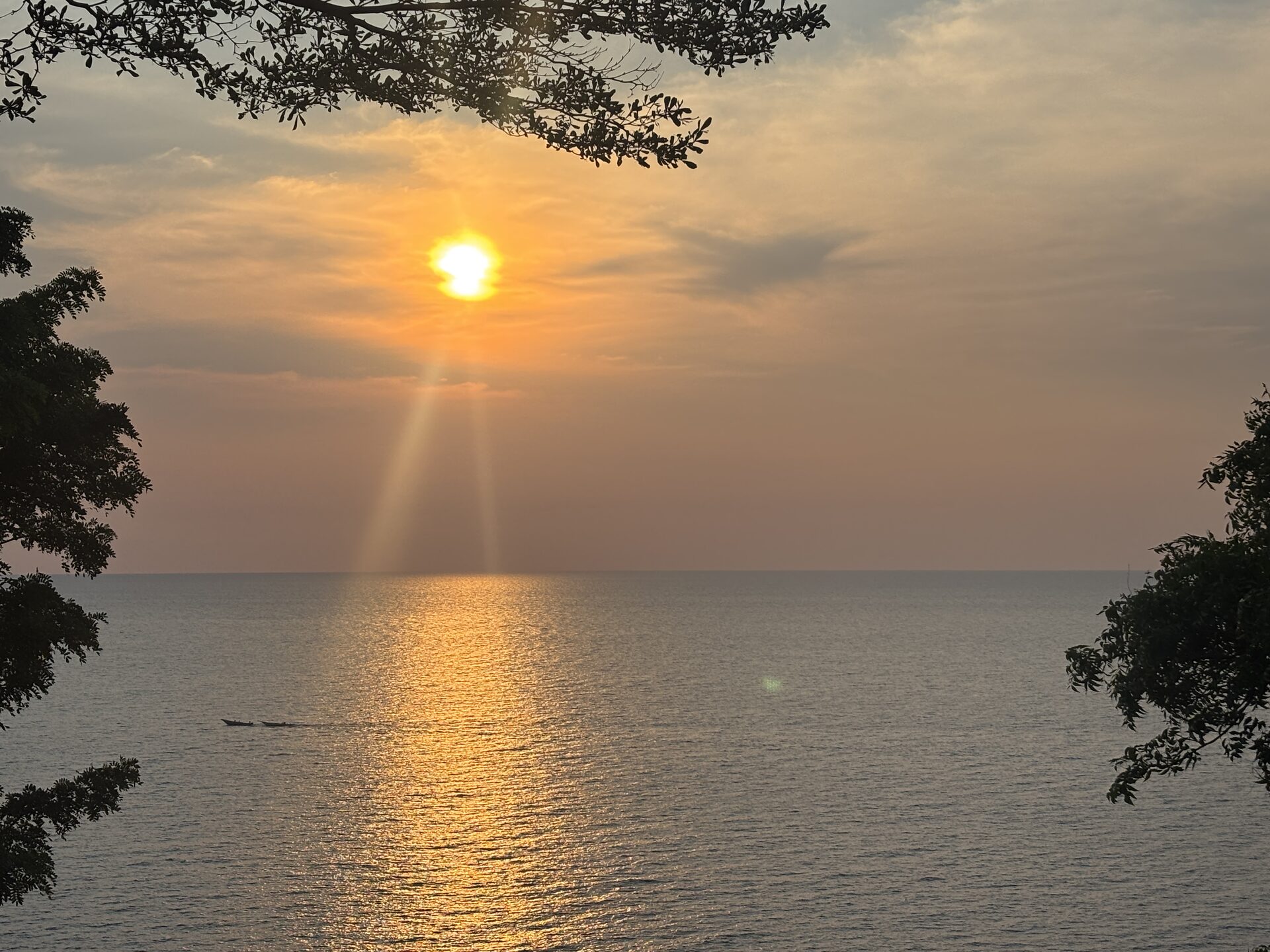
To drift across the morning glass in a fisherman's pirogue, with the green hills of two countries rising on either side and endemic fish flashing beneath the surface, is to see a corner of Africa that has not changed in a hundred years. Pair it with the birds of Rwihinda, the drums of Gishora, the hippos of Ruvubu and the sunsets of Lake Tanganyika, and you have a Burundi journey that no one back home will have taken.
Cohoha is the lake that few travelers ever see — and the one they remember longest.
Come and drift a while, where the northern lakes still hold their secrets.