Key Takeaways — Source of the Nile in Burundi
- Location: Mount Kikizi, near Rutovu village, Rutana Province, southeastern Burundi (115 km / 3-4 hours from Bujumbura).
- Monument: Caput Nili pyramid, erected 1938 by Burkhart Waldecker, inscription: "Caput Nili Meridianissimum" (Southernmost Head of the Nile).
- Discovery: German explorer Waldecker confirmed the Ruvyironza River spring as the Nile's most remote source in 1937.
- River System: Ruvyironza River → Kagera River → Lake Victoria → White Nile → Nile River → Mediterranean (6,650 km total).
- Best Time: Dry season June–September for best road conditions; December–February also good.
- Cost: Entry ~$10-15; local guide tip $5-10; private vehicle round-trip from Bujumbura ~$120-180.
- Duration: Full-day trip from Bujumbura; 15-30 min walk from Rutovu village to monument; combine with Karera Falls or Gishora.
- Significance: Stand at the birthplace of the Nile — the river that shaped Ancient Egypt, East African kingdoms, and 6,000 years of human civilization.
Why Visit the Source of the Nile in Burundi?
For over two thousand years, the search for the source of the Nile consumed explorers, kings, and geographers. The ancient Greeks debated it. The Egyptians revered it. European explorers — Burton, Speke, Stanley — risked their lives to find it. And in 1937, German explorer Burkhart Waldecker finally traced the Nile's most remote headwater to a small spring trickling from Mount Kikizi in the highlands of what is now Burundi.
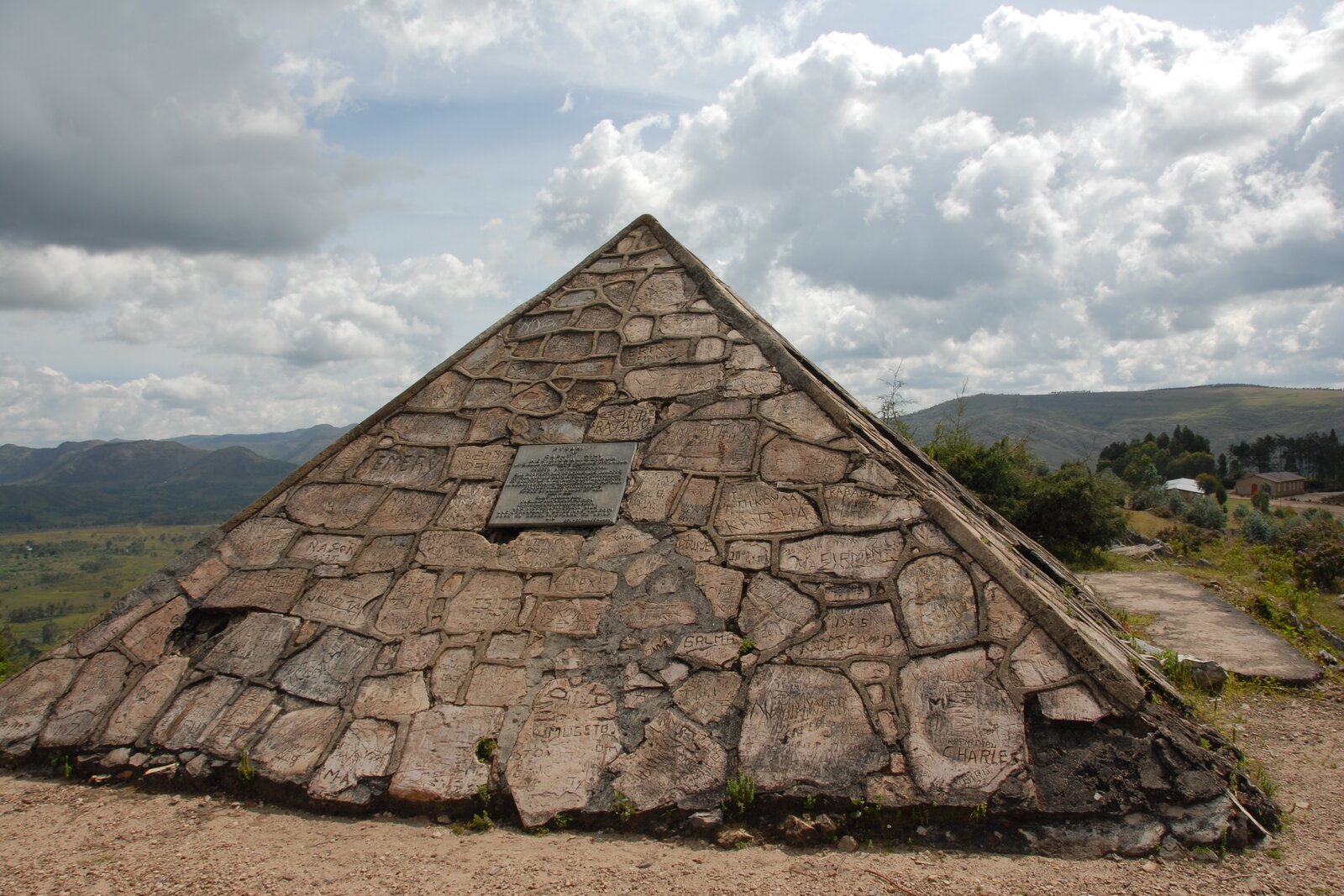
Today, a weathered stone pyramid sits above the spring, inscribed with the Latin words "Caput Nili Meridianissimum" — the southernmost head of the Nile. This is not just a monument; it is the geographic answer to one of history's greatest mysteries. Stand here and you are at the birthplace of the river that watered Ancient Egypt, carried pharaohs' barges, and shaped 6,000 years of civilization.
The spring is quiet, the pyramid modest, and the journey remote — but the story it tells is epic. Every drop that bubbles from this hillside flows 6,650 kilometers north through Rwanda, Uganda, South Sudan, Sudan, and Egypt before spilling into the Mediterranean. No other river on Earth carries more history, and nowhere else can you stand at its true beginning.
The Rutovu Pyramid & Caput Nili Monument
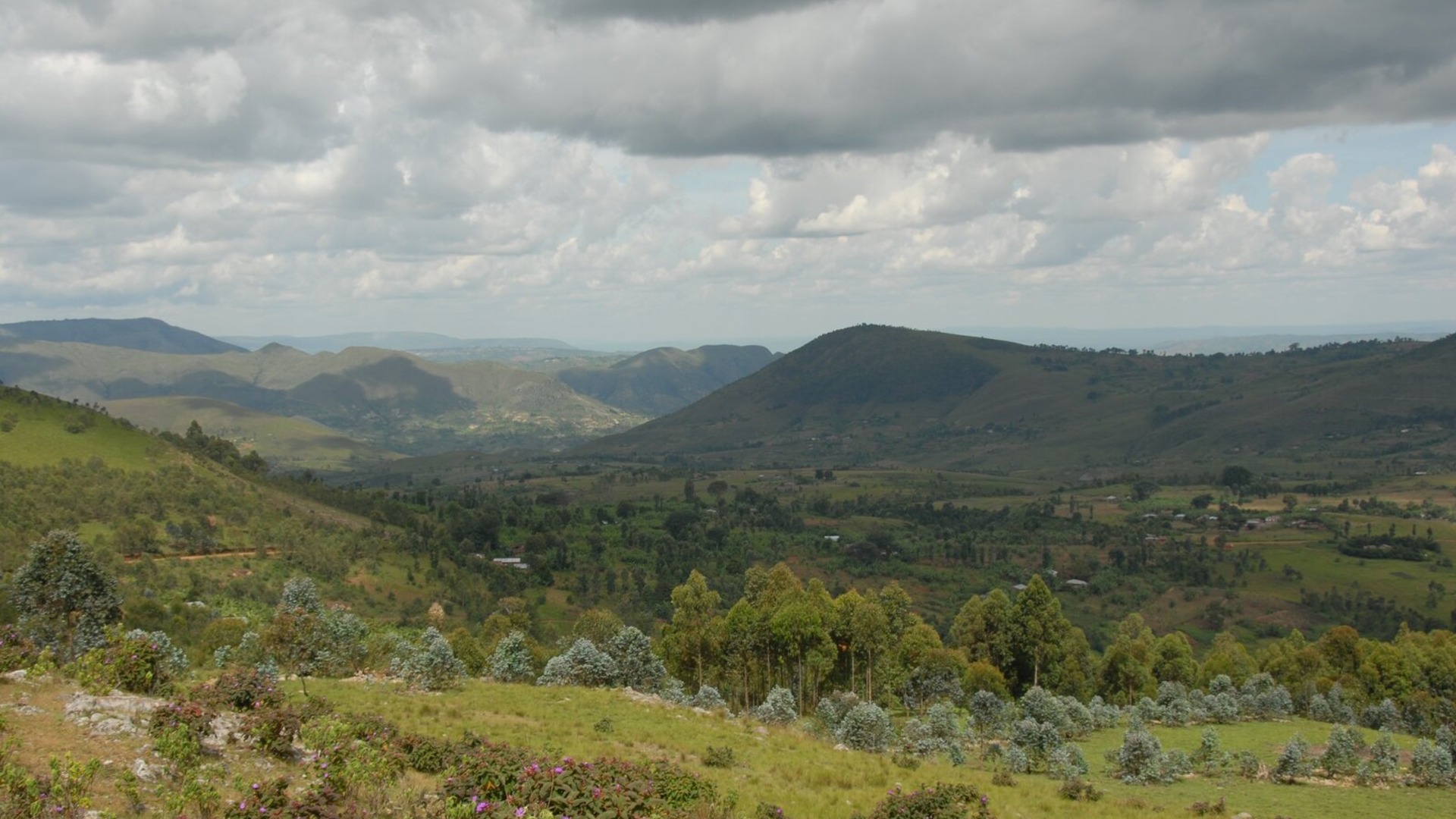
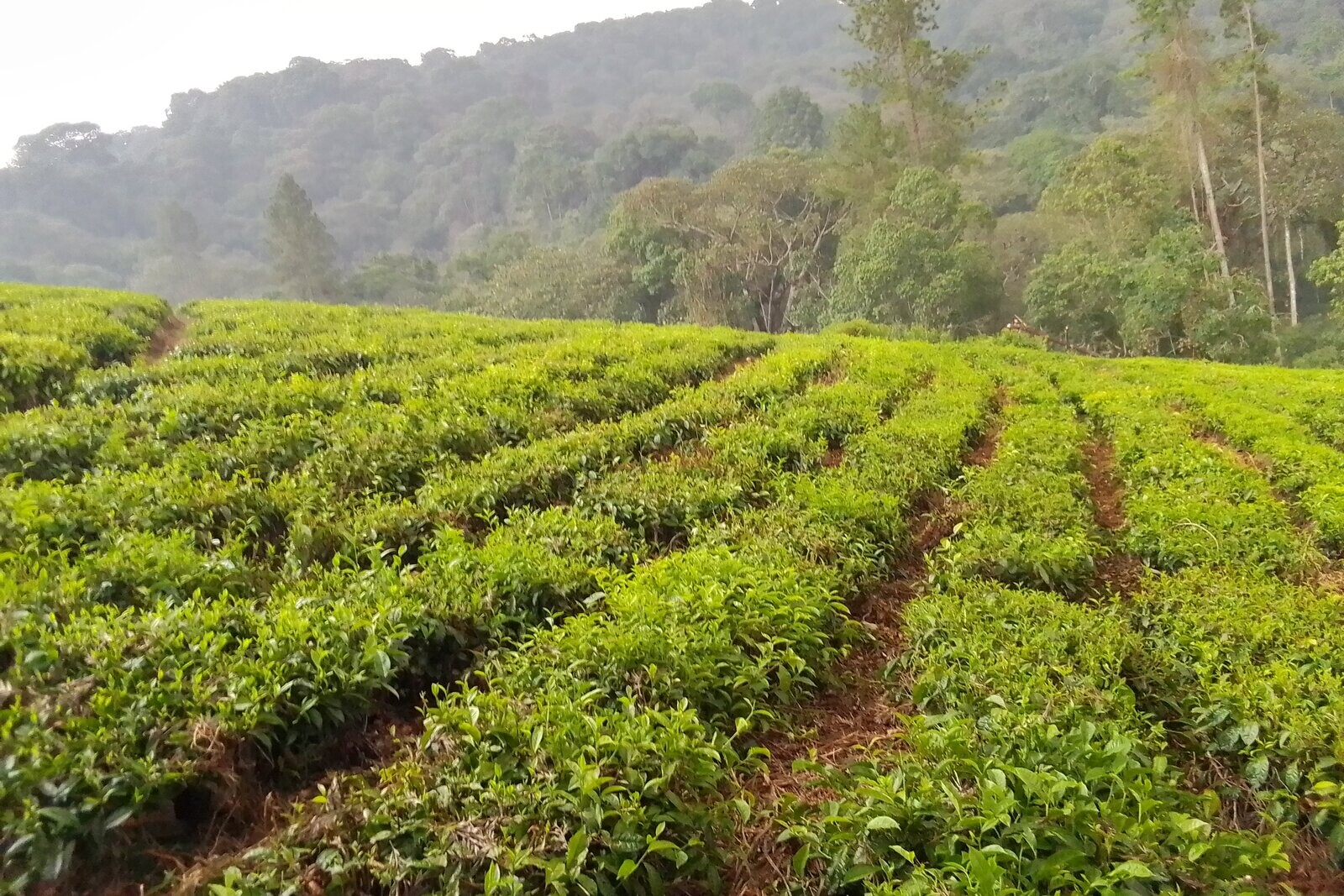
The Caput Nili pyramid stands on the slopes of Mount Kikizi, overlooking the terraced tea plantations and banana groves of Rutovu. Built in 1938 by Burkhart Waldecker, the pyramid is a simple but enduring monument — a stone marker about 3 meters tall, with a bronze plaque and inscription commemorating the explorer's discovery.
| Attribute | Details |
|---|---|
| Monument Name | Caput Nili Pyramid |
| Inscription | "Caput Nili Meridianissimum" (Latin: Southernmost Head of the Nile) |
| Built | 1938 by Burkhart Waldecker |
| Location | Mount Kikizi, Rutovu village, Rutana Province, Burundi |
| Elevation | ~2,175 meters above sea level |
| Spring Source | Ruvyironza River (southernmost tributary of the Kagera → Lake Victoria → White Nile) |
| Distance from Bujumbura | ~115 km / 3-4 hours (scenic highland drive) |
| Distance from Rutana | ~20 km / 30-45 minutes |
| Entry Fee | ~$10-15 per person |
| Local Guide | Recommended ($5-10 tip); hired in Rutovu village |
| Walk to Monument | 15-30 minutes from village (easy terrain) |
The Inscription and Its Meaning
The bronze plaque on the pyramid reads:
CAPUT NILI MERIDIANISSIMUM
(The Southernmost Head of the Nile)
Discovered by Dr. Burkhart Waldecker, 1937
Monument erected 1938
Waldecker's choice of Latin was deliberate — echoing the ancient Roman and Greek obsession with the Nile's source. For millennia, philosophers and generals asked: Where does the great river begin? Waldecker answered that question here.
Burkhart Waldecker's 1937 Discovery
German geographer and explorer Dr. Burkhart Waldecker arrived in East Africa in the 1930s with one goal: to settle the centuries-old debate over the Nile's source. By then, it was known that the White Nile flowed out of Lake Victoria, and that the Kagera River was the lake's principal feeder. But which of the Kagera's many tributaries was the most remote?
Waldecker systematically explored the highlands of what was then Ruanda-Urundi (modern Rwanda and Burundi), tracing streams and measuring elevations. In 1937, he pinpointed the Ruvyironza River spring on Mount Kikizi as the Kagera's southernmost and most distant headwater. By his calculations, this spring was the furthest point from the Nile Delta — over 6,600 kilometers away.
He marked the spot with the pyramid monument in 1938, and the discovery was recognized by the German Geographic Society. Though later expeditions (notably a 2006 GPS survey in Rwanda's Nyungwe Forest) have proposed competing sources, Waldecker's Rutovu spring remains the most historically celebrated and monument-marked source of the Nile.
The Nile River System — From Burundi to the Mediterranean
From the spring at Mount Kikizi, the journey to the sea unfolds like this:
- Ruvyironza River — The spring trickles downhill, gathering volume as it flows northeast through the Burundi highlands.
- Kagera River — The Ruvyironza joins other tributaries to form the Kagera, which marks the Rwanda-Tanzania border.
- Lake Victoria — The Kagera empties into Lake Victoria, Africa's largest lake, on the Uganda-Tanzania border.
- White Nile — Water exits Lake Victoria at Jinja, Uganda, flowing north as the Victoria Nile through Lake Kyoga and Lake Albert, then into South Sudan and Sudan as the White Nile.
- Nile River — At Khartoum, the White Nile meets the Blue Nile (from Ethiopia's Lake Tana), forming the main Nile River, which flows north through Egypt.
- Nile Delta & Mediterranean Sea — The river fans out into the delta near Cairo and spills into the Mediterranean at Alexandria.
Total distance from Rutovu to the Mediterranean: ~6,650 km (4,130 miles).
Every drop from this spring carries 9-12 million years of geological history (the age of the African Rift lakes) and 6,000+ years of human history (the age of the Egyptian kingdoms that depended on the Nile's floods).
Burundi vs. Rwanda — Which Country Holds the True Source?
In 2006, a British-New Zealand expedition using GPS claimed that the Rukarara River in Rwanda's Nyungwe Forest was the Nile's most remote source, sitting slightly further from the Mediterranean than Waldecker's Rutovu spring. The debate has simmered ever since.
| Claim | Burundi (Rutovu) | Rwanda (Nyungwe) |
|---|---|---|
| Monument | ✅ Caput Nili pyramid (1938) | ❌ No historic monument |
| Explorer | ✅ Burkhart Waldecker (1937) | ✅ Neil McGrigor & team (2006 GPS) |
| Remoteness | 6,650 km to Mediterranean | ~6,695 km (disputed) |
| River | Ruvyironza → Kagera | Rukarara → Kagera |
| Historical Recognition | ✅ German Geographic Society, UN maps | Newer claim, not universally adopted |
The verdict: Both are valid sources of the Kagera River system that feeds Lake Victoria and the White Nile. Burundi's Rutovu spring has the monument, the historical pedigree, and the romantic mystique. Rwanda's Nyungwe claim has modern GPS precision. For visitors seeking the symbolic and historic source of the Nile, Rutovu is the destination.
How to Visit the Source of the Nile in Burundi
Getting There
The Caput Nili pyramid is 115 km southeast of Bujumbura, near Rutovu village in Rutana Province. The drive takes 3-4 hours through scenic highland roads lined with tea plantations, banana groves, and terraced hillsides.
- From Bujumbura: Hire a private 4×4 vehicle and driver-guide. Budget ~$120-180 for the full-day round trip.
- From Gitega: If staying in Burundi's capital, Rutovu is closer — about 60 km / 1.5 hours.
- From Rutana town: The nearest town, about 20 km / 30-45 minutes from the monument.
The final approach to the monument is on a dirt track. A 4×4 is recommended in the wet season, though dry-season visitors can sometimes manage with a sturdy sedan.
Hiring a Local Guide
In Rutovu village, ask for a local guide who knows the trail to the pyramid. Expect to pay a small tip of $5-10. The guide will lead you through the village, past tea estates, and up the gentle path to the monument (15-30 minute walk).
What to Bring
- Sturdy walking shoes (trail can be muddy in wet season)
- Hat, sunscreen, and water (highland sun is strong)
- Camera for the pyramid, spring, and panoramic tea-plantation views
- Cash for entry fee (~$10-15) and guide tip
Sample Itineraries — Source of the Nile Day Trips & Multi-Day Routes
1-Day Itinerary: Source of the Nile from Bujumbura
- 06:00 — Depart Bujumbura in private 4×4, heading southeast through Gitega.
- 09:00 — Stop in Gitega for tea and a quick visit to the National Museum or Gishora Drummers (optional).
- 10:30 — Arrive Rutovu village, meet local guide.
- 10:45-12:00 — Walk to the Caput Nili pyramid, visit the monument, see the spring, reflect on the 6,650 km journey ahead for these drops.
- 12:30 — Lunch in Rutovu (pack a picnic or eat at a local guesthouse).
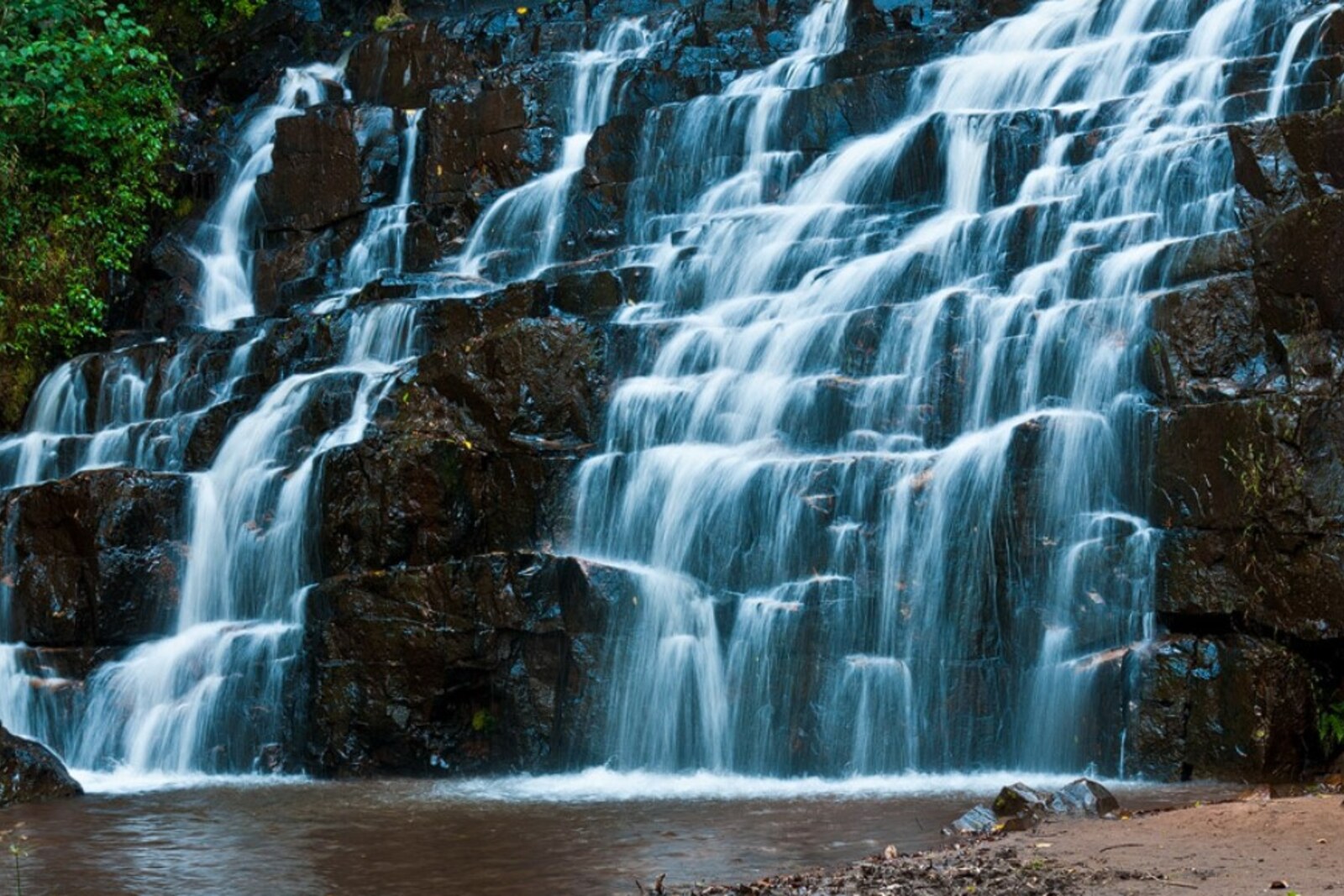
- 14:00 — Return drive to Bujumbura, optional detour to Karera Falls (spectacular 40-meter cascade).
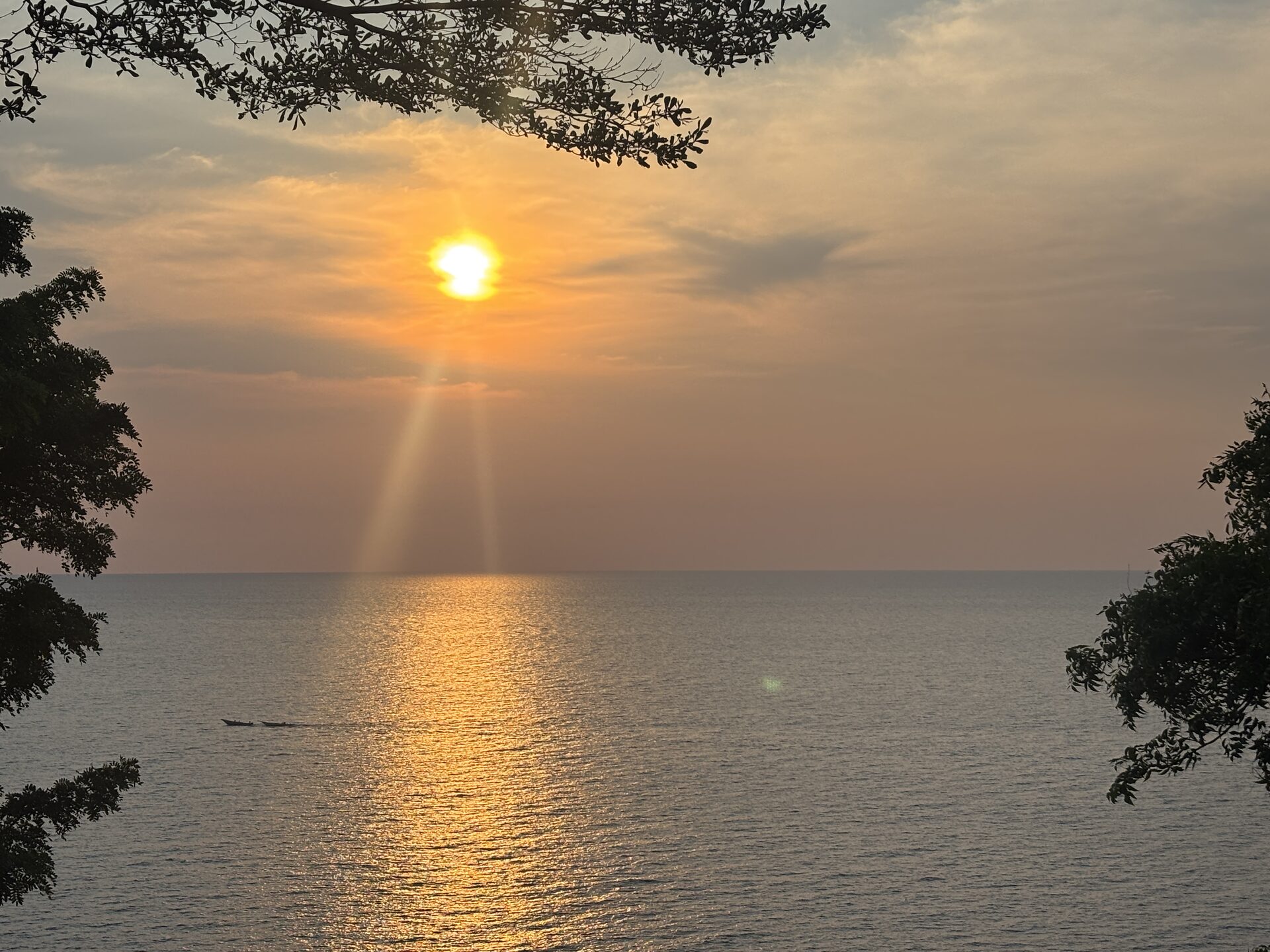
- 18:00 — Arrive Bujumbura, sunset dinner on Lake Tanganyika.
2-Day Itinerary: Source of the Nile + Karera Falls + Gishora
Day 1: Bujumbura → Gitega → Gishora Royal Drummers performance → overnight in Gitega.
Day 2: Gitega → Rutovu pyramid and Nile source → Karera Falls → return to Bujumbura.
3-Day Itinerary: Highlands Loop with Kibira & Nile Source
Day 1: Bujumbura → Kibira National Park chimpanzee tracking → Teza tea plantations → overnight in Teza or Muramvya.
Day 2: Teza → Gitega → Gishora Drummers → Rutovu pyramid (Nile source) → overnight Gitega.
Day 3: Gitega → Karera Falls → Rusizi National Park hippo boat safari → return to Bujumbura.
Best Time to Visit the Source of the Nile
| Season | Months | Highlights | Challenges |
|---|---|---|---|
| Long Dry Season | June – September | Best road conditions, clear views, comfortable highland temperatures (15-25°C) | None; ideal for visiting |
| Short Dry Season | December – February | Good road access, green highlands, fewer visitors | Occasional afternoon showers |
| Long Wet Season | March – May | Lush tea plantations, waterfalls at full flow | Muddy highland roads, 4×4 essential |
| Short Wet Season | October – November | Green landscapes, spring wildflowers | Slippery trails, overcast skies |
Recommendation: Visit during the long dry season (June-September) for the best combination of road conditions, views, and comfortable highland weather.
Where to Stay — Accommodations Near the Source of the Nile
Most visitors base themselves in Bujumbura and do the Nile source as a long day trip. For multi-day itineraries, consider overnight stops in Gitega or Rutana.
Bujumbura (Lakeside Base)
- Hotel Club du Lac Tanganyika — Lakefront luxury, pool, beach access ($120-180/night).
- Tanganyika Blue Bay Resort — Mid-range lakeside hotel, restaurant, boat trips ($80-120/night).
- Kiriri Garden Hotel — City-center budget option, clean rooms, good breakfast ($40-60/night).
Gitega (Highland Stop)
- Hotel Tropitel — The best in Gitega, modern, central ($60-80/night).
- Gitega Guest House — Budget-friendly, simple, clean ($25-40/night).
Rutana (Closest to the Monument)
- Local guesthouses in Rutana town — Basic but serviceable; ask your driver-guide to recommend ($15-30/night).
Costs — What to Budget for a Source of the Nile Visit
| Item | Cost (USD) |
|---|---|
| Entry to Caput Nili monument | $10-15 per person |
| Local guide tip (Rutovu) | $5-10 |
| Private vehicle & driver from Bujumbura (full day) | $120-180 |
| Fuel surcharge (if applicable) | Included in vehicle rate |
| Lunch (picnic or local restaurant) | $10-15 per person |
| Total 1-day trip (solo traveler) | ~$155-220 |
| Total 1-day trip (2 people sharing vehicle) | ~$85-120 per person |
Multi-day packages: 2-day Source of the Nile + Gishora + Karera Falls itineraries start around $300-400 per person (private basis, mid-range accommodation).
Combine with These Nearby Highlights
Karera Falls
Burundi's most spectacular waterfall — a 40-meter cascade tumbling through lush highland forest. Located about 60 km southwest of Rutovu, Karera Falls pairs perfectly with a Nile source visit. Entry ~$10.
Gishora Royal Drummers
UNESCO-recognized sacred drummers performing the thousand-year-old Karyenda ritual on the hilltop sanctuary near Gitega. A cultural counterpoint to the geographic wonder of the Nile source. Performance fee ~$50-100 (group).
Gitega National Museum
Burundi's premier museum, housing royal drums, historical artifacts, and ethnographic exhibits. Free or nominal entry (~$2-5).
Kibira National Park
For chimpanzee trekking and montane rainforest hikes. Located northwest of the Nile source, Kibira rounds out a highlands loop. Chimp trekking permit ~$60-80.
Practical Tips for Visiting the Source of the Nile
- Bring cash (USD or Burundian francs): Entry fees and guide tips are cash-only; ATMs are unreliable outside Bujumbura.
- Respect the site: The monument is a national treasure; do not climb on the pyramid or deface the plaque.
- Pack layers: Highland mornings can be cool (~15°C), afternoons warm (~25°C).
- Photography: The monument, spring, and tea-plantation views are highly photogenic; bring a good camera.
- Local interaction: Rutovu villagers are friendly and proud of the monument; a few words of French or Kirundi go a long way.
- Combine with other stops: A standalone Nile source visit is worthwhile, but combining it with Karera Falls, Gishora, or Kibira makes for a richer multi-day experience.
Conservation & Cultural Sensitivity
The Nile source is not just a geographic curiosity — it is a cultural and environmental landmark. The Ruvyironza River sustains downstream communities, fisheries, and the entire Nile basin ecosystem. Visitors should:
- Avoid littering or polluting the spring.
- Support local guides and the Rutovu community by hiring fairly and tipping respectfully.
- Respect the monument as a historical artifact — it is one of the few physical markers of African exploration history erected by non-colonial powers.
Safety & Current Conditions
Burundi is a small, quiet country, and the Rutovu area is generally safe for tourists. However:
- Travel with a reputable guide or driver: Solo overland travel in rural Burundi is possible but not recommended for first-time visitors.
- Check current travel advisories: Political conditions in Burundi can shift; consult your government's latest guidance.
- Road conditions: Highland roads are scenic but winding; travel during daylight hours and avoid driving at night.
- Health precautions: Malaria risk is present; take prophylaxis and use insect repellent. Yellow fever vaccination is required for entry into Burundi.
Why the Source of the Nile Matters
The Nile is the river that built civilizations. It watered the crops that fed Ancient Egypt, carried the stones that built the pyramids, and inspired myths that shaped human understanding of geography for millennia. The Greeks called it the "giver of life." The Egyptians worshipped it as a god. And for 2,000 years, no one knew where it truly began.
Waldecker's discovery in 1937 answered that question. The Caput Nili pyramid is the punctuation mark at the end of a 6,650-kilometer sentence written across the African continent. Every drop that trickles from this spring will flow past Kampala, Jinja, Juba, Khartoum, Luxor, and Cairo before reaching the sea — carrying the same water that once floated Cleopatra's barge and watered the fields that fed the pharaohs.
To stand at this spring is to touch living history. It is to see the beginning of a story that is still being written.
Final Thoughts — The Birthplace of Africa's Greatest River
The Source of the Nile in Burundi is not a thundering waterfall or a dramatic gorge. It is a quiet spring on a terraced hillside, marked by a weathered pyramid and a bronze plaque. But its modesty is its power. This is where the Nile begins — not with fanfare, but with a single drop.
For travelers who seek meaning in their journeys, who want to stand at the geographic heart of a story that spans continents and millennia, the Rutovu pyramid is a pilgrimage. It is remote, it is humble, and it is utterly unforgettable.
Every great river has a source. The Nile's begins here.