Key Takeaways — Best Time to Visit Burundi
- Best Overall: June–September (long dry season) — clear skies, cool highlands, easy trekking & travel.
- Short Dry Season: December–January — dry, festive, and the heart of birding season.
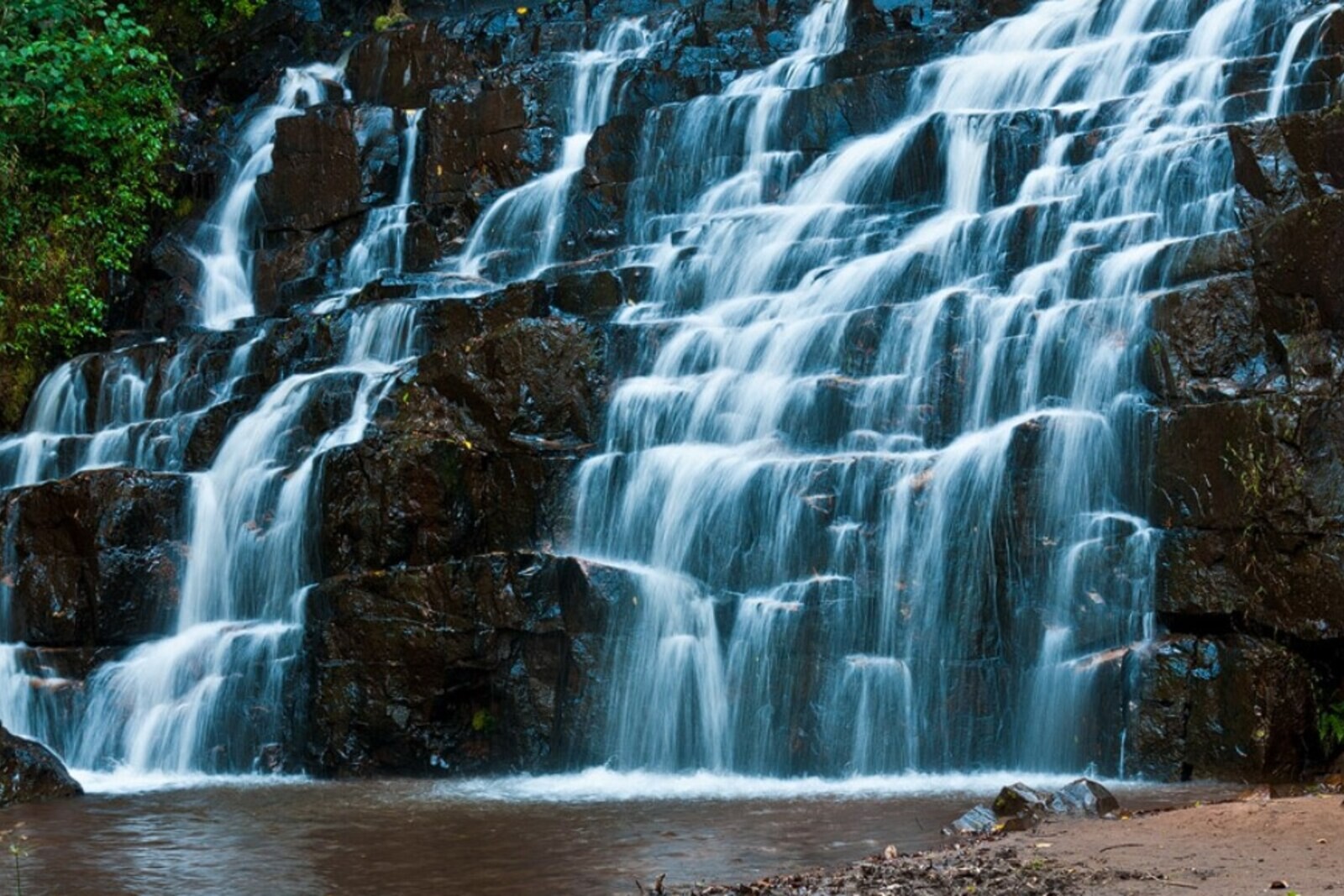
- Long Rains: February–May (April wettest) — lush green highlands, Karera Falls at full power.
- Short Rains: October–November — transitional showers, green landscapes, fewer visitors.
- Birding Peak: November–March — migratory millions at Lake Rwihinda & the Rusizi delta.
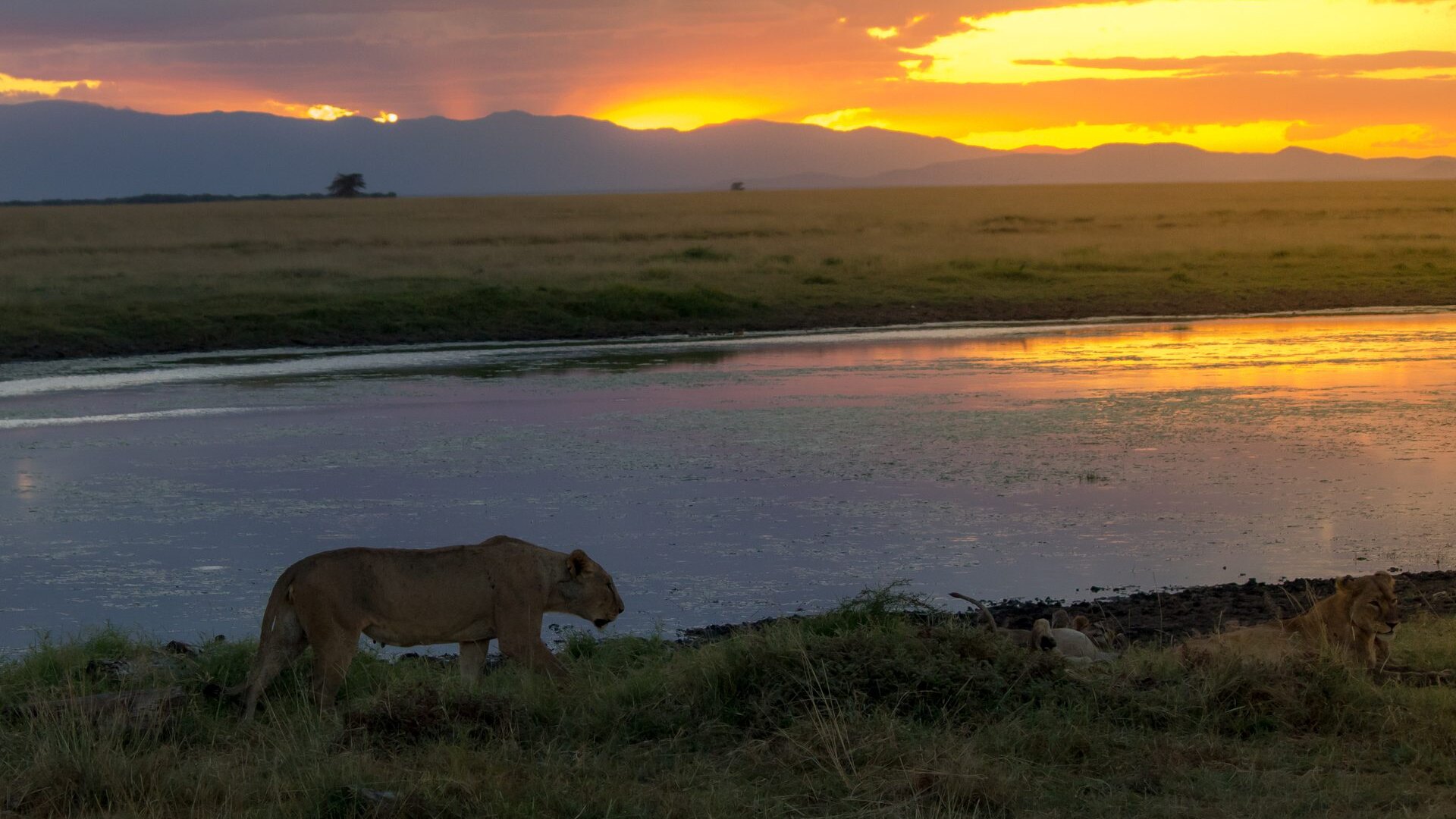
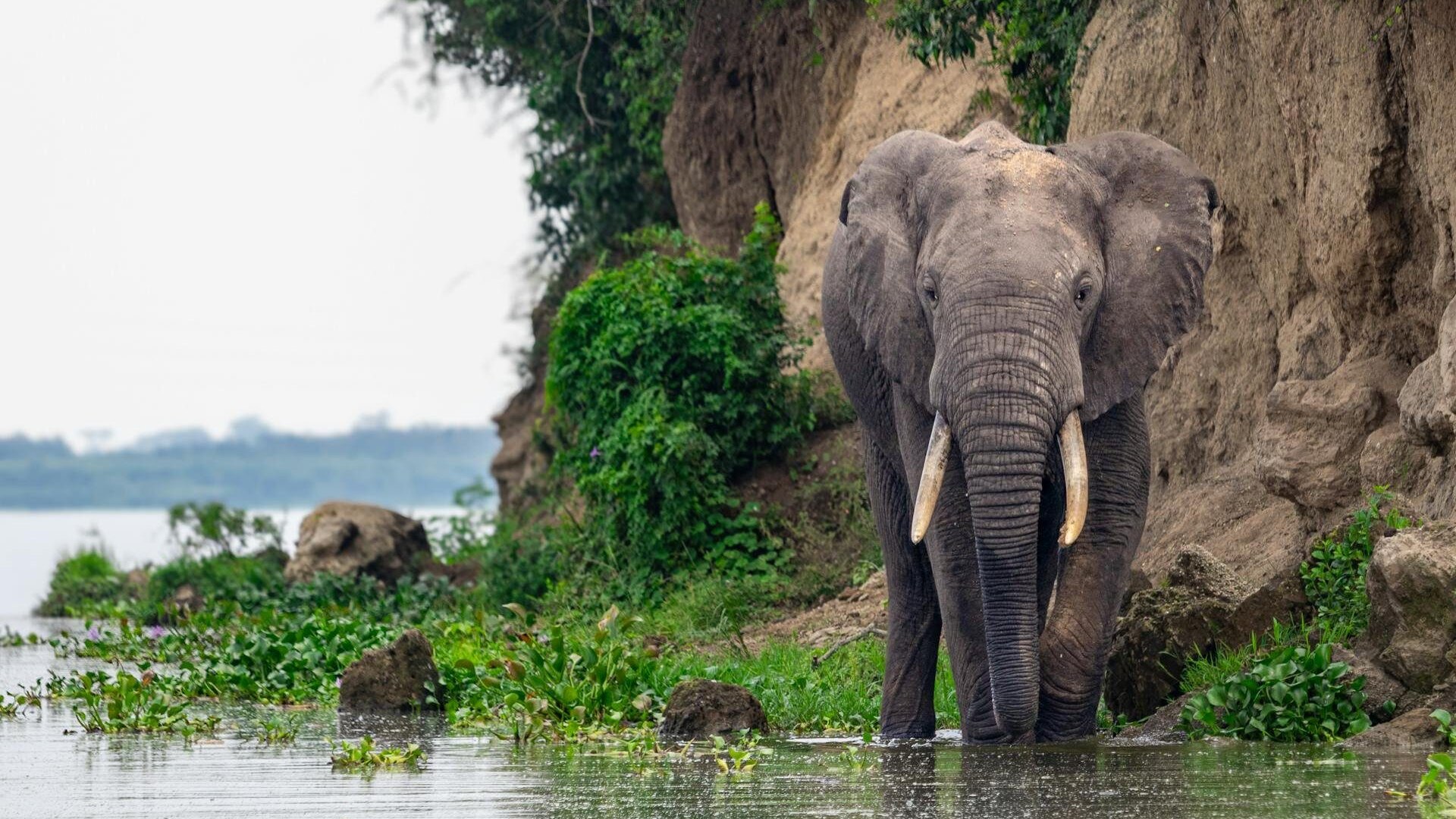
- Wildlife & Chimps: June–September & December–January — dry trails in Kibira & Ruvubu.
- Lake Tanganyika: June–September for calm, clear water; mornings are calmest.
- Pack: Layers for cool highland evenings year-round; waterproofs & grippy shoes in the rains.
Why Timing Matters in Burundi
Burundi is one of Africa's great undiscovered destinations — a small, green, mountainous country wrapped around the northern tip of Lake Tanganyika. Because it sits just south of the Equator but high above sea level, it never suffers the fierce heat you might expect. Instead, the year divides neatly into dry seasons and wet seasons, and the timing of your visit shapes everything: how easily you can reach the remote waterfalls of the south, whether the chimpanzees of Kibira are trackable, how many migratory birds crowd the northern lakes, and how the highlands look — dusty gold or brilliant emerald.
The good news is that there is no truly bad time to visit Burundi. The dry seasons are easiest for trekking, road travel and lake activities; the wet seasons are lush, photogenic and quiet, with waterfalls at their most dramatic. This guide walks you through each season and each month, and matches the timing to the experiences you care about most.
Burundi's Seasons at a Glance
Burundi has a tropical highland climate shaped by altitude. The central plateau sits at 1,500–1,800 m, the lowlands around Lake Tanganyika at roughly 800 m, and the mountains rise above 2,000 m. This creates four recognisable periods across the year:
| Season | Months | Character |
|---|---|---|
| Long Dry Season | June–September | Peak travel window — sunny, cool, dry trails, calm lake |
| Short Rains | October–November | Transitional afternoon showers, greening landscapes |
| Short Dry Season | December–January | Warm, festive, drier — peak birding season |
| Long Rains | February–May | Lush and green, April wettest, waterfalls at full flow |
Temperature by Region
Because altitude governs the climate, temperatures vary more by where you are than by season:
- Bujumbura & Lake Tanganyika lowlands: warm year-round, roughly 23–30°C by day, with cooling lake breezes.
- Central plateau (Gitega): temperate and comfortable, averaging around 20°C.
- Highlands & mountains (Kibira, Rwegura): distinctly cool, often around 15–16°C, with cold evenings that call for a fleece.
Long Dry Season — June to September (Best Overall)
If you want one simple answer, this is it. The long dry season from June to September is the most popular and most reliable time to visit Burundi. Skies are clear, rainfall is minimal, highland air is fresh and cool, and — crucially — the country's many unpaved roads are firm and passable.
Why June–September Wins
- Wildlife & chimpanzee trekking: Forest trails in Kibira National Park and Bururi Forest are dry and grippy, and wildlife gathers near water. This is prime time for tracking chimpanzees, colobus monkeys and Albertine Rift birds.
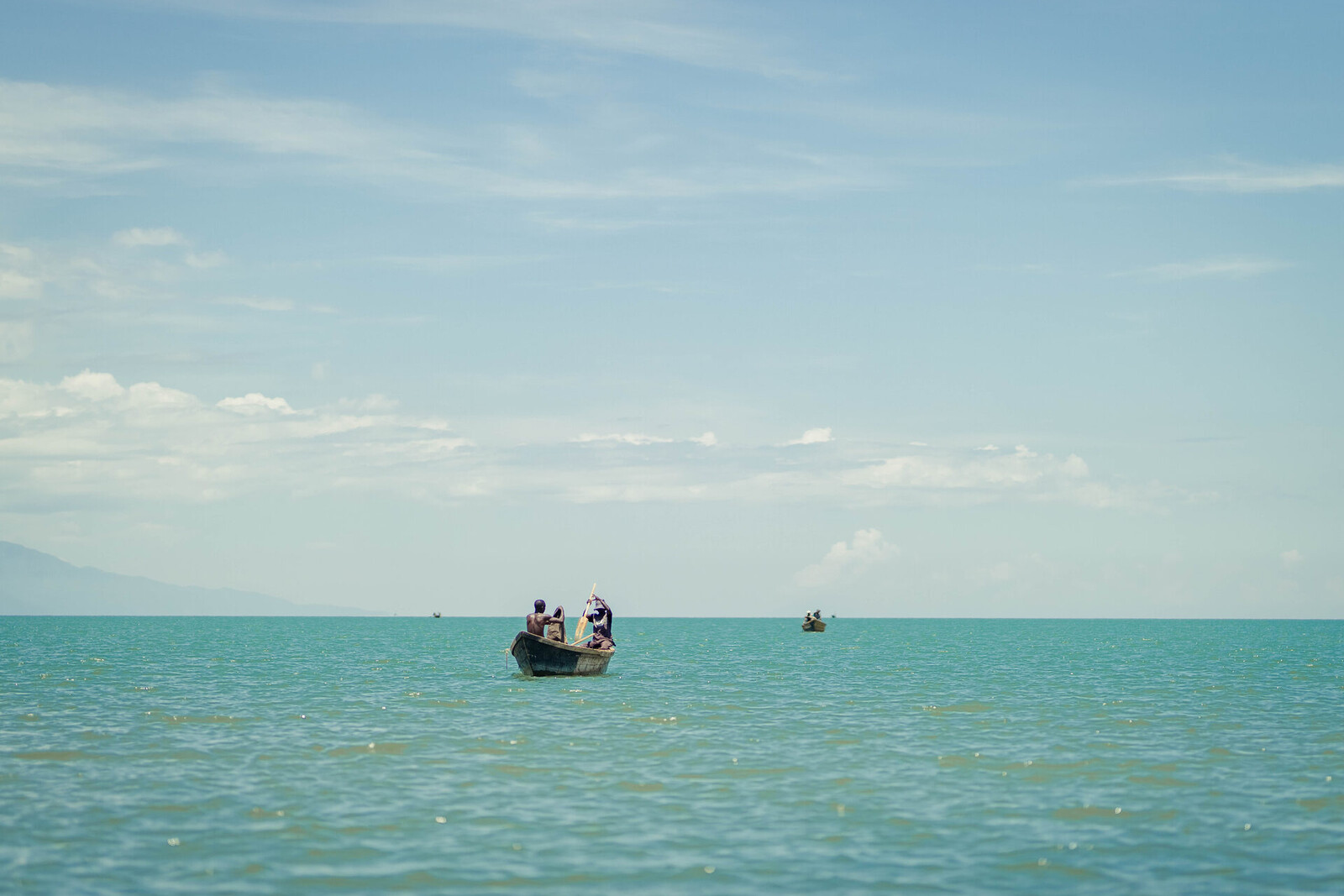
- Lake Tanganyika: The water is calm and clear, ideal for swimming, boat trips and lakeside sunsets over the Congolese mountains. Mornings are the calmest.
- Road travel: The drive south to Karera Falls, the Source of the Nile and the Nyakazu Fault is far easier when the dirt roads are dry.
- Comfort: Cool, sunny days and low humidity make hiking and city exploring a pleasure.
The only trade-off is that waterfalls run gentler than in the rains, and the landscape, while still green in the highlands, is less vivid than at the height of the wet season. This is also the most popular window, though "crowds" in Burundi remain wonderfully modest by regional standards.
Short Dry Season — December to January (Birding & Festivities)
Burundi's short dry season falls across December and January. It is a touch warmer and more humid than the mid-year dry spell, but it still offers largely dry days, good road access and excellent conditions for outdoor activities. It is also a festive, celebratory time to travel.
The Heart of Birding Season
December and January sit within Burundi's peak birding window (November–March), when migratory species swell the resident populations. At Lake Rwihinda — the famous "Lake of Birds" in the far north — silent pirogue trips glide past pelicans, African openbill storks, herons, egrets and grey crowned cranes in extraordinary numbers. The Rusizi delta near Bujumbura is superb for waterbirds and fish eagles at this time too.
For travellers combining wildlife with comfortable weather, December–January is a sweet spot: dry enough for easy travel, yet timed with the birding spectacle.
Long Rains — February to May (Lush & Dramatic)
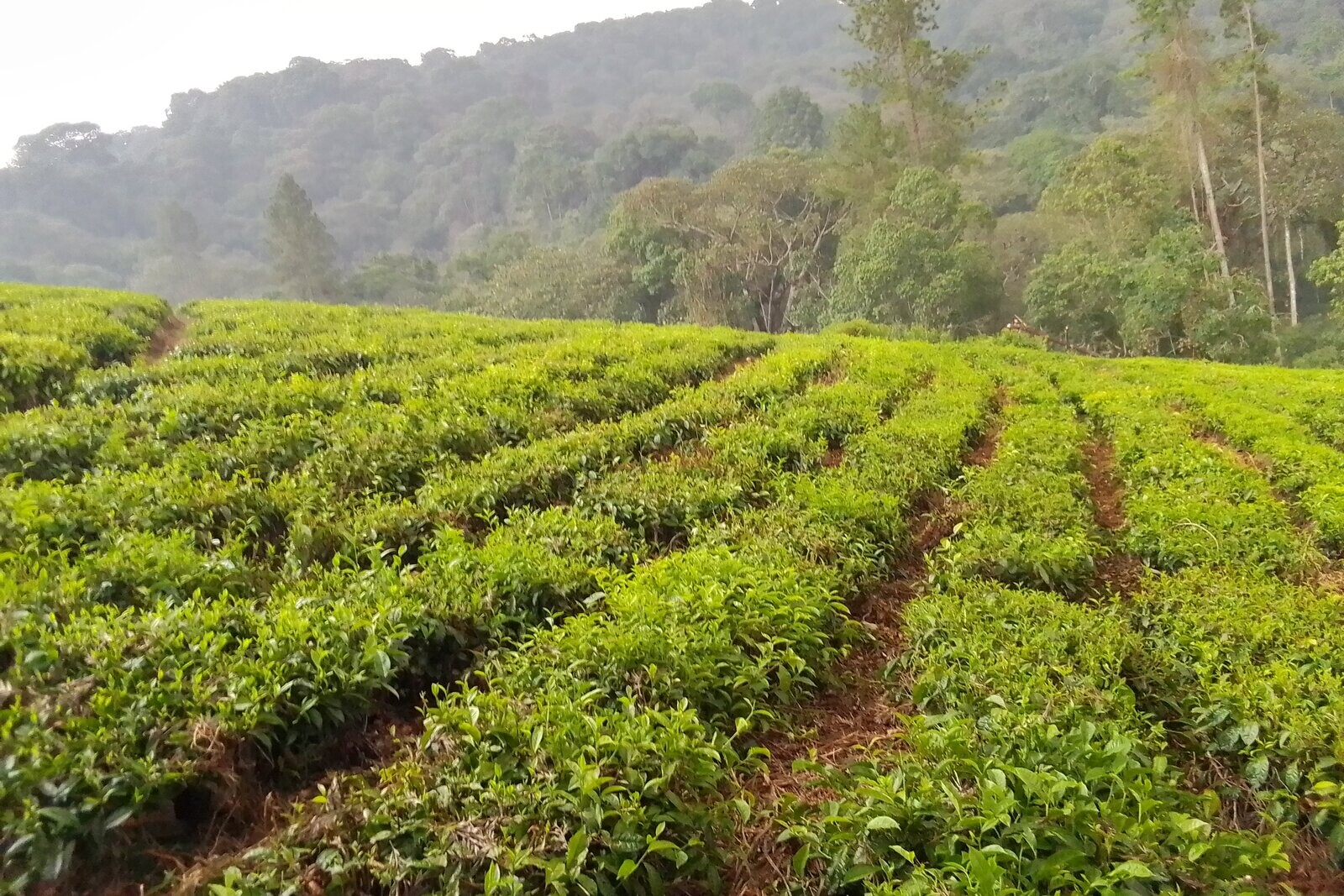
The long rains run from February to May, with April typically the wettest month. Rain usually arrives as heavy afternoon thunderstorms rather than continuous drizzle, so mornings are often bright and usable. The reward is a country transformed: hillsides glow emerald, tea plantations shine, and the air is washed clean.
Waterfalls at Full Power
This is the season to see Karera Falls at its thundering best. Fed by the rains, the four cascades roar over their granite ledges, throwing spray and rainbows into the forest. The Nyakazu Fault's seasonal waterfall also comes to life. Photographers and waterfall-lovers are richly rewarded — provided they come prepared.
What to Watch For
- Roads: Unpaved routes to southern sights turn muddy; a 4x4 and an experienced driver-guide are strongly recommended.
- Trails: Forest paths can be slippery — grippy boots are essential for chimp trekking and waterfall hikes.
- Fewer visitors: You'll often have sites to yourself, and the scenery is at its most cinematic.
Short Rains — October to November (Transition)
The short rains around October and November are a transitional period. Showers tend to be sharp and short, often clearing to reveal freshly green landscapes. October and November can be excellent for birdwatchers as migratory species begin to arrive, and the highlands look lush without the full intensity of the long rains.
One note for lake-lovers: October and November can be windy on Lake Tanganyika, which may affect boat trips and water activities. Early mornings remain the calmest and most reliable time on the water.
Month-by-Month Guide
| Month | Season | What to Expect |
|---|---|---|
| January | Short dry | Warm, largely dry; peak birding; festive; good road access. |
| February | Rains begin | Long rains start; green landscapes; occasional heavy afternoons. |
| March | Long rains | Lush and wet; waterfalls strengthening; good birding continues. |
| April | Long rains (peak) | Wettest month; brilliant green; muddy roads; Karera at full flow. |
| May | Rains easing | Rain tapering off; landscapes still vivid; roads improving. |
| June | Long dry begins | Dry, cool, clear — excellent trekking and travel; peak season starts. |
| July | Long dry (peak) | Coolest, sunniest; ideal for chimps, wildlife and Lake Tanganyika. |
| August | Long dry (peak) | Dry and clear; best all-round conditions; firm roads. |
| September | Long dry ends | Still dry and pleasant; great value before the short rains. |
| October | Short rains | Sharp showers; greening up; migratory birds arriving; can be windy. |
| November | Short rains | Lush, quiet; birding building; occasional afternoon storms. |
| December | Short dry begins | Drier, warm, festive; excellent birding; good access. |
Best Time for Specific Activities
Chimpanzee Trekking (Kibira & Bururi)
Best: June–September & December–January. Dry forest trails make tracking safer and easier, and the chimps are more reliably located. Treks start early (around 6:00 am) and can last several hours, so firm footing matters.
Birdwatching (Lake Rwihinda, Rusizi, Kibira)
Best: November–March. Migratory species join residents, and the northern wetlands teem with pelicans, storks and cranes. December–January combines the birding peak with comfortable, largely dry weather.
Lake Tanganyika (Swimming, Boat Trips, Sunsets)
Best: June–September. Calm, clear water and reliable sunshine. Go early in the morning for the stillest water; be aware October–November can be windy. Always swim only at popular, designated beaches.
Waterfalls (Karera Falls, Nyakazu Fault)
Most dramatic: October–May (peak roughly Jan–May). For thundering cascades and vivid greenery, come in or just after the rains. For easy, dry hiking and swimming in the natural pools, June–September is more comfortable.
The Royal Drummers of Gishora
Year-round. The UNESCO-listed sacred drumming near Gitega can be arranged in any season — a cultural crown jewel that never depends on the weather.
Ruvubu National Park (Savanna & Riverine Safari)
Best: June–September & December–January. Dry conditions make the remote tracks of Burundi's largest park more accessible and improve wildlife viewing along the Ruvubu River.
What to Pack by Season
Year-Round Essentials
- Layers — a fleece or light jacket for cool highland mornings and evenings.
- Lightweight, breathable clothing for warm lowland days around Bujumbura and the lake.
- Binoculars and a good camera — Burundi's birdlife and scenery reward both.
- Sun protection, insect repellent, and any personal medication.
- Cash in US dollars and Burundian francs (BIF) — Burundi is largely a cash economy.
- A valid yellow fever certificate (required for entry); malaria precautions are recommended.
Dry Season (June–September, December–January)
- Comfortable walking or hiking shoes for firm trails.
- A warm layer for cool highland nights (especially July–August).
- Swimwear for Lake Tanganyika.
Wet Season (February–May, October–November)
- A waterproof jacket and a dry bag for electronics.
- Sturdy, high-grip boots for muddy, slippery trails.
- Quick-dry clothing and a small umbrella for afternoon storms.
Festivals & Cultural Timing
Burundi's cultural calendar can add colour to your visit. Independence Day (1 July) falls squarely in the peak dry season and is marked with celebrations. The traditional Umuganura — a first-fruits harvest festival with deep historical roots — is associated with the harvest period and celebrates gratitude, unity and the land. Sacred royal drumming, most famously at Gishora near Gitega, can be arranged year-round and is often the emotional highlight of any Burundi journey.
Practical Information
Getting There
International flights arrive at Bujumbura (BJM), typically connecting via Nairobi (NBO), Addis Ababa (ADD) or Kigali (KGL). Many travellers also enter overland from Rwanda. However you arrive, distances on the map can be deceptive — many roads are unpaved, so allow generous travel time, particularly in the rains.
Getting Around
The most comfortable way to explore is with a private vehicle and a local driver-guide, especially for the southern circuit (Karera Falls, Source of the Nile, Nyakazu Fault) and the northern lakes (Rwihinda, Cohoha). A 4x4 is strongly recommended in the wet season.
Safety & Responsible Travel
Burundi has been subject to travel advisories, so it is essential to check your government's current guidance before you travel and to plan your trip with a reputable, well-connected local operator. Travel with experienced guides, stay informed about local conditions, dress modestly (Burundi is a conservative society), avoid political or ethnic discussions, and respect local customs. Handled thoughtfully, a guided visit is a deeply rewarding way to experience one of Africa's most welcoming and least-visited countries.
Costs
Burundi is affordable by regional standards. As a rough guide, budget travellers might spend around $50–80 per day, mid-range travellers $100–150, and those seeking the most comfortable available lodging and private guiding $200–400+. Carry cash, as card facilities are limited outside the largest hotels.
Choosing Your Season
The truth about Burundi is that it rewards whenever you come — you simply choose the country you want to meet. Arrive in June, July or August and you'll find cool, clear highlands, calm lake water and the easiest trekking of the year. Come in December or January and the northern wetlands will be alive with a million wings while the roads stay dry beneath you.
Or travel in the green heart of the rains, when Karera Falls thunders, the tea hills blaze emerald, and you may have the whole of a hidden country almost to yourself. Each season is its own invitation.
Whichever month you choose, pack a fleece for the cool evenings, bring your binoculars and your patience for the roads, and travel with people who know and love this land. Burundi asks a little more of its visitors than its neighbours do — and gives back something rarer in return: the feeling of arriving somewhere the world has not yet discovered.