Key Takeaways
- Burundi is exceptional value — one of the cheapest countries in East Africa to travel, with budget days from around $30-60, mid-range $100-225 and luxury $250+.
- Chimp trekking in Kibira costs roughly $50-80 — a fraction of Uganda's $250 chimp permit or Rwanda's $1,500 gorilla permit.
- Park & site fees are modest: ~$20 national park entry, ~$5-10 for Karera Falls, ~$10-15 for the Gishora Drum Sanctuary (plus ~$50-100 for a Royal Drummers performance).
- Fixed costs: visa on arrival ~$40-90, mandatory yellow fever certificate, return flights ~$700-1,200 (via Nairobi, Addis or Kigali).
- Cash is king: bring Burundian francs and crisp US dollars dated 2013 or newer — cards and ATMs are unreliable outside Bujumbura.
Burundi is one of Africa's last great travel secrets — and one of its most affordable. This small, mountainous country on the northern shore of Lake Tanganyika packs in rainforest primates, thundering waterfalls, the source of the Nile, world-famous royal drummers and some of the friendliest people on the continent, all for a fraction of what you would pay in better-known safari destinations. If you have ever wondered how much a Burundi safari really costs, this guide breaks it down honestly — from shoestring backpacking to tailor-made luxury.
The short answer: you can experience the Heart of Africa on almost any budget. What follows is a realistic, up-to-date (2026) picture of daily costs, park and permit fees, transport, sample trip budgets and the money tips that will save you both francs and frustration.
How much does a Burundi safari cost? The quick answer
Costs vary enormously depending on how you travel. Here is the big picture in US dollars per person, per day (excluding international flights):
| Travel style | Daily budget (per person) | What it covers |
|---|---|---|
| Budget / Backpacker | ~$30-60 | Guesthouses & hostels, shared minibuses, local food, self-guided visits |
| Mid-Range | ~$100-225 | Comfortable hotels, private driver, guided excursions, restaurant meals |
| Luxury | ~$250-500+ | Best available hotels & lakefront lodges, private vehicle & guide, fully arranged activities |
For comparison, a comparable guided week in Rwanda, Kenya or Tanzania often costs two to four times as much — largely because of higher park fees and premium lodge pricing. Burundi's magic is that it remains genuinely off the beaten track, and prices reflect that.
Accommodation costs
Where you sleep is usually the biggest single expense, and Burundi offers a full spread from basic to boutique:
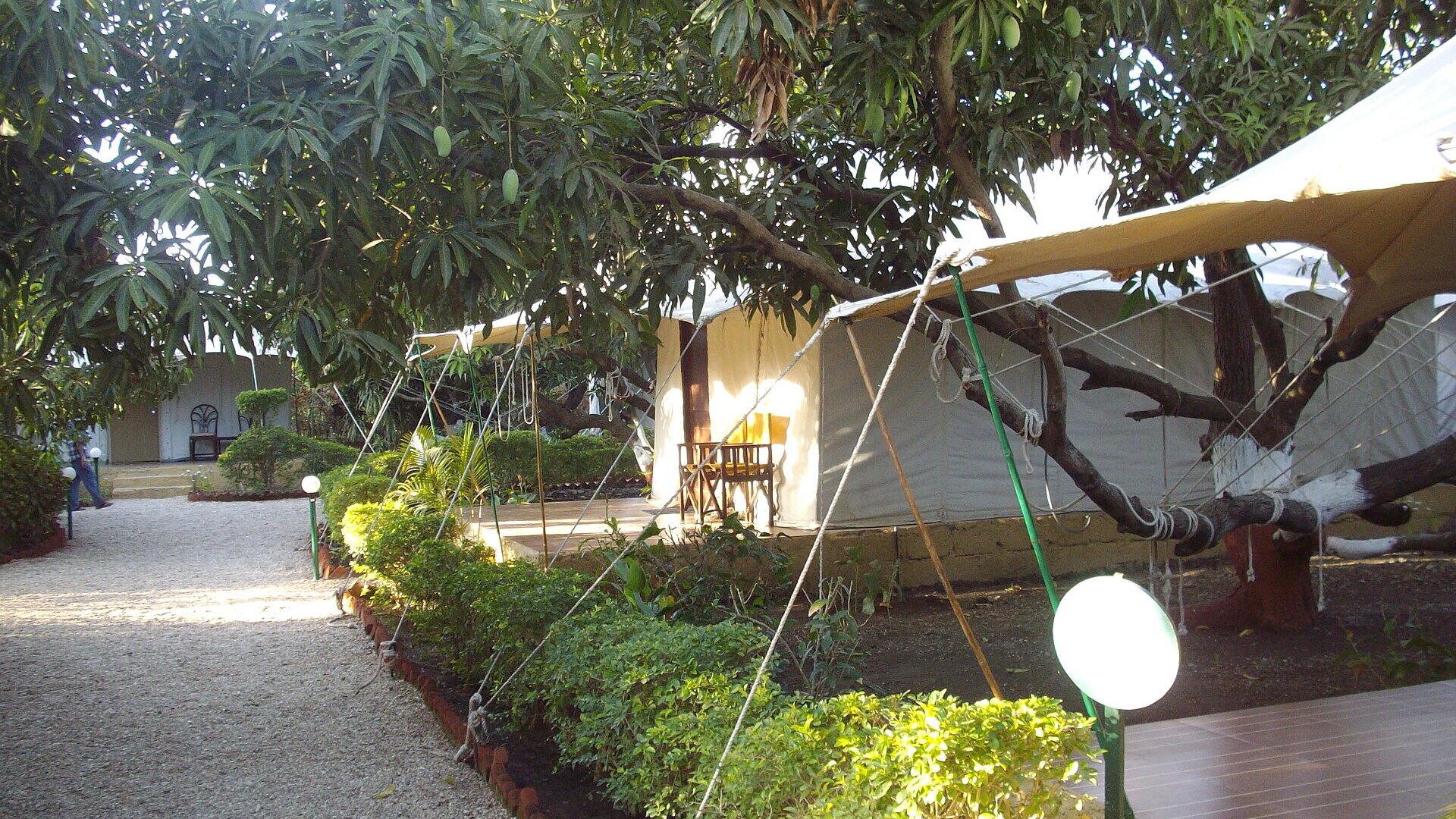
- Campsites: roughly 5,000-15,000 BIF (~$2-6) per night.
- Hostels & guesthouses: 10,000-30,000 BIF (~$4-20) per night — clean, simple rooms, often family-run.
- Mid-range hotels: 30,000-80,000 BIF (~$25-70) per night, including lakefront options in Bujumbura.
- Luxury hotels: 80,000-200,000+ BIF ($100-200+) per night — the best rooms in the country, typically along Lake Tanganyika.
Bujumbura has the widest choice, from backpacker guesthouses to the well-known lakeside hotels such as Hotel Club du Lac Tanganyika. In rural areas — near Kibira, Gitega or the southeastern waterfalls — options narrow to modest guesthouses, so book ahead and keep expectations realistic.
Food & drink costs
Eating in Burundi is delightfully cheap if you eat as locals do:
- Local meals of beans, rice, grilled fish (the famous mukeke and sangala from Lake Tanganyika), plantain and brochettes cost as little as $1.50-5 at roadside stalls and small restaurants.
- Mid-range dining in hotels and city restaurants runs about $6-25 per day.
- A cold Primus or Amstel beer — Burundi's beloved brews — costs around $1-2.
Bottled water is essential (tap water is not potable) and inexpensive. Tipping is appreciated but not obligatory; a small amount for guides and drivers goes a long way.
Transport costs
How you move around Burundi has a big impact on both budget and experience:
- Shared minibuses between towns are the cheapest option — often less than $2 for shorter routes — but slow and crowded.
- Motorcycle taxis (locally pélé-pélé) are handy for short urban hops; city taxi rides are around $2.
- Private car with driver-guide — the most comfortable and time-efficient way to reach parks and waterfalls — costs roughly $100-200 per day including fuel and a guide. For most visitors this is the single best upgrade, turning long, uncertain journeys into smooth, informative days.
Because attractions like Karera Falls, the Nyakazu Fault and Kibira lie on rough roads that often need a 4x4, a private vehicle is the norm for anything beyond Bujumbura and the lakeshore.
Park fees, permits & activity costs
Entrance and activity fees in Burundi are refreshingly low compared with the rest of the region:
| Activity / site | Approx. cost (per person) |
|---|---|
| Chimp tracking, Kibira National Park (guide + fees, arranged locally) | ~$50-80 |
| National park entry (Rusizi, Ruvubu) | ~$20 |
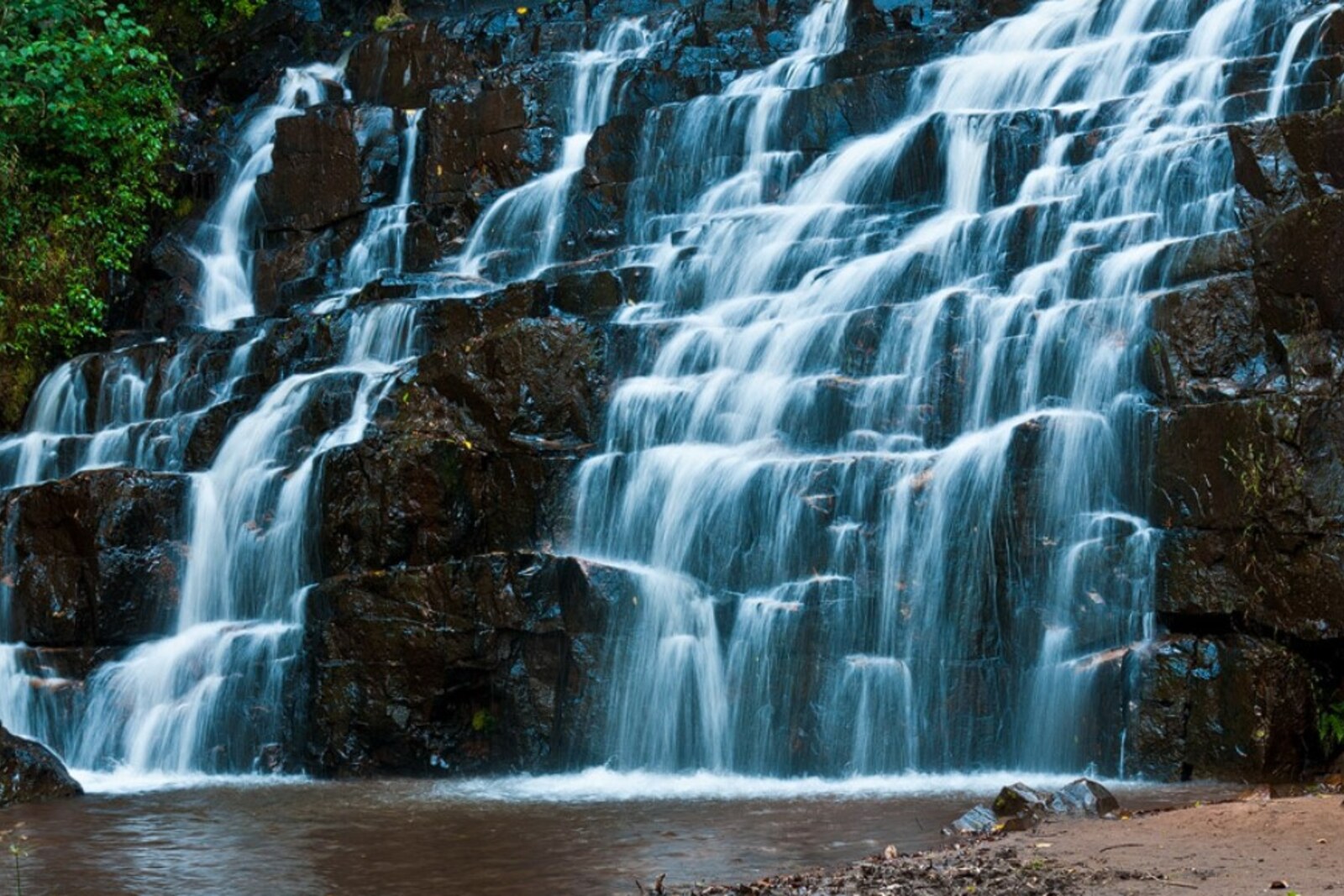
| Karera Falls entry | ~$5-10 (≈10,000 BIF) |
| Gishora Drum Sanctuary visit | ~$10-15 |
| Royal Drummers performance (group) | ~$50-100 |
| Boat trip (Lake Tanganyika / Rusizi delta) | ~$50 |
Kibira has no centralised online booking portal, so chimp-tracking logistics are best arranged through a tour operator or the national park authority. Sightings are less certain and the forest tougher than in Uganda or Rwanda — but the price and the sense of genuine wilderness are unbeatable.
Visas, flights & other fixed costs
Beyond your day-to-day spending, plan for these one-off costs:
- Visa: a single-entry visa (commonly 30 days) is usually available on arrival at Bujumbura International Airport for around $40-90. Rules change, so confirm with a Burundian embassy or consulate before departure and carry proof of accommodation and onward travel.
- Yellow fever: a vaccination certificate is mandatory for entry — carry the original. Malaria prophylaxis is strongly recommended.
- International flights: typically $700-1,200 return from Europe or North America, almost always routed via Nairobi (NBO), Addis Ababa (ADD) or Kigali (KGL) into Bujumbura (BJM).
- Travel insurance: essential — choose a policy covering remote-area medical evacuation.
Sample trip budgets
To make this concrete, here are three realistic per-person estimates for a 5-day Burundi trip, excluding international flights:
| Style | 5-day estimate (per person) | Typical inclusions |
|---|---|---|
| Backpacker | ~$200-350 | Guesthouses, minibuses & the odd shared taxi, local food, self-guided Karera & Bujumbura, one budget Kibira day |
| Mid-Range | ~$650-1,200 | Comfortable hotels, private driver-guide, Kibira chimp tracking, Gishora drummers, Karera Falls & lake cruise |
| Luxury / Tailor-made | ~$1,400-2,800 | Best hotels, private vehicle & specialist guide throughout, all activities pre-arranged, lakefront finale |
Organised tour packages reflect these tiers too: short 1-3 day tours generally run $250-967 per person, 4-7 day itineraries $800-2,750, and extended multi-country trips combining Burundi with Rwanda, Uganda or the DRC $2,800-5,400+.
Money tips — how to save & avoid trouble
- Bring cash. Carry enough for your whole trip in a mix of Burundian francs and US dollars. Cards work only at a few Bujumbura hotels; ATMs are unreliable and frequently out of cash.
- Mind your dollars. USD notes must be crisp, unmarked and dated 2013 or newer — older or worn notes are routinely rejected.
- Change money at banks in Bujumbura or Gitega for the best rates, not at the airport or hotel desks.
- Eat and travel local — street food, markets and minibuses cut costs dramatically without sacrificing the experience.
- Book guides through guesthouses or a reputable operator rather than tour desks to avoid mark-ups, and to reach the right people for Kibira and Gishora.
- Use public beaches on Lake Tanganyika instead of resort day-use areas for free lakeside relaxation.
Is a Burundi safari worth the money?
Emphatically, yes. Few destinations on earth offer this much variety — rainforest chimps, a Great Rift Valley lake, a UNESCO drumming tradition, the symbolic source of the Nile — at such gentle prices, and with so few other tourists. Burundi is not a polished, high-volume safari machine; it is raw, warm-hearted and rewarding for travellers who value authenticity over luxury (though luxury is available for those who want it).
Come with realistic expectations, a healthy cash reserve, a good local guide and an open mind, and Burundi will hand you an experience that costs a fraction of a big-name safari yet feels twice as rich. Small country, big heart, remarkable value.
The Heart of Africa is more within reach than you think.