Key Takeaways
- Kenya is the classic Big Five safari: Masai Mara wildebeest migration, abundant predators, iconic savanna landscapes
- Namibia is desert luxury & minimalism: towering dunes, shipwrecks, stargazing, privacy, ultra-exclusive camps
- Wildlife: Kenya wins on density & diversity; Namibia offers unique desert-adapted species & graphic photography
- Landscapes: Kenya = grassland, acacia, rivers; Namibia = dunes, desert, rocky mountains, Atlantic coast
- Costs: Similar at the luxury end (US$800-2,000/night); Kenya has more mid-range options; Namibia fly-ins are pricier
- Best for: Kenya = first-time safari-goers, Big Five enthusiasts; Namibia = honeymooners, photographers, luxury seekers
The Fundamental Difference: Savanna vs Desert
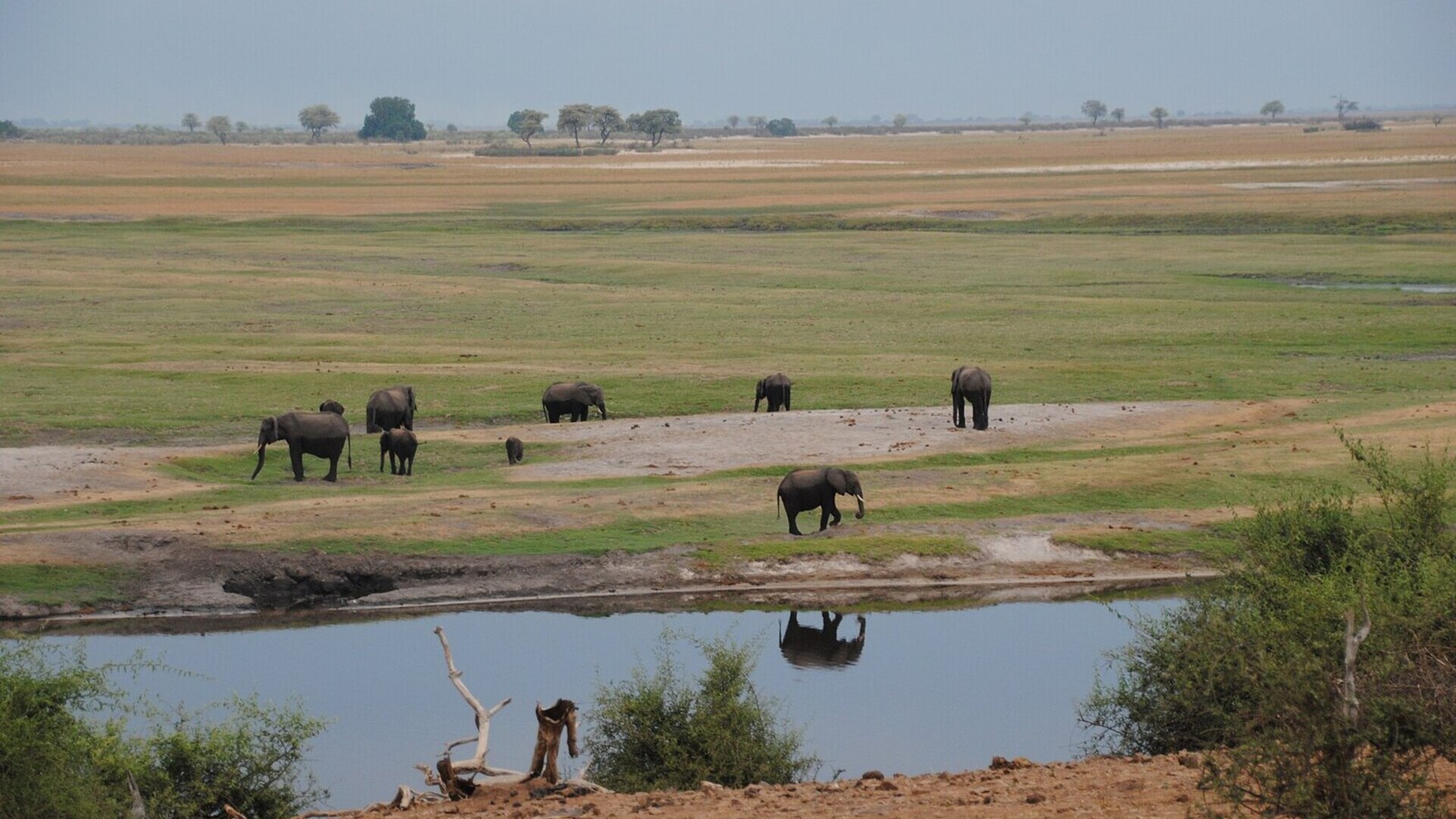
The single biggest difference between Namibia and Kenya is habitat. Kenya is savanna — vast grasslands dotted with acacia trees, seasonal rivers, and a landscape that supports one of the highest concentrations of large mammals on Earth. The Masai Mara, Amboseli, and Tsavo are synonymous with the African safari: lions lounging in the shade, elephants crossing the plains, the Great Migration thundering across the Mara River. Kenya is lush (by African standards), green during the rains, and teeming with life.
Namibia is desert — the Namib, the oldest desert on Earth, where rainfall is measured in millimetres per year and life clings to the margins. The landscapes are stark, graphic, and surreal: towering red dunes, white clay pans, shipwrecks half-buried in sand, rocky mountains under vast skies. Wildlife is present but sparse, and what survives here — oryx, desert elephants, black rhino — does so through extraordinary adaptation. Namibia is not about abundance. It is about space, silence, beauty, and resilience.
If you want the classic African safari — game drives morning and evening, lions and elephants in abundance, the thrill of tracking predators — Kenya delivers. If you want something entirely different — a desert odyssey, astrophotography under the darkest skies on Earth, luxury lodges where you might be the only guests — Namibia is unmatched. They are not competitors. They are opposites.
Wildlife: Abundance vs Adaptation
Kenya: Big Five Density & the Great Migration
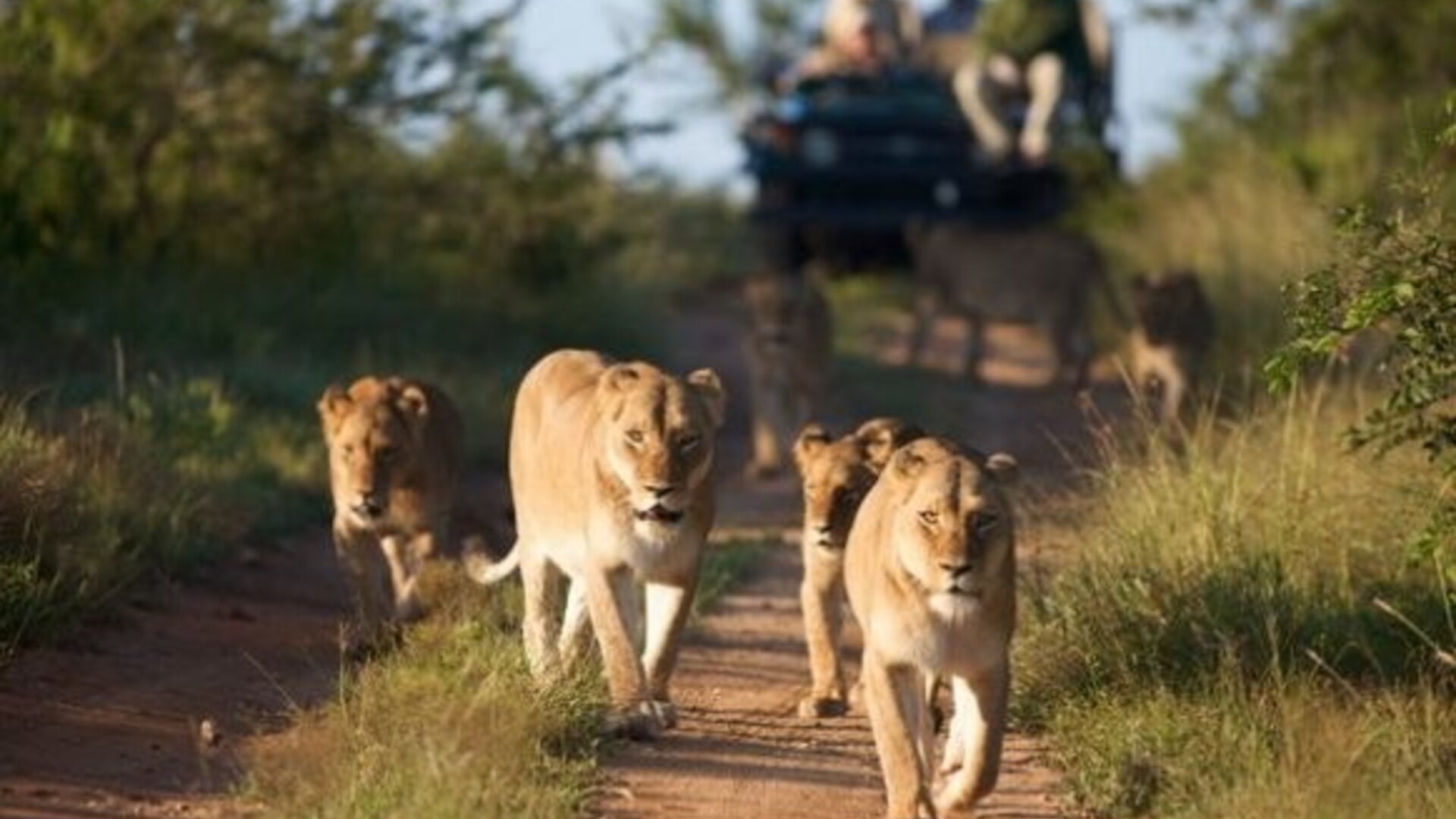
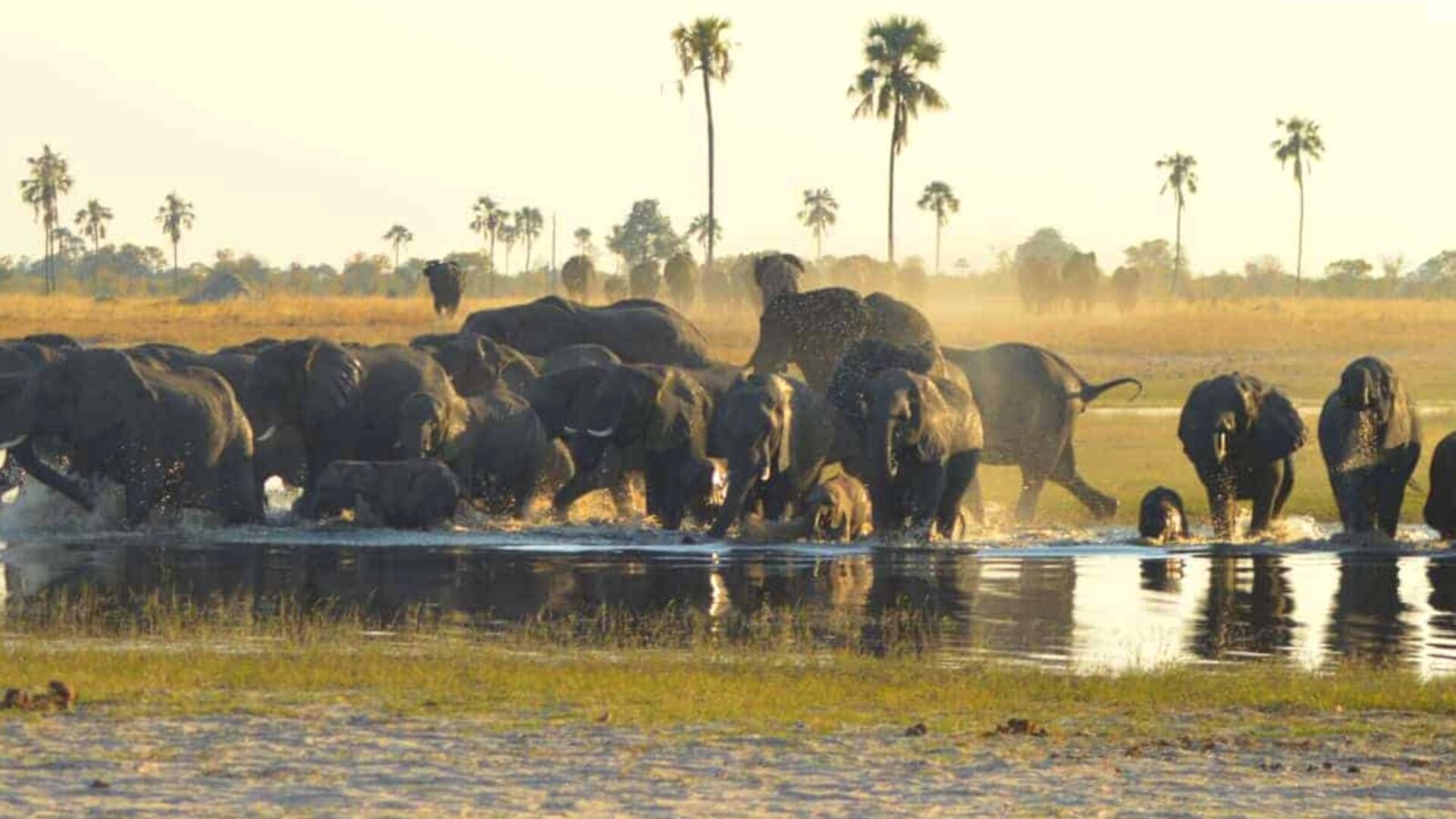
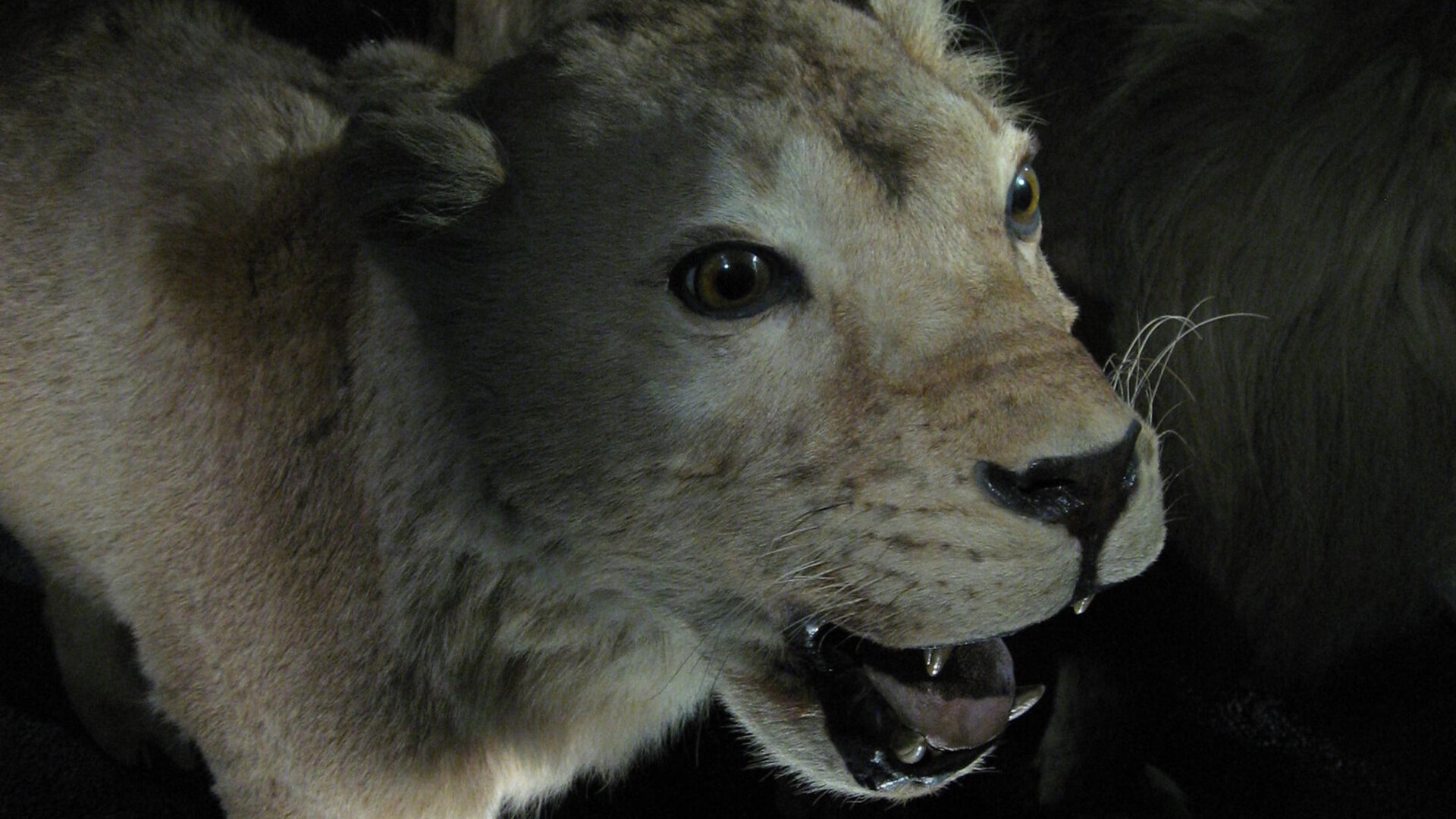
Kenya is one of the world's premier Big Five destinations. The Masai Mara alone is home to an estimated 1,500+ lions, thousands of elephants, hundreds of black rhinos (in Ol Pejeta and private conservancies), leopards in every riverine forest, and Cape buffalo in vast herds. Add to that cheetahs, hyenas, wild dogs (rare but present), and the sheer variety of plains game — zebras, wildebeest, Thomson's gazelles, topis, impalas — and you have wildlife density that Namibia cannot match.
The Great Migration is Kenya's signature spectacle: over a million wildebeest and 200,000 zebras crossing the Mara River (typically July to October) in a chaotic, dramatic surge of hooves, crocodiles, and drowning calves. It is one of the natural world's greatest events, and witnessing it is bucket-list territory. Kenya also offers exceptional birdlife (over 1,000 species), rare antelope (sable, roan, sitatunga), and reliable predator sightings. If your primary goal is to see the Big Five and witness classic African wildlife drama, Kenya is hard to beat.
Namibia: Desert-Adapted Species & Graphic Photography
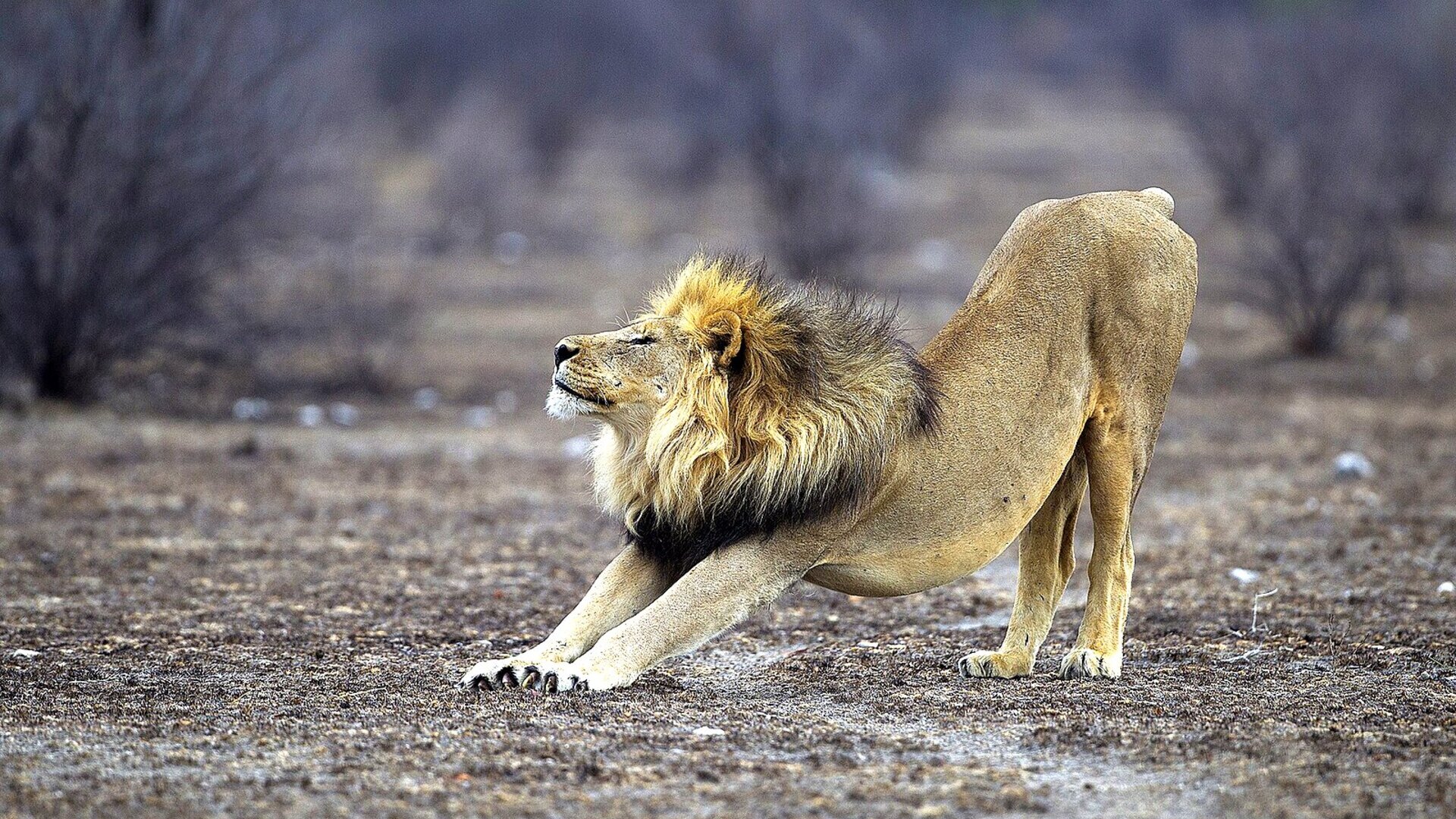
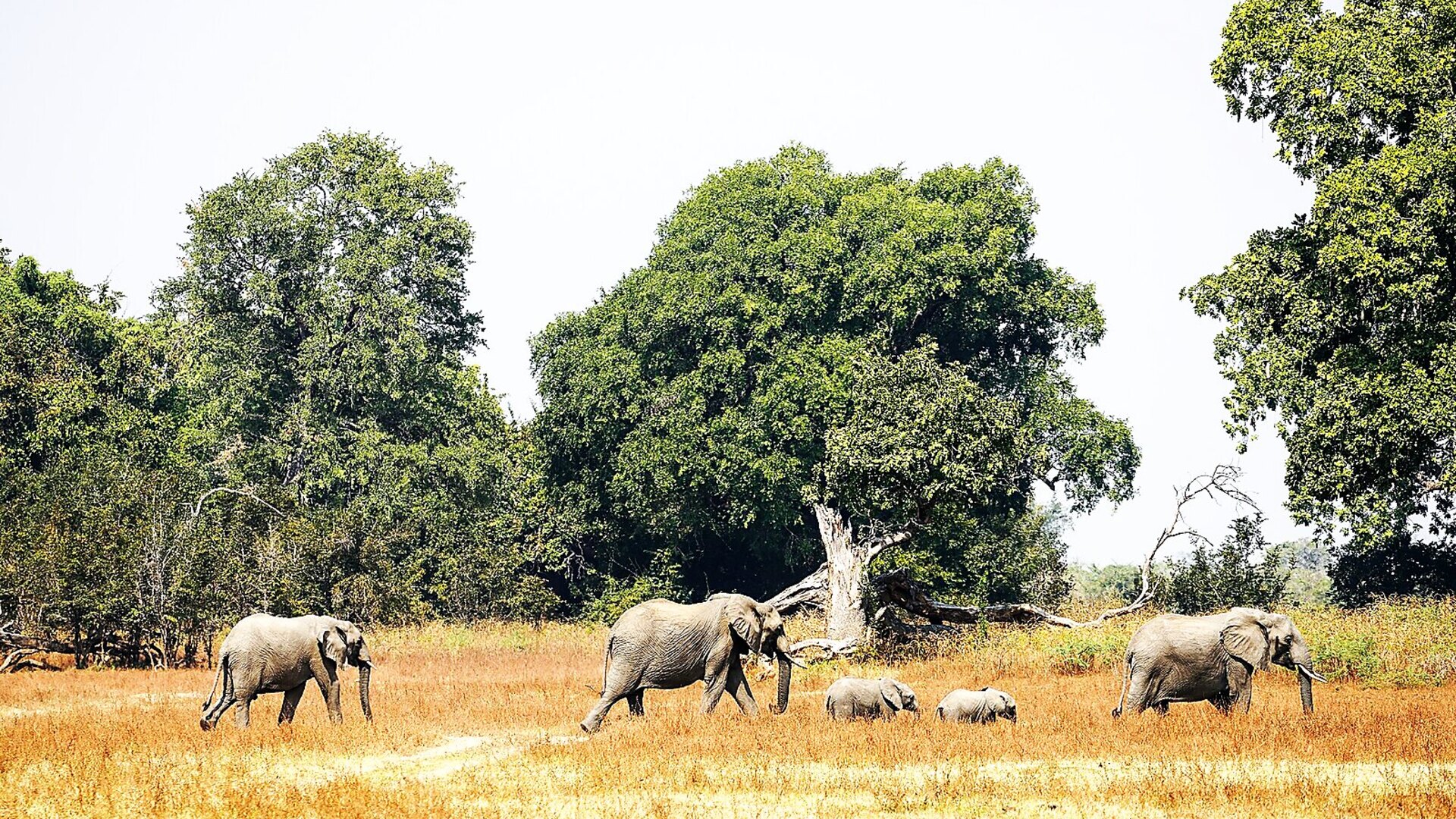
Namibia's wildlife is sparse but extraordinary. The country is home to desert-adapted elephants (Damaraland, Skeleton Coast), free-roaming black rhinos (among the last populations that survive outside fenced reserves), oryx and springbok across the dunes, and lions that hunt seals on the Skeleton Coast. Etosha National Park offers classic African game viewing — elephants, rhinos, lions, giraffes, zebras — with wildlife concentrated around waterholes during the dry season (May to October).
But Namibia's strength is not density. It is uniqueness and photographic quality. An oryx silhouetted on a dune ridge, a lone elephant walking through a dry riverbed, a black-backed jackal trotting across white sand — these are graphic, minimalist images that are impossible in Kenya's busier, greener landscapes. For photographers, Namibia offers clean backgrounds, dramatic light, and subjects that stand out. For wildlife enthusiasts who have already done Kenya or Tanzania and want something different, Namibia delivers.
Landscapes: Grassland vs Dunes
Kenya's landscapes are iconic savanna: endless grassland punctuated by flat-topped acacia trees, seasonal rivers lined with fever trees, and dramatic escarpments (the Great Rift Valley). Amboseli offers views of Kilimanjaro, Samburu has rocky outcrops and doum palms, and the Mara is rolling grassland as far as the eye can see. It is beautiful, quintessentially African, and instantly recognizable from countless documentaries.
Namibia's landscapes are otherworldly. Sossusvlei's dunes are the tallest on Earth, glowing orange and red at sunrise. Deadvlei is a white clay pan dotted with the skeletons of 900-year-old trees. The Skeleton Coast is fog-shrouded, shipwreck-littered, and utterly bleak. Damaraland is rocky mountains and dry riverbeds. The NamibRand offers night skies so dark the Milky Way casts shadows. If you want classic African savanna, Kenya wins. If you want surreal, graphic, minimalist desert, Namibia is unmatched.
Costs: Luxury is Comparable, Mid-Range Favours Kenya
At the luxury end, costs are similar. Kenya's top camps (Angama Mara, Sanctuary Olonana, Mahali Mzuri) and Namibia's fly-in lodges (Sossusvlei Desert Lodge, Shipwreck Lodge, Wolwedans) both charge US$800-2,000+ per person per night, all-inclusive. A 7-10 day luxury safari in either country will cost US$10,000-30,000 per person, excluding international flights.
The difference is in mid-range and budget options. Kenya has a well-developed mid-range safari infrastructure: tented camps at US$300-600 per person per night, group safaris that bring costs down, and a range of options for budget-conscious travelers. Namibia's mid-range is thinner, and budget safaris (outside self-drive) are rare. Namibia also has higher logistics costs — fly-in safaris save time but add expense, and self-drive (the budget option) demands confidence, planning, and tolerance for gravel roads.
Winner on cost: Kenya, if you're on a mid-range or budget. Tie, if you're traveling luxury.
Who Should Choose Namibia?
- Honeymooners: Namibia's ultra-luxury camps, privacy, and romance (hot-air balloons, starlit dinners) make it ideal for couples. Kenya is busier and less intimate.
- Photographers: Namibia's clean backgrounds, graphic subjects, and exceptional light (especially for astrophotography) reward skilled shooters. Kenya offers more action but less minimalism.
- Repeat Africa visitors: If you've already done Kenya, Tanzania, or Botswana, Namibia offers something entirely new — desert, not savanna.
- Luxury and privacy seekers: Namibia's fly-in camps are small (6-16 guests), remote, and utterly exclusive. Kenya's top camps are excellent but larger and busier.
- Those who value landscapes over wildlife: If you care more about surreal dunes and night skies than seeing 50 elephants in a day, Namibia wins.
Who Should Choose Kenya?
- First-time safari-goers: Kenya delivers the classic African safari: lions, elephants, the works. It is easier to "get right" than Namibia's more niche appeal.
- Big Five enthusiasts: If your goal is to see the Big Five (lion, leopard, elephant, rhino, buffalo) and witness predator action, Kenya is superior.
- Migration watchers: The Great Migration is a bucket-list event, and Kenya (July-October) offers the most dramatic river crossings.
- Families: Kenya's lodges are more family-friendly, with dedicated kids' programs, shorter game drives, and more forgiving wildlife density. Namibia's ultra-luxury camps often have age restrictions.
- Budget and mid-range travelers: Kenya has more options and better value at the mid-range level. Namibia is harder to do cheaply unless you self-drive.
Can You Combine Them?
Yes, and many travelers do. A Kenya + Namibia combo delivers the best of both: Big Five action in the Mara, followed by desert romance in Sossusvlei. Typical routing: fly into Nairobi, spend 4-5 days in the Masai Mara or Amboseli, fly to Windhoek, and spend 5-7 days in Namibia (Sossusvlei, Skeleton Coast, Etosha). Total trip: 10-14 days. It is expensive (two countries, two sets of camps, multiple flights), but if you have the time and budget, it is the ultimate African safari.
Alternatively, combine Namibia with South Africa (Cape Town, Kruger, Winelands) or Kenya with Tanzania (Serengeti, Ngorongoro, Zanzibar). Both are easier logistics than a Kenya-Namibia combo, and both deliver variety without the complexity of crossing Southern and East Africa.