Key Takeaways
- The Panorama Route and the Greater Kruger sit side by side in Mpumalanga — you can drive from canyon viewpoints to a Big Five game drive in a single afternoon.
- The Panorama Route delivers the scenery: the Blyde River Canyon, the Three Rondavels, God's Window, Bourke's Luck Potholes and a string of escarpment waterfalls.
- For the safari itself you choose between self-drive Kruger, a Greater Kruger private reserve, or the off-road, leopard-rich Sabi Sands.
- The classic combined trip runs about five days from Johannesburg — two on the Panorama Route, two to three on safari — and covers both worlds without feeling rushed.
- The dry winter months (May to September) give the best game viewing and the clearest canyon views; the green summer is lush and dramatic but hazier and wetter.
- You can self-drive the whole loop or travel it as a fully guided private trip — we sequence the scenery and safari so every transfer is short and every day earns its place.
The Corridor Explained
Most first-time visitors to South Africa's northeast think of the Kruger as a single decision: which lodge, which gate, how many nights. What they miss is that the drive to the Kruger is one of the most beautiful in Africa. The Great Escarpment, where the Highveld plateau drops away towards the Lowveld bushveld, runs right alongside the park — and the road down it is the Panorama Route. Combine the two and you turn a safari into a proper journey.
Geographically it is beautifully simple. You leave Johannesburg heading east, climb onto the Mpumalanga escarpment, and spend a day or two among canyons, waterfalls and cliff-edge viewpoints. Then the road descends into the Lowveld, and within a couple of hours you are at a Kruger gate or a private reserve in the Greater Kruger. The scenery and the safari are not two separate holidays — they are two halves of one continuous route, an easy drive apart.
That is why we treat this whole area as a corridor rather than a set of unconnected stops. The Panorama Route earns its two days on drama and views; the Greater Kruger earns its two or three on wildlife. Stitched together, they give you the single most complete introduction to what this corner of South Africa does better than anywhere else on the continent.
Panorama Route Highlights
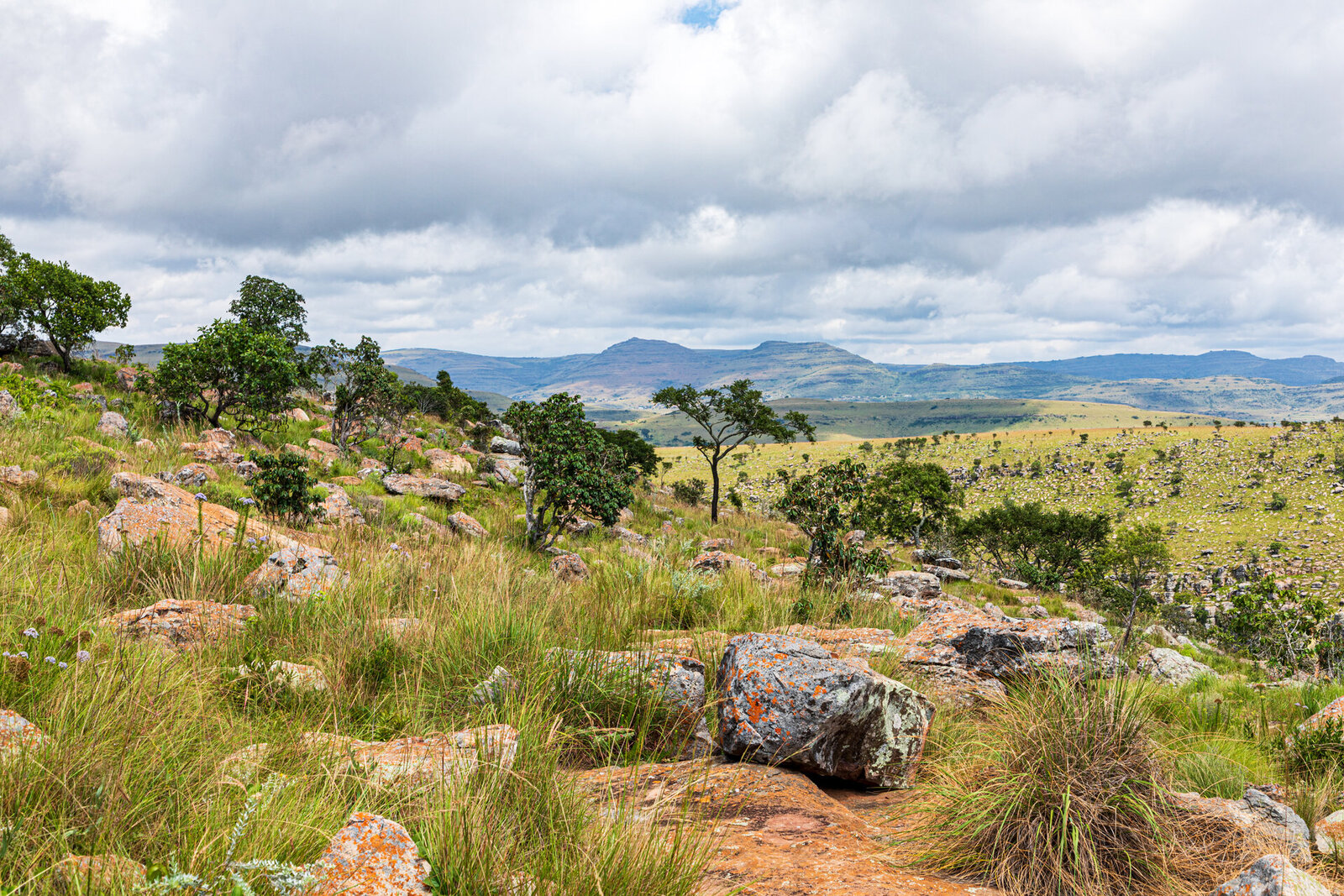
The Panorama Route is a string of viewpoints and natural wonders spread along the edge of the escarpment, most of them within an easy drive of the towns of Graskop and Hazyview. The undisputed centrepiece is the Blyde River Canyon — the third-largest canyon in the world and, unlike its rockier rivals, a green, forested gorge that plunges away below the Three Rondavels, three round-topped peaks that look like traditional huts. The main viewpoint is one of the great panoramas in Africa.
From there the highlights come thick and fast. God's Window is a cliff-edge lookout where the escarpment falls a thousand metres to the Lowveld, with the Kruger's bushveld hazing away to the horizon on a clear day. Bourke's Luck Potholes are a surreal set of smooth, swirling rock cylinders carved where the Treur and Blyde rivers meet. And the route is stitched together by waterfalls — Lisbon, Berlin, Mac-Mac and more — each a short stop off the main road.
Two days is the sweet spot. You can see the top sights in a full day if you are pressed, but staying a night on the escarpment lets you catch the viewpoints in the soft morning light before the afternoon haze builds, and turns a checklist into an experience. Historic little Pilgrim's Rest, a preserved gold-rush village, makes a good lunch stop to break up the driving.
Kruger vs Sabi Sands: Where to Safari
Once you descend the escarpment, you have a choice to make about the safari half of the trip, and it shapes both the experience and the budget. The Kruger National Park itself is vast, affordable and open to self-drivers — you can rent a car, enter through a gate like Numbi or Phabeni near Hazyview, and find your own animals on tarred and gravel roads, staying in the park's own rest camps. It is one of the great value safaris on Earth.
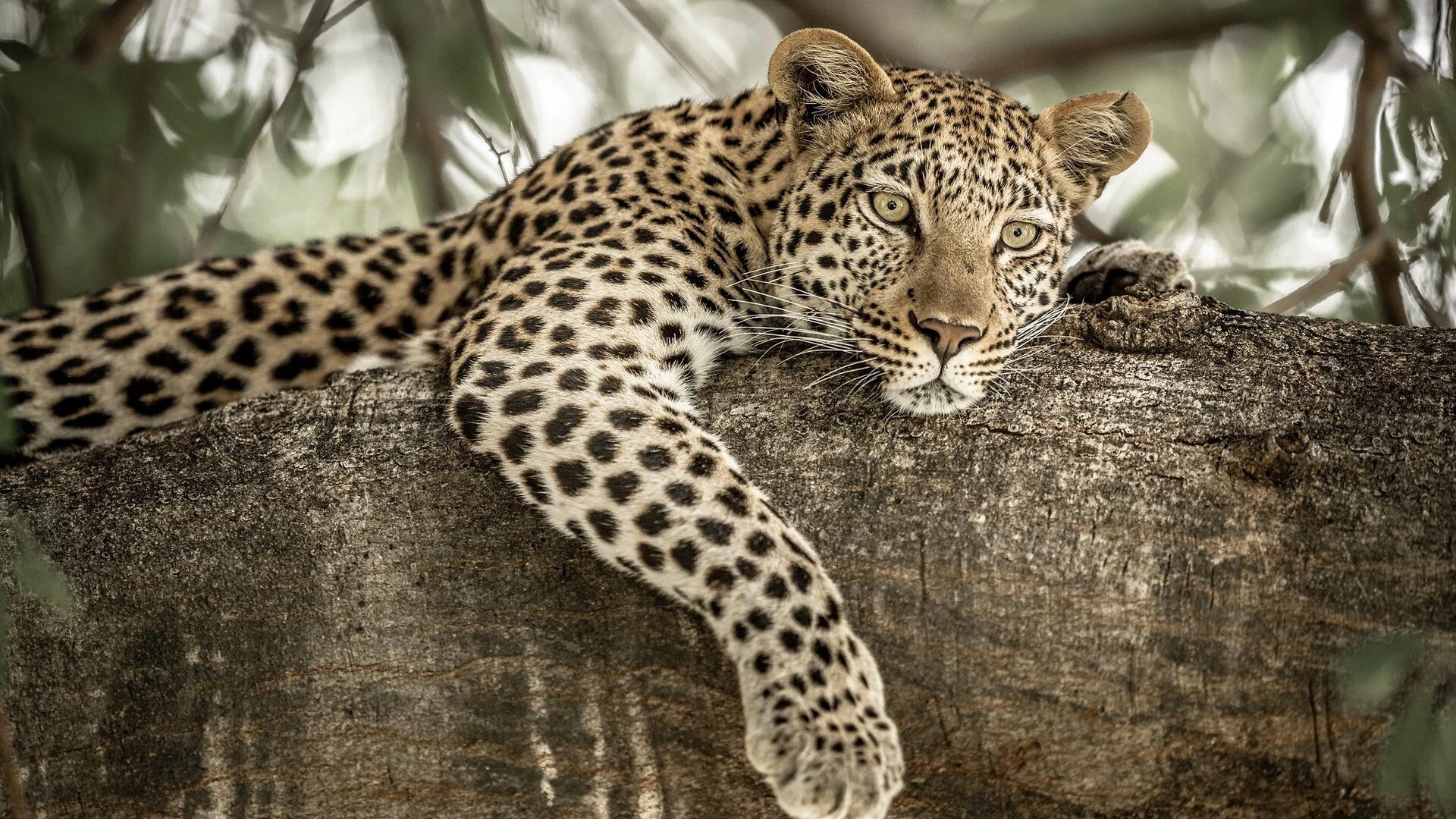
The alternative is a private reserve in the Greater Kruger — the belt of unfenced concessions that share an open border with the national park, so the game moves freely between them. The most famous is the Sabi Sands, celebrated worldwide for its leopards and its licence to drive off-road right up to a sighting. Here you stay at a lodge with an expert ranger and tracker, do twice-daily guided drives, and see far more, far closer, than a self-driver typically can — at a considerably higher price.
There is no wrong answer. Families and budget-minded travellers often love the freedom and value of self-drive Kruger; honeymooners and first-timers who want the polished, high-density experience gravitate to the Sabi Sands or a similar private concession. Many of our travellers split the difference: a night or two of self-drive Kruger for the scale, then a night in a private reserve for the intensity. We help you weigh it up against your budget and travel style.
The Classic 5-Day Combined Itinerary
Five days is the classic length for a combined trip, balancing scenery and safari without wasted driving. Here is the flow we build most often, starting and ending in Johannesburg.
Day 1 — Johannesburg to the escarpment. Drive east onto the Highveld and up to the Panorama Route, settling into a lodge near Graskop or Hazyview by afternoon. If time allows, catch your first viewpoint in the golden evening light.
Day 2 — Panorama Route. A full day of the escarpment's greatest hits: the Blyde River Canyon and Three Rondavels, God's Window, Bourke's Luck Potholes and a waterfall or two, with a lunch stop at Pilgrim's Rest. Overnight again on the escarpment or drop down towards the Kruger gate.
Day 3 — Into the bush. Descend into the Lowveld and enter your safari base — a Kruger rest camp or a Greater Kruger private lodge — in time for an afternoon or sunset game drive. The transition from canyon country to Big Five bush in a single morning is the whole point of the corridor.
Day 4 — Full safari day. A dawn game drive when the predators are active, a lazy midday, and an afternoon-into-night drive. This is your prime wildlife day, and in a private reserve it is when the leopards, lions and big herds really deliver.
Day 5 — Final drive and return. A last sunrise game drive, then the transfer back towards Johannesburg (or an onward flight from the local airports at Nelspruit or Skukuza). You leave with both the canyon and the Big Five in the same set of photographs.
Best Time & How to Travel the Route
The dry winter months, roughly May to September, are the sweet spot for the combined trip. In the bush, thinning vegetation and animals crowding the shrinking waterholes make for the best Big Five viewing of the year; on the escarpment, the crisp winter air often gives the clearest long-distance views from God's Window and the canyon rim. Days are mild and sunny, nights are cold — pack layers for early game drives.
The green summer season, roughly November to March, flips the trade-offs. The bush is lush and beautiful, the escarpment waterfalls thunder at full volume, and newborn animals and migrant birds fill the reserves — but the thick vegetation makes game harder to spot, afternoon thunderstorms are common, and heat haze can soften the big canyon views. It is cheaper and dramatic, and many travellers happily accept the trade for greener photographs.
On the practical side, you can either self-drive the whole loop — the roads are good and the Panorama Route is well signposted — or travel it as a fully guided private trip with a driver-guide who handles the escarpment and hands you to a ranger in the reserve. Self-drive maximises freedom and budget; a guided trip maximises comfort and lets you simply look out of the window. We arrange either, including the car, the lodges and every transfer.
Planning Your Combined Safari
The art of a great corridor trip is sequencing. Done well, the Panorama Route and the Greater Kruger flow into each other so naturally that the drive between them feels like part of the safari rather than a chore. Done badly, you end up backtracking, arriving at viewpoints in the harsh midday haze, or reaching your lodge too late for the afternoon drive. The order of the days, the choice of overnight bases and the timing of each leg all matter.
That is exactly what we handle. We match your safari half to your budget and style — self-drive Kruger, a Greater Kruger private lodge, or the leopard-rich Sabi Sands — slot the Panorama Route around it so the light and the driving work in your favour, and book the lodges, car or transfers, park fees and internal flights as one seamless itinerary. You get both the scenery and the safari with none of the logistics.
Whether you want a relaxed five-day loop or a longer trip that adds Cape Town and the coast on either end, we build it around you. Talk to us and we will design a Panorama Route and Kruger itinerary that turns two famous half-trips into one complete South African journey.
Ready to explore? Browse our Kruger & Panorama Route safari packages →