Key Takeaways
- Sabi Sands is the world's leopard capital — nowhere on Earth offers such consistent, relaxed close-up leopard sightings, the result of decades of habituation on private land.
- It shares an unfenced boundary with Kruger — wildlife moves freely between the reserve and the national park, but Sabi Sands gives you private access without the crowds.
- Private traversing rights unlock everything — off-road driving, night drives and walking safaris that are prohibited in the public Kruger National Park.
- Home to the finest lodges in Africa — Singita, Londolozi, MalaMala, Sabi Sabi, Lion Sands and Dulini set the global standard for safari luxury.
- The full Big Five, easily — lion, leopard, elephant, buffalo and rhino are all resident, with some of the highest sighting success rates in Africa.
- Budget $900-3,500 per person per night for all-inclusive lodge stays — and it's malaria-precaution country, easily reached from Johannesburg by a short flight to a private airstrip.
1. Why Sabi Sands Is the Ultimate Private Reserve
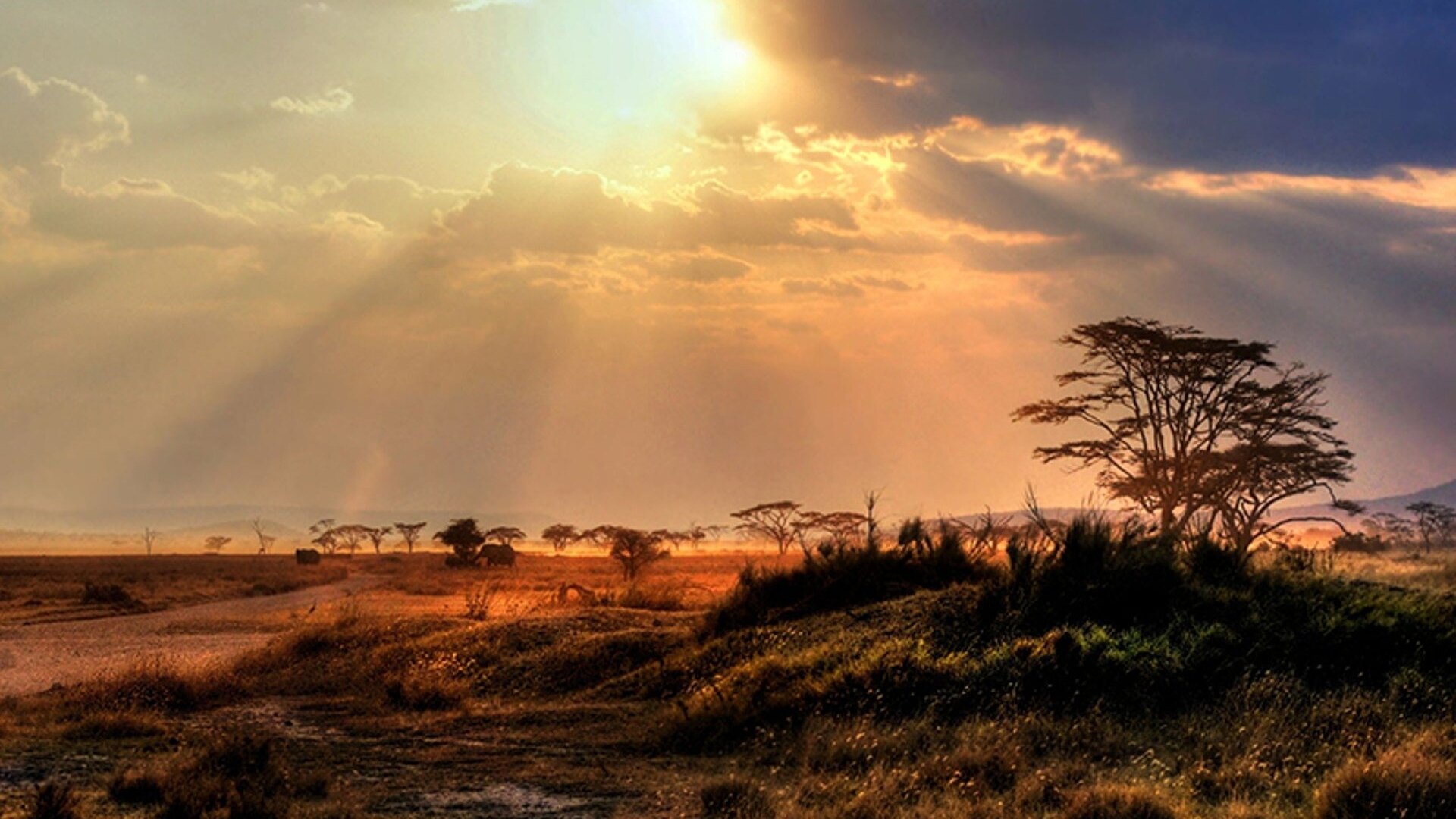
The Sabi Sand Game Reserve — almost always called simply "Sabi Sands" — is the crown jewel of the South African safari. Bordering the southwestern edge of Kruger National Park, it is the oldest and most celebrated private reserve in the country, and for many seasoned travellers it represents the pinnacle of the African safari experience.
The single most important fact about Sabi Sands is this: there is no fence between it and Kruger. Decades ago, the boundary fences were dropped, allowing wildlife to move freely across a vast, unbroken ecosystem. You get the same wildlife as the two-million-hectare national park — but on private land, with private access.
What you gain on a private Sabi Sands safari:
- Off-road driving freedom — Guides can leave the roads to follow a leopard into a thicket or position perfectly for a lion sighting. Strictly prohibited in the public Kruger National Park.
- Night drives — After sunset, spotlights reveal leopards on the hunt, civets, genets, bushbabies and porcupines. Not permitted in the self-drive sections of Kruger.
- Walking safaris — Track wildlife on foot with expert armed guides, reading the bush at ground level.
- Low vehicle density — Lodges limit the number of vehicles at any sighting (often just two or three), so you never face the traffic jams of the public park.
- Expert guiding & tracking — Each vehicle carries a professional guide and a skilled tracker, dramatically improving your sightings.
- All-inclusive luxury — Rates cover accommodation, all meals, drinks, and two game activities a day, delivered at a world-class standard.
Kruger National Park is magnificent and far more affordable — but it is shared with thousands of self-drive visitors on tarred roads. For true exclusivity, expert guiding and off-road access, Sabi Sands is unmatched.
2. The Leopard Capital of the World
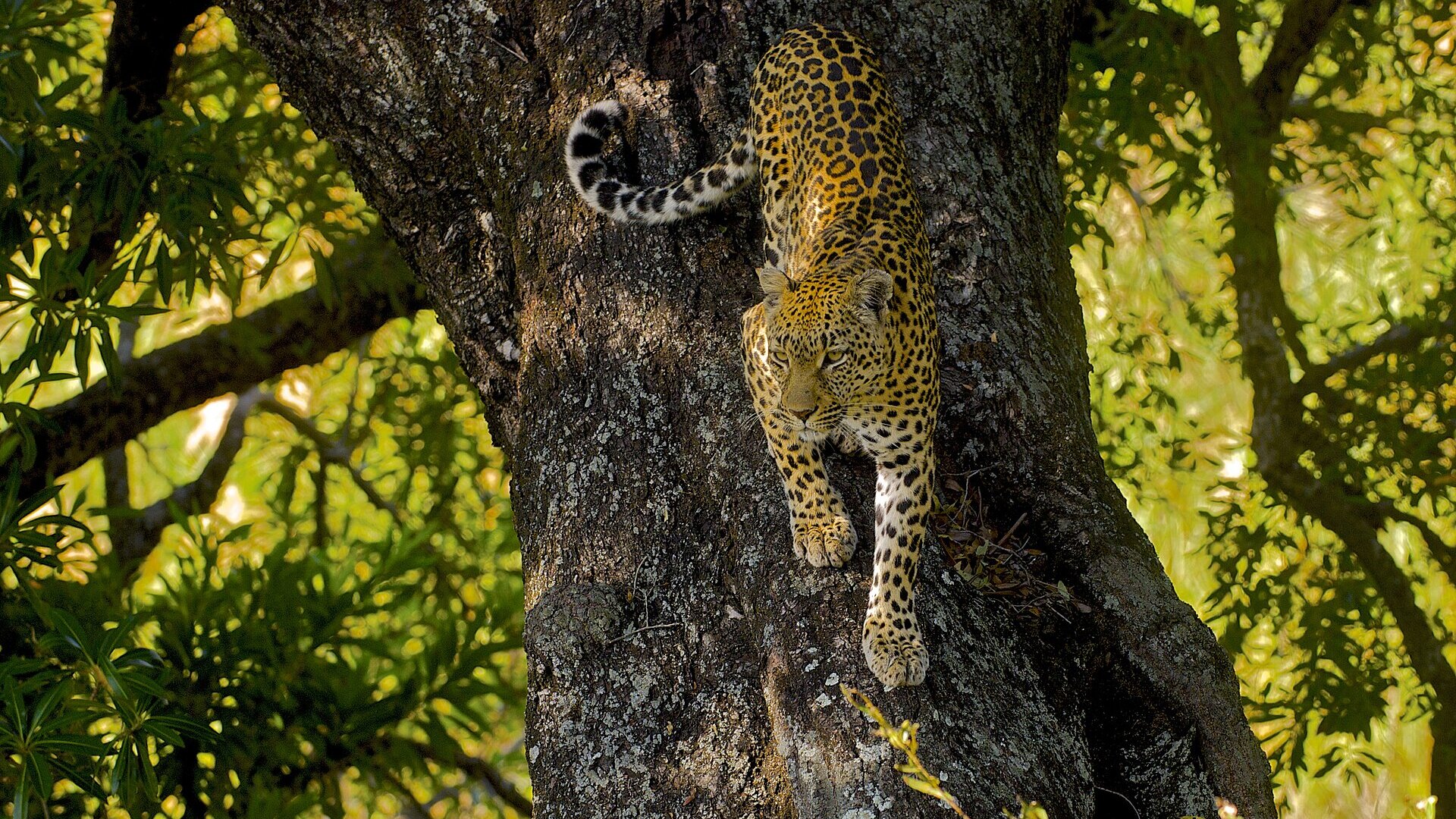
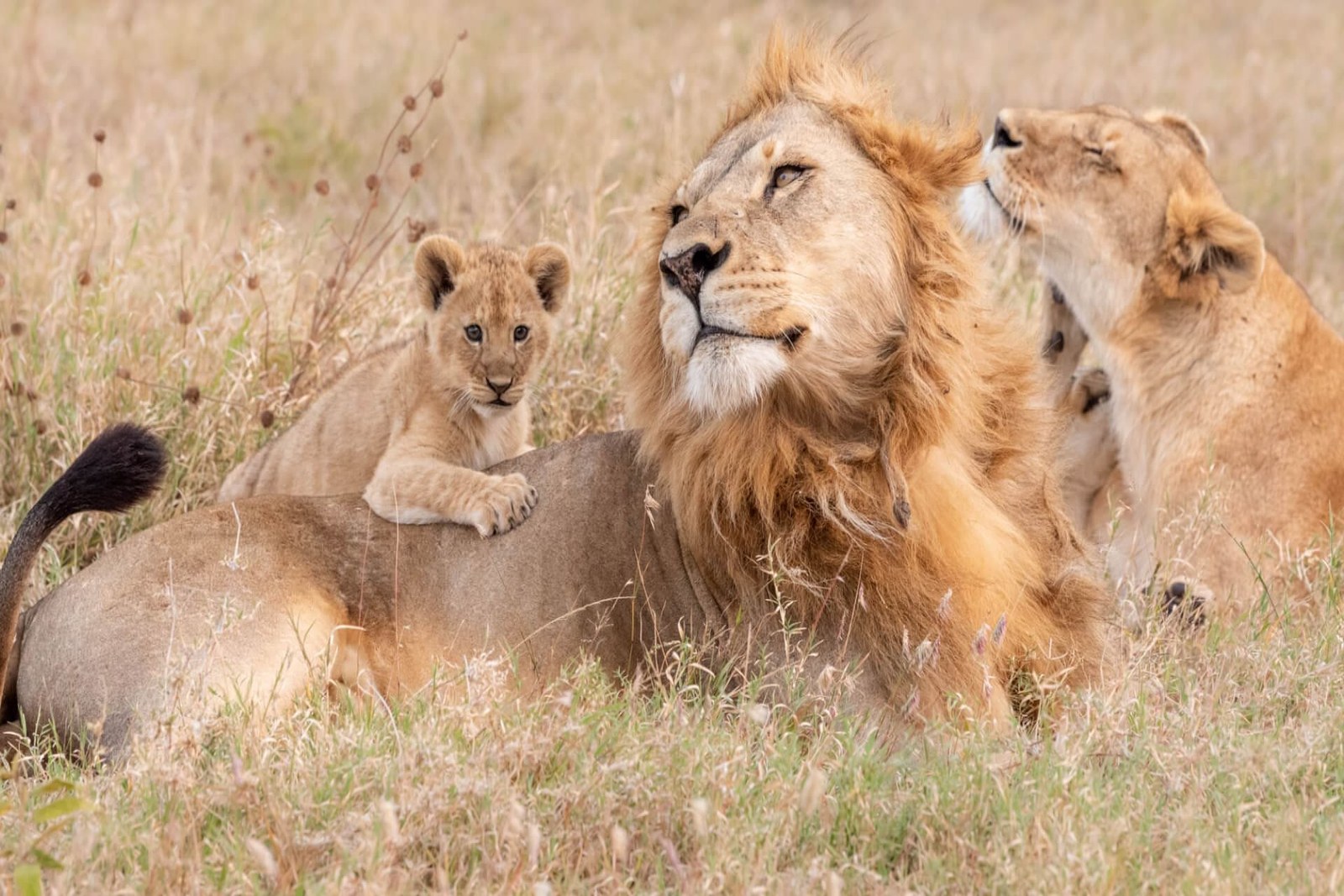
If there is one animal that defines Sabi Sands, it is the leopard. This reserve is, without exaggeration, the finest place on the planet to see wild leopards — and to see them relaxed, in the open, and often at astonishingly close range.
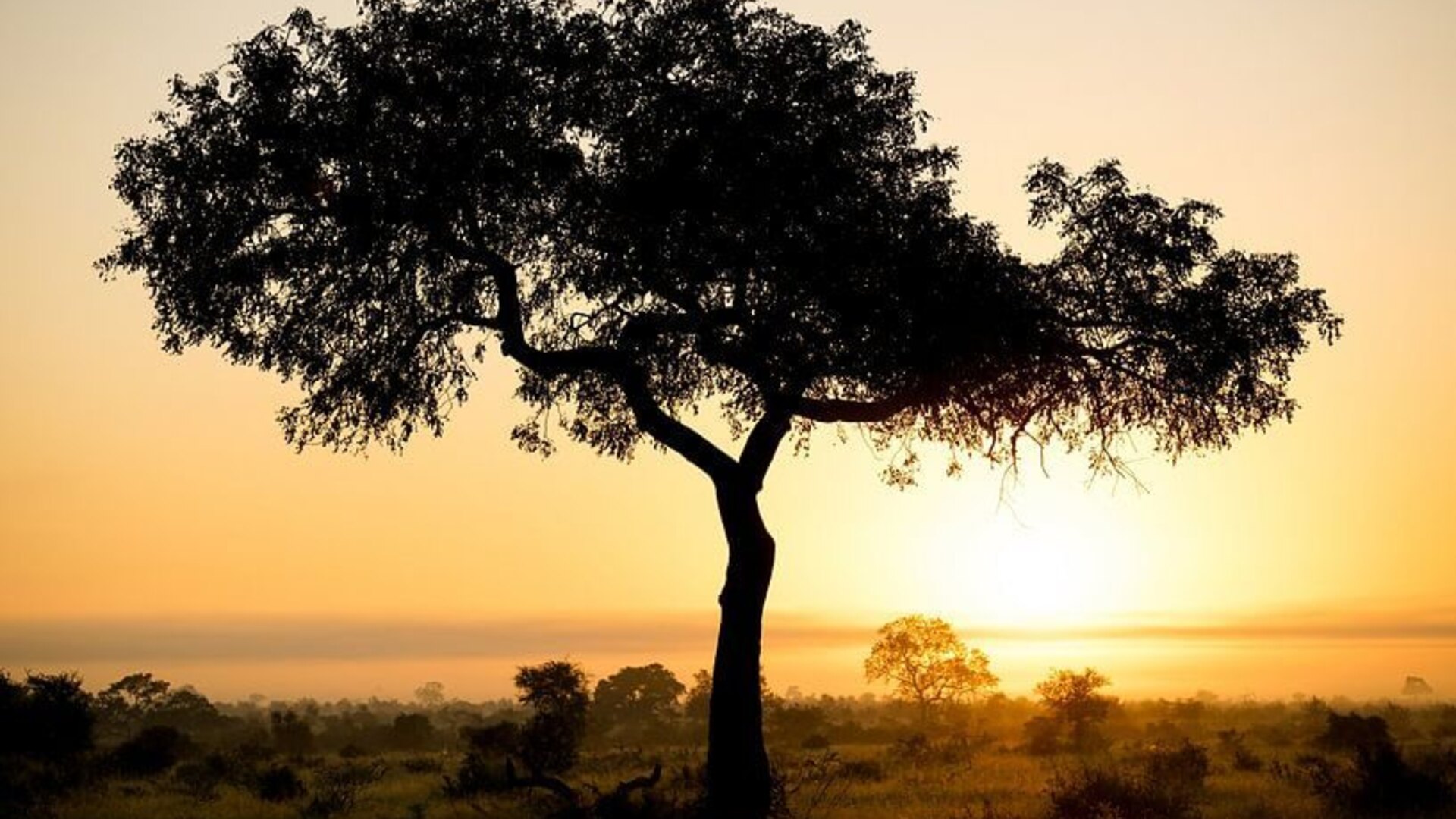
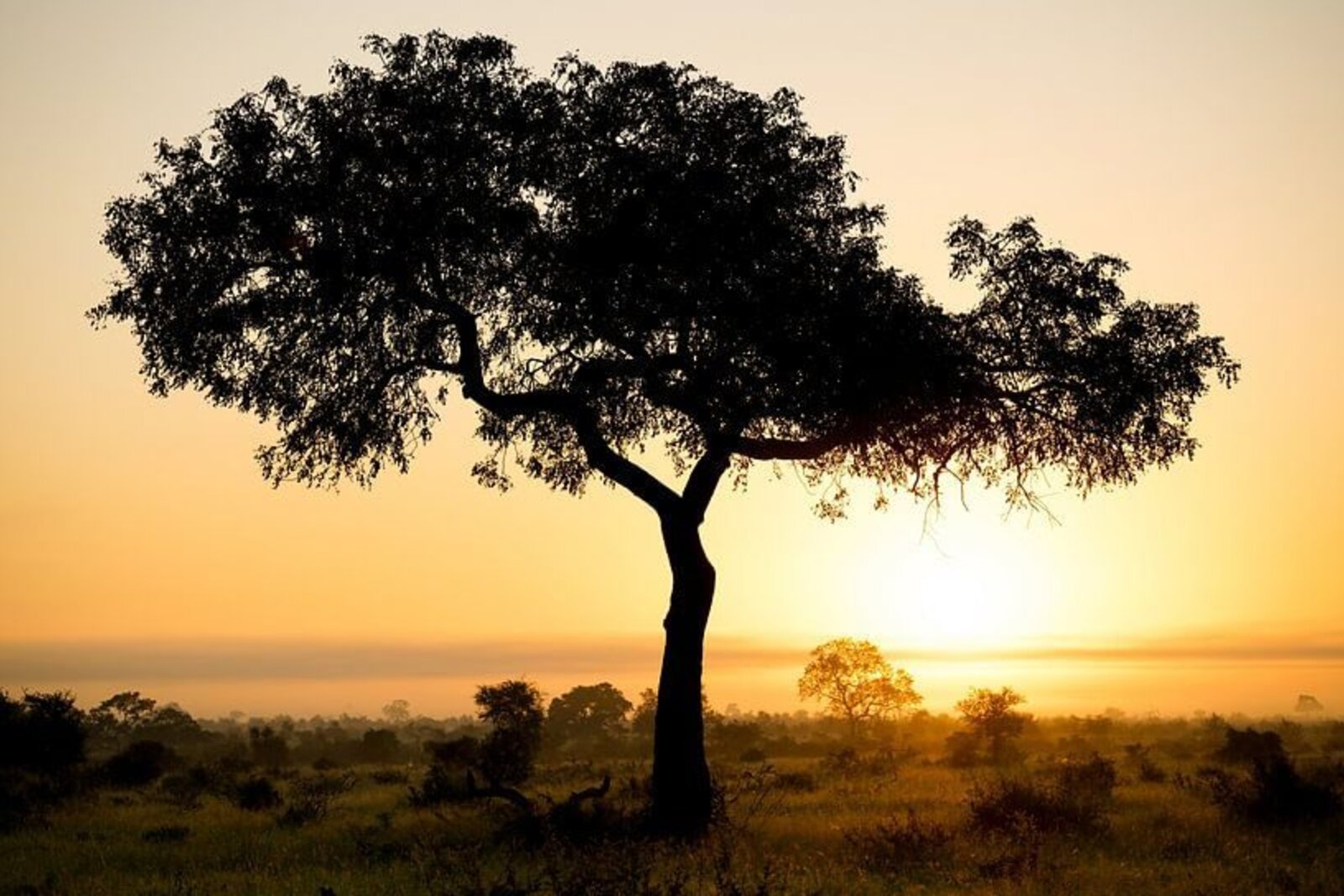
The reason is decades of careful habituation. Because the same private guides and trackers have followed the same leopard lineages across generations, the cats here are utterly at ease with vehicles. A leopard will drape itself over a marula branch, hoist a kill into a tree, or walk right past your vehicle as if it isn't there. Nowhere else offers this consistency.
The Full Big Five — and So Much More
Leopards may be the headline act, but Sabi Sands delivers the complete Big Five with some of the highest success rates in Africa:
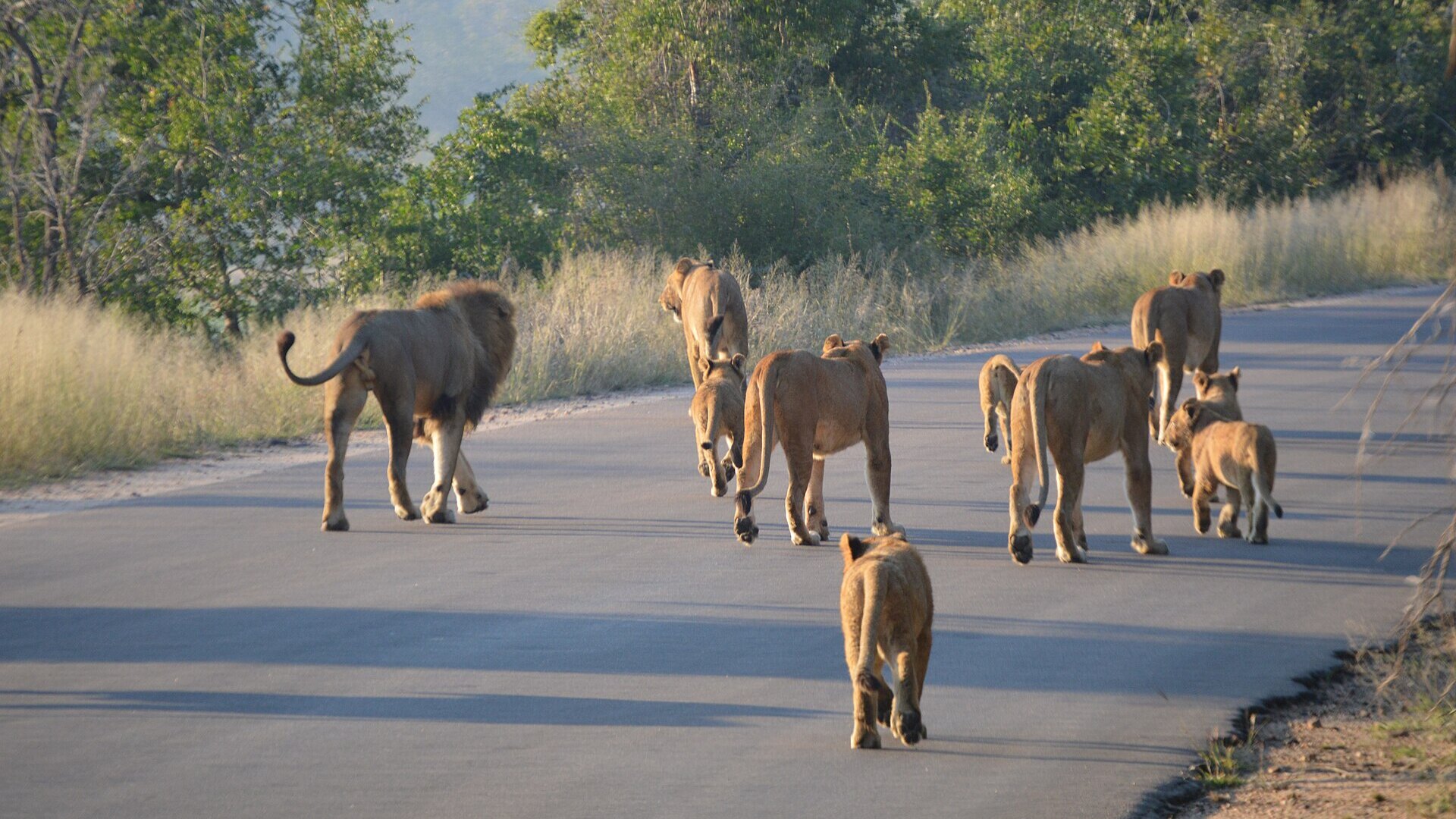
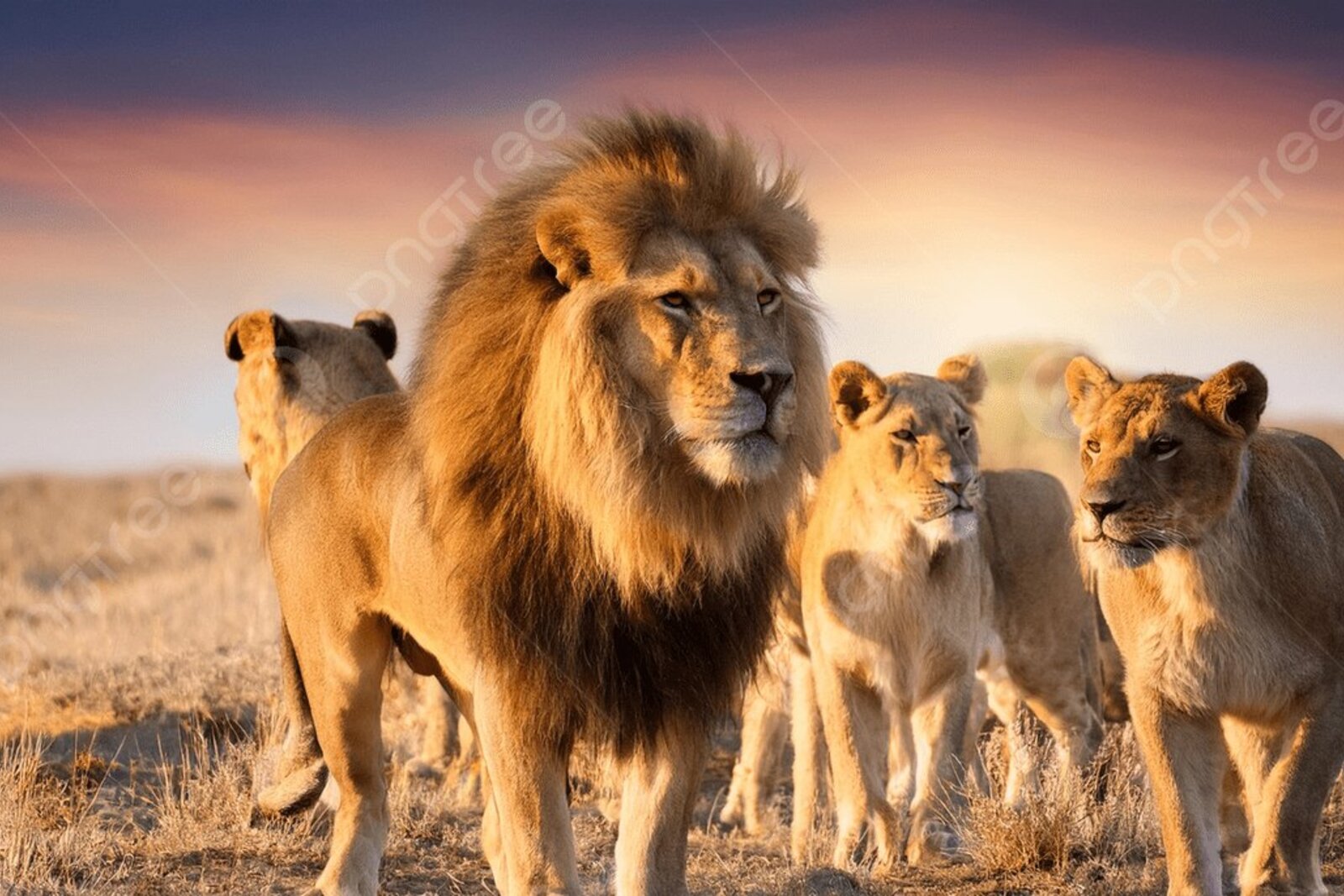
- Lion — Multiple resident prides, with dramatic territorial dynamics and frequent kills.
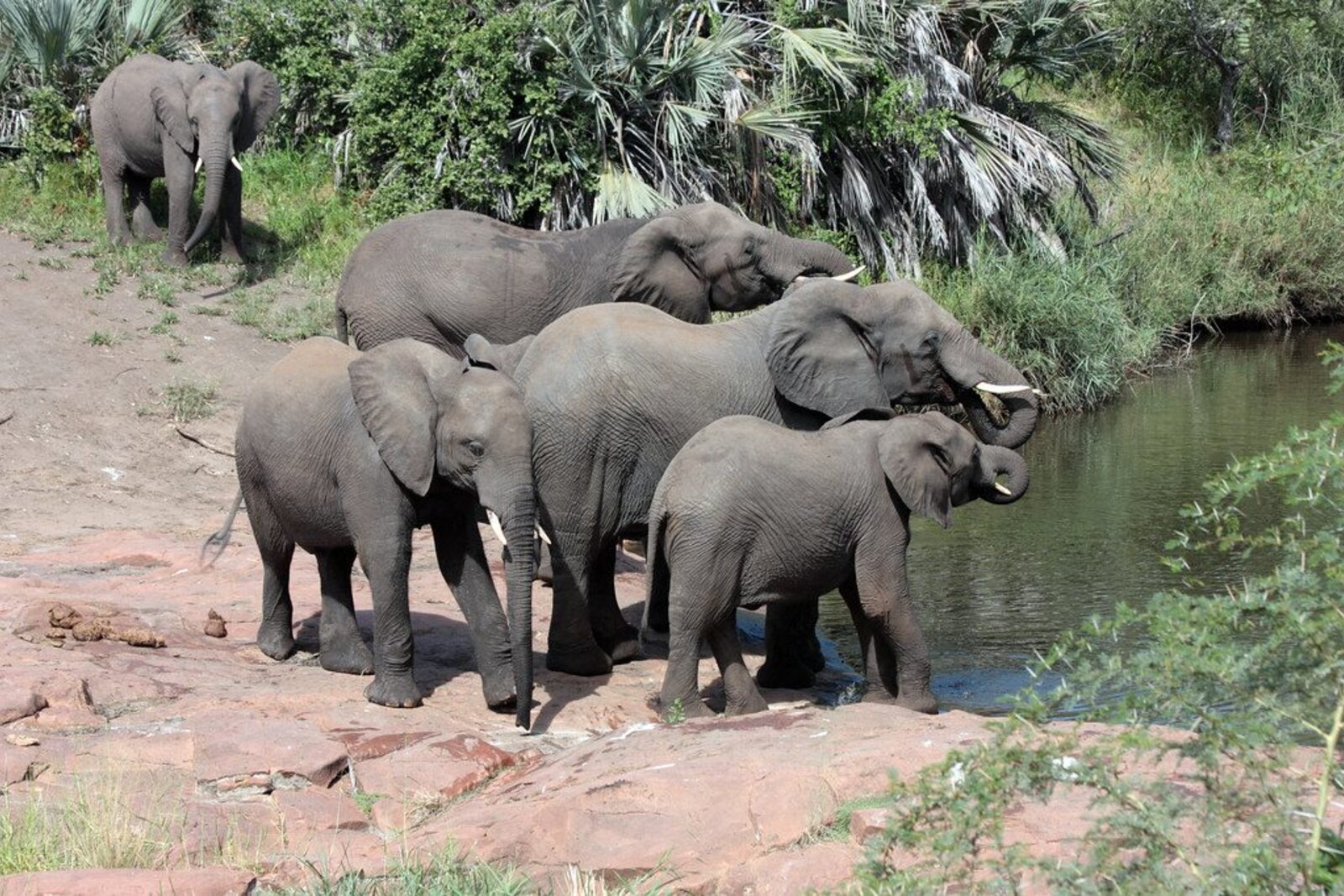
- Elephant — Large herds move through constantly, part of the greater Kruger's ~30,000-strong population.
- Buffalo — Big breeding herds and old "dagga boys" wallowing in the mud.
- Rhino — Both white and black rhino are present, protected by dedicated anti-poaching teams.
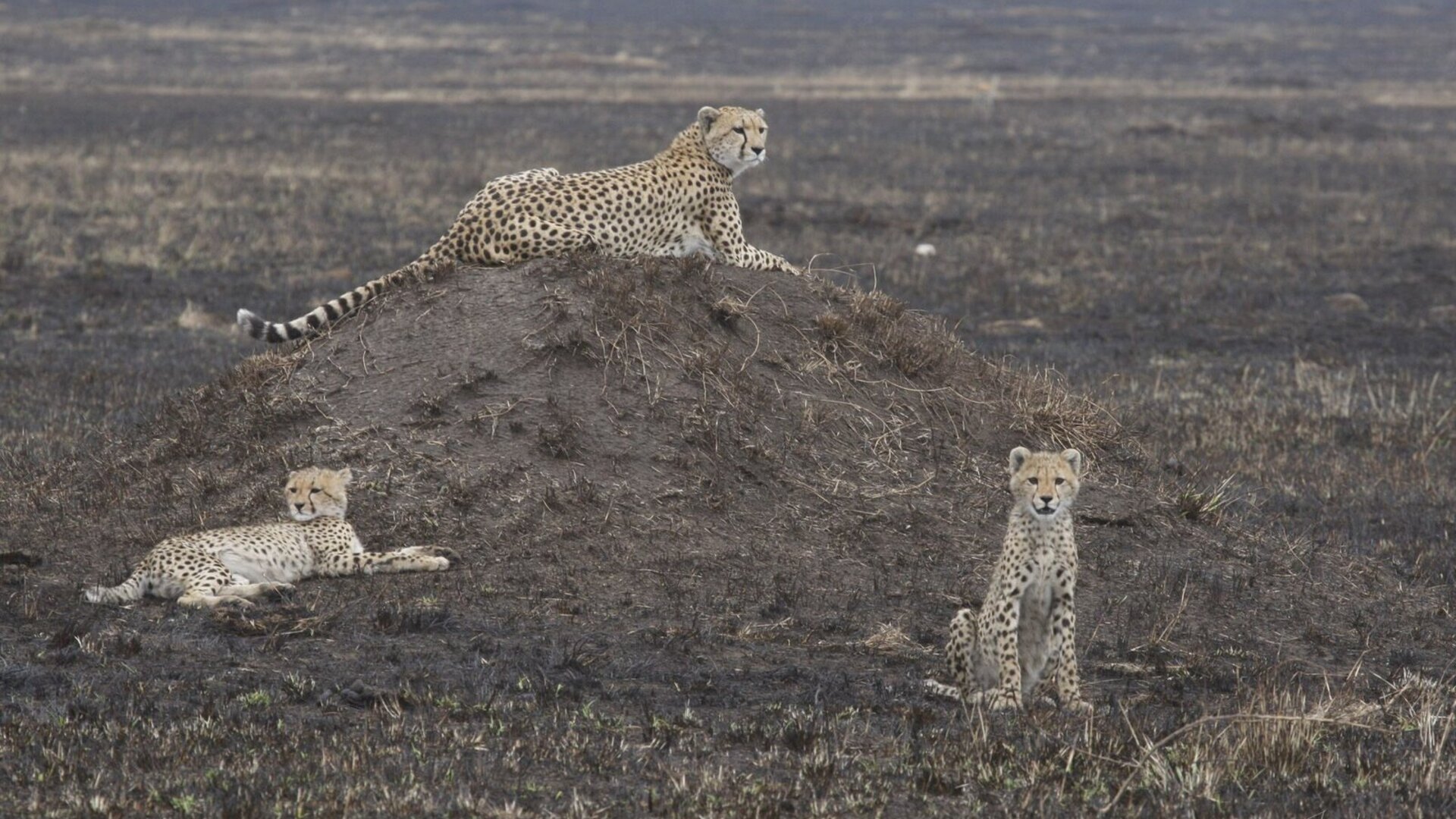
- Cheetah & wild dog — The open areas host cheetah, and endangered African wild dogs den in the region — a rare and thrilling sighting.
Related reading: The Complete Sabi Sand Safari Guide →
3. Top Private Concessions Within Sabi Sands
Sabi Sands is not a single homogenous block — it is a mosaic of private properties, each with its own lodges and traversing rights. Understanding this geography helps you choose the right base for your safari.
The Western Sector (Sabi River)
The area along the Sabi River in the west is the reserve's historic heart, home to legendary lodges like Londolozi and Singita Ebony/Boulders. The riverine forest and dense vegetation make this prime leopard territory, and the traversing here is extensive.
Best for: Classic Sabi Sands leopard viewing, riverine scenery and heritage lodges with impeccable pedigrees.
The MalaMala Sector
MalaMala is a vast private concession forming the longest boundary with Kruger of any Sabi Sands property — around 19 kilometres of unfenced frontage. Its exclusive traversing (guests of MalaMala only) and huge area mean superb, uncrowded game viewing.
Best for: Big-game enthusiasts wanting exclusive, expansive traversing and a strong track record for all Big Five.
The Sabi Sabi & Southern Sector
In the south, Sabi Sabi operates four distinctive lodges across its own extensive concession, offering a beautifully rounded Big Five experience with a strong conservation and community ethos.
Best for: First-time safari-goers wanting a polished, all-round Big Five experience with a choice of lodge styles.
The Northern & Central Sectors
Properties such as Dulini, Arathusa and Cheetah Plains occupy the central and northern reaches, blending excellent game viewing with more intimate, contemporary lodge experiences.
The key insight: Every sector delivers superb wildlife — the differences are in scenery, exclusivity of traversing, and lodge character. Our team matches you to the sector and property that fits your priorities and budget.
Related reading: Kruger vs Sabi Sands: Which Is Right for You? →
4. Best Private Lodges & Camps
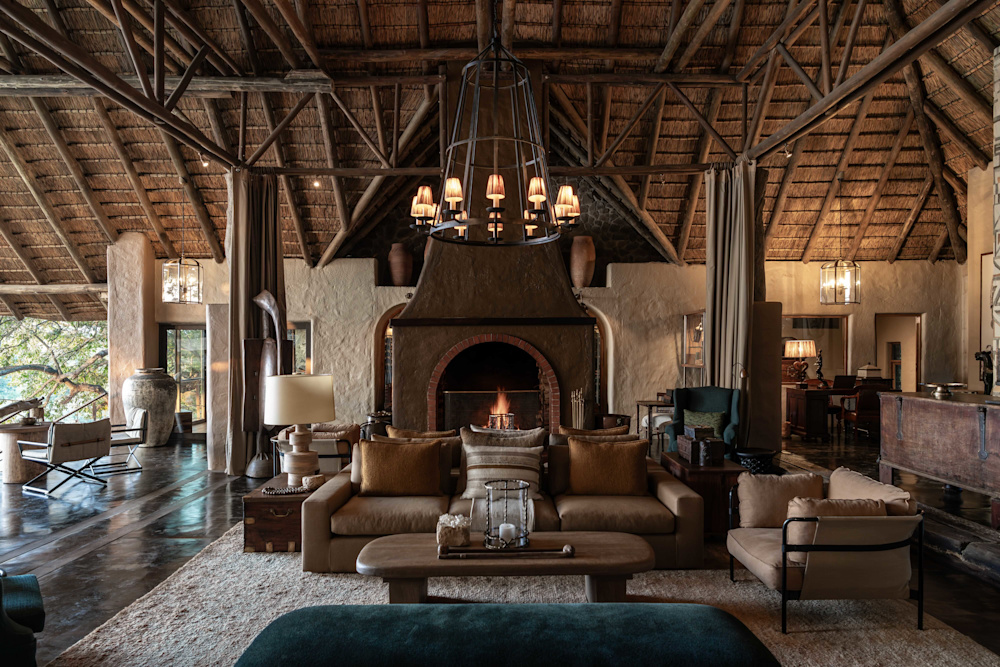
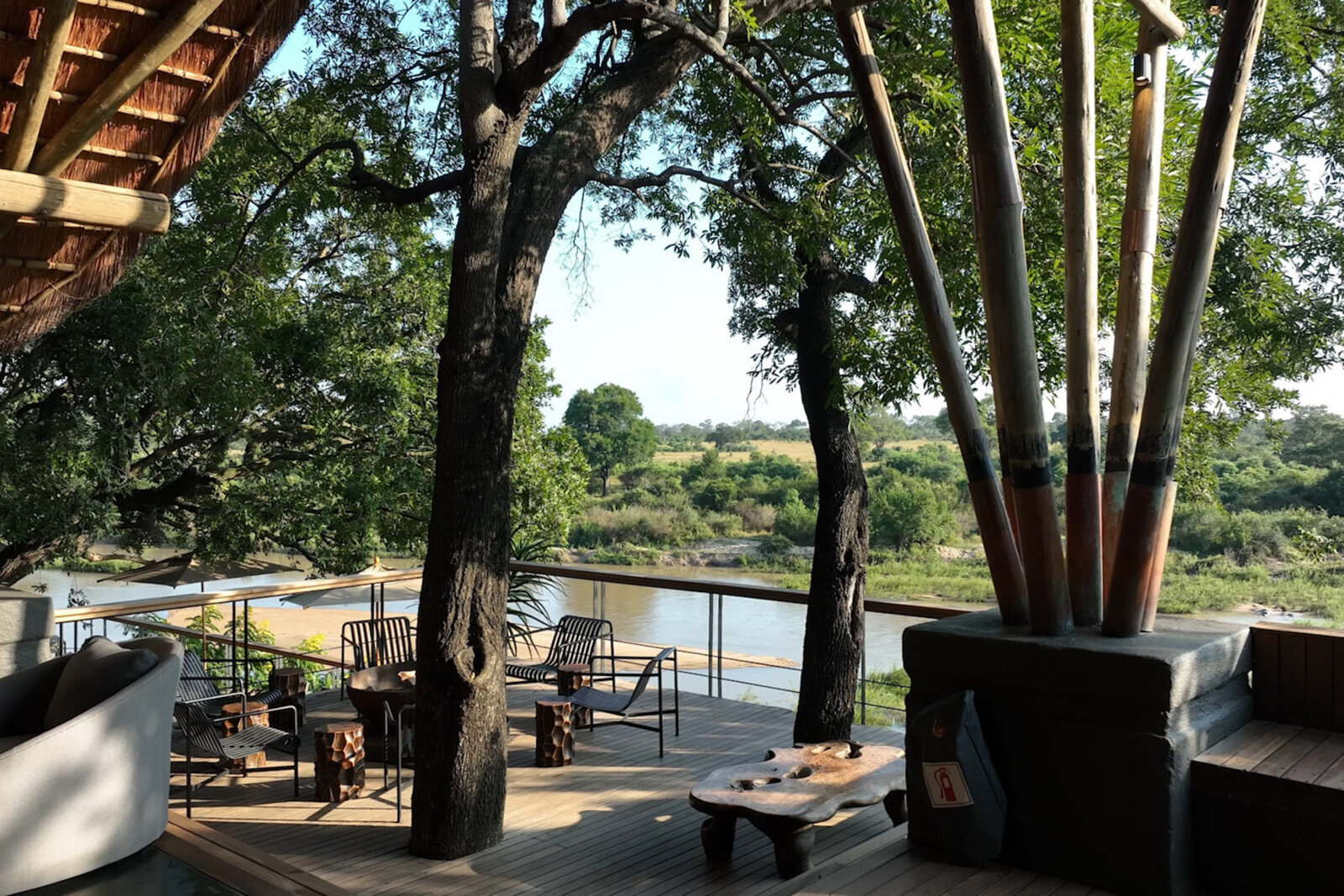
Singita Sabi Sand — The Global Benchmark
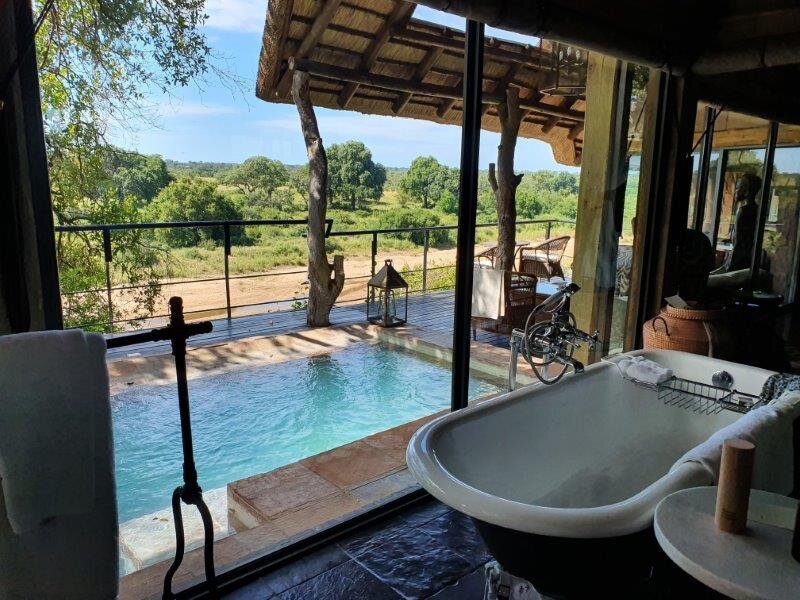
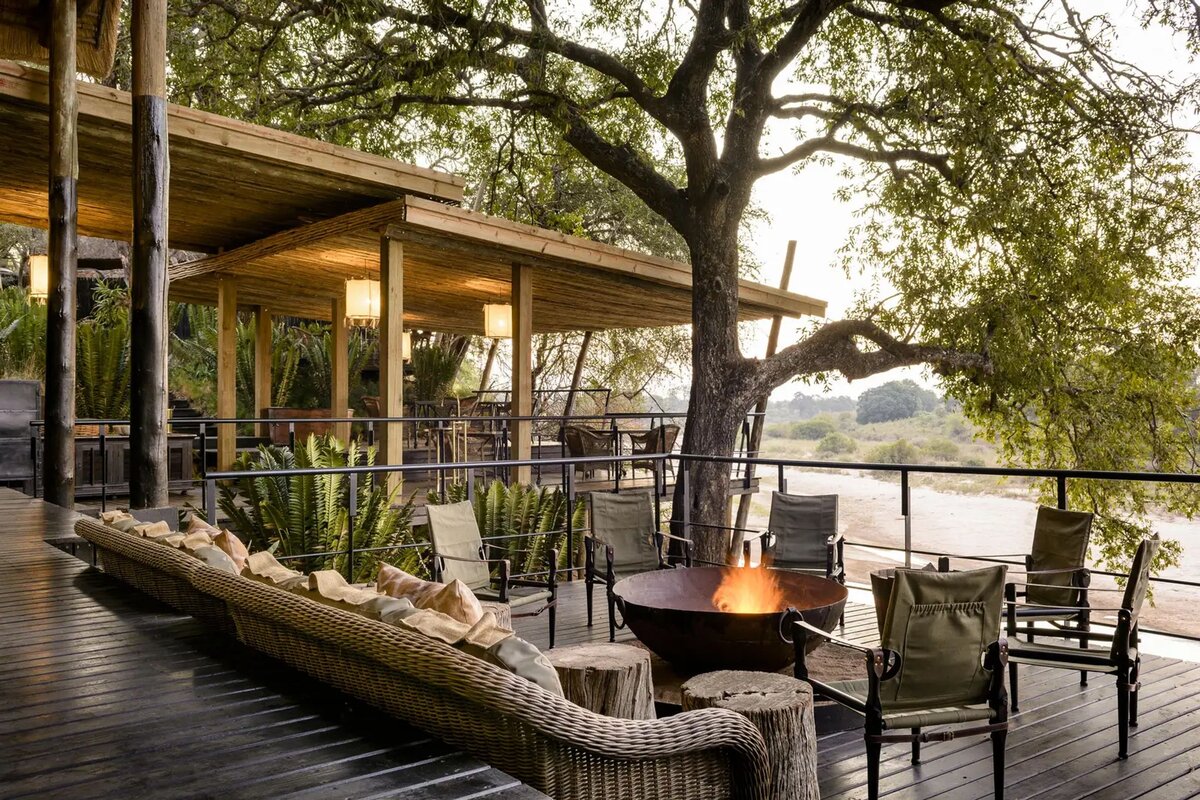
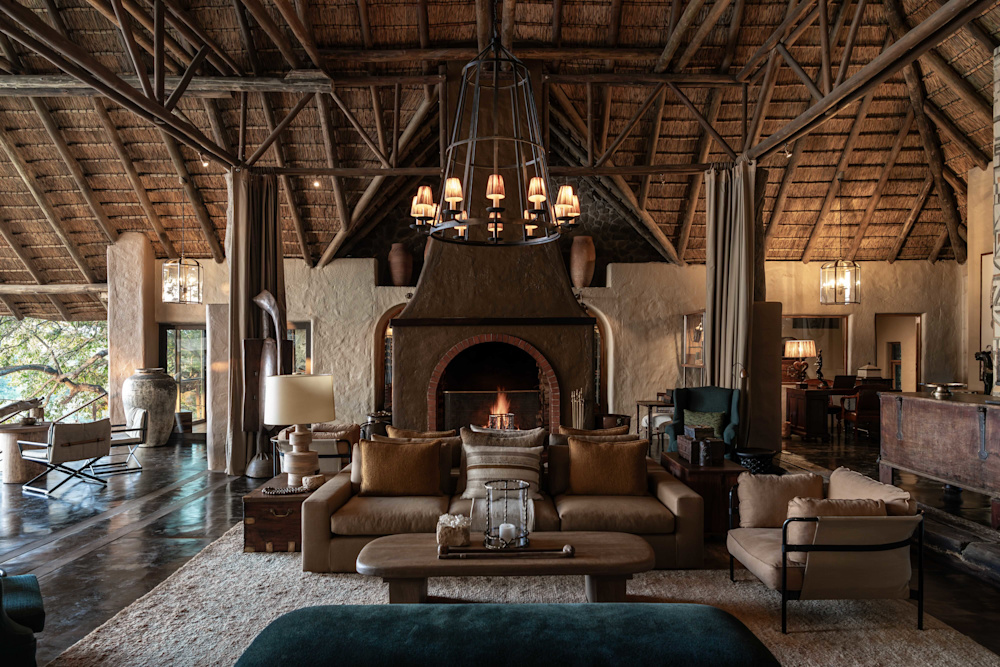
Singita's Ebony and Boulders lodges, set along the Sand River, are consistently ranked among the finest safari lodges in the world. Impeccable design, extraordinary service, a celebrated wine cellar and world-class guiding define the Singita experience.
Why it's exceptional: The gold standard for safari luxury — flawless in every detail, from suite design to cuisine to the depth of its conservation work.
Price: From $2,800 per person per night (all-inclusive).
Londolozi — The Leopards of Legend
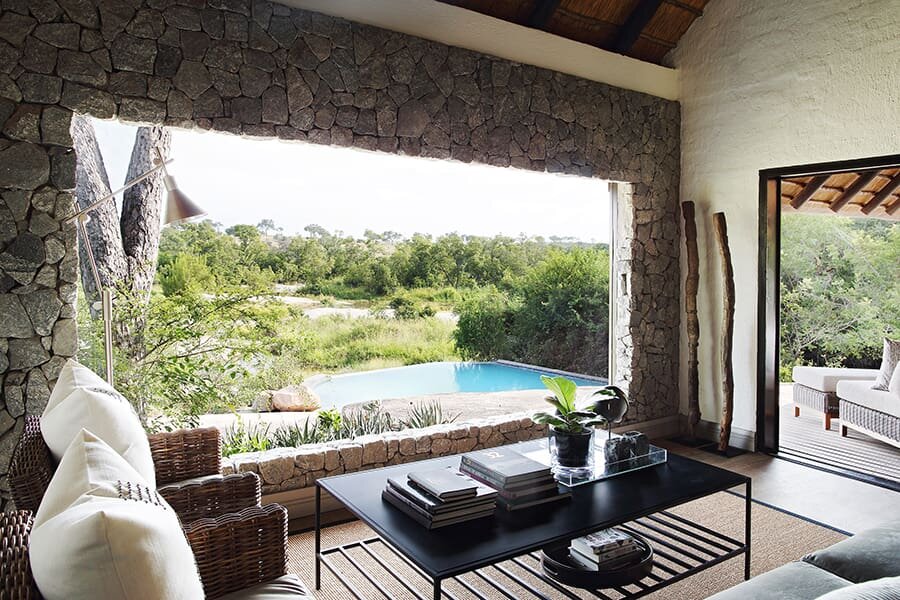
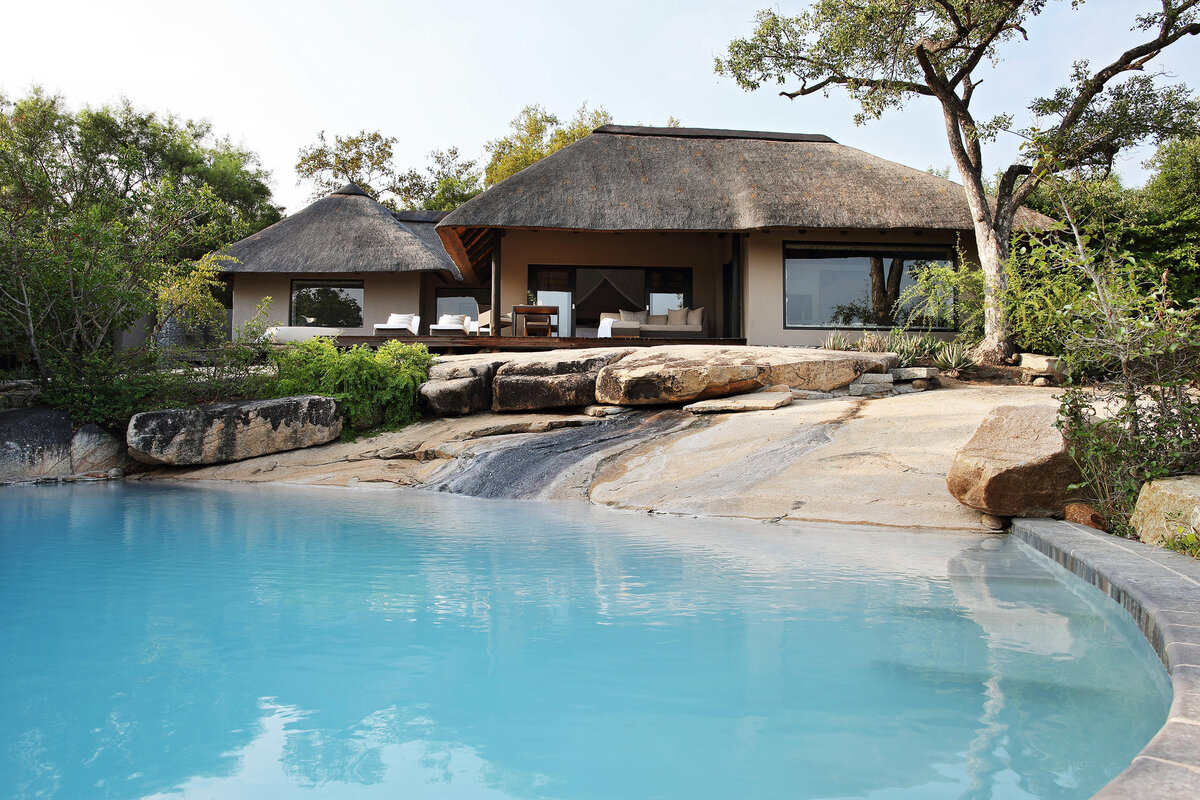
A pioneer of the modern photographic safari and the reserve's most storied name, Londolozi is where the relationship between guide and leopard was perfected. Five intimate camps, a deep family conservation legacy and some of the finest leopard viewing anywhere.
Why it's exceptional: Legendary leopard sightings, a profound conservation story, and a warm, soulful luxury that regulars return to for a lifetime.
Price: From $2,400 per person per night (all-inclusive).
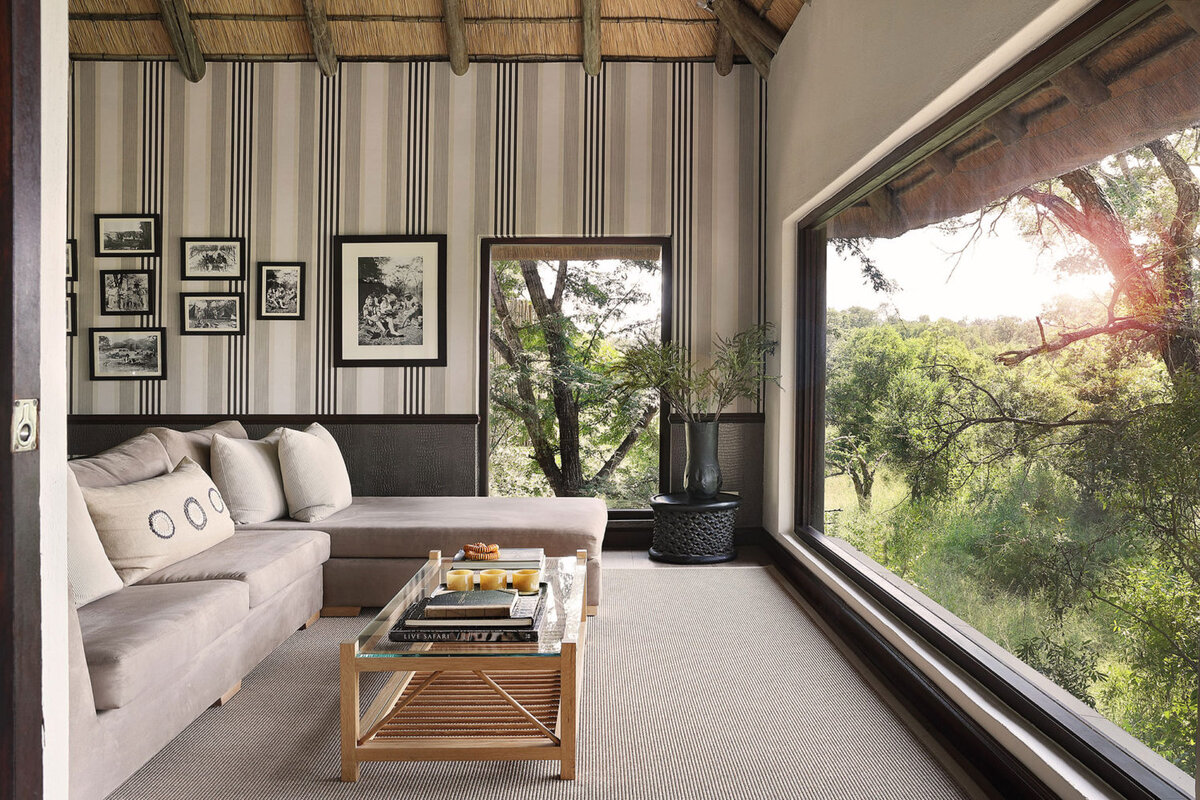
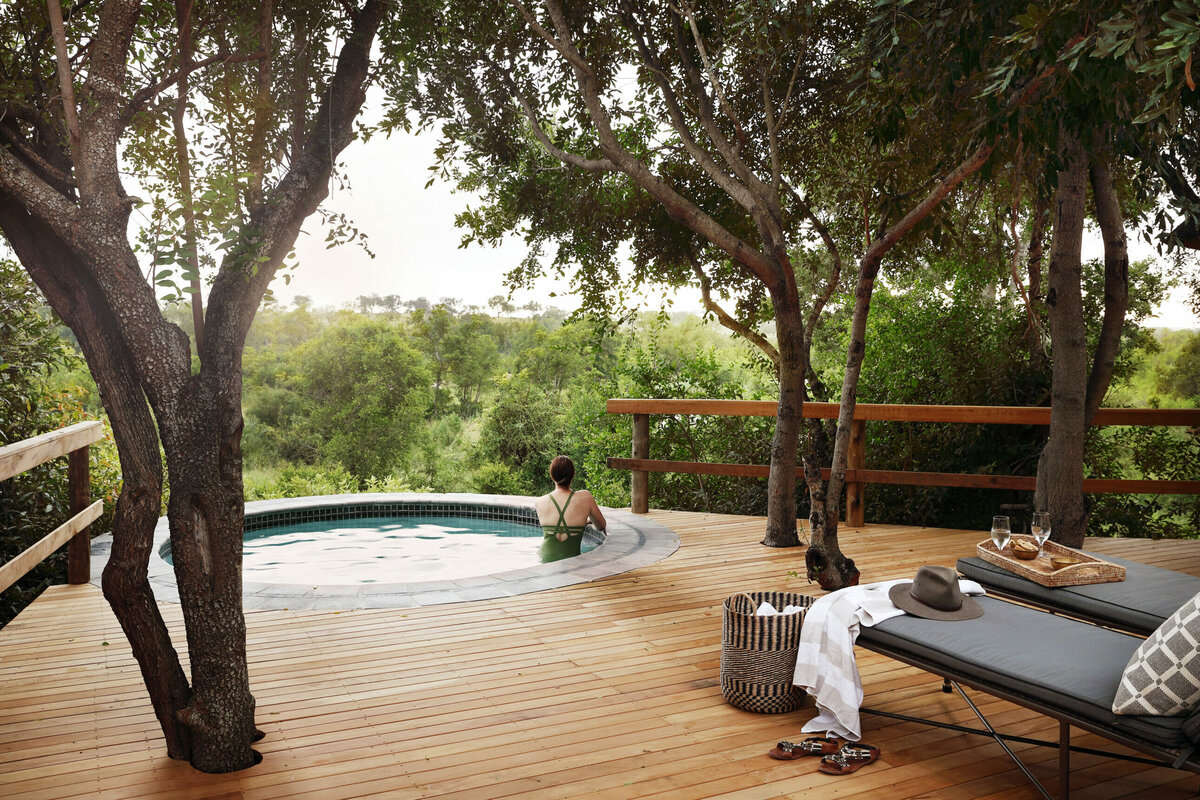
MalaMala — The Traversing Giant
With the longest unfenced Kruger boundary and traversing reserved exclusively for its own guests, MalaMala offers big-game viewing on an epic scale, with a classic, unpretentious safari style.
Why it's exceptional: Vast exclusive traversing, superb Big Five track record and outstanding value for a property of its calibre.
Price: From $1,500 per person per night (all-inclusive).
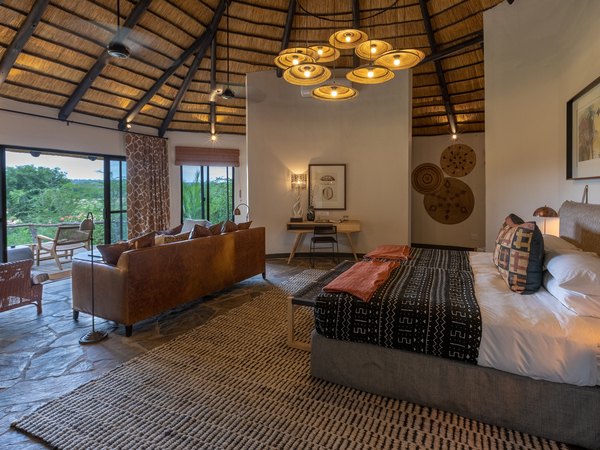
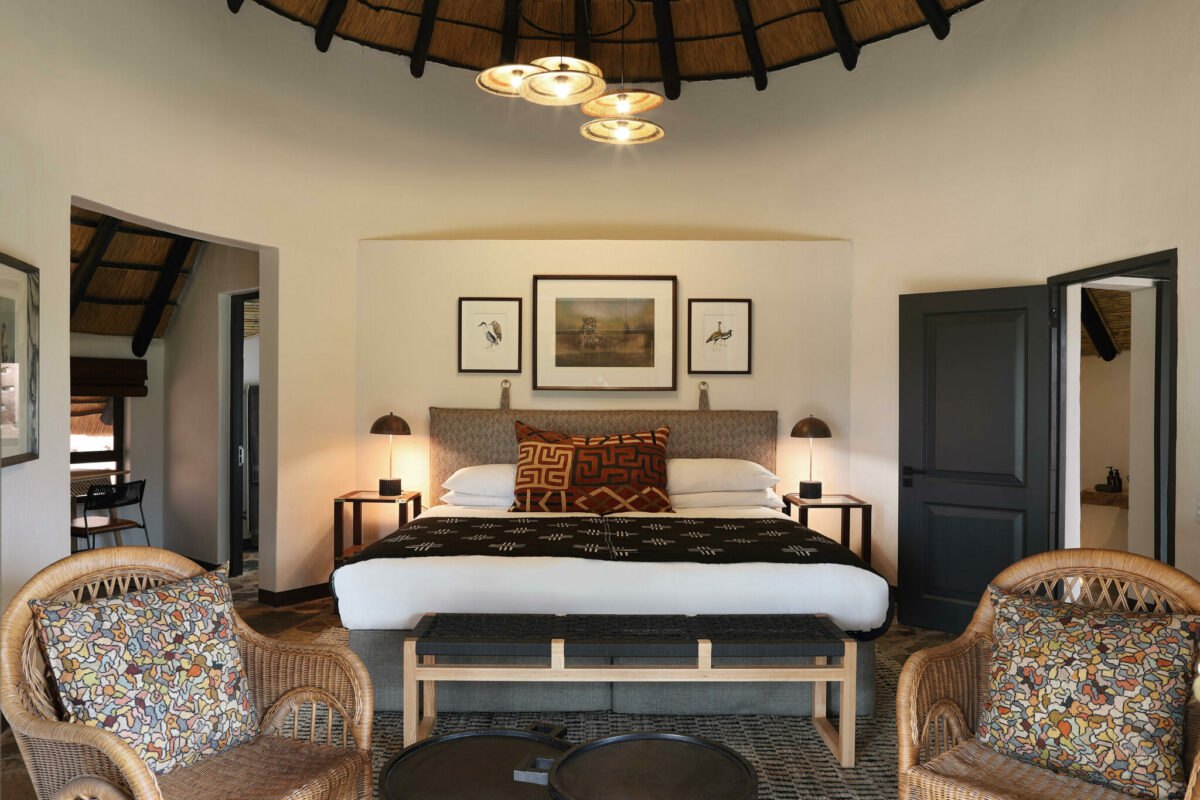
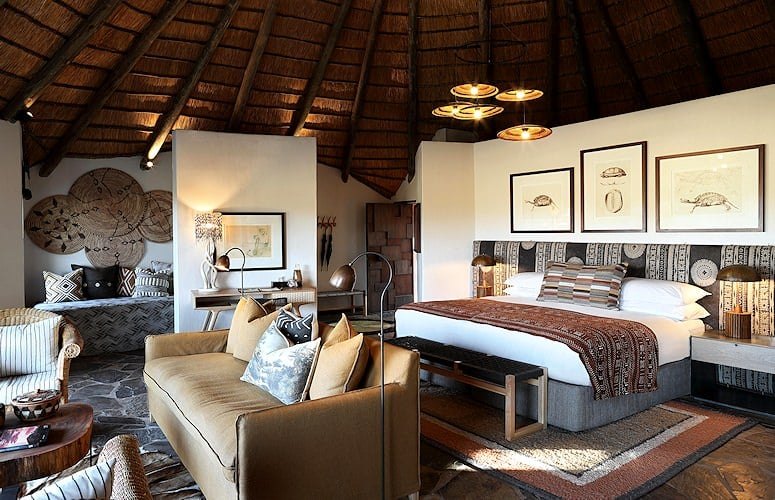
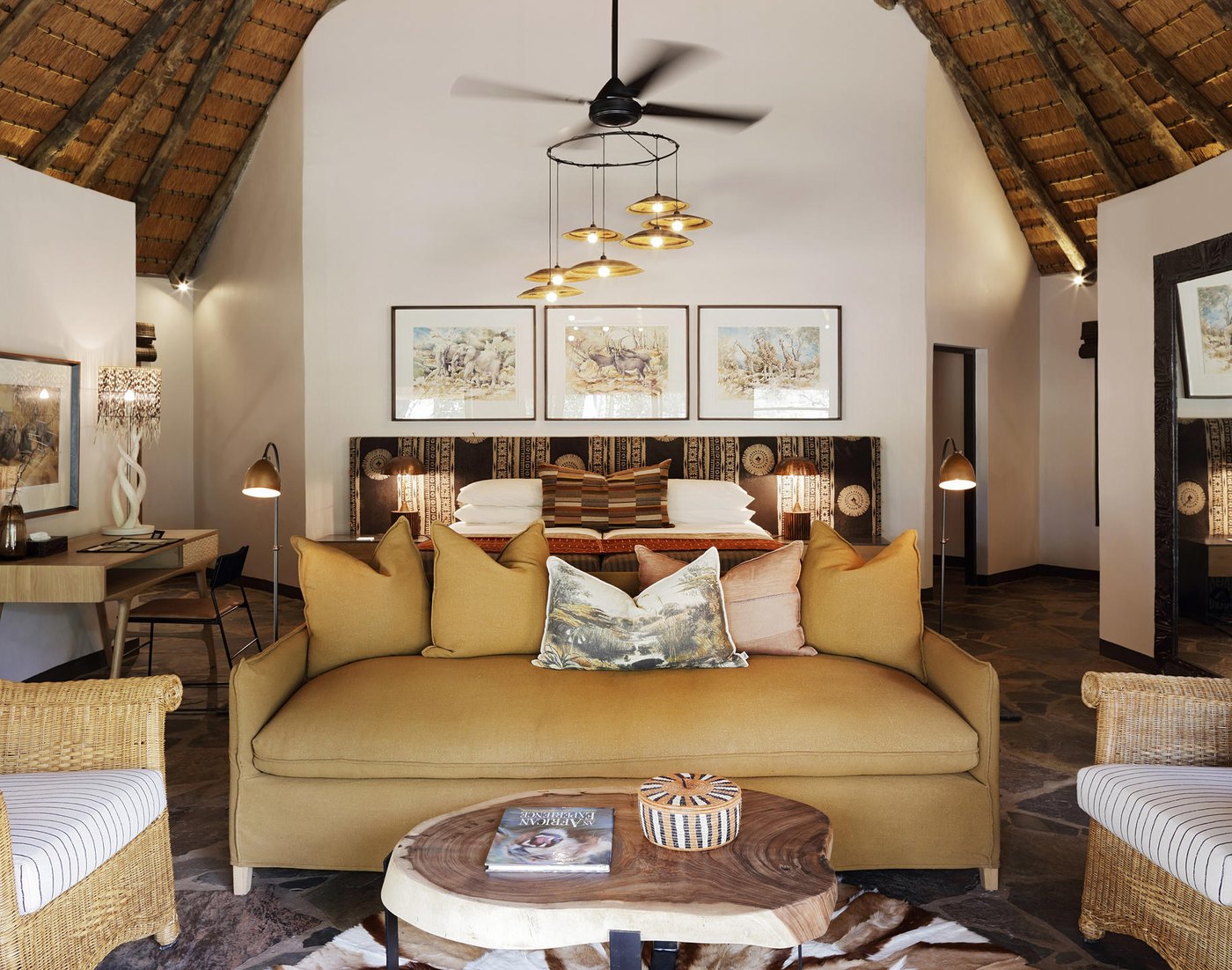
Sabi Sabi — Four Lodges, One Ethos
Sabi Sabi offers four distinct lodges — from the futuristic Earth Lodge, embedded into the landscape, to the colonial elegance of Selati Camp. A polished, rounded Big Five experience with a strong community and conservation focus.
Price: From $1,100 per person per night (all-inclusive).
Lion Sands — River & Treehouse Magic
Set along the Sabie River, Lion Sands is famous for its "Treehouse" sleep-outs — luxurious open-air decks where guests spend the night under the stars, safely above the bush. A romantic, unforgettable touch.
Price: From $1,300 per person per night (all-inclusive).
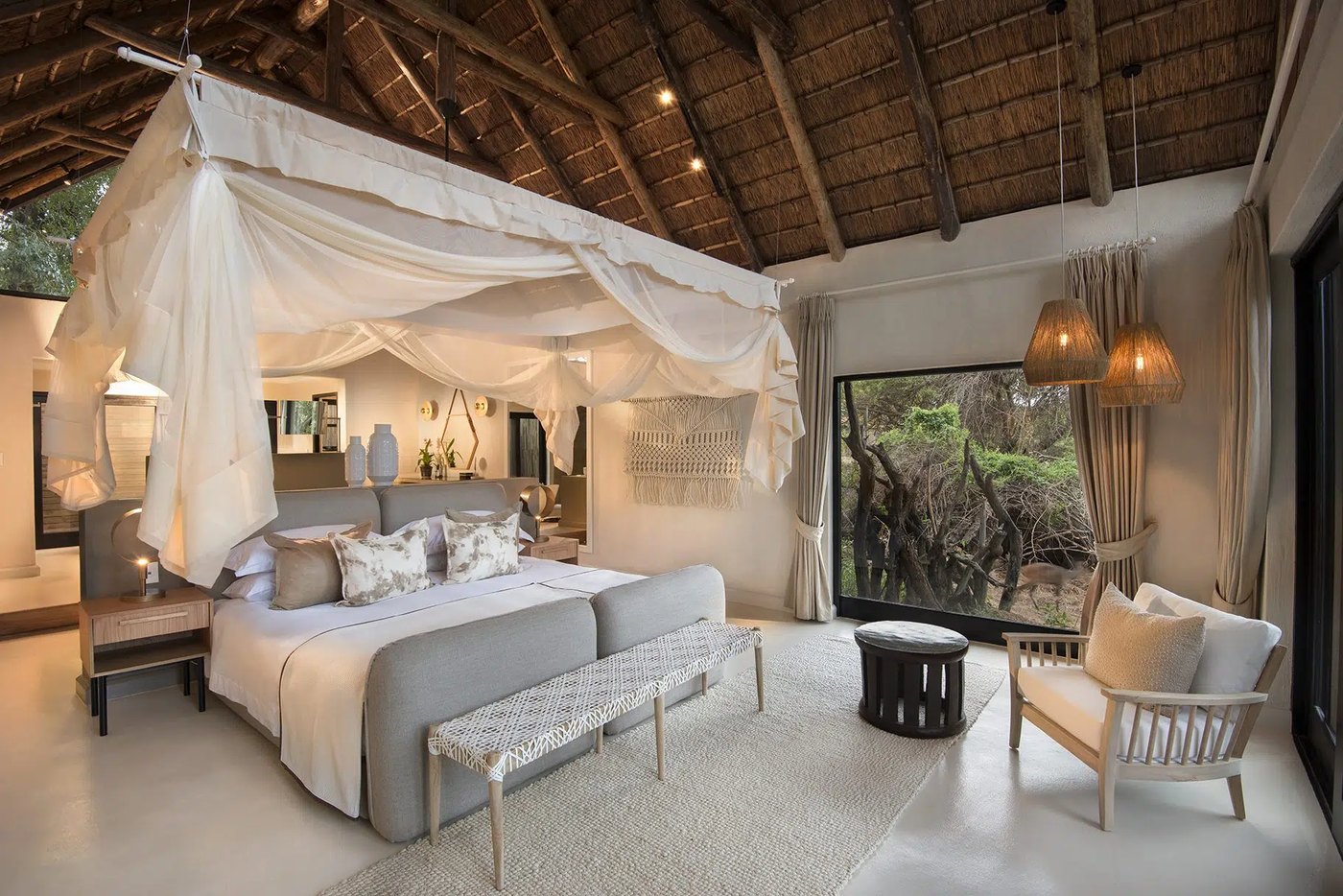
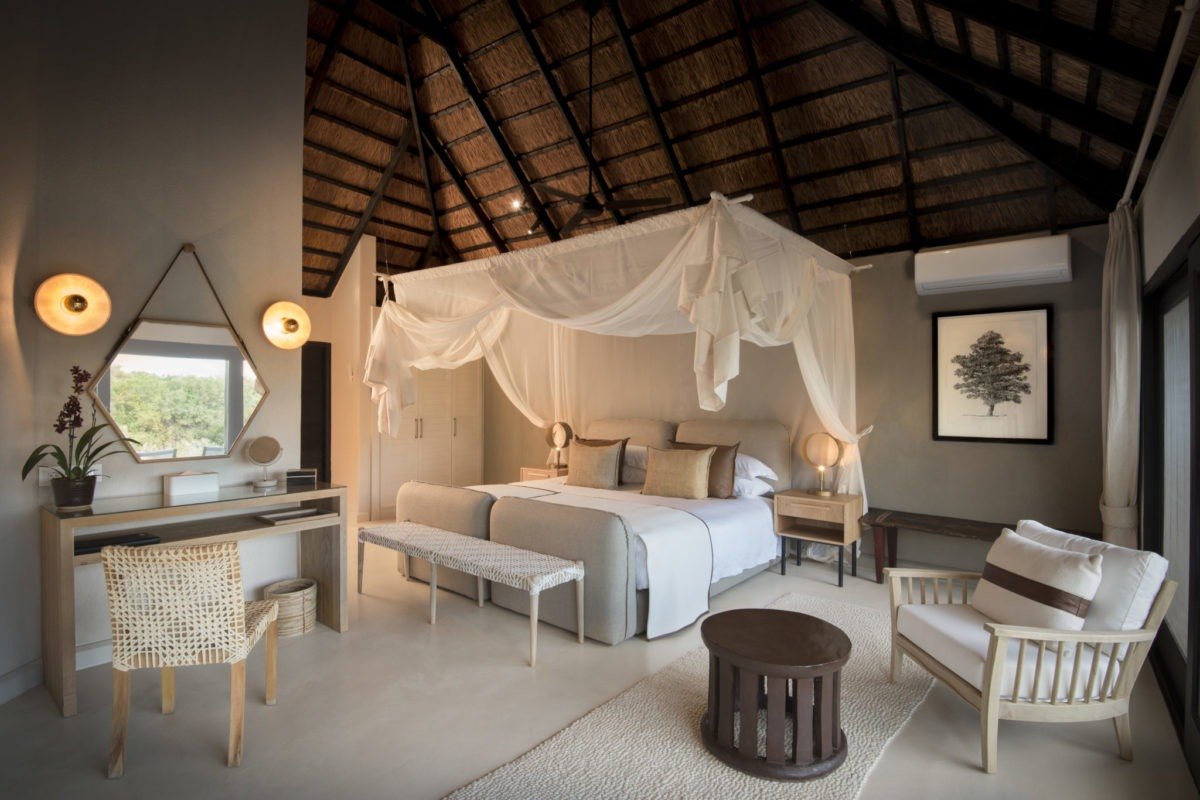
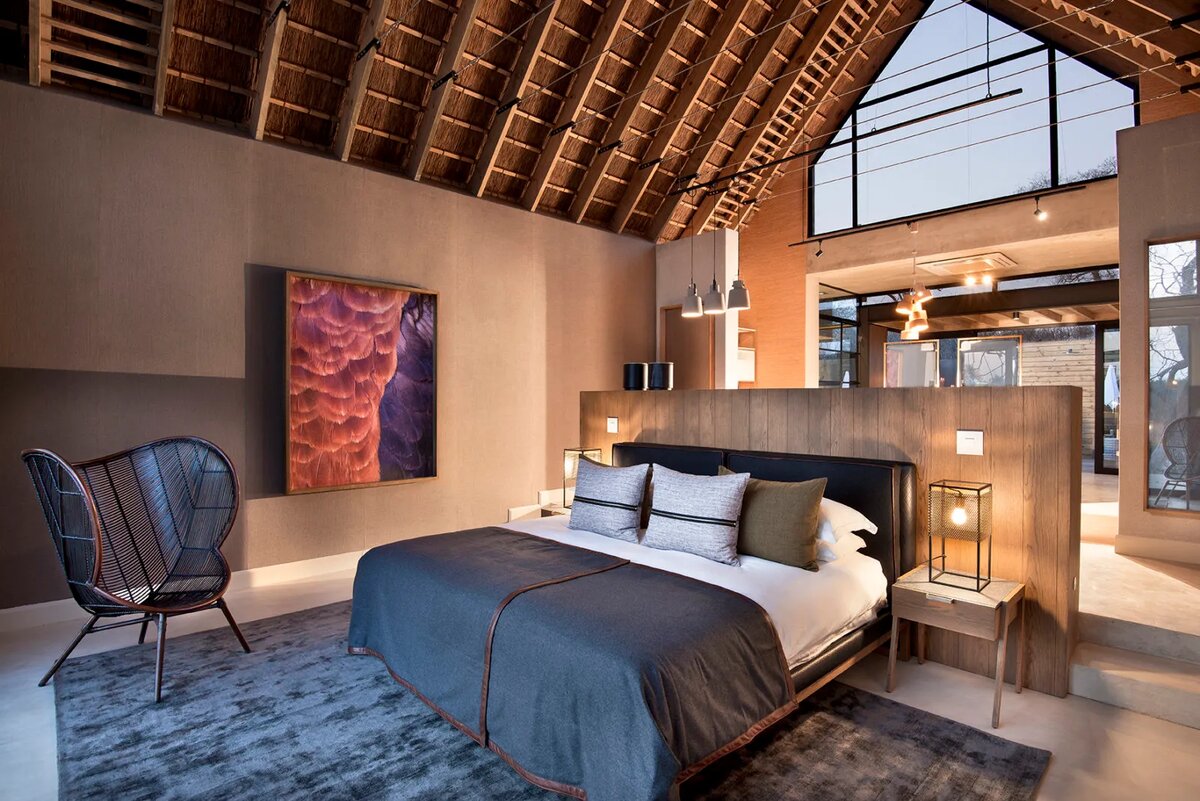
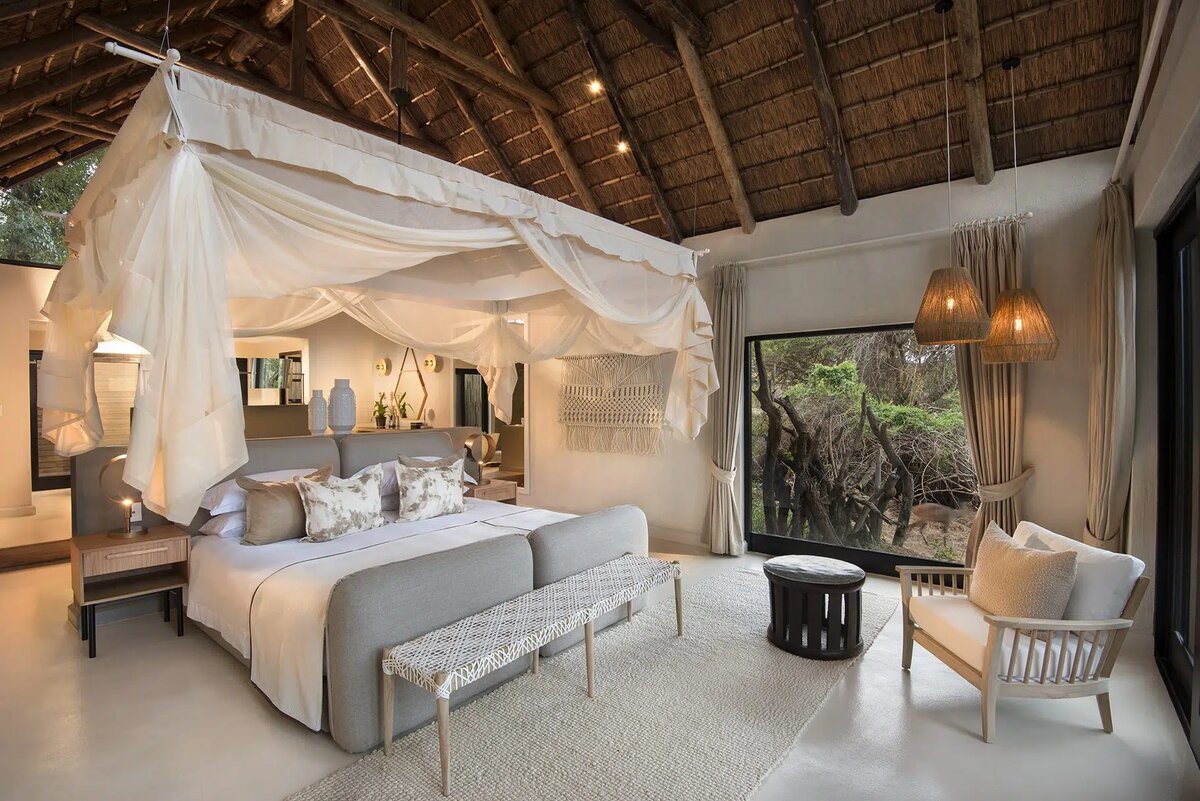
Dulini & Cheetah Plains — Intimate & Contemporary
For a smaller, more contemporary feel, Dulini's trio of intimate lodges and the solar-powered, family-friendly Cheetah Plains (with private-villa exclusive-use options) deliver superb game viewing with a modern, personal touch.
Price: From $900 per person per night (all-inclusive).
Related reading: The Best Sabi Sands Safari Lodges →
Sabi Sands Lodge Rates 2026 — At a Glance
Rates are per person per night, all-inclusive (accommodation, all meals, house drinks, and two daily game activities with a private guide and tracker). Peak-season (Jun–Oct) rates sit at the top of each range; green-season (Nov–Mar) rates are typically 15–30% lower. These are guide prices for 2026 — we hold live availability and confirmed rates for every lodge below.
| Lodge | Sector | Style | From (pp / night) |
|---|---|---|---|
| Singita Ebony & Boulders | Western (Sand River) | Ultra-luxury benchmark | US$2,800 |
| Cheetah Plains | Northern | Solar exclusive-use villas | US$2,200 |
| Londolozi | Western (Sand River) | Five-camp legacy | US$2,400 |
| Dulini | Central | Intimate riverine | US$1,400 |
| Lion Sands | Sabie River | River & treehouse | US$1,300 |
| Leopard Hills | Western | Ridge-top views | US$1,200 |
| MalaMala | MalaMala concession | Classic big-game, huge traverse | US$1,500 |
| Sabi Sabi | Southern | Four lodges, one ethos | US$1,100 |
| Arathusa | Central | Best-value luxury | US$900 |
Add roughly US$250–400 per person each way for the light-aircraft transfer from Johannesburg. Children’s and exclusive-use villa rates differ — ask our team.
A Sample 4-Day Private Sabi Sands Itinerary
Three to four nights is the sweet spot — long enough to see the full Big Five (and multiple leopards) without rushing. Here is how a classic four-day private Sabi Sands safari unfolds:
| Day | Rhythm | What happens |
|---|---|---|
| Day 1 | Arrive & first drive | One-hour flight from Johannesburg to a private airstrip; met by your guide, transfer to the lodge, lunch, then an afternoon game drive into golden-hour sightings and sundowners in the bush, followed by dinner under the stars. |
| Day 2 | Dawn to dark | Sunrise drive tracking leopard and lion, brunch back at the lodge, a midday siesta by your plunge pool, then an afternoon drive that rolls into a spotlit night drive for nocturnal species. |
| Day 3 | On foot & big cats | A morning walking safari with armed guides reading tracks and signs at ground level, a leisurely lunch and spa treatment, then an evening drive to find the resident pride on the move. |
| Day 4 | Final drive & farewell | An early last drive for that final sighting, a celebratory breakfast, then a transfer to the airstrip to fly out — ideally onward to Cape Town, the Winelands or Victoria Falls. |
Related journey: Luxury Sabi Sands Safari — 5 Days →
How to Choose Your Sabi Sands Lodge — Decision Matrix
Every sector delivers superb wildlife — the real differences are scenery, exclusivity of traversing, lodge character and budget. Use this matrix to narrow it down, then let our team match you to the exact property:
| If you want… | Choose | Because |
|---|---|---|
| The ultimate in luxury | Singita or Londolozi (Western) | Global-benchmark suites, celebrated cellars and the finest guiding in Africa. |
| The biggest exclusive traverse | MalaMala | Around 19km of Kruger frontage, traversed by its guests alone — no shared sightings. |
| A polished first safari | Sabi Sabi or Lion Sands | Easy, reliable Big Five and a choice of lodge styles for every taste. |
| Honeymoon & romance | Lion Sands treehouse or Dulini | Star-bed sleep-outs and intimate riverine suites built for two. |
| Families or a private villa | Cheetah Plains or exclusive-use villas | Your own vehicle, guide and chef — solar-powered and child-friendly. |
| Best value luxury | Arathusa or MalaMala | Lower nightly rates with game viewing that punches far above the price. |
When to Book — The Sabi Sands Booking Timeline
The finest suites in the finest lodges are the scarcest luxury in African travel. Sabi Sands runs on small vehicle numbers and a handful of rooms per lodge, so demand outstrips supply for the best dates. Book to this timeline:
- 12–18 months ahead — essential for Singita, Londolozi and MalaMala over the June–October peak, and for festive-season and Easter dates.
- 9–12 months ahead — comfortable for most premium and luxury lodges in peak season.
- 4–6 months ahead — workable for green-season (Nov–Mar) travel, often with better rates and stay-longer offers.
- Last-minute — occasional green-season gaps open up with savings of up to 30–40%; we hold a live waitlist for cancellations.
5. When to Visit: Seasons Explained
May to September — Dry Winter (Best Overall)
The dry winter months are prime time for a Sabi Sands safari. Sparse vegetation and dwindling water sources make wildlife easier to find and to view.
What to expect:
- Best game viewing — Thinning bush and animals congregating at waterholes mean exceptional sightings.
- Pleasant days, cold mornings — Warm, sunny days (25°C/77°F); chilly dawn drives (down to 6°C/43°F) — bring layers.
- Low malaria risk — The dry season carries the lowest mosquito activity.
- Peak-season demand — The finest lodges sell out; book 9-12 months ahead.
October to November — Shoulder Season
The build-up to the rains is hot but rewarding, with excellent game viewing before the bush greens up.
What to expect:
- Very good sightings — Water still concentrates wildlife before the first storms.
- Hot weather — October can reach 35°C/95°F.
- Fewer crowds & better value — A sweet spot between peak and green season.
December to March — Green Summer (Best for Babies, Birds & Value)
The summer rains transform Sabi Sands into a lush, green paradise. This is the low season — and a wonderful, often-overlooked time to visit.
What to expect:
- Newborn wildlife — Impala and other antelope calve, drawing predators into the open.
- Spectacular birding — Migratory species arrive; the bush teems with colour and song.
- Lush, dramatic scenery — Emerald landscapes and towering thunderstorms make for superb photography.
- Better value — Lower rates and greater availability, with brief afternoon showers.
6. How to Book a Private Sabi Sands Safari
Sabi Sands rewards careful planning — here's how to get it right:
Choose Your Lodge by Priority & Budget
- Want the ultimate in luxury? → Singita or Londolozi
- Want expansive, exclusive traversing? → MalaMala
- Want a polished all-round first safari? → Sabi Sabi or Lion Sands
- Want intimate, contemporary or exclusive-use? → Dulini or Cheetah Plains
Getting There
The easiest route is a short flight from Johannesburg (about an hour) to the private airstrips serving the reserve — Skukuza, Ulusaba or the lodges' own strips — followed by a short transfer. Self-drive access via Kruger's gates is possible for some lodges but flying in is far simpler and part of the experience.
Budget Realistically
Sabi Sands spans a wide luxury spectrum:
- Ultra-luxury (Singita, Londolozi): $2,400-3,500 per person per night
- High-end luxury (Lion Sands, Dulini, MalaMala): $1,300-1,800 per person per night
- Premium (Sabi Sabi, Cheetah Plains, Arathusa): $900-1,300 per person per night
- Light-aircraft transfers from Johannesburg: $250-400 per person each way
A typical 3-4 night Sabi Sands stay for two guests ranges from $8,000 to $28,000 all-in, depending on lodge choice. Most guests stay 3-4 nights, often combined with Cape Town or Victoria Falls.
Combine with Cape Town & Victoria Falls
The classic South African itinerary pairs Sabi Sands with the beauty of Cape Town and the Winelands, and often adds Victoria Falls for a grand finale. A 9-12 day trip covering all three is the gold standard for a first visit.
Related journey: Luxury Sabi Sands Safari — 5 Days →
7. Private Safari Activities Beyond the Big Five
Night Drives — The Nocturnal Bush
Permitted only on private reserves, night drives are a Sabi Sands signature. As the spotlight sweeps the darkness, you'll find leopards beginning the hunt, spotted hyenas, civets, genets, bushbabies and the glowing eyes of countless smaller creatures — a completely different world from the daytime bush.
Walking Safaris — On Foot with the Experts
Guided bush walks let you step out of the vehicle and read the wild at ground level — tracks, dung, birdsong, medicinal plants and the thrill of approaching big game on foot with armed, expert guides. Deeply educational and quietly exhilarating.
Photographic Safaris — The Leopard's Portrait
With relaxed leopards, expert trackers and low vehicle numbers, Sabi Sands is arguably the finest photographic safari destination in Africa. Many lodges offer specialist photographic vehicles with bean bags, charging points and room to work — a dream for serious photographers.
Stargazing & Sleep-Outs
Away from city lights, the Sabi Sands night sky is dazzling. Several lodges — notably Lion Sands — offer treehouse or star-bed sleep-outs, letting you spend the night in luxurious safety under the Milky Way, with only the sounds of the bush for company.
8. Practical Planning: What You Need to Know
Getting There
Fly into Johannesburg (O.R. Tambo International), then take a short scheduled or charter flight to Skukuza, Ulusaba or a lodge airstrip. Total transfer time from Johannesburg is typically under two hours — one of the easiest access routes of any premier African safari.
Visa & Entry
Most Western nationalities receive a free entry stamp on arrival in South Africa (usually up to 90 days). Ensure your passport has at least six months' validity and two blank pages. Check current requirements before you travel.
Malaria Precautions
Sabi Sands lies within a low-risk malaria zone. Consult your doctor about prophylaxis, use repellent at dawn and dusk, and cover up in the evenings. Risk is lowest in the dry winter months.
What to Pack
Neutral safari colours (khaki, olive, beige), warm layers for cold winter morning drives, a light waterproof for summer, quality binoculars, a good camera with a telephoto lens, sun protection and insect repellent. Lodges provide most extras and often a laundry service.
Tipping Etiquette
Guide: R300-500 (about $20-30) per guest per day. Tracker: R150-250 per guest per day. General lodge staff (pooled): R200-300 per guest per day, left at the communal tip box or with management.
Family & Children
Many Sabi Sands lodges welcome families, with dedicated children's programmes, and some (like Cheetah Plains and various exclusive-use villas) are ideal for multi-generational groups wanting a private vehicle and guide.
Combine with Other Highlights
Beyond Cape Town and Victoria Falls, Sabi Sands pairs beautifully with the Panorama Route (Blyde River Canyon), a Mozambique beach add-on, or a broader greater-Kruger circuit for a comprehensive Southern African journey.
Ready to Plan Your Private Sabi Sands Safari?
Our team specialises in crafting exclusive Sabi Sands safaris. We'll match you with the perfect lodge and sector for your priorities and budget, arrange all flights and transfers from Johannesburg, and weave in Cape Town, the Winelands or Victoria Falls for a seamless South African journey.