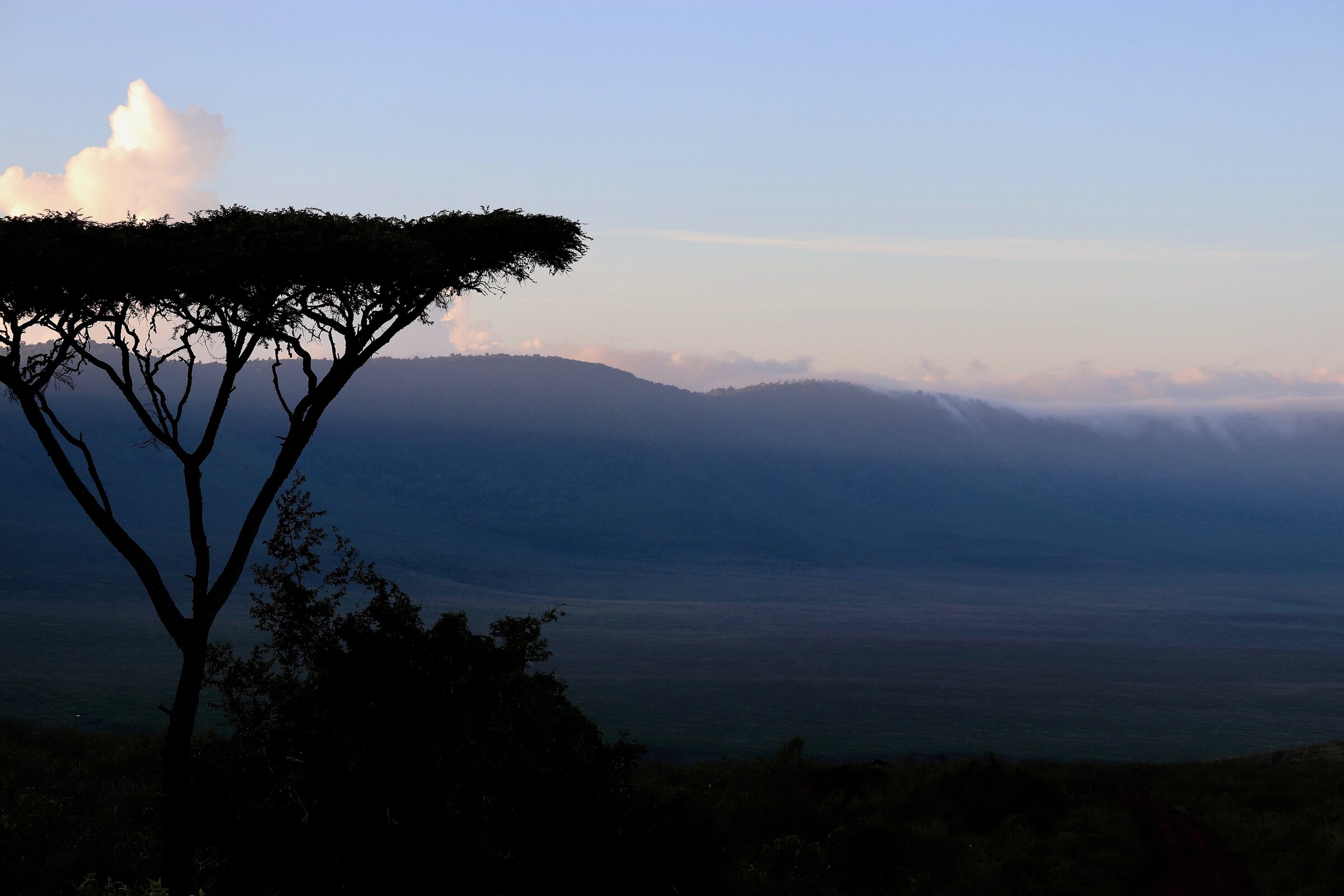
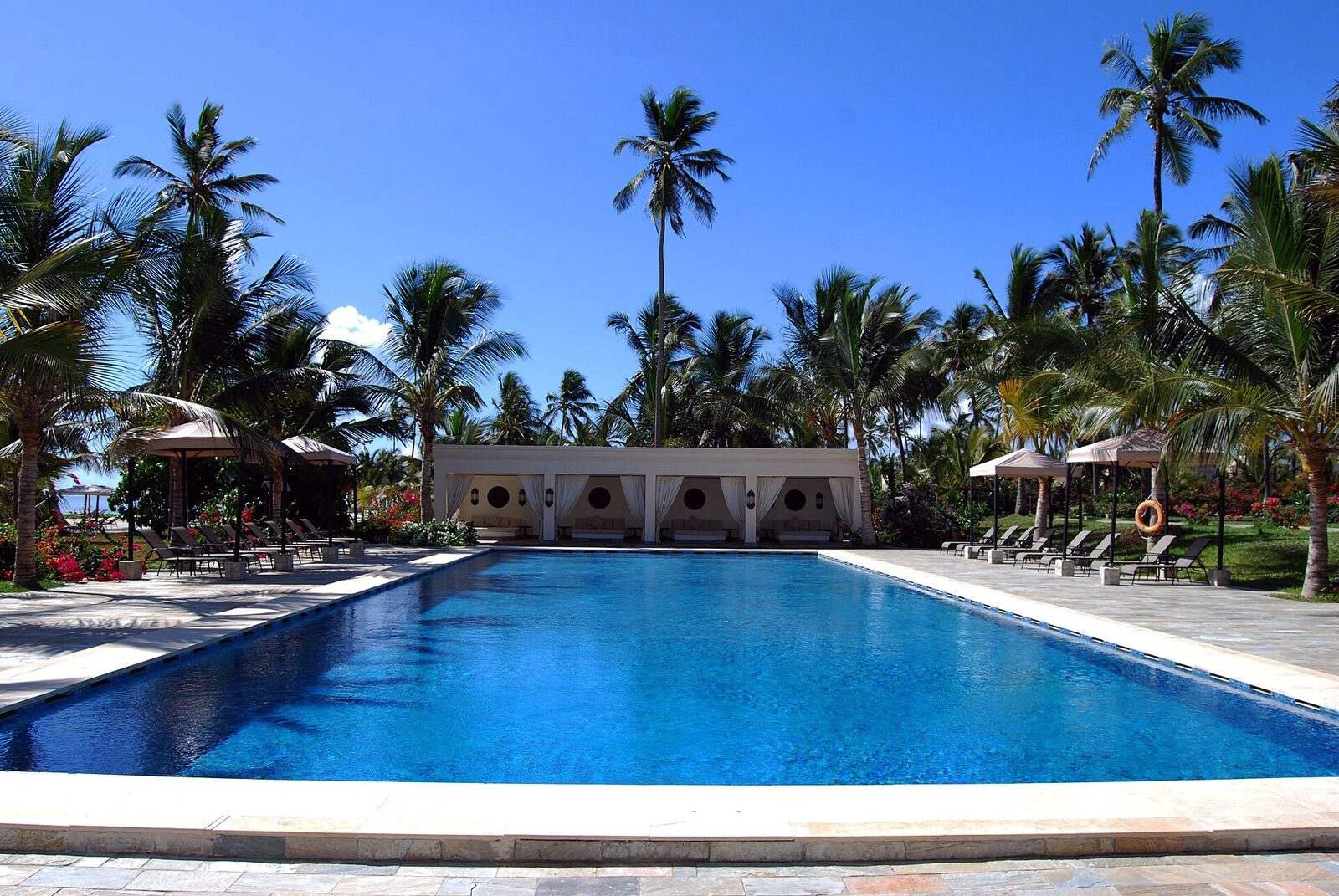
A Ruaha safari package in 2026 costs between $1,200 and $3,500+ per person, depending on the length of your trip, the level of accommodation, and whether you fly in or drive. The quick breakdown: a 4-day fly-in explorer starts around $1,200–$1,500 per person for budget bandas outside the park, $2,000–$2,400 for mid-range tented camps with walking safaris, and $3,000+ for ultra-luxury lodges with private guides and riverside suites. A 5-day Lion Country Classic typically runs $2,200–$2,800 per person, while a 7-day Ultimate Wilderness journey with the finest camps and full immersion costs $3,500–$5,000+ per person.
The short version: Ruaha delivers remote, wild, elephant-filled Tanzania at a fraction of the tourist traffic you'll find in the Serengeti — but you pay a premium for fly-in access and the intimacy of small, owner-run camps. If you're after raw wilderness, wild dog packs, and the feeling that you've discovered Africa on your own terms, that premium is worth it.
Key Takeaways
- Ruaha safari packages cost $1,200 to $5,000+ per person, with most guests spending $2,200–$2,800 for a 5-day mid-range Lion Country Classic including fly-in access, walking safaris, and full-board tented camps.
- Fly-in access is strongly recommended — it saves 10–12 hours of rough road driving and drops you directly into the heart of Tanzania's largest park.
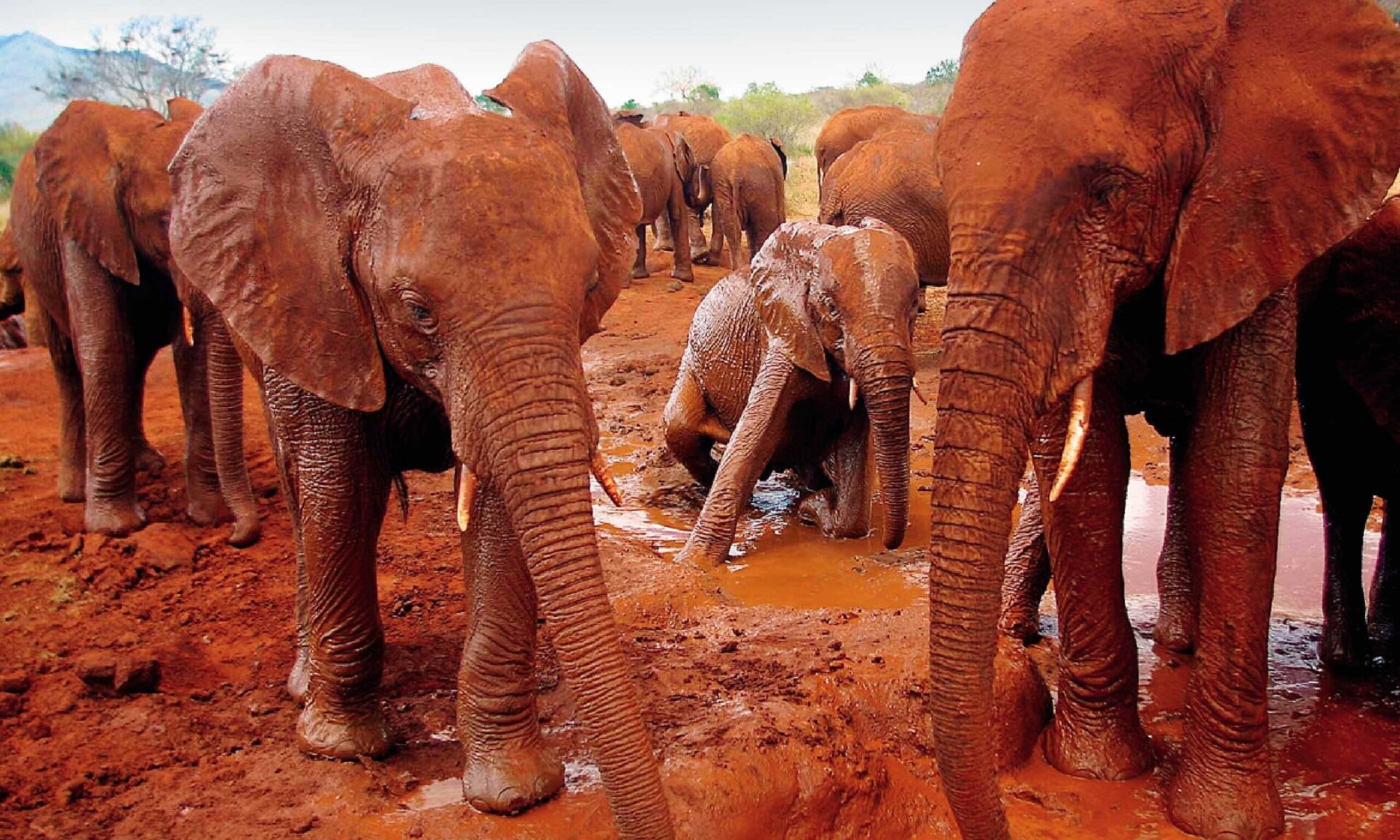
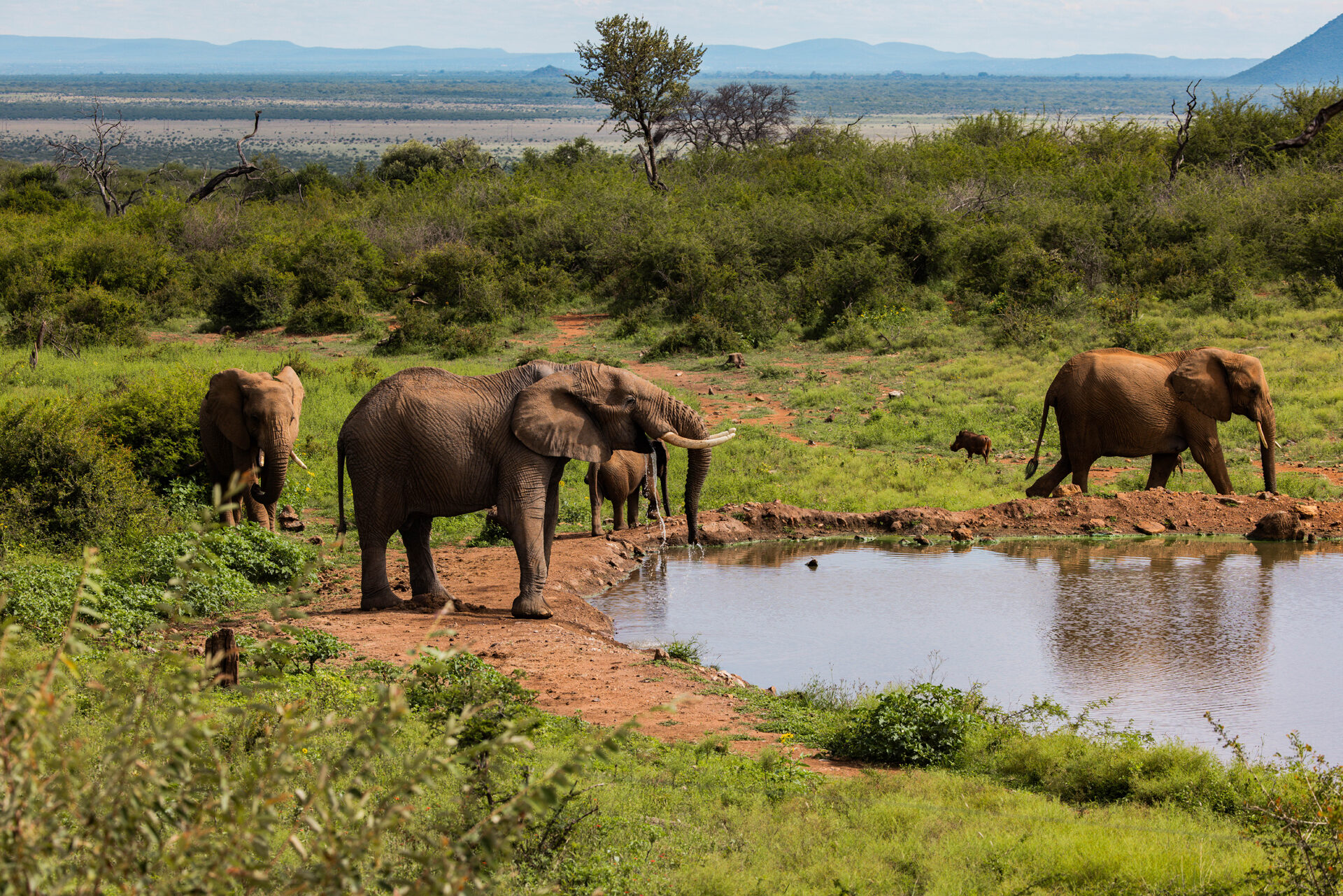
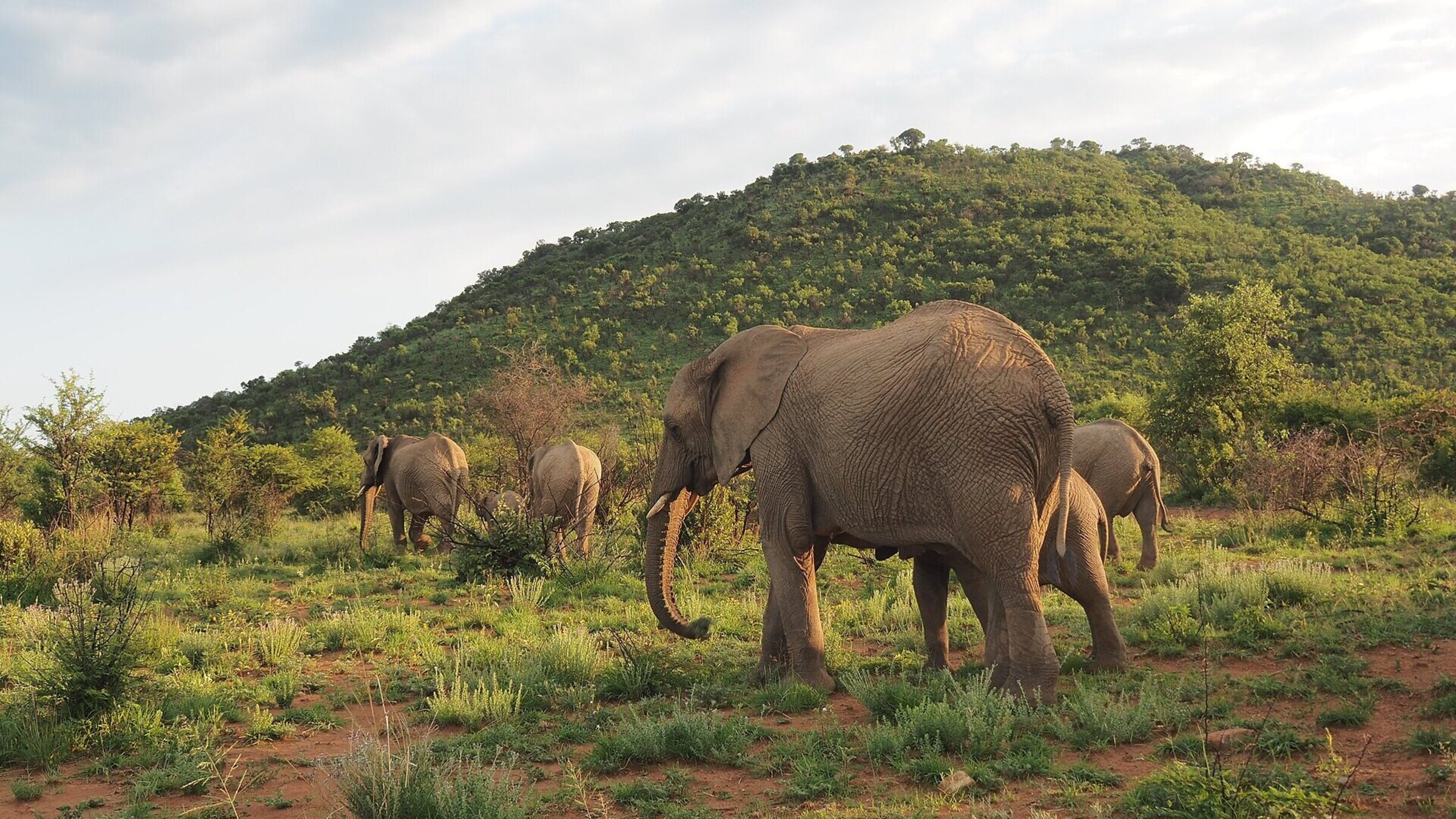
- Ruaha is Tanzania's elephant kingdom — herds of 50 to 100+ individuals gather along the Great Ruaha River in the dry season (June–October), the largest concentrations in the country.
- Wild dog packs and rare antelope (greater kudu, sable, roan) make Ruaha unique — species you won't reliably see in Serengeti or Ngorongoro.
- One-tenth the tourist traffic of the Northern Circuit parks — Ruaha delivers raw, uncrowded wilderness with the same wildlife density as the famous parks.
- Best time is June to October (dry season) for peak wildlife concentrations, walking safaris, and wild dog activity. Green season (November–May) offers lower prices and lush landscapes but dispersed wildlife.
- Combine with Nyerere for the Southern Circuit (8–10 days), or pair with Zanzibar (7–10 days) for the perfect bush-and-beach Tanzania journey.
This guide breaks down the real costs, real itineraries, and honest trade-offs of every Ruaha safari package tier. No vague "from $X per day" hand-waving — these are the prices you'll actually pay in 2026 and 2027, the lodges you'll sleep in, the game drives you'll take, and the hidden extras that first-time safari-goers always miss. Let's go.
1. What a Ruaha Safari Package Costs — The Quick Answer
Here's the truth: Ruaha safari packages are not cheap — but they deliver wilderness, solitude, and elephant herds on a scale few African parks can match. The cost reflects three realities: fly-in access (most packages include light-aircraft flights from Dar es Salaam or Arusha, which alone cost $200–$400 per person each way), remoteness (camps are small, owner-run, and far from mass-tourism infrastructure), and park fees (Tanzania charges $30 per person per day for non-residents, plus $50–$100 for vehicle fees). Add full-board accommodation, game drives, walking safaris with armed rangers, and a private guide, and the numbers stack up fast.
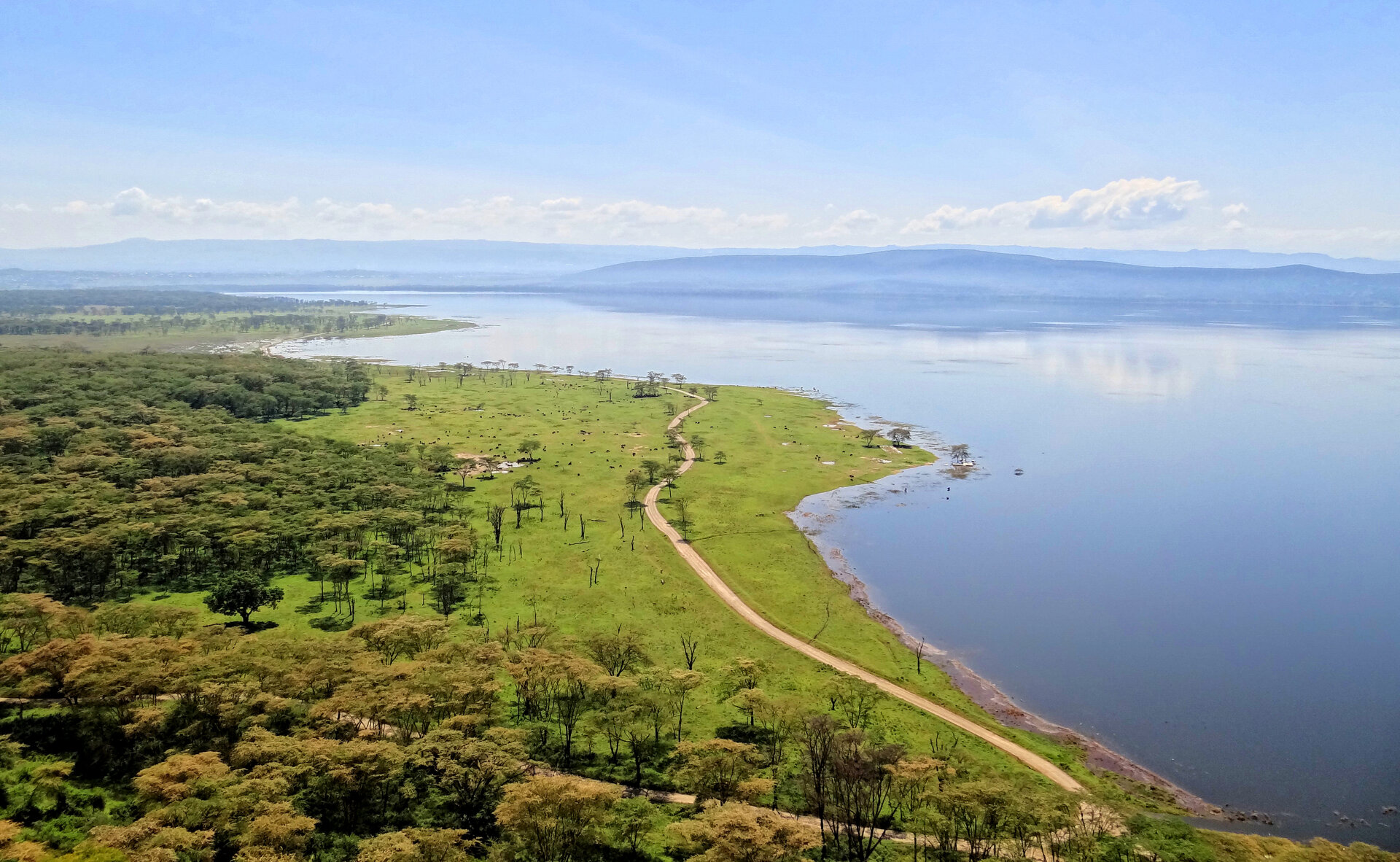
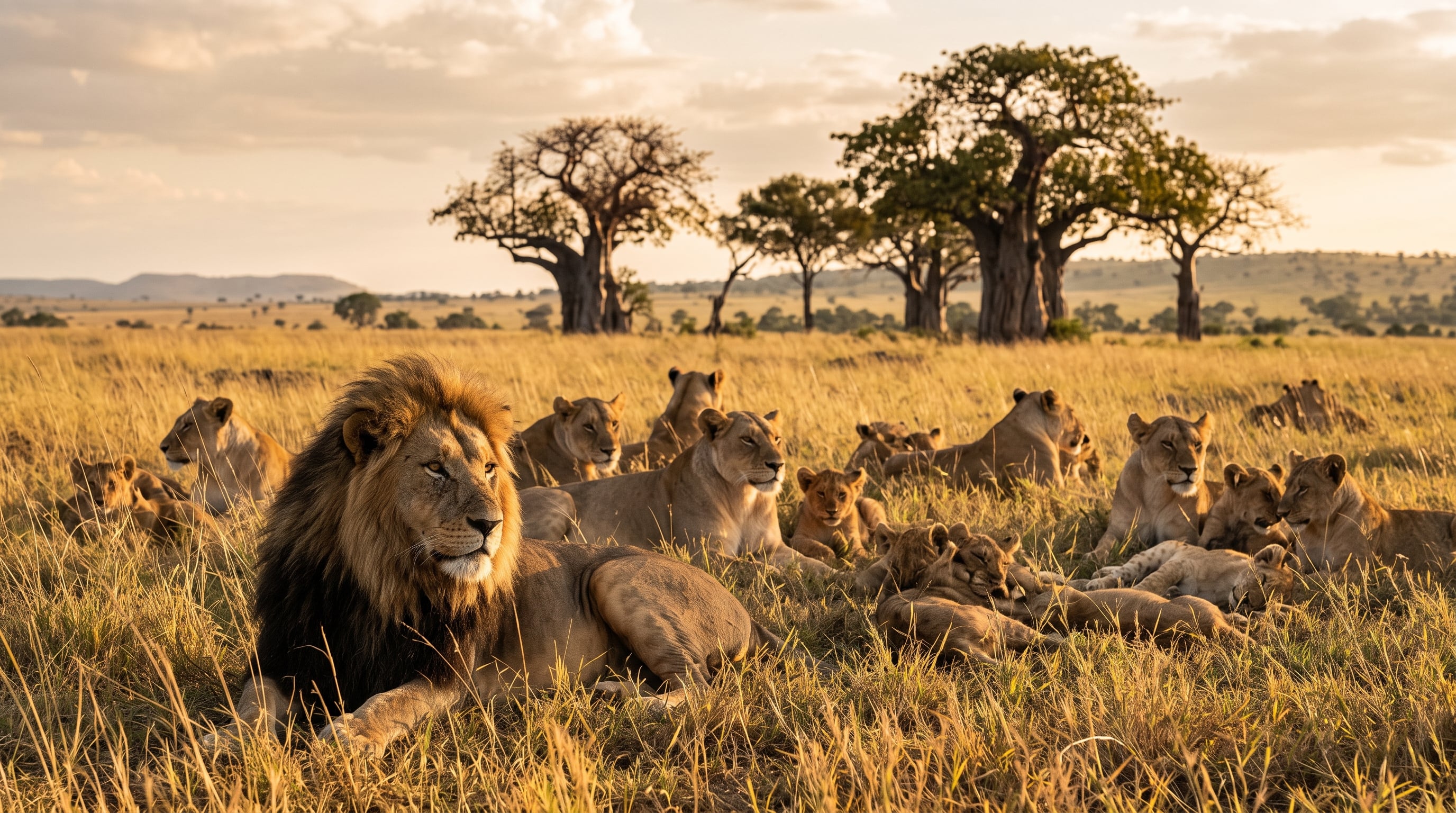
That said, Ruaha offers exceptional value for what you get: Tanzania's largest park (20,226 km²), the country's biggest elephant population, resident wild dog packs, massive lion prides, and one-tenth the tourist vehicles you'd encounter in the Serengeti. If your priority is raw, uncrowded Africa with Big Five sightings, Ruaha is worth every dollar.
Budget Tier (Fly-In Explorer — 4 Days / 3 Nights): $1,200–$1,500 per person sharing
- Accommodation: Basic tented bandas outside the park boundary (e.g., Ruaha River Lodge budget wing, Ruaha Hilltop Lodge)
- Inclusions: Light-aircraft flights Dar ↔ Ruaha, park fees, game drives, meals, transfers
- Exclusions: Walking safaris (add $50–$100 per walk), drinks, tips
- Best for: First-time safari-goers, couples on a budget, or guests combining Ruaha with Zanzibar who want a taste of the Southern Circuit without breaking the bank
Mid-Range Tier (Lion Country Classic — 5 Days / 4 Nights): $2,200–$2,800 per person sharing
- Accommodation: Comfortable tented camps inside or adjacent to the park (e.g., Kigelia Ruaha, Ruaha River Lodge main wing, Kwihala Camp)
- Inclusions: Fly-in access, park fees, full-board accommodation, unlimited game drives, 1–2 guided walking safaris, house wine/beer, laundry
- Exclusions: Premium drinks, optional night drives ($50–$100 per vehicle), tips
- Best for: Couples, families, or small groups seeking authentic wilderness with solid wildlife sightings, comfortable camps, and walking safaris — the sweet spot for most guests
Luxury / Ultra-Luxury Tier (Ultimate Wilderness — 7 Days / 6 Nights): $3,500–$5,000+ per person sharing
- Accommodation: Top-tier tented suites with private decks overlooking the Great Ruaha River (e.g., Jabali Ridge, Jongomero Camp, Mwagusi Safari Camp owner's suite)
- Inclusions: Fly-in access, park fees, full-board in luxury suites, unlimited game drives, walking safaris, bush dinners, sundowner drinks, private guide, laundry, premium house drinks
- Exclusions: Champagne/imported spirits, spa treatments (where available), hot-air balloon safaris (not offered in Ruaha), tips
- Best for: Honeymooners, photographers, or serious wildlife enthusiasts who want the finest camps, private guiding, and the most immersive Ruaha experience possible
Single Supplement: Budget to mid-range packages typically add 40–60% for solo travelers. Luxury lodges charge 75–100% supplements due to limited suite availability. A few camps (e.g., Kigelia Ruaha) offer reduced single rates during low season (March–May).
Group Discounts: Most operators offer 10–15% discounts for groups of 6+ guests traveling together, and some mid-range camps provide one free night for groups of 8+.
2. The Real Pricing Tiers — What You Get at Every Level
Not all Ruaha safari packages are created equal. Here's what separates a $1,200 budget fly-in from a $5,000 ultra-luxury wilderness odyssey — and how to decide which tier matches your expectations and budget.
Budget Tier ($1,200–$1,500 pp for 4 days)
Accommodation: Basic tented bandas or permanent bandas outside the park boundary, usually 1–2 km from the nearest gate. Rooms are simple but clean, with en-suite bucket showers (hot water on request), single beds with mosquito nets, and shared verandas overlooking the Ruaha River or miombo woodland. No air conditioning (not needed — Ruaha's altitude keeps nights cool), no Wi-Fi, and generator power for 3–4 hours in the evening. Think functional, not fancy.
Game Drives: Shared game drives with other guests (up to 6–7 people per vehicle), leaving camp at set times (usually 06:00 and 15:30). Your guide is knowledgeable but handles multiple vehicles and groups, so the experience is less personalized. You'll still see elephants, lions, and wild dogs — Ruaha's wildlife density ensures that — but you won't have the flexibility to linger at a sighting or chase a wild dog pack across the plains.
Meals: Full-board included (breakfast, lunch, dinner), but expect buffet-style service with limited choice. Breakfast is porridge, eggs, toast, fruit, and instant coffee. Lunch is sandwiches or a simple hot dish. Dinner is a one-option hot meal (e.g., grilled chicken, rice, vegetables) served communally. Bottled water is included; soft drinks, beer, and wine cost extra ($2–$5 per drink).
Walking Safaris: Not included — you'll pay $50–$100 per walk as an optional add-on.
The Trade-Off: Budget Ruaha packages deliver the wilderness, the elephants, and the solitude — but not the comfort or flexibility. If you're happy with basic accommodation and shared game drives, and your priority is simply being in Ruaha rather than luxuriating in a tented suite, this tier works beautifully.
Mid-Range Tier ($2,200–$2,800 pp for 5 days)
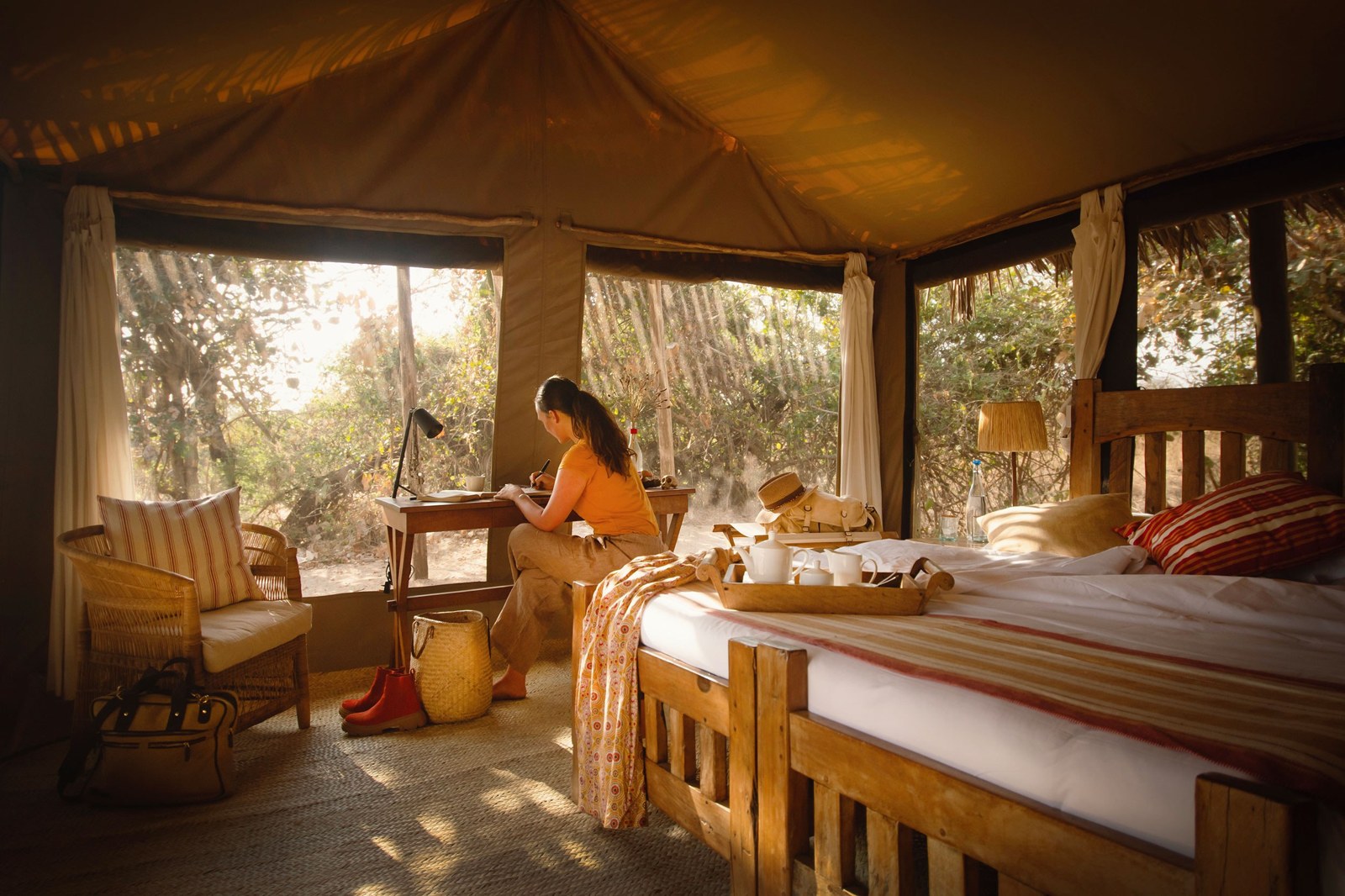
Accommodation: Comfortable tented camps inside or immediately adjacent to the park, with canvas safari tents on raised wooden platforms, en-suite bathrooms (flush toilets, hot-water showers), double or twin beds with high-quality linen, private verandas, and 24-hour solar or generator power. Camps sleep 12–20 guests maximum, ensuring intimacy and quiet. Common areas include a thatched dining banda, a small bar, a plunge pool, and a fire pit for evening sundowners. Think Out of Africa canvas-and-lantern romance with modern plumbing.
Game Drives: Private vehicle and guide for your party (up to 6 guests), with flexible departure times and the freedom to spend as long as you want at a sighting. Your guide tailors the drives to your interests — whether that's tracking wild dogs, photographing elephants, or learning about Ruaha's endemic bird species. You'll cover more ground, see more wildlife, and feel less rushed.
Meals: Full-board with à la carte breakfast (eggs cooked to order, fresh fruit, proper coffee), picnic lunches in the bush (cold meats, salads, fruit, biscuits), and three-course dinners (soup or starter, main course with choice, dessert). House wine, beer, and soft drinks are included with meals. Bush dinners under the stars are offered 1–2 times per stay.
Walking Safaris: 1–2 guided walks included, typically 2–4 hours each, led by an armed ranger-guide who tracks elephants, lions, and wild dogs on foot. This is one of Ruaha's highlights — the chance to read spoor, smell the bush, and experience predators from a human's-eye level.
The Trade-Off: Mid-range is the sweet spot for most guests — you get authentic wilderness, excellent wildlife sightings, comfortable camps, walking safaris, and flexibility, without paying ultra-luxury prices. If you're happy to forgo private plunge pools and celebrity-chef dining, this tier delivers everything that matters.
Luxury / Ultra-Luxury Tier ($3,500–$5,000+ pp for 7 days)
Accommodation: Top-tier tented suites with king-size beds, spacious en-suite bathrooms (indoor and outdoor showers, copper bathtubs, double vanities), private wooden decks with daybed loungers, plunge pools or riverside views, and air conditioning or ceiling fans. Suites sleep just 2 guests, and camps max out at 8–12 suites total, ensuring exclusivity. Interior design is boutique-hotel standard — bespoke furniture, locally woven textiles, curated art, and evening turndown service with hot-water bottles in winter. Common areas include a lounge bar with premium spirits, a spa or massage tent, a library, and a rim-flow pool overlooking the Great Ruaha River. Think Singita or Asilia-level polish.
Game Drives: Private vehicle and dedicated guide for your party throughout your stay, with complete flexibility on timing, routing, and focus. Want to spend three hours watching a wild dog den? Done. Want to skip the morning drive and sleep in? No problem. Some ultra-luxury packages include a private guide and tracker, plus night drives (rare in Ruaha, but offered by a few camps with special permits) to spotlight leopards, lions, and nocturnal species.
Meals: Gourmet à la carte dining with seasonal menus, locally sourced ingredients, and sommelier-curated wine pairings. Breakfast is served wherever you want — in the dining room, on your deck, or in the bush. Lunches are chef-prepared picnics with chilled rosé and linen napkins. Dinners are four-course affairs (amuse-bouche, starter, main, dessert) served by candlelight under the stars or in the boma. All premium drinks included (champagne, imported spirits, craft beers).
Walking Safaris: Unlimited walks with specialized guides who hold advanced walking qualifications. Some camps offer multi-day walking expeditions with fly-camping (sleeping in simple dome tents under the stars, meals cooked over a campfire, no permanent infrastructure).
The Trade-Off: Ultra-luxury Ruaha delivers everything — the finest camps, the most experienced guides, gourmet meals, and the freedom to safari on your own terms. You're paying for exclusivity, design, and service, not wildlife (which mid-range guests see just as much of). If budget is secondary to experience, and you want Ruaha at its most refined, this tier justifies the premium.
3. Sample Ruaha Safari Itineraries — Real Trips, Real Prices
Here are three real Ruaha safari itineraries — the exact routes, lodges, inclusions, and honest per-person costs you'll pay in 2026 and 2027. These aren't marketing fluff; they're the packages our guests actually book.
Itinerary 1: The 4-Day Fly-In Explorer (Budget Tier — $1,200–$1,500 pp)
Best for: First-time safari-goers, couples on a budget, or guests combining Ruaha with Zanzibar who want a quick taste of Tanzania's Southern Circuit.
Day 1: Fly Dar es Salaam → Ruaha's Msembe airstrip (2-hour light-aircraft flight, departing 08:00). Land mid-morning, meet your guide, transfer to Ruaha River Lodge (basic bandas, 30 minutes from airstrip). Lunch, settle in, then afternoon game drive along the Great Ruaha River — elephants, hippos, crocodiles, impalas, giraffes. Return for dinner and stargazing. Overnight: Ruaha River Lodge (budget bandas)
Day 2: Full day in Ruaha. Morning game drive (06:00 departure) through miombo woodland and baobab country — track lions, wild dogs, leopards. Picnic lunch in the bush. Afternoon drive to the Mwagusi Sand River — kudu, sable antelope, elephants coming to drink. Sundowners on a kopje. Overnight: Ruaha River Lodge
Day 3: Another full day of game drives. Morning focus on predators (lion prides are most active before 10:00). Return to camp for brunch and a siesta during the midday heat. Optional walking safari ($80 per person, 2 hours, book at camp). Afternoon drive toward Mdonya old river — cheetahs, wild dogs, roan antelope. Overnight: Ruaha River Lodge
Day 4: Final early-morning drive to catch the bush waking up — elephants crossing the river, hippos returning to the water, fish eagles hunting. Return for breakfast, pack, transfer to Msembe airstrip. Fly Ruaha → Dar es Salaam (departing 11:00, arriving 13:00). Onward connection to Zanzibar or international flight.
What's Included: Light-aircraft flights (Dar ↔ Ruaha), park fees ($30 × 3 days = $90 per person), full-board accommodation, shared game drives, transfers. What's Extra: Walking safaris ($80 per person), drinks, tips ($10–$15 per day recommended).
Honest Cost: $1,200–$1,350 per person sharing (based on 2 guests). Single supplement +50% ($1,800–$2,025 solo). Total for a couple: $2,400–$2,700.
Itinerary 2: The 5-Day Lion Country Classic (Mid-Range Tier — $2,200–$2,800 pp)
Best for: Couples, families, or small groups seeking authentic wilderness with walking safaris, excellent wildlife, and comfortable camps — the most popular Ruaha package.
Day 1: Fly Dar es Salaam or Arusha → Ruaha (light-aircraft, 2–3 hours). Land at Msembe or Jongomero airstrip, transfer to Kigelia Ruaha or Kwihala Camp (comfortable tented camp, 20–40 minutes). Lunch, settle into your riverside tent. Afternoon game drive to the Great Ruaha River — elephant herds (50+), giraffes, zebras, waterbucks. Sundowners on the riverbank. Overnight: Kigelia Ruaha
Day 2: Early-morning game drive (06:00) — track lions and wild dogs before the heat. Return for brunch. Afternoon: 3-hour guided walking safari with armed ranger — learn to read spoor, identify trees, and experience the bush from a human's-eye level. Evening drive to a kopje for sunset. Bush dinner under the stars. Overnight: Kigelia Ruaha
Day 3: Full day exploring Ruaha's southern sectors. Morning drive to the Mwagusi Sand River — greater kudu, sable antelope, elephants. Picnic lunch under an acacia. Afternoon: photography-focused drive along the Mdonya old river — leopards in fig trees, wild dog dens, cheetahs on termite mounds. Overnight: Kigelia Ruaha
Day 4: Dawn game drive (05:30 departure) to catch the golden-hour light and predators on the hunt. Return for breakfast. Mid-morning: second walking safari (2 hours) — track elephants, learn about Ruaha's birdlife (570+ species). Afternoon drive to the Ruaha River escarpment for panoramic views. Farewell dinner by the campfire. Overnight: Kigelia Ruaha
Day 5: Final early-morning drive — focus on any species you haven't seen yet (roan antelope, serval cats, jackals). Return for breakfast and packing. Transfer to airstrip, fly Ruaha → Dar es Salaam or Arusha (arriving early afternoon). Onward connection.
What's Included: Light-aircraft flights, park fees ($30 × 4 days = $120 per person), full-board accommodation in tented camp, private vehicle and guide, unlimited game drives, 2 walking safaris, house wine/beer with meals, laundry, transfers. What's Extra: Premium drinks, optional night drive ($80 per vehicle if offered), tips ($15–$20 per day recommended).
Honest Cost: $2,400–$2,700 per person sharing (based on 2 guests). Single supplement +60% ($3,840–$4,320 solo). Total for a couple: $4,800–$5,400.
Itinerary 3: The 7-Day Ultimate Wilderness (Ultra-Luxury Tier — $3,500–$5,000+ pp)
Best for: Honeymooners, photographers, or serious wildlife enthusiasts who want the finest camps, private guiding, and the most immersive Ruaha experience possible.
Day 1: Fly Dar es Salaam or Arusha → Ruaha's Jongomero airstrip (light-aircraft). Transfer to Jabali Ridge or Jongomero Camp (ultra-luxury tented suites, 30 minutes). Lunch on your private deck overlooking the Great Ruaha River. Afternoon game drive with your private guide — elephants, lions, wild dogs. Sundowner cocktails on a kopje. Return for gourmet dinner and stargazing from your plunge pool. Overnight: Jabali Ridge
Day 2: Dawn game drive (05:30) — track lion prides and wild dog packs. Return for breakfast on your deck. Mid-morning walking safari (3 hours) — learn to track elephants by spoor and dung. Afternoon: siesta or spa treatment. Evening drive to the Mwagusi Sand River — leopards, kudu, sable. Bush dinner by lantern light. Overnight: Jabali Ridge
Day 3: Full day in Ruaha's remote southern sectors. Depart after breakfast with a gourmet picnic hamper. Spend the day tracking wild dogs, photographing elephants, and exploring the Mdonya old river. Sundowners at a secluded kopje. Return after dark for a late dinner. Overnight: Jabali Ridge
Day 4: Morning game drive, then transfer to Mwagusi Safari Camp (second luxury camp, different part of the park, 1-hour drive). Lunch at Mwagusi, settle into your new suite. Afternoon drive to the Njombe area — roan antelope, cheetahs, wild dogs. Overnight: Mwagusi Safari Camp
Day 5: Full day at Mwagusi. Morning walk along the Mwagusi Sand River with a specialist guide. Return for brunch. Afternoon: photography-focused drive — your guide positions the vehicle for golden-hour shots of elephants crossing the river, lions on termite mounds, and baobabs silhouetted against the sky. Overnight: Mwagusi Safari Camp
Day 6: Dawn game drive to a wild dog den (seasonal, June–October). Watch pups play while adults return from the hunt. Return for breakfast. Optional: third walking safari or sleep in. Afternoon drive to the Great Ruaha River escarpment for panoramic views. Farewell dinner with champagne and a slideshow of your best photos. Overnight: Mwagusi Safari Camp
Day 7: Final early-morning drive — your guide tailors it to any sightings you missed (e.g., serval cat, civet, caracal). Return for breakfast. Transfer to Msembe airstrip, fly Ruaha → Dar es Salaam or Arusha (arriving early afternoon). Onward connection.
What's Included: Light-aircraft flights, park fees ($30 × 6 days = $180 per person), full-board accommodation in ultra-luxury suites, private vehicle and dedicated guide throughout, unlimited game drives, 2–3 walking safaris, gourmet meals with wine pairings, all premium drinks, laundry, spa treatment (1× massage), transfers. What's Extra: Champagne/imported spirits beyond house selection, additional spa treatments, tips ($20–$30 per day recommended).
Honest Cost: $4,200–$5,200 per person sharing (based on 2 guests, depending on exact camps and season). Single supplement +80% ($7,560–$9,360 solo). Total for a couple: $8,400–$10,400.
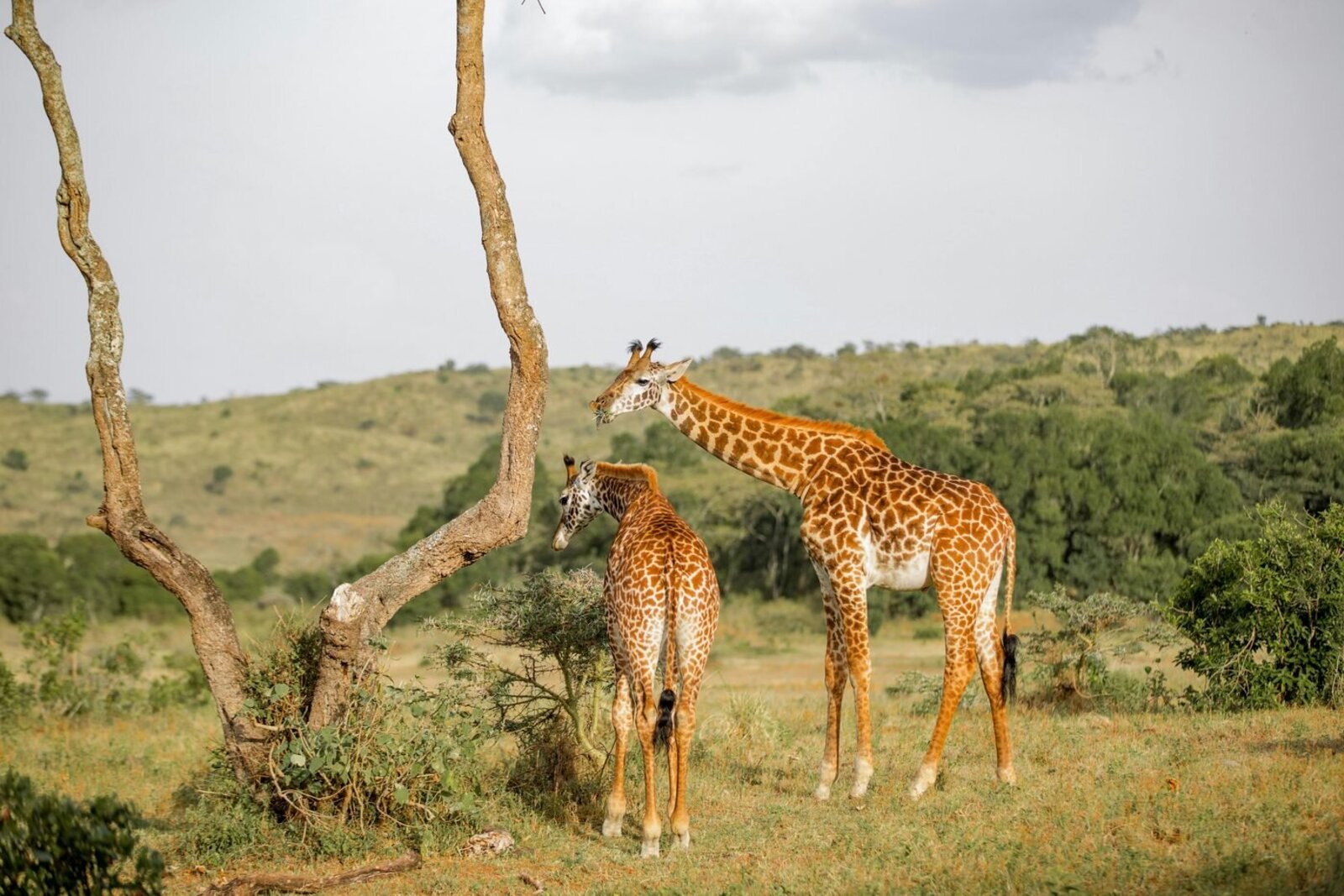
4. What's Included vs What's Extra — Reading the Fine Print
Every Ruaha safari package lists "full-board accommodation, game drives, and park fees included" — but the devil is in the details. Here's what you're actually paying for, and the hidden costs first-timers always miss.
What's Included (Almost Always)
- Accommodation: Your bed, en-suite bathroom, and all hotel-style services (cleaning, linen, towels). Budget to mid-range camps may not have air conditioning, but Ruaha's altitude (750–1,900 m) keeps nights cool.
- Meals: Breakfast, lunch (usually picnic-style in the bush), and dinner. Most mid-range and luxury packages also include house wine, beer, and soft drinks with meals. Budget packages may charge for drinks.
- Park Fees: $30 per person per day for non-residents. This is a government fee paid to Tanzania National Parks (TANAPA) and is always included in the package price (it's illegal for operators to quote prices excluding park fees).
- Game Drives: Unlimited, unless stated otherwise. Budget packages may limit you to 2 drives per day (morning and afternoon). Mid-range and luxury packages offer flexibility — drive all day if you want.
- Light-Aircraft Flights: Fly-in packages include scheduled flights from Dar es Salaam or Arusha to Ruaha's airstrips. These are shared charters (6–12 passengers), not private planes.
- Transfers: Bush transfers between the airstrip and your camp (usually 20–60 minutes by 4x4).
What's Extra (Read the Fine Print)
- Walking Safaris: Budget packages charge $50–$100 per person per walk. Mid-range and luxury packages usually include 1–2 walks, but additional walks cost extra.
- Premium Drinks: Champagne, imported spirits, and premium wines are excluded even from luxury packages. Budget for $50–$100 extra per person if you're a serious drinker.
- Tips: Not included, but expected. Budget $10–$15 per person per day for budget/mid-range packages, $20–$30 per day for luxury. Split between your guide, camp staff, and ranger-guides (for walking safaris).
- Optional Activities: Night drives ($50–$100 per vehicle, offered by a few camps with special permits), fly-camping expeditions ($200–$500 per person per night), hot-air balloon safaris (not available in Ruaha — this is a Serengeti-only activity).
- Travel Insurance: Essential, and not included. Ruaha is remote — the nearest hospital is in Iringa (4–6 hours by road). Ensure your policy covers medical evacuation by air ambulance ($10,000–$50,000 if you need it). Budget $100–$200 for comprehensive coverage.
- Visas: Tanzania tourist visas cost $50 (US/UK/EU passport holders) or $100 (some other nationalities). Available online (e-visa) or on arrival at Dar es Salaam or Kilimanjaro airports.
- International Flights: Getting to Dar es Salaam or Kilimanjaro is on you. Budget $800–$1,500 from the US or UK, depending on season and routing.
The Hidden Costs First-Timers Miss
1. Fly-In vs Road Access: Most Ruaha packages quote fly-in prices because road access is grueling (10–12 hours from Dar es Salaam on rough dirt tracks). If you opt for road access to save money, you'll pay less upfront but spend two full days (one each way) driving instead of game viewing. Fly-in is strongly recommended.
2. Single Supplements: Traveling solo? Budget packages add 40–60% to the per-person price. Luxury lodges charge 75–100% supplements because they lose revenue from the second guest. A $2,400pp package becomes $3,840–$4,800 solo. Ouch.
3. Park Fees Are Per Day: Tanzania counts park fees by 24-hour periods, and the clock starts when you enter the park, not when you wake up. If you enter Ruaha at 14:00 on Day 1 and leave at 10:00 on Day 4, you pay for 4 days ($120 per person), even though you only spent 2.5 days game viewing. Most operators build this into the package price, but always check.
4. Laundry: Included in mid-range and luxury packages, but budget camps charge $2–$5 per item. If you're on a 4-day trip, you can re-wear clothes; on a 7-day trip, you'll need laundry service.
5. Ruaha vs Other Tanzania Parks — Where Ruaha Wins
Tanzania has 16 national parks, but only four are on most safari itineraries: Serengeti, Ngorongoro, Tarangire, and Ruaha. Here's how Ruaha compares — and why it deserves a place on your shortlist.
Ruaha vs Serengeti
Size: Ruaha is Tanzania's largest national park (20,226 km²), even bigger than the Serengeti (14,763 km²). Yet it receives one-tenth the tourist traffic. You'll see 1–3 other vehicles at a sighting in Ruaha; in the central Serengeti, you'll see 15–30.
Wildlife: Serengeti is famous for the Great Migration (2 million wildebeest, zebras, and gazelles), but Ruaha delivers Big Five sightings (elephant, lion, leopard, buffalo — no rhinos) with far fewer crowds. Ruaha's elephant population (12,000+) is larger than the Serengeti's, and its lion prides (up to 30+ members) are among Africa's largest. Ruaha is also better for African wild dogs, greater kudu, sable antelope, and roan antelope — species that are rare or absent in the Serengeti.
Scenery: Serengeti = endless golden plains dotted with kopjes and acacia trees. Ruaha = baobab-studded savannah, miombo woodland, rocky escarpments, and the Great Ruaha River winding through the heart of the park. If you want iconic "Out of Africa" plains, Serengeti wins. If you want dramatic, varied landscapes, Ruaha wins.
Crowds: Serengeti is on the classic Northern Circuit, so it's busy year-round (especially June–October when the Migration is in the north). Ruaha is on the Southern Circuit, which most safari-goers skip due to remoteness and higher fly-in costs. If solitude matters to you, Ruaha is the clear winner.
Cost: Ruaha packages cost roughly the same as Serengeti packages at the mid-range and luxury tiers ($2,200–$5,000+ for 4–7 days). Budget packages are harder to find in Ruaha because road access is so difficult.
Verdict: Serengeti for the Migration and brand-name recognition. Ruaha for solitude, elephants, and raw wilderness. Many guests do both — Serengeti or Ngorongoro in the north, then fly south to Ruaha for the contrast.
Ruaha vs Tarangire
Elephants: Both parks are famous for elephants. Tarangire shelters 3,000+ elephants in the dry season (June–October), while Ruaha shelters 12,000+. Ruaha's herds are larger (50–100+ individuals) and less habituated to vehicles.
Scenery: Tarangire is defined by its baobabs and the Tarangire River. Ruaha is also baobab country but three times larger, with more varied terrain (miombo woodland, rocky hills, multiple river systems).
Wildlife: Tarangire is excellent for elephants, zebras, wildebeest, and tree-climbing lions (rare behavior). Ruaha adds wild dogs, sable antelope, roan antelope, and greater kudu — species you won't see in Tarangire.
Crowds: Tarangire is on the Northern Circuit and close to Arusha, so it's busier than Ruaha (though quieter than the Serengeti). Ruaha is more remote and less visited.
Cost: Tarangire packages are slightly cheaper ($1,800–$4,000 for 3–6 days) because road access from Arusha is easier (2–3 hours vs 10–12 hours for Ruaha from Dar).
Verdict: Tarangire for an affordable elephant-focused add-on to a Northern Circuit itinerary. Ruaha for a deeper, more remote elephant experience with rare species and fewer tourists.
Ruaha vs Ngorongoro Crater
Wildlife Density: Ngorongoro Crater is a 260 km² volcanic caldera with one of Africa's highest wildlife densities — you'll see lions, elephants, black rhinos, hippos, and flamingos in a single day. Ruaha is 78 times larger but less densely packed — you work harder for sightings, but the reward is solitude and the thrill of discovery.
Black Rhinos: Ngorongoro has around 30 black rhinos (one of the best places in Tanzania to see them). Ruaha has no rhinos.
Experience: Ngorongoro is a half-day or full-day excursion — you drive down into the crater at dawn, game-view for 4–6 hours, then drive out by 16:00 (exit times are enforced). Ruaha is a multi-day immersive safari with walking safaris, sundowners, bush dinners, and the freedom to explore on your own schedule.
Crowds: Ngorongoro is one of Tanzania's busiest parks — expect 50–100 vehicles in the crater on peak days. Ruaha is one of the quietest.
Cost: Ngorongoro Crater has the highest park fees in Tanzania ($295 per vehicle per visit, plus $70 per person per day conservation fee). Ruaha is $30 per person per day, no vehicle fee inside the park.
Verdict: Ngorongoro for a guaranteed "greatest hits" day (rhinos, flamingos, dense wildlife). Ruaha for an immersive, multi-day wilderness safari without the crowds.
6. When to Visit & When to Book — Dry Season, Green Season, and Wild Dog Denning
Ruaha is open year-round, but the best time to visit is June to October — the dry season, when wildlife concentrations along the Great Ruaha River are at their peak. Here's the month-by-month breakdown.
Dry Season (June – October) — Peak Wildlife Viewing
Weather: Clear blue skies, hot days (28–32°C), cool nights (10–15°C). No rain, so vegetation thins out and animals concentrate around permanent water sources.
Wildlife: This is when Ruaha delivers its greatest spectacle — elephant herds of 50 to 100+ individuals gather at the Great Ruaha River, lions stalk the exposed riverbanks, and wild dog packs are most active (denning season is June–August, with pups visible from August onward). Predator sightings are at their best because prey is concentrated and easier to hunt.
Photography: Excellent. Clear skies, golden light, and dramatic river crossings. The thinned vegetation makes wildlife easier to spot and frame.
Crowds: Ruaha's busiest season, but "busy" means 5–10 other vehicles in the entire park on a given day — still gloriously quiet compared to the Serengeti.
Pricing: High season rates apply (10–20% more expensive than green season). Book 4–6 months ahead for mid-range camps, 6–12 months for luxury lodges.
Best Months: July, August, September — the sweet spot for wildlife, weather, and wild dog denning. June is excellent but slightly greener. October is hot (35°C+) but still wildlife-rich.
Shoulder Season (November & Late May) — Fewer Crowds, Good Value
Weather: Short rains in November (afternoon thunderstorms, usually 1–2 hours), hot and humid. Late May is the tail end of the long rains, with occasional showers but improving conditions.
Wildlife: Still excellent. Animals remain near the river, and predators are active. Bird migration peaks in November (Eurasian migrants arrive). Some wildlife disperses with the rains, but core residents (elephants, lions, wild dogs) stay put.
Pricing: Low-season rates (10–20% cheaper than peak). Some luxury camps offer "stay 4, pay 3" deals.
Best For: Budget-conscious travelers who can tolerate occasional rain and want Ruaha to themselves.
Green Season (December – April) — Lush, Wet, Dispersed Wildlife
Weather: Heavy rains (December–March), especially in the afternoons. Roads can become impassable, and some camps close entirely (check before booking). April is the wettest month.
Wildlife: Dispersed. With water everywhere, animals spread across the park, making sightings less predictable. Predators are harder to find. Bird life is spectacular (breeding season, chicks everywhere), and the landscape is lush and green.
Pricing: Lowest rates of the year (20–30% cheaper than peak). Some camps close, so options are limited.
Best For: Birdwatchers, photographers seeking dramatic stormy skies, or travelers with flexible schedules who can gamble on weather.
Not Recommended For: First-time safari-goers or anyone on a tight schedule. The rains can disrupt flights, strand you in camp, or limit game-viewing hours.
How Far Ahead to Book
- Budget Packages: 2–3 months ahead is usually fine, even for peak season (June–October).
- Mid-Range Packages: 4–6 months ahead for peak season, 2–3 months for shoulder/green season.
- Luxury / Ultra-Luxury Packages: 6–12 months ahead for peak season. The best camps (Jabali Ridge, Jongomero, Mwagusi) fill up fast, especially for July–September.
- Last-Minute Deals: Occasionally available in November, March, or April (green season), but don't count on it — Ruaha's camps are small and fill up even in low season.
7. How to Choose Your Ruaha Safari Package — Straight Advice
Here's the short version: most guests should book a 5-day mid-range Lion Country Classic package (around $2,400–$2,700 per person) for June–October. It delivers excellent wildlife, walking safaris, comfortable camps, and flexibility without blowing the budget. But let's break it down by traveler type.
For First-Time Safari-Goers
Recommendation: 5-day mid-range package (Lion Country Classic) in July or August.
Why: You want guaranteed wildlife sightings (elephants, lions, wild dogs), comfortable accommodation, and experienced guides who can explain what you're seeing. Mid-range camps deliver all of this without the sticker shock of ultra-luxury lodges. July and August are the sweet spot for weather, wildlife, and wild dog denning.
Budget: $2,400–$2,700 per person, plus $500–$800 for international flights, visas, and tips. Total: $3,000–$3,500 per person.
For Photographers
Recommendation: 7-day ultra-luxury package (Ultimate Wilderness) in July or September, staying in two different camps (e.g., Jabali Ridge + Mwagusi Safari Camp).
Why: You need flexibility (private guide who'll position the vehicle for golden-hour shots), time (7 days to wait for perfect light), and access to multiple areas of the park (two camps = two different wildlife ecosystems). Ultra-luxury camps also offer better vantage points (raised decks, riverside suites) for shooting from camp.
Budget: $4,200–$5,200 per person. Total for a couple: $8,400–$10,400.
For Budget Travelers
Recommendation: 4-day fly-in explorer package in November or May (shoulder season).
Why: You'll save $400–$600 per person by traveling in shoulder season, and wildlife is still excellent (especially November). Basic bandas are perfectly adequate for 4 days — you'll be on game drives most of the time anyway.
Budget: $1,000–$1,200 per person in shoulder season. Total for a couple: $2,000–$2,400.
For Families with Kids (12+ Years)
Recommendation: 5-day mid-range package in August (dry season, school holidays), with a family-friendly camp like Ruaha River Lodge or Kigelia Ruaha.
Why: Ruaha is excellent for families — kids 12+ are allowed on game drives and walking safaris (with parental supervision), and the wildlife is so abundant that even restless teenagers stay engaged. August is school-holiday season, so book 6–9 months ahead.
Budget: $2,400–$2,700 per person (kids 12–15 often get 10–20% discounts at mid-range camps). Total for a family of 4: $8,000–$9,500.
For Honeymooners
Recommendation: 7-day ultra-luxury package in September or October, with private guiding and at least one fly-camping night.
Why: This is your once-in-a-lifetime Africa trip — do it right. Ultra-luxury camps offer private plunge pools, gourmet dinners under the stars, and the kind of romance you can't get at a mid-range tented camp. September and October have perfect weather (no rain, not too hot), and fly-camping (sleeping in dome tents under the stars with just a ranger-guide and cook) is the ultimate honeymoon experience.
Budget: $4,500–$5,500 per person. Total for a couple: $9,000–$11,000.
For Solo Travelers
Recommendation: Join a small-group safari (if available) or book a 4-day mid-range package and accept the single supplement.
Why: Single supplements in Ruaha are brutal (40–100% extra). A few operators offer small-group departures (6–8 guests) where you share a vehicle and guide but have your own tent — this avoids the supplement. Alternatively, book a short 4-day package so the supplement hurts less.
Budget: $1,920–$2,430 for a 4-day mid-range package solo (including 60% single supplement). Total: around $2,500–$3,000 including flights and tips.
Final Word: Ruaha isn't the easiest park to reach, and it's not the cheapest. But if your priority is wild, uncrowded Africa with elephant herds, wild dog packs, and the feeling that you've discovered something few safari-goers ever see, Ruaha delivers in a way that few parks can match. Book your fly-in package, pack your binoculars, and prepare to fall in love with Tanzania's largest, wildest park.
Ready to Book Your Ruaha Safari?
Browse our curated Ruaha safari packages below, or contact our safari specialists to design a private journey tailored to your dates, budget, and wildlife wishlist. Every package includes transparent pricing, real itineraries, and one team on the ground who design and run every trip themselves — no middlemen, no surprises.