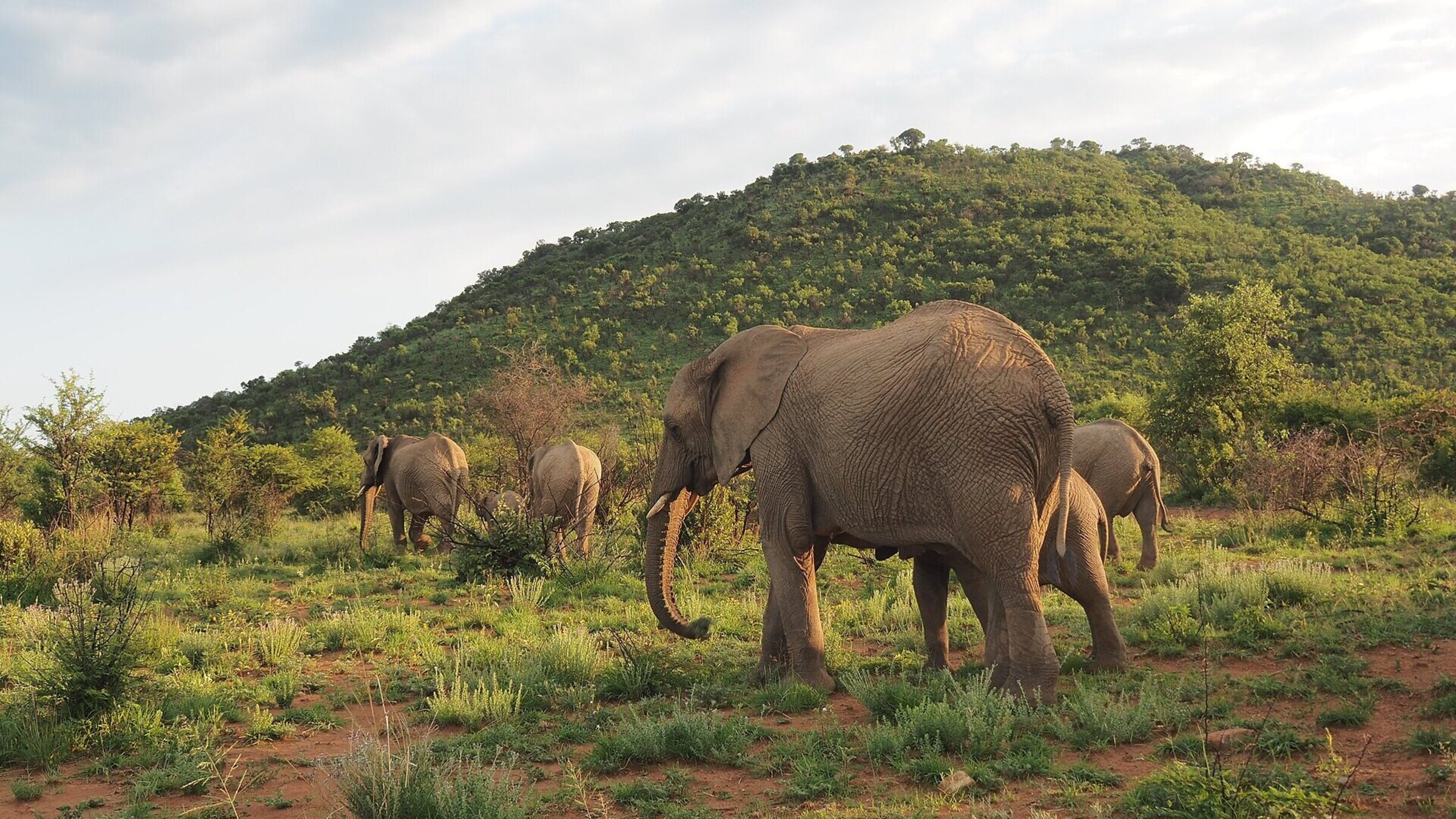
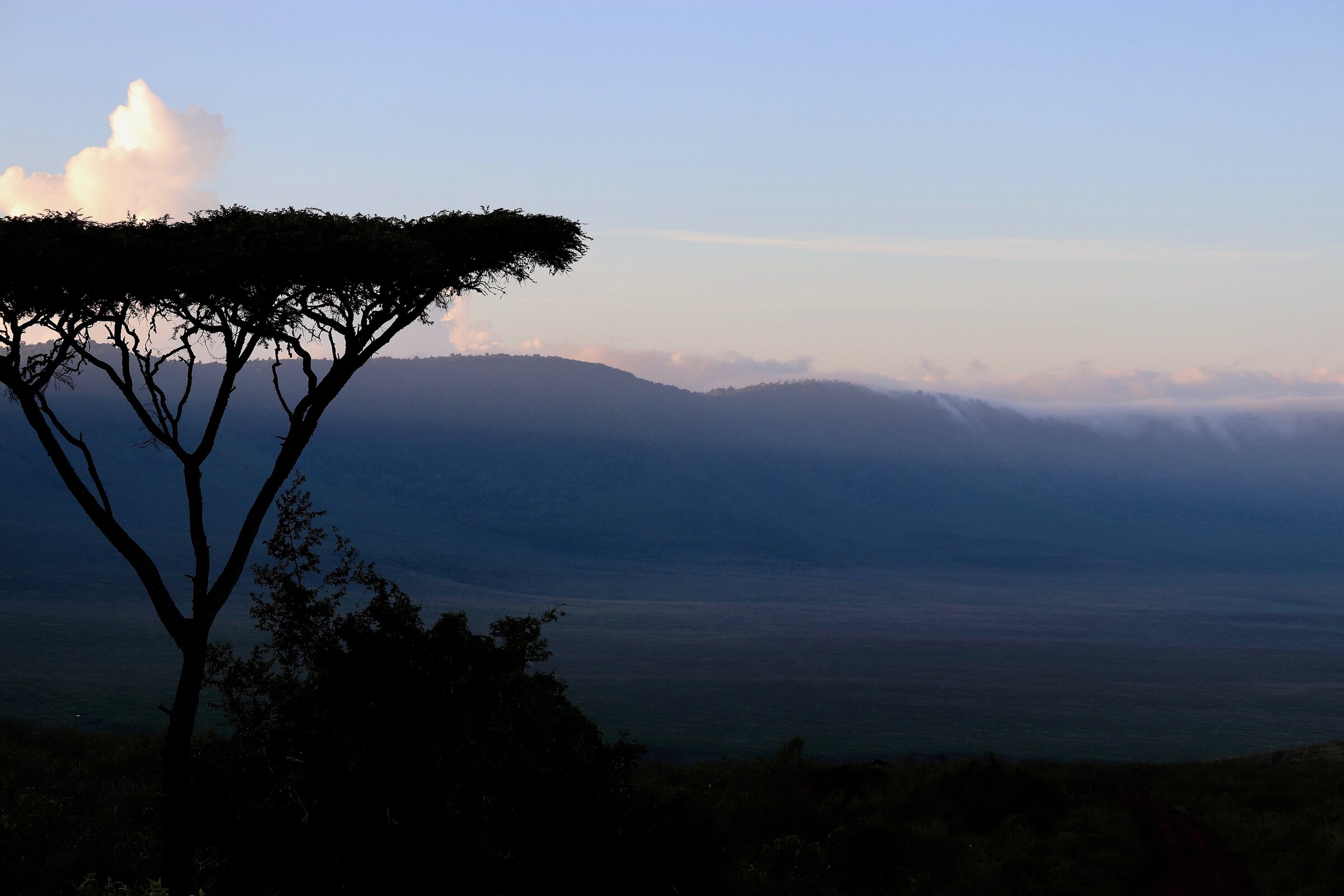
A Nyerere safari package in 2026 costs between $2,900 and $7,500+ per person, depending on the length of your trip, the level of accommodation, and whether you fly in from Dar es Salaam or Zanzibar. The quick breakdown: a 4-day fly-in explorer starts around $2,900 per person for comfortable riverside camps with boat safaris and walking, $4,000–$4,500 for a 5-day Rufiji River classic with unlimited boat cruises and fly-camping, and $7,500+ for an 8-day Southern Circuit ultimate pairing Nyerere with Ruaha in the finest stone-and-thatch lodges overlooking the river.
The short version: Nyerere (formerly Selous Game Reserve) delivers remote, uncrowded, boat-safari Tanzania at a fraction of the tourist traffic you'll find in the Serengeti — but you pay a premium for fly-in access and the intimacy of small, owner-run riverside camps. If you're after boat safaris on the Rufiji, wild dog encounters, walking safaris, and the feeling that you've discovered Africa on your own terms, that premium is worth it.
Key Takeaways
- Nyerere safari packages cost $2,900 to $7,500+ per person, with most guests spending $4,000–$4,500 for a 5-day Rufiji River Classic including fly-in access, boat safaris, walking, and full-board riverside tented camps.
- Fly-in access is strongly recommended — it saves 6–8 hours of rough road driving from Dar es Salaam and drops you directly into the Rufiji River wilderness.
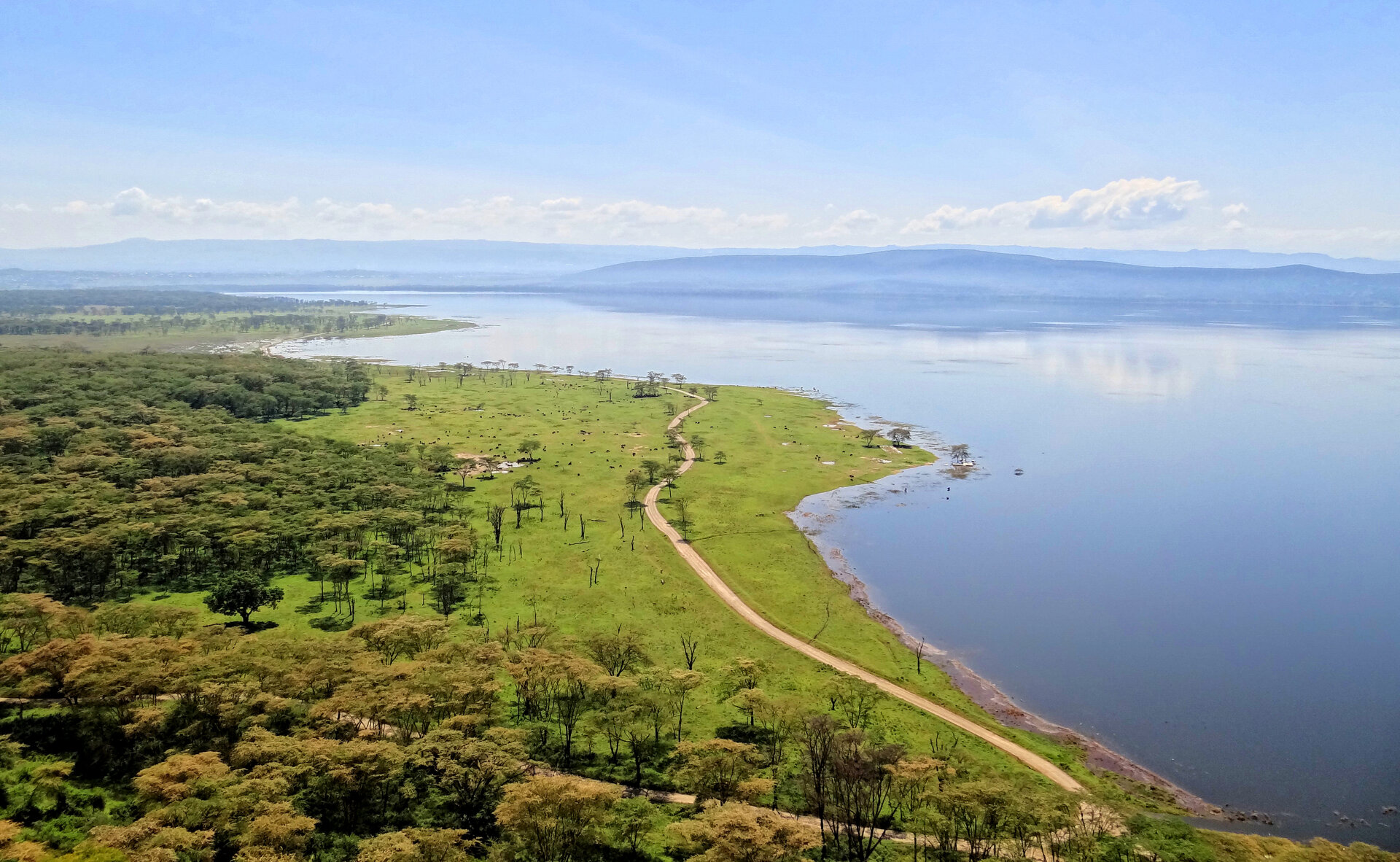
- Nyerere is Tanzania's boat safari capital — the Rufiji River fans into channels, lakes and sandbanks where you drift past hippo pods, drinking elephants, and thousands of waterbirds.
- Wild dog encounters are a specialty — Nyerere is one of East Africa's most important wild dog strongholds, with June–October denning season offering the best pack sightings.
- One-tenth the tourist traffic of the Northern Circuit — Nyerere delivers raw, uncrowded wilderness with boat safaris, walking safaris and fly-camping the Serengeti can't match.
- Best time is June to October (dry season) for peak wildlife concentrations, boat safaris on receding channels, and wild dog den activity. Green season (November–May) offers lower prices and lush landscapes but limited boat safari access.
- Combine with Ruaha for the Southern Circuit (8–10 days), or pair with Zanzibar (7–10 days) for the perfect bush-and-beach Tanzania journey.
This guide breaks down the real costs, real itineraries, and honest trade-offs of every Nyerere safari package tier. No vague "from $X per day" hand-waving — these are the prices you'll actually pay in 2026 and 2027, the lodges you'll sleep in, the boat safaris you'll take, and the hidden extras that first-time safari-goers always miss. Let's go.
1. What a Nyerere Safari Package Costs
Here's the truth: Nyerere safari packages are not cheap — but they deliver wilderness, solitude, and boat safaris on a scale few African parks can match. The cost reflects three realities: fly-in access (most packages include light-aircraft flights from Dar es Salaam or Zanzibar, which alone cost $200–$400 per person each way), remoteness (camps are small, owner-run, and far from mass-tourism infrastructure), and park fees (Tanzania charges $71 per person per day for non-residents in Nyerere, plus $295 per vehicle per day). Add full-board accommodation, boat safaris, walking safaris with armed rangers, and a private guide, and the numbers stack up fast.
That said, Nyerere offers exceptional value for what you get: Tanzania's largest park (30,893 km²), boat safaris on the mighty Rufiji River, resident wild dog packs, massive elephant and buffalo herds, and one-tenth the tourist vehicles you'd encounter in the Serengeti. If your priority is remote, boat-accessible Africa with walking safaris and wild dog encounters, Nyerere is worth every dollar.
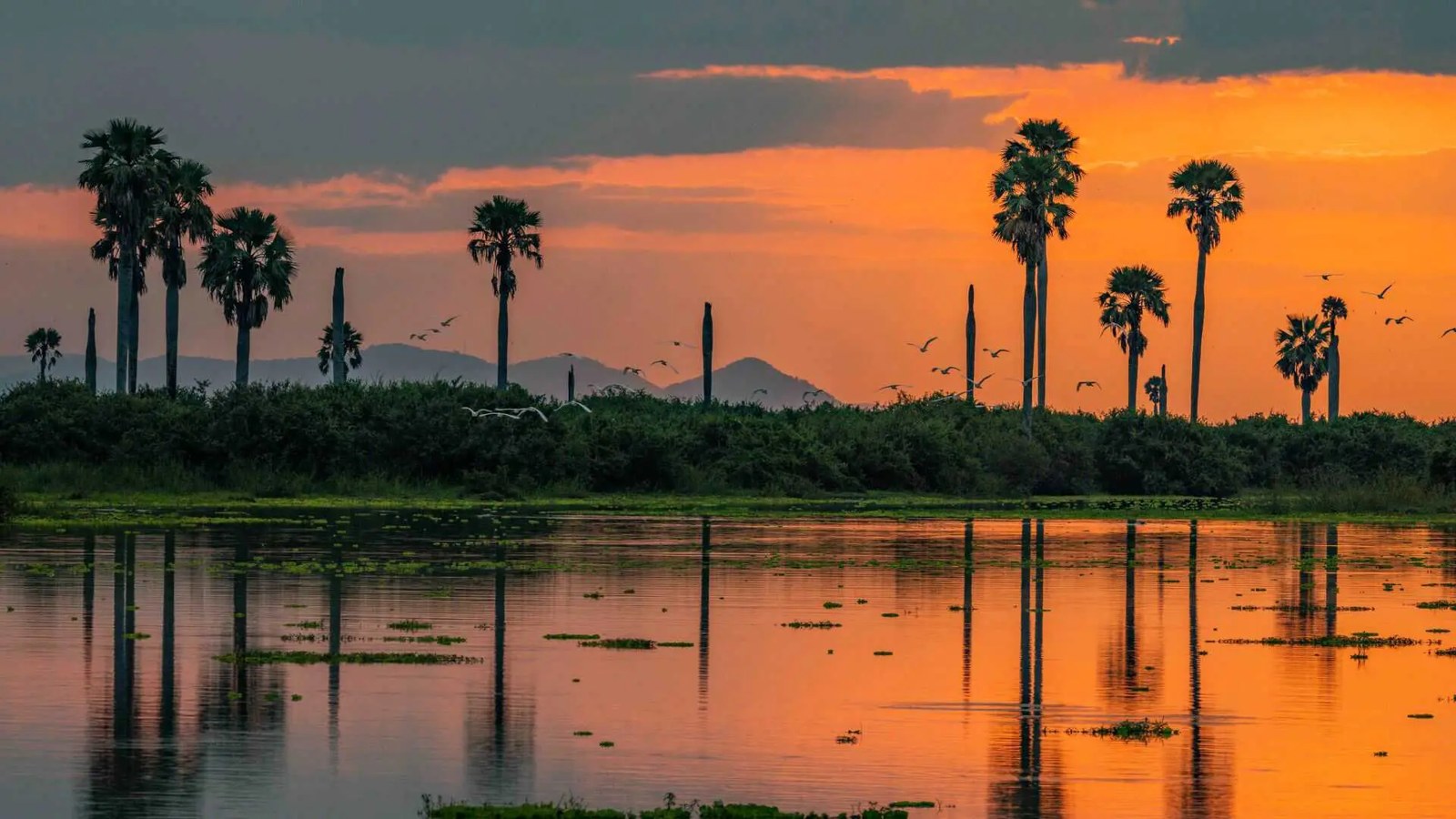
Explorer Tier (4 Days / 3 Nights): $2,900 per person sharing
- Accommodation: Comfortable riverside tented camps (e.g., Siwandu, Rufiji River Camp, Beho Beho)
- Inclusions: Light-aircraft flights Dar/Zanzibar ↔ Nyerere, park fees, boat safaris, walking safaris, game drives, meals, transfers
- Exclusions: Premium drinks, tips, optional fly-camping ($200–$300 per night extra)
- Best for: Travelers short on time or pairing the bush with Zanzibar, who want boat safaris and wilderness without a long itinerary
Classic River Tier (5 Days / 4 Nights): $4,000–$4,500 per person sharing
- Accommodation: Premium riverside tented camps (e.g., Sand Rivers Selous, Roho ya Selous, Kiba Point)
- Inclusions: Fly-in access, park fees, full-board accommodation, unlimited boat safaris, walking safaris, game drives, sunset cruises, house wine/beer, laundry
- Exclusions: Premium spirits, fly-camping (often included but confirm), tips
- Best for: Couples, families, or small groups seeking the full Rufiji River experience — boat safaris, walking, and remote wilderness with excellent wildlife
Southern Circuit Ultimate Tier (8 Days / 7 Nights): $7,500+ per person sharing
- Accommodation: Top-tier stone-and-thatch lodges overlooking the Rufiji (e.g., Sand Rivers Selous) paired with Ruaha's finest (e.g., Jabali Ridge, Jongomero)
- Inclusions: Fly-in access to both parks, all park fees, full-board in premium suites, unlimited boat safaris, walking safaris, fly-camping, bush dinners, private guide, laundry, premium house drinks
- Exclusions: Champagne/imported spirits, hot-air balloon safaris (not offered in Nyerere), tips
- Best for: Discerning travelers seeking Tanzania's most remote wilderness — the Southern Circuit's elephant kingdoms, wild dog encounters, and boat-safari Rufiji magic
2. The Real Pricing Tiers: What You Get at Every Level
All Nyerere safari packages include three core experiences: boat safaris on the Rufiji River channels, walking safaris with armed rangers through groundwater forest and open savannah, and traditional game drives across the vast miombo woodland plains. The difference between tiers is the level of accommodation, guide exclusivity, and extras like fly-camping, sunset cruise frequency, and premium drinks.
Explorer Tier ($2,900 pp for 4 days)
What you get: A short fly-in taste of the Rufiji wilderness from a comfortable riverside camp. Expect classic East African safari tents with en-suite bathrooms, ceiling fans, and river views. Daily boat safaris on the Rufiji channels (usually one morning or afternoon per day), one or two guided walking safaris, and game drives in open 4x4 vehicles. Meals are full-board (breakfast, lunch, dinner), house wine and beer typically included with dinner. Light-aircraft flights from Dar es Salaam or Zanzibar are included, dropping you directly at the Rufiji airstrip.
What you pay extra for: Premium drinks (spirits, champagne), tips for guides and camp staff (budget $15–$20 per person per day), optional fly-camping nights under canvas ($200–$300 extra per night), and any additional boat safari cruises beyond the standard one per day.
Best for: Travelers combining Nyerere with a Zanzibar beach stay, or guests with limited time who want a taste of the Rufiji boat safari experience without committing to a full week.
Classic River Tier ($4,000–$4,500 pp for 5 days)
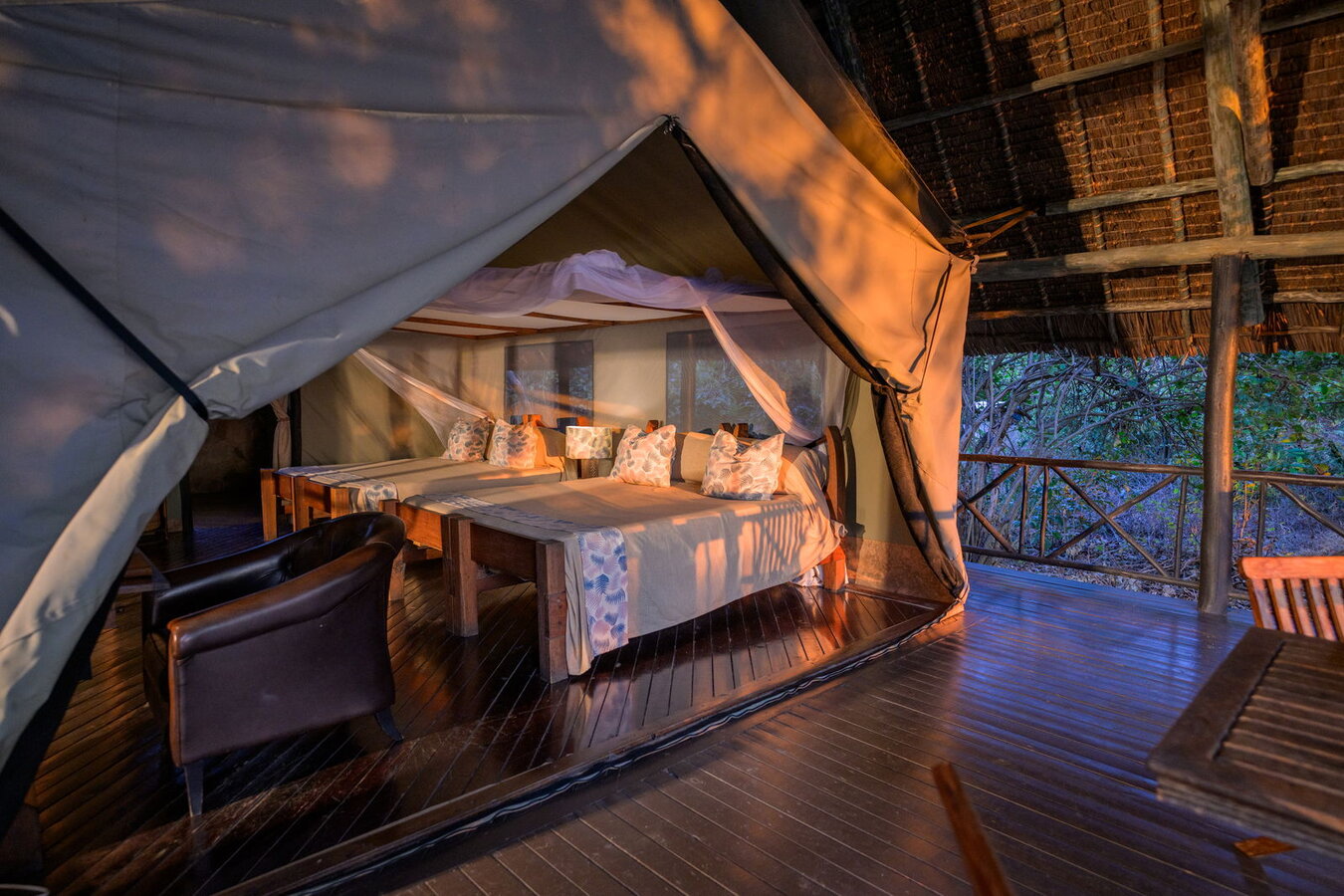
What you get: The full Nyerere experience from one of the premium riverside camps. Expect spacious tented suites with private decks overlooking the Rufiji, outdoor showers, and elevated views of hippo pods and elephants drinking at dawn. Unlimited boat safaris (typically two per day — morning and sunset), multiple walking safaris through borassus palm forests and along oxbow lakes, and game drives targeting wild dog dens, lion prides, and elephant herds. Full-board with house wine, beer and soft drinks included. Fly-in access from Dar or Zanzibar, all park fees covered, and often one or two nights of fly-camping under canvas (mobile tented camps set up deep in the bush, with bucket showers and campfire dinners — confirm inclusion at booking).
What you pay extra for: Premium imported spirits, champagne, and tips. Fly-camping may be an optional add-on depending on the package.
Best for: The sweet spot for most guests — five days gives you time to explore the Rufiji's full network of channels and lakes, track wild dog packs, walk with armed rangers, and truly disconnect from the outside world. This is the tier where the magic of Nyerere fully unfolds.
Southern Circuit Ultimate Tier ($7,500+ pp for 8 days)
What you get: The pinnacle Southern Circuit journey, pairing Nyerere's boat-safari wilderness with Ruaha's elephant kingdoms and wild dog packs. Expect stone-and-thatch lodges like Sand Rivers Selous (pioneering Rufiji architecture with open-air dining decks overlooking the river) and Ruaha's finest camps like Jabali Ridge or Jongomero. Unlimited boat safaris, walking safaris, game drives, fly-camping in both parks, private guide throughout, premium house drinks, laundry, bush dinners under the stars, and sundowner cruises. Light-aircraft flights between Dar–Nyerere–Ruaha–Dar are all included.
What you pay extra for: Very little. Tips, imported champagne/spirits, and any spa treatments (where available) are the only additions.
Best for: Discerning travelers seeking Tanzania's most remote wilderness — two iconic Southern Circuit parks, wild dog encounters in both, boat safaris unique to Nyerere, and the intimacy of small, owner-run camps far from the Northern Circuit crowds.
3. Sample Nyerere Itineraries (with Real Pricing)
These are real, bookable itineraries — the actual day-by-day plans, lodges, and per-person prices you'll pay in 2026 and 2027. Every itinerary includes light-aircraft flights, park fees, full-board accommodation, boat safaris, walking safaris, and game drives. Prices are per person sharing (twin/double room).
Itinerary 1: The 4-Day Fly-In Explorer ($2,900 pp)
Day 1: Fly from Dar es Salaam or Zanzibar to Nyerere (1 hour). Land at the Rufiji airstrip and transfer to your riverside camp (e.g., Siwandu or Rufiji River Camp). Afternoon boat safari on the Rufiji River channels — drift past hippo pods, crocodiles basking on sandbanks, and elephants drinking at the water's edge. Sundowner drinks on a sandbank island, then return for dinner under the stars.
Day 2: Dawn walking safari with armed rangers through borassus palm stands and groundwater forest. Mid-morning game drive targeting lion prides and wild dog dens (June–October best for pups). Lunch at camp. Afternoon at leisure — swim in the pool or relax on your tent deck watching elephants cross the river below. Sunset boat cruise on Lake Tagalala, one of the Rufiji's oxbow lakes famous for massive crocodile populations.
Day 3: Full-day game drive exploring Nyerere's vast miombo woodland plains. Picnic lunch in the bush. Afternoon focus on wild dog packs (if denning season) or elephant herds gathering at waterholes. Return to camp for dinner. Optional: book a fly-camping night under canvas (add $200–$300).
Day 4: Final morning boat safari as the park wakes — birding is extraordinary at dawn (over 440 species recorded). Fly back to Dar or Zanzibar mid-morning. Onward connection or beach stay.
Lodges: Siwandu (lakeside tents, pool, excellent boat access), Rufiji River Camp (classic safari camp feel, Rufiji-front location), or Beho Beho (elevated hilltop setting, spectacular views).
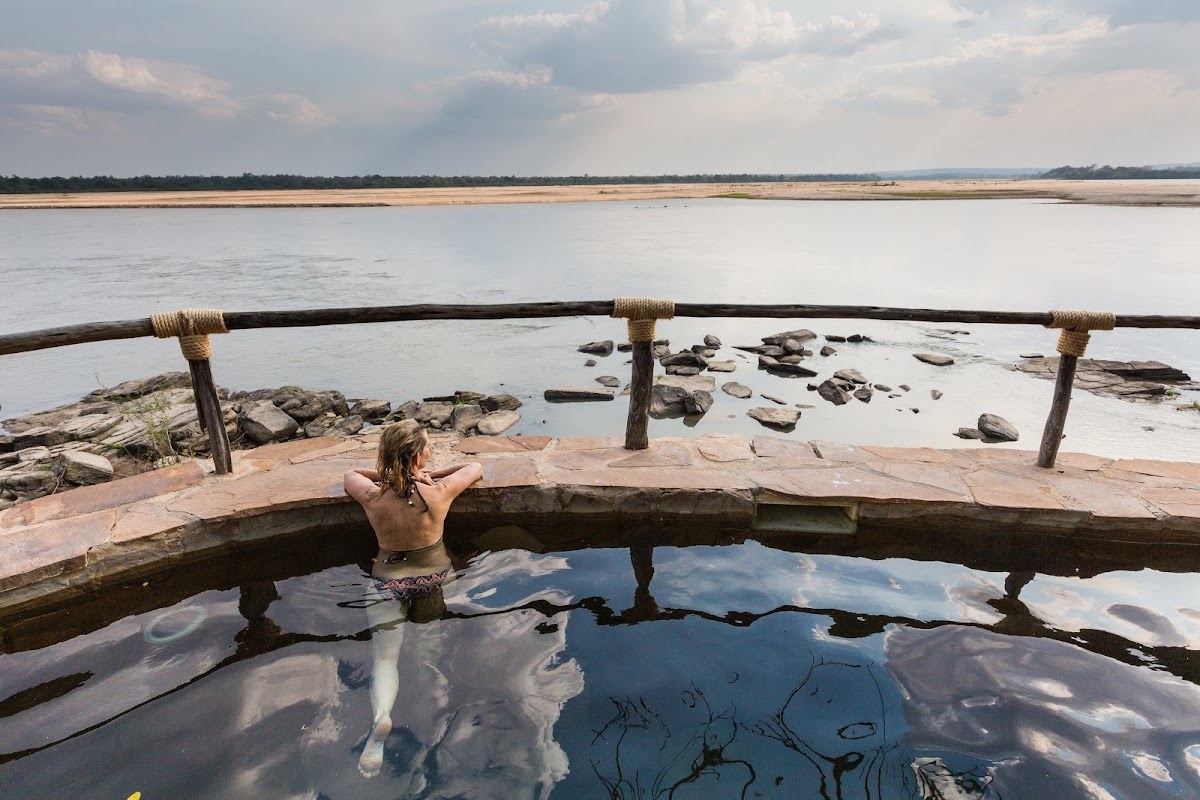
Itinerary 2: The 5-Day Rufiji River Classic ($4,000–$4,500 pp)
Day 1: Fly to Nyerere. Transfer to your riverside camp (e.g., Sand Rivers Selous or Roho ya Selous). Afternoon boat safari exploring the Rufiji's network of channels. Sundowner cruise to watch elephants gather at the riverbanks as the light turns golden.
Day 2: Dawn walking safari along the Rufiji floodplain — track buffalo herds, look for leopard prints in the sand, and learn bush skills from your Maasai ranger. Return to camp for breakfast. Mid-morning game drive targeting wild dog packs. Afternoon boat safari on Lake Manze, one of the park's largest lakes, famous for thousands of waterbirds (pelicans, fish eagles, kingfishers). Sunset on a sandbank island with drinks and snacks.
Day 3: Full-day game drive deep into Nyerere's southern wilderness. Picnic lunch under a baobab. Afternoon focus on elephant herds (Nyerere has an estimated 15,000+ elephants, Tanzania's second-largest population after Ruaha). Return to camp. Evening fly-camping option: mobile tented camp set up under canvas with bucket shower, campfire dinner, and nights under the Milky Way (often included in this tier — confirm at booking).
Day 4: If fly-camping last night, wake to lions roaring at dawn and bush breakfast cooked over the fire. Morning walk back to the vehicle, then game drive to a different section of the park. Afternoon boat safari on the Rufiji's quieter upper channels — excellent for hippo, croc, and massive waterbird colonies. Final sunset cruise with champagne (if premium drinks included).
Day 5: Final morning activity of your choice — boat safari, walking, or game drive. Fly back to Dar or Zanzibar mid-morning. Onward connection or beach extension.
Lodges: Sand Rivers Selous (the iconic stone-and-thatch lodge, pioneering the Southern Circuit since the 1980s), Roho ya Selous (intimate 8-tent camp with fly-camping emphasis), or Kiba Point (luxury hillside setting with infinity pool).
Itinerary 3: The 8-Day Southern Circuit Ultimate ($7,500+ pp)
Days 1–4: Nyerere as per the 5-day Rufiji River Classic above — boat safaris, walking, game drives, fly-camping.
Day 5: Morning activity in Nyerere, then fly to Ruaha National Park (1 hour). Transfer to your Ruaha camp (e.g., Jabali Ridge or Jongomero). Afternoon game drive in Ruaha's elephant kingdom — herds of 50 to 100+ individuals gather along the Great Ruaha River in the dry season.
Day 6: Full day exploring Ruaha's miombo woodland and riverine forests. Dawn game drive targeting wild dog packs (Ruaha and Nyerere combined hold two of East Africa's most important wild dog populations). Walking safari with armed ranger through baobab groves. Afternoon game drive focusing on leopard, lion prides (some 30+ individuals), and rare antelope (greater kudu, sable, roan) unique to Ruaha. Sundowner drinks overlooking the Great Ruaha River.
Day 7: Morning game drive as the park wakes. Return to camp for brunch. Afternoon at leisure — swim in the infinity pool overlooking the baobab plains, or book an additional walking safari. Final sunset drive through Ruaha's wild, uncrowded wilderness.
Day 8: Final morning game drive. Fly back to Dar es Salaam for onward connections. Optional Zanzibar beach extension (add 3–5 days).
Lodges: Sand Rivers Selous + Jabali Ridge (contemporary boulder-kopje design, infinity pool), or Roho ya Selous + Jongomero (remote, intimate, wild dog specialists).
4. What's Included vs What's Extra
Every Nyerere safari package includes the big-ticket items: light-aircraft flights from Dar es Salaam or Zanzibar (return), all park fees (Tanzania non-resident fee of $71 per person per day plus vehicle fees), full-board accommodation (breakfast, lunch, dinner), boat safaris (at least one per day, often two), walking safaris with armed rangers, game drives in open 4x4 vehicles, and transfers between airstrips and camps.
What's almost always included: House wine, beer, and soft drinks with meals. Laundry (on stays of 3+ nights). Sundowner drinks on boat safari cruises. One or two nights of fly-camping (on 5+ day packages — confirm at booking as some operators charge extra). Emergency medical evacuation insurance (Flying Doctors cover).
What you pay extra for: Premium imported spirits and champagne ($8–$15 per drink). Tips for guides, boat pilots, and camp staff (budget $20–$25 per person per day total). Optional fly-camping nights beyond what's included ($200–$300 per night). Any extended boat safari cruises or private guide upgrades. International flights, Tanzania visa ($50 for most nationalities), and travel insurance.
The hidden costs first-timers miss:
- Tipping: This is the big one. Budget $20–$25 per person per day for tips across guides, trackers, boat pilots, and camp staff. On a 5-day safari for two people, that's $200–$250 total.
- Drinks: If you're a spirits drinker, premium drinks add up fast. House wine and beer are usually included; anything beyond that is extra. A gin and tonic at a luxury camp can cost $10–$12.
- Single supplements: Solo travelers usually pay a 30–50% single supplement unless the operator offers single rooms at the standard rate. On a $4,000 package, that's an extra $1,200–$2,000.
- Visa and insurance: Tanzania visa is $50 on arrival (most nationalities). Comprehensive travel insurance with medical evacuation cover costs $100–$200 depending on your age and trip length. Don't skip this — bush medical emergencies are rare but expensive.
5. Nyerere vs Northern Circuit Parks
The question everyone asks: Why pay Nyerere prices when Serengeti and Ngorongoro are famous and accessible?
Here's the honest answer. Nyerere is not for first-time safari-goers chasing the Great Migration or guaranteed Big Five sightings. It's for travelers who've done the Northern Circuit and want something rawer, remoter, and more sensory — boat safaris on the Rufiji, walking safaris with armed rangers, wild dog encounters, and one-tenth the tourist traffic you'll find in the Serengeti.
| Park | Best For | Size | Vehicle Traffic | Unique Experiences |
|---|---|---|---|---|
| Nyerere | Boat safaris, wild dogs, remote wilderness, walking safaris | 30,893 km² (Tanzania's largest) | Low (few camps, fly-in only) | Rufiji boat safaris, fly-camping, walking safaris, wild dog stronghold |
| Serengeti | Great Migration, Big Five, first-time safaris | 14,763 km² | High (50+ vehicles at river crossings in peak season) | Migration river crossings, balloon safaris, guaranteed Big Five |
| Ruaha | Elephant herds, wild dogs, remote wilderness | 20,226 km² (Tanzania's 2nd largest) | Low (one-tenth the Serengeti) | Tanzania's elephant capital, wild dog packs, walking safaris |
Where Nyerere wins: Boat safaris on the Rufiji (no other major Tanzania park offers this), walking safaris with armed rangers (Serengeti restricts walking in most areas), wild dog encounters (one of East Africa's key strongholds), and solitude (one-tenth the vehicles you'd see in the Serengeti). If your priority is remote, water-accessible Africa with walking and wild dogs, Nyerere is unmatched.
Where Nyerere loses: No Great Migration. Elephant and buffalo herds are strong, but not the dense concentrations you'll see in Serengeti or Tarangire. Predator sightings (lion, leopard, cheetah) are good but not as reliable as the Serengeti's resident prides. And the fly-in requirement makes it less accessible — you can't drive from Arusha like you can to the Northern Circuit.
Perfect pairings: Nyerere combines beautifully with Ruaha for an 8–10 day Southern Circuit journey (both parks share wild dog populations, remote wilderness, and walking safari emphasis). Or pair Nyerere with Zanzibar for a 7–10 day bush-and-beach Tanzania classic (quick 1-hour flight from Nyerere to the Zanzibar archipelago). Nyerere also extends well north to the Serengeti for a full Tanzania safari (10–14 days), though logistically the Southern Circuit + Zanzibar pairing is smoother.
6. When to Visit & When to Book
Best time for Nyerere safaris: June to October (dry season). This is when the Rufiji River recedes, wildlife concentrations peak at permanent water sources, boat safari channels are navigable but shallow enough to see crocs and hippo clearly, and wild dog packs are denning (pups visible August onwards). Daytime temperatures are warm but not oppressive (25–30°C / 77–86°F), and nights are cool and comfortable for sleeping under canvas.
June and July: Early dry season. Rufiji channels still full, boat safaris excellent. Wild dog dens active (pups born May–June, visible outside dens from late June). Elephant and buffalo herds gathering at the river. Birdlife still abundant. This is prime time — book 6–12 months ahead for the best riverside camps.
August to October: Peak dry season. Wildlife concentrations at their highest. Rufiji channels receding, exposing sandbanks where thousands of waterbirds gather. Wild dog pups large enough to follow the pack on hunts (spectacular sightings). Predator activity strong (lions stalk buffalo herds at waterholes). Vegetation sparse, making game viewing easier. This is the busiest season — book 9–12 months ahead for Sand Rivers Selous and other premium camps.
November to May (green season / rainy season): Lower prices (20–40% discounts), lush landscapes, and dramatic afternoon thunderstorms. But boat safari access is limited (channels too deep and strong for safe navigation), many camps close (Nyerere is more seasonal than Northern Circuit parks), and wildlife is dispersed across the vast miombo woodland. If you're flexible and want solitude, February and March (short rains) offer good value — some camps remain open, boat safaris resume on calmer channels, and the bush is green and alive. Avoid April and May (peak long rains) — most camps are closed and roads are impassable.
When to book:
- Peak season (July–October): Book 9–12 months ahead for premium camps like Sand Rivers Selous, Roho ya Selous, and Beho Beho. These fill up fast, especially for July and August departures.
- Shoulder season (June, November): Book 4–6 months ahead. Availability is better and you'll often get last-minute discounts (10–15% off).
- Green season (February–March): Book 2–3 months ahead. Many camps offer green season specials — enquire directly or through your operator.
7. How to Choose Your Nyerere Package
Here's the short version: most guests should book a 5-day Rufiji River Classic package (around $4,000–$4,500 per person) for July–September. It delivers boat safaris, walking safaris, wild dog encounters, excellent lodges, and flexibility without blowing the budget. But let's break it down by traveler type.
If this is your first Tanzania safari: Don't start with Nyerere. Do the Northern Circuit first (Serengeti, Ngorongoro, Tarangire) to see the Great Migration and guaranteed Big Five. Then come back for Nyerere on your second or third Tanzania trip when you're chasing remote wilderness and boat safaris, not ticking off the Big Five list.
Recommendation: Northern Circuit first (7–10 days), Nyerere second trip (4–5 days paired with Zanzibar).
If you've done the Northern Circuit and want something different: Nyerere is perfect. Book the 5-day Rufiji River Classic for July–September (wild dog denning season). Stay at Sand Rivers Selous or Roho ya Selous for the full boat safari, walking safari, and fly-camping experience.
Recommendation: 5-day Rufiji River Classic in August or September, then extend to Zanzibar for 4–5 days of beach and spice tours.
If you want the ultimate Tanzania wilderness journey: Book the 8-day Southern Circuit pairing Nyerere with Ruaha. Both parks offer wild dog encounters, remote wilderness, walking safaris, and one-tenth the tourist traffic of the north. Stay at Sand Rivers Selous (Nyerere) and Jabali Ridge or Jongomero (Ruaha).
Recommendation: 8-day Southern Circuit Ultimate in July or September, staying in two different camps in each park.
If you're pairing the bush with Zanzibar: Book the 4-day Fly-In Explorer. It's the perfect teaser — boat safaris, walking, and game drives — without committing to a full week in the bush. Then fly direct to Zanzibar (1 hour) for 5–7 days of Indian Ocean beaches, spice plantations, and Stone Town.
Recommendation: 4-day Explorer in Nyerere (Siwandu or Rufiji River Camp), then 5–7 days Zanzibar (Matemwe, Pongwe, or Mnemba for luxury; Paje or Jambiani for mid-range).
If budget is tight but you want the Rufiji experience: Book the green season (February–March). You'll get 20–40% off peak-season prices, boat safaris resume on calmer channels after the short rains, and the bush is lush and alive. Downside: some camps are closed and you might encounter afternoon thunderstorms (which are spectacular, not a dealbreaker).
Recommendation: 4- or 5-day package in February or early March, book direct with camps for green season specials.
That's the honest breakdown. Nyerere isn't cheap, but it delivers wilderness, boat safaris, and wild dog encounters few African parks can match. If you're ready to book, or if you have questions about specific camps, itineraries, or pairings with Ruaha or Zanzibar, get in touch. We're on the ground in Tanzania and we'll sort it.