Health questions stop a lot of people from booking the trip of a lifetime, usually because the internet makes Africa sound far scarier than it is. The reality: with a short travel-clinic visit and a few sensible habits, a safari is a safe and healthy holiday for the overwhelming majority of travellers. This is the calm, practical 2026 guide to safari vaccinations and health — which jabs to consider, where yellow fever matters, how to handle malaria, and the simple kit and habits that keep you well in the bush.
Important: This article is general guidance, not medical advice. Vaccine and malaria requirements change and depend on your exact route and health history. Always confirm with a qualified travel clinic or doctor before you travel.
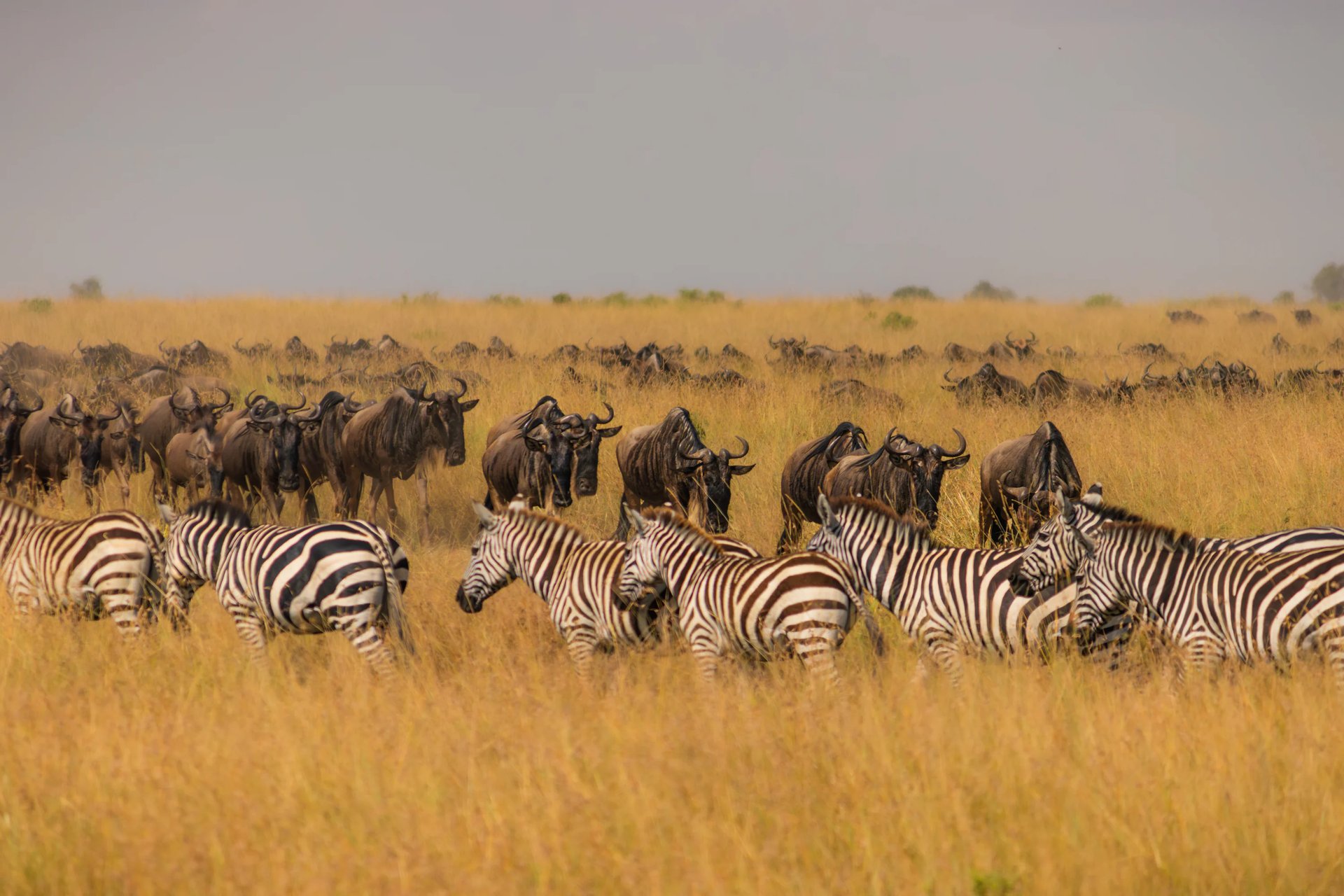
Healthy, dry plains in peak season — a little planning is all it takes to enjoy them well.
Quick Answer
For most safaris there is no single compulsory vaccine, but be up to date on routine jabs and consider hepatitis A and typhoid. Yellow fever may be required depending on your route. Many safari areas are malaria zones, easily managed with tablets and repellent — or skipped entirely by choosing a malaria-free reserve. See a travel clinic four to six weeks before you go.
Vaccinations: What to Consider
Think of safari vaccinations in three tiers. First, your routine vaccines — tetanus, diphtheria, polio and measles — should simply be up to date, as they would be for any trip. Second, the commonly recommended travel jabs for many African destinations are hepatitis A and typhoid, both linked to food and water. Depending on your itinerary, length of stay and activities, a clinic may also discuss hepatitis B, rabies (for longer or more remote trips), and cholera.
Third is yellow fever, which sits in its own category because it can be a legal entry requirement rather than just a recommendation. The exact mix that applies to you depends on which countries you visit, how long you stay, the time of year, and your personal health. That is why a tailored travel-clinic appointment beats any generic checklist.
Yellow Fever: The Certificate Question
Yellow fever causes more confusion than any other safari health topic, so here is the clean version. Some countries require proof of yellow fever vaccination for all arriving travellers. Many others — South Africa among them — require the certificate only if you are arriving from, or have recently transited, a country considered a yellow-fever risk. If your route stays clear of risk zones, you may not need it at all.
The practical rules: check the entry requirements for every country on your itinerary, including transit stops; if you are vaccinated, carry the official yellow certificate with your passport, as it can be checked at borders; and remember the certificate becomes valid ten days after vaccination. When in doubt, your travel clinic will read your route and tell you exactly where you stand.
Malaria: Real, but Manageable
Many of Africa's iconic safari areas — parts of Kruger, the Okavango Delta, the Serengeti and Masai Mara, Victoria Falls and the Zambezi — lie within malaria zones. Risk is not constant: it is highest in the warm, wet months and lower in the cool, dry winter that also happens to be prime game-viewing season. The disease is serious, but prevention is simple and highly effective.
Your defence has two layers. The first is not getting bitten: use a broad-spectrum repellent, wear long sleeves and trousers at dawn and dusk when mosquitoes are active, and sleep under the treated nets that camps provide. The second is antimalarial tablets, prescribed by a doctor based on your route and health. Take them exactly as directed, including the days before and after your trip. If you develop a fever within weeks of returning home, tell a doctor you have been in a malaria area.
Prefer to Skip the Tablets? Go Malaria-Free
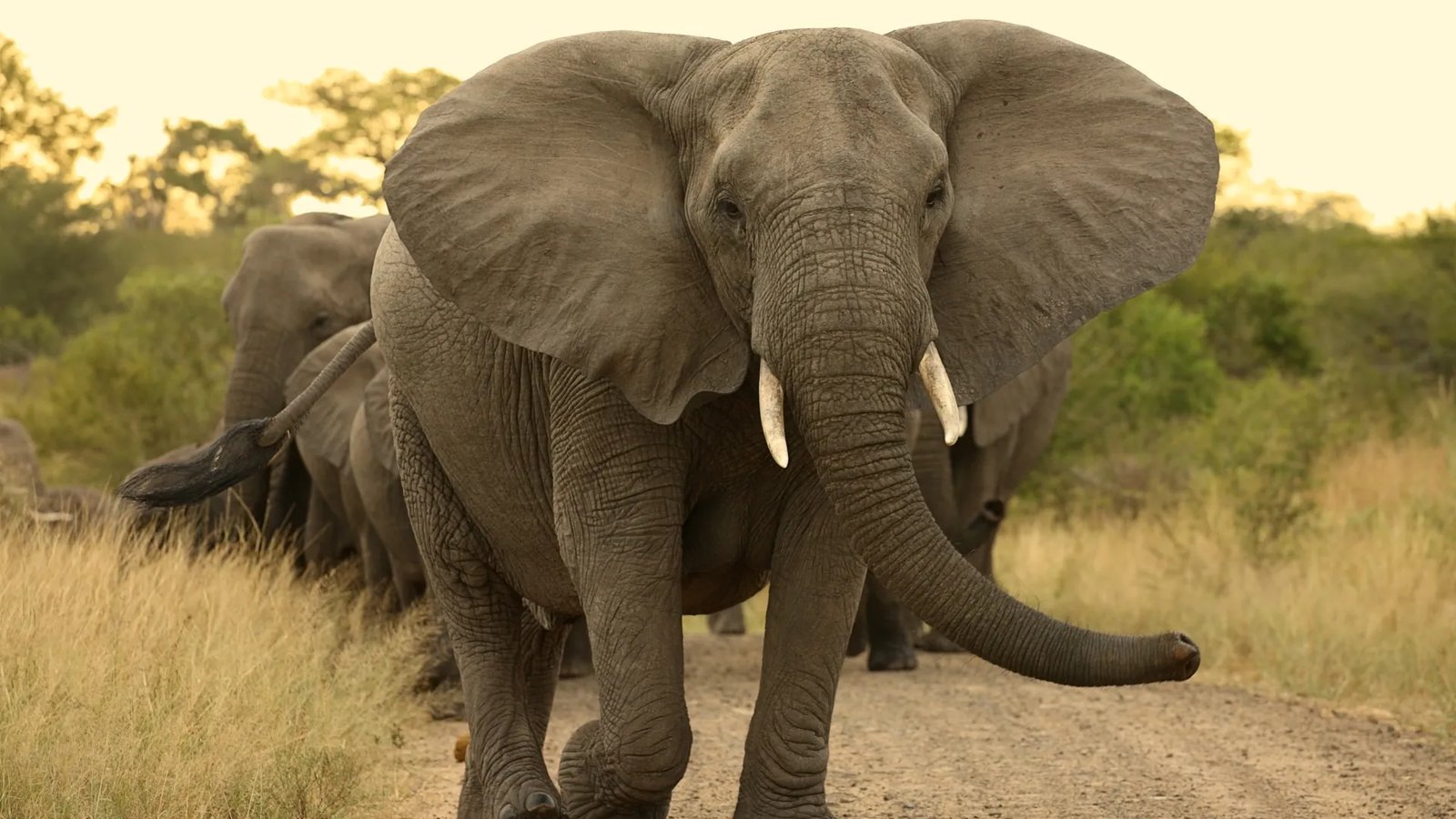
You do not have to enter a malaria zone to see the Big Five. South Africa has superb malaria-free reserves — including the Eastern Cape's private game reserves, Madikwe on the Botswana border, and the Waterberg — where you can watch lion, elephant, rhino and buffalo without taking a single tablet. These are a firm favourite for families with young children, pregnant travellers, and anyone who would simply rather not bother with antimalarials.
The trade-off is modest: malaria-free reserves are a wonderful safari in their own right, though the very highest big-cat densities and the great migration sit in malaria areas. For many guests, the peace of mind is well worth it. Our malaria-free safari guide breaks down the best reserves and itineraries if this is your priority.
Your Safari Medical Kit
Quality lodges keep first-aid supplies and have clear procedures to reach medical help, but a small personal kit makes the trip smoother. Pack:
- Prescription medicines in their original packaging, with a copy of the prescription, plus antimalarials if advised.
- Insect repellent (broad-spectrum) and high-SPF sunscreen — the bush sun is strong even in winter.
- Basic first aid: plasters, antiseptic, painkillers, antihistamine for bites or allergies.
- Stomach support: rehydration sachets and anti-diarrhoea medication for any travel-tummy upset.
- Personal essentials such as an inhaler, EpiPen, or spare glasses — and tell your guide about any serious allergy or condition.
Everyday Habits That Keep You Well
Most of staying healthy on safari is unglamorous common sense. Drink plenty of safe water — bottled or filtered — because the dry climate dehydrates you faster than you notice. Be sensible with food: quality lodges maintain high kitchen standards, but stick to bottled or filtered water for drinking and teeth-brushing where you are unsure, and be cautious with ice. Protect against the sun with a hat, sunglasses and sunscreen, and reapply after the heat of the day.
Finally, consider travel insurance with medical cover as non-negotiable — including emergency evacuation, given that some camps are remote. It is the cheapest peace of mind you will buy for the whole trip.
The Bottom Line
An African safari is a safe, healthy holiday for the vast majority of travellers. Get your routine jabs current, talk to a travel clinic four to six weeks out about hepatitis A, typhoid and yellow fever for your route, handle malaria with tablets and repellent — or sidestep it with a malaria-free reserve — pack a small kit, and stay hydrated. Do that, and the only thing you will be thinking about is the leopard in the tree. Tell us your destinations and we will flag the exact health points that apply to your itinerary.