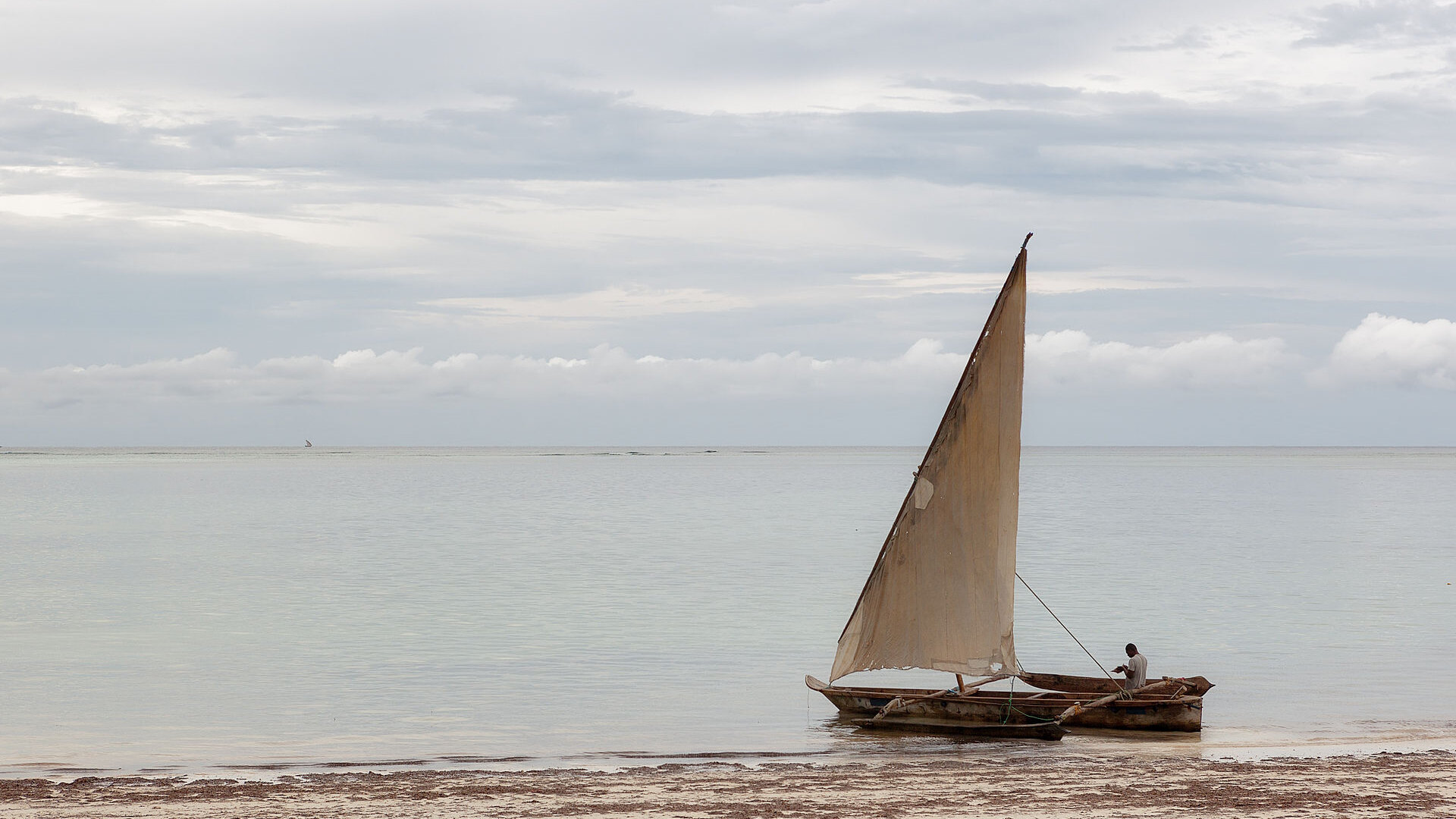
Stone Town — Your Zanzibar Gateway
Stone Town is where every Zanzibar safari story begins. This UNESCO World Heritage maze of carved doors and coral-ragstone alleys is your arrival gateway, not a standalone backpacker destination. You fly into Zanzibar via Stone Town. You leave via Stone Town. The question is: how long should you actually stay?
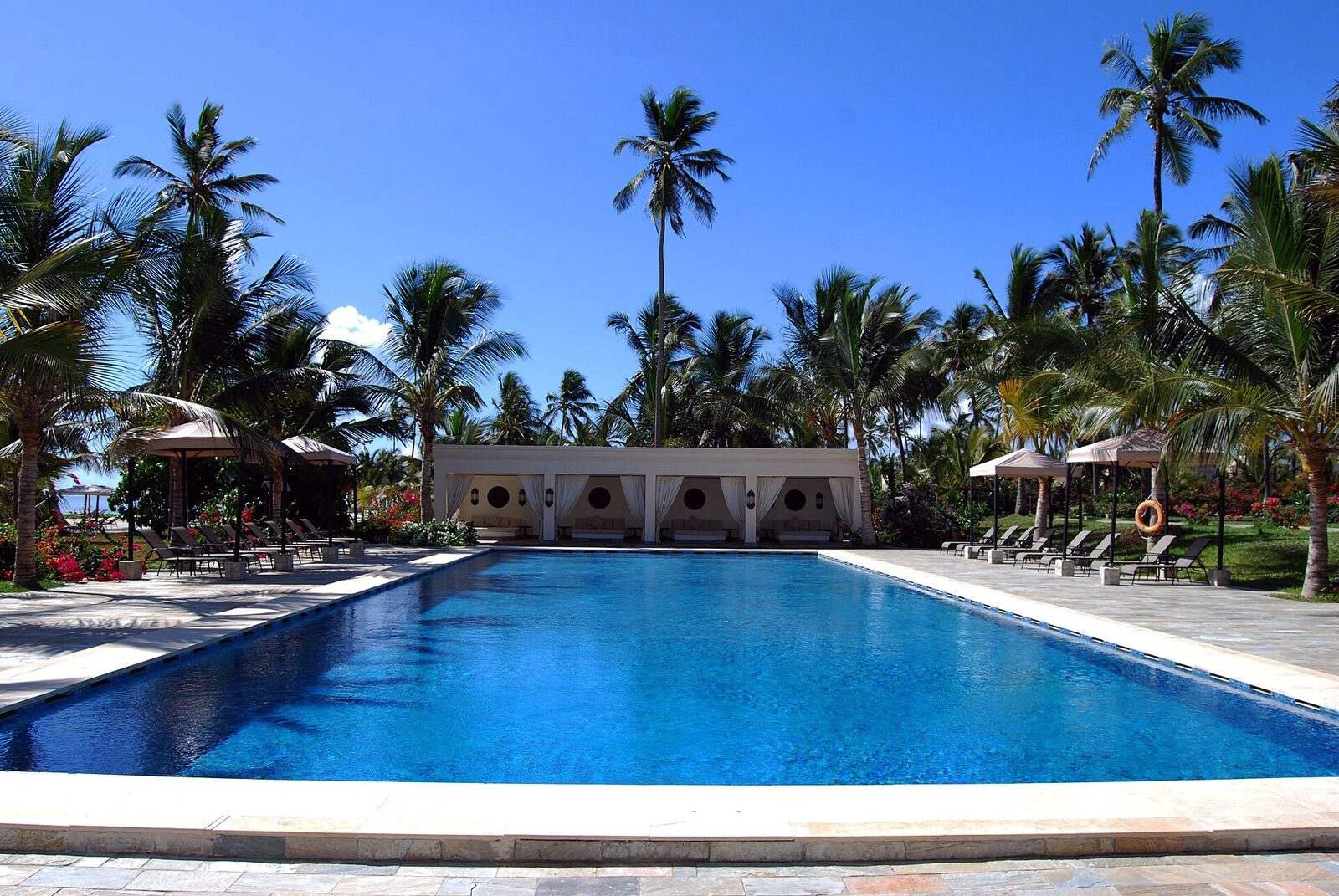
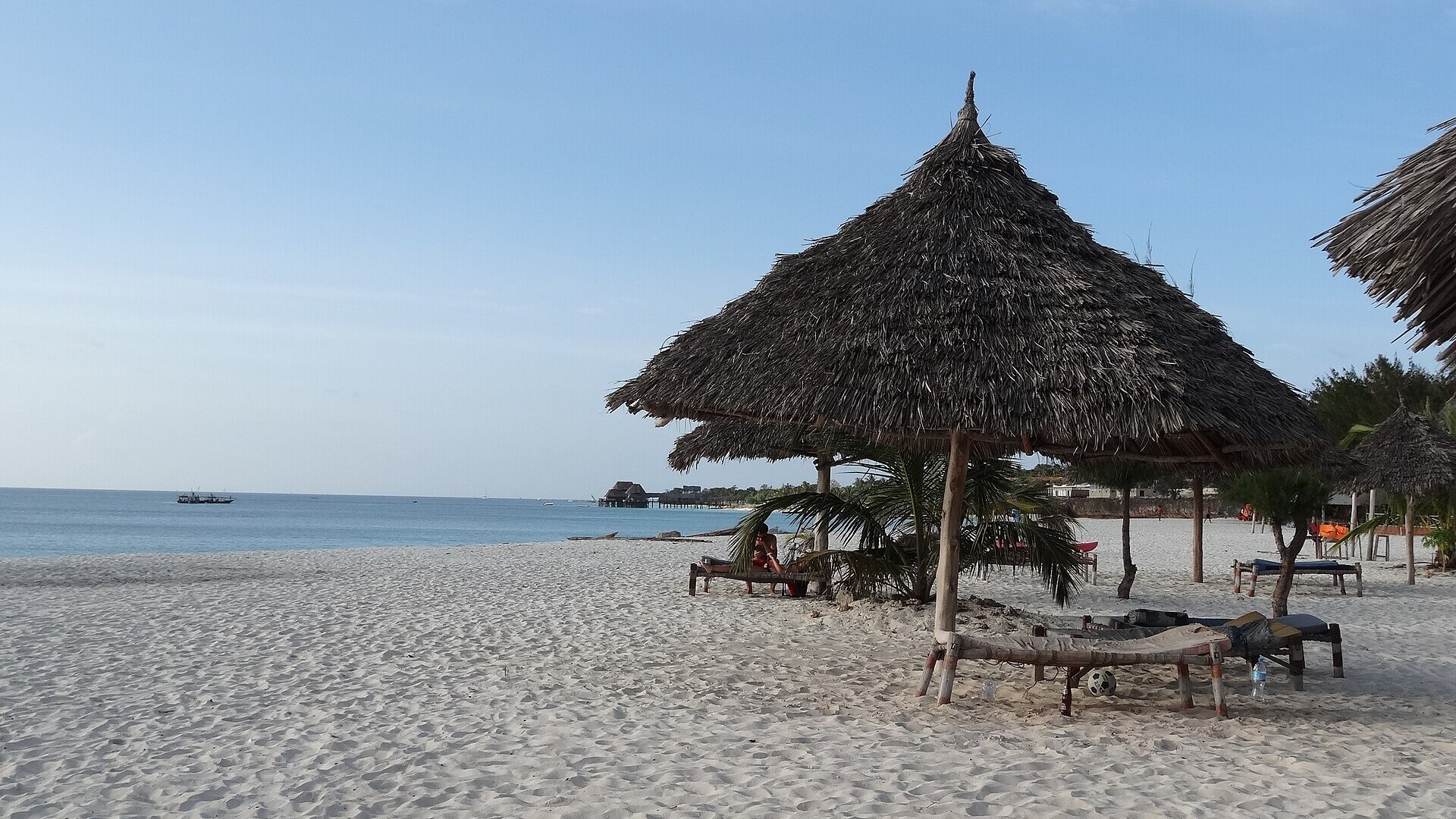
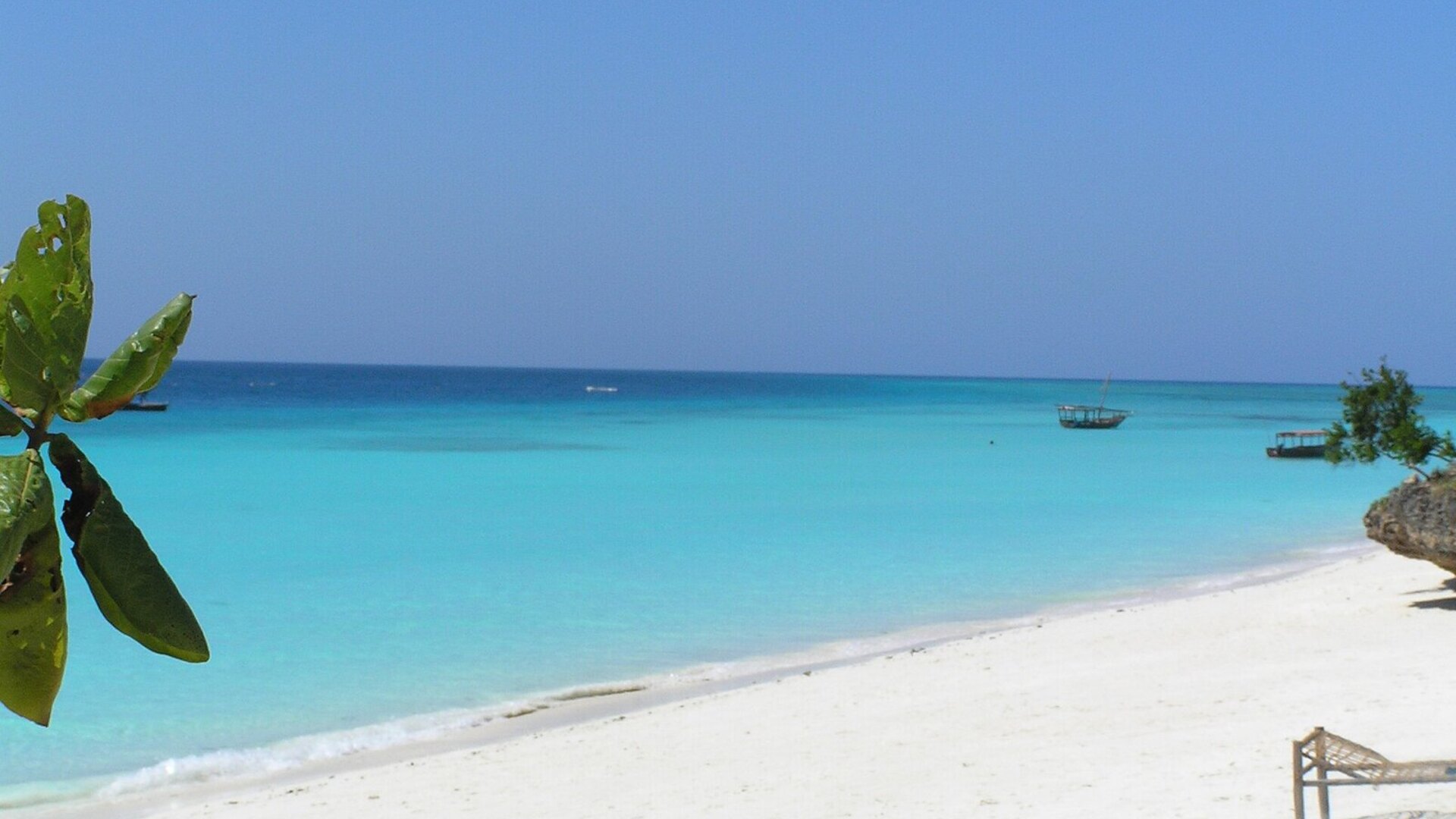
Here's the honest take from a safari operator who's sent hundreds of clients through this route: one night is enough. See the history, walk the waterfront at sunset, take the Prison Island tortoises trip if you have time. Then move to the real Zanzibar — the turquoise sandbars, spice estates, and beach lodges that made this island legendary.
Stone Town is the prologue. The Indian Ocean chapters come next.
What to See in Stone Town (The Real List)
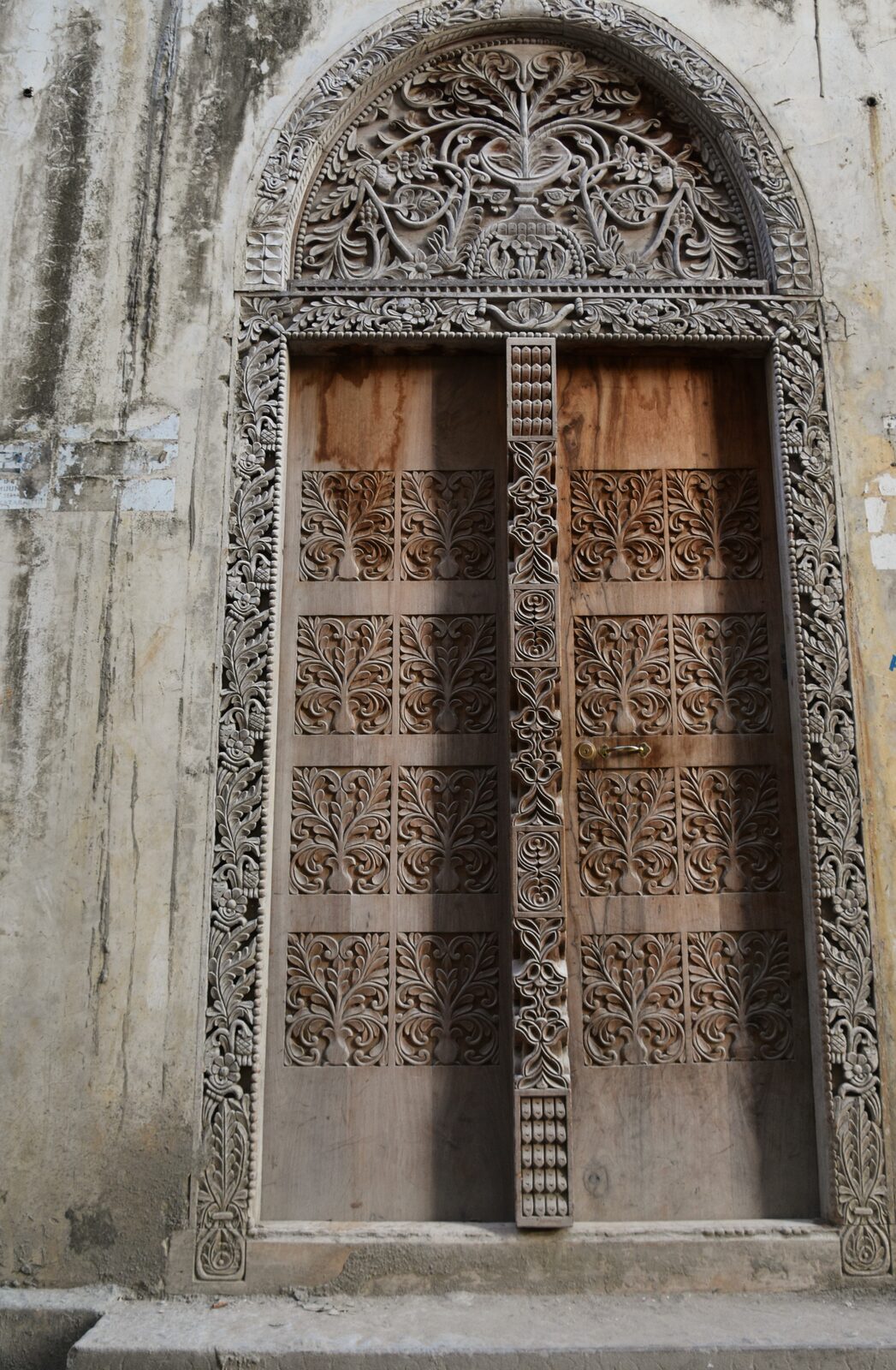
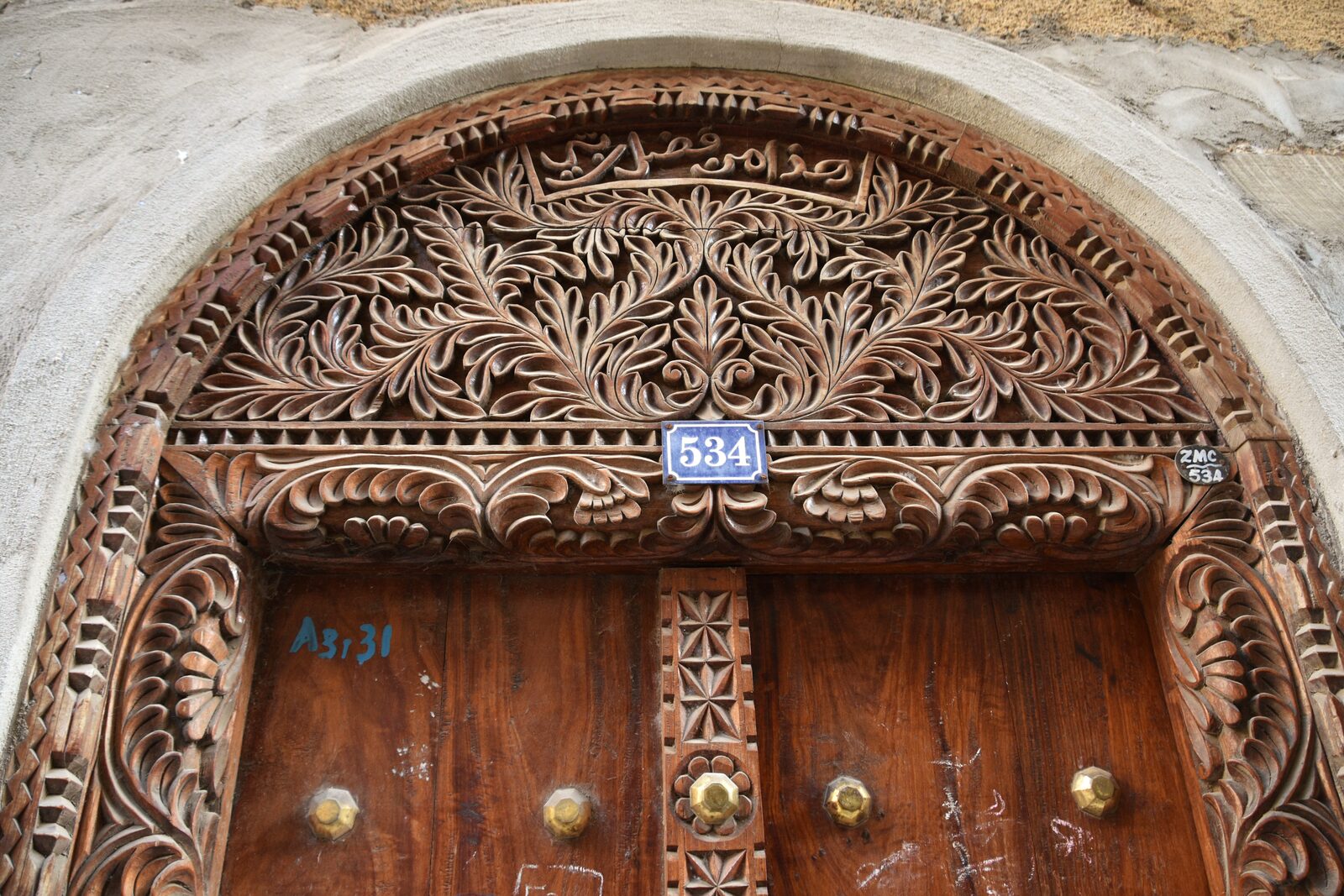
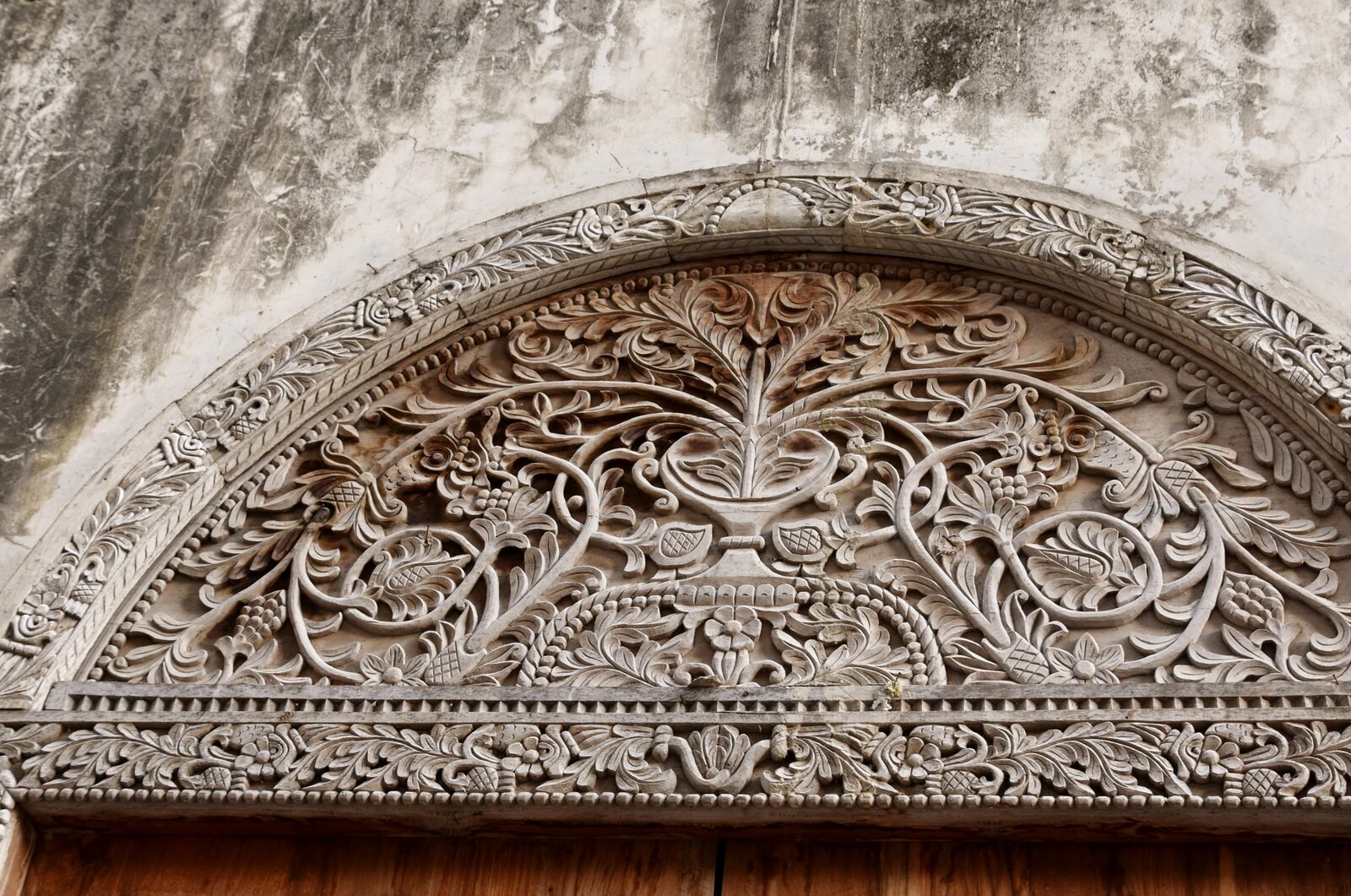
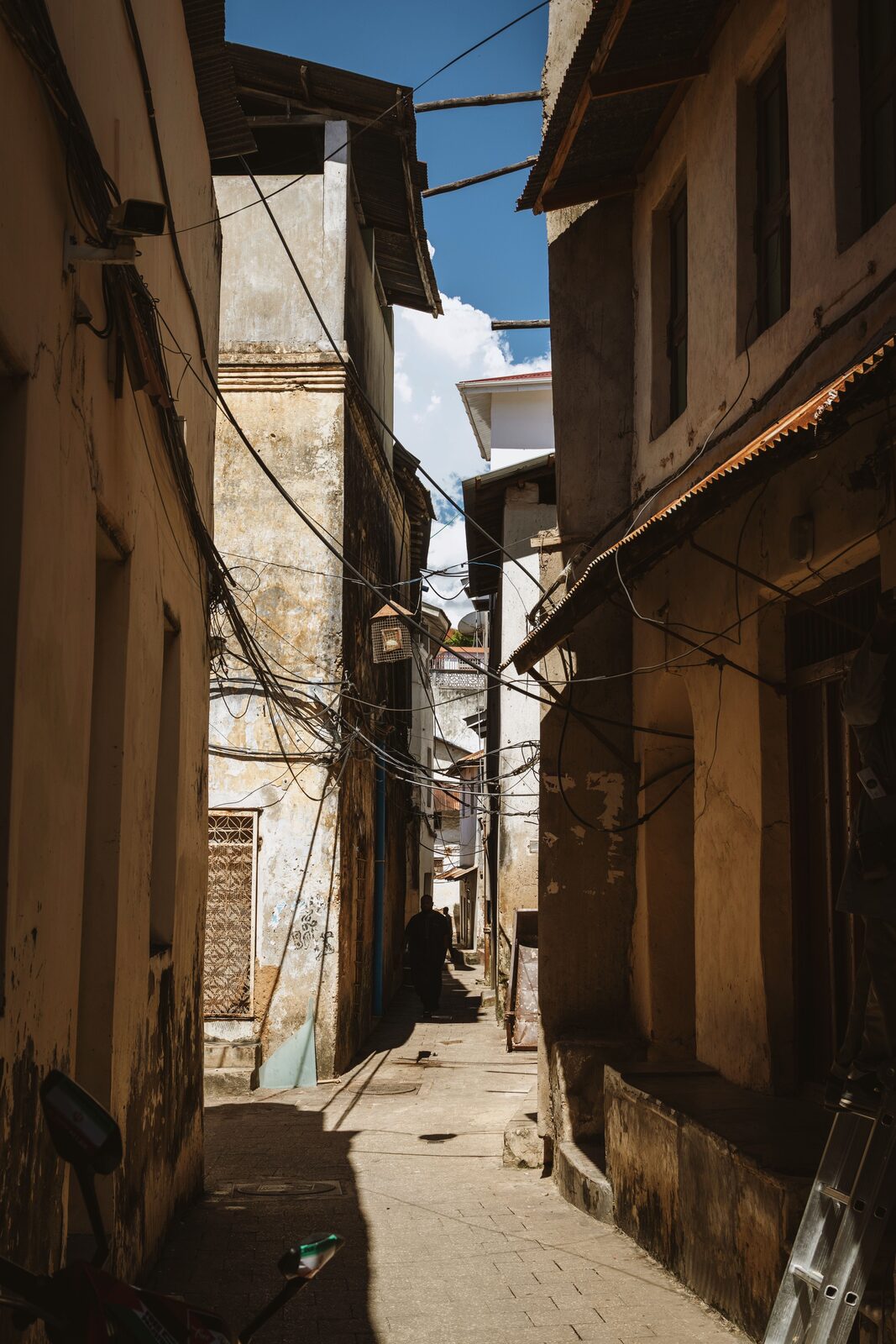
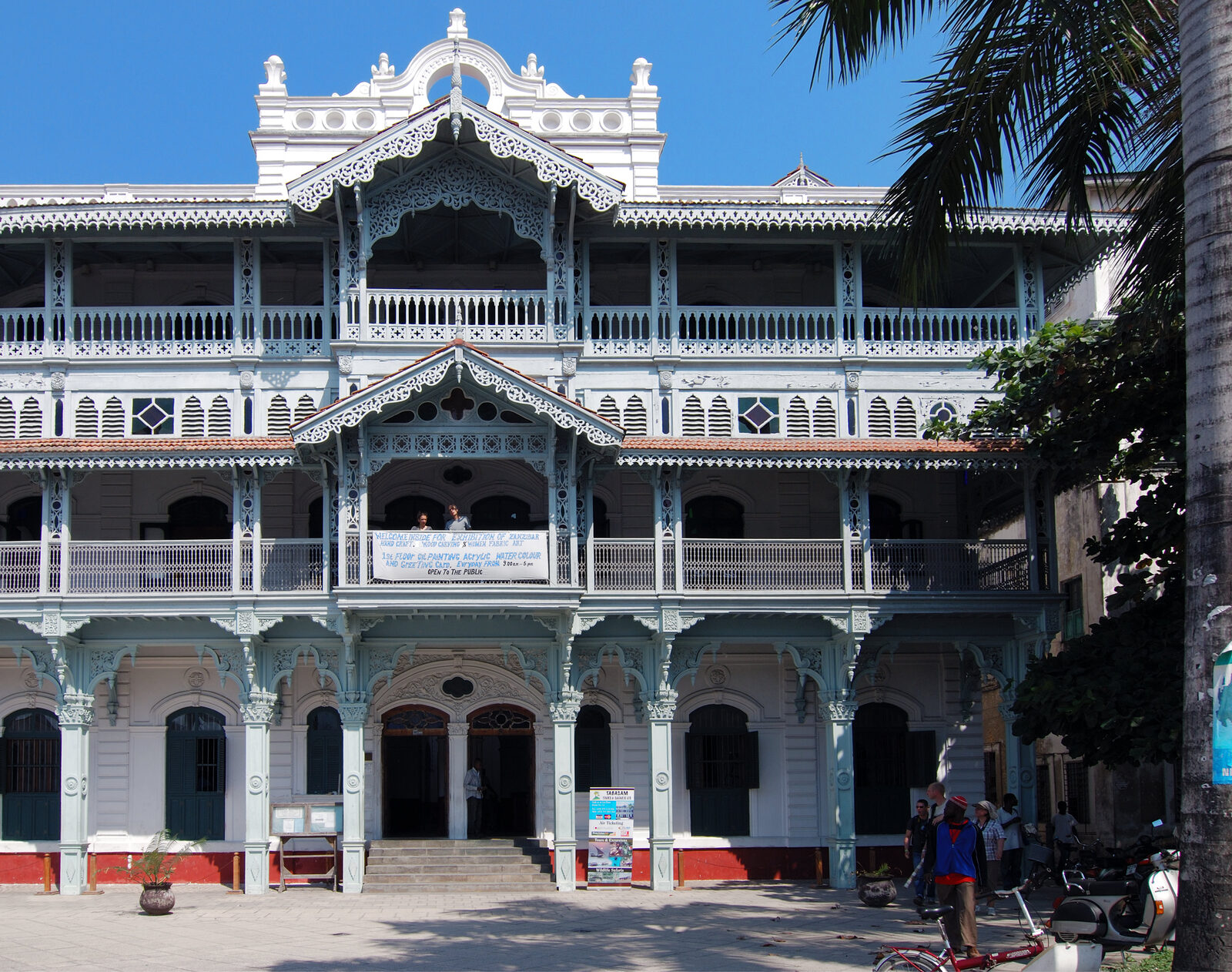
Stone Town's UNESCO status is real — this is a 600-year-old Swahili-Arab trading port where Omani sultans, Indian merchants, and European colonizers all left architectural fingerprints. The coralline ragstone buildings crumble beautifully. The narrow alleys twist like a deliberate maze. And the carved doors — those famous 600+ wooden doors with brass studs and geometric patterns — are masterpieces.
But tourism has arrived, hard. TripAdvisor listicles send backpackers to "10 things to do," most of which are tourist traps or permanently closed buildings. Here's what actually matters:
The 600 Carved Doors — UNESCO Masterpiece
Stone Town's carved wooden doors are its crown jewel. Over 600 hand-carved entrances, each telling a different trade-route story:
- Indian brass studs — Originally to deter war elephants (a real concern in 19th-century Zanzibar), later a wealth display
- Arab geometric patterns — Islamic tradition forbids human/animal depictions, so artisans carved intricate calligraphy and geometry instead
- Swahili floral motifs — Lotus flowers, palm fronds, chains — symbols of fertility and prosperity
You don't need a museum. Just walk the alleys. Every door is different. The best concentration is along Kenyatta Road and Gizenga Street.
Anglican Cathedral & Slave Market Site
The Anglican Cathedral stands on the exact site of Zanzibar's former slave market, the largest in East Africa. The altar was built where the whipping post stood. The holding cells below the church are preserved as a museum.
What you see:
- Original stone holding cells (20x5 feet, held 50+ people)
- The Underground Chamber — narrow tunnel where enslaved people were kept before auction
- Slave Market Memorial — bronze sculpture by Clara Sornas
- Anglican Cathedral interior — built 1873–1887, first cathedral in East Africa
Entry 10,000 TZS (~$4 USD). Guided tours available in English, Swahili, French. This is the most important historical site in Stone Town. Don't skip it.
Old Fort (1699) — Oldest Building
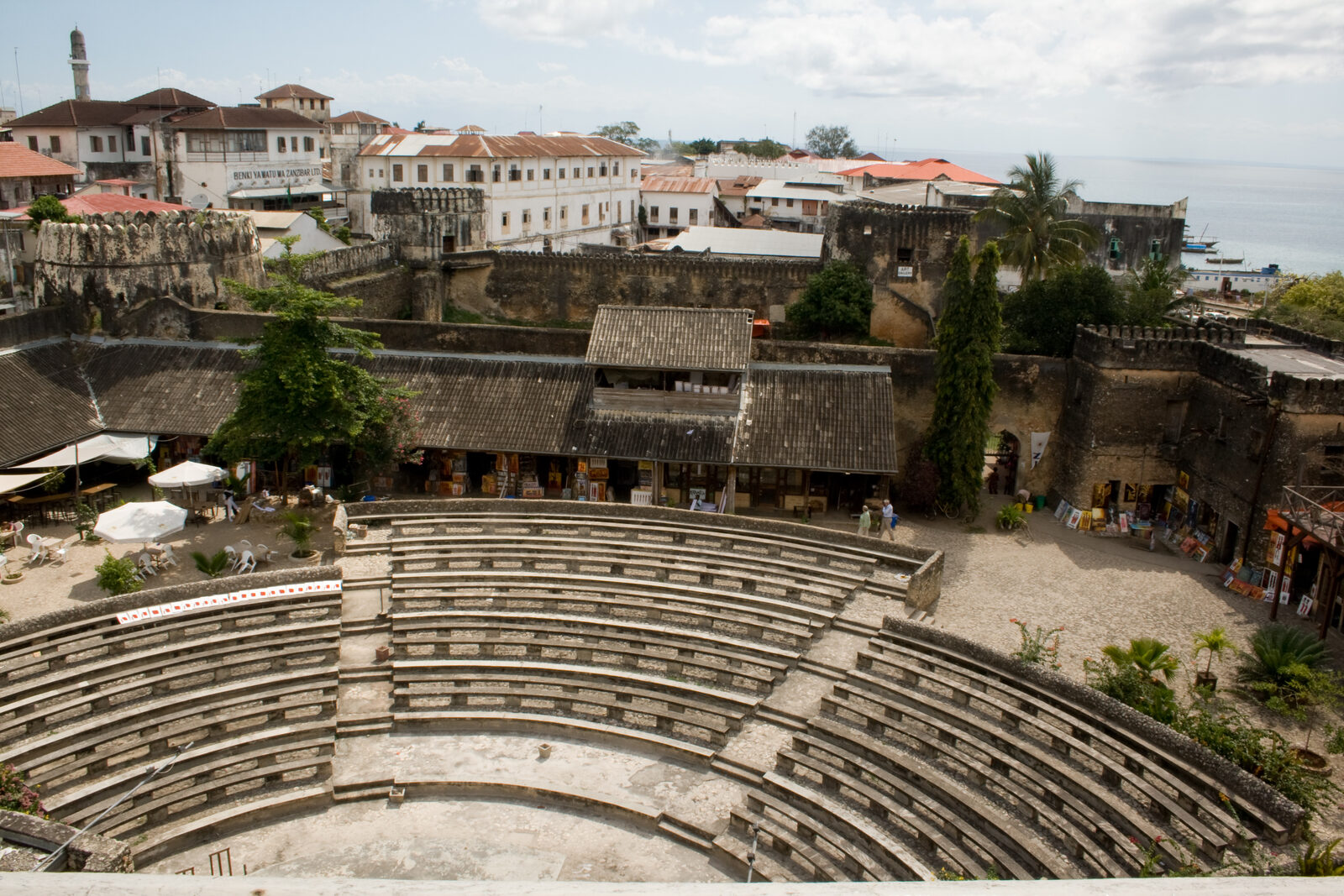
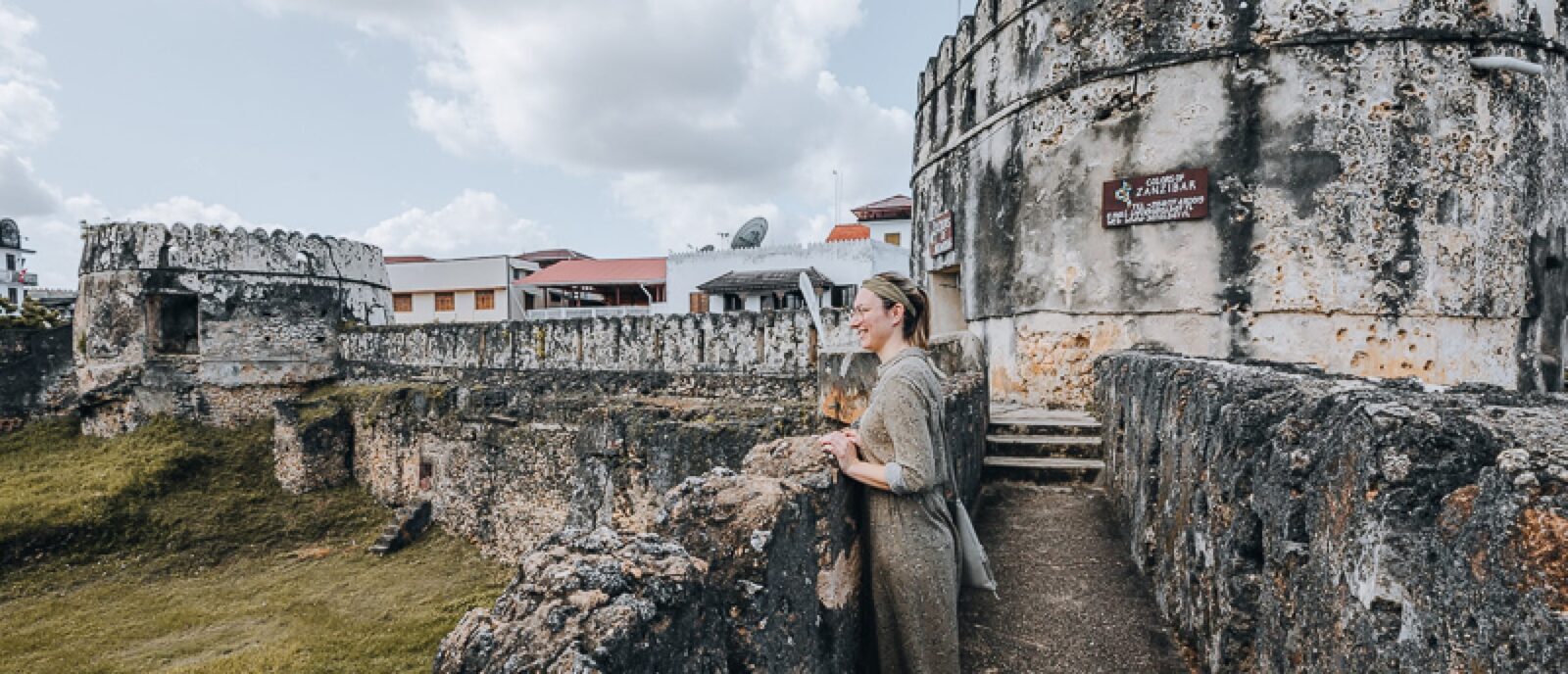
The Old Fort (Ngome Kongwe) was built by Omani Arabs in 1699 to defend against the Portuguese. Today it's an open-air amphitheatre hosting cultural shows, craft markets, and the annual Zanzibar International Film Festival (ZIFF).
Free entry. Climb the ramparts for waterfront views. The interior courtyard has small cafés, bao (traditional board game) players, and artisan stalls. Worth 30 minutes, not three hours.
House of Wonders (Under Renovation — Likely Closed)
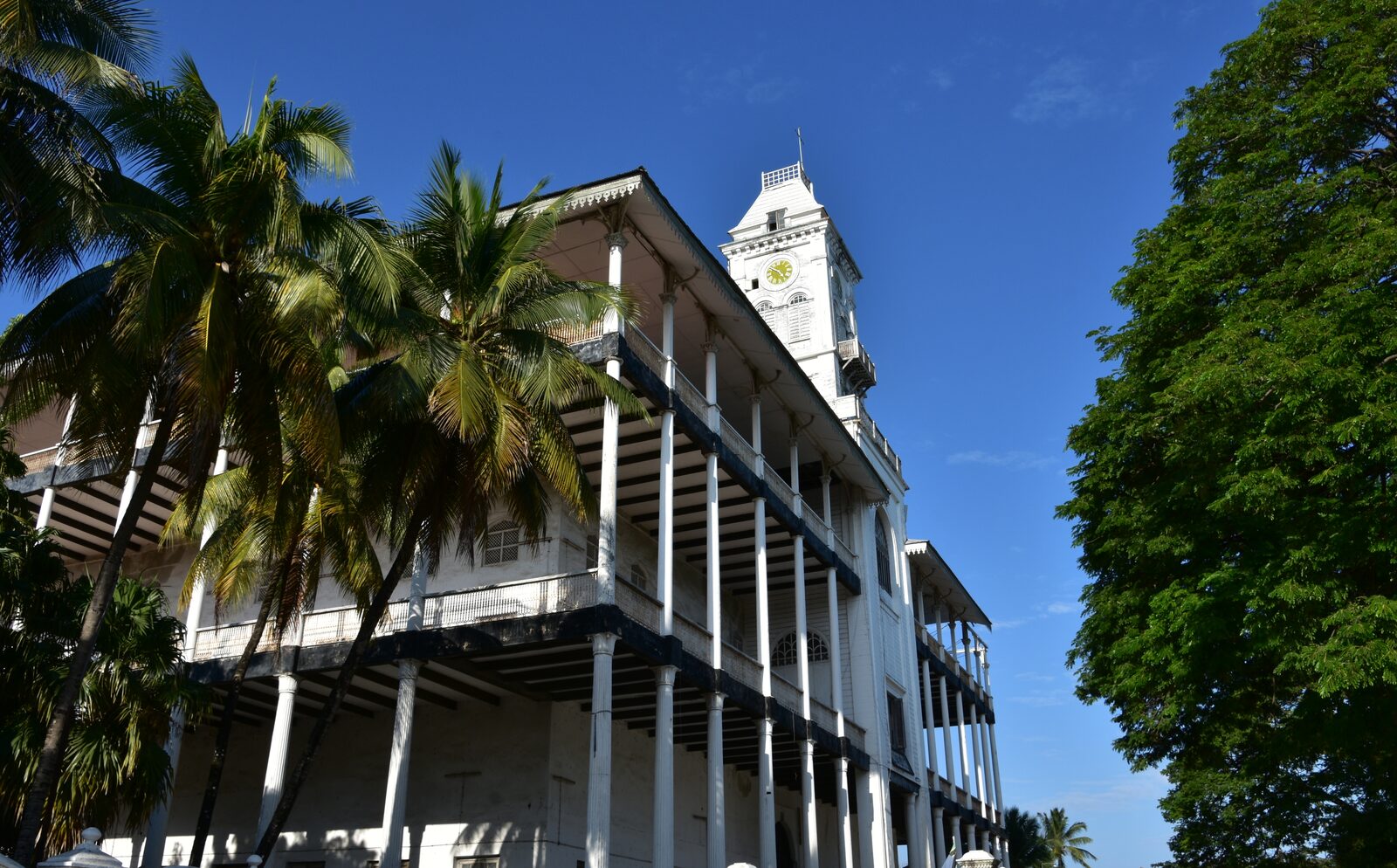
The House of Wonders (Beit-al-Ajaib) is Stone Town's most iconic building — the former Sultan's ceremonial palace, built 1883, the first building in Zanzibar with electricity and a lift. It's also currently under renovation following a 2020 partial collapse, and likely closed indefinitely.
You can still photograph the exterior from the waterfront. The mint-green balconies and clock tower remain one of Zanzibar's most recognizable sights.
Darajani Market & Forodhani Night Market
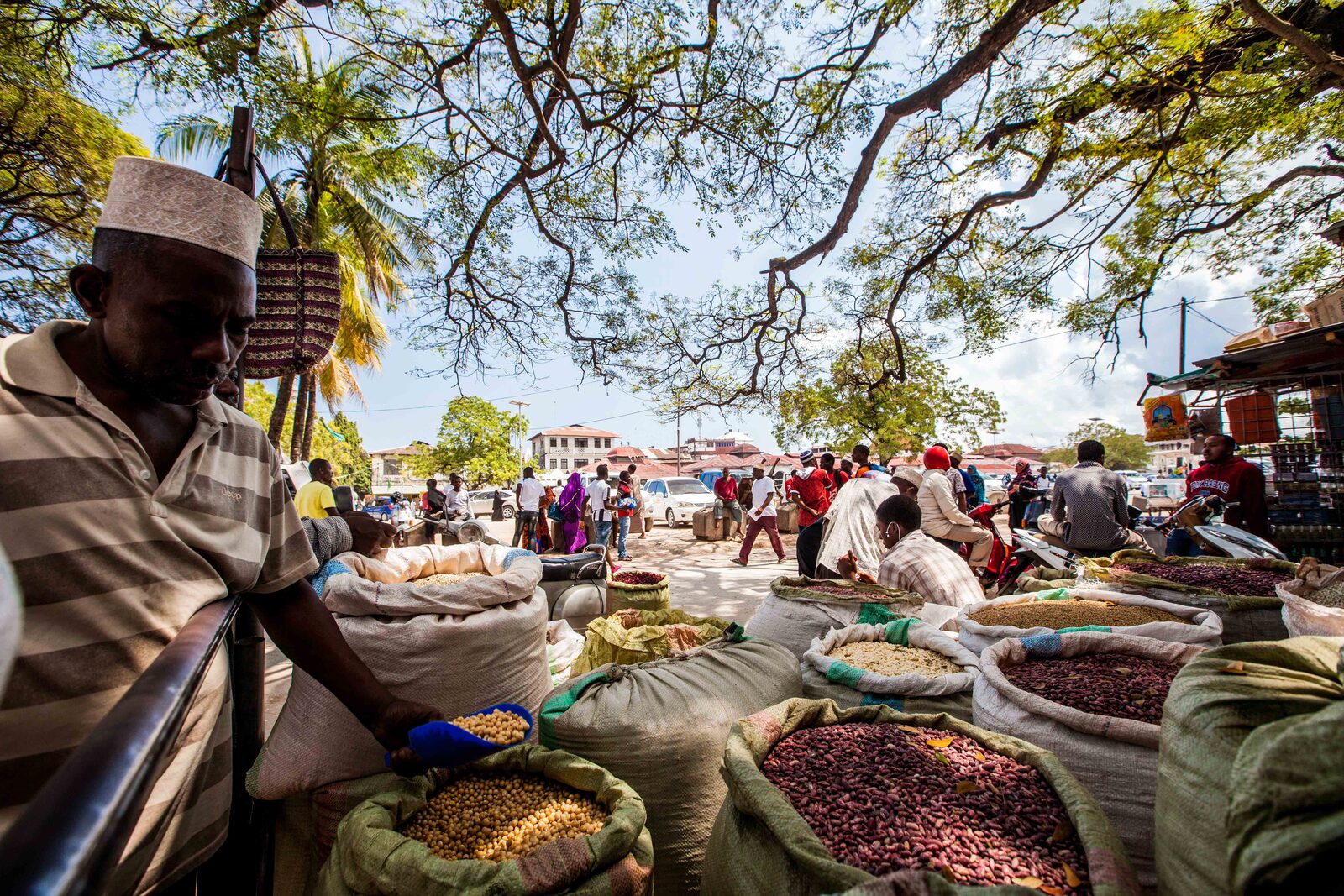
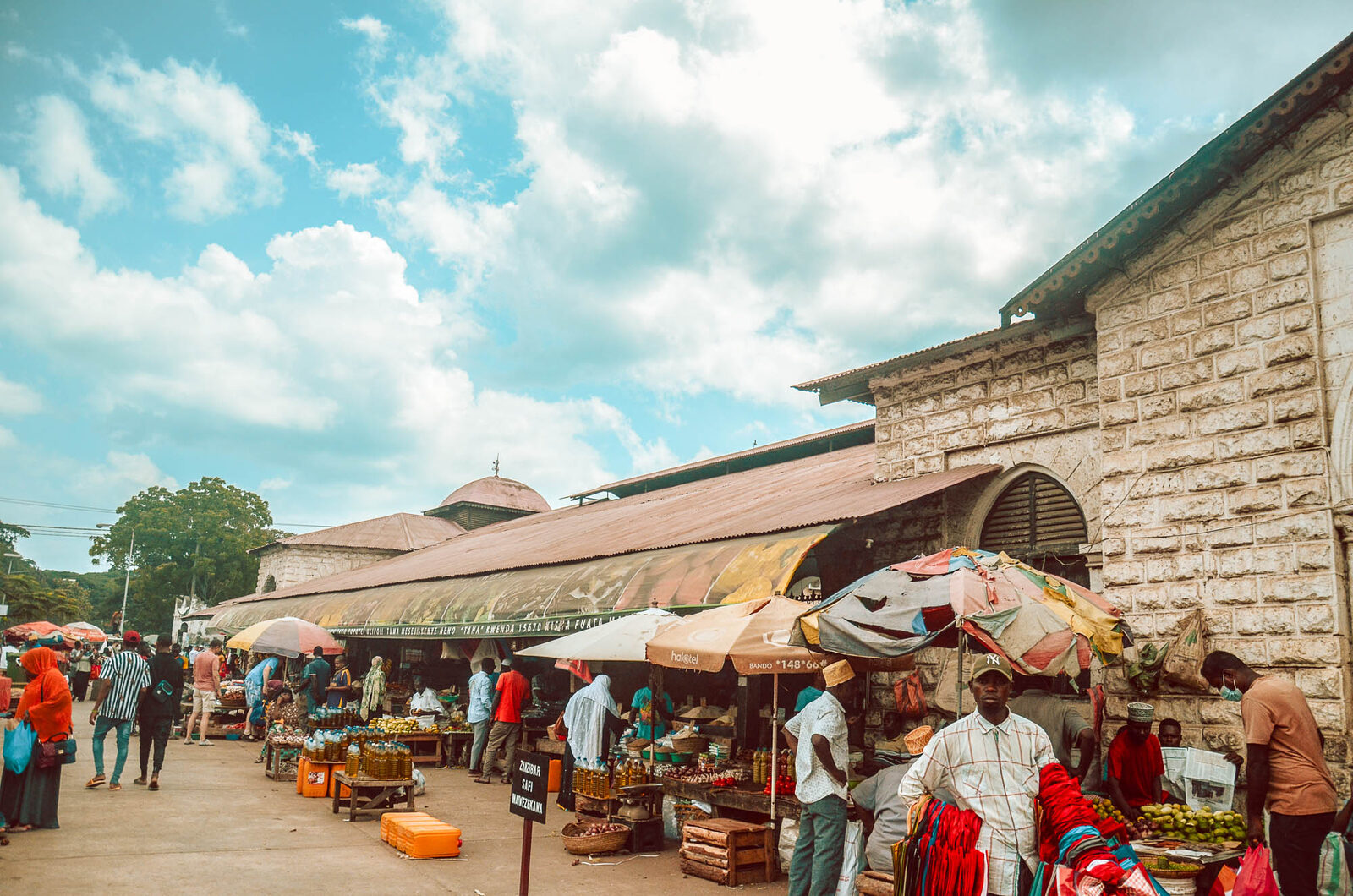
Darajani Market is Stone Town's main produce and spice market — sacks of cloves, cardamom, cinnamon bark, fresh octopus, red snapper, and cassava root piled high. It's chaotic, authentic, and not particularly tourist-friendly. Go in the morning (7–10 AM) for the fish auction. Bring cash. Haggle politely. Expect persistent spice-tour touts.
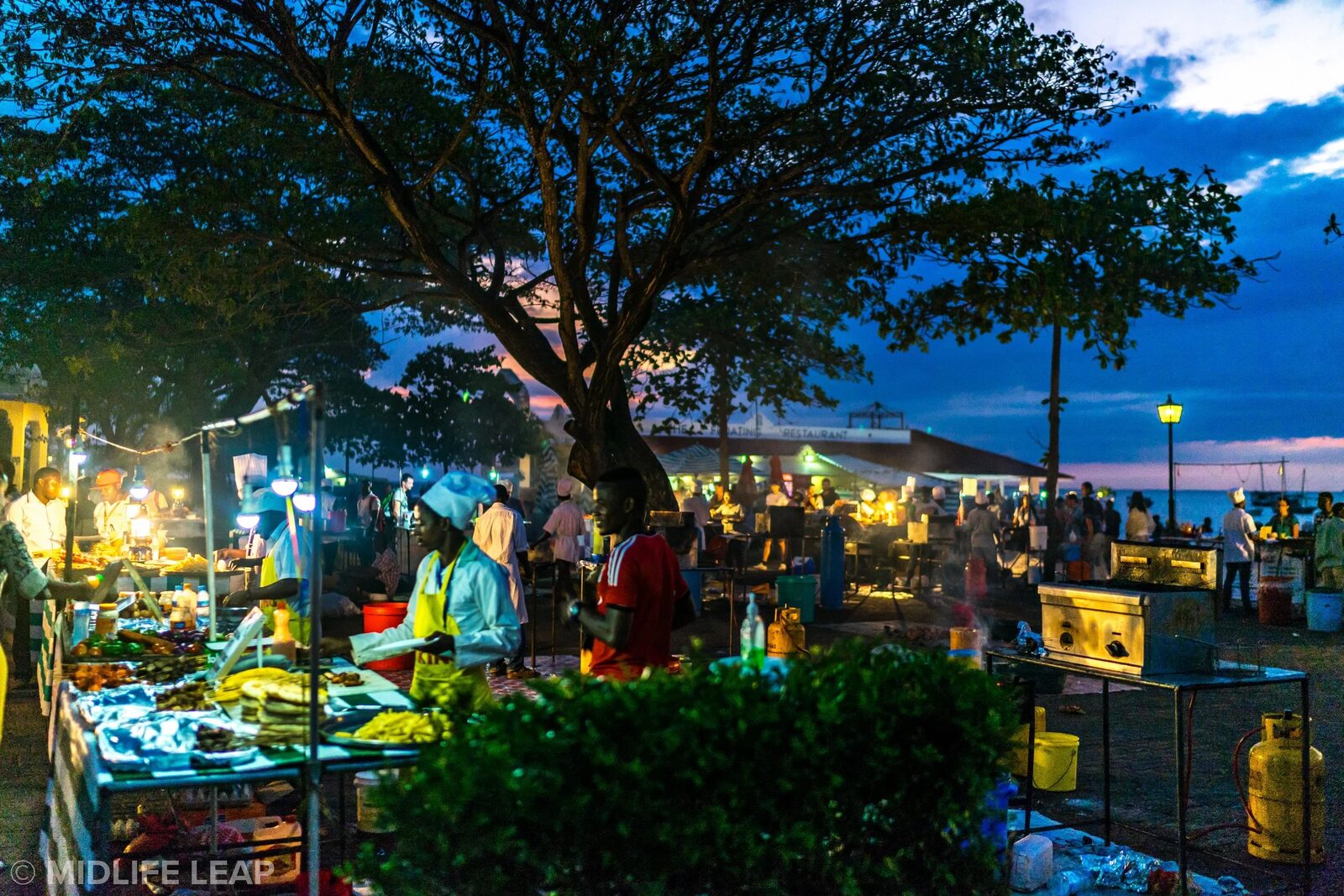
Forodhani Gardens Night Market (after 6 PM) is where Stone Town eats. Grilled seafood, Zanzibar pizza (a fried dough pocket stuffed with cheese, meat, or Nutella), sugarcane juice, and urojo soup. Prices: 3,000–10,000 TZS ($1–4 USD) per dish. Cash only. Waterfront views. The sunset here is legitimately beautiful.
Prison Island (Changuu) — Giant Aldabra Tortoises
Prison Island (locally called Changuu Island) is a 30-minute boat ride from Stone Town's waterfront. The "prison" was never used — it's now a sanctuary for Aldabra giant tortoises, some over 150 years old.
What you do:
- Feed the tortoises (lettuce provided)
- Snorkel the shallow coral reef (gear rental available)
- Walk the ruins of the old quarantine station
Half-day tours: $35–50 USD per person including boat, guide, and snorkeling. Book via your hotel or any waterfront tour operator. Worth it if you have time. The tortoises are real, ancient, and absurdly photogenic.

Where to Stay in Stone Town
Stone Town has three tiers of accommodation:
- Luxury heritage hotels — Emerson Spice, Park Hyatt Zanzibar, Zanzibar Serena Hotel. $200–400/night. Rooftop restaurants, air-con that actually works, and staff who can arrange your onward transfers.
- Mid-range guesthouses — Tembo House Hotel, Stone Town Café & Bed, Dhow Palace Hotel. $80–150/night. Clean, central, functional. Book direct for best rates.
- Budget hostels — Jambo Guest House, Karibu Inn, Stone Town backpacker hostels. $15–40/night. Shared bathrooms, ceiling fans, street noise. Fine for one night.
Where to base yourself: Anywhere within 10 minutes' walk of Forodhani Gardens. The Old Town is small — you can walk end-to-end in 20 minutes. Don't stress location.
What to Wear & Etiquette (Muslim Majority)
Stone Town is a Muslim-majority city. Dress modestly outside the waterfront tourist zones:
- Shoulders and knees covered (men and women)
- Beachwear is only for the beach — not for walking Stone Town streets
- Mosques are generally not open to non-Muslims (except the Old Fort mosque during cultural events)
Money: Bring Tanzanian shillings (TZS). USD is accepted at hotels and tour operators, but markets and street vendors prefer local currency. ATMs are plentiful. Avoid pre-2000 USD bills (often rejected due to counterfeiting concerns).
Taxis vs. walking: Stone Town is walkable. Taxis are cheap (5,000–15,000 TZS within town) but unnecessary unless you're carrying luggage. Car rental is pointless — you'll hit police checkpoints and one-way mazes within five minutes.
The One-Night Stone Town Plan That Works
This is the plan we give our safari clients — tested hundreds of times, reliably excellent:
Day 1 (Arrival):
- Land at Zanzibar International Airport (afternoon flight ideal)
- Transfer to Stone Town hotel (30 minutes, $25–35 taxi)
- Late afternoon: Walk the carved-door alleys + Anglican Cathedral slave market site (2 hours)
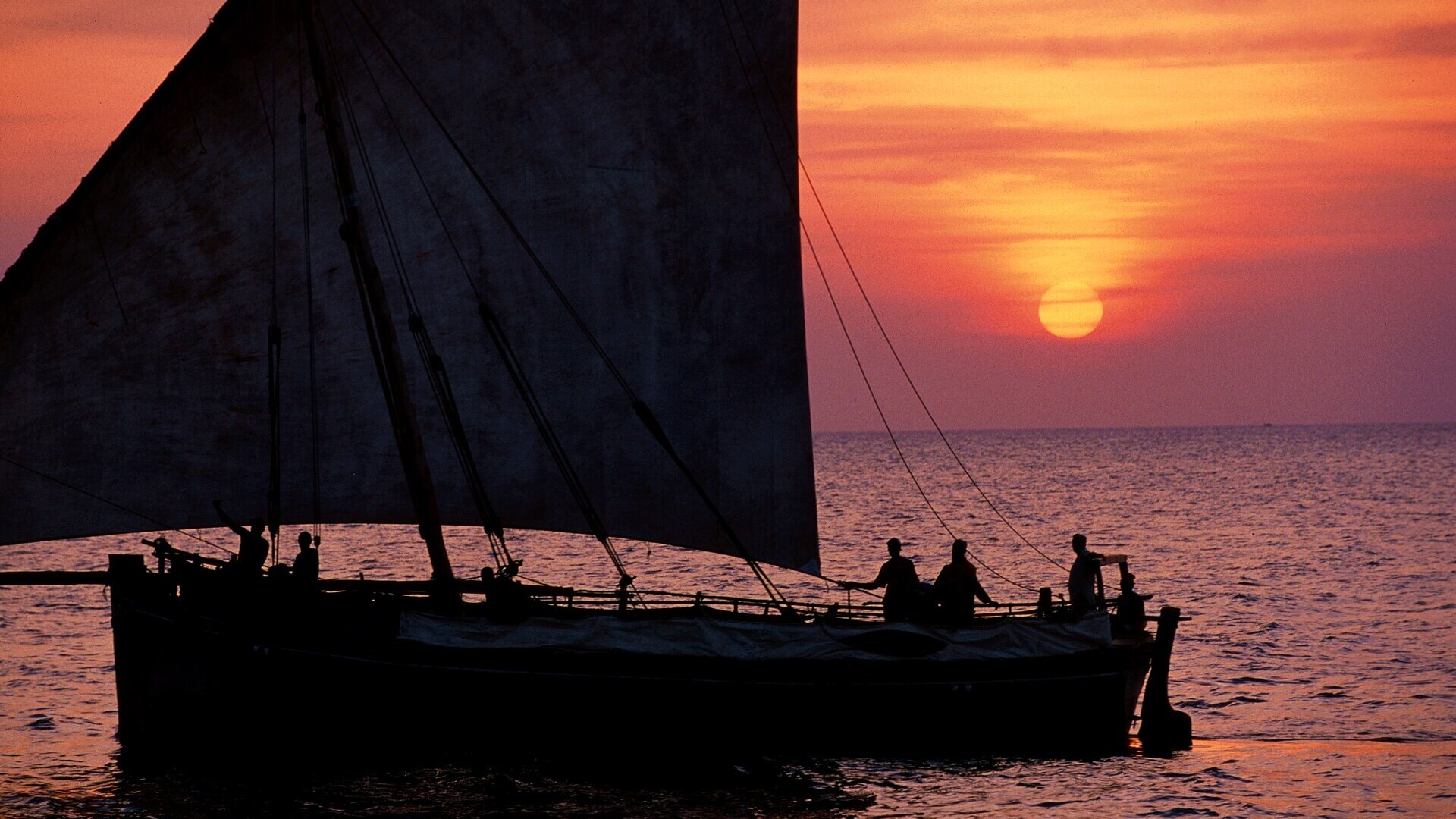
- Sunset: Forodhani Gardens — watch the dhows, eat grilled seafood, try Zanzibar pizza
- Evening: Rooftop dinner at Emerson Spice or Africa House Hotel (book ahead)
Day 2 (Departure):
- Morning: Prison Island half-day tour (tortoises + snorkeling, 8 AM–12 PM)
- Lunch: Stone Town Café or Lukmaan Restaurant (local Swahili curries)
- Afternoon: Transfer to your beach lodge (East Coast: 1.5 hours) or onward flight
That's it. You've seen the history, tasted the food, fed ancient tortoises, and moved on. Stone Town is a layover done right, not a week-long destination.
Connecting Stone Town to Your Safari
Most clients combine Stone Town with:
- Zanzibar beach lodges — Nungwi, Kendwa, Paje, or the East Coast white-sand resorts
- Tanzania mainland safaris — Serengeti, Ngorongoro, Tarangire. Fly Zanzibar → Arusha (1 hour), safari 3–7 days, return via Dar es Salaam or back to Zanzibar.
- Spice tours — Half-day excursions to Zanzibar's clove, cinnamon, and vanilla plantations. Usually booked as a Stone Town day-trip add-on.
Our recommendation: Don't front-load the beach. Do your Tanzania mainland safari first (wildlife, Serengeti migration, crater views), then finish with 3–5 beach nights in Zanzibar. You'll sleep better, the Indian Ocean tastes sweeter after dust and game drives, and you won't be mentally rushing through your safari thinking about the beach.
The Safari Operator's Verdict
Stone Town is worth one night. The carved doors are real masterpieces. The slave-market history is sobering and essential. The sunset at Forodhani Gardens is legitimately magical. And the Prison Island tortoises are absurdly charming.
But this isn't a week-long destination. It's a gateway — the place where spice-trade history meets modern Indian Ocean luxury. See it, respect it, photograph it, then move to the turquoise water and white sand that made Zanzibar famous.
Stone Town is the prologue. The Indian Ocean chapters come next.