Key Takeaways
- Tanzania offers a rare pairing few golfers know about: a genuine championship golf course and the world's greatest safari region — the Serengeti — in a single trip.
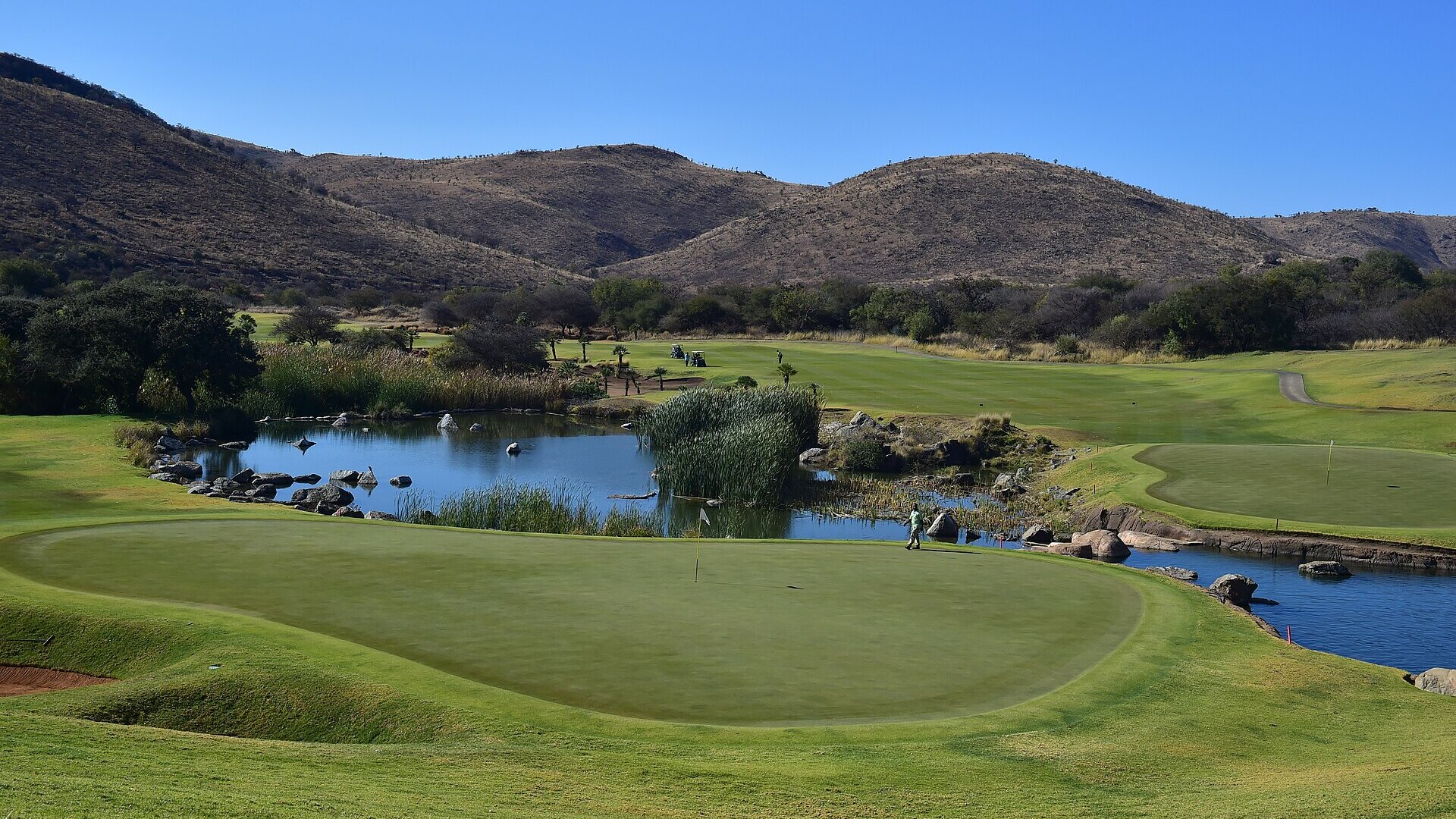
- Kiligolf — the Kilimanjaro Golf & Wildlife Estate — is Tanzania's first 18-hole championship course, a par-72 designed by David Jones on a 1,040-acre wildlife estate between Kilimanjaro and Meru, near Arusha.
- Zebra, wildebeest, gazelle, dik-dik and kudu roam the fairways, and the course finishes with a dramatic island green — golf in the cool highland air at around 1,400 metres.
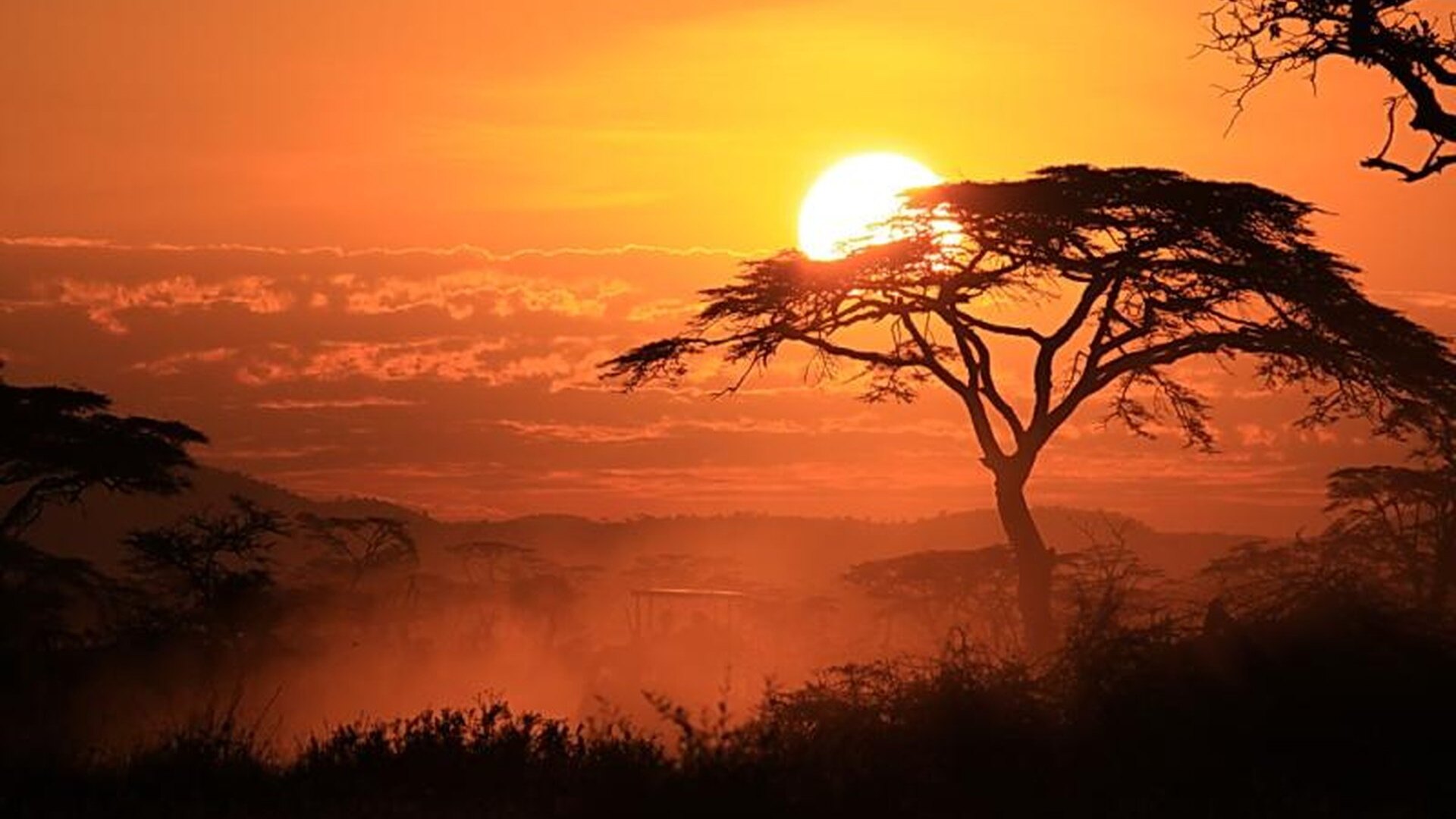
- The safari half is unmatched: the Serengeti and the Great Migration, the Ngorongoro Crater, and Tarangire's elephant herds, all reached from the same Arusha base.
- Golf plays year-round in the highlands; the finest game viewing is the dry season, June to October, with the calving season in January to February.
Why Tanzania Is East Africa's Surprising Golf-and-Safari Frontier
Tanzania is the only place on Earth where you can play a championship golf course between Kilimanjaro and Meru in the morning and stand among a million wildebeest on the Serengeti plains a day later. It is not a golfing destination in the way Scotland or the Cape is — and that is precisely the appeal. The golf here is a beautifully kept secret, played in cool highland air with two of Africa's great mountains for a backdrop, and it opens the door to the single greatest safari on the continent.
The hub is Arusha, the safari capital of northern Tanzania, and the course is Kiligolf — the Kilimanjaro Golf & Wildlife Estate — a short drive from both the town and Kilimanjaro International Airport. It is a real 18-hole championship layout, not a resort novelty, set inside its own 1,040-acre wildlife estate where plains game graze the fairways and the rough gives way to indigenous bush. From the first tee it is barely half a day to the gates of Tarangire, the Ngorongoro Crater and the Serengeti beyond.
What makes Tanzania unbeatable for a golf safari:
- A championship course among wildlife — Kiligolf is Tanzania's first 18-hole championship layout, where zebra, wildebeest and antelope roam the fairways in the cool highland air.
- The world's greatest safari on the doorstep — the Serengeti, the Great Migration, the Ngorongoro Crater and Tarangire are all reached from the same Arusha base.
- Two great mountains for a backdrop — the estate sits between Kilimanjaro and Meru, with both visible on a clear day.
- Exceptional value and space — an uncrowded course, warm highland weather and a safari that belongs to no other country.
Kiligolf — Tanzania's First Championship Course
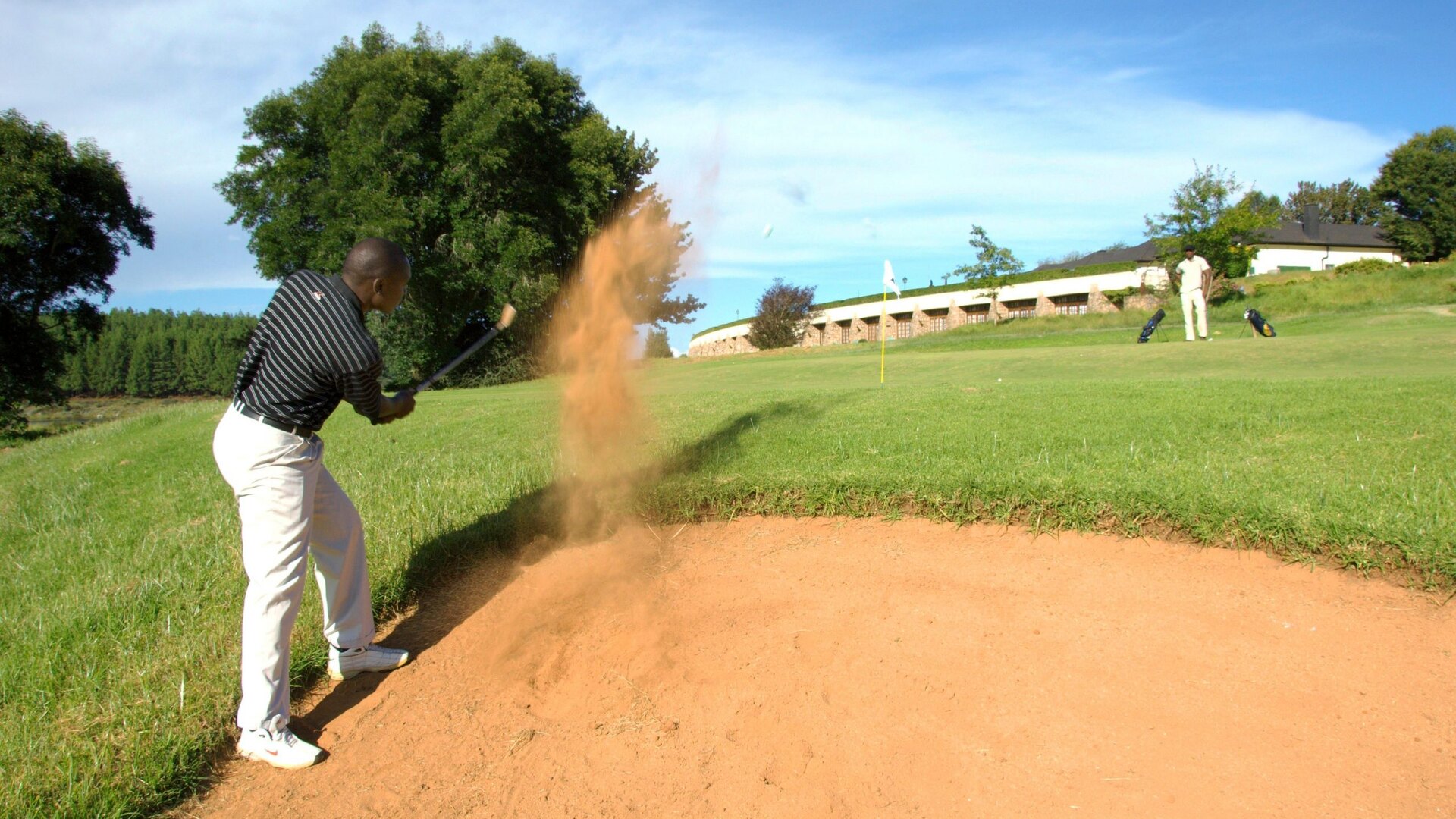
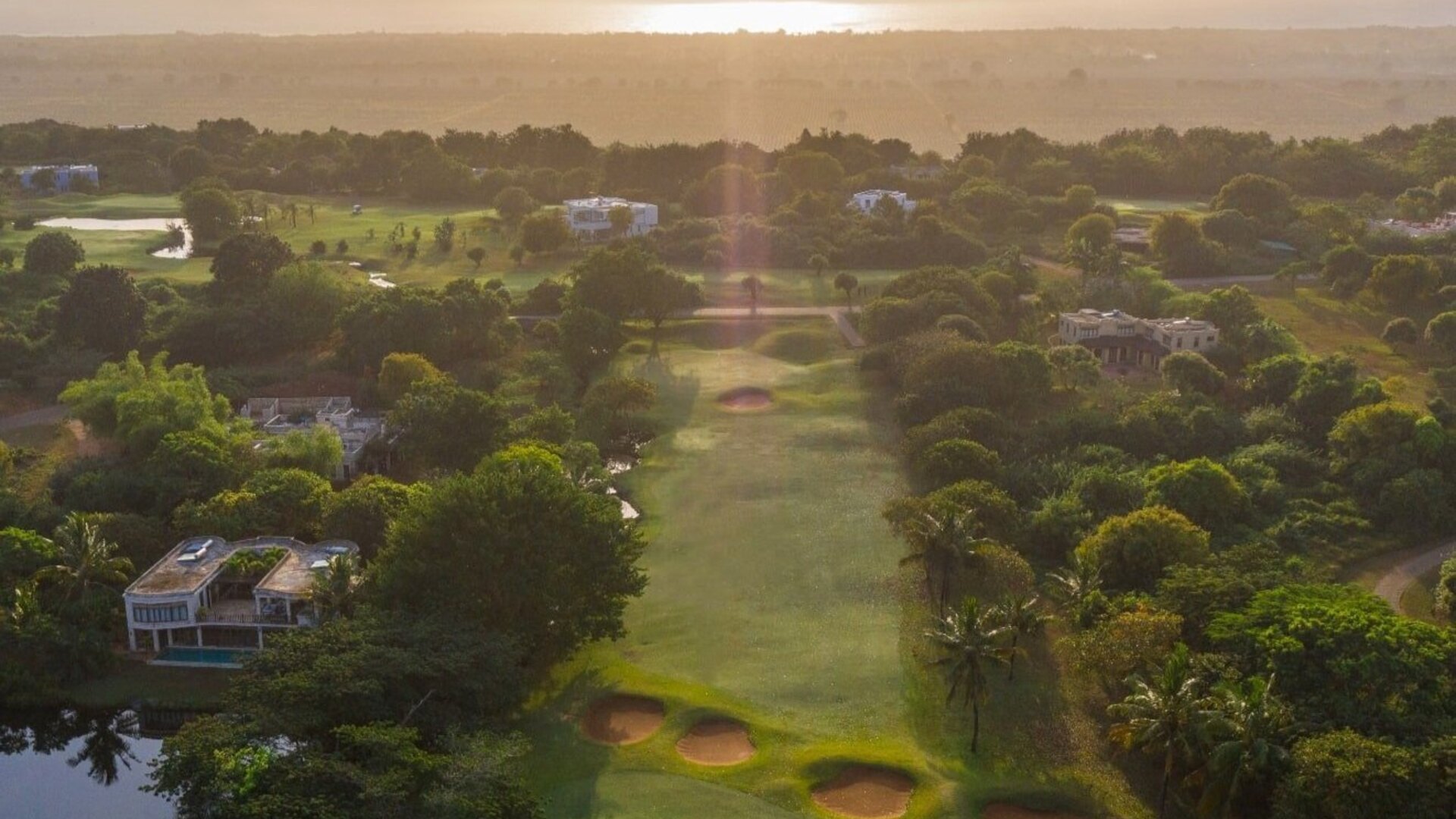
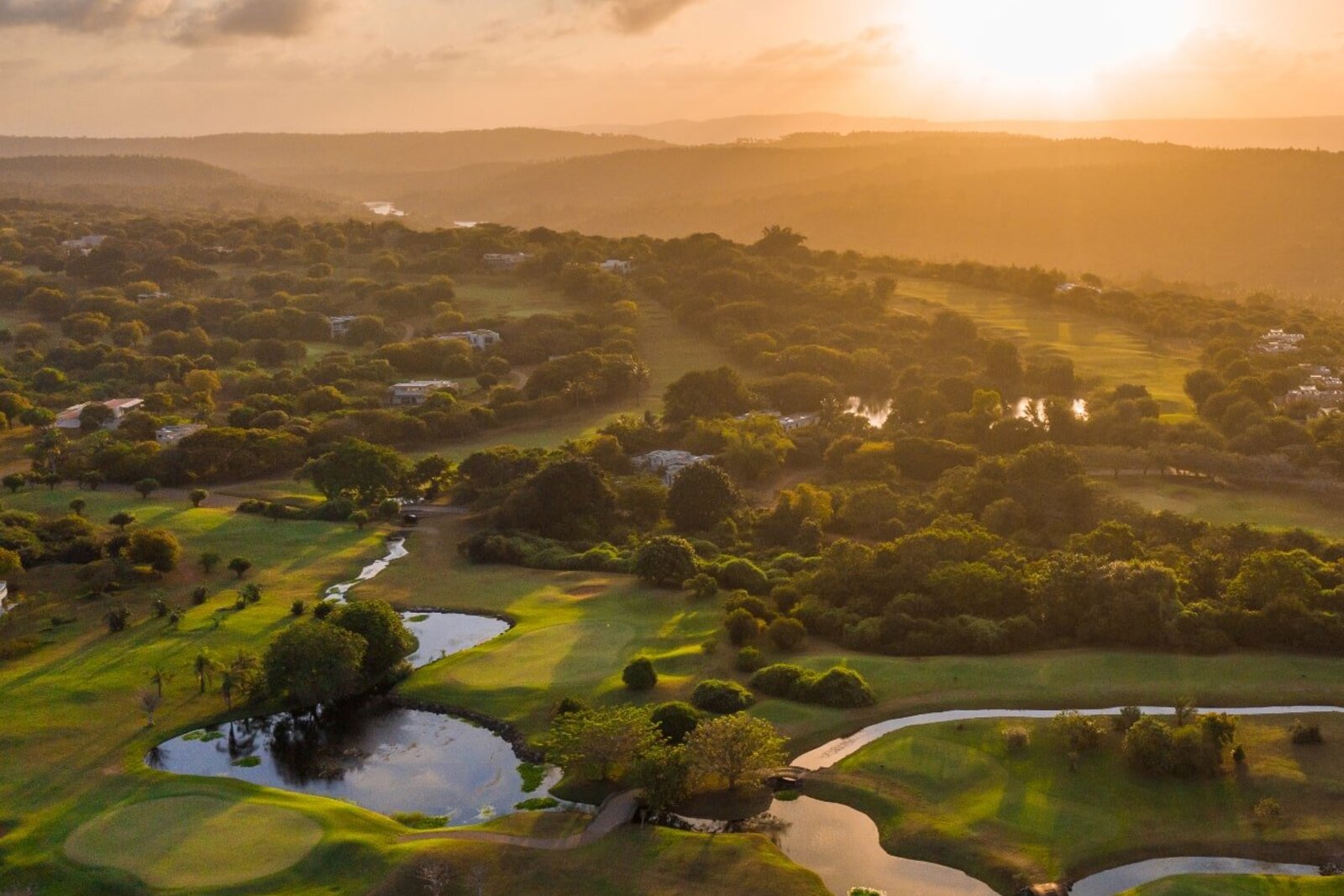
If one course defines a Tanzania golf safari, it is Kiligolf, the centrepiece of the Kilimanjaro Golf & Wildlife Estate at Usa River, about 25 kilometres from both Arusha and Kilimanjaro International Airport. Laid out on a 1,040-acre estate at an elevation of around 1,400 metres, cradled between Mount Kilimanjaro and Mount Meru, it was Tanzania's first 18-hole championship course — an immaculate par-72 built to USGA specification and designed by the Irish golfer and architect David Jones, a former Irish national coach and Kenya Open champion.
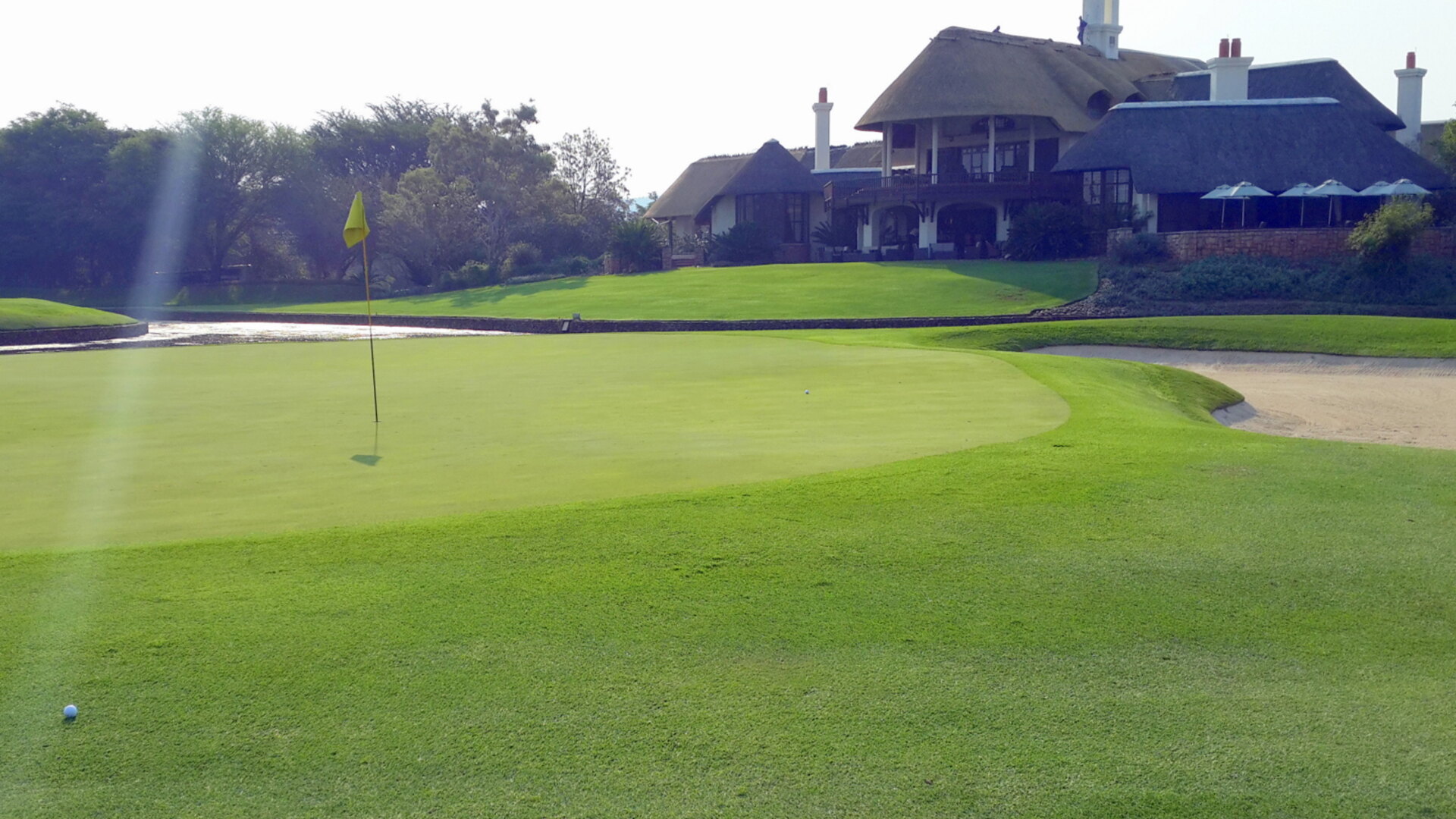
The course plays across four sets of tees from roughly 5,400 to 6,500 metres, so it flatters the holidaying golfer from the forward markers and genuinely tests the low-handicapper from the back. Large, receptive greens, strategic bunkering and water features fed by the Usa River give it variety and bite, and it builds to a memorable climax: a dramatic island green on the final hole that has decided more than one friendly wager. The highland air at 1,400 metres keeps the temperatures comfortable year-round and adds a few precious metres to your drive.
Wildlife on the Fairways — Golf in a Sanctuary Between Two Mountains
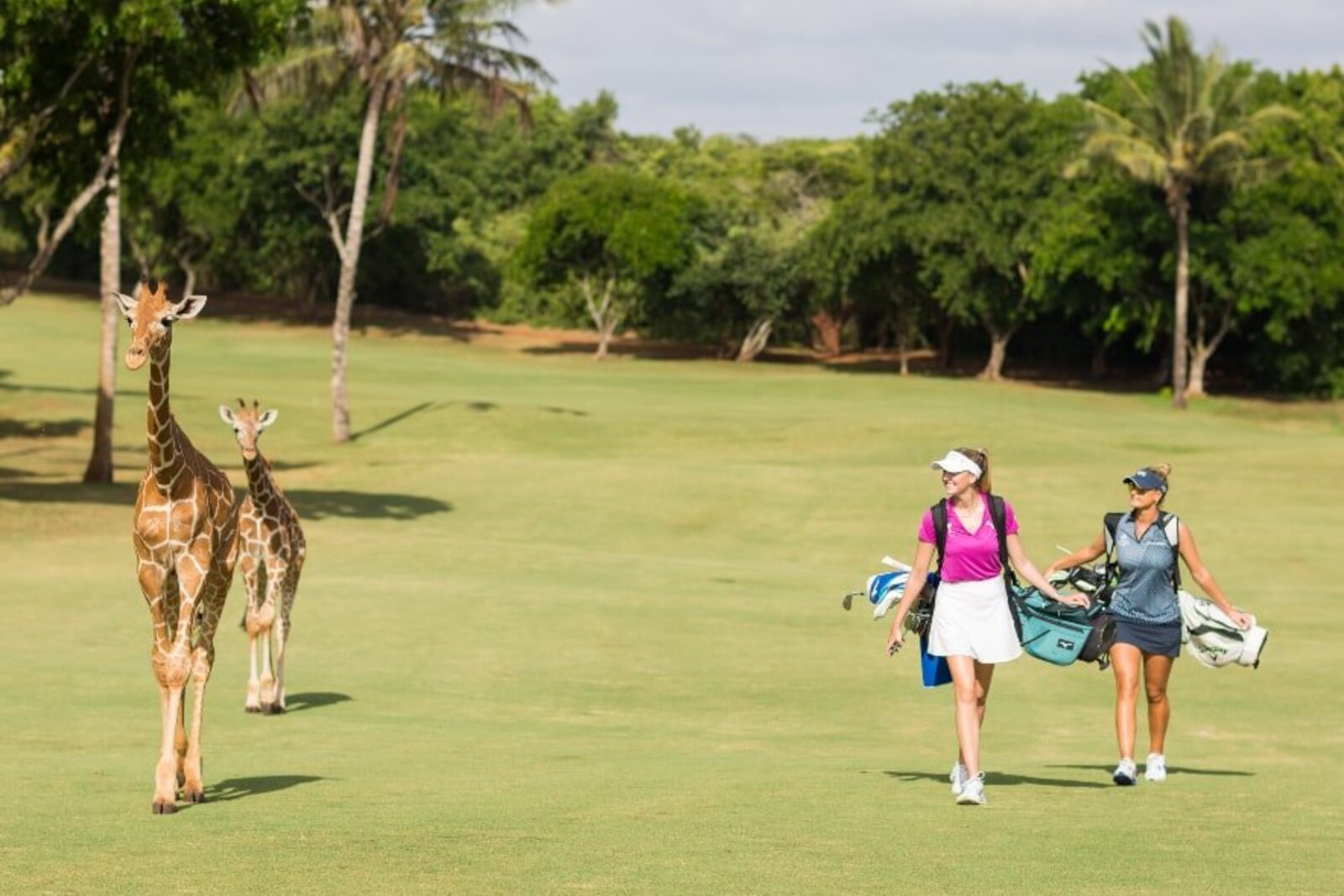
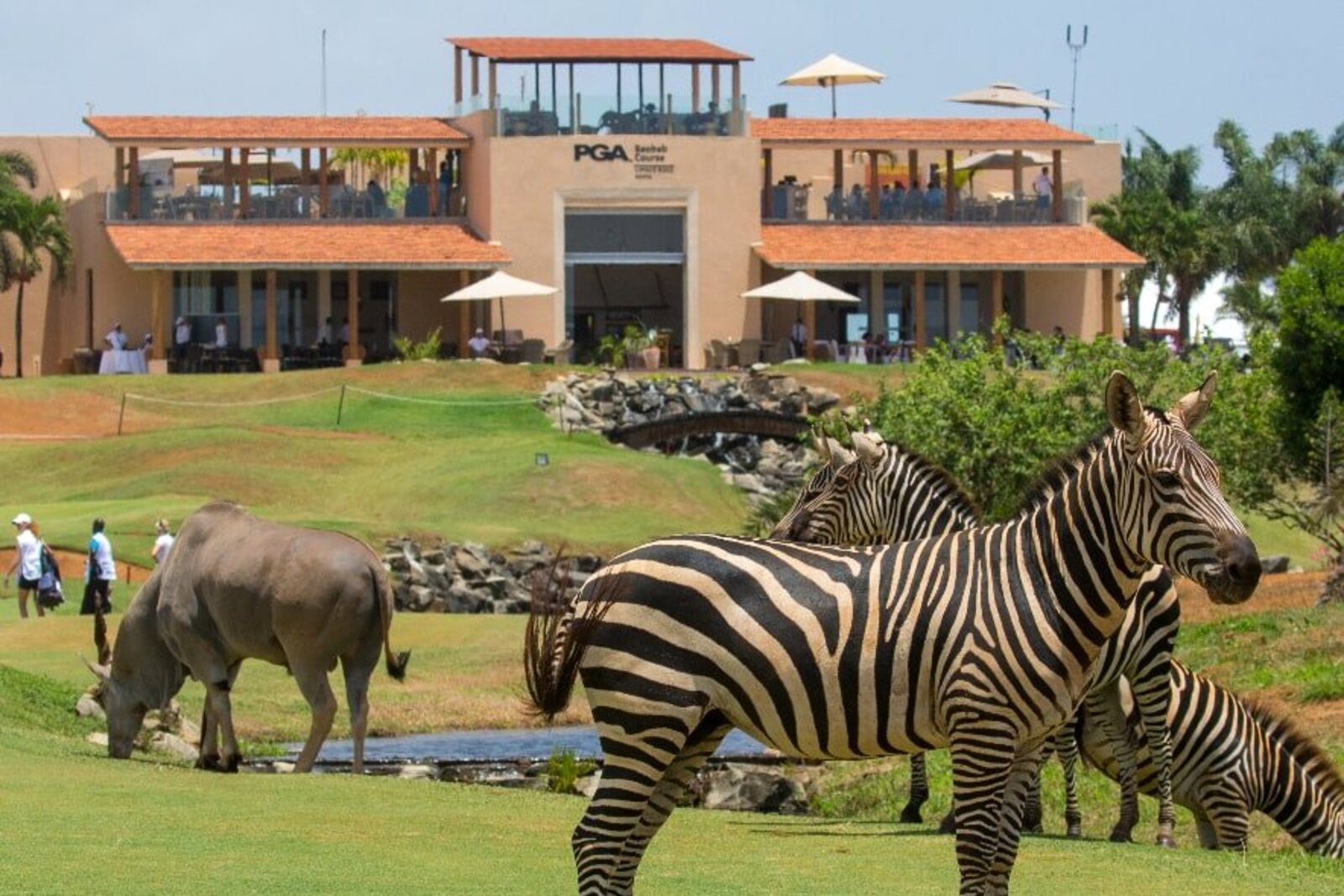
What lifts Kiligolf from a fine course to an unforgettable one is that it sits inside a genuine wildlife estate. The 1,040 acres are home to free-roaming plains game, and it is entirely normal to share the fairways with them. Zebra and wildebeest graze the open holes, Grant's and Thomson's gazelle drift across the rough, tiny dik-dik and duiker dart between the trees, and kudu browse the estate's wooded margins. The birdlife is superb, drawn to the water features and indigenous bush, so even a quiet round is alive with movement.
This is plains game rather than big cats, so the golf remains relaxed and safe — no written "elephant right of way" rule here, just the pleasure of playing an approach while a dazzle of zebra looks on. It changes the rhythm of a round: you slow down, you look up more, and you come off the eighteenth with as many wildlife stories as birdies. For golfers who have played every manicured resort course going, sharing a highland fairway with antelope beneath Kilimanjaro is something genuinely new.
The Safari Half — Serengeti, Ngorongoro & Tarangire
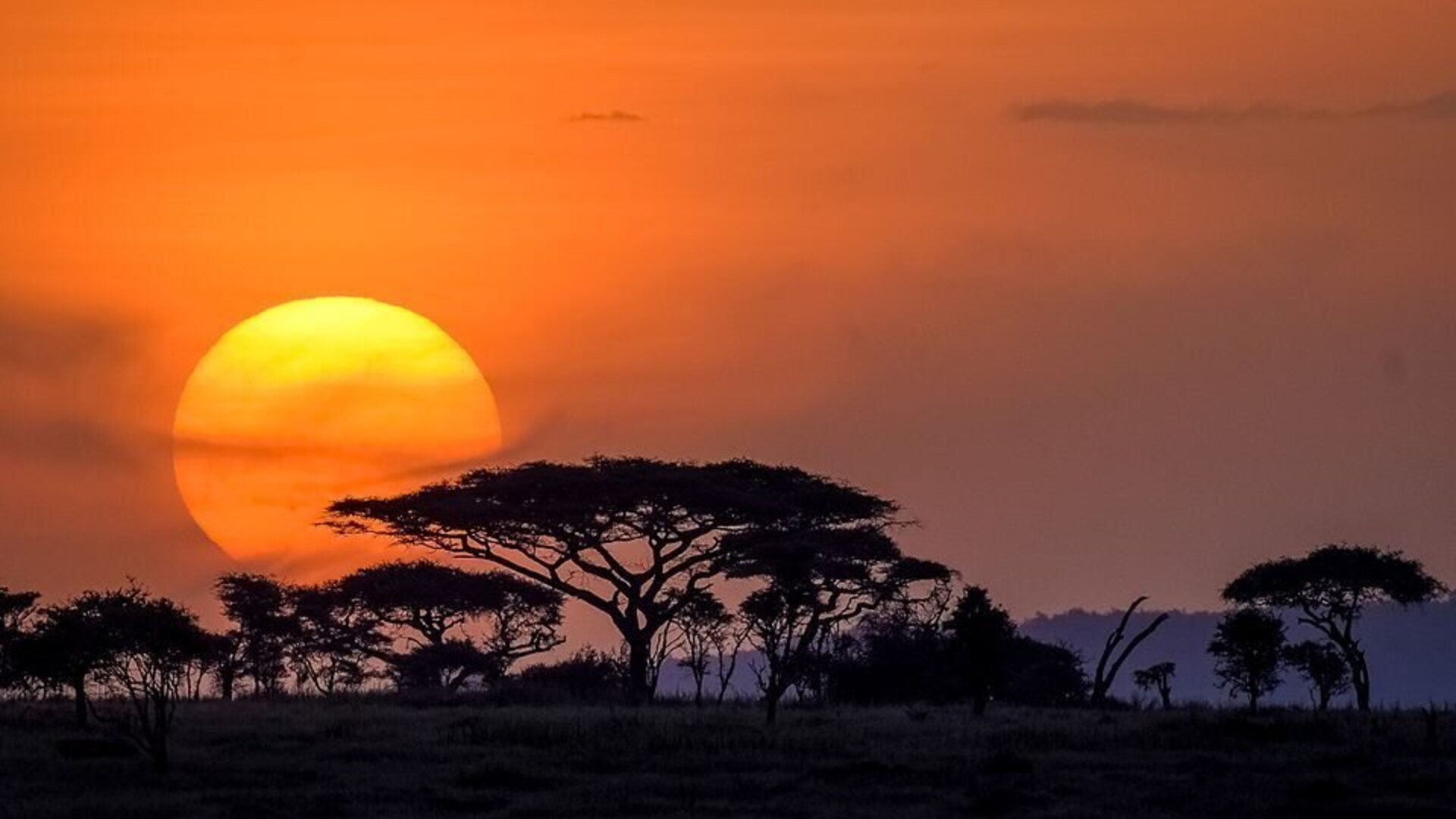
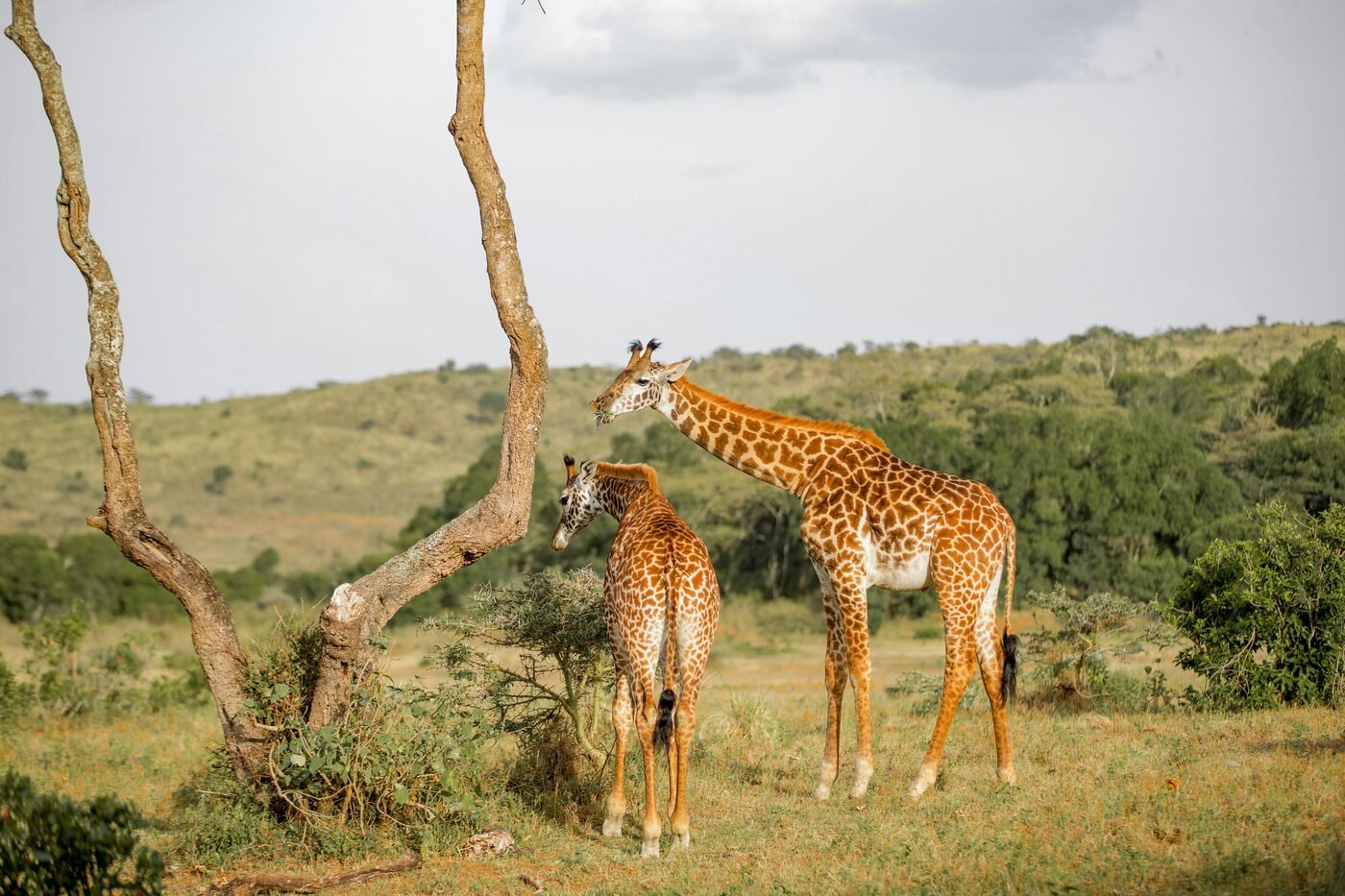
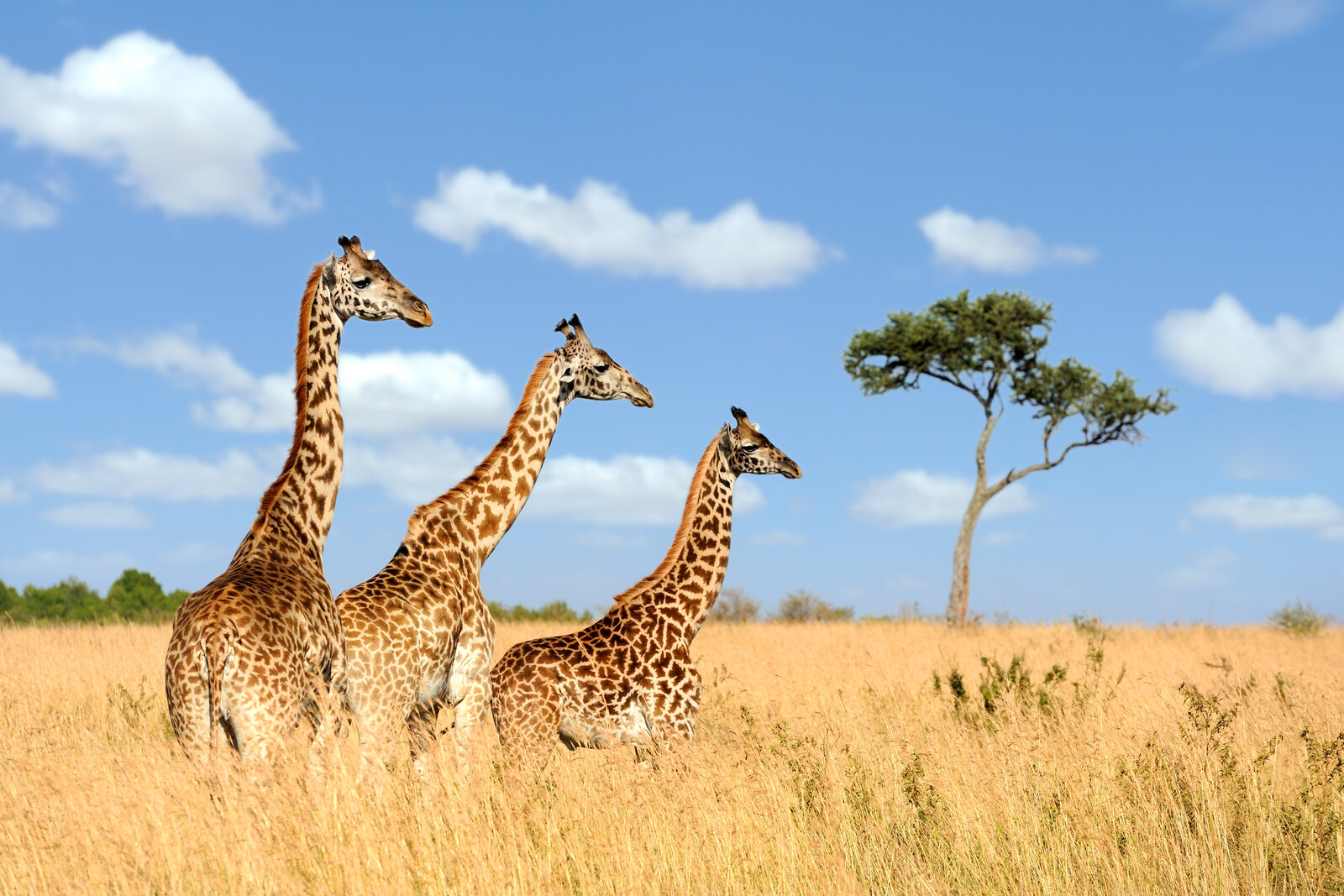
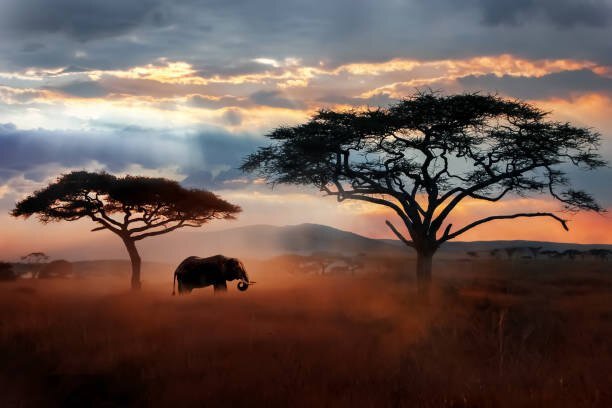
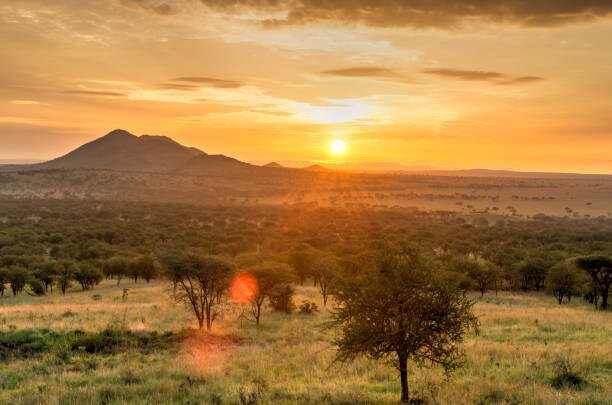
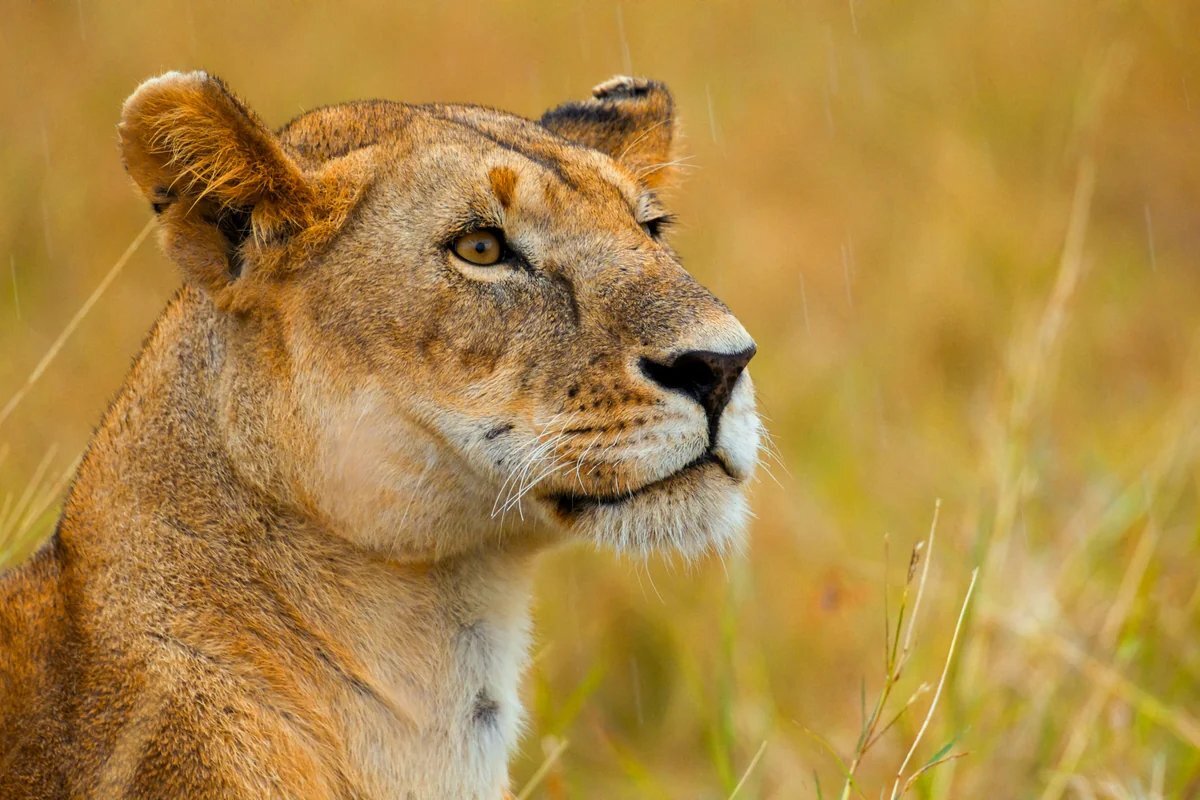
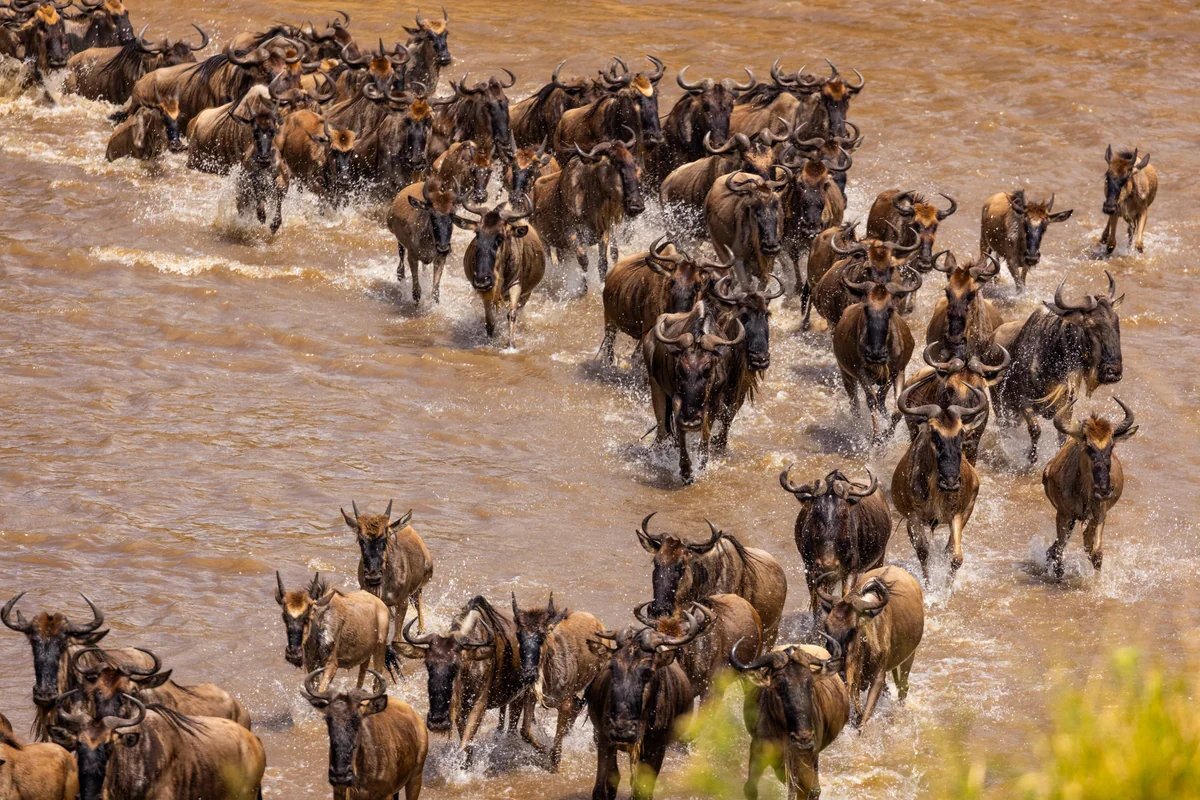
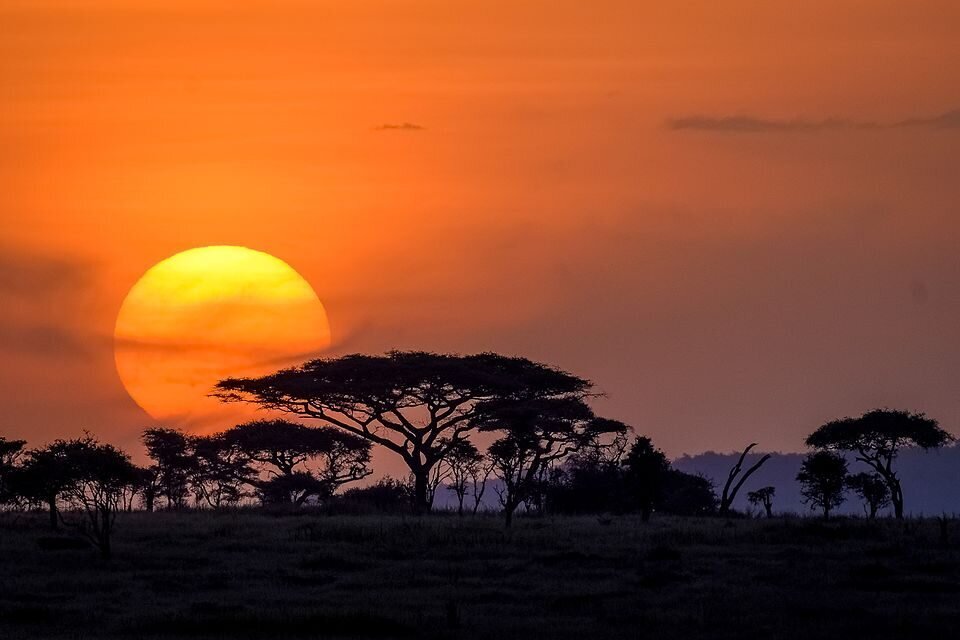
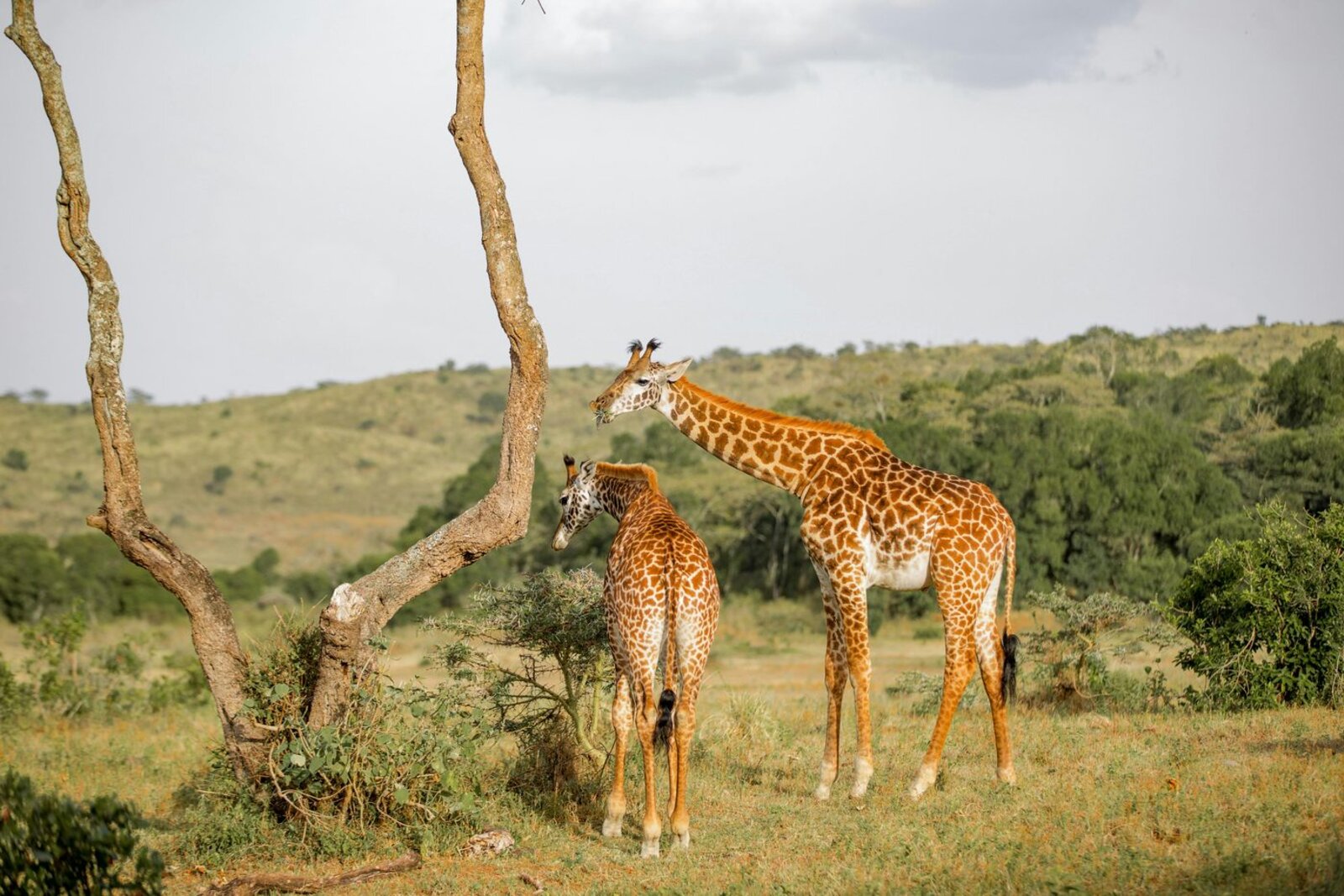
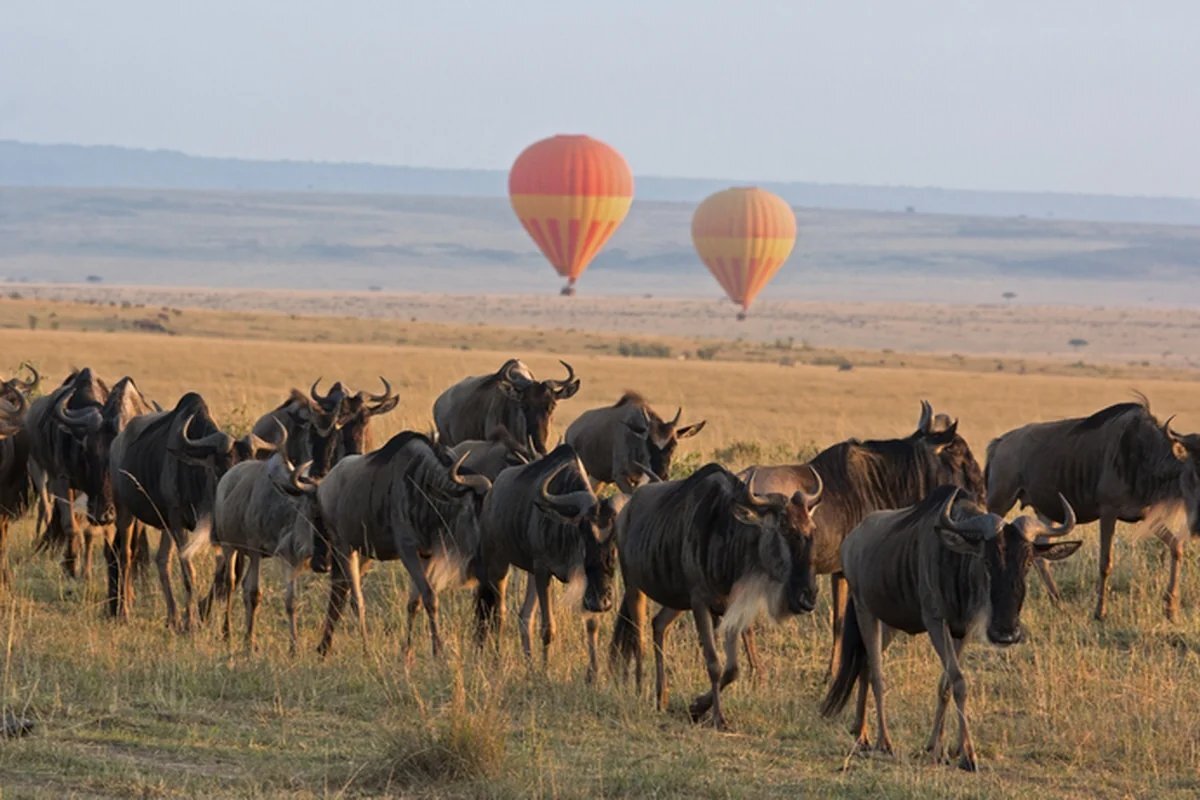
Golf is the overture; the safari is the symphony. And no golfing base on Earth opens onto wildlife like this one. From Kiligolf and Arusha, the whole of Tanzania's northern circuit is within reach. The headline is the Serengeti — 15,000 square kilometres of plains that host the Great Migration, the annual movement of around two million wildebeest and zebra, with the famous Mara River crossings from July to October and the dramatic calving season on the southern plains in January and February. Lions, cheetah, leopard and elephant complete the picture.
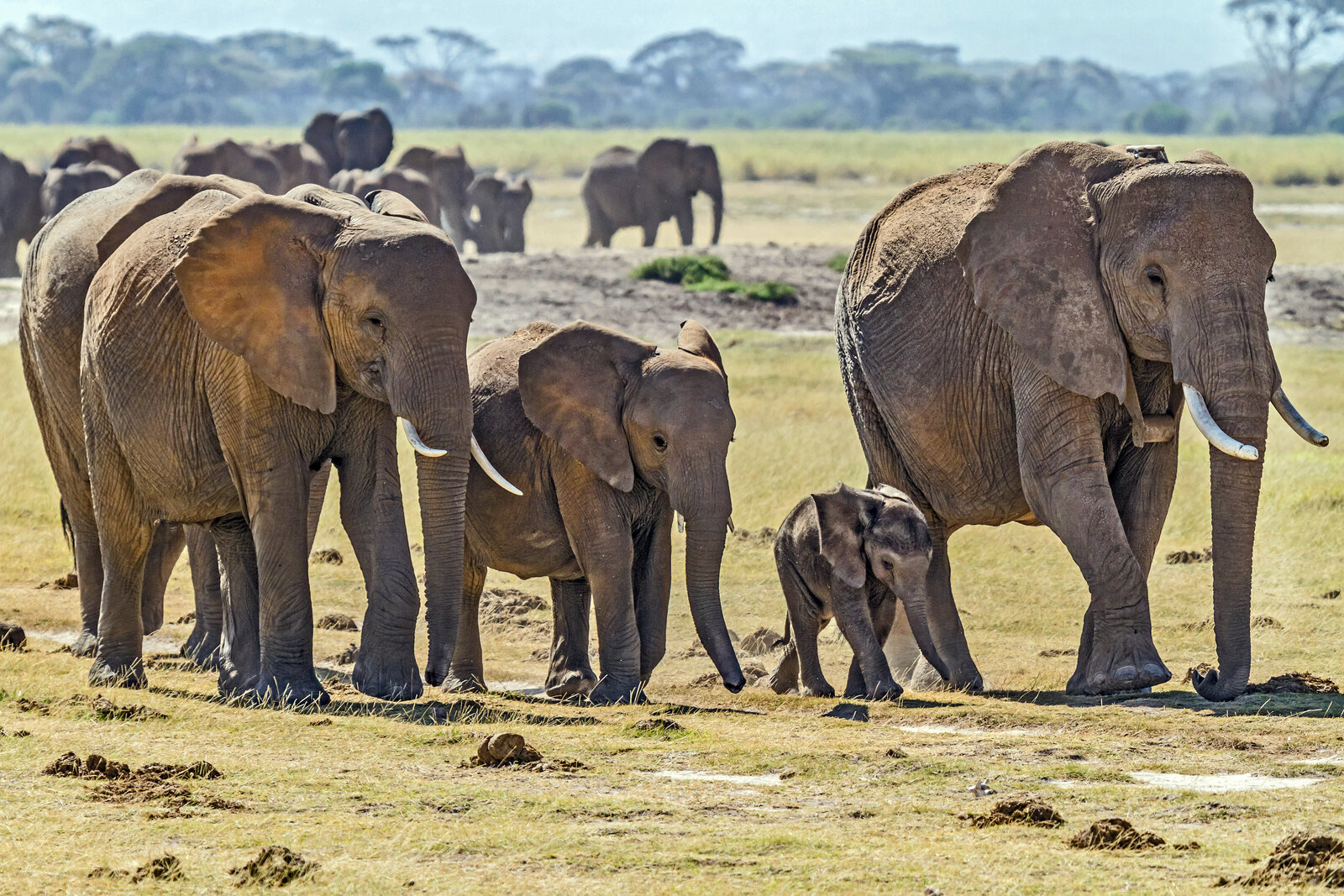
Between the golf and the Serengeti lie two more of Africa's greatest wildlife stages. The Ngorongoro Crater — the world's largest intact volcanic caldera — is a natural amphitheatre teeming with game, including one of Tanzania's best chances of black rhino, all watched from the fertile crater floor. And Tarangire National Park, an easy drive from Arusha, is a landscape of ancient baobabs and huge dry-season elephant herds along the Tarangire River. Two or three days on this circuit, after the golf, is the emotional heart of the trip.
Beyond the Course — Kilimanjaro, Arusha & the Polo Club
The estate and its surroundings offer far more than eighteen holes. Kiligolf sits at the foot of Mount Meru with Kilimanjaro — Africa's highest peak — filling the eastern horizon on a clear morning, and the setting alone is worth the trip. For the energetic, day walks on the lower slopes of Meru, coffee-farm tours in the fertile Usa River belt, and cultural visits to nearby villages fill the non-golf hours. Arusha itself, a short drive away, is a lively town of markets, tanzanite dealers and safari outfitters, and the gateway to everything north and west.
The estate is also home to the Nduruma Polo Club, giving the whole place a country-club atmosphere rare in East Africa, with a clubhouse and grounds that make a fine base between rounds. Add practice facilities, a driving range, swimming pools and a gym, and the estate works beautifully as a relaxed, active first or last chapter to a Tanzanian holiday — somewhere to acclimatise on arrival or to unwind after the dust and early starts of the safari.
Where You Stay — Estate Living to Bush Camps
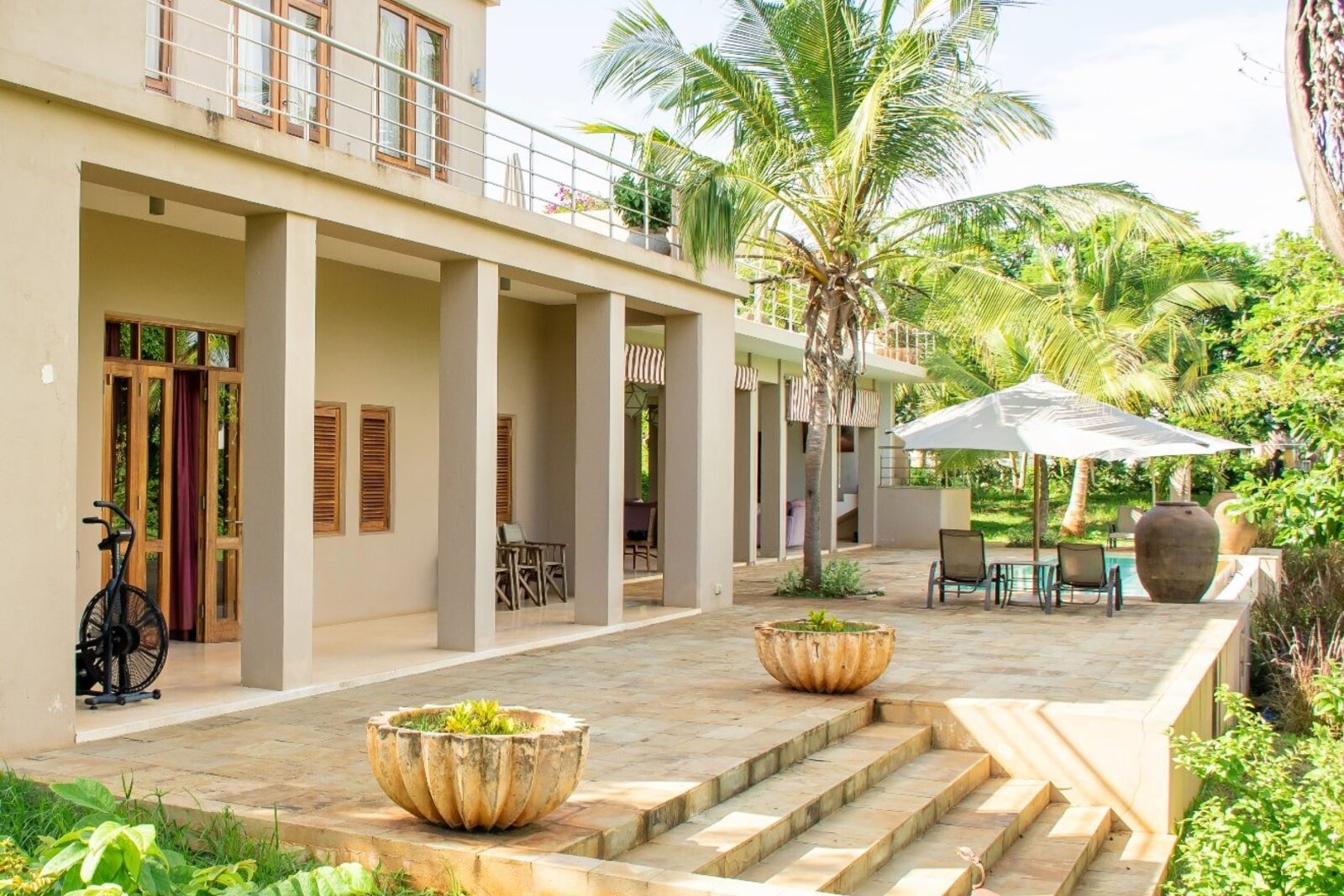
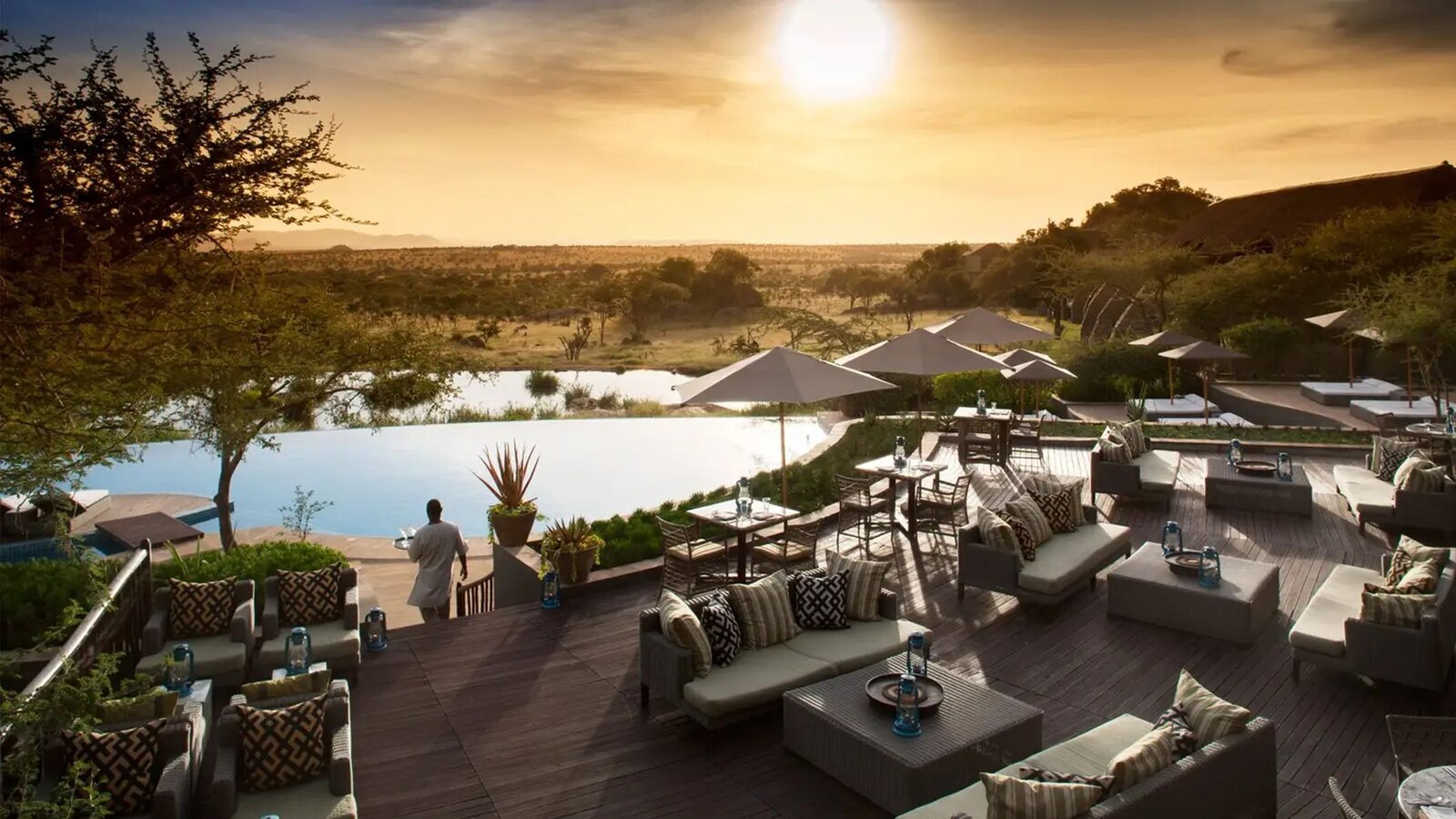
A Tanzania golf safari is a journey of contrasting beds. The natural golf base is the Kilimanjaro Golf & Wildlife Estate itself and the lodges around Usa River and Arusha — comfortable country-house hotels and estate villas set in coffee gardens, with the course, the pools and the mountains on the doorstep. It is the ideal place to begin, shaking off the flight with a round or two while you acclimatise to the highland altitude.
Then, for the safari, you move into the bush: tented camps and lodges inside or beside Tarangire, on the rim of the Ngorongoro Crater, and out on the Serengeti plains — canvas suites, private decks, waterhole views, open 4x4 game drives and dinners under the stars. The contrast between manicured estate golf one night and lantern-lit tented camp in the heart of the migration the next is exactly what makes the trip sing.
Green Fees & Playing Kiligolf
Kiligolf is outstanding value by any international measure. As a guide for 2026, visitor green fees run from roughly US$50 to US$80 for 18 holes, with reduced rates for members and estate guests. A caddie — well worth taking, both for the local knowledge and the extra pair of eyes on the wildlife — is modestly priced, as are a golf cart and a set of rental clubs, so you can travel light and still play well. There is a driving range and full practice facilities on the estate, and the club is open to the public and welcoming to visiting golfers.
The course is walkable and, unlike some African golf-safari courses, carries no large dangerous game, so a relaxed walking round is a pleasure — though carts are available for the heat or a quick pace. Tee times are easily arranged, and we book every round, caddie and cart in advance as part of your itinerary. Bring a current handicap certificate to be safe, though visitor rounds are relaxed and open to all abilities.
When to Go
Golf plays year-round at Kiligolf. The estate's highland setting at around 1,400 metres keeps temperatures comfortable in every season, and the course drains well, so even in the rains you will usually get your round in. That means your timing should be driven by the safari half of the trip.
For the Great Migration river crossings in the northern Serengeti, come from July to October, the dry season, when game also concentrates around water and viewing is at its best across the whole circuit. For the calving season on the southern Serengeti plains — hundreds of thousands of wildebeest born within a few weeks, and dramatic predator action — travel in January to February. The green season, March to May and November, is quieter, greener and cheaper, with the resident wildlife of the crater and Tarangire still superb and the golf still very much on. We match the timing to whether the golf, the migration or the crater matters most to you.
What a Tanzania Golf Safari Costs
A tailor-made Tanzania golf safari is a mid-to-upper-luxury trip that offers remarkable value against comparable golf-and-safari destinations. As a guide, our private journeys generally run from around US$5,500 to US$11,000 per person for a week to ten days, depending on the lodges, the safari regions and the season. That range typically includes green fees, caddies and carts at Kiligolf, estate and bush-lodge accommodation, private transfers and any internal charter flights, all game drives and park fees, and the services of a dedicated golf-safari host and expert safari guide.
Shorter itineraries and group departures can start lower — from roughly US$3,500 per person sharing for a golf-and-short-safari break — while adding extra nights in the Serengeti, a dawn hot-air-balloon flight, fly-in transfers or the finest tented suites pushes the total higher. Tanzania's park, concession and vehicle fees plus 18% VAT are significant and are built into our prices; international flights are excluded. We price every trip to your exact ambitions rather than selling a fixed package off the shelf.
Practicalities — Handicaps, Clubs & Getting Around
- Handicap certificate: Visitor golf at Kiligolf is relaxed and open to all abilities, but bringing a current handicap certificate is sensible, particularly for competition days.
- Clubs: Bring your own or hire a set at the estate — many golf-safari travellers hire on site to avoid flying with clubs. We arrange this in advance.
- Caddies & carts: Caddies are inexpensive and strongly recommended for their knowledge of the course and the estate's wildlife; carts are available for the heat or a quick pace.
- Getting around: Kilimanjaro International Airport is about 25 kilometres from the estate, with direct and one-stop links to Europe, the Middle East and regional hubs. The northern-circuit parks are reached by road transfer or short charter flight; we handle every transfer, tee time and park formality.
- Altitude & health: The estate sits at around 1,400 metres, so the air is cool and comfortable; the Serengeti and northern circuit carry malaria risk, so we provide current medical guidance and recommend prophylaxis for your route and season.
The Beyond Africa Tanzania Golf Safari
We build Tanzania golf safaris as complete, private journeys — the tee times, the caddies and carts, the estate and bush lodges, the game drives and the park logistics arranged as one seamless whole. A typical trip opens with golf and acclimatisation at the Kilimanjaro Golf & Wildlife Estate, a round or two among the zebra with Kilimanjaro on the horizon, then drives or flies west into Tarangire, the Ngorongoro Crater and the Serengeti for the Great Migration and the Big Five, before a final relaxed round back at Kiligolf. Every itinerary is tailored to your handicap, your pace and the people travelling with you — including the non-golfers, who get a world-class safari of their own.
Talk to us and we will design your Tanzania golf safari from the first tee to the last sundowner on the Serengeti.