Key Takeaways
- A Zanzibar holiday costs roughly US$70–150 per person per day on a budget, US$180–400 per day mid-range, and US$500–1,500+ per day at the luxury end — all-in, once accommodation, food, transfers and a few excursions are counted
- For a typical 7-night trip for two, budget travellers should plan around US$1,400–2,600 total, mid-range couples around US$3,500–6,500, and luxury couples US$9,000–25,000+, excluding international flights
- International flights are usually the largest single cost and are separate: expect US$700–1,400 per person return from Europe, more from North America and Australia
- The green months of March to May carry the lowest room rates of the year (often 30–50% below peak); the festive weeks (mid-December to early January) and July–August are the most expensive
- The biggest levers on your final bill are the season, how close your room is to the water, whether you fly or ferry from the mainland, board basis (self-catering vs all-inclusive), and how many private versus shared excursions you take
- Zanzibar pairs naturally with a northern Tanzania safari; combining the two in one trip saves on flights and delivers far more value than two separate journeys
TL;DR: How much does a Zanzibar holiday cost? On the spice island you set the dial. A careful traveller can enjoy a week for around US$700–1,300 per person (guesthouses, local food, shared tours); a comfortable mid-range beach holiday runs about US$1,800–3,300 per person for seven nights; and a barefoot-luxury villa week starts near US$4,500 per person and rises without limit. On top of that, add international flights (US$700–1,400+), the US$50 visa, and travel insurance. Below we break down every line of a Zanzibar budget — accommodation by coast, food and drink, transfers and flights, excursions, the visa and hidden extras — with three worked sample budgets, a month-by-month price calendar, and honest money-saving advice. Read this alongside our Zanzibar packages guide and best time to visit Zanzibar.
How much does a Zanzibar holiday cost? The quick answer
Zanzibar has a well-earned reputation as one of the Indian Ocean's best-value tropical destinations — but "value" here spans an enormous range. The same island that hosts backpackers in ten-dollar guesthouses also hosts honeymooners in private villas at two thousand dollars a night. What you actually pay depends almost entirely on the choices you make, not on the island itself.
To make planning simple, we group Zanzibar trips into three broad styles. The figures below are all-in daily costs per person — accommodation, meals, local transfers and a modest share of excursions — but they exclude international flights, which we treat separately further down.
| Travel style | Per person / day | 7 nights, 2 people | What it looks like |
|---|---|---|---|
| Budget / backpacker | US$70–150 | US$1,400–2,600 | Beach guesthouses & hostels, local Swahili meals, shared spice/Stone Town tours, dala-dala and shared transfers |
| Mid-range / comfort | US$180–400 | US$3,500–6,500 | 3–4★ beach resort with breakfast (or half-board), private transfers, a sunset dhow cruise and a Mnemba snorkelling trip |
| Luxury / honeymoon | US$500–1,500+ | US$9,000–25,000+ | 5★ beachfront or private-island resort, all-inclusive or full-board, private guides, spa, private charters, butler service |
The gap between the tiers is real, but so is the freedom to mix them: many travellers spend a few nights in a modest Stone Town guesthouse and then splurge on a beachfront resort for the second half, blending the budgets to suit their priorities.
Accommodation — the biggest line in your budget
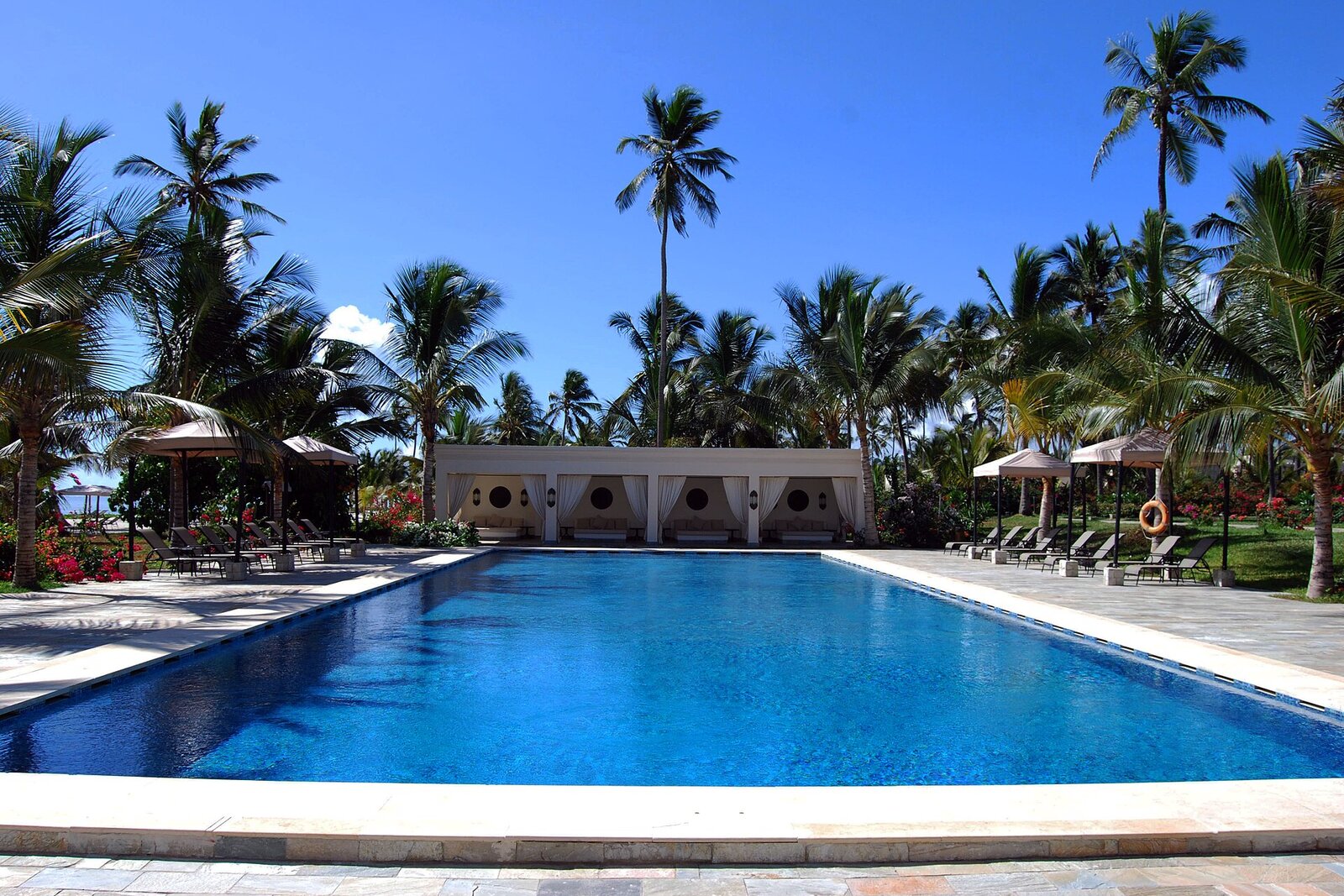
Where you sleep will account for anywhere from a third to two-thirds of your total Zanzibar spend, so it is the first and most important decision. Prices swing widely by coast, by distance from the water, by star rating and — crucially — by season.
Budget stays (US$25–70 per room, per night): Guesthouses and small B&Bs in Stone Town, Nungwi, Paje and Jambiani offer clean, fan- or air-conditioned rooms, often with breakfast. Backpacker hostels in Paje and Nungwi start even lower for dorm beds. This tier delivers superb value; you are simply a short walk, rather than steps, from the sand.
Mid-range beach resorts (US$120–350 per room, per night): This is where most visitors land. Expect a comfortable three- or four-star beach hotel with a pool, a restaurant, air conditioning and breakfast included, often with a half-board option. Nungwi and Kendwa in the north and the boutique lodges of Matemwe, Paje and Jambiani dominate this bracket.
Luxury & private-island (US$450–2,500+ per room, per night): Zanzibar's top beachfront resorts, boutique villas and the exclusive private islands off the northeast (most famously the Mnemba area) sit here. Rates typically include most meals and sometimes activities; the very top villas are sold on an exclusive-use basis. Pemba Island's dive resorts also fall in this tier.
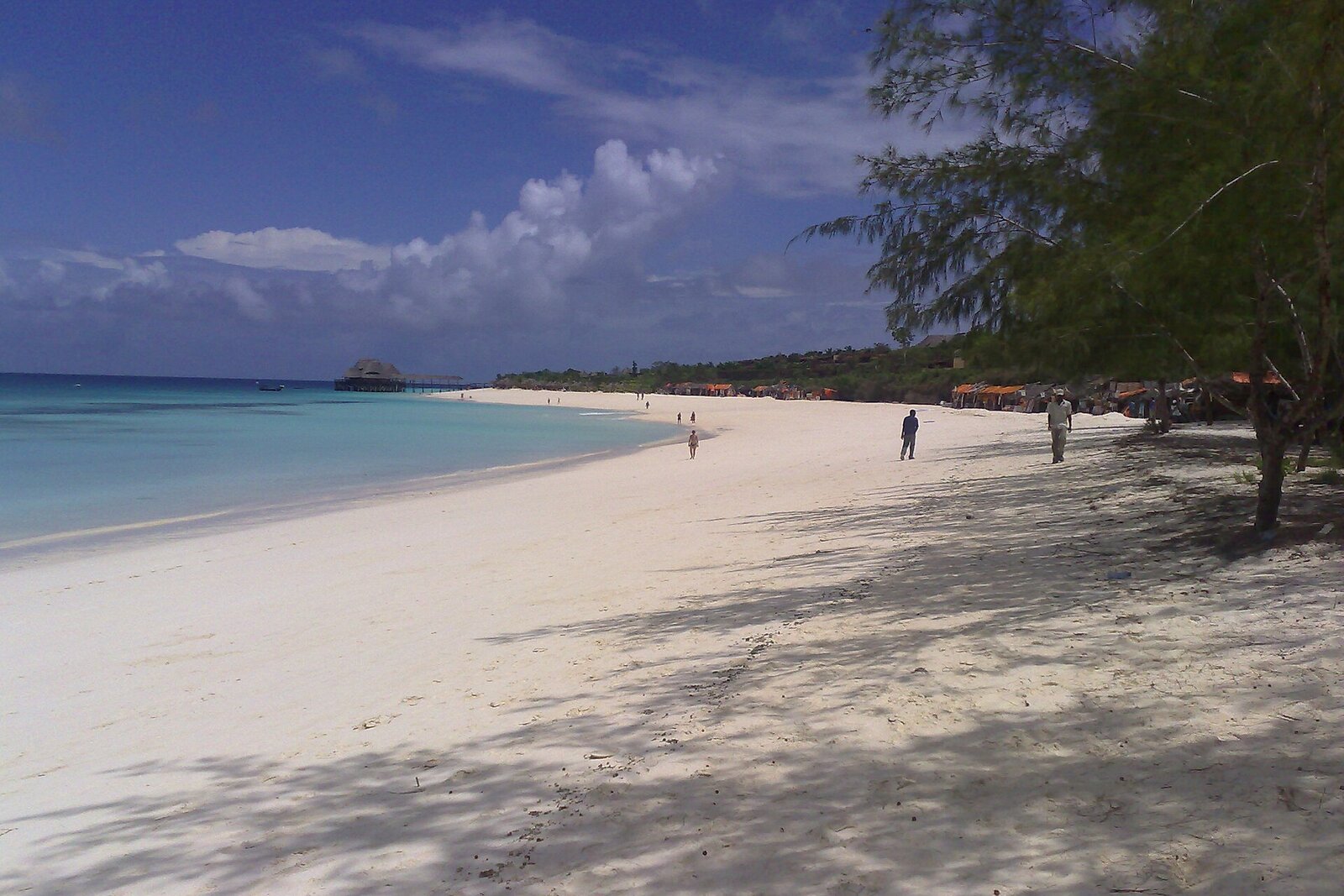
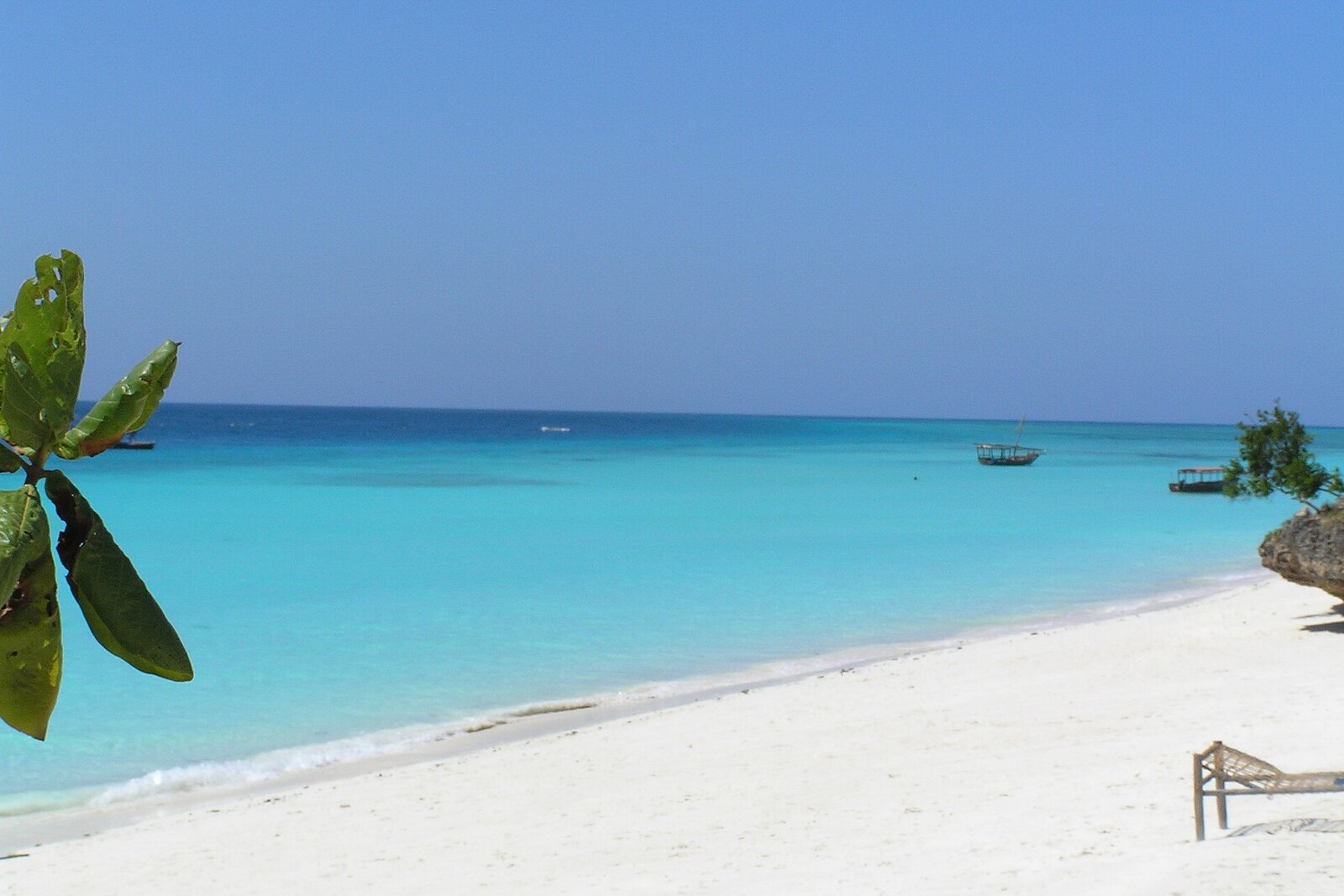
Two rules of thumb save real money. First, beachfront costs a premium — a room set back a hundred metres from the sand can be a third cheaper for an almost identical experience. Second, board basis matters: on the remote east and north coasts, where leaving the resort for dinner is inconvenient, half-board or all-inclusive is often better value than it first appears.
Food & drink — from a few dollars to fine dining
Zanzibar is one of the few beach destinations where you can eat brilliantly for very little. Your daily food spend is entirely in your control.
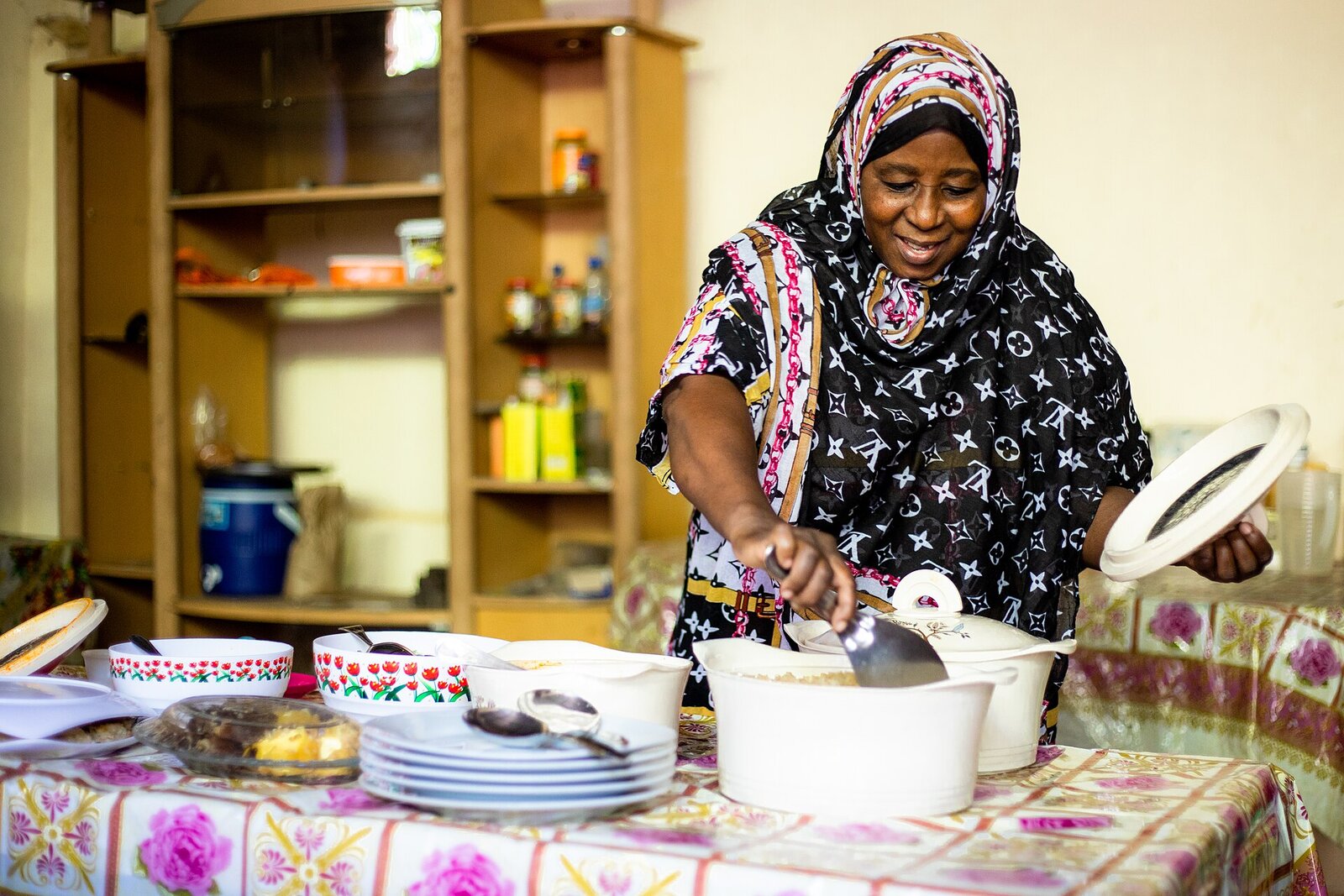
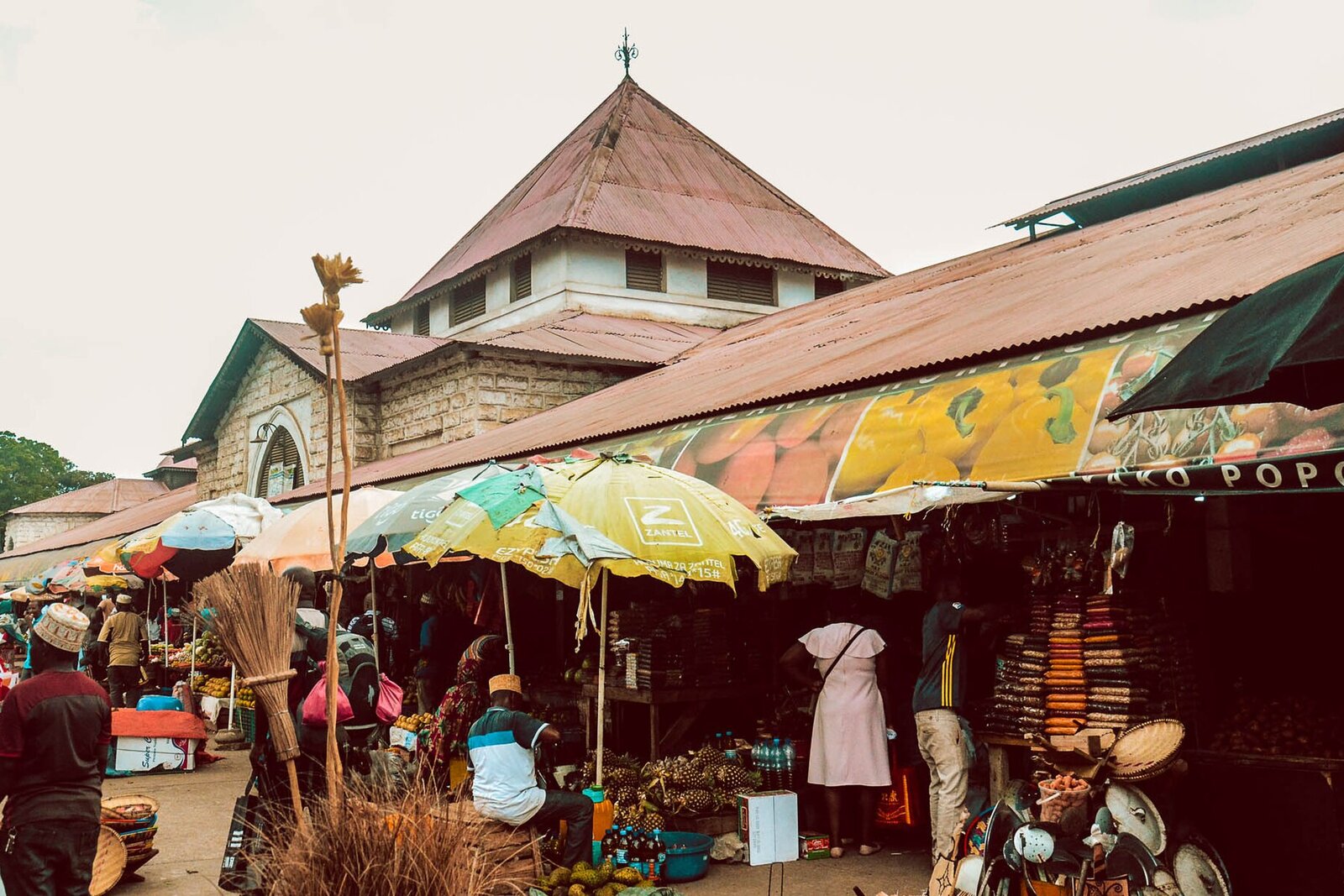
- Local & street food: A plate of Swahili biryani, pilau or fresh grilled fish at a local eatery costs roughly US$3–7. The famous Forodhani night market in Stone Town lets two people eat well for under US$15, with Zanzibar pizza, urojo soup and sugar-cane juice.
- Mid-range restaurants: A relaxed dinner with seafood and a drink at a tourist-facing restaurant or beach shack runs about US$12–25 per person.
- Resort & fine dining: Three-course dinners at upscale resorts range from US$35 to US$80+ per person; imported wine and spirits carry a heavy markup because of import duty.
- Drinks: A local Kilimanjaro or Safari beer costs US$2–4; a fresh coconut on the beach US$1–2; imported wine by the glass US$6–12.
A realistic daily food-and-drink budget is around US$15–25 per person eating locally, US$40–70 mixing restaurants and resort meals, and US$100+ for consistent fine dining with wine. Note that Zanzibar is a predominantly Muslim island: alcohol is available at resorts and tourist restaurants but is not sold everywhere, which naturally trims some budgets.
Getting there & getting around
International flights are almost always the single largest cost of a Zanzibar holiday, and they sit outside the daily budgets above. As a guide, return economy fares run roughly US$700–1,400 per person from Europe, and more from North America, Australia or the Gulf, depending on season and how far ahead you book. Many travellers fly into Zanzibar (ZNZ) directly; others route via Dar es Salaam, Nairobi, Addis Ababa or Doha.
From the Tanzanian mainland you have two choices. A short flight from Dar es Salaam (about US$70–110 one way, 20 minutes) or from the Serengeti/Arusha (a scenic fly-in, US$250–450 one way) is fast and comfortable. The ferry from Dar es Salaam is far cheaper — about US$35–50 each way in tourist class for the roughly two-hour crossing — and is a fine budget option.
On the island, costs are modest. A private airport transfer to the north or east coast costs about US$40–70 per vehicle; shared transfers are cheaper. The local dala-dala minibuses cost under a dollar but are slow and crowded. Taxis are unmetered — always agree the fare first. Renting a car or scooter is possible but requires a local permit; most visitors rely on transfers and organised tours.
Tours & excursions — where the island comes alive
Excursions turn a beach stay into a genuine Zanzibar holiday, and they are the easiest place to control spending — shared group tours cost a fraction of private charters. Typical per-person prices (2026 guide):
| Excursion | Shared / group | Private |
|---|---|---|
| Stone Town walking & spice farm tour | US$25–45 | US$70–120 |
| Mnemba Atoll snorkelling by dhow | US$35–60 | US$150–300+ |
| Prison Island & giant tortoises | US$25–40 | US$80–140 |
| Jozani Forest (red colobus) | US$30–50 | US$90–150 |
| Sunset dhow cruise | US$25–45 | US$120–250 |
| Kizimkazi dolphin tour | US$30–50 | US$120–200 |
| Safari Blue full-day sea excursion | US$60–90 | on request |
| Scuba diving (2-tank, certified) | US$90–150 | — |
Park and marine-conservation entry fees (for example Jozani, or the Mnemba Marine Conservation Area) are usually added on top and are modest — a few dollars to around US$20 — but always confirm whether a quoted tour price includes them.
The visa, fees & hidden extras
A few unavoidable costs catch first-time visitors by surprise. Budget for these separately:
- Visa: Most nationalities need a Tanzania visa, currently about US$50 (US$100 for US passport holders on the multiple-entry visa). It can be obtained on arrival or, more smoothly, online in advance.
- Mandatory insurance: Tanzania requires inbound travellers to hold an approved travel health insurance, purchased online before or on arrival (around US$44 for a short stay). This is separate from your own comprehensive travel insurance, which you should also carry.
- Infrastructure tax: Zanzibar levies a small per-person, per-night tourism tax (around US$1–5), usually collected at your hotel.
- Tipping: Not compulsory but appreciated — roughly US$3–5 per day for housekeeping, 5–10% in restaurants, and a few dollars for guides and drivers.
- Airport & departure: Departure taxes are generally included in your ticket, but keep a little local cash for incidentals.
Three worked sample budgets (7 nights, 2 people)
To turn all of the above into real numbers, here are three honest, all-in budgets for a couple on a week-long Zanzibar holiday. All figures are in US dollars and exclude international flights, which you should add on top.
1. The value week — around US$1,900 for two
- Accommodation: 7 nights in a beach guesthouse with breakfast, US$45/night — US$315
- Food & drink: local eateries and Forodhani, US$40/day for two — US$280
- Transfers: ferry from Dar and shared transfers — US$180
- Excursions: shared spice tour, Stone Town, Mnemba snorkelling, dolphin tour — US$260
- Visa, insurance & taxes for two — US$230
Approximate total: US$1,265 + a comfortable buffer ≈ US$1,900.
2. The comfortable week — around US$5,500 for two
- Accommodation: 7 nights, 4★ beach resort, half-board, US$260/night — US$1,820
- Food & drink: mix of resort and restaurant dining, US$90/day for two — US$630
- Transfers: flight from Dar and private transfers — US$420
- Excursions: private spice/Stone Town tour, private Mnemba trip, sunset dhow — US$600
- Visa, insurance, taxes & tips for two — US$350
Approximate total: US$3,820 + buffer and spa/extras ≈ US$5,500.
3. The luxury week — from US$14,000 for two
- Accommodation: 7 nights, 5★ beachfront or private-island, all-inclusive, from US$1,400/night — from US$9,800
- Food & drink: largely included; premium wines extra — US$500–1,500
- Transfers: scenic fly-in from the Serengeti or private ZNZ transfers — US$700–1,200
- Excursions: private guide, private charters, spa — US$1,000–2,500
- Visa, insurance, taxes & tips for two — US$450
Approximate total: from US$14,000, rising well beyond US$25,000 for the finest villas.
When to go for the best value: a month-by-month price guide
Season is one of the biggest levers on your Zanzibar budget. Room rates can vary by 30–50% across the year for exactly the same property. Here is how prices move (read our full best time to visit Zanzibar guide for the weather detail):
| Period | Price level | Notes |
|---|---|---|
| Jan – mid-Mar | High (not peak) | Hot, bright short-dry season; whale sharks off Mafia; good value once the festive rush ends |
| Mid-Mar – May | Lowest | Long rains; cheapest rates of the year (30–50% off), quiet beaches, some lodges close |
| Jun | Rising | Dry season begins; excellent weather before peak pricing fully kicks in — a sweet spot |
| Jul – Aug | Peak | Best weather + European summer; highest demand and prices; book well ahead |
| Sep – Oct | High | Superb dry-season conditions, slightly softer than mid-summer — great value for the weather |
| Nov | Lower (shoulder) | Short rains, brief showers; good discounts and few crowds |
| Mid-Dec – early Jan | Peak (festive) | Christmas & New Year; the most expensive weeks of the year, often with minimum-stay rules |
The clear value windows are June, September to October, and late January to early March — excellent weather at below-peak prices — while the true bargain-hunter's season is the long rains of April and May, when a mid-range room can cost what a budget room costs in July.
How to save money on a Zanzibar holiday
- Travel in the shoulder or green season. Simply moving your dates from August to June, October or late January can cut accommodation costs dramatically for near-identical weather.
- Choose a room set back from the beachfront. The saving is significant and the beach is still a two-minute walk away.
- Eat local. Alternating resort meals with local eateries and the Forodhani market keeps food costs low and the experience richer.
- Share excursions. Group spice tours, snorkelling trips and dhow cruises cost a fraction of private charters — book privately only where it truly matters.
- Take the ferry from Dar. If time allows, the ferry is a fraction of the flight cost from the mainland.
- Combine safari and beach in one trip. Pairing Zanzibar with a northern Tanzania safari spreads your international airfare across a far richer holiday — see our safari and Zanzibar beach combo guide.
- Book beach transfers and the whole itinerary as a package. A well-planned package removes the marked-up on-the-ground bookings that quietly inflate DIY trips.
Is Zanzibar expensive? An honest verdict
Zanzibar is as expensive as you choose to make it, and that is precisely its appeal. Few destinations let a backpacker and a honeymooner enjoy the same turquoise water, the same spice-scented alleys of Stone Town and the same sunset dhows — each within their own budget. Compared with the Seychelles, Mauritius or the Maldives, Zanzibar consistently offers more culture, more history and better value for the same beach.
The smartest Zanzibar trips are not the cheapest or the most lavish — they are the ones matched carefully to the traveller: the right coast, the right season, the right board basis and the right mix of shared and private experiences. That is exactly where a specialist earns their keep. Tell us your budget and your dates, and we will build a Zanzibar holiday that spends every dollar where it counts — and never a dollar where it does not.