🦁 Key Takeaways — African Safari from Germany
- Flight advantage: Direct flights FRA → JNB (10h 40min) & FRA → CPT with Lufthansa, Condor, South African Airways — Europe's easiest safari access
- Visa ease: Visa-free for South Africa (90 days); e-visa for Kenya/Tanzania; German passport = seamless entry across all major safari nations
- Budget reality: Direct flights €700–€1,400 return; expect €7,000–€13,000 per person for 7–10 days all-inclusive luxury safari
- Best timing: June–October Trockenzeit = peak wildlife (Große Tierwanderung July–Sept); December–March green season + lower prices
- Top picks: Serengeti Migration (July–Oct), Sabi Sands Big Five year-round, Okavango Delta water safari (May–Sep)
Why German Travelers Choose African Safaris
German travelers have long been among Africa's most discerning safari visitors. With a deep cultural appreciation for nature conservation, sustainable tourism, and wilderness immersion, Germans consistently rank in the top five global source markets for African safaris — alongside the USA, UK, Australia, and Canada.
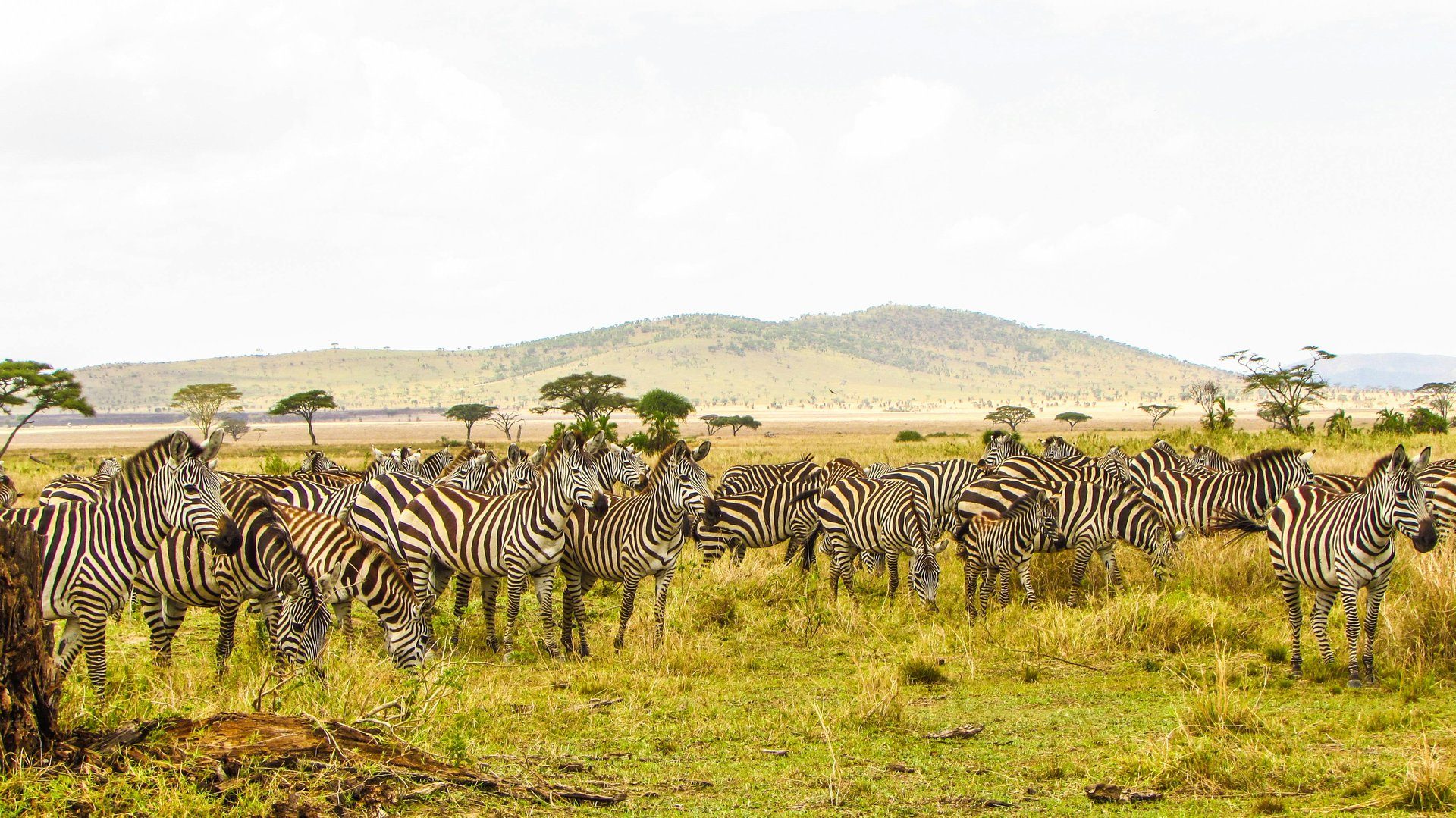
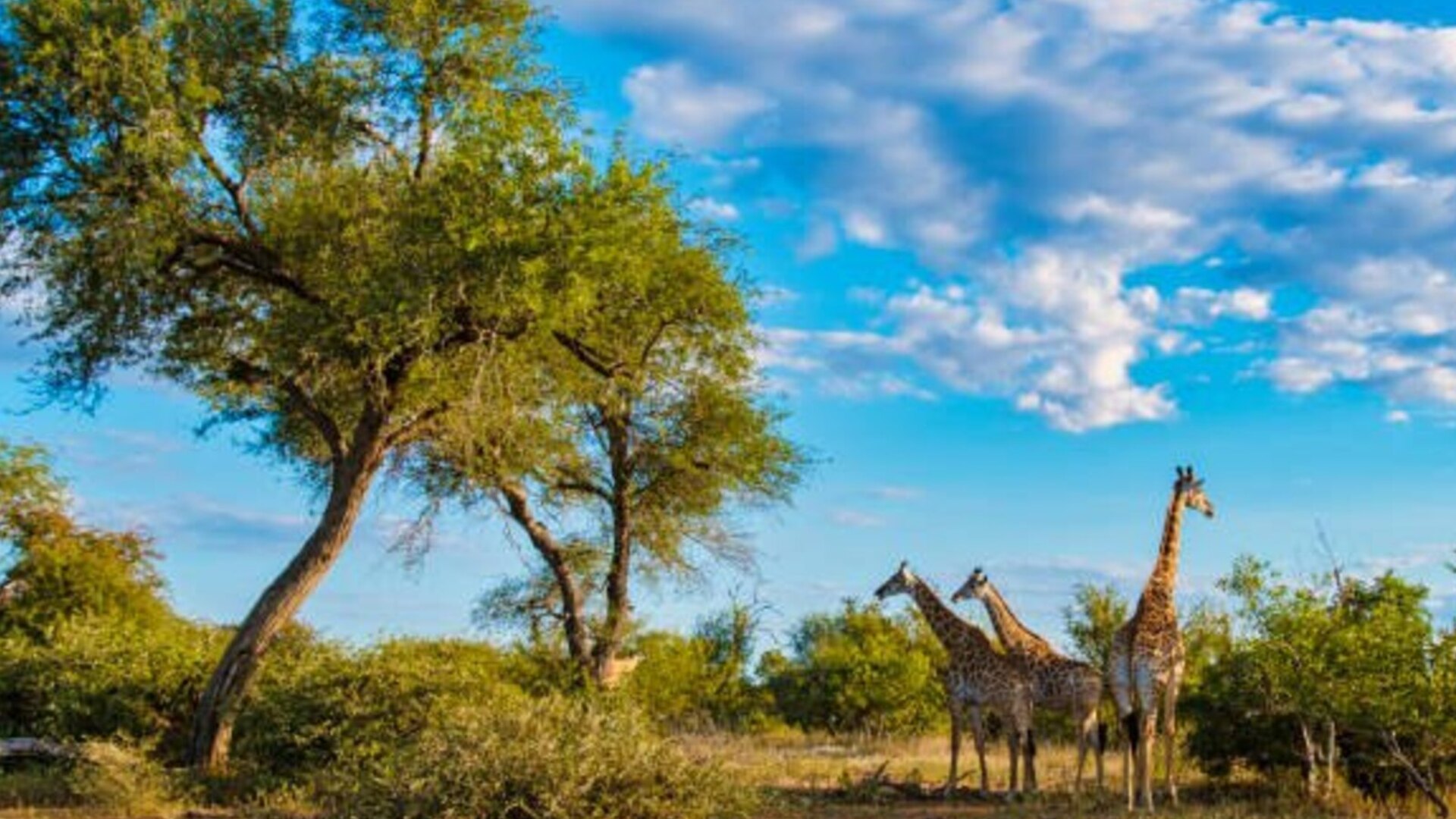
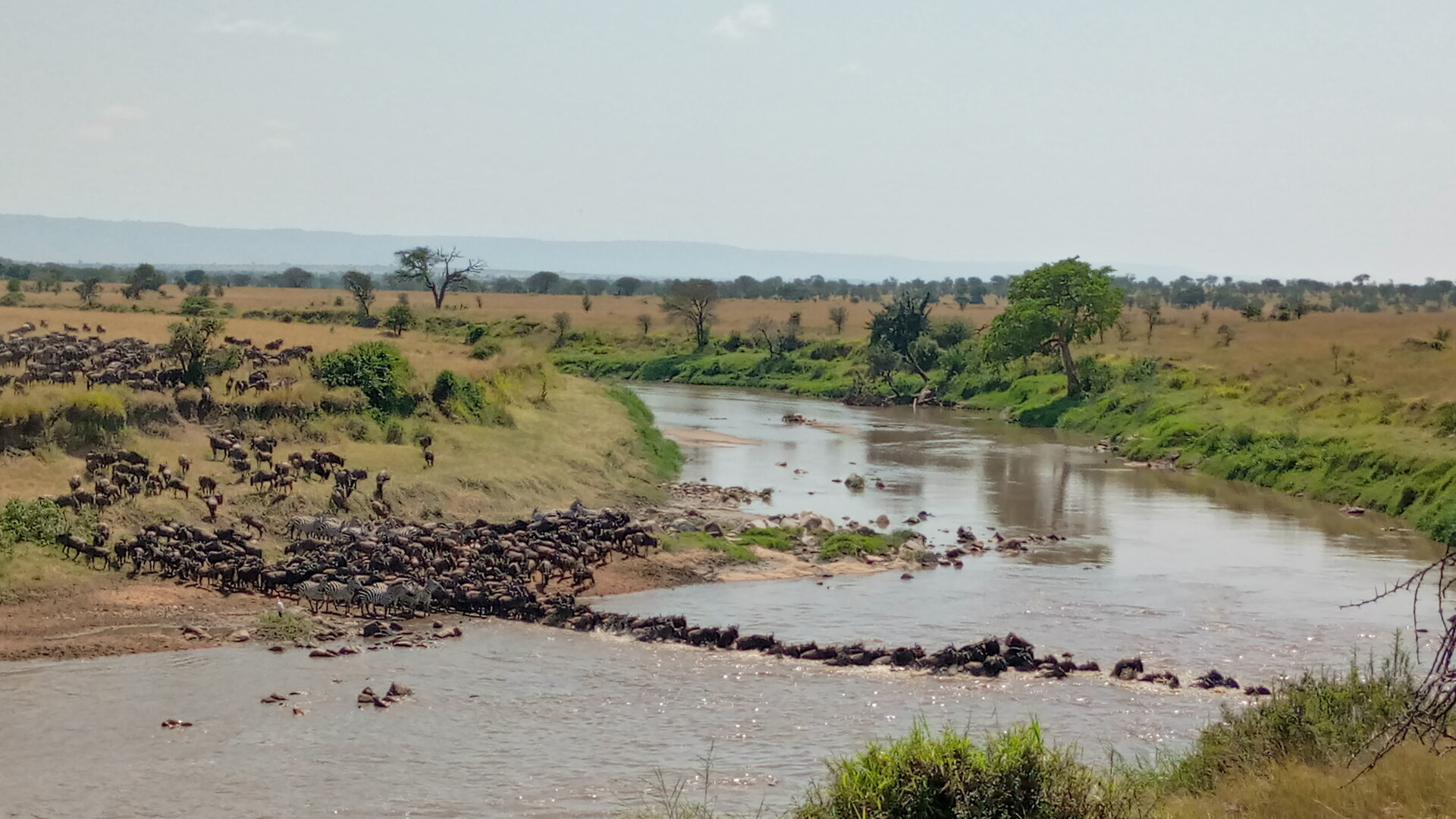
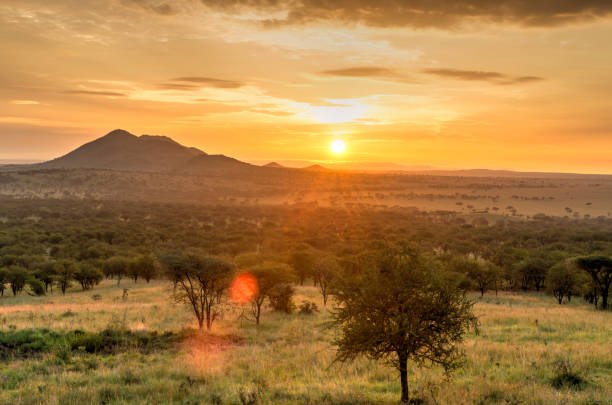
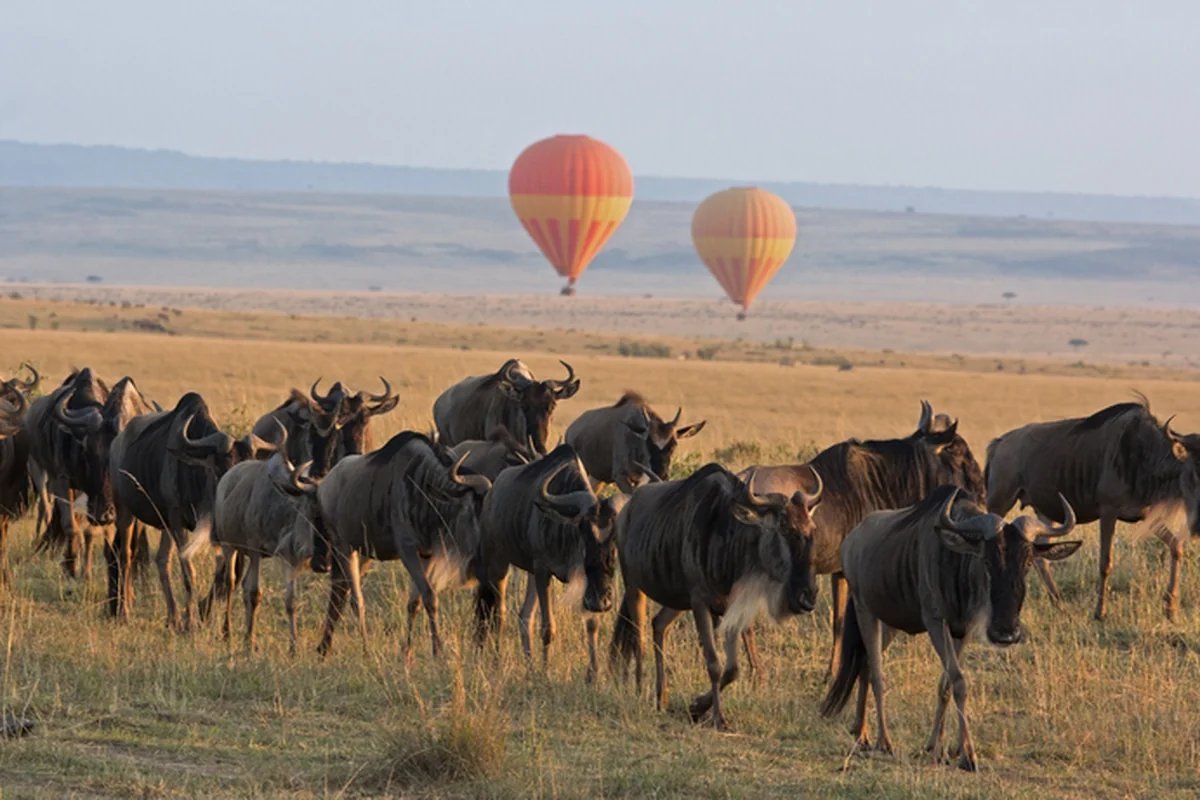
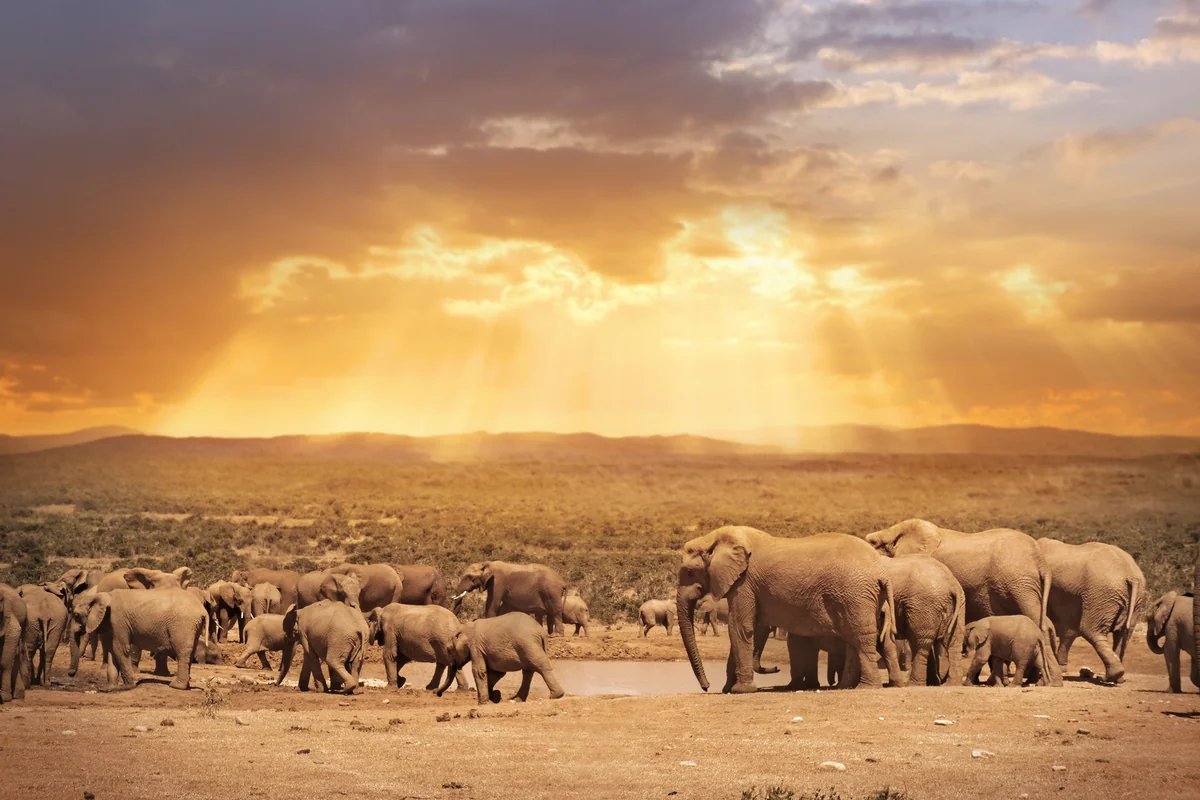
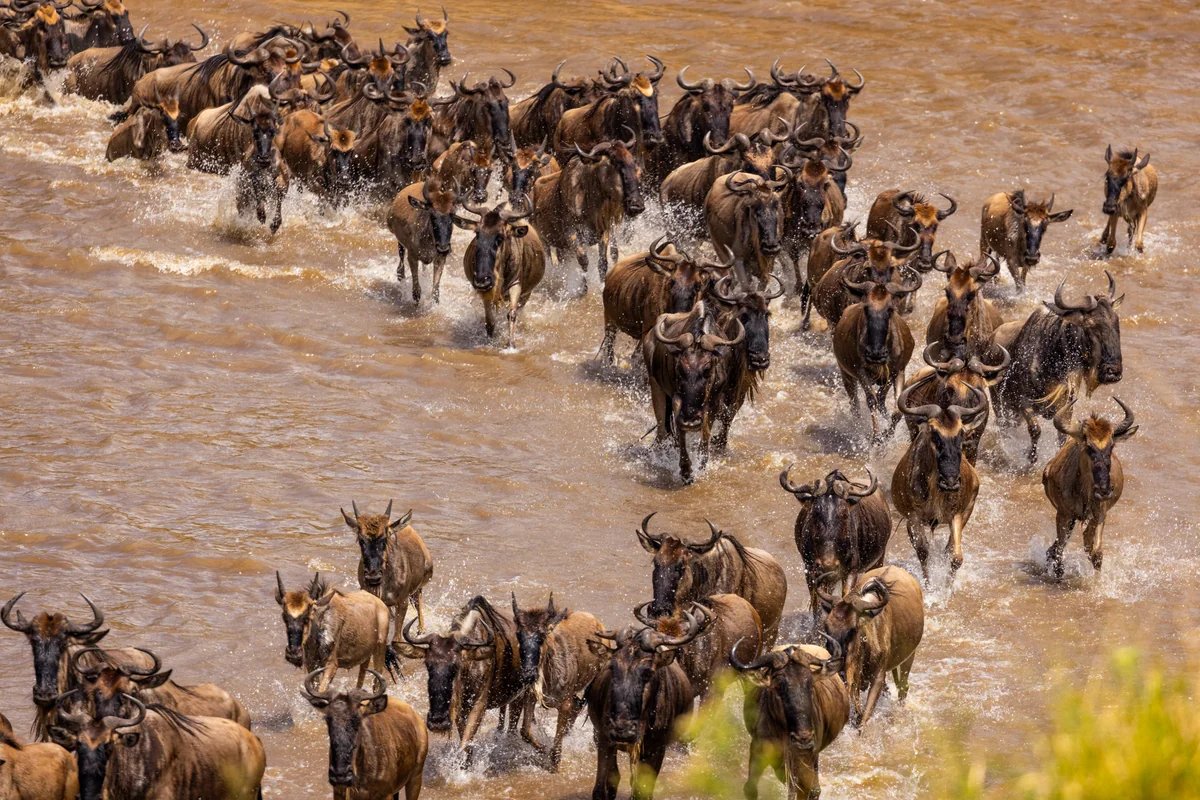
The appeal is clear: where the Black Forest and Bavarian Alps offer serene beauty, the African savanna delivers raw, visceral wildlife theatre. Lions stalking through golden grass at sunrise, elephants crossing rivers beneath storm clouds, and the thundering hooves of two million wildebeest in the Great Migration — this is the Große Tierwanderung that draws German travelers year after year.
Logistically, Germany enjoys a decisive advantage: direct flights from Frankfurt (FRA) to Johannesburg (JNB) in just 10 hours 40 minutes — the fastest route from Europe to Africa's premier safari gateway. Lufthansa, Condor, and South African Airways operate daily non-stop service, eliminating the connections that plague travelers from North America or Asia. Add visa-free entry to South Africa for German passport holders (up to 90 days), and the path from your doorstep to the Big Five is remarkably smooth.
For the sustainability-conscious German traveler, Africa's leading safari operators now prioritize eco-certified lodges, community-based tourism, and conservation-led experiences — aligning perfectly with the values that define the German market.
Choosing Your Safari Destination from Germany
The first strategic decision: East Africa or Southern Africa? Each offers distinct wildlife experiences, logistics, and atmospheres. Here's the breakdown for German travelers:
| Factor | East Africa (Kenya & Tanzania) | Southern Africa (SA, Botswana, Zambia) |
|---|---|---|
| Signature Experience | Große Tierwanderung (2 million wildebeest), Maasai culture, classic tented camps | Big Five density, luxury lodges, water safaris (Okavango Delta), Victoria Falls |
| Best For | First-timers, migration timing (July–Oct), authentic bush immersion | Repeat safari-goers, families (malaria-free zones in SA), Cape Town wine combos |
| Flight Time from Germany | 11–13 hrs to Nairobi (direct or 1 stop via Middle East) | 10h 40min FRA → JNB direct (Lufthansa daily), then regional connections |
| Visa (Germans) | Kenya: eTA ($51 USD online, 3 days); Tanzania: e-Visa ($100 USD, 7 days) | South Africa: visa-free 90 days; Botswana: visa-free 90 days |
| Malaria | Prophylaxis essential for Serengeti, Masai Mara (especially wet season) | Varies: Kruger yes; Eastern Cape (Addo, Shamwari) malaria-free year-round |
| Luxury Budget (7–10 days) | €9,000–€13,000 pp (all-in) | €8,000–€12,500 pp (SA lower; Botswana higher) |
| Sustainability Focus | Community conservancies (Maasai Mara), carbon-offset programs | Rhino conservation (SA private reserves), solar-powered lodges (Botswana) |
The Verdict: If it's your first safari and witnessing the Große Tierwanderung (Great Migration) is non-negotiable, choose East Africa (Serengeti & Masai Mara) and time your trip for July–October. If you want year-round Big Five reliability, direct 10-hour flights, visa-free entry, and the option to combine safari with Cape Town's wine country, choose Southern Africa (Sabi Sands or Kruger). For the ultimate water-based adventure and exclusive wilderness, Botswana's Okavango Delta reigns supreme.
Flight Logistics from Germany: Frankfurt's Direct Advantage
German travelers enjoy the best flight connectivity in Europe to Africa's safari gateways. Here's the strategic breakdown:
Frankfurt (FRA) — Germany's Safari Gateway
- To Johannesburg (South Africa): DIRECT 10h 40min — Lufthansa (LH), Condor (DE), South African Airways (SA) operate daily non-stop flights. This is the fastest route from Europe to Africa's premier safari hub.
- To Cape Town (South Africa): Direct options via Lufthansa and Condor (11h 30min) — ideal for combining Western Cape with safari
- To Nairobi (Kenya): Direct via Lufthansa or Kenya Airways (8h 30min) OR via Doha/Dubai (Emirates, Qatar Airways, 11–13 hrs total)
- To Kilimanjaro (Tanzania): Via Amsterdam (KLM, 12–14 hrs) or direct seasonal charters during peak migration season
Other German Hubs
- Munich (MUC): Via Frankfurt or Zurich; add 2–3 hours to total journey time
- Düsseldorf/Hamburg/Berlin: Connect via Frankfurt (most efficient) or Amsterdam/London; budget extra 3–4 hours
Cost Reality: Expect €700–€1,400 per person roundtrip in economy (direct Frankfurt flights); €3,500–€6,000 in business class. Book 6–8 months ahead for best fares. Peak season (June–October) and last-minute bookings push prices higher. International flights typically account for 20–35% of your total safari budget — lower than North American travelers due to direct routing.
Time Zone Advantage: South Africa is only 1–2 hours ahead of CET (Central European Time); Kenya/Tanzania are 2–3 hours ahead. Minimal jet lag compared to long-haul Asian or American routes. Most German travelers arrive refreshed and safari-ready within hours of landing.
Safari Costs from Germany: Budget Breakdown in EUR
Safari pricing can be opaque. Here's the transparent breakdown for German travelers, covering three tiers with EUR context (based on current €1 = $1.09 USD exchange rate):
| Budget Tier | Per Person/Day (USD) | 7-Day Total (EUR estimate)* | What You Get |
|---|---|---|---|
| Budget | $200–$350 | €4,800–€7,000 | Overland travel, basic tented camps, shared game drives, park fees, meals. Flights extra. |
| Mid-Range | $350–$600 | €7,500–€10,500 | Permanent tented camps, private 4x4s, some bush flights, all meals, park fees, laundry. Flights extra. |
| Luxury/Ultra-Luxury | $600–$2,500+ | €11,000–€25,000+ | Private concessions, 5-star lodges (andBeyond, Singita, Wilderness), bush flights, private guides, all-inclusive + premium drinks, spa treatments. |
*Includes accommodation, meals, game drives, park fees, and internal flights. International flights (€700–€1,400) add 20–35% to total. EUR estimates based on €1 = $1.09 USD.
Hidden Costs German Travelers Often Overlook
- Visas: Kenya eTA (€47), Tanzania e-Visa (€92); South Africa visa-free
- Travel Insurance: €130–€250 for 7–10 days (mandatory — air ambulance from bush camps can exceed €45,000)
- Malaria Prophylaxis: €70–€130 for 2-week supply (Malarone, doxycycline); consult travel clinic 6–8 weeks pre-departure
- Tips/Gratuities: €18–€28 per person/day (guides, trackers, lodge staff) — budget €200–€300 for 10-day safari
- Yellow Fever Vaccination: €60–€90 (required if transiting through Kenya/Tanzania to other African nations)
- Drinks: Budget lodges exclude alcohol; mid-range includes house wines/beers; luxury all-inclusive covers premium drinks
Payment Schedules & German Banking
Luxury lodges typically require:
- 25–30% deposit upon booking (secures dates)
- 50% payment at 90 days before arrival
- Final balance at 60 days (often non-refundable after this point)
Most operators accept SEPA bank transfers (preferred for German clients to avoid forex fees), credit cards (3–4% surcharge common), or PayPal. Confirm EUR invoicing to lock exchange rates.
Best Time for German Travelers: Trockenzeit vs. Regenzeit
Safari timing dictates wildlife sightings, costs, and crowd levels. Here's the seasonal breakdown aligned with German holiday calendars:
Peak Season: June–October (Trockenzeit — Dry Season)
- Wildlife: Peak game viewing — animals concentrate around permanent water sources; sparse vegetation = easier spotting
- Great Migration: July–September river crossings in Serengeti/Masai Mara (book 12+ months ahead)
- Weather: Warm days (20–26°C), cool mornings/evenings (10–15°C); minimal rain; dusty conditions
- Crowds: Highest visitor numbers, especially August (German summer holidays)
- Pricing: Peak rates — expect 30–50% premiums vs. green season
- German Holiday Alignment: Perfect for Sommerferien (July–August) and Herbstferien (October)
Shoulder Season: May & November
- Wildlife: Still excellent; migration transitions in May (calving season in southern Serengeti)
- Weather: May = short rains taper off; November = short rains begin; lush landscapes, dramatic skies
- Crowds: Moderate — lodges less crowded than peak months
- Pricing: 15–25% lower than peak; excellent value for flexible travelers
- Pfingstferien (May): Ideal window for German families seeking lower prices + good weather
Green Season: December–April (Regenzeit — Wet Season)
- Wildlife: Serengeti calving season (Jan–Feb) = predator action; Okavango Delta floods peak (Mar–May); birdwatching paradise
- Weather: Afternoon thunderstorms common (90 min duration); mornings often clear; lush, photogenic landscapes
- Crowds: Lowest visitor numbers (except Christmas/New Year week)
- Pricing: 30–40% lower than peak — best value period
- German Holiday Alignment: Weihnachtsferien (Christmas) and Osterferien (Easter) — book early for these weeks as they fill despite being wet season
Verdict for German Travelers: First safari? Book July–September for guaranteed Great Migration drama and peak Big Five sightings. Budget-conscious? Choose January–March for 40% savings, dramatic green landscapes, and predator-rich calving season. Flexible? May or November shoulder months offer the best balance of weather, wildlife, value, and fewer crowds.
Visa & Entry Requirements for German Passport Holders
German passport holders enjoy streamlined entry across all major safari destinations:
South Africa — Visa-Free Entry
- Duration: Up to 90 days visa-free for tourism/business
- Requirements: Passport valid 30+ days beyond departure date + minimum 2 blank pages; return/onward ticket; proof of sufficient funds (credit card acceptable)
- Processing: Arrival stamp granted at immigration — no advance application needed
- Extensions: Not permitted; must exit and re-enter for fresh 90-day window
Kenya — Electronic Travel Authorization (eTA)
- Cost: $51 USD (approx. €47) — online payment via credit/debit card
- Application: Apply at www.etakenya.go.ke 3–7 days before departure
- Requirements: Passport scan (6+ months validity, 1 blank page), passport photo, itinerary, accommodation booking, travel insurance (min. $50,000 USD coverage)
- Processing: 3 working days standard; approved eTA sent via email (print copy + save on phone)
- Validity: 90 days from issue date; single entry
Tanzania — e-VisaRequired
- Cost: $100 USD (approx. €92) — online payment
- Application: Apply at www.immigration.go.tz 7–10 days before departure (advance application strongly recommended; visa-on-arrival increasingly restricted)
- Requirements: Passport scan (6+ months validity), passport photo (JPEG), return flight ticket, first-night accommodation confirmation
- Processing: 5–10 working days; approved e-Visa emailed (print copy required for immigration)
- Zanzibar Insurance: Separate mandatory insurance (Zanzibar Insurance Corporation) required for Zanzibar visits — purchased on arrival or online
Botswana & Zambia — Visa-Free Entry
- Botswana: 90 days visa-free for German passport holders
- Zambia: Visa-on-arrival available ($50 USD single entry, $80 USD double entry for Victoria Falls day trips to Zimbabwe); e-visa option also available online
Yellow Fever Certificate
Required if transiting through Yellow Fever endemic countries (e.g., Ethiopia, Uganda) en route to your safari destination. Not required for direct flights Germany → South Africa/Kenya/Tanzania. Vaccination valid 10 days after dose and lasts lifetime. Cost: €60–€90 at German travel clinics (Tropeninstitut).
Health Preparation for German Travelers
Travel Clinic Consultation (6–8 Weeks Before Departure)
Visit a German travel medicine specialist (Tropeninstitut or Reisemedizin clinic in major cities) for:
- Malaria Prophylaxis Prescription: Essential for Kruger, Serengeti, Masai Mara, Okavango Delta (especially November–May wet season)
- Vaccination Review: Routine vaccines (Tetanus, Hepatitis A/B); Yellow Fever if transiting endemic zones
- Medical Advice: Altitude sickness (Ngorongoro Crater 2,400m), sun protection (UV index 10+), water safety
Malaria Prophylaxis Options
| Medication | Dosage | Cost (EUR) | Notes |
|---|---|---|---|
| Malarone (Atovaquone/Proguanil) | 1 tablet daily; start 1 day before, continue 7 days after | €70–€130 (2 weeks) | Most popular; minimal side effects; prescription required in Germany |
| Doxycycline | 1 tablet daily; start 1 day before, continue 28 days after | €30–€60 (2 weeks) | Cheaper option; photosensitivity risk (use SPF 50+); prescription required |
| Mefloquine (Lariam) | 1 tablet weekly; start 2 weeks before, continue 4 weeks after | €40–€80 | Psychiatric side effects possible; less commonly prescribed now; prescription required |
Malaria-Free Safari Options
For German families with young children or travelers avoiding prophylaxis:
- Eastern Cape, South Africa: Shamwari, Kwandwe, Addo Elephant Park — malaria-free year-round, Big Five present
- Madikwe & Pilanesberg, South Africa: Malaria-free; 3-hour drive from Johannesburg
- Winter Months (June–August): Malaria risk significantly reduced even in endemic zones due to cooler, dry conditions
Travel Insurance (Mandatory)
Comprehensive travel insurance covering medical evacuation is non-negotiable. Air ambulance from remote bush camps can exceed €45,000. Reputable German providers:
- ADAC Auslandskrankenversicherung
- HanseMerkur Reiseversicherung
- Allianz Travel Insurance
- Cost: €130–€250 for 7–10 days
- Coverage Must Include: Medical evacuation (min. €100,000), emergency hospitalization, trip cancellation/interruption (luxury safari deposits often non-refundable 60–90 days out), baggage loss
Curated Safari Packages for German Travelers
We've hand-selected safari packages that align with German traveler preferences: sustainability focus, authentic wilderness immersion, and seamless logistics from Frankfurt. All packages include accommodation, meals, game drives, park fees, and internal flights unless noted.
🦁 Classic Serengeti Migration Safari (8 Days)
Itinerary: Arusha → Central Serengeti (4 nights) → Northern Serengeti (3 nights) → Arusha
Highlights: Witness the Große Tierwanderung river crossings (July–Sept), Big Five tracking, Maasai cultural visit, hot air balloon safari
Lodges: Four Seasons Safari Lodge Serengeti + andBeyond Klein's Camp
Price: From €9,200 per person (twin share, excluding flights)
Best For: First-time safari-goers; July–October peak migration timing
View Full Itinerary →
🐘 Ultimate Okavango Delta Water Safari (7 Days)
Itinerary: Maun → Moremi Game Reserve (3 nights) → Private Concession (3 nights) → Maun
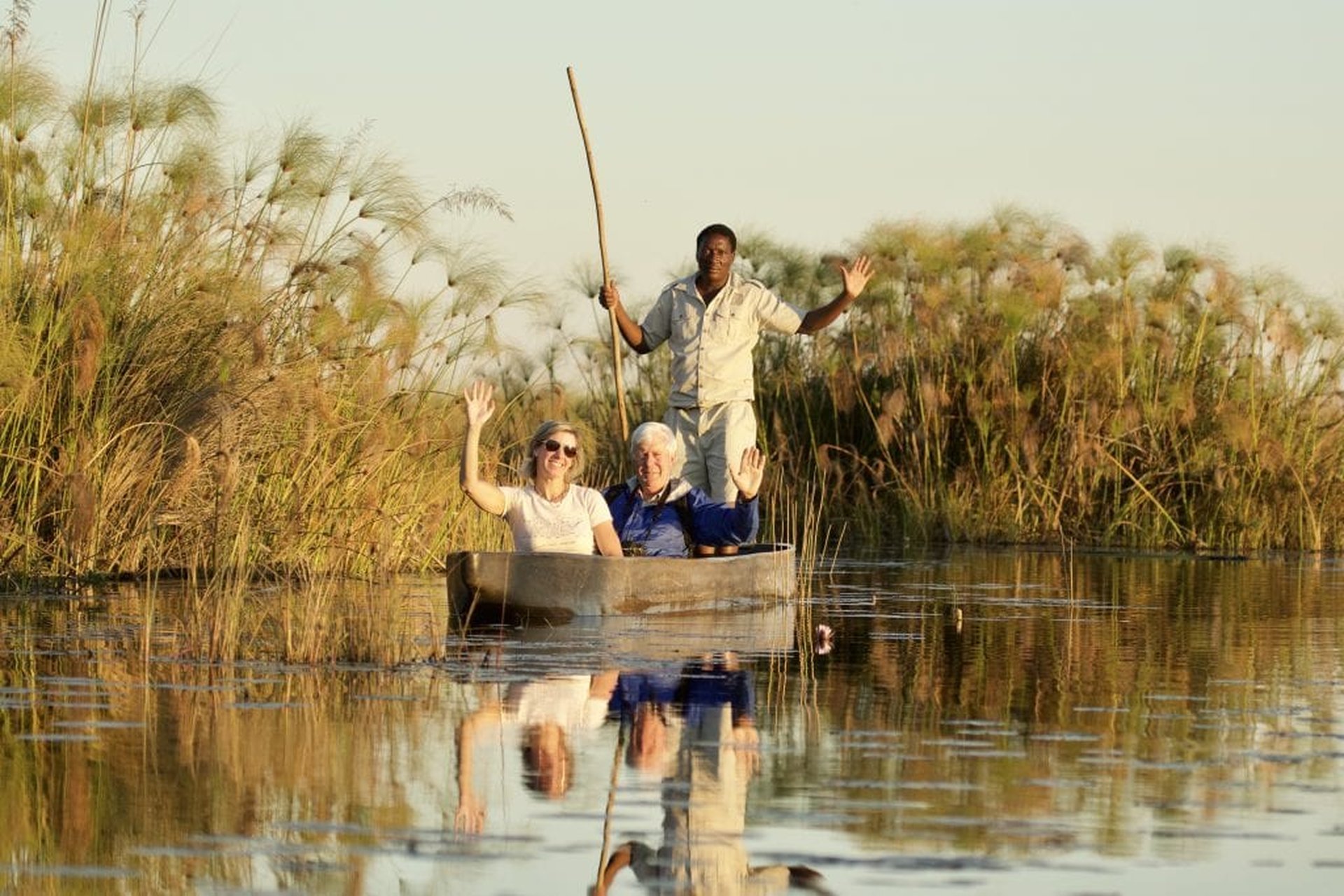
Highlights: Mokoro canoe safaris, walking safaris, seasonal flooding (May–Sep), exclusive wilderness camps (max 16 guests)
Lodges: Wilderness Mombo Camp + Belmond Eagle Island Lodge
Price: From €11,500 per person (twin share, excluding flights)
Best For: Repeat safari travelers seeking exclusive water-based adventure; sustainability-focused lodges
View Full Itinerary →
🦏 Sabi Sands Big Five Luxury (6 Days)
Itinerary: Johannesburg → Sabi Sands Private Reserve (5 nights) → Johannesburg
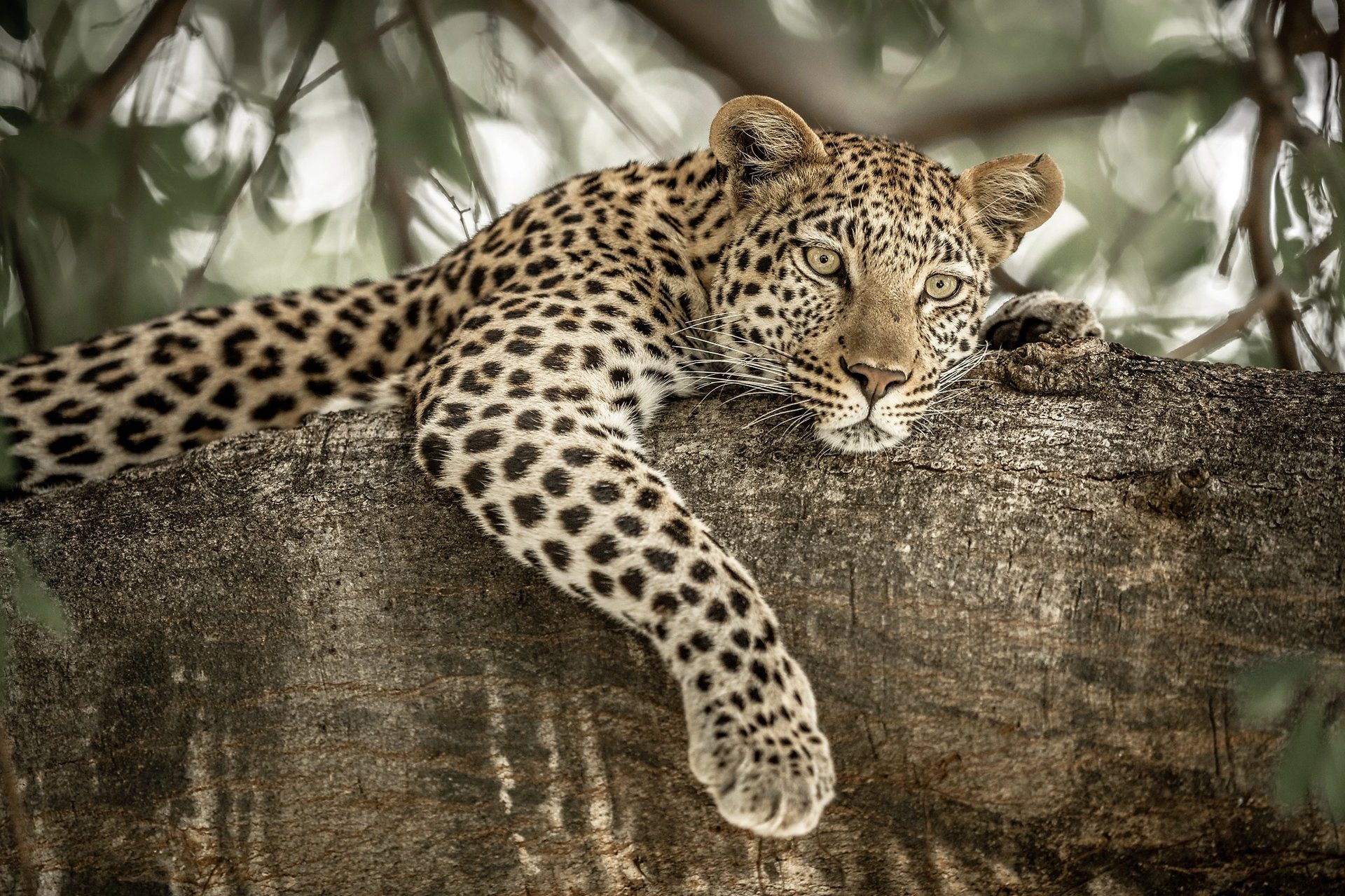
Highlights: Guaranteed Big Five sightings, world's best leopard viewing, private game drives, bush walks, spa treatments
Lodges: Singita Boulders Lodge OR Londolozi Tree Camp
Price: From €8,700 per person (twin share, excluding flights)
Best For: Year-round reliability; direct 10h 40min FRA–JNB flights; visa-free entry; combine with Cape Town wine country
View Full Itinerary →
🌍 Grand East Africa Circuit (12 Days)
Itinerary: Nairobi → Masai Mara (3 nights) → Serengeti (4 nights) → Ngorongoro Crater (2 nights) → Zanzibar (2 nights) → Nairobi
Highlights: Cross-border migration experience, Ngorongoro Crater (UNESCO World Heritage), beach extension, cultural encounters
Lodges: andBeyond Kichwa Tembo + Four Seasons Serengeti + Ngorongoro Crater Lodge + Zuri Zanzibar
Price: From €13,800 per person (twin share, excluding international flights)
Best For: Comprehensive first safari; July–October; combines bush + beach
View Full Itinerary →
Booking Timeline for German Travelers
Luxury safari logistics require advance planning. Here's the optimal timeline from booking to departure:
12–15 Months Before (For Peak Season July–October)
- Reserve Lodge Accommodation: Top camps in Sabi Sands, Serengeti, and Okavango Delta (8–12 rooms) fill 12+ months ahead for migration season
- Pay Initial Deposit: Typically 25–30% of total safari cost
- Lock In Rates: Request EUR invoicing to avoid forex fluctuation risk
8–10 Months Before
- Book International Flights: Frankfurt–Johannesburg or Frankfurt–Nairobi; expect €700–€1,400 economy if booked this far out (vs. €2,000+ last-minute)
- Consider Business Class: Lufthansa/SAA long-haul comfort worth considering for 10+ hour direct flights (€3,500–€6,000)
6–8 Weeks Before
- Visit Travel Clinic: Malaria prophylaxis prescription, vaccination review, Yellow Fever cert if needed
- Purchase Travel Insurance: Comprehensive coverage including medical evacuation (€130–€250)
- Start Malaria Medication: Malarone 1 day before; doxycycline 1 day before; Mefloquine 2 weeks before
3–4 Weeks Before
- Apply for E-Visas: Kenya eTA (3–7 days), Tanzania e-Visa (7–10 days)
- Final Payment: Remaining safari balance due (typically 60 days before; often non-refundable after this point)
- Confirm Flight Seats: Online check-in opens 24 hours before; select seats for long-haul comfort
1 Week Before
- Print Documents: E-visa approvals, flight confirmations, safari vouchers, insurance policy, Yellow Fever certificate (if applicable)
- Pack Smart: Soft-sided luggage (15kg limit for bush flights), neutral clothing, camera gear, sun protection
- Currency: Carry small USD cash ($100–$200 in $1, $5, $10 bills for tips); most lodges accept credit cards for extras
Packing Essentials for German Travelers
Bush flights impose strict luggage limits: 15kg (33 lbs) per person in soft-sided duffel bags (no hard-shell suitcases). Pack strategically:
Clothing (Neutral Colors — Khaki, Olive, Beige)
- Long-Sleeve Shirts: 3–4 lightweight, breathable (sun/mosquito protection)
- Zip-Off Pants: 2 pairs (convert to shorts; avoid jeans — too hot)
- Fleece/Light Jacket: Mornings drop to 10–15°C even in summer
- Wide-Brimmed Hat: UV protection essential (index 10+ in Africa)
- Closed-Toe Shoes: Comfortable walking shoes or hiking boots (no flip-flops on game drives)
- Sandals: For lodge downtime
- Swimsuit: Many luxury lodges have plunge pools
Health & Protection
- Sunscreen SPF 50+: High-altitude sun (Ngorongoro 2,400m) burns fast
- DEET 30%+ Insect Repellent: Malaria prevention essential
- Malaria Prophylaxis: Full course plus 7–28 days post-trip (medication-dependent)
- First-Aid Kit: Bandages, antiseptic, anti-diarrhea tablets, pain relievers
- Prescription Medications: Carry in original packaging with doctor's letter (German/English)
Photography & Optics
- Camera + Telephoto Lens: 200–400mm ideal for wildlife (animals often 20–50m away)
- Binoculars: 10x42 recommended (lodges often provide, but personal pair ensures availability)
- Extra Batteries/Memory Cards: Charging opportunities limited in remote bush camps
- Dust Protection: Lens cleaning kit essential (African dust penetrates everything)
Electronics & Adapters
- Universal Power Adapter: Type M (South Africa — 3 large round pins), Type G (Kenya/Tanzania — 3 rectangular pins)
- Portable Charger: 10,000+ mAh for phones/cameras (bush camps may have limited electricity hours)
- Headlamp/Flashlight: Essential for navigating camps at night (no ambient light in bush)
Documents & Money
- Passport: Validity 6+ months beyond return date; minimum 2–4 blank pages
- Printed Copies: E-visas, flight confirmations, safari vouchers, insurance policy, Yellow Fever cert
- USD Cash: $100–$200 in small bills ($1, $5, $10) for tips/gratuities
- Credit Cards: Visa/Mastercard widely accepted (inform bank of Africa travel to avoid fraud blocks)
What to Leave Behind
- Bright Colors: No white, red, or blue clothing (startles wildlife; attracts tsetse flies)
- Hard-Shell Luggage: Won't fit in bush planes; use soft duffel bags
- Excessive Toiletries: Luxury lodges provide shampoo, soap, lotion (save weight)
- Camouflage Clothing: Illegal in some African countries (associated with military)
Sustainable Safari Choices for German Travelers
German travelers consistently prioritize eco-conscious travel. Africa's leading safari operators now offer:
- Carbon-Offset Programs: Many lodges partner with verified carbon credit schemes; ask operators about offsetting flight emissions
- Solar-Powered Camps: andBeyond, Wilderness Safaris, Great Plains operate 100% solar lodges in Botswana/Kenya
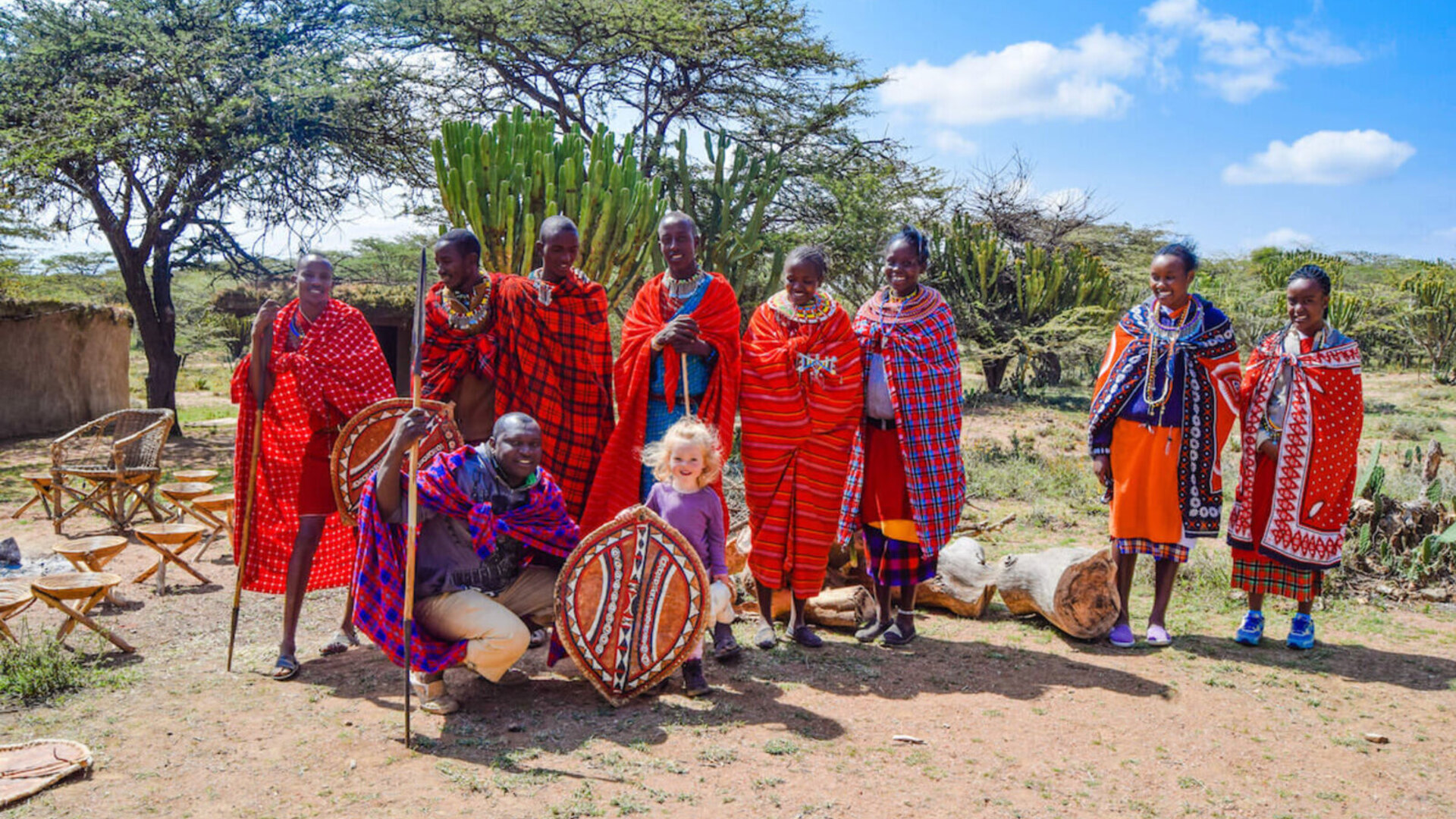
- Community Conservancies: Your lodge fees directly fund anti-poaching, education, healthcare for local Maasai/San communities
- Wildlife Conservation: Luxury lodge premiums fund rhino protection (South Africa), elephant collaring (Kenya), wild dog research (Botswana)
- Low-Density Tourism: Private concessions limit bed numbers (often 8–16 guests total) to minimize ecological impact
German Certification to Look For: Many top lodges hold Travelife Gold or Fair Trade Tourism certifications — recognized sustainability standards. Request operators to confirm lodge credentials.