Key Takeaways
- A true all-inclusive Botswana safari bundles your camp, all meals, most drinks, twice-daily guided activities, park and concession fees, laundry and the light-aircraft flights between camps into one nightly rate — you rarely open your wallet again once you land.
- Botswana runs a deliberate low-volume, high-value model: fewer beds, vast private concessions and few vehicles at a sighting. It is not the cheapest safari, but it is among the most exclusive and uncrowded on the continent.
- Expect roughly US$350–US$550pp per night at value mobile and entry camps, US$600–US$1,100pp at classic mid-tier camps, US$1,500–US$2,000pp at luxury camps and US$3,000–US$4,000pp at ultra-premium icons like Mombo and Zarafa — all fully inclusive.
- The classic route pairs the water world of the Okavango Delta with the elephant herds of Chobe and, ideally, a contrasting third region — the wild-dog concessions of the Linyanti/Selinda or the surreal Kalahari salt pans.
- The prime dry season is May–October, when receding water concentrates wildlife; book 9–12 months ahead for July–September, as the best camps sell out far in advance.
What an “All-Inclusive Botswana Safari” Actually Means
Few phrases in travel are as abused as “all-inclusive.” On a beach holiday it might mean watered-down cocktails and a buffet; on a Botswana safari it means something far closer to its literal sense. Botswana pioneered the fully inclusive, fly-in safari model, and it remains the gold standard. When we quote you an all-inclusive rate for a camp in the Okavango Delta or Chobe, that single per-person figure typically covers your luxury accommodation, all meals, most drinks (including house wines, spirits and beers), twice-daily guided activities, park and concession fees, laundry, and — crucially — the light-aircraft flights that carry you between camps deep in the wilderness.
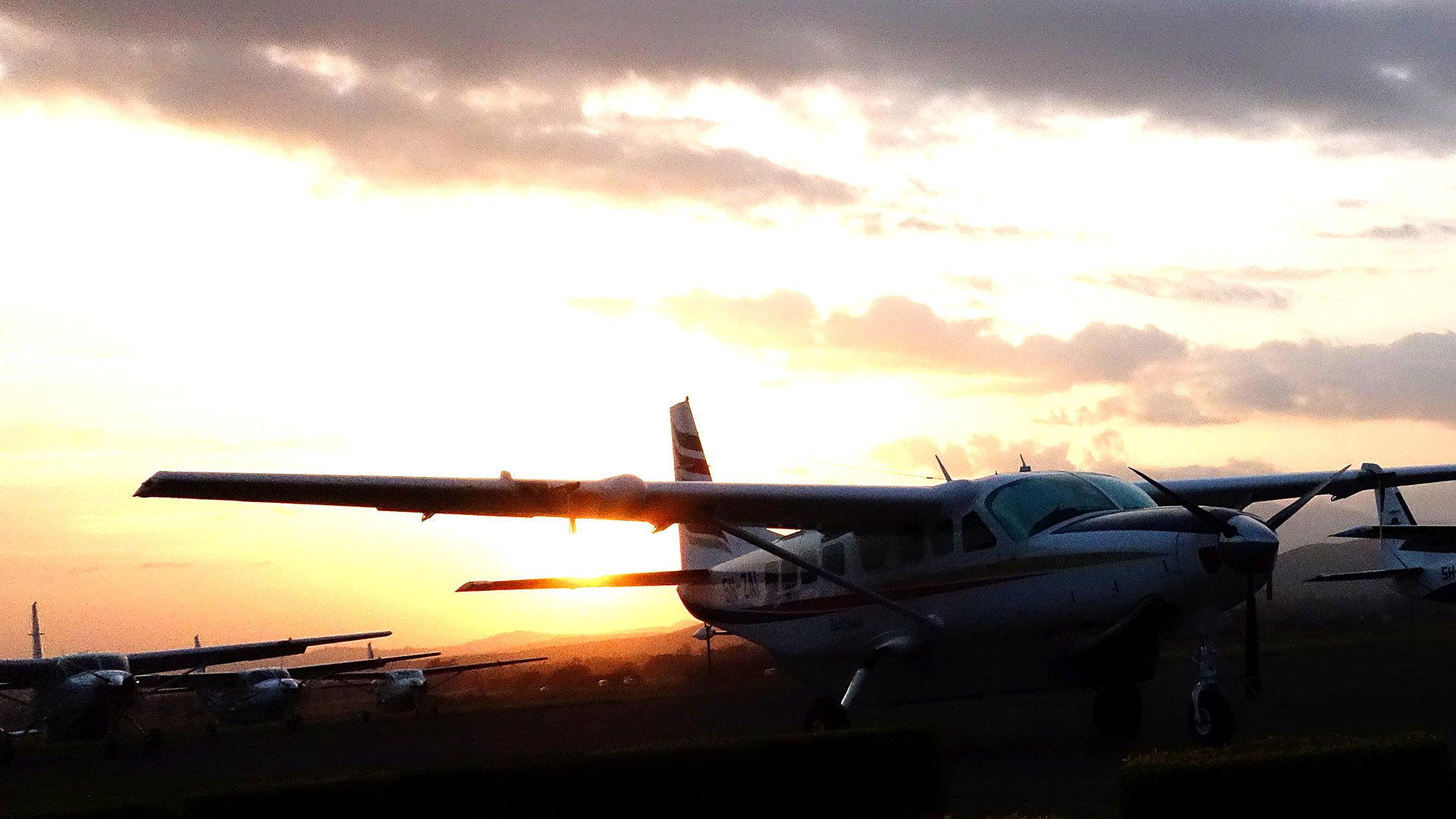
This matters more in Botswana than almost anywhere else, because the country is roadless where it counts. The great camps sit on private concessions and islands reachable only by a small Cessna or a boat. Once you touch down at your first airstrip, the logistics simply dissolve: a guide meets you, your bags are handled, and every transfer, meal and game drive for the rest of your stay is already paid for. You arrive, you exhale, and the wilderness takes over. It is the antithesis of the nickel-and-dimed holiday, and it is the single biggest reason discerning travellers choose Botswana. For the bigger picture on what a trip costs, see our Botswana safari cost per day guide and our overview of the best Botswana safari lodges and camps.
What’s Included — and What Isn’t
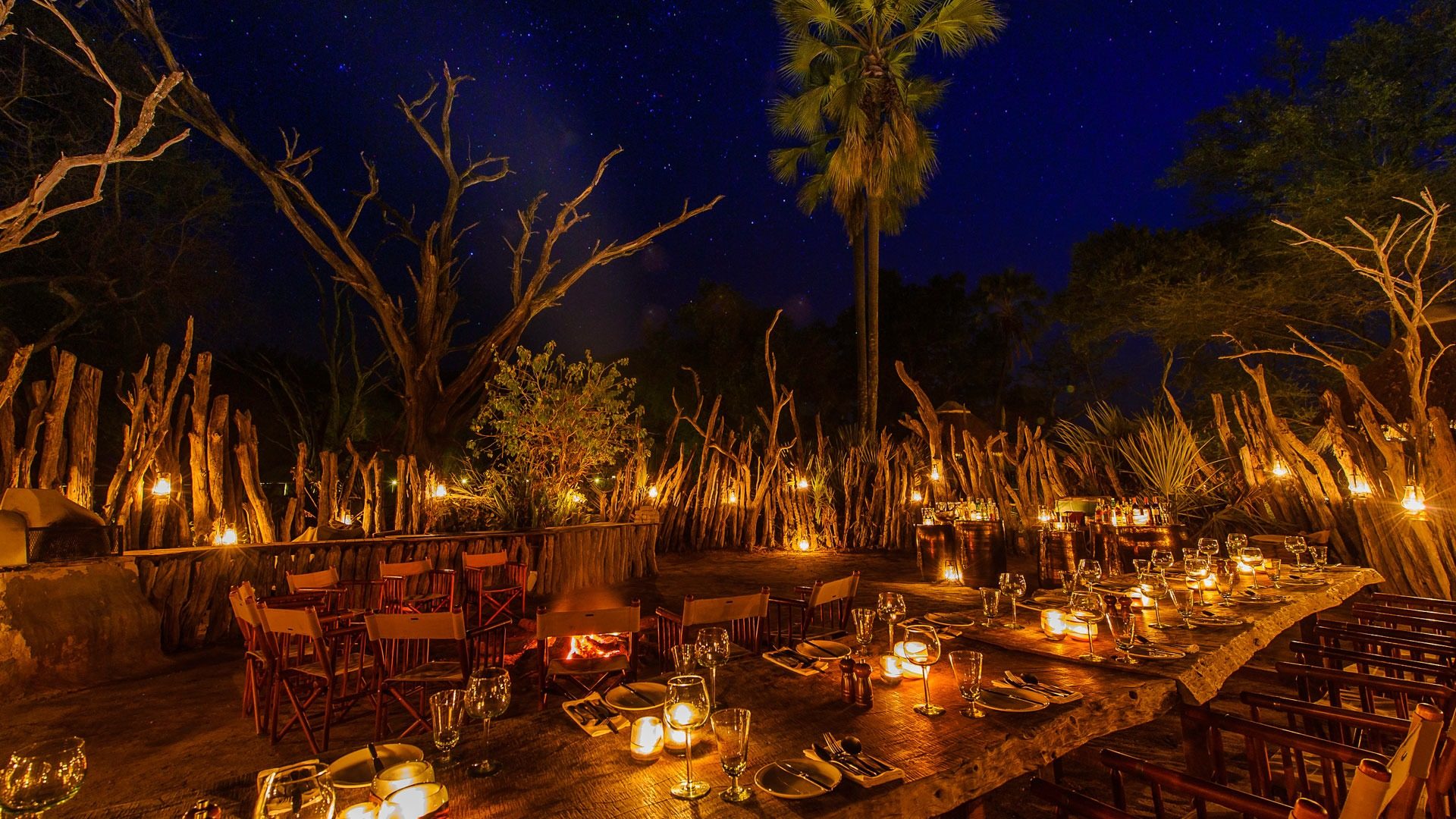
Almost always included: accommodation in an en-suite tented suite or chalet; all meals, from cooked breakfasts to bush dinners under the stars; most drinks; twice-daily activities (game drives, mokoro excursions, boat cruises, guided walks depending on the camp and season); park, reserve and concession fees; laundry; emergency medical evacuation cover; and the inter-camp light-aircraft flights on a standard fly-in itinerary.
Usually excluded: your international flights into Botswana (typically via Johannesburg, Cape Town, Kasane or Maun); Botswana visa or entry requirements where applicable; premium and vintage wines and champagnes; gratuities for guides and camp staff; curio purchases; and optional extras such as scenic helicopter flights, private guiding or specialist photographic vehicles. Travel insurance is essential and always your own responsibility. We spell out every inclusion and exclusion in writing before you book, so there are never surprises. First-timers should also read our first-time Botswana safari guide.
The Okavango Delta — The Jewel of Botswana
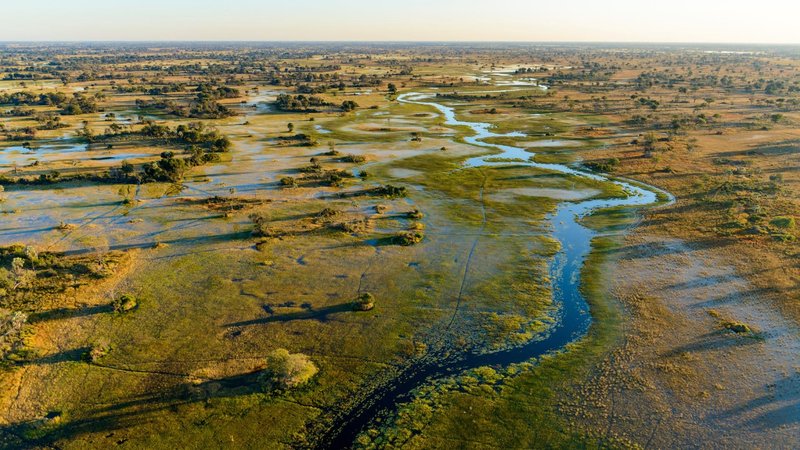
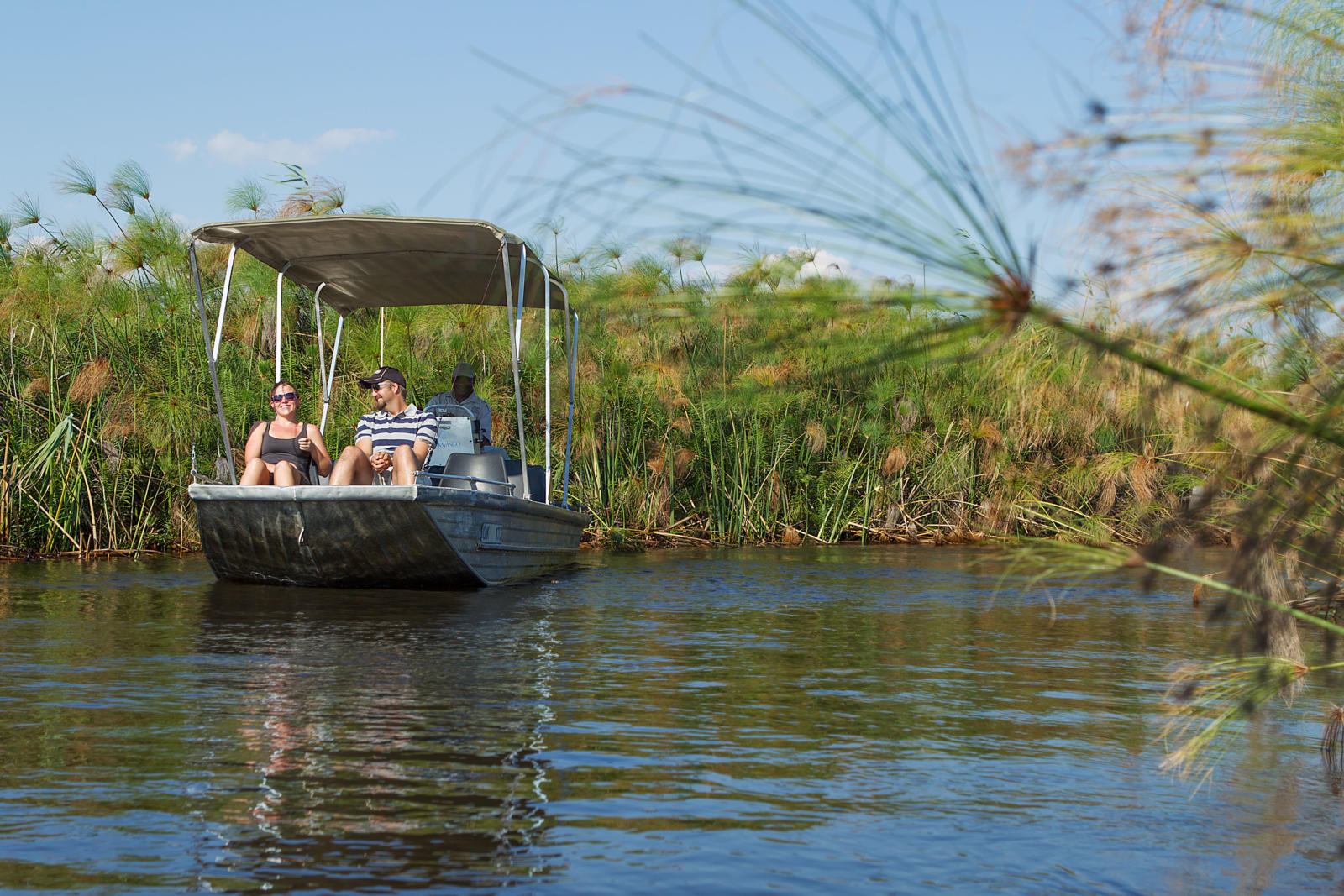
The Okavango Delta is the reason most people come to Botswana, and no photograph quite prepares you for it. Each year the Angolan rains swell the Okavango River and push a pulse of crystal water south into the Kalahari, where it fans out across 15,000 square kilometres of channels, lagoons and palm-dotted islands before evaporating into the desert air. The result is a UNESCO World Heritage wetland of staggering richness — elephant wading through lily-covered channels, lion on the islands, red lechwe exploding across the floodplain, and some of the finest leopard viewing on Earth. A safari here is uniquely dual-natured: water activities like mokoro (dugout canoe) glides and boat cruises when the flood is high, and classic 4x4 game drives on the islands and drier concessions.
The Delta is divided into private concessions and the public Moremi Game Reserve. The private concessions offer lower vehicle densities, night drives and off-road access; Moremi delivers classic Big Five game viewing in a public reserve. Our detailed Okavango Delta safari guide maps the whole mosaic. Below are four of the camps we return to again and again.
Mombo Camp — The “Place of Plenty” (from ~US$3,000–US$4,000pp/night)
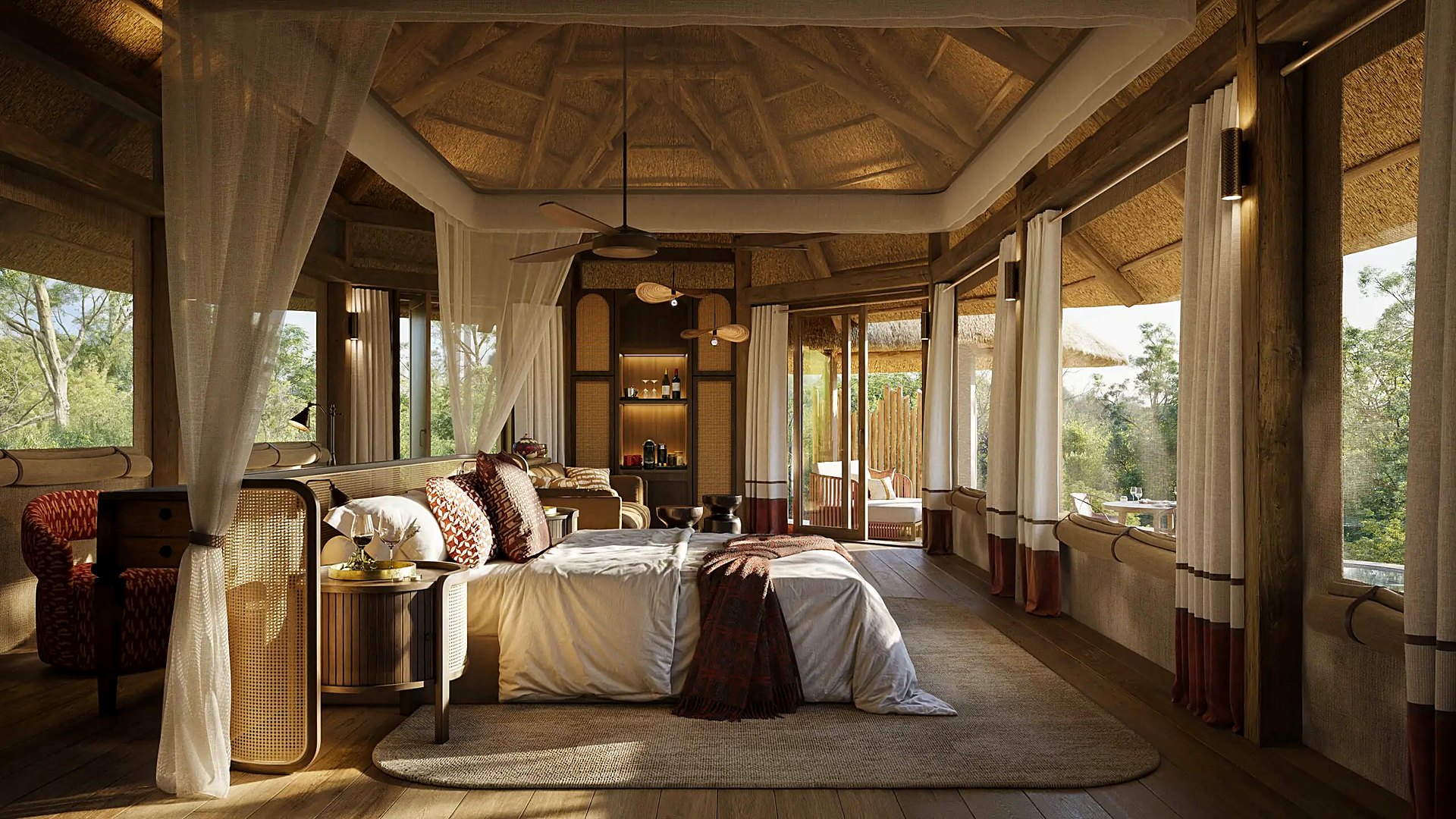
If Botswana has a single most famous camp, it is Mombo. Set on the northern tip of Chief’s Island in the private Mombo Concession, it is legendary for the sheer density of its wildlife — lion, leopard, cheetah, rhino and vast plains game concentrate here in numbers that have made it a wildlife-documentary icon. The camp itself is a masterpiece of raised, light-filled suites with private plunge pools, sweeping decks and a design that dissolves into the floodplain beyond. This is the ultra-premium end of Botswana, and it earns every dollar. Read more in our luxury Botswana safari guide.
Vumbura Plains — Contemporary Delta Luxury (from ~US$1,800–US$2,400pp/night)
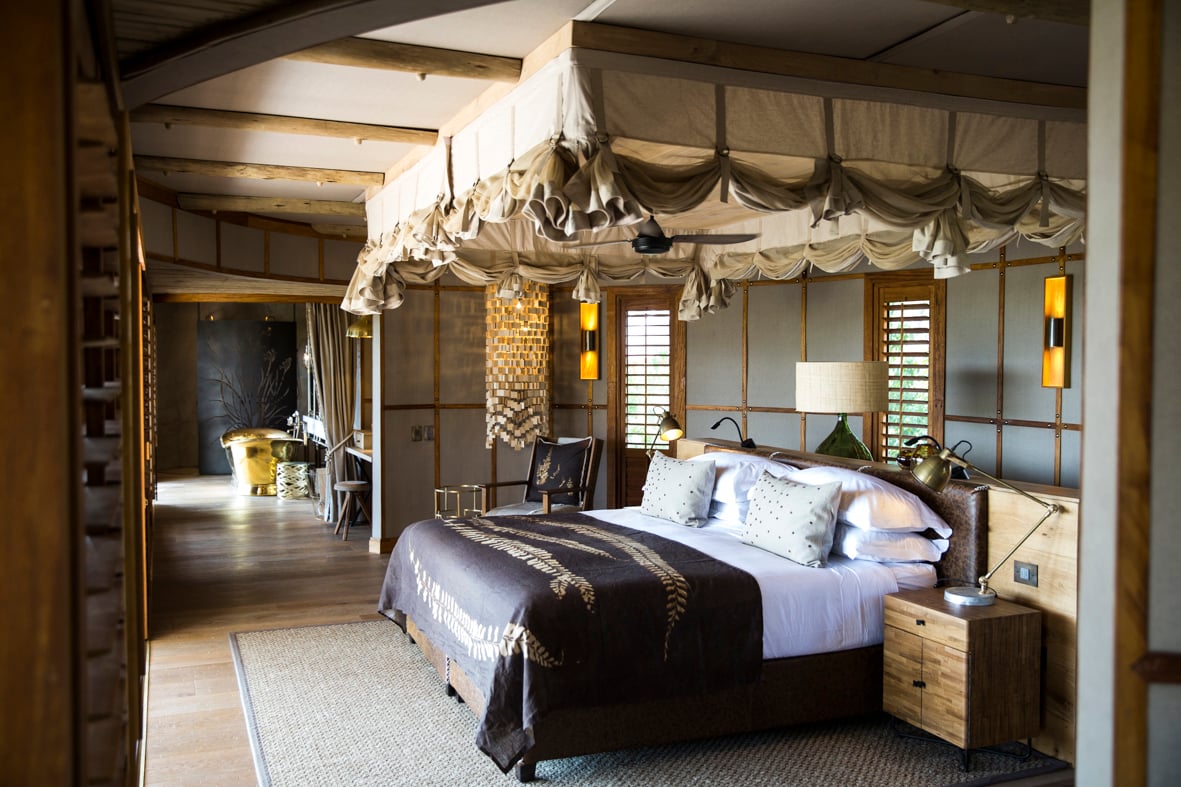
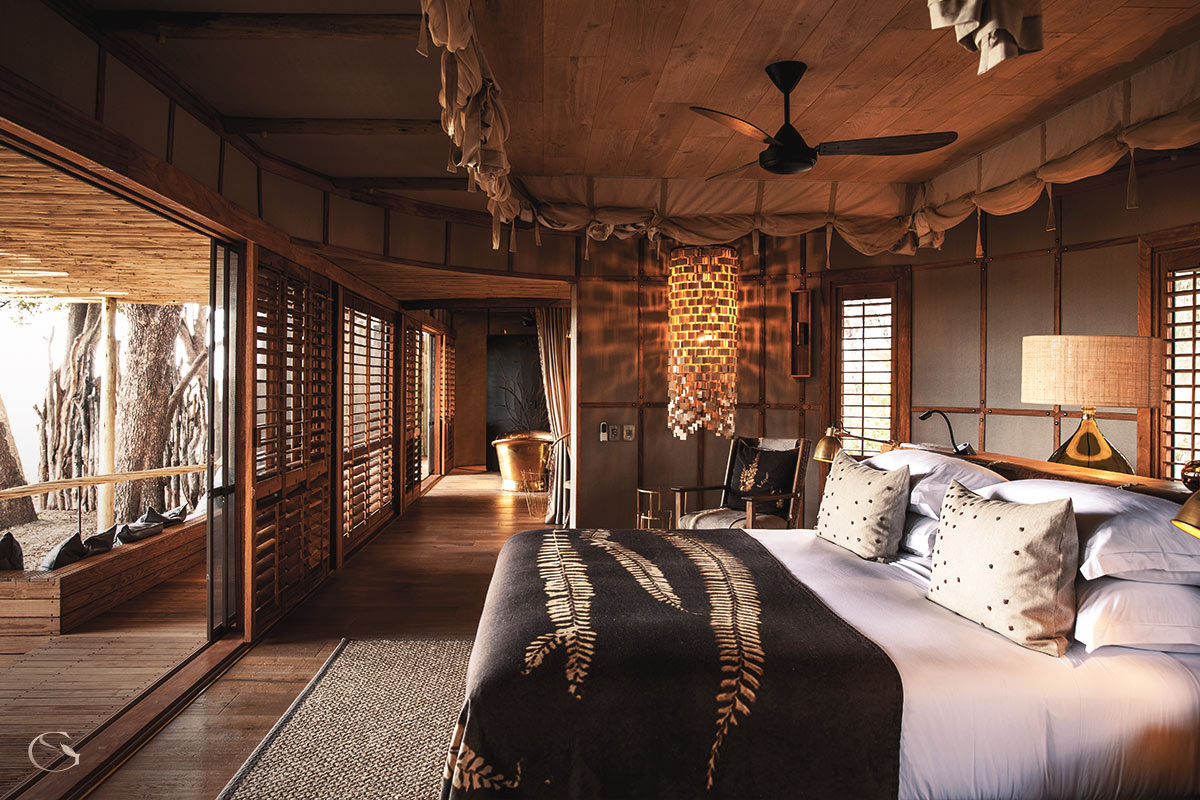
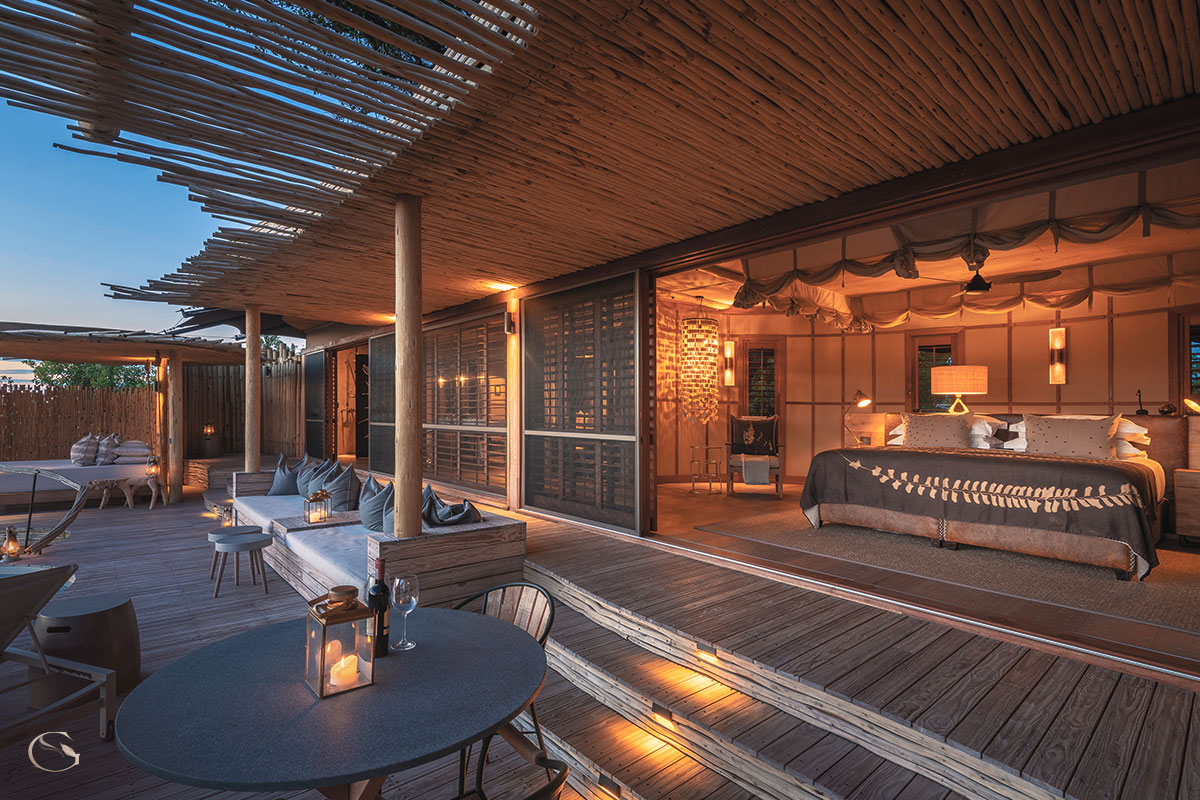
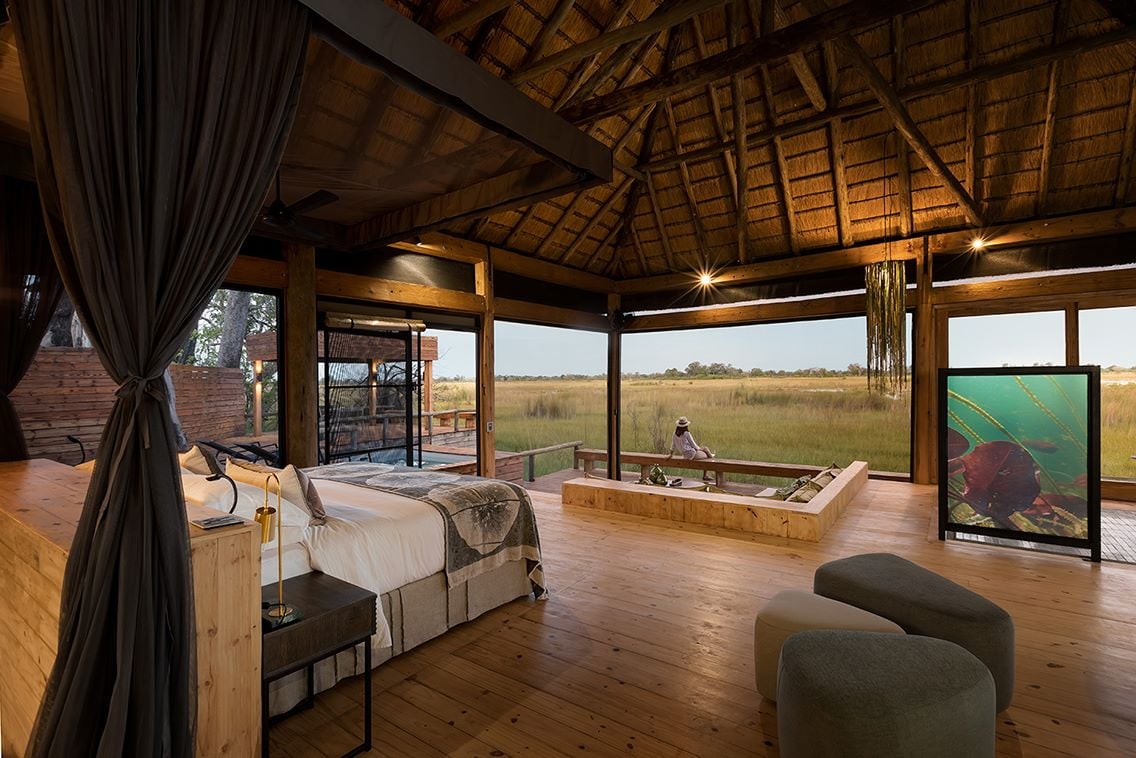
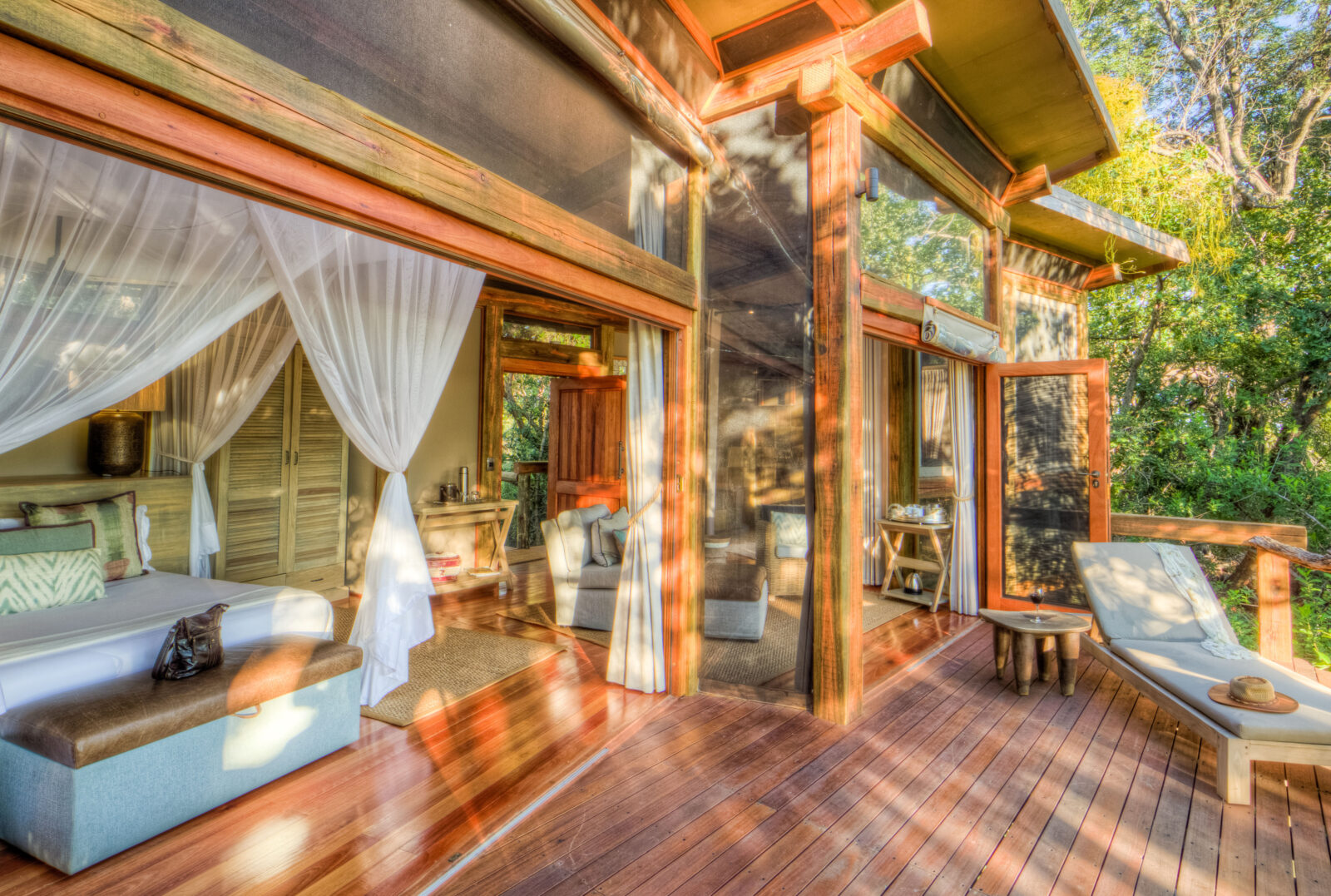
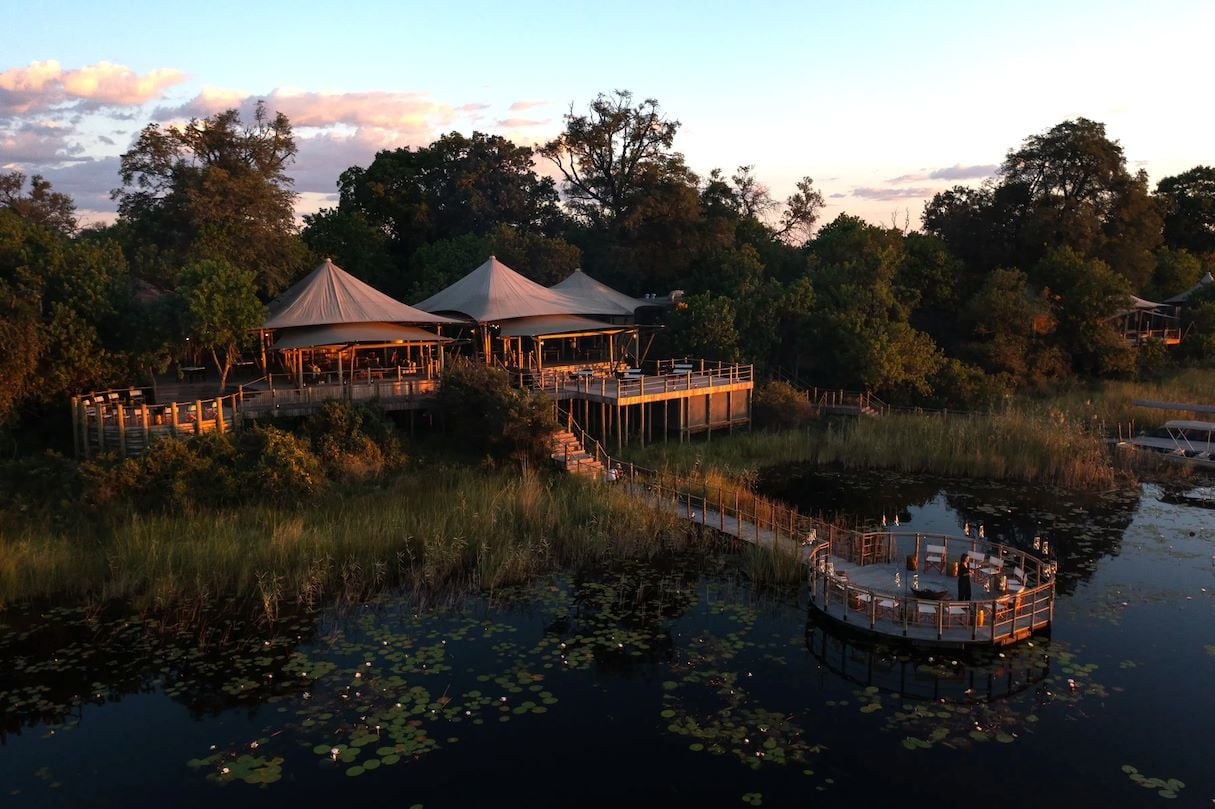
Vumbura Plains sits in a private concession in the far north of the Delta, straddling a rare mix of permanent water and dry grassland that allows both boating and game drives from a single base. Architecturally it is the Delta’s boldest statement — vast, open-sided suites of glass, timber and canvas raised on stilts above the floodplain, each with its own plunge pool and sala. The game viewing is superb and the design unforgettable; it is a favourite for style-conscious couples and honeymooners.
Camp Okavango — Pure Water-Delta Classic (from ~US$700–US$1,000pp/night)
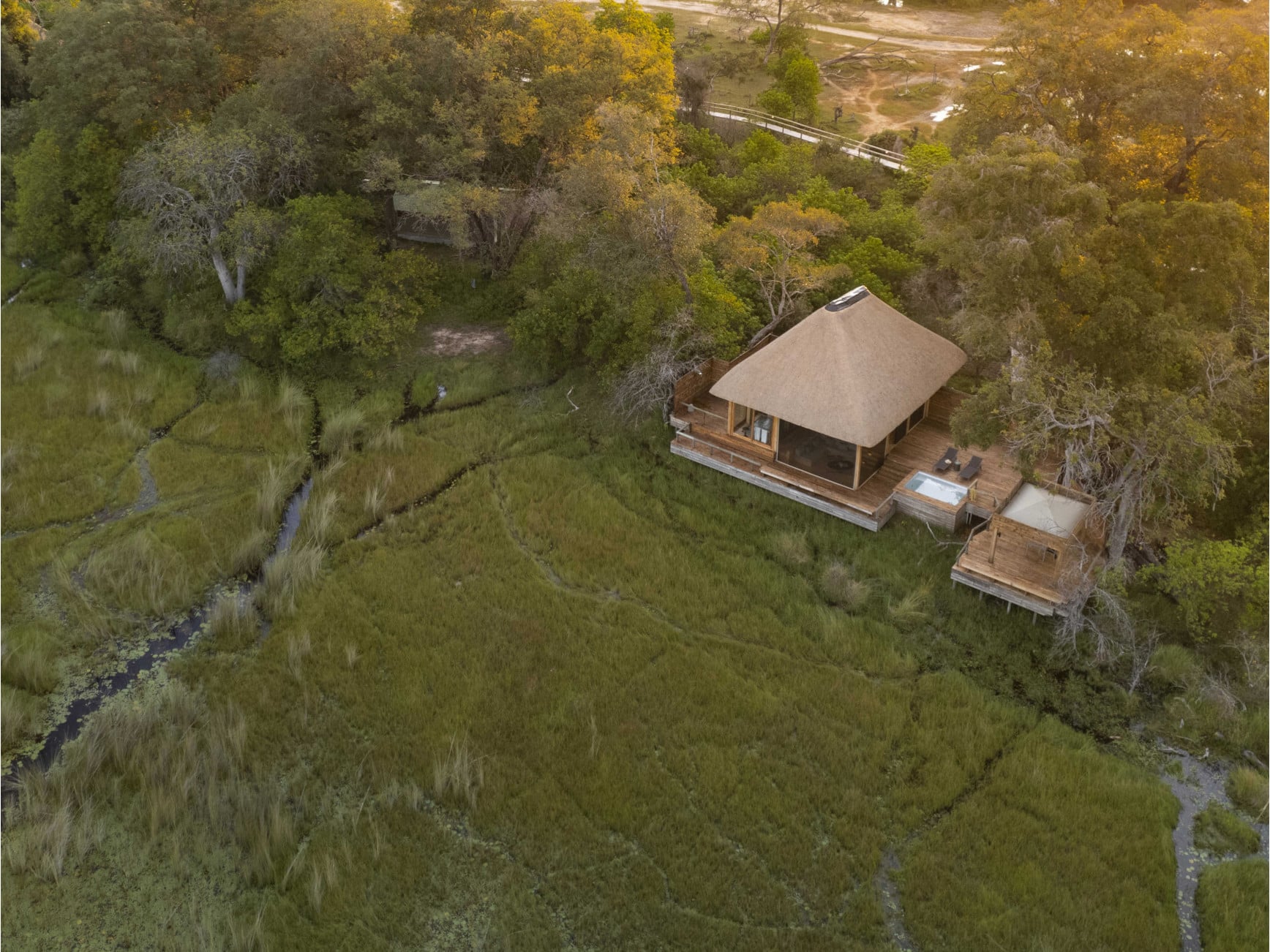
Camp Okavango, on remote Nxaragha Island deep in the permanent Delta, is the quintessential water camp. There are no self-drive roads here — days revolve around mokoro glides through papyrus channels, motorboat cruises and island walks, with the gentle hush of the water world all around. Elegant, tree-shaded suites and a genuine sense of seclusion make it a wonderful mid-tier choice for travellers who want the Delta’s aquatic soul without the ultra-premium price tag.
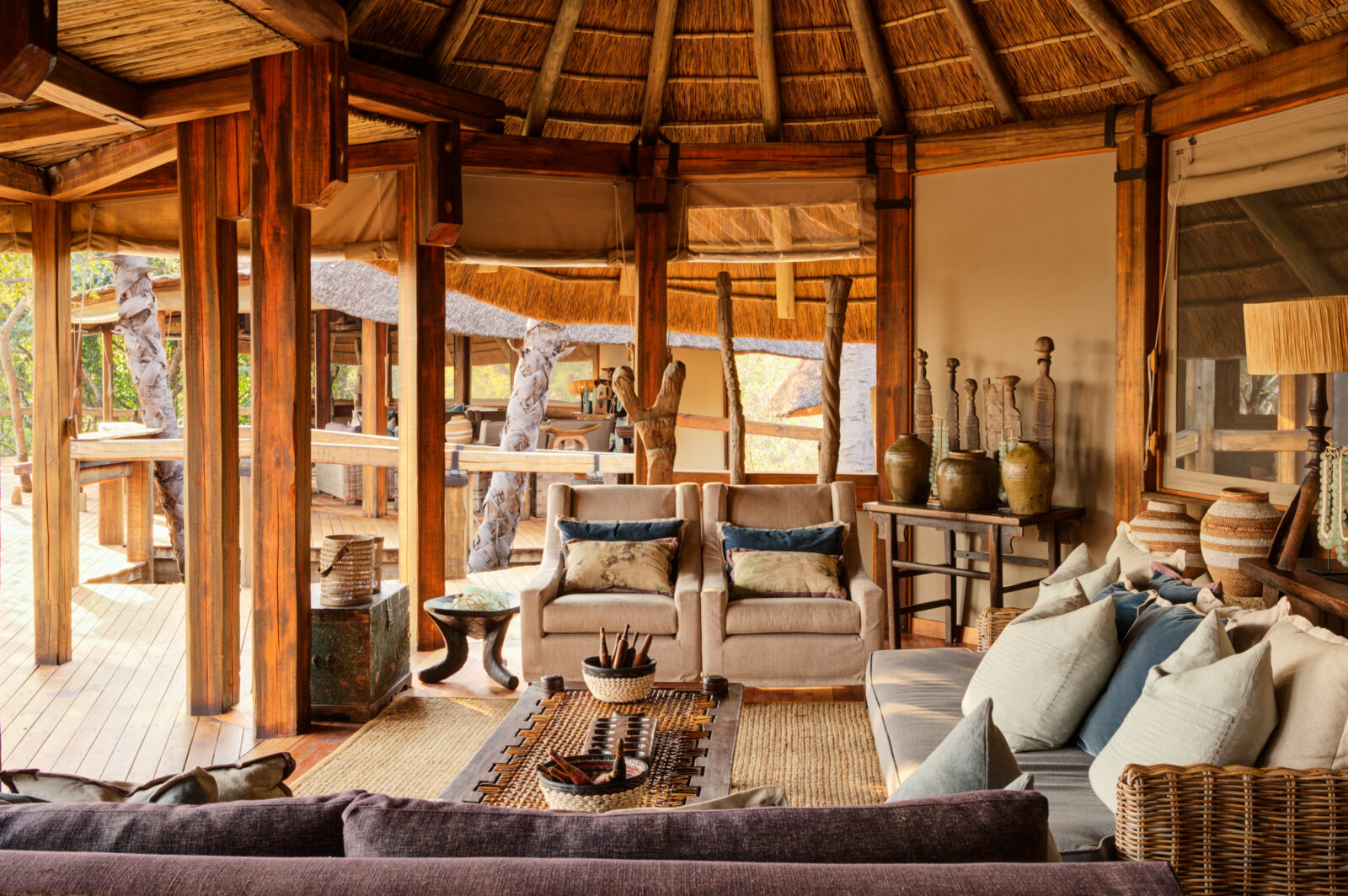
Xigera Safari Lodge — Art-Filled Ultra-Luxury (from ~US$3,000–US$3,800pp/night)
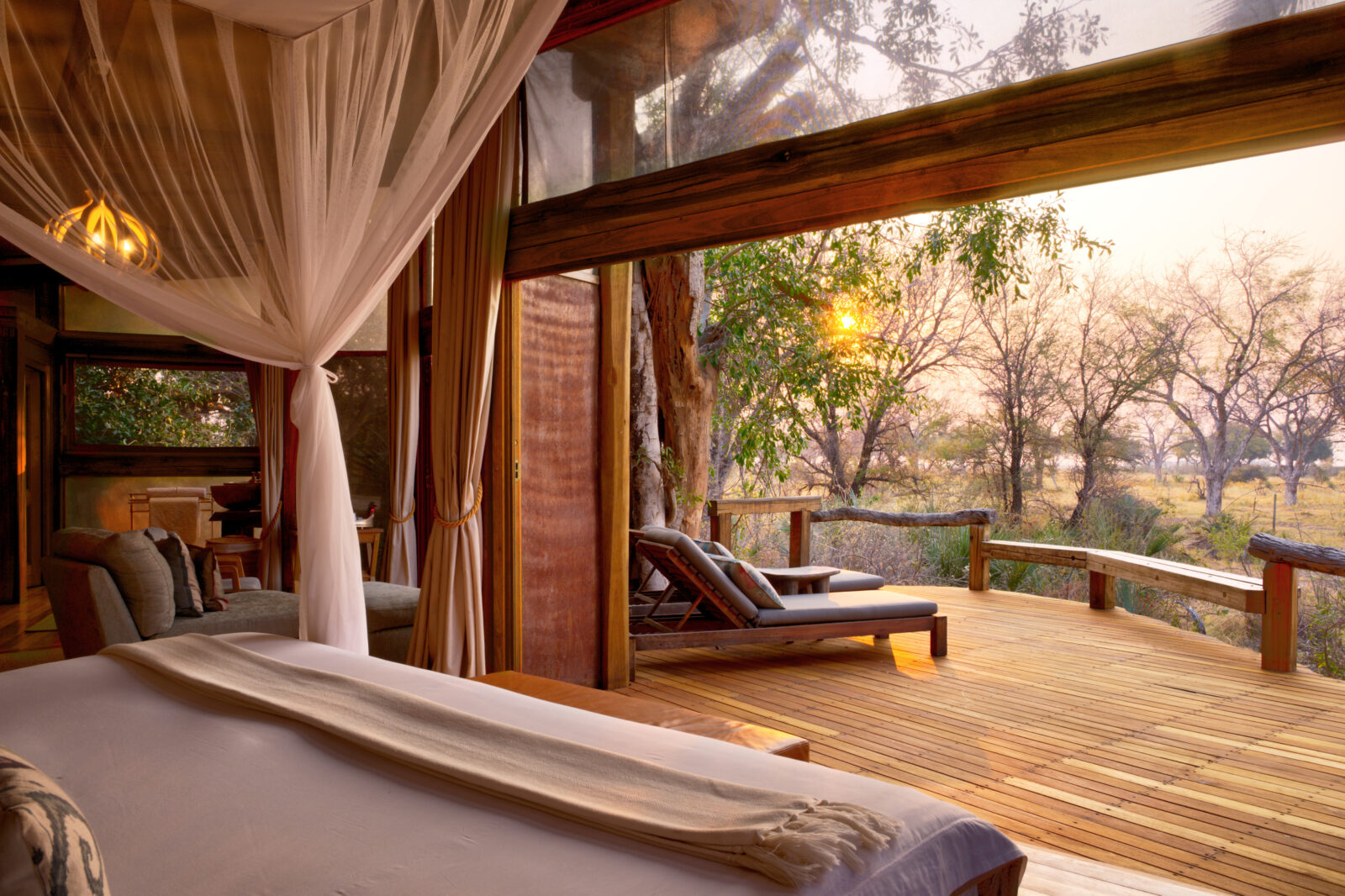
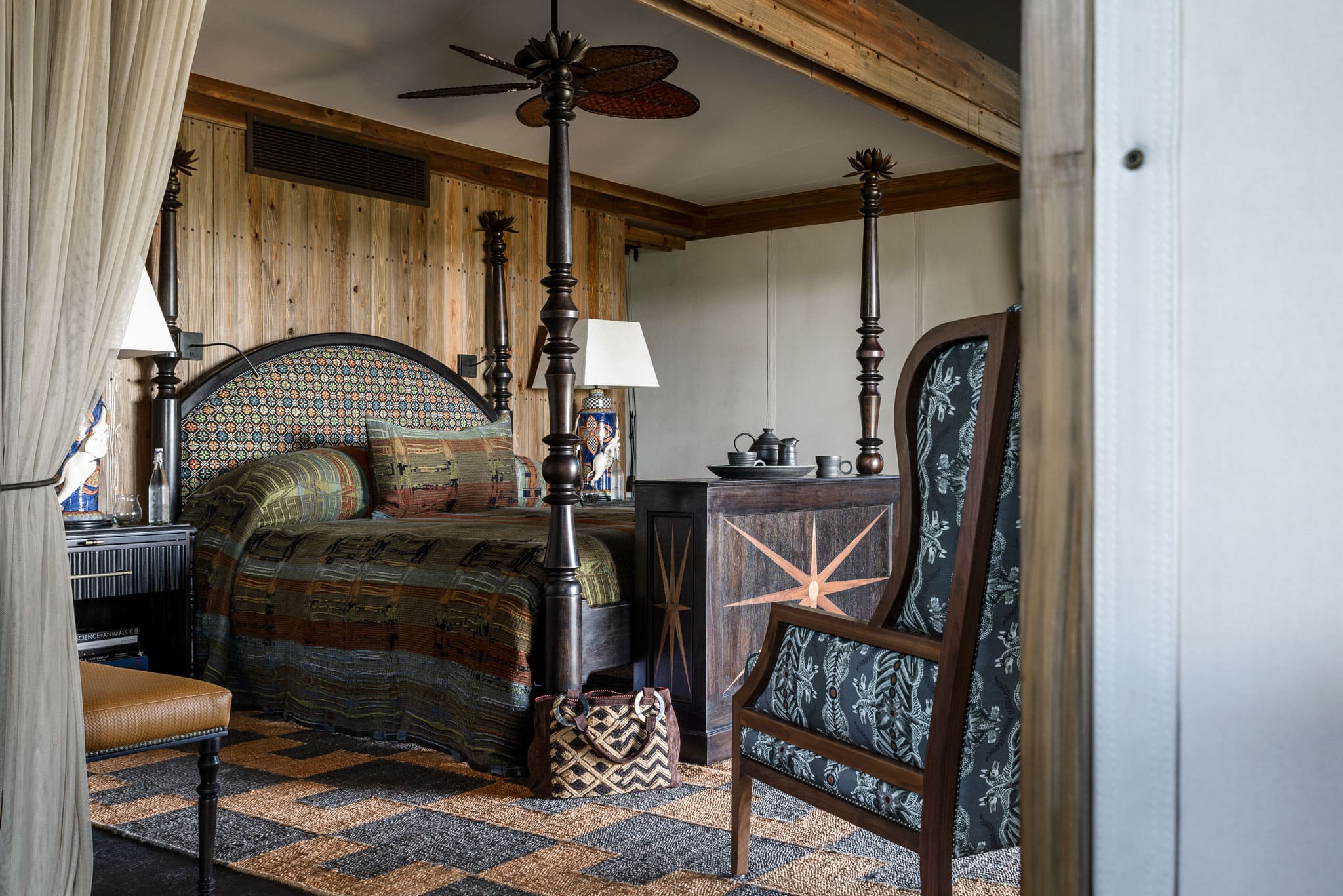
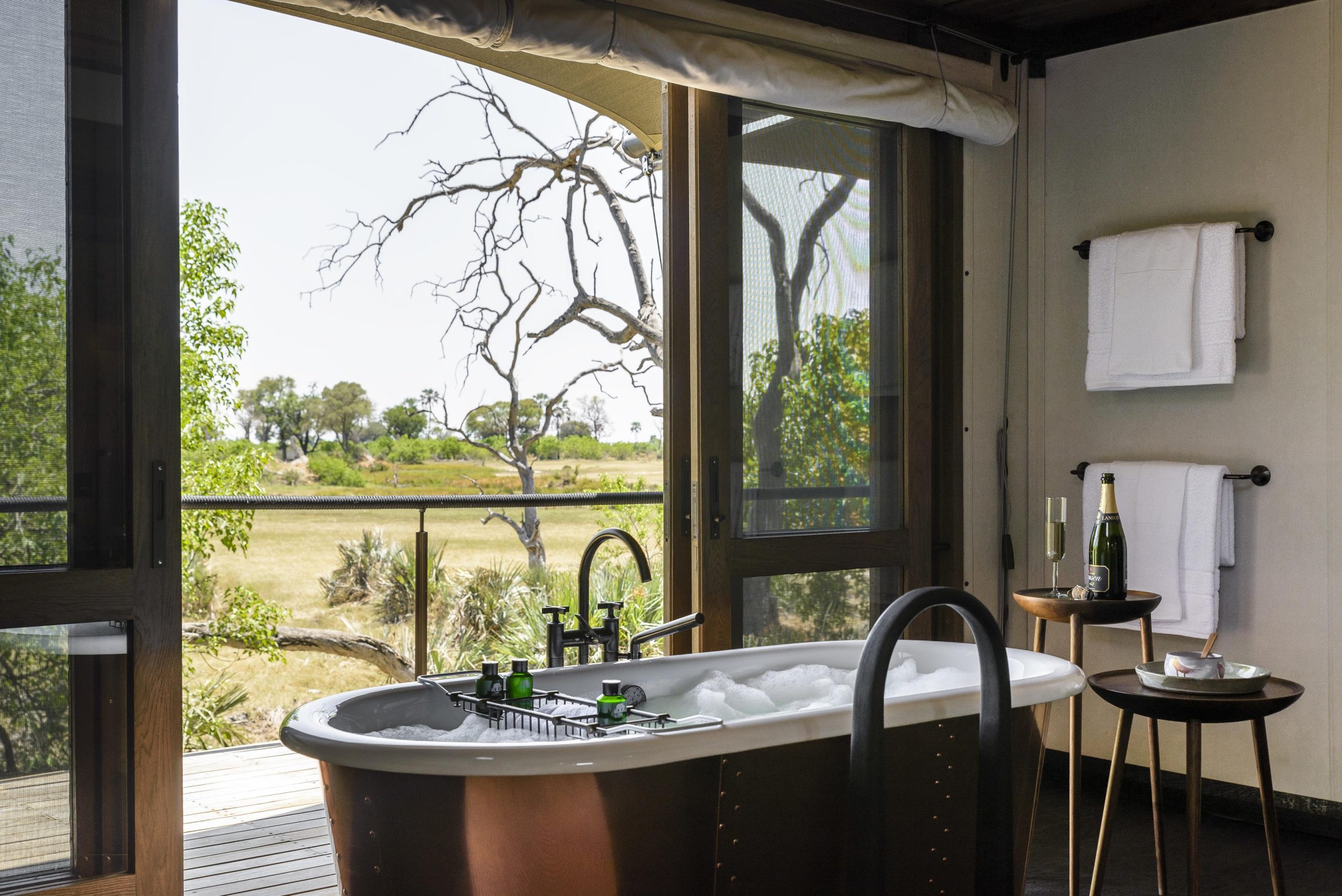
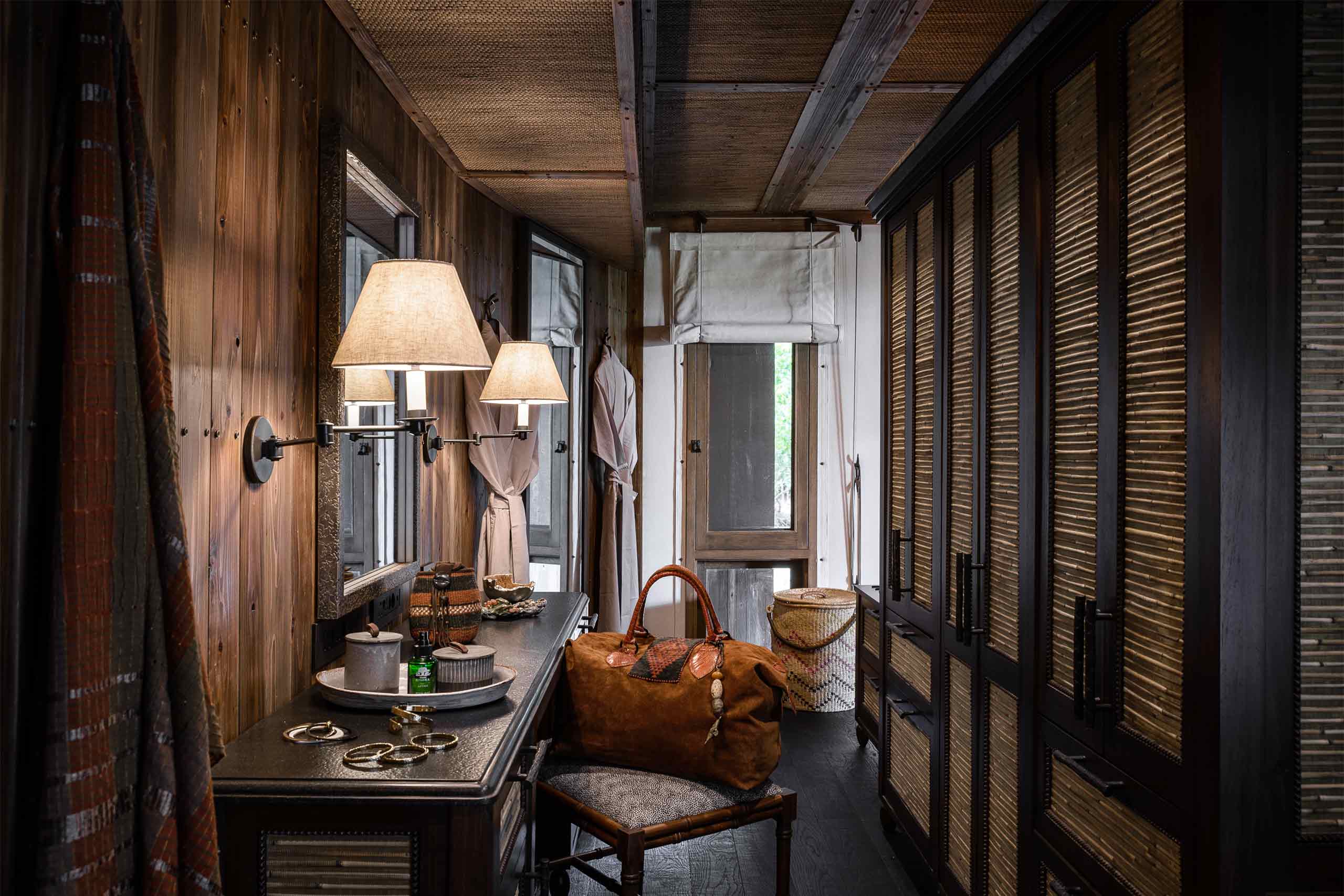
Xigera (pronounced “kee-jera”) is the Delta’s design showpiece — a Red Carnation family lodge on Paradise Island, filled with a museum-worthy collection of contemporary African art and craftsmanship. Twelve vast suites, a rooftop “sky bed” for sleeping under the stars, a wine gallery and impeccable service place it firmly at the top of the market, alongside Mombo. For travellers who want their wilderness wrapped in genuine artistry, nothing else in Botswana compares.
Chobe National Park — Land of the Elephants
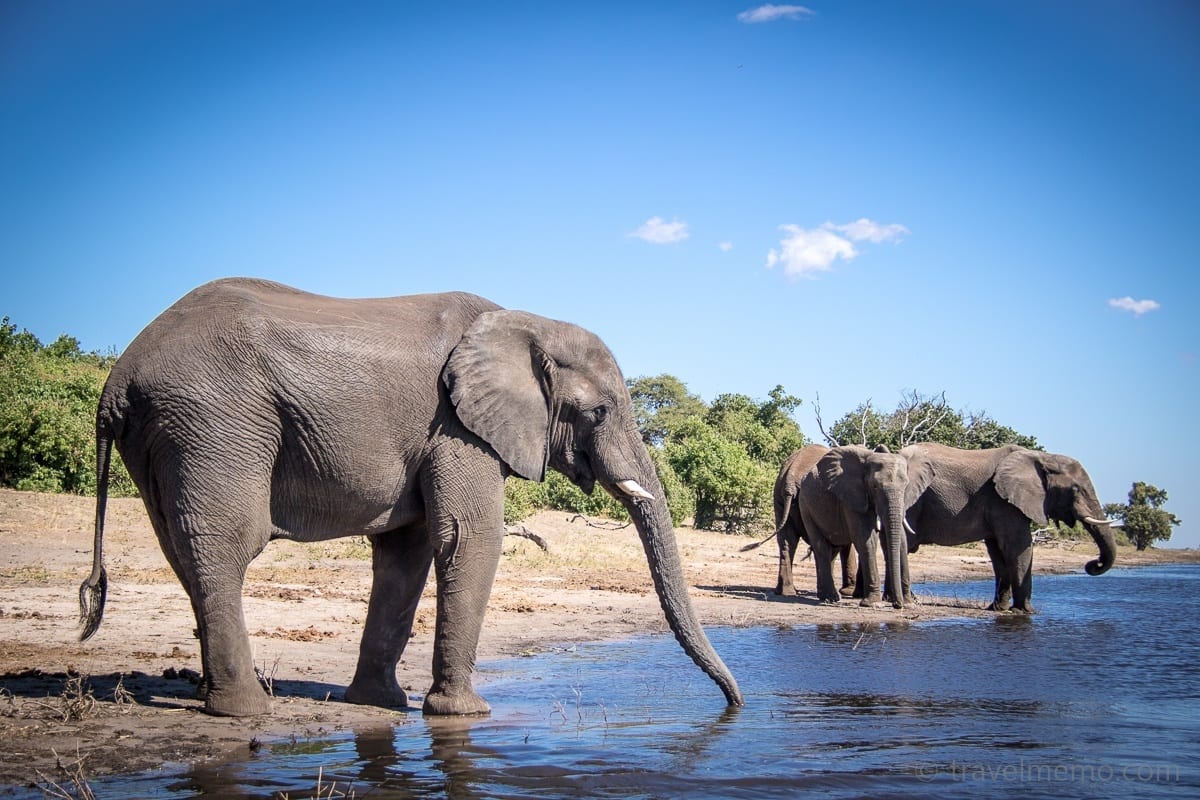
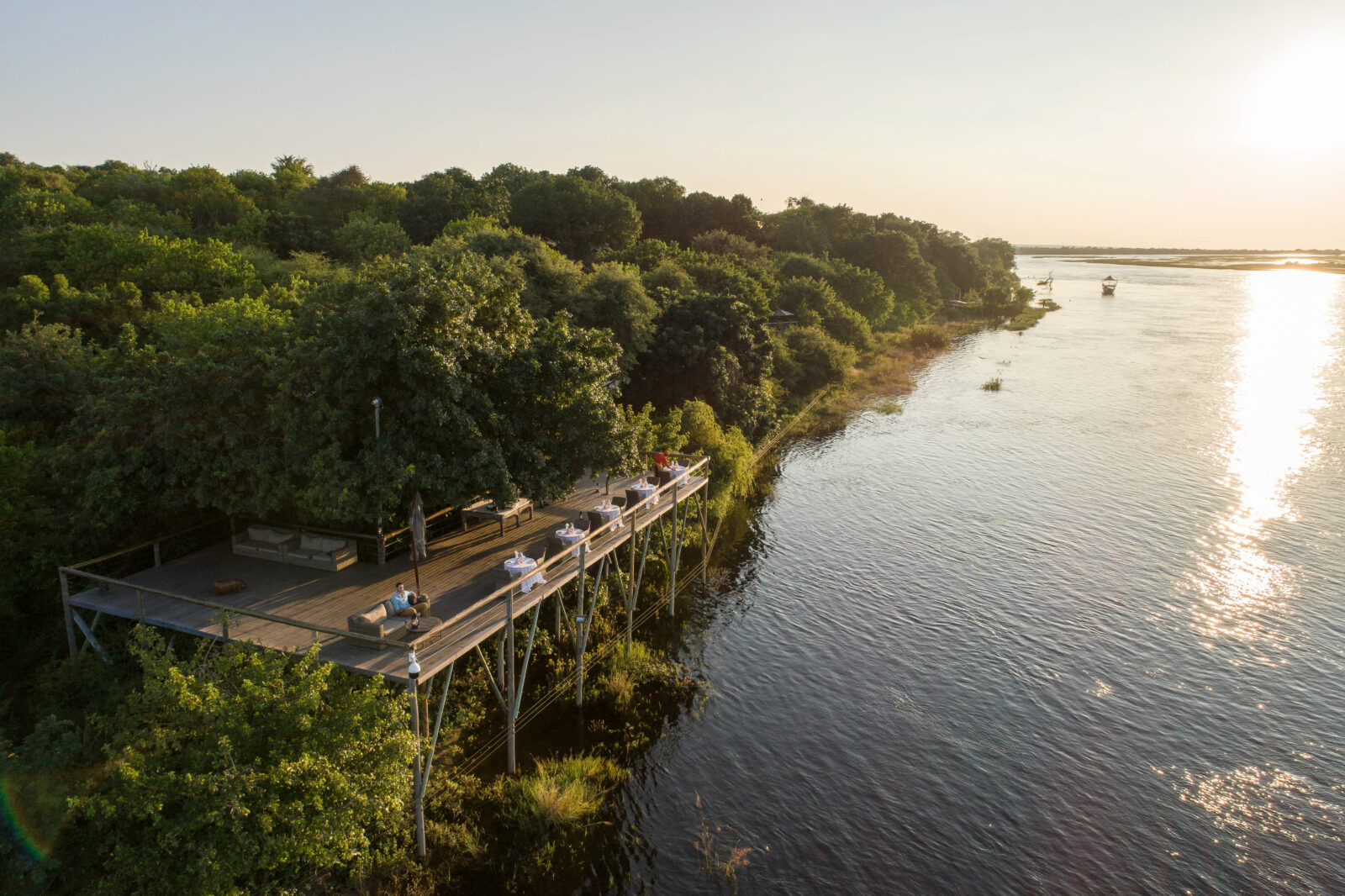
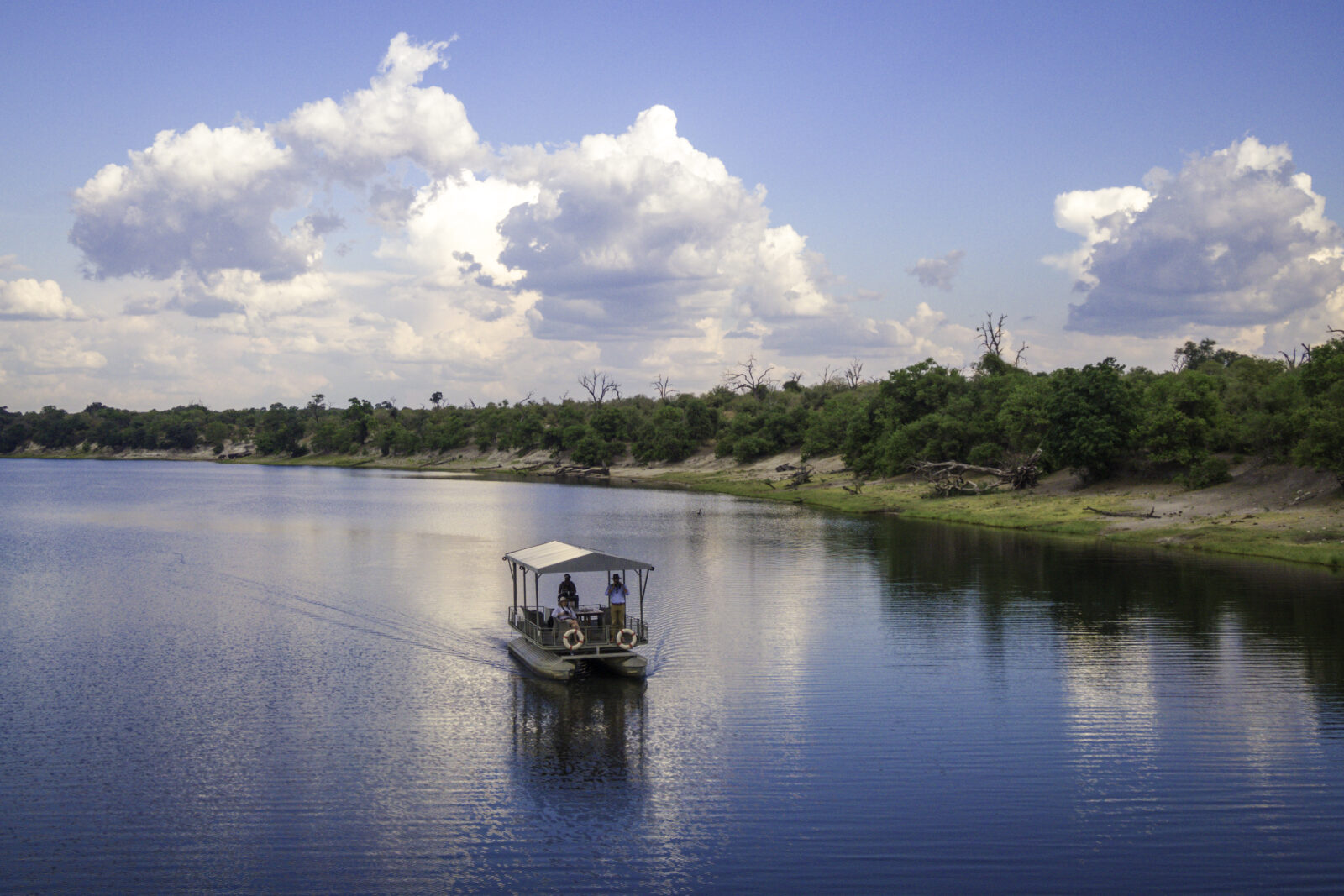
If the Delta is Botswana’s water, Chobe is its thunder. This vast park in the country’s north-east holds the largest concentration of elephants on Earth — an estimated 120,000 of them — and in the dry season the Chobe riverfront becomes one of the greatest wildlife spectacles in Africa, with hundreds of elephant, buffalo, and every predator that follows them crowding down to drink each afternoon. The signature Chobe experience is the river cruise: drifting quietly among bathing elephant and pods of hippo as the sun sets over the water is unlike any land-based game drive.
Chobe is also the most accessible of Botswana’s great regions, an easy transfer from Kasane airport and often paired with a day trip to Victoria Falls just across the border. Our Chobe National Park safari guide covers the region in full.
Chobe Game Lodge — Inside the Park (from ~US$600–US$950pp/night)
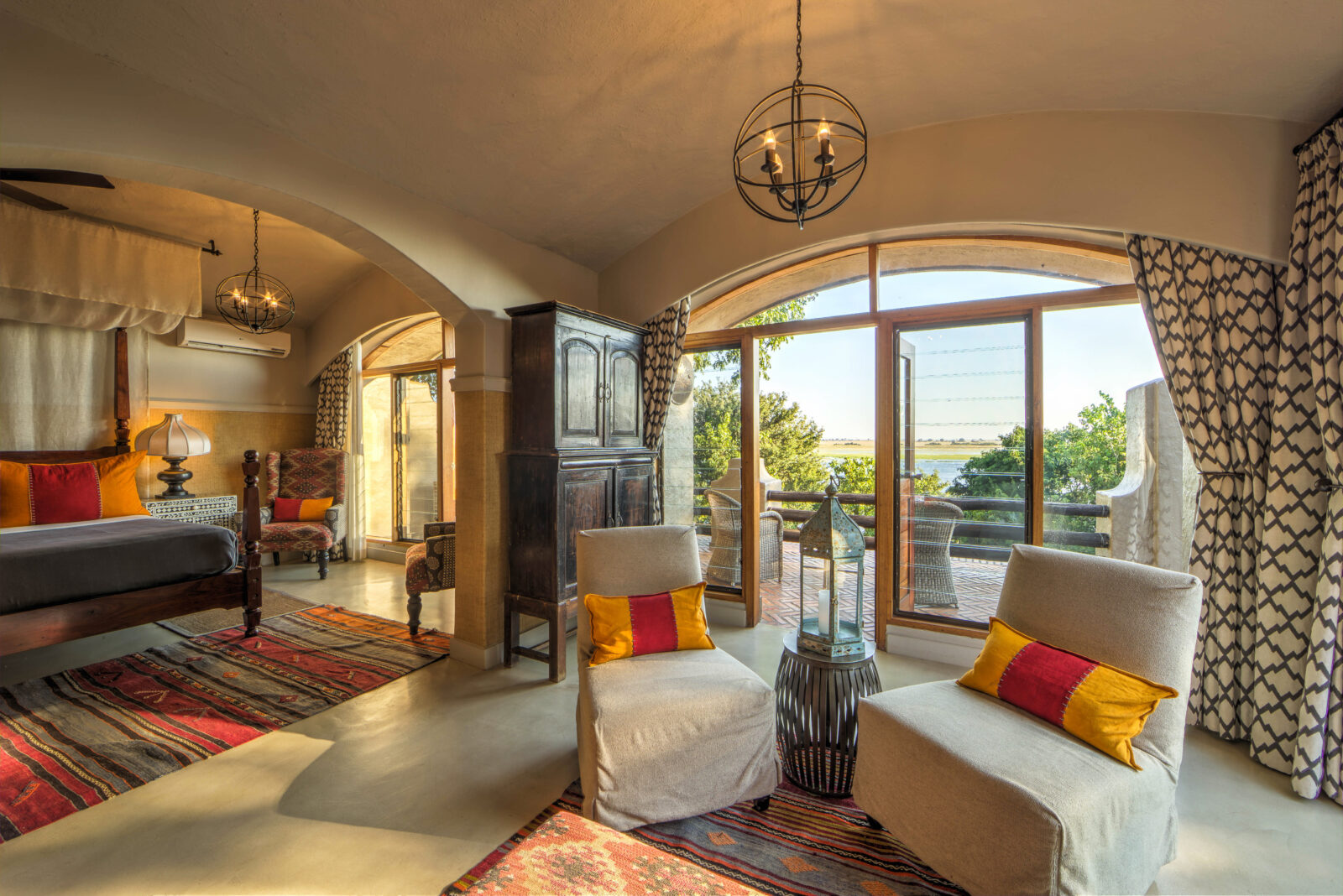
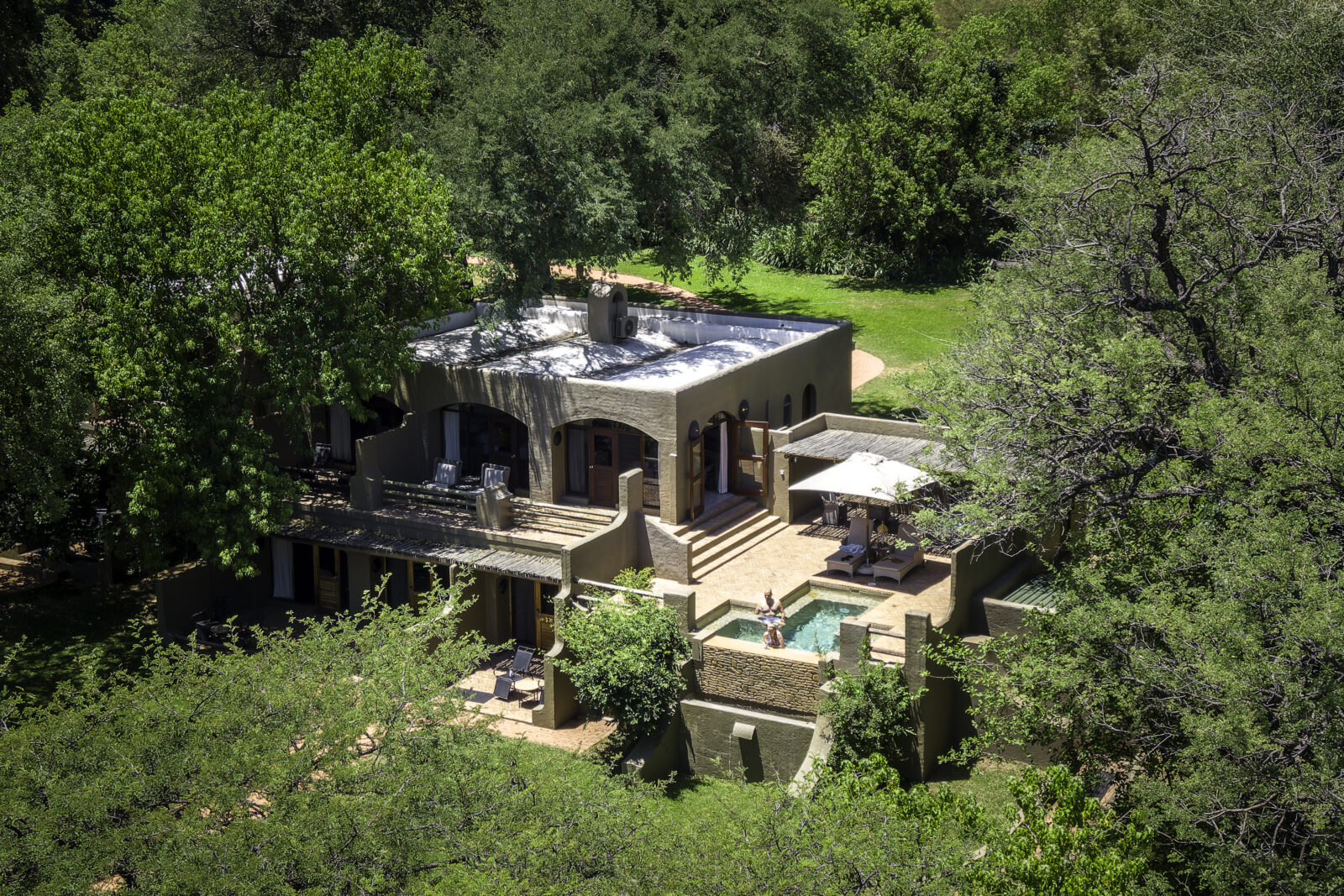
Chobe Game Lodge holds a unique distinction: it is the only permanent lodge situated inside Chobe National Park itself, right on the riverfront. That location is priceless — you are on the game-drive and river-cruise action from the moment you wake, with no long transfers in or out of the park. Moorish-inflected architecture, generous suites (some with private plunge pools), and a pioneering all-female guiding team make it one of Botswana’s most characterful and best-value classic lodges. It combines beautifully with the Delta for the archetypal water-and-elephants itinerary.
The Linyanti & Selinda — Botswana’s Wild Heart
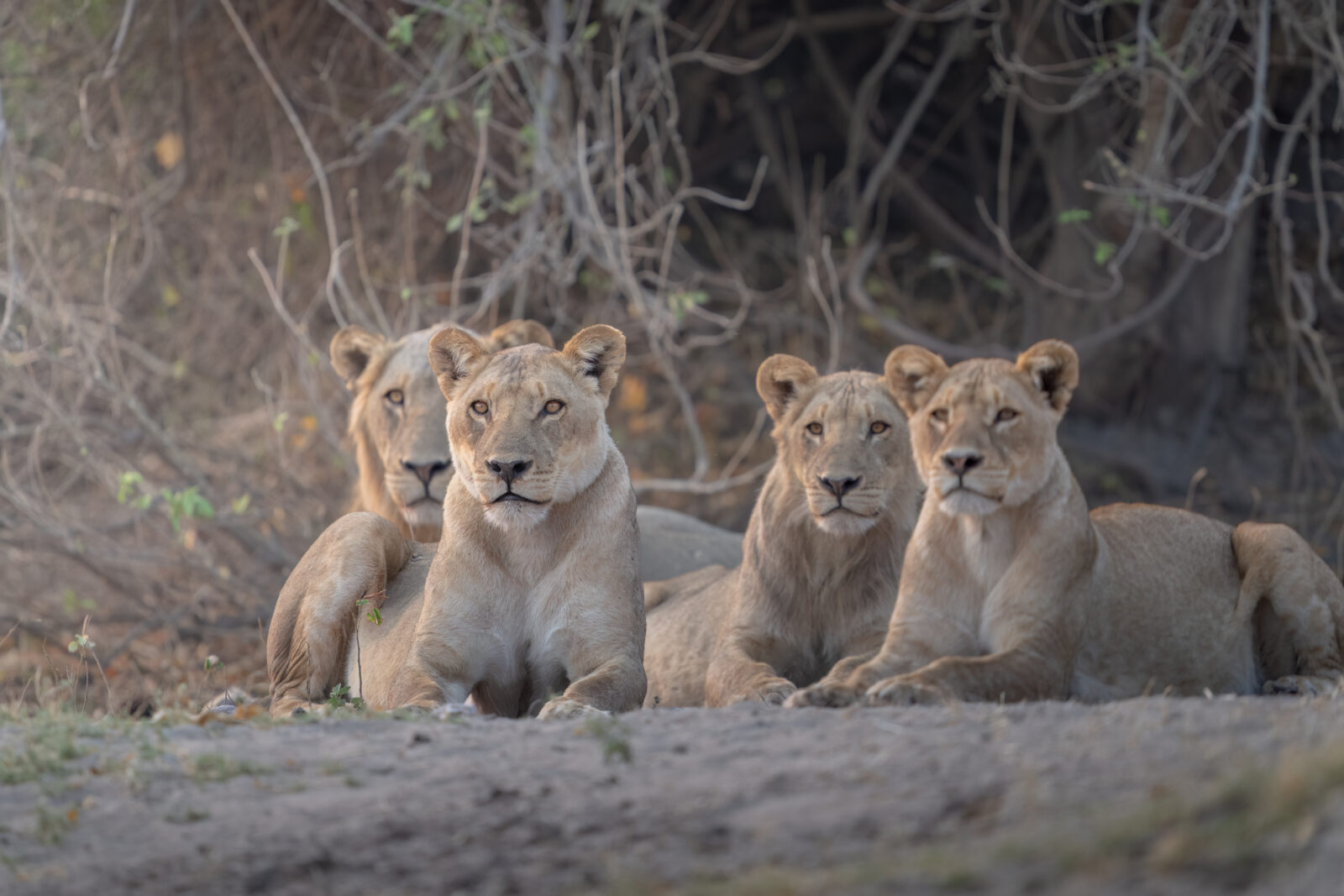
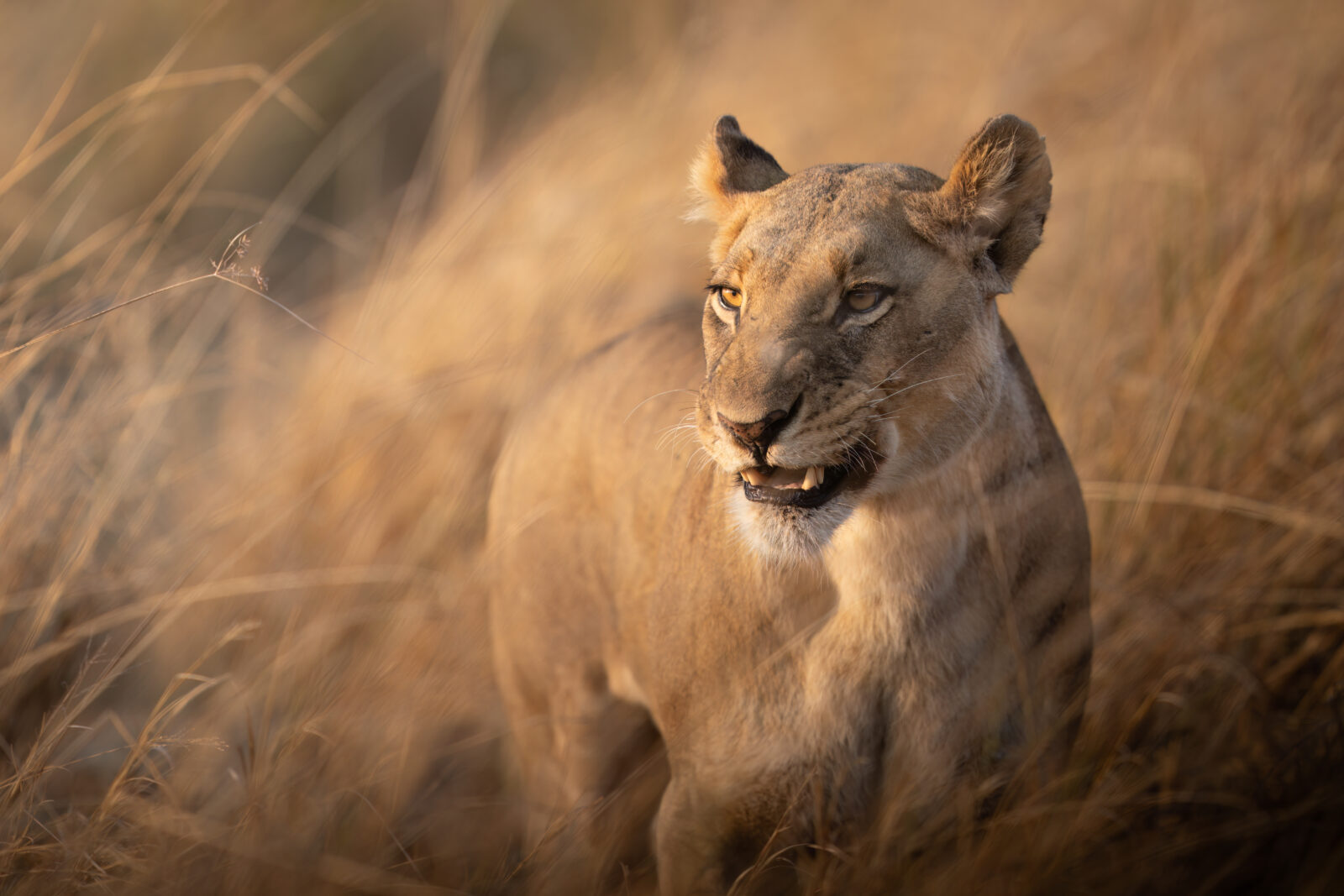
Between the Okavango and Chobe lies a band of private concessions — the Linyanti, Selinda and Kwando reserves — that many seasoned safari-goers rate as the very best in Botswana. These are vast, low-density wildernesses bordering Chobe National Park, fed by the Linyanti and Savute channels, and they deliver in the currency that matters most to repeat travellers: exclusivity and wild-dog sightings. With only a handful of camps across hundreds of thousands of hectares, you can drive for hours and see no other vehicle. In the dry season the elephant herds here rival Chobe’s, and the predator action — lion, leopard, cheetah and endangered African wild dog — is exceptional.
DumaTau — Linyanti Waterfront (from ~US$1,600–US$2,200pp/night)
DumaTau sits on the Osprey Lagoon in the private Linyanti Concession, a contemporary tented camp overlooking a waterway that channels one of Africa’s great elephant migrations. Expansive, cool, light-filled suites, a superb photographic hide and guiding of the highest order make it a benchmark luxury camp. The wild-dog and elephant viewing here is among the finest in the country.
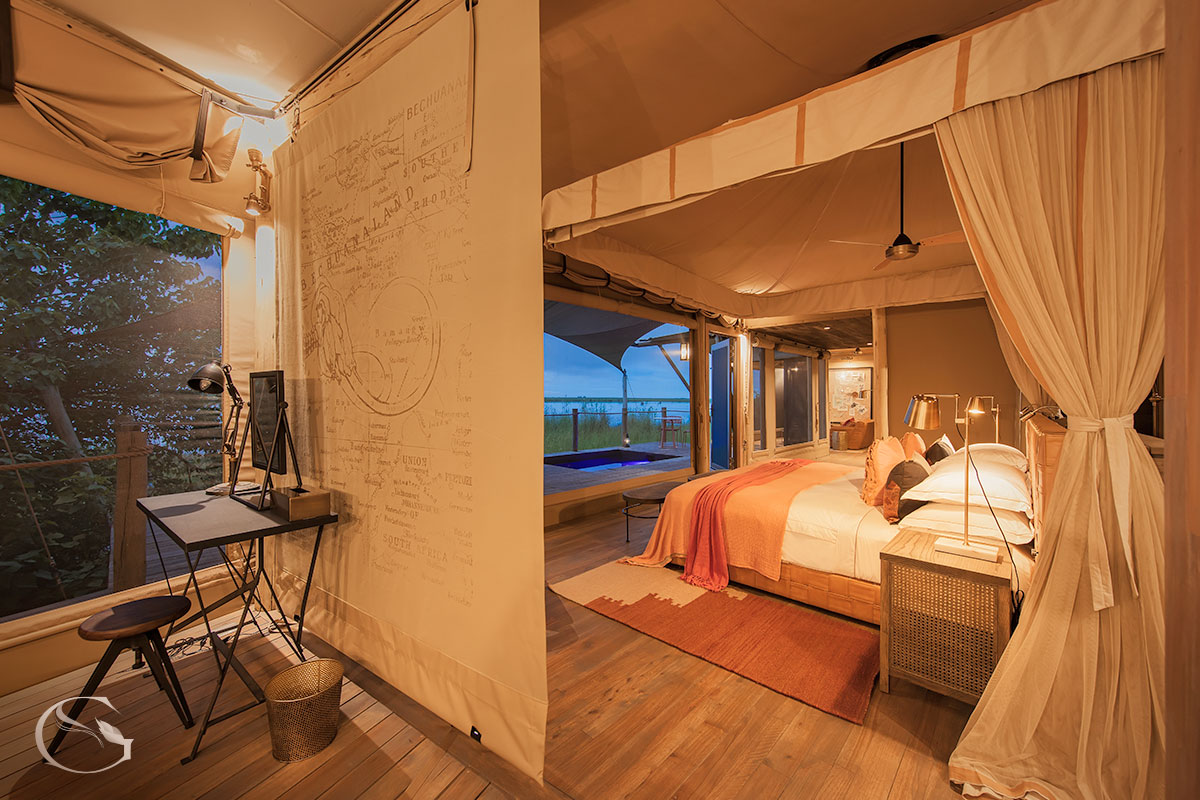
Zarafa Camp — Selinda Ultra-Exclusive (from ~US$3,000–US$4,000pp/night)
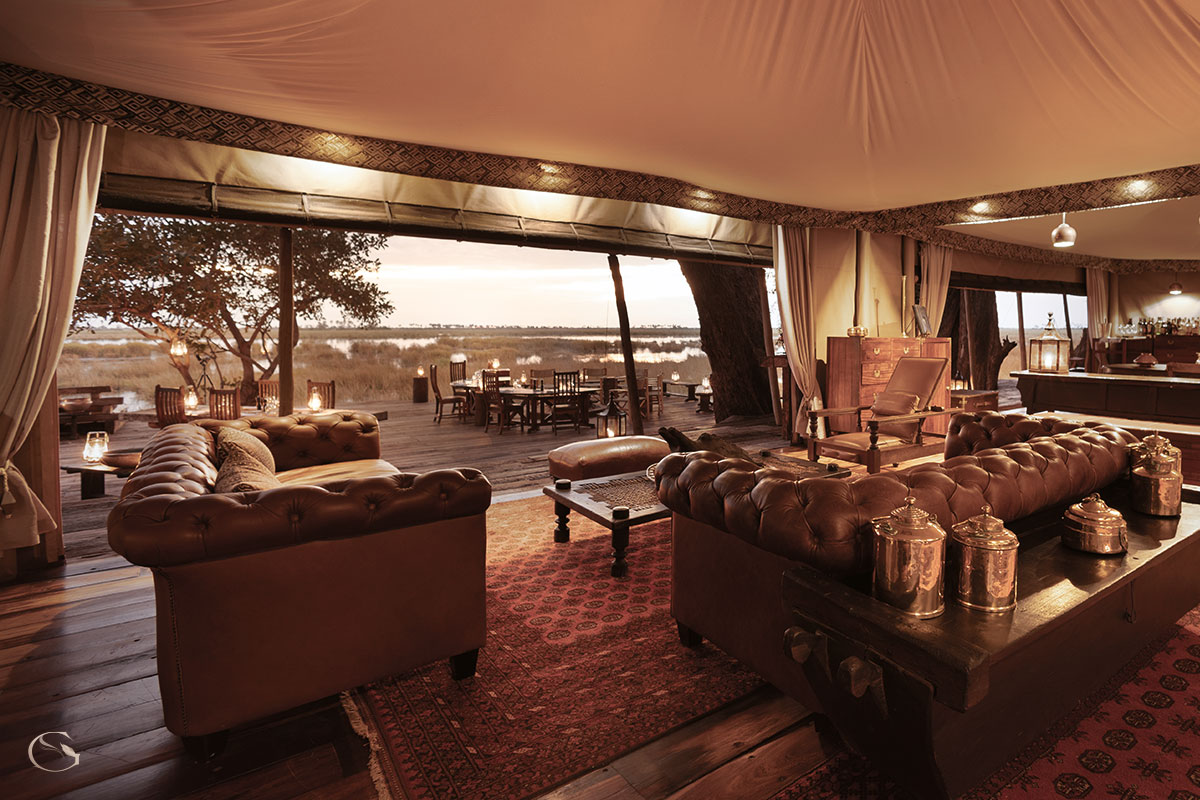
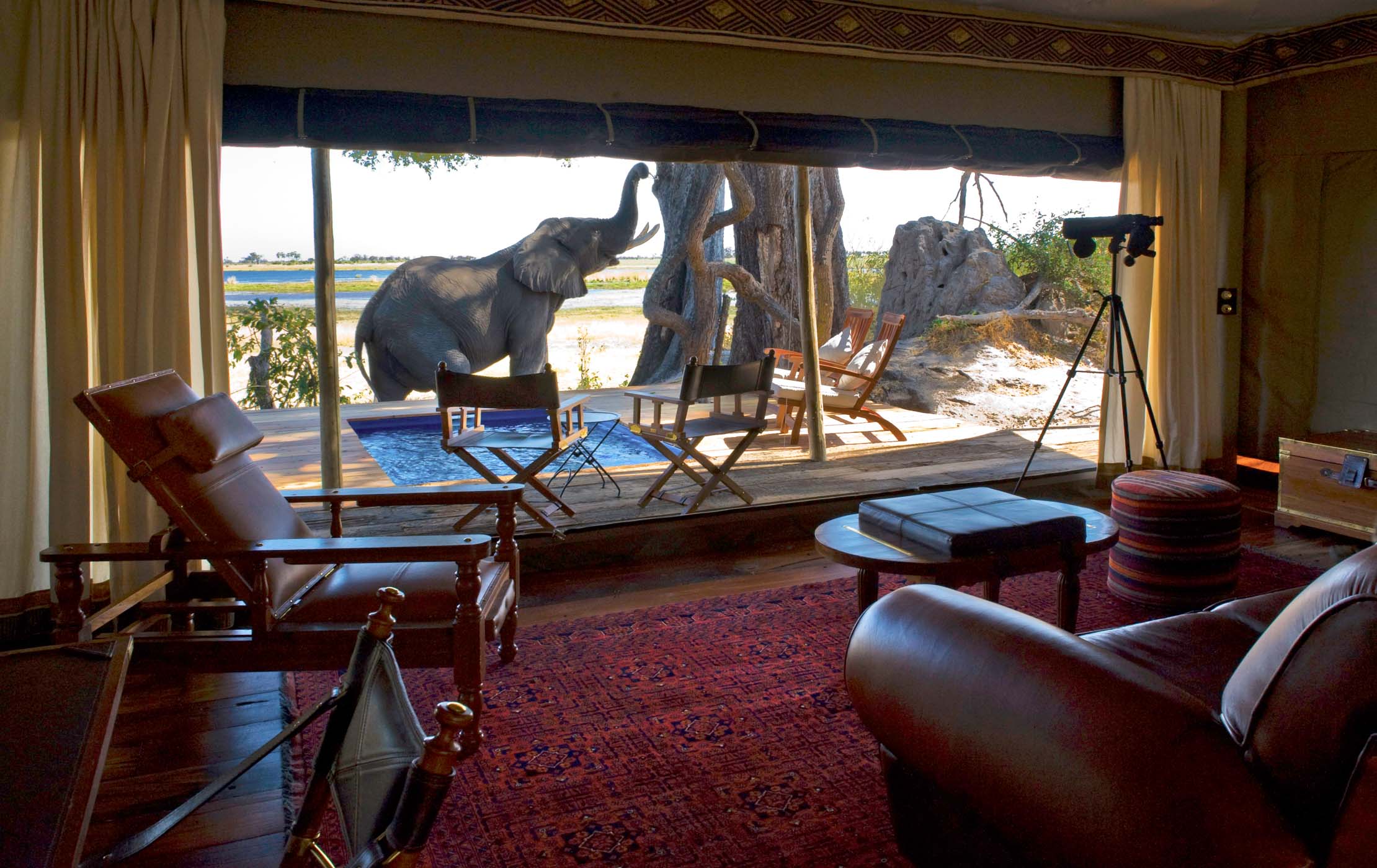
Zarafa, in the private Selinda Reserve, is one of the most exclusive addresses in Africa — just four enormous tented suites, each a vast pavilion of copper, canvas and leather with a private plunge pool and a Canon photographic kit provided for every guest. Overlooking the Zibadianja Lagoon, source of the Savute Channel, it offers a deeply personal, ultra-premium safari with astonishing elephant and predator viewing. This is safari as private estate.
Moremi Game Reserve — The Public Heart of the Delta
Moremi Game Reserve protects the eastern third of the Okavango Delta and is the only officially protected part of it. It is a magnificent mosaic of floodplain, mopane forest, lagoons and islands, and it holds the full Big Five along with wild dog and a spectacular diversity of birds. Because it is a public reserve, game drives here are on established tracks (no off-roading), but the density and quality of wildlife around landmarks like the Xakanaxa Lagoon and Third Bridge are outstanding, and rates are gentler than the private concessions.
Camp Moremi — Xakanaxa Classic (from ~US$650–US$950pp/night)
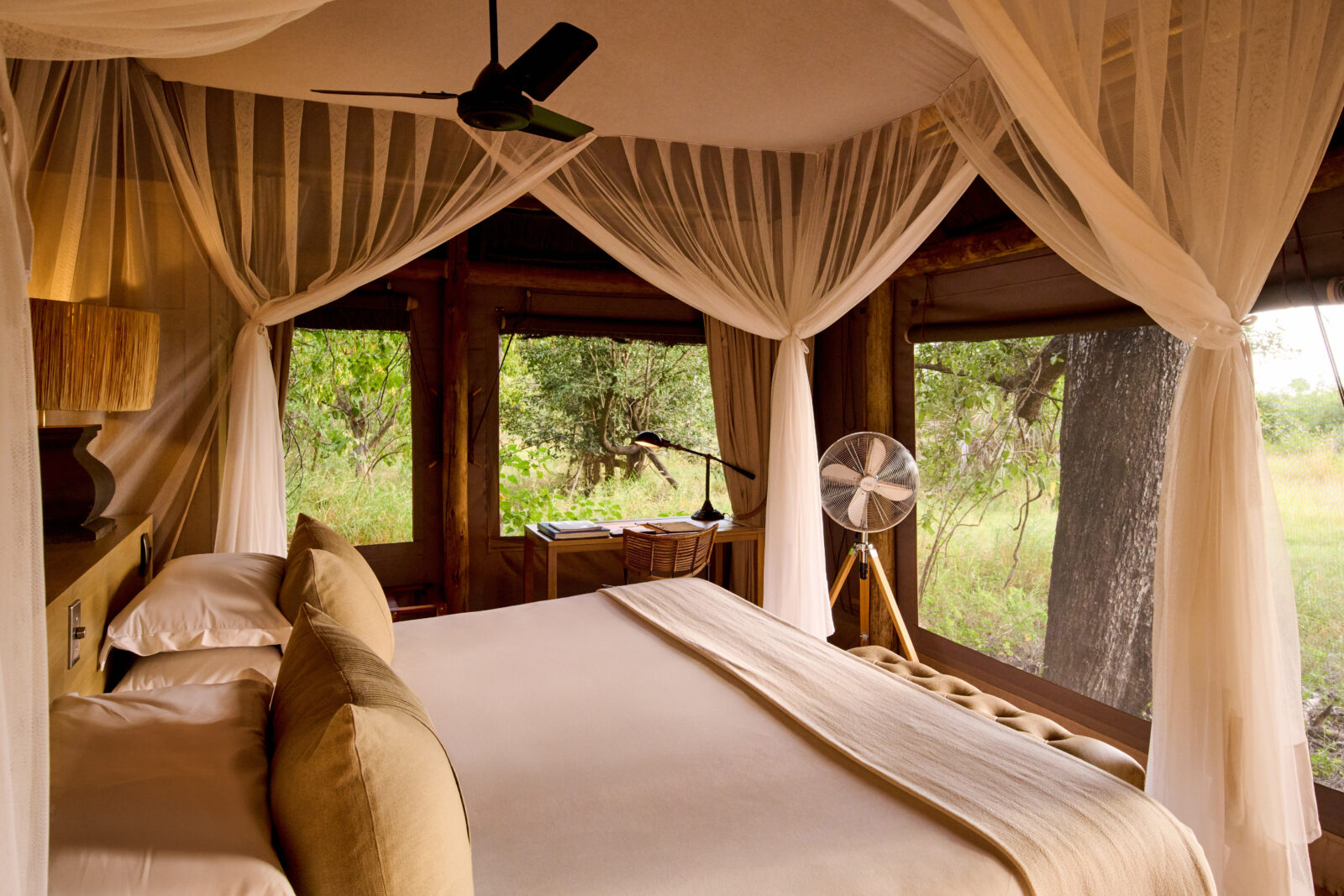
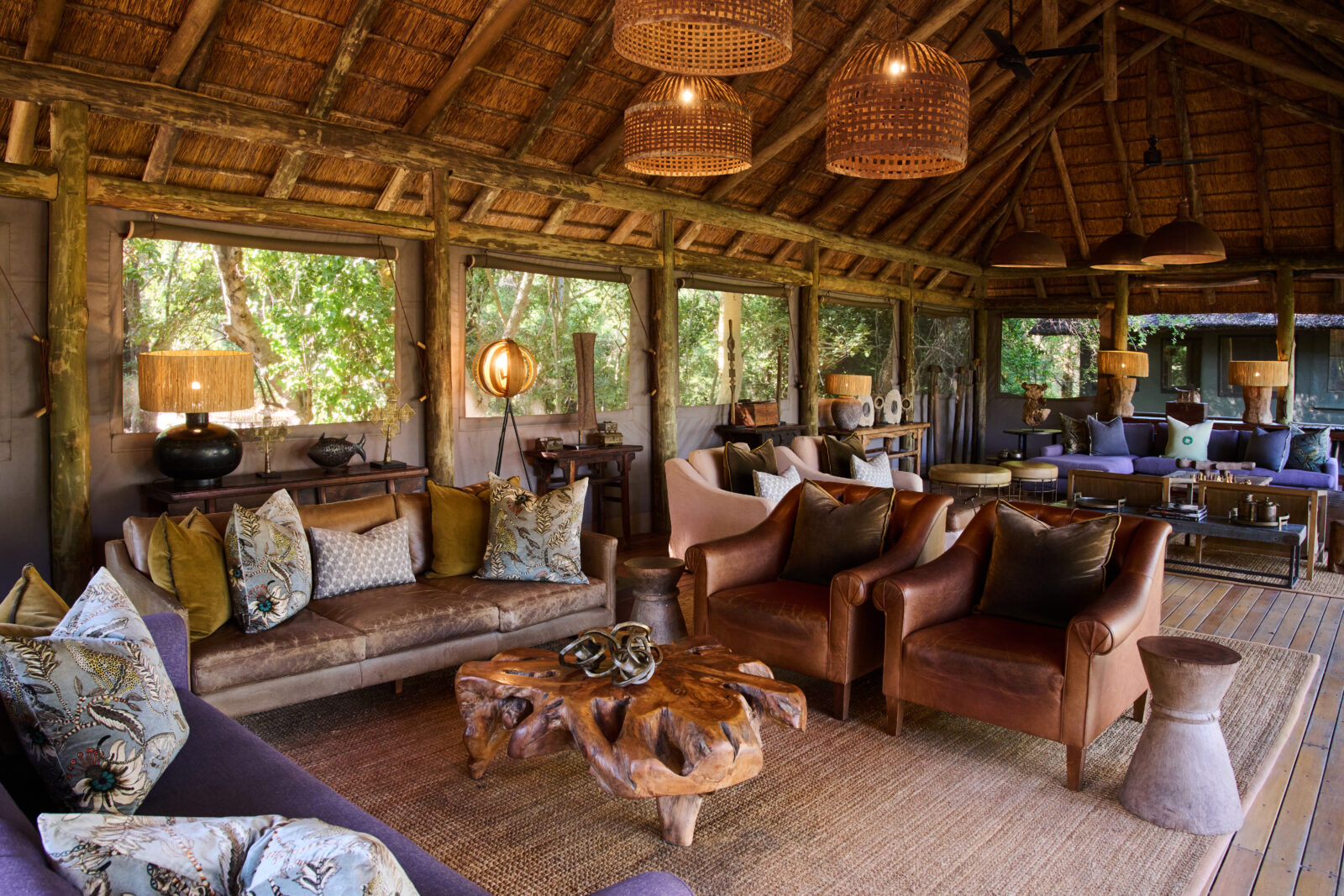
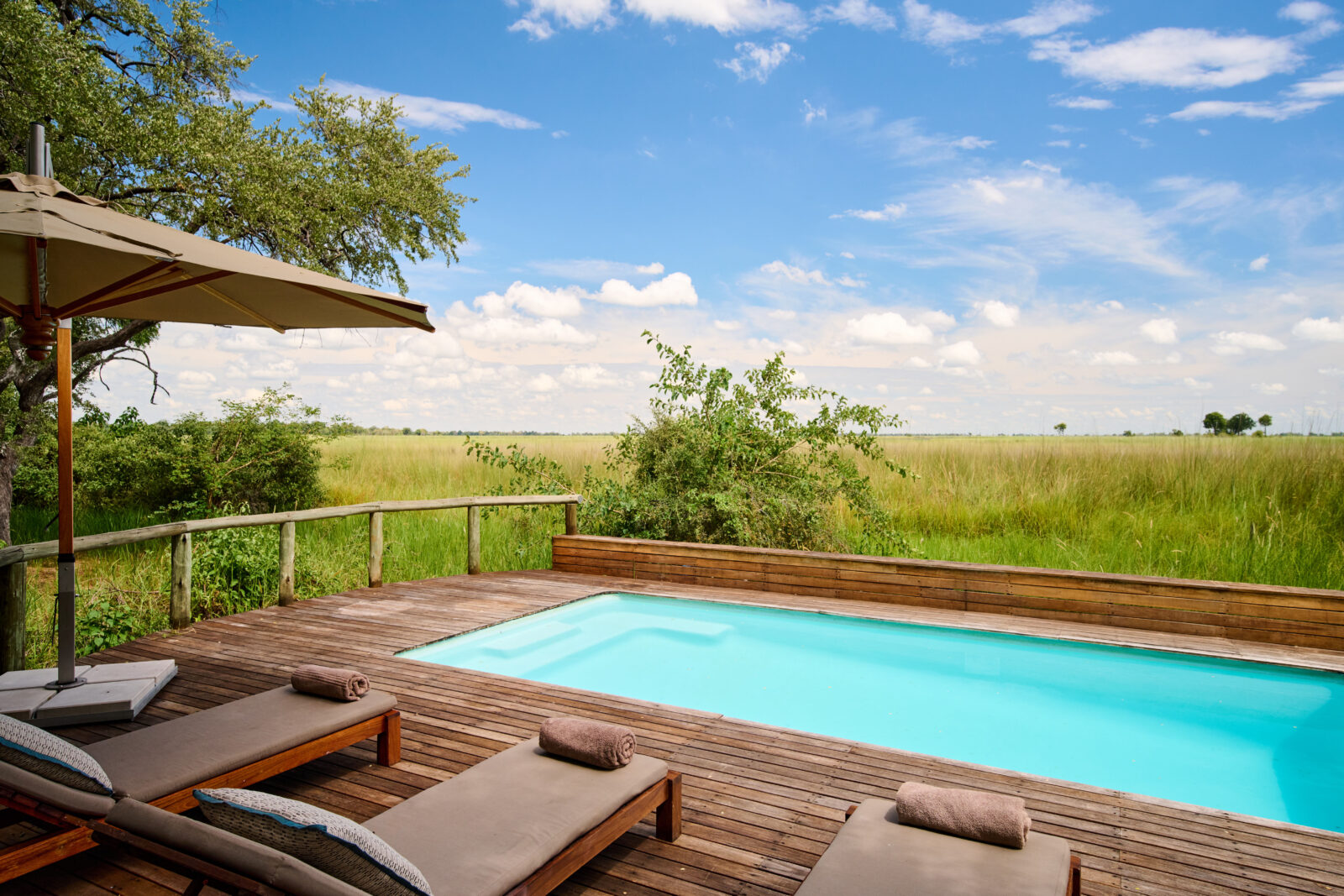
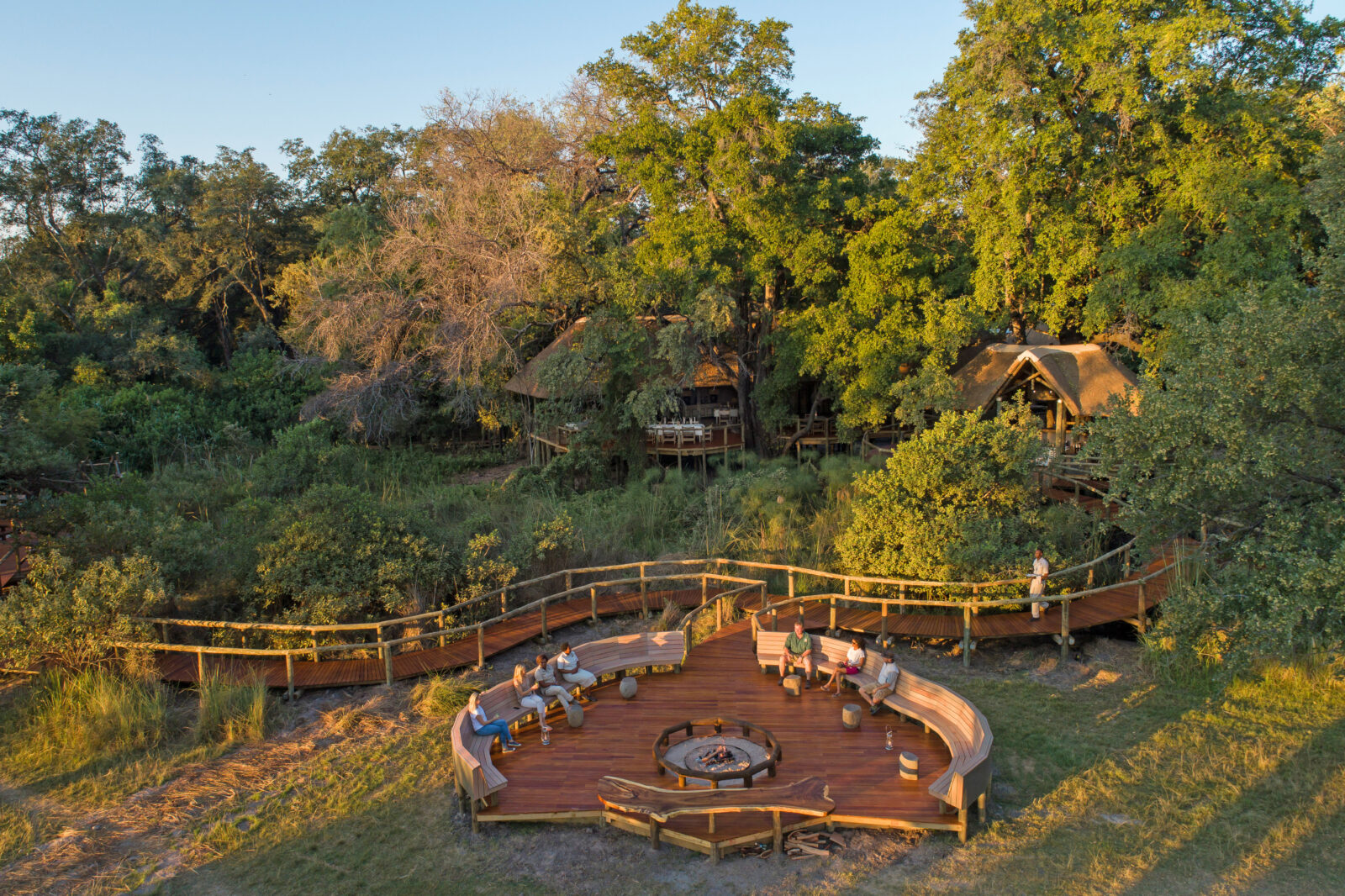
Camp Moremi stands beneath a canopy of giant ebony trees on the Xakanaxa Lagoon, one of the few camps to combine both land game drives and water activities inside the reserve. Classic, comfortable safari suites, a raised main lodge and a wonderful sense of old-fashioned safari romance make it a superb-value gateway to Moremi’s wildlife. It pairs naturally with a water camp deeper in the Delta and a night or two in Chobe.
The Kalahari & Makgadikgadi — The Great Thirstland
For a third region that could not contrast more dramatically with the water world of the Delta, head south to the Kalahari and the Makgadikgadi Pans. This is a vast, ancient desert of grass plains, fossil riverbeds and the largest salt pans on Earth — the remnants of a superlake that once dwarfed any lake alive today. In the green season (December–April) the Makgadikgadi hosts Africa’s second-largest zebra migration; in the dry months it becomes a surreal, blinding-white void you can cross by quad bike and sleep out upon under a firestorm of stars. The wildlife is desert-adapted and unusual: brown hyena, oryx, springbok, aardvark, and the famous habituated meerkats that will climb onto your shoulder to scan the horizon.
Jack’s Camp — The Legend of the Kalahari (from ~US$1,500–US$2,000pp/night)
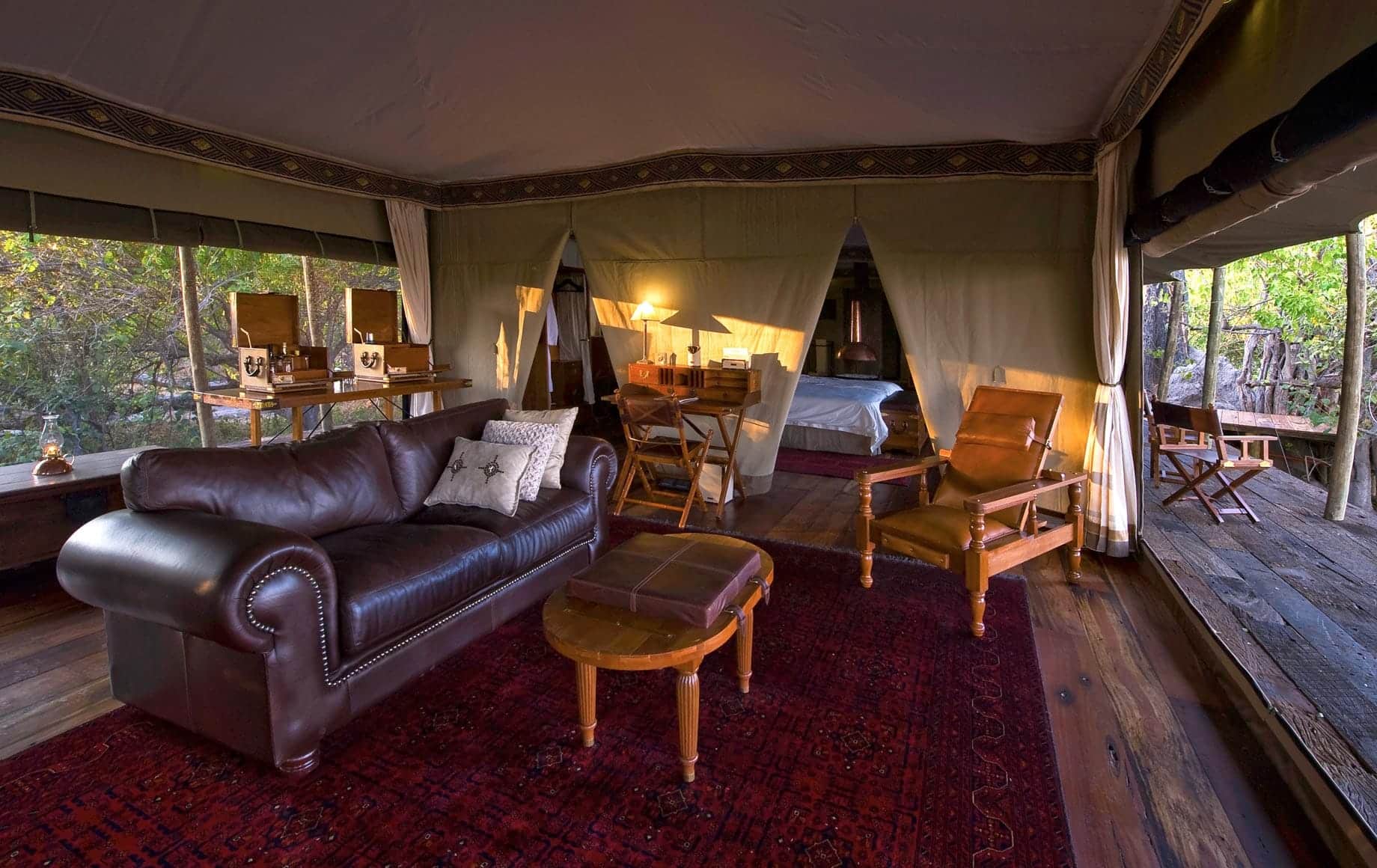
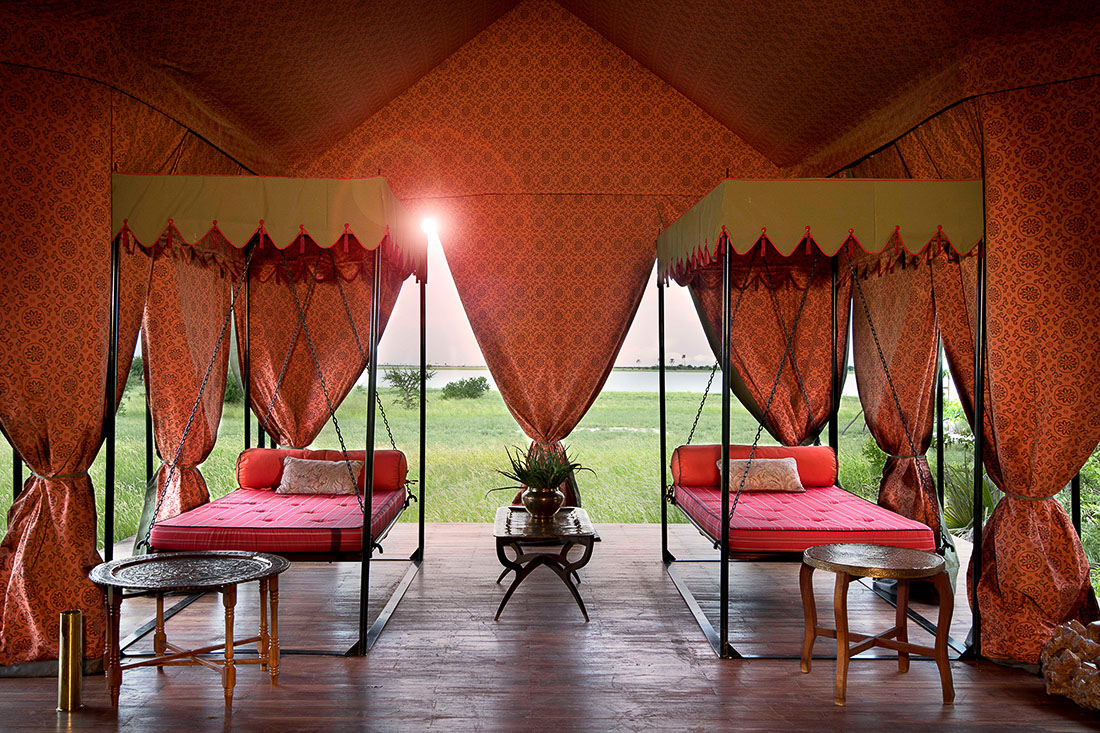
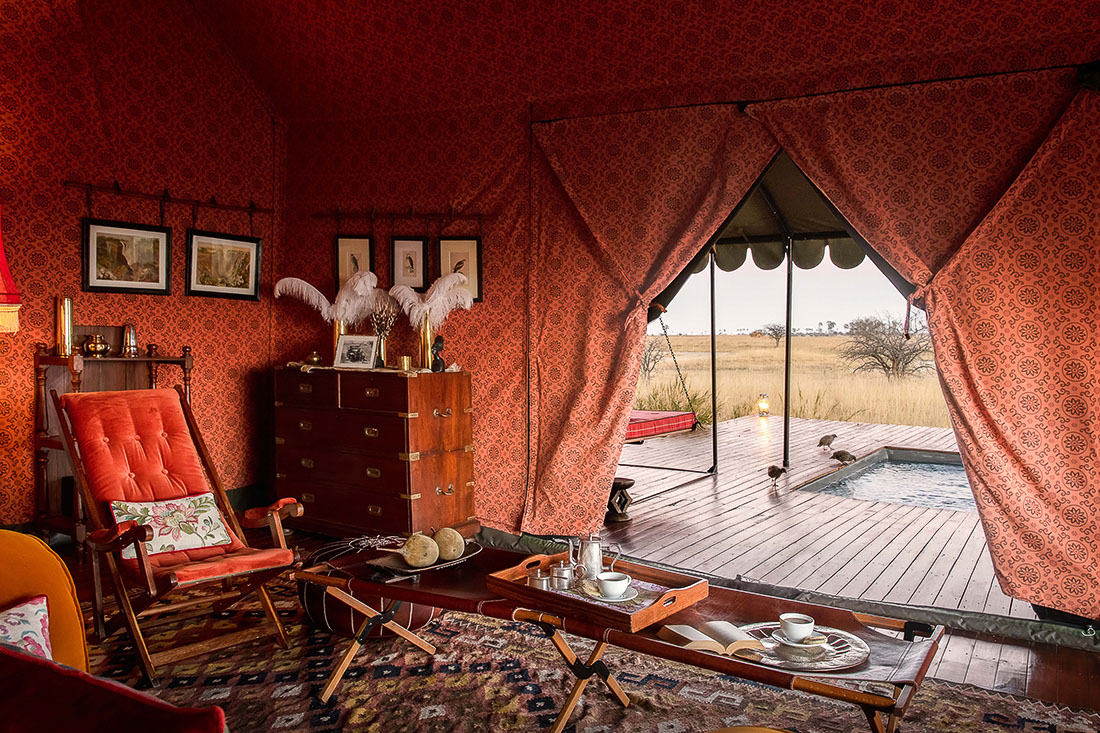
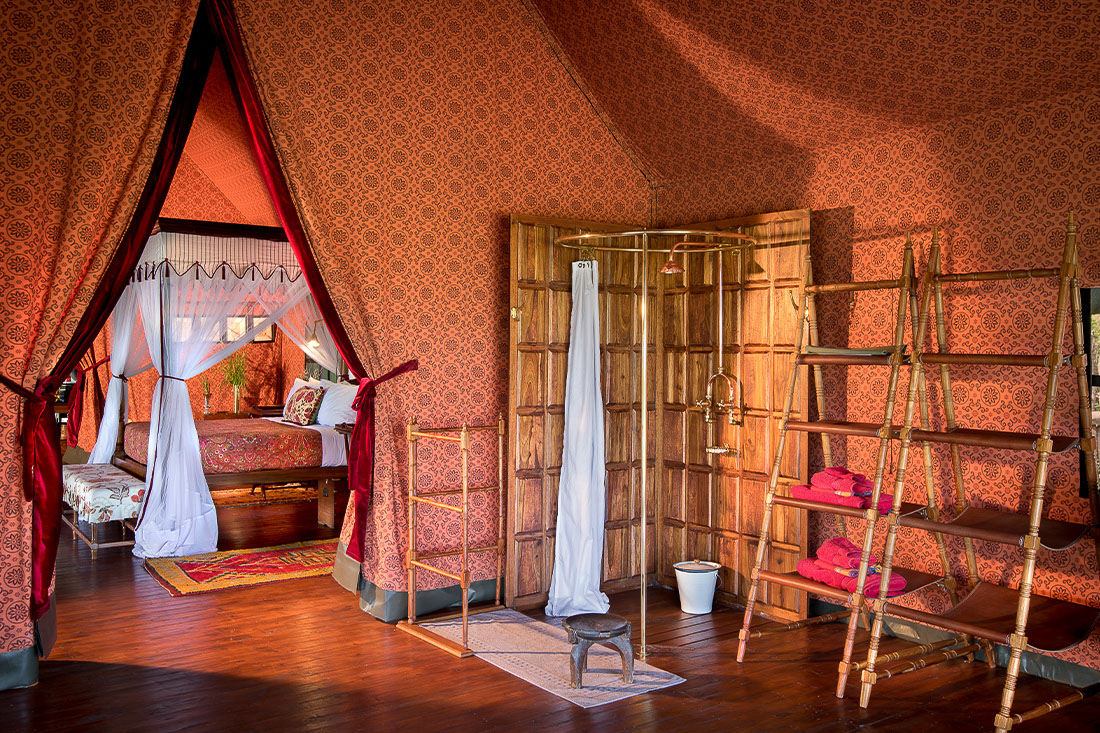
Jack’s Camp is Botswana’s most atmospheric camp, full stop. A vision of 1940s East-African campaign style, its green canvas tents are lined with rich textiles and Persian rugs, hung with a genuine natural-history museum’s worth of specimens and curiosities. Days are spent walking with Zu/’hoasi Bushmen trackers, quad-biking onto the pans, and sitting with the meerkats at dawn. Nothing else on the continent feels quite like it — it is safari as theatre, history and pure romance.
All-Inclusive Botswana Safari Pricing in 2026 — The Honest Breakdown
Botswana is a premium destination by design, but the range is wider than most people assume. The table below sets out the four broad tiers of all-inclusive camp, with indicative 2026 rates per person per night sharing, fully inclusive of accommodation, meals, most drinks and twice-daily activities. To these you add the inter-camp light-aircraft flights (typically US$300–US$600 per person per flight) and your international airfare. As a rule of thumb, a well-planned week combining two or three regions lands most couples between US$8,000 and US$25,000 per person all-in, depending on the tier. For a deeper look, see our Botswana safari cost per day guide.
| Tier | Rate (pp/night, all-in) | What you get | Example camps |
|---|---|---|---|
| Value / Mobile | ~US$350–US$550 | Guided mobile camping & entry-level camps, shared activities | Mobile safaris, Moremi seasonal camps |
| Classic Mid-Tier | ~US$600–US$1,100 | Comfortable en-suite tented camps, twice-daily private-ish activities | Camp Okavango, Camp Moremi, Chobe Game Lodge |
| Luxury | ~US$1,500–US$2,000 | Design-led suites with plunge pools, low densities, superb guiding | Vumbura Plains, DumaTau, Jack’s Camp |
| Ultra-Premium | ~US$3,000–US$4,000 | Iconic camps, near-private concessions, exceptional wildlife & service | Mombo, Xigera, Zarafa |
Two factors move these numbers more than any other: season and region. Peak dry-season months (July–October) command the highest rates and sell out first; the green season (November–April) can be 30–50% cheaper and is wonderful for birding, newborn game and dramatic skies. Private concessions cost more than public Moremi but reward you with exclusivity, night drives and off-road access. We will always build the mix that gives you the most safari for your budget.
Three Sample All-Inclusive Itineraries
1. The Classic Water & Elephants (7 nights, mid-tier). Fly into Maun and transfer to a water camp in the Okavango Delta (3 nights of mokoro, boat cruises and island drives), then fly to Chobe for the great elephant riverfront and sunset cruises (2 nights), finishing with 2 nights on the Chobe River or a Victoria Falls add-on. The archetypal first-timer’s Botswana — two utterly different worlds in one relaxed week.
2. The Connoisseur’s Triangle (8 nights, luxury). Combine a Delta water camp (3 nights), a private Linyanti or Selinda concession for wild dog and big elephant herds (3 nights), and the Makgadikgadi salt pans with the meerkats of Jack’s Camp (2 nights). Three radically different ecosystems, minimal crowds and some of the finest guiding on the continent — the trip serious safari-goers dream about.
3. The Ultimate Honeymoon (9 nights, ultra-premium). Begin with 3 nights at Mombo or Xigera for peerless Delta wildlife and design, move to Zarafa in the private Selinda for 3 nights of copper-and-canvas seclusion, and finish with 3 nights on the Chobe River or across the border at Victoria Falls. Private plunge pools, star beds and champagne on the floodplain — Botswana at its most romantic. Explore our Botswana fly-in safari guide for how the flights connect it all.
The Best Time for an All-Inclusive Botswana Safari
Botswana has two faces, and both are wonderful. The dry season (May–October) is prime game-viewing time: as the land dries out, wildlife concentrates around the permanent water of the Delta and the Chobe and Linyanti rivers, the bush thins for visibility, and — counterintuitively — the Okavango flood is actually at its highest from June to August, making it the best window for mokoro and boat activities. July to September is peak, with the coolest, most comfortable weather and the highest rates.
The green season (November–April) brings summer rains, lush landscapes, dramatic skies and the newborn game and migrant birds that follow. It is the time for the Makgadikgadi zebra migration, superb photography and markedly lower prices, in exchange for taller grass, some heat and afternoon storms. For the definitive month-by-month breakdown, see our when to visit Botswana guide.
How to Book — and How to Choose Your Camps
The single most important rule for Botswana is to book early. The best camps hold very few beds, and the peak dry-season months routinely sell out 9–12 months in advance. The second rule is to think in combinations, not single camps: Botswana rewards contrast, and a fly-in safari that pairs water, riverfront and desert will always beat three nights in one place. The quick guide below matches travel styles to the right region and tier.
| If you want… | Choose | Why |
|---|---|---|
| The classic first-timer’s trip | Okavango Delta + Chobe | Water and elephants — two contrasting worlds, easy logistics |
| Maximum exclusivity & wild dogs | Linyanti / Selinda (DumaTau, Zarafa) | Vast private concessions, almost no other vehicles |
| The very best wildlife density | Mombo, Okavango Delta | The “Place of Plenty” — unrivalled predators & plains game |
| Best value fully inclusive | Camp Okavango, Camp Moremi, Chobe Game Lodge | Classic mid-tier camps, genuine Delta & riverfront |
| Something surreal & different | Kalahari / Makgadikgadi (Jack’s Camp) | Salt pans, meerkats, desert wildlife & pure romance |
| The ultimate honeymoon | Xigera / Zarafa + Victoria Falls | Ultra-premium suites, star beds and champagne wilderness |
Plan Your All-Inclusive Botswana Safari
Our specialists will design your fly-in itinerary end to end — matching you to the right camps, season and combination of Delta, Chobe, Linyanti and Kalahari, with every flight, meal and activity handled.
Getting There
Most all-inclusive Botswana safaris begin in Maun (the gateway to the Okavango Delta and Moremi) or Kasane (the gateway to Chobe), both reached by connecting flights from Johannesburg, Cape Town or Victoria Falls. From there, your camps arrange the light-aircraft flights that carry you into the wilderness — short, scenic hops in a small Cessna that are an unforgettable part of the experience in themselves. Because those internal flights, transfers and all activities are already built into your inclusive rate, the entire journey is seamless from the moment you arrive. Tell us your dates and travel style, and we will handle every link in the chain.