Key Takeaways
- The green season runs roughly November to April, peaking December–March
- Expect dramatic skies, lush landscapes, newborn animals and superb birding
- Prices can fall to half the dry-season rate — the best value in Botswana
- Far fewer guests means genuine exclusivity and empty sightings
- Rain usually comes as short afternoon storms, not all-day downpours
- Best for photographers, birders, value-seekers and repeat visitors
What Is the Green Season?
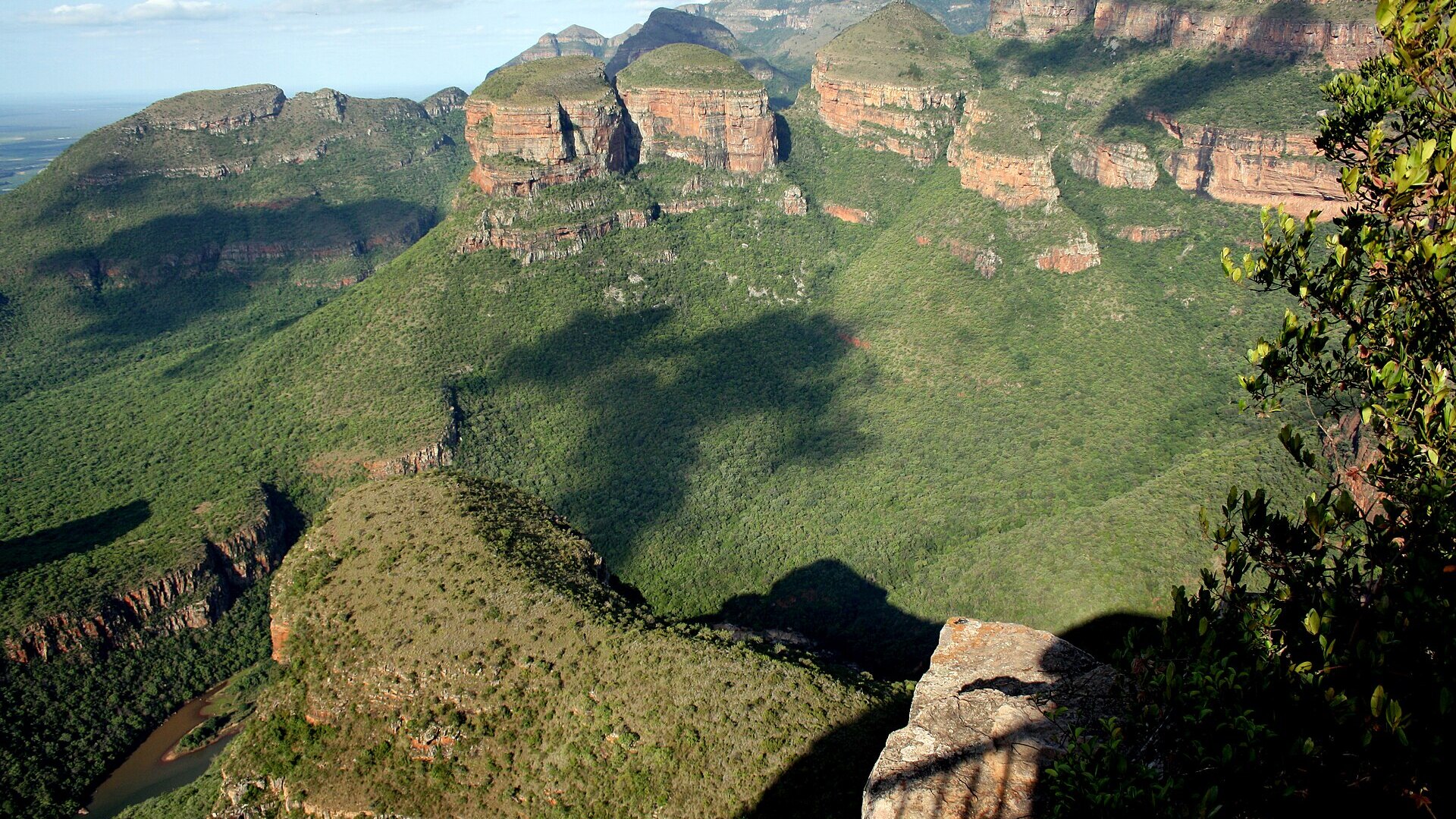
Botswana's year splits into two broad seasons. The dry season (May–October) is the classic safari time — sparse vegetation, animals crowding the last water, and premium prices to match. The green season, sometimes called the emerald or rainy season, runs from about November to April, when the summer rains sweep in and transform the parched Kalahari sands into a rolling green paradise. It is a completely different Botswana, and for a certain kind of traveller it is the better one.
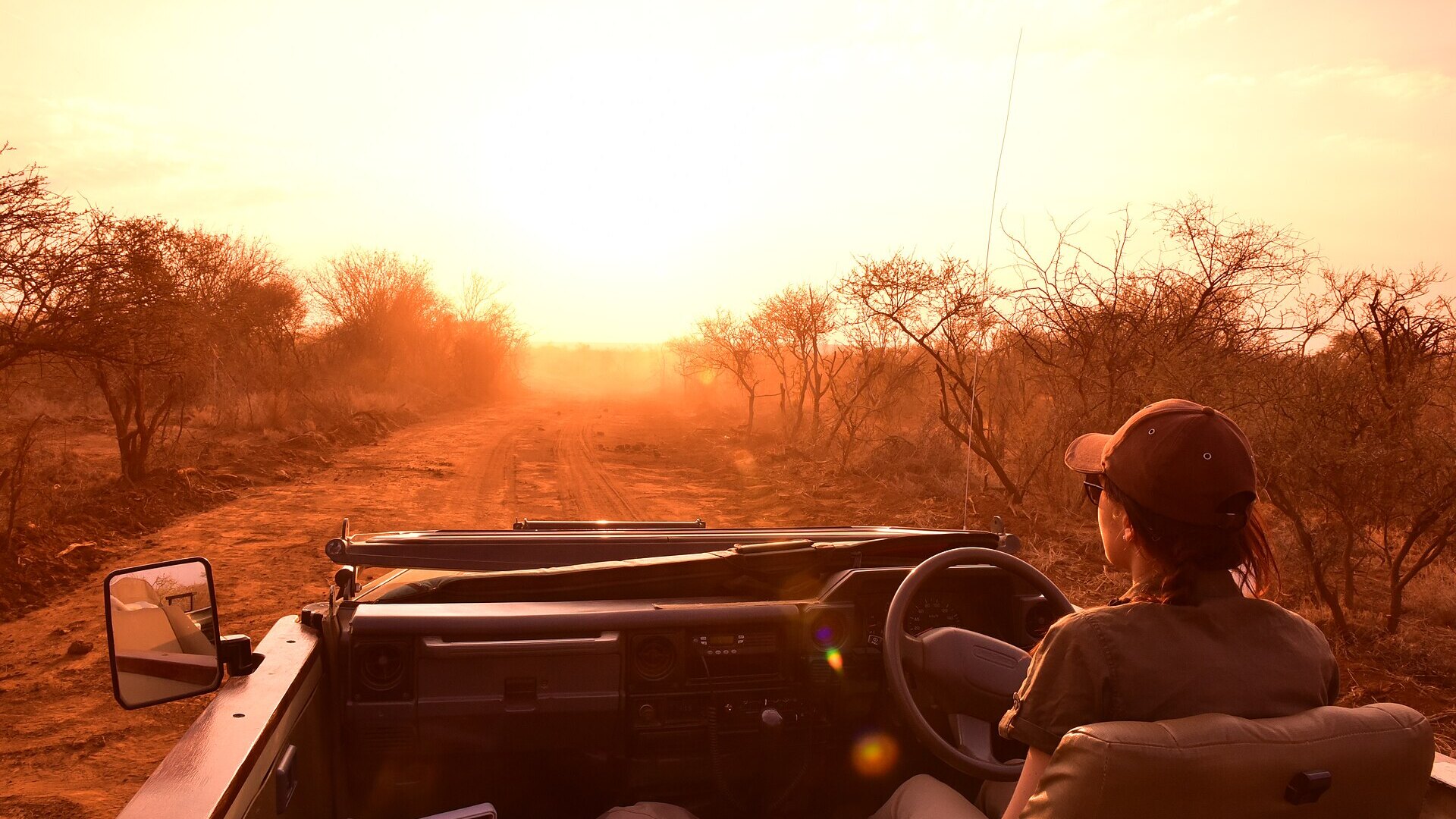
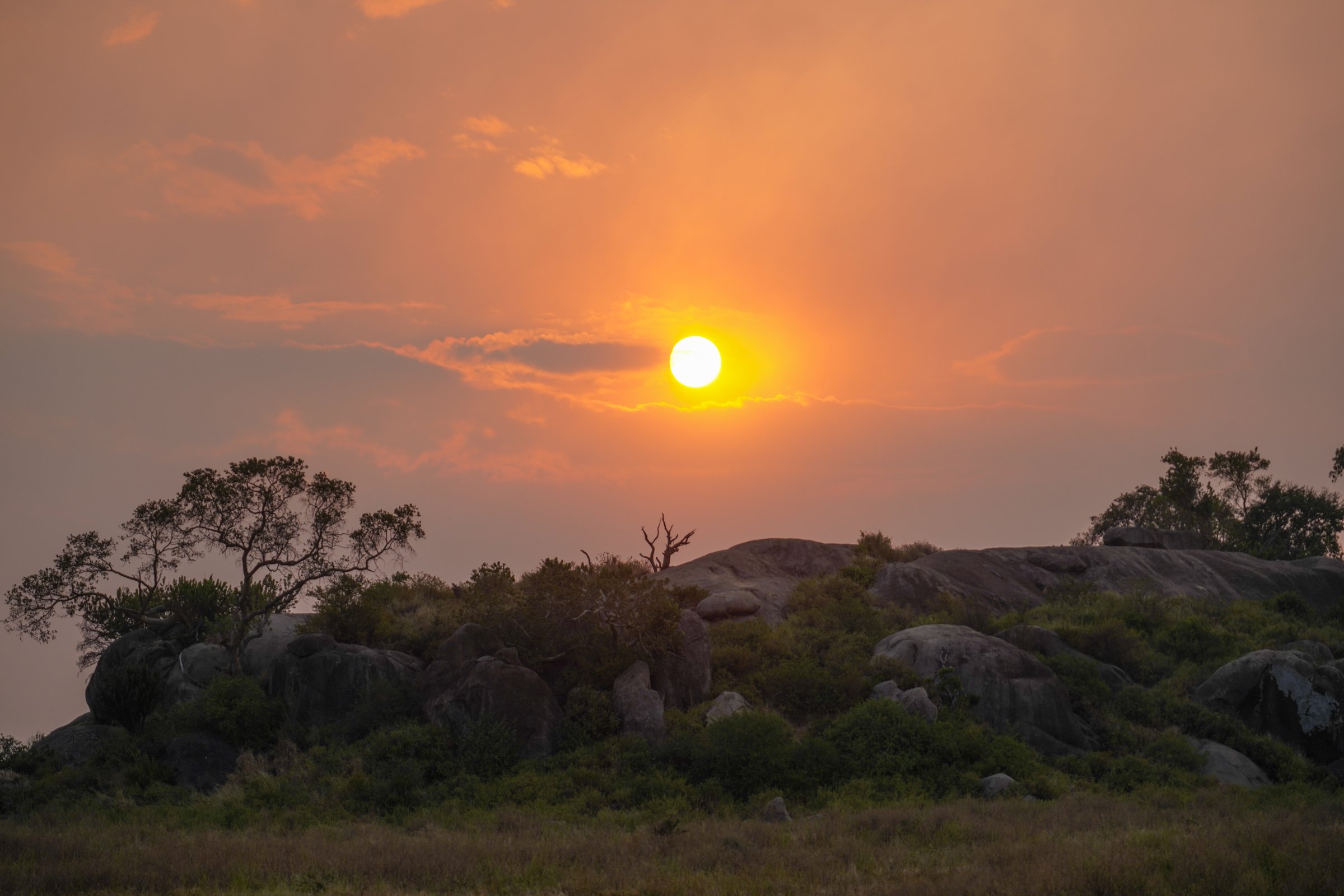
Do not let the word "rainy" put you off. In most of Botswana the rain comes as short, spectacular afternoon thunderstorms — an hour of dramatic sky and cooling downpour, then clear air and golden evening light. Mornings are typically bright and fresh. The rain is what makes the magic: it brings the landscape to life, triggers the birthing season and fills the sky with the towering cloudscapes photographers dream of.
Why Go: Drama, Newborns and Birds
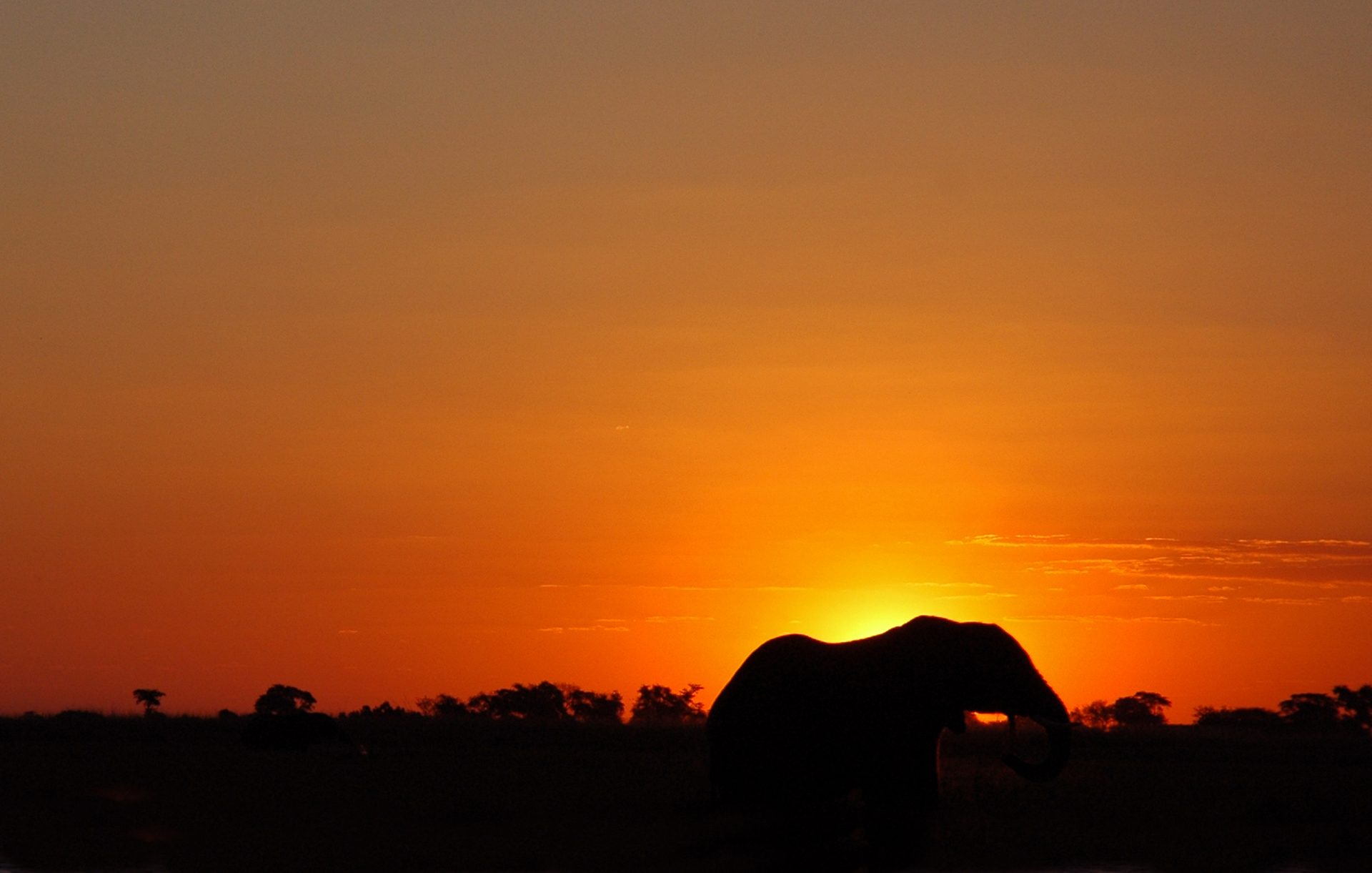
The green season's first gift is drama. Those brooding storm skies, shot through with shafts of sunlight, turn every landscape and every animal into a painting. Photographers travel specifically for this light — the contrast of a lit subject against a near-black sky is impossible to fake and hard to find in the cloudless dry months.
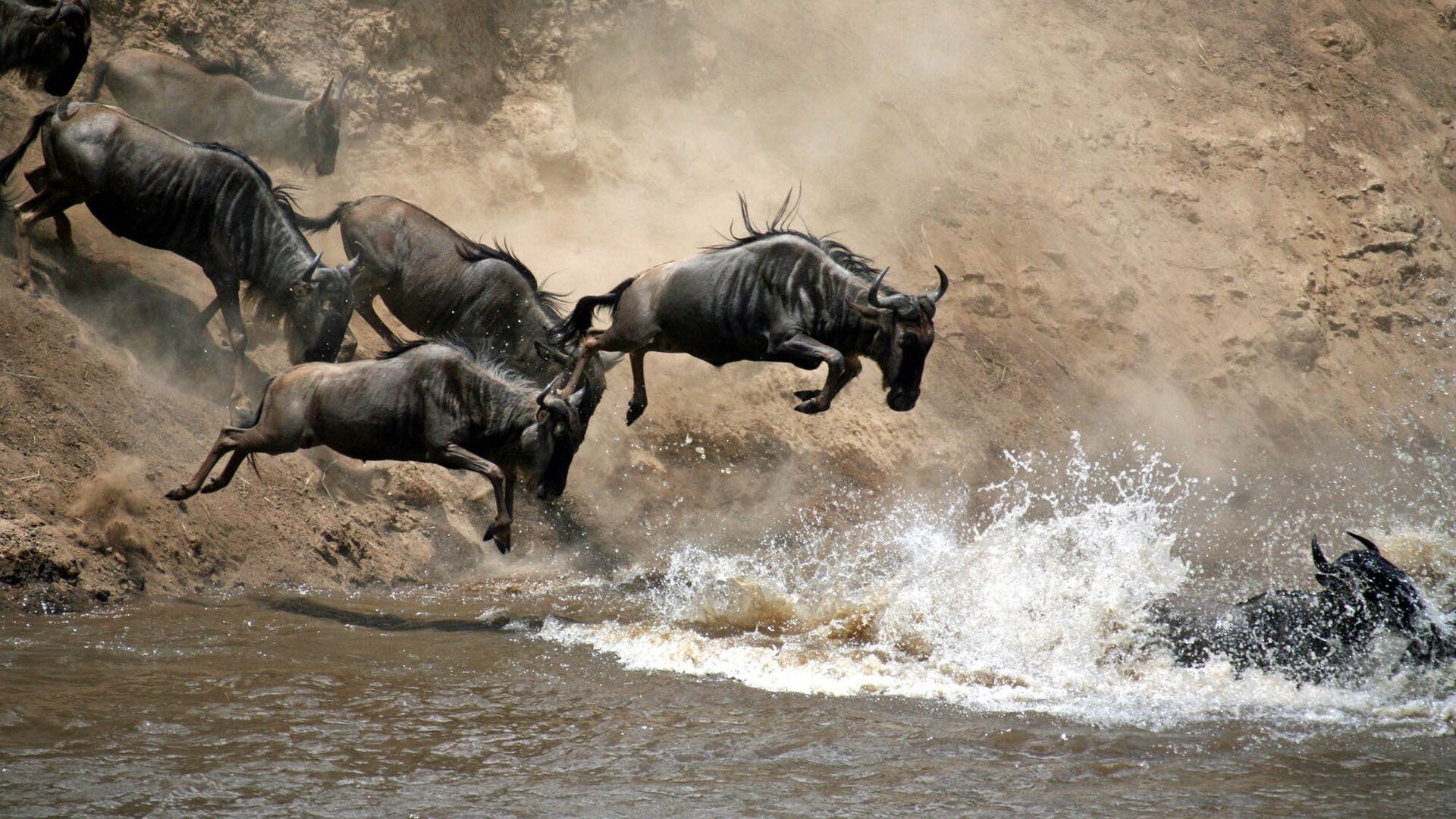
The second gift is new life. The rains trigger the calving season, and the plains fill with newborn impala, wildebeest, zebra and more — wobbly-legged, impossibly cute, and irresistible to predators. Where there are babies there is action, and the green season delivers some of the year's most dramatic hunting as lions, leopards, cheetahs and wild dogs take advantage of the bounty. The third gift is the birds: millions of migrants arrive from the north, the resident species burst into breeding plumage, and Botswana's already superb birding hits its glorious peak. For birders, there is simply no better time.
The Value: Half the Price, Twice the Space
Here is the part that makes seasoned travellers smile. Green season rates at Botswana's finest camps can fall to half — or even less — of their dry-season peak. The same sumptuous suite, the same superb guiding, the same all-inclusive experience, at a fraction of the cost. For anyone who has looked at Botswana's famously high prices and winced, the green season is the door in.
And it is not just cheaper — it is emptier. The crowds vanish with the dry season, and you will often have sightings, and sometimes entire camps, almost to yourselves. That exclusivity, which you would pay a fortune for in July, comes as standard in January. Combine the value and the space, and the green season offers a level of luxury-per-dollar that the peak season simply cannot match.
The Honest Trade-Offs
The green season is not for everyone, and we always give the honest picture. Because water is everywhere, wildlife disperses — animals no longer need to crowd the permanent rivers and lagoons, so game viewing can be a little harder work and sightings less concentrated than in the dry months. The taller grass and thicker bush can hide animals. And a few remote camps close for part of the wettest period (typically January–February) when airstrips and roads become tricky.
For a first-ever safari where you want guaranteed, easy, Big Five-crowding-the-waterhole viewing, the dry season is the safer bet. But for photographers, birders, repeat visitors and anyone who values drama, value and solitude over sheer numbers, the green season is a revelation. Many of our most experienced clients now travel almost exclusively in these months.
Where to Go in the Green Season
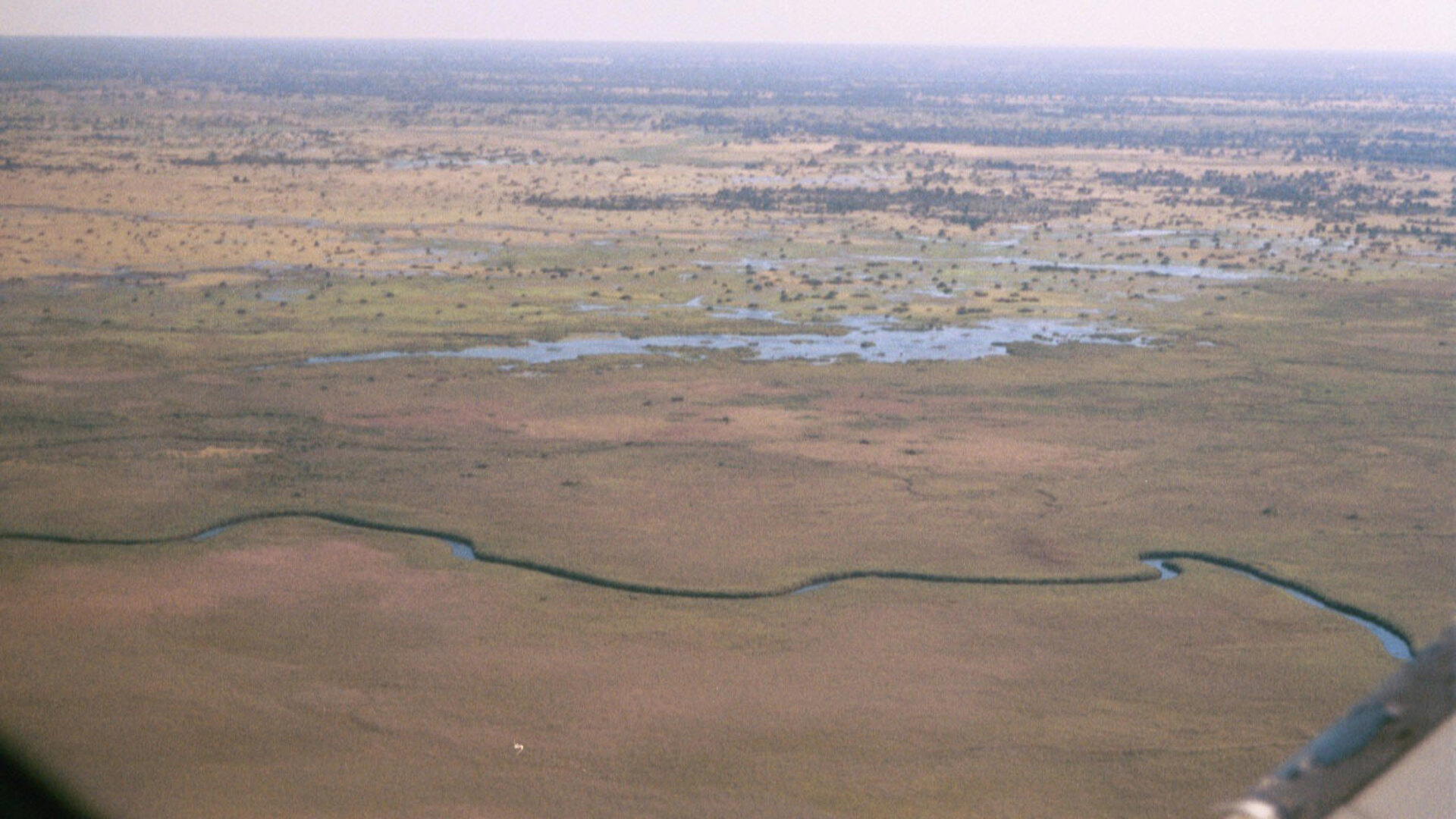
Some regions positively come into their own after the rains. The Central Kalahari Game Reserve and Nxai Pan explode with life — the desert-adapted animals gather, and the famous Kalahari black-maned lions hunt across grasslands that were bare dust weeks before. The Makgadikgadi Pans fill with water and draw one of Africa's last great zebra migrations, along with flamingos in their thousands. And the Okavango's permanent channels still deliver superb water-based safari even as the surrounding land turns green.
We usually build green season trips around a mix of a permanent-water delta camp (for reliable game and boat activities) and a dry-country reserve like the Central Kalahari or Nxai Pan (for the migration, the newborns and the storm-sky drama). Pair it with our Botswana photographic safari guide if capturing that light is your priority, or see the best luxury lodges for green-season value picks.
Private Tours Cape Town plans exceptional-value green season safaris across Botswana — the right camps, the best regions, and honest advice on exactly what to expect.