Key Takeaways
- Botswana's private concessions allow off-road driving — the single biggest advantage for photographers
- The Okavango's water gives you low-angle boat and mokoro perspectives found nowhere else
- The dry season (May–October) concentrates game and delivers golden light
- Leopard, lion, wild dog and elephant are the headline subjects
- Many camps offer beanbags, charging, camera vehicles and photo-savvy guides
- Private photographic vehicles are the ultimate upgrade — total control over position and light
Why Botswana Is Africa's Photographer's Dream
Ask professional wildlife photographers where they would spend their own money, and Botswana comes up again and again. There is a simple reason: freedom. Across Botswana's vast private concessions — the exclusive-use areas leased around the delta, Linyanti and Selinda — vehicles are permitted to leave the road and follow a sighting off-track. That single privilege changes everything. Instead of jostling for position on a road with a dozen other vehicles, your guide can reposition for the light, the background and the angle, and hold a sighting entirely to yourselves for as long as you like.
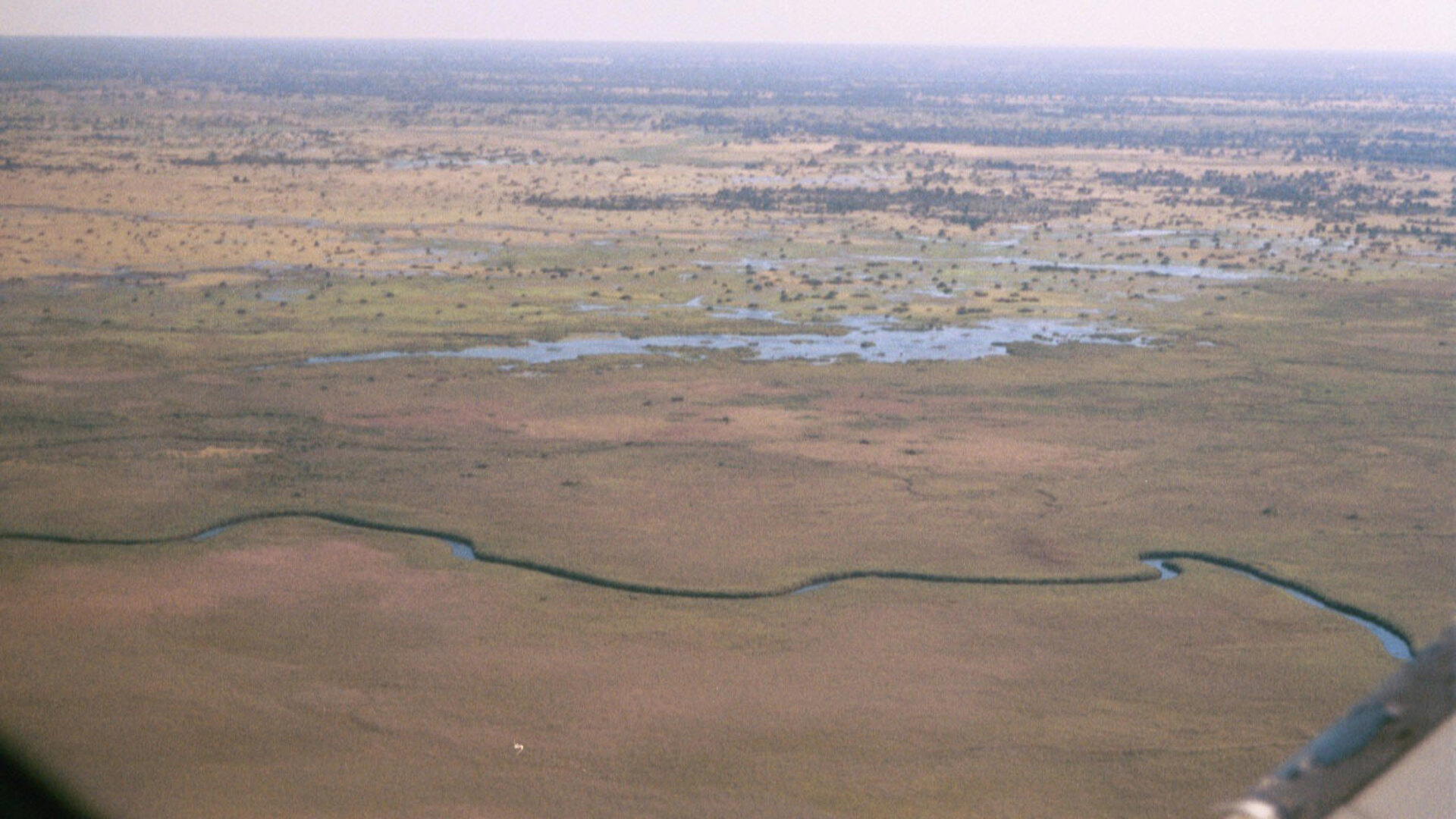
Add to that the water. The Okavango is the only major safari destination where you can photograph from the surface of a lagoon — a mokoro or a low aluminium boat puts your lens at eye level with a drinking elephant, a fishing heron or a pod of hippo. That water-level perspective, with reflections and soft light bouncing off the surface, is the signature Botswana image, and it is almost impossible to get anywhere else.
The Subjects: Leopards, Lions, Wild Dogs and Elephants
Botswana's headline acts are its predators. The delta and its concessions hold some of the highest leopard densities in Africa — relaxed, habituated cats that will drape themselves over a leadwood branch in golden light. Lion prides here are large and often active around water, and the Duba and Selinda areas are famous for dramatic lion-and-buffalo interactions. Above all, Botswana is the continent's stronghold for the endangered African wild dog; a den in the Linyanti or a hunting pack in full flight is one of the great photographic prizes.
Then there are the elephants — Botswana holds the largest population on earth, and in the dry season they gather along the Chobe and Linyanti rivers in their thousands. Photographing a herd crossing a channel at sunset, dust and spray backlit by the low sun, is the kind of image that wins competitions. Buffalo, giraffe, zebra, hippo, red lechwe and a staggering cast of birds round out the portfolio.
Where to Base Yourself
For a serious photographic trip we recommend combining two or three contrasting areas. Begin in a water-rich delta camp for boat and mokoro photography and leopards on the islands. Move to a big-game concession — the Linyanti, Selinda or Khwai — for wild dogs, big lion prides and elephant herds. If time allows, add the Chobe riverfront, where dedicated photographic boats with swivel chairs and gimbals get you level with drinking elephants and skimming carmine bee-eaters.
The right camp matters. Look for small camps on private concessions (off-road driving), photo-aware guiding, beanbags on the vehicles, in-room charging and, ideally, the option of a private vehicle. See our guide to the best luxury safari lodges in Botswana for our favourite photographer-friendly camps.
When to Go for the Best Light and Game
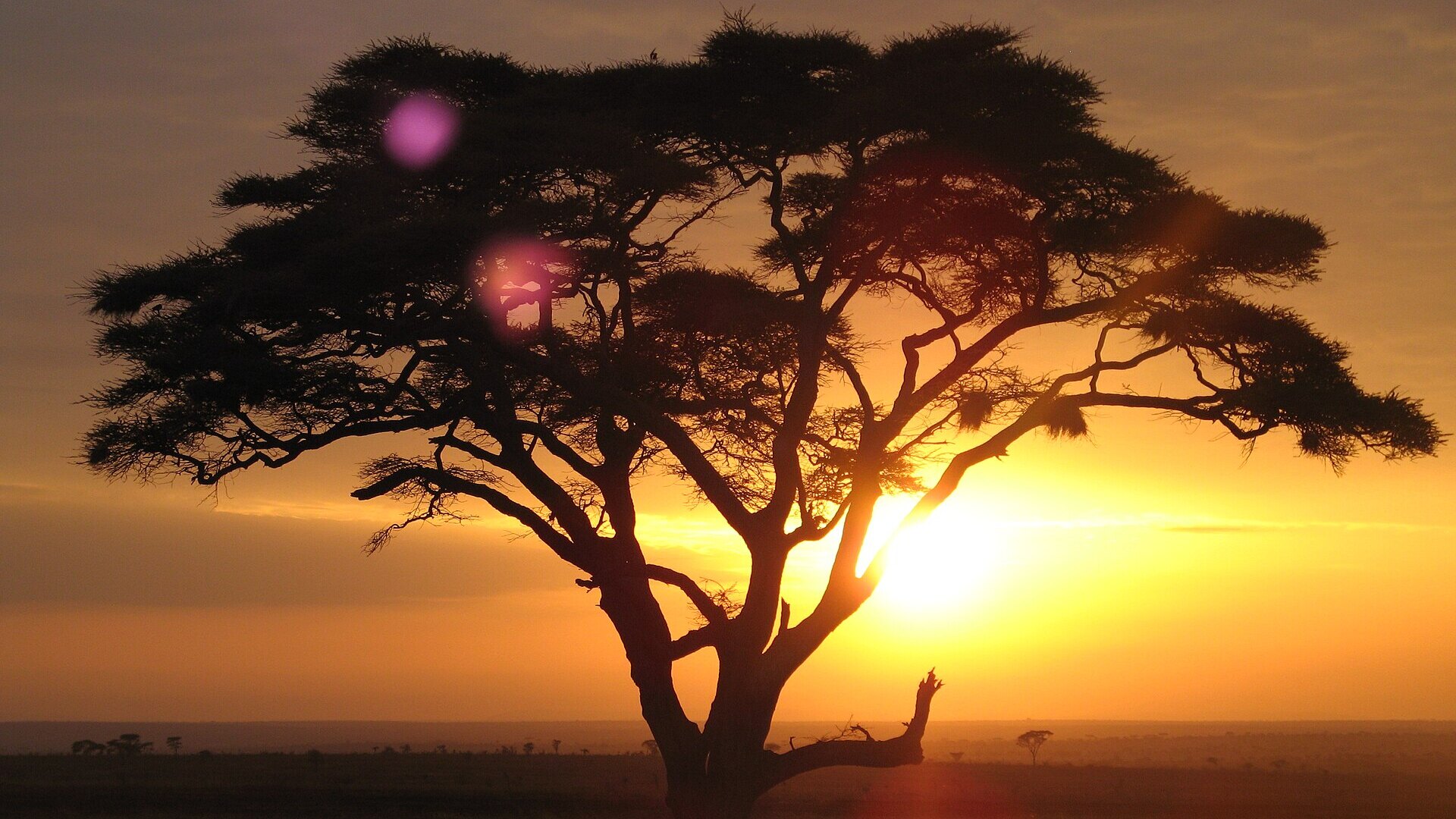
The dry season, from roughly May to October, is prime time. As the land dries, wildlife concentrates around the permanent water of the delta and rivers, sightings become predictable and the bare trees and short grass make for clean compositions. The floodwaters peak, paradoxically, in the dry winter months (June–August), so this is also the best time for water photography. Skies are clear and the light is crisp.
The green season (November–April) is a different proposition — dramatic storm skies, lush backdrops, newborn animals and spectacular birdlife, all at lower prices and with far fewer guests. It is harder work for the photographer (thicker vegetation, dispersed game) but the light and skies can be extraordinary. Read our Botswana green season guide for the full picture.
Gear and Technique
You do not need a bag full of professional glass, but a few things help enormously. A telephoto zoom in the 100–400mm or 150–600mm range covers most subjects; a second body or a shorter zoom (24–70mm) captures the vast delta landscapes and dust-and-light scenes. A beanbag beats a tripod on a safari vehicle — most photo-friendly camps supply them. Bring more memory cards and batteries than you think you need, and a means of backing up each evening; charging is available in camp but power can be solar and limited.
Technique-wise, shoot early and late when the light is golden and low; embrace backlighting for dust and spray; and get low whenever the terrain allows — the water gives you that gift for free. Above all, work with your guide. Botswana's best guides think like photographers, positioning the vehicle for the sun and anticipating the action. Tell them what you want, and they will get you there.
Private Vehicles and Photographic Camps
For dedicated photographers, the single best upgrade is a private vehicle. It costs more, but it means the vehicle is yours alone — no compromise on timing, position or how long you linger. You control the day. Some camps go further, offering purpose-built photographic vehicles with 360-degree beanbag rails, gimbal mounts, charging points and fewer seats for more elbow room. On the Chobe, specialist photographic boats do the same on the water.
We build photographic itineraries around these details — the right camps, private vehicles where it counts, the best water camps for boat work, and enough nights in each area to let the light and the animals come to you. Whether you are a serious amateur chasing your first leopard-in-a-tree or a professional building a portfolio, we will shape the trip around your subjects and your style.
Private Tours Cape Town designs bespoke Botswana photographic safaris — private vehicles, water camps and the best light in Africa, planned around exactly what you want to shoot.