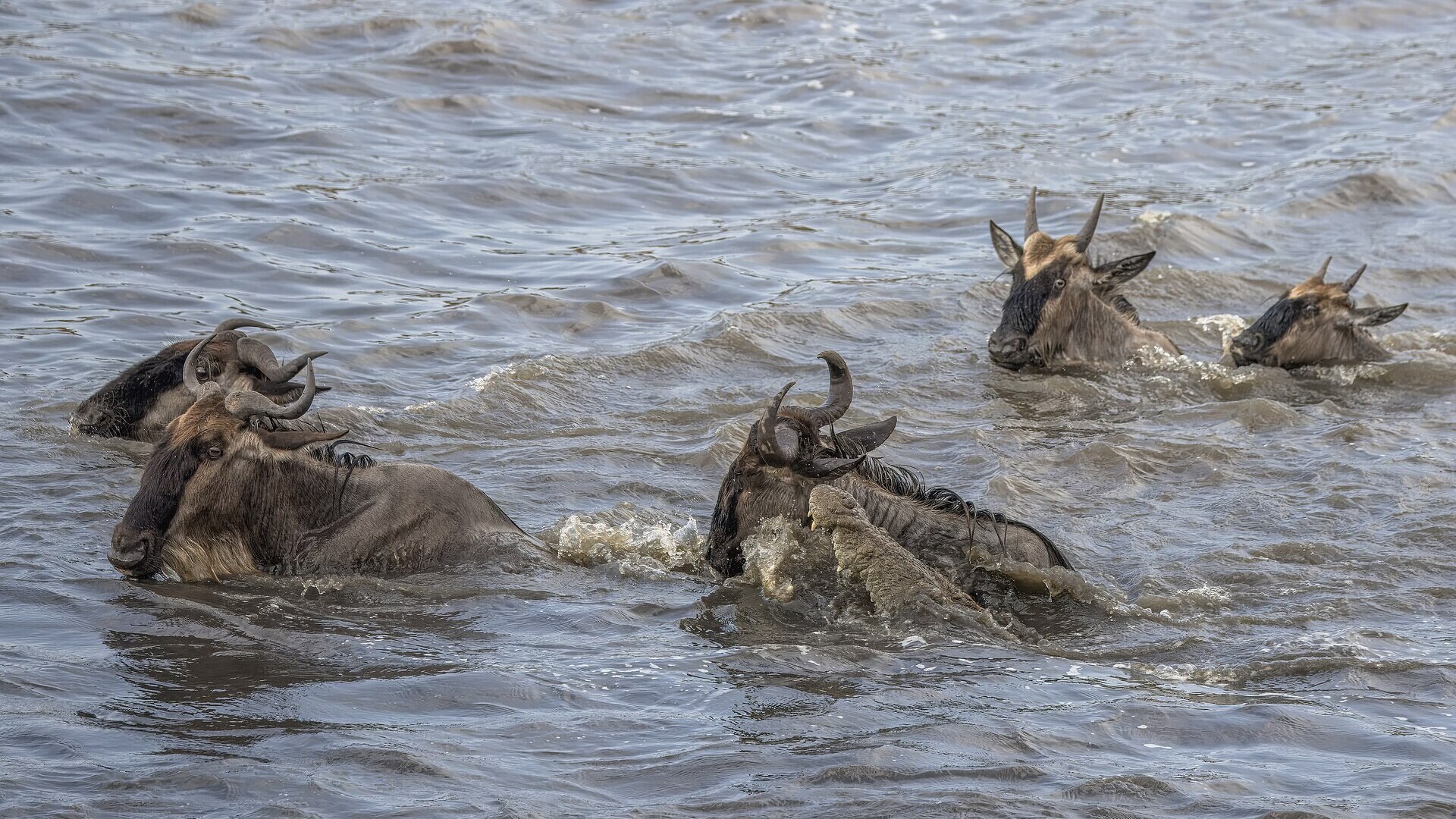
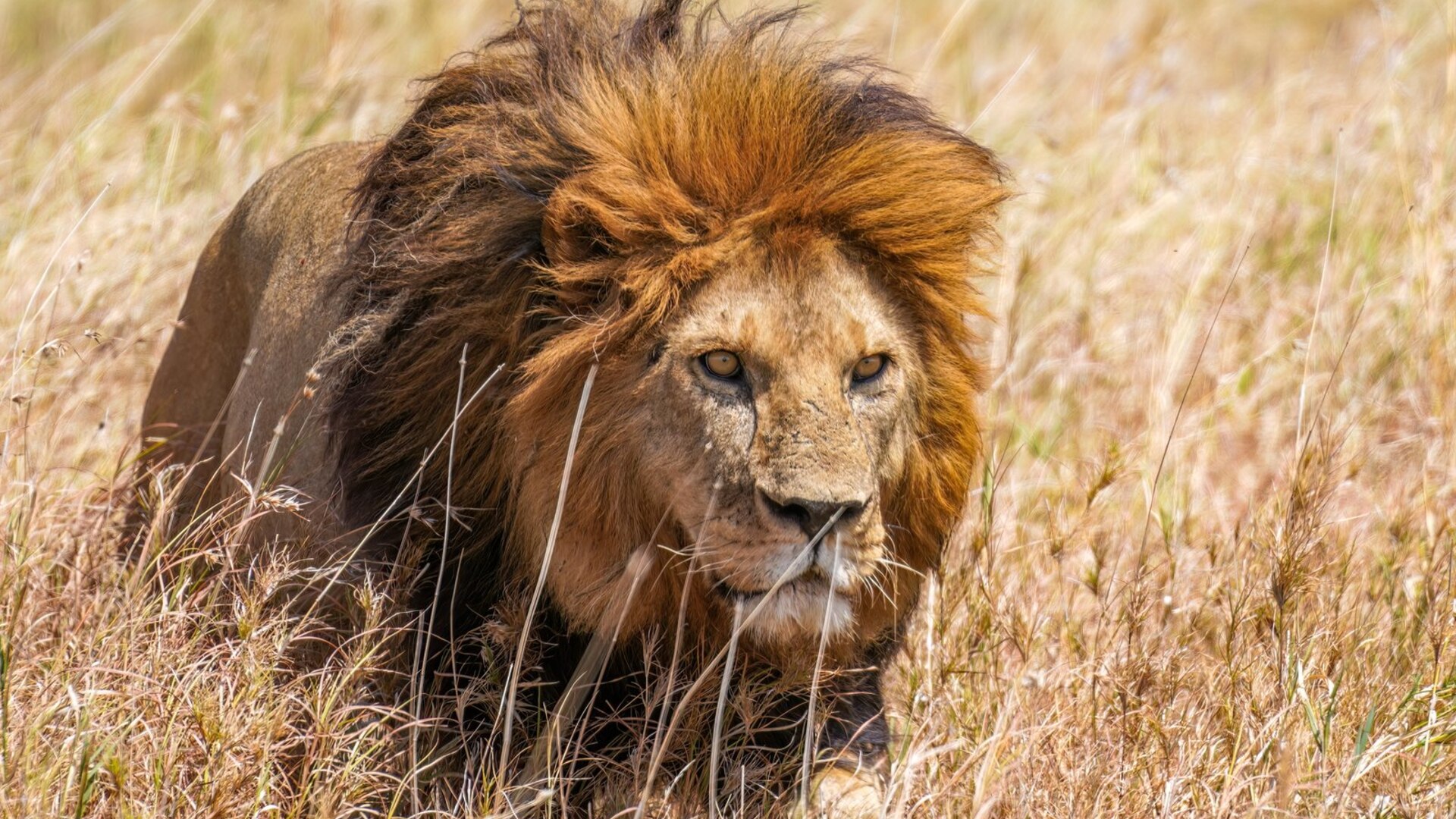
Almost everyone books a safari in the dry winter — and pays peak prices for the privilege. Yet ask seasoned guides and repeat travellers when they like to go, and a surprising number will tell you: the green season. It is Africa's open secret — the lush, warmer, rainier months that deliver lower prices, newborn wildlife, theatrical skies and the best birding of the year. This is the honest 2026 guide to the green season safari: what you gain, what you give up, who it suits, and where to go.
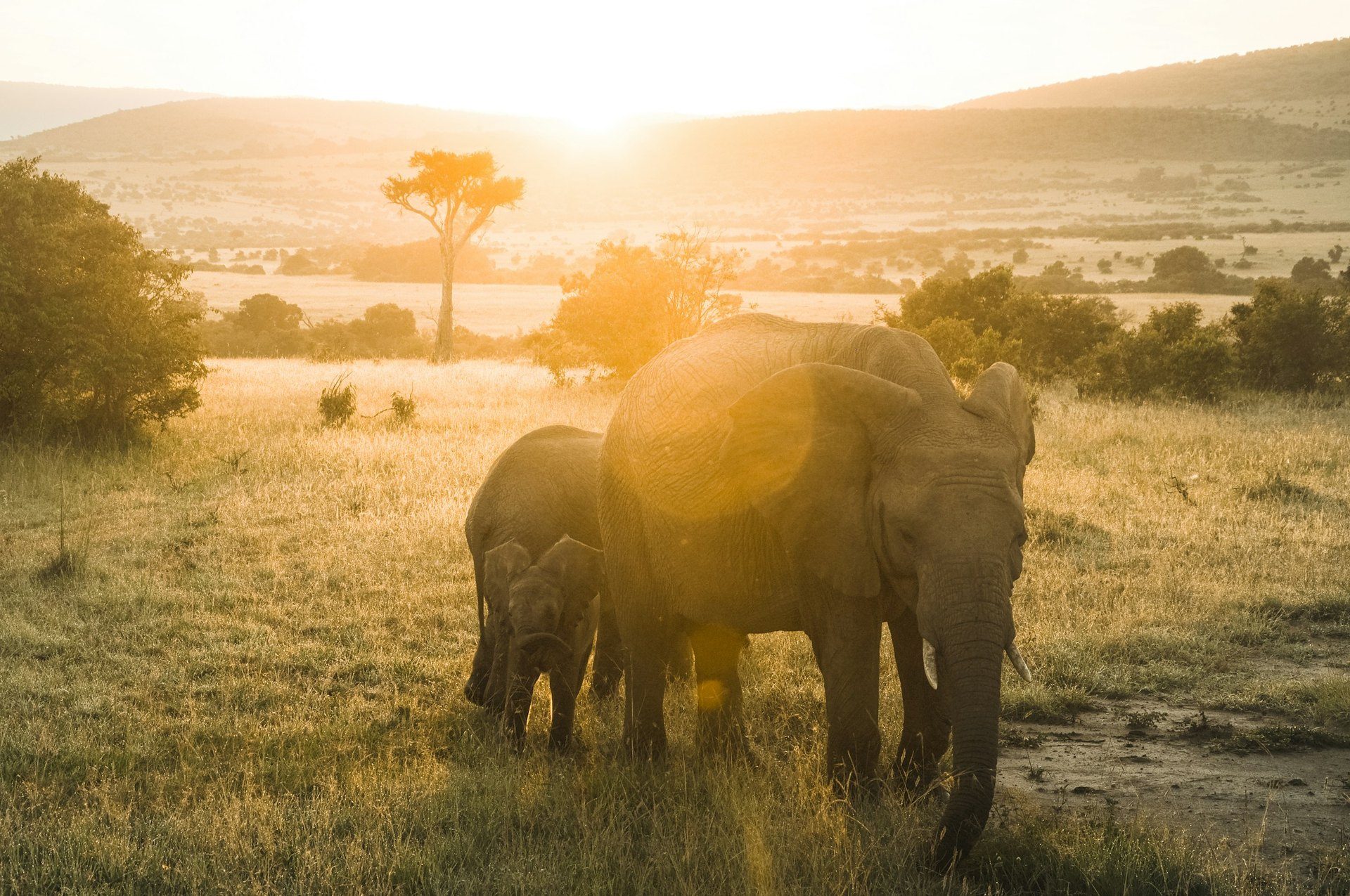
The emerald season transforms the bush — green plains, full waterways and dramatic light.
Quick Answer
The green (low) season — roughly November to March in much of Africa — trades the dry season's easy game-spotting for lower prices, newborn animals, the calving season's predator action, spectacular skies and peak birding. Rain usually comes as short afternoon storms, not all-day washouts. It is the smart pick for value-seekers, photographers and birders.
What "Green Season" Actually Means
The green season goes by several names — low season, wet season, emerald season — and they all point to the same thing: the warmer, rainier half of the year when the bush turns vivid green. Across much of southern and East Africa it falls broadly between November and March, though the exact timing shifts by country and even by region within a country.
The word "wet" scares people unnecessarily. In most safari areas this is not monsoon rain; it is short, dramatic afternoon thunderstorms that build, break and clear, often leaving the rest of the day bright and washed clean. Game drives mostly run in the cooler mornings and late afternoons, around the storms rather than through them. The result is a landscape utterly transformed from the dusty browns of winter into rolling green dotted with wildflowers and full, glittering waterways.
The Case For: Five Real Advantages
1. Lower prices. This is the headline. With demand down, many lodges and camps cut their rates in the green season, and stay-longer offers are common. That can lift you into a higher tier of lodge for the same money, or simply make the whole trip more affordable — the single biggest reason value-aware travellers choose these months.
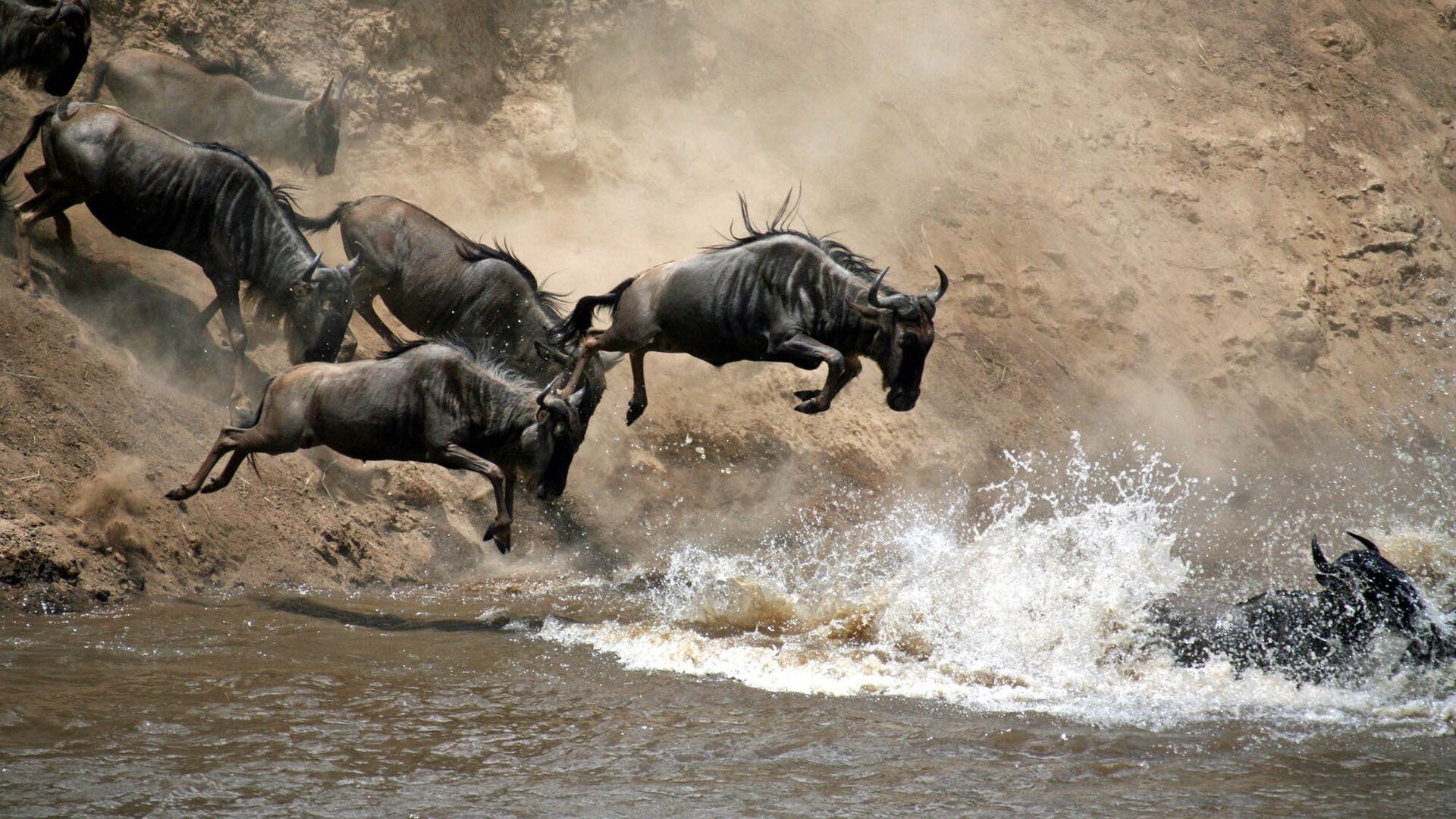
2. Newborn animals and the calving season. Fresh grass brings birthing. Antelope, zebra and wildebeest drop their young, and the plains fill with wobbly-legged newborns. The southern Serengeti calving (roughly January to March) is the famous spectacle, but baby animals appear across the continent — and where there are newborns, there are predators.
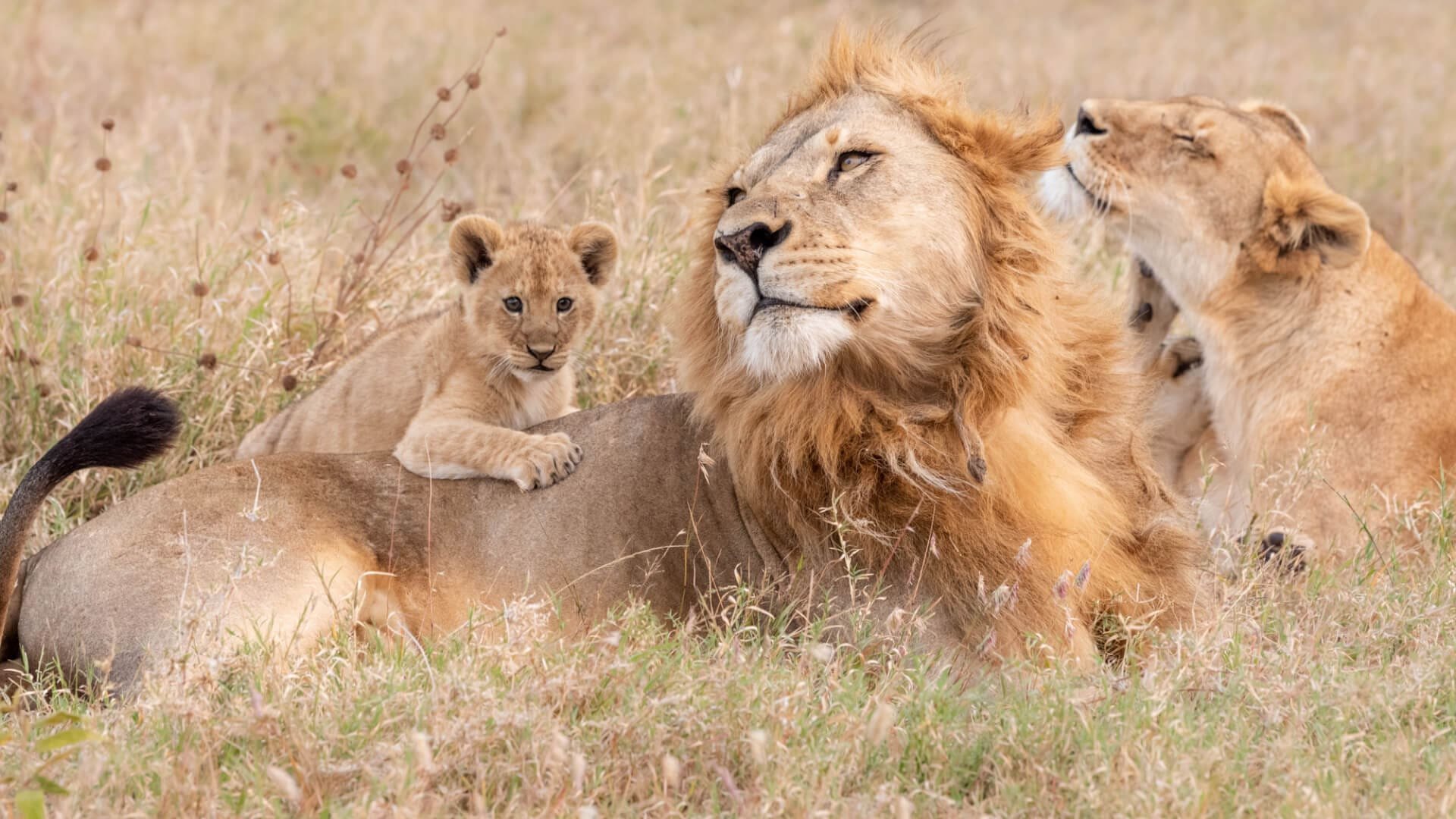
3. Dramatic predator action. Abundant young prey means big cats and other hunters are busy. The green season can serve up some of the most intense wildlife drama of the year — exactly when many visitors assume the bush is quiet.
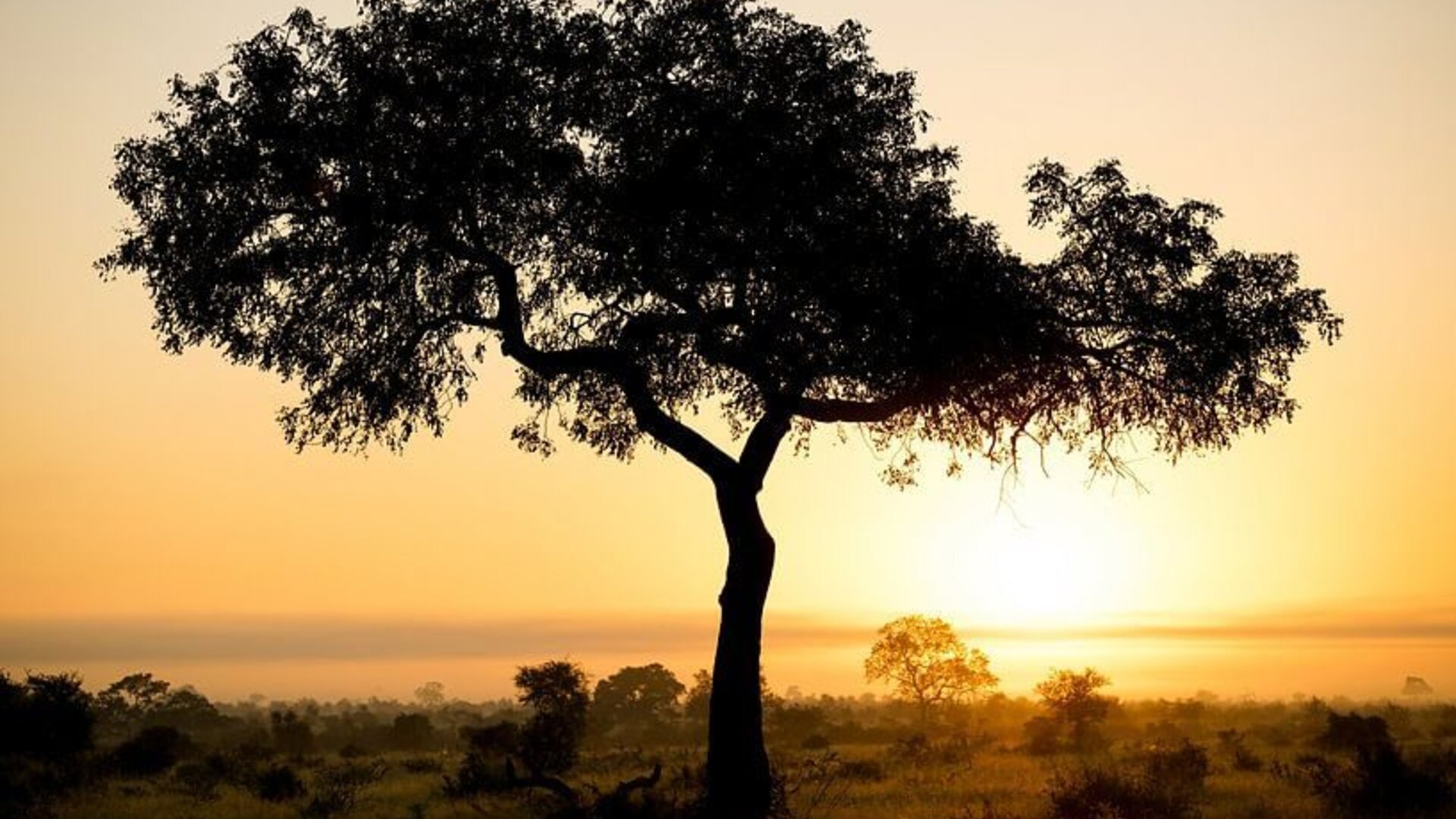
4. Spectacular skies and photography. Storm clouds, shafts of light, rainbows over green plains, and air scrubbed clean of dust make the green season a photographer's dream. The light is softer and richer than the flat haze of late dry season, and a thunderhead behind a lone acacia is the kind of frame you travel for.
5. The best birding of the year. Migratory species arrive in their breeding plumage, resident birds nest, and the bush rings with song. For birders, the green season is simply the peak — hundreds of species in colour, many of them absent in winter.
The Case Against: The Honest Trade-Offs
A good guide will not oversell it, and nor will we. The green season's main drawback is the mirror image of its beauty: thick vegetation and plentiful water mean wildlife disperses and can be harder to spot. In the dry season, animals crowd around shrinking waterholes, almost serving themselves up; in the green season they roam freely and the long grass hides them. Sightings still happen — you simply work a little harder for some of them.
Other points to weigh: a handful of remote camps in flood-prone areas close for part of the season; some unpaved roads can get tricky after heavy rain; and because these are the warm, wet months, malaria risk is higher in affected zones, so prevention matters (or choose a malaria-free reserve). None of this is a deal-breaker for most travellers, but you should book with eyes open.
Dry Season vs Green Season at a Glance
| Factor | Dry / Peak Season | Green / Low Season |
|---|---|---|
| Price | Highest | Lower, with offers |
| Game spotting | Easier (sparse bush) | Harder (lush, dispersed) |
| Scenery | Dry, golden | Vivid green, dramatic skies |
| Wildlife events | Concentrated at water | Calving, newborns, predators |
| Birding | Good | Peak of the year |
| Crowds | Busier | Quieter sightings |
Where to Go in the Green Season
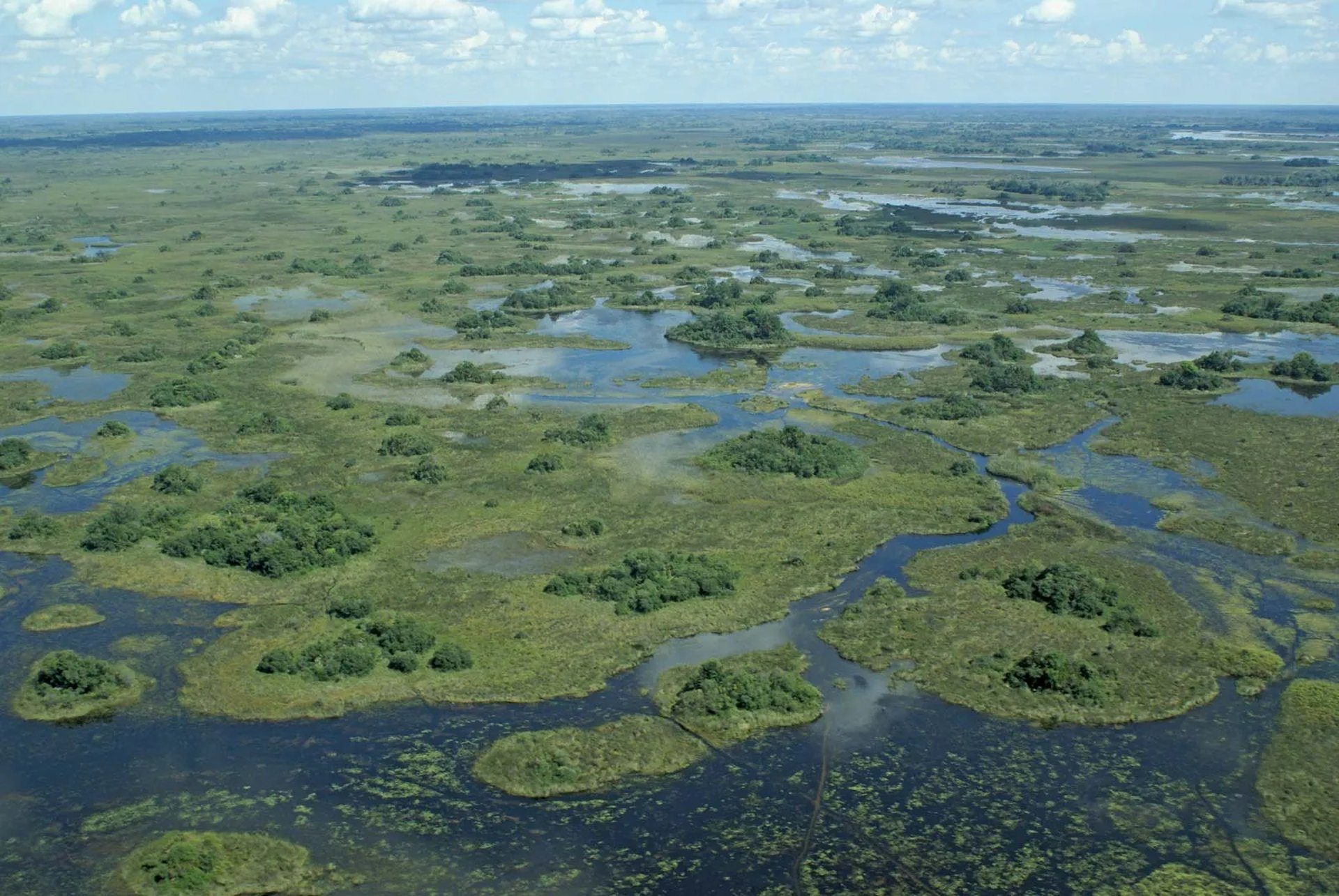
Some destinations are made for these months. The southern Serengeti is unmissable from around January to March for the wildebeest calving and the predator drama it triggers. Kruger and South Africa's private reserves turn lush and green, with baby animals everywhere and excellent value. Zambia's South Luangwa and Botswana reward photographers and birders with emerald landscapes and rich skies. The Okavango Delta is at its most beautiful as the channels fill and the scenery glows.
Because conditions vary so much by region and month, the right green-season destination depends on what you most want — calving, birds, photography or simply stretching your budget further. That is precisely the kind of match we tune an itinerary around.
Who Should Choose the Green Season?
Pick the green season if you are a value-seeker who wants more lodge for your money, a photographer chasing dramatic light and skies, a birder after peak diversity, or anyone who would rather share a sighting with no other vehicle than queue at a famous one in peak season. Lean toward the dry season instead if this is your first safari and seeing the Big Five quickly is the single priority, or if you would rather avoid malaria zones and any chance of rain.
The Bottom Line
The green season is not a compromise — it is a different, and for many a better, safari. You trade slightly harder game-spotting for lower prices, newborn wildlife, gripping predator action, glorious skies and the best birding of the year. Go in with the right expectations and the right destination, and the green season delivers a richer, quieter, more photogenic trip for less money. Tell us your budget and what you want to see, and we will tell you exactly when and where the green season works in your favour.