🏔️ Key Takeaways — Drakensberg Luxury Retreat
- Mountain Majesty: The Drakensberg escarpment towers over 3,000 metres, offering alpine hiking, cascading waterfalls and dramatic vistas across KwaZulu-Natal's highlands.
- Luxury Lodges: Stay in intimate mountain retreats with log fireplaces, wraparound verandas and floor-to-ceiling windows framing the Amphitheatre.
- Wilderness Trails: Guided hikes to Tugela Falls (the world's second-highest waterfall), Cathedral Peak and ancient San rock art caves.
- Year-Round Escape: Summer brings wildflowers and green valleys; winter delivers snow-capped peaks and crisp alpine air.
- Combine with Safari: Add a Drakensberg mountain retreat to your Zululand or Phinda safari for the ultimate bush-and-highland adventure.
Why the Drakensberg is Africa's Premier Mountain Retreat
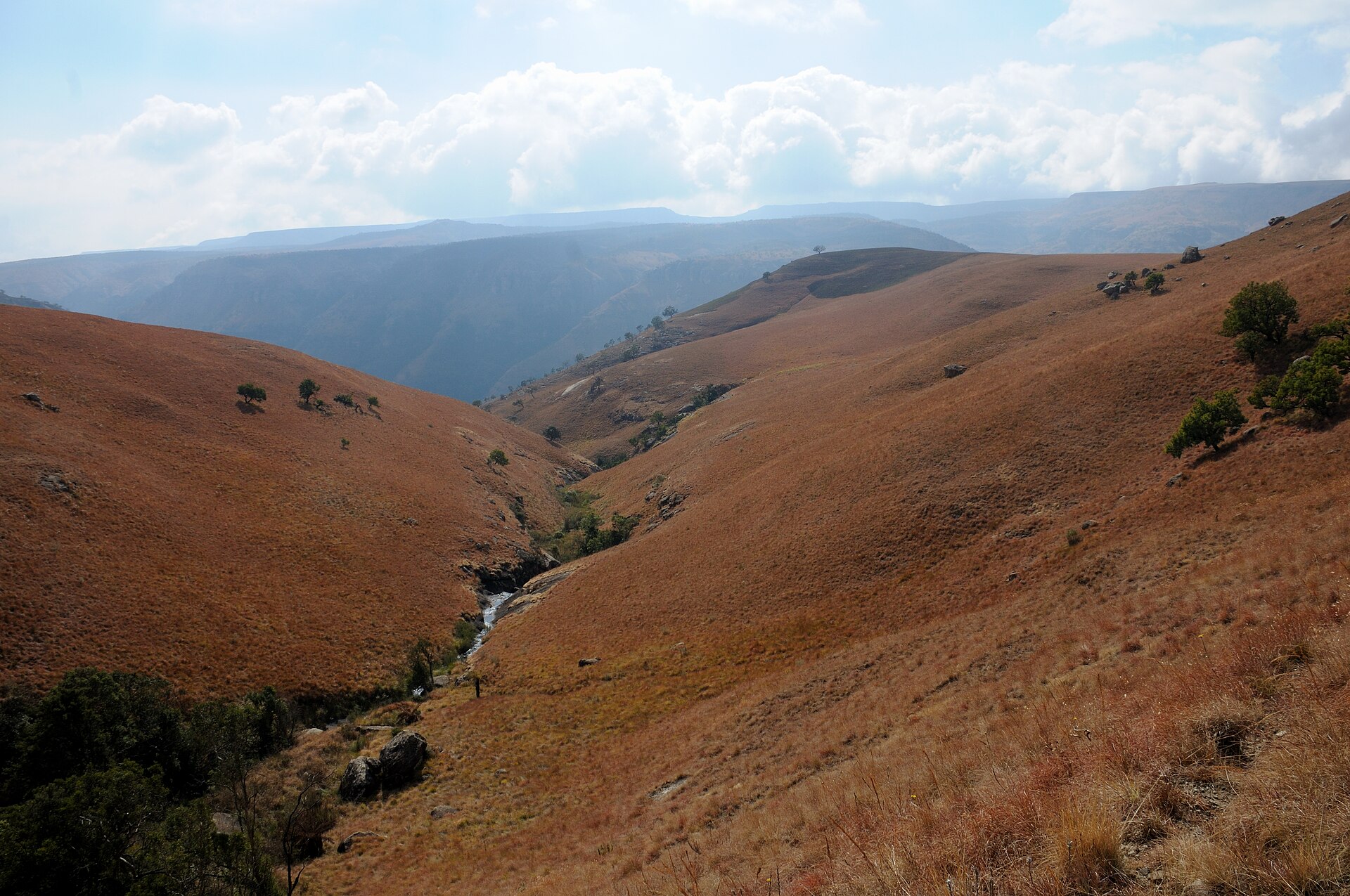
While most travellers think of Africa as a land of savanna and Big Five, the Drakensberg mountains reveal a completely different side — a world of soaring basalt peaks, alpine meadows dotted with wildflowers, and crisp mountain air that feels a world away from the bush. Known as uKhahlamba ("Barrier of Spears") in Zulu, this UNESCO World Heritage escarpment is South Africa's hidden alpine paradise.
The Drakensberg range stretches for over 200 kilometres along the border between KwaZulu-Natal and Lesotho, with peaks towering above 3,000 metres. The dramatic Amphitheatre — a five-kilometre-long rock wall rising 1,200 metres straight up — is one of the most photographed natural wonders in South Africa, and Tugela Falls, plunging 948 metres in five cascades, is the world's second-highest waterfall.
Luxury Mountain Lodges: Where Comfort Meets the Wild
A Drakensberg luxury retreat is defined by its lodges — intimate mountain hideaways where stone-and-thatch architecture blends seamlessly into the landscape. Think log fireplaces crackling in spacious lounges, wraparound verandas with uninterrupted Amphitheatre views, and floor-to-ceiling windows that frame the ever-changing light on Cathedral Peak and Champagne Castle.
Many lodges sit at 1,800 to 2,200 metres altitude, surrounded by grassland plateaus and fynbos. After a day's hiking, you'll return to hot baths, gourmet dinners featuring local trout and lamb, and crisp mountain nights under star-filled skies. It's the kind of place where you can unplug completely — no Wi-Fi, no traffic, just the sound of wind in the proteas and the distant call of a mountain eagle.
Hiking the Drakensberg: Tugela Falls & Cathedral Peak
The Drakensberg is a hiker's paradise. Trails range from gentle valley walks to challenging summit scrambles, all offering world-class scenery. The most iconic hike is the Tugela Falls trail in Royal Natal National Park — an 8-hour round trip that takes you up chain ladders to the top of the Amphitheatre, where you can peer down at the falls plunging into the gorge below.
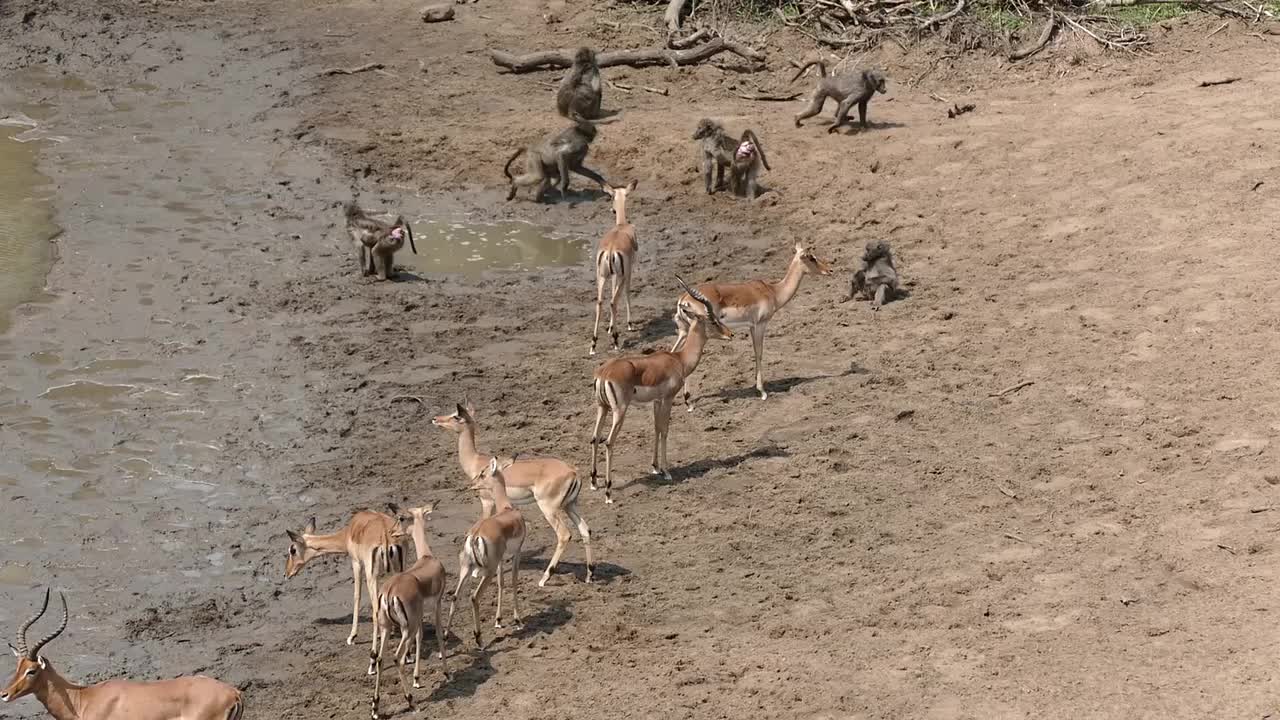
Cathedral Peak (3,004 metres) is another classic, requiring a pre-dawn start and a steep scramble to the summit. The reward? A 360-degree panorama over the entire Drakensberg range, with the escarpment stretching to Lesotho's snowfields in the distance. For a gentler experience, the Giant's Castle area offers riverside trails, rock art caves, and close encounters with wild eland and baboons.
San Rock Art: Ancient Stories in the Sandstone Caves
The Drakensberg is home to the largest and most concentrated collection of San rock art in sub-Saharan Africa. Over 35,000 individual images have been recorded across 600 cave sites, many of them thousands of years old. The paintings depict eland hunts, trance dances, and spiritual journeys — a window into the lives of the San hunter-gatherers who lived here for millennia.
Many rock art sites are accessible via guided hikes. Game Pass Shelter and Main Caves at Giant's Castle are particularly rich, with vivid ochre-and-charcoal eland, hunters with bows, and mystical figures blending animal and human forms. Standing in these sandstone alcoves, surrounded by paintings created 3,000 years ago, is one of the most profound cultural experiences in South Africa.
Best Time for a Drakensberg Mountain Retreat
The Drakensberg is beautiful year-round, but each season offers a different experience. Summer (November to March) is green and lush, with wildflowers carpeting the alpine meadows and afternoon thunderstorms rolling in over the peaks. This is the best time for waterfall hikes, as Tugela Falls is in full flow.
Winter (June to August) brings crisp, clear days and occasional snow on the high peaks. The grasslands turn golden, and the air is so clear you can see for 100 kilometres. Winter is ideal for photography and for those who love the drama of snow-dusted summits. Just pack warm layers — temperatures can drop below freezing at night, and a roaring fire back at the lodge feels especially good after a day on the escarpment.
| Month | Weather | Best For |
|---|---|---|
| Nov – Mar | Warm, green, afternoon storms | Waterfall hikes & wildflowers |
| Apr – May | Mild, golden grasslands | Perfect hiking weather |
| Jun – Aug | Cool, clear, occasional snow | Snow-capped peaks & photography |
| Sep – Oct | Spring blooms, warming days | Rock art hikes & birdwatching |
Combine the Drakensberg with a Zululand Safari
One of the best-kept secrets of KwaZulu-Natal travel is combining a Drakensberg mountain retreat with a Big Five safari in Zululand. The two regions are only 3–4 hours apart by road, making it easy to add a few nights in the mountains to your Hluhluwe or Phinda safari itinerary.
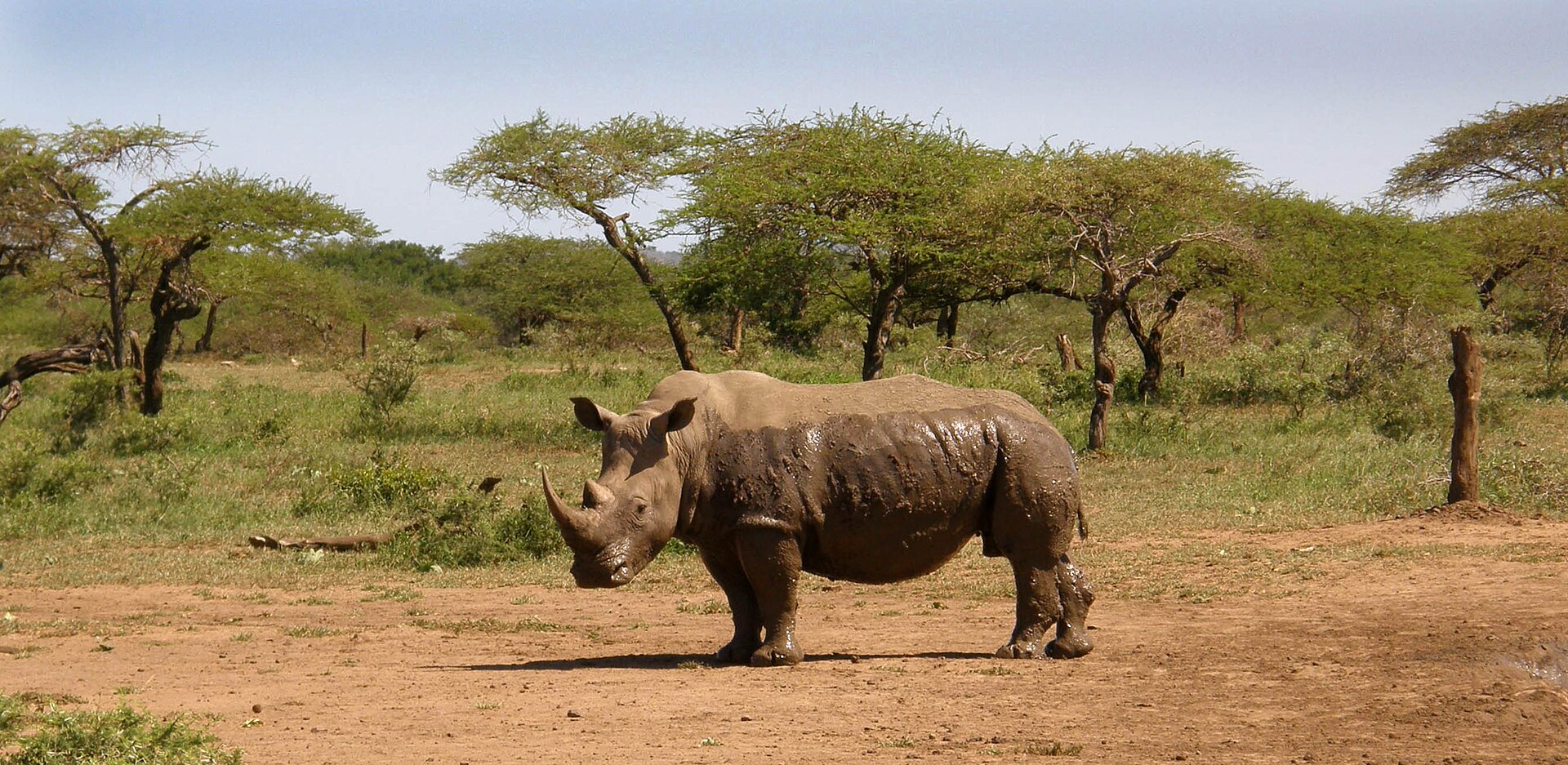
Imagine starting your trip with close encounters with white rhino and elephant in the lowveld bush, then ascending to alpine meadows where the air is crisp and the only sounds are the wind and the call of a mountain eagle. It's the ultimate contrast — Africa's wild highlands and its iconic Big Five, all in one unforgettable journey.