🎨 Key Takeaways — Drakensberg San Rock Art
- World's Richest Collection: The Drakensberg holds over 35,000 individual San rock art images across 600 cave sites — the largest concentration in sub-Saharan Africa and a UNESCO World Heritage Site.
- Ancient Stories: Paintings date back 3,000 years and depict eland hunts, trance dances, therianthropes (half-human, half-animal figures) and spiritual journeys.
- Iconic Sites: Game Pass Shelter, Main Caves (Giant's Castle), Ndedema Gorge and Battle Cave are among the most vivid and accessible rock art galleries.
- Guided Access: Most rock art sites require guided hikes with KZN Wildlife rangers, protecting the fragile paintings while sharing cultural context.
- Combine with Nature: Rock art tours pair perfectly with Drakensberg hiking, alpine scenery and luxury mountain lodge stays.
Why the Drakensberg is a San Rock Art Treasure
The Drakensberg mountains are not just a landscape of soaring peaks and alpine meadows — they are a vast open-air gallery of San (Bushman) rock art, created over thousands of years by the hunter-gatherers who lived in these sandstone caves long before written history. With over 35,000 individual paintings scattered across 600 sites, the Drakensberg is recognised by UNESCO as the most important rock art region in sub-Saharan Africa.
The San people lived in the Drakensberg for at least 4,000 years, hunting eland and foraging in the valleys. They painted their world onto the cave walls using natural ochre pigments — red from iron oxide, white from clay, black from charcoal. The paintings depict not just daily life (hunting scenes, dances, herds of eland) but also spiritual experiences: shamans in trance, therianthropes blending human and animal forms, and mystical journeys to the spirit world.
Game Pass Shelter: The Eland Cave
Game Pass Shelter, located in the Kamberg area of the uKhahlamba-Drakensberg Park, is one of the most accessible and richly painted rock art sites in South Africa. The shelter is named for its depiction of a large eland herd being driven by hunters — a vivid ochre-and-charcoal scene that stretches across the sandstone wall.
The eland was sacred to the San people, believed to hold immense spiritual power. In the paintings, you can see the eland's distinctive dewlap, twisted horns, and even the texture of its coat. Surrounding the eland are human figures with bows, some in dynamic running poses, others standing still in what may be a ritual dance. There are also faint white handprints and abstract shapes that archaeologists believe represent trance visions.
To visit Game Pass Shelter, you join a guided 3-hour hike with a KZN Wildlife ranger. The trail winds through grassy valleys and crosses a small stream before reaching the cave. The guide explains the symbolism, the San's spiritual beliefs, and the techniques they used to create the pigments. Standing in the shelter, with the paintings glowing in the soft sandstone light, feels like stepping into a 3,000-year-old story.
Giant's Castle: Main Caves & the Shaman's Gallery
The Main Caves at Giant's Castle are home to some of the most dramatic and well-preserved San rock art in the Drakensberg. This site is known for its large polychrome paintings — multi-coloured images that use red, white, yellow and black pigments to create vivid, lifelike figures.
The highlight is a panel known as the Shaman's Gallery, which depicts therianthropes — figures that are part human, part eland or antelope. These hybrid beings are thought to represent shamans in a state of trance, their spirits transformed as they journey to the spirit world. The detail is extraordinary: you can see the eland's dewlap merging with a human torso, hooves transforming into hands, and blood streaming from the nose (a common trance phenomenon).
Guided tours to Main Caves are offered daily and include a 40-minute walk from the Giant's Castle camp. The guide will point out individual figures — hunters with quivers, women gathering, eland herds, and abstract grids that may represent the "vision" phase of a trance. The Main Caves also feature a small museum with replica paintings and archaeological artefacts, providing deeper context before you see the real thing.
Ndedema Gorge: The Hidden Masterpiece
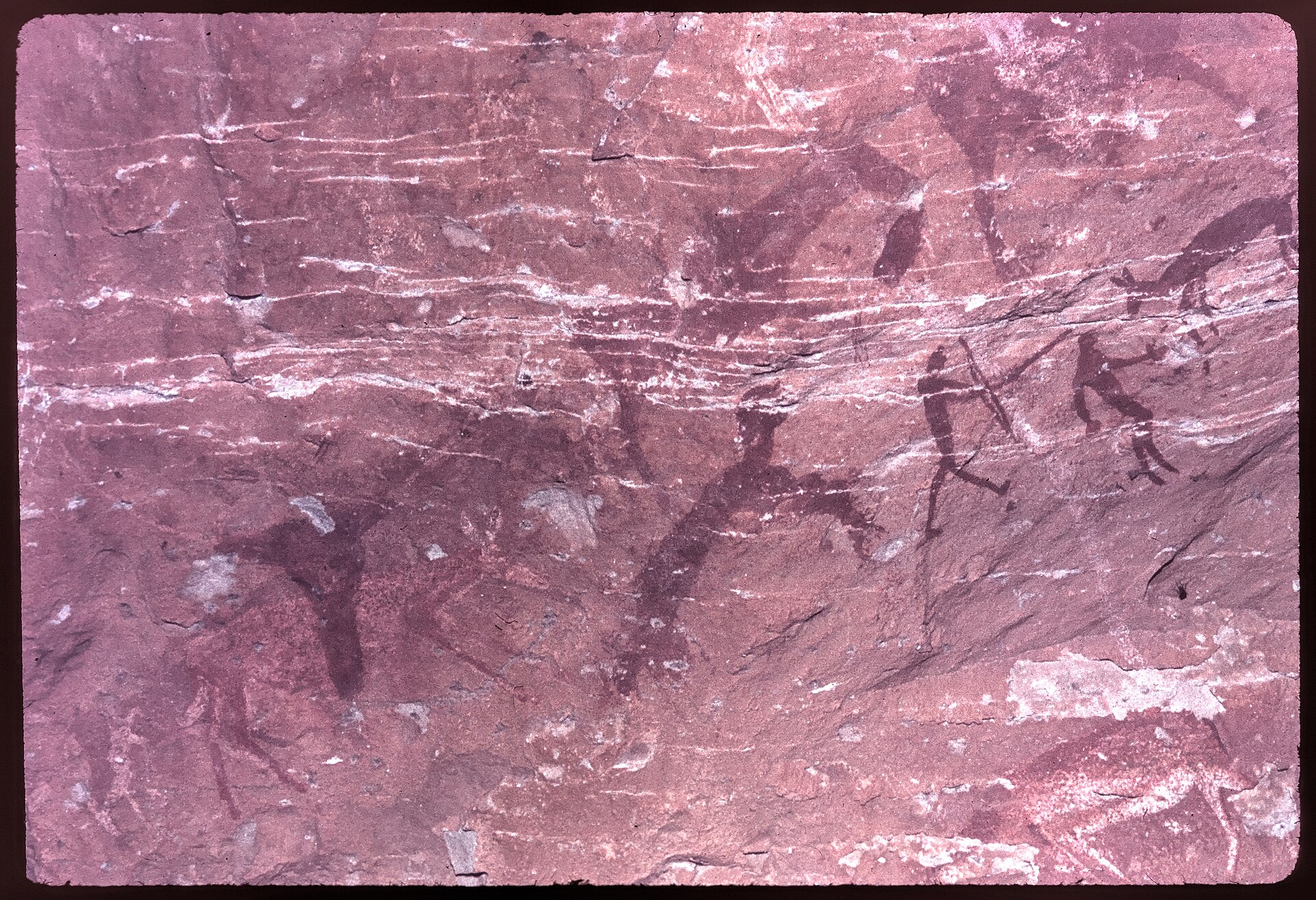
For serious rock art enthusiasts, Ndedema Gorge is the holy grail. Tucked away in a remote valley in the Cathedral Peak area, this site contains over 4,000 individual paintings — more than any other single location in the Drakensberg. The imagery here is dense and layered, with new paintings superimposed over older ones, creating a palimpsest of San life spanning centuries.
Ndedema Gorge features some of the most intricate scenes in all of San rock art: processions of hunters, large eland herds, trance dances with multiple shamans, and rare depictions of animals like lions and baboons. The pigments are still vibrant, protected by the dry overhang and the gorge's sheltered microclimate.
Access to Ndedema Gorge requires a full-day hike (8–10 hours round trip) and must be arranged in advance with a licensed guide. It's a challenging trek, but the reward is standing in one of Africa's greatest cultural treasures, surrounded by paintings that have survived for millennia.
Understanding the Symbolism: Eland, Shamans & Trance
San rock art is not simply decorative — it is deeply symbolic, rooted in the spiritual beliefs of the San people. The eland, which appears in over 80% of Drakensberg rock art sites, was believed to hold potency (spiritual power). Shamans would enter a trance state, often induced by rhythmic dancing, to access this power and journey to the spirit world.
In the paintings, you'll see shamans depicted with blood streaming from their noses, legs crossed in a trance posture, and sometimes transforming into eland or other animals (therianthropes). Lines and grids often represent the "entoptic phenomena" — geometric patterns seen in the early stages of trance. These visions were considered gateways to the spirit world, where shamans could heal the sick, control the weather, or communicate with ancestors.
The act of painting itself was likely a ritual. The pigments — ochre mixed with animal fat and blood — were sacred substances, and the cave walls were seen as a membrane between the physical and spiritual realms. To stand before these paintings today is to witness not just art, but the remnants of a profound spiritual practice that sustained the San people for thousands of years.
| Rock Art Site | Location | Highlights |
|---|---|---|
| Game Pass Shelter | Kamberg | Eland herd, hunters, accessible 3-hour hike |
| Main Caves | Giant's Castle | Shaman's Gallery, polychrome paintings |
| Ndedema Gorge | Cathedral Peak | 4,000+ images, full-day trek |
| Battle Cave | Injasuthi | Battle scene, rare lion painting |
Practical Tips for Visiting Drakensberg Rock Art Sites
All major rock art sites in the Drakensberg are managed by KZN Wildlife and Ezemvelo, and most require a guided tour. This protects the fragile paintings from vandalism and weathering, while ensuring visitors receive expert interpretation. Guides are trained in San culture and will share stories, symbolism and archaeological context as you explore each site.
Most rock art tours are half-day excursions (3–4 hours), involving moderate hiking on mountain trails. Wear sturdy hiking boots, bring water, sunscreen and a hat. Photography is allowed, but flash is prohibited — the bright light can damage the pigments over time. Respect the paintings by not touching them; even the oils from your skin can accelerate deterioration.
The best time to visit is autumn and winter (April to August), when the weather is cool and dry, and the sandstone caves are sheltered from rain. Summer thunderstorms can make trails slippery and reduce visibility in the caves. Book your rock art tour in advance, especially during South African school holidays and peak season (December to January).