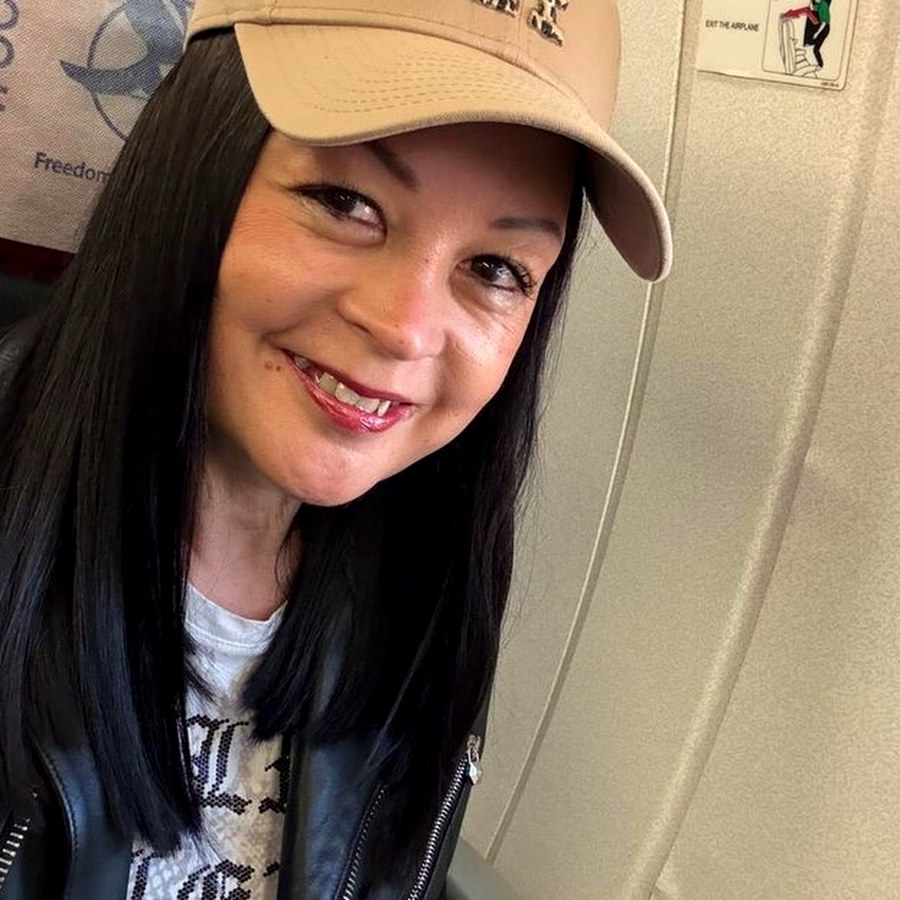
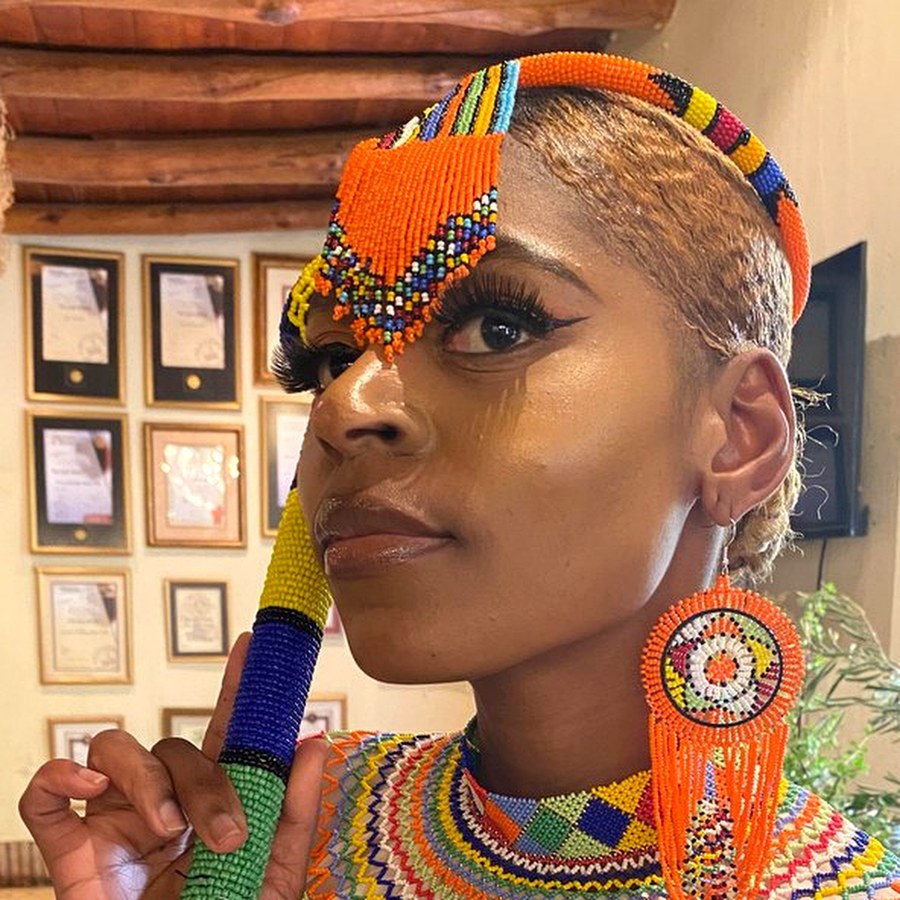
I have spent almost ten years planning trips across six countries, and somewhere along the way I stopped planning by the border and started planning by the water. Find the river, the floodplain, the lake or the ocean, and everything else falls into place around it: the game comes to drink, the lodges are built to look at it, and the days settle into the rhythm of the water rather than the clock.
This note follows that line of water, country by country. These are the places I send my own guests, and the camps I trust on each one, from the Zambezi I work nearest to, down the rivers and across to the coast.
The short version
- I plan by the water: the Zambezi and Victoria Falls, the Chobe River, the Luangwa, Lake Malawi, the Bazaruto coast and the Sand River in the Sabi Sand.
- The Falls, the Chobe and South Luangwa link into one trip by short flights, with no long drives.
- Mozambique and Lake Malawi are where I set people down to rest once the game country has run its course.
Victoria Falls and the Zambezi, where I begin
Almost every trip I plan touches the Zambezi at Victoria Falls, and it is where I like to begin. You hear the Falls before you reach them, and in full flood you feel the ground through your shoes: the river pours more than a kilometre and a half wide over the edge, and the spray climbs high enough to see from the air long before you land. I treat the Falls as a day or two rather than a whole holiday, the rainforest walk and a sundowner cruise above the lip, and then I let the river carry the rest.
On the Zimbabwe bank I split my guests between two homes. Victoria Falls Safari Lodge sits above a waterhole where elephant and buffalo come to drink through the afternoon, and my full notes are in my Victoria Falls Safari Lodge review. For a quieter, water's-edge stay I send people to Victoria Falls River Lodge, which I write about in my Victoria Falls River Lodge review. The Zimbabwe safari packages page shows how either one joins Hwange and the wider country.

The Chobe River, an afternoon on the boat
A short hop west and I am on the Chobe, and this is the leg I book most for a first safari. The drama on the Chobe is on the river itself: in the dry season it pulls the largest elephant population on the continent down to drink, and the way to see it is from a low boat in the afternoon. You sit level with the herds crossing to the islands, a hippo yawning a few metres off, a fish eagle calling somewhere over your shoulder. It is the easiest wildlife on this whole line, in the best sense of the word, and nobody forgets their first Chobe sunset.
My home on the river is Chobe Game Lodge, the only lodge inside the national park itself, which means you are on the water while the day trippers are still driving in from town. It pairs naturally with the Falls, a flight away, and the two together are the eight-day Okavango, Chobe and Victoria Falls route I send out more than any other.

South Luangwa, for the walking
When a guest has a few nights to spare and wants to be on foot rather than behind a windscreen, I send them north-east into Zambia's South Luangwa. This is where the walking safari began, the guiding is some of the finest on the continent, and the leopard viewing along the Luangwa River holds its own against anywhere I know. To walk here in good hands, reading tracks in the early cool and letting a guide teach you the small things, changes how people understand the bush for good.
The camp I lean on is Mfuwe Lodge, set by a lagoon the elephants famously walk straight through on their way to the mango trees in the season. My Mfuwe Lodge review has the detail, and the seven-day Zambia walking safari is built around exactly this kind of time on foot.

Lake Malawi, where I let it rest
After the rivers and the game drives, I like to set people down beside water that asks nothing of them, and Lake Malawi is where I do it. Clear fresh water over pale sand, dugout canoes on the horizon, and snorkelling among the small bright cichlids that make the lake famous with people who study fish. Three or four nights here lets a hard-run safari settle before the long flight home, and for travellers who want a real rest rather than another early start, it is the ending I reach for.
Pumulani, on the southern shore, is the quiet corner I choose most: a handful of villas built into the hillside above its own stretch of beach. My Pumulani review covers it, and the eight-day Malawi safari and lake beach pairs the lake with a few nights of game first so you arrive at the water having earned it.

Bazaruto, when the water turns to ocean
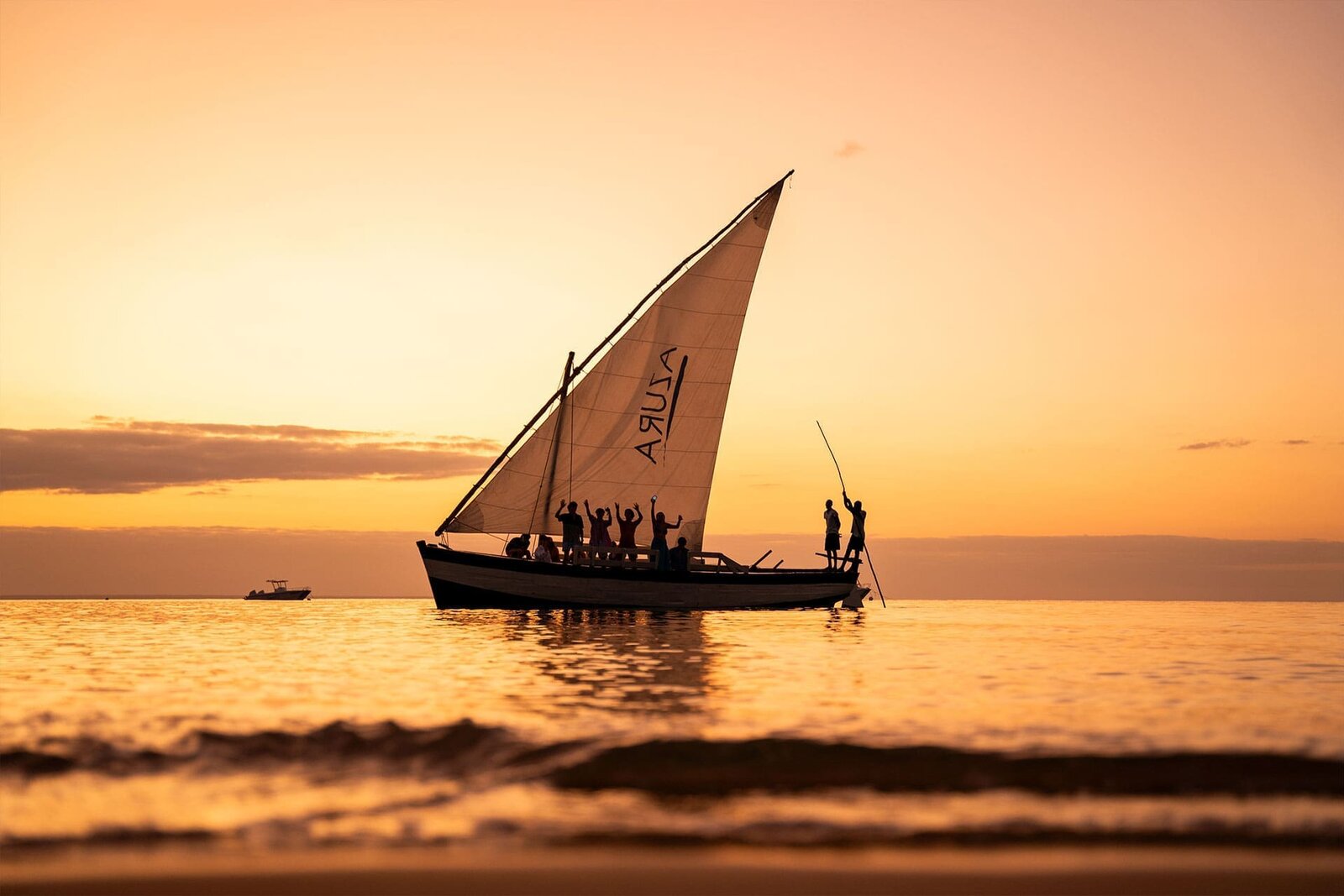
Some trips want saltwater rather than a lake, and for those I take the line all the way to the Indian Ocean and the Bazaruto Archipelago off the Mozambique coast. These are islands of turquoise shallows and tall dunes, with dhows working the channels the way they have for generations, and dugong and whale shark in the deeper water for the lucky. It is the softest landing I know after the dust of a safari, and the contrast is the whole point: one week in the bush, one week with your feet in warm sand.
Azura Benguerra is where I send honeymooners and anyone who has worked hard for the holiday. My Azura Benguerra review has the detail, the ten-day bush and beach honeymoon joins it to a Kruger safari, and the Mozambique safari packages page shows the wider coast.
The Sand River and the Sabi Sand, for the cats
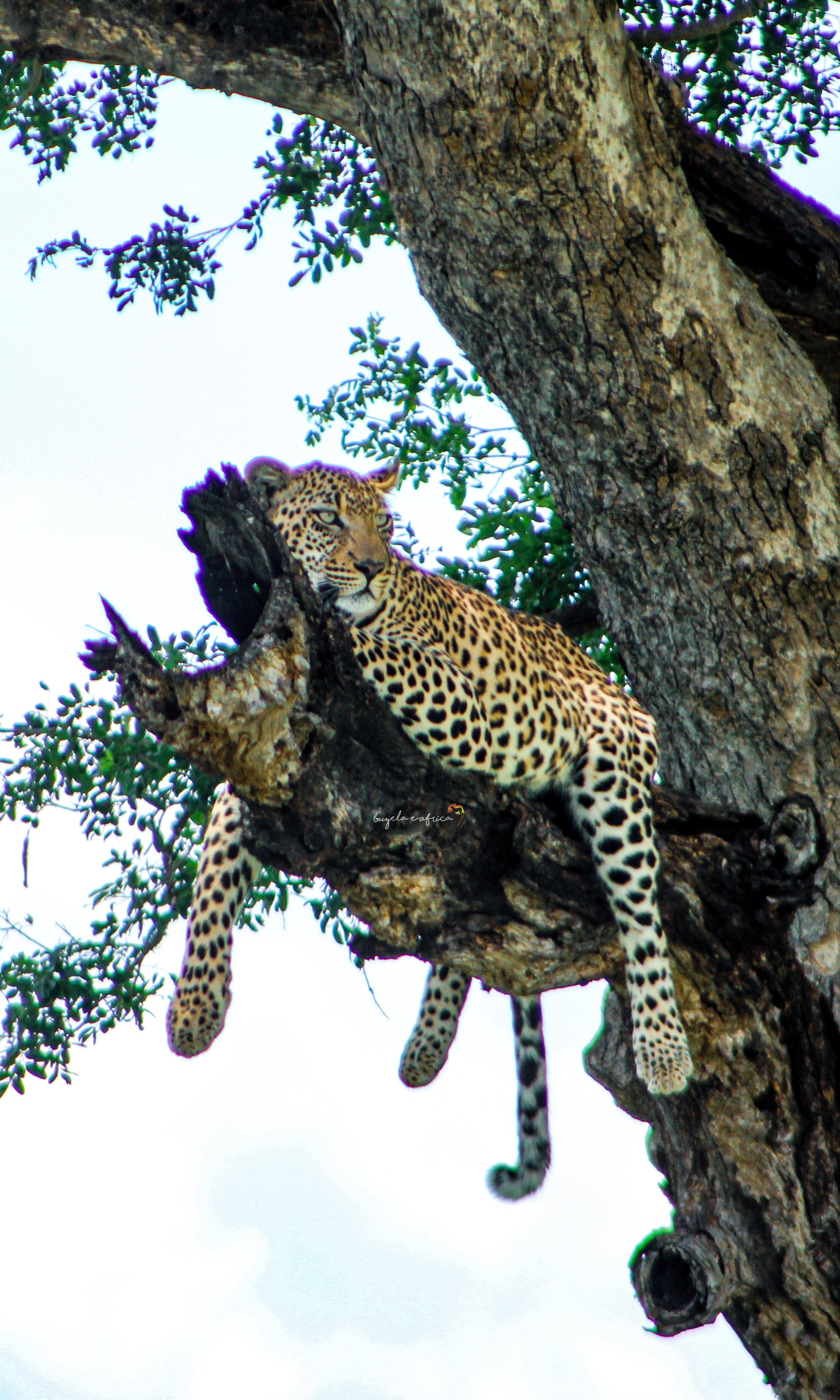
There is one more stretch of water I keep coming back to, and it is the quietest of them all: the Sand River, which gives the Sabi Sand its name, in the Greater Kruger of South Africa. This is the finest Big Five country I send people to, and the leopard viewing in particular is as reliable as anywhere on earth, because the cats here have grown up unbothered by vehicles over three generations. For a guest who wants the classic game drive, dawn and dusk with a ranger and a tracker reading the sand, this is where I point them.
Sabi Sabi Earth Lodge is my choice when someone wants the design and the space, half-sunk into the land so it almost disappears, and my Sabi Sabi Earth Lodge review covers it. For a warmer, more classic bush feel I send people to Thornybush next door, which I write about in my Thornybush safari guide. Either one sits at the heart of the five-day luxury Sabi Sands safari.
How I put it together
You do not have to travel the whole line to feel it, and most of my guests take a stretch rather than the length of it. Victoria Falls and the Chobe is the first safari I book most. The Falls, the Chobe and South Luangwa make a fuller river trip for a second visit. Mozambique or Lake Malawi is the rest at the end, and the Sabi Sand is the one I add when someone wants the cats more than the water. The eight-day Okavango, Chobe and Victoria Falls route is the middle of the line in one go, and the seven-day Hwange and Victoria Falls safari opens Zimbabwe well.
None of these are fixed. They are starting points I shape around your dates, your pace and which piece of water is pulling hardest.
Plan it with me
These are notes from the field, not an itinerary. When you are ready to turn them into a real trip, I would far rather talk it through than send you a template. Tell me who is travelling, roughly when, and which stretch of this water you most want to stand beside, and I will build the days around it.
Speak to Annah
Annah Chauke has spent almost ten years planning journeys across Zimbabwe, Botswana, Zambia, Malawi, Mozambique and South Africa, and first trips are her home ground. Read her background on her specialist profile, or start a conversation and she will reply herself.