Key Takeaways
- Giraffes are the tallest animals on earth, reaching up to 5.5 metres, and are seen on almost every classic safari.
- There are several distinct species and subspecies — Masai, reticulated, southern and northern giraffe — each in different regions.
- The best places include the Serengeti, Masai Mara, Kruger, Sabi Sand, Etosha and Samburu.
- Giraffes can be seen year-round, with the dry season offering the easiest viewing.
- Some populations are now endangered, making a giraffe safari a meaningful way to support their conservation.
Why the Giraffe Is a Safari Icon
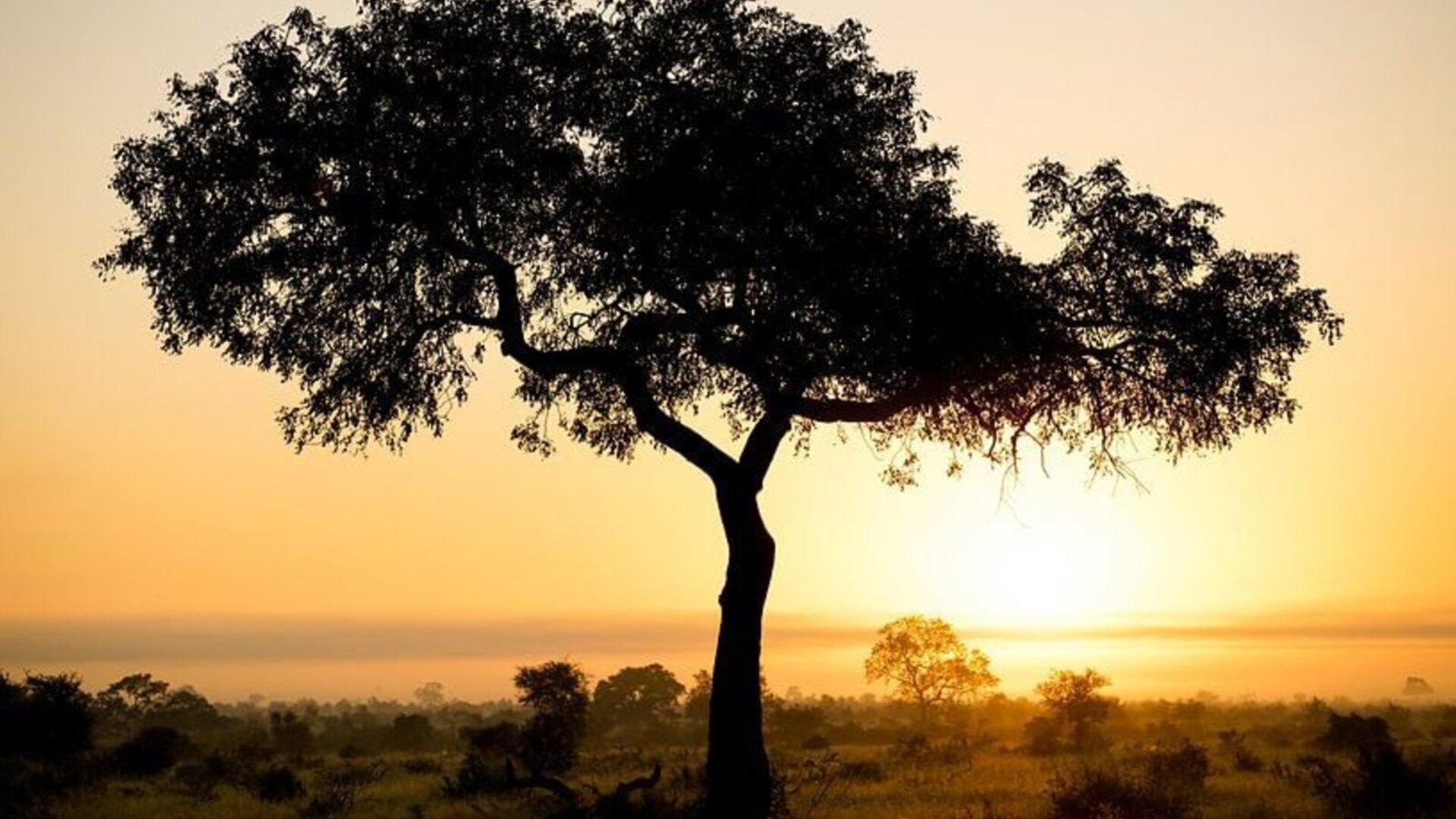
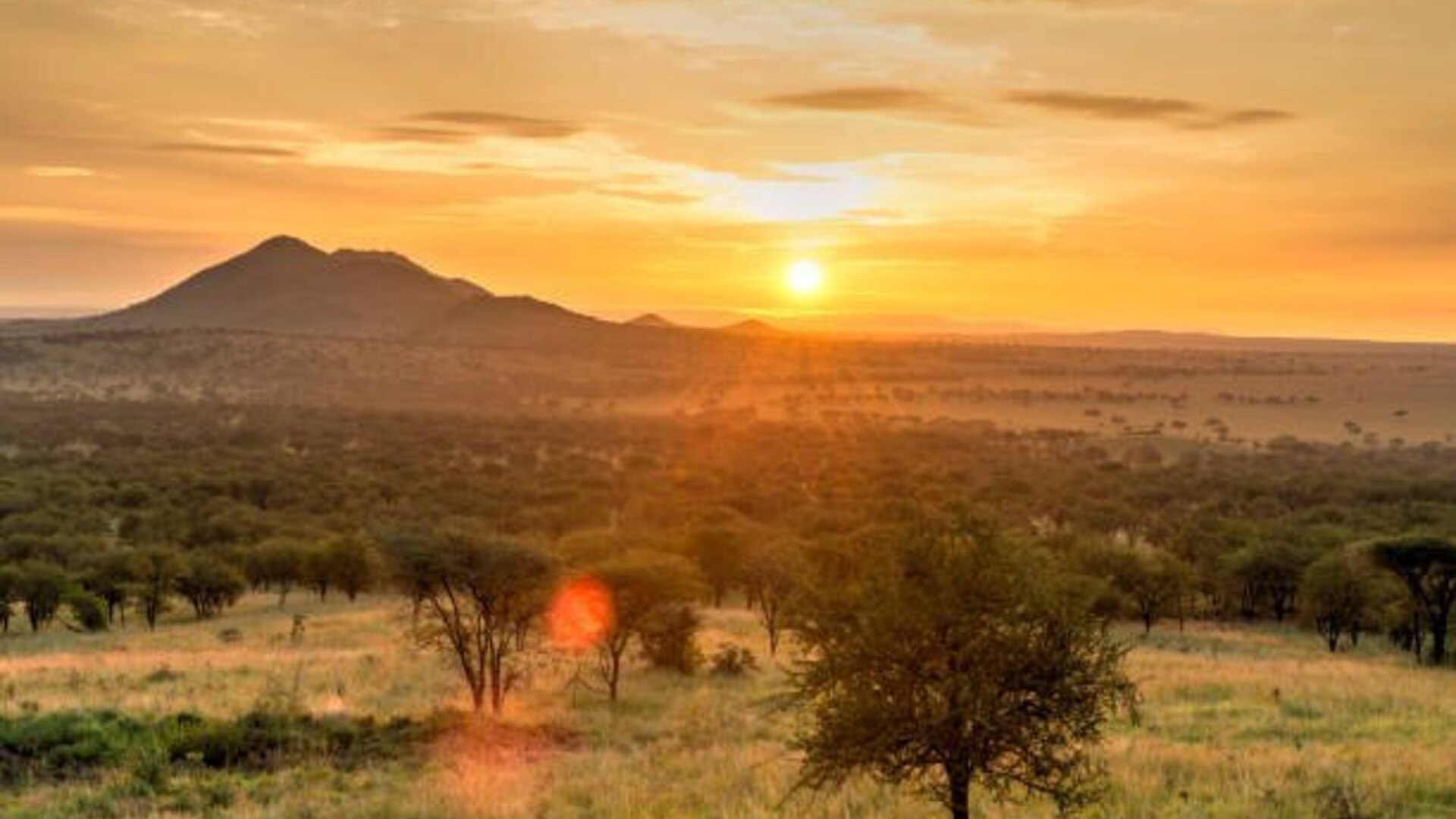
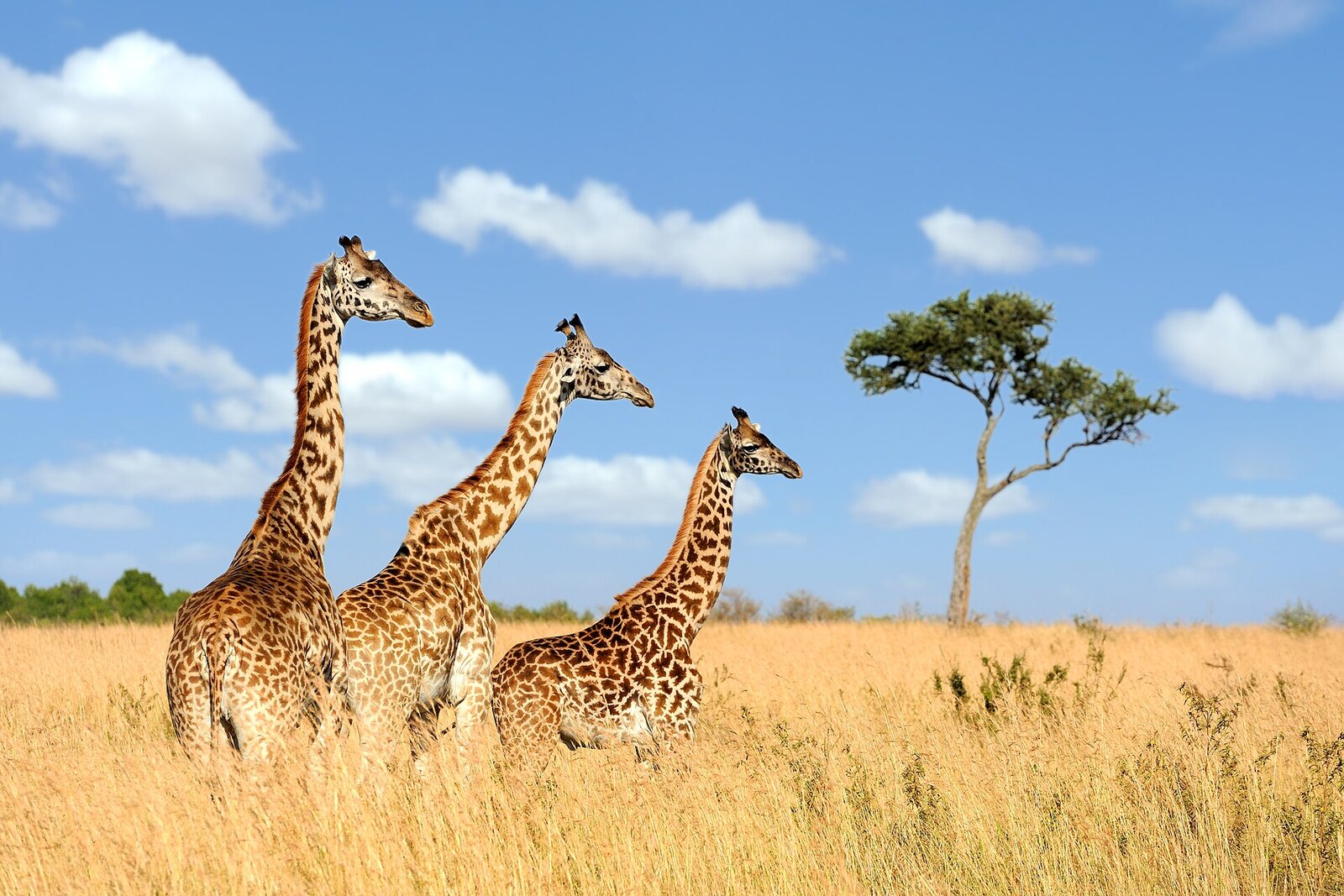
Few animals capture the magic of Africa like the giraffe. Standing taller than any other creature on earth, moving with a slow, rolling elegance, and peering down at the world with long-lashed calm, the giraffe is a favourite of first-time and seasoned safari-goers alike. The sight of a herd — properly called a "tower" — silhouetted against a burning sky is one of the defining images of the African wild.
Yet the giraffe is far more than a pretty silhouette. It is a marvel of natural engineering, with a heart the size of a rugby ball, a tongue nearly half a metre long, and a body built to reach food no other browser can touch. And in a quiet crisis few travellers know about, giraffe numbers have fallen sharply across Africa, making every sighting all the more precious.
What makes the giraffe unforgettable:
- The tallest animal on earth — males can reach up to 5.5 metres tall.
- Effortless grace — a slow, swaying walk and a surprisingly fast, rocking gallop.
- Unique patterns — every giraffe's coat is as individual as a fingerprint.
- Remarkable biology — an extraordinary heart, neck and tongue built for a life at height.
- Widespread yet threatened — seen on most safaris, but quietly in need of protection.
The Different Types of Giraffe
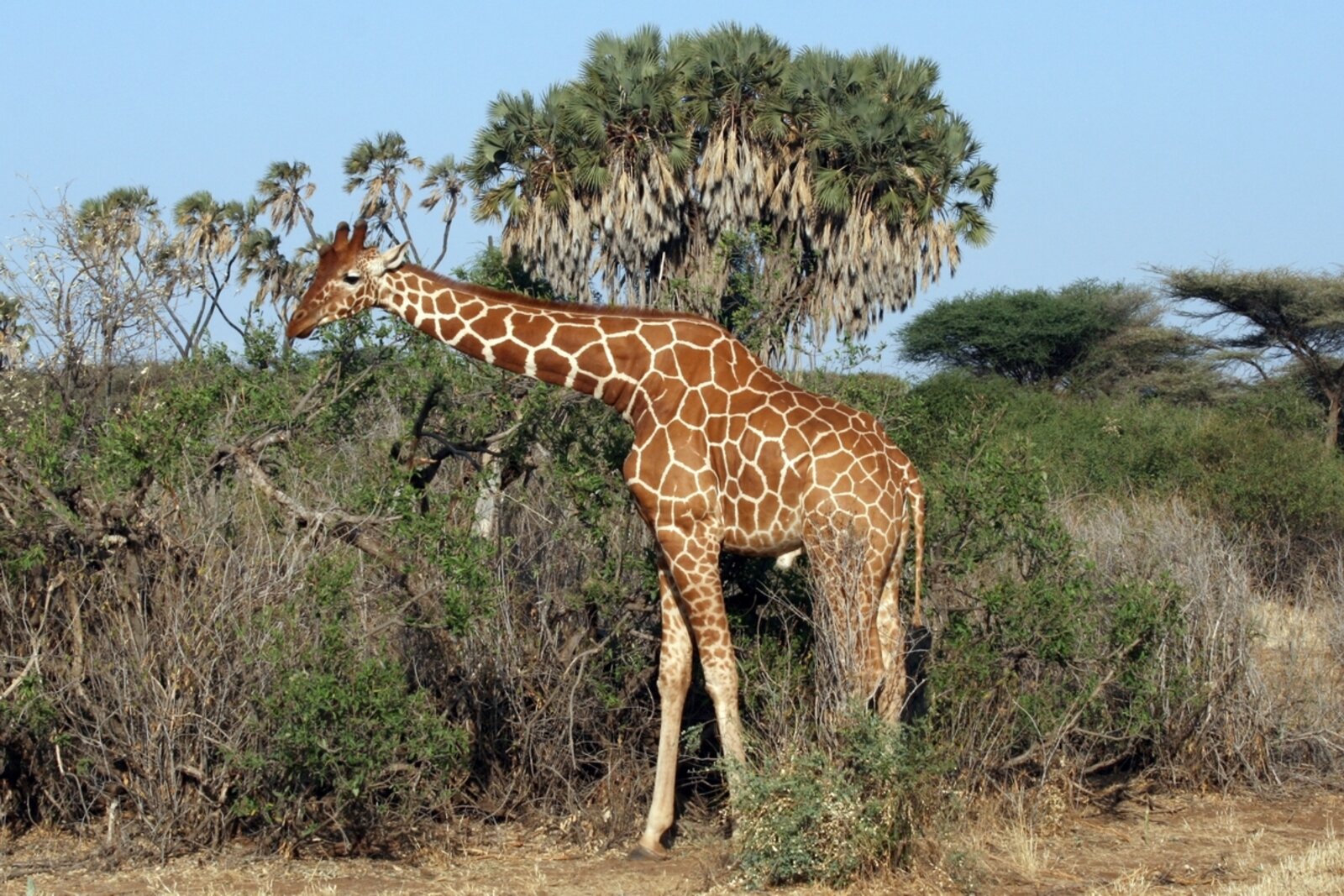
Many visitors assume there is just one kind of giraffe, but scientists now recognise several distinct species and subspecies, each with its own range and its own coat pattern.
The giraffes you may meet on safari:
- Masai giraffe — the largest, with jagged, vine-leaf-shaped patches; found in Kenya and Tanzania, including the Serengeti and Masai Mara.
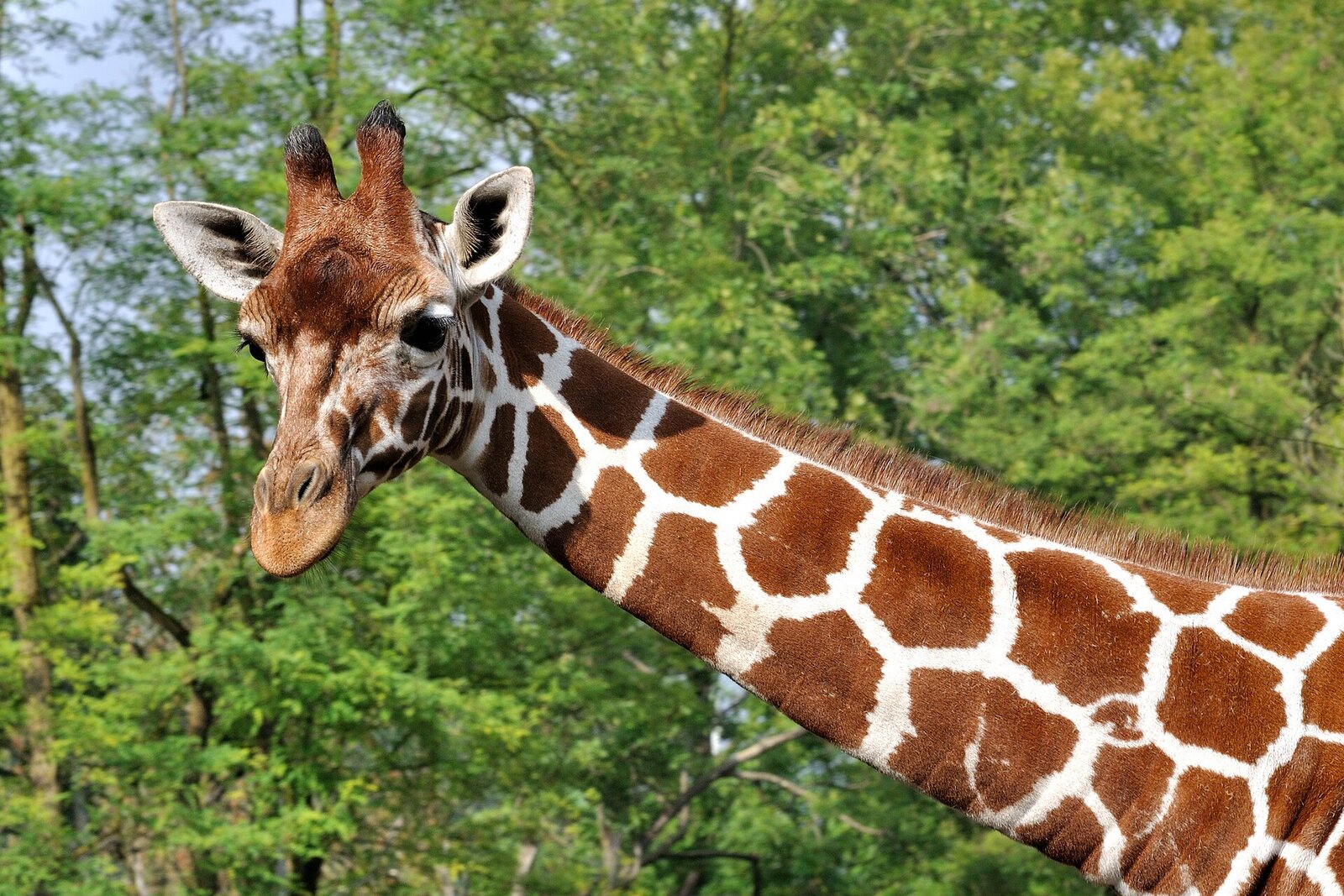
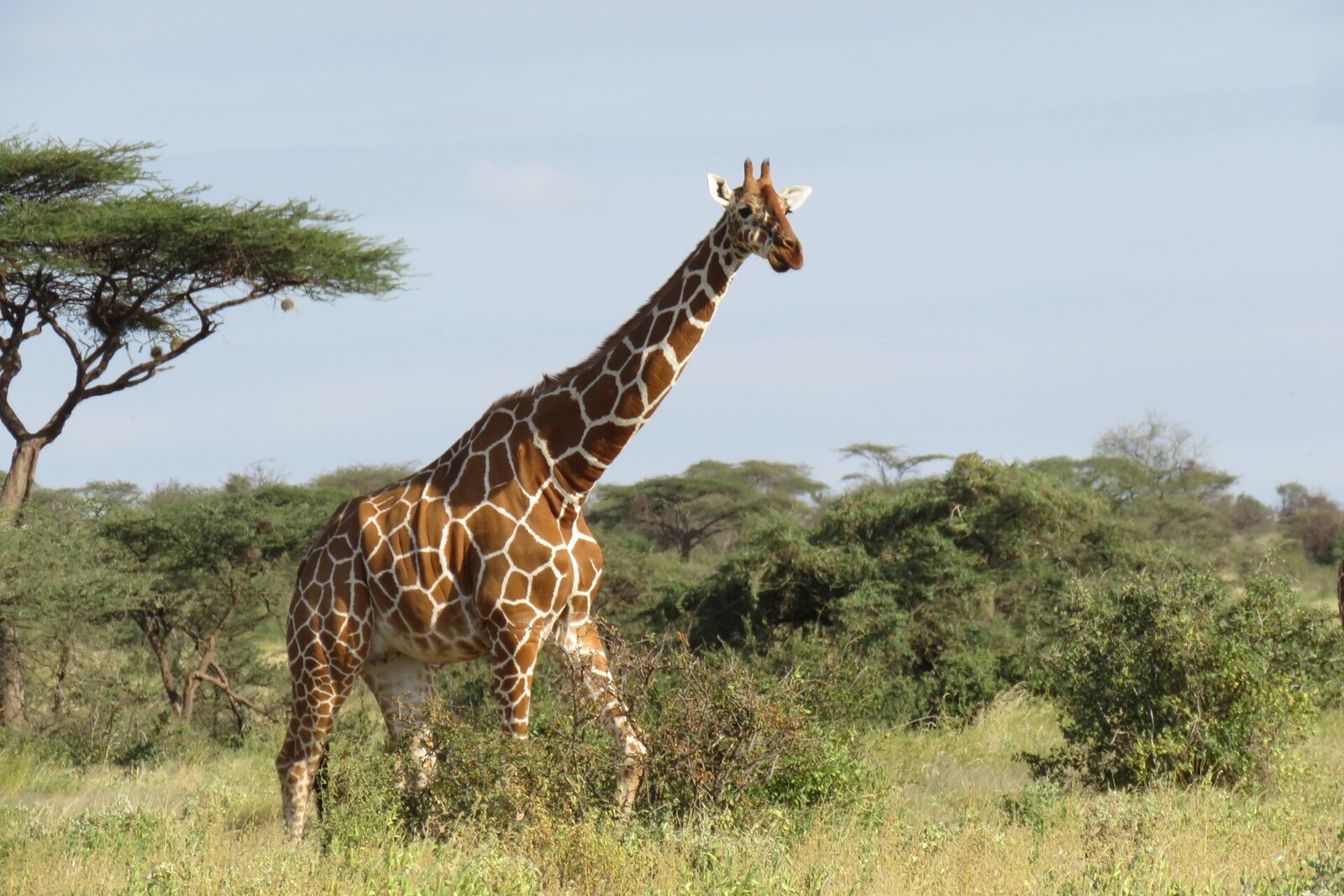
- Reticulated giraffe — the most striking, with bold, geometric liver-red patches divided by crisp white lines; found in northern Kenya, especially Samburu.
- Southern giraffe — including the Angolan and South African giraffe, with rounder, blotchier patches; found across South Africa, Botswana, Namibia and beyond.
- Northern giraffe — including the endangered Rothschild's giraffe, paler with no markings below the knees, found in parts of Uganda and Kenya.
Being able to tell them apart adds a wonderful extra dimension to a safari, and a good guide will happily point out which species you are watching and how to read its markings.
The Best Places to See Giraffes in Africa
Giraffes range across much of eastern and southern Africa, but some destinations offer especially reliable and spectacular viewing.
Our favourite giraffe destinations:
- Serengeti & Masai Mara — superb Masai giraffe viewing across classic open plains, often against dramatic skies.
- Kruger & Sabi Sand, South Africa — abundant southern giraffe, easily seen on almost every game drive.
- Samburu, Kenya — the finest place to see the beautiful reticulated giraffe.
- Etosha, Namibia — giraffes gathering at waterholes against the stark white pan make for extraordinary photography.
- Botswana's Okavango & Chobe — giraffes among the palms and floodplains of the delta.
- Madikwe & Pilanesberg, South Africa — reliable, malaria-free giraffe viewing, ideal for families.
Because giraffes are so widespread and easy to spot, they feature on virtually every safari we plan — but if seeing a particular species or capturing that perfect sunset shot matters to you, we tailor the itinerary to make it happen.
Best Time to See Giraffes
Giraffes are non-migratory and can be seen throughout the year, but the seasons still shape the experience.
Dry season (best for easy viewing): As vegetation thins, giraffes are easier to spot from a distance and often gather near water and remaining green browse. In most of southern and eastern Africa this falls between roughly May and October.
Green season (best for photography and behaviour): The lush landscapes and dramatic skies of the wetter months make for beautiful giraffe photography, and this is often when you'll see young calves. Days are hotter with afternoon storms.
Our recommendation: Giraffes are a near-certain sighting on any well-planned safari, so time your trip around your wider goals. For the classic image of giraffes against a golden sky, the soft light of early morning and late afternoon — golden hour — is always the magic window.
Fascinating Giraffe Facts
Part of the joy of a giraffe sighting is understanding just how extraordinary these animals are.
A Neck Like No Other
Despite its great length, a giraffe's neck contains just seven vertebrae — the same number as a human — each one hugely elongated. It's used not only to reach high branches but as a weapon, as males swing their necks in duels called "necking".
An Incredible Heart
To pump blood all the way up to its brain, a giraffe has a powerful heart weighing around 11 kilograms, and special valves and thick-walled vessels to manage the enormous changes in blood pressure as it raises and lowers its head.
Every Coat Is Unique
No two giraffes share the same pattern — like a fingerprint, each coat is entirely individual, which allows researchers to identify and track them throughout their lives.
Born to Run — and Fall
A newborn giraffe drops nearly two metres to the ground at birth and is standing and walking within an hour. Adults can gallop at up to 60 km/h despite their ungainly appearance.
The Silent Giant
Giraffes were long thought to be mute, but they do communicate — including with low-frequency infrasound below the range of human hearing, a quiet language beneath the silence of the plains.
The Quiet Crisis: Giraffe Conservation
One of the most surprising facts about giraffes is how threatened they have become. Over recent decades, giraffe numbers across Africa have fallen dramatically — a decline so quiet it has been called a "silent extinction". Habitat loss, human population growth and poaching have hit some populations especially hard, and certain subspecies now number only a few thousand animals, making them rarer in the wild than elephants.
The good news is that awareness is growing, and dedicated conservation efforts are helping several populations recover. Choosing a responsible safari directly supports the reserves and community programmes that protect giraffes and their habitats — so every giraffe you watch drifting across the plains is also a small act of conservation.
Plan Your Giraffe Safari With Beyond Africa
We are a Cape Town-based, tailor-made safari house, and giraffes feature on almost every journey we craft — from the open plains of the Serengeti to the waterholes of Etosha and the bushveld of Kruger. Whether you dream of the geometric reticulated giraffe of Samburu, a family-friendly malaria-free sighting in Madikwe, or simply that perfect image of a tower of giraffes against the sunset, we build the itinerary to bring you close to these gentle giants.
Ready to meet the tallest animal on earth? 👉 Request a giraffe safari quote → 👉 Browse our safari packages → 👉 WhatsApp us: +27 78 471 4852