We're Open8am–6pm SAST
WishlistPartner Portal
← Back to BlogWildlife

Cheetah Safari Guide 2026: Where to See Cheetahs in Africa (Best Places & Tips)

Audio EditionListen to this story
0:000:00
Narrated by George — audio edition

Why the Cheetah Is the Ultimate Safari Prize

Lions and leopards are magnificent — but the cheetah is different. It is the only big cat built purely for speed, and unlike its cousins it hunts in the open, in daylight, which means a cheetah sighting often comes with the greatest drama of all: the chase.

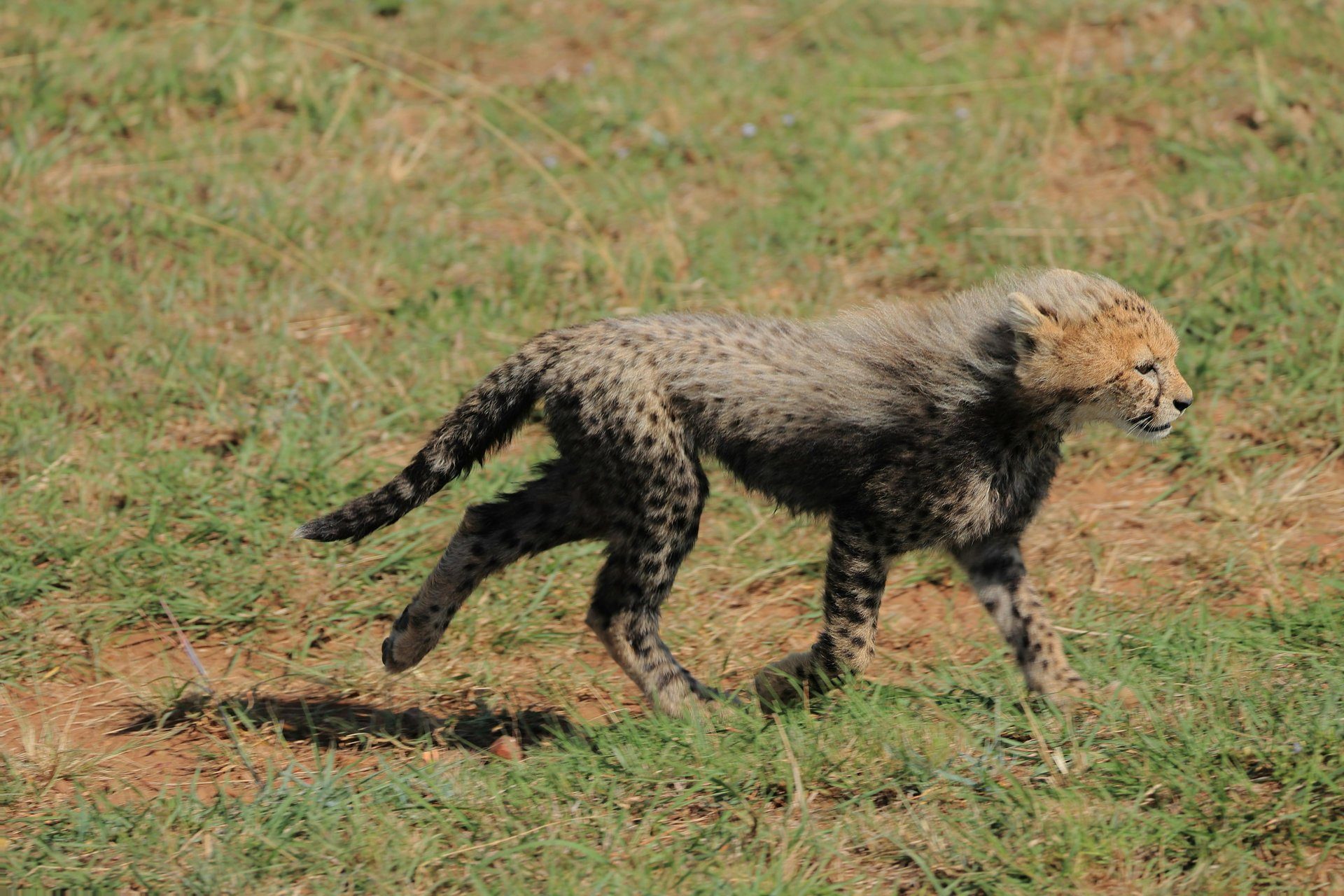
Slender, long-legged and marked with the signature black "tear lines" running from eye to mouth, the cheetah is also the most vulnerable of Africa's great cats — fewer than 7,000 remain in the wild. That rarity makes every sighting feel like a gift.

What makes cheetahs so special to see:

  • Speed like nothing else — 0 to 100km/h in about three seconds, top speeds near 120km/h.
  • Daytime hunters — you can actually witness a hunt, unlike mostly-nocturnal leopards.
  • Open-country cats — they favour plains and grasslands, so sightings are often in the open.
  • Rare and threatened — seeing one in the wild is a genuine privilege.
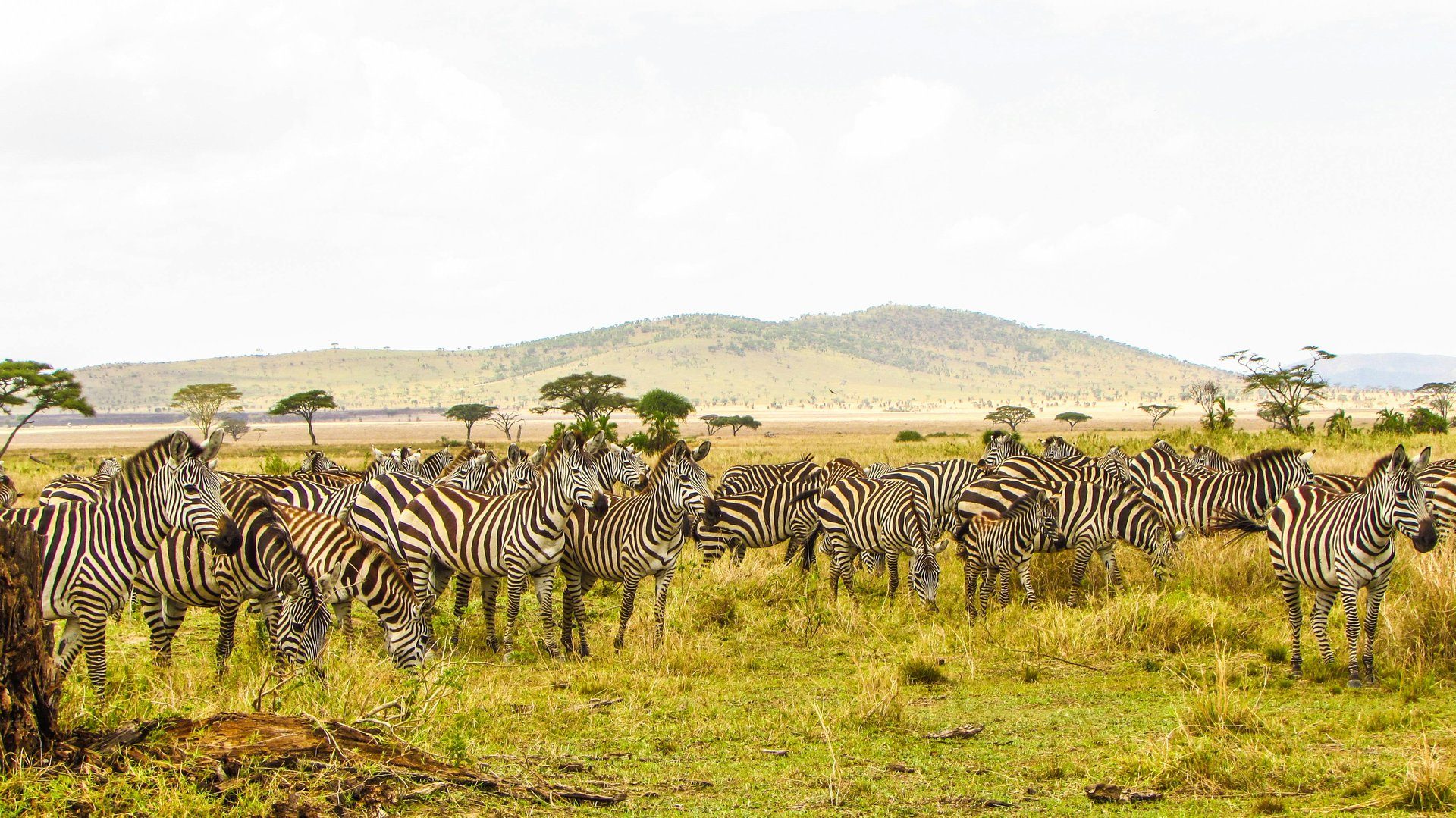
The open plains of East Africa — the cheetah's stage, where speed decides everything.

Where to See Cheetahs in Africa — The Best Places

1. Serengeti National Park, Tanzania

Why it's world-class: The Serengeti's vast short-grass plains are arguably the single best place on Earth to see cheetahs, especially in the south around Ndutu during the calving season (January–March), when abundant young gazelle draw hunting cheetahs into the open.

Best time: December–March (southern plains, calving); year-round in the central Seronera area.

Bonus: the Great Migration, lions and leopards in the same ecosystem.

2. Masai Mara & Conservancies, Kenya

Why it's world-class: The Mara's open grassland is superb cheetah country, and it has produced some of the most famous cheetahs ever filmed. The bordering conservancies (Naboisho, Olare Motorogi, Mara North) allow off-road viewing and far fewer vehicles, so you can follow a hunt properly.

Best time: July–October (Migration and dry-season visibility); good year-round.

Bonus: off-road access on conservancies makes for spectacular photography.

3. Sabi Sand & Greater Kruger, South Africa

Why it's world-class: While the Sabi Sand is famous for leopards, the wider Kruger ecosystem and reserves like Phinda (in KwaZulu-Natal) offer excellent cheetah viewing with the comfort of world-class private lodges and door-to-door access from Johannesburg.

Best time: May–September (dry season, sparse cover, easier sightings).

Bonus: the full Big Five in the same trip, plus luxury lodges.

4. Okonjima & the Namibian Conservancies

Why it's world-class: Namibia holds the largest wild cheetah population on Earth. Reserves such as Okonjima (home to the AfriCat Foundation) offer some of the most reliable cheetah sightings and tracking anywhere, alongside vital conservation work.

Best time: May–October (dry season).

Bonus: conservation-led tracking and a genuine chance to learn about protecting the species.

5. Okavango & Central Kalahari, Botswana

Why it's world-class: The open pans and grasslands of the Central Kalahari and the drier fringes of the Okavango are excellent for cheetah, often with dramatic desert-light photography and very few other vehicles.

Best time: Green season (December–April) in the Kalahari; dry season around the Delta.
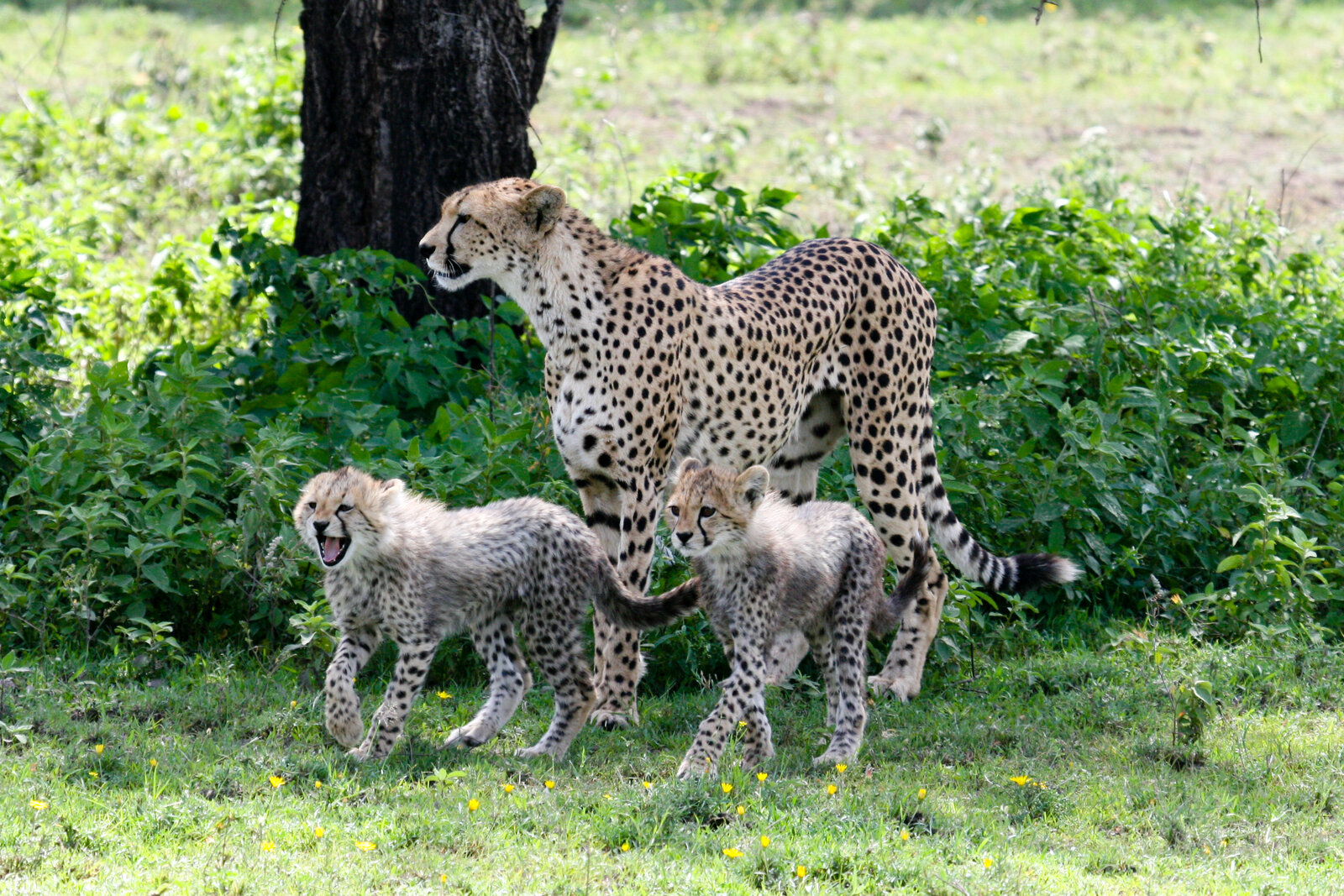
A mother cheetah with cubs near Ndutu, Serengeti
A mother cheetah with cubs — the calving-season plains offer the best family sightings.

Cheetah Safari: Quick Comparison

DestinationBest TimeWhy Go
Serengeti (Ndutu)Dec–MarCalving season, best hunts
Masai Mara conservanciesJul–OctOff-road viewing, few vehicles
Sabi Sand / Phinda (SA)May–SepBig Five + luxury lodges
Okonjima (Namibia)May–OctMost reliable, conservation tracking
Central Kalahari (Botswana)Dec–AprDesert light, true wilderness

How to Photograph a Cheetah (and a Hunt)

  • Shoot at eye level — a beanbag on the vehicle door beats a tripod. Low angle = intimacy and drama.
  • Use a fast shutter for the run — 1/2000s or faster to freeze a sprint; pan with the cat for motion blur art.
  • Watch the tail and the shoulders — a cheetah scanning from a termite mound, tail twitching, is often about to move. Be ready before it explodes.
  • Golden hours are everything — early morning and late afternoon give warm light and are the cheetah's preferred hunting windows.
  • Give space, stay quiet — a stressed cheetah will abandon a hunt. Good guides read the cat and position without pressuring it.
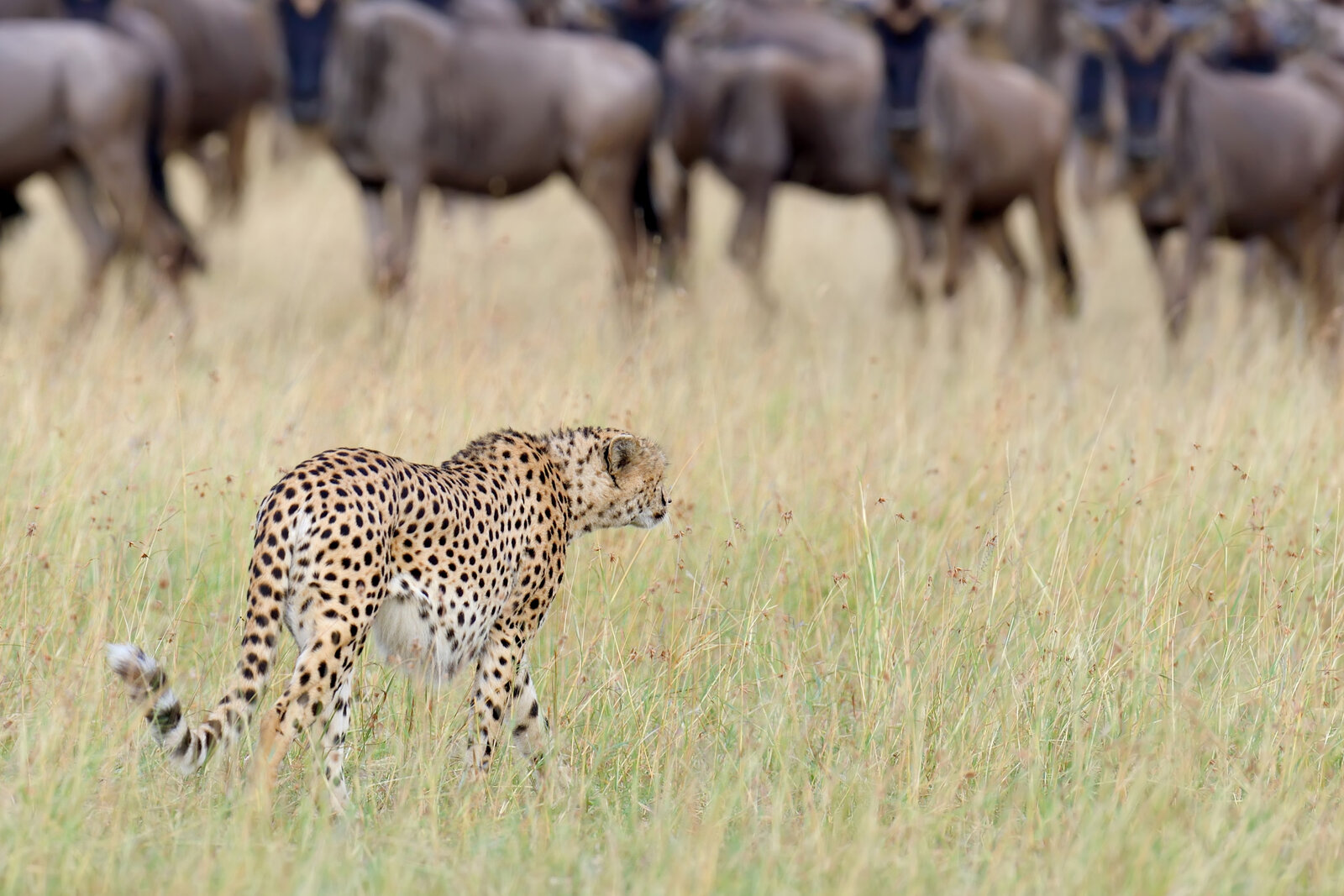
A cheetah in hunting posture on the open plains
Low, tense, focused — a cheetah reading the plain before the sprint.

10 Cheetah Facts That Make Every Sighting Better

  • Fastest land animal: up to ~120km/h, and 0–100km/h in about three seconds.
  • Built to sprint: semi-retractable claws for grip, a long tail for steering, and an enlarged heart and lungs.
  • Daytime hunter: hunts in daylight to avoid competition with lions, leopards and hyenas.
  • Tear marks: the black lines reduce glare and help fix prey in a high-speed chase.
  • They don't roar: cheetahs chirp, purr and even "meow" — they cannot roar like lions.
  • Coalitions: males (often brothers) form lifelong coalitions to hold territory.
  • Devoted mothers: females raise cubs alone, moving them frequently to avoid predators.
  • Short but intense: a chase lasts only 20–60 seconds — they overheat fast and must rest before eating.
  • Vulnerable: fewer than ~7,000 remain in the wild; habitat loss is the biggest threat.
  • King cheetahs: a rare coat mutation with bold blotches and stripes, found in Southern Africa.

Cheetahs & Conservation

With so few left in the wild, seeing cheetahs responsibly matters. We favour conservancies and private reserves that cap vehicle numbers, support anti-poaching and habitat protection, and — as at Namibia's AfriCat Foundation — actively rehabilitate and research the species. Choosing conservation-led operators means your safari helps keep cheetahs running wild for the next generation.


Plan Your Cheetah Safari With Beyond Africa

We are a Cape Town-based, tailor-made safari house. We know which reserves, which seasons and which guides give you the best chance of a great cheetah sighting — and we build the rest of your trip (Big Five, Migration, beach or Cape Town) around it.

Ready to find the fastest cat on Earth? 👉 Request a cheetah safari quote → 👉 Browse our safari packages → 👉 WhatsApp us: +27 74 315 5782


The Fastest Cat on Earth

Nothing on land moves like a cheetah — 0 to 100km/h in three seconds, a blur of gold and black across the open plain.

This is the complete guide to seeing Africa's most elegant predator in the wild: the best parks and reserves, when to go, how to photograph a hunt, and the cheetah facts that make every sighting unforgettable.

Frequently Asked Questions

The Serengeti (especially the southern Ndutu plains during the December–March calving season) and Kenya's Masai Mara conservancies are the two finest destinations, thanks to open short-grass plains and abundant prey. For reliability plus conservation, Namibia's Okonjima (AfriCat) is outstanding, and South Africa's Phinda and the Greater Kruger offer cheetah alongside the full Big Five with luxury lodges.

In the Serengeti, December–March is superb because the calving season fills the southern plains with young gazelle. In the Masai Mara, July–October (dry season and Migration) offers great visibility. In Southern Africa (Kruger, Namibia), the dry season of May–October thins the vegetation and concentrates game, making cheetahs easier to spot.

The cheetah is the fastest land animal on Earth, reaching around 120km/h (75mph) and accelerating from 0 to 100km/h in about three seconds. A chase, however, is brief — usually 20–60 seconds — because the cat overheats quickly and must rest before it can eat.

Yes — and it is one of the great safari spectacles. Because cheetahs hunt in daylight on open ground (unlike mostly-nocturnal leopards), a skilled guide who reads the cat's behaviour can position you to witness a stalk and sprint. The Serengeti calving season and the Masai Mara conservancies (which permit off-road viewing) offer the best chances.

Cheetahs are classified as Vulnerable, with fewer than about 7,000 left in the wild — the rarest of Africa's big cats. Habitat loss and human conflict are the main threats. Choosing conservation-led reserves and conservancies (which cap vehicles and fund protection) means your safari directly supports cheetah survival.

Absolutely. Cheetah country overlaps with superb Big Five destinations — the Greater Kruger and Phinda in South Africa, and the Serengeti/Mara ecosystem in East Africa all offer cheetah plus lion, leopard, elephant, buffalo and rhino. We design an itinerary that maximises your cheetah chances while delivering the full big-game experience.

Make It Happen

Safari Packages

Ready to experience it yourself?

Let our local experts craft a private journey around the places you just read about.

Explore ToursPlan My Trip
Curated For You

You May Also Like

Safari aircraft on a remote bush airstrip in Africa — the gateway to a fly-in private jet safariluxury-safari

Private Jet Safari Africa 2026: Fly-In Luxury Safaris by Air (Complete Guide)

A private jet safari is the pinnacle of African travel — a seamless, door-to-door journey where executive jets and light bush aircraft replace long transfers, so every hour is spent in the wild rather than in transit. This is the definitive 2026 guide to flying Africa by air: the difference between a private jet charter and a scheduled fly-in safari, how light-aircraft transfers deliver you straight to camp airstrips, the greatest multi-country routes (Sabi Sand, the Okavango Delta, the Serengeti, gorillas in Rwanda and Victoria Falls), what it all costs, and how Beyond Africa plans the entire expedition so you simply step aboard and let the continent unfold beneath you.

23 Jul 2026 · 17 min read
A luxury train carriage rolling through the South African countryside — the golden age of rail travelluxury-safari

Rovos Rail vs The Blue Train 2026: South Africa's Luxury Train Safaris Compared

South Africa is home to two of the greatest luxury trains on Earth — Rovos Rail, the vintage 'Pride of Africa', and The Blue Train, a five-star hotel on wheels. Both carry a fortunate few between Pretoria and Cape Town through the Highveld, the Karoo and the mountains, in Edwardian-suite splendour with gourmet dining and all-inclusive service. This is the complete 2026 guide: how Rovos Rail and The Blue Train differ, the routes and prices, what the suites and dining are really like, the dress code, the best time to travel, and — the part we do best — how to combine a rail journey with a private Big Five safari and Cape Town for the ultimate South African odyssey.

23 Jul 2026 · 16 min read
Private safari villa deck overlooking a plain of grazing zebra at golden hour — an exclusive-use retreatluxury-safari

Exclusive-Use Private Villa Safaris 2026: Buy Out Your Own Safari Lodge

An exclusive-use private villa safari is the most personal — and most coveted — way to experience the African bush. Instead of sharing a lodge with strangers, you take the whole property: a private villa or small camp with its own chef, butler, ranger, tracker, vehicle, and often a private pool, reserved for your family or group alone. Meals happen when you want them, game drives run to your rhythm, and children can be children. This is the 2026 guide to the finest exclusive-use villas across South Africa, Botswana, Kenya and beyond, what a whole-lodge buyout costs, who it suits best, and how Beyond Africa choreographs every detail so the entire wilderness feels like your own.

23 Jul 2026 · 16 min read
Simple, Personal, Expert-Led

How It Works

From first message to the trip of a lifetime — planning your safari with us is effortless.

  1. 1

    Share Your Dream

    Tell us who is travelling, your dates and what you long to see. One quick message is all it takes to begin.

  2. 2

    We Design It

    Your specialist crafts a private, tailor-made itinerary — the right camps, the right season, every detail considered.

  3. 3

    Refine Together

    We fine-tune the journey with you until every day feels perfect, then handle flights, transfers and permits.

  4. 4

    Travel With Confidence

    Set off knowing every detail is handled and a dedicated specialist is on call from your first game drive to home.

Your Journey Starts Here

Let Our Experts Craft Your Perfect Safari

Every itinerary is handcrafted by our team of local specialists who have spent 18+ years exploring Southern and East Africa. From Big Five game drives to gorilla trekking — we create journeys that stay with you forever.

Start PlanningChat with Us
Chat