Key Takeaways
- African wild dogs are the continent's most endangered great predator — fewer than ~7,000 remain, so a sighting is a genuine privilege.
- They are the most efficient hunters in Africa, with a success rate near 80% — far higher than lions or leopards.
- The winter denning season (roughly June–August) is the golden window: packs stay put at a den, making sightings far more reliable.
- The finest strongholds are Botswana (Okavango & Linyanti), Mana Pools, Hwange, South Luangwa, the Greater Kruger and Kenya's Laikipia.
- Because packs roam huge territories, go with specialists who know current den sites and pack movements.
Why the Wild Dog Is the Ultimate Safari Prize
Ask a veteran guide what they most want to find, and many will say wild dogs. Not lions, not even leopards — the painted wolf. They are harder to find than any big cat, they range across enormous territories, and there are so few of them left that every encounter feels like winning a lottery of the wild.
Once you find them, the reward is extraordinary. Wild dogs are intensely social, endlessly affectionate with one another, and astonishing to watch on the move. A pack rising for the hunt at dawn — the greeting ceremony of twitters and nuzzles, then the sudden, silent surge across the bush — is one of the greatest spectacles in all of nature.
What makes wild dogs so special to see:
- Africa's rarest great predator — fewer than ~7,000 remain across the continent.
- The most efficient hunter — a success rate near 80%, achieved through teamwork and stamina.
- Deeply social — they live in tight, cooperative packs led by an alpha pair, and care for their sick and young.
- Unmistakable — no two are alike; each wears a unique "painted" coat of black, tan and white.
Where to See African Wild Dogs — The Best Places
1. Okavango Delta & Linyanti, Botswana
Why it's world-class: Northern Botswana holds one of the largest and healthiest wild dog populations on Earth. The private concessions of the Linyanti, Selinda and Kwando, and the wider Okavango, offer superb dog sightings with off-road freedom and very few other vehicles — the gold standard for painted-wolf viewing.
Best time: June–August (denning season, packs anchored to a den).
Bonus: lion, leopard, elephant and the water-world of the Delta in one trip.
2. Mana Pools National Park, Zimbabwe
Why it's world-class: Mana Pools is arguably the most famous wild dog destination in Africa, home to the packs made legendary by wildlife films. Its open woodland along the Zambezi allows walking with the dogs on foot — a rare and unforgettable privilege — with expert guides.
Best time: June–October (dry season and denning); the light through the forest is magical.
Bonus: world-class walking safaris and canoeing on the Zambezi.
3. Hwange National Park, Zimbabwe
Why it's world-class: Hwange has one of the continent's most significant wild dog populations, supported by decades of dedicated painted-dog conservation. Its size and healthy prey base give packs room to thrive, and sightings are increasingly reliable with the right guides.
Best time: July–October (dry season, game concentrates at waterholes).
Bonus: huge elephant herds and easy pairing with Victoria Falls.
4. South Luangwa, Zambia
Why it's world-class: The Luangwa Valley — birthplace of the walking safari — holds strong, well-studied wild dog packs. Its combination of on-foot tracking, night drives and superb guiding makes it one of the finest and most authentic places to encounter them.
Best time: June–October (dry season and denning).
Bonus: leopard capital of Africa, plus classic walking safaris.
5. Greater Kruger & Sabi Sand, South Africa
Why it's world-class: The Greater Kruger ecosystem holds one of South Africa's most important wild dog populations, and the private reserves of the Sabi Sand and Timbavati offer off-road viewing, superb guiding and the comfort of world-class lodges — with door-to-door access from Johannesburg.
Best time: May–September (dry season, thin cover); denning around June–July.
Bonus: the full Big Five in the same reserve, plus luxury lodges.
6. Laikipia & Samburu, Kenya
Why it's world-class: Northern Kenya's private conservancies — Laikipia in particular — have become a genuine wild dog stronghold, with well-monitored packs and outstanding conservation-led guiding on land shared with local communities.
Best time: June–October and December–March (drier spells).
Bonus: rare northern species (Grevy's zebra, reticulated giraffe) and horseback or camel safaris.
7. Ruaha & Nyerere (Selous), Tanzania
Why it's world-class: Southern Tanzania's vast, wild parks hold some of East Africa's largest wild dog populations, in true wilderness with a fraction of the vehicles of the northern circuit — a superb choice for a wilder, dog-focused safari.
Best time: June–October (dry season).
Bonus: remote, uncrowded wilderness and boat safaris on the Rufiji.
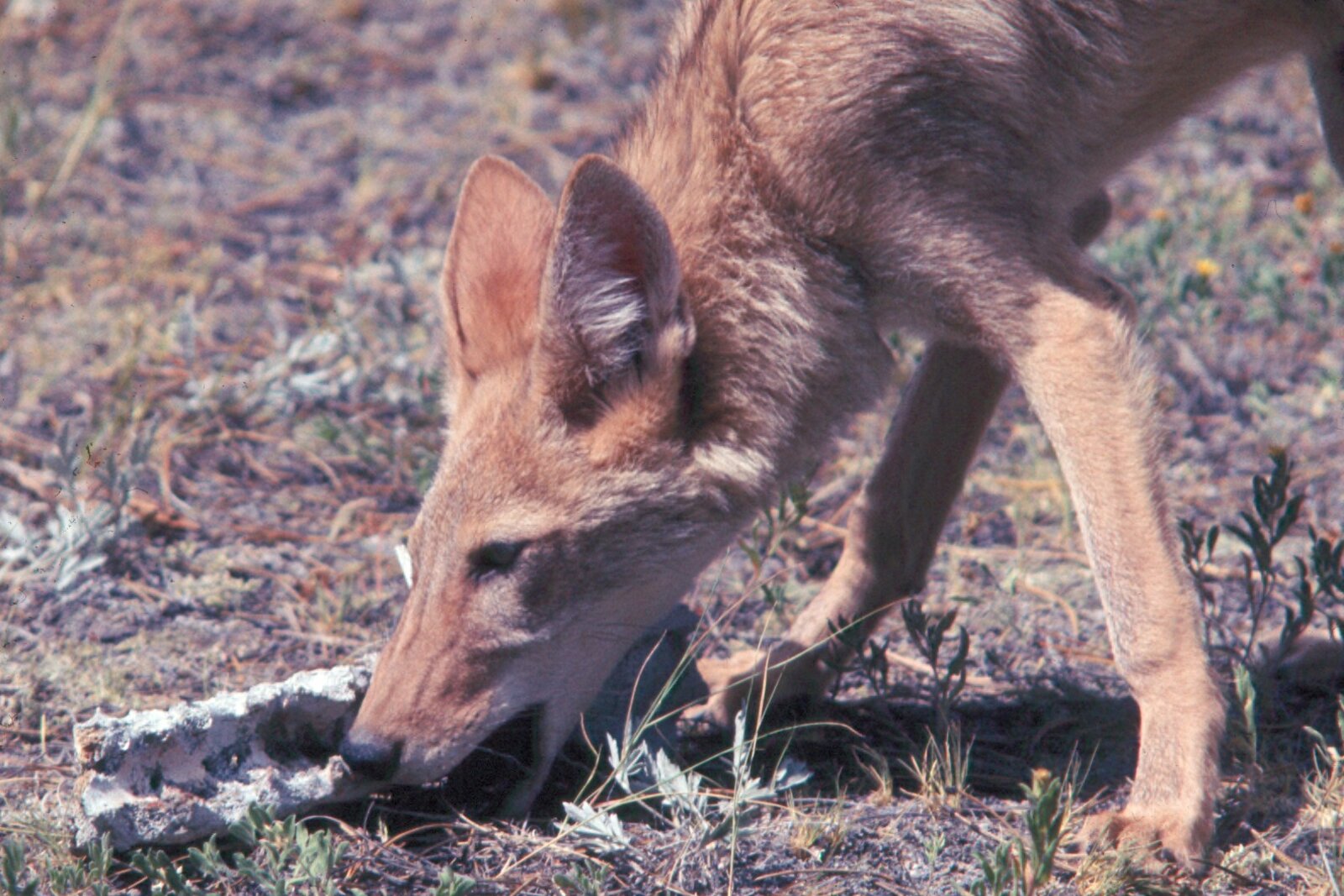
Wild Dog Safari: Quick Comparison
| Destination | Best Time | Why Go |
|---|---|---|
| Okavango & Linyanti (Botswana) | Jun–Aug | Largest healthy population, off-road |
| Mana Pools (Zimbabwe) | Jun–Oct | Famous packs, walk with them on foot |
| Hwange (Zimbabwe) | Jul–Oct | Major population, conservation-led |
| South Luangwa (Zambia) | Jun–Oct | Walking safaris, night drives |
| Greater Kruger / Sabi Sand (SA) | May–Sep | Big Five + luxury lodges |
| Laikipia (Kenya) | Jun–Mar | Conservancy stronghold, rare species |
How to Photograph a Wild Dog Pack (and a Hunt)
- Be ready before dawn — dogs hunt in the cool of first and last light. The action can erupt in seconds, so have your settings dialled in advance.
- Use a fast shutter — 1/1600s or quicker to freeze a running pack; drop lower and pan for artistic motion blur.
- Shoot the greeting ceremony — the pre-hunt rally of leaping, licking and twittering is pure emotion and often the best storytelling frame.
- Get low and wide when you can — a pack sprawled at rest, ears up, makes a wonderful environmental portrait.
- Trust your guide — dogs move fast and far; a guide who knows the pack's direction will position you where the light and action meet.
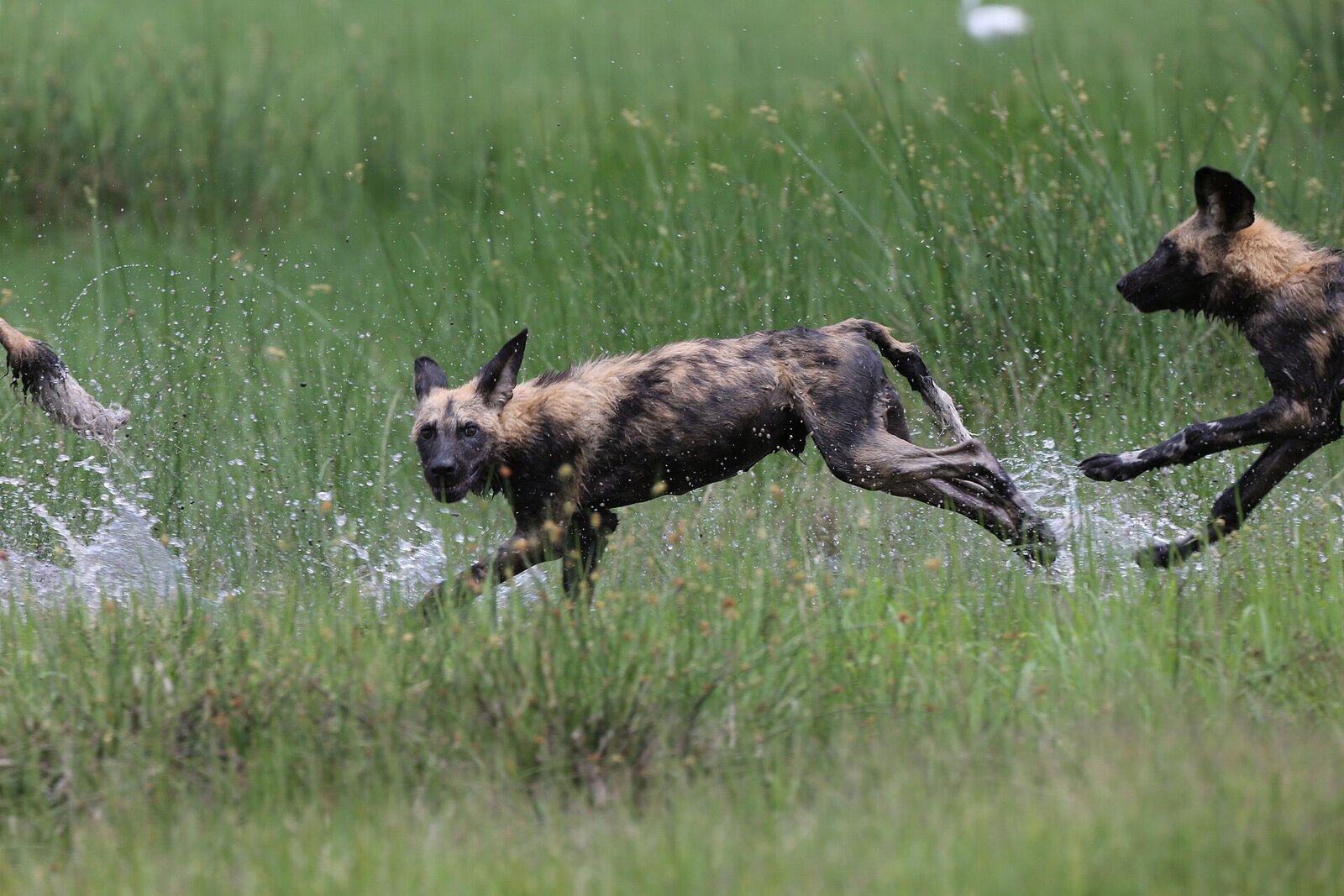
10 Wild Dog Facts That Make Every Sighting Better
- Many names, one animal: African wild dog, painted wolf, painted dog and Cape hunting dog all mean Lycaon pictus — "painted wolf-like animal".
- Africa's best hunter: a success rate near 80%, versus roughly 30% for lions — teamwork and stamina beat brute strength.
- Every coat is unique: like a fingerprint, no two dogs share the same pattern, so researchers ID individuals on sight.
- Satellite ears: their huge, rounded ears radiate heat and pick up pack calls across the bush.
- Only four toes: unlike other dogs, they lack a dewclaw — an adaptation for endurance running.
- An alpha pair leads: usually only the dominant pair breeds, and the whole pack helps raise the pups.
- They vote by sneezing: studies suggest packs "sneeze" to reach a decision on whether to set off and hunt.
- Devoted carers: they feed sick, injured and elderly pack members by regurgitating food — rare tenderness among predators.
- Big roamers: a single pack can range across hundreds of square kilometres, which is why they are so hard to find.
- Endangered: fewer than ~7,000 remain in roughly 700 packs — habitat loss and disease are the greatest threats.
Wild Dogs & Conservation
With so few left, seeing wild dogs responsibly matters more than for almost any other species. We favour private concessions and conservancies that cap vehicle numbers, and lodges that partner with painted-dog research and anti-snaring programmes — as at Hwange and in the Luangwa and Laikipia. Choosing conservation-led operators means your safari directly helps protect the packs and the corridors they depend on, keeping the painted wolf running wild for the next generation.
Plan Your Wild Dog Safari With Beyond Africa
We are a Cape Town-based, tailor-made safari house. Wild dogs are the hardest of the great predators to plan for — success depends on timing your trip to the denning season and choosing reserves where packs are known and monitored right now. We know which concessions, which seasons and which guides give you the best chance, and we build the rest of your journey (Big Five, walking safaris, Victoria Falls or beach) around it.
Ready to find Africa's painted wolves? 👉 Request a wild dog safari quote → 👉 Browse our safari packages → 👉 WhatsApp us: +27 78 471 4852