One of the most common questions first-time safari travellers ask is whether it is safe. The short answer is yes — safaris are among the safest and most controlled travel experiences in the world when done properly. This guide addresses the real safety picture, from wildlife encounters to health and security, so you can plan with confidence.
Wildlife Safety and Expert Guiding
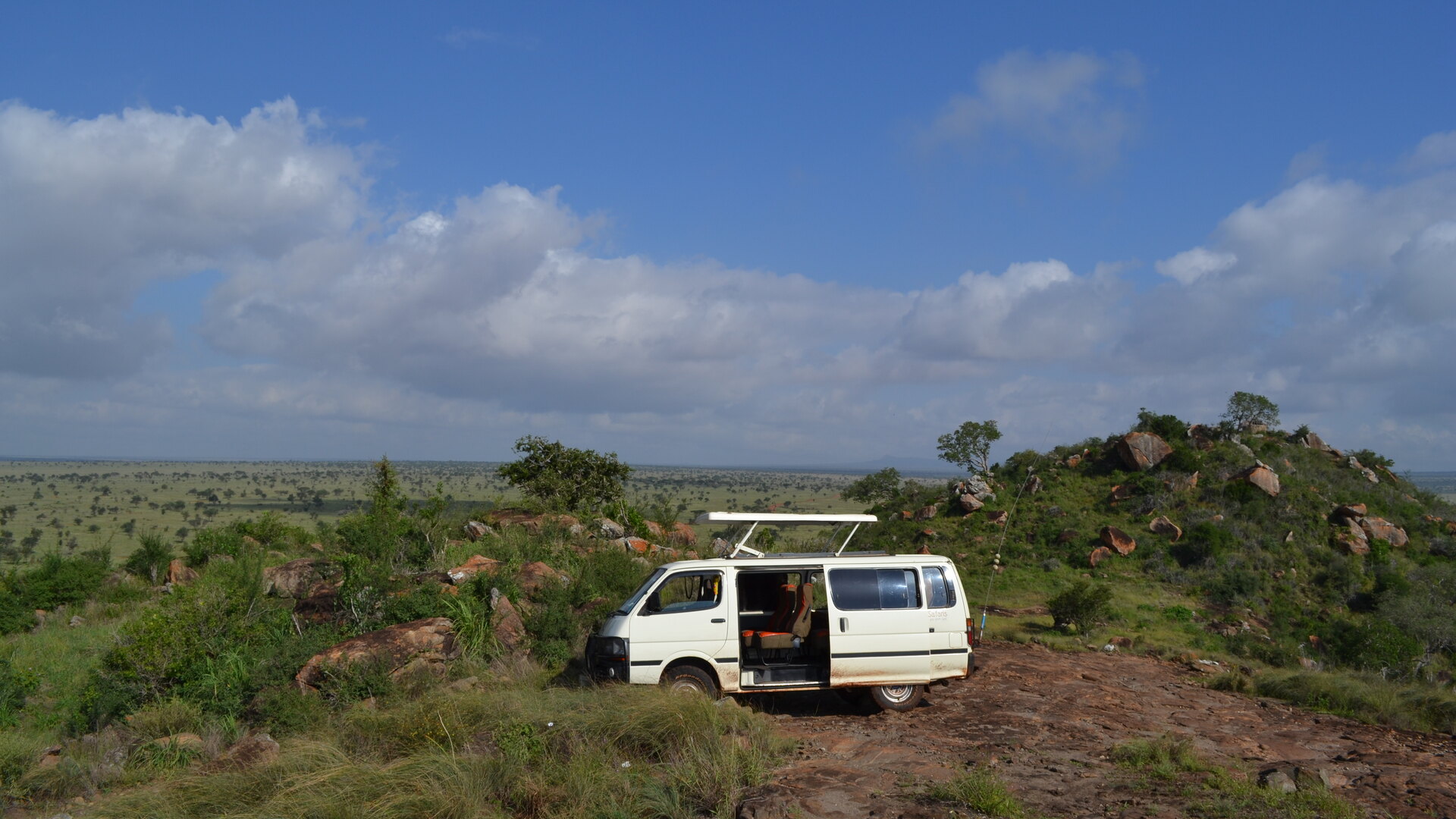
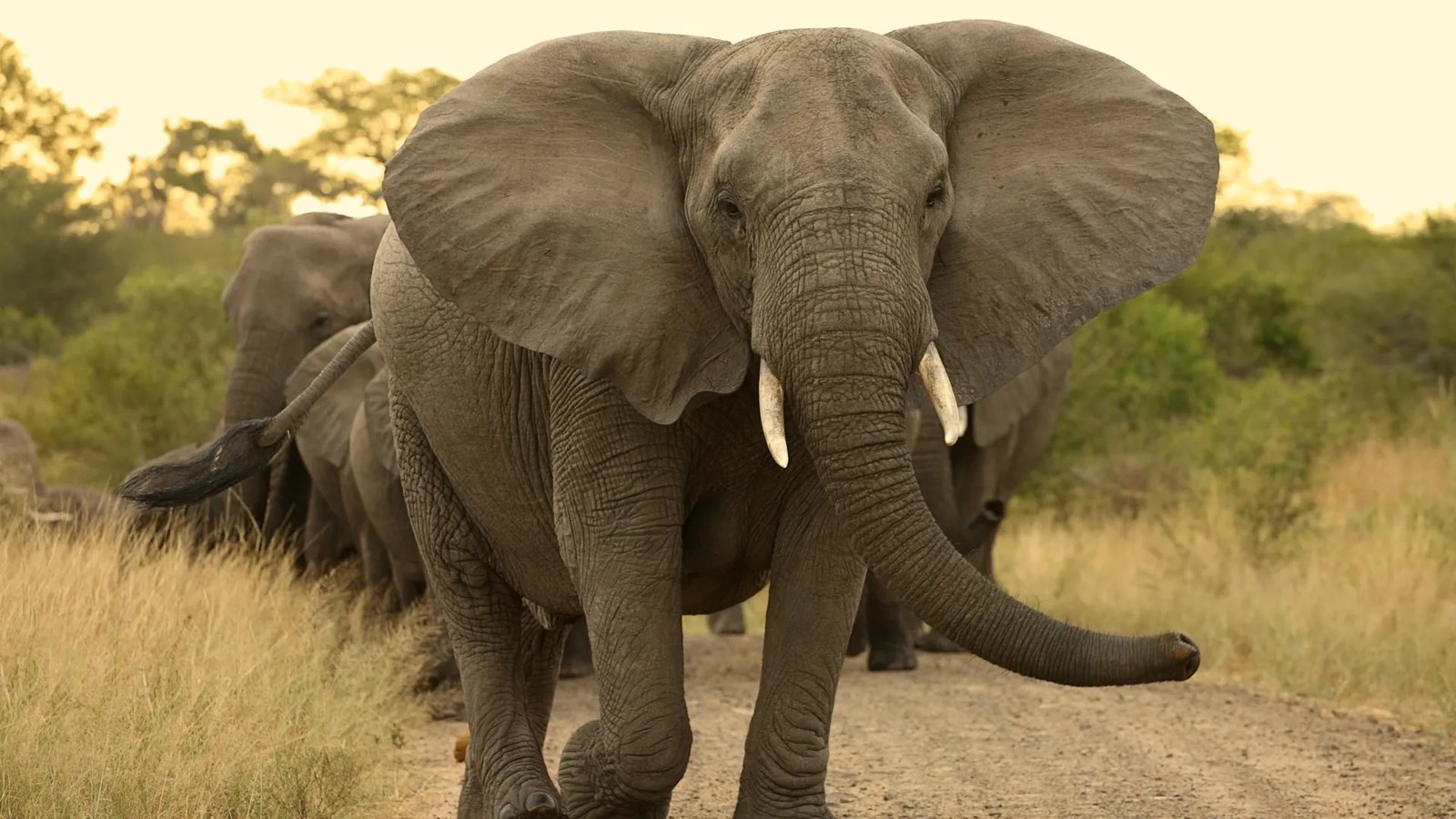
Wildlife encounters are carefully managed. Professional guides are trained, armed where required and skilled at reading animal behaviour. You stay in a vehicle or follow strict protocols on walking safaris. Attacks are extraordinarily rare, and incidents almost always involve people ignoring rules or travelling without proper guidance.
Accommodation and Camp Security
Safari lodges and camps prioritise guest safety with perimeter fencing where appropriate, armed security at night and staff escorts after dark. Many camps sit within fenced reserves or private concessions where dangerous animals are monitored closely. Your safety is planned into every detail.
Health Precautions
Health risks are real but manageable. Malaria prevention, vaccinations and travel insurance are standard precautions. Reputable camps have first-aid trained staff, medical kits and evacuation plans. Food and water safety is taken seriously, and you are far more likely to face minor issues like a cold than anything serious.
Safari Safety Overview
| Risk | Reality | How It Is Managed |
|---|---|---|
| Wildlife attack | Extremely rare | Trained guides, vehicle safety, protocols |
| Malaria | Preventable | Prophylaxis, nets, low-risk areas |
| Petty crime | Low in safari areas | Lodges secure, urban precautions standard |
| Serious illness | Very rare | Medical kits, evacuation, insurance |
| Accidents | Minimal | Maintained vehicles, experienced drivers |
| Overall risk | Very low | Regulated industry, proven safety record |
Crime and Personal Security
Tourist areas, lodges and reserves are generally very safe. Petty crime exists in cities, but safari camps and parks have minimal risk. Use hotel safes, avoid displaying valuables in urban areas and travel with registered operators. The overwhelming majority of travellers experience zero security issues.
Choosing Reputable Operators
The single biggest safety factor is your choice of operator. Established companies with professional guides, proper insurance and safety protocols ensure your trip runs smoothly. Avoid unregistered or suspiciously cheap offers, and ask about guide qualifications, vehicle standards and emergency procedures.
Why Millions Travel Safely Each Year
Safaris attract millions of visitors annually, the vast majority of whom return home with nothing but incredible memories. The industry is mature, regulated and safety-focused. With basic precautions and the right operator, a safari is as safe as any international holiday and far more memorable.
Recommended Safari Experiences
Classic Kruger Adventure
Safe, well-established park with professional guiding.
Masai Mara Explorer
Kenya's safest and most visited reserve.
Amboseli Classic Safari
Family-friendly, secure and well-managed park.
Explore the Destinations
Related Reading
Ready to Plan Your Safari?
Speak to our team for personalised advice, health guidance and safe, trusted itineraries.