The thrill of seeing lions, elephants and leopards up close is the heart of a safari, and it is remarkably safe when you follow basic guidelines. Professional guides manage every encounter, and incidents are extraordinarily rare. This guide covers the essential safety rules and what to expect.
The Golden Rule — Stay in the Vehicle
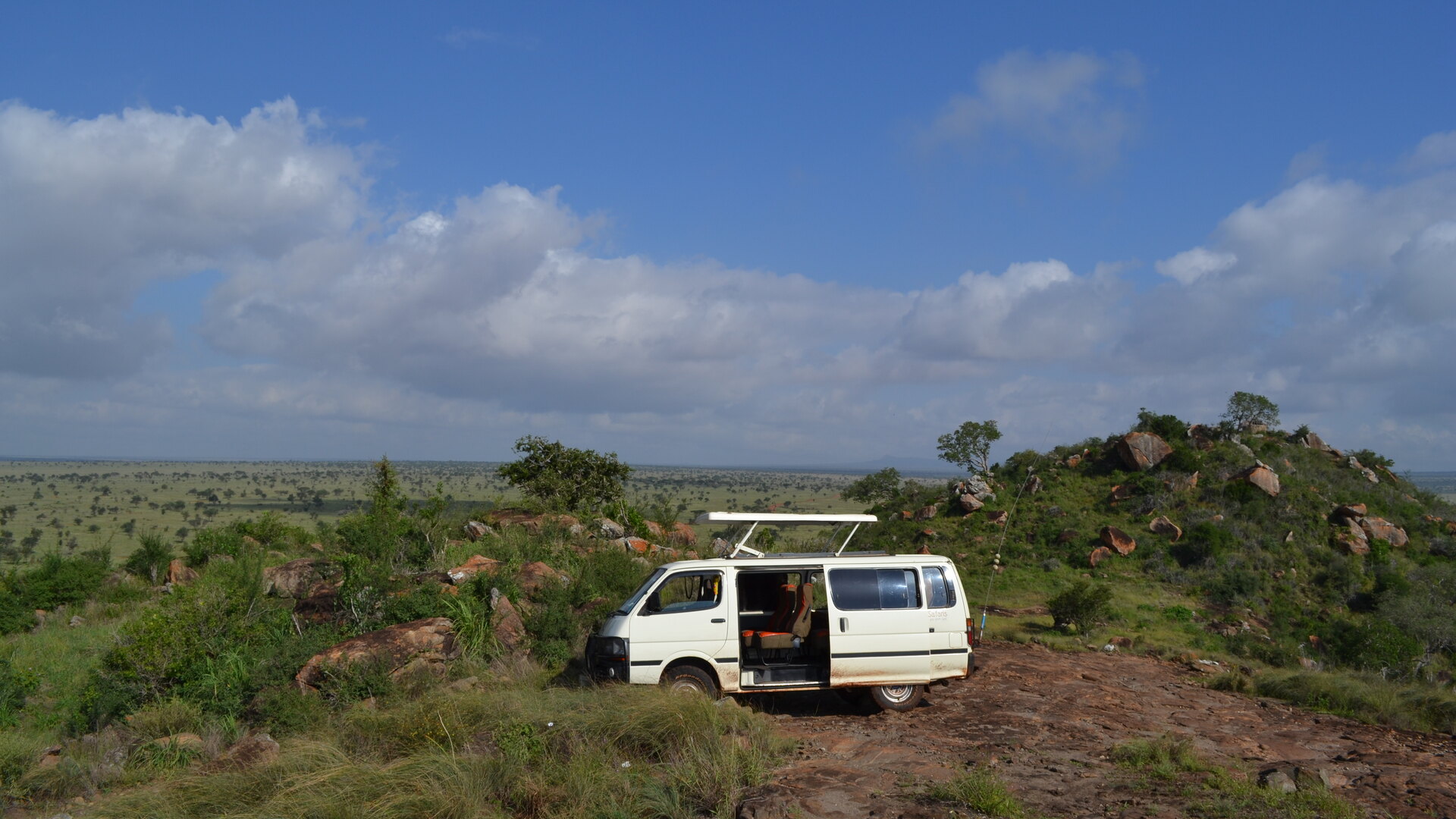
Animals see a closed vehicle as a single, non-threatening shape. The moment you stand up, open a door or step out, you break that silhouette and become a potential target or threat. On game drives, always remain seated, keep limbs inside and follow your guide's instructions without exception.
Understanding Animal Behaviour
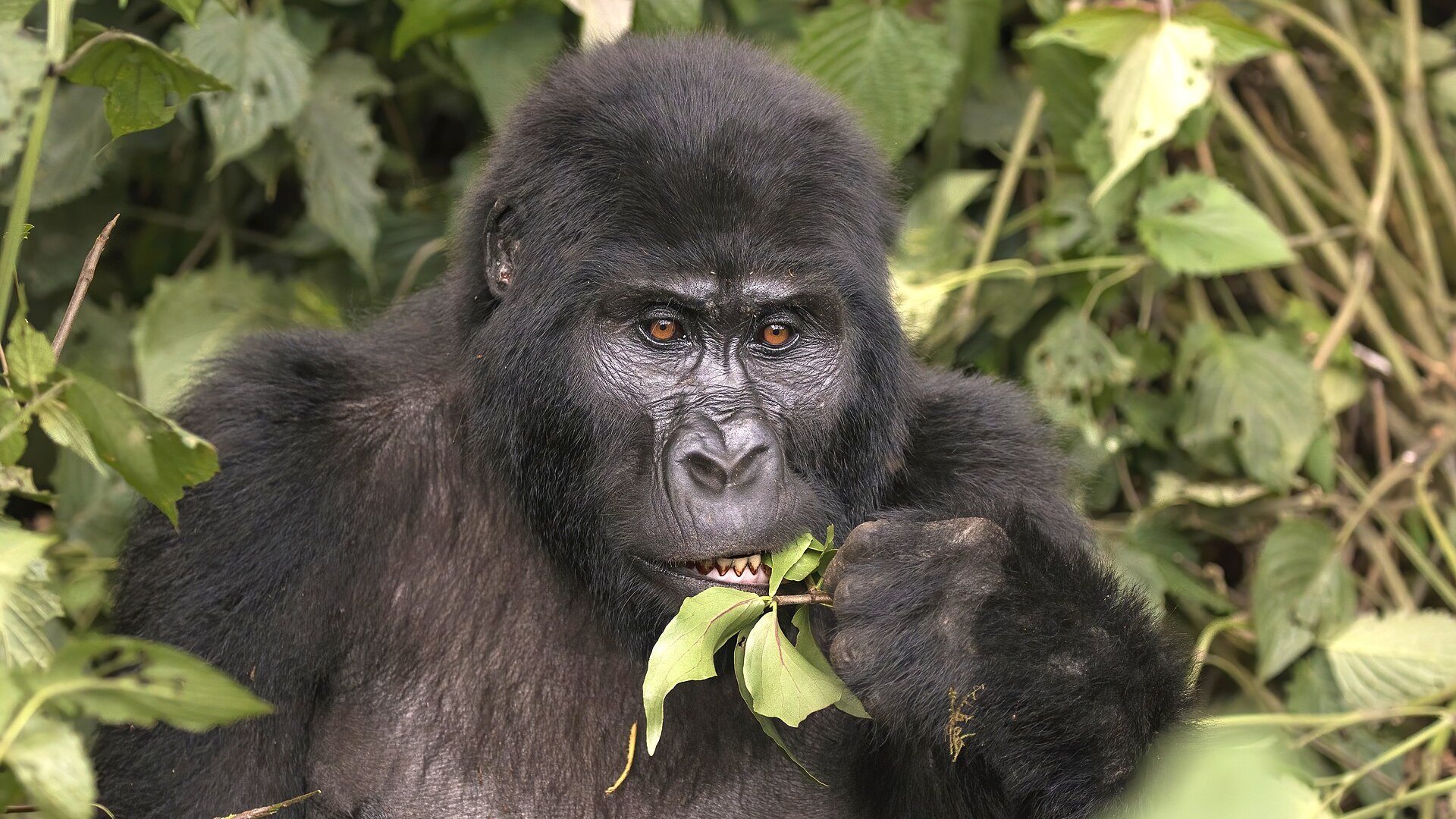
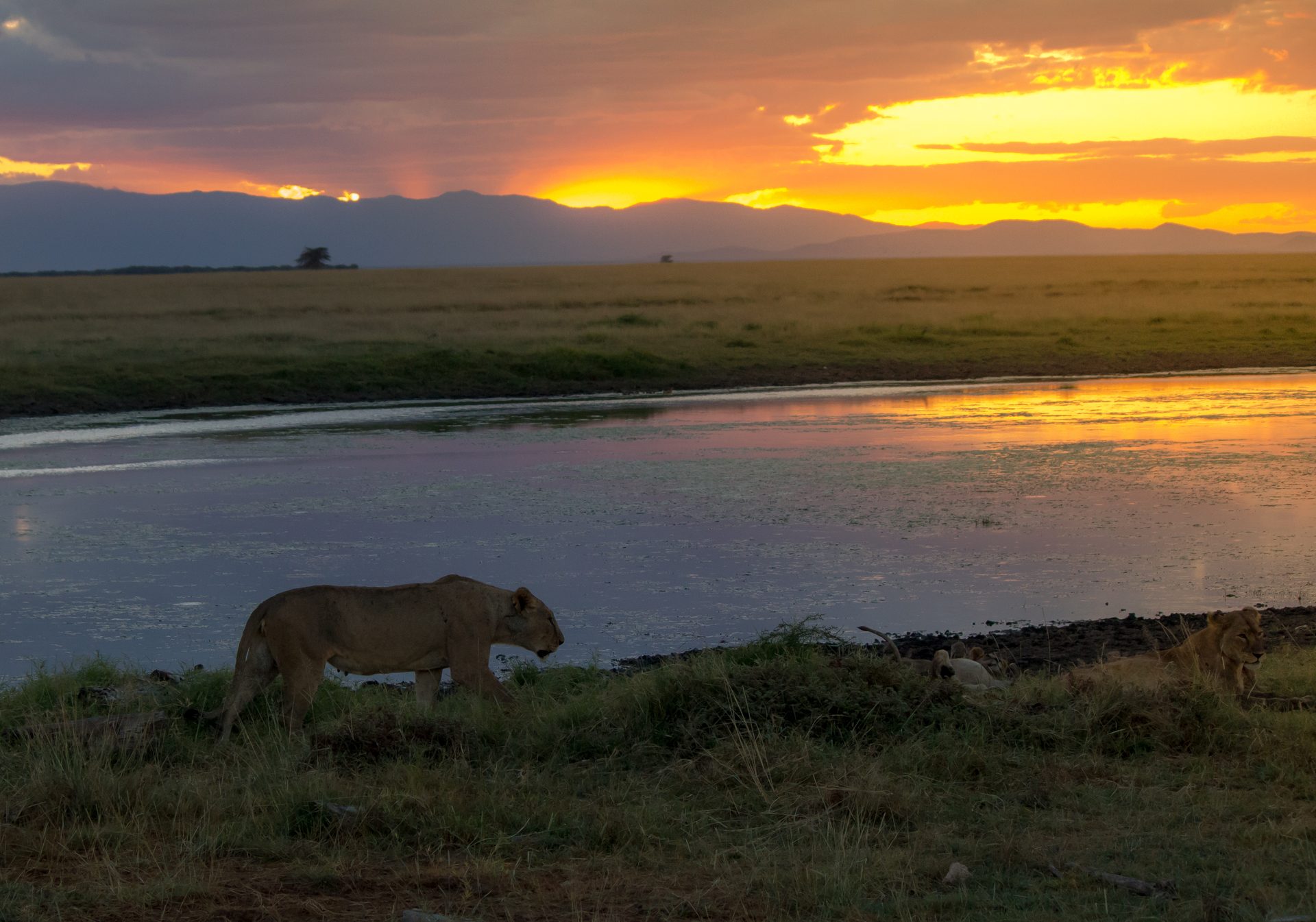
Guides are trained to read body language and keep a safe distance. A lion flicking its tail, an elephant spreading its ears or a buffalo staring directly are signals a guide recognises instantly. Trust their judgement — if they reverse or move away, it is for good reason.
Walking Safari Protocols
On walking safaris, you move in single file behind an armed guide, stay quiet and follow hand signals. If you encounter dangerous game, the guide will position the group and communicate calmly. Running or making sudden movements can trigger a chase response, so stillness and obedience are critical.
Wildlife Safety Dos and Don'ts
| Do | Don't |
|---|---|
| Stay seated in vehicle | Stand up or lean out |
| Follow guide instructions | Ignore signals or warnings |
| Keep voices low | Shout or make sudden noise |
| Walk in single file | Wander off or run |
| Use staff escorts at night | Walk alone after dark |
| Trust your guide | Approach animals on your own |
What to Do in a Close Encounter
If an animal approaches the vehicle, stay calm, keep voices low and do not make sudden movements or loud noises. Guides know how to handle these situations, whether reversing slowly, turning off the engine or waiting patiently. Panic is your only real risk.
Respecting Camp Boundaries
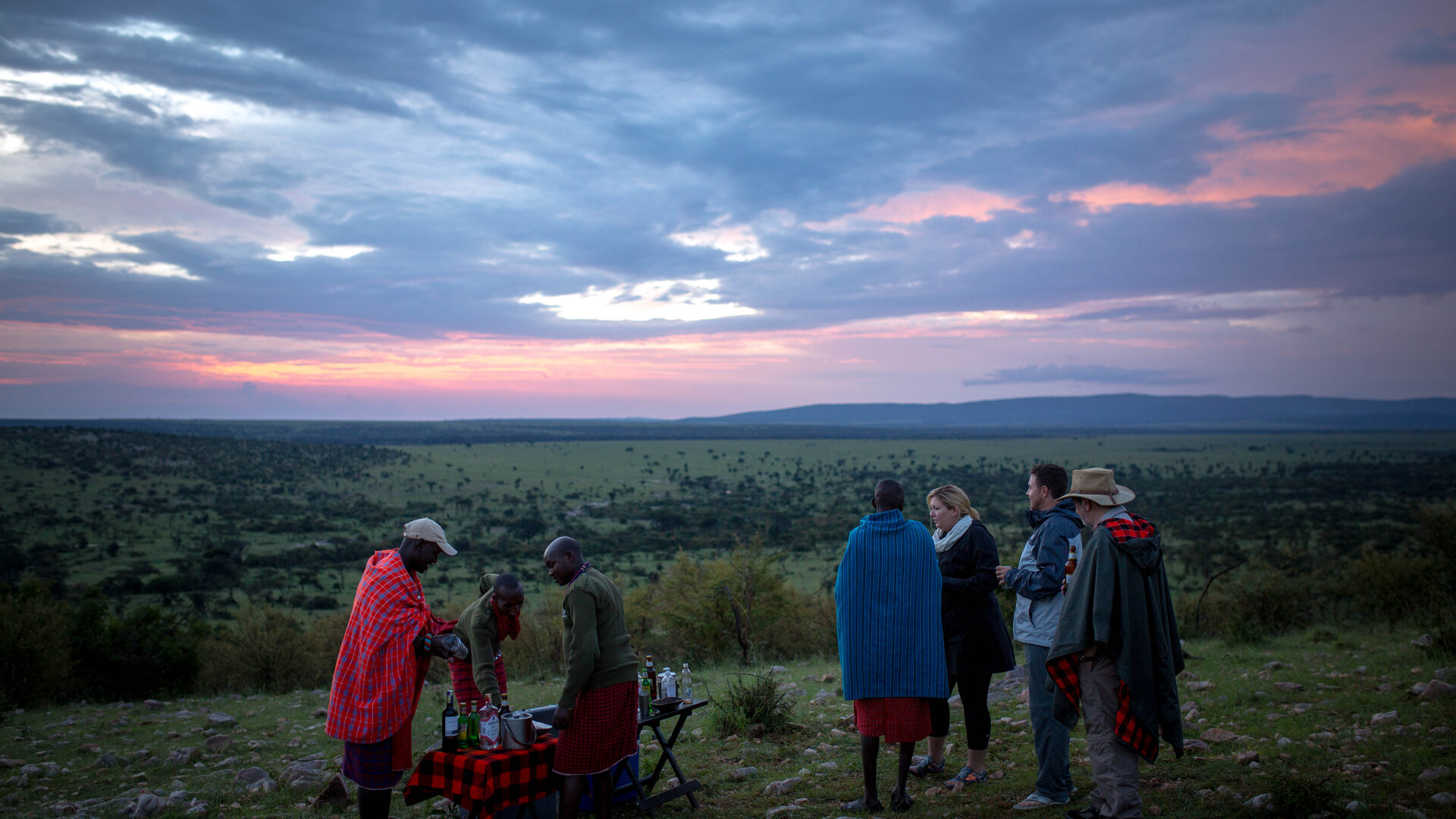
In unfenced camps, animals move freely at night. Never walk alone after dark — always request a staff escort. Hippos and elephants can wander through camp, so stay in your tent or room and alert staff if you hear animals nearby. Lodges brief you on protocols at arrival.
Photography and Flash Use
Avoid using camera flash near animals, as it can startle them. If shooting from the vehicle, keep movements smooth and camera straps secure. On walking safaris, ask your guide before photographing, as the click or movement might disturb a tense situation.
Recommended Safari Experiences
Intimate Big Five Sabi Sands
Expert guides manage close leopard encounters.
Ultimate Walking Safari Zambia
Professional protocols on every walking safari.
Classic Kruger Adventure
Proven safety record and experienced guides.
Explore the Destinations
Related Reading
Ready to Plan Your Safari?
Speak to our team for personalised advice, health guidance and safe, trusted itineraries.