Key Takeaways
- Namibia = the great desert canvas: Sossusvlei's dunes, Deadvlei, the Skeleton Coast, Etosha's waterholes, epic self-drive freedom, profound solitude and design-led desert lodges under the darkest skies on earth
- South Africa = the Big Five powerhouse: the Greater Kruger and Sabi Sand's high-density game, the world's best leopard viewing, world-class lodges, plus Cape Town, the Winelands and the coast
- Wildlife: South Africa wins for Big Five density and reliability; Namibia offers desert-adapted elephant and lion, the world's largest free-roaming cheetah population, and superb Etosha waterhole action
- Scenery: Namibia is one of the most photogenic countries on earth (Sossusvlei, Deadvlei, star-filled skies); South Africa wins for wildlife portraits and scenic variety
- Self-drive: Namibia is Africa's premier self-drive destination; South Africa's Kruger is excellent for self-drive too, but its best game viewing (Sabi Sand) is guided
- Cost: South Africa offers unmatched range and exchange-rate value across every budget; Namibia is mid-to-upper range but reasonable on a self-drive basis
- Best time: both peak in the dry season (roughly May-October); South Africa's regional variety gives it more year-round flexibility
- The verdict: choose South Africa for the Big Five, lodges, value and easy logistics; choose Namibia for otherworldly deserts, self-drive freedom and solitude — or combine both in one trip
Two Faces of Southern Africa: Desert Dunes vs the Big Five Powerhouse
Namibia and South Africa sit side by side in Southern Africa, yet they offer two utterly different adventures. Namibia is the great desert canvas — the towering apricot dunes of Sossusvlei, the ghostly dead trees of Deadvlei, the fog-bound Skeleton Coast, and Etosha’s shimmering salt pan. It is a land of scale, silence and self-drive freedom, where the landscape itself is the headline act and the night skies are among the darkest on earth.
South Africa, by contrast, is the Big Five powerhouse. The Greater Kruger and the private Sabi Sand reserves deliver lion, leopard, elephant, buffalo and rhino at some of the highest densities on the continent, served by world-class lodges. And beyond the bush lie Cape Town, the Winelands, the Garden Route and two oceans — a country that pairs safari with wine, mountain and coast in a single, easy journey.
This is not a park-versus-park comparison. This is the full country question: which nation offers the better trip when you weigh landscape, wildlife, self-drive, exclusivity, cost, logistics and that intangible sense of wilderness? We break it into eleven decisive rounds, backed by a comparison table and the verdict you need to choose the right country for your African dream.
Below we compare Namibia and South Africa across landscape, wildlife, big cats, scenery, self-drive, crowds, lodges, cost, best time and logistics — then answer the big question: do both, or pick one? Let’s break it down, round by round.
Round 1: Landscape & Setting
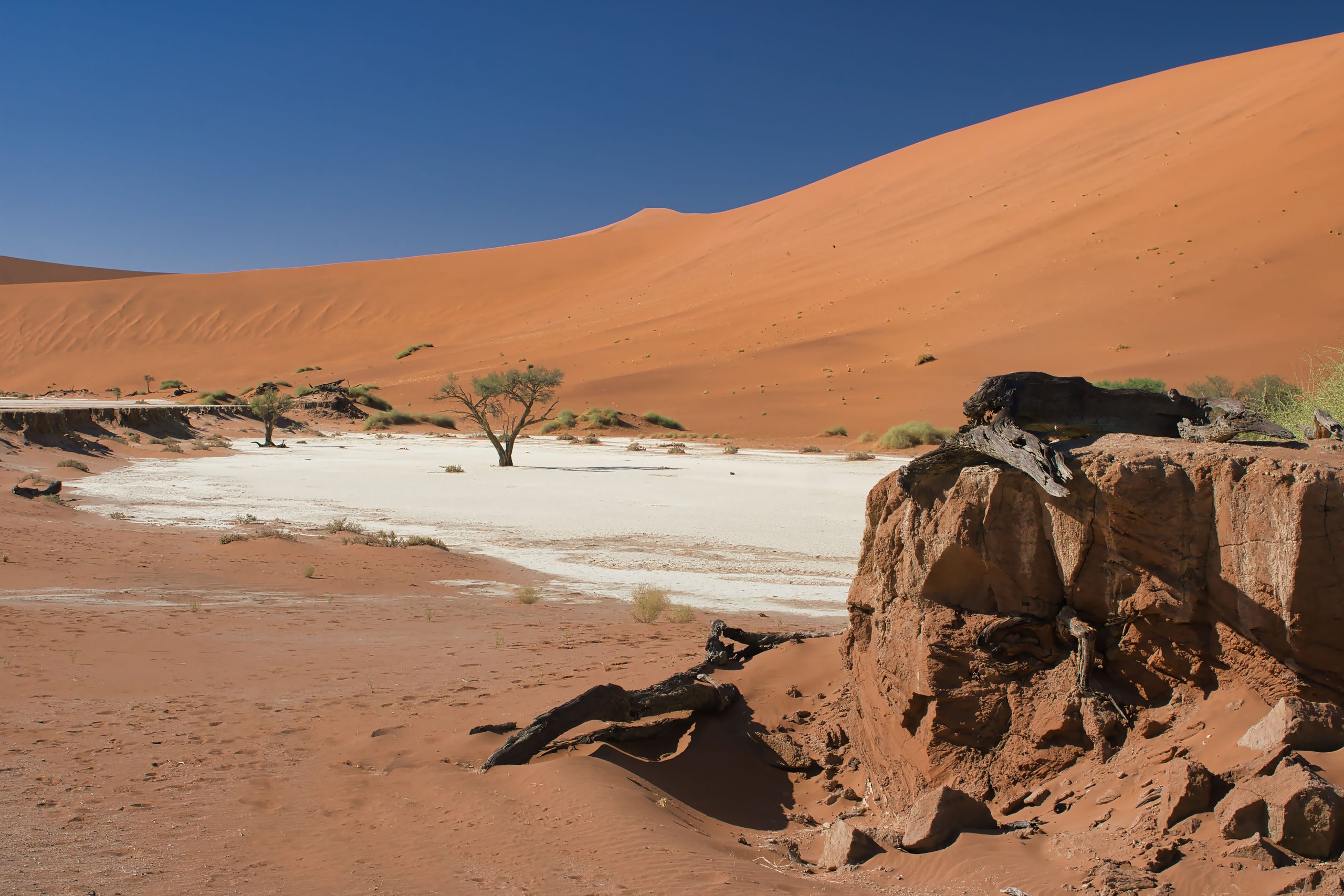
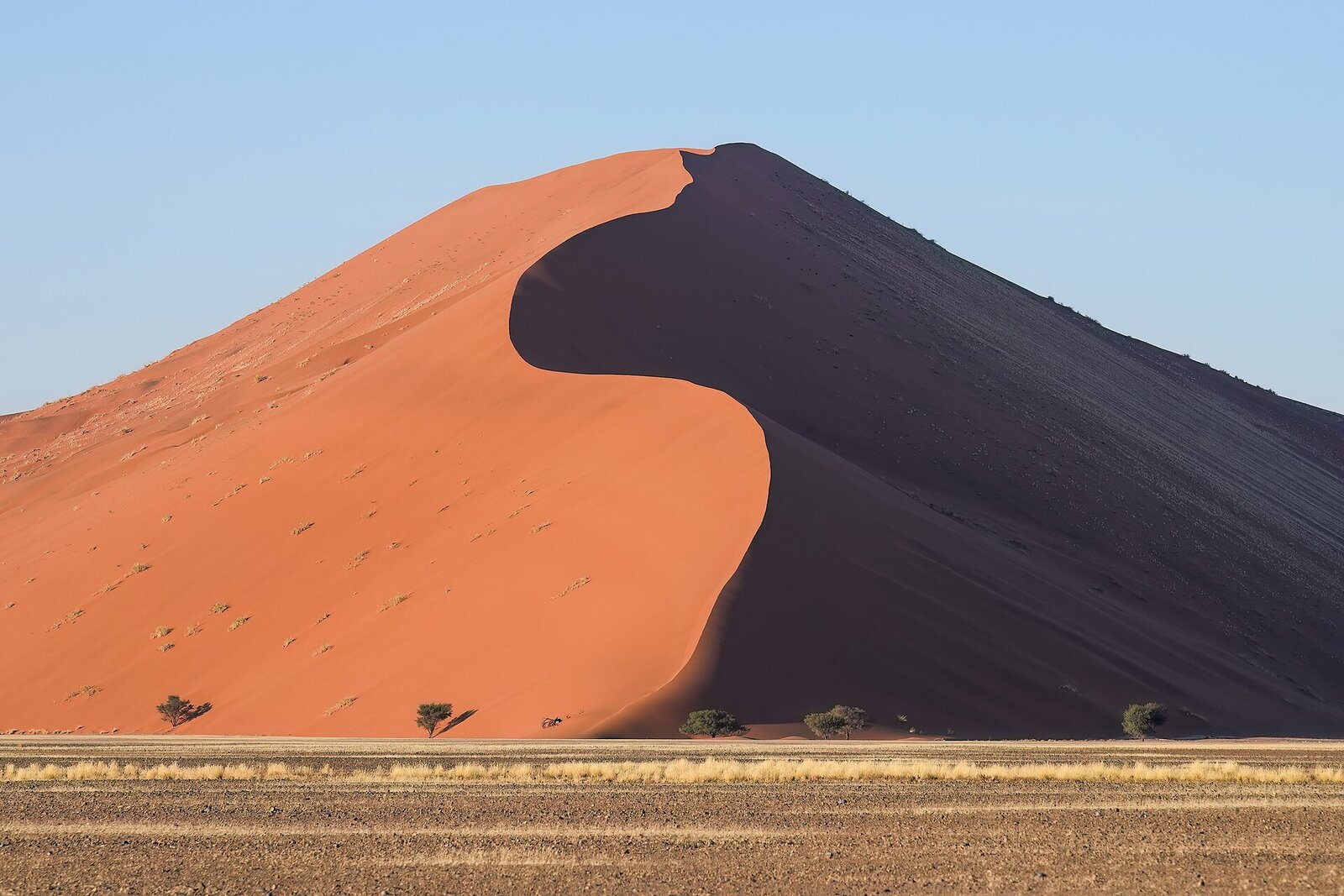
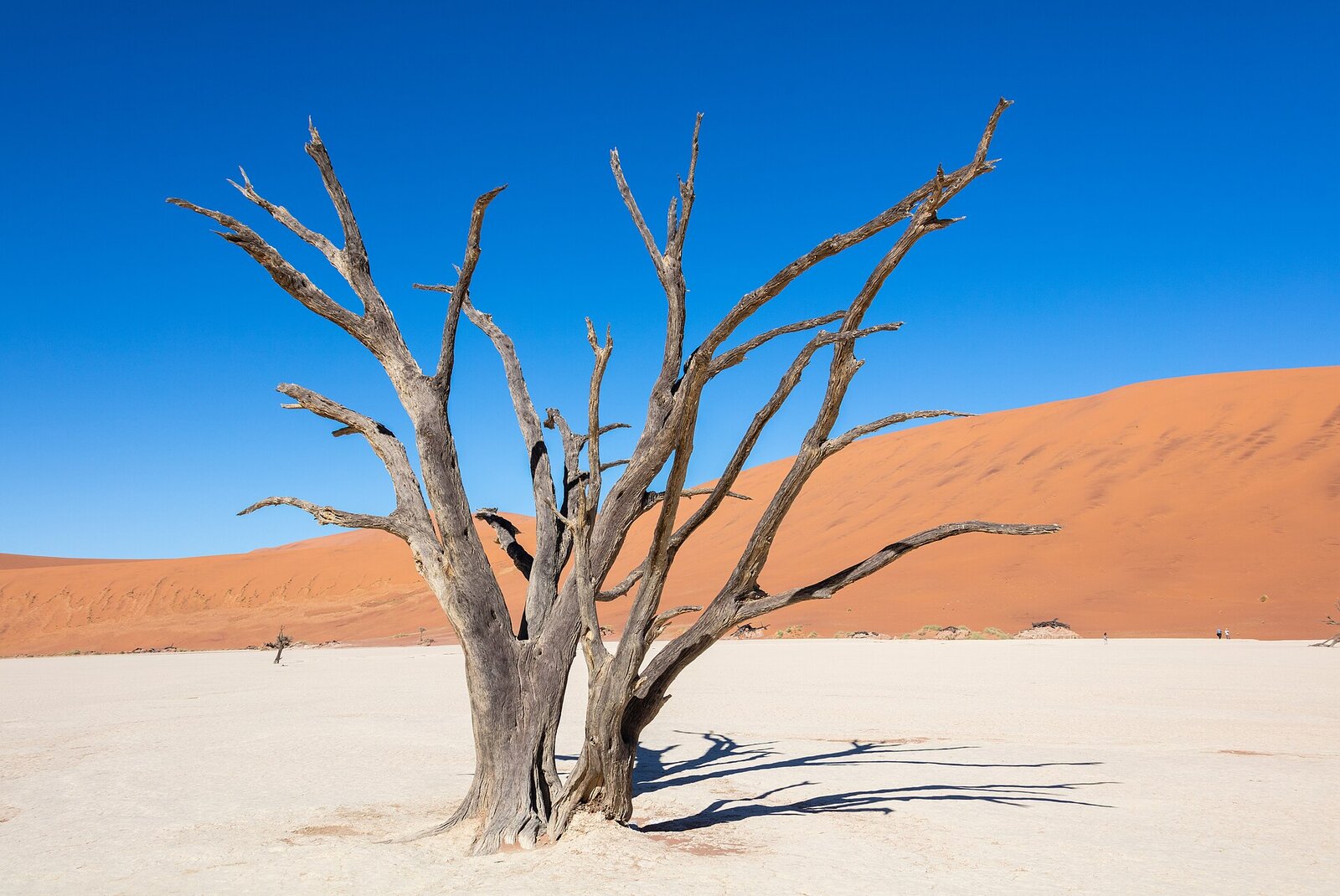
Namibia: Namibia is Africa’s great desert canvas. Sossusvlei’s towering apricot dunes — some of the tallest on earth — rise above the white clay pan of Deadvlei with its 900-year-old blackened camelthorn trees. The Skeleton Coast fuses fog-bound Atlantic shoreline with shifting sand, while Etosha’s vast salt pan shimmers on the horizon. This is a land of scale, emptiness and geological drama, where the landscape itself is the headline act.
South Africa: South Africa packs astonishing variety into one country. The Greater Kruger’s lowveld bushveld teems with game; the Cape’s winelands, mountains and two-ocean coastline deliver a different world entirely; and between them lie the Drakensberg peaks, the Garden Route and the Panorama Route’s Blyde River Canyon. South Africa is not one landscape but a dozen, stitched together and easy to combine.
The split: Namibia wins for raw, otherworldly desert grandeur; South Africa wins for sheer variety and the ability to pair bush, wine, mountain and coast in a single trip.
Round 2: Wildlife & the Big Five
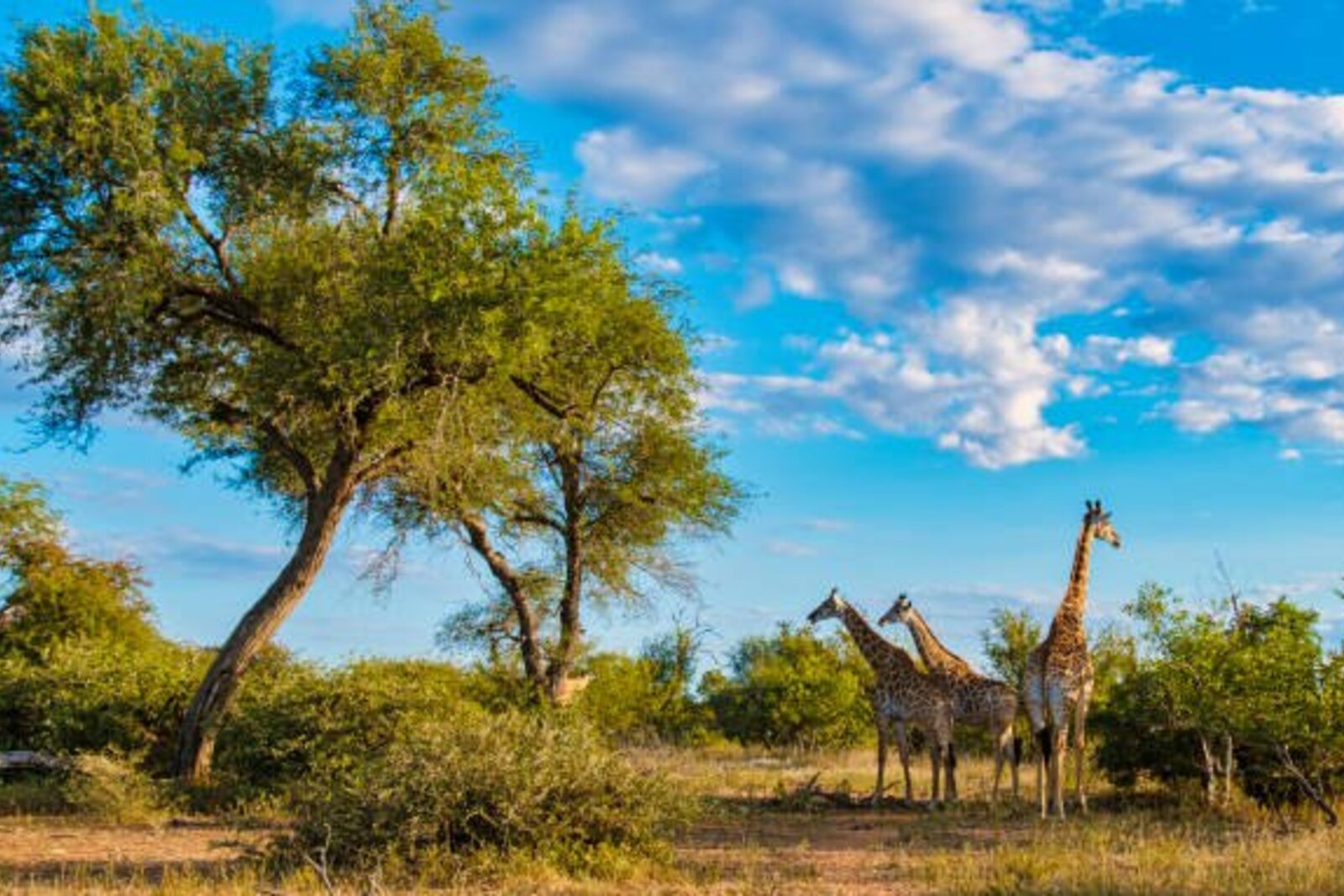
South Africa: For classic Big Five game viewing, South Africa is hard to beat. The Greater Kruger — especially the private Sabi Sand reserves — delivers lion, leopard, elephant, buffalo and rhino at some of the highest densities on the continent, with expert guides and off-road tracking. Malaria-free reserves such as Madikwe and the Eastern Cape make it ideal for families. If you want to tick the Big Five quickly and reliably, South Africa is the natural choice.
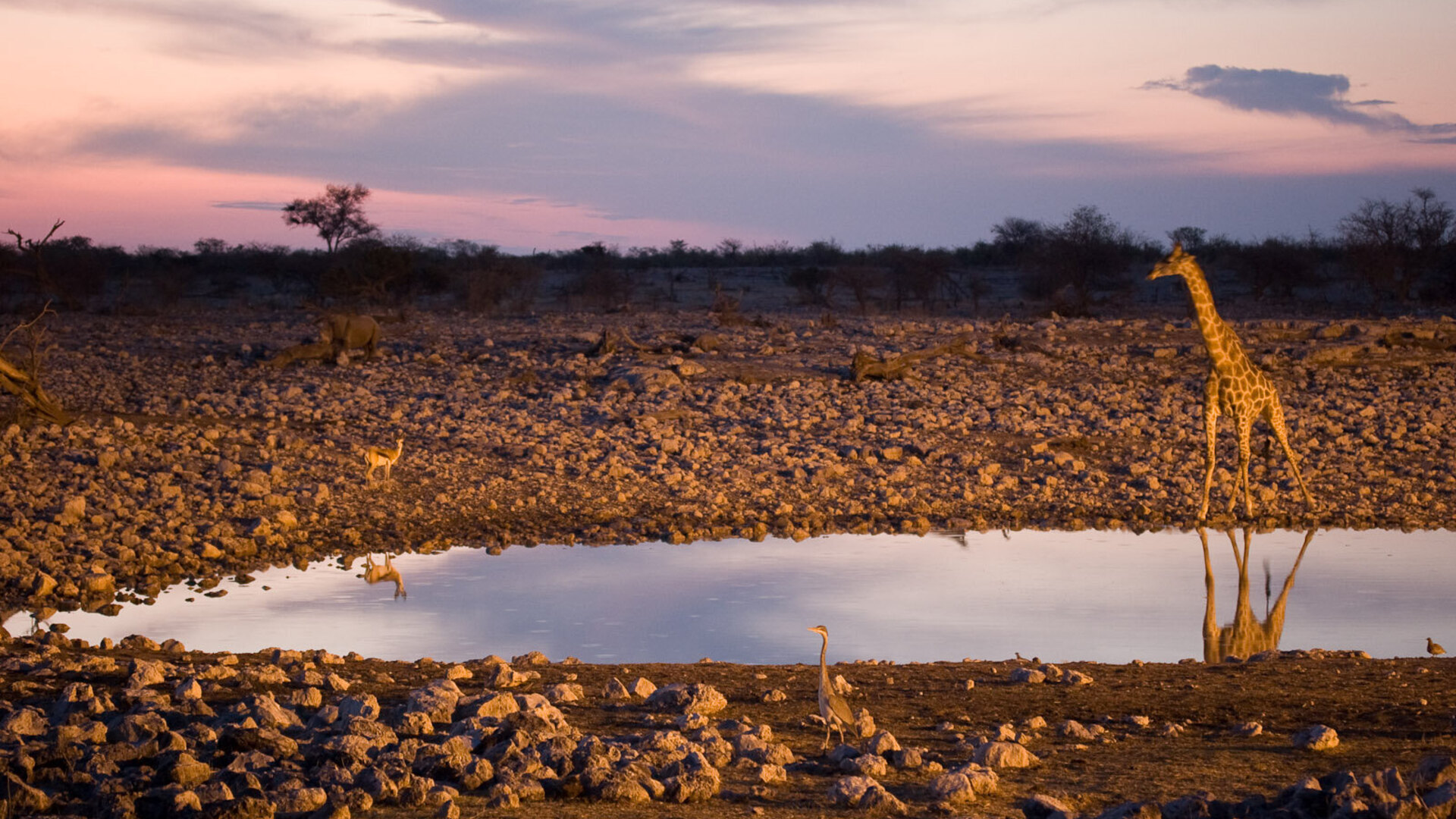
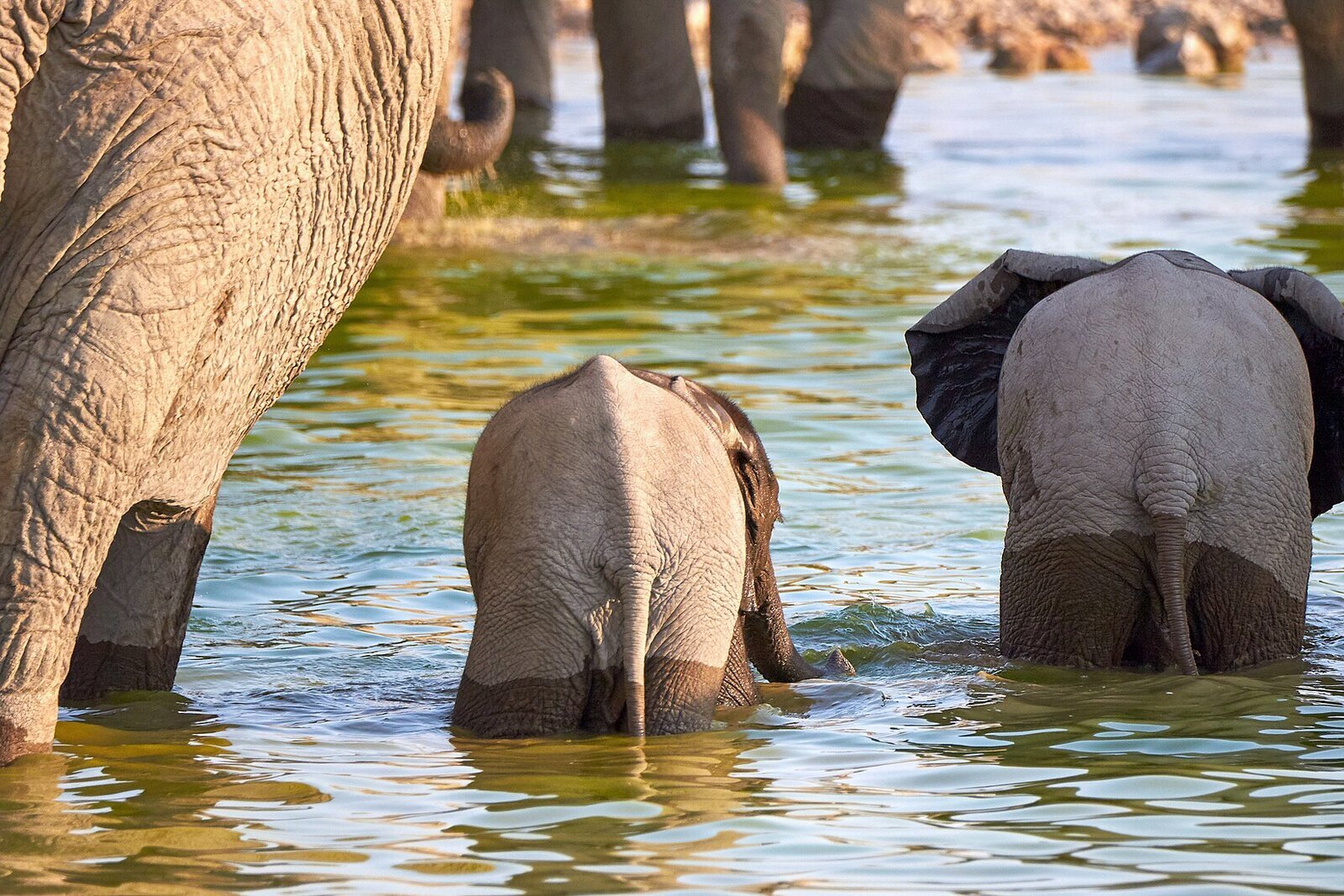
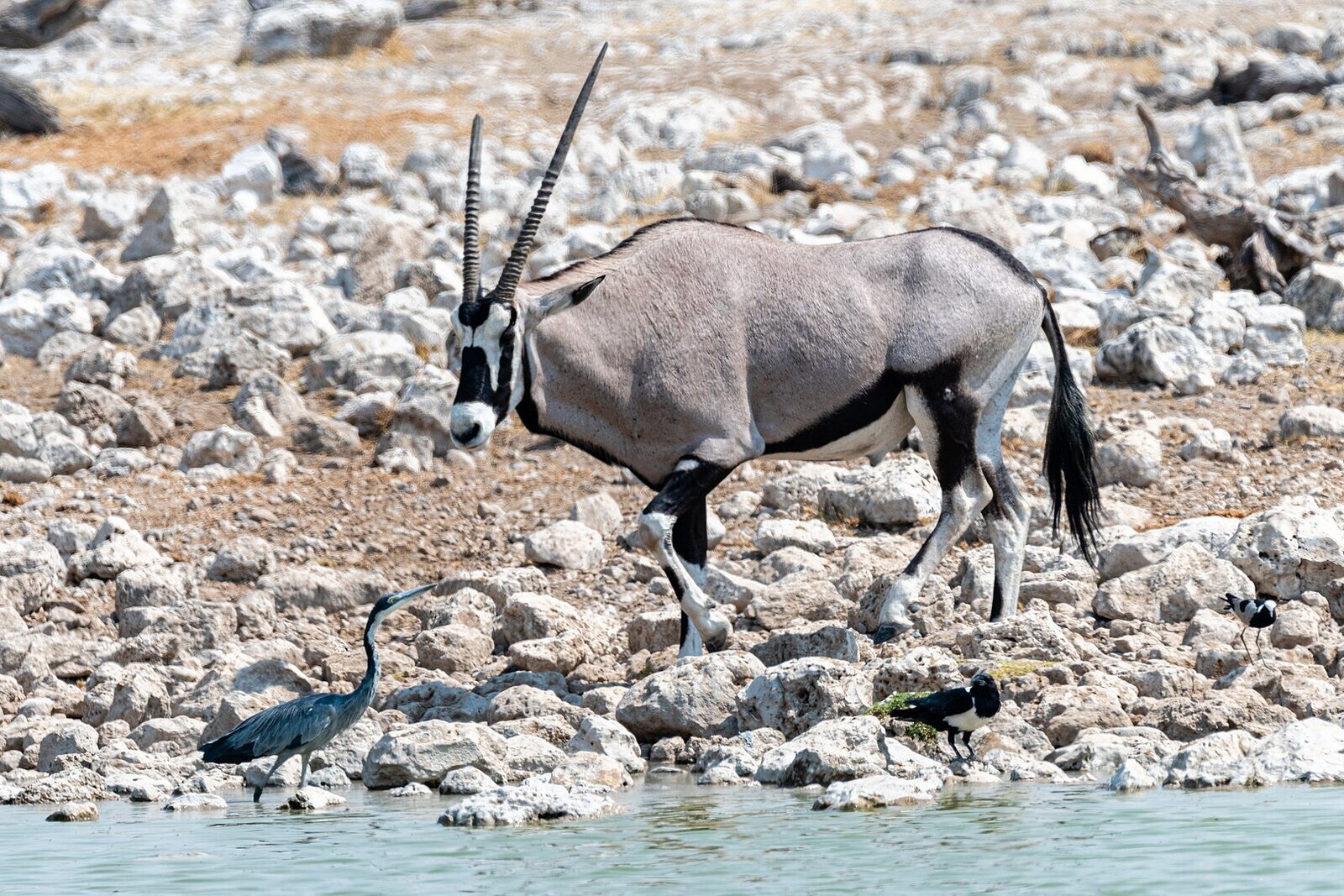
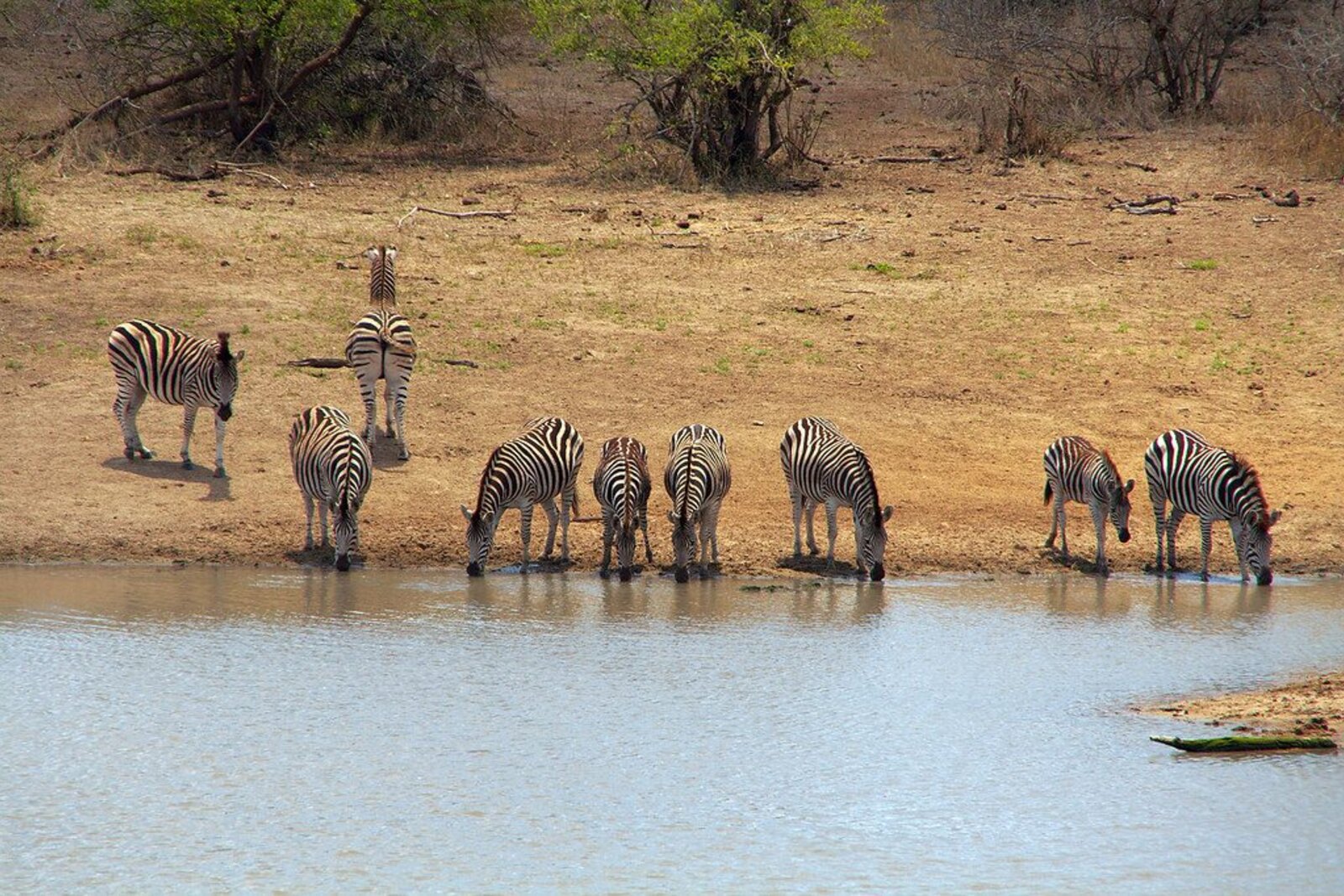
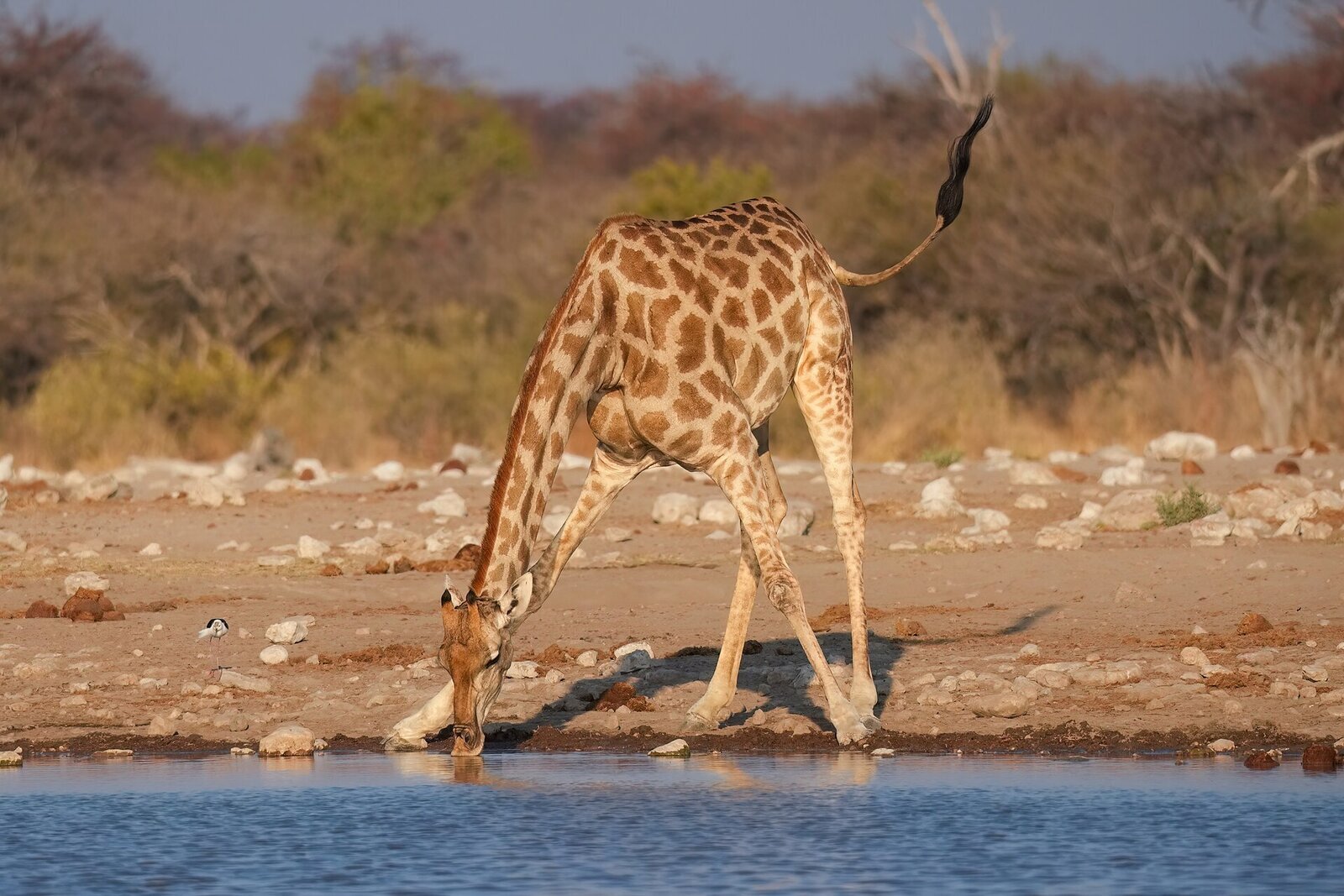
Namibia: Namibia’s wildlife is thinner but utterly distinctive. Etosha’s floodlit waterholes concentrate elephant, lion, rhino, giraffe and huge herds of oryx, springbok and zebra in the dry season — black rhino sightings here are among the best in Africa. Beyond Etosha, desert-adapted elephant and lion roam Damaraland, and the world’s largest free-roaming cheetah population lives in Namibia. The game is spread thin across enormous distances, but the settings are extraordinary.
Winner: South Africa for Big Five density and reliability; Namibia for desert-adapted specials and superb dry-season waterhole action at Etosha.
Round 3: Big Cats
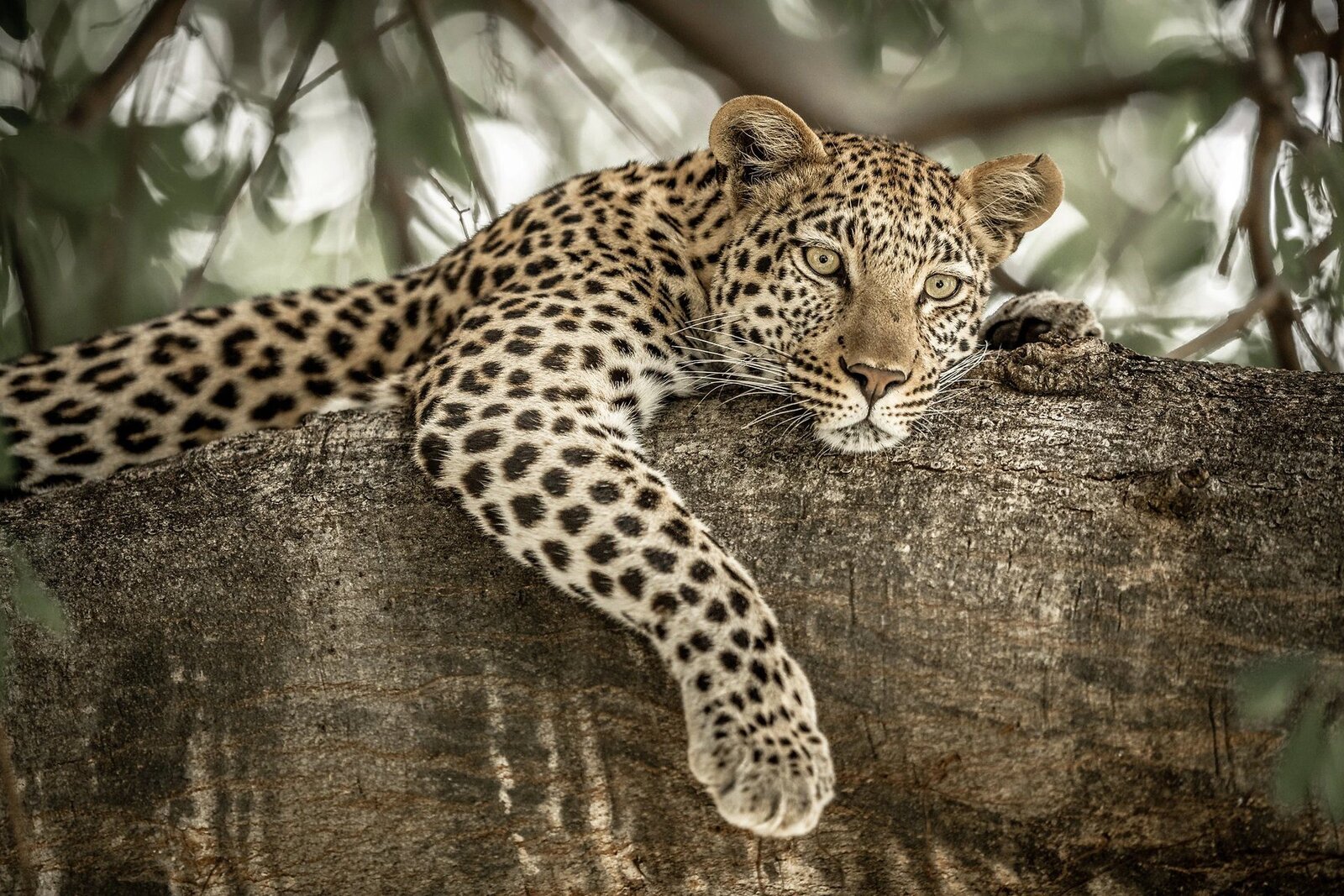
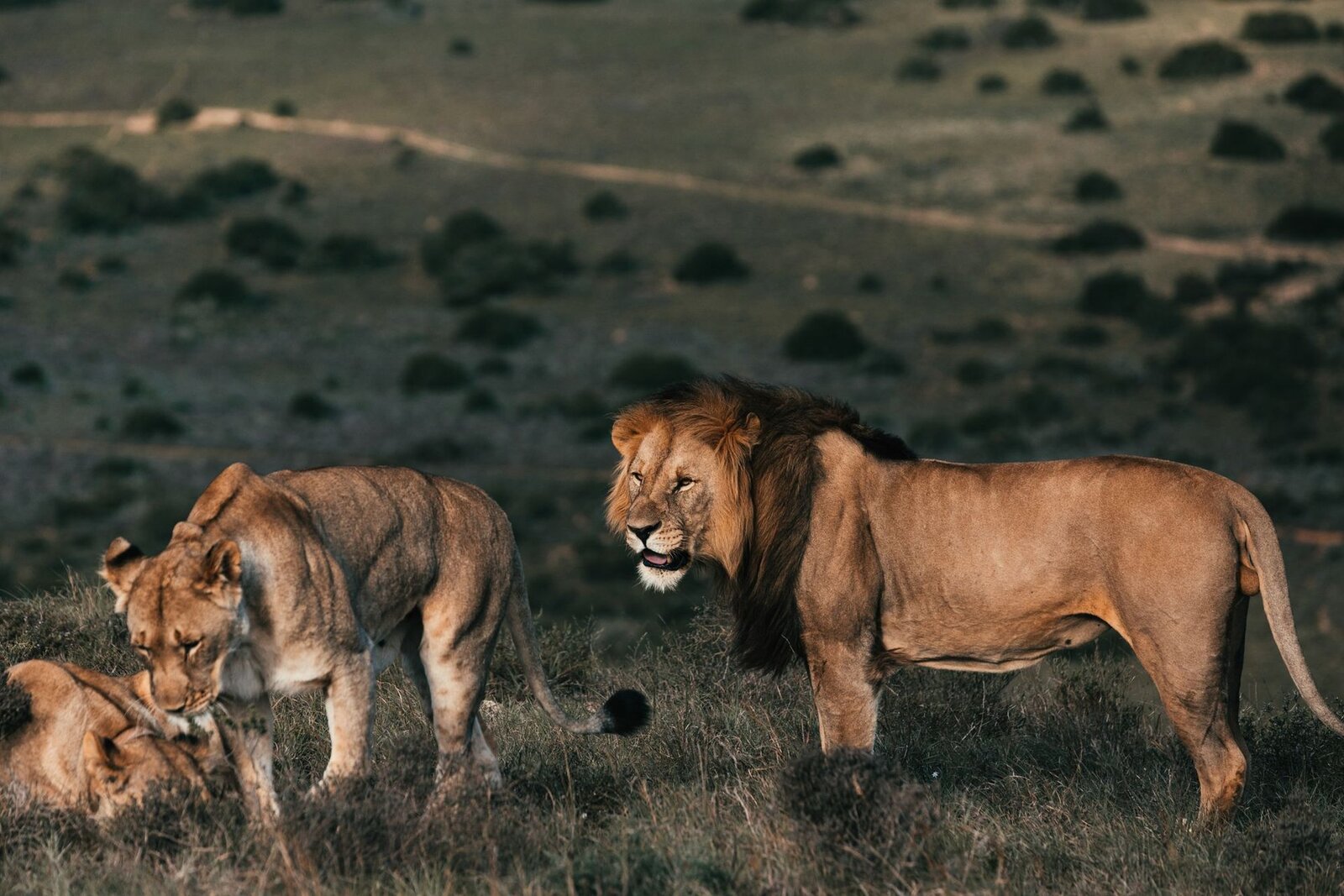
South Africa: The Sabi Sand is widely regarded as the leopard capital of the world — generations of habituated leopard tolerate vehicles at close range, delivering photography that is simply unmatched. Lion prides are large and relaxed across the Greater Kruger, and cheetah are seen on the open plains of reserves like Phinda and the Kalahari. For big-cat quantity, quality and proximity, South Africa is elite.
Namibia: Namibia’s cats are rarer but remarkable. It holds the planet’s largest free-roaming cheetah population, and conservancies in the central highlands offer genuine chances to see them in the wild. Etosha delivers lion around its waterholes, and Damaraland’s desert-adapted lions are a bucket-list rarity. Leopard are present but elusive. Encounters take more patience and distance than in the Sabi Sand.
Winner: South Africa for habituated leopard and reliable big-cat action; Namibia for the thrill of free-roaming desert cheetah and desert lions.
Round 4: Scenery & Photography
Namibia: Namibia is one of the most photogenic countries on earth. The dawn light on Dune 45 and Big Daddy, the graphic starkness of Deadvlei’s dead trees against orange sand and blue sky, the fog and shipwrecks of the Skeleton Coast, and the star-filled skies over some of the darkest wilderness on the planet — Namibia rewards photographers like nowhere else. The landscapes are minimal, abstract and endlessly dramatic.
South Africa: South Africa’s photographic strength is variety and wildlife. Table Mountain over Cape Town, the vineyards of the Cape Winelands, leopard in dappled riverine light, and the sweeping bushveld at golden hour all sit within easy reach. It is less about singular desert abstraction and more about richness — wildlife portraits, landscapes and coast in one journey.
Winner: Namibia, decisively, for pure landscape photography; South Africa for wildlife portraits and scenic variety.
Round 5: Self-Drive & Accessibility
Namibia: Namibia is the finest self-drive safari destination in Africa. Roads are excellent, distances are vast but well-signposted, crime is low, and the sense of freedom — driving your own 4x4 between Sossusvlei, Swakopmund, Damaraland and Etosha — is unrivalled. Etosha’s waterholes are set up perfectly for self-drivers, and camps cater to independent travellers. For an adventurous, do-it-yourself road trip, Namibia is unmatched.
South Africa: South Africa also offers superb self-drive, especially in Kruger National Park, where tarred and gravel roads, rest camps and abundant game make independent safaris genuinely rewarding and affordable. The Garden Route and Cape are effortless to drive. The difference is that South Africa’s premium wildlife experiences (the private Sabi Sand) are guided, whereas Namibia’s headline sights are all self-drive-friendly.
Winner: Namibia for the ultimate epic self-drive adventure; South Africa is excellent too, especially in Kruger, but its best game viewing is guided.
Round 6: Crowds & Exclusivity
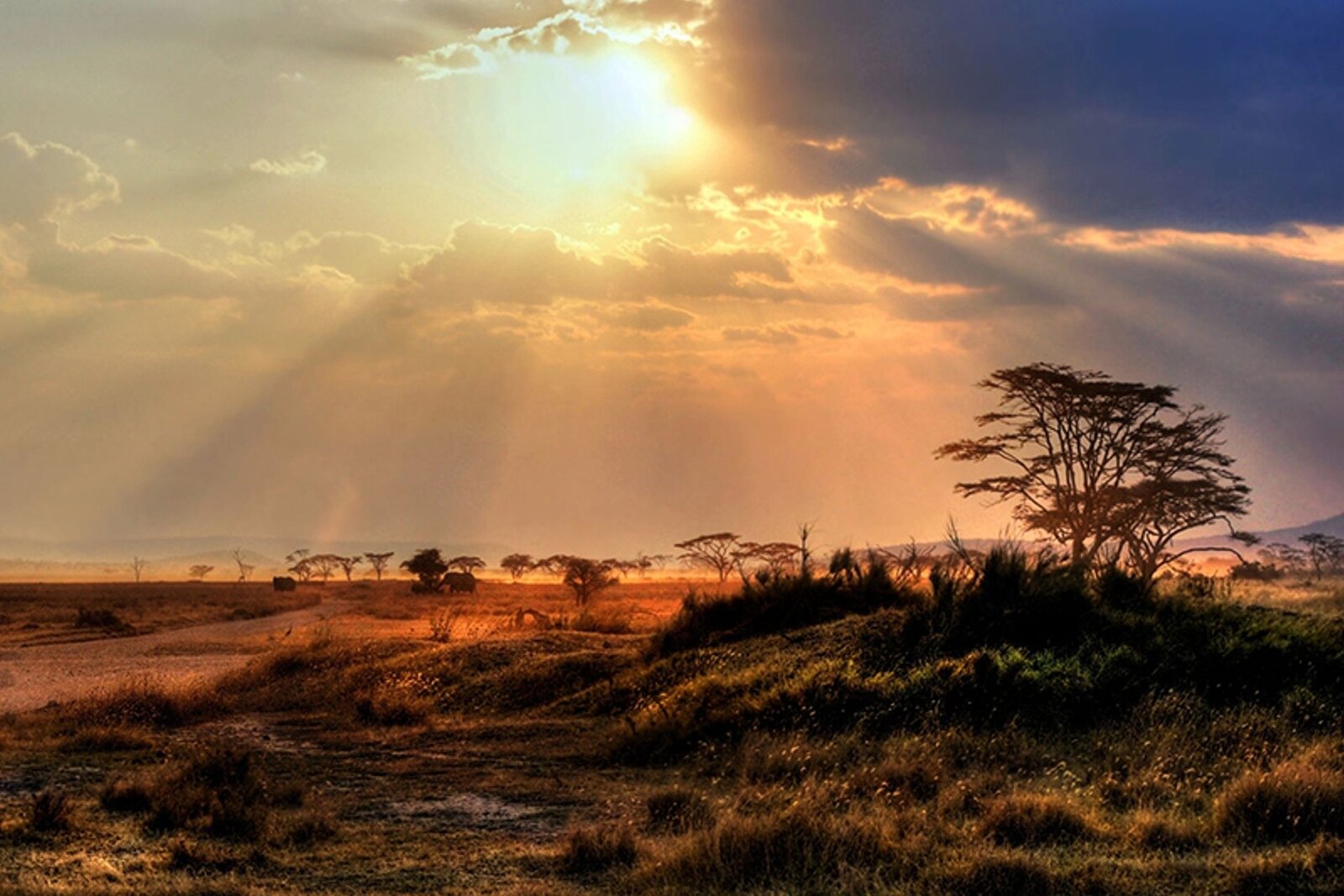
Namibia: Namibia is one of the least densely populated countries on earth, and it feels it. Outside Sossusvlei’s peak sunrise hour, you can drive for hours seeing almost no one. The sense of space and solitude is profound — vast horizons, empty roads and camps set in immense private concessions. If wilderness solitude is your priority, Namibia delivers it by default.
South Africa: South Africa is more of a mixed picture. The public Kruger and Cape hotspots can be busy in peak season, but the private Sabi Sand and other exclusive reserves enforce strict vehicle limits and off-road access, delivering genuine exclusivity — at a price. Choose your reserve carefully and South Africa matches Namibia’s intimacy; choose the public parks in December and it will feel busier.
Winner: Namibia for effortless, country-wide solitude; South Africa can match it, but only in its private reserves.
Round 7: Luxury & Lodges
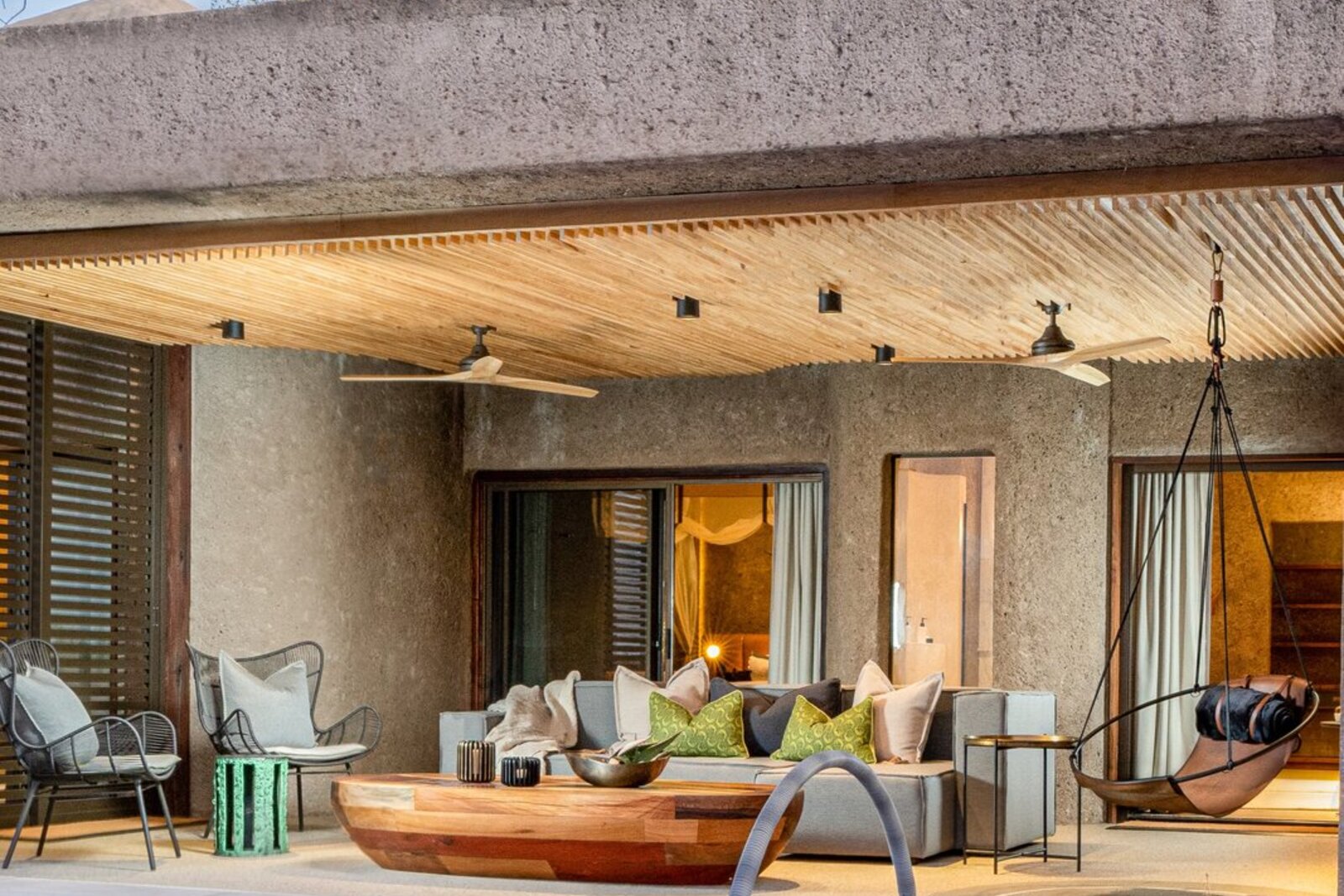
South Africa: South Africa is a luxury-lodge powerhouse. Sabi Sand properties — Londolozi, Singita, Lion Sands and their peers — are among the finest safari lodges in the world, blending world-class game viewing with spa suites, private plunge pools and celebrated cuisine. The Cape adds boutique hotels, wine estates and beachfront design. The depth and polish of South Africa’s hospitality is exceptional.
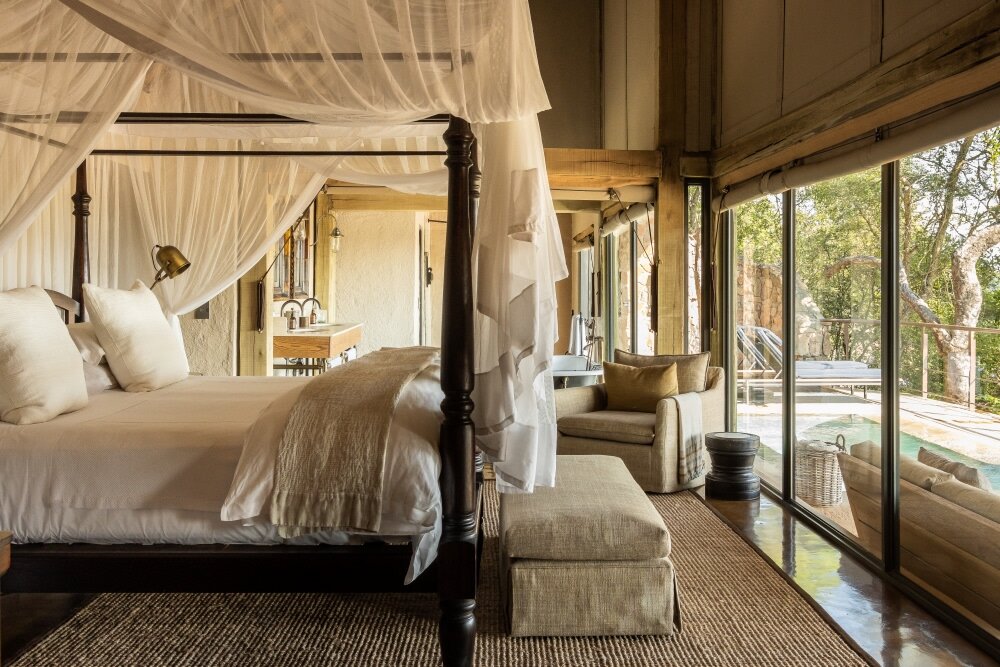
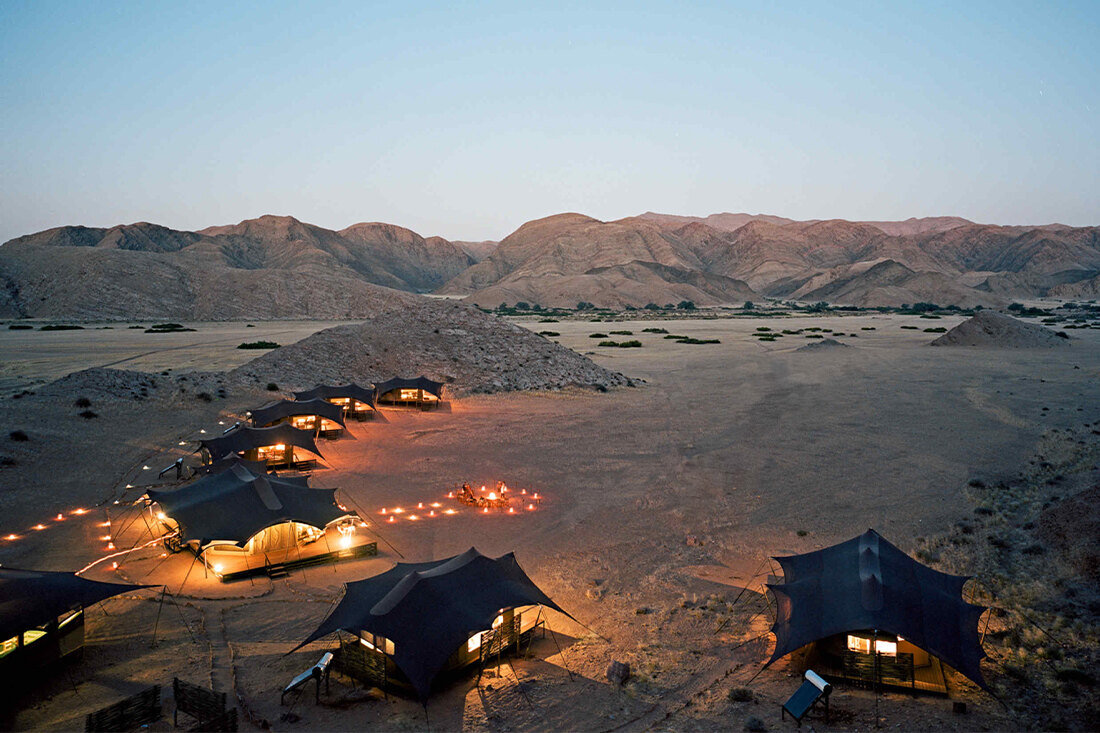
Namibia: Namibia’s luxury is about design and location rather than dense game. Camps such as Little Kulala, Hoanib Valley and Sossusvlei Desert Lodge place architectural, minimalist lodges in staggering desert settings, with star-beds, private decks and total silence. The experience is intimate, remote and utterly unique — less about big-cat action, more about landscape and serenity.
Winner: Split. South Africa for world-class safari lodges and hospitality depth; Namibia for design-led desert retreats in jaw-dropping settings.
Round 8: Cost & Value
South Africa: South Africa offers arguably the best value of any safari country. A favourable exchange rate stretches your budget, and the range is enormous — from affordable self-drive Kruger trips and mid-range lodges to ultra-luxury Sabi Sand at the top end. You can build a superb bush-and-Cape holiday across almost any budget, which is why South Africa is such a popular first safari.
Namibia: Namibia sits in the mid-to-upper range. Self-drive keeps costs reasonable — vehicle hire, fuel and mid-range lodges are affordable — but the fly-in desert lodges and remote concessions command premium rates, and the long distances add fuel and time. It is not as budget-flexible as South Africa, but a self-drive Namibia trip can still be very good value.
Winner: South Africa, for its unmatched range and exchange-rate value; Namibia is reasonable on a self-drive basis but pricier at the luxury end.
Round 9: Best Time to Visit
Namibia: The dry season, May to October, is prime: game concentrates at Etosha’s waterholes, skies are clear, and desert temperatures are comfortable. The green season (November–April) brings dramatic skies, newborn animals and lush contrast to the desert, but heat and occasional rain. Sossusvlei is spectacular year-round, best shot at sunrise.
South Africa: The dry winter, May to September, is the classic bushveld safari window — sparse vegetation and thirsty animals make for outstanding Kruger and Sabi Sand game viewing. Summer (November–March) is lush, hot and superb for birding, and it is beach-and-Cape season. South Africa’s variety means there is a great time to visit all year, depending on the region.
Winner: Split. Both peak in the dry season (roughly May–October); South Africa’s regional variety gives it more year-round flexibility.
Round 10: Getting There & Logistics
South Africa: South Africa is one of Africa’s easiest destinations to reach and navigate. Johannesburg and Cape Town are major international hubs with direct long-haul flights, and internal connections to Kruger, the Cape and beyond are frequent and affordable. Tourism infrastructure is world-class, and a bush-and-beach itinerary flows seamlessly. For first-timers, logistics could hardly be simpler.
Namibia: Namibia is reached via Windhoek (WDH), usually connecting through Johannesburg or Cape Town or on a handful of European routes. From there the country is huge, and the classic circuit involves long driving days or light-aircraft hops between the desert, coast and Etosha. It is well organised and safe, but the distances demand more time and planning than compact South Africa.
Winner: South Africa for its international hubs, easy internal flights and first-timer-friendly logistics.
Round 11: Do Both or Pick One?
Here is the good news: Namibia and South Africa combine beautifully. A short flight links Cape Town and Windhoek, and many of our most popular itineraries pair the two — Cape Town and the Winelands, then Namibia’s deserts, or a Kruger safari bookended with Sossusvlei.
Pick South Africa if: You want the Big Five at high density, world-class safari lodges, the leopards of the Sabi Sand, easy logistics, superb value, and the option to add Cape Town, the Winelands and the coast. It is the ideal first African safari.
Pick Namibia if: You crave otherworldly desert landscapes, epic self-drive freedom, profound solitude, night skies and design-led desert lodges — and you value scenery and space over dense wildlife. It is the connoisseur’s road trip and a photographer’s dream.
Do both if: You have two weeks or more. Combine South Africa’s Big Five and Cape with Namibia’s dunes and Etosha for a Southern African journey that delivers wildlife, wilderness, landscape and luxury in one unforgettable trip.
| Aspect | Namibia | South Africa |
|---|---|---|
| Landscape | Desert grandeur — Sossusvlei dunes, Deadvlei, Skeleton Coast, Etosha pan | Huge variety — Kruger bushveld, Cape, Winelands, Garden Route, mountains |
| Big Five | Etosha (elephant, lion, rhino) but spread thin; no buffalo strongholds | Very high density — Greater Kruger & Sabi Sand deliver all five reliably |
| Big Cats | Free-roaming cheetah (world's largest population), desert lions | Leopard capital of the world (Sabi Sand); relaxed lion prides |
| Scenery | One of the most photogenic countries on earth — desert & night skies | Wildlife portraits, Table Mountain, Winelands, scenic variety |
| Self-Drive | Africa's premier self-drive destination — safe, epic, well-signposted | Excellent in Kruger; premium Sabi Sand game viewing is guided |
| Crowds | Profound country-wide solitude — one of Earth's emptiest countries | Public parks busy at peak; private reserves are exclusive |
| Lodges | Design-led desert camps in staggering settings (star-beds, silence) | World-class safari lodges (Sabi Sand) + Cape boutique hotels |
| Cost | Mid-to-upper; self-drive reasonable, fly-in desert lodges premium | Best-value safari country — huge range, favourable exchange rate |
| Best Time | May-Oct dry season (Etosha waterholes); Sossusvlei year-round | May-Sep dry bushveld safari; Nov-Mar lush & beach/Cape season |
| Getting There | Via Windhoek; long drives or light-aircraft hops between regions | Jo'burg & Cape Town hubs, easy internal flights, seamless logistics |
| Add-ons | Skeleton Coast, Swakopmund, Fish River Canyon, Kalahari | Cape Town, Winelands, Garden Route, Victoria Falls (nearby) |
| Best For | Deserts, self-drive freedom, solitude, photography, night skies | Big Five, leopards, world-class lodges, value & easy first safari |
The table makes the distinction clear. South Africa is the Big Five, value and infrastructure powerhouse — it ticks every box for a first safari and pairs bush with Cape Town, wine and coast. Namibia is the desert, self-drive and solitude experience — it delivers otherworldly landscapes, epic road-trip freedom and photographic drama you cannot find anywhere else.
If you want the Big Five, world-class lodges and easy logistics, South Africa is the obvious choice. If you crave desert grandeur, self-drive freedom and profound solitude, Namibia is worth every mile.
When to Visit: Dry-Season Waterholes vs the Bushveld Winter
Namibia: The dry season, May to October, is prime. Game concentrates at Etosha’s waterholes, skies are clear, and desert daytime temperatures are comfortable (though nights can be cold). Sossusvlei is spectacular year-round and best photographed at sunrise. The green season (November–April) brings dramatic skies, newborn animals and lush desert contrast, along with heat and the occasional downpour.
South Africa: The dry winter, May to September, is the classic bushveld safari window — thin vegetation and thirsty animals make Kruger and Sabi Sand game viewing outstanding. Summer (November–March) is lush, hot and excellent for birding and newborns, and it is peak beach-and-Cape season. Thanks to its regional variety, there is a great time to visit South Africa all year round.
Bottom line: both countries peak in the dry season (roughly May–October), when game viewing is at its best. South Africa’s regional spread gives it more year-round flexibility, while Namibia rewards a dry-season visit to Etosha paired with year-round desert photography. Matching your dates to the season — and to what you most want to see — is exactly the sort of planning a specialist operator lives for.
Why Book Your Namibia or South Africa Safari with Beyond Africa Safaris
We design safaris in both countries and know when to recommend which. If you want the Big Five, world-class lodges and effortless logistics, we will route you through South Africa’s Greater Kruger and Sabi Sand — and add Cape Town, the Winelands and the coast for a complete journey. If you crave desert grandeur and self-drive freedom, we will craft a Namibia road trip through Sossusvlei, Swakopmund, Damaraland and Etosha, with the right vehicle and the best desert camps.
We handle the logistics that intimidate first-timers — internal flights, self-drive routing and vehicle hire in Namibia, malaria-free reserve options in South Africa, and the timing that makes each region shine. You get one itinerary, one quote, and one point of contact from enquiry to return.
And because we are African-owned and operated from Cape Town, you plan directly with the experts who live and breathe this continent — not a distant middleman. Get in touch, and let’s build your perfect safari — in South Africa, in Namibia, or across both.
Ready to Choose Your Safari?
Tell us whether you are chasing the Big Five and world-class lodges or craving desert dunes and self-drive freedom, and we will build the itinerary that matches — camps secured, routing dialled in, every detail handled. South Africa, Namibia, or both — we will get it right.