Key Takeaways
- A Ngorongoro Crater safari package bundles your lodge, game viewing, meals, park and crater-descent fees into one clear price — and delivers arguably the highest concentration of big game in Africa.
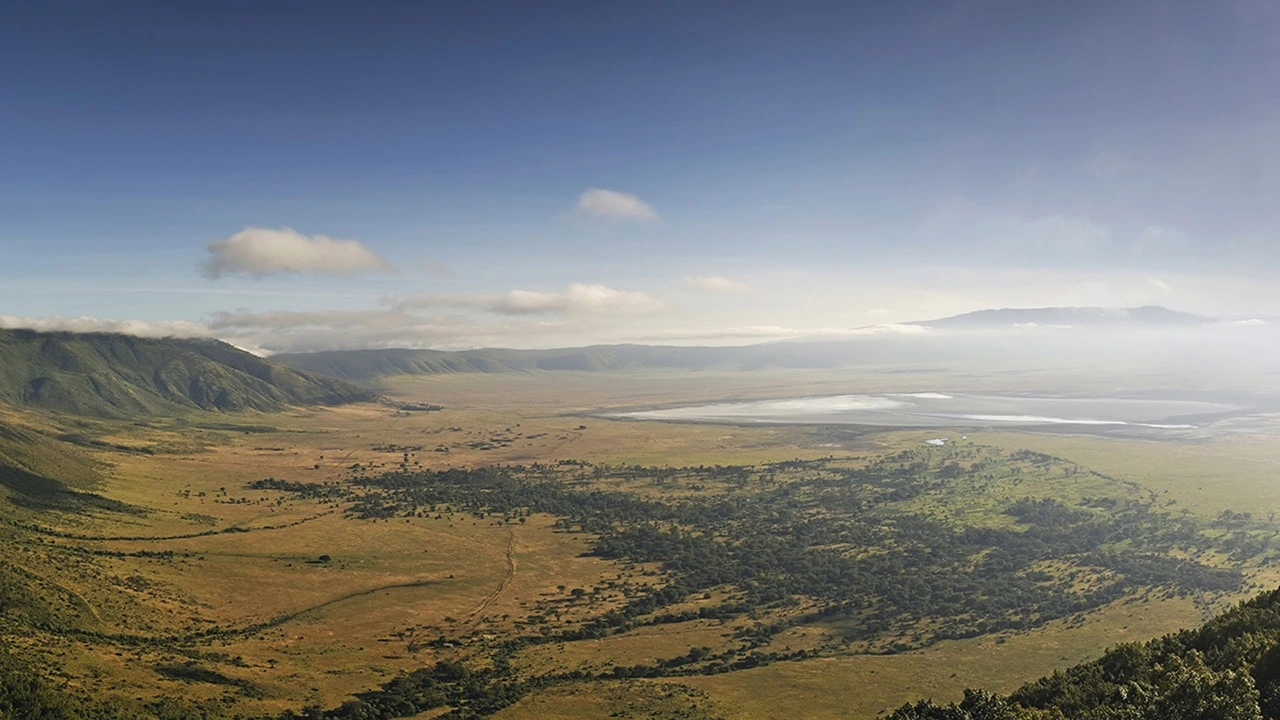
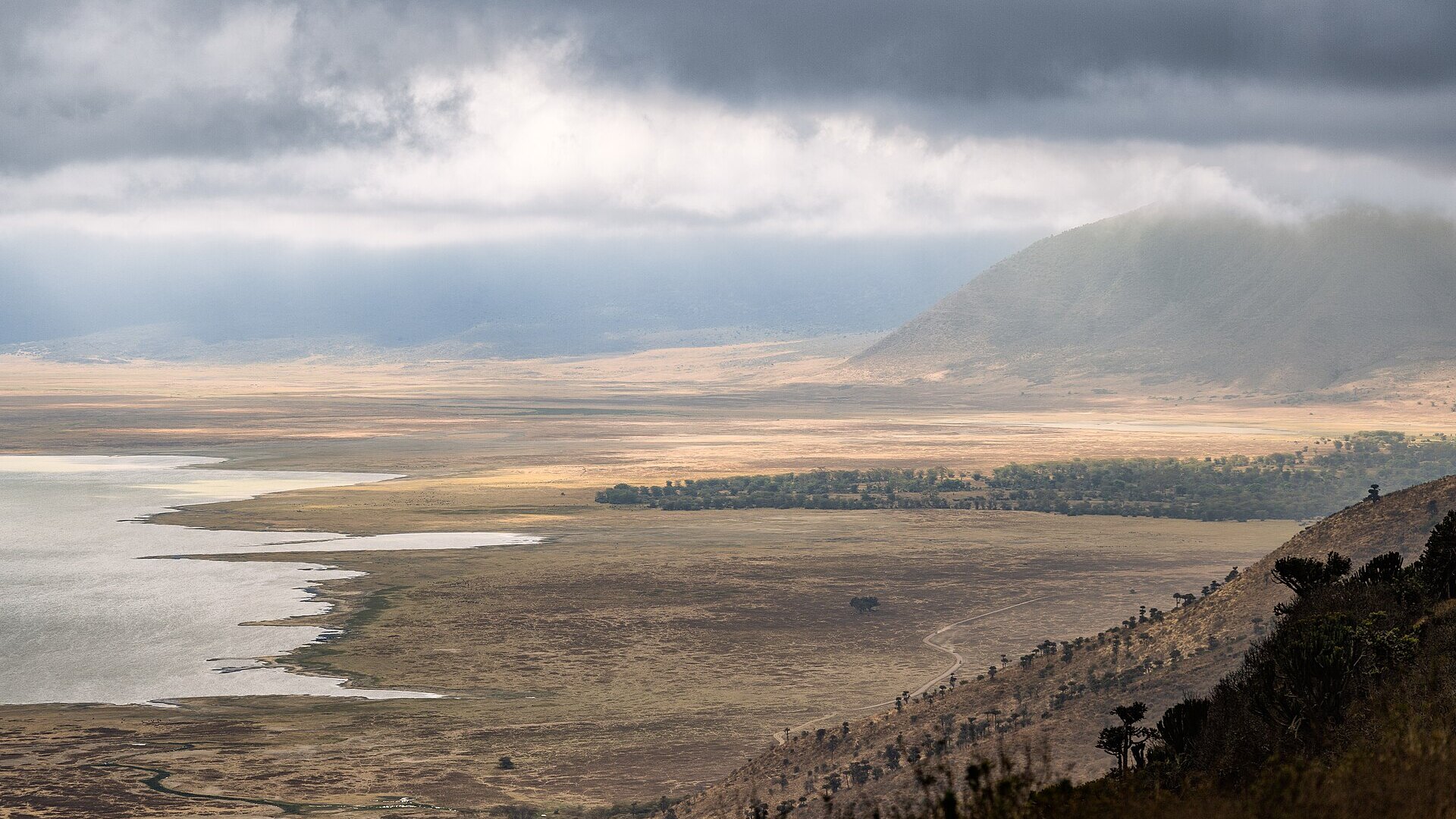
- The crater is a self-contained Eden — around 30,000 animals live on a single 260 km² floor, so a full day inside can produce the Big Five, black rhino included, in one unforgettable descent.
- Budget roughly US$450–700 per person for a well-run day trip from Arusha, US$1,300–2,500 per person for a classic three-to-four-day Northern Circuit, and US$4,000–9,000+ per person for a fly-in of pure luxury.
- Ngorongoro is one of the few places on Earth where you have a genuine chance of the endangered black rhino alongside lion, elephant, buffalo and leopard on the crater rim — all in a single day.
- The crater is best combined with the Serengeti and Tarangire into a Northern Circuit, and pairs beautifully with a Zanzibar beach finale.
- We book direct with the lodges and run every trip ourselves — no marketplace resale markup, and a real team on the ground from your first enquiry to your final sundowner on the rim.
1. What's Included in a Ngorongoro Crater Safari Package
A Ngorongoro Crater safari package bundles the essentials of a northern Tanzania wildlife adventure into one clear price — and because the crater delivers such extraordinary game viewing in a single day, it offers some of the most concentrated value in African safari travel.
A typical Ngorongoro package includes:
- Accommodation — from superb-value lodges near the Conservation Area gate to iconic lodges perched right on the crater rim, 600 metres above the floor.
- Game viewing — a full crater-floor game drive in a purpose-built 4x4, with a private guide who knows exactly where the rhino, lion prides and big-tusker elephants tend to be.
- Meals — full-board at the lodges, plus a picnic lunch on the crater floor beside the hippo pool.
- Park & crater fees — the Ngorongoro Conservation Area entry fee and the separate crater-descent fee (a significant cost we always fold into your quoted price, so there are no surprises).
- Transfers — private road transfers along the Northern Circuit, or light-aircraft flights to the nearby airstrips for a fly-in package.
Drive-In or Fly-In — Two Great Ways to Reach the Crater
Ngorongoro sits at the heart of Tanzania's Northern Circuit, so most guests reach it by road as part of a wider journey through Tarangire and the Serengeti — a scenic, wildlife-rich drive that lets you take in Lake Manyara and the Rift Valley wall along the way. A fly-in package lands you at Lake Manyara or Ndutu airstrip, cutting the driving to a minimum and adding time on the crater floor. We build both, and often a hybrid — flying one leg and driving the other to balance time, comfort and cost.
For the full picture of the crater itself — its geology, wildlife and history — see our in-depth Ngorongoro Crater safari guide. This page is about the trips: what they cost, what they include, and how to choose the right one.
2. Ngorongoro Crater Safari Package Prices in 2026
Ngorongoro is not the cheapest park to visit — the Conservation Area and crater-descent fees are among the highest in Africa — but the sheer density of wildlife means a single day delivers more than a week does in many other reserves. Here is what to expect per person in 2026, all-inclusive of fees, guiding and meals:
- Day trip from Arusha: roughly US$450–700 per person — a long but rewarding full day on the crater floor, ideal as an add-on to a Serengeti trip or Kilimanjaro climb.
- Classic Northern Circuit (3–4 days): roughly US$1,300–2,500 per person — Tarangire or Lake Manyara, the crater and a night or two of comfortable lodges.
- Signature 6–7 day circuit with Serengeti: roughly US$2,800–5,500 per person — the full northern experience, crater plus migration plains.
- Fly-in luxury: from roughly US$4,000–9,000+ per person — crater-rim lodges of the highest order, private guiding and light-aircraft flights throughout.
The crater-descent fee alone runs to several hundred US dollars per vehicle per day, on top of the per-person Conservation Area fee — which is exactly why bait-priced "from $199" listings you may see elsewhere never survive contact with reality. We quote you the true, all-in figure up front. Because we book direct with the lodges, you pay no resale markup, and we tailor the balance of value and luxury to your budget. For the wider picture, see our African safari cost guide.
3. Best Lodges for Your Ngorongoro Package
Where you stay shapes your crater experience — a rim lodge puts you minutes from the descent road at dawn, when the light is best and the crowds are thinnest. These are the properties we recommend most; for a deeper look, read our Ngorongoro Crater lodge review.
Crater-Rim Luxury — The Iconic Lodges
The most celebrated lodges sit directly on the rim, with suites and lounges that gaze straight down into the caldera. Expect hand-crafted design, butler service, private descents and dawn departures that beat the day-trippers to the floor. From roughly US$1,200–2,500+ per person per night.
Comfortable Mid-Range — Serene Value on the Rim
A tier of excellent lodges perched on or near the rim offer spectacular views, warm fires against the highland chill and superb game viewing for a fraction of the ultra-luxury rate. From roughly US$450–800 per person per night — our most popular choice.
Farmstead & Highland Charm
Just outside the Conservation Area, historic coffee-farm lodges and highland retreats offer a gentler, greener base with gardens, walks and a real sense of place — a lovely counterpoint to the drama of the crater floor. From roughly US$400–700 per person per night.
To compare properties across the continent, read our best luxury safari lodges in Africa guide.
Related journey: Ngorongoro Crater Classic Safari →
4. Sample Ngorongoro Safari Itineraries
Here are three package itineraries we build most often. Each is a real, bookable trip — and each can be tailored to your dates, budget and pace.
The Northern Circuit Classic — 4 Days
- Day 1: Arusha to Tarangire National Park — an afternoon game drive among the baobabs and elephant herds; overnight near the park.
- Day 2: Drive to the Ngorongoro highlands via the Rift Valley wall; afternoon at leisure on the crater rim as the light turns gold.
- Day 3: Dawn descent into the crater for a full day on the floor — lion, black rhino, elephant, buffalo, flamingos and a picnic beside the hippo pool.
- Day 4: Morning at Lake Manyara or a highland walk, then return to Arusha.
The perfect introduction to northern Tanzania — three parks, the crater centrepiece, and superb value.
The Signature Serengeti & Crater — 7 Days
- Days 1–2: Tarangire and Lake Manyara — baobab country, tree-climbing lions and the Rift Valley lake.
- Days 3–5: Fly or drive into the Serengeti for three nights of endless plains and, in season, the Great Migration.
- Day 6: Descend to the Ngorongoro highlands; full day on the crater floor.
- Day 7: Final crater-rim morning and return, or continue to Zanzibar.
Our most-loved trip — the migration plains of the Serengeti and the Big Five amphitheatre of the crater in one seamless journey. Compare it with our full Serengeti safari packages and Tanzania safari packages.
The Fly-In Luxury Crater — 5 Days
- Day 1: Fly from Arusha or Zanzibar to Lake Manyara; transfer to a crater-rim lodge for sundowners over the caldera.
- Day 2: Private dawn descent — a full, unhurried day on the floor ahead of the crowds.
- Day 3: Highland walk with a Maasai guide, or a visit to Olduvai Gorge, the "cradle of humankind".
- Days 4–5: Fly to the Serengeti for two nights, or on to Zanzibar for a beach finale.
Maximum crater, minimum driving — pure luxury and time where it matters most.
5. Best Time for a Ngorongoro Safari
One of the crater's great advantages is that it delivers year-round — its resident wildlife never migrates out, so there is no bad time to descend. That said, the seasons change the experience.
Dry Season (June–October) — Peak Game Viewing
The classic time. Cool, clear highland mornings, sparse vegetation and animals concentrated around the crater's permanent water make for superb sightings and photography. This is also peak season, so book rim lodges well ahead. It pairs perfectly with the Serengeti migration in the northern woodlands.
Green Season (November–May) — Lush, Quieter & Better Value
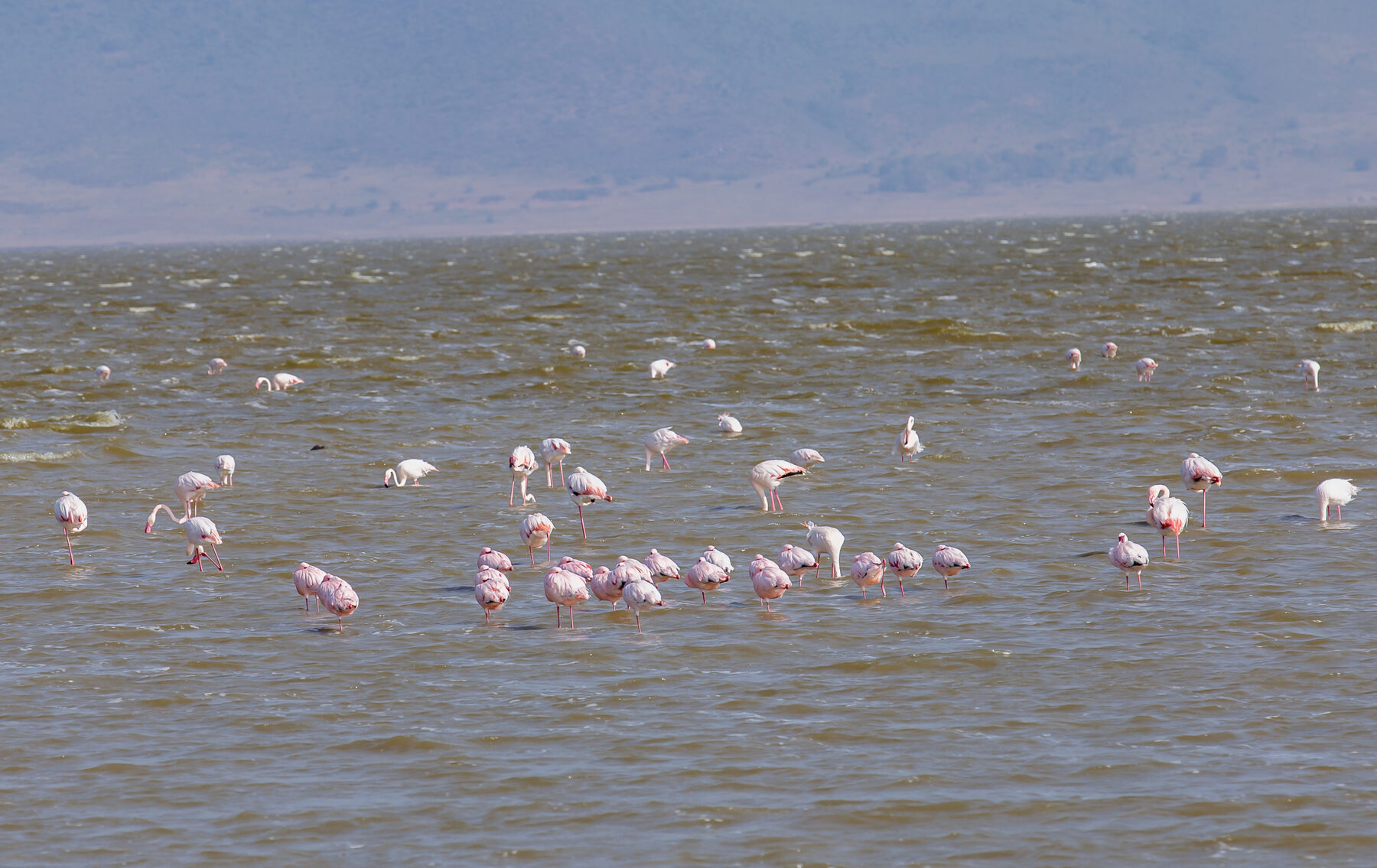
The short rains of November and the long rains of March to May turn the crater floor emerald, bring newborn animals and migratory birds, and thin the crowds. Flamingos flush pink across Lake Magadi. Rates are lower and the light is dramatic — a wonderful time for those who don't mind an occasional shower. January and February, between the rains, offer green landscapes and calving on the nearby Ndutu plains.
For a full month-by-month breakdown, see our best time to visit Tanzania guide. Whatever your dates, we advise on the ideal timing for what you most want to see.
6. What You'll See on the Crater Floor
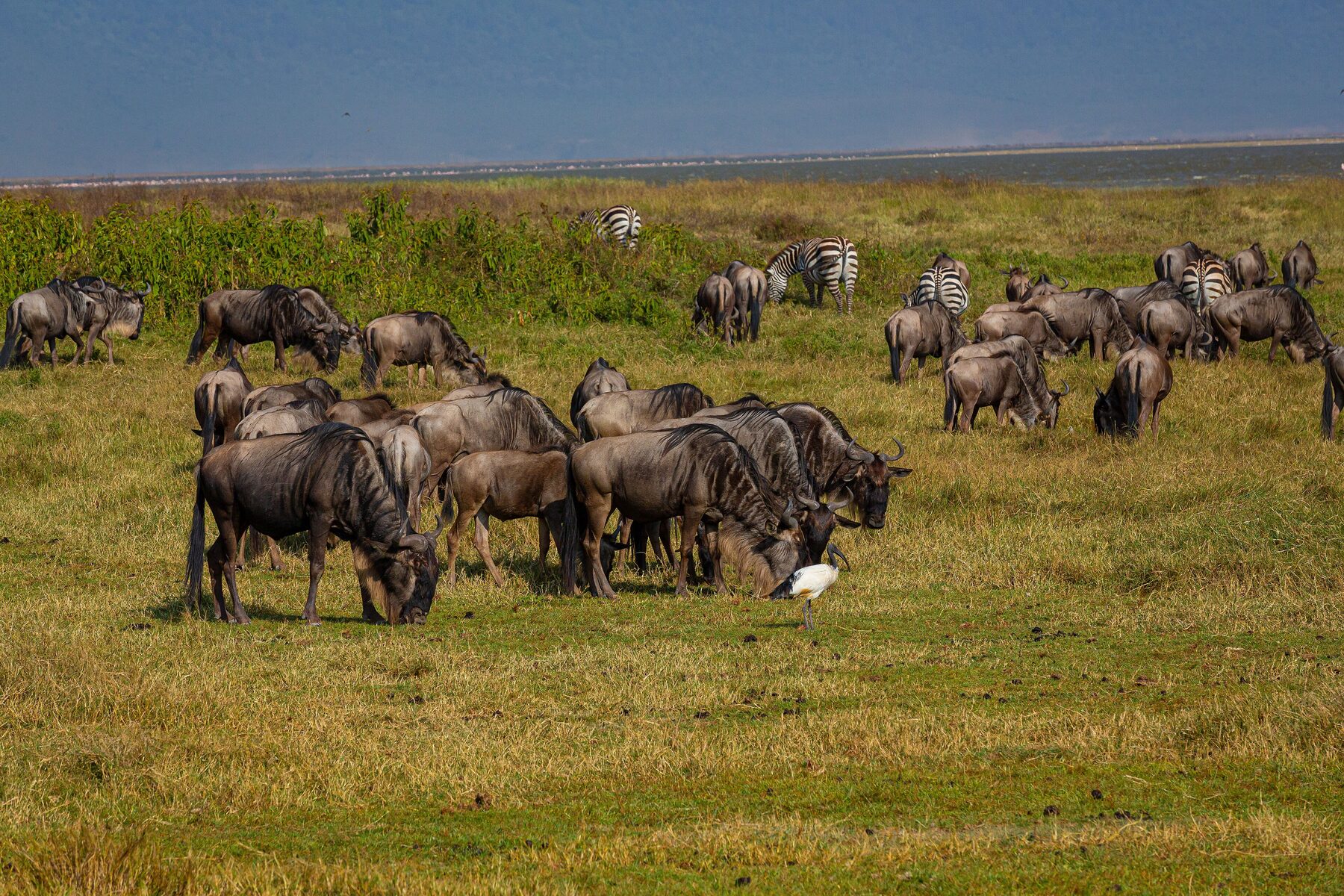
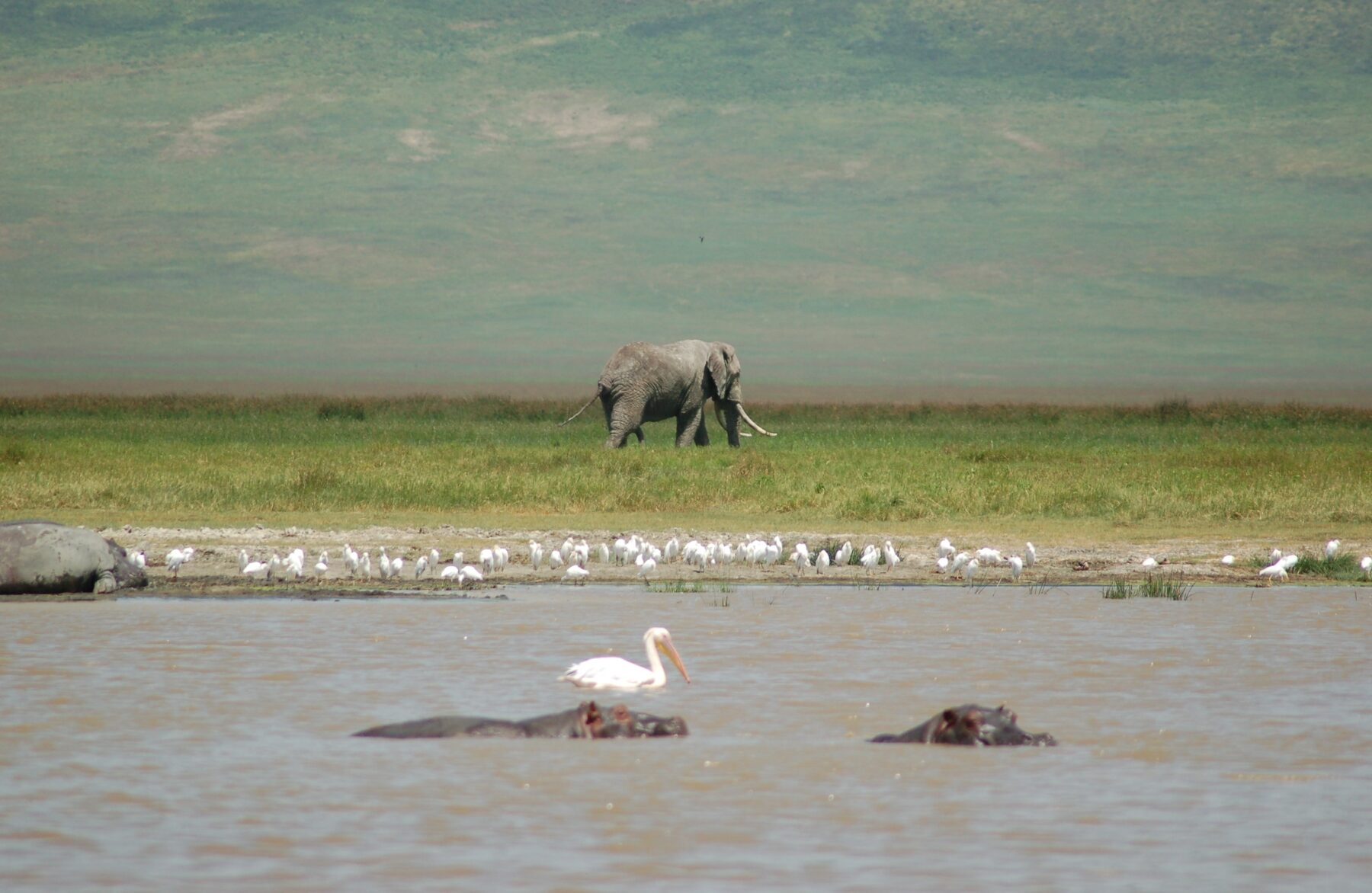
The Ngorongoro Crater holds the highest density of large mammals in Africa — roughly 30,000 animals in a bowl just 20 kilometres across. A single day here can deliver more than a week elsewhere.
The Big Five in One Day
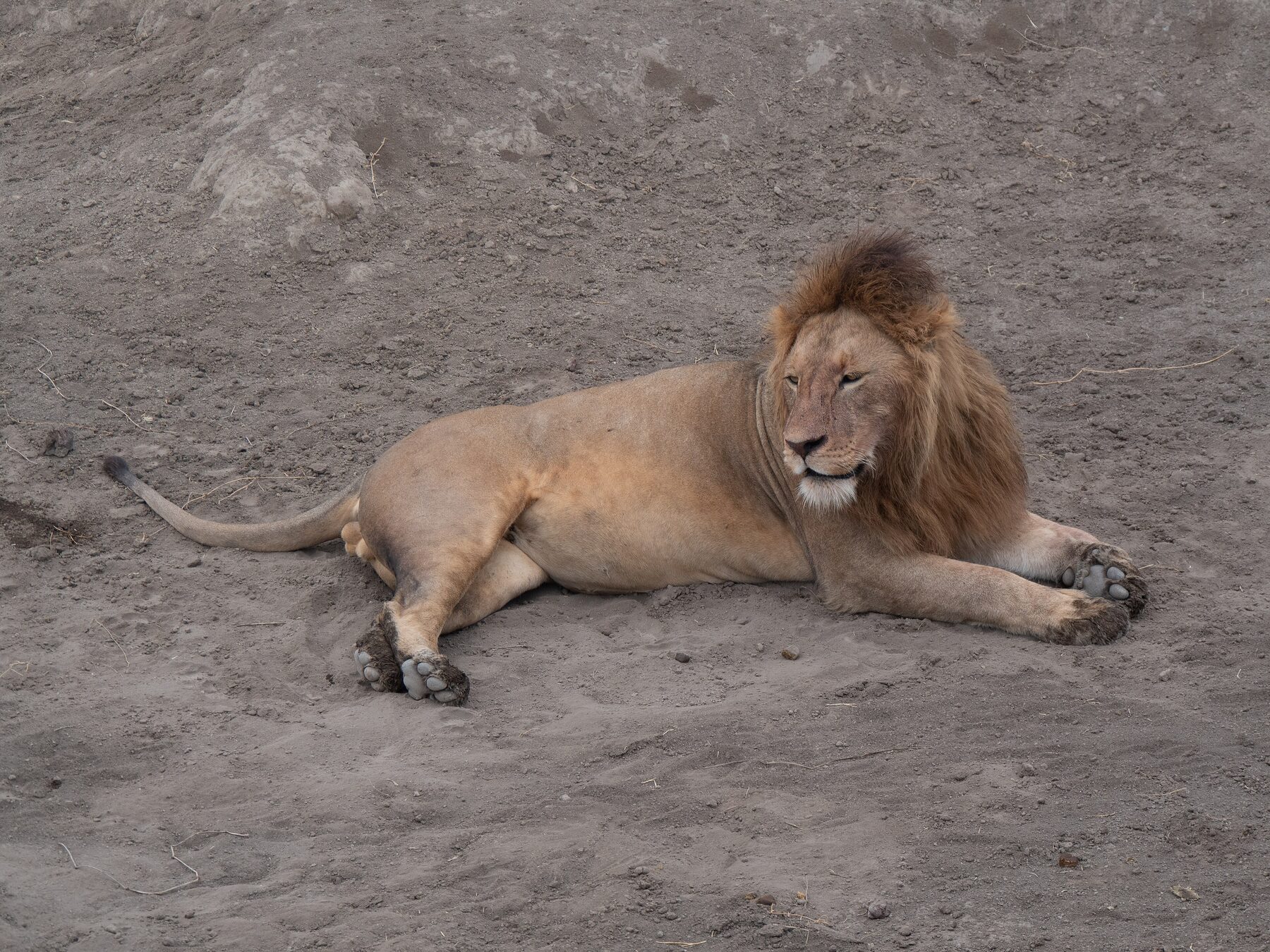
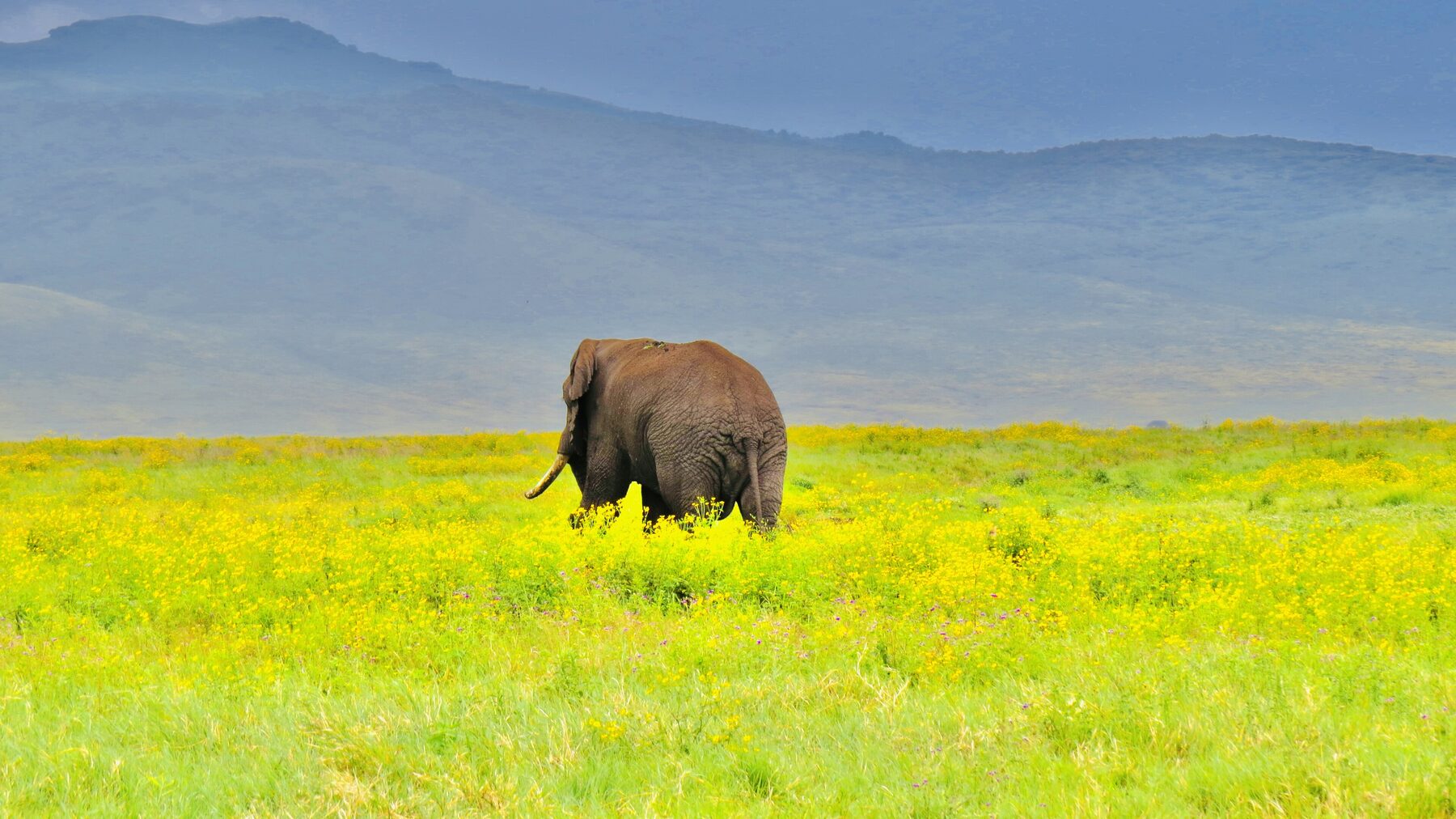
Ngorongoro is one of the very few places where all of the Big Five live within a single, contained landscape. Lion prides lounge in the open grass, buffalo herds graze in their hundreds, elephant bulls with heavy tusks browse the fever-tree forest, black rhino move across the plains, and leopard shelter in the forest on the rim. To see all five in one descent is a real possibility — and a rare thrill.
Black Rhino — The Crown Jewel
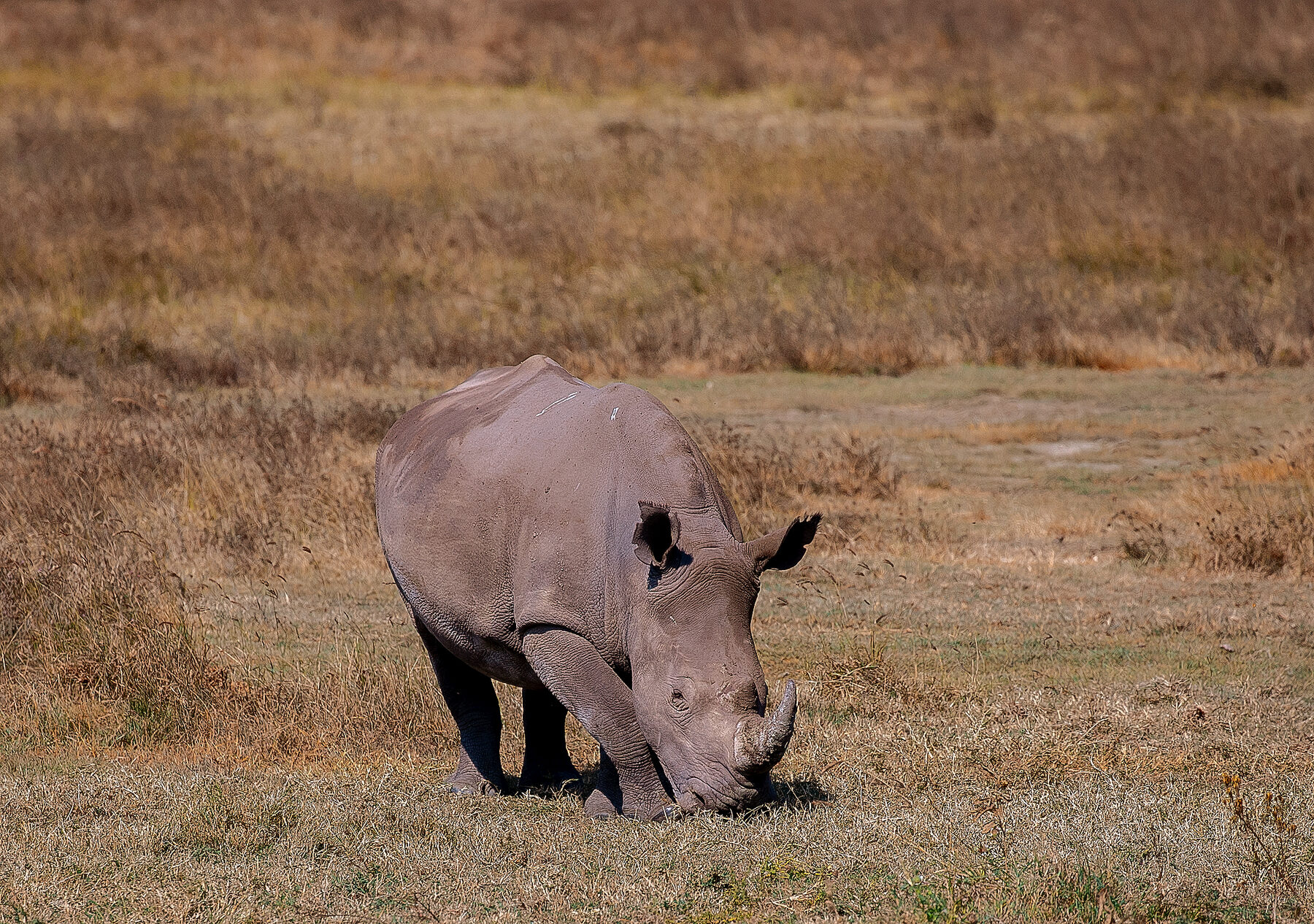
The crater is one of the last strongholds of the critically endangered eastern black rhino, and one of the most reliable places on the continent to see one in the wild. Watching a rhino graze across the open floor, framed by the crater walls, is a conservation privilege as much as a wildlife sighting.
The Soda Lake & Its Flamingos
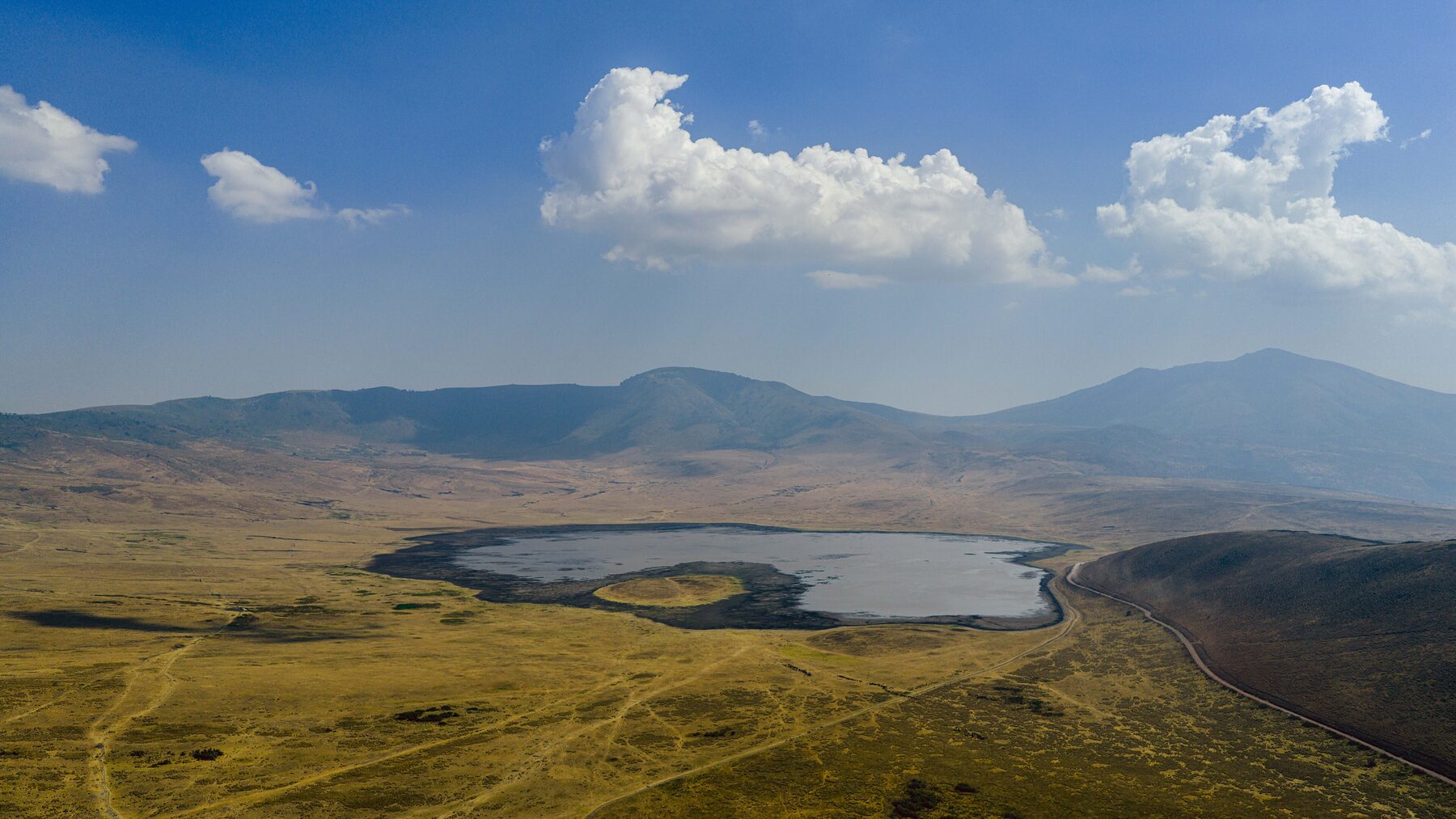
Lake Magadi, the shallow soda lake at the centre of the floor, draws flocks of flamingos that wash the shoreline pink, along with pelicans, crowned cranes and a wealth of waterbirds — a photographer's dream against the backdrop of the crater walls.
7. Combining Ngorongoro with the Serengeti, Tarangire & Zanzibar
Ngorongoro is magnificent, but it is at its best as the wildlife centrepiece of a wider northern Tanzania journey.
The Serengeti
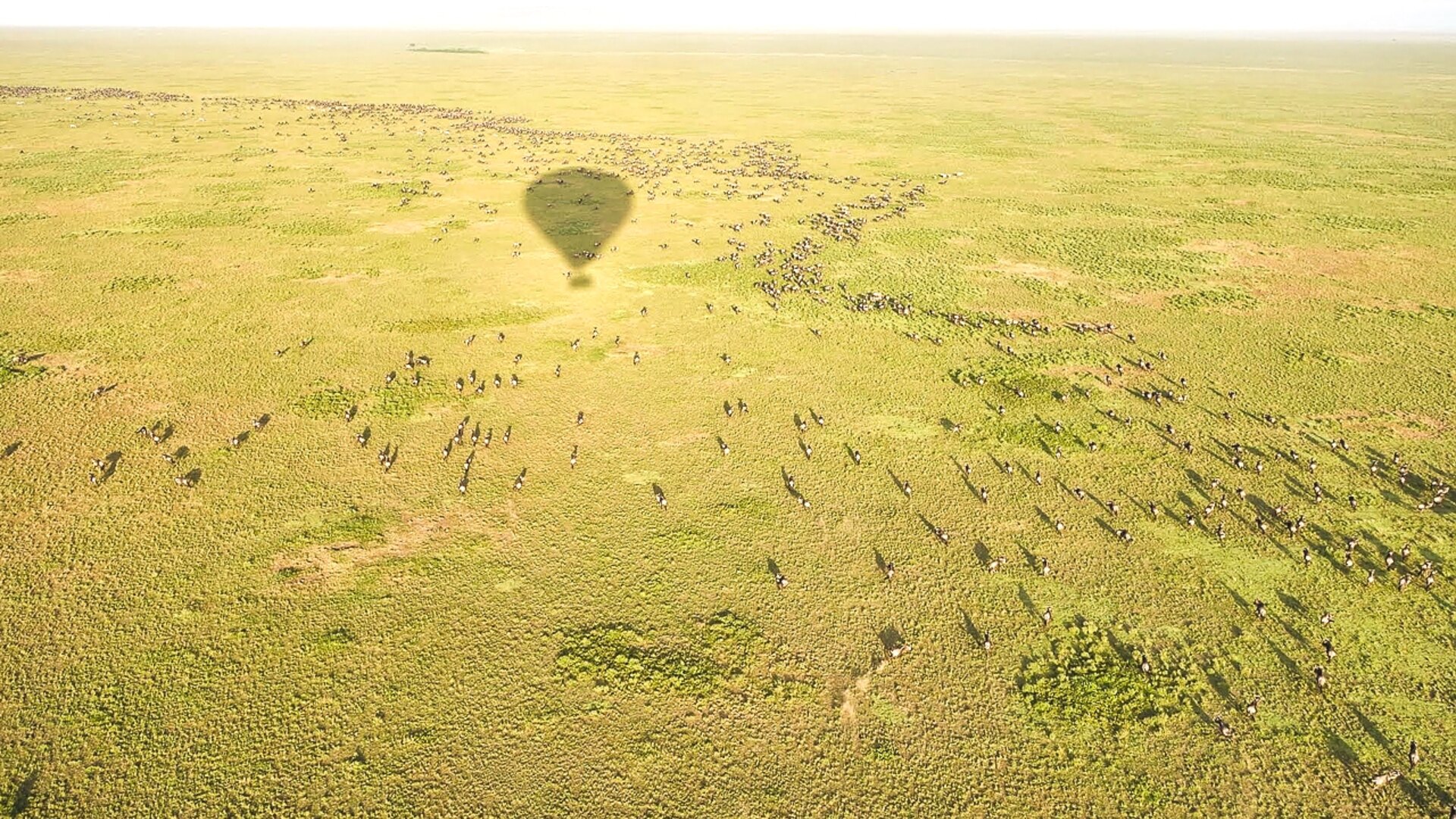
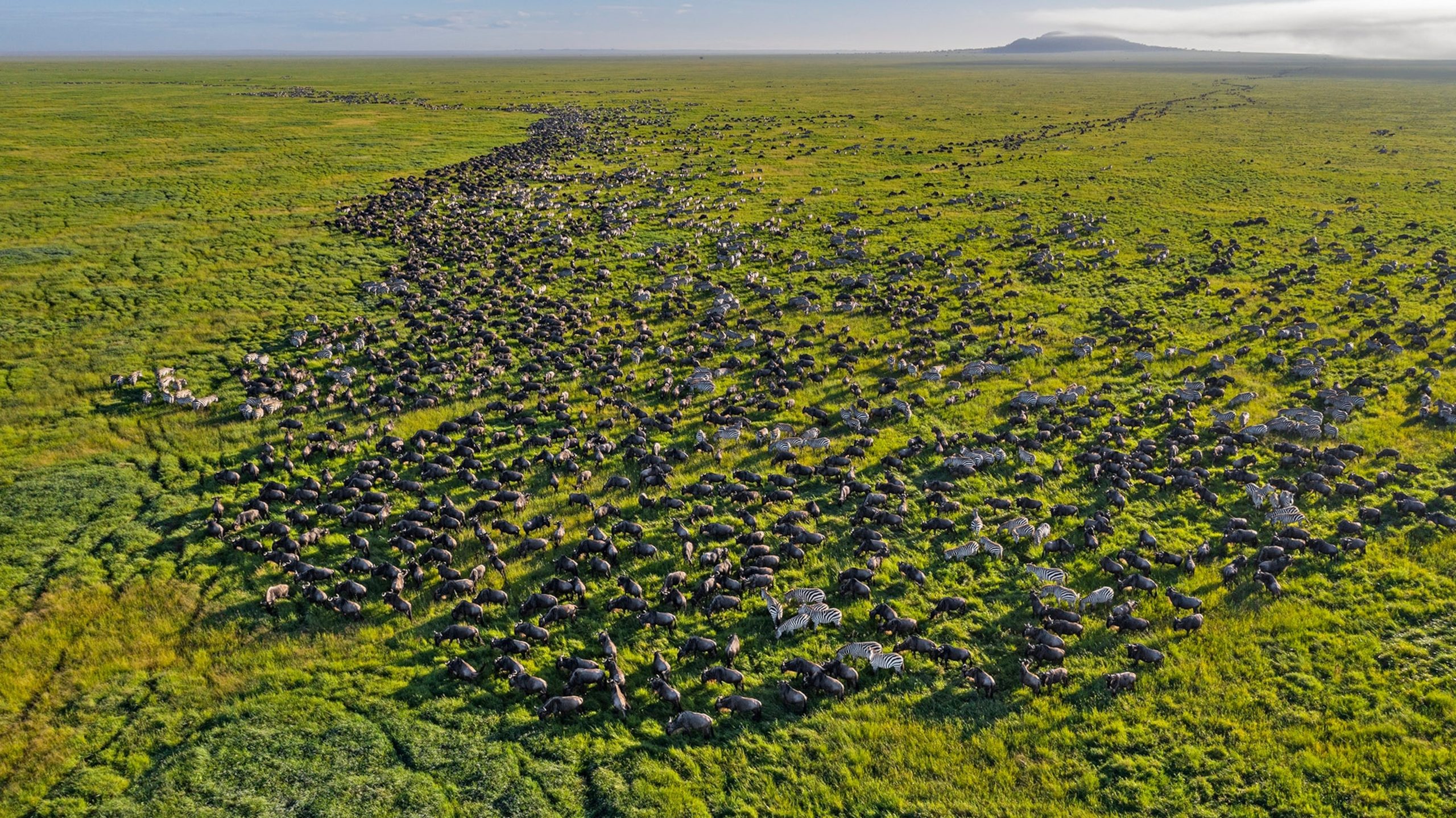
The endless plains of the Serengeti and their two-million-strong Great Migration are a natural pairing with the crater — most of our signature trips combine the two. See our Serengeti safari guide for the full picture.
Tarangire & Lake Manyara
On the drive up from Arusha, Tarangire's baobab-studded plains hold the greatest elephant herds in northern Tanzania, while Lake Manyara's groundwater forest shelters tree-climbing lions and a flamingo-fringed lake — perfect warm-ups for the crater.
Zanzibar
A short flight from the safari circuit, the spice island of Zanzibar offers turquoise water, white sand and Stone Town's history — the classic bush-and-beach finale to a crater safari.
We arrange every flight, transfer and vehicle so the whole journey — baobab country, migration plains, the great crater and the Indian Ocean — flows seamlessly as one.
Related journey: Manyara, Ngorongoro & Serengeti Safari →
8. Why Book Your Ngorongoro Package with Beyond Africa Safaris
We know the crater and the wider Northern Circuit intimately — which rim lodges launch first at dawn, where the rhino tend to graze, when the flamingos flush pink on Lake Magadi, and how to weave the crater into a seamless journey through the Serengeti and on to the coast. We book direct, so you pay no resale markup, and we tailor every package to your budget, whether that means a value-packed group descent or a fly-in of pure luxury.
Practical Planning Notes
- Getting there: Fly into Kilimanjaro International (JRO), transfer to Arusha, then drive or fly the Northern Circuit; the crater is about a three-to-four-hour drive from Arusha.
- Fees: The Conservation Area fee and the separate crater-descent fee are significant — we fold them into your all-in price so there are no surprises at the gate.
- Altitude & climate: The crater rim sits above 2,200 metres and can be cold at dawn — pack warm layers for the early descent.
- Health: The highlands are low-risk for malaria, though the lower parks are not; we advise on precautions.
- What to pack: neutral colours, warm layers, sun protection, binoculars and a good camera with a long lens.
Ready to plan your Ngorongoro Crater safari? Browse our luxury safaris, use our trip planner, or contact our specialists for a tailored quote within 24 hours.
Ready to Plan Your Ngorongoro Crater Safari Package?
Our specialists craft tailor-made Ngorongoro Crater safari packages — matched to your dates, budget and travel style. We book direct with the lodges, handle every flight, transfer and crater fee, and deliver a seamless journey from your first enquiry to your final sundowner on the rim.