Key Takeaways
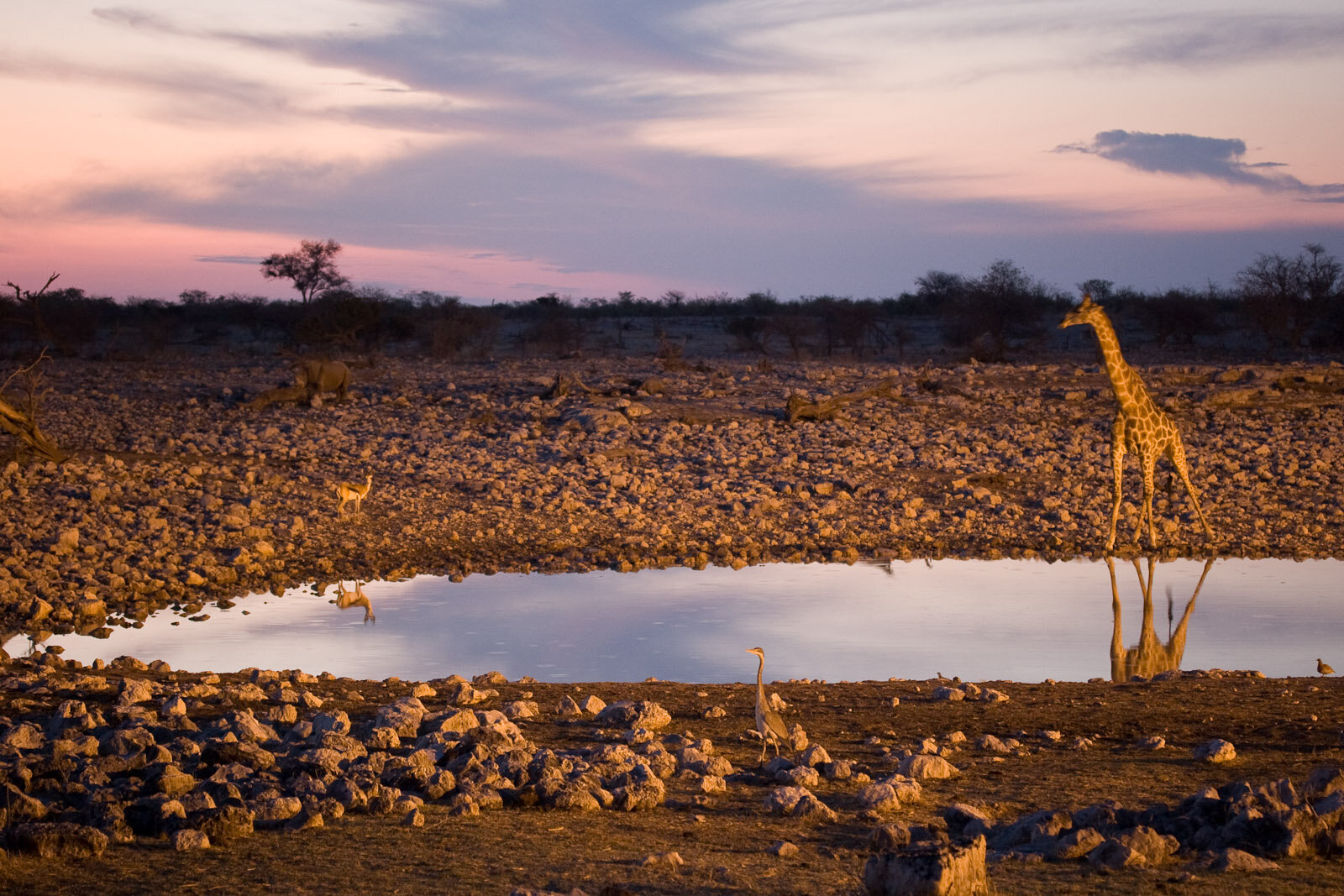
- Etosha is built around waterholes — wildlife congregates at permanent water sources in this arid landscape, creating some of the most spectacular and predictable game viewing in Africa.
- Floodlit night viewing is unique — certain waterholes (especially Okaukuejo and Halali) are floodlit after dark, letting you watch lions, elephants, rhino and leopards from the safety of a hide.
- The Etosha Pan is otherworldly — a vast, salt-crusted depression that shimmers like a mirage, occasionally flooding to draw vast flocks of flamingos.
- Private concessions unlock more — Ongava, Onguma and other reserves bordering the park offer off-road driving, night drives, walking safaris and lower guest density.
- Exceptional photography destination — Clean, uncluttered compositions at waterholes, dramatic light and close-up wildlife make Etosha a photographer's paradise.
- Budget $400-2,200 per person per night for all-inclusive lodge stays, and easily accessed from Windhoek by a short flight or self-drive.
1. Why Etosha Is One of Africa's Great Parks
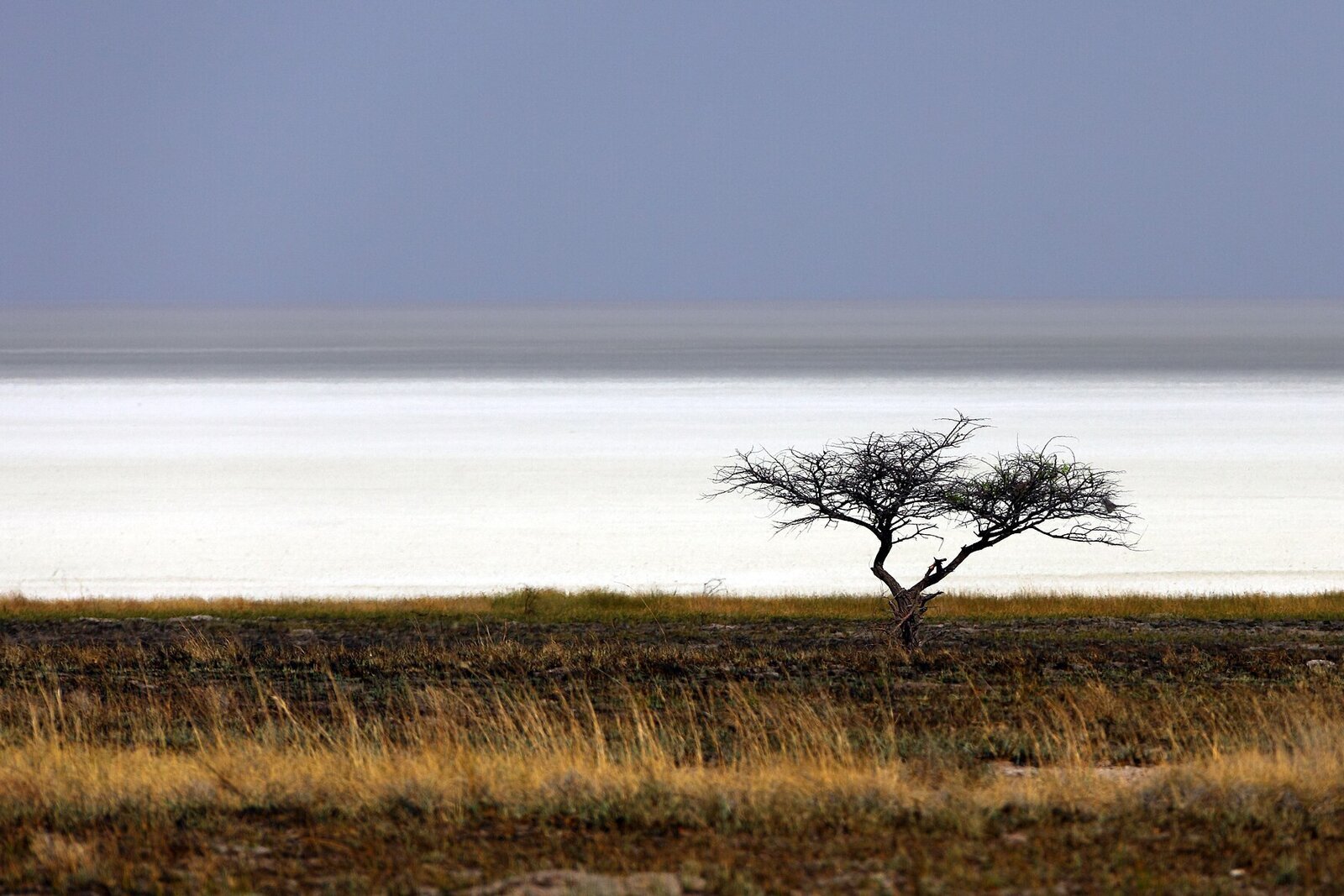
Etosha National Park, in northern Namibia, is one of the continent's most distinctive and rewarding safari destinations. Covering 22,270 square kilometres, it centres on the vast Etosha Pan — a shimmering, salt-crusted depression visible from space — surrounded by grassland, mopane woodland and scattered waterholes that draw wildlife from across the dry landscape.
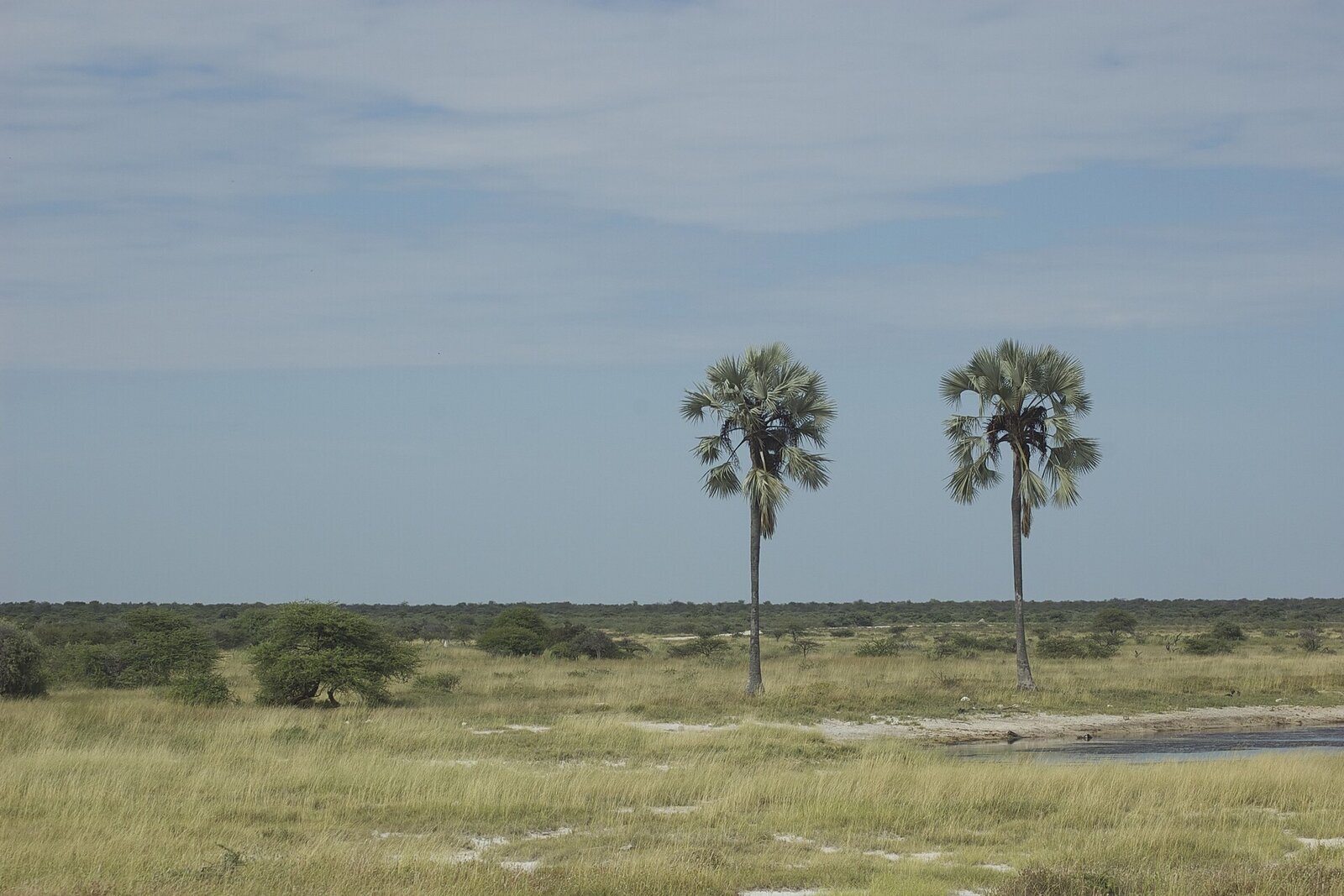
Unlike the dense bush of East African parks or the riverine forests of southern reserves, Etosha is stark, open and luminous. Visibility is superb, wildlife density is exceptional, and the experience is built around waterholes — making game viewing remarkably predictable and deeply rewarding.
What makes Etosha special:
- Waterhole-centric safaris — Animals must drink, and in this arid environment they congregate at known waterholes. You can position yourself and wait for the spectacle to unfold.
- Floodlit night viewing — Certain waterholes are illuminated after dark, revealing nocturnal behaviour from a safe hide — a unique experience found nowhere else in Africa.
- The Etosha Pan — A vast, 4,800-square-kilometre salt pan that floods irregularly, drawing enormous flocks of flamingos and pelicans. Even when dry, it's a surreal, haunting landscape.
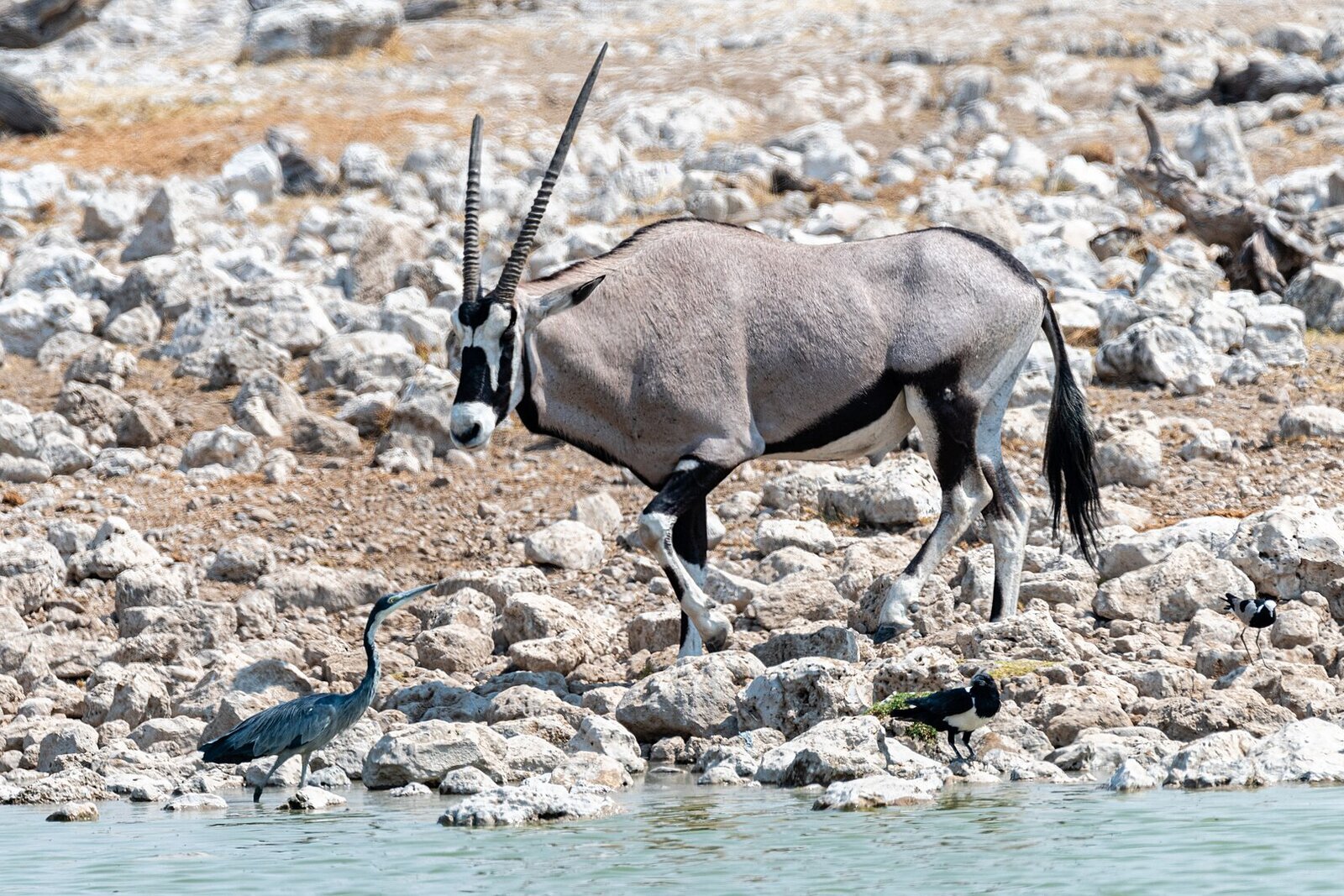
- Big game abundance — Lion, elephant, rhino (both black and white), leopard, cheetah, giraffe, zebra, springbok, gemsbok and the endangered black-faced impala all thrive here.
- Excellent self-drive infrastructure — Good gravel roads and three rest camps make Etosha accessible for independent travellers, alongside luxury private concessions for those wanting exclusivity.
- Photographic paradise — Clean backgrounds, dramatic light, close proximity and waterhole compositions make Etosha a dream for wildlife photographers.
Etosha may lack the migration drama of the Serengeti or the density of big cats in Sabi Sands, but its unique character — the luminous pan, the waterhole theatre, the stark beauty — make it utterly compelling.
2. The Etosha Waterhole Experience
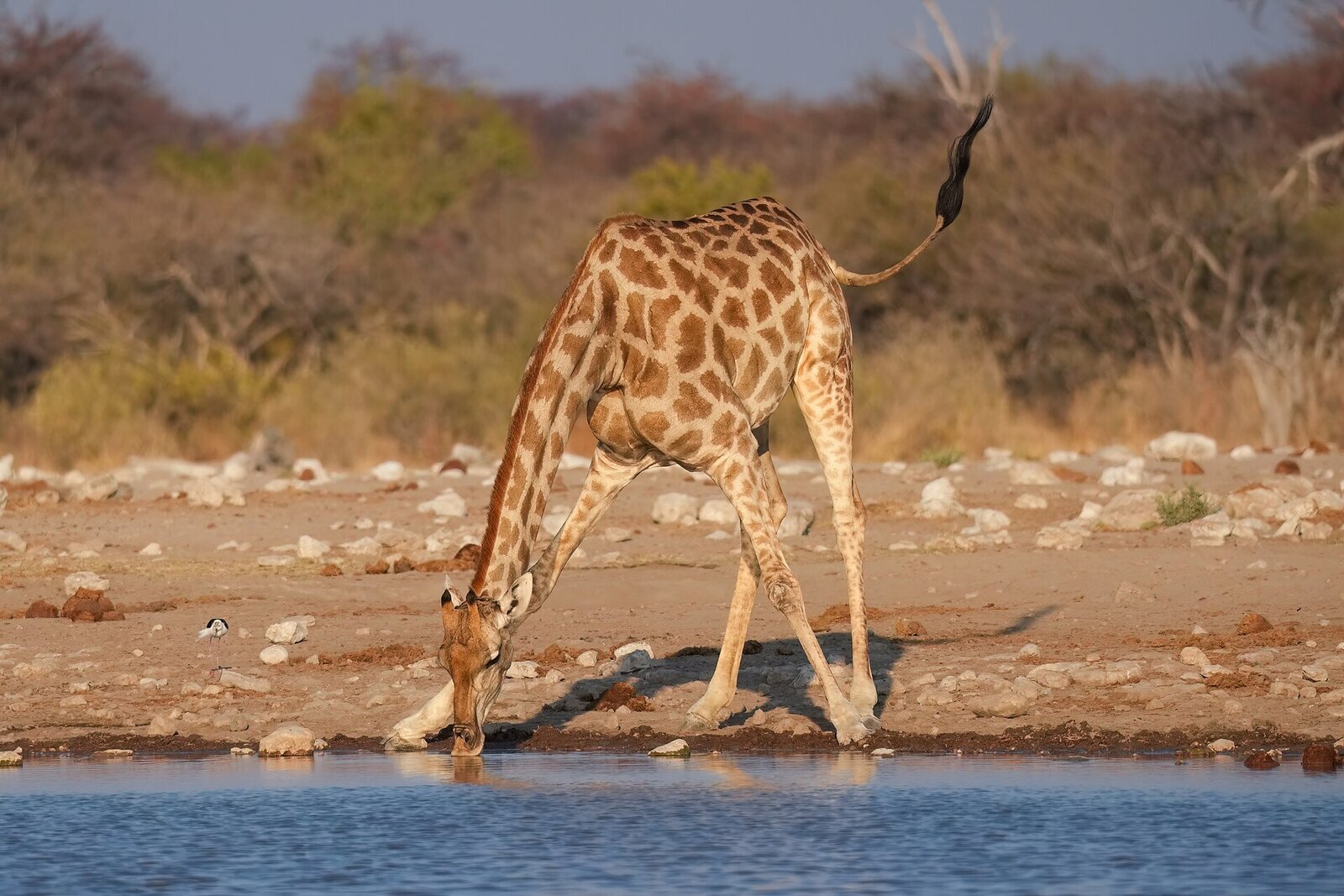
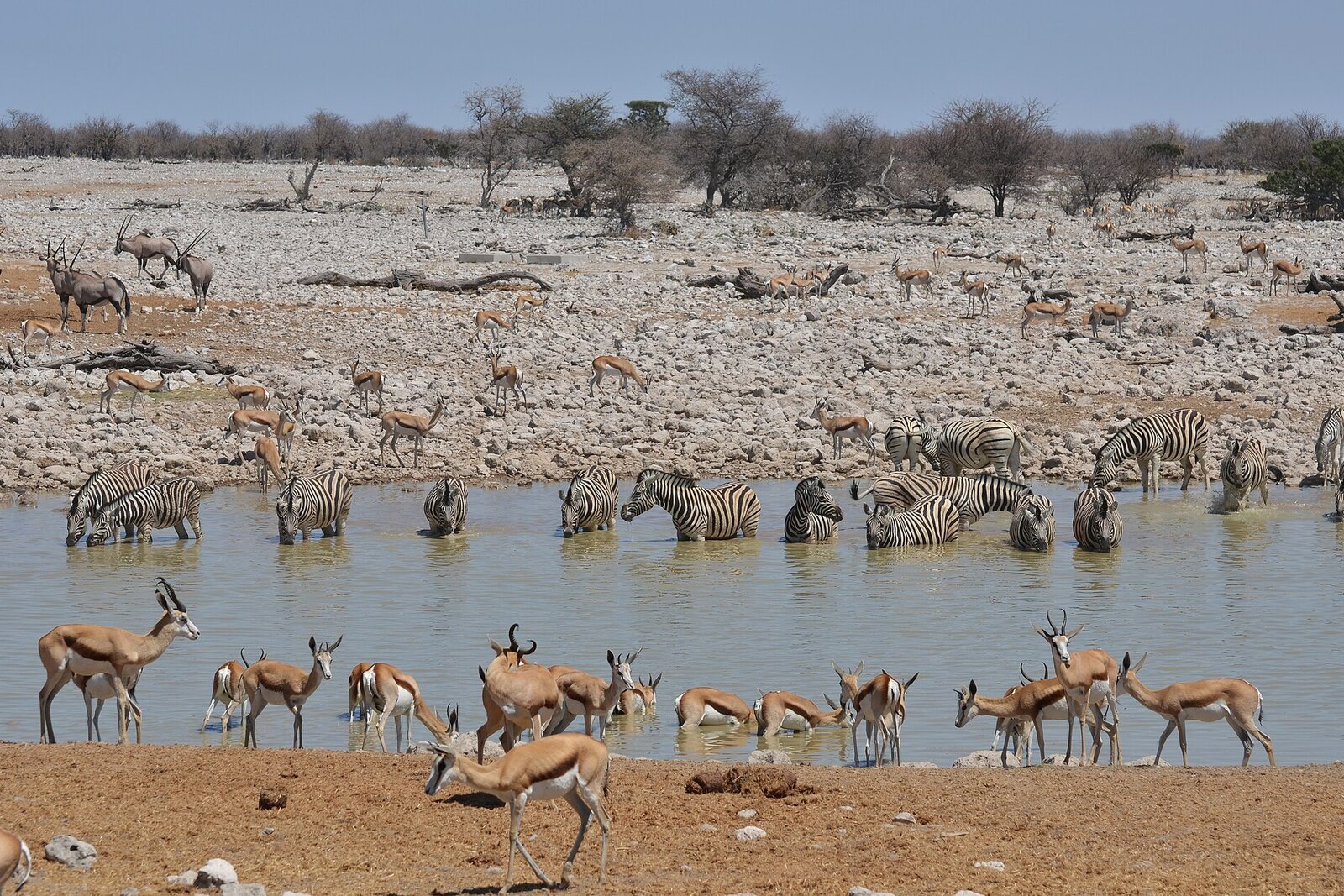
The defining feature of an Etosha safari is the waterhole. In this arid landscape, permanent water sources are lifelines, and the wildlife knows it. Every species — from elephants to lions, from springbok to rhino — must drink, and the waterholes are where they gather.
Unlike the constant movement of a traditional game drive, waterhole safaris reward patience. You position yourself, settle in, and watch the drama unfold.
Strategic Waterhole Positioning
The park's network of natural springs and man-made waterholes — each named and mapped — become familiar landmarks. Experienced guides know which waterholes produce the best sightings at different times of day and season:
- Okaukuejo — Perhaps Etosha's most famous waterhole, set beside the main rest camp. Rhino are frequent visitors, and after dark it's floodlit for night viewing.
- Halali — A floodlit waterhole at the central camp, excellent for nocturnal elephant and lion sightings.
- Goas — A large, productive waterhole in the eastern sector, drawing elephants, lions and herds of plains game.
- Nebrownii — A beautiful spring-fed waterhole in a rocky setting, excellent for black rhino.
- Salvadora — Known for large elephant herds and predator activity.
Floodlit Night Viewing — Etosha's Signature
What sets Etosha apart is the floodlit waterhole experience. After the park gates close at sunset, the waterholes at Okaukuejo, Halali and Dolomite camps are illuminated, and guests can sit in elevated hides overlooking the water.
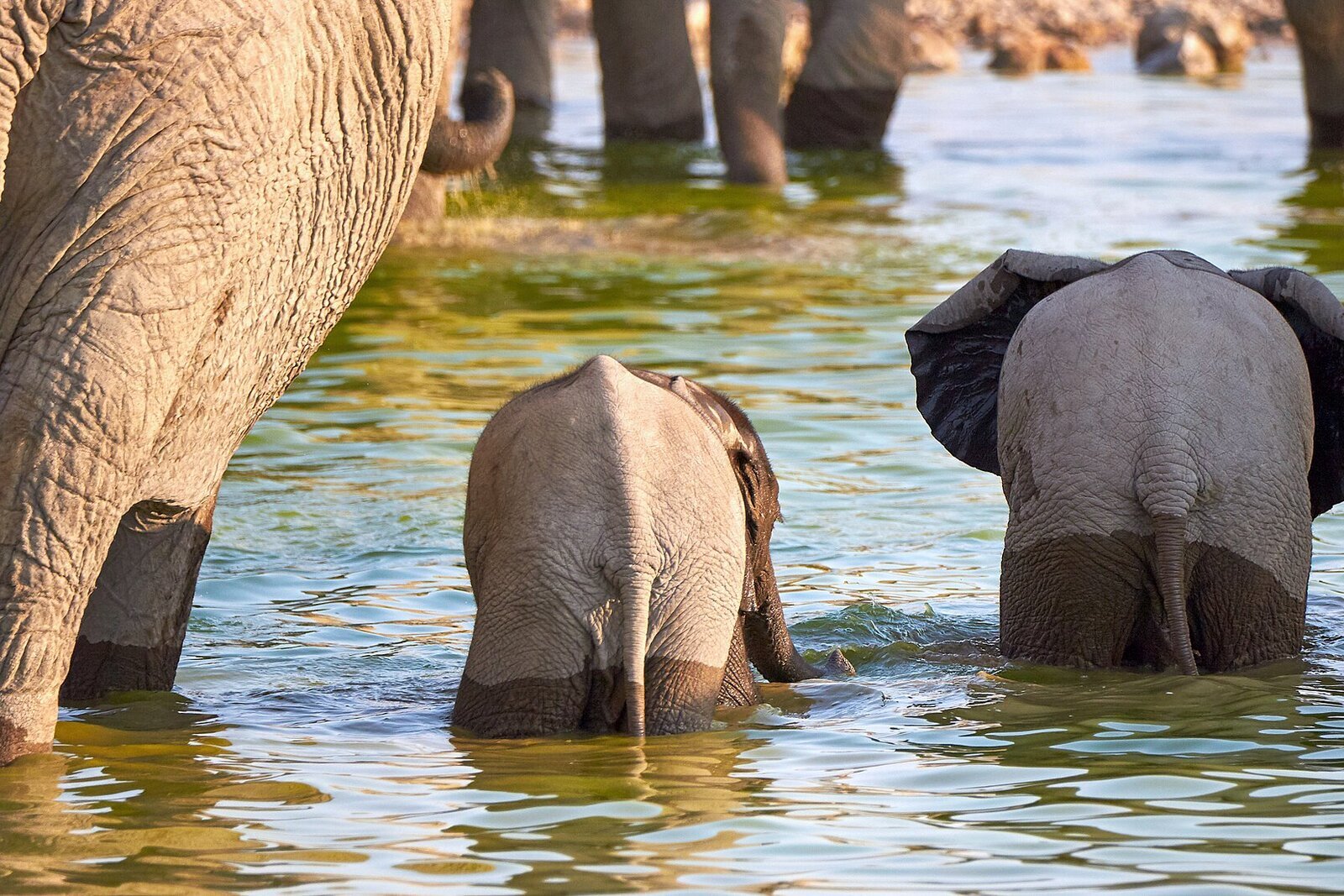
In the eerie glow, elephants arrive to drink, lions prowl the perimeter, black rhino emerge from the darkness, and occasionally a leopard pads silently to the edge. The spectacle unfolds in near-silence, utterly mesmerising.
No vehicles, no engines — just you, the hide, and Africa's wildlife in their nocturnal element. It's one of the most profound safari experiences on the continent.
Related reading: The Complete Etosha National Park Safari Guide →
3. Private Concessions vs the National Park
While the national park itself is superb and accessible, private concessions bordering Etosha offer a significantly elevated experience — and for many travellers, they represent the pinnacle of an Etosha safari.
The key difference is freedom. Within the national park, vehicles must stay on designated roads, game drives end at sunset, and walking is prohibited. Private concessions change all of that.
Ongava Game Reserve — The Premier Concession
Ongava, bordering the southern edge of Etosha, is the most celebrated private concession. Spanning 30,000 hectares of pristine wilderness, it offers everything the national park does — plus off-road driving, night drives, walking safaris and intimate, low-density lodges.
Wildlife: The full Big Five are present (Ongava was instrumental in Namibia's rhino conservation success), plus cheetah, brown hyena and exceptional plains game.
Lodges: Ongava Lodge, Little Ongava and Ongava Tented Camp — all luxury properties with expert guiding and a strong conservation ethos.
Best for: Travellers wanting the ultimate Etosha experience with exclusivity, off-road access and superb guiding.
Cost: From $800 per person per night (all-inclusive).
Onguma Game Reserve — The Eastern Gateway
On Etosha's eastern boundary, Onguma offers 34,000 hectares of private wilderness with direct access to the park. Its waterholes are particularly productive, and night drives reveal the nocturnal bush.
Lodges: Onguma The Fort (a converted fort with battlements and opulence), The Bush Camp, Tented Camp and Tree Top Camp — each with a distinct character.
Best for: A blend of exclusive game viewing, architectural intrigue and access to the park's eastern sector.
Cost: From $600 per person per night (all-inclusive).
Other Private Concessions
Several smaller concessions and private farms also offer exclusive Etosha access, including Mushara (just outside the eastern gate, intimate and excellent for photographers), Etosha Safari Lodge (western sector, self-drive friendly) and various guest farms offering a more rustic, authentic Namibian experience.
The key insight: If budget allows, a private concession stay combined with game drives in the national park itself delivers the best of both worlds — exclusivity, expert guiding, and the freedom to explore Etosha's legendary waterholes.
Related reading: Best Time to Visit Etosha National Park →
4. Best Private Lodges & Camps
Little Ongava — Ultra-Luxury Wilderness
Little Ongava is one of Namibia's most exclusive safari camps — just three suites on 30,000 hectares. Utterly intimate, beautifully designed and with exceptional guiding, it delivers a deeply personal Etosha experience.
Why it's exceptional: Absolute exclusivity, superb rhino tracking, night drives and walking safaris on Ongava's pristine concession, combined with access to Etosha's Anderson Gate.
Price: From $2,000 per person per night (all-inclusive).
Ongava Lodge — Flagship Luxury
Ongava Lodge, the flagship property of the Ongava Reserve, offers fourteen tented rooms overlooking a private waterhole. The guiding is world-class, the cuisine superb, and the game viewing outstanding.
Why it's exceptional: A beautifully balanced blend of luxury, conservation and wildlife, with regular rhino sightings and excellent predator activity.
Price: From $850 per person per night (all-inclusive).
Onguma The Fort — Architectural Drama
A converted 1900s German fort transformed into a luxury lodge, The Fort is one of Namibia's most intriguing properties. Battlements, turrets, opulent interiors and a private hide overlooking a floodlit waterhole create a unique safari experience.
Why it's exceptional: Architectural theatre meets wilderness luxury, with superb night-time waterhole viewing and access to Etosha's productive eastern sector.
Price: From $700 per person per night (all-inclusive).
Mushara Lodge — Photographic Excellence
Set just outside Etosha's Von Lindequist Gate, Mushara offers intimate, elegant accommodation and has built a strong reputation among wildlife photographers for its patient guiding and productive sightings.
Price: From $550 per person per night (all-inclusive).
Andersson's at Ongava — Contemporary Elegance
A newer addition to the Ongava portfolio, Andersson's offers eight contemporary suites with floor-to-ceiling glass, plunge pools and the same superb guiding and wildlife access as the other Ongava properties.
Price: From $900 per person per night (all-inclusive).
National Park Rest Camps
For those on a tighter budget or wanting the self-drive experience, Etosha's three government-run rest camps (Okaukuejo, Halali and Namutoni) offer comfortable accommodation, excellent waterholes, floodlit night viewing and a real sense of being inside the park. They represent outstanding value and an authentic, accessible Etosha safari.
Price: From $90 per person per night (room only).
5. When to Visit: Dry vs Green Season
May to October — Dry Winter (Best Overall)
The dry winter months are Etosha's peak season, and for good reason. As water sources dry up across the landscape, wildlife concentrates at the park's permanent waterholes, making for exceptional, predictable game viewing.
What to expect:
- Outstanding waterhole action — Large herds of elephant, zebra, springbok and oryx gather to drink; lions lie in wait; rhino emerge at dusk.
- Clear skies and excellent visibility — Sparse vegetation and dry conditions mean unobstructed sightings.
- Pleasant days, cold nights — Warm, sunny days (20-25°C/68-77°F); cold mornings and nights (down to 5°C/41°F) — bring layers.
- Low rainfall and minimal mosquitoes — Comfortable safari conditions.
- Peak-season demand — Book luxury lodges 9-12 months ahead; national park camps book up early too.
November to April — Green Season (Best for Drama, Birds & Value)
The summer rains transform Etosha. The pan occasionally floods, drawing vast flocks of flamingos and pelicans. The landscape greens, wildflowers bloom, and newborn animals appear. This is the low season — and a spectacular, often-overlooked time to visit.
What to expect:
- Lush, dramatic landscapes — Emerald grass, wildflowers and towering thunderclouds make for superb photography.
- Newborn wildlife — Springbok, zebra and other antelope calve, drawing predators into the open.
- Spectacular birding — Migratory species arrive; over 340 species recorded in the park.
- Flooded pan (irregular) — When the pan floods, hundreds of thousands of flamingos descend — a surreal, pink-hued spectacle.
- Lower rates and availability — Discounts of 30-50% at many lodges; easier bookings.
- Afternoon rains — Usually brief storms; mornings are typically clear for game drives.
- More dispersed wildlife — Temporary pans fill across the landscape, so animals spread out and waterhole action is less concentrated.
6. How to Book a Private Etosha Safari
Etosha rewards careful planning — here's how to get it right:
Choose Your Approach
- Want ultimate luxury and exclusivity? → Little Ongava or Ongava Lodge (private concession, off-road, night drives, walking)
- Want superb value with real access? → National park rest camps (Okaukuejo, Halali, Namutoni) — excellent waterholes, floodlit viewing, self-drive friendly
- Want the best of both? → Combine a private concession (2-3 nights) with rest camp stays (2-3 nights) for diversity
- Want photographic focus? → Mushara Lodge or Ongava, both known for patient, photography-friendly guiding
Getting There
Fly into Windhoek (Hosea Kutako International Airport), Namibia's capital. From there, you can:
- Self-drive: It's about 400km (5 hours) on good tar roads to Etosha's southern gates — an easy, scenic drive in a 2WD rental.
- Fly-in: Light aircraft transfer from Windhoek to private airstrips at Ongava, Onguma or Mushara (about 1 hour). Private concessions typically arrange this.
- Guided transfer: Many lodges offer road transfers from Windhoek with a guide, breaking the journey with stops.
Budget Realistically
Etosha spans a wide accommodation spectrum:
- National park rest camps: $90-150 per person per night (room only; meals extra; excellent value)
- Mid-range lodges near the park: $300-500 per person per night (bed, breakfast, dinner)
- Premium private concessions: $600-900 per person per night (all-inclusive: meals, drinks, game activities)
- Ultra-luxury (Little Ongava): $1,800-2,200 per person per night (all-inclusive, ultimate exclusivity)
- Light-aircraft transfers from Windhoek: $250-400 per person each way
A typical 4-night Etosha stay for two guests ranges from about $1,500 (budget rest camps, self-drive) to $20,000 (ultra-luxury fly-in), depending on lodge choice and season.
Combine with Sossusvlei & Swakopmund
The classic Namibia itinerary pairs Etosha (wildlife) with Sossusvlei (towering red dunes of the Namib Desert) and Swakopmund (German colonial coastal town, adventure activities). An 10-12 day circuit covering all three is the gold standard for a first Namibia visit.
Related journey: Luxury Namibia Highlights — 8 Days →
7. Private Safari Activities Beyond Game Drives
Floodlit Waterhole Sits — Etosha's Signature
After sunset, the floodlit waterholes at Okaukuejo, Halali and Dolomite camps come alive. Sit in the elevated hide and watch elephants drink in silence, lions prowl the perimeter, and black rhino emerge from the night. It's meditative, thrilling and utterly unique.
Walking Safaris (Private Concessions Only)
Ongava, Onguma and other private reserves offer guided bush walks, where you track wildlife on foot with armed rangers. The pace is slow, the focus shifts to tracks, plants, insects and birdlife, and the experience is deeply educational.
Night Drives (Private Concessions Only)
Spotlit night drives on private concessions reveal the nocturnal Etosha: aardwolves, bat-eared foxes, porcupines, honey badgers, civets, genets, and if you're lucky, a leopard or brown hyena on the hunt.
Photography Hides
Several private lodges (especially Ongava and Mushara) offer dedicated photographic hides at ground level beside waterholes, allowing for stunning, eye-level compositions as animals approach to drink.
8. Practical Planning: What You Need to Know
Getting There
Fly into Windhoek (Hosea Kutako International Airport) via Johannesburg, Frankfurt or Doha. From Windhoek, Etosha is accessible by self-drive (400km, good tar roads), light aircraft transfer (1 hour to private airstrips) or guided road transfer.
Visa & Entry
Most Western nationalities receive a free entry stamp on arrival in Namibia (usually up to 90 days). Ensure your passport has at least six months' validity and two blank pages. Check current requirements before you travel.
Malaria Precautions
Etosha is classified as a low-risk malaria zone. The risk is highest during the summer rains (November-April) and minimal in the dry winter (May-October). Consult your doctor about prophylaxis, use repellent at dawn and dusk, and cover up in the evenings.
What to Pack
Neutral safari colours (khaki, beige, olive), warm layers for cold winter mornings and nights (it can drop to 5°C/41°F), a light waterproof for summer storms, quality binoculars, a good camera with a telephoto lens (400mm or longer for serious photography), sun protection, insect repellent and a torch for walking at night between chalets and the floodlit hides.
Self-Drive Practicalities
If self-driving, a 2WD sedan is sufficient for Etosha's gravel roads (unlike the 4x4-only dunes of Sossusvlei). Hire a GPS or download offline maps. Fuel is available at the rest camps. Book accommodation well ahead, especially in peak season.
Photography Tips
Bring a long lens (400-600mm ideal for waterhole work), plenty of memory cards, and a beanbag for vehicle-based shooting. The light at Etosha is exceptional — golden hour at waterholes is sublime. For floodlit waterhole photography, a tripod and high ISO capability are essential.
Combine with Other Namibian Highlights
Beyond Sossusvlei and Swakopmund, consider adding Damaraland (desert-adapted elephants, Twyfelfontein rock art), the Skeleton Coast (shipwrecks, seal colonies, stark beauty) or the Caprivi Strip (lush wetlands, different ecosystems) for a comprehensive Namibian journey.
Ready to Plan Your Private Etosha Safari?
Our team specialises in crafting exclusive Etosha safaris, blending private concessions with the national park's legendary waterholes. We'll match you with the perfect lodges for your budget and priorities, weave in Sossusvlei's red dunes and Swakopmund's coastal charm, and handle all flights and logistics for a seamless Namibian journey.