Key Takeaways
- The Little Five borrow the Big Five's names at small scale — elephant shrew, leopard tortoise, rhinoceros beetle, antlion and buffalo weaver — and a good guide loves being asked for them.
- The Shy Five — aardvark, aardwolf, bat-eared fox, Cape porcupine and meerkat — are mostly nocturnal diggers; your odds jump on a night drive and in the dry Kalahari and Karoo.
- The Ugly Five — spotted hyena, warthog, wildebeest, marabou stork and vulture — are the clean-up crew that keeps a reserve healthy, and far more interesting than their looks suggest.
- The Super Seven add the two rarest cats-and-dogs of the plains, the cheetah and the African wild dog, to the Big Five — Madikwe, Sabi Sand and Timbavati are the reserves that hold all seven.
- On the southern and Eastern Cape coast the same idea becomes the Big Seven: the land Big Five plus the southern right whale and the great white shark.
Where the “Fives” Came From
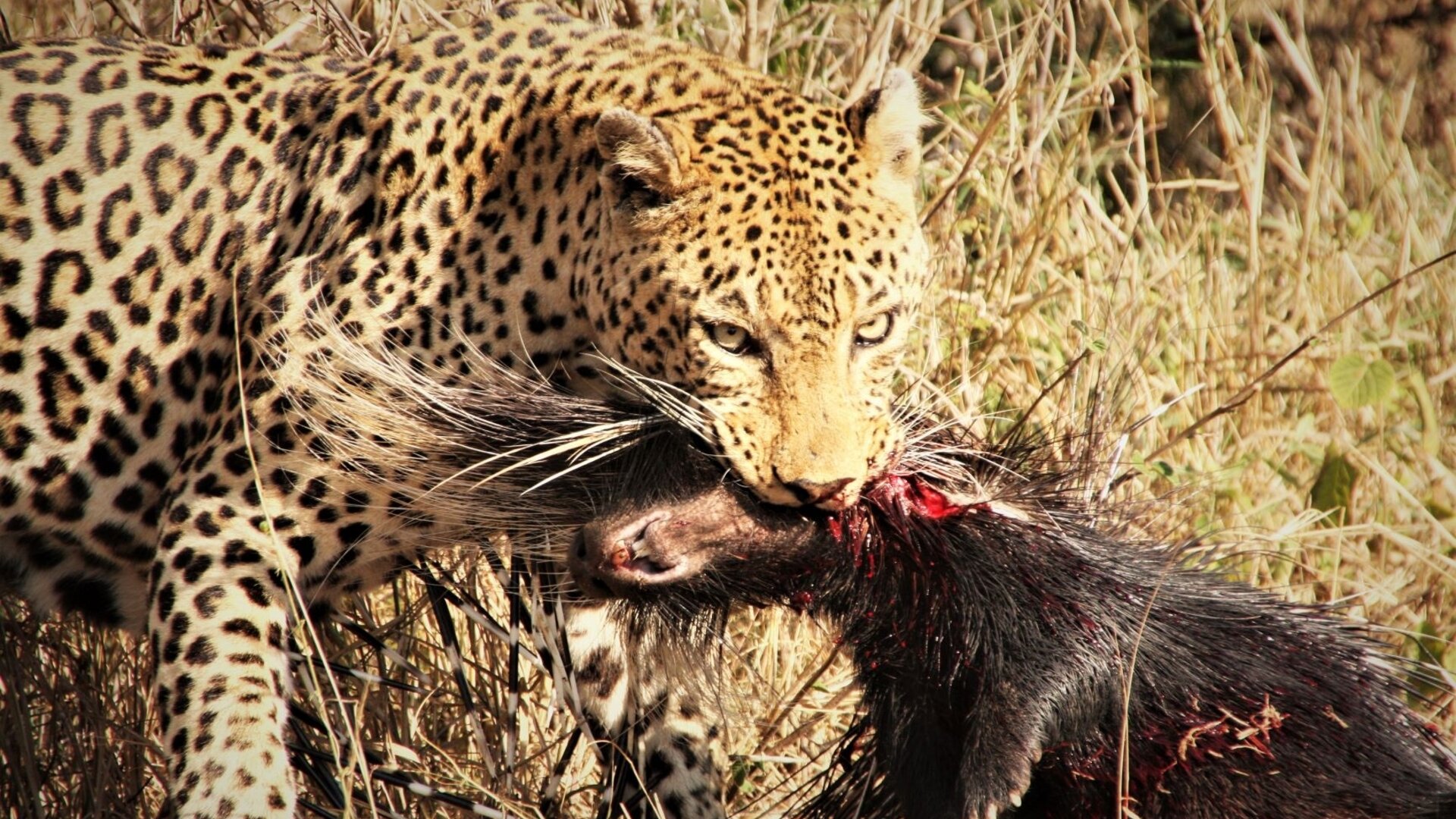
The Big Five was never meant to describe a good day in the bush. It came from the hunting era and listed the five animals considered most dangerous to shoot on foot — lion, leopard, elephant, rhino and buffalo. The grouping stuck because it was easy to sell, and today it drives most of what visitors ask to see.
The trouble is that a reserve is not five animals. It is a few thousand species doing something interesting at every hour, and a lion asleep under a tree for the fourth afternoon running is not, in truth, the best thing out there. So South African guides pushed back with lists of their own — part joke, part teaching tool — to get people looking down, looking at night, and looking past the famous faces. The Little Five, the Shy Five, the Ugly Five and the Super Seven are the four that caught on. Ask your guide for any of them by name and watch the mood in the vehicle change: you have just told them you want the real bush, not the postcard.
Here is each grouping, animal by animal, with where and when your chances are best.
The Little Five
Five small animals, each sharing a name with one of the Big Five. They are a guide's favourite request because finding them means slowing down, walking a stretch of bush, and reading the ground — the opposite of racing between big-cat sightings. A walking safari or a patient hour near camp is where the Little Five live.
The Little Five earn a full walk-through of their own, so we have given them a dedicated piece: our Small Five field guide covers how to find each one on foot, track by track. Here is the short version.
1. Elephant shrew (sengi)
Not a shrew, and nothing to do with elephants beyond the long, mobile snout it uses to vacuum up ants and termites. The sengi is its own ancient African lineage, closer on the family tree to elephants and aardvarks than to true shrews. It is fast, high-strung and territorial, keeping a network of cleared trails through the leaf litter that it bolts along when anything moves. You see them in rocky, well-vegetated country across the north-east of South Africa and up through East Africa — usually as a rust-and-grey blur disappearing down a trail.
2. Leopard tortoise
The one most people actually tick off. It is the largest tortoise in southern Africa, named for the black-on-gold blotches that mark a young shell like a cat's rosettes, and a big old female can weigh as much as a bag of cement. They plod through grassland and savanna right across the region, pulling off dirt roads in the early morning to warm up. Leopard tortoises can live sixty to a hundred years, and because they cannot right themselves easily, a careful guide will always stop to move one off a track.
3. Rhinoceros beetle
A heavyweight in miniature. The males carry a curved horn on the head and thorax that they use to lever rivals off a branch, and gram for gram they are among the strongest animals alive — able to shift many times their own body weight. They turn up around camp lights on warm summer nights in the lowveld, clumsy fliers that land with a thud. Harmless, slow, and genuinely strange to hold in the palm of your hand.
4. Antlion
The Little Five member with the best trick. The larva is a squat, fierce-jawed insect that digs a perfect conical pit in soft sand and buries itself at the bottom, waiting for an ant to slip over the edge. When one does, the larva flicks sand to collapse the walls and drags it down. The adult, pictured here, is a different creature entirely — a slender, weak-flying insect with long lacewing wings that most people mistake for a tired dragonfly. Look for the pits under any overhang or sheltered sand patch; they are everywhere once you know the shape.
5. Buffalo weaver
The red-billed buffalo weaver is a sociable, scruffy black bird that builds big, untidy communal nests of thorny twigs in the tops of large trees — often the same camel-thorns favoured by raptors and, further down, by other weavers. Colonies are noisy and busy, and the birds forage on the ground for insects, following behind buffalo and other grazers to snap up what they disturb, which is how the name stuck. Common across the drier north, and a reliable first Little Five tick.


The Shy Five
These are the animals you drive past without knowing it. The Shy Five are mostly nocturnal, mostly burrowers, and mostly busy with insects rather than drama, which is why a classic game drive at ten in the morning will miss every one of them. Two things change the odds completely: a night drive, when the diggers come out, and the dry, open country of the Kalahari and the Karoo, where there is nowhere for them to hide. Tell your guide the Shy Five are on your list and they will plan the evening around them.
6. Aardvark
The one every guide secretly wants to find. “Aardvark” is Afrikaans for “earth pig,” and it is a solitary, pig-snouted, rabbit-eared digger that spends the day underground and comes out after dark to tear open termite mounds with claws like trowels. A single aardvark can eat tens of thousands of termites and ants in a night, and the burrows it abandons go on to shelter warthogs, porcupines, hyenas and wild dogs — which makes it quietly one of the most important animals in the bush. Sightings are rare and prized; the central Kalahari and the Karoo in the cold, early hours give you the best shot.
7. Aardwolf
A hyena that gave up hunting. The aardwolf is a small, striped member of the hyena family that eats almost nothing but harvester termites — up to a quarter of a million in a single night, lapped off the ground with a broad sticky tongue. It has the sloping back and mane of its bigger cousins but none of the bone-crushing jaw, and it lives in pairs that defend a territory of termite foraging grounds. Shy, nocturnal and uncommon, it is a Karoo and Kalahari speciality on an after-dark drive.
8. Bat-eared fox
The easiest of the Shy Five and, on the right evening, one of the loveliest sightings in the dry country. Those enormous ears — the ones on our cover — work as radar, picking up the faint sound of harvester termites and dung-beetle larvae moving under the surface so the fox can dig straight down onto them. Pairs and family groups forage together at dusk and dawn, trotting across short grass with their ears swivelling. Common and active in the Kalahari, the Karoo and the central grasslands, especially in the cooler months.
9. Cape porcupine
Africa's largest rodent, and the owner of those long black-and-white quills you find scattered on bush paths. The porcupine is nocturnal and shuffles out at night to dig for roots, bulbs and tubers, rattling its hollow tail quills and reversing hard into anything that threatens it — a defence that has killed lions and leopards that pushed their luck. It shelters by day in burrows, often ones an aardvark dug first. You are far more likely to find the quills than the animal, but a night drive in rocky country is where the two of you might meet.
10. Meerkat
The exception that proves the rule — the one Shy Five member that is out in daylight and genuinely sociable. Meerkats live in tight family mobs in the Kalahari and the Karoo, taking turns to stand sentry on their hind legs while the rest dig for scorpions, beetles and larvae. The watcher calls softly while all is well and barks a sharp alarm when a raptor crosses overhead, sending the whole group diving for a bolt-hole. Habituated groups at a few Kalahari reserves let you sit quietly at the burrow at sunrise as they emerge to warm up — one of the great gentle wildlife moments in the country.


The Ugly Five
A list made with affection. The Ugly Five — spotted hyena, warthog, wildebeest, marabou stork and vulture — get laughed at for their looks, but between them they do the work that keeps a reserve from drowning in its own dead. Spend ten minutes watching any of them properly and “ugly” stops being the word that comes to mind.
11. Spotted hyena
The most misunderstood animal in Africa. The spotted hyena is not the cowardly thief of cartoons but a formidable hunter that kills most of what it eats, runs clans of up to several dozen led entirely by females, and has a jaw that can crack a buffalo femur to get at the marrow inside. Those whoops and giggles carrying across the night are a complex language of rank and recognition. Watch a clan at a den with cubs and the intelligence is obvious. Common across the big savanna reserves, and best appreciated after dark.
12. Warthog
All business from the front, comedy from behind. The warthog kneels on padded wrists to root for grass and bulbs, carries a set of curved tusks it uses against predators, and sprints off tail-up and ramrod-straight like a flag on a stick. Families shelter in old aardvark burrows, reversing in so the tusks face the door. Easy to see and easy to love right across the region — the water holes are the place to watch them.
13. Wildebeest
Awkward on paper — a buffalo's shoulders, a horse's tail, a goat's beard — and one of the great survivors of the plains. The blue wildebeest gathers in the herds that drive East Africa's great migration, and even in the south it moves in loose groups that lawnmower the grassland and feed the lions. Calves are on their feet within minutes of birth, which they have to be. Abundant in the open country of the big parks.
14. Marabou stork
Nicknamed the undertaker for the bald head, hunched shoulders and cloak-grey wings. The marabou is a giant stork — one of the largest flying birds in Africa, with a wingspan to rival anything on the continent — and the bald head is practical, letting it feed inside a carcass without fouling its feathers. It stalks kills, rubbish tips and fish shallows alike, and rides the thermals beside the vultures. Common around water and wherever there is something dead to tidy up.
15. Vulture
The most important ugly animal of all, and the one in real trouble. A descending spiral of white-backed vultures is how a guide finds a fresh kill, and a cleaned carcass is how disease is kept out of the herds — a single committee of vultures can strip a large animal in under an hour. Several African species have crashed by more than ninety per cent in a generation, mostly from poisoning, which makes a healthy vulture gathering a sign of a reserve that is working. Look up: they are often the first thing the sky tells you.


The Super Seven
This is the grouping that raises the bar. The Super Seven keep the Big Five — lion, leopard, elephant, rhino and buffalo — and add the two predators that are hardest to see because they need big, open, undisturbed ground: the cheetah and the African wild dog. Very few reserves hold all seven in healthy numbers, which is exactly why the term exists. If seeing cheetah and painted dogs matters to you, it should shape where you book.
16. Cheetah
The fastest land animal alive and the most fragile of the big cats. A cheetah is built entirely for the sprint — light frame, long spine, semi-retractable claws for grip — and can reach well over 100 km/h for a few hundred metres before it has to stop and cool down. That specialisation is its weakness: it loses kills to lions and hyenas and needs open country to hunt, so it does best in large plains reserves rather than thick bush. Look for it on rises and termite mounds in the early morning, scanning for a gap.
17. African wild dog
The rarest of the seven and, for many, the sighting of the trip. The painted dog runs in close, chattering packs, raises its pups as a whole family, and hunts with the highest success rate of any large African predator. There are only a few thousand left in the wild, and a pack ranges over enormous distances, so even in good reserves a sighting takes luck — which is why guides and guests talk about it for years afterwards. Our full wild dog facts guide and our where-to-see-wild-dogs guide go deep on both.


Where and When to See Each Grouping
The four lists ask for different trips, and the honest answer is that no single reserve delivers all of them equally. Here is how we match them up when we plan a safari.
Little Five — any bush, but you need to slow down. The best tool is a walking safari or a guided bush walk, where the guide reads tracks, pit-traps and nests at ground level. The Greater Kruger reserves, the Waterberg and most private lowveld camps run excellent walks. See our guide to what to expect on a game drive for how a walk fits alongside drives.
Shy Five — the dry, open interior and the dark. The central Kalahari, the Kgalagadi and the Karoo give you aardvark, aardwolf, bat-eared fox and meerkat in country with nowhere to hide, and a night drive is close to essential. Winter, when the cold pushes insect-eaters to forage by day, is the strongest season.
Ugly Five — the big savanna parks. Spotted hyena, warthog, wildebeest, marabou and vultures are all common across the Greater Kruger, the Okavango and the East African plains. Sit at a water hole or follow the vultures and you will find most of them in a single morning.
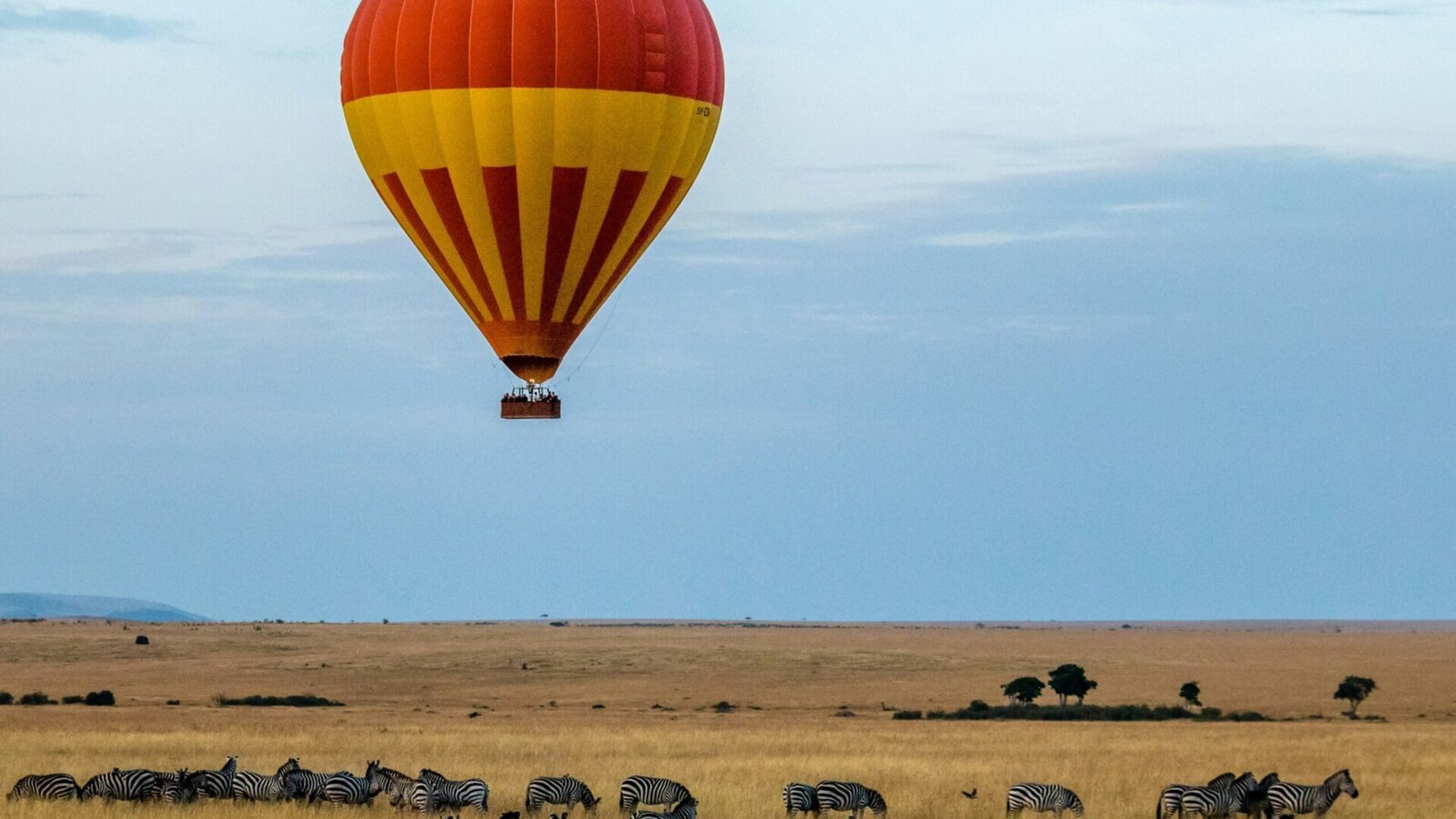
Super Seven — a short list of reserves. Madikwe, malaria-free and family-friendly, is the classic Super Seven destination, with reintroduced wild dogs and cheetah alongside the Big Five. Sabi Sand and Timbavati in the Greater Kruger hold all seven with the off-road access that gets you close. For the cheetah and wild dog in particular, a private reserve that allows off-road driving is worth every rand.
And on the Coast: the Big Seven
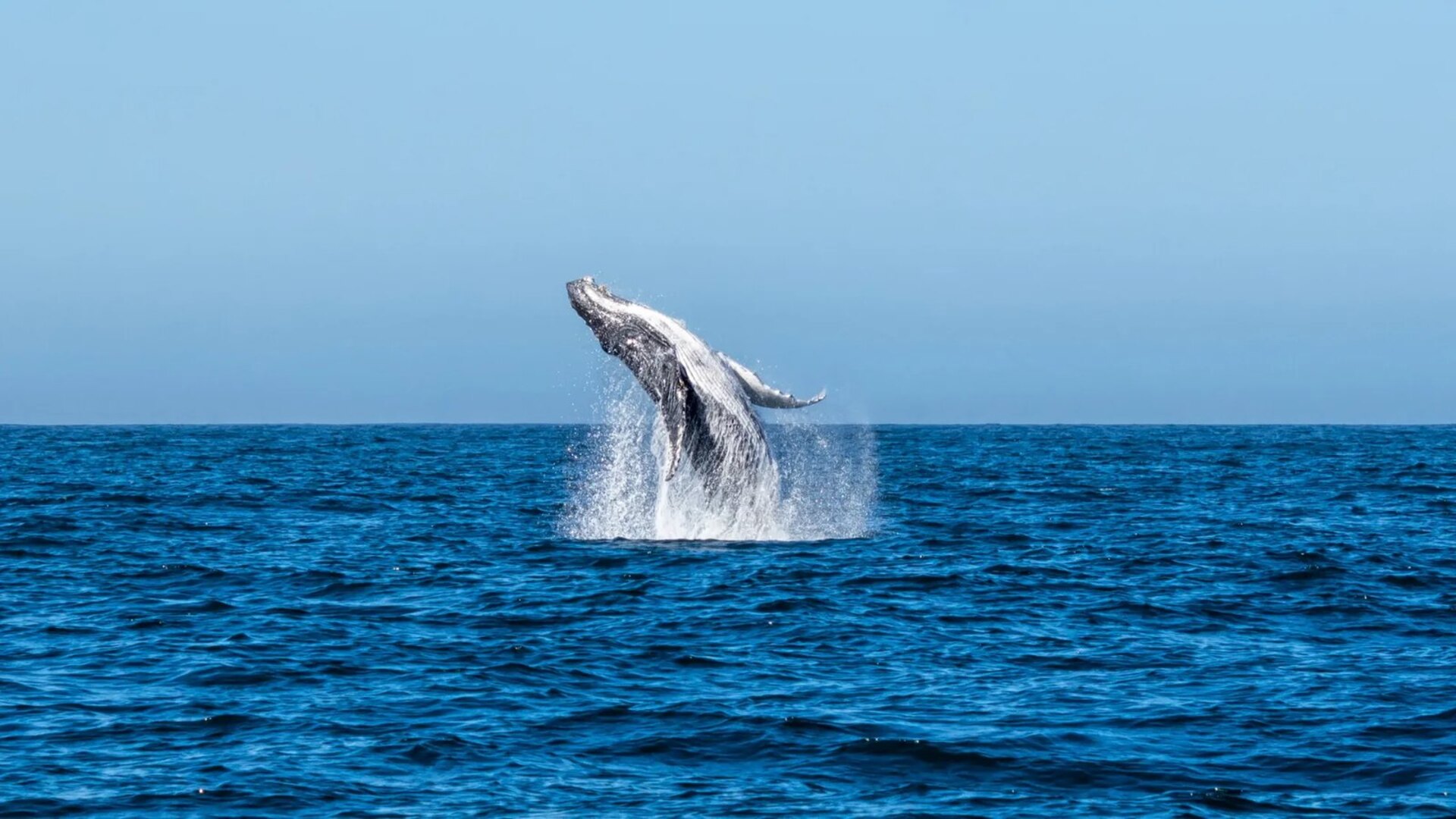
There is one more grouping worth knowing, because it only exists in one corner of the world. Along the southern and Eastern Cape coast, where Big Five reserves sit within reach of the sea, guides talk about the Big Seven: the land Big Five plus two giants of the ocean — the southern right whale, which calves in the sheltered bays between roughly June and November, and the great white shark off the Cape coast. It is the only region on earth where you can, in theory, see all seven on one trip. We cover the marine side in full in our Marine Big Five guide.
Put the groupings together and the point becomes clear. The Big Five get you to Africa. The Little Five, the Shy Five, the Ugly Five and the Super Seven are what make you fall for it — and understanding why each list exists is the difference between ticking boxes and reading the bush.
Plan Your Safari
Tell us which lists you care about — a walking safari for the Little Five, a Kalahari night-drive trip for the Shy Five, or a Madikwe or Sabi Sand itinerary built around the Super Seven — and we will put together a private journey that targets exactly what you want to see.