For the highest chance of seeing all of the Big Five — lion, leopard, elephant, rhino and buffalo — travel in the dry season, roughly June to October, with August and September the standout months. Thin vegetation and shrinking waterholes concentrate wildlife and make big animals far easier to spot. The Sabi Sands and greater Kruger in South Africa, Ngorongoro Crater and the Serengeti in Tanzania, and Kenya's Masai Mara and Laikipia deliver the most reliable Big Five viewing on the continent. Below is the definitive month-by-month, park-by-park and species-by-species guide to timing your trip — plus what it costs and how far ahead to book.
Key takeaways
- Best overall window: June–October (peak dry season). Bush is thin, water is scarce, animals are concentrated.
- Single best month: September — peak dryness before the October heat. August is a close, cooler second.
- Most reliable places: Sabi Sands (leopard capital), greater Kruger (best value), Ngorongoro Crater (all five in a day), Masai Mara & Laikipia (lion and rhino).
- Hardest to see: leopard and rhino — both easiest in the Sabi Sands and, for rhino, Laikipia and Ngorongoro.
- Green season (Nov–Apr): still productive, far cheaper, lush and quiet — you trade some visibility for value and scenery.
- Book: 10–14 months ahead for peak-season private lodges; 4–8 months for shoulder and green season.
In this guide
Why the dry season wins
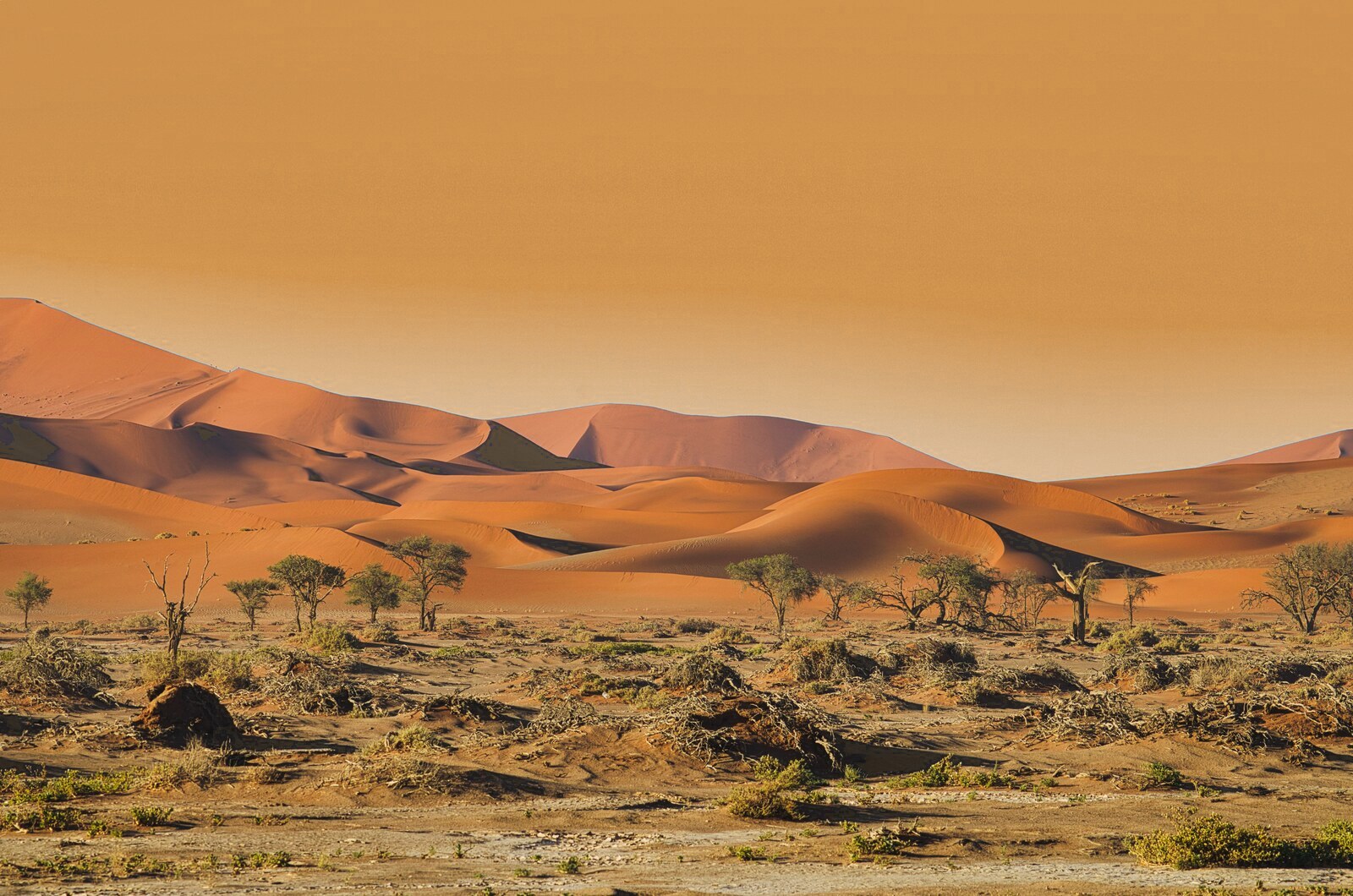
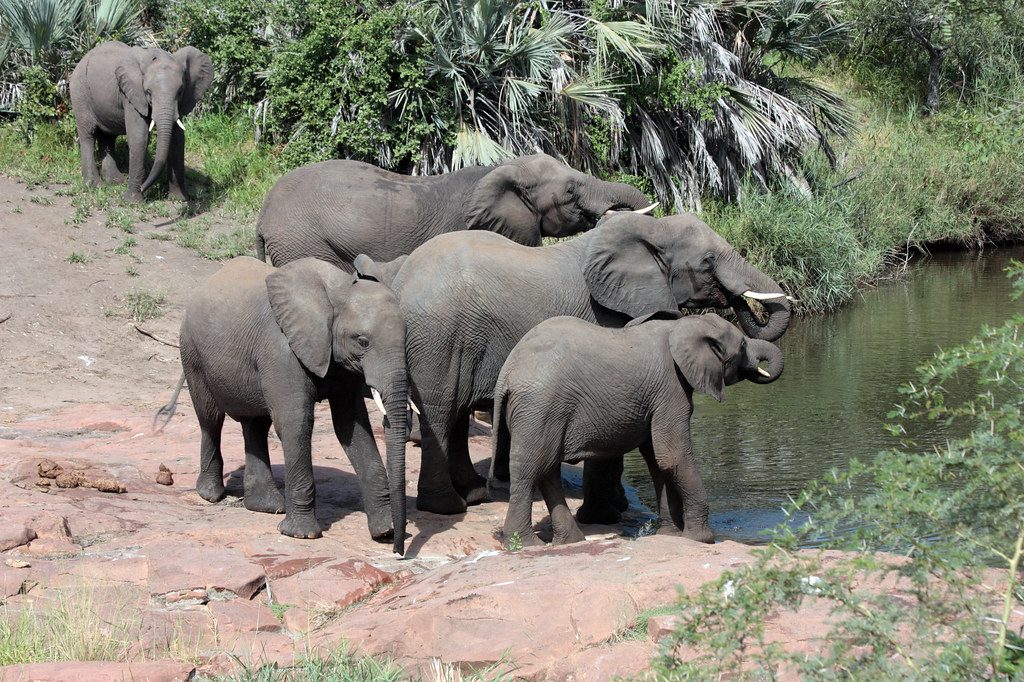
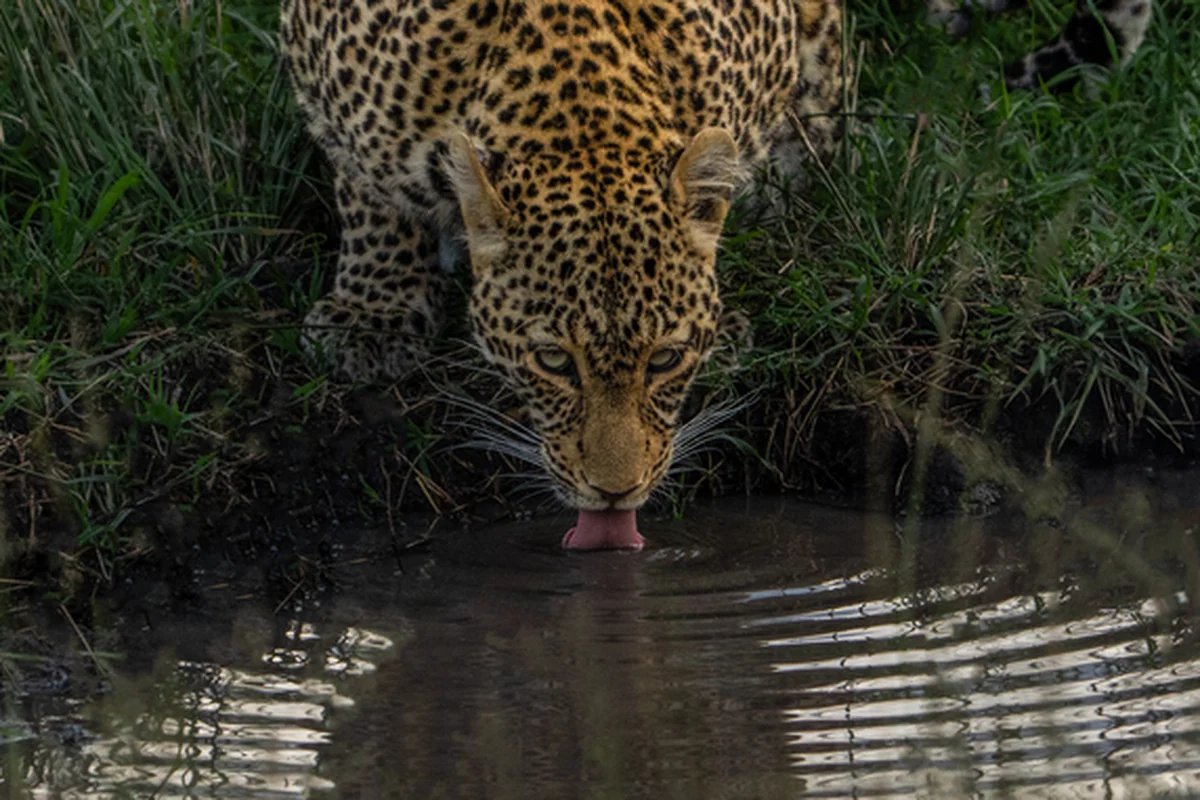
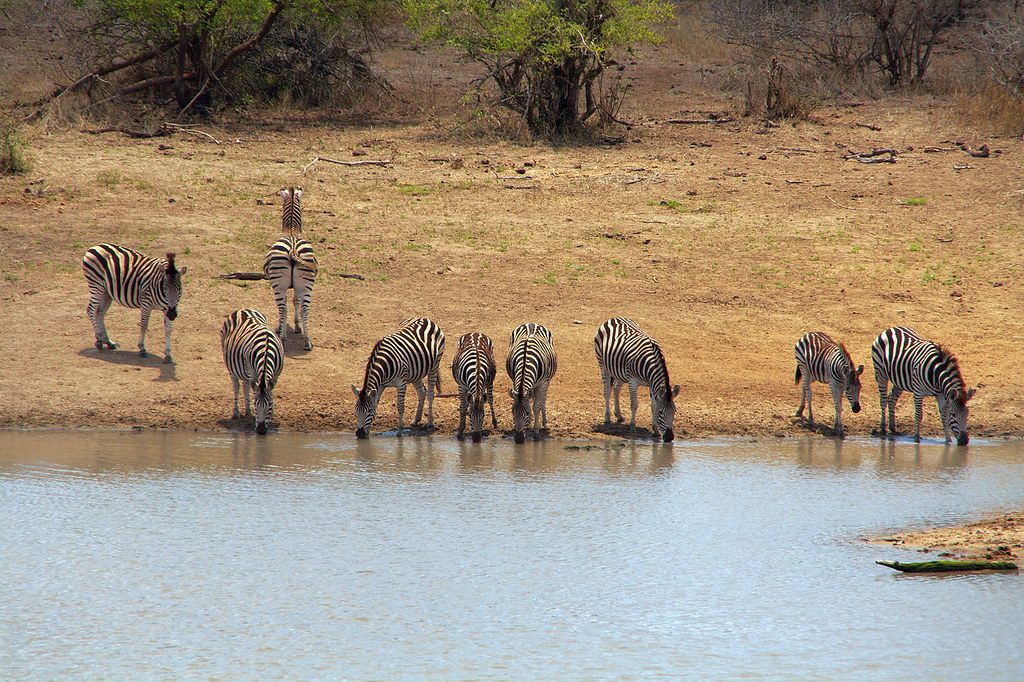
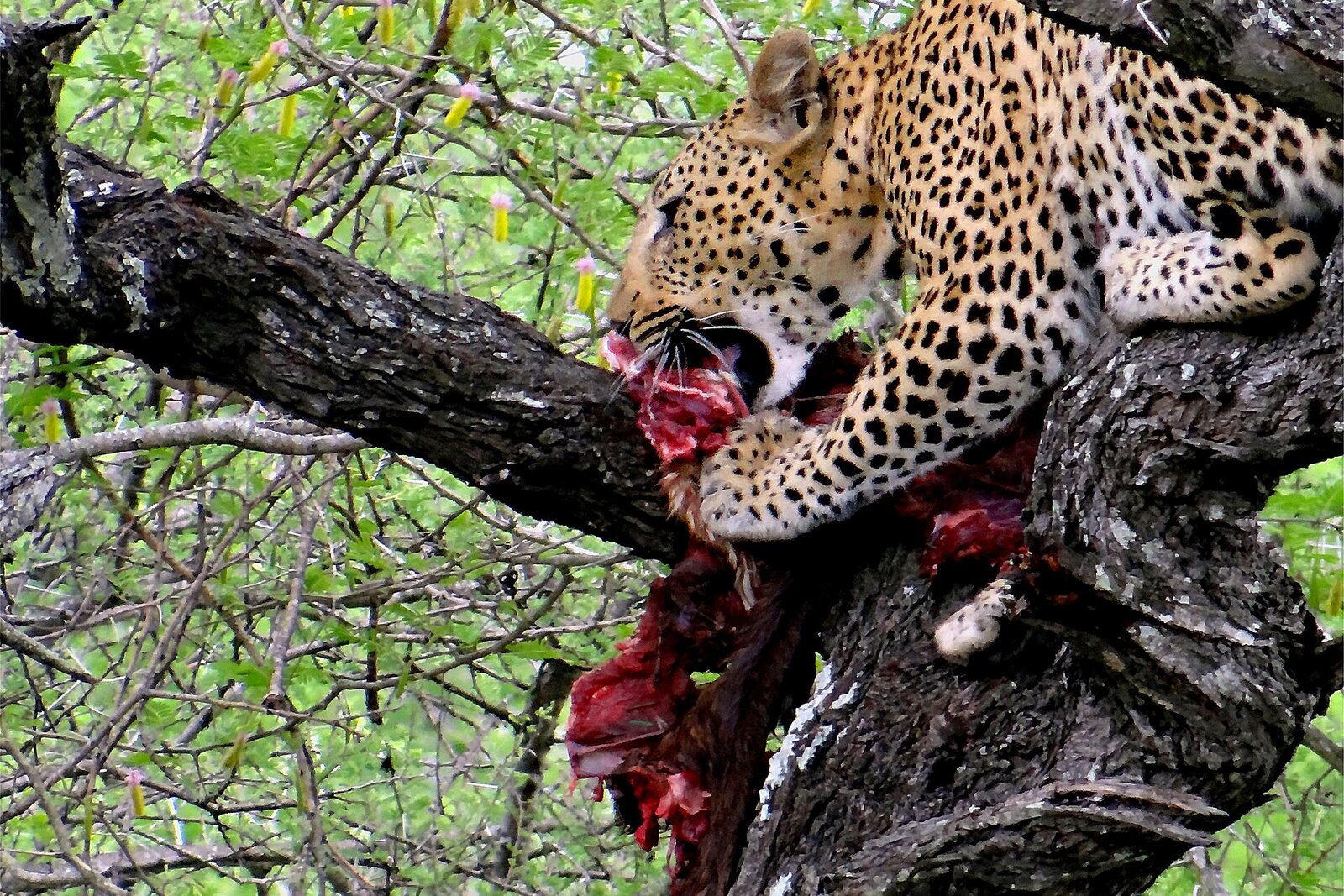
As the rains stop, grass dies back, leaves fall and seasonal pools dry up. Animals are forced to gather at permanent rivers and waterholes, and predators follow. Visibility through the bush improves enormously, so leopards draped in trees and lions on the move are far easier to see. This single factor — concentration plus visibility — is the biggest driver of Big Five success, and it is why experienced safari-goers plan their trips around the dry months.
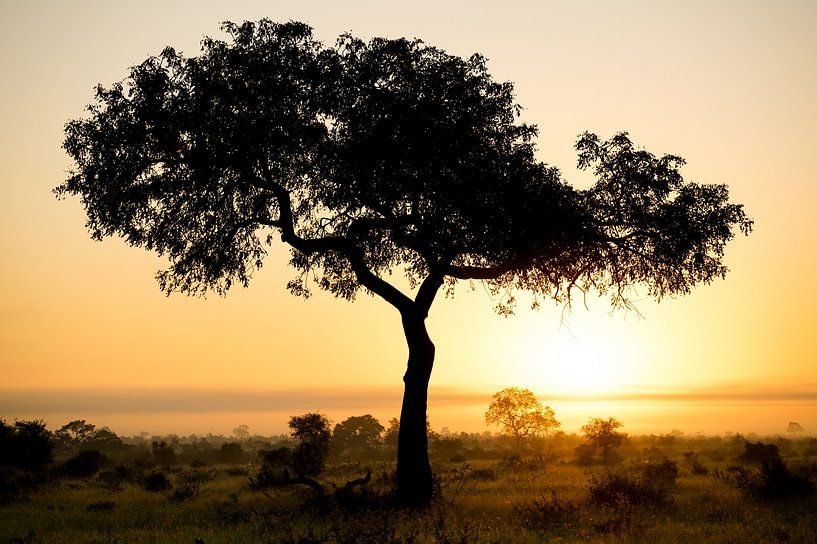
There is a second, subtler advantage: in the dry season the days are cooler and clearer, animals stay active later into the morning, and there are no muddy tracks to strand a game-drive vehicle mid-sighting. In the Sabi Sands and Kruger, winter (June–August) also means lower malaria risk, sparse foliage and crisp golden light — the conditions that make South Africa the most dependable Big Five destination on earth.
Month-by-month Big Five calendar
The Big Five are present all year — but your odds, comfort and cost shift dramatically month to month. Here is exactly what to expect across the calendar.
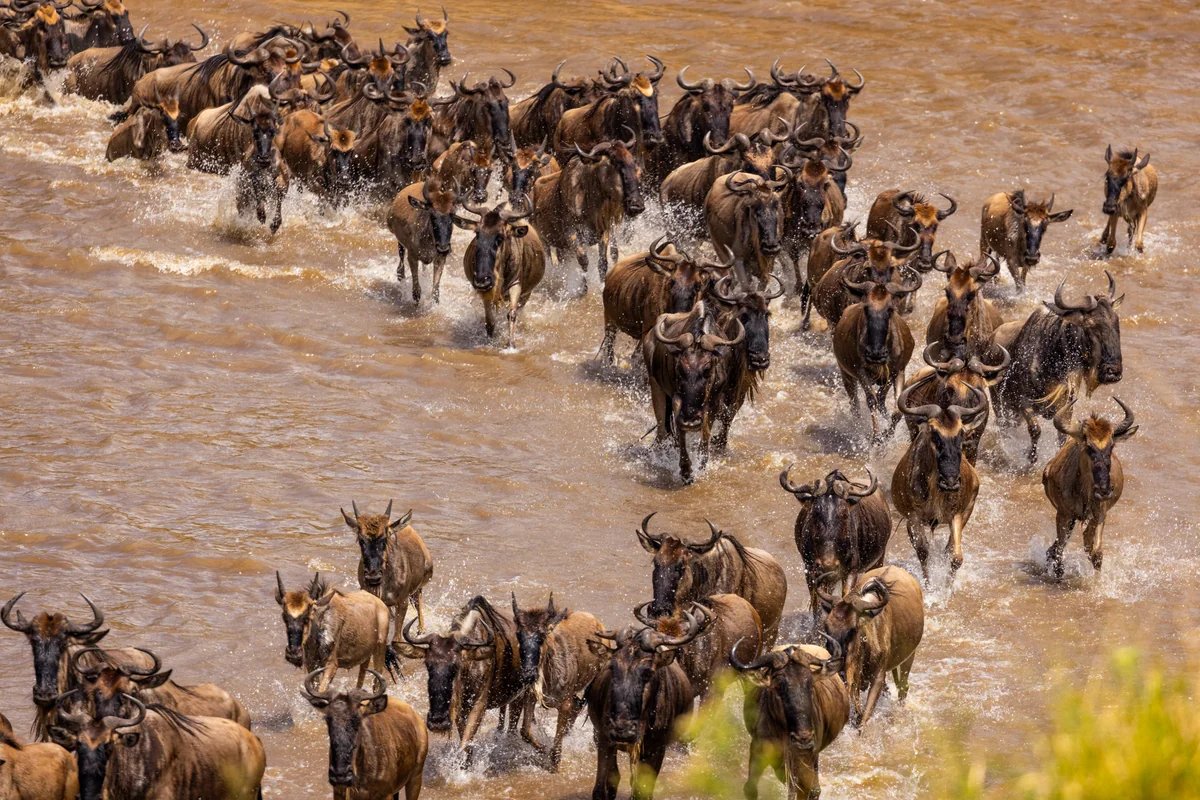
January–March (green season): Hot, humid and lush after the summer rains. The bush is thick and water is everywhere, so animals disperse and sightings take more patience. This is calving season in the southern parks, which means abundant newborns and dramatic predator action — and the lowest lodge rates of the year.
April (shoulder): The rains taper off, the landscape is green and photogenic, and crowds are thin. Viewing improves week by week as the bush begins to dry. Excellent value.
May (early dry): One of the best-kept secrets. The bush is drying fast, skies are clear, the light is beautiful and prices are still below peak. Big Five odds climb sharply.
June–August (peak dry): Cool, clear and outstanding. Cold mornings push animals to sun themselves in the open and cluster at permanent water. This is the classic Big Five window — book early, as the best private lodges sell out first.
September (the sweet spot): Arguably the single best month. The bush is at its thinnest, water is scarcest and wildlife concentration peaks, all before the October heat becomes intense. If you can travel only once, aim for September.
October (late dry): The driest, most productive game viewing of all — animals are packed around the last water — but it is hot, and the anticipation of rain builds. Superb for predators and elephants.
November (shoulder): The first storms break the heat and green flushes return. Migratory birds arrive and the bush comes alive. Viewing is still good and value returns before the festive peak.
December (early green): Warm, lush and busy over the holidays. Good general game viewing, spectacular skies and the start of calving in the south.
| Months | Season | Big Five odds | Comfort | Price | Notes |
|---|---|---|---|---|---|
| Jan–Mar | Green (summer) | Good | Hot & humid | Lowest | Calving, lush, dispersed game |
| Apr | Shoulder | Good–Very good | Mild | Low | Green, quiet, improving weekly |
| May | Early dry | Very good | Mild, clear | Mid | Underrated sweet spot |
| Jun–Aug | Peak dry (winter) | Excellent | Cool, clear | High | Best all-round window |
| Sep | Peak dry | Excellent | Warm, clear | High | The single best month |
| Oct | Late dry | Excellent | Hot | High | Animals packed at water |
| Nov | Shoulder | Very good | Warm, first rain | Mid | Green flush, birds, value |
| Dec | Early green | Good | Warm, humid | High (festive) | Lush, busy, calving begins |
Best parks and reserves for the Big Five
Where you go matters as much as when. These are the reserves that most reliably deliver all five — and the months that make each one sing.
The Sabi Sands in South Africa offers the world's most reliable leopard viewing and all Big Five in a single private reserve, with off-road traversing and legendary guiding — best May to October. The greater Kruger is vast, diverse and superb value, with strong numbers across public park and private concessions. Ngorongoro Crater in Tanzania is the best single place to complete the Big Five in a day, including black rhino, inside a dramatic volcanic caldera. Kenya's Masai Mara delivers unmatched big-cat density (peaking July–October with the migration), while Laikipia is one of Africa's great rhino strongholds. Add Madikwe and the Eastern Cape for malaria-free Big Five, and Botswana's Chobe and Okavango for wilder, water-based encounters.
| Reserve | Country | Best months | Lion | Leopard | Elephant | Rhino | Buffalo |
|---|---|---|---|---|---|---|---|
| Sabi Sands | South Africa | May–Oct | Excellent | Exceptional | Excellent | Very good | Excellent |
| Greater Kruger | South Africa | Jun–Oct | Excellent | Very good | Excellent | Good | Excellent |
| Ngorongoro Crater | Tanzania | Jun–Oct | Excellent | Fair | Good | Excellent (black) | Excellent |
| Serengeti | Tanzania | Jun–Oct | Excellent | Very good | Good | Rare | Excellent |
| Masai Mara | Kenya | Jul–Oct | Exceptional | Very good | Good | Good | Excellent |
| Laikipia | Kenya | Jun–Oct | Very good | Very good | Excellent | Exceptional | Very good |
| Madikwe | South Africa | May–Oct | Very good | Good | Excellent | Very good | Very good |
| Chobe / Okavango | Botswana | Jul–Oct | Excellent | Very good | Exceptional | Fair | Excellent |
Species by species — when and where
Each of the Big Five peaks at a slightly different time and place. Here is how to plan around the animal you most want to see.
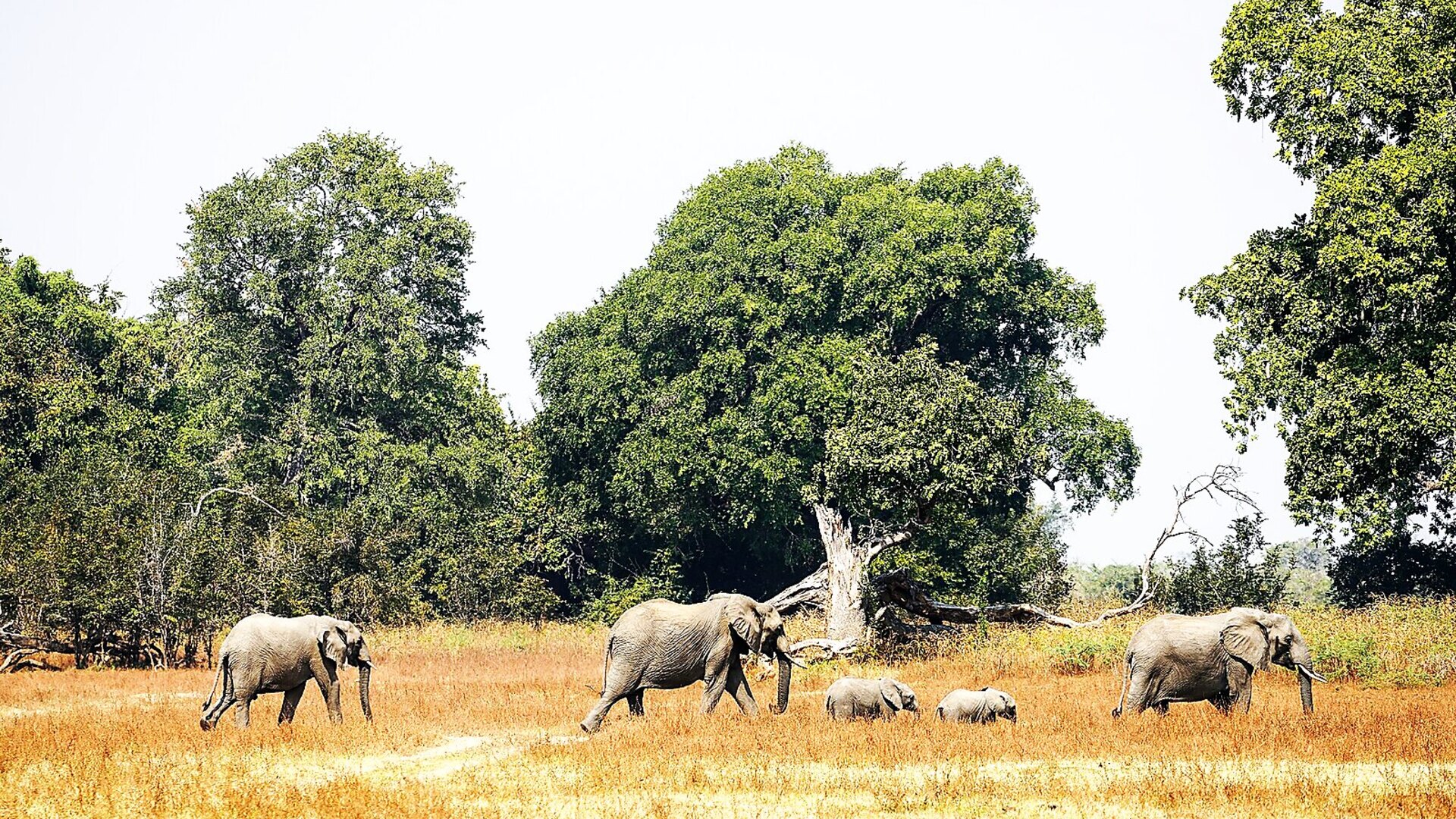
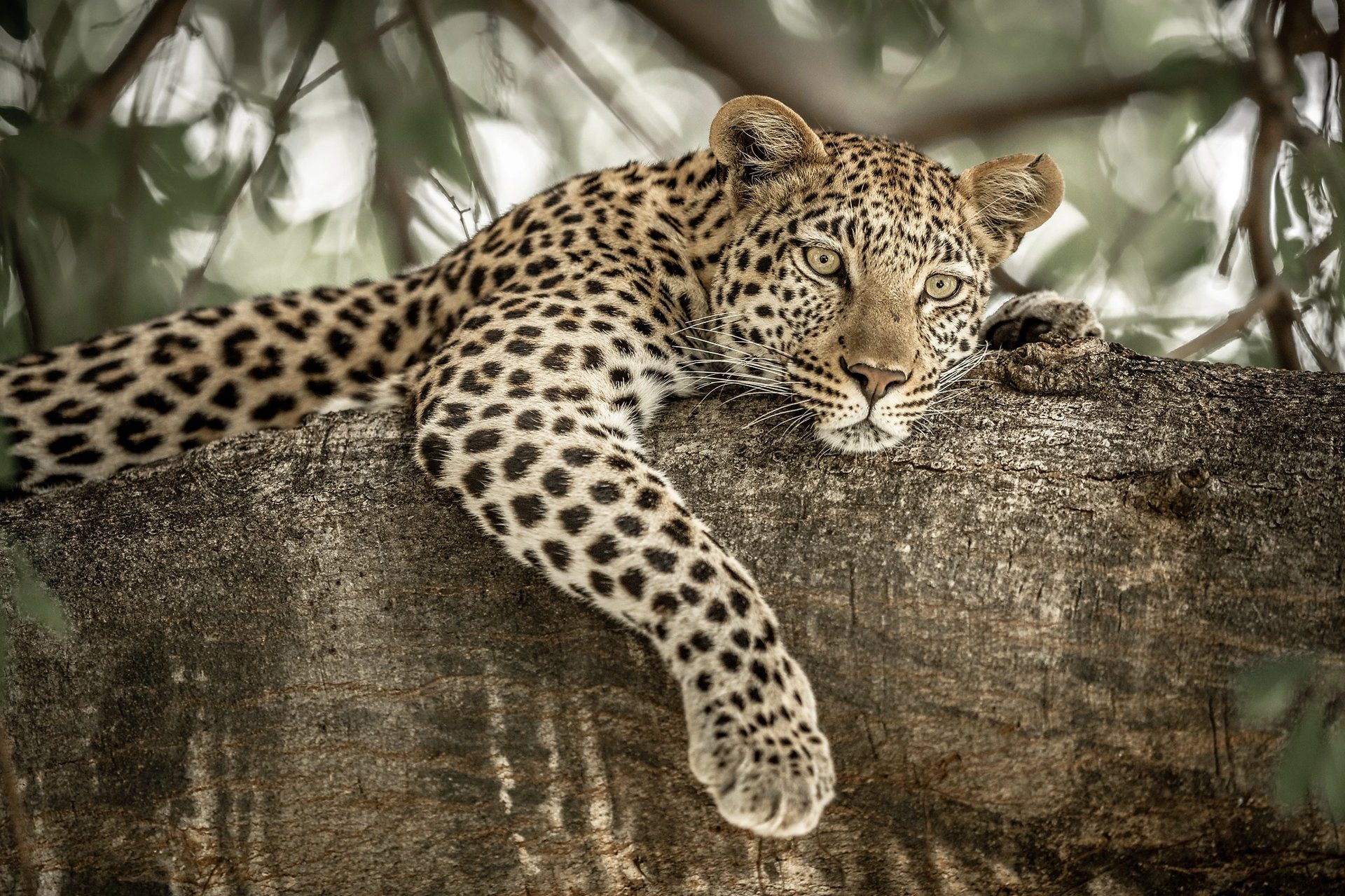
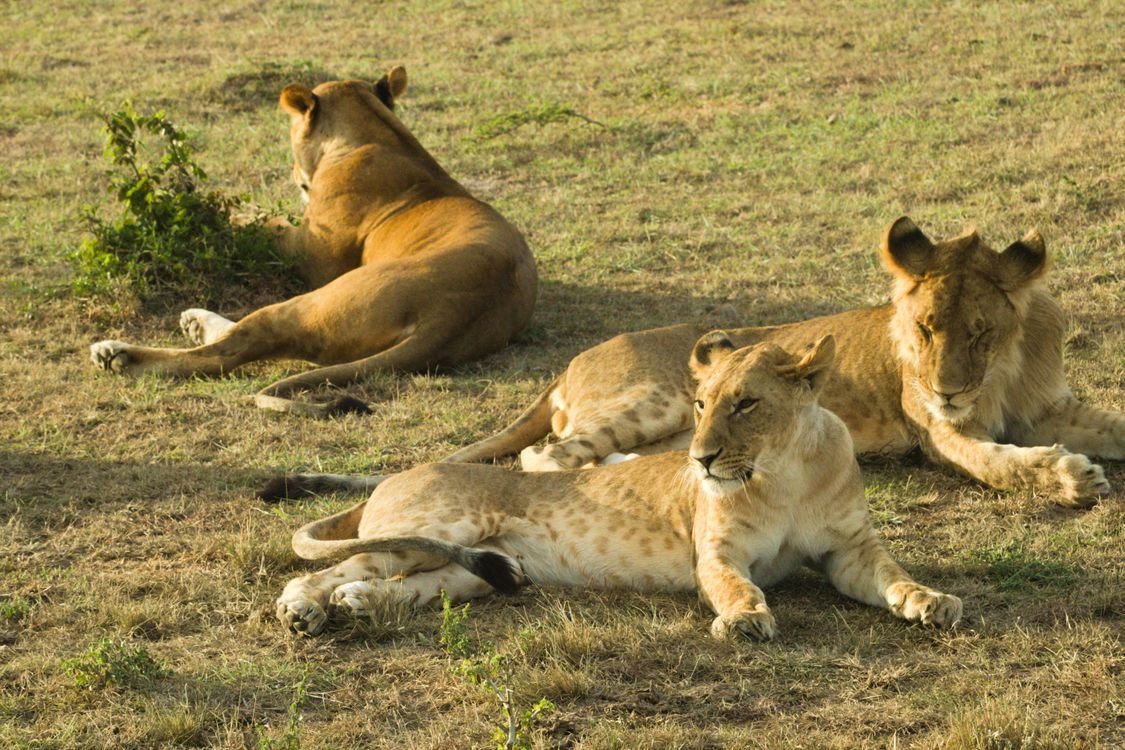
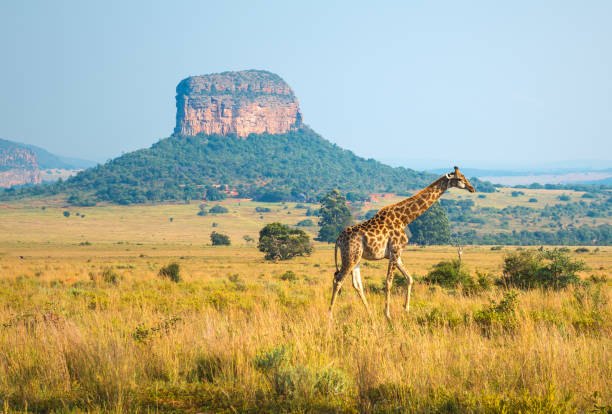
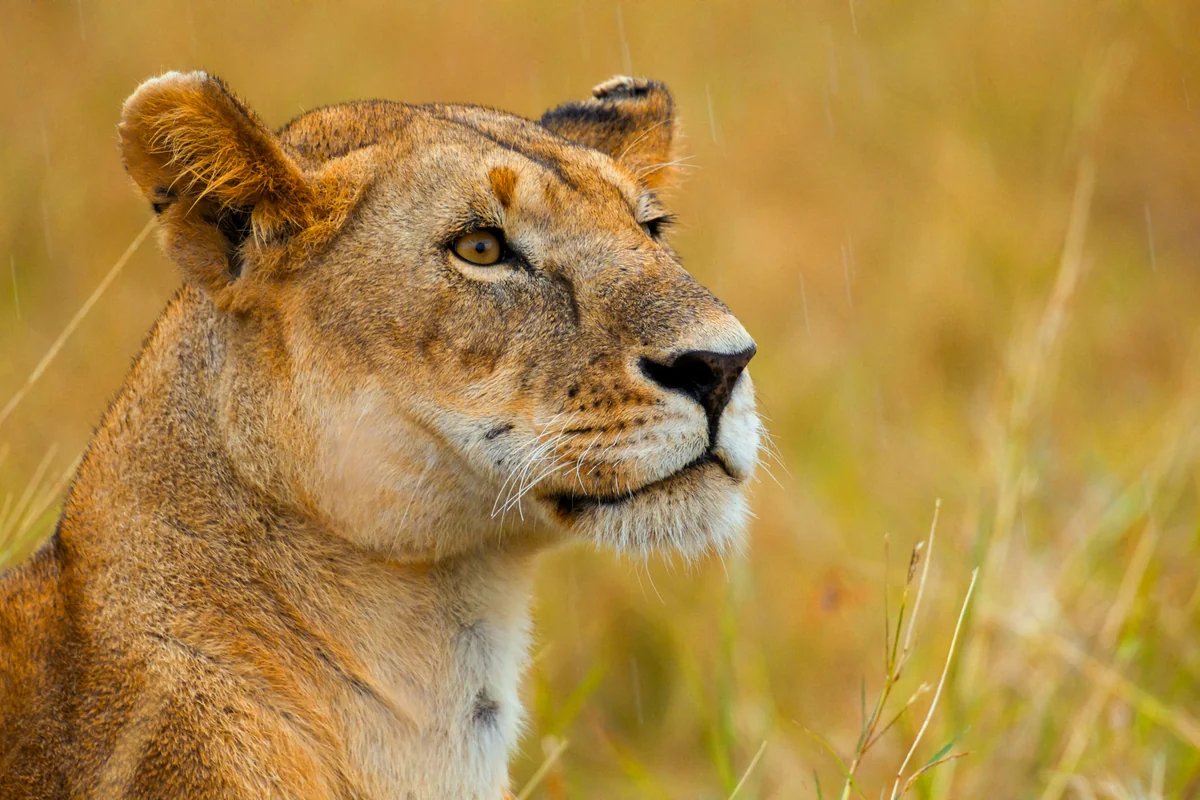
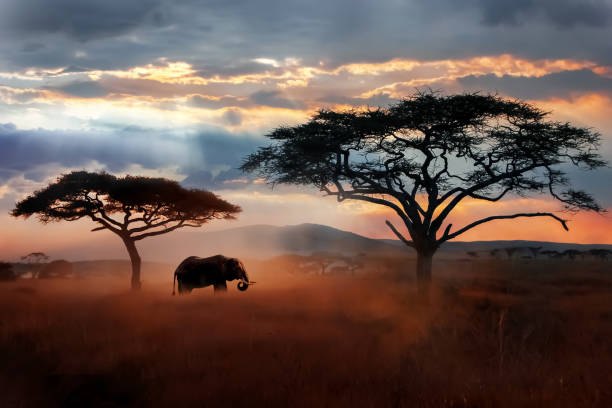
Lion and buffalo are seen year-round in good numbers, but the dry season concentrates both around water. For sheer lion density, Kenya's Masai Mara during the July–October migration is unmatched. Leopard viewing peaks in the dry season and is best, by a wide margin, in the Sabi Sands, where habituated leopards allow close, unhurried sightings. Elephant concentrate spectacularly at water from July to October — Botswana's Chobe and the greater Kruger are elephant strongholds. Rhino — increasingly rare — are most reliably seen in the Sabi Sands, Laikipia and Ngorongoro, where anti-poaching protection is strongest; Laikipia is the continent's rhino heartland.
| Species | Best months | Best places | Difficulty |
|---|---|---|---|
| Lion | Jun–Oct (year-round) | Masai Mara, Serengeti, Kruger, Sabi Sands | Easy |
| Leopard | May–Oct | Sabi Sands, greater Kruger, South Luangwa | Hard (easy in Sabi Sands) |
| Elephant | Jul–Oct | Chobe, greater Kruger, Amboseli, Addo | Easy |
| Rhino | Jun–Oct | Laikipia, Sabi Sands, Ngorongoro, Hluhluwe | Hardest |
| Buffalo | Year-round | Kruger, Serengeti, Chobe, Masai Mara | Easy |
Country-by-country comparison
Five countries dominate Big Five safaris, each with its own character, season and price point.
South Africa is the most reliable and best value, thanks to the Sabi Sands and greater Kruger, with malaria-free options in Madikwe and the Eastern Cape — ideal for first-timers and families. Tanzania pairs the Serengeti's endless plains with Ngorongoro, the fastest place on earth to tick all five in a day. Kenya excels for lion (the Mara) and rhino (Laikipia), and combines beautifully with a beach finish in Zanzibar or Diani. Botswana offers exclusive, low-density, water-based safaris in the Okavango and Chobe — wilder and pricier. Zambia, home of the walking safari in South Luangwa, delivers leopard and wild, uncrowded bush for the adventurous.
| Country | Best months | Big Five reliability | Standout | Value |
|---|---|---|---|---|
| South Africa | May–Oct | Highest | Leopard, malaria-free options | Best value |
| Tanzania | Jun–Oct | Very high | All five in a day at Ngorongoro | Mid–High |
| Kenya | Jul–Oct | Very high | Lion density, rhino, migration | Mid |
| Botswana | Jul–Oct | High | Elephants, water safaris, exclusivity | Premium |
| Zambia | Jun–Oct | Good | Walking safaris, leopard | Mid–High |
Seasonal costs and pricing
Timing your trip is also a budgeting decision. The same lodge can cost 30–40% more in peak dry season than in the green months — so the calendar is a lever you can pull. As a 2026 guide (per person, per night, all-inclusive of game drives and meals):
| Lodge tier | Green season | Shoulder | Peak dry season |
|---|---|---|---|
| Mid-range | US$300–$500 | US$400–$650 | US$450–$800 |
| Premium private reserve | US$800–$1,500 | US$1,000–$1,900 | US$1,200–$2,500 |
| Ultra-luxury / exclusive-use | US$2,000+ | US$2,500+ | US$3,000–$6,000+ |
A sample Big Five itinerary
The most reliable way to complete the Big Five is to combine a leopard-rich private reserve with a Big-Five-in-a-day location. Here is a classic seven-night structure our specialists tailor to your dates:
- Nights 1–3 — Sabi Sands, South Africa: Twice-daily game drives with off-road traversing and a dedicated tracker. Near-certain leopard, lion, elephant, buffalo and, on most itineraries, rhino.
- Nights 4–5 — greater Kruger or a Kenyan conservancy: Add depth and different habitat — big herds, night drives and walking safaris.
- Nights 6–7 — Ngorongoro Crater / Laikipia (East African option): Complete any missing species, especially rhino, in a single dramatic setting.
Prefer to stay in one country? A South African circuit of Sabi Sands plus the greater Kruger reliably delivers all five within five to seven nights, malaria-lower-risk in winter and easily combined with Cape Town.
When to book your Big Five safari
The best private lodges in peak season are small — often eight to twelve rooms — and they sell out first. To secure the reserve, lodge and dates you want:
- Peak dry season (Jul–Oct): book 10–14 months ahead, especially for the Sabi Sands, the Mara conservancies and Botswana.
- Shoulder (May, Nov): 6–9 months ahead is usually comfortable.
- Green season (Dec–Apr): 4–6 months ahead, with genuine last-minute deals appearing.
Because every safari we craft is private, booking early also lets us hand-pick the best guides and secure connecting flights and transfers before they fill.
Which park is right for you?
| If your priority is… | Go to | Best months |
|---|---|---|
| Leopard, above all | Sabi Sands | May–Oct |
| Best value Big Five | Greater Kruger | Jun–Oct |
| All five in a single day | Ngorongoro Crater | Jun–Oct |
| Rhino | Laikipia | Jun–Oct |
| Lion density + migration | Masai Mara | Jul–Oct |
| Malaria-free / families | Madikwe or Eastern Cape | May–Oct |
| Elephants & water safaris | Chobe & Okavango | Jul–Oct |
| Walking safari & wild bush | South Luangwa, Zambia | Jun–Oct |
How to maximise your Big Five odds
Choose a private reserve such as the Sabi Sands, where off-road traversing and expert trackers dramatically raise your odds, and allow at least three nights in each area. Combine a private reserve with the greater Kruger or a Kenyan conservancy for depth and variety. Travel in the dry season, take both morning and evening drives, and trust your guide — patience and time in the vehicle are what complete the list. Finally, book with a specialist who knows individual lodges, guides and traversing rights, because the difference between a good reserve and a great one is often measured in leopard and rhino sightings.
Explore these safari destinations
Discover the parks and reserves behind this guide:
- Sabi Sands Game Reserve
- Kruger National Park
- Ngorongoro Conservation Area
- Masai Mara Kenya
- Laikipia Plateau
- Eastern Cape
Safaris to plan around the season
Private journeys we tailor to your dates and budget:
- Ultimate Big Five Kruger Safari — 7 days, guaranteed Big Five focus
- Big Five Luxury Safari — 7 days, premium lodges
- Intimate Big Five, Sabi Sands — 5 days, leopard capital
- Luxury Sabi Sands Safari — 5 days, from $4,000 pp
Related Reading
- Best Time to Go on Safari in Africa
- Best Time for Big Cats Safari in Africa
- Best Safari Countries in Africa Ranked
- Best Time to Visit Kruger National Park
- Where to See the Big Five in Kruger
- Malaria-Free Big Five Safaris in South Africa
Start Planning
Every safari we craft is private and built entirely around you — your dates, your pace, your budget and the wildlife you most want to see. Our specialists have travelled this ground themselves and design each itinerary by hand. Speak to our team to begin, or browse our safari packages for inspiration.