Timing Your Republic of Congo Safari — Why It Matters
The Republic of Congo does not have a classic safari dry season where the grass burns low and animals gather at shrinking waterholes. This is the Congo Basin — the second-largest rainforest on Earth — and “dry” is a relative term. Even in the driest months, you will walk through humidity, you will encounter mud, and you will feel the forest close in around you like a living thing. But the difference between June and April, or between December and October, is the difference between trekking firm trails to see gorillas and wading hip-deep through swamp for hours with no guarantee of a sighting. It is the difference between watching 50 forest elephants emerge onto a baï and seeing nothing but green for days.
This guide is an honest, month-by-month breakdown of what the Republic of Congo’s seasons actually feel like on the ground. It covers gorilla trekking in Odzala-Kokoua National Park, baï wildlife viewing, weather patterns, crowd levels, booking windows and what you should realistically pack. If you are planning a Republic of Congo safari, read this first.
The Congo Basin Climate — Equatorial, Humid, Year-Round Green
The Republic of Congo sits squarely on the equator, which means there is no winter, no real summer, and no dramatic seasonal swing in daylight or temperature. What you get instead are two dry seasons and two wet seasons, each bringing its own trade-offs for safari travellers:
- Long dry season (June–September): the classic safari window. Less rain, firmer trails, lower humidity and the best gorilla trekking and baï wildlife viewing of the year.
- Short rainy season (October–November): heavy rains return, trails turn to mud, and the forest explodes with growth. Birding peaks, but trekking is tough.
- Short dry season (December–February): another excellent safari window, especially for the northern parks. Conditions mirror the long dry season in quality.
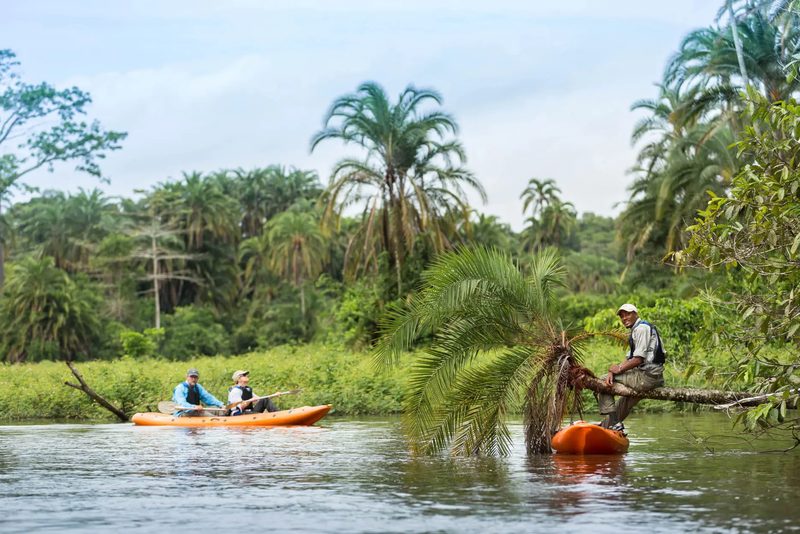
- Long rainy season (March–May): the wettest, muddiest, most challenging time of year. Lush, dramatic and near-empty of tourists — for adventurous travellers only.
Daytime temperatures hover between 24°C and 30°C year-round, with nights rarely dipping below 20°C. Humidity is high in every season — expect 75% to 95% — but it is noticeably more oppressive in the wet months. Altitude is low across the Congo Basin, so there is no mountain relief; what you see is what you get: hot, humid, green.
The Dry Seasons — Prime Safari Windows
June to September — The Long Dry Season (Best Overall)
This is the Republic of Congo’s flagship safari season and the time most first-time visitors choose to travel. Rainfall drops, trails firm up (as much as they ever do in a rainforest), humidity is slightly lower, and both gorilla trekking and baï wildlife viewing hit their stride.
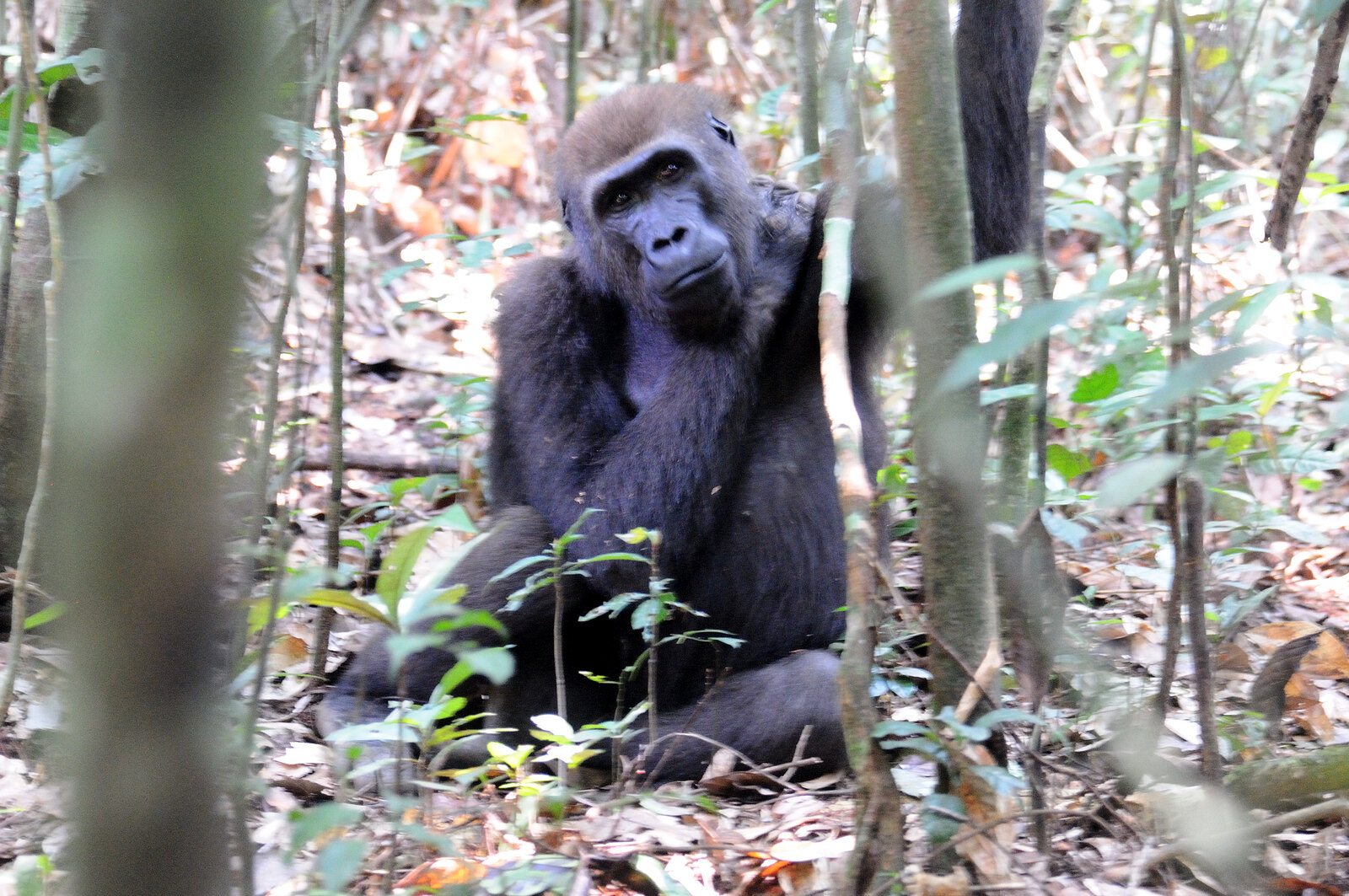
Gorilla trekking: trails are at their most navigable, and while you will still push through undergrowth and sweat through your shirt, you are far less likely to spend five hours wading swamp before you reach a habituated family. Gorilla groups are easier to track, and success rates are high. Read more in our western lowland gorilla trekking guide.
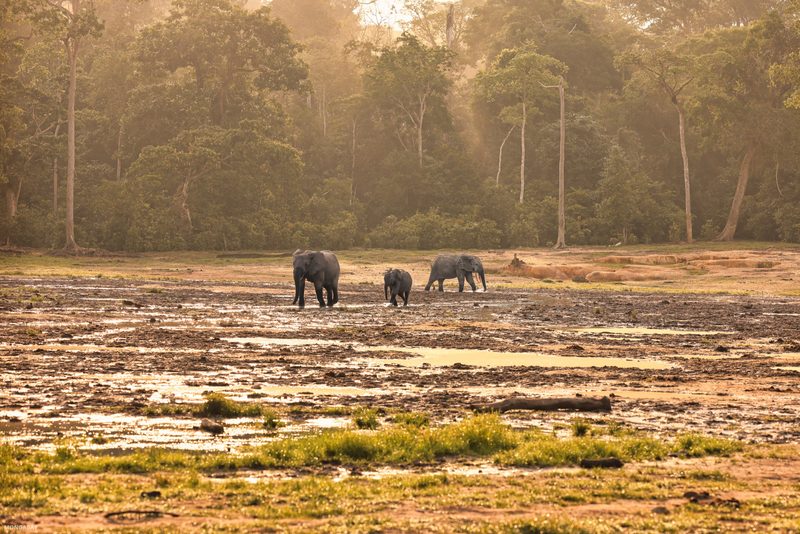
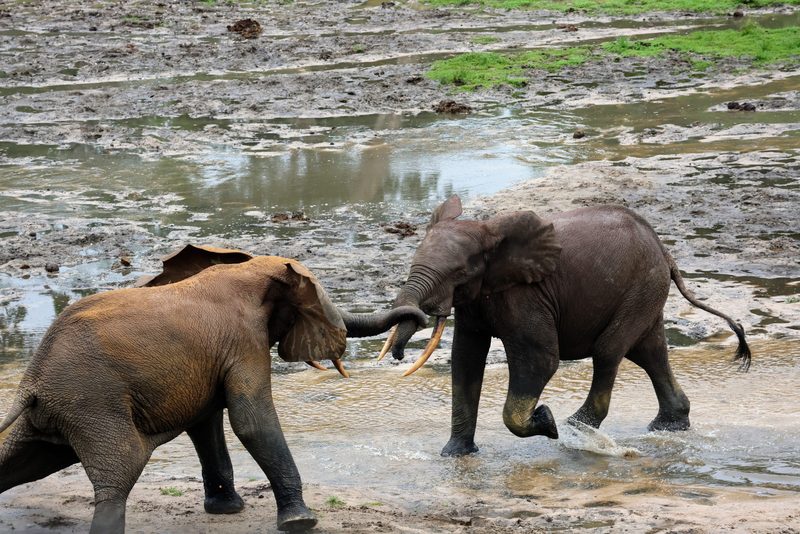
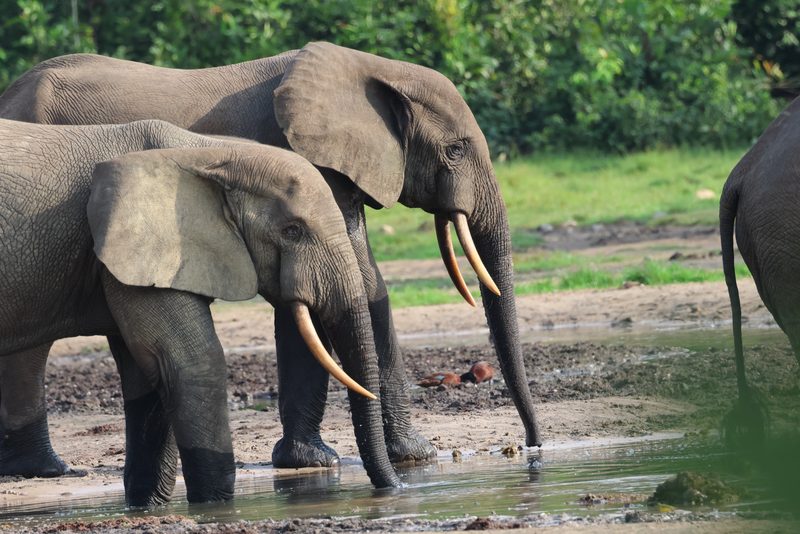
Baï wildlife: as water sources shrink across the forest, forest elephants, buffalo, bongo, sitatunga and other wildlife concentrate at the mineral-rich baï clearings. Lango Baï and Mbeli Baï become stages for some of the most reliable forest wildlife viewing in Africa. You can sit on a raised platform at dawn and watch 30, 40, sometimes 50 forest elephants emerge from the treeline to feed on sedges and bathe in red mud.
Weather: expect daytime highs around 28°C to 30°C, cooler mornings, and occasional light rain — this is still a rainforest. Humidity hovers around 75% to 85%, which is high by any measure but feels almost crisp compared to the wet season. Skies are often clear in the mornings, with cloud build-up in the afternoons.
Crowds & cost: this is peak season. The handful of camps in Odzala-Kokoua fill up, charter flights are at their busiest, and prices are at their highest. Book 9 to 12 months ahead if you want guaranteed dry-season dates.
Best for: first-time visitors, photographers, anyone prioritising gorilla sightings and comfortable trekking conditions.
December to February — The Short Dry Season (Excellent Alternative)
The short dry season is the Republic of Congo’s secret weapon — nearly as good as June to September for safari, often quieter, and a perfect choice for travellers building itineraries around the southern summer holidays or looking to avoid the June-to-September rush.
Gorilla trekking: conditions are comparable to the long dry season. Trails are firm, humidity is manageable, and gorilla habituation work continues uninterrupted. Success rates remain high.
Baï wildlife: forest elephants and other wildlife continue to visit the baï clearings regularly as water remains scarce across the landscape. Lango Baï, in particular, delivers spectacular early-morning elephant gatherings.
Weather: similar to June–September, with daytime temperatures around 27°C to 30°C, moderate humidity and occasional light showers. This is one of the more comfortable times to be in the Congo Basin.
Crowds & cost: slightly quieter than the long dry season, though December and January overlap with northern-hemisphere holidays and see a bump in demand. February is often the sweet spot for lower crowd levels.
Best for: travellers seeking dry-season conditions without the June–September peak-season rush, or anyone building a multi-country itinerary across East and Central Africa.
The Wet Seasons — Lush, Challenging & Rewarding
October to November — The Short Rainy Season
The rains return in October, and within days the forest transforms. Trails that were merely damp in September turn to slick mud, rivers rise, and the air thickens with humidity. This is the transition into the wet season, and it is not for the faint of heart.
Gorilla trekking: still possible, but significantly more challenging. Expect muddy, slippery trails, longer trekking times, and the very real possibility of wading waist-deep water to reach a gorilla family. Waterproof boots, gaiters and a sense of humour are essential. On the upside, you will likely have the forest almost entirely to yourself.
Baï wildlife: as water becomes abundant across the landscape, wildlife disperses. Forest elephants and buffalo still visit the baïs, but less frequently and less predictably than in the dry months.
Birding: this is where the wet season shines. Migratory species arrive, resident birds begin breeding displays, and the forest canopy is alive with activity. Birdwatchers often target October and November for Pel’s fishing owl, African grey parrots, rockfowl and hundreds of other species.
Weather: hot (28°C to 31°C), humid (85% to 95%), and wet. Expect heavy afternoon thunderstorms, overcast mornings, and clothing that never quite dries. Rainfall can exceed 200mm per month.
Crowds & cost: very quiet. This is low season, and some camps offer discounted rates. If you do not mind mud and are willing to work for your gorilla sightings, the value and solitude can be worth it.
Best for: serious birders, adventurous photographers chasing lush, dramatic rainforest scenes, and travellers who want the Congo Basin almost entirely to themselves.
March to May — The Long Rainy Season (Peak Green, Peak Challenge)
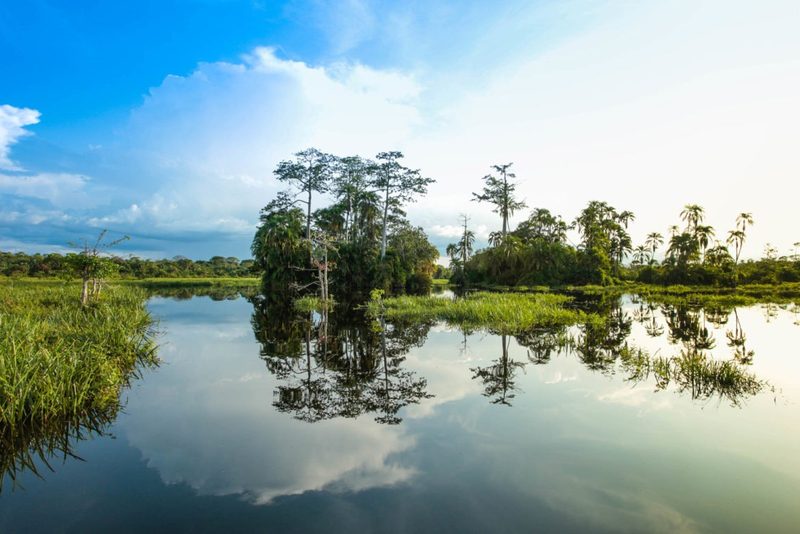
This is the wettest, muddiest, most physically demanding time of year to visit the Republic of Congo. It is also the most beautiful. The rainforest is at its most vibrant — every leaf is glossed with water, waterfalls surge, rivers run high, and the soundscape is a constant chorus of rain, insects and birdsong. But you will earn every moment of it.
Gorilla trekking: possible, but only for fit, determined travellers. Trails are often submerged, trekking times can stretch to five or six hours, and some days you will simply not reach a gorilla family. Camps may adjust trekking schedules or routes based on conditions. If you are not comfortable with extreme humidity, leeches and serious physical effort, choose a different season.
Baï wildlife: dispersed. Wildlife is spread across the forest, and baï viewing is at its least productive of the year. You may still see elephants and buffalo, but sightings are far less reliable.
Birding: exceptional. Breeding activity peaks, the forest is alive with migrants, and photographers can capture the Congo Basin in its most lush, atmospheric state.
Weather: relentlessly hot (29°C to 32°C), relentlessly humid (90% to 95%), and relentlessly wet. April is often the wettest single month, with rainfall sometimes exceeding 250mm. Expect daily downpours, often lasting hours.
Crowds & cost: the quietest time of year. Some camps close for maintenance; others remain open with skeleton staff and discounted rates. This is genuinely off-season travel.
Best for: hardcore rainforest enthusiasts, birders chasing specific wet-season species, and travellers who have already done a dry-season Congo trip and want to see the forest’s other face.
Month-by-Month Breakdown
| Month | Season | Rainfall | Gorilla Trekking | Baï Wildlife | Crowds |
|---|---|---|---|---|---|
| January | Short dry | Low (40–60mm) | Excellent | Very good | Moderate |
| February | Short dry | Low (50–70mm) | Excellent | Very good | Low–Moderate |
| March | Long wet | High (150–200mm) | Challenging | Fair | Very low |
| April | Long wet | Very high (200–250mm) | Very challenging | Poor | Minimal |
| May | Long wet | High (150–220mm) | Challenging | Fair | Minimal |
| June | Long dry | Low (30–50mm) | Excellent | Excellent | High |
| July | Long dry | Very low (10–30mm) | Excellent | Excellent | High |
| August | Long dry | Very low (10–30mm) | Excellent | Excellent | High |
| September | Long dry | Low (40–60mm) | Excellent | Excellent | High |
| October | Short wet | High (150–200mm) | Challenging | Fair | Low |
| November | Short wet | High (150–220mm) | Challenging | Fair | Very low |
| December | Short dry | Low (40–60mm) | Excellent | Very good | Moderate |
How Far in Advance to Book
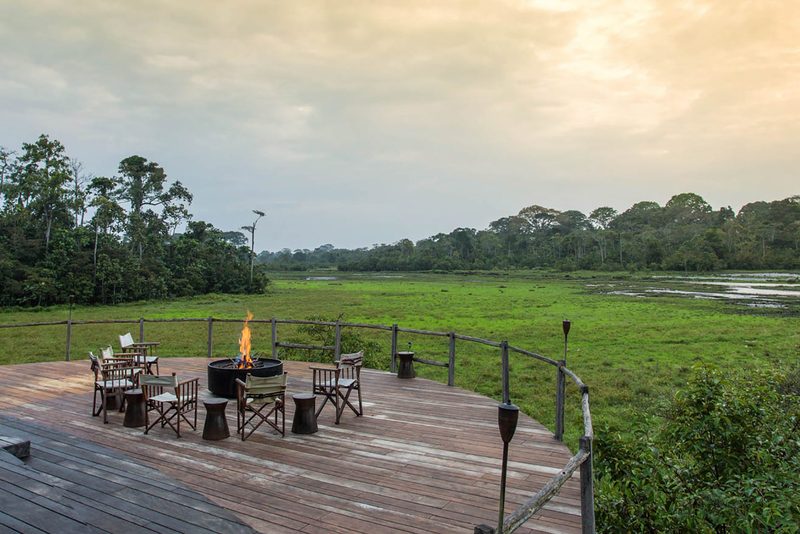
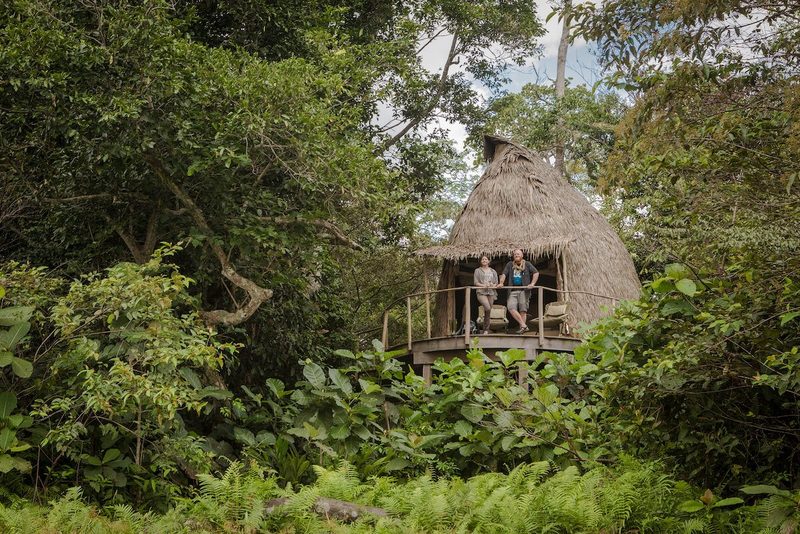
The Republic of Congo is not a destination you can book a month out and expect availability. The handful of luxury camps in Odzala-Kokoua have limited bed capacity — often just six to eight rooms — and charter flights run on fixed schedules tied to those camp bookings. Gorilla permits are also restricted. The result: popular dry-season travel windows fill up fast.
- Dry seasons (June–September, December–February): book 9 to 12 months in advance. If you have fixed dates or are building a multi-country itinerary, err on the side of booking earlier.
- Wet seasons (March–May, October–November): you can sometimes book with 3 to 6 months’ notice, though camps do close for maintenance in the wettest months. Confirm availability before committing to flights.
- Flexibility helps: if you can travel across a range of dates, you will have more options. Charter flights often depart on Mondays and Thursdays, so most itineraries lock into those arrival/departure patterns.
What to Pack — Dry Season vs Wet Season
The honest truth: packing for the Republic of Congo does not vary much between dry and wet seasons. You will encounter mud, humidity and rain in both. What changes is the degree of each. Here is what works:
Essential for All Seasons
- Lightweight, quick-drying long-sleeved shirts and trousers in neutral colours (olive, khaki, brown)
- Waterproof hiking boots with ankle support and deep tread
- Gaiters (essential — they keep mud, water and leeches out of your boots)
- A packable, breathable rain jacket or poncho
- Gardening-style gloves for gripping vegetation on gorilla treks
- Strong insect repellent (DEET 30%+)
- Headtorch with spare batteries
- Binoculars (8x42 or 10x42)
- Dry bag for cameras and electronics
- Soft-sided luggage (charter flights have strict weight limits and no room for hard cases)
Dry-Season Additions
- Slightly lighter-weight clothing — humidity is lower, so fabrics dry faster
- Fewer spare sets of trekking clothes (one or two changes is usually enough)
Wet-Season Additions
- Extra sets of trekking clothes — nothing dries in wet-season humidity, so pack more spares
- Waterproof trousers (not just a rain jacket)
- Anti-leech socks or treated gaiters
- Acceptance that you will be wet, muddy and uncomfortable for much of the trip
Our Honest Take on Timing
If you are visiting the Republic of Congo for the first time, or if you prioritise gorilla sightings and comfort, choose the dry seasons — June to September or December to February. The trails will still challenge you, the humidity will still press in, and you will still sweat through your shirt before breakfast. But you will trek on firmer ground, you will see more wildlife, and you will stand a far better chance of watching a silverback gorilla feed three metres from your face without having waded through a swamp to get there.
If you have done a dry-season Congo trip before, if you are a serious birder, or if you are the kind of traveller who wants to see the rainforest at its most dramatic — and you do not mind earning it — then the wet seasons offer something the dry months cannot match: the Congo Basin in full, lush, overwhelming bloom, with almost nobody else around. Just go in knowing what you are signing up for.
And if you are still unsure, talk to your operator. A good Congo safari specialist will tell you the truth about trail conditions, gorilla success rates and what “comfortable” actually means in a place where comfortable is never truly on the menu. That honesty is worth more than any brochure promise.
Frequently Asked Questions
What is the best time to visit the Republic of Congo?
The two dry seasons are the best times: June to September (long dry) and December to February (short dry). These periods offer firmer trails, lower humidity and the best gorilla trekking and baï wildlife viewing.
Can you visit during the wet season?
Yes. Safaris run year-round. The wet seasons (March to May, October to November) bring lush rainforest, excellent birding and fewer tourists, but trails are muddier and trekking is more challenging.
When is the best time for gorilla trekking in Odzala?
June to September is the prime window, with firmer trails and lower humidity. December to February is also excellent. Gorilla trekking runs year-round, but wet-season conditions are significantly more demanding.
When is the best time to see wildlife at the baïs?
Dry seasons (June to September, December to February). Forest elephants, buffalo and other animals visit mineral-rich baïs more frequently and predictably when water is scarce elsewhere.
How far ahead should I book?
Book 6 to 12 months in advance for dry-season travel. Camps have limited capacity, charter flights run on fixed schedules, and popular windows fill early. Wet-season bookings can sometimes be made with shorter notice.
What is the weather like year-round?
Warm and humid all year (24°C to 30°C). Dry seasons bring less rain and slightly lower humidity; wet seasons are hot, humid and rainy with frequent heavy downpours.
Is malaria a risk year-round?
Yes. The Congo Basin is a high-risk malaria zone in all seasons. Prophylaxis, repellent, long sleeves and treated clothing are strongly recommended regardless of when you visit.
What should I pack?
Pack lightweight long-sleeved shirts and trousers, waterproof hiking boots, gaiters, rain jacket, gardening gloves, strong repellent, headtorch, binoculars, dry bag for cameras and soft-sided luggage. Dry and wet seasons require similar gear — you will encounter mud and humidity in both.
Ready to Book Your Republic of Congo Safari?
Now that you know when to visit, explore our curated Congo Basin safari packages. Each itinerary is designed for specific dry-season or wet-season travel windows, with gorilla trekking, baï wildlife viewing and luxury forest camps built in:
- Odzala Discovery — 7 Nights — The essential introduction: Ngaga for gorillas, Lango for baïs, Mboko for rivers. Perfect for first-time dry-season visitors.
- Odzala Odyssey — 10 Nights — More time in each camp for extra gorilla treks, deeper baï exploration and extended river safaris. The sweet spot for photographers and serious wildlife travellers.
- Congo Immersion — 12 Nights — The full expedition: maximum time in the forest, remote extensions and the deepest Congo Basin experience available.
Or dive deeper into the country itself with our Ultimate Republic of Congo Safari & Travel Guide and Western Lowland Gorilla Trekking Guide.