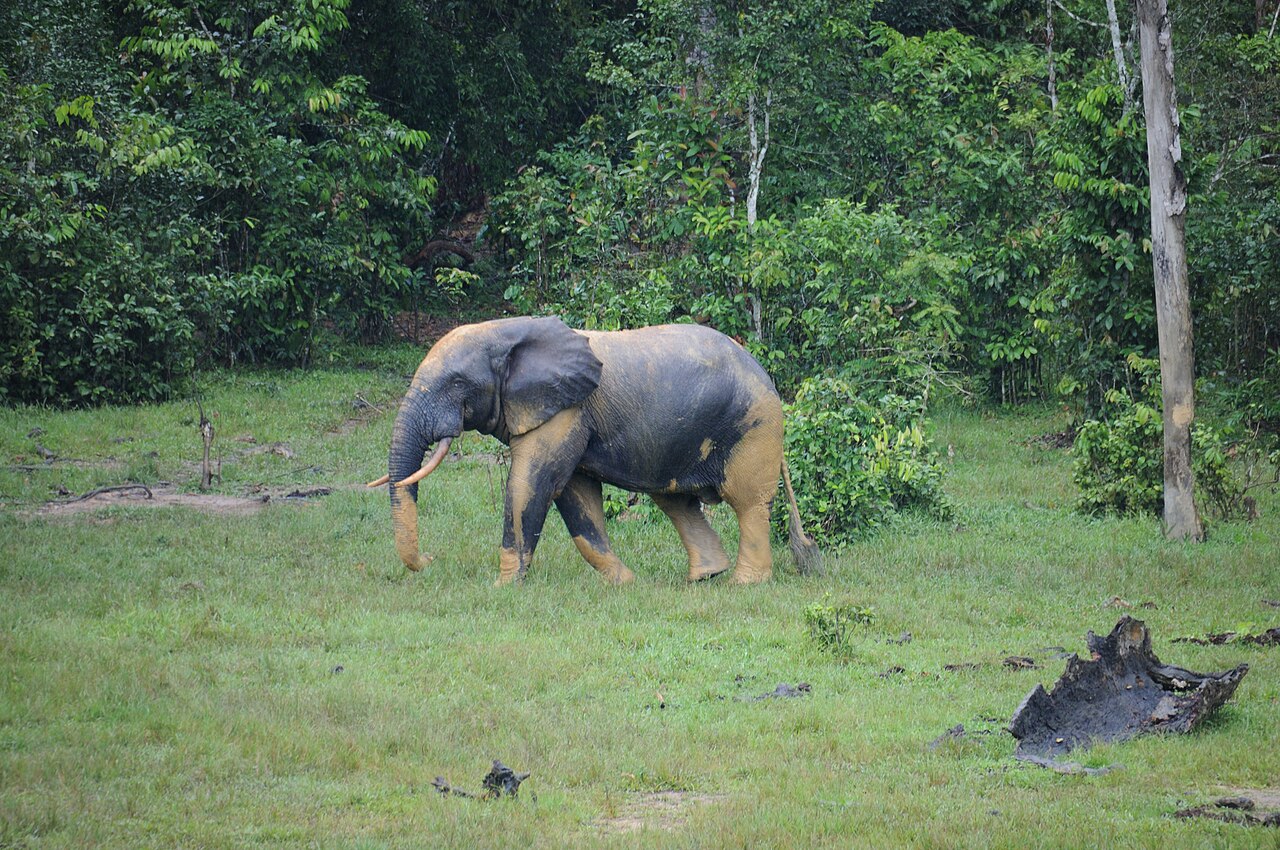
Brazzaville — Capital, River City, and the Door to the Forest
Most people who book a Republic of Congo safari are thinking about western lowland gorillas, baïs full of forest elephants, and nights under a rainforest canopy. Almost nobody is thinking about Brazzaville. That is a mistake — not because the capital is a wildlife destination, but because every serious Odzala journey passes through it.
Brazzaville is the capital of the Republic of Congo (Congo-Brazzaville), a country often confused with its vast neighbour, the Democratic Republic of Congo. It sits on the northern bank of the Congo River at Pool Malebo, staring across the water at Kinshasa. The two capitals are the closest pair of capital cities on Earth, separated only by the river — and by entirely different visas, currencies, security pictures and safari products.
For safari travellers, Brazzaville is the essential gateway. International flights land at Maya-Maya Airport (BZV). The scheduled light-aircraft charters that reach Odzala-Kokoua National Park leave from here. Most guests overnight in the city before the northbound flight and again on the way home. Those nights are not filler. Used well, they decompress long-haul travel, lock in last practicalities, and give you a first taste of Congolese river-city culture — Sapeurs, modernist churches, markets, and the wide brown Congo itself.
This is a safari-focused Brazzaville guide: how the city fits an Odzala itinerary, where to sleep, what is worth seeing in a short window, how day trips work, and the practical detail that keeps a Congo Basin expedition smooth. For the full country picture, start with our Ultimate Republic of Congo Safari & Travel Guide. For camp choice inside the park, see where to stay in Odzala.
Brazzaville as Safari Gateway — Maya-Maya, Charters & Logistics
Maya-Maya Airport — the hub that makes Odzala possible
Maya-Maya International Airport (BZV) is where the Republic of Congo safari product actually begins. Long-haul routes typically arrive via Addis Ababa (Ethiopian Airlines), Paris, Casablanca, Istanbul or regional African hubs. Immigration, yellow fever certificate checks and baggage reclaim happen here. From the terminal it is a short transfer into central hotels or, on charter mornings, a return to the domestic/charter side of the same airport.
There is no practical self-drive tourist route into Odzala. The park sits deep in the north, and visitor access is built around scheduled light-aircraft charters of roughly 1.5 hours from Brazzaville to the park airstrip. Those flights run on set days tied to camp circuits — which is why Odzala packages come in fairly fixed lengths (7, 10 or 12 nights) and why a Brazzaville overnight before departure is almost always required. Full park logistics live in the Odzala-Kokoua guide and the lodge circuit guide.
Charter operators and safari companies
Charter seats are almost always bundled into the safari package rather than sold as open tickets. Operators coordinating the classic Kamba circuit — Ngaga, Lango and Mboko — hold allocations on the aircraft and match them to camp nights. Your job is not to shop freestanding flights; it is to book a coherent itinerary with a specialist who already holds the moving parts.
Beyond Africa Safaris builds the full Republic of Congo journey end-to-end: invitation letter for the visa, Brazzaville hotels, charter, park camps, gorilla permits where relevant, and the return. Start with the bookable circuits — Odzala Discovery (7 nights), Odzala Odyssey (10 nights) and Congo Immersion (12 nights) — or browse the wider best Congo safari lodges ranking if you are still choosing camps.
Visas, yellow fever and health — non-negotiables
- Visa: Most nationalities need a Republic of Congo visa in advance. Budget roughly USD 100–150. An invitation letter from your safari operator is typically part of the file. Do not assume visa-on-arrival.
- Yellow fever: A valid yellow fever vaccination certificate is mandatory for entry. Carry the original yellow booklet.
- Malaria: Prophylaxis is essential for Brazzaville and for Odzala. Discuss options with a travel clinic well before departure.
- Insurance: Comprehensive cover including emergency medical evacuation is strongly recommended. Remote rainforest is not the place to discover your policy has gaps.
- Fitness: City nights are easy. Gorilla trekking days in Odzala are not — see the western lowland gorilla trekking guide for trek reality.
Money detail for the whole trip — charter, camps, permits, Brazzaville hotels — is broken down in the Republic of Congo safari cost guide. Season timing for the forest (and therefore for when your Brazzaville nights fall) is covered in best time to visit Republic of Congo.
The City Itself — River, Twin Capitals & a Compact Centre
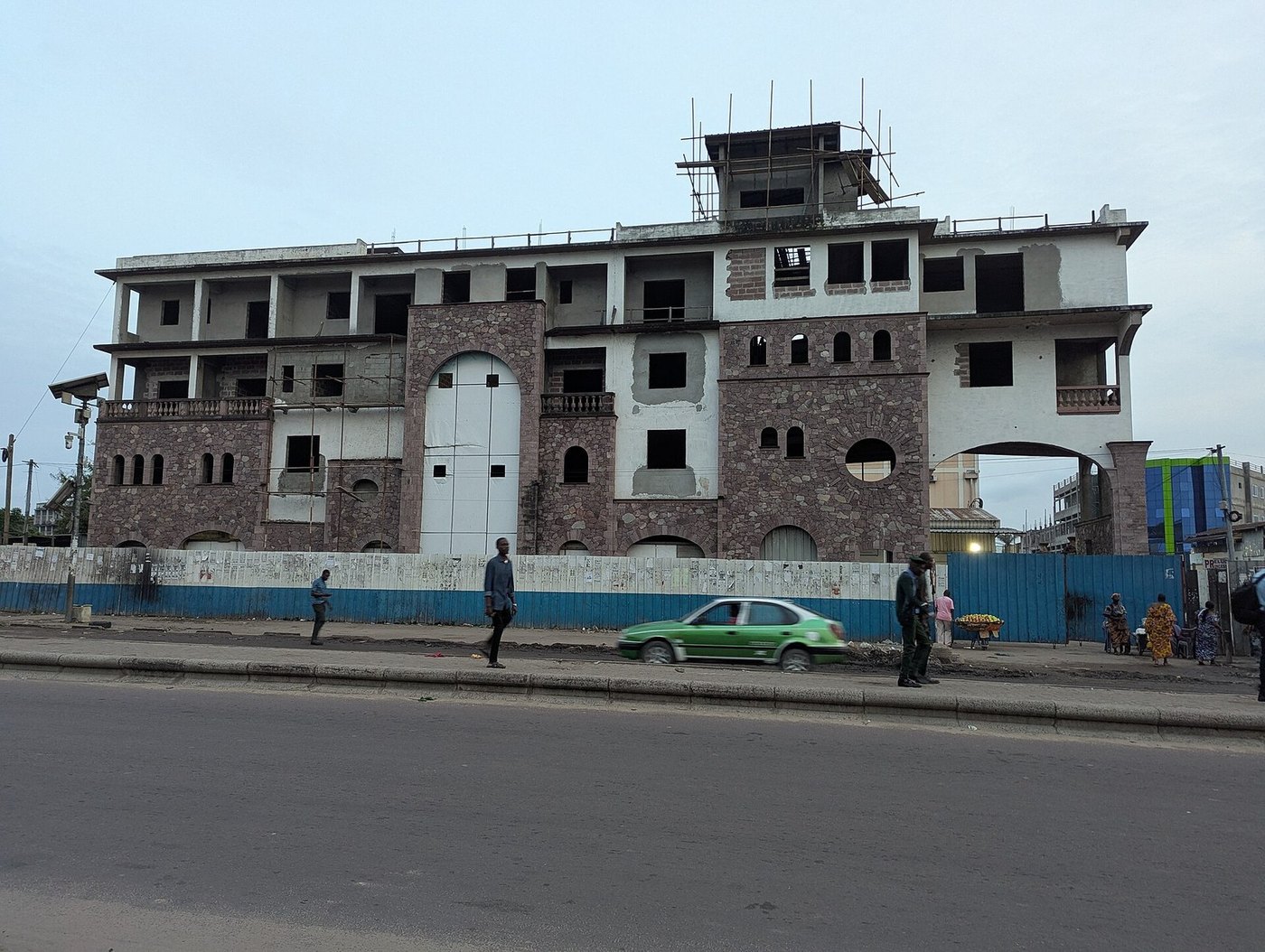
Brazzaville spreads along the Congo River with a centre that remains surprisingly walkable for a national capital. The colonial and post-independence core is compact: ministries, markets, churches, hotels and the riverfront sit within a manageable radius. Traffic exists, heat and humidity are real, and the pace is Central African rather than East African safari-town polished — but you are not navigating a megacity sprawl.
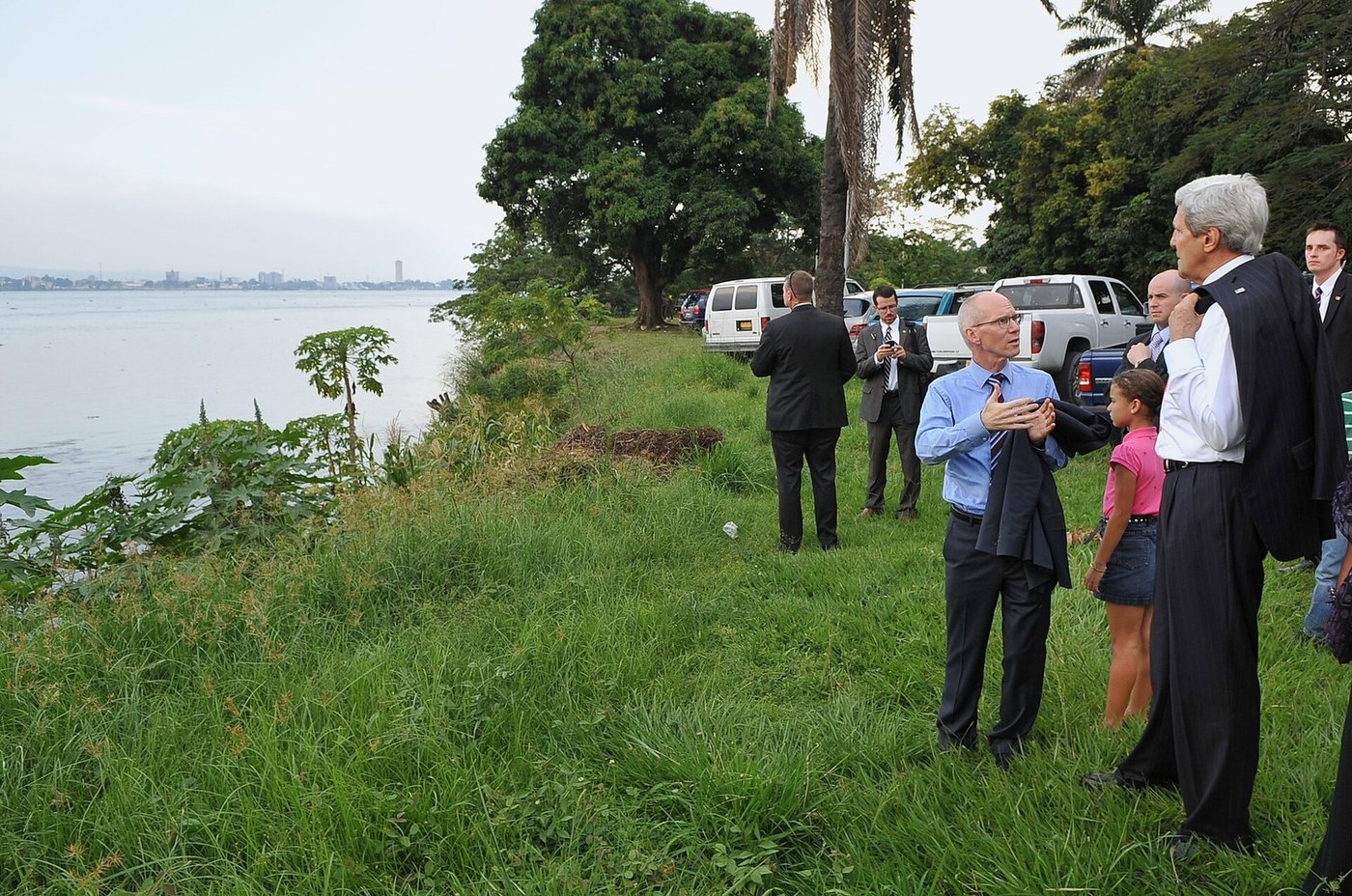
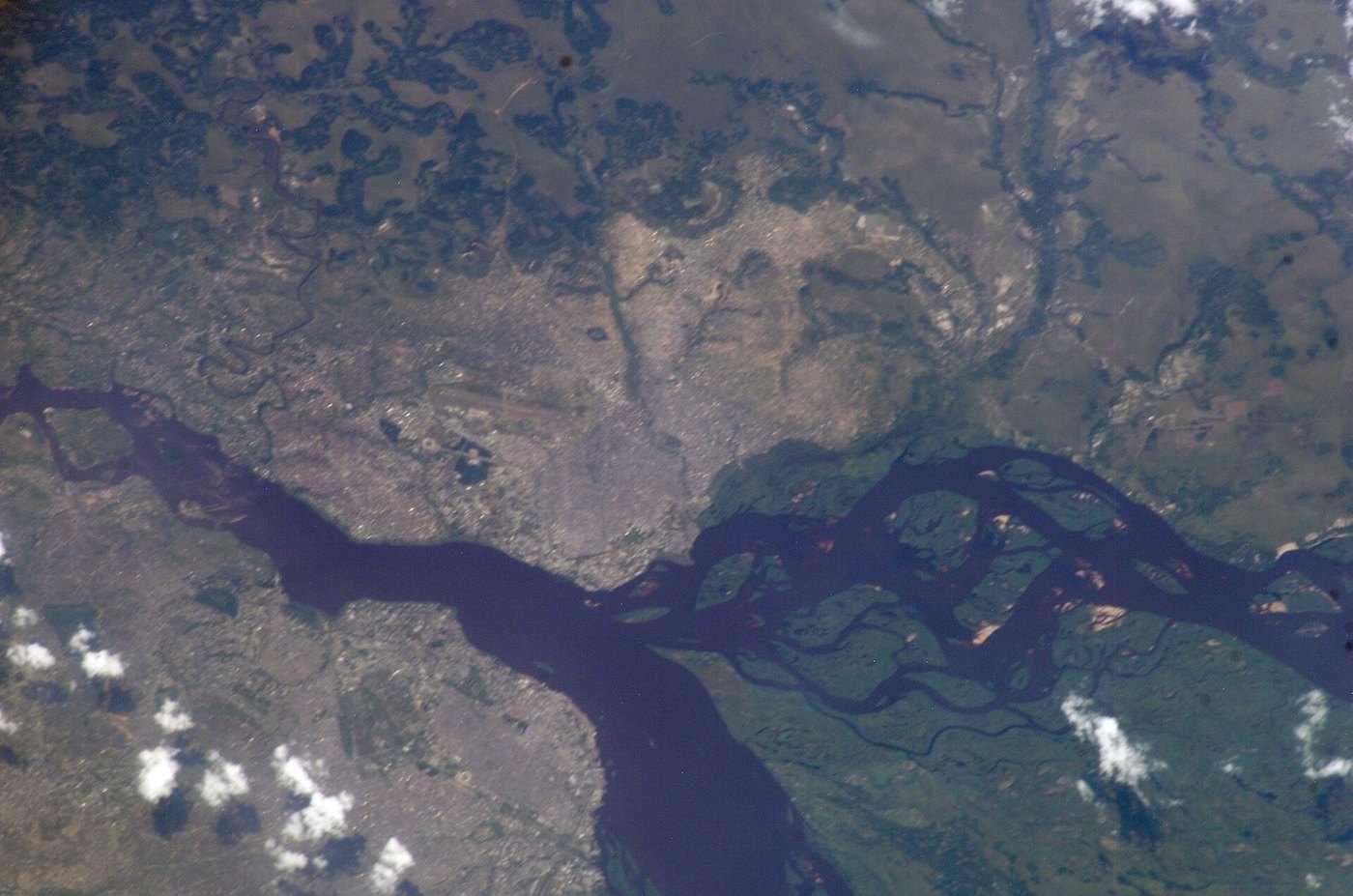
The defining geography is the river. At Pool Malebo (Stanley Pool), the Congo widens into a broad lacustrine reach. Brazzaville occupies the north bank; Kinshasa (DRC) occupies the south. On a clear day the opposite skyline is visible. Ferries and the occasional tourist boat cross under controlled arrangements, but for safari guests the practical rule is simple: your trip is a Republic of Congo trip. You do not need Kinshasa. You do not need a DRC visa. Confusing the two Congos is the single most common planning error we still see in first enquiries.
Safety context, stated plainly: Brazzaville is generally considered safe for visitors who use normal urban common sense — arranged transfers, known hotels, daylight exploration of central areas, discreet valuables. It is not risk-free (no African capital is), and it is not the same security environment as parts of the DRC. Your operator’s airport meet-and-greet and hotel bookings remove most friction. Evening riverfront walks near established hotels are a highlight; solo late-night wandering in unfamiliar districts is not.
French is the official language. Lingala and Kituba are widely spoken. English is limited outside hotels and safari staff — a few phrases of French go a long way and are appreciated. Electricity is 220V, European-style plugs. The currency is the Central African CFA franc (XAF); crisp US dollars remain useful for larger hotel and operator payments.
Key Attractions — What Is Worth Your Limited Hours
Safari travellers usually have a half-day or a single full day in Brazzaville, not a week. Prioritise ruthlessly. The list below is ordered for a short, high-signal stay rather than a complete municipal inventory.
Basilique Sainte-Anne du Congo — the modernist landmark
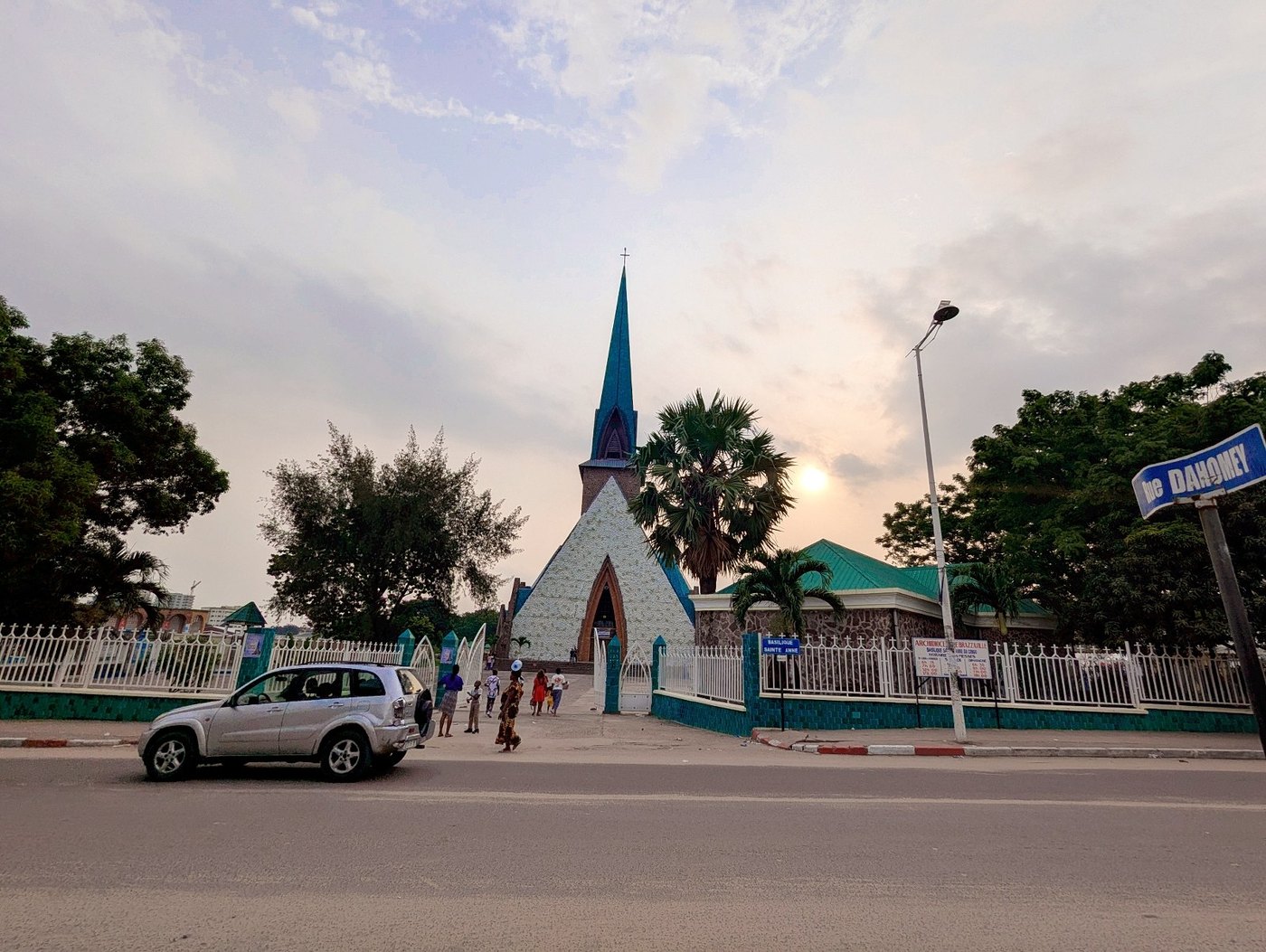
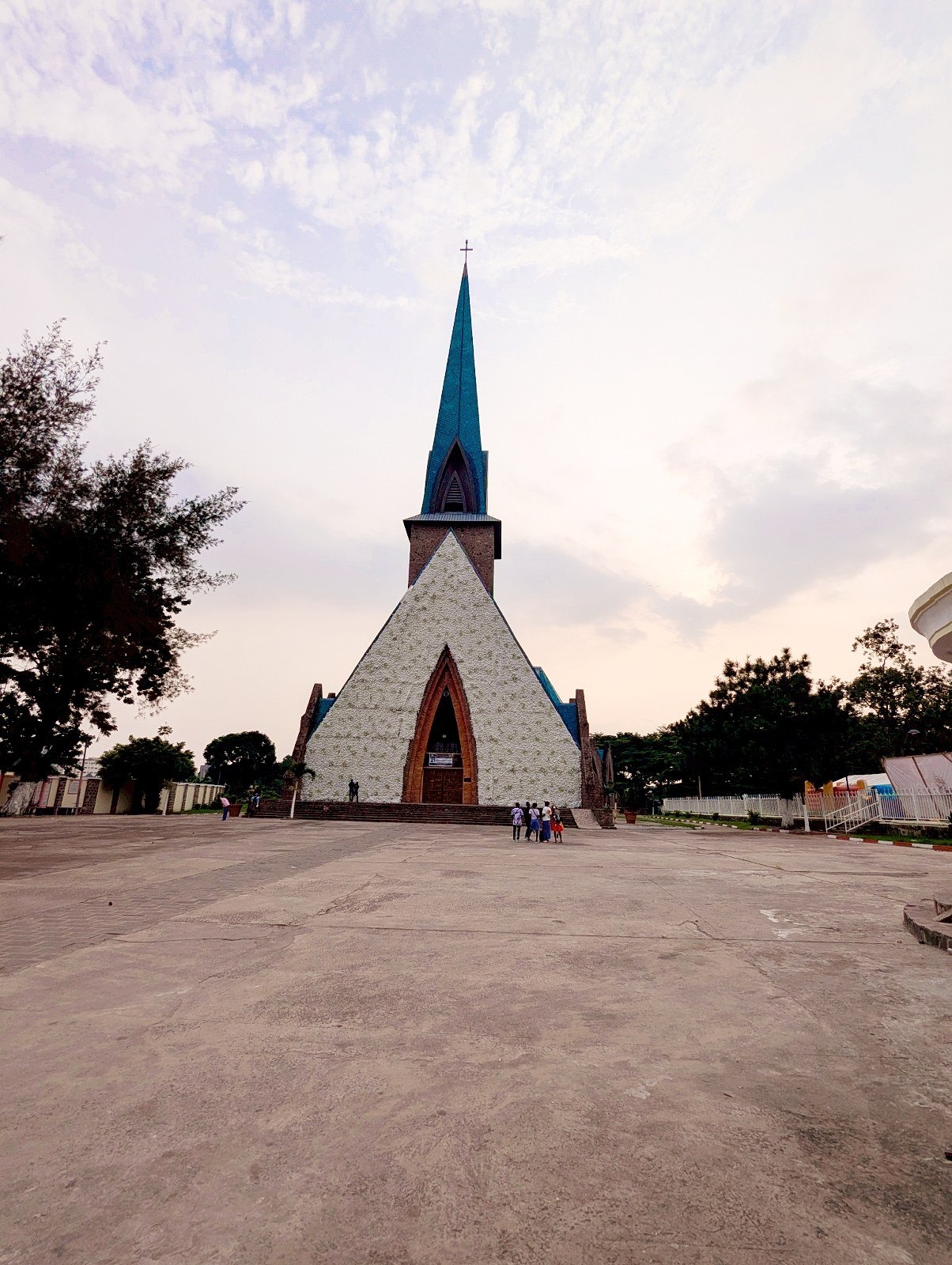
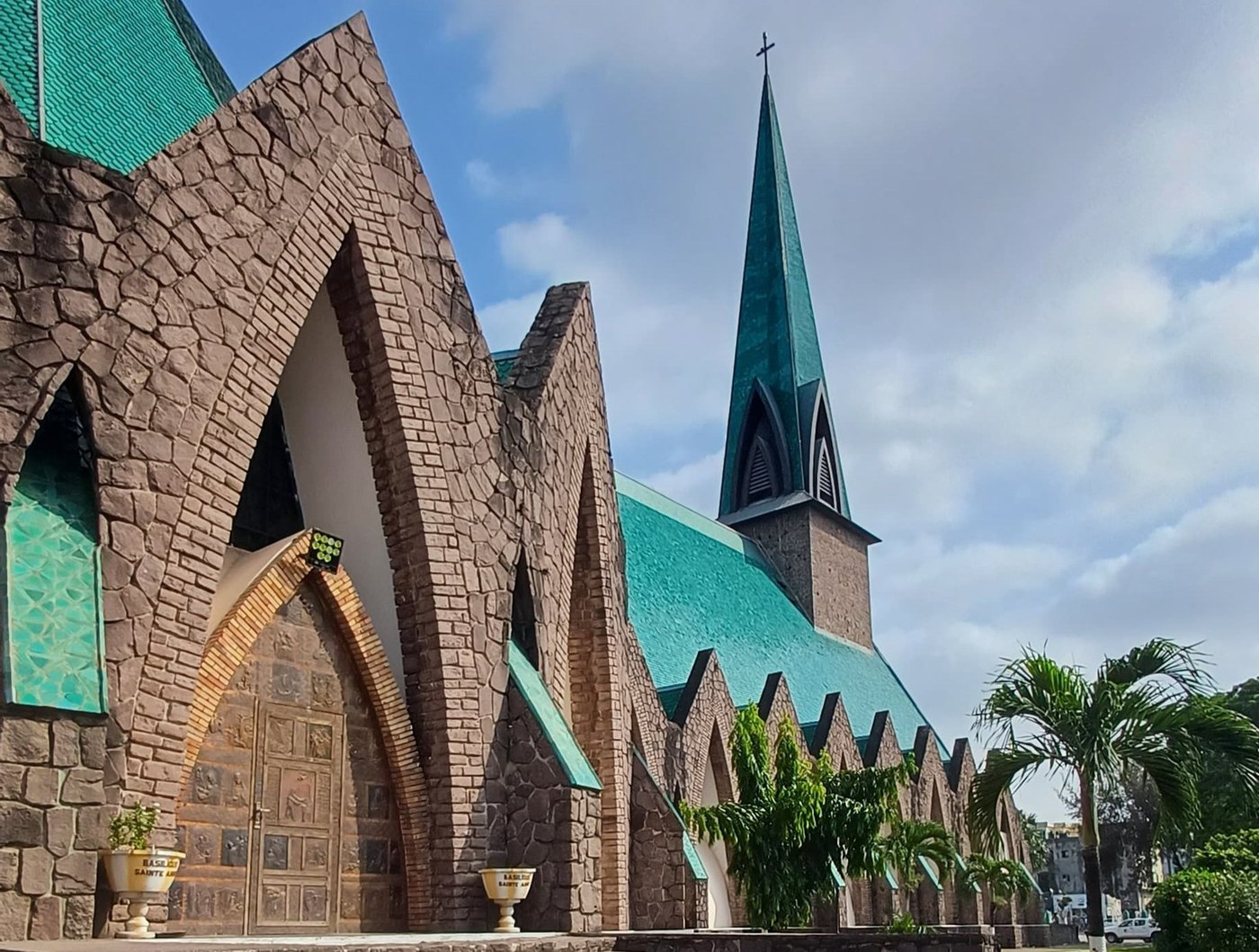
If you see one building in Brazzaville, make it the Basilique Sainte-Anne du Congo. Designed by French architect Roger Erell and consecrated in the mid-20th century, it is a striking modernist church with a soaring green-tiled roof, elegant concrete lines and a presence that photographs beautifully in soft morning or late-afternoon light. It is not a museum piece; it is a working place of worship. Dress modestly, keep voices low, and ask before photographing people at prayer.
For many guests, Sainte-Anne is the image that later proves they were in Brazzaville and not “just another transit city.” Pair it with a slow coffee nearby and you have used two hours extremely well.
Pierre Savorgnan de Brazza Mausoleum
The white marble Mausoleum of Pierre Savorgnan de Brazza honours the Italian-born French explorer whose name the city carries. It is a solemn, photogenic stop and a useful orientation point for understanding how the colonial story is officially remembered here. Visits are usually brief. Combine with Sainte-Anne and a riverfront stroll rather than treating it as a half-day outing on its own.
Sapeurs — the fashion subculture you came for without knowing it
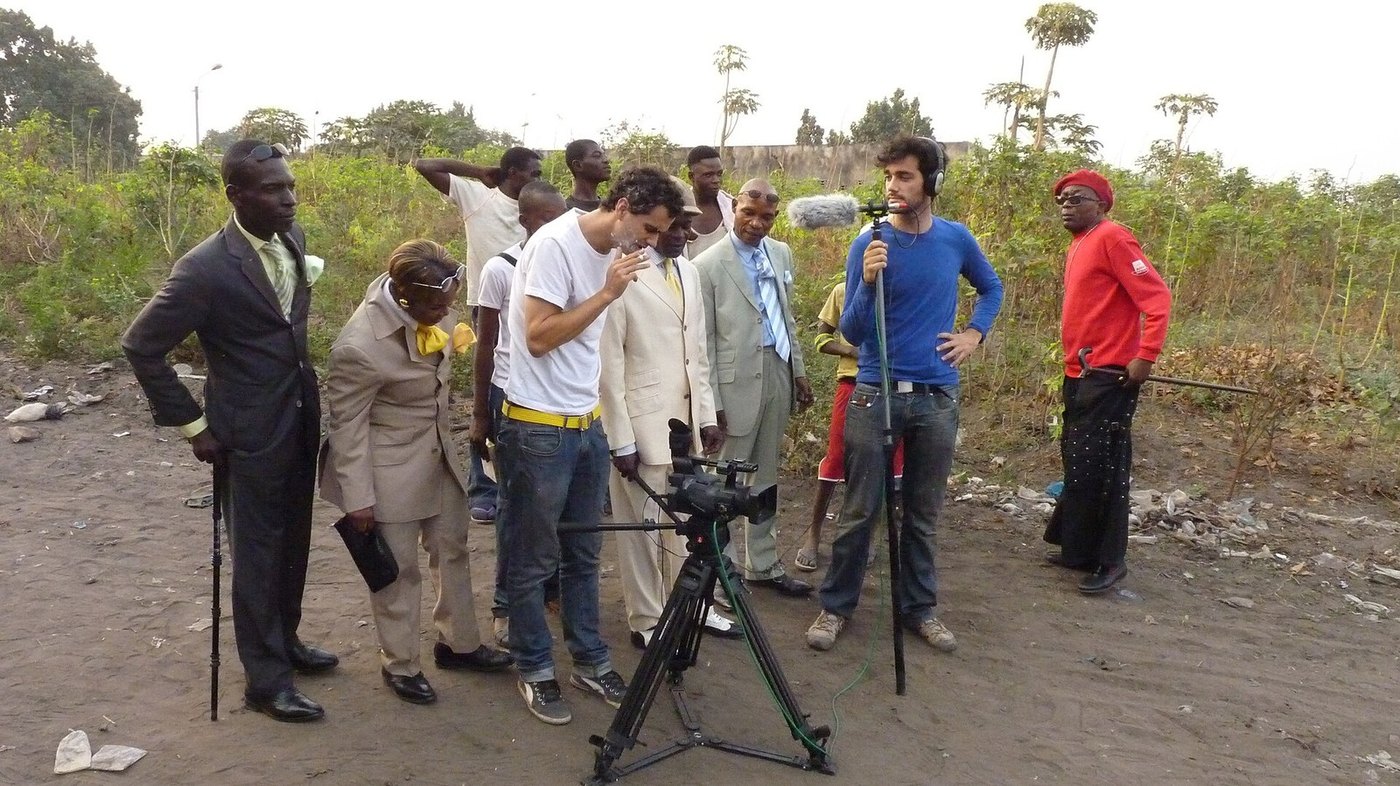
The SAPE — Société des Ambianceurs et des Personnes Élégantes — is Brazzaville (and Kinshasa) cultural gold. Sapeurs are the sharp dressers: immaculate suits, bold colour combinations, polished shoes, studied posture, and a philosophy of elegance as dignity. You may encounter them around markets, weekends, celebrations or simply on a well-chosen city walk with a local guide who knows where the ambiance gathers.
This is not a staged village performance. It is a living urban subculture. Photograph with permission, engage with courtesy, and understand you are looking at one of Central Africa’s most distinctive style languages. No Odzala camp can give you this. Only the city can.
Poto-Poto arts district
Poto-Poto is Brazzaville’s historic arts quarter, home to the well-known painting school and a long tradition of Congolese visual art — bold colour, daily life, river and forest motifs. A guided visit can yield original works worth packing carefully in your soft luggage. It is also simply a good neighbourhood to walk with someone who knows it, absorbing street rhythm between safari chapters.
Congo River promenade walks
The river is the city’s reason for being. Sections of waterfront offer walks, viewpoints and the odd bar terrace where you can watch pirogues, barges and the weather move across Pool Malebo. Late afternoon light on the water is the Brazzaville equivalent of a sundowner — less theatrical than an Okavango horizon, more quietly immense. Stay aware of your surroundings, stick to frequented stretches near hotels, and go with a driver or guide if you are unsure of the route.
Marché Total and Moungali markets
Marché Total (and the wider market fabric around districts such as Moungali) is sensory Congo: produce, smoked fish, fabric, household goods, noise, negotiation. Go in the morning with a guide, keep a hand on your bag, buy fruit or a small craft if you want, and leave before the heat peaks. Markets are where the city stops being a hotel lobby. They are also where pickpocket risk rises — normal big-city discipline applies.
Day-Trip Options from Brazzaville
Lesio-Louna Gorilla Reserve — orphan gorillas ~3 hours away
Lesio-Louna is the day trip safari travellers ask about most. Roughly three hours by road from Brazzaville (timing depends on road condition and season), the reserve is associated with gorilla orphan rehabilitation and conservation. Visitors, when access is arranged, can observe western lowland gorillas in a sanctuary setting — a powerful experience, and a different one from tracking habituated wild families in Odzala.
Be clear about what it is and is not. Lesio-Louna does not replace an Odzala trek. It can complement a longer Brazzaville stay, fill a buffer day when charter schedules create spare time, or give guests who cannot do the full forest circuit a meaningful gorilla encounter closer to the capital. Access rules, group sizes and photography policies change — always confirm with your operator before building it into stone. We will publish a dedicated Lesio-Louna guide as the Congo cluster expands; until then, treat this as a request-to-arrange add-on, not a walk-up attraction.
Diosso Gorge and Loufoulakari Falls — if time and access allow
Further afield, the red cliffs of Diosso Gorge near Pointe-Noire and the cascades of Loufoulakari appear on longer Republic of Congo itineraries. They are not realistic same-day outings from a standard Brazzaville safari overnight. If your trip includes the coast or a multi-day land circuit, they become relevant. If you are on a classic Brazzaville–Odzala–Brazzaville air circuit, keep them on a future-trip list rather than forcing the logistics.
Where to Stay — Hotels for Safari Travellers
You are not choosing a safari lodge here. You are choosing a reliable city base with airport transfer competence, generator backup, decent breakfast, and staff used to early charter departures. The three names that surface constantly in operator conversations:
| Hotel | Best for | Rough nightly rate | Notes |
|---|---|---|---|
| Mikhael's Hotel | Most Odzala safari guests | USD 100–180 | Reliable mid-to-upper; operators know it; easy logistics |
| Radisson Blu M'Bamou Palace | International standard, river setting | USD 150–200+ | Strongest brand comfort; Congo River position; good dining |
| Pefaco Hotel Maya Maya | Early charters, airport convenience | USD 80–150 | Near the airport; practical for tight turnarounds |
| Other mid-range / budget | Cost control on longer city stays | USD 60–100 | Vet via your operator; standards vary widely |
What to expect: Service is generally warm and French-influenced. Rooms are air-conditioned at the recommended hotels. Wi-Fi works with the usual African-capital caveats. Breakfast buffets cover the charter-morning need. Pools exist at the better properties and are welcome after a long-haul arrival. You will not get Okavango-level design theatre — you will get a clean, secure night’s sleep and a 5 a.m. wake-up call that actually happens.
We book Brazzaville hotels as part of the full Odzala package so transfers, charter timing and rooming lists stay in one chain of custody. See also how gateway hotels rank in the wider Congo lodges listicle (Brazzaville bases appear in the broader stay picture even though the forest camps dominate the top tier).
Where to Eat — Congolese Tables & French Influence
Brazzaville cooking sits at a crossroads: river fish, cassava, plantain, smoked flavours, peanut sauces, and a long French culinary shadow in hotel kitchens and older restaurants. On a one-night stay, eating at your hotel is the low-friction, high-reliability choice — especially if you land late or leave early.
When you have a proper dinner window, names that regularly surface for visitors include La Paillotte and Hippocampe for Congolese and seafood-leaning plates, alongside hotel restaurants at Radisson Blu and Mikhael's. Reservations help on weekends. For lunch between Sainte-Anne and the river, hotel terraces and established cafés beat experimental street hopping if your stomach needs to be perfect for tomorrow’s charter.
Street food: Grilled fish, brochettes and market snacks can be excellent. Choose busy stalls with high turnover, eat food cooked in front of you, and be conservative the night before a forest flight if you are prone to travel stomach. Bottled water only. The same discipline you would use in any tropical capital applies.
Safety & Practicalities
- Safety: Brazzaville is workable and generally calm for organised visitors. Use hotel taxis or operator transfers. Avoid displaying phones and cash openly. Night movement is fine in known areas with a driver; it is unwise as solo exploration in dark side streets.
- Airport transfers: Always pre-arranged. Maya-Maya arrivals after dark should not involve negotiating random taxis with jet-lagged brains.
- Taxis and transport: Hotel cars and operator vehicles are the default. Agree fares before entering any independent taxi. Ride-hail culture is not London or Nairobi.
- Money: XAF for daily spend; USD for hotels and operator balances. ATMs in the centre and at major hotels; withdraw before Odzala. Cards at top hotels only as a plan A backup.
- SIM cards: MTN and Airtel, passport required. Optional for a one-night stay if hotel Wi-Fi suffices.
- Language: French first. English in safari and hotel bubbles. Learn bonjour, merci, s’il vous plaît.
- Electricity: 220V. Bring a universal adaptor and a power bank for charter days.
- Time zone: West Africa Time (WAT, UTC+1).
- Photography: Ask before photographing people, police, or official buildings. Sainte-Anne and river views are usually fine with normal courtesy.
How Long to Stay in Brazzaville
Standard safari pattern: 1 night pre-Odzala + 1 night post-Odzala. This matches charter schedules, absorbs international flight delays on the way in, and gives a buffer before the long-haul home.
Add a night (2–3 nights total city time) if you want to:
- See Sainte-Anne, the riverfront and a market properly rather than in a rushed hour
- Day-trip to Lesio-Louna
- Recover from a brutal long-haul routing before the forest humidity hits
- Build slack around tight international connections
Skip extra nights if: you are on a pure wildlife mission, charter timing is fixed, and you would rather put budget into an extra Odzala night at Ngaga or Lango. The forest is the reason you came. The city is the frame.
Sample Itinerary — Typical Odzala Timeline via Brazzaville
This is the skeleton most 10-night-style Odzala journeys follow. Exact camp order varies; the Brazzaville bookends do not.
- Day 1 — Arrive Brazzaville: Land Maya-Maya, meet operator transfer, check in (Mikhael's / Radisson Blu / Pefaco). Yellow fever booklet already in hand. Light riverfront walk or early night. Dinner at the hotel.
- Day 2 — Charter to Odzala: Early transfer to Maya-Maya. Light aircraft ~1.5 hours north. Road/boat transfer into first camp — often Mboko or Ngaga depending on circuit. First forest afternoon.
- Days 3–9 — Odzala safari: Multi-camp circuit across gorilla forest, baï and river. Classic flow weights nights at Ngaga (gorillas), Lango (baï elephants) and Mboko (rivers). See where to stay in Odzala for how the camps connect. Packages: 7-night Discovery, 10-night Odyssey, 12-night Immersion.
- Day 10 — Return Brazzaville: Charter south. Afternoon at leisure — Sainte-Anne, Sapeurs stroll, market, or pure decompression by the pool. Celebrate with a proper dinner. Shower water that never ends still feels miraculous after the forest.
- Day 11 — International departure: Transfer to Maya-Maya for the long-haul home, or continue to a beach extension if you have built one.
Shorter 7-night park products compress the middle; longer 12-night immersions expand it. The Brazzaville logic stays the same. Compare western lowland trekking with mountain gorilla destinations in our Congo vs Rwanda comparison and the full four-way Congo–Uganda–Rwanda–DRC guide if you are still choosing which ape story to book first.
Our Honest Take — Embrace the Gateway
Brazzaville will not give you a leopard in a sausage tree. It will not give you a thousand wildebeest. It will give you something quieter and, for this particular safari, more necessary: a real African capital on one of the world’s great rivers, a safe-enough platform for the logistics that unlock Odzala, and a cultural register — Sapeurs, Sainte-Anne, market noise, French-Congo conversation — that the rainforest camps cannot supply.
Too many itineraries treat the city nights as dead space between aircraft. That wastes the frame around the painting. Land a day early if your body needs it. Walk the river. Look at the green roof of Sainte-Anne. Notice how close Kinshasa feels and how completely separate it is. Sleep in a proper bed. Then board the charter knowing the wilderness ahead is earned, not rushed.
The upside: genuine gateway utility, distinctive culture, manageable scale, and the psychological soft landing that makes a demanding forest safari more enjoyable.
The trade-offs: heat and humidity, limited English outside the hotel bubble, variable infrastructure, and the simple truth that one night is short. Brazzaville is not the destination. Odzala is. But every Odzala story that works begins and ends on this riverbank.
Ready to lock the city nights into a forest circuit? Explore Odzala Discovery, Odzala Odyssey and Congo Immersion, or start from the country pillar — the Ultimate Republic of Congo Safari & Travel Guide. We handle Maya-Maya meets, hotel bookings, charters and camp sequences so your attention stays where it belongs: on the river light the evening before, and the gorilla trail the morning after.
Frequently Asked Questions
How long should I stay in Brazzaville on an Odzala safari?
Most travellers stay one night before the charter and one night after returning. Add a second or third city night if you want Sainte-Anne, riverfront time, markets or a Lesio-Louna day trip.
Is Brazzaville safe to visit?
Yes, with normal urban precautions. It is a different country and a calmer visitor picture than Kinshasa across the river. Use arranged transfers, stay in known hotels, and avoid solo late-night walks in quiet districts.
Which hotels are recommended for safari travellers?
Mikhael's Hotel, Radisson Blu M'Bamou Palace Hotel and Pefaco Hotel Maya Maya are the operator favourites. Expect roughly USD 80–200 per night depending on property and season.
Where do the Odzala charter flights leave from?
From Brazzaville Maya-Maya Airport (BZV). The flight to the Odzala airstrip takes about 1.5 hours on scheduled light aircraft tied to camp circuits.
What are the visa and health requirements?
Most visitors need a Republic of Congo visa in advance (about USD 100–150) with an operator invitation letter. Yellow fever certificate is mandatory. Malaria prophylaxis and evacuation insurance are essential.
Can I do a gorilla day trip from Brazzaville?
Lesio-Louna Gorilla Reserve is about three hours by road and offers orphan/rehabilitated gorilla viewing when access is arranged. It complements Odzala; it does not replace wild habituated trekking in the park.
Where should I eat?
Hotel restaurants are the safest default on short stays. La Paillotte and Hippocampe are frequently recommended independent options. Use normal street-food caution and bottled water only.
Do ATMs and cards work?
ATMs exist in central Brazzaville and major hotels. Currency is XAF; crisp USD helps. Cards work at top hotels. Withdraw what you need before flying to Odzala — there is no banking in the park.
How do I get a SIM card?
MTN and Airtel SIMs are sold at the airport and official shops with passport registration. Many safari guests skip a SIM for a single overnight and rely on hotel Wi-Fi.
How is Brazzaville different from Kinshasa (DRC)?
They face each other across the Congo River but are capitals of different countries. Brazzaville = Republic of Congo (your Odzala safari). Kinshasa = Democratic Republic of Congo. Separate visas, advisories, currencies and trip products. Do not mix them up.