The Complete Gorilla Trekking Map — Why Four Countries Matter
Type “best country for gorilla trekking” and you will mostly see Rwanda vs Uganda. That binary is useful — and incomplete. The full African gorilla tourism map has four countries and two subspecies:
- Republic of Congo (Congo-Brazzaville) — western lowland gorillas in Odzala-Kokoua National Park
- Uganda — mountain gorillas in Bwindi Impenetrable Forest and Mgahinga
- Rwanda — mountain gorillas in Volcanoes National Park
- Democratic Republic of Congo (DRC) — mountain gorillas in Virunga National Park (when tourism operates under current security conditions)
Most existing “Congo vs Rwanda” pages mean DRC mountain gorillas versus Rwanda. Almost nobody compares Republic of Congo western lowland against the three mountain gorilla destinations from a specialist safari perspective. That is the gap this guide closes — and why we position ROC as the ultimate frontier choice for travellers who have already done the classic mountain gorilla hour, or who want exclusivity from day one.
Read this alongside our deep dives: Congo vs Rwanda (western lowland vs mountain), Rwanda vs Uganda, the western lowland trekking guide, and the Republic of Congo country pillar.
Four-Way Comparison at a Glance
Figures are indicative 2026 ranges and move with season, lodge tier, package structure and — for DRC — whether tourism is actively operating under current advisories.
| Factor | Congo (ROC) | Uganda | Rwanda | DRC |
|---|---|---|---|---|
| Subspecies | Western lowland | Mountain gorilla | Mountain gorilla | Mountain gorilla |
| Park | Odzala-Kokoua | Bwindi / Mgahinga | Volcanoes NP | Virunga NP |
| Permit (USD) | 400–750 | 800 | 1,500 | ~400 |
| Typical trip | 7–12 nights, $10.5k–19.7k | 3–5 nights, $2.5k–6k | 3–5 nights, $3k–8k | Variable; often short when open |
| Access | Brazzaville + charter | Entebbe + long road / light aircraft | Kigali + 2.5h road | Goma / specialist routing |
| Group size | Max ~4 guests | Up to 8 | Up to 8 | Up to 8 (when operating) |
| Time with gorillas | Up to ~2 hours | 1 hour (4hr habituation option) | 1 hour strict | 1 hour typical |
| Difficulty | Heat, humidity, mud | Dense, steep, often hardest | Altitude climb, variable length | Volcanic slopes |
| Exclusivity | Extremely high | Moderate–high (4 sectors) | Moderate (popular circuit) | High when open; low visitor volume |
| Safety for leisure travel | Established expedition product | Established | Established, polished | High advisory — not for most |
| Best for | Exclusivity + full rainforest safari | Value + jungle immersion | First-timers + short luxury trips | Risk-tolerant specialists only |
1. Republic of Congo — Western Lowland Gorillas (Odzala-Kokoua)
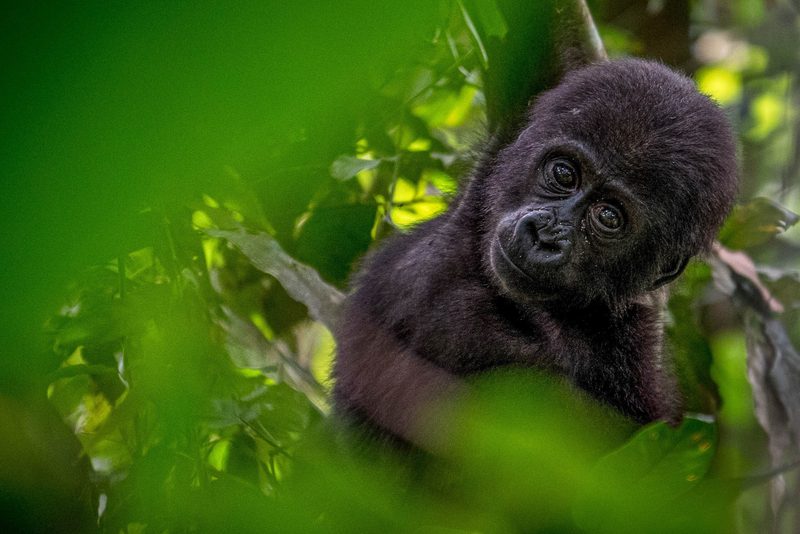
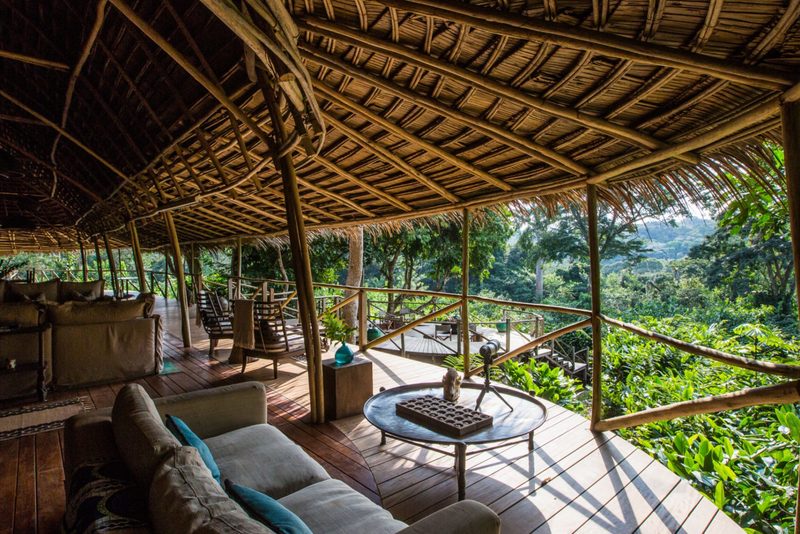
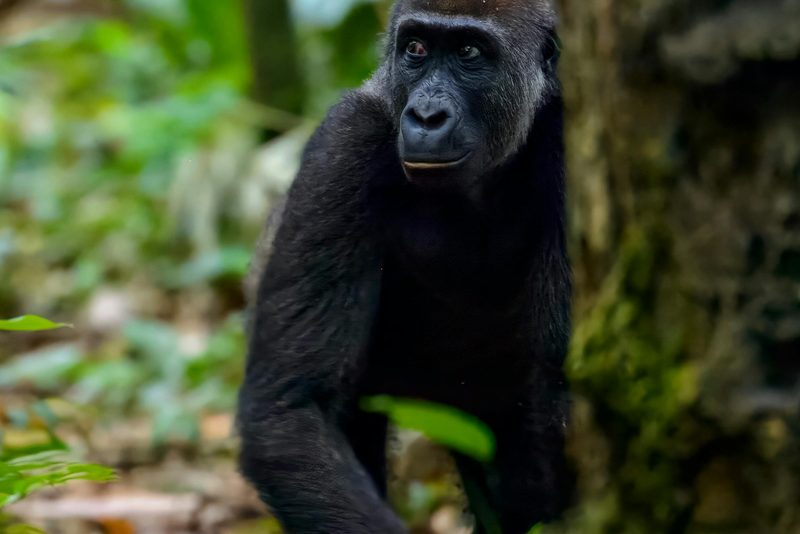
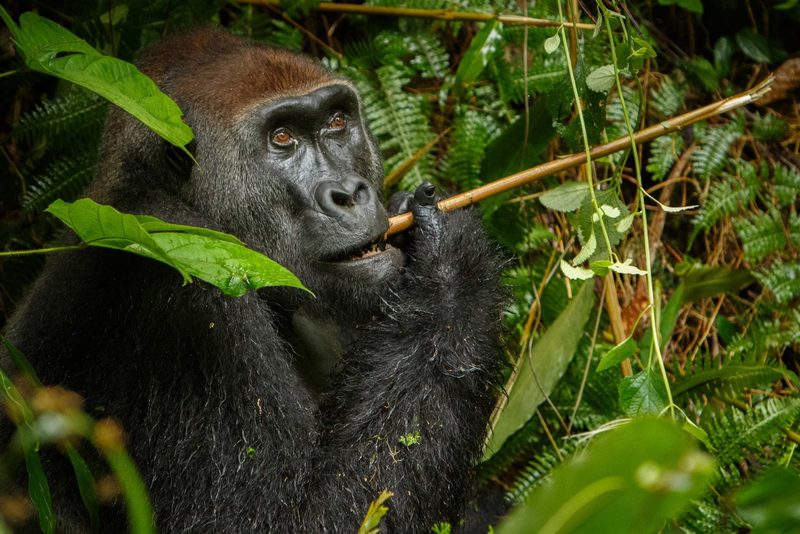
This is the destination most comparison pages miss. Odzala-Kokoua protects roughly 13,500 km² of Congo Basin rainforest co-managed with African Parks. From Ngaga Camp in the Ndzehi sector, Ba’Aka trackers lead groups of typically max four guests into marantaceae forest after western lowland families — Jupiter and Saturn sectors among the best known.
The experience: Semi- to well-habituated animals that still feel wild. More arboreal behaviour than mountain gorillas. Lower light under canopy. Heat and humidity instead of altitude. Time with the family often up to ~2 hours. Multi-night Ngaga stays deliver very high cumulative success; a single day is never a guarantee. Beyond gorillas, Lango baïs bring forest elephants and bongo; Mboko opens river and savanna-edge days. See where to stay in Odzala and best Congo safari lodges.
Costs & logistics: Permits USD 400–750 (often bundled). Full 7–12 night circuits with Brazzaville charters typically USD 10,575–19,745 pp. Yellow fever certificate mandatory. No walk-in tourism. Dry seasons June–September and December–February preferred. Full money detail: Congo safari cost guide. Packages: Odzala Discovery 7N, Odzala Odyssey 10N, Congo Immersion 12N.
Choose Congo if: you want exclusivity, a different subspecies, a full rainforest safari, and you accept expedition logistics and higher total trip cost. Ideal for return mountain-gorilla travellers and first-timers who refuse crowded circuits.
2. Uganda — Mountain Gorillas (Bwindi & Mgahinga)
Uganda holds roughly half the world’s mountain gorillas. Bwindi Impenetrable Forest is the main stage — four trek sectors (Buhoma, Ruhija, Rushaga, Nkuringo) that spread visitor pressure. Mgahinga shares the Virunga volcanoes with Rwanda and DRC for a quieter alternative.
The experience: Fully habituated mountain gorilla families. Strict one-hour limit (plus a rare gorilla habituation experience of up to four hours at higher permit cost). Terrain is famously dense, steep and muddy — often the hardest physical day of the four destinations. Sightings on a booked permit day are near-certain. Uganda pairs brilliantly with chimpanzee trekking and Queen Elizabeth National Park (tree-climbing lions, savanna).
Costs & logistics: Permit USD 800 for foreign non-residents. Typical 3–5 night packages land roughly USD 2,500–6,000 pp excluding international flights. Access: Entebbe international, then 8–10 hour road transfer or light aircraft to local airstrips. Lodge ladder from mid-range forest camps to high-end properties — see best luxury gorilla lodges Uganda and Ultimate Uganda Travel Guide.
Choose Uganda if: you want mountain gorillas at stronger value, denser jungle immersion, multi-sector flexibility, and easy combination with chimps and classic savanna. Best “adventurous first mountain gorilla” pick for many budgets.
3. Rwanda — Mountain Gorillas (Volcanoes National Park)
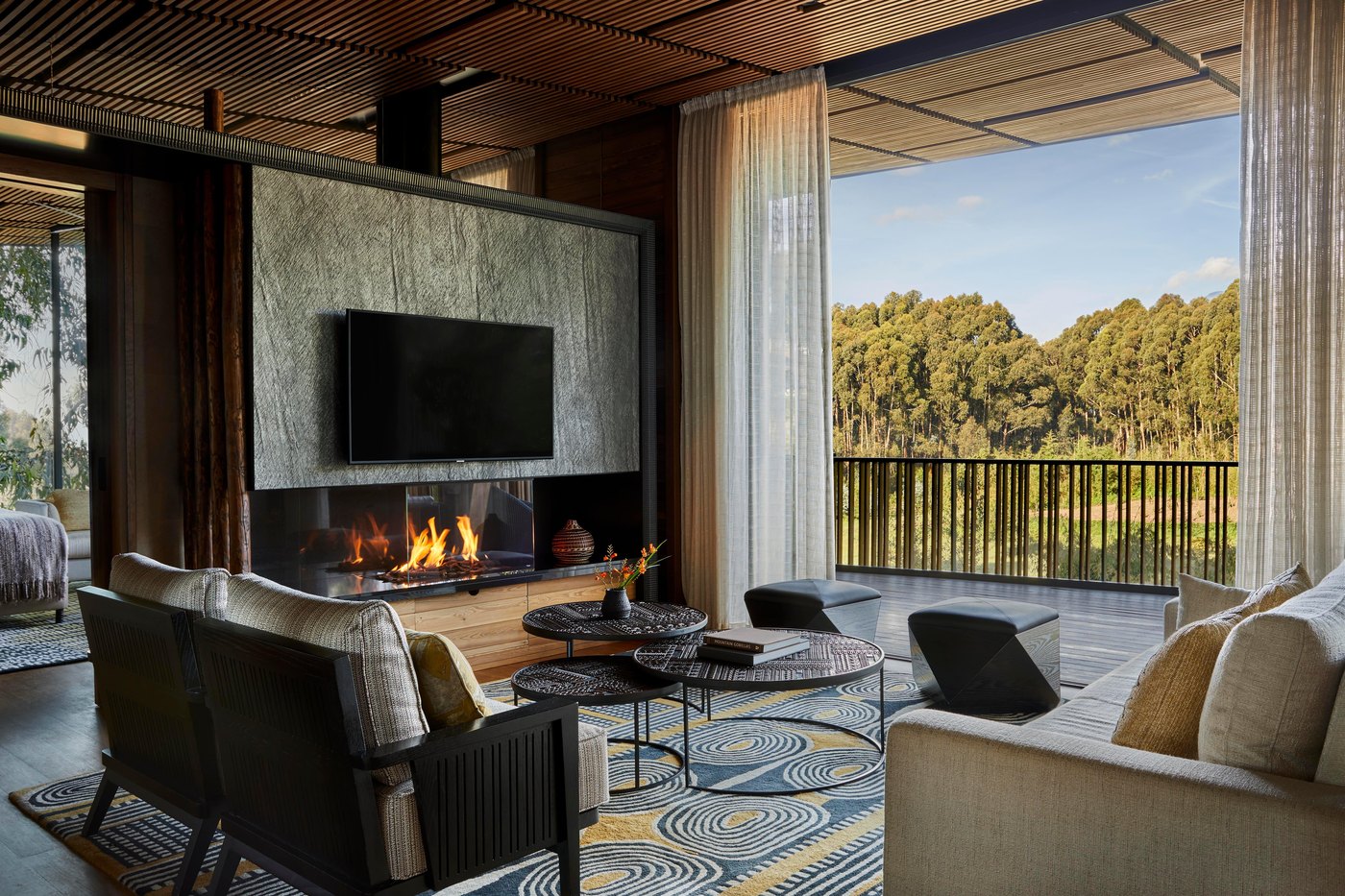
Rwanda is the polished classic. Volcanoes National Park protects the Rwandan Virunga sector — bamboo, Hagenia and meadows on volcanic slopes, with lodges strung along the park edge facing Karisimbi and Bisoke.
The experience: Decades of habituation. Near-certain sightings. Public briefing at headquarters, family allocation by fitness, trackers radioing ahead. One-hour limit. Groups up to eight visitors. Cooler air than Congo Basin; steeper climbs than Odzala; often shorter once the family is located. Golden monkey treks and easy add-ons to Akagera (Big Five) and Nyungwe (chimps) make Rwanda a modular East Africa hub.
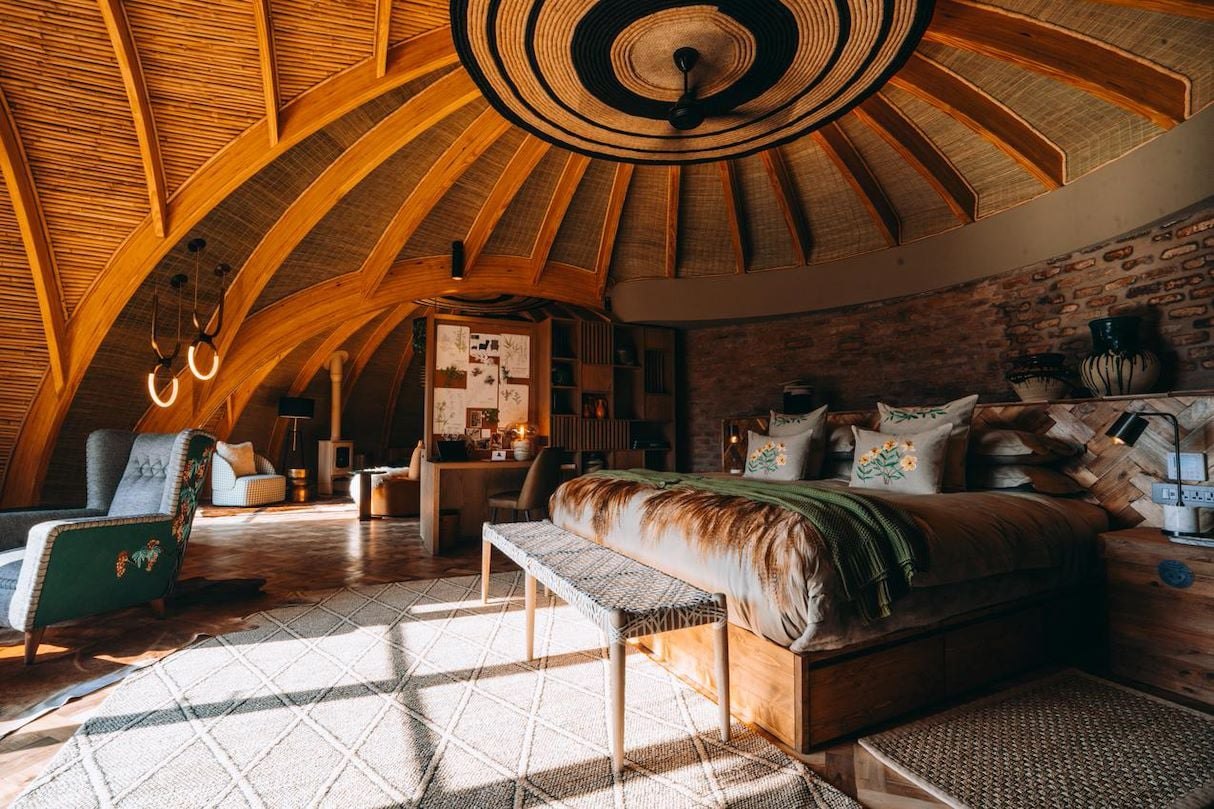
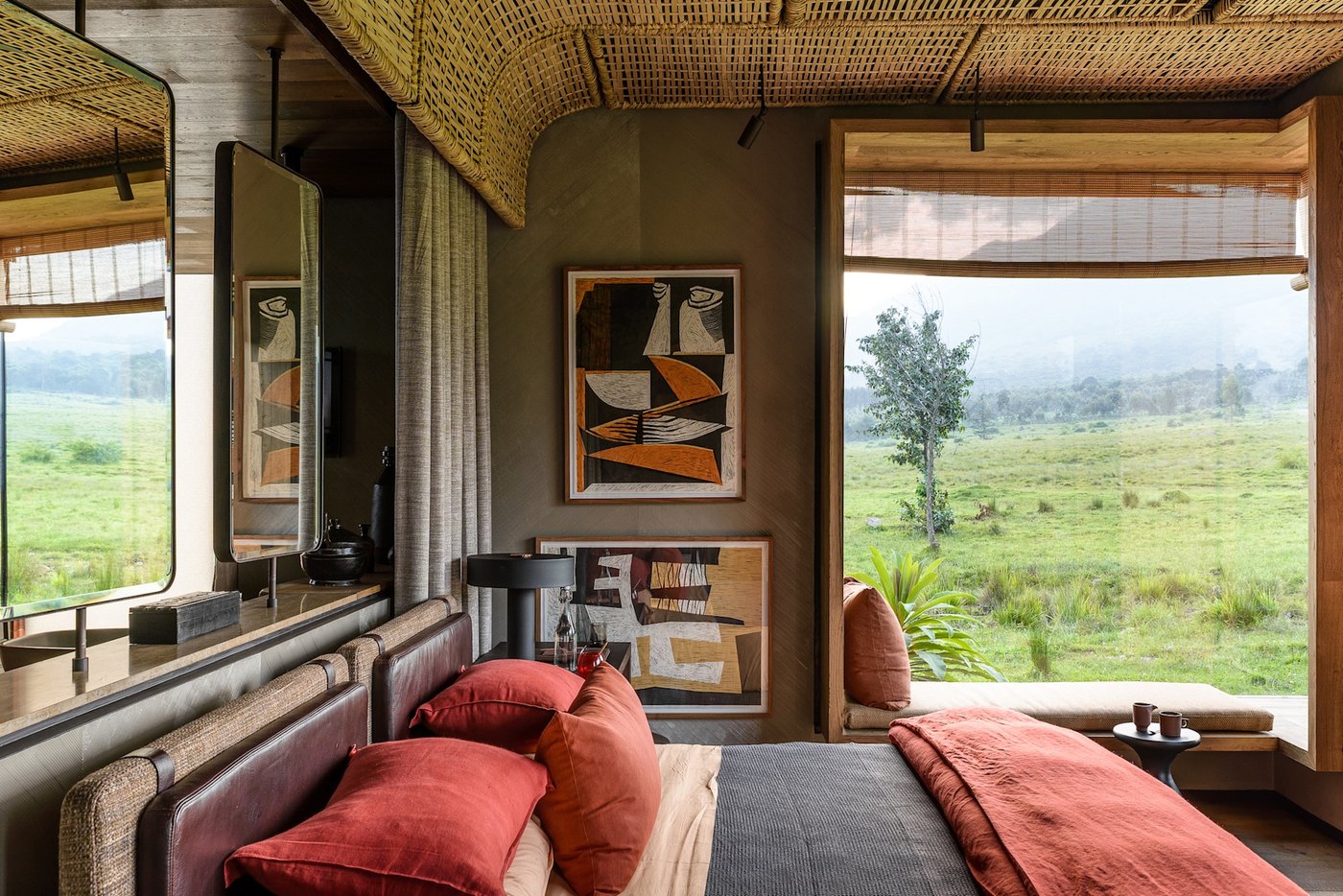
Costs & logistics: Permit USD 1,500 — the highest single gorilla permit, deliberately priced for conservation and low-volume tourism. Focused 3–5 night trips often USD 3,000–8,000 pp excluding international flights. Access: Kigali International, then ~2.5-hour road to the lodge strip. No charter required. Lodge density is unmatched: Bisate, Singita Kwitonda, One&Only Gorilla’s Nest, Sabyinyo and a full mid-range ladder — best luxury gorilla lodges Rwanda, Rwanda cost guide, Ultimate Rwanda Travel Guide.
Choose Rwanda if: you are a first-timer, time-pressed, travelling with family (15+ for trekking), or building a short luxury East Africa itinerary. Highest predictability and cleanest logistics of the four.
4. DRC — Mountain Gorillas (Virunga National Park)
Virunga is Africa’s oldest national park and one of its most dramatic — active volcanoes, lava landscapes, and mountain gorilla families on the same massif shared with Rwanda and Uganda. When tourism operates, permits have historically been among the cheapest (~USD 400), and the setting is unforgettable.
The honest safety frame: Eastern DRC faces ongoing armed conflict, kidnapping risk and high-level travel advisories (including Level 4 / Do Not Travel guidance from major governments at various times). Park closures and security incidents have repeatedly interrupted tourism. For most leisure travellers, the lower permit does not outweigh the residual security risk. We do not position DRC as a default alternative to Rwanda or Uganda.
When DRC can make sense: only for experienced, fully briefed travellers working with specialist operators who hold current security assessments, flexible cancellation, and evacuation protocols — and only when the park is officially open to tourism. Even then, many clients prefer to put the same budget into a Republic of Congo western lowland circuit or a second mountain gorilla permit in Rwanda/Uganda.
Choose DRC only if: you are risk-tolerant, specialist-guided, and deliberately seeking Virunga’s unique volcanic setting after accepting current advisories in writing. Otherwise, choose Rwanda, Uganda or Republic of Congo.
Western Lowland vs Mountain Gorilla — Why Subspecies Changes Everything
Treating all four countries as interchangeable “gorilla destinations” is the most common planning mistake.
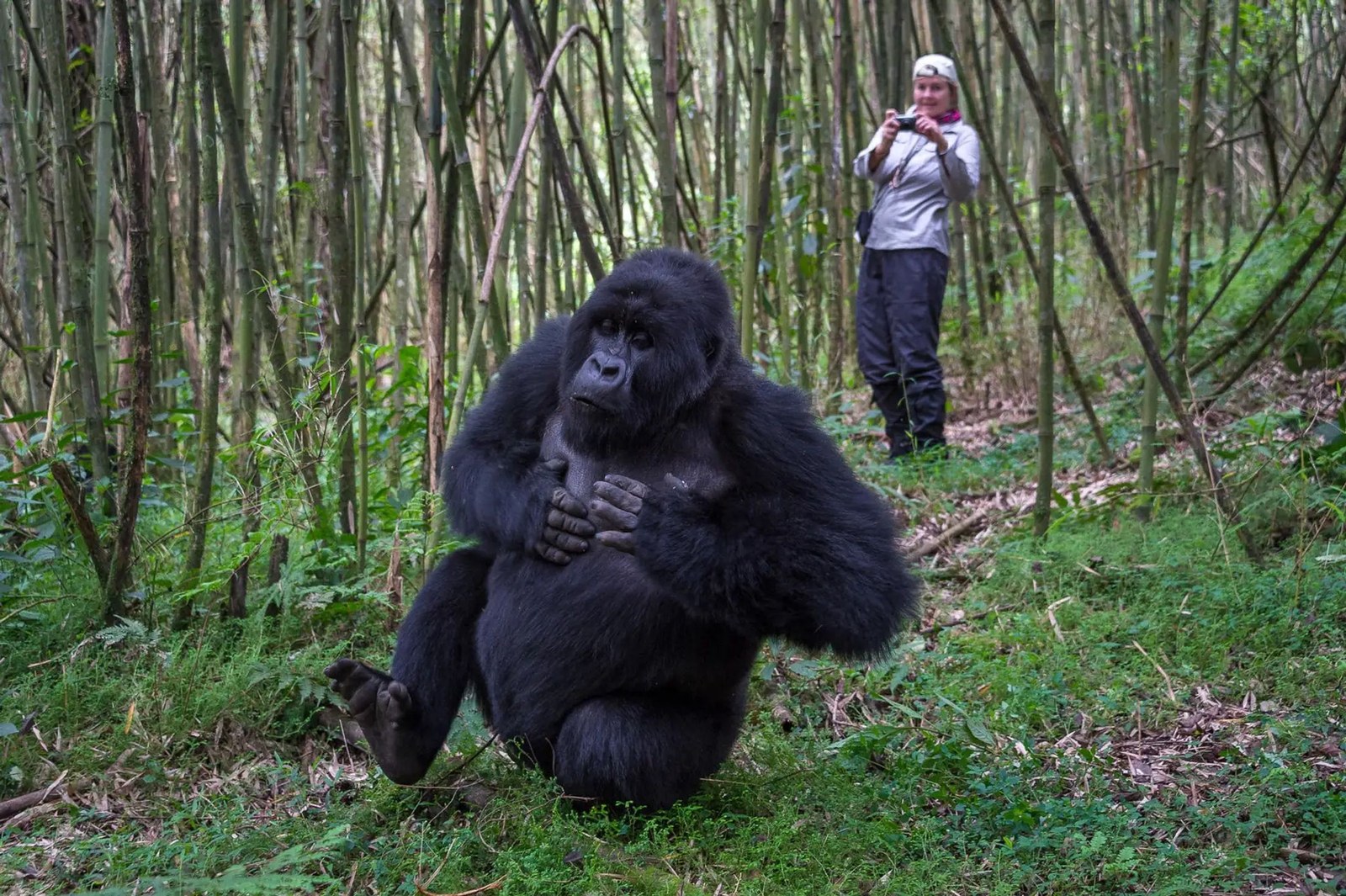
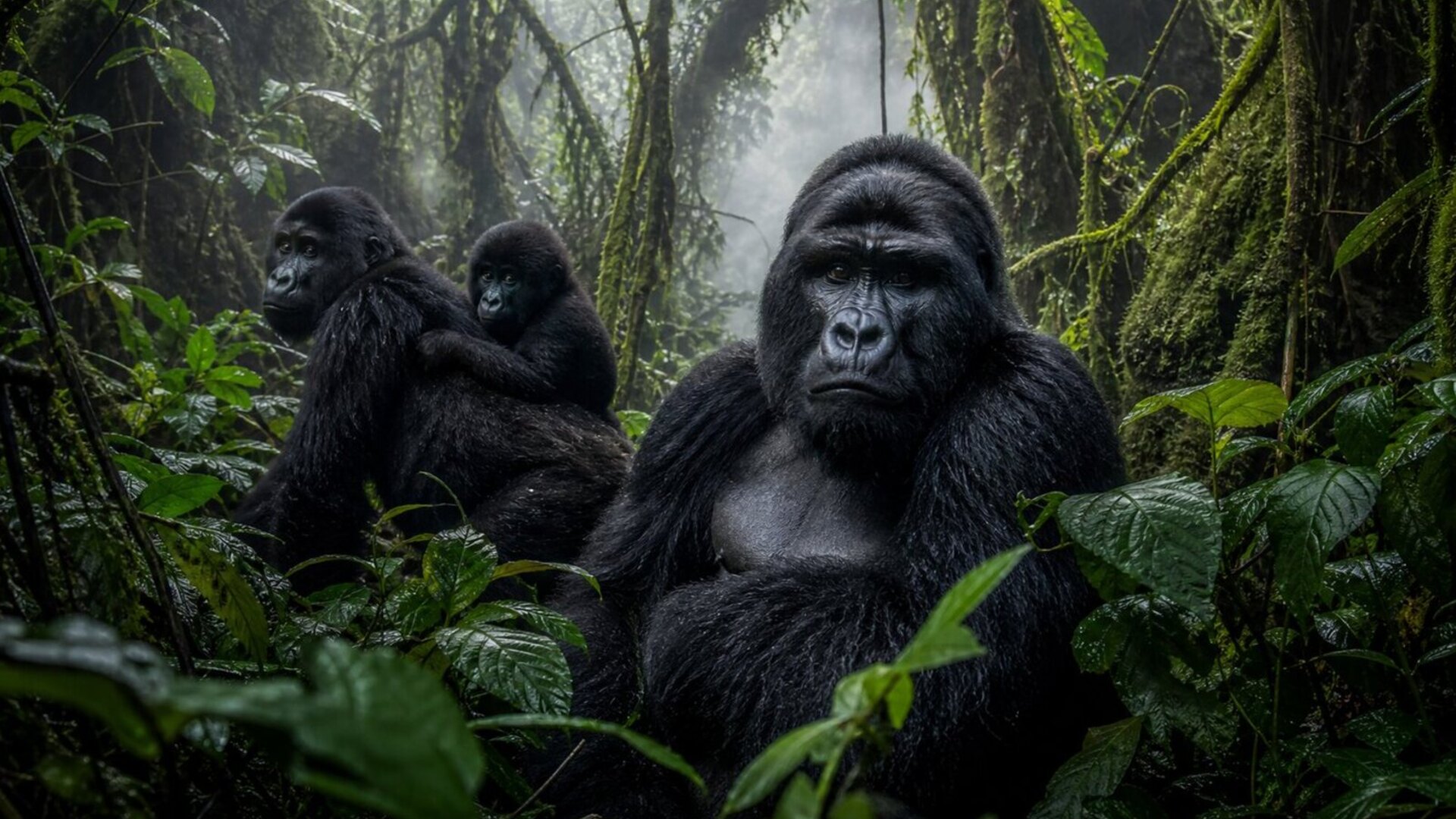
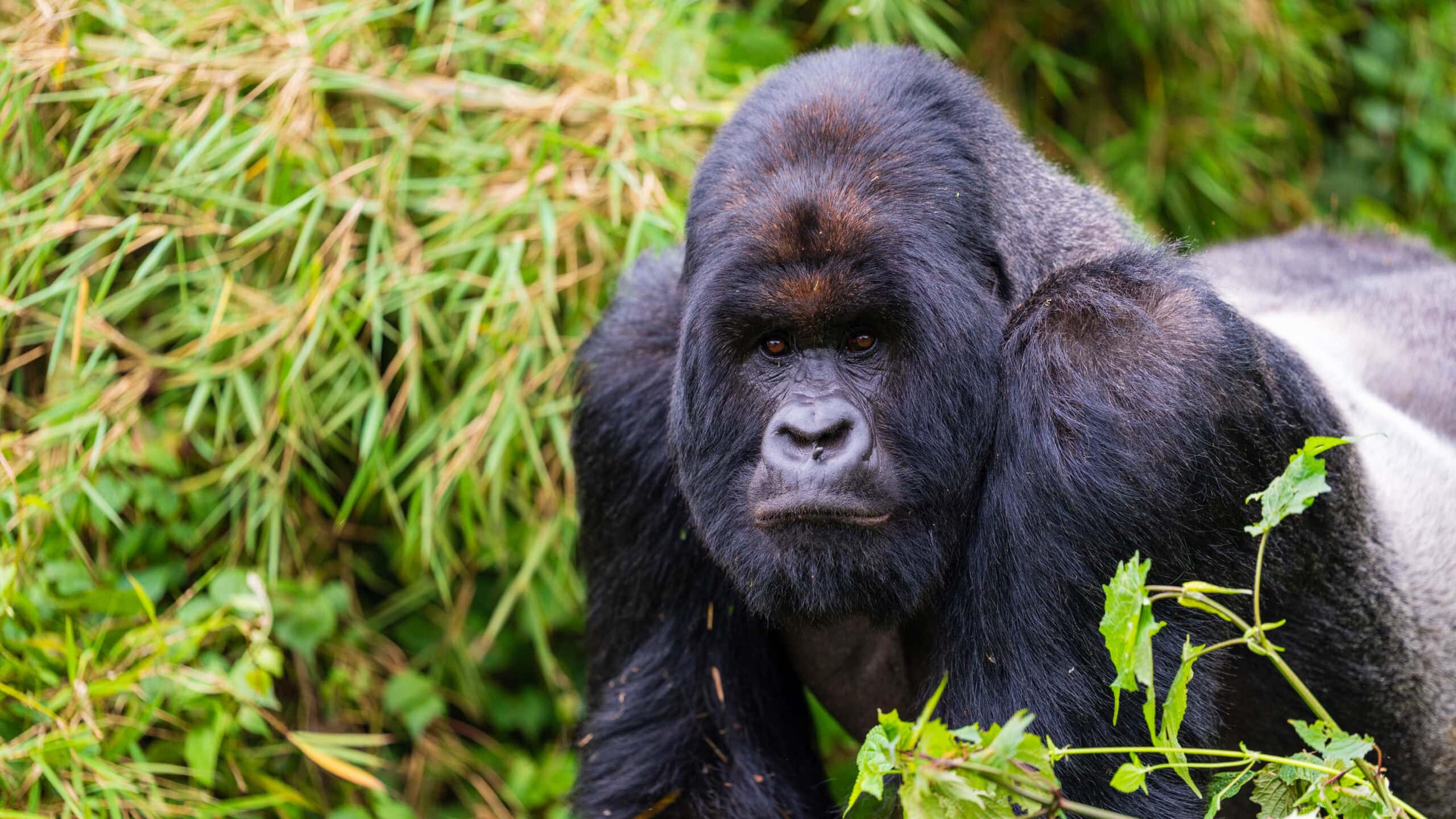
- Mountain gorillas (Gorilla beringei beringei) — Uganda, Rwanda, DRC. Higher altitude, cooler air, fully habituated tourism model, one-hour standard encounter, larger visitor groups, the iconic silverback portraits of travel media.
- Western lowland gorillas (Gorilla gorilla gorilla) — Republic of Congo (and Gabon/Loango context). Lowland equatorial forest, more heat and humidity, more arboreal movement, smaller guest groups, longer potential time with the family, multi-habitat safari wrapped around the trek.
If you have already done mountain gorillas, Congo is not a repeat — it is the other half of the African gorilla story. If you have done neither, Rwanda or Uganda is the rational first mountain gorilla hour; Congo is the rational first expedition if exclusivity matters more than modular short trips. Deep dive: western lowland guide and Congo vs Rwanda head-to-head.
Who Should Choose Which Country
Choose Rwanda if you are…
- A first-time gorilla trekker wanting maximum predictability
- Working a short 3–5 night window from an international hub
- Travelling with family or less mobile companions (still need fitness for the climb)
- Building a multi-country East Africa itinerary with clean road logistics
Choose Uganda if you are…
- Prioritising value on a mountain gorilla permit ($800 vs $1,500)
- Wanting denser jungle and a more physically adventurous trek day
- Keen to pair gorillas with chimps and Queen Elizabeth savanna
- Happy with longer transfers from Entebbe or a light-aircraft hop
Choose Republic of Congo if you are…
- Seeking the most exclusive gorilla product in Africa
- Wanting western lowland gorillas, not another mountain gorilla hour
- Ready for a 7–12 night rainforest safari with forest elephants and rivers
- Comfortable with charter logistics and budgets in the $10.5k–20k band
- A return visitor who has already done Rwanda or Uganda
Choose DRC only if you are…
- Fully briefed on current security advisories and residual risk
- Booking through a specialist operator with real-time park status
- Specifically seeking Virunga’s volcanic setting over safer alternatives
- Not travelling as a standard leisure family or first-time Africa visitor
Can You Combine Countries? The Ultimate Ape Odyssey
Yes — and serious primate travellers often should.
- Congo + Rwanda (or Uganda): 7–10 nights Odzala western lowland + 3 nights mountain gorilla. Total ~12–16 days. Budget roughly USD 15,000–30,000 pp. Hold Congo charters and Ngaga nights first — scarcer inventory — then lock East Africa permits around the Brazzaville connection.
- Rwanda + Uganda: Two mountain gorilla parks, different forest characters, often 6–9 nights total. Strong for travellers who want depth within one subspecies without Congo logistics.
- Congo only multi-camp: Ngaga + Lango + Mboko remains the pure rainforest product when East Africa is a later chapter.
We design these combinations regularly. Start with whichever matches current constraints — then plan the other subspecies rather than forcing a false binary.
Practical Checklist Before You Book Any Country
- Health: Yellow fever certificate mandatory for Republic of Congo; check requirements for multi-country routings. Malaria prophylaxis essential for Congo and still relevant for Uganda/Rwanda travel days. Evacuation insurance non-negotiable for Congo charters.
- Fitness honesty: Steep altitude → lean Rwanda with closer family request. Dense mud and roots → expect Uganda Bwindi to be hardest. Heat and humidity → Congo. Porters available in East Africa.
- Lead time: Congo dry-season camps/charters 6–12 months. Rwanda peak permits and top lodges similar or tighter. Uganda permits slightly more flexible by sector but still book ahead for high season.
- Minimum ages: Mountain gorilla trekking typically 15+. Congo oriented to adults; confirm operator policy for older teens. DRC family leisure travel generally not advised.
- Ethics: Distance rules, no flash, masks when required, turn back if unwell. Great apes share too much DNA for casual colds.
- Security: Re-check DRC advisories immediately before any Virunga plan. Prefer Rwanda/Uganda/ROC for standard leisure itineraries.
Our Honest Take
Rwanda remains the best default first mountain gorilla trip — accessible, predictable, superbly lodged. Uganda is the best value mountain gorilla trip and often the most physically memorable jungle day. Republic of Congo is the best exclusive, different-subspecies, full-safari answer — more expensive in total, more remote, and worth it for travellers who want emptiness and western lowland behaviour East Africa cannot sell. DRC is a specialist file, not a brochure default.
If you have one short window and one gorilla dream: Rwanda (or Uganda on budget). If you have time, appetite and budget for the frontier: Congo. If you refuse to choose forever: do western lowland and mountain on separate chapters of the same life list.
Ready to match country to dates? Explore Odzala Discovery, Odzala Odyssey and Congo Immersion for the western lowland circuit; compare mountain gorilla options via Rwanda vs Uganda and gorilla safari packages. Pressure-test seasons with best time Congo and when to visit Rwanda/Uganda. We hold permits, charters and night-weighting so you can keep your attention on the path the trackers are reading.
Frequently Asked Questions
Which country is best for gorilla trekking in 2026?
Rwanda for first-timers and short luxury trips; Uganda for value and wilder jungle; Republic of Congo for exclusive western lowland rainforest safaris; DRC only for risk-tolerant specialists under current advisories.
What is the difference between western lowland and mountain gorillas?
Western lowland gorillas live in Congo Basin lowland rainforest with more arboreal behaviour and smaller tourist groups. Mountain gorillas live in the Virunga massif and Bwindi at higher altitude with fully habituated one-hour encounters. Different subspecies, habitats and trip products.
How much do gorilla permits cost in each country?
Indicative 2026: Congo ROC USD 400–750; Uganda USD 800; Rwanda USD 1,500; DRC ~USD 400 when open. Total trip cost is driven more by nights and logistics — Congo circuits cost most overall because of charters.
Is gorilla trekking in the DRC safe?
Virunga is spectacular but eastern DRC carries high-level travel advisories and conflict risk. For most leisure travellers the security risk outweighs the cheaper permit. Prefer Rwanda, Uganda or Republic of Congo unless you are fully briefed and specialist-guided.
Rwanda or Uganda for mountain gorillas?
Rwanda: easier Kigali access, denser luxury lodges, $1,500 permit. Uganda: $800 permit, denser Bwindi jungle, four sectors, easy chimp/savanna combos. Many travellers eventually do both.
Why choose Republic of Congo over Rwanda or Uganda?
Different subspecies (western lowland), far fewer guests, multi-camp rainforest safari with forest elephants, and the most exclusive gorilla product in Africa. Not cheaper — different and more expedition-shaped.
Can I combine multiple gorilla countries?
Yes. Congo + Rwanda/Uganda for both subspecies (~12–16 days). Rwanda + Uganda for two mountain gorilla parks. Book Congo inventory first when combining with East Africa.
Which is most family-friendly?
Rwanda generally, then Uganda. Congo is adult-oriented expedition travel. DRC is not recommended for standard family leisure travel under current advisories.
When is the best time across all four?
June–September and December–February dry windows are preferred. Trekking runs year-round in established destinations. Green season means muddier trails and fewer guests.
How fit do I need to be?
All need reasonable fitness. Uganda Bwindi is often hardest (dense/steep). Rwanda is altitude climb. Congo is heat, humidity and mud at lower elevation. Porters help in East Africa; discuss limits with your operator.