Where You Sleep in Odzala Shapes the Whole Safari
In most African parks you choose a lodge the way you choose a hotel — by view, by pool, by how close it sits to the gate. Odzala-Kokoua National Park does not work like that. This 13,600-square-kilometre Congo Basin wilderness has no public roads worth mentioning, no town on the boundary, and no mid-range options. Overnighting means one of a handful of exclusive forest camps, reached only by charter aircraft from Brazzaville, and each camp is deliberately placed inside a different habitat so that moving between them is the safari itself.
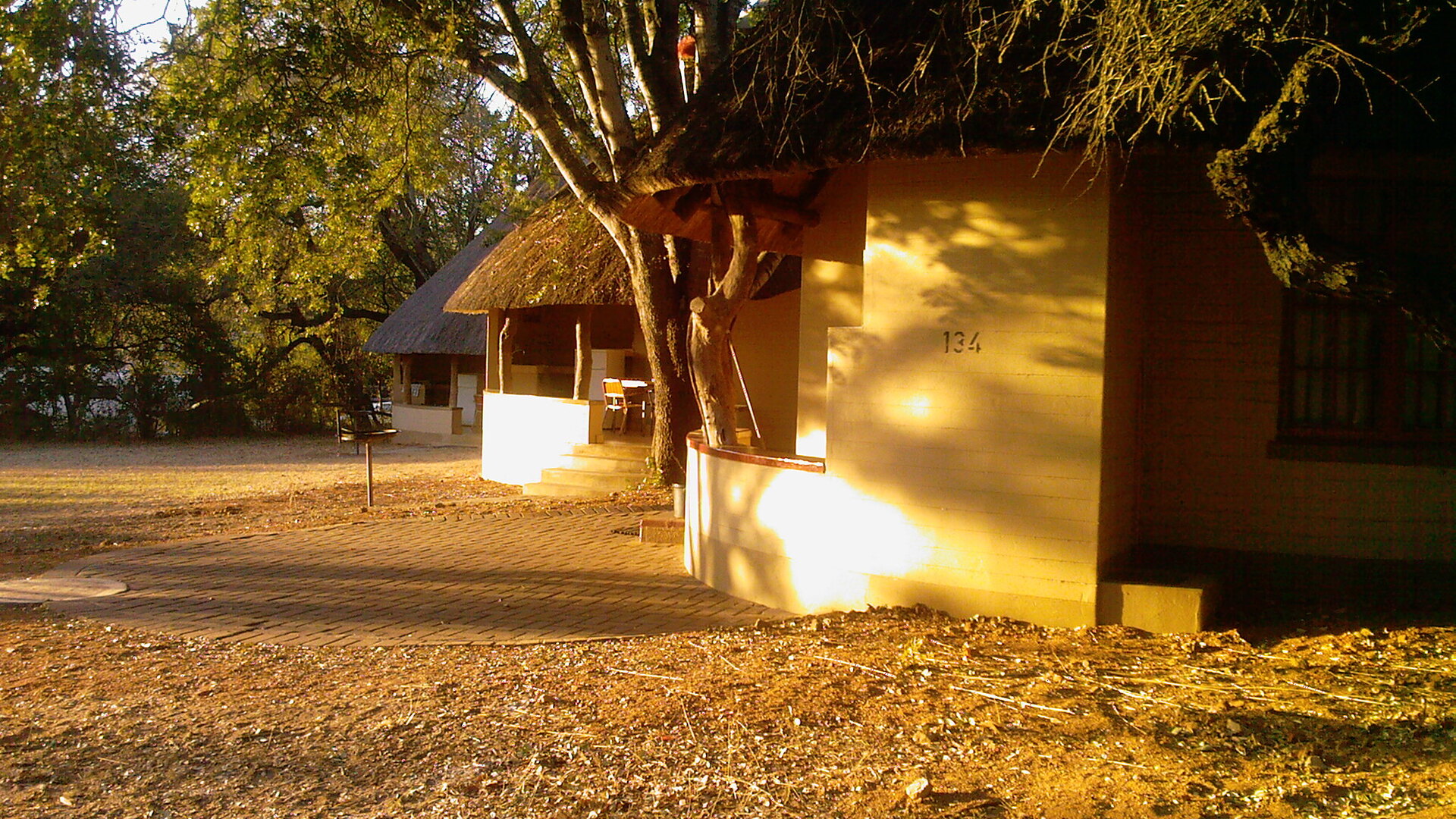
The classic product is the three-camp circuit operated by Kamba African Rainforest Experiences: Ngaga Camp for western lowland gorilla trekking, Lango Camp for baï wildlife, and Mboko Camp for rivers and the forest-savanna edge. A fourth option, Camp Imbalanga, linked with African Parks’ management of the park, offers a more modular alternative. This guide is the practical map of all four — what each feels like, what it costs, how they connect, and how to choose based on the experience you actually want. For the wider country picture, start with our Ultimate Republic of Congo Safari & Travel Guide; for the money side, see the Republic of Congo safari cost breakdown.
Charter-Only Access — Why Every Stay Starts in Brazzaville
Every Odzala journey begins the same way. You fly internationally into Brazzaville (Maya-Maya Airport, BZV), usually via Addis Ababa, Paris, Casablanca or Istanbul. You overnight in the capital — partly to rest, partly because the northbound charter leaves on set days. The next morning you board a light aircraft for the flight into the park airstrip, then transfer by road and boat to your first camp.
That charter is not optional. There is no reliable self-drive route for visitors, and the logistics of fuel, security and runway access are built around scheduled flights that are almost always bundled into the safari package. This is why Odzala itineraries come in fairly fixed lengths — typically 7, 10 or 12 nights — and why last-minute changes are hard. It is also why the camps feel so empty: guest numbers are capped by aircraft seats and by the tiny room counts at each lodge.
The Three Flagship Camps — Ngaga, Lango & Mboko
Kamba African Rainforest Experiences runs the three camps that define the modern Odzala safari. They are design-led, all-inclusive and deliberately small. Most travellers spend two or three nights at each, moving through gorilla forest, baï and river in sequence. Below is what each one actually delivers.


Ngaga Camp — the gorilla-trekking base
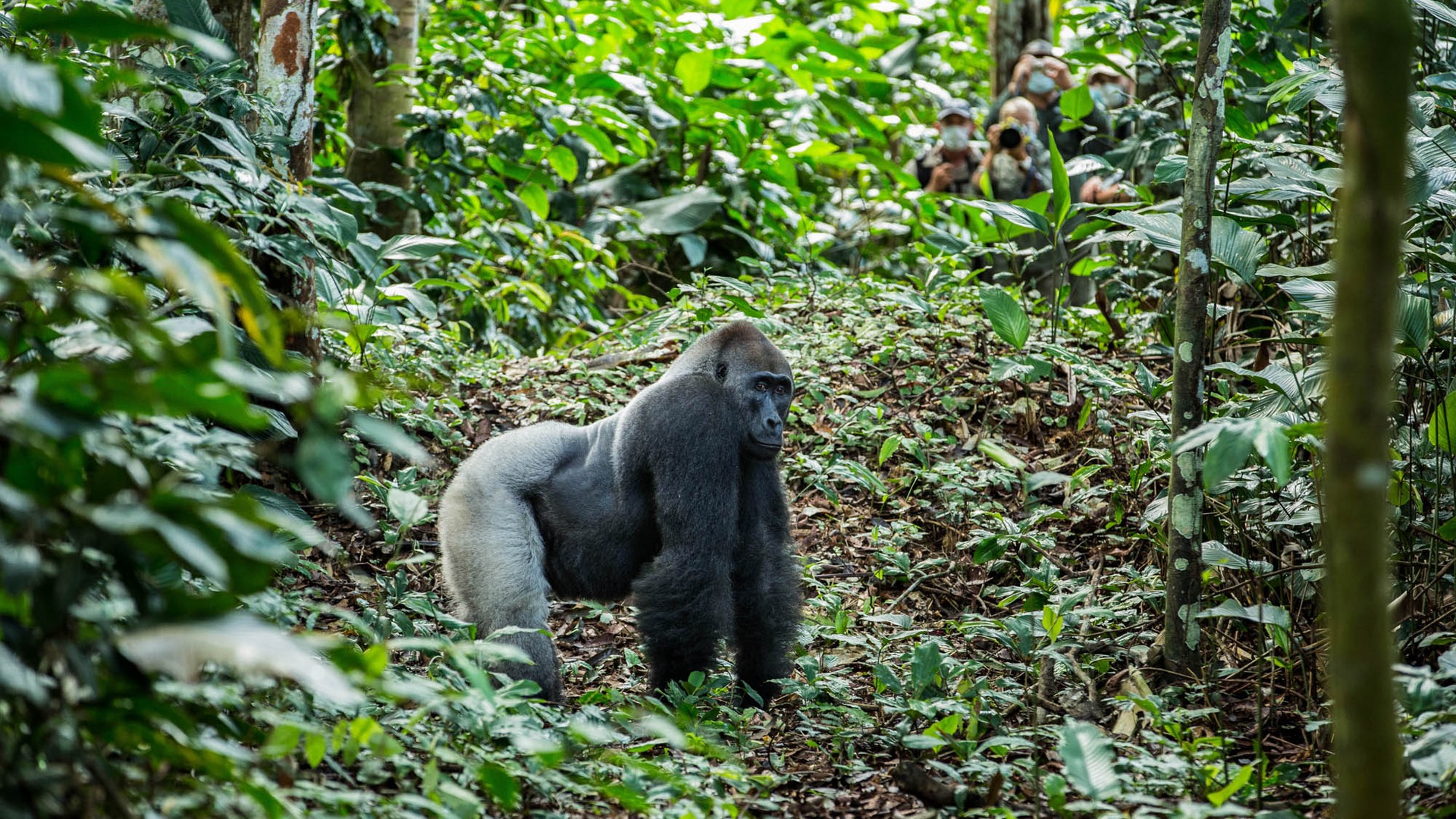
Ngaga Camp sits in the Ndzehi sector, raised on stilts among marantaceae — the dense, leafy understorey that western lowland gorillas favour. Six wood-and-thatch rooms look into the canopy. There is no sweeping savanna view here; the aesthetic is deep forest, filtered green light, and the sound of insects and hornbills at dawn.
This is where you come to track gorillas. Habituated families range in the surrounding forest, and each morning Ba’Aka trackers and specialist guides lead small groups — typically a maximum of four guests — on foot through undergrowth, swampy patches and elephant trails until contact is made. Treks can last anywhere from under an hour to five hours or more. Sightings are very likely across a multi-night stay but never guaranteed, which is why two or three nights at Ngaga is the standard recommendation. Read the full trekking picture in our western lowland gorilla trekking guide.
Best for: gorilla-focused travellers, first-timers who want the headline experience, anyone who values waking inside primary rainforest. Style: intimate, elevated forest rooms, all meals and house drinks included, serious guiding. Rough nightly rate: around USD 1,000–1,200 per person sharing, all-inclusive in peak season.
Lango Camp — the baï-side treehouse
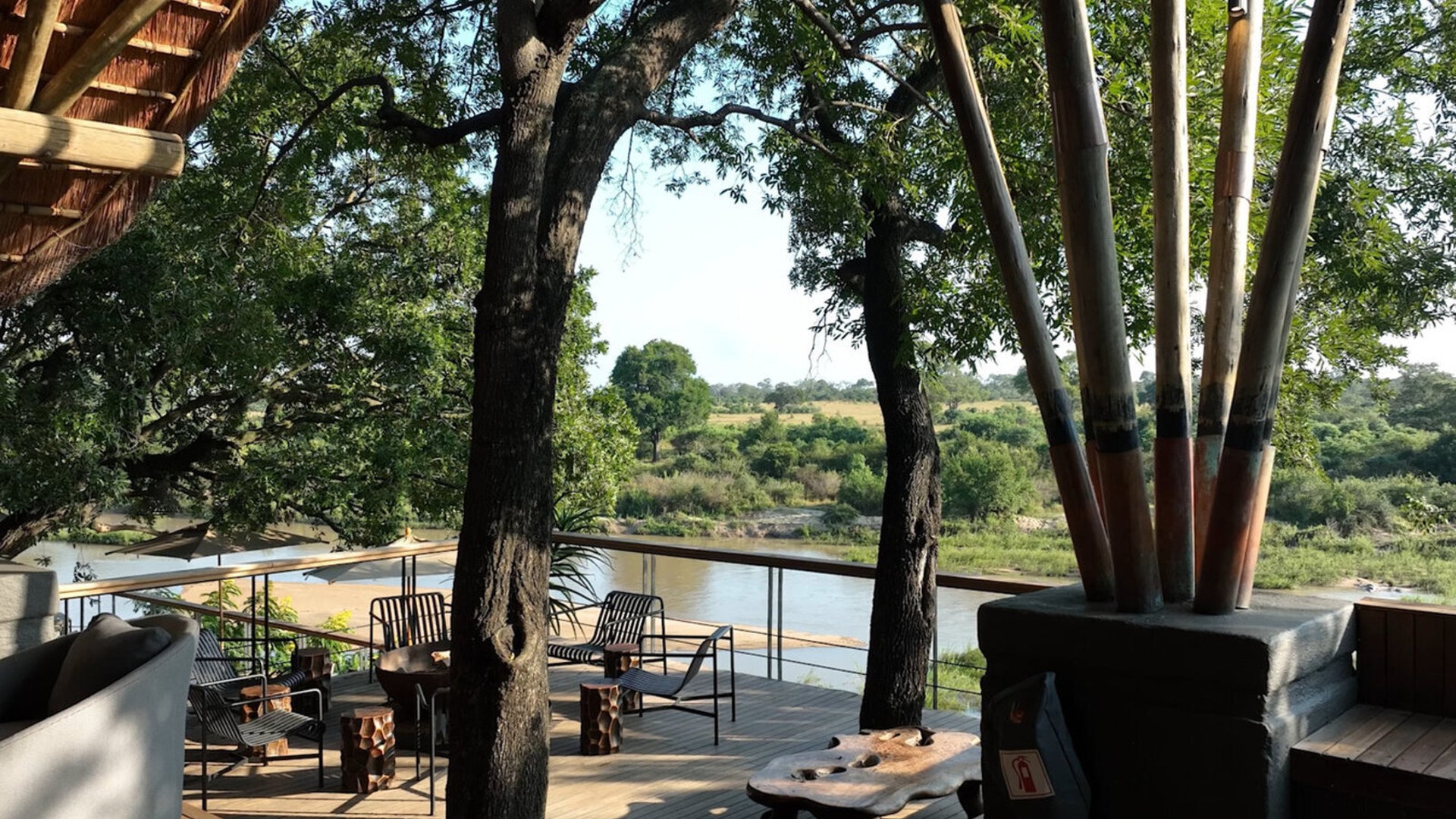
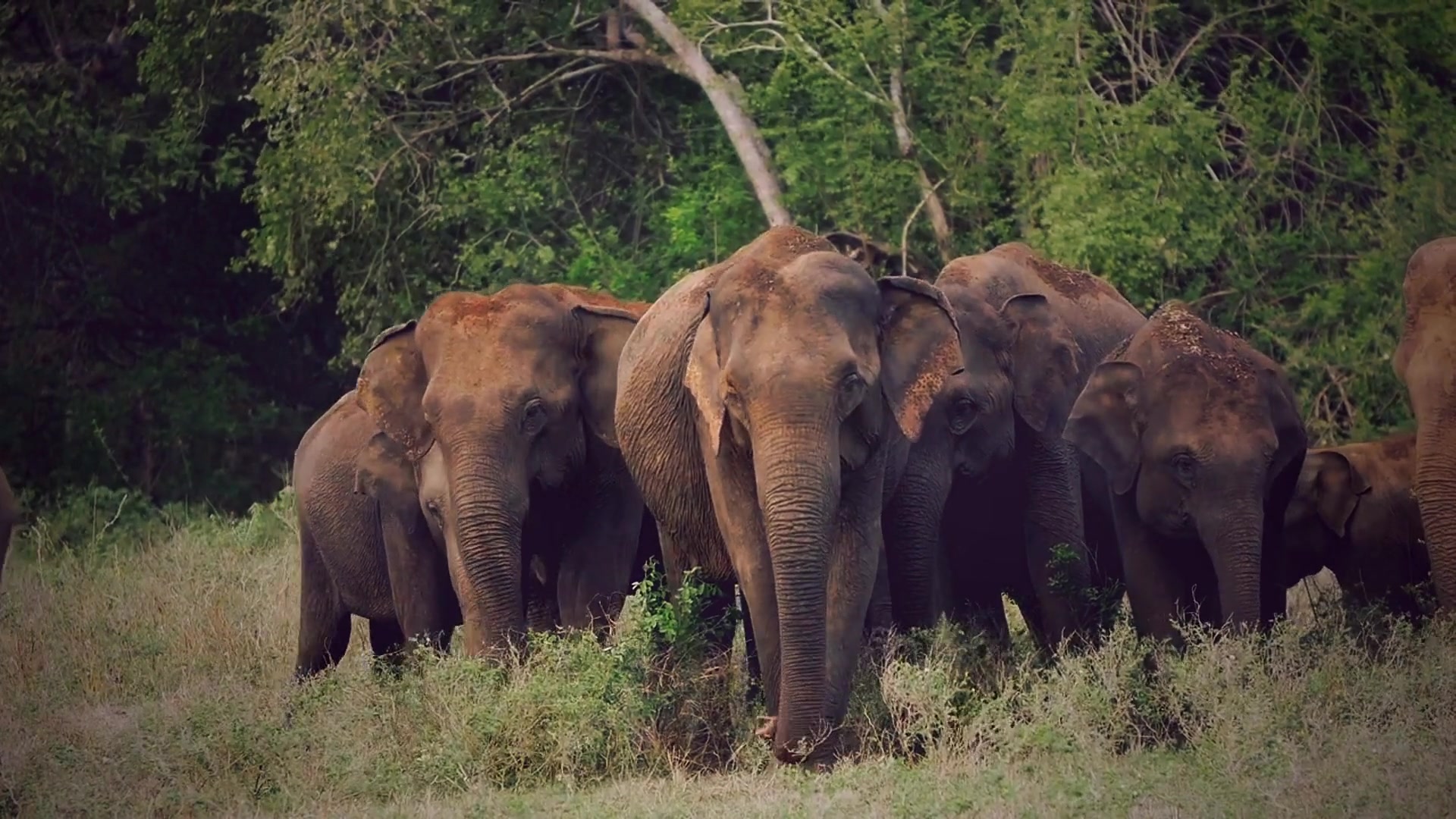
Lango Camp is the one that stops people mid-sentence. Six raised rooms and a main deck overlook Lango Baï — a mineral-rich forest clearing where forest elephants, forest buffalo, bongo, sitatunga and flocks of African grey parrots emerge to feed on sedges and take minerals from the soil. At dawn and dusk the baï can hold dozens of animals in open view, a rare gift in dense rainforest where most wildlife stays hidden.
Days at Lango mix platform viewing, guided walks into and across the baï (often wading), and kayak or boat exploration of the linked waterways. Photographers tend to linger here longer than anywhere else on the circuit. The camp feels like a treehouse village suspended above a private wildlife theatre — and because room numbers are tiny, you share that theatre with almost nobody.
Best for: photographers, baï wildlife enthusiasts, travellers who want forest elephants at close range without a vehicle. Style: elevated, design-forward, baï-facing decks. Rough nightly rate: around USD 1,000–1,200 per person sharing, all-inclusive.
Mboko Camp — rivers, savanna mosaic and the largest base
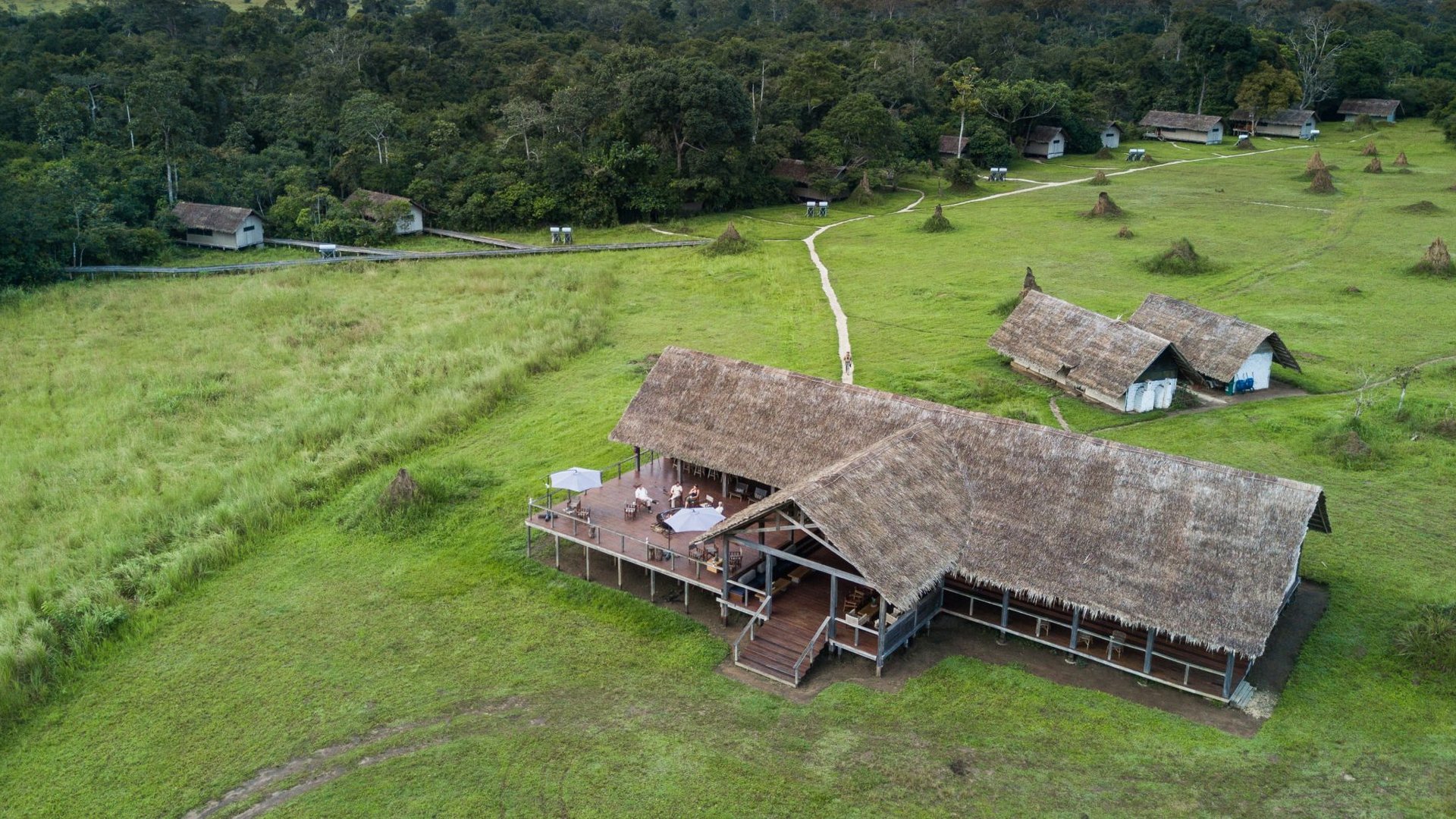
Mboko Camp is the biggest of the three, with around twelve airy rooms set where the Lekoli and Mambili rivers meet a mosaic of forest and open savanna. If Ngaga is cathedral jungle and Lango is a clearing stage, Mboko is the water-and-edge camp — boat safaris, kayaking black-water channels, walking the forest fringe, and the region’s rare night drives and walks that can turn up genets, servals and porcupines.
Mboko often bookends the circuit: a softer landing after gorilla trekking, or a final stretch of river time before the charter south. Families and mixed-interest groups appreciate the wider activity menu and slightly larger social spaces. It is still exclusive by any normal safari standard — just less hermetic than the six-room forest camps.
Best for: river lovers, birders, night-activity seekers, families and groups who want variety. Style: riverside, savanna-forest edge, broadest activity list. Rough nightly rate: around USD 800–1,100 per person sharing, all-inclusive.
How the Camps Connect — Typical Circuits
Because the charter arrives and departs on fixed days, Odzala stays are sold as packages more often than as loose nights. The three circuits that work best:
- 7 nights — Odzala Discovery: the essential introduction. Typically Ngaga (gorillas) + Lango (baï) + Mboko (rivers), with Brazzaville nights bookending the charter. Ideal first Congo safari. See the Odzala Discovery 7-night package.
- 10 nights — Odzala Odyssey: more time in each camp for extra gorilla treks, longer baï sessions and deeper river exploration. The sweet spot for photographers and serious wildlife travellers. See the Odzala Odyssey 10-night package.
- 12 nights — Congo Immersion: the full expedition, maximum forest time and room for remote extensions. See the Congo Immersion 12-night package.
Transfers between camps are part of the experience — short road sections, boat crossings, sometimes a light hop — and are arranged by the operator so you are never navigating logistics yourself. A single-camp stay is possible for a specialist trip (for example, three nights only at Ngaga for gorilla work), but you will miss the habitat contrast that makes Odzala unique.
Camp Imbalanga — the African Parks Alternative
Camp Imbalanga sits in a different lane from the Kamba trio. Linked with African Parks, which co-manages Odzala-Kokoua, it is a more modular, flexible camp used for tailored itineraries, conservation-linked travel and guests who want a slightly less design-driven, more expedition-feeling base. It can be a strong fit when the classic three-camp circuit is fully booked, when a private group wants a buy-out feel, or when the brief leans toward research, community or park-management storytelling rather than pure lodge luxury.
It is not automatically “cheaper” in a backpacker sense — Odzala access costs what it costs — but it can be more adaptable on length of stay and programme design. For most first-time visitors chasing gorillas, baïs and a polished forest-camp circuit, Ngaga–Lango–Mboko remains the default recommendation. Imbalanga is the intelligent alternative when the brief is different.


Camp Comparison at a Glance
Use this table as a decision shortcut. Rates are indicative 2026 per-person-sharing figures for all-inclusive nights and move with season and package structure.
| Camp | Setting | Best for | Style & size | Rough nightly rate (pp) | Signature activities |
|---|---|---|---|---|---|
| Ngaga Camp | Marantaceae / Ndzehi forest | Gorilla trekking | 6 raised forest rooms; intimate | USD 1,000–1,200 | Gorilla tracking with Ba’Aka guides |
| Lango Camp | Overlooking Lango Baï | Elephants, photography | 6 treehouse-style rooms | USD 1,000–1,200 | Baï walks, platform viewing, kayaks |
| Mboko Camp | Lekoli–Mambili confluence | Rivers, variety, families | ~12 riverside rooms; largest | USD 800–1,100 | Boat/kayak safaris, night drives |
| Camp Imbalanga | Park interior (African Parks link) | Flexible / conservation itineraries | Modular, expedition-leaning | Quote-dependent | Tailored programme, park access |
All flagship rates above are typically all-inclusive of accommodation, meals, house drinks, guided activities and park fees; gorilla permits are usually bundled when Ngaga trekking is part of the stay. Charter flights and Brazzaville hotels sit outside the nightly rate unless your package says otherwise. For full landed budgets, use the cost guide.
How to Choose — By Traveller Type
First-timer to the Congo Basin
Take the full three-camp circuit on a 7- or 10-night package. You need Ngaga for the gorillas, Lango so you understand what a baï is, and Mboko so the rivers complete the picture. Skipping any one leaves a hole in the story. The 7-night Discovery is the cleanest first trip.
Gorilla-focused traveller
Weight the nights toward Ngaga — three nights if you can, with at least two planned treks. Add Lango if time allows; the baï is a different kind of magic and recovers the legs between forest days. Mboko becomes optional on a short gorilla-priority trip.
Photographer
Prioritise Lango for baï light and elephant behaviour, then Ngaga for primate work, then Mboko for river reflections and night subjects. A 10-night Odyssey gives the extra mornings and golden hours that a 7-night rush cannot. Soft-sided luggage, dry bags and fast lenses matter more here than almost anywhere else in Africa.
Family or mixed-interest group
Lean on Mboko for activity variety and slightly larger communal spaces, keep Ngaga for a carefully paced gorilla day (check minimum ages and fitness with the operator), and use Lango as the shared wow moment on the baï deck. Private charter buy-outs can make multi-generational trips smoother.
Budget-conscious (within Odzala reality)
There is no cheap Odzala — the charter alone is a major fixed cost — but you can spend less without gutting the experience. Choose the 7-night circuit over 10 or 12, travel in the green or shoulder season when rates soften, share a room, and fill charter seats as a small group. Mboko nights can be fractionally less than Ngaga or Lango. See the full saving playbook in the cost guide. Beware any quote that undercuts the market by a wide margin; something essential is usually missing.
Booking & Logistics
- How to book: through a specialist operator who holds allocations on the Kamba circuit and the Brazzaville charter. We build the full journey end-to-end — visas invitation letter, Brazzaville hotels, camps, permits and flights.
- Lead time: 6–12 months for June–September and December–February dry seasons. Camps have six to twelve rooms; gorilla groups are capped. Peak dates sell out.
- Minimum nights: plan at least 6–7 nights in the park to justify the charter. Individual camps often prefer two-night minimums.
- Best time: long dry season June–September and short dry December–February for firmer trails and lower humidity. Gorilla trekking runs year-round; green season is lush, quieter and sometimes better value. Full season detail in our best time to visit Republic of Congo guide.
- What is included at camp: room, all meals, house drinks, laundry at many stays, guided activities, park and conservation fees, and gorilla permits when trekking is scheduled.
- What is usually extra: international flights to Brazzaville, Congo visa (~USD 100–150), Brazzaville hotel nights, premium spirits, tips (guideline USD 50–100 per guest per day), and comprehensive travel insurance with medical evacuation.
- Health: yellow fever certificate mandatory; malaria prophylaxis essential; reasonable fitness required for gorilla treks.
Our Honest Take — Exclusivity Has a Price
Odzala accommodation is expensive, remote and limited — and that is both the cost and the point. You are not choosing between twenty lodges on a booking engine. You are choosing among a few carefully placed camps that keep guest numbers low enough for habituated gorillas to tolerate visitors, for baïs to stay calm, and for the forest to feel like wilderness rather than a product.
The upside: true exclusivity, design-led comfort in primary rainforest, expert guiding, and a multi-habitat circuit you cannot replicate in East Africa. Waking above a baï of forest elephants, or walking out of Ngaga toward a silverback, is the kind of memory that reorders a travel life.
The trade-offs: high nightly rates, mandatory charter logistics, fixed itinerary lengths, humidity, and gorilla sightings that are likely but never certain. If you want a flexible, self-drive, mid-range park stay, Odzala is the wrong address. If you want one of the last great rainforest safaris on Earth, and you are willing to pay for the aircraft seats and tiny camps that protect it, these four bases — Ngaga, Lango, Mboko and Imbalanga — are where that journey lives.
Ready to match camps to dates? Explore the Odzala Discovery (7 nights), Odzala Odyssey (10 nights) and Congo Immersion (12 nights), or start from the park overview in our Odzala-Kokoua National Park guide. We will build the circuit around what you actually want to see.
Frequently Asked Questions
What are the main lodges in Odzala-Kokoua National Park?
The classic circuit uses three Kamba flagship camps: Ngaga (gorilla forest), Lango (baï-side treehouse) and Mboko (river and savanna mosaic). Camp Imbalanga, linked with African Parks, is a more modular alternative for tailored or conservation-focused trips.
Which camp is best for gorilla trekking?
Ngaga Camp. Habituated western lowland gorilla families range in the surrounding marantaceae forest, and Ba’Aka trackers lead morning treks from camp. Plan two or three nights here if gorillas are your priority.
How much do Odzala camps cost per night?
Roughly USD 800–1,200 per person sharing, all-inclusive, depending on camp and season. That typically covers meals, house drinks, guiding, park fees and gorilla permits when trekking. Charters and Brazzaville hotels are usually separate or package-bundled.
Do I have to stay at more than one camp?
Not strictly, but almost every strong itinerary combines two or three. Each camp sits in a different habitat, so the multi-camp circuit is how you experience the full park. Single-camp stays suit short or highly specialised trips.
How do you get to the camps?
Fly into Brazzaville, overnight, then take a scheduled charter north to the Odzala airstrip and transfer by road and boat to camp. Self-driving is not practical. The charter is almost always part of the package.
What is the minimum stay?
Most operators recommend at least six to seven nights across the circuit so the charter is worthwhile and you have time for two gorilla treks plus baï and river activities. Popular packages run 7, 10 or 12 nights.
Is Camp Imbalanga a good alternative?
Yes, for the right brief. It is more modular and flexible, with an African Parks link, and suits tailored, conservation-leaning or buy-out-style trips. First-timers seeking the classic gorilla–baï–river luxury circuit usually still start with Ngaga, Lango and Mboko.
When should I book?
Six to twelve months ahead for the dry seasons (June–September and December–February). Room counts are tiny and gorilla groups are capped, so peak dates sell out. Shoulder and green-season dates offer more flexibility and sometimes softer rates.