Mboko Camp — Odzala’s Premier River & Savanna Lodge
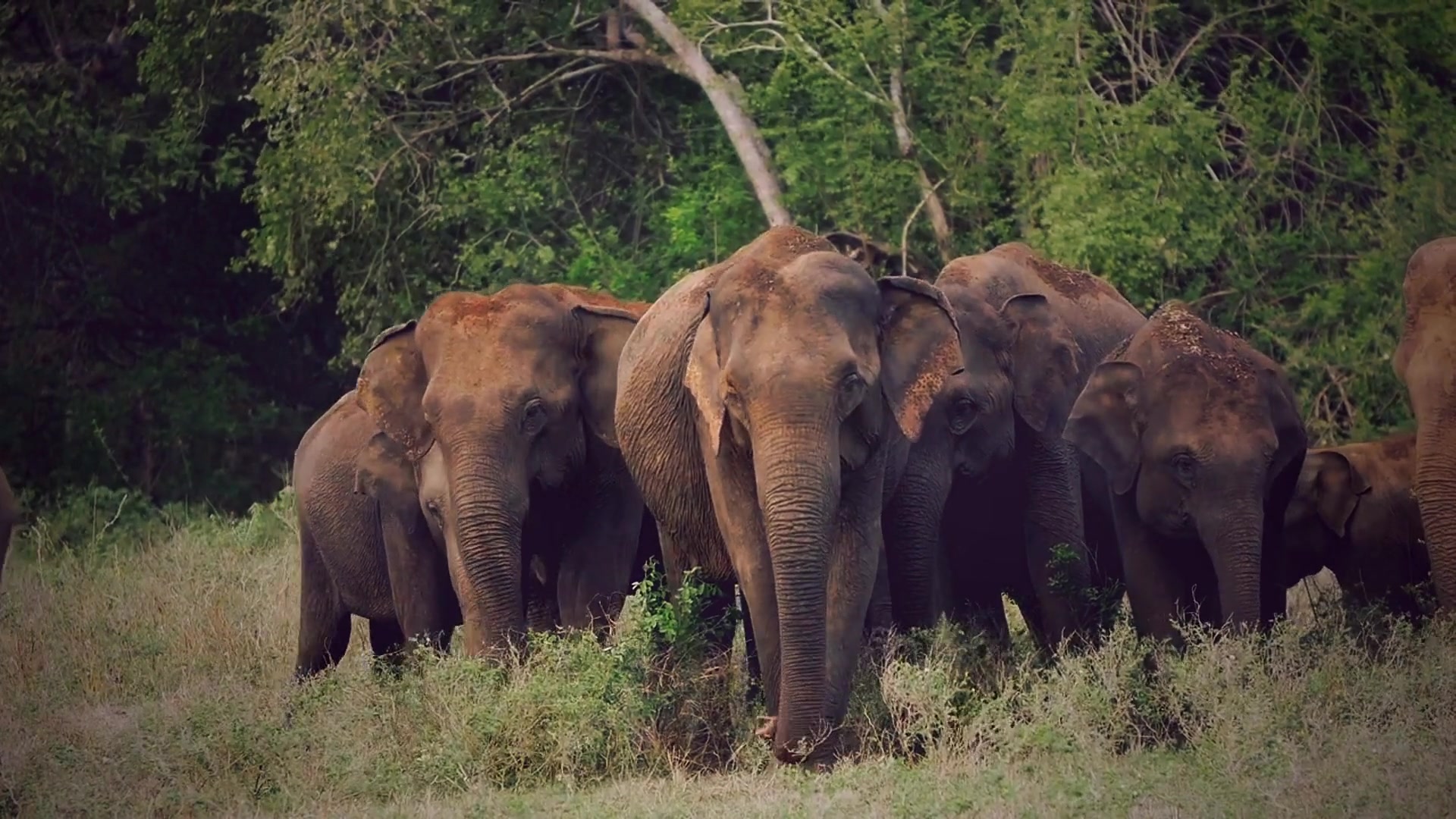
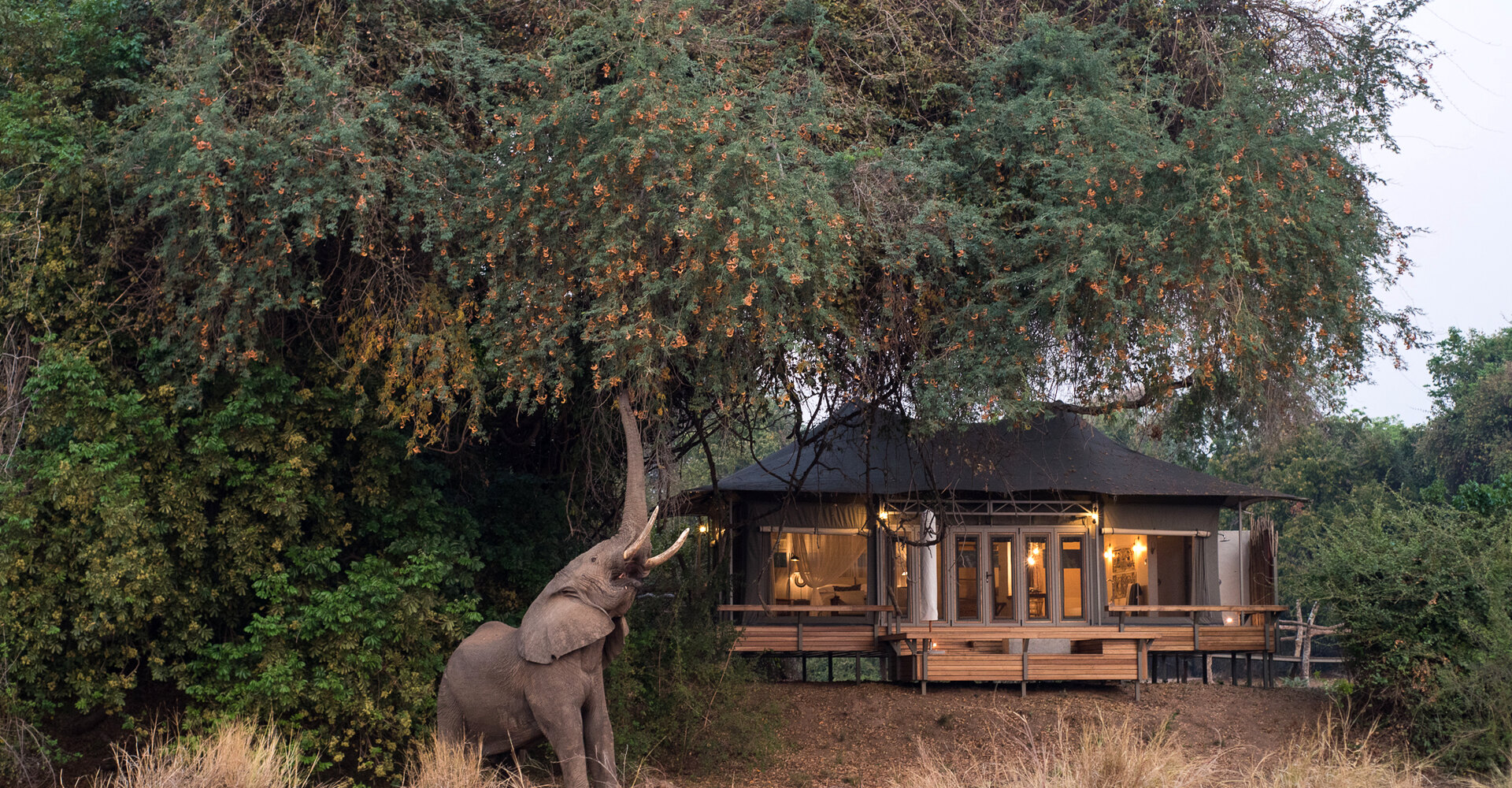
Some Odzala days are spent under closed canopy, tracking western lowland gorillas on foot. Others are spent on a raised platform watching forest elephants step onto a mineral baï. Mboko Camp is the third chapter — the one that opens the horizon. Set on the Lekoli River where rainforest softens into savanna mosaic inside Odzala-Kokoua National Park, this twelve-tent lodge of Kamba African Rainforest Experiences is the park’s river heart and the largest of the three classic camps. Pirogues slide under overhanging trees at first light. Forest buffalo graze open edges. Sitatunga pick through marshes. On the right evening a forest elephant may come down to drink while the sky goes gold over the water and kingfishers stitch the bank.
This is not a pure forest camp with a boat bolted on, and it is not a classic East African river lodge airlifted into the Congo. You sleep at the ecological hinge of the park: timber and canvas elevated above wetter ground, a dining pavilion that faces the Lekoli, and a daily rhythm built around water, edge habitat and the softer light of open mosaic. Dawn mist lifts off the channel. Afternoon storms rearrange the colour of the forest wall. Night brings frogs, insects and the option of a drive into habitat that pure canopy camps cannot reach.
This review is the practical, honest map of Mboko in 2026: where it sits, how you reach it, what the twelve tents and river dining are actually like, what pirogue and sunset days deliver and what weather can take away, how the camp completes the classic circuit with Ngaga and Lango, what it costs, and who should weight nights here. For the country-wide picture start with our Ultimate Republic of Congo Safari & Travel Guide; for the full lodge menu see Where to Stay in Odzala-Kokoua; for the money side use the Republic of Congo safari cost guide.
Setting & Access — Lekoli Riverfront, Forest-Savanna Edge
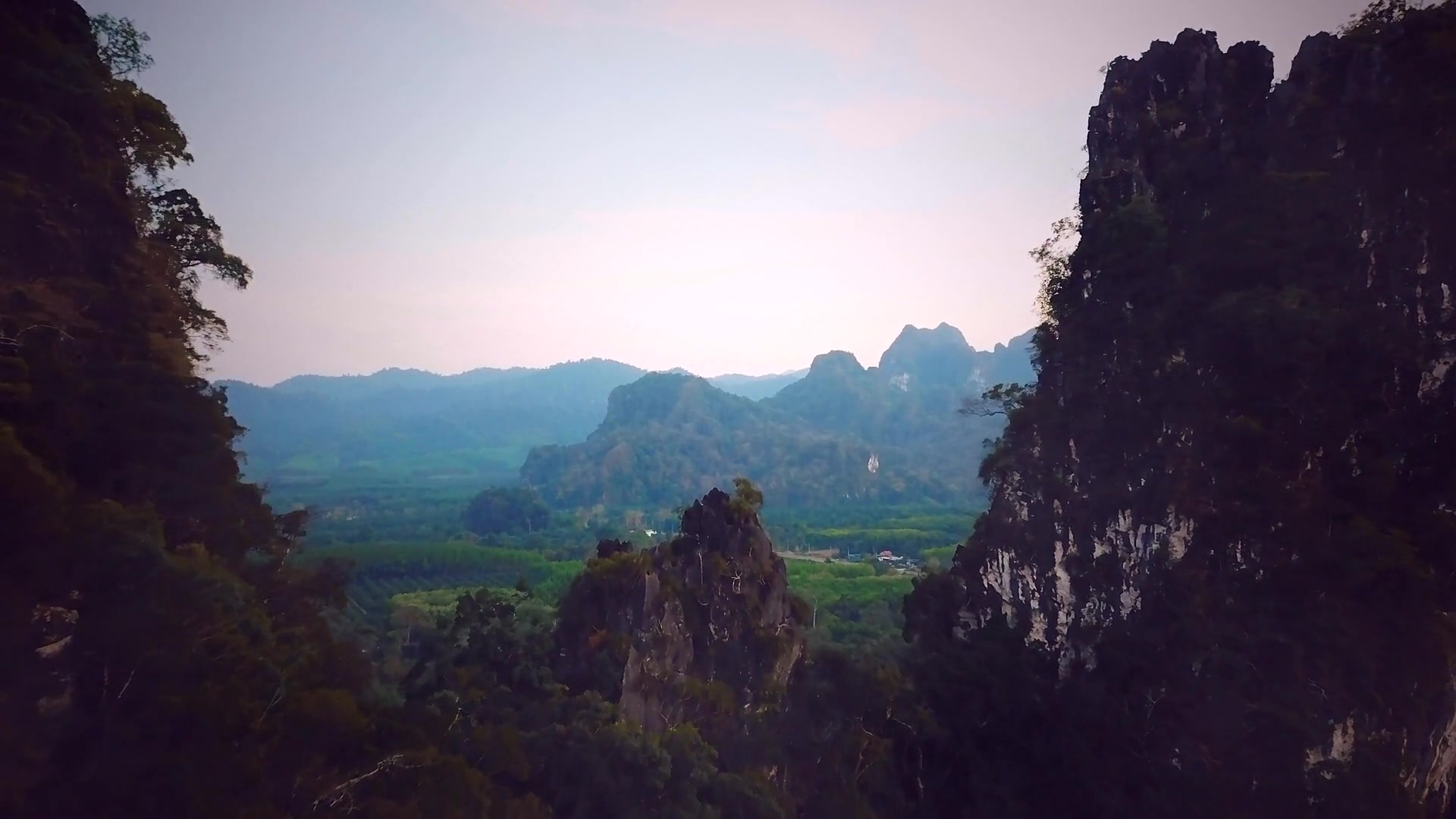
Mboko sits on the Lekoli River (often linked in guest language with the wider Lekoli–Mambili river system) in the heart of Odzala-Kokoua, a 13,600-square-kilometre protected wilderness in the north-west of the Republic of Congo (Congo-Brazzaville — not to be confused with the DRC). The habitat is the park’s transition zone: closed rainforest giving way to open mosaic, marshes and river channels where light, grass and water create a different wildlife menu from the deep marantaceae forest of Ngaga or the mineral baï of Lango. From the dining pavilion the view is water and bank rather than pure canopy — a horizontal stage of reflections, birds and the dark green wall beyond.
Getting there is part of the exclusivity tax. You fly internationally into Brazzaville (Maya-Maya, BZV), usually via Addis Ababa, Paris, Casablanca or Istanbul. You overnight in the capital because the northbound light-aircraft charter leaves on set days. From the Odzala airstrip a road transfer delivers you toward Mboko, often as the middle or closing stop on a multi-camp circuit after Ngaga and/or Lango. Self-driving is not a realistic visitor option. The charter is almost always bundled into the safari package, which is why Mboko nights are sold inside fixed-length circuits — typically 7, 10 or 12 nights across the park — rather than as loose hotel bookings.
Minimum stay: operators strongly recommend at least two nights, ideally three at Mboko if river and mosaic wildlife are a priority. A single night gives you one dawn cruise and one dusk window and no buffer for storms, high wind on the water, or a quiet afternoon when animals stay off the banks. Three nights usually means multiple river sessions, a night drive, fishing if conditions allow, and the psychological calm of knowing tomorrow is another chance on the Lekoli. For seasonality detail see our best time to visit Republic of Congo guide.
Accommodation — Twelve Elevated Tents, Largest of the Trio
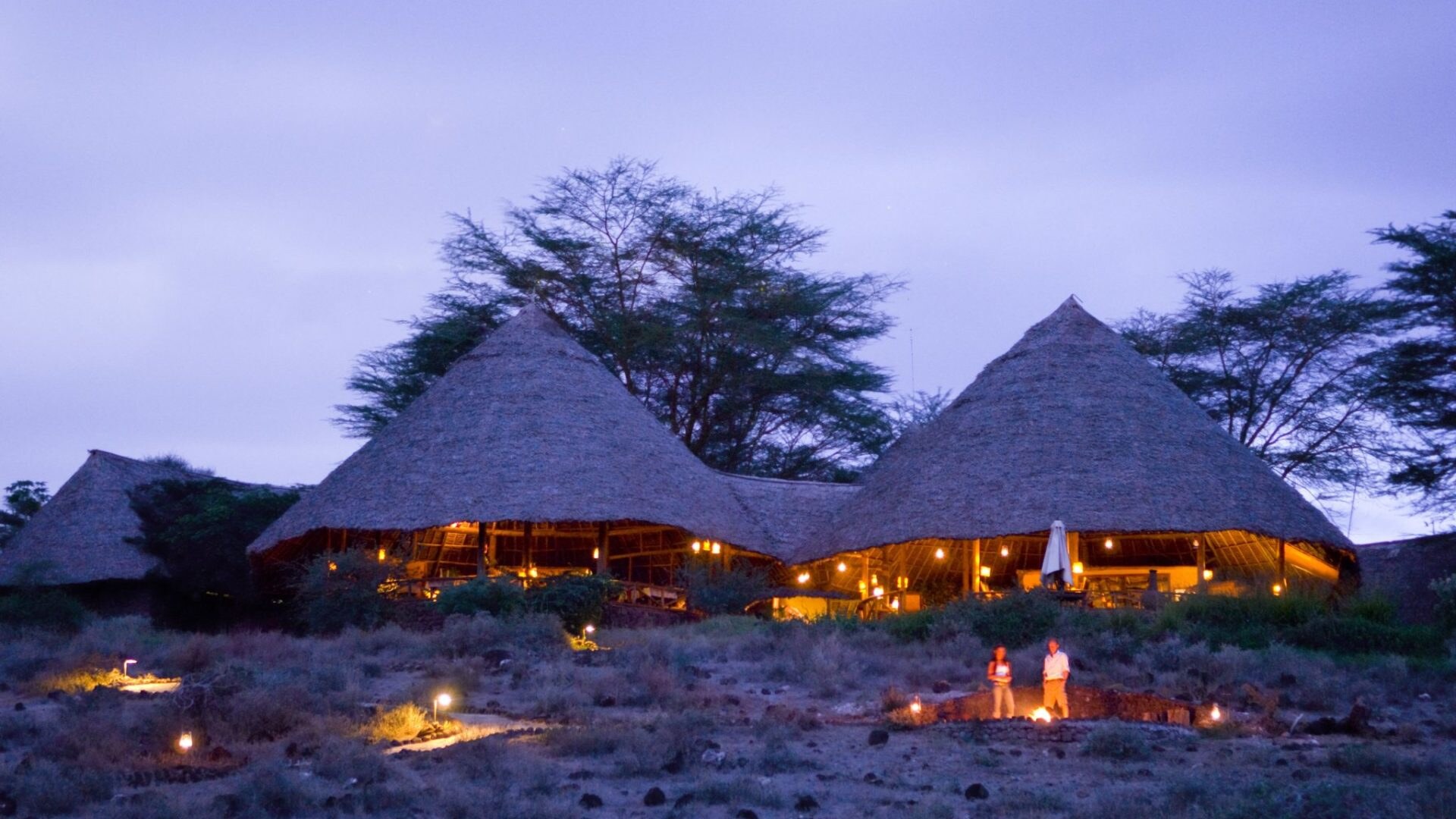
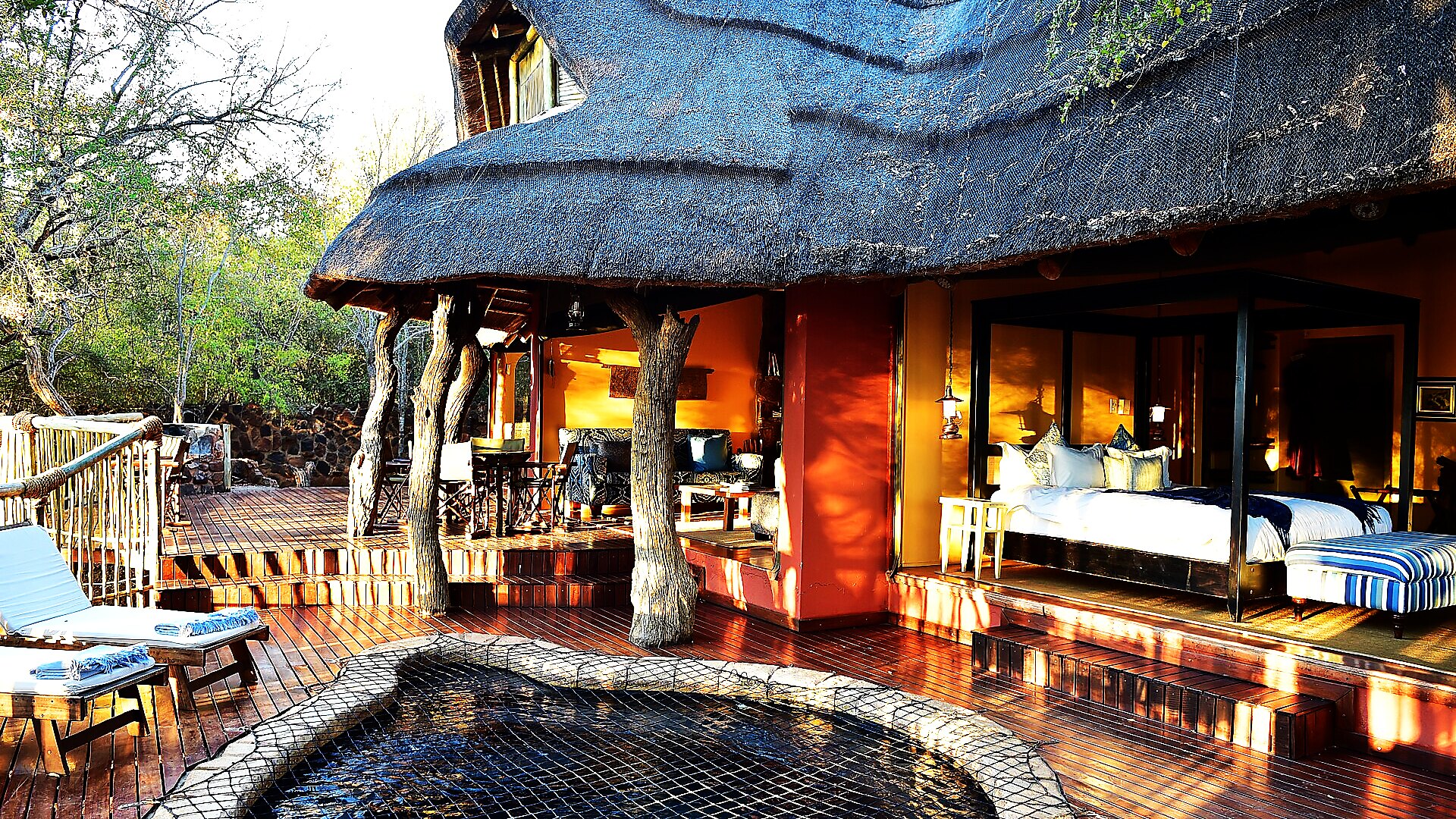
Mboko is deliberately the spacious sibling. Twelve elevated tents stand on stilts among riverine vegetation and mosaic edge, connected by walkways that keep you above wetter ground and the things that move through it after dark. The design blends forest and river themes — timber, thatch, canvas, open decks oriented to light and water — without tipping into theme-park pastiche. Expect mosquito-netted beds, en-suite bathrooms with hot water, private decks that catch river sound and savanna-edge breeze, and interiors that feel like a well-made safari tent rather than a city suite airlifted into the jungle.


Dining is communal and polished for a camp this remote. The pavilion overlooks the river, which means lunch can pause for a kingfisher dive and dinner can start under a sky still holding the last colour of a Lekoli sunset. Expect three-course dinners, fresh baking, and a house-drinks selection covering wine, beer, spirits and soft drinks without a constant extras bill. Meals flex around river windows — early coffee before the first pirogue, a proper breakfast on return, flexible lunch, sundowners when the water goes copper. Special diets are handled if flagged at booking. Laundry is typically included or easily arranged.
Amenities in plain language: comfortable beds with quality linen, en-suite hot showers, solar and generator power sufficient for lights and device charging (do not expect hotel-grade air-conditioning in every corner), a main lounge and dining area oriented to the river, guiding desk, boat embarkation, and the intangible amenity of scale without crowds — twelve tents is still a small house by global lodge standards, but fuller than Ngaga or Lango’s six-room intimacy. Conversations at dinner are with people who watched the same buffalo that morning, not a rotating coach group. Families and mixed-interest groups often find the larger footprint easier than the tiniest forest camps.
The River & Savanna Experience — Why Mboko Exists
Everything else at Mboko is scaffolding for this. The Lekoli is not a wide tourist highway; it is a living Congo Basin channel where rainforest walls meet open water, marshes hold sitatunga, and the mosaic beyond the bank carries forest buffalo and the birds that work edge light. Guests move by pirogue (traditional dugout-style craft, often also described in guest programmes as mokoro-style or kayak-assisted river excursions depending on water and operator kit), by motorised boat for longer reaches, and on foot or by vehicle into the transition zone. Full park context lives in our Odzala-Kokoua National Park guide.
Pirogue excursions, fishing and birdlife
Dawn on the Lekoli is the signature. You push off in cool air, the forest still holding night sound, and drift or paddle under overhanging branches while herons, kingfishers, bee-eaters and African fish eagles work the channel. Midday can be quieter on the open water; late afternoon rebuilds the light. Catch-and-release fishing is typically offered when season and water allow — a relaxed, guided complement rather than a hardcore angling product. Bird lists run deep for anyone willing to sit still and listen; the river edge is one of the best places in the Odzala circuit to stack species without walking for hours under closed canopy.
Forest buffalo, sitatunga, elephants at the bank
The mosaic’s supporting cast is why river-priority travellers weight nights here. Forest buffalo use open edges and clearings in herds that can feel almost savanna-like after days of pure forest. Sitatunga work the wetter marshes with their splayed hooves — a Congo Basin classic that rewards patience more than speed. Duikers, monkeys and a rotating cast of smaller mammals keep binoculars busy. Forest elephants are not the daily baï theatre of Lango, but individuals and small groups do visit river banks and wetter margins, especially when fruiting and water draw them; a quiet evening with an elephant at the Lekoli edge is one of the great Congo images. Predators are present but less theatrically visible than on East African plains. The drama is water and edge: a buffalo line against green, a sitatunga freeze in reeds, the sudden lift of a fish eagle.


Sunset cruises — and how Mboko differs from Ngaga and Lango
- Sunset cruises — the photographic and emotional peak. Low light on water, silhouettes on the bank, drinks on board when the operator runs a sundowner float.
- Vs Ngaga — Ngaga is foot-based gorilla forest under marantaceae canopy; Mboko is water and mosaic. Different body, different day shape, different species emphasis.
- Vs Lango — Lango is stationary baï-watching from platforms; Mboko is mobile river time plus night drives. Elephants are more reliable at Lango’s clearing; river birds, buffalo edge and boat atmosphere belong to Mboko.
- Pace — gentler than a gorilla trek, more mobile than a baï hide. Ideal recovery and variety after forest intensity.
- Weather dependence — storms and wind can cancel or shorten boat time. Build buffer nights; do not treat every cruise as contractual.
- Gear on water — dry bags, rain covers, secure camera straps. Boats move; phones sink.
Beyond the River — Forest Walks, Night Drives & Culture
Mboko is a river camp first, but days that are not glued to the pirogue still earn their keep. Guided forest walks on firmer mosaic and gallery-forest edges peel back smaller layers — tracks, medicinal plants, the difference between elephant and buffalo sign, the way local trackers read a stem. Birding along the river and under canopy is rich for anyone willing to stand still.
Night drives are a genuine Mboko strength relative to the pure forest camps. The savanna-forest mosaic and river-edge tracks favour after-dark activity — nocturnal mammals, nightjars, the soundscape of a different Odzala. If night wildlife is high on your list, weight nights toward Mboko while keeping Ngaga for gorillas and Lango for baï light.
Gorilla tracking is not run from Mboko as a standard day activity. Habituated western lowland families are accessed from Ngaga Camp. That is why almost every strong Odzala itinerary pairs the camps rather than treating any one as a complete product. Full trekking context lives in our western lowland gorilla trekking guide. Cultural contact with local communities and Ba’Aka partnerships is handled carefully on the wider circuit — interpretive time and tracking collaborations that respect people as colleagues in the forest, not as a performance. Ask your operator how community benefit is structured on your specific departure, including any village visits offered from the Mboko sector.
Guides & Naturalists — Kamba Standards on the Water
The soft product at Mboko is the hard product. Kamba’s model leans on specialist naturalists with real river expertise — reading water, weather windows, bird calls along the bank, and the body language of buffalo at the edge. Boat briefings are serious: how to sit, when to stand, what to do if an elephant is on the bank, why a quiet channel at 10 a.m. can explode at 4 p.m. Safety on water and simple logistics of wet ground are non-negotiable. Service in camp is warm without being fussy — drinks appear, laundry disappears, dietary notes are remembered — but nobody is trying to recreate a city five-star on stilts above a Congo river. Guests who want white-glove theatre every hour will be happier in a different product category. Guests who want competence, calm and deep ecological knowledge tend to leave Mboko ranking the guiding among the best water days they have had in Africa.
Seasons & Best Time for River and Savanna
Mboko operates year-round. The strongest combination of river access and savanna-edge wildlife falls in the two dry seasons:
- Long dry — June to September: firmer banks, lower humidity, reliable boat logistics, strong mosaic wildlife, highest demand — book earliest.
- Short dry — December to February: also excellent for river and edge watching; popular with travellers combining Congo with southern-Africa summer plans.
The long rains (roughly February/March–May) and short rains (October–November) mean higher water, heavier air, and sometimes muddier forest approaches. High water can open dramatic cruising channels and outstanding birding; storms can also cancel a planned float. Guest numbers drop; rates sometimes soften. First-timers chasing classic dry-season river and buffalo-edge scenes should aim dry. Return visitors and photographers who want empty boats and green drama often deliberately choose wet. Full month-by-month detail sits in the seasons guide.
Costs — What Mboko Actually Runs
Indicative 2026 figures, always confirm on quote:
- Nightly rate: roughly USD 800–1,000 per person sharing, all-inclusive, peaking toward the top of that band in high season and for the most inclusive packages.
- Typically included: elevated tent, all meals, house drinks, laundry at many stays, guided river excursions and mosaic activities, park and conservation fees.
- Gorilla permits: only relevant if your circuit includes Ngaga trekking — commonly USD 400–750 per trek if itemised; usually bundled into multi-camp packages. Mboko-only nights do not include gorilla permits because trekking is not based here.
- Usually extra: international flights to Brazzaville, Congo visa (about USD 100–150), Brazzaville hotel nights, the park charter (often package-bundled), premium spirits, tips (guideline USD 50–100 per guest per day across the circuit), and comprehensive insurance with medical evacuation.
A realistic landed budget for a multi-camp Odzala journey that includes Mboko sits in the same bands as our cost guide: on the order of USD 10,500+ per person for a 7-night discovery circuit, higher for 10- and 12-night odysseys. Mboko is not a bargain lodge. It is a scarce, high-fixed-cost product whose price reflects aircraft seats, remote river logistics, conservation context and the simple fact that very few places on Earth offer this Congo forest-river blend from a twelve-tent base. Transparent breakdowns live in the Republic of Congo safari cost article.
How Mboko Fits Multi-Camp Itineraries
Almost nobody should fly all the way to Odzala for Mboko alone — not because the camp fails, but because the park’s genius is habitat contrast. The classic Kamba circuit is:
- Ngaga — gorilla forest (2–3 nights)
- Lango — baï elephants, buffalo, bongo, platform light (2–3 nights)
- Mboko — Lekoli rivers, pirogues, night drives, savanna-forest edge (2–3 nights)
Ready-built packages that already weight Mboko correctly:
- Odzala Discovery — 7 nights — the essential first Congo safari
- Odzala Odyssey — 10 nights — extra river, baï and trek time for photographers and serious wildlife travellers
- Congo Immersion — 12 nights — maximum forest depth and room for remote extensions
River-priority, family and mixed-interest travellers should ask us to weight nights toward Mboko inside those frames — three nights here, with Ngaga kept for gorilla attempts and Lango for at least two baï dawns. Gorilla-priority guests reverse the emphasis toward Ngaga. Elephant- and photography-priority guests often weight Lango while still keeping Mboko as the variety closer. The full where-to-stay guide unpacks each camp’s role in more depth. Transfers between camps are operator-handled; you do not self-drive the park.
Mboko vs Other River Safari Lodges
| Dimension | Mboko (Odzala river) | Okavango mokoro camp | Zambezi river lodge |
|---|---|---|---|
| Primary experience | Pirogue/river cruises + forest-savanna mosaic | Mokoro channels + floodplain game | River cruises + classic big-game banks |
| Signature species | Forest buffalo, sitatunga, river birds, forest elephant (occasional) | Elephant, buffalo, red lechwe, lion, wild dog (varies) | Elephant, hippo, buffalo, lion, leopard (varies) |
| Setting | Congo rainforest wall meets Lekoli channel | Delta papyrus, lagoons, open floodplains | Broad river, islands, riparian woodland |
| Circuit context | Paired with Ngaga gorillas + Lango baï | Often standalone Delta or with Moremi/Chobe | Often with Mana, Lower Zambezi or Vic Falls |
| Atmosphere | Remote, green, forest-river intimacy | Iconic water wilderness, higher mammal density | Classic big-river safari theatre |
| Best for | Travellers completing the Odzala trio; Congo water chapter | Delta specialists and first-time water safari | Big Five riverbanks and canoe trails |
Mboko is not trying to out-Okavango the Okavango or out-Zambezi the Zambezi. Its unique offer is the Congo forest-river blend inside a multi-camp itinerary that also delivers western lowland gorillas and baï elephants. If you need red lechwe on open floodplains and a high daily mammal count on water, start with Botswana. If you want rainforest walls, Lekoli light, forest buffalo and the chance of a forest elephant at the bank — after a gorilla morning and a baï dawn — Mboko is the chapter you came for. Many serious travellers eventually do both basins.
Honest Take — Pros, Cons & Who It Is For
Pros
- Genuine river diversity — pirogues, sunset cruises, fishing, birding — that pure forest camps cannot match.
- Largest Kamba camp infrastructure (twelve tents) without losing exclusivity.
- Forest-savanna transition wildlife: buffalo, sitatunga, river birds, occasional forest elephant at the bank.
- Beautiful sunset setting on the Lekoli — one of the great golden-hour stages of the Congo circuit.
- Night drives stronger than at Ngaga or Lango for many programmes.
- Natural variety chapter after gorilla forest and baï intensity — completes the classic trio.
- Often the most family-comfortable of the three Kamba camps for older children.
- All-inclusive rates that usually fold in drinks and activities — fewer nasty surprises at checkout.
Cons
- Less intimate than Ngaga or Lango’s six-room setups — twelve tents is still small, but the house is larger.
- River experiences are weather-dependent; storms and wind can cancel boat time.
- High cost, driven by charter logistics and remote operations.
- Remote access — Brazzaville overnight plus scheduled charter; last-minute changes are painful.
- Forest elephant encounters are less routine than at Lango’s baï; do not book Mboko as an elephant-only product.
- Gorilla trekking requires Ngaga nights — Mboko alone is not a primate product.
- Still not a classic Big Five game-drive lodge; pair Congo with East or Southern Africa if you need lions on the plains.
Who thrives here: travellers completing the full Odzala circuit who want water after forest; photographers who love river light and silhouettes; families and mixed-interest groups who need a gentler day shape; anyone who understands that a Congo river day is atmosphere and edge wildlife, not a Delta mammal conveyor belt.
Who should choose differently: guests who only want gorilla trekking (weight Ngaga) or only want baï elephants (weight Lango); travellers who need constant Big Five vehicle loops; anyone unwilling to sit in a small aircraft or accept that rain can rewrite a cruise; first-time safari-goers who still need open-plains education before the forest-river one.
Mboko is not trying to be the most luxurious room in Africa. It is trying to be the most honest base for Odzala’s river and savanna chapter. On that brief, in our view, it succeeds — and the circuit without it feels unfinished.
Plan Your Mboko Stay
Ready to place Mboko inside a real itinerary? Start with the 7-night Odzala Discovery, step up to the 10-night Odyssey, or go deep on the 12-night Congo Immersion. Read the park overview in our Odzala-Kokoua National Park guide, compare all camps in Where to Stay in Odzala, study the gorilla chapter at Ngaga Camp, the baï chapter at Lango Camp, and pressure-test the budget with the cost guide. We hold the charter logic, the night-weighting and the season timing so you can keep your attention where it belongs — on the Lekoli going copper as the first buffalo line the bank at dusk.
Frequently Asked Questions
When is the best time for river experiences at Mboko?
Dry seasons — June to September and December to February — give the most reliable river access, firmer banks and strong savanna-edge wildlife. Dawn and late-afternoon cruises are the best hours. Wet months raise water for dramatic cruising but can muddy approaches and thin some open-ground sightings.
How does Mboko compare to Ngaga and Lango?
Ngaga is gorilla forest (six tents, foot treks). Lango is baï treehouse (six rooms, elephants and clearing wildlife from platforms). Mboko is river and savanna (twelve tents, pirogues, sunset cruises, night drives). Complementary chapters of one circuit — not substitutes.
Is fishing available at Mboko?
Yes. Catch-and-release fishing on the Lekoli is typically offered when water and season allow. It is a relaxed guided complement to wildlife cruises, not a hardcore angling product. Confirm tackle and policy on your departure.
Is Mboko family-friendly?
More so than Ngaga or Lango for many families. River cruises and a gentler rhythm suit older children better than multi-hour gorilla treks. Minimum ages still apply; flag ages at booking. Very young children and remote-charter logistics need honest discussion first.
What photography gear should I bring?
A 70–300mm or 100–400mm-class zoom covers most river and edge work; wide glass for camp and sunset sky. Stabilisation on boats, rain covers, dry bags, secure straps, and no flash on wildlife. Golden-hour river light is the signature.
Can you cruise in the rainy season?
Often yes — higher water can open channels and create atmospheric days — but storms can cancel a float. Birding is frequently excellent. First-timers chasing classic dry-season scenes should aim June–September or December–February.
Can solo travellers stay at Mboko?
Yes. Solos fit communal dining easily. Budget for a single supplement unless paired. Twelve tents mean a broader social mix than the six-room camps. Charter seats are the tighter constraint than camp policy.
How does Mboko fit multi-camp logistics?
As the river chapter of the classic trio: Ngaga (gorillas), Lango (baï elephants), Mboko (rivers and night drives). Most strong itineraries give Mboko two or three nights. Transfers are operator-handled inside fixed packages — no self-drive between camps.
What does Mboko cost?
Roughly USD 800–1,000 per person sharing per night all-inclusive in 2026. Flights, visa, Brazzaville hotels, charter (often bundled), tips and insurance sit outside. Full multi-camp budgets are in our Republic of Congo safari cost guide.
How does Mboko compare to an Okavango mokoro safari?
Okavango delivers classic Delta water and often higher open-floodplain mammal density. Mboko delivers a Congo forest-river blend — rainforest walls, Lekoli channels, forest buffalo, sitatunga — inside a circuit that also includes gorillas and baïs. Different basins, different atmosphere. Serious travellers eventually do both.