Key Takeaways
- The Kalahari — above all Tswalu and the Makgadikgadi Pans — offers Africa's best odds for the true “shadow” species: aardvark, pangolin, aardwolf, brown hyena and habituated meerkat colonies.
- Aardvark and pangolin are almost entirely nocturnal; specialist reserves that permit night drives and off-road tracking are the only realistic way to see them.
- African wild dogs (painted wolves) number fewer than 7,000 in the wild — Mana Pools, the Sabi Sand and southern Tanzania hold the densest, most viewable packs.
- Black rhino are shy, solitary browsers quite unlike the grazing white rhino — Ngorongoro, Etosha and Hluhluwe-iMfolozi give the most reliable sightings.
The Safari Beyond the Big Five
Every first safari is a hunt for the Big Five, and rightly so — there is nothing like your first lion at dawn or a leopard draped in a marula tree. But there is a second, quieter safari that only the most seasoned travellers ever discover: the search for Africa's rare and elusive animals. These are the shadow species — the aardvark that surfaces only after dark, the pangolin so seldom seen that most guides go years between sightings, the painted wolf whose entire species now numbers fewer than a small town.
Finding them is a different craft altogether. It calls for the right reserve, the right season, a tracker who reads the sand like a page, and — crucially — the freedom to drive off-road and after dark that only private conservancies allow. Public parks, for all their beauty, close their gates at dusk and keep you on the road. The elusive animals live in the margins the rulebook forbids.
This is our specialist's guide to the ones almost nobody sees. For each we give you what the animal actually is, why it is so hard to find, and the exact places and times that swing the odds in your favour — built from decades of guiding across the Kalahari, the Okavango, the great migration circuits and the private reserves of the south. This is the safari the guidebooks skip.
1. The Aardvark — Africa's Great Nocturnal Ghost
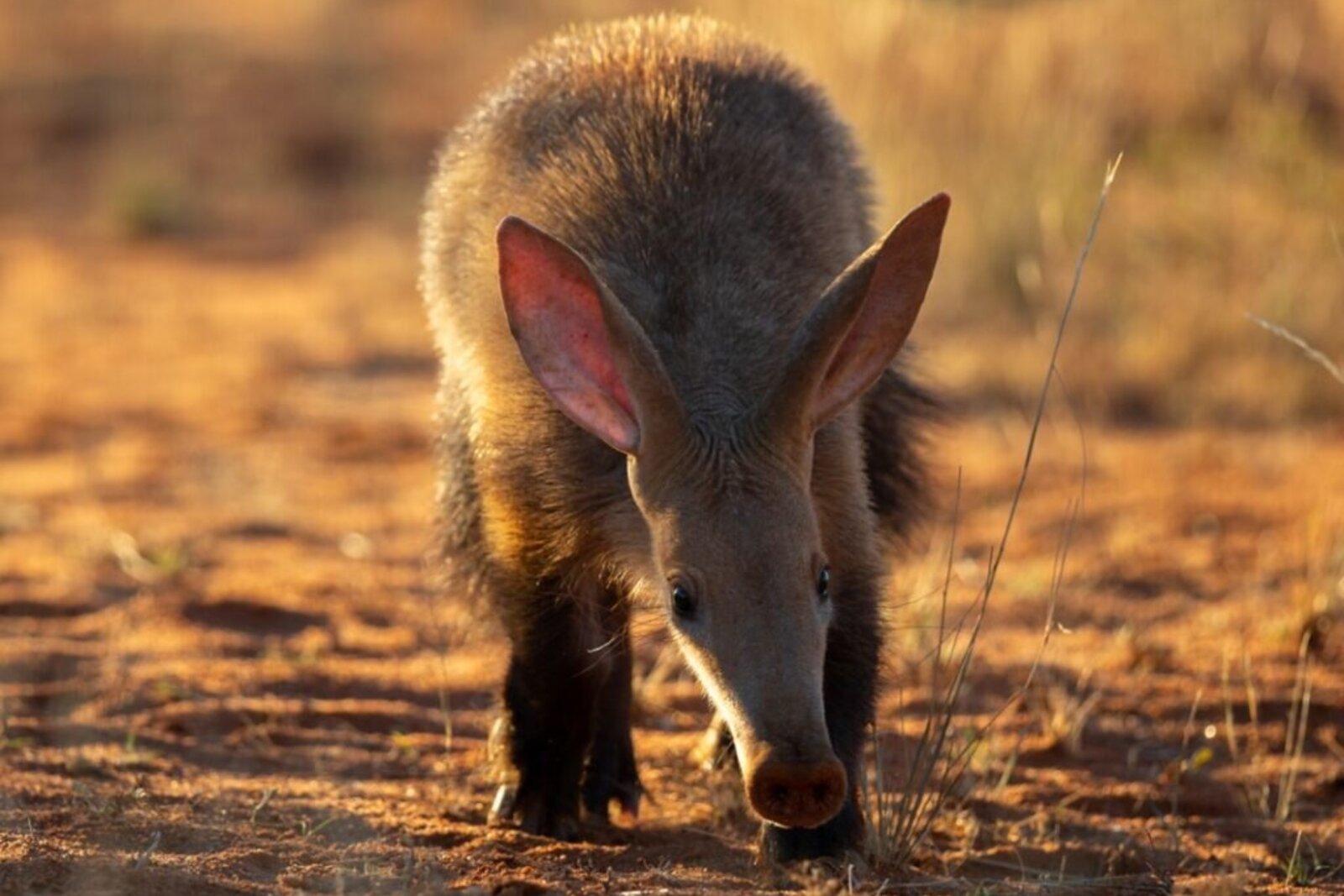
If there is a single holy grail for the veteran safari-goer, it is the aardvark. Pig-snouted, rabbit-eared and utterly unlike anything else alive, this solitary ant-and-termite eater spends the daylight hours deep underground and emerges only in darkness to dig. Most Africans who have lived beside it their whole lives have never seen one. It is the animal that separates the tourist from the true safari connoisseur.
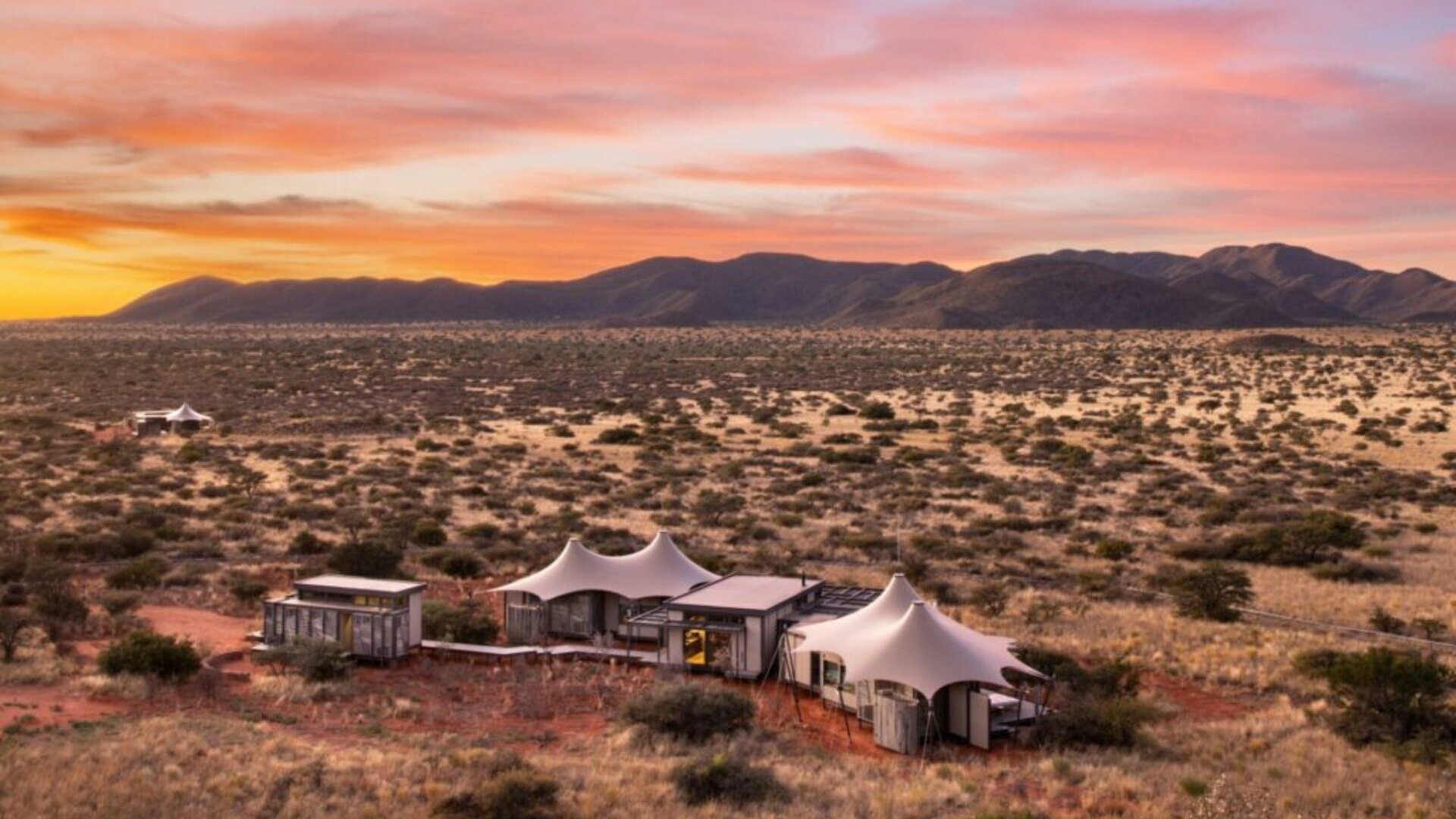
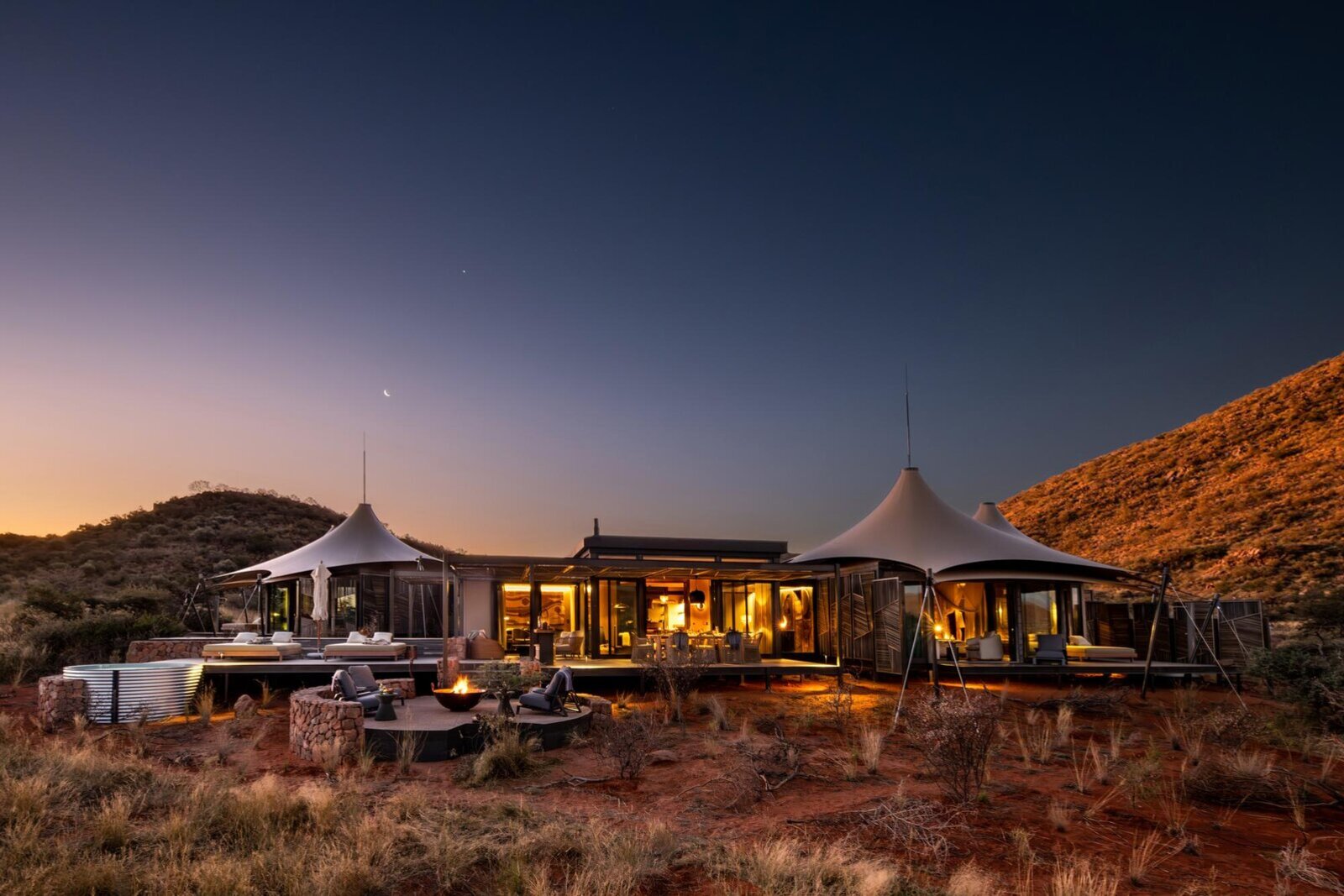
The odds turn in your favour in exactly one landscape: the red Kalahari. Tswalu — South Africa's largest private reserve — has built a global reputation on aardvark, offering specialist night drives and, in the cool winter months (May to August), daytime sightings as the animals shift their schedule to forage in the warmer afternoon light. The Central Kalahari and the fringes of the Makgadikgadi Pans in Botswana run a close second.
Go in winter, stay at a reserve that permits after-dark game drives, and place yourself in the hands of a tracker who knows the fresh diggings from the old. There is no guarantee — that is precisely what makes the sighting unforgettable — but nowhere on earth gives you a better chance than the Kalahari in the cold, clear months.
Related journey: Kalahari & Tswalu Specialist Safari →
2. The Pangolin — The World's Most Trafficked Mammal
No animal on this list is rarer, or more quietly heartbreaking, than the pangolin. Covered head to tail in overlapping keratin scales, it curls into a perfect armoured ball when threatened — a defence useless against the poachers who have made it the most trafficked mammal on the planet. To see one in the wild is to witness something most conservationists working in Africa have never managed.
The Kalahari is, again, the great stronghold. Tswalu's “Elusive Five” — pangolin, aardvark, aardwolf, brown hyena and Cape fox — is a deliberate answer to the Big Five, and the reserve's ground-pangolin research programme has made it the single best place in the world for a wild sighting. Serious sightings also come out of the private reserves of the Tuli Block and the deep Central Kalahari.
Patience is everything. Pangolins forage slowly, alone, usually at night, and a guide may track fresh sign for hours before finding one. This is not a species you demand — it is one you earn, on a specialist itinerary built entirely around the possibility. When it happens, it eclipses every lion you have ever seen.
3. The Meerkat — The Kalahari's Habituated Sentinels
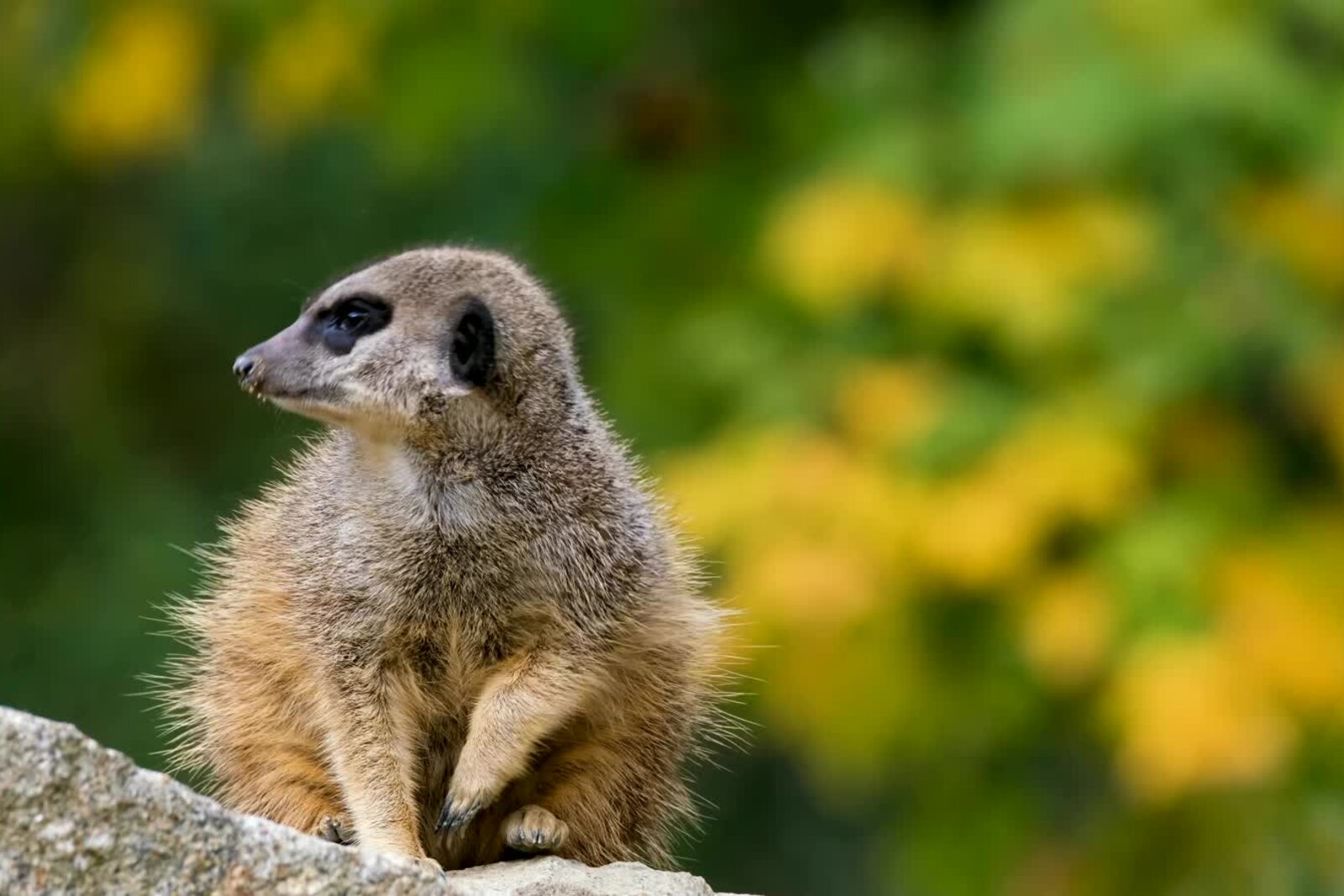
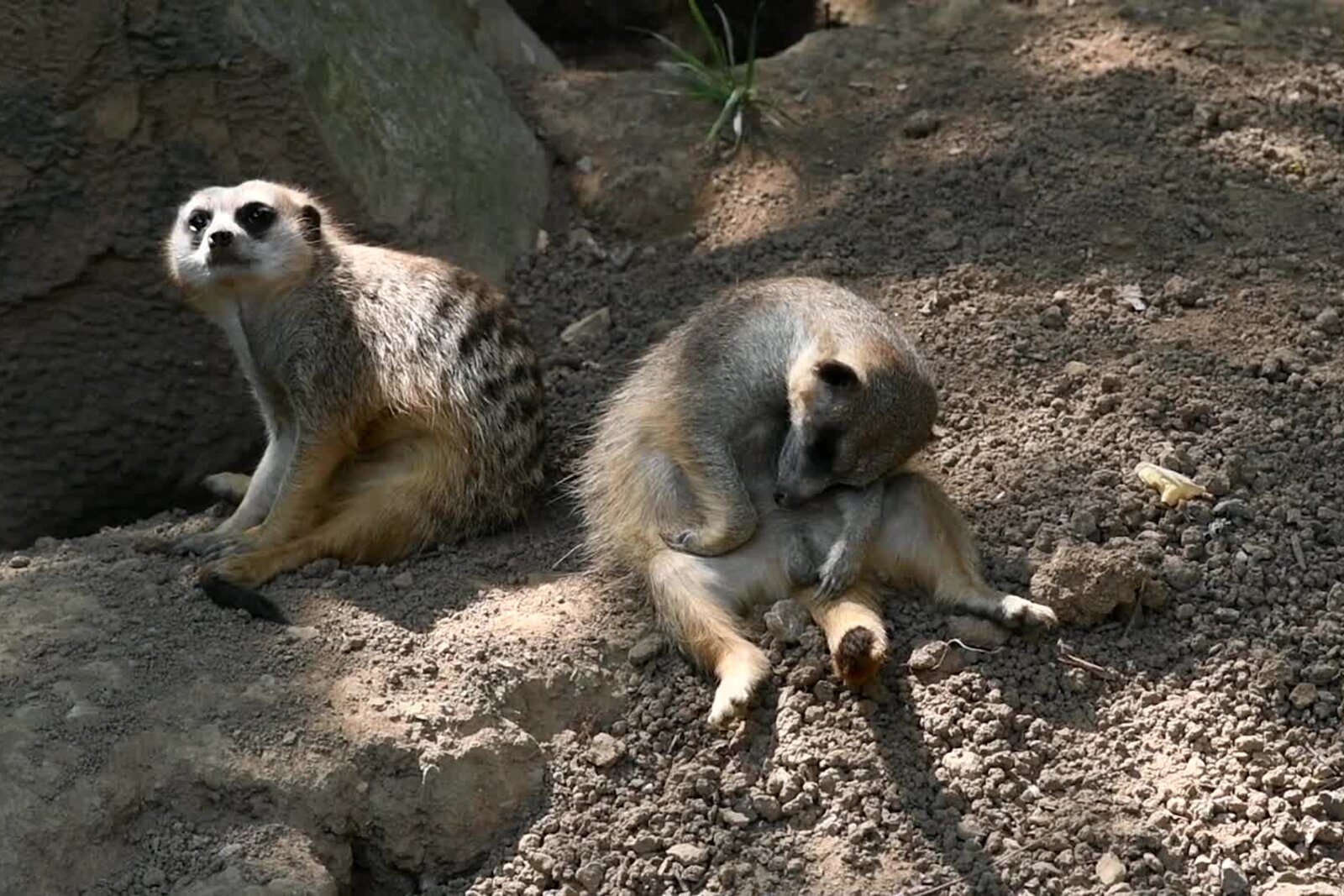
Not every rare-species quest ends in frustration — the meerkat is the joyful exception. These pint-sized, upright-standing mongooses live in tight family mobs on the Kalahari and Makgadikgadi flats, and at a handful of special reserves the colonies have become so accustomed to people that they will use a quietly seated visitor as a lookout post, climbing onto a shoulder to scan the dawn sky for eagles.
The Makgadikgadi Pans in Botswana is the classic meerkat theatre, where morning visits to habituated colonies are one of the most charming wildlife encounters in Africa. Tswalu and the wider southern Kalahari deliver the same magic on the South African side. The best sightings are at sunrise, as the mob emerges from the burrow to warm up and post its first sentry of the day.
For families in particular, a meerkat morning is unforgettable — close, comic, and utterly wild despite the habituation. It is the rare species everyone actually gets to see, and it never fails to steal the trip.
Related journey: Makgadikgadi Pans & Kalahari Safari →
4. The African Wild Dog — The Painted Wolf on the Brink
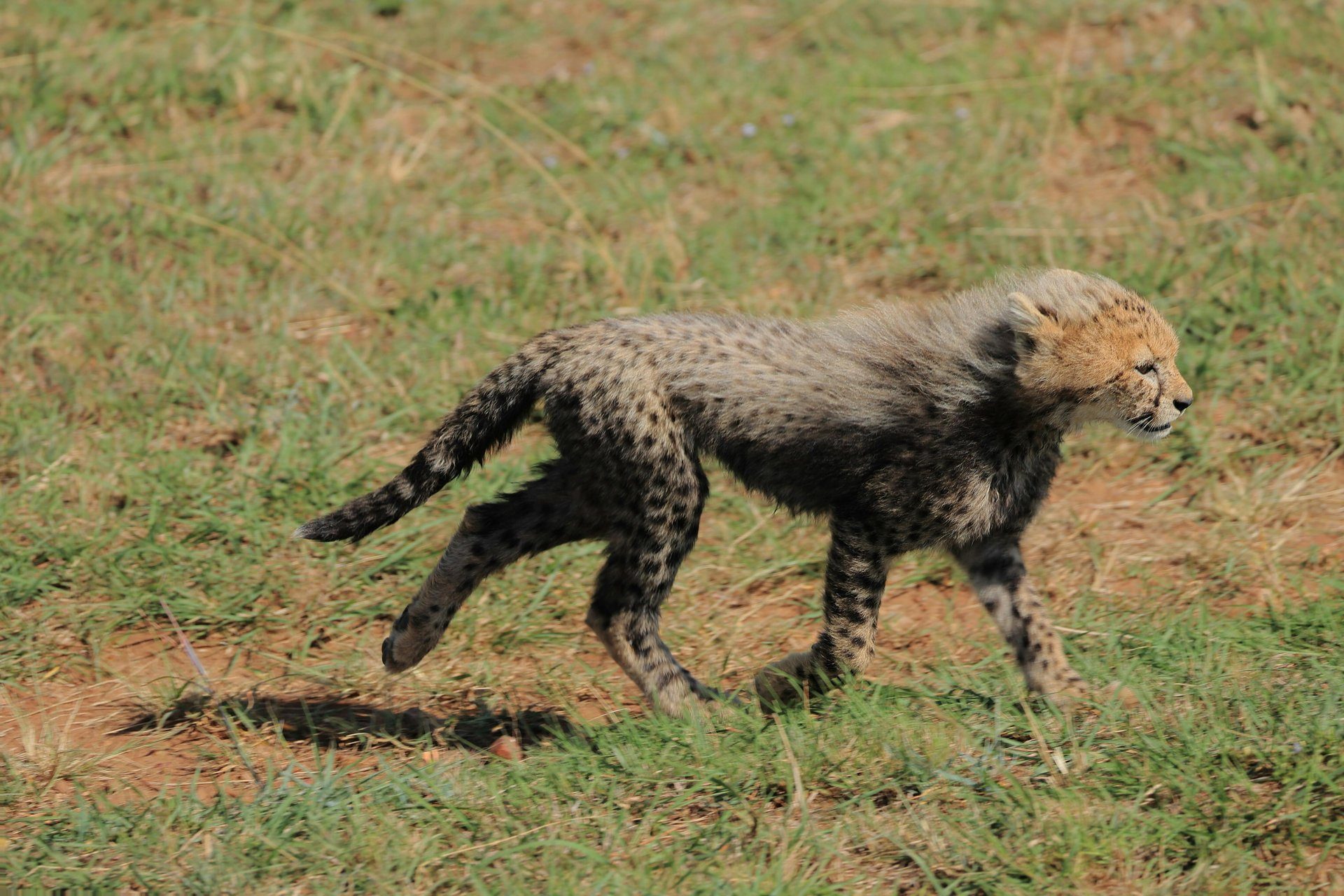
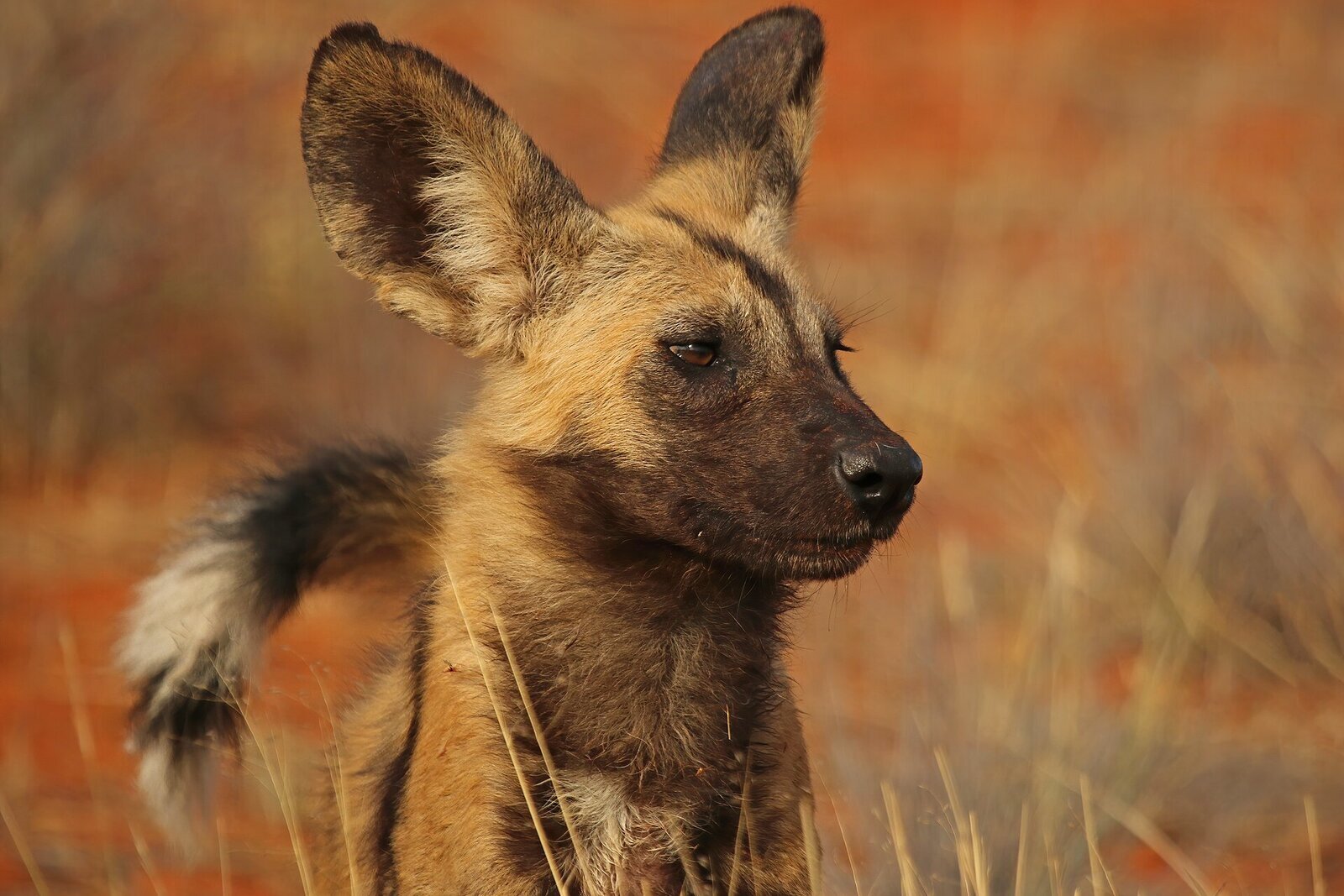
The African wild dog — the painted wolf — is one of the continent's most efficient hunters and one of its most endangered large carnivores, with fewer than 7,000 left in the wild. Each animal wears a coat patterned like no other, a fingerprint of tan, black and white. They live in tight, affectionate packs, hunt in electrifying high-speed relays, and range so widely that finding them is as much about luck and radio-tracking as it is about location.
A handful of places consistently deliver. Mana Pools in Zimbabwe is the spiritual home of wild-dog viewing, where photographers follow packs on foot beneath the great winterthorns. The Sabi Sand and greater Kruger hold several habituated packs; South Luangwa in Zambia and the vast Selous — now Nyerere — in southern Tanzania are strongholds. Denning season (roughly June to August) pins a pack to one place and offers the most reliable sightings of the year.
Time your safari to the denning months, choose a reserve with resident packs and a guiding team that tracks them daily, and you turn one of Africa's least predictable sightings into a genuine expectation. Few wildlife experiences match the intensity of a wild-dog pack rousing for the evening hunt.
Related journey: Wild Dog & Predator Safari →
5. The Black Rhino — The Shy, Hook-Lipped Browser
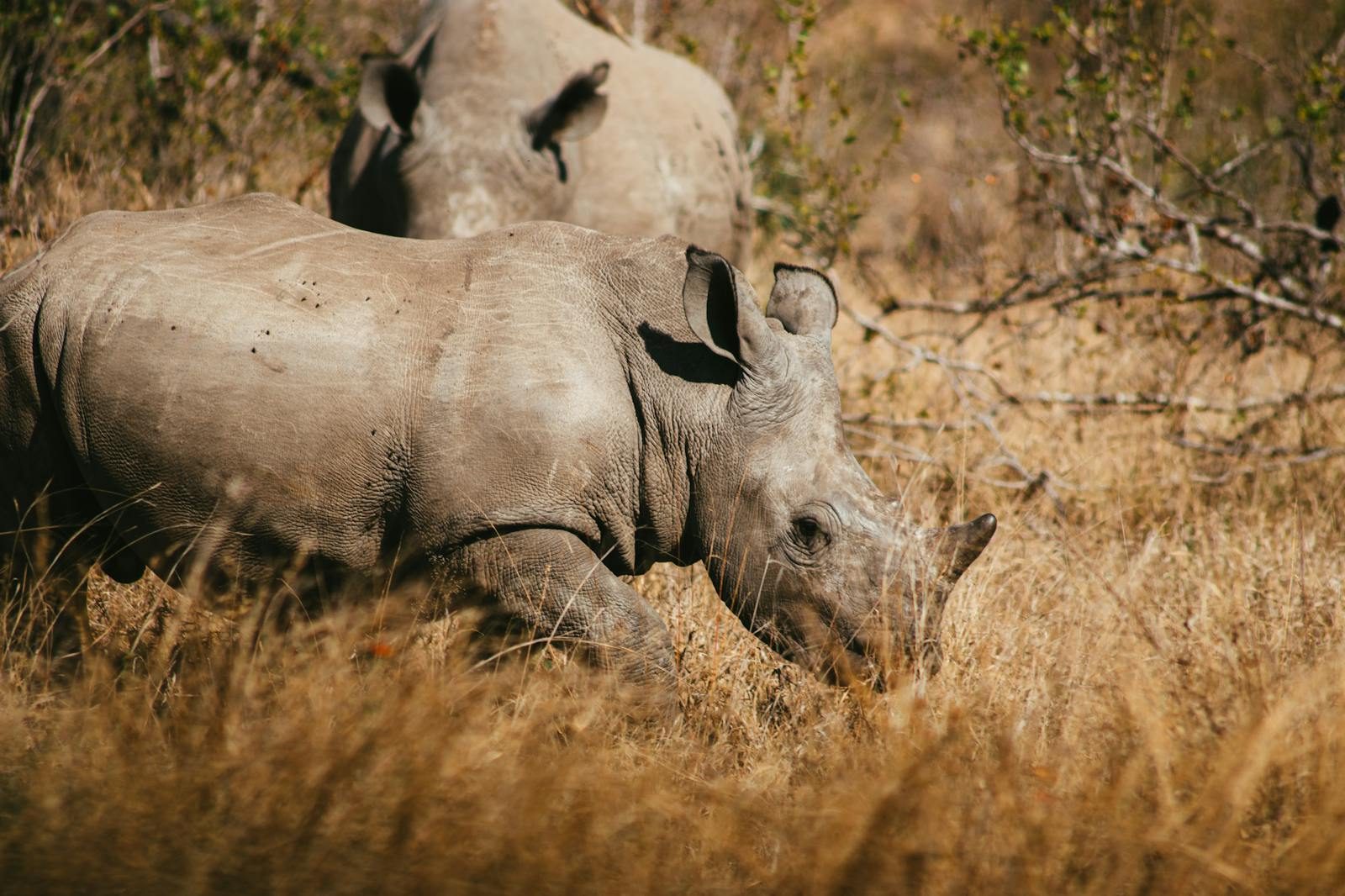
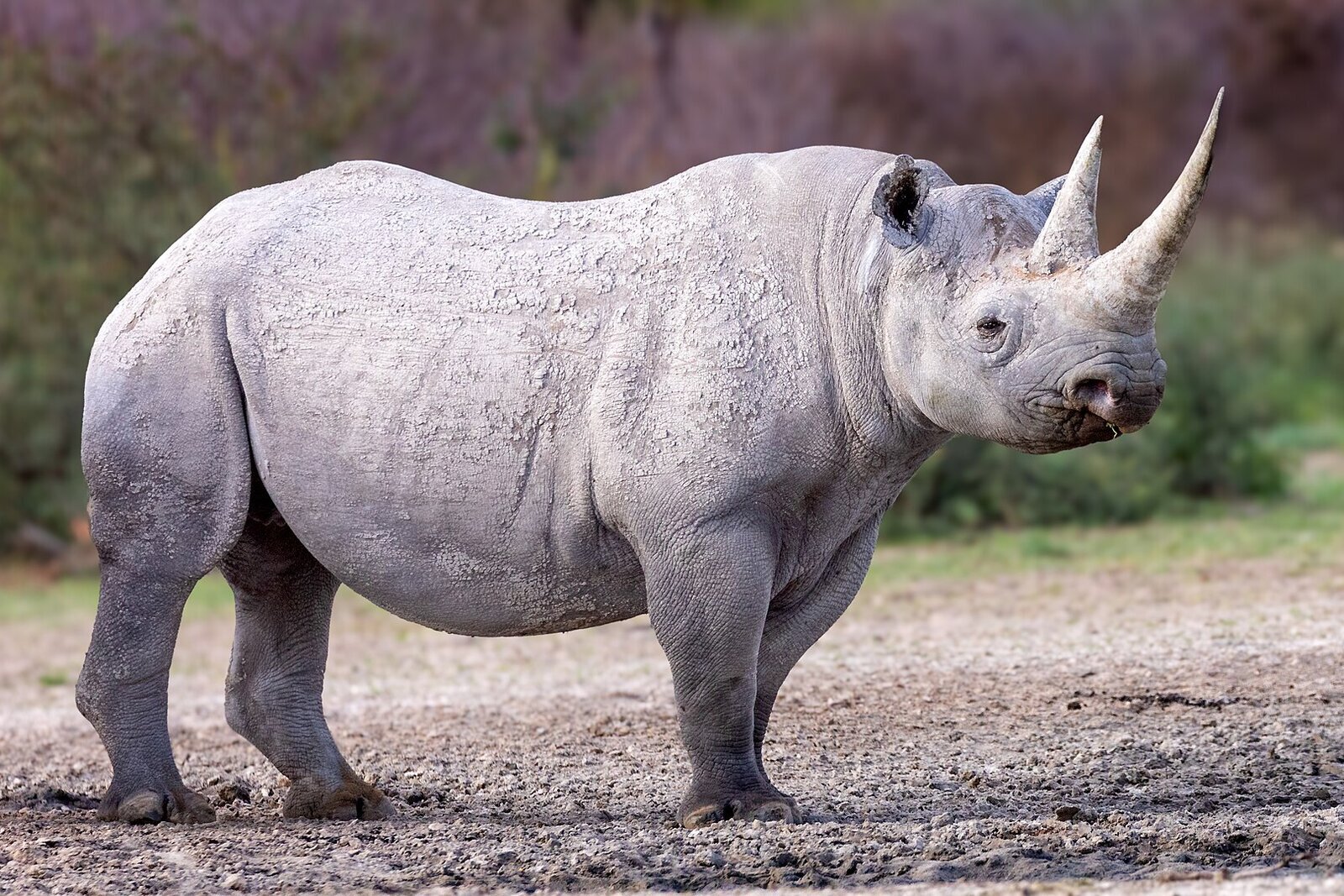
Most safari-goers meet the white rhino — the broad-mouthed grazer that stands placidly on open lawns. Far fewer ever see its smaller, rarer cousin. The black rhino is a solitary, short-tempered browser with a prehensile hooked lip for stripping leaves, and it favours dense thicket where it can vanish in a heartbeat. Poaching has pushed it to the edge, which makes every sighting both a privilege and a small act of hope.
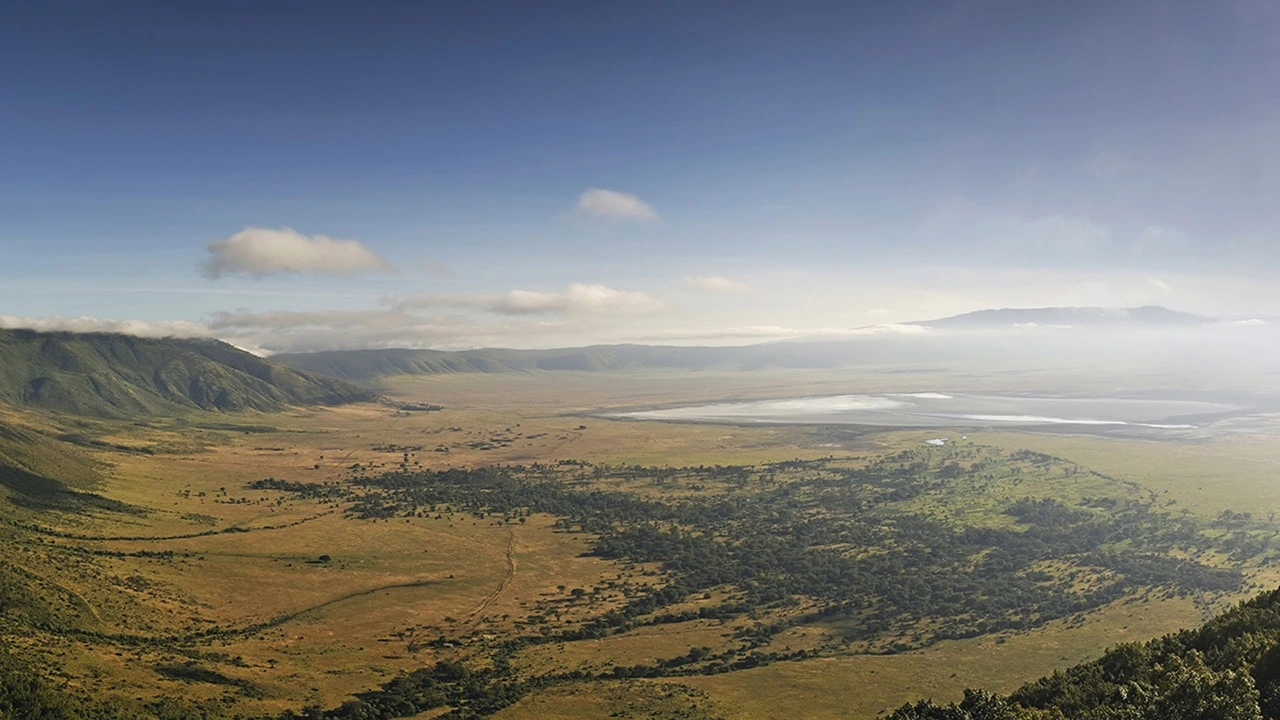
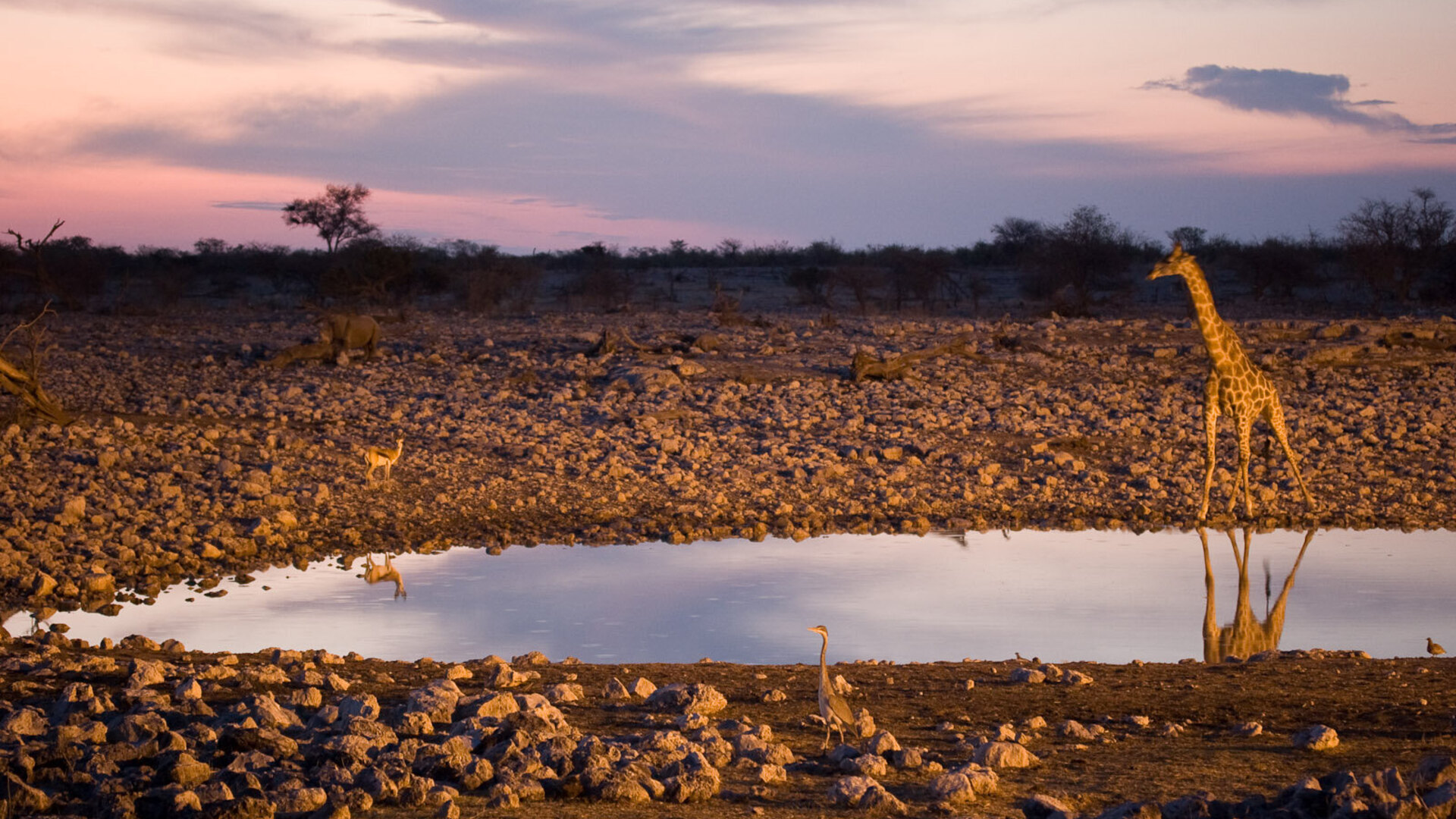
Three places stand out. Ngorongoro Crater in Tanzania offers near-certain black-rhino sightings on its enclosed floor, one of the last easy views of the species anywhere. Etosha in Namibia, especially at its floodlit waterholes after dark, delivers extraordinary night encounters. And Hluhluwe-iMfolozi in South Africa — the reserve that saved the white rhino from extinction — remains one of the surest strongholds for the black rhino too.
Learn to tell them apart and the safari deepens: the white rhino's square lip and shoulder hump, the black rhino's pointed lip and raised head. Ask your guide for the browser in the thickets, travel to one of the three reserves above, and you give yourself the best chance of the rarer, wilder of Africa's two rhinos.
6. The Shadow List — Aardwolf, Brown Hyena, Caracal & Honey Badger
Beyond the headline rarities lies a whole roll-call of shadow species that reward the traveller who lingers. The aardwolf — a delicate, insect-eating hyena that lives on termites — patrols the Kalahari and Karoo at night. The brown hyena, shaggiest and shyest of the hyenas, haunts the same red dunes and the Namibian coast, scavenging the dark. The caracal, a tuft-eared desert cat of astonishing agility, and the pugnacious honey badger complete a cast that most safaris never even mention.
The common thread is the Kalahari and the arid south, and the common key is the night drive. Reserves that allow after-dark game drives and off-road tracking — Tswalu, the Central Kalahari, private conservancies in the Karoo and around Etosha — are where these animals step into the spotlight. A patient evening under a Kalahari sky, spotlight sweeping the scrub, is how the shadow list gives up its secrets.
This is the safari for the traveller who has already seen the lions and the leopards and wants to go deeper — into the quiet, strange, extraordinary margins of African wildlife that most visitors never know exist.
| Elusive Species | Best Place to See | Best Season | Why It's Hard |
|---|---|---|---|
| Aardvark | Tswalu / Central Kalahari | May–Aug (winter) | Strictly nocturnal, solitary, underground by day |
| Pangolin | Tswalu “Elusive Five” | Year-round (night) | Rarest sighting in Africa; slow nocturnal forager |
| Meerkat | Makgadikgadi Pans / Kalahari | Year-round (sunrise) | Easy where habituated — the one you'll actually see |
| African Wild Dog | Mana Pools / Sabi Sand / S. Tanzania | Jun–Aug (denning) | <7,000 left; huge ranges, fast-moving packs |
| Black Rhino | Ngorongoro / Etosha / Hluhluwe | Year-round | Shy solitary browser, hides in dense thicket |
| Aardwolf / Brown Hyena | Kalahari / Karoo / Etosha | Year-round (night) | Nocturnal, shy; need after-dark drives |
Odds rise sharply on private conservancies that permit night drives and off-road tracking, and with a specialist tracking team. Ask us to build an itinerary weighted toward the species that matter most to you — and we will place you in the right reserve, in the right season, with the right guides.
When to Go for the Best Odds
For the nocturnal specialists — aardvark, pangolin, aardwolf, brown hyena — the cool, dry winter months of May to August are unmatched. Cold nights push the animals to forage earlier in the evening and even into the daytime, and the thin winter vegetation makes tracking far easier. This is the Kalahari's golden window, and the reason serious rare-species travellers plan around it.
For African wild dogs, target the denning season of roughly June to August, when a pack anchors to a single den site and offers the most reliable viewing of the whole year. For black rhino, sightings hold up year-round at Ngorongoro and Etosha, though the dry season concentrates all wildlife around water and lifts your chances everywhere.
Meerkats, happily, perform year-round at habituated colonies — always at sunrise, as the mob emerges to warm up. The ideal specialist safari therefore leans into the southern-African winter (May to September): peak odds for the nocturnal rarities, denning wild dogs, and glorious clear Kalahari skies for the meerkat mornings.
How We Build a Rare-Species Safari
Seeing Africa's elusive animals is not a matter of luck alone — it is a matter of design. We build every rare-species itinerary around the specific animals you most want to see, weighting your nights toward the exact reserves and seasons that give the best odds, and placing you with the specialist trackers and night-drive teams who find these creatures for a living.
That means private conservancies over public parks wherever the target species demands it — for the off-road freedom and after-dark drives the rare animals require. It means the Kalahari in winter for the nocturnal cast, Mana Pools or the Sabi Sand in denning season for wild dogs, Ngorongoro or Etosha for black rhino. And it means honest expectations: these are the hardest sightings in Africa, and the reward is exactly proportional to the difficulty.
Tell us which shadow species calls to you — the aardvark, the pangolin, the painted wolf — and we will design a specialist safari built entirely around the chase, with the finest camps, the best guides and the seasons stacked in your favour. This is the safari for the traveller who wants what almost nobody else will ever see.
Ready to Chase the Shadow Species?
Let our specialists build a rare-species safari around the animals you most want to see — the right reserve, the right season, the right trackers. From Kalahari night drives to denning wild dogs, we stack every odd in your favour.