Some of the most extraordinary animals on earth are also among its most threatened — and an African safari is one of the last places you can still see them wild and free. To watch a black rhino browse through the bush, a pack of painted wolves set off on the hunt, or a mountain gorilla meet your eyes in the forest is to witness something that may not be there for future generations unless we protect it now. This is the complete guide to the endangered animals you can still see on safari in Africa: where to find each one, what makes the sighting special, and — crucially — how a responsible private safari helps keep them alive.
1. Black rhino — critically endangered
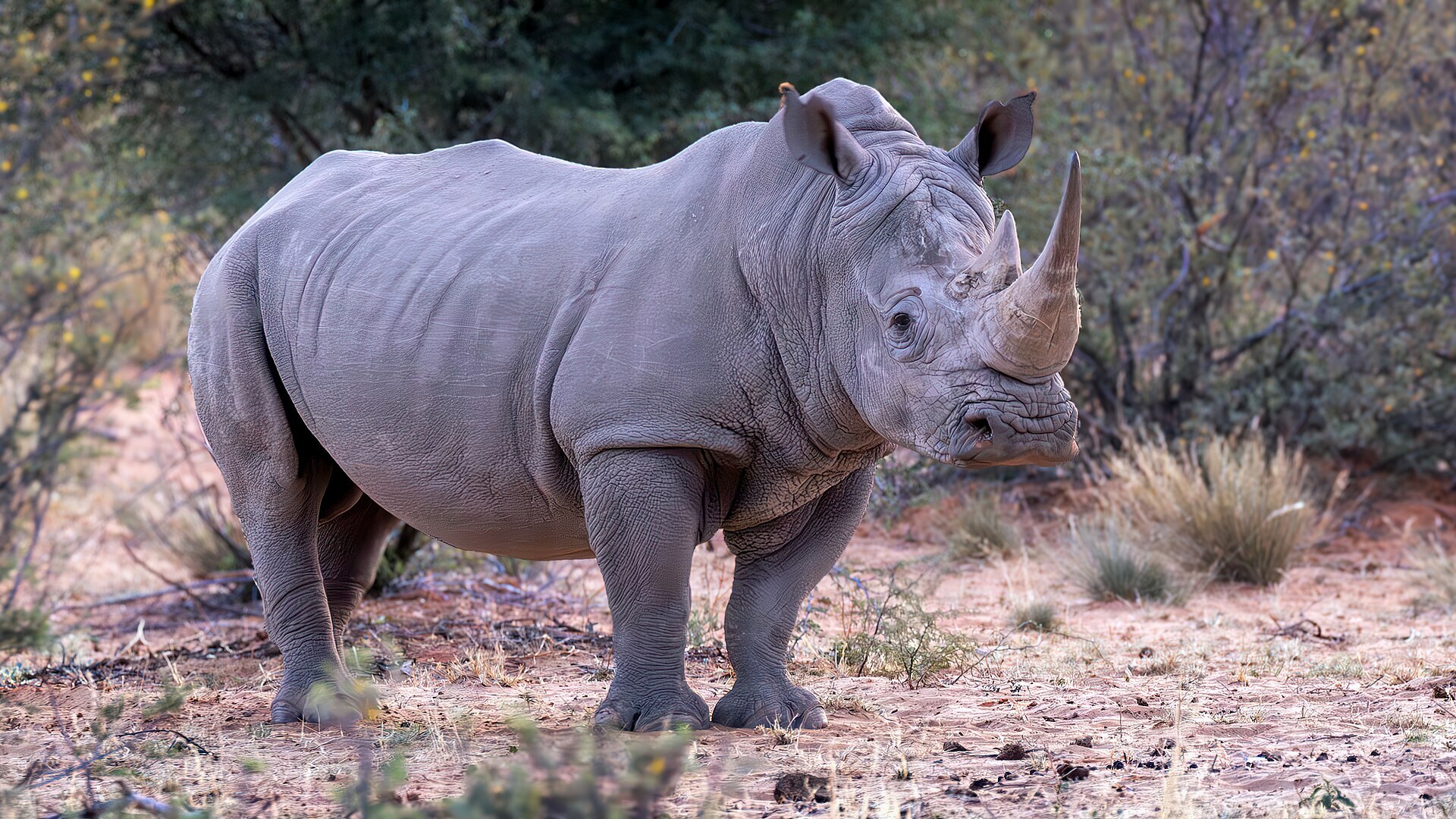
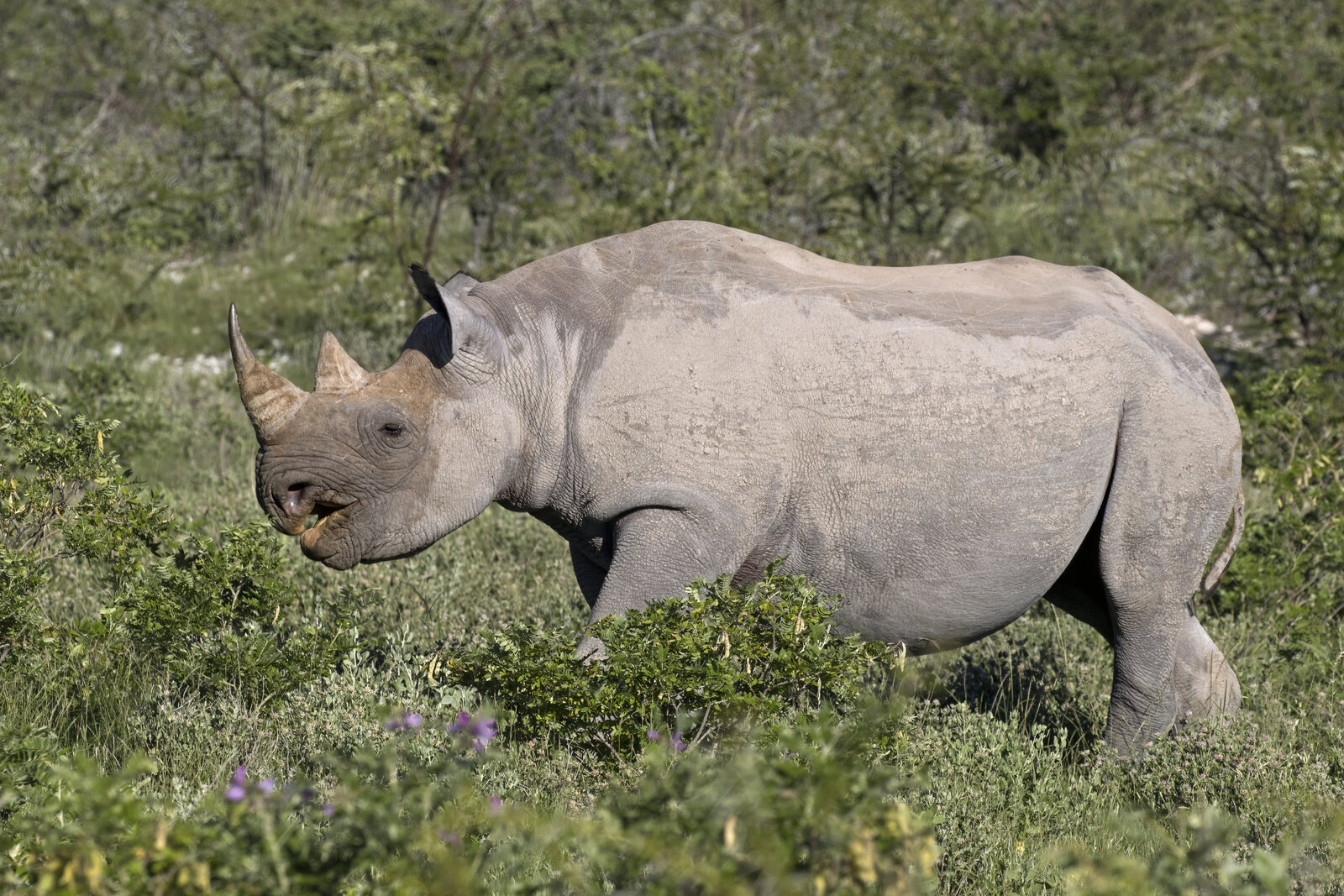
The black rhino is one of the great prizes of any safari. Critically endangered, with only a few thousand animals left after a century of catastrophic poaching, it is a hook-lipped browser — shy, solitary and far harder to find than its larger white cousin. Seeing one emerge from the bush, prehistoric and wary, is a moment that stays with you for life. The best chances come in well-protected private reserves and conservancies, where expert trackers and low vehicle traffic give both you and the rhino the space the encounter deserves.
Namibia offers something unique: tracking desert-adapted black rhino on foot across the Palmwag and Damaraland wilderness, a humbling, adrenaline-charged experience run hand-in-hand with the community conservancies that protect them. In Kenya and South Africa, the Laikipia and Maasai Mara conservancies and the best Big Five reserves hold important populations. Wherever you see it, the black rhino is a symbol of both how much we have lost and how hard conservation now fights to hold the line.
2. African wild dog — endangered
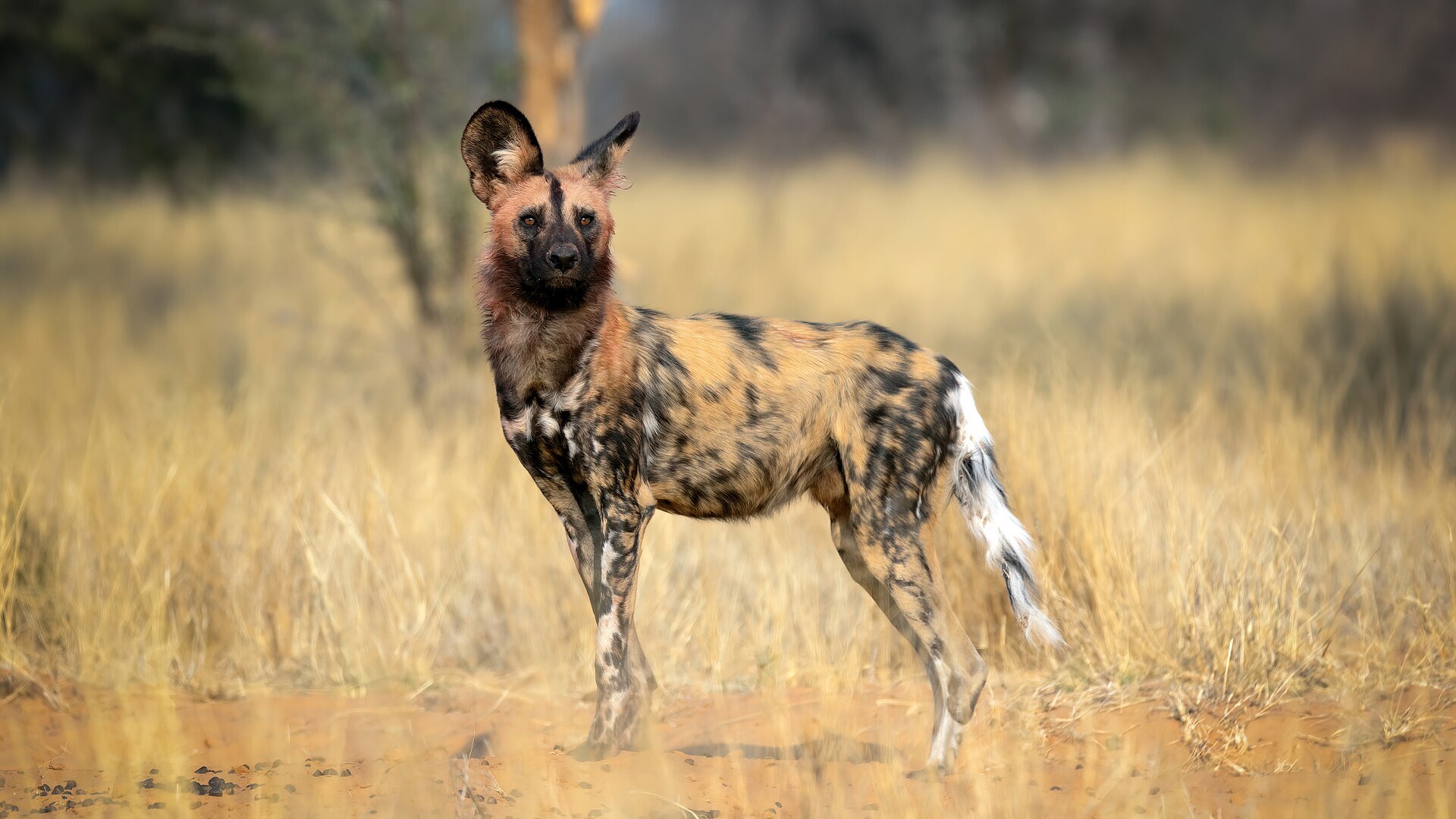
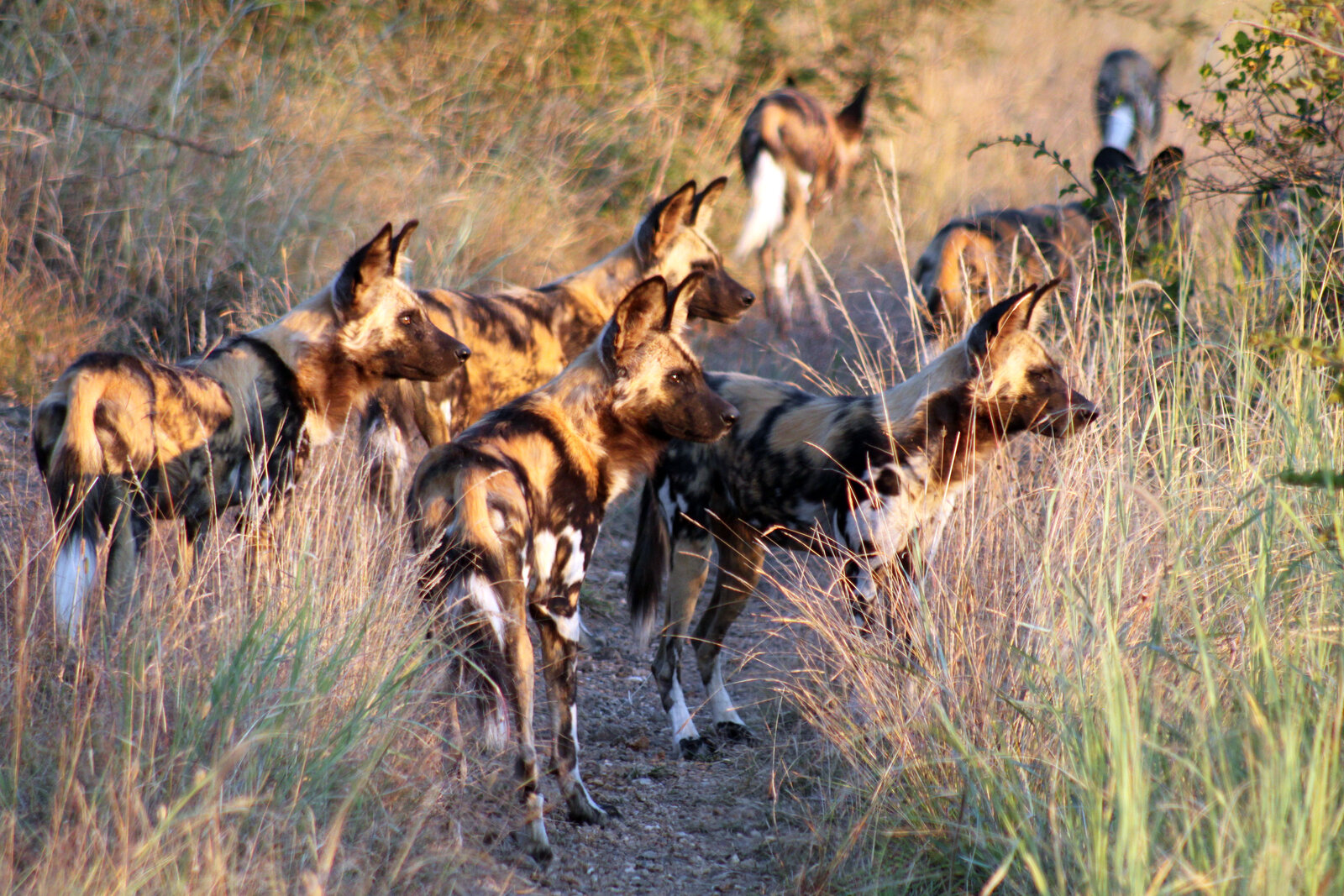
The African wild dog — the painted wolf — is, for many guides, the most exciting animal on the continent. Endangered, with only a few thousand left, it survives only in vast, connected wilderness because a single pack ranges over hundreds of square kilometres. To find them is luck and skill combined; to watch them is unforgettable. They hunt cooperatively with a success rate that shames the big cats, they care for their pups and their injured with extraordinary tenderness, and they move at a pace that turns a sighting into a chase.
The strongholds are the large, well-managed reserves and conservancies of Botswana, South Africa, Zimbabwe and Zambia, with important populations in parts of East Africa too. Because packs travel so far, the best way to see them is to spend several nights in a reserve known for a resident pack, with guides in radio contact across a wide area. When it comes together — the pack streaming across the open, the whole family in motion — there is nothing else quite like it.
3. Mountain gorilla — endangered
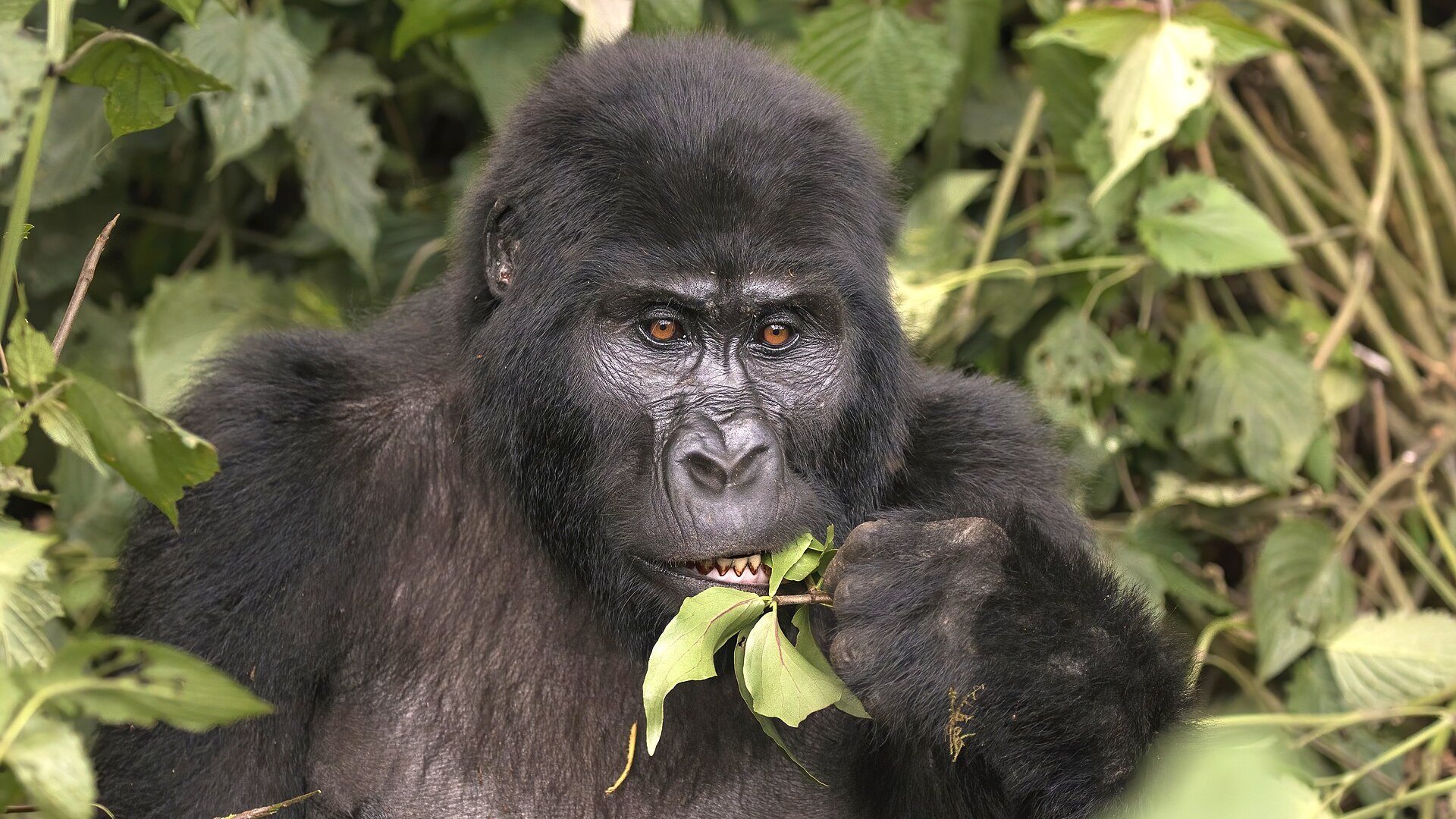
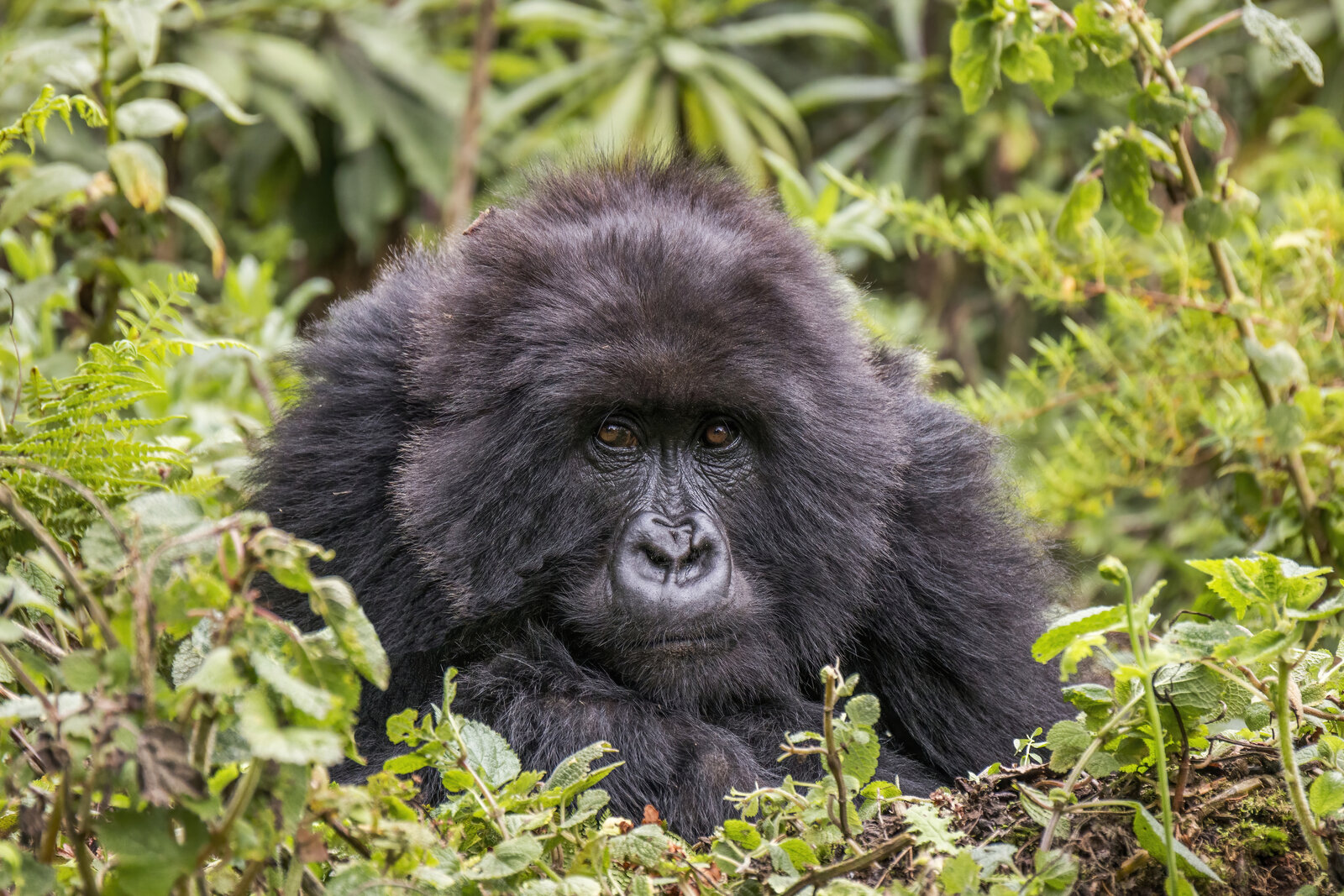
There are just over a thousand mountain gorillas left on earth, and they live in only two places: the Virunga volcanoes shared by Rwanda, Uganda and the DRC, and Uganda's Bwindi Impenetrable Forest. You meet them on a permit-based trek — a guided hike up through the forest to spend one strictly limited, unforgettable hour with a habituated family: a silverback the size of a small car, mothers with infants, youngsters tumbling through the undergrowth, all going about their lives a few metres away. It is widely described as the most moving wildlife encounter in the world, and few who do it disagree.
Rwanda's Volcanoes National Park offers the most polished, high-end version, easily reached from Kigali; Uganda's Bwindi is wilder and the permits cost less. The experience is tightly regulated — numbers are capped, time is limited, distance is enforced — precisely because the population is so fragile, and the permit fees are a cornerstone of the gorillas' protection and of the communities that guard them. This is conservation you can feel.
4. Grevy's zebra — endangered
Not all zebras are the same, and Grevy's zebra is the one to seek out. The largest and rarest of the three zebra species, it is endangered, with the bulk of the population restricted to the arid north of Kenya and small pockets of Ethiopia. It is unmistakable up close: taller and more mule-like than the common plains zebra, with narrow, densely packed stripes, a white belly and enormous rounded ears. Fewer than three thousand remain, which makes every sighting a privilege.
The conservancies of northern Kenya — the Laikipia plateau, Samburu and the private reserves around them — are the heart of Grevy's country and the centre of the work to save it. Adding a few nights in this stark, beautiful, less-visited region to a classic Kenya safari not only gives you a real chance at Grevy's zebra but also at reticulated giraffe, Beisa oryx and the other "northern specials" found nowhere else — and supports the community conservancies holding the line for all of them.
5. Pangolin — the rarest sighting of all
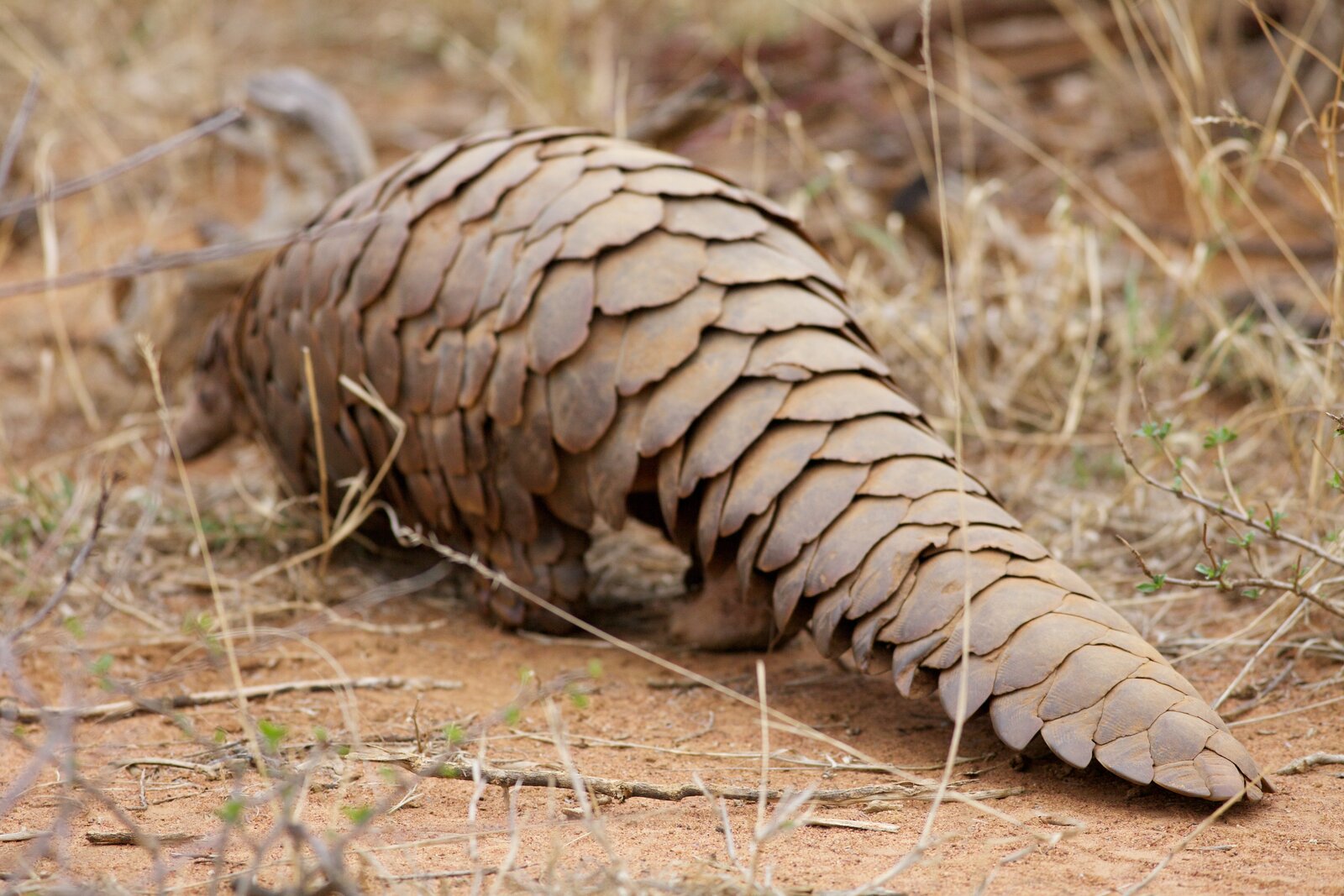
If there is a holy grail of African wildlife, it is the pangolin. Shy, nocturnal and scarce, it is the most trafficked mammal on the planet, hunted relentlessly for its scales, and seeing one in the wild is a once-in-a-lifetime event that even lifelong guides may wait years for. To watch this strange, armoured, utterly harmless creature shuffle through the bush, curling into a perfect ball at any threat, is to understand how much there is still to protect.
A handful of private reserves in South Africa — particularly in the Kalahari and certain Big Five reserves — have become quietly known for occasional pangolin sightings and for the conservation and rehabilitation work that rescues trafficked animals. We never promise a pangolin; no honest operator can. But staying in the right reserves, committing to night drives and travelling with the very best trackers gives you the only genuine chance there is — and every night you spend there funds the fight to save them.
6. Cheetah — vulnerable and declining
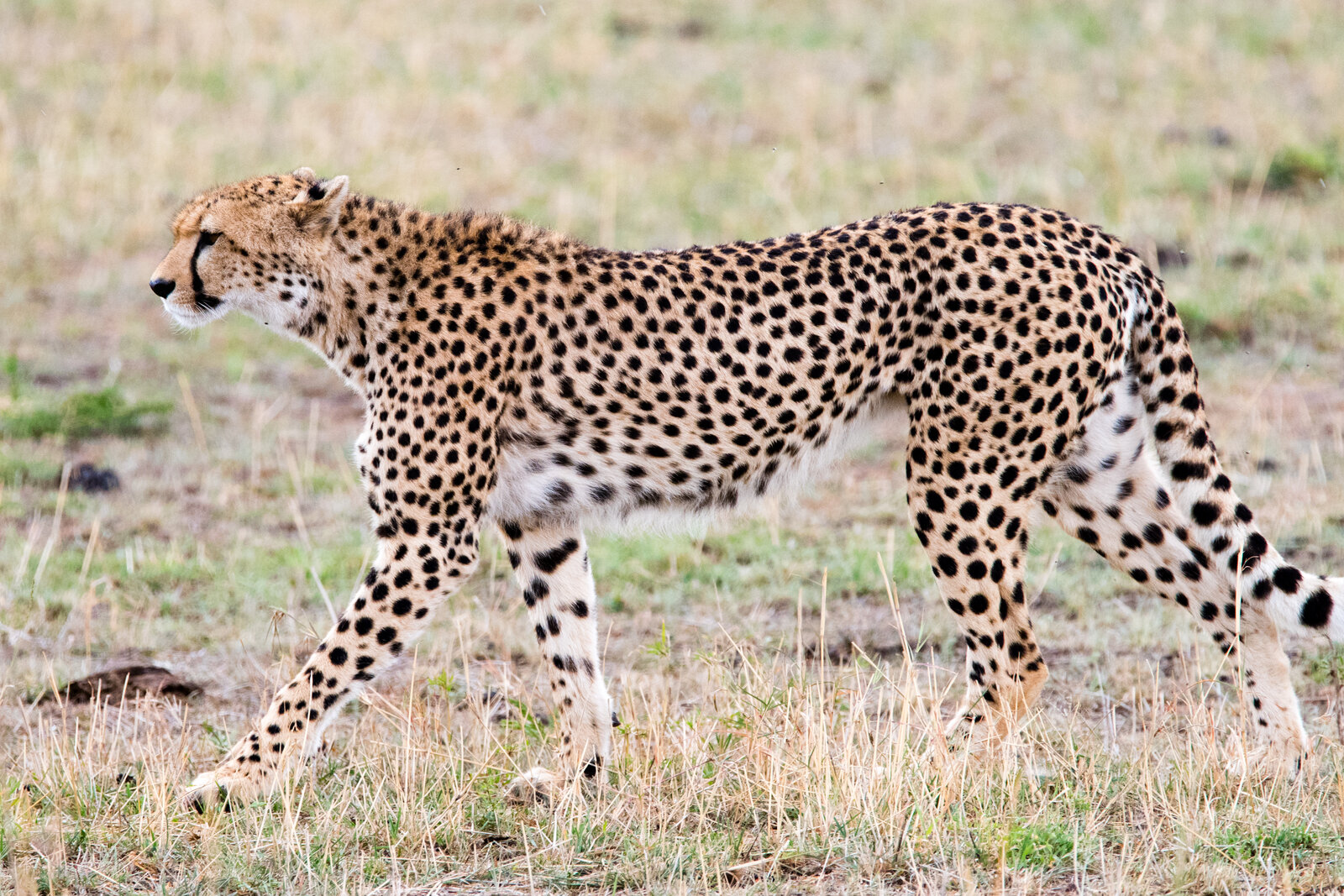
The cheetah — the fastest land animal on earth, capable of over a hundred kilometres an hour in a few heart-stopping seconds — is vulnerable and in steady decline. It needs vast, open range to hunt, and as that range is fenced, farmed and fragmented, cheetah numbers fall; there are now only a few thousand left in Africa. Slighter and more delicate than the other big cats, it hunts by day, which makes a cheetah on the move one of the most thrilling things to witness on the plains.
The great grasslands of East Africa — the Serengeti and the Maasai Mara above all — offer the classic cheetah experience, with open horizons that let you follow a hunt unfold. In Southern Africa, the reserves of South Africa, Botswana and Namibia (home to important cheetah conservation work) all deliver excellent sightings. Because cheetah rely on daylight and open ground, they are often easier to see well than leopard or even lion — but their future is far less certain, which is why the reserves that protect them matter so much.
7. White rhino — a conservation success story
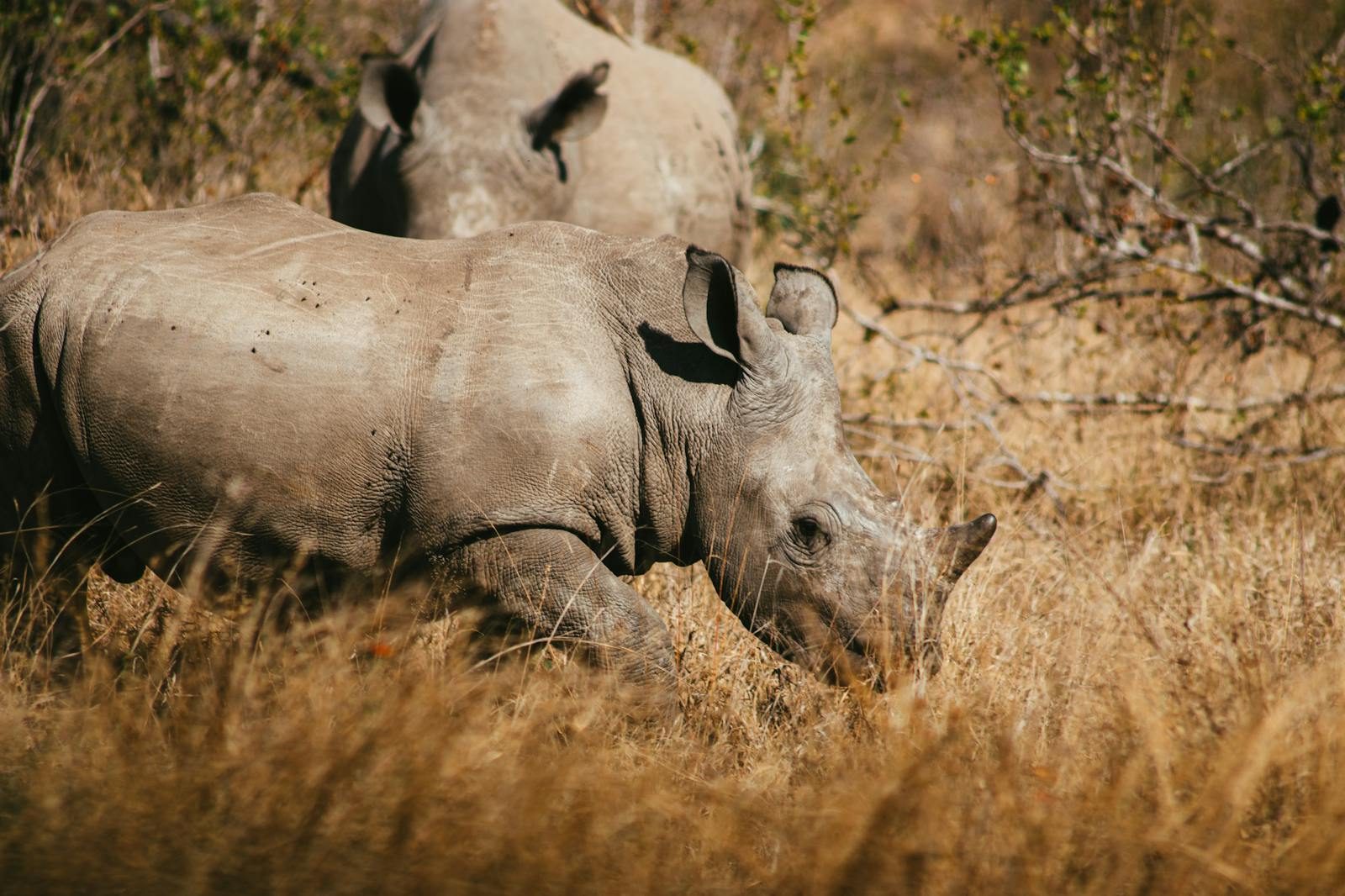
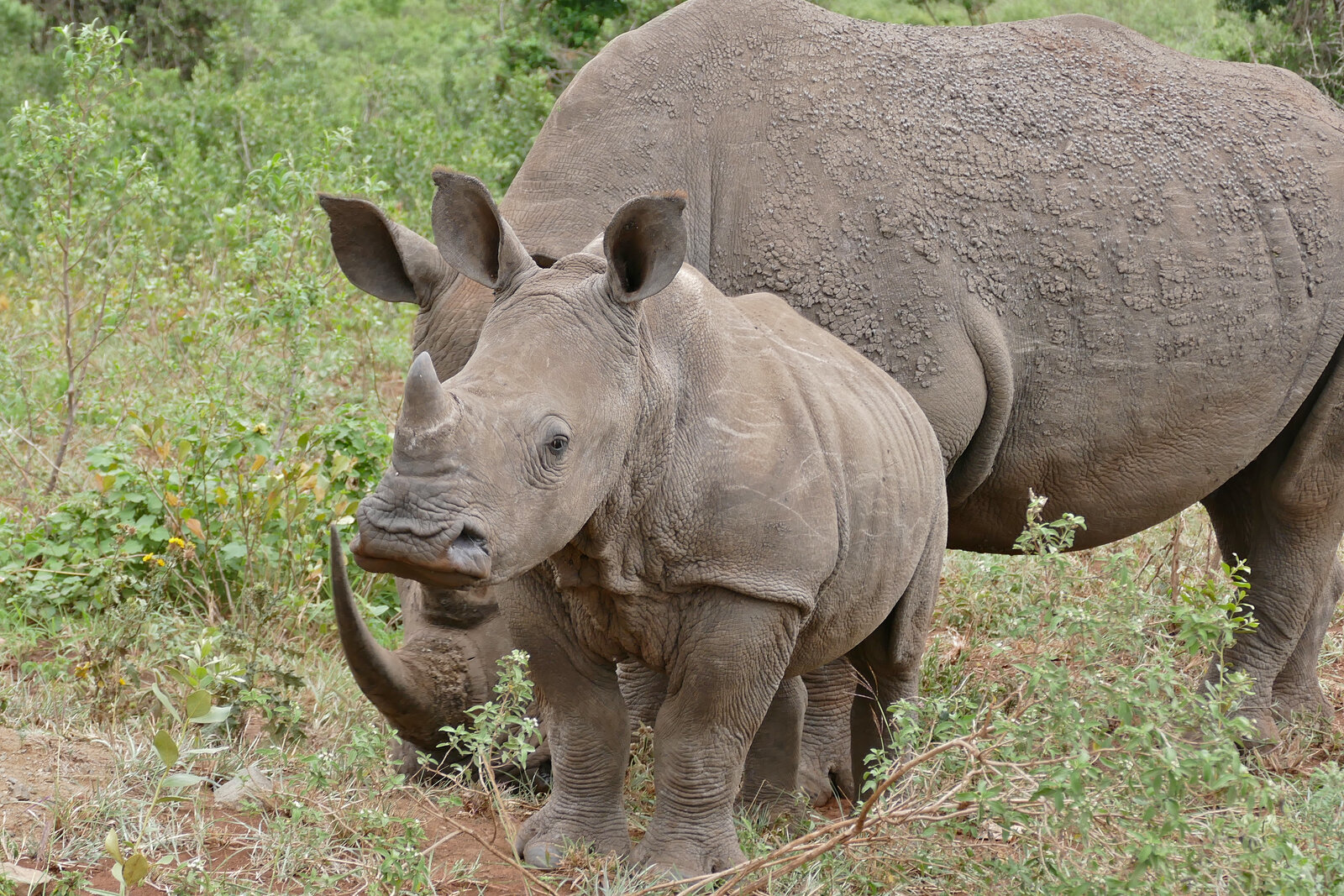
The white rhino is the one animal on this page that tells a hopeful story. A century ago it was down to a few dozen individuals in a single South African reserve; through decades of dedicated conservation it recovered to over ten thousand, a genuine triumph and proof that we can pull a species back from the brink. Larger, more social and more often seen in the open than the black rhino, the square-lipped grazer is the rhino most safari-goers will encounter, often in small groups out on the grass — and seeing a mother with a calf is one of the quiet joys of a safari.
That success is now under renewed threat from a wave of poaching driven by the illegal horn trade, which is exactly why your visit matters: the revenue from responsible safaris funds the rangers, fences and monitoring that keep these animals alive. The best Big Five reserves of South Africa, and parks and conservancies across Southern and East Africa, offer reliable white rhino sightings — and the chance to see conservation's greatest comeback with your own eyes.
| Animal | IUCN status | Best place to see it | Difficulty |
|---|---|---|---|
| Black rhino | Critically endangered | Namibia, Laikipia, private SA reserves | Hard |
| African wild dog | Endangered | Botswana, South Africa, Zimbabwe | Hard |
| Mountain gorilla | Endangered | Rwanda & Uganda (permit trek) | Reliable (permit) |
| Grevy's zebra | Endangered | Northern Kenya conservancies | Moderate |
| Pangolin | Vulnerable / trafficked | Private SA reserves (night drives) | Very rare |
| Cheetah | Vulnerable | Serengeti, Maasai Mara, Southern Africa | Moderate |
| White rhino | Near-threatened | Big Five reserves, SA & East Africa | Reliable |
| Savanna elephant | Endangered | Amboseli, Chobe, Kruger & beyond | Reliable |
8. African elephant — and how your safari helps
It surprises many travellers to learn that the African savanna elephant — the animal most associated with a safari — is now listed as endangered, with the forest elephant critically so. Poaching for ivory and the relentless loss of habitat have driven a long decline, even as some well-protected populations thrive. Watching a herd move across Amboseli with Kilimanjaro behind them, or pour down to the Chobe at dusk, is a reminder that even the most iconic animals are not guaranteed a future — and that protecting them protects whole ecosystems.
This is where a responsible safari becomes part of the solution rather than the problem. Park fees, conservancy levies, gorilla and rhino permits and lodge revenues pay for the rangers, anti-poaching units, veterinary teams and community programmes that keep these animals alive, and they give local people a direct, living stake in protecting wildlife rather than losing it. The difference lies in how you travel: with operators who book direct, support community-owned conservancies, keep a respectful distance and never put a photograph before an animal's welfare. Choose that way, and your safari does more than show you the endangered wild — it helps ensure it endures.
Safaris built around the endangered wild
Private journeys designed to find Africa's rarest animals:
- Okavango Delta Luxury Safari — 6 days, wild dog, elephant and Big Five wilderness
- Photographic Safari Expedition — 10 days, built for rhino, cheetah and wild dog in the best light
- Victoria Falls & Chobe Safari — 5 days, elephant herds on the Chobe and the falls
Where to see them
Explore the reserves and regions that protect Africa's endangered animals:
- Okavango Delta, Botswana — wild dog & elephant
- Chobe National Park, Botswana — great elephant herds
- Maasai Mara, Kenya — cheetah, rhino & the northern conservancies
- Kruger & private reserves, South Africa — black & white rhino, wild dog, pangolin
Related Reading
- Rhino Safari: Where to See Rhinos in Africa
- African Wild Dog Safari Guide
- Conservation Safari in Africa
- Ethical Wildlife Encounters in Africa
Start Planning
Every safari we craft is private and built entirely around you — including the animals you most long to see. If your dream is a black rhino at dawn, a wild-dog hunt, an hour with the gorillas or the rarest glimpse of a pangolin, tell us, and our specialists will design the itinerary, in the right reserves and the right seasons, to give you the best possible chance — while making sure your trip helps protect them. Speak to our team to begin, or browse our safari packages for inspiration.