Key Takeaways — The Sardine Run in 60 Seconds
- ◆The Greatest Shoal on Earth: Billions of sardines migrate north along South Africa's coast every June & July, drawing the planet's largest predator aggregation.
- ◆Peak window: Late June to early July — book with a specialist who monitors conditions daily and flies aerial reconnaissance to track the shoals.
- ◆Where: The Wild Coast (Port St Johns, Coffee Bay) for the epicentre; the KZN South Coast (Scottburgh, Park Rynie) for beach-level action.
- ◆No dive cert needed: Snorkelling puts you right in the action — bait balls form at the surface. Boats and beach watching are also spectacular.
- ◆Best combo: Pair the Sardine Run with a Big Five safari at Hluhluwe-iMfolozi or Phinda — the ultimate land-and-sea wildlife journey.
What Is the Sardine Run?
Every winter, something extraordinary happens along the eastern seaboard of South Africa. As cold water from the Agulhas Current pushes a narrow tongue northward along the continental shelf, billions of South African sardines — Sardinops sagax, also called Southern African pilchards — follow that cold ribbon in a migration so vast that it can be seen from space. The shoals stretch for kilometres, sometimes reaching seven kilometres long, more than a kilometre wide, and thirty metres deep. It is, without exaggeration, the Greatest Shoal on Earth.
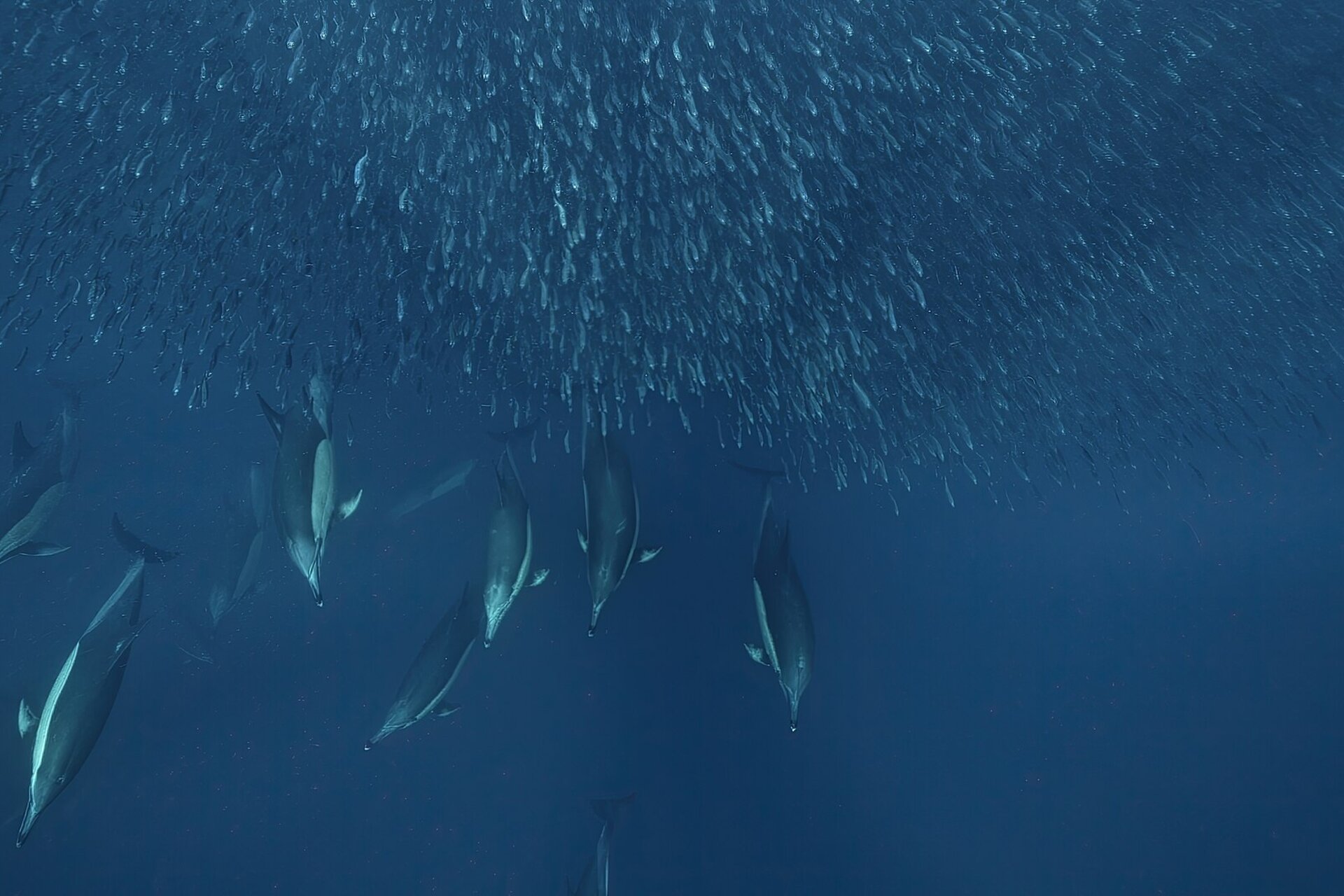
But the sardines are only half the story. What makes the Sardine Run the most spectacular marine wildlife event on the planet is what follows them. Pods of up to ten thousand common dolphins work in coordinated teams to herd sections of the shoal into tight, swirling bait balls — spheres of panicked fish compressed to the surface by the dolphins below and held there by diving Cape gannets above. Into these bait balls pile hundreds of copper sharks and blacktip sharks, slicing through the silver mass with surgical precision. Bryde's whales lunge through entire bait balls in single, gaping mouthfuls that can swallow a tonne of fish at a time. Humpback whales, migrating north to their Mozambican breeding grounds, swim alongside the run. Cape gannets plunge-dive from heights of twenty to thirty metres, hitting the water at speeds that would shatter a human body, folding their wings into white-tipped missiles that pierce the surface and emerge with sardines clamped in their beaks.
The result is a feeding frenzy of almost incomprehensible scale — the ocean's answer to the Great Wildebeest Migration, compressed into a few extraordinary weeks along the Wild Coast of the Eastern Cape and the shores of KwaZulu-Natal. And unlike many of the world's great wildlife events, you can be in it — snorkelling in the middle of a bait ball as dolphins flash past your mask, sharks cruise beneath you, and gannets explode into the water around you like artillery fire. There is nothing else like it on earth.
When Does the Sardine Run Happen?
The Sardine Run is driven by oceanography, not the calendar — but it follows a remarkably consistent pattern. The peak window falls between mid-June and mid-July, with the most intense surface bait-ball activity typically concentrated in the last two weeks of June and the first week of July. The trigger is a seasonal shift in the Agulhas Current: as winter deepens, a counter-current of cold, nutrient-rich water pushes northward along the narrow continental shelf of the Eastern Cape and KZN, creating a corridor of cool water that the sardines follow from the Agulhas Bank toward Durban and, in exceptional years, as far north as Mozambique.
This cold-water pulse does not arrive on a fixed date. In some years the run begins in early June; in others, late June. Experienced operators monitor sea surface temperatures, satellite imagery, and aerial reconnaissance flights daily throughout the window, tracking the leading edge of the shoals and positioning their boats accordingly. This is why booking with a specialist who has decades of Sardine Run experience matters enormously — they know where to be, when to launch, and how to read the ocean.
Booking Window
The Sardine Run fills fast — dedicated operators typically sell out three to six months in advance for the peak late-June / early-July window. Book by January for the best availability. Late bookers may still find space in the second week of July, when demand eases slightly.
Month-by-Month Sardine Run Calendar
Where to See the Sardine Run
The Sardine Run unfolds along roughly two hundred kilometres of South Africa's eastern coastline, from the Wild Coast of the Eastern Cape in the south to the KZN South Coast in the north. The epicentre shifts each year depending on ocean conditions, but two broad zones deliver the most consistent action.
The Wild Coast (Eastern Cape) — The Epicentre
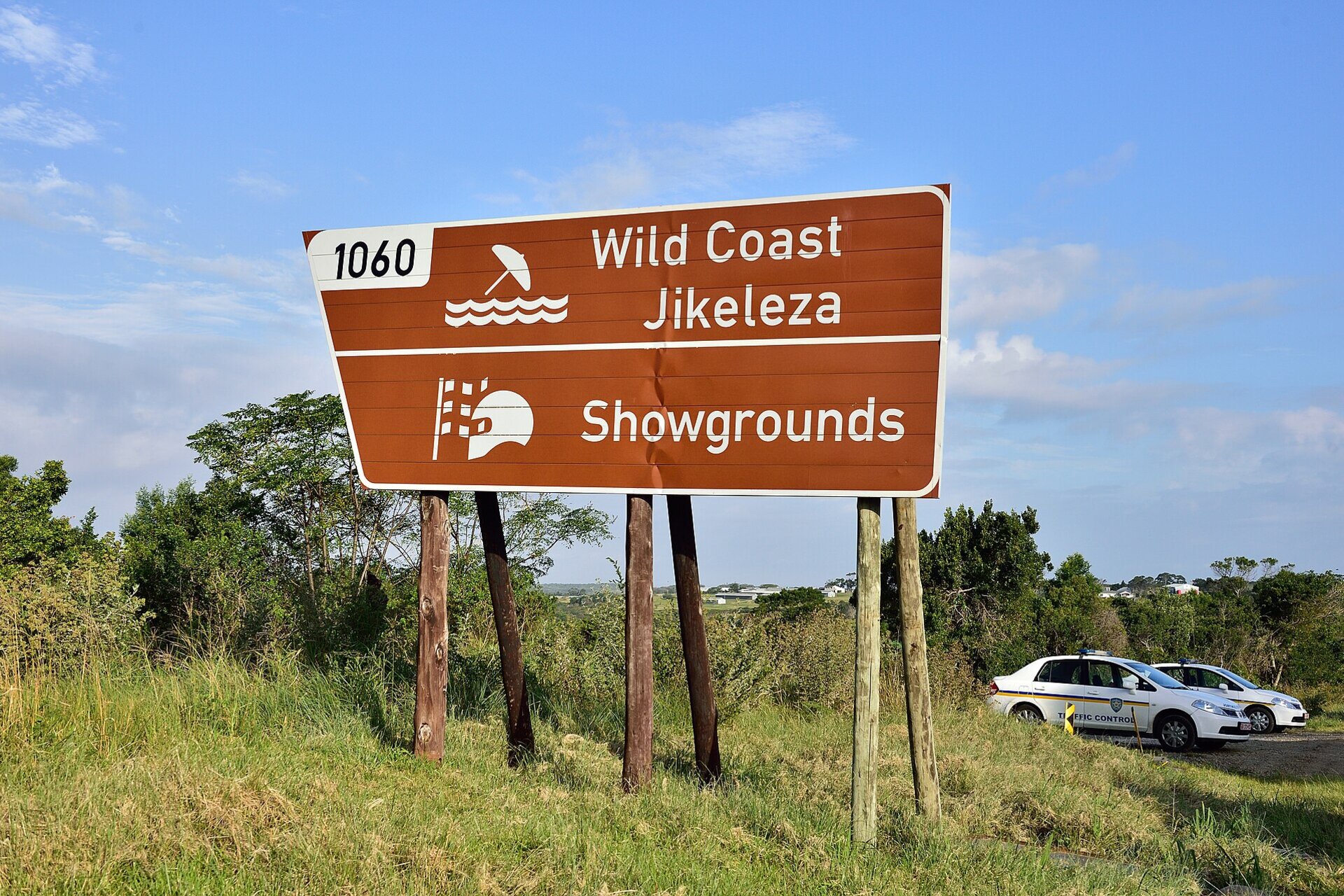
The Wild Coast is where the Sardine Run reaches its most dramatic intensity. This is Africa's last truly wild coastline — a rugged, roadless stretch of green hills, hidden river mouths, traditional Xhosa villages and towering cliffs that plunge into the Indian Ocean. The main launch points are Port St Johns and Coffee Bay, both of which sit directly on the sardine migration corridor. From here, specialist operators launch rigid inflatable boats (RIBs) at dawn, guided by spotter planes overhead, to find the bait balls and drop snorkellers and divers into the action.
Port St Johns is the beating heart of the Sardine Run — a small, laid-back town at the mouth of the Mzimvubu River, flanked by dramatic cliffs called the Gates of St Johns. The coastline here drops away steeply, meaning the sardines often run within a few hundred metres of shore, and bait balls can form in water shallow enough for snorkellers to witness from above. Coffee Bay, further south, offers similar access and a wilder, more remote atmosphere — the kind of place where the dirt road ends and the ocean begins.
The KZN South Coast — Beach-Level Action
As the shoals push north past the Wild Coast, they reach the KZN South Coast — the stretch from Port Edward through Margate, Scottburgh and Park Rynie to the outskirts of Durban. This is where the Sardine Run becomes a community event: entire towns turn out on the beaches as shoals of sardines wash into the surf zone, sometimes in quantities so vast that local fishermen fill their nets by hand. The beach-netting scenes at Scottburgh and Park Rynie — with local families, fishermen, seabirds and sharks all converging on the same stretch of sand — are among the most extraordinary wildlife-human interactions you will ever witness.
For divers and snorkellers, the KZN South Coast offers shallower, warmer water than the Wild Coast, with bait-ball encounters often happening within easy boat range of shore. Aliwal Shoal, the famous reef system off Umkomaas, is a prime location for shark diving during the run — copper sharks, blacktip sharks and occasionally tiger sharks gather in large numbers around the shoal.
Insider Tip
The best operators split their time between the Wild Coast and KZN South Coast depending on where the sardines are running. Choose an operator with the flexibility to move up or down the coast — that mobility is the single biggest factor in encountering major bait-ball action.
How to Experience the Sardine Run
There are four ways to witness the Sardine Run, and each offers a completely different perspective on the spectacle. The best trips combine at least two.
Snorkelling — The Best Seat in the House
For most people, snorkelling is the single best way to experience the Sardine Run. When dolphins drive a bait ball to the surface, snorkellers are positioned directly above it — looking down into a swirling silver tornado of sardines while dolphins streak through at arm's length, sharks circle below, and gannets explode into the water around you like depth charges. You need no certification, no heavy equipment, and no deep-water experience. A wetsuit, mask, snorkel and fins are all that stand between you and one of nature's most exhilarating moments. Operators provide all gear and a thorough safety briefing.
Scuba Diving — Inside the Bait Ball
Certified divers can descend into the bait ball itself — a surreal, three-dimensional experience where you are surrounded on all sides by a wall of sardines, with sharks materialising out of the silver curtain and dolphins rocketing past at speed. The diving is typically done as free descents from a boat rather than traditional reef dives — you drop in when a bait ball is located, spend your time in the open water column, and surface when the action moves on. An Advanced Open Water certification is recommended, along with comfort in blue-water conditions and moderate currents.
Boat-Based Watching — Above the Action
Even if you never get in the water, the view from the boat is extraordinary. Watching from a RIB as thousands of gannets plunge-dive into the ocean around you, dolphins leap through the spray, and the dark shadow of a Bryde's whale rises beneath the surface is a sensory overload that rivals any wildlife experience on land. Many operators carry GoPro cameras and drone pilots to capture the spectacle from every angle.
Beach Watching — The Community Spectacle
When the sardines run close to shore — as they often do along the KZN South Coast — the beach becomes a grandstand. Shoals push into the surf zone, locals wade in with hand-nets and buckets, sharks patrol just beyond the breakers, and gannets dive within metres of the sand. The beach-netting scenes at Scottburgh and Park Rynie are among the most vivid wildlife-human interactions anywhere in the world, and they cost nothing to witness.
The Predators: Dolphins, Sharks, Whales & Gannets
The sardines are the stage. The predators are the show. Here is the full cast of marine wildlife that descends upon the Greatest Shoal on Earth — and understanding each player makes the experience immeasurably richer.
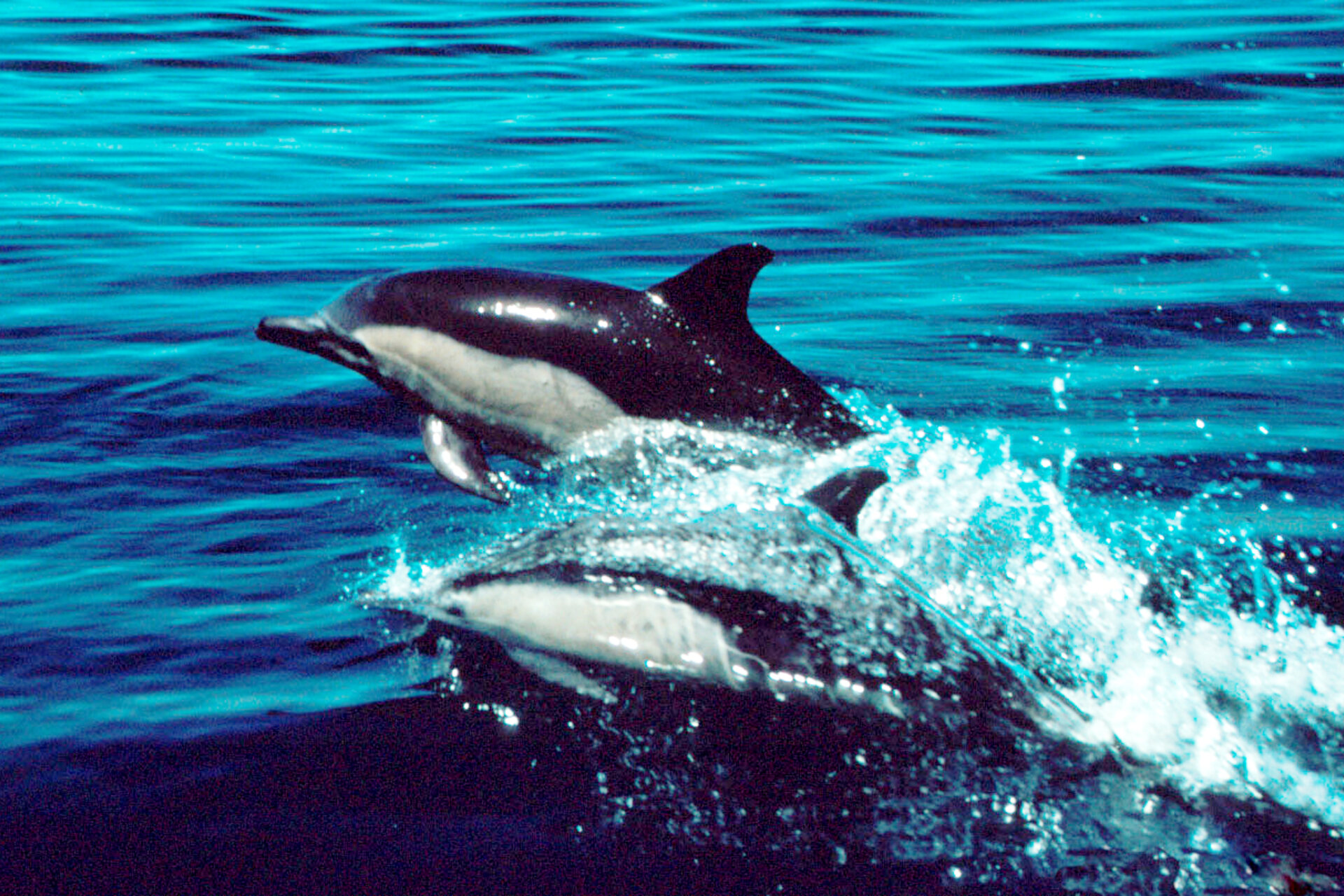
Common Dolphins (Delphinus delphis)
The true architects of the Sardine Run spectacle. Pods of up to ten thousand common dolphins work in highly coordinated teams to separate sections of the main shoal and drive them to the surface in tight, rotating bait balls. One group of dolphins forms a living wall beneath the sardines, preventing them from diving. Another group circles the perimeter, compressing the ball tighter. A third group takes turns charging through the bait ball to feed. The teamwork is breathtaking — and it is what creates the concentrated surface action that every other predator exploits. Without the dolphins, there would be no bait balls, no gannet dives, no shark frenzy. They are the masterminds.
Copper Sharks & Blacktip Sharks
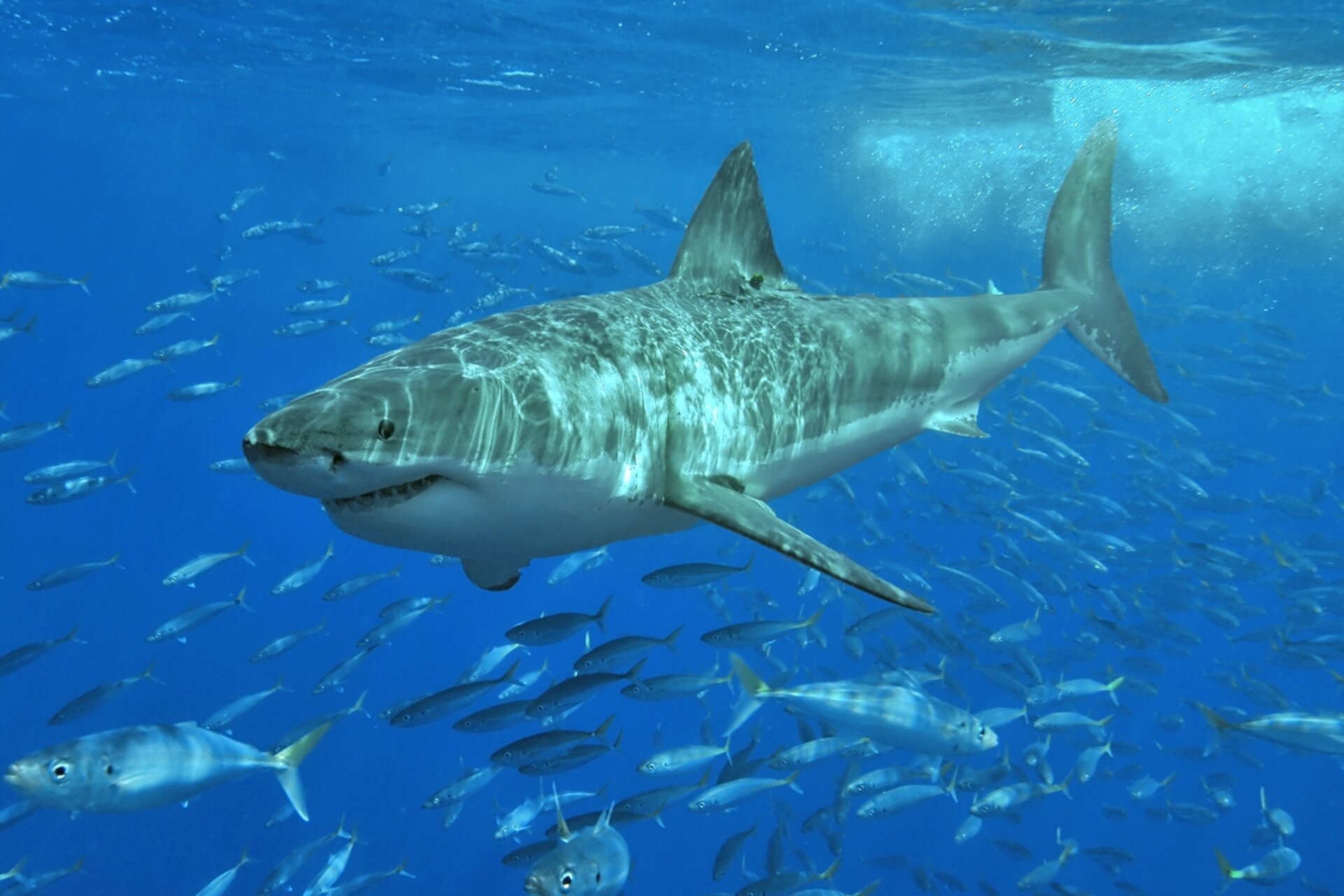
Copper sharks (Carcharhinus brachyurus) — also called bronze whalers — are the dominant shark species during the Sardine Run. Sleek, powerful, and ranging up to three metres in length, they arrive in the hundreds, circling bait balls with a calm, patient menace before surging in to feed. Blacktip sharks (Carcharhinus limbatus) are faster and more aggressive feeders, often seen spinning through the surface in spectacular aerial displays. Dusky sharks and occasionally bull sharks and tiger sharks also appear. For divers, being inside a bait ball with a dozen copper sharks cruising past is one of the most electrifying — and surprisingly safe — wildlife encounters on earth.
Bryde's Whales
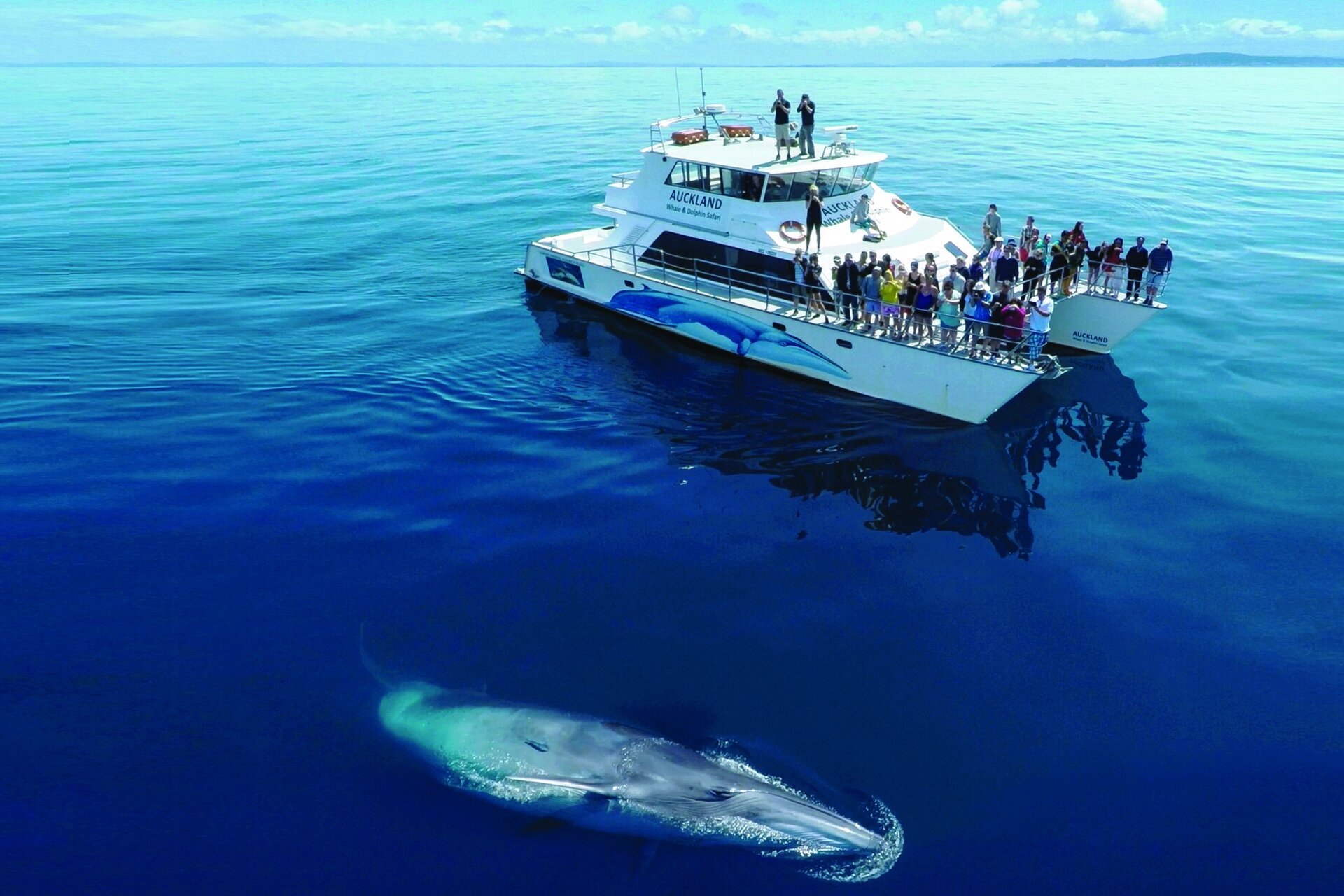
Bryde's whales (Balaenoptera edeni) are the giants of the Sardine Run — the only large baleen whales that stay in tropical and subtropical waters year-round rather than migrating to polar feeding grounds. During the run, they are frequently seen lunge-feeding through bait balls in explosive, open-mouthed charges that can engulf a tonne of sardines in a single gulp. Watching a twelve-metre Bryde's whale erupt through a bait ball from below, mouth agape, throat pleats distended, is one of the most viscerally powerful wildlife moments you will ever witness. They are remarkably agile for their size, and encounters can happen within metres of a snorkeller.
Humpback Whales
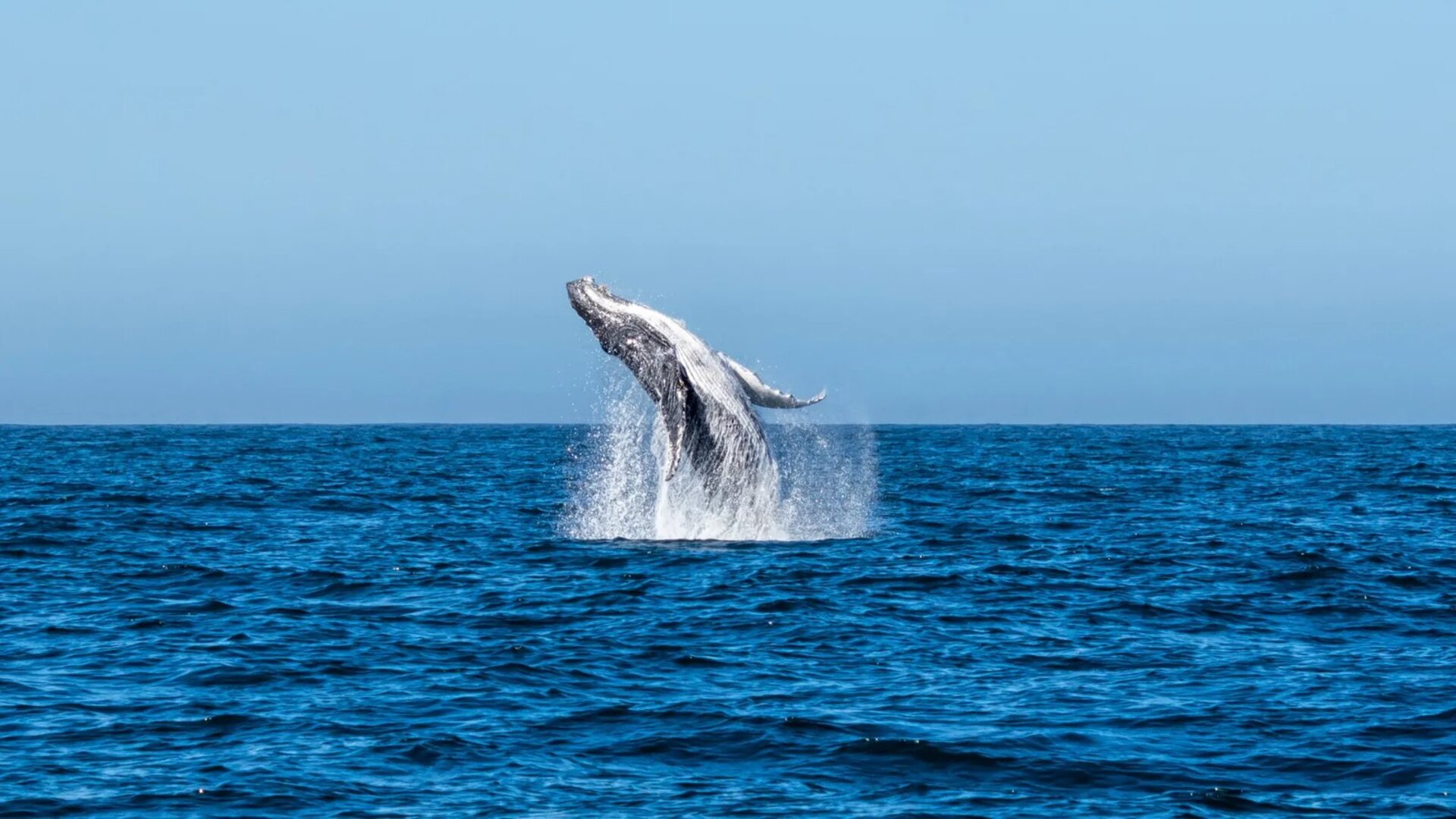
The Sardine Run coincides with the annual humpback whale migration northward along the South African coast. These magnificent animals are heading from their Antarctic feeding grounds to the warm waters off Mozambique and Madagascar to breed and calve, and they pass directly through the sardine corridor. While humpbacks are not typically sardine feeders, they are frequently seen breaching, spy-hopping and lobtailing alongside the run — and the sight of a forty-tonne humpback breaching against the backdrop of a gannet-bombed bait ball is the kind of moment that defines a lifetime of wildlife watching.
Cape Gannets (Morus capensis)
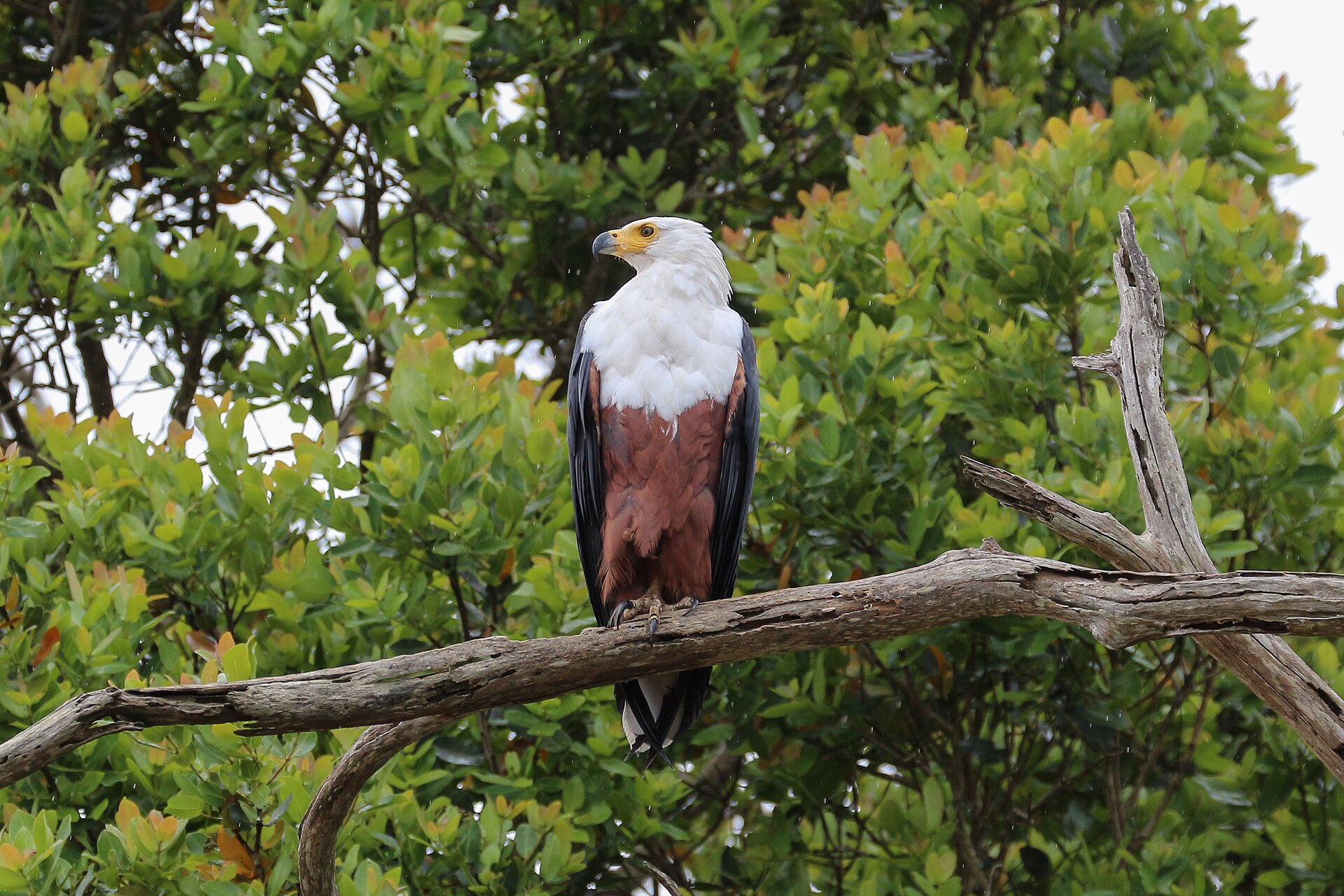
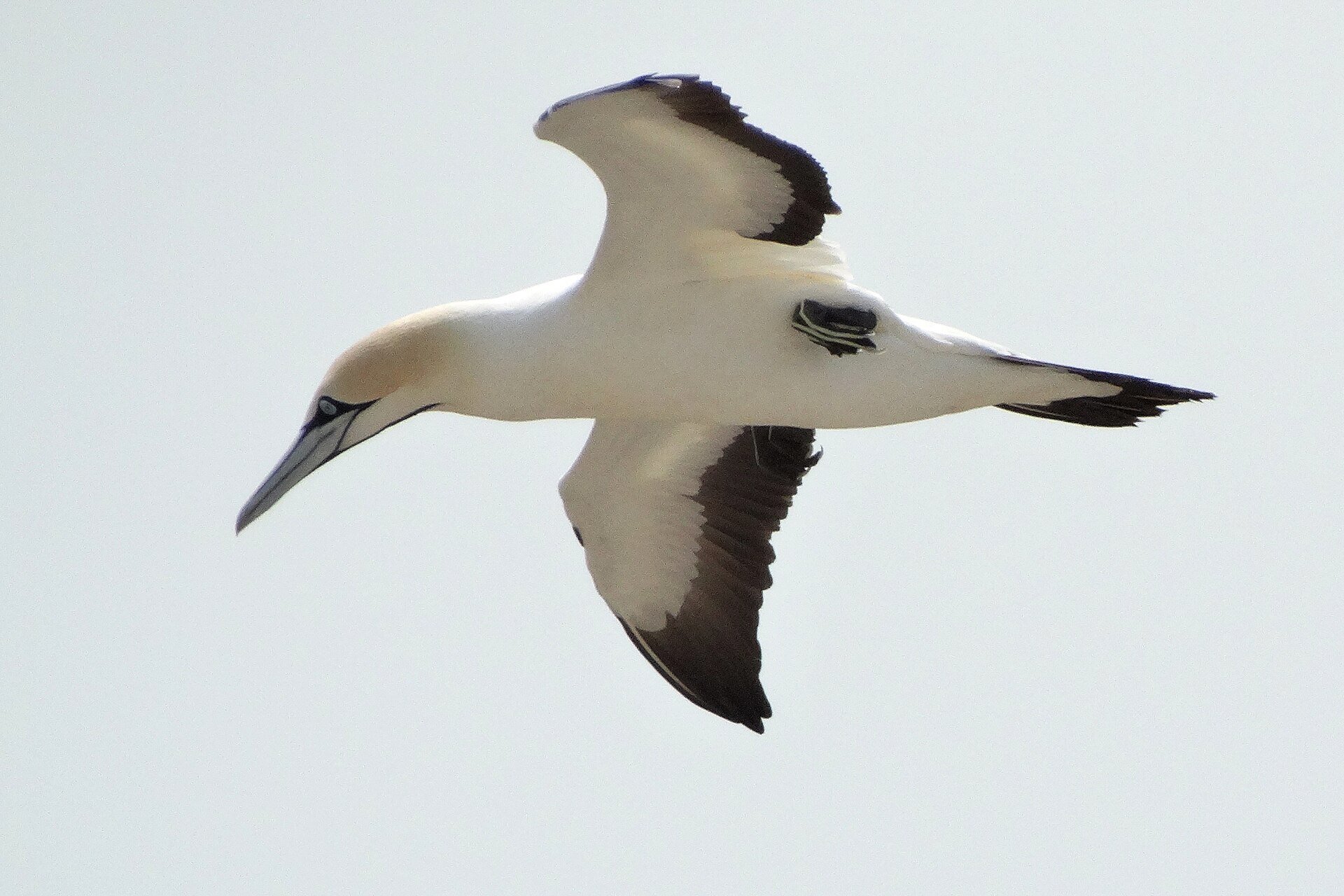
If the dolphins are the architects and the sharks the opportunists, the Cape gannets are the air force. These magnificent seabirds — with wingspans of nearly two metres — circle high above the bait balls, then fold their wings and plunge-dive vertically into the water at speeds approaching one hundred kilometres per hour. From a boat, the sight of thousands of gannets dive-bombing a bait ball is like watching a sustained aerial bombardment — white streaks slamming into the ocean surface in a continuous barrage that can last for hours. Underwater, the gannets trail bubbles like torpedoes, snatching sardines with pinpoint accuracy before rocketing back to the surface.
Combining the Sardine Run with a Big Five Safari
This is where the Sardine Run becomes something truly unique in the world of wildlife travel. South Africa is the only country on earth where you can witness the ocean's greatest predator event and a genuine Big Five safari within hours of each other. The Wild Coast and KZN South Coast sit within easy reach of some of Africa's finest game reserves, and a combined land-and-sea itinerary is, in our honest opinion, one of the most powerful wildlife journeys available anywhere.
Hluhluwe-iMfolozi Game Reserve
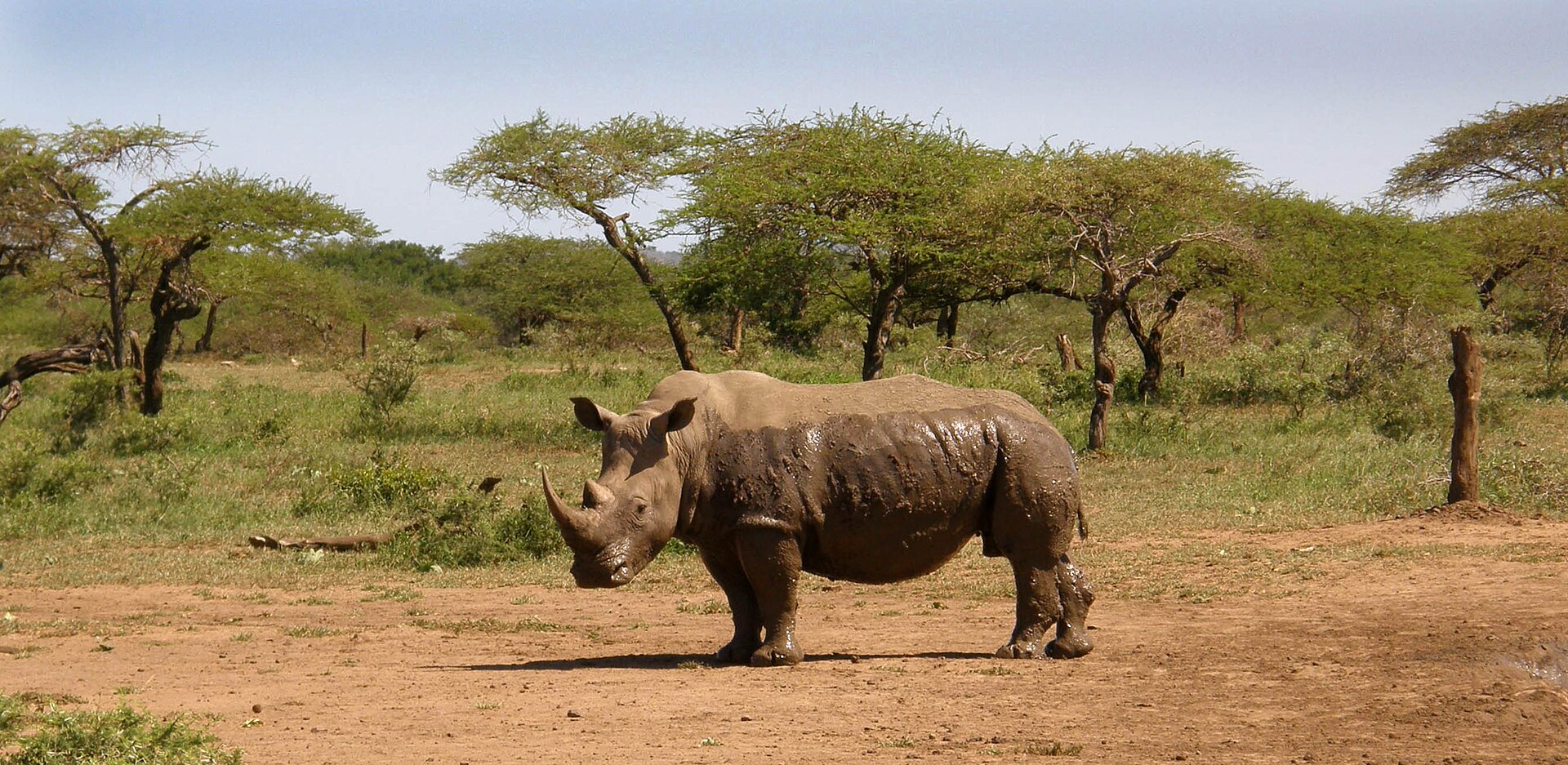
The oldest proclaimed nature reserve in Africa — established in 1895 — and the birthplace of rhino conservation. Hluhluwe-iMfolozi is home to all of the Big Five, with exceptionally strong populations of both black and white rhino. It sits roughly three hours north of Durban, making it a natural pairing with a KZN South Coast Sardine Run base. Three nights here gives you two full days of game drives through beautiful, rolling bushveld — a completely different landscape and wildlife experience to complement the ocean.
Phinda Private Game Reserve
An andBeyond property in northern KwaZulu-Natal, Phinda offers Big Five game viewing across seven distinct habitats — from dry sand forest to open savanna — with superb guiding, cheetah tracking, and luxury lodges. It is one of the few reserves where you can track both the Big Five and the rare suni antelope, and the combination of Phinda's intimate, exclusive bush experience with the raw, primal energy of the Sardine Run creates one of the most complete wildlife itineraries in Southern Africa.
Greater Kruger (Sabi Sands / Timbavati)
For those who want the ultimate, the Greater Kruger is a short flight from Durban. After five days on the Sardine Run, fly to the Sabi Sands — the leopard capital of the world — or Timbavati, birthplace of the white lions, for three to four nights of world-class Big Five viewing. This ten-day land-and-sea itinerary gives you the two greatest wildlife spectacles in Southern Africa in a single journey. We plan the internal flights and transfers so the transition is seamless.
Best Sardine Run Operators & What to Look For
The Sardine Run is a specialist operation, and the difference between a well-run trip and a poorly organised one is the difference between witnessing the Greatest Shoal on Earth and spending a week on a boat seeing nothing. Here is what separates the best operators from the rest.
Aerial reconnaissance: The top operators fly spotter planes or use drones every morning to locate the sardine shoals before launching their boats. This is non-negotiable — without aerial support, finding bait balls in two hundred kilometres of open ocean is largely guesswork.
Coastal mobility: The sardines do not stay in one place. The best operators have the flexibility to move their base up or down the coast to follow the shoals, whether that means launching from Port St Johns one day and Coffee Bay the next, or shifting from the Wild Coast to the KZN South Coast mid-trip.
Safety record: You are entering open ocean with large sharks, whales and powerful currents. Choose an operator with experienced skippers, qualified dive masters, proper safety equipment, and a proven track record over multiple Sardine Run seasons.
Small groups: The best encounters happen when the group is small enough to get everyone in the water quickly when a bait ball is found. Look for operators that cap group sizes at eight to twelve participants per boat.
Photography support: Many operators now carry dedicated underwater photographers, drone pilots, and GoPro setups to capture the action from every angle — important when you are in the middle of a bait ball and your own camera skills are overwhelmed by the sensory overload.
What to Pack for the Sardine Run
The Sardine Run happens in the South African winter, and the water is cold — typically 17–20°C on the surface. Packing the right gear makes the difference between a comfortable, exhilarating experience and a miserably cold one.
- Wetsuit: A 5mm full wetsuit is the minimum for the Wild Coast; a 7mm or a 5mm with a hooded vest is better for extended water time. Most operators provide wetsuits, but bringing your own ensures a good fit.
- Mask, snorkel and fins: Bring your own if you have them — a well-fitting mask that does not leak is worth its weight in gold when you are floating above a bait ball with sharks below. Operators supply gear for those who need it.
- Warm layers for boat: Wind chill on a RIB at thirty knots is brutal. Bring a windproof jacket, beanie and gloves for the ride out and back.
- Underwater camera: A GoPro or equivalent action camera in a waterproof housing is ideal. Keep it simple — you will be too overwhelmed to fuss with settings when a bait ball erupts around you.
- Reef-safe sunscreen: The winter sun is deceptive — you will burn on the boat. Choose a reef-safe formula to protect the marine environment.
- Seasickness medication: The offshore conditions can be rough. If you are prone to motion sickness, take medication before you board. The boat ride out can take thirty minutes to an hour in choppy seas.
- Warm clothes for evenings: Wild Coast and KZN evenings in June/July are cool — 10–15°C. Pack fleece, warm trousers and a beanie for après-dive comfort.
The Science Behind the Sardine Run
Understanding the oceanography behind the Sardine Run deepens the experience immeasurably. The migration is driven by a seasonal interaction between two of the most powerful ocean currents in the Southern Hemisphere.
The Agulhas Current — one of the strongest western boundary currents on earth — flows southward along the east coast of South Africa, carrying warm, tropical water from the Indian Ocean. Normally, this warm current creates a barrier that keeps cold-water-loving sardines confined to the cooler waters south of the Agulhas Bank, off the southern tip of South Africa.
But every winter, a counter-current of cold, nutrient-rich water pushes northward along the narrow continental shelf between the Agulhas Current and the coast. This cold-water tongue — typically two to three degrees Celsius cooler than the surrounding Agulhas water — creates a corridor that the sardines follow. The cold water hugs the coast closely, which is why the sardines run so near to shore and why the bait-ball action often happens within a few hundred metres of the cliffs.
The sardines are not migrating to feed or breed — they are simply following their thermal comfort zone as it shifts northward with the seasonal current change. But the result is a concentration of biomass so enormous that it triggers a predator response on a scale unmatched anywhere else in the ocean. Scientists estimate that the total biomass of sardines during the run can exceed several million tonnes — a moving feast that draws predators from hundreds of kilometres away.
Getting There & Logistics
The Wild Coast and KZN South Coast are well-connected to South Africa's main airports, but getting to the Sardine Run launch points requires some planning. Here is how the logistics work.
Flights
Most Sardine Run trips begin and end in Durban (King Shaka International Airport) or East London (East London Airport). Both airports receive daily flights from Johannesburg (1h 15min) and Cape Town (2h). International visitors typically connect through Johannesburg's O.R. Tambo International Airport.
Transfers
From Durban to the KZN South Coast (Scottburgh, Park Rynie) is roughly one to one and a half hours by road. From East London to the Wild Coast (Port St Johns, Coffee Bay) is three to four hours on a mix of tar and gravel roads — the last section along the Wild Coast is rough, which is part of its charm. Most operators include transfers from the airport as part of their package.
Accommodation
Wild Coast accommodation is rustic and characterful — think backpacker lodges, small guesthouses and community-run homestays rather than five-star hotels. This is not a luxury destination; it is an adventure destination, and the accommodation reflects the raw, untamed character of the coast. On the KZN South Coast, options range from comfortable B&Bs to resort-style hotels. Most dedicated Sardine Run operators include accommodation in their packages.
Pro Tip
If you are combining the Sardine Run with a Big Five safari, we recommend doing the ocean first, bush second. The Sardine Run is weather-dependent — you may have days where sea conditions prevent a launch. Having the safari at the end gives you a guaranteed wildlife payoff even if the ocean delivers fewer action days than hoped. It also means you finish your trip in comfort at a luxury game lodge, which is a wonderful way to decompress after the adrenaline of the run.
Sardine Run vs Other Great Marine Events
How does the Sardine Run compare to the world's other great marine wildlife spectacles? Here is an honest side-by-side.
Why Book the Sardine Run with Beyond Africa Safaris
We plan the Sardine Run direct with the specialist operators on the coast — no intermediaries, no mark-ups, no guesswork. Our team has witnessed the Sardine Run firsthand, we know the operators personally, and we build every itinerary around the specific conditions of the season. Whether you want a pure Sardine Run adventure on the Wild Coast, a snorkelling-focused trip for the family, or a ten-day land-and-sea masterpiece that combines the Greatest Shoal on Earth with a Sabi Sands leopard safari, we design it from scratch, booked direct, at the best possible rate.
We also handle the parts that many operators leave to you — the internal flights, the transfers between ocean and bush, the logistics of moving between the Wild Coast and a luxury game lodge five hundred kilometres inland. Our job is to make the transition seamless so you can focus on one of the most extraordinary wildlife experiences on the planet.
Ready to witness the Greatest Shoal on Earth?
Speak to our team about planning your 2027 Sardine Run safari — ocean, bush, or both. We book direct with every operator and lodge on the ground.