Key Takeaways
- Camps relocate 2–3 times per year to track the migration (Ndutu Jan–Mar, Western May–July, Northern Aug–Oct)
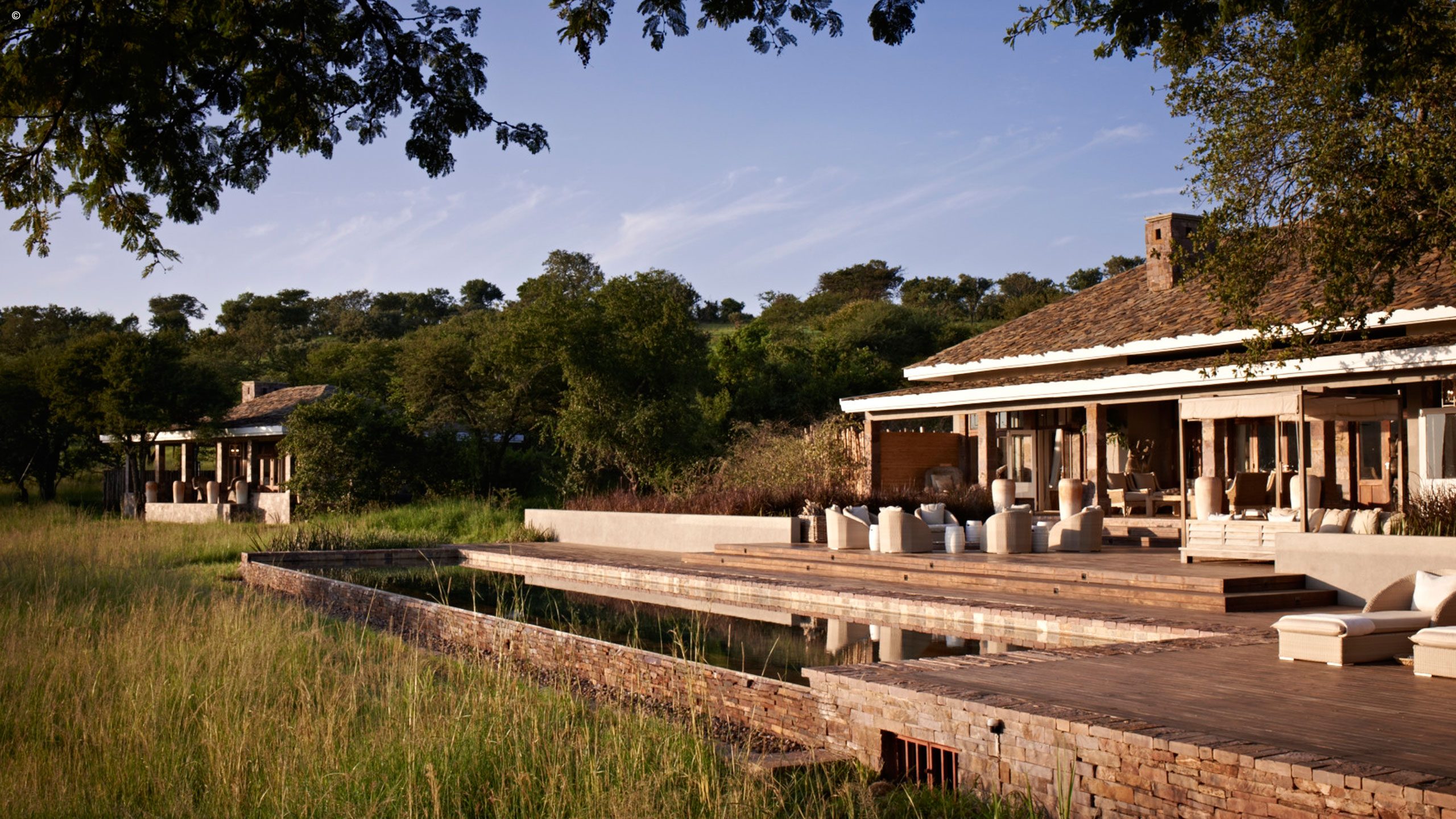
- Luxury canvas tents with en-suite bathrooms, hot showers, king beds — not basic camping
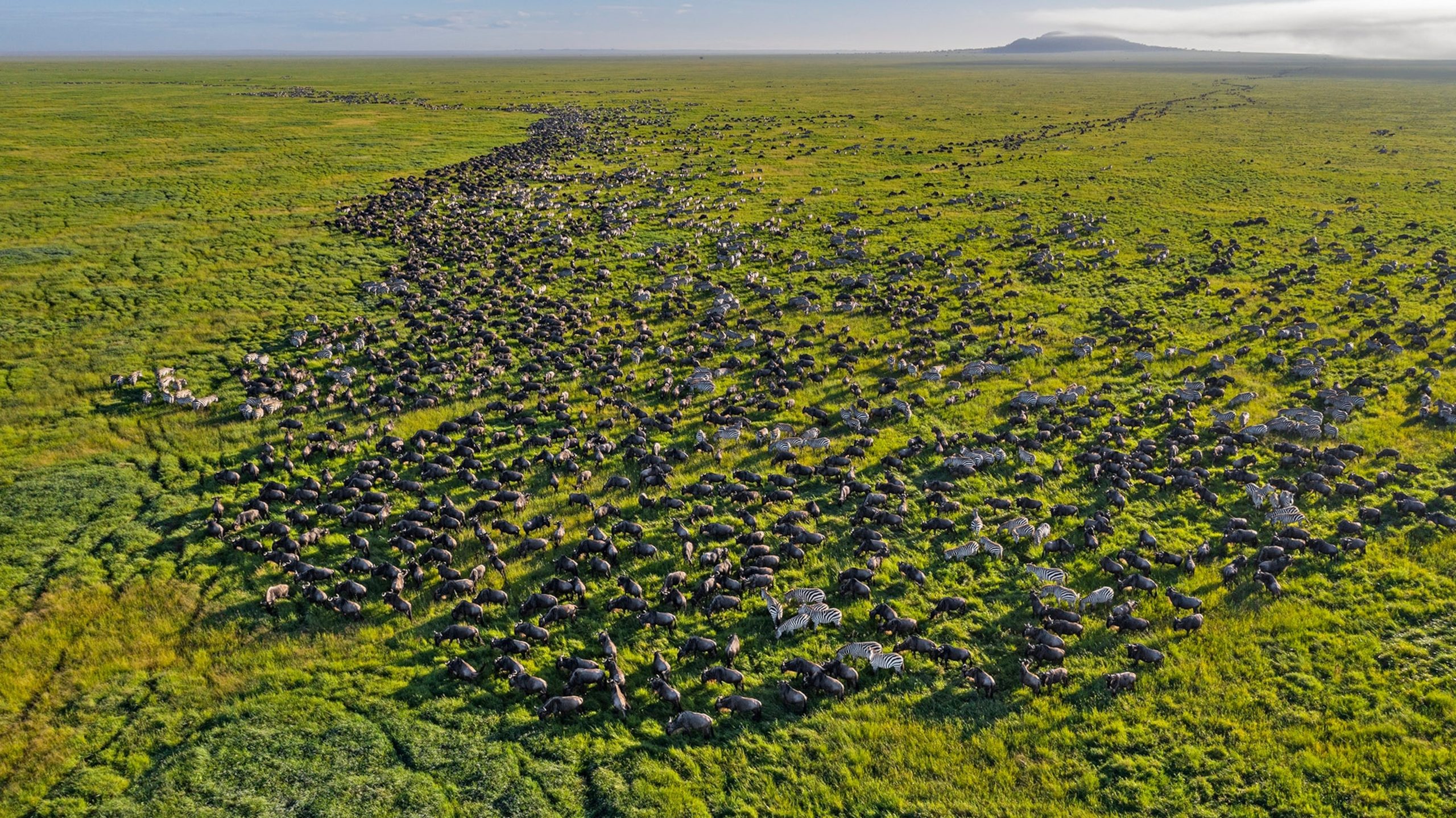
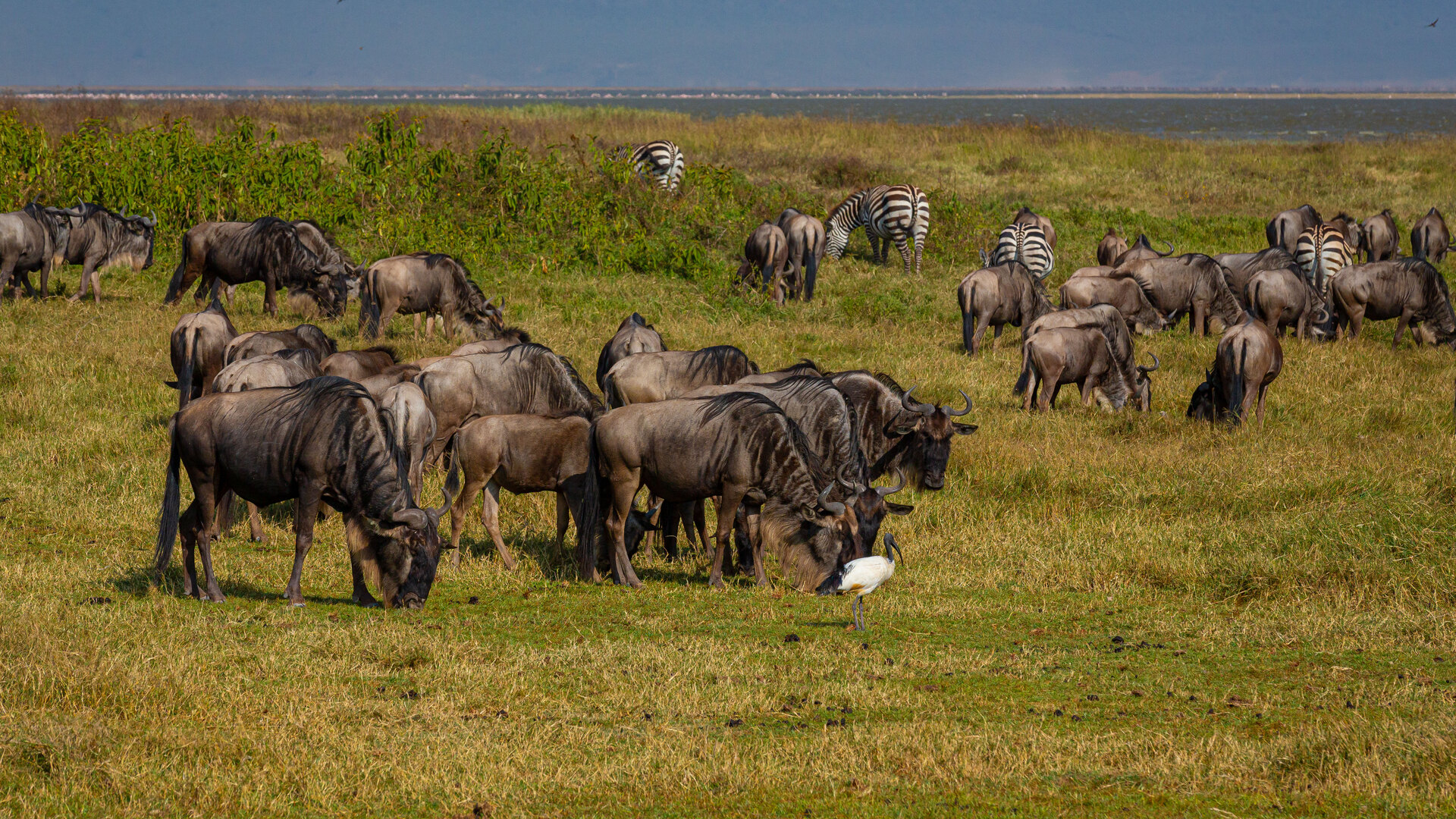
- Front-row access: herds often graze within sight of your tent at dawn
- Costs ~$600–1,200 USD per person per night (all-inclusive with game drives)
- Book 6–9 months ahead for peak calving (Feb) and river crossing (July–Sep) seasons
- Mobile camps are semi-permanent (stay 3–5 months per location) with full staff, dining tent, bar
What Are Serengeti Mobile Safari Camps?
A mobile safari camp is exactly what it sounds like: a luxury tented camp that moves. Not every day, not every week — but 2–3 times a year, following the Great Migration as it circles the Serengeti ecosystem.
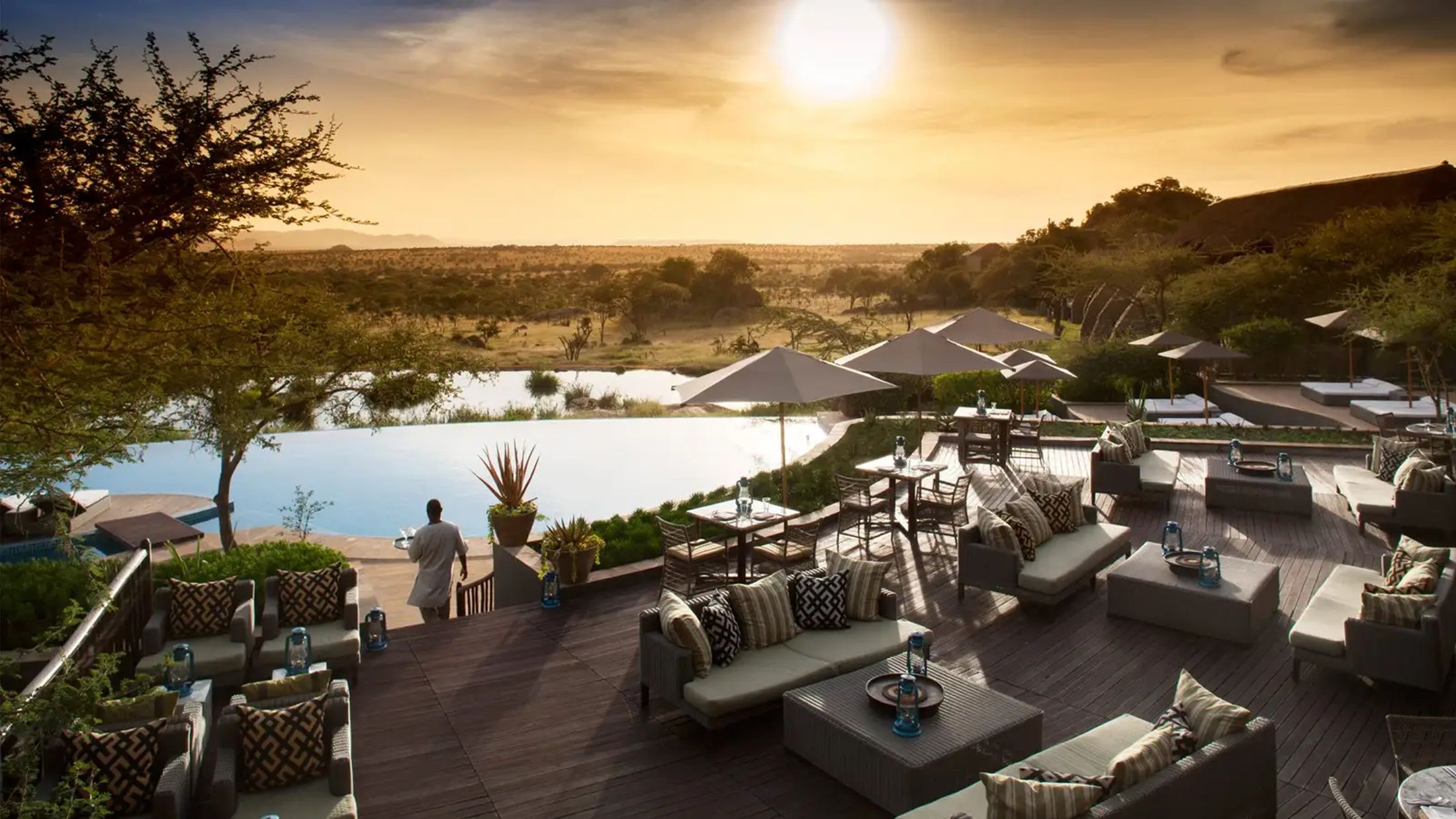
These aren't flimsy dome tents and sleeping bags. They're spacious canvas tents with en-suite bathrooms, hot showers, king beds, wooden furniture, and — at the best camps — private verandas overlooking the plains. There's a dining tent, a bar tent, a lounge area, campfires at night, and a full staff (guides, chefs, camp managers) who move with you.
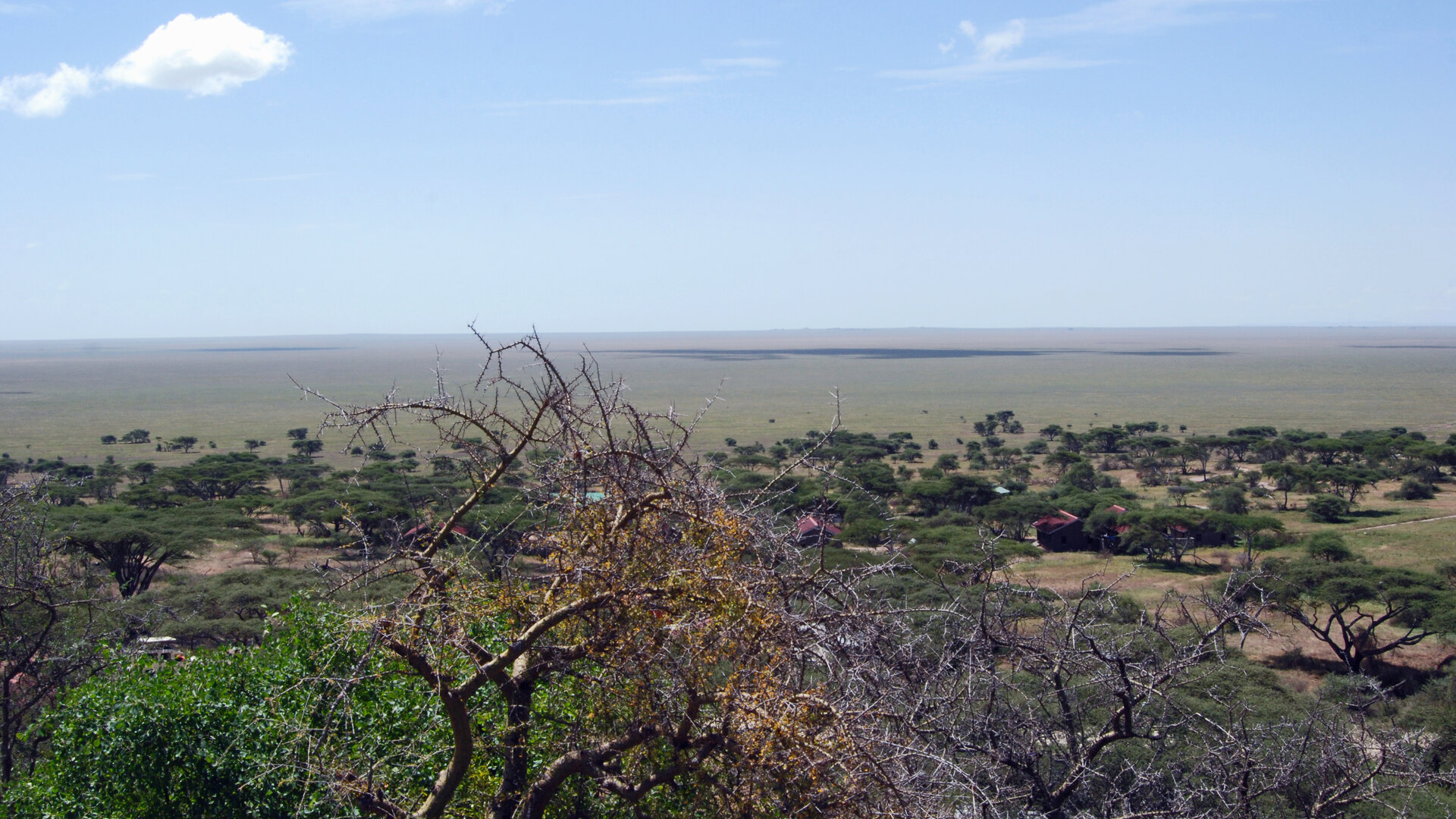
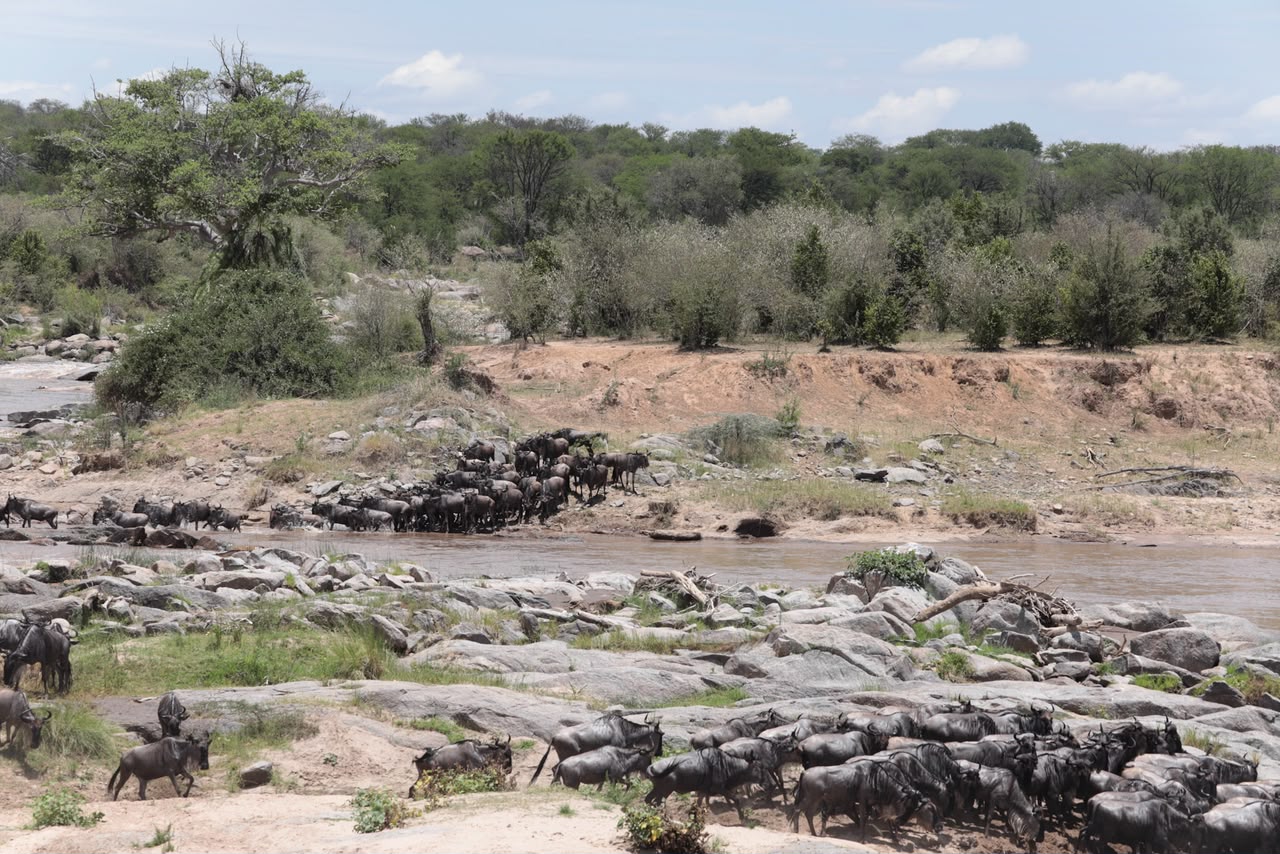
The magic lies in the location. Because the camp relocates to stay close to the migration, you're never more than a 20-minute game drive from the action. In February, you wake up to wildebeest calving on the Ndutu plains. In July, you're camped beside the Grumeti River, watching herds cross. In September, you're in the far north, front-row for the Mara River crossings.
It's the ultimate migration-chasing experience: canvas under the stars, wildlife at your doorstep, and the thrill of a semi-permanent camp that follows the wild.
How Mobile Camps Work: The Seasonal Cycle
The Great Migration follows a roughly circular route through the Serengeti and Masai Mara ecosystem. Mobile camps move 2–3 times per year to track the herds:
Each camp stays in one location for 3–5 months, then the entire operation — tents, kitchen, furniture, generators — is dismantled, transported, and reassembled at the next site. It's a huge logistical operation, but the result is seamless: guests arrive to a fully functioning luxury camp that just happens to be in the middle of nowhere.
The Experience: What It's Like to Stay in a Mobile Camp
Your tent: Canvas walls, a wooden frame, a proper bed (king or twins), bedside tables, luggage racks, rugs underfoot. The en-suite bathroom has a flushing toilet, a basin, and a hot-water shower (heated by a wood-fired boiler — staff fill it on request). There's no electricity in the tent (solar lanterns instead), but most camps have a central charging station.
Dining: Breakfast is a full spread (eggs cooked to order, pastries, fruit, cereal, Kenyan coffee). Lunch is often a light buffet or packed if you're out on a full-day game drive. Dinner is three courses — soup, a hot main (grilled meats, stews, fresh vegetables), and dessert — served at a communal table under the stars or in the dining tent if it's chilly.
Game drives: Twice daily (dawn and late afternoon), in open 4x4s with pop-up roofs. Because the camp is positioned close to the migration, drives are short and productive. You might leave camp at 6 AM, be among the herds by 6:20 AM, and be back for breakfast by 9 AM.
Evenings: Sundowners on the plains (gin and tonic, the sun setting over the Serengeti), then back to camp for a hot shower, a campfire, and dinner. After dinner, you sit around the fire, listening to the sounds of the bush — lions roaring in the distance, hyenas whooping, the crackle of the flames.
There's no Wi-Fi, no TV, no phone signal (at most camps). It's intentional. You're here to disconnect, to be present, to experience the Serengeti as it was meant to be experienced.
Enquire About Mobile Safari Camps
Cost: What to Expect
Serengeti mobile safari camps cost between $600 and $1,200 USD per person per night, depending on the camp and season. This is all-inclusive:
• Accommodation in a luxury canvas tent
• All meals and drinks (house wines, beers, soft drinks, tea, coffee)
• Twice-daily game drives with expert guides
• Park fees (usually)
• Laundry service
Not included: International flights, tips, premium alcohol, hot air balloon safaris, and — at some camps — Serengeti park fees (check per camp).
It's not cheap, but it's exceptional value for what you get: front-row access to the migration, luxury accommodation, expert guiding, and an experience you'll remember forever.
Best Mobile Camps in the Serengeti
1. Serengeti Under Canvas (Elewana Collection): The gold standard. Nine tents, impeccable service, prime locations. Moves 5 times per year to stay with the migration. $800–1,200 USD per person per night.
2. Kimondo Migration Camp (Nomad Tanzania): Six tents, intimate, expertly positioned. Nomad's guides are among the best in the business. $700–1,000 USD per person per night.
3. Ubuntu Migration Camp: Mid-range option with excellent guiding and solid comfort. Eight tents, moves 3 times per year. $600–850 USD per person per night.
All three are seasonal (they close and move during the transition months), so booking is essential 6–9 months ahead, especially for peak calving (Feb) and river crossing (July–Sep) seasons.
Mobile Camps vs Permanent Lodges: Which to Choose?
It depends what you value:
Mobile camps: Front-row migration access, authentic bush experience, exclusivity, adventure. Trade-offs: no Wi-Fi, basic (but comfortable) amenities, higher cost.
Permanent lodges: More facilities (pools, gyms, Wi-Fi, reliable power), easier logistics, often cheaper. Trade-off: you might be 1–2 hours' drive from the migration at certain times of year.
If the migration is your priority — if you want to wake up with wildebeest grazing outside your tent — a mobile camp is unbeatable. If you prefer creature comforts and don't mind driving a bit further for wildlife, a permanent lodge works beautifully.
When to Book and How Far Ahead
Mobile camps have limited capacity (6–10 tents) and book out fast. For peak seasons:
• Calving season (Feb): Book 9–12 months ahead
• River crossings (Jul–Sep): Book 9–12 months ahead
• Green season (Apr–May, Nov): Book 3–6 months ahead
Your safari operator will handle the booking as part of your overall itinerary. Most camps require a deposit (30–50%) and full payment 60–90 days before arrival.
Private Tours Cape Town brings you closer to Africa's most breathtaking experiences — from the Serengeti plains to the Indian Ocean islands, every journey is a masterpiece.