We're Open8am–6pm SAST
WishlistPartner Portal
← Back to BlogSafari

Private & Guided Safari Experiences for 2027

Audio EditionListen to this article
0:000:00

Most 2027 safari guides are lists of places: a country, a park, a line about why it is good this year, and on to the next. That is a fine way to fill a page and a poor way to plan a trip, because the same park can be the best place on earth in August and the wrong choice in March, and because two people standing in the same reserve can want completely different days.

So this guide is built the other way round. Pick the experience you actually want — the thing you will talk about years later — and we will tell you where it is done best, in which months, and what it costs to do it privately. Every option here is run as a private, guided trip: your own guide, your own vehicle, your own pace. Where you should go instead for a ranked country-by-country view, we point you to our best places to travel in Africa in 2027 guide, and for the ready-built luxury trips, to our top ten private safari tours.

The short version

  • Choose by experience, not by map. The month you can travel often decides the place for you.
  • Migration crossings peak July to October; walking safaris June to October; gorillas year-round; green-season trips bring newborns and lower rates.
  • Everything here is private and guided — one vehicle, one guide, your timetable — with Federal Air light-aircraft transfers between camps.
  • Two weeks holds two contrasting experiences comfortably. We quote the real all-in cost before you commit.

1. Great Migration river crossings, from the private camps

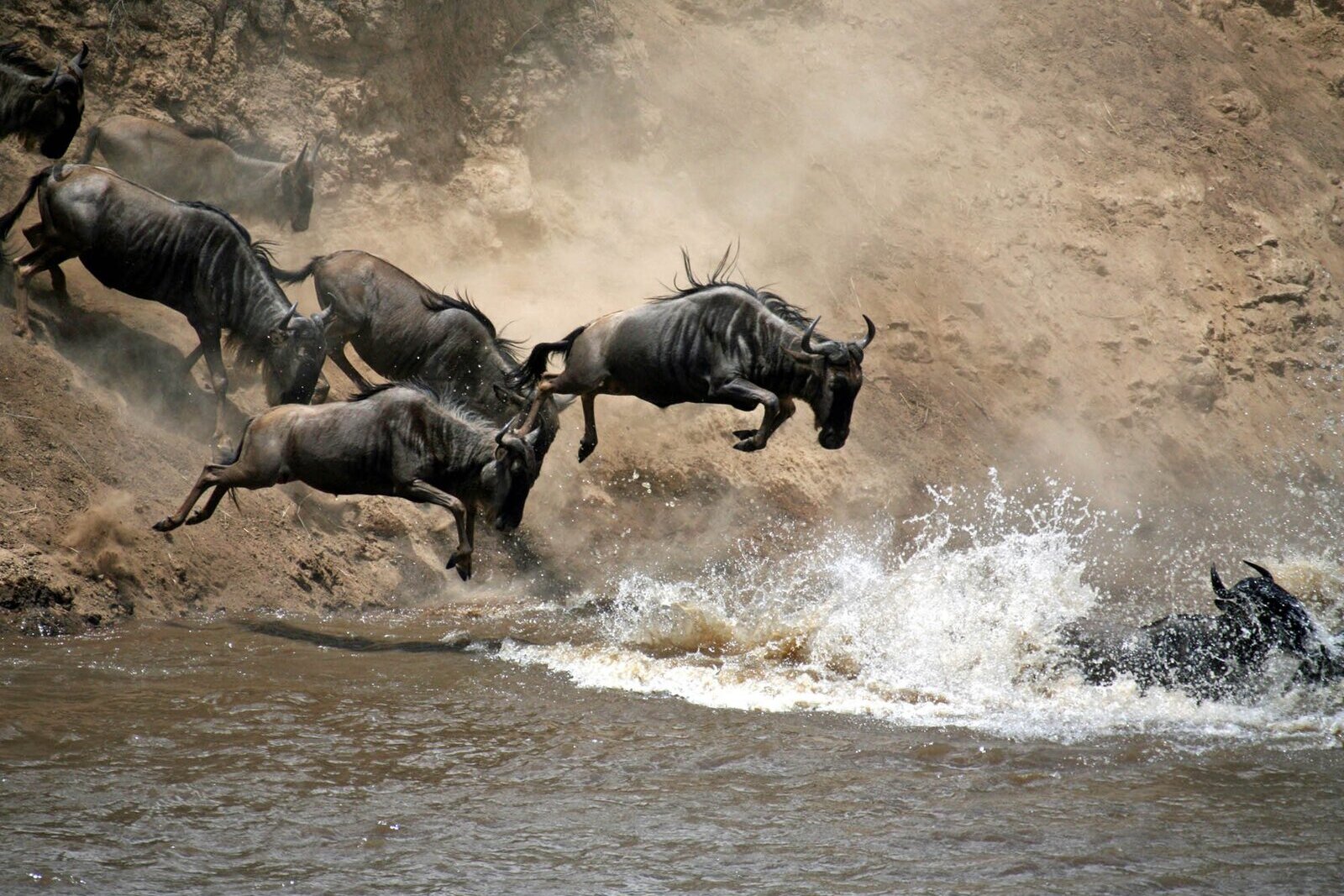
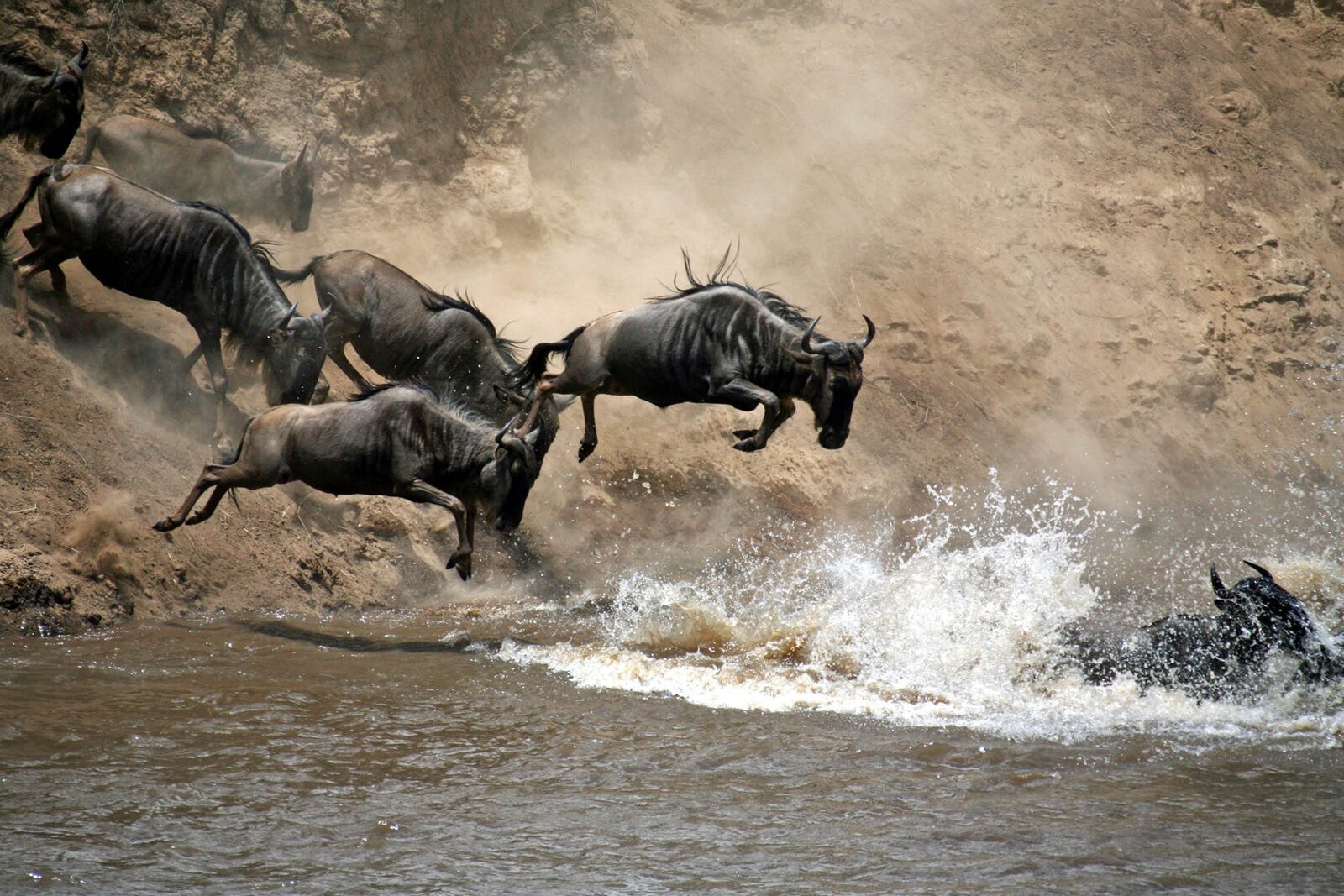
The crossing is the one most people picture: thousands of wildebeest massing on a bank, then the plunge into the Mara River, crocodiles waiting in the brown water. What the photographs never show is the row of thirty minibuses lined up on the far bank. The difference between a good crossing and a frustrating one is almost entirely about where you watch it from.

From July to October the herds are in the northern Serengeti, pressed up against the Kenyan border, and that is where you want to be — in the small, private camps on the Tanzanian side rather than the busier Masai Mara frontage. Camps like these keep their own vehicles on the river lines early, so when a crossing starts you are already in position with no one beside you. Your guide reads the herd behaviour through the morning; crossings are unpredictable and you may wait, which is exactly why a private vehicle that can sit it out matters.

Reach these camps by light aircraft onto the bush strips rather than the long road from Arusha. For the month-by-month detail, our guide to the best time for the Great Migration lays out where the herds are through the year.

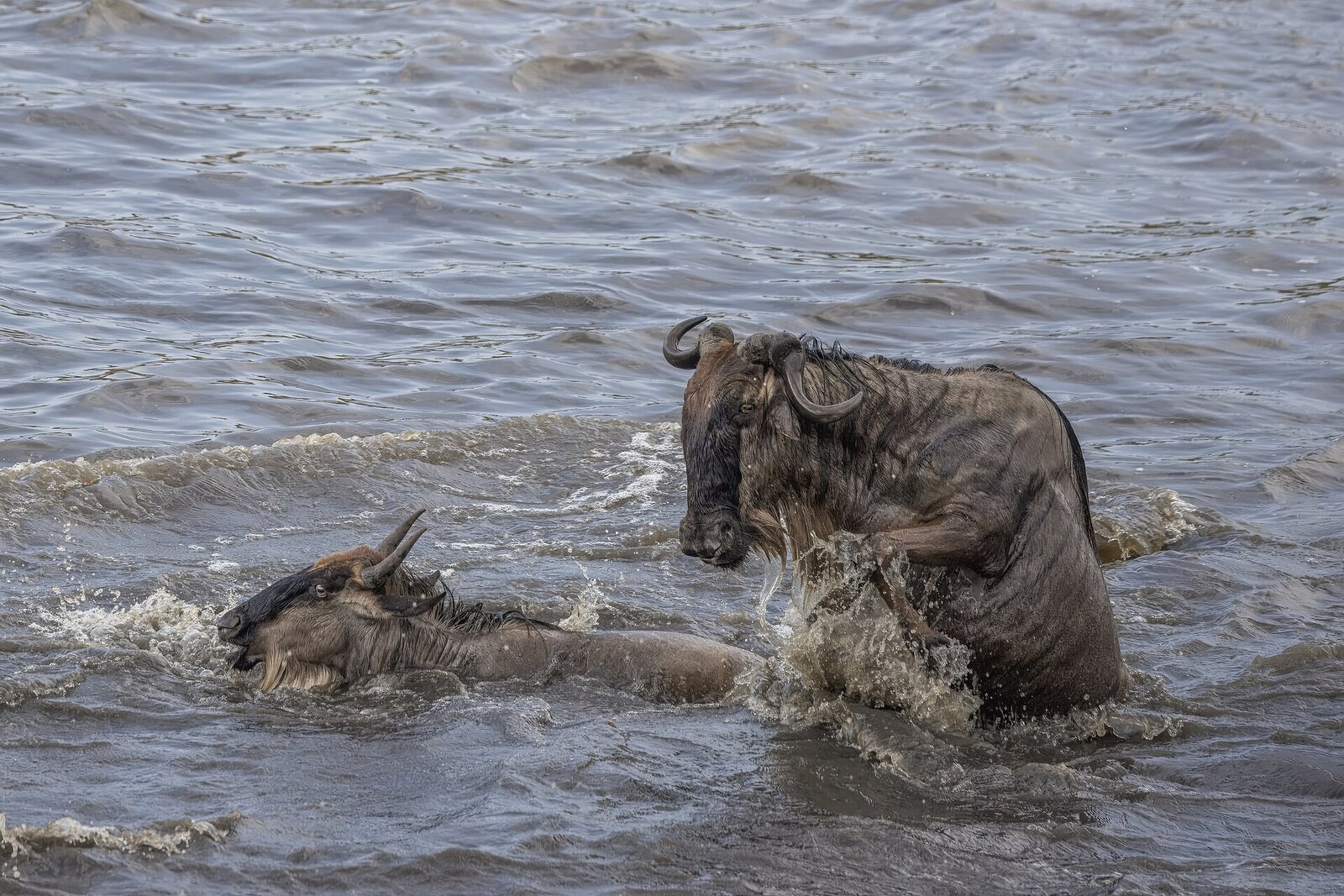
A column of wildebeest crossing a river channel, water churning white around them
Wildebeest plunging down a steep bank into the Mara River on a northern Serengeti crossing
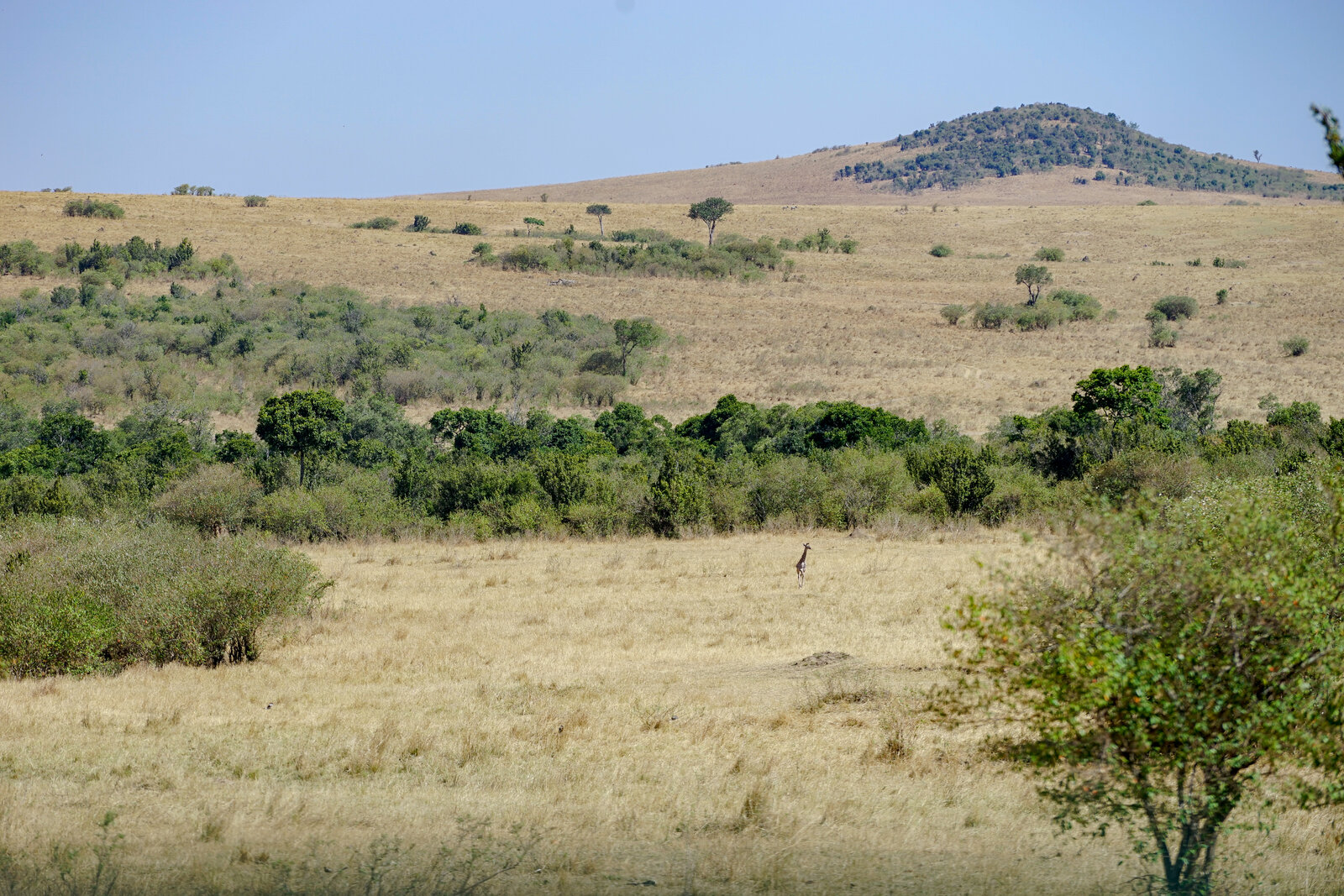
Open Masai Mara grassland stretching to the horizon under a big sky with scattered herds
Golden plains at sunrise with wildebeest strung across the middle distance
Migration Crossings

The crossing from the private northern camps — in position early, no crowd beside you. Swipe to view.

2. Big-cat tracking in private conservancies

If what you want is cats — close, often, and with the time to watch them behave rather than just tick them off — the answer is a private conservancy rather than a national park. The reason is a rule: in most national parks vehicles must stay on the roads and leave at dusk. On private land the guides can drive off-road to a sighting and stay out after dark, which is when leopards hunt.

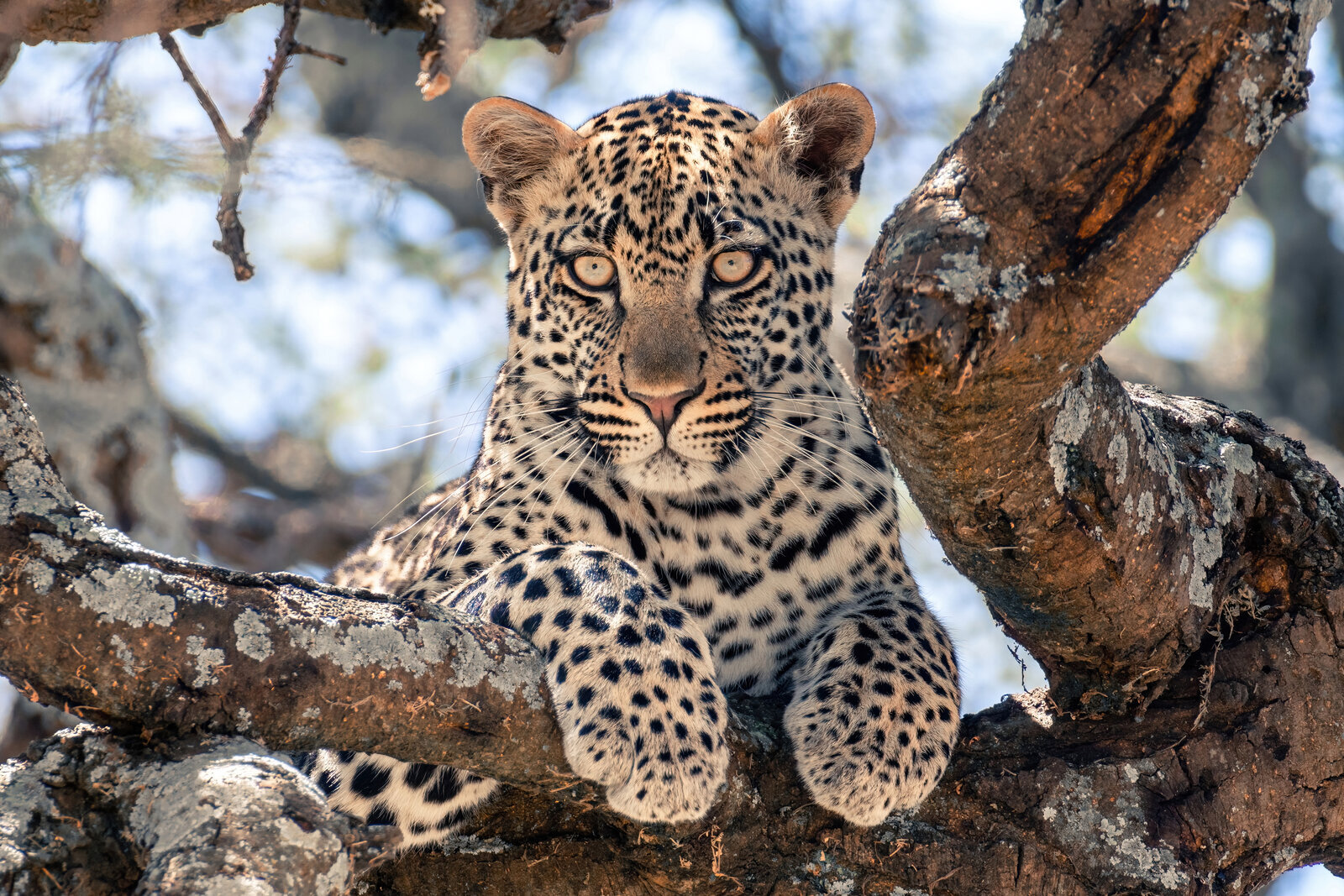
The Sabi Sand in South Africa is the most reliable leopard ground in Africa, and the big Mara conservancies in Kenya — Olare Motorogi, Naboisho and their neighbours — cap the number of vehicles per sighting, so you are rarely more than one or two cars at a leopard. A good tracker and guide working as a pair will follow fresh tracks on foot and by vehicle until they find the animal; sitting with a leopard and her cubs for an hour, with no one else there, is a different thing entirely from a thirty-second roadside view.

The Sabi Sand is malaria-free and an easy flight or short drive from Johannesburg, which makes it a strong first leg. See the private options in our seven-day luxury South Africa packages.
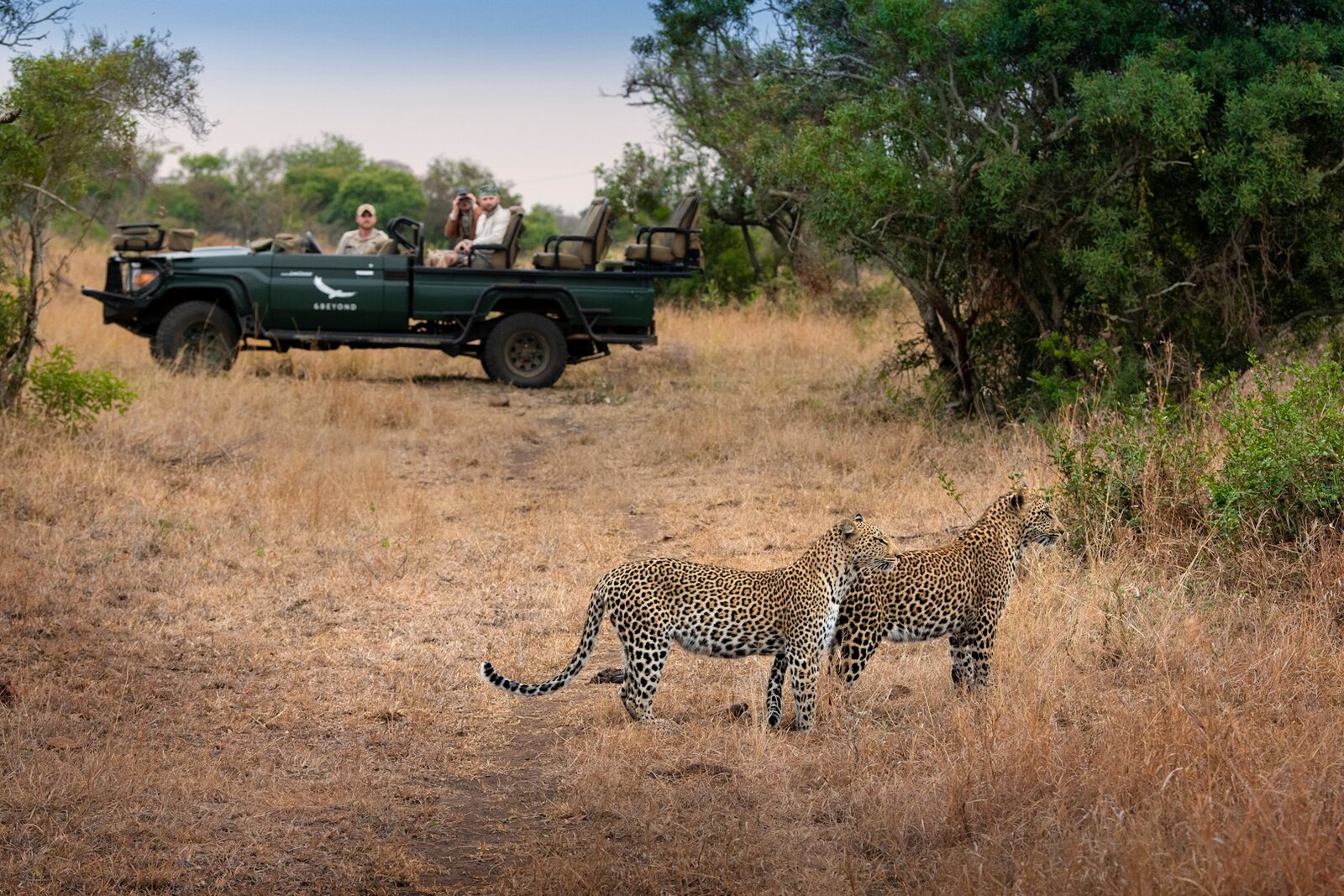
A leopard walking along a sand track at first light in the Sabi Sand
A leopard resting on a fallen branch, tail hanging, looking toward the camera
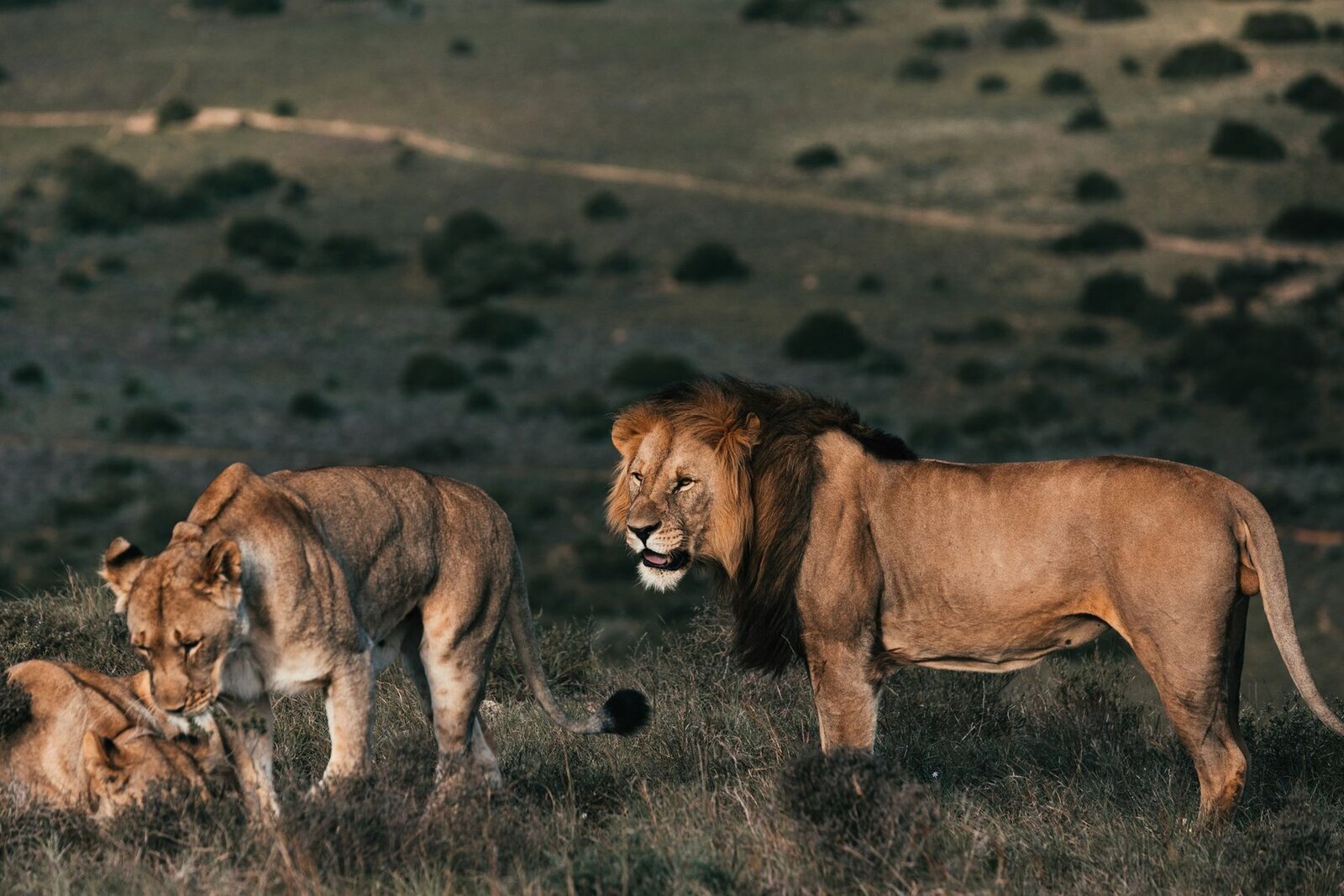
A lion pride lying on open ground as the sun sets behind the trees
Two lionesses alert in long golden grass in the Masai Mara
Big-Cat Tracking

Off-road, after dark, one vehicle at the sighting — why private conservancies beat the parks for cats. Swipe to view.

3. Walking safaris

A walking safari changes the scale of everything. In a vehicle the bush slides past; on foot it closes in, and the small things — tracks, dung, a broken branch, the alarm call of a bird — become the story. You walk in single file behind an armed guide and a tracker, early in the morning before the heat, and the point is rarely to get close to dangerous game. The point is to read the place.

South Luangwa in Zambia is where the walking safari was invented in the 1950s, and it is still the best place to do it, with small bushcamps that run on foot from June to October when the bush has thinned and dried. In South Africa the Kruger wilderness trails offer multi-day walking with nights in simple trail camps. Walking suits reasonably fit adults and is usually a second or third experience rather than a first.

Our Kruger walking-safari guide and the best time for South Luangwa cover the seasons and what the days involve.
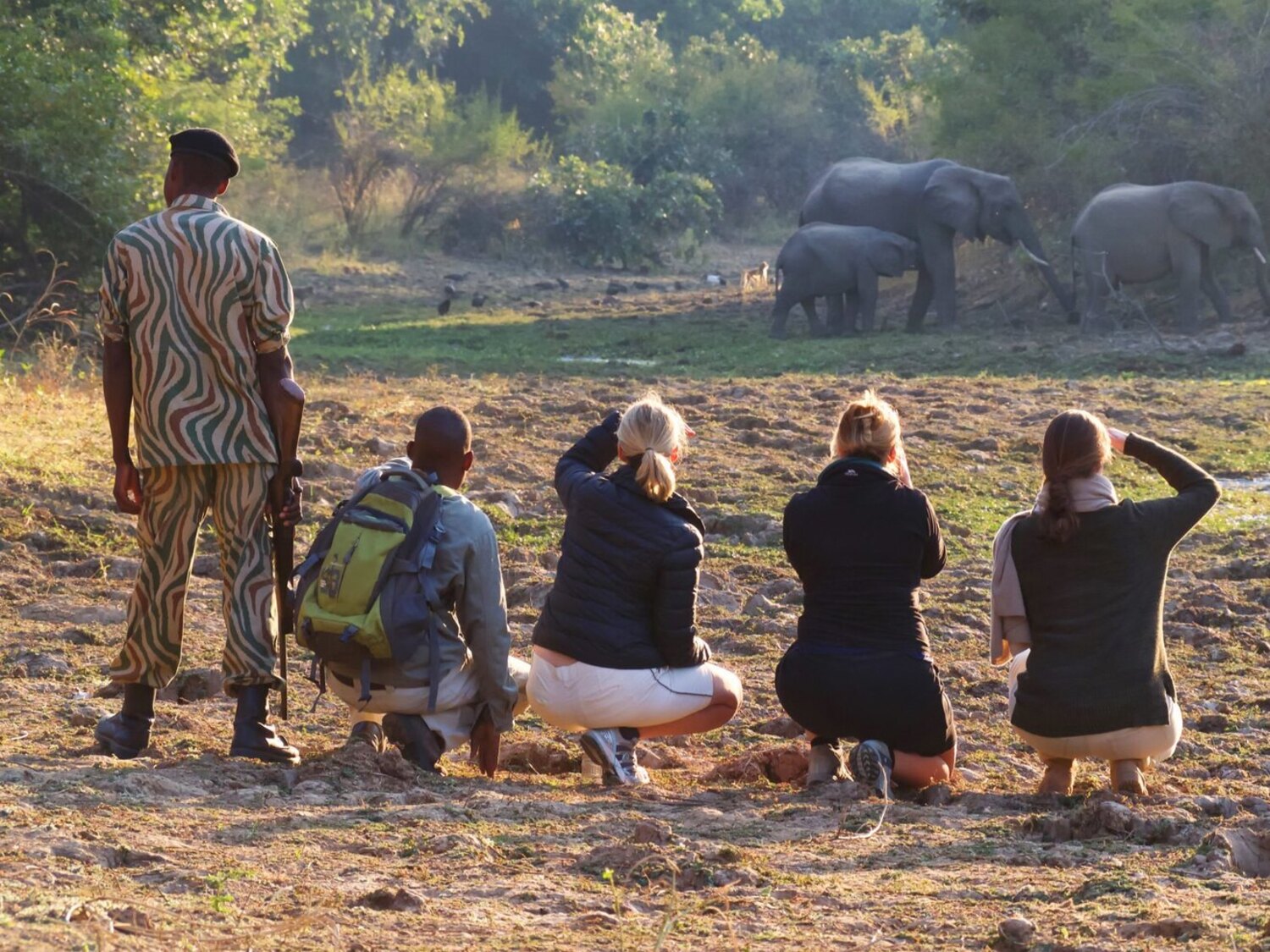
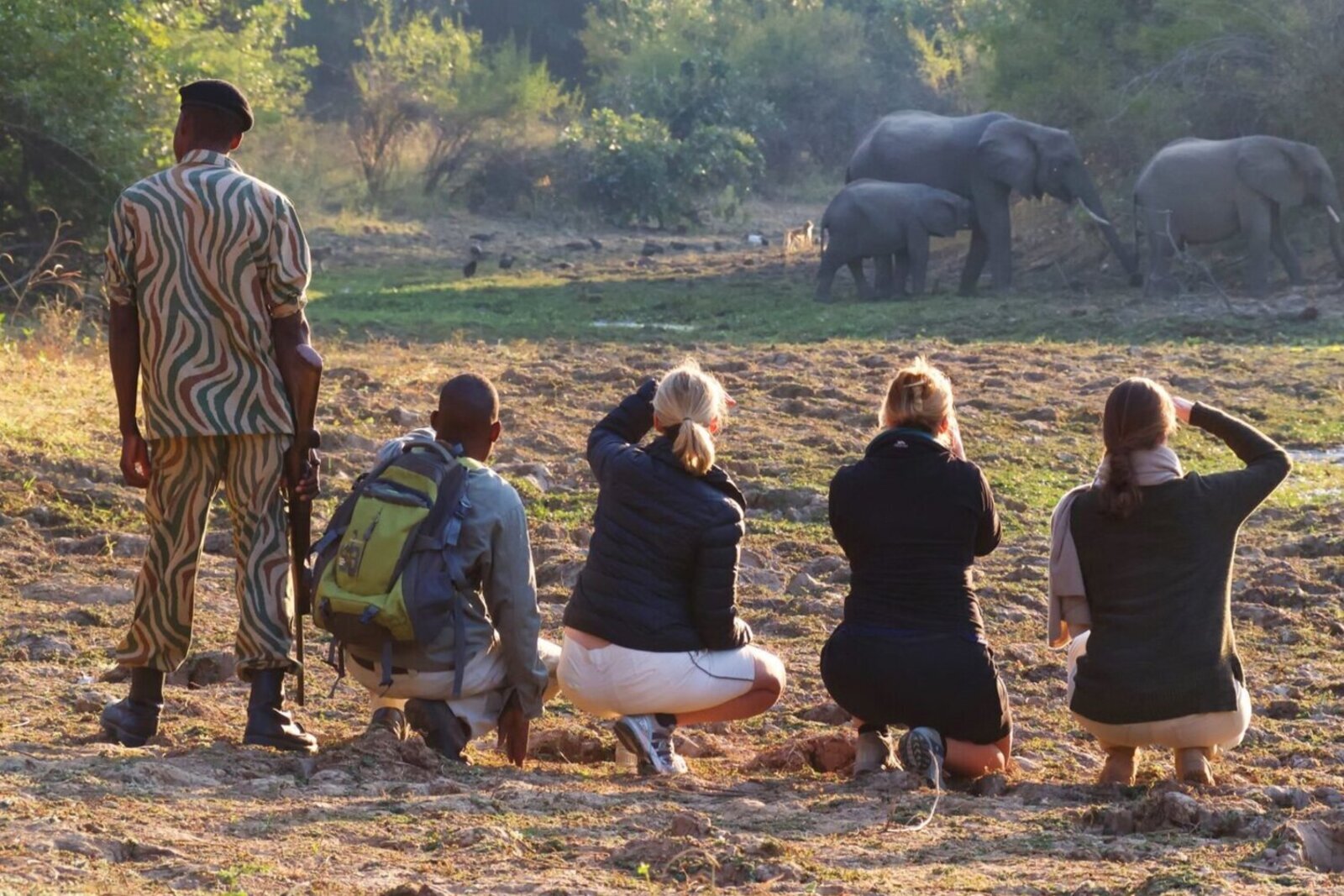
A single-file walking-safari group crossing open ground behind a guide in South Luangwa
Walkers following an armed guide along a sandy riverbank in the Luangwa Valley
A walking group watching buffalo at a safe distance on a Kruger wilderness trail
A guide pointing out tracks to walkers on the open plains of Laikipia
Walking Safaris

On foot in Luangwa and the Kruger trails — the bush at ground level. Swipe to view.

4. Gorilla and primate trekking

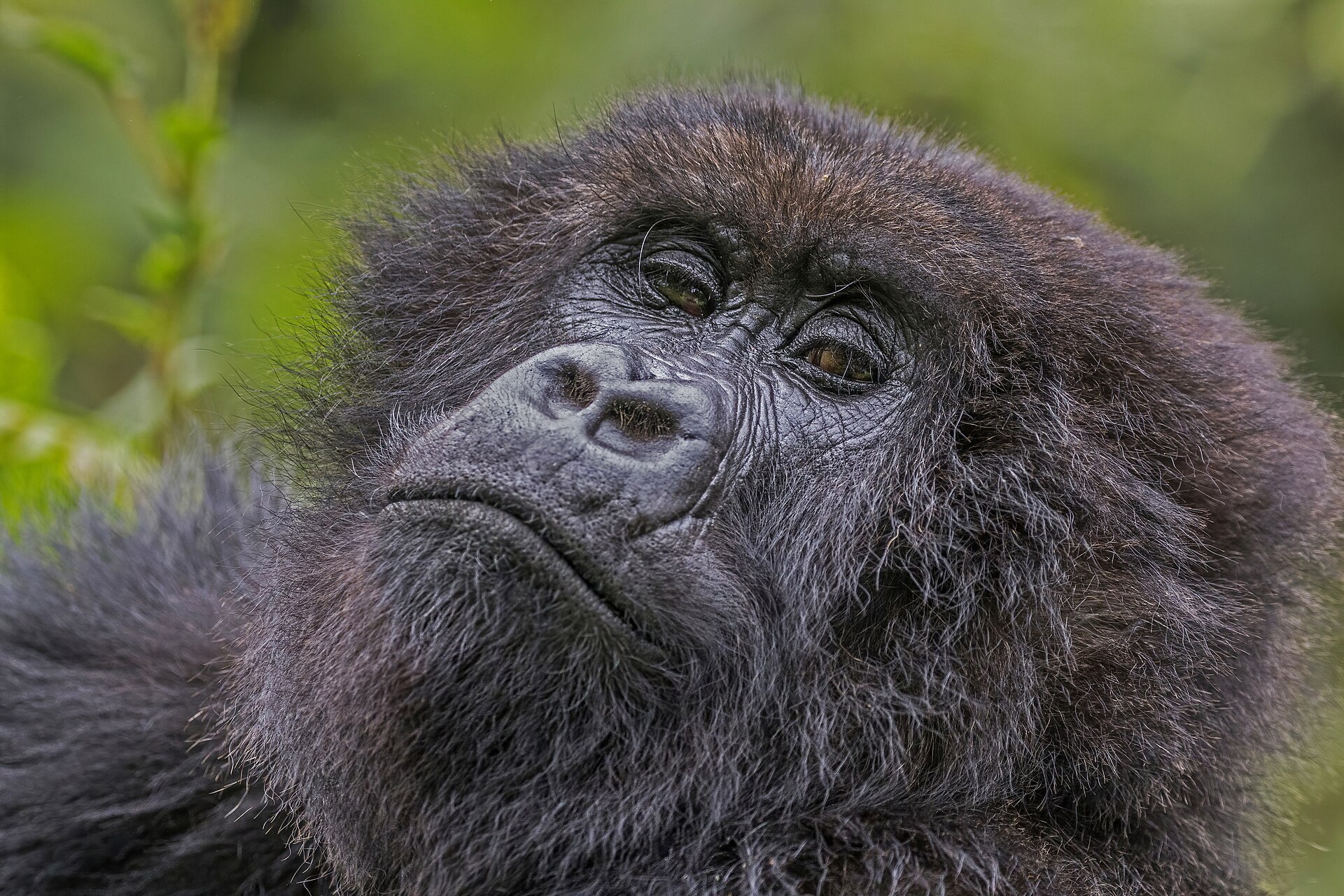
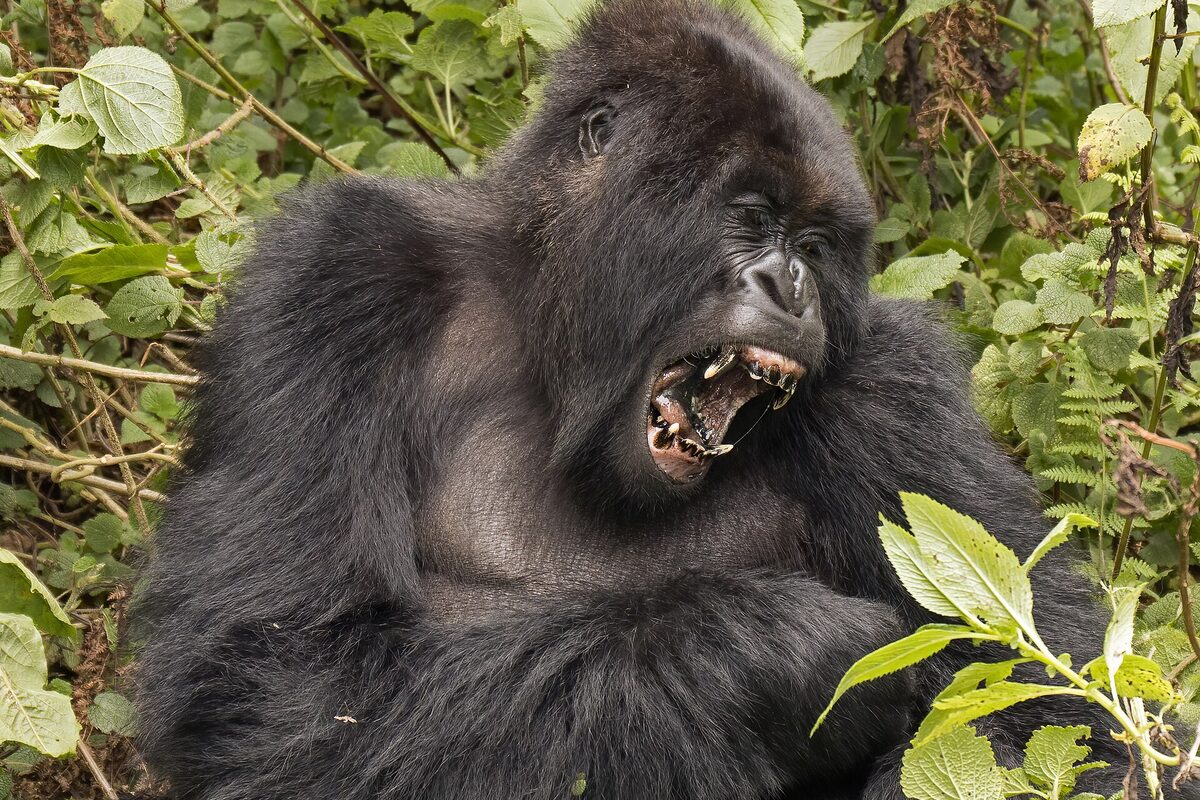
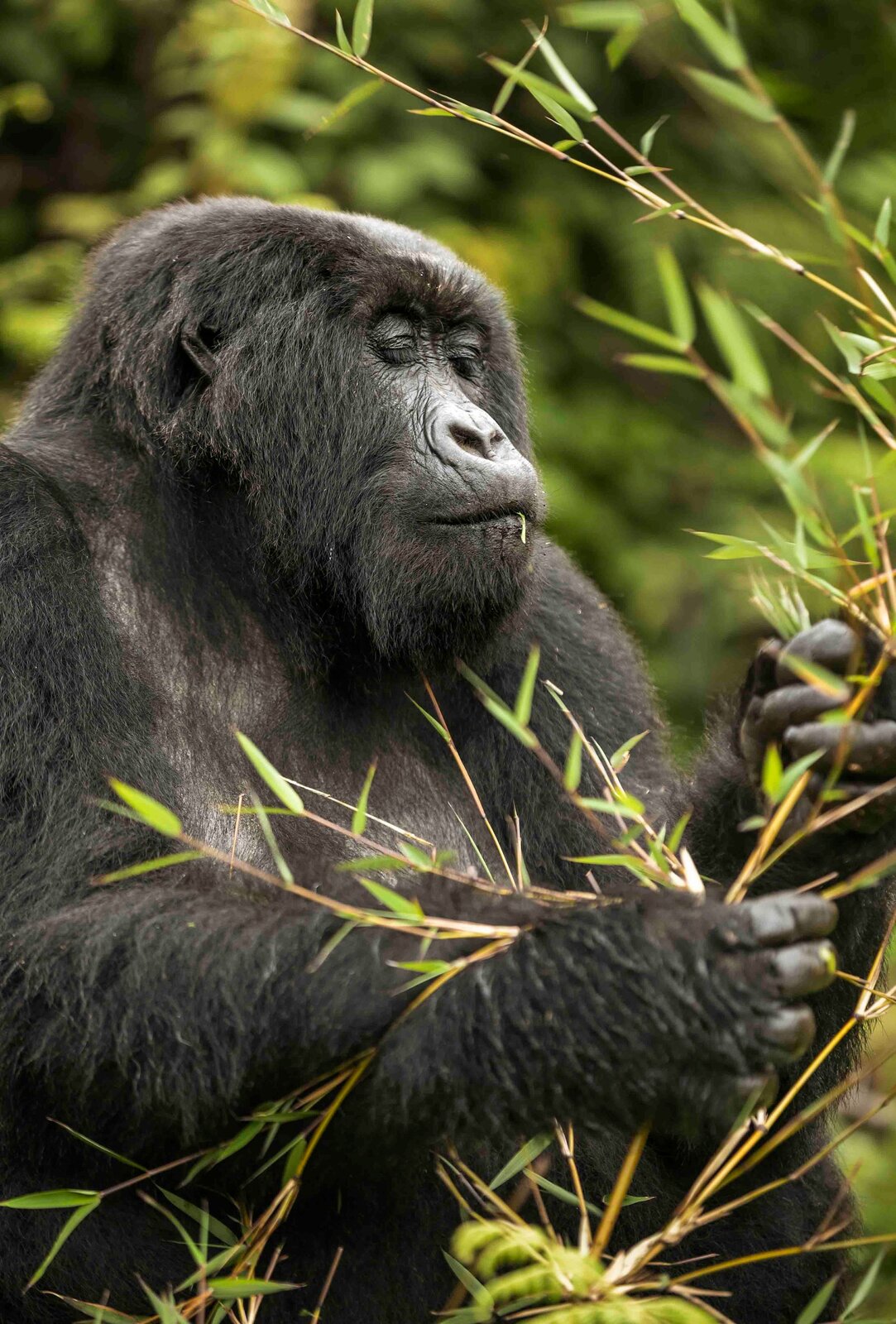
An hour sitting a few metres from a wild mountain gorilla family is not like a game drive. You hike up through thick forest — sometimes for an hour, sometimes for four — following trackers who have been with the family since dawn, and then the forest opens and there they are: a silverback, females, youngsters wrestling in the undergrowth. The hour is strictly timed and permit numbers are capped, which is what keeps the gorillas calm and the experience personal.

Rwanda's Volcanoes National Park is the easiest to reach — a short drive from Kigali — and the most comfortable, with high-end lodges at the park edge. Uganda's Bwindi is wilder and lower-priced, and adds the option of the longer habituation experience. Both can be paired with chimpanzee tracking and, in Rwanda, golden monkeys. Permits are limited daily, so for 2027 these are worth securing early.

See how a gorilla leg fits a wider trip in our seven-day African safari itineraries.
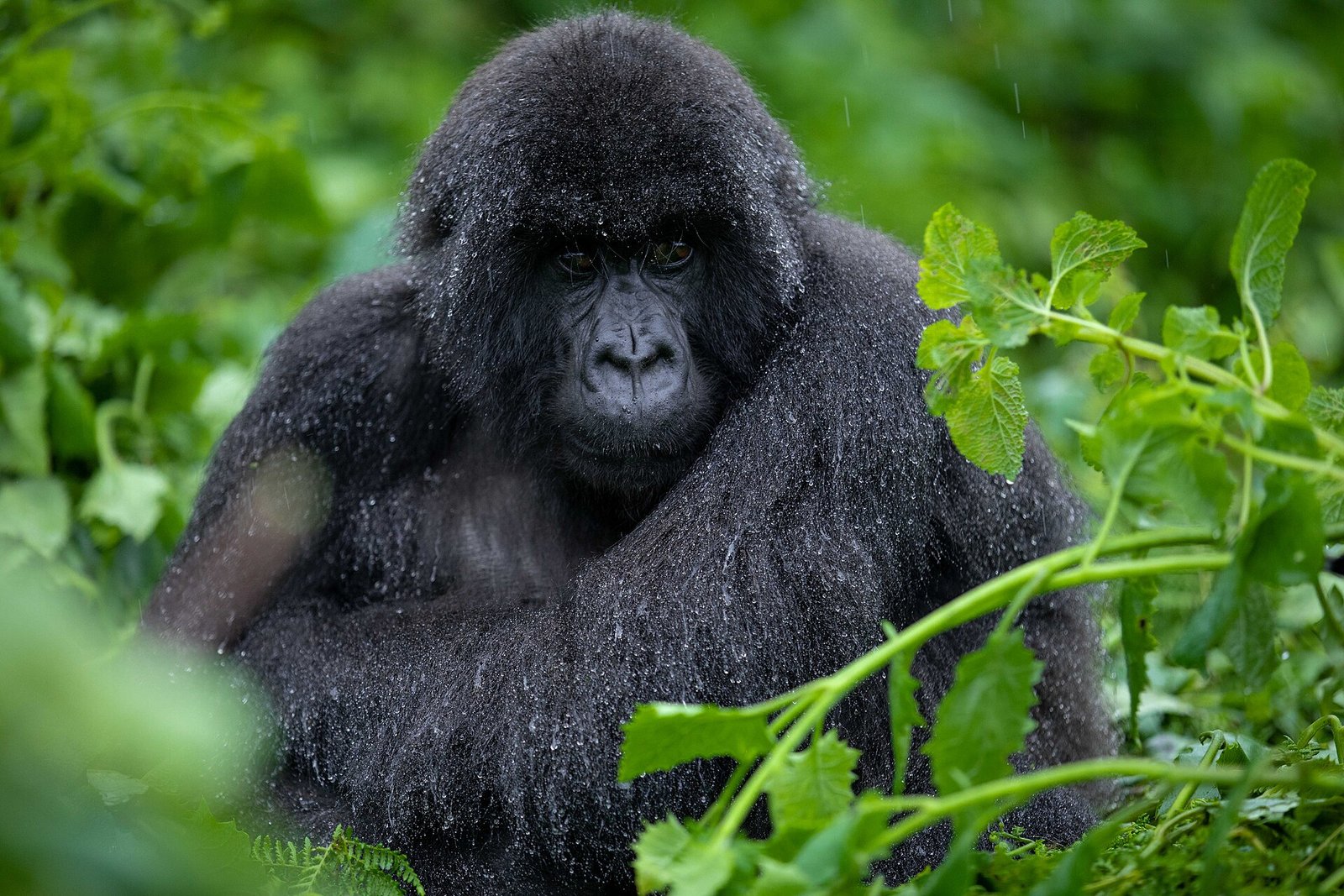
A silverback mountain gorilla sitting among green foliage in the Rwandan volcanoes
A mountain gorilla family group resting together in dense forest
Trekkers watching a gorilla at close range through the forest undergrowth
A young gorilla climbing a vine in the dense forest of Bwindi
Gorilla Trekking

One capped hour with a habituated family in Rwanda or Uganda. Swipe to view.

5. Water safaris — the Okavango by mokoro

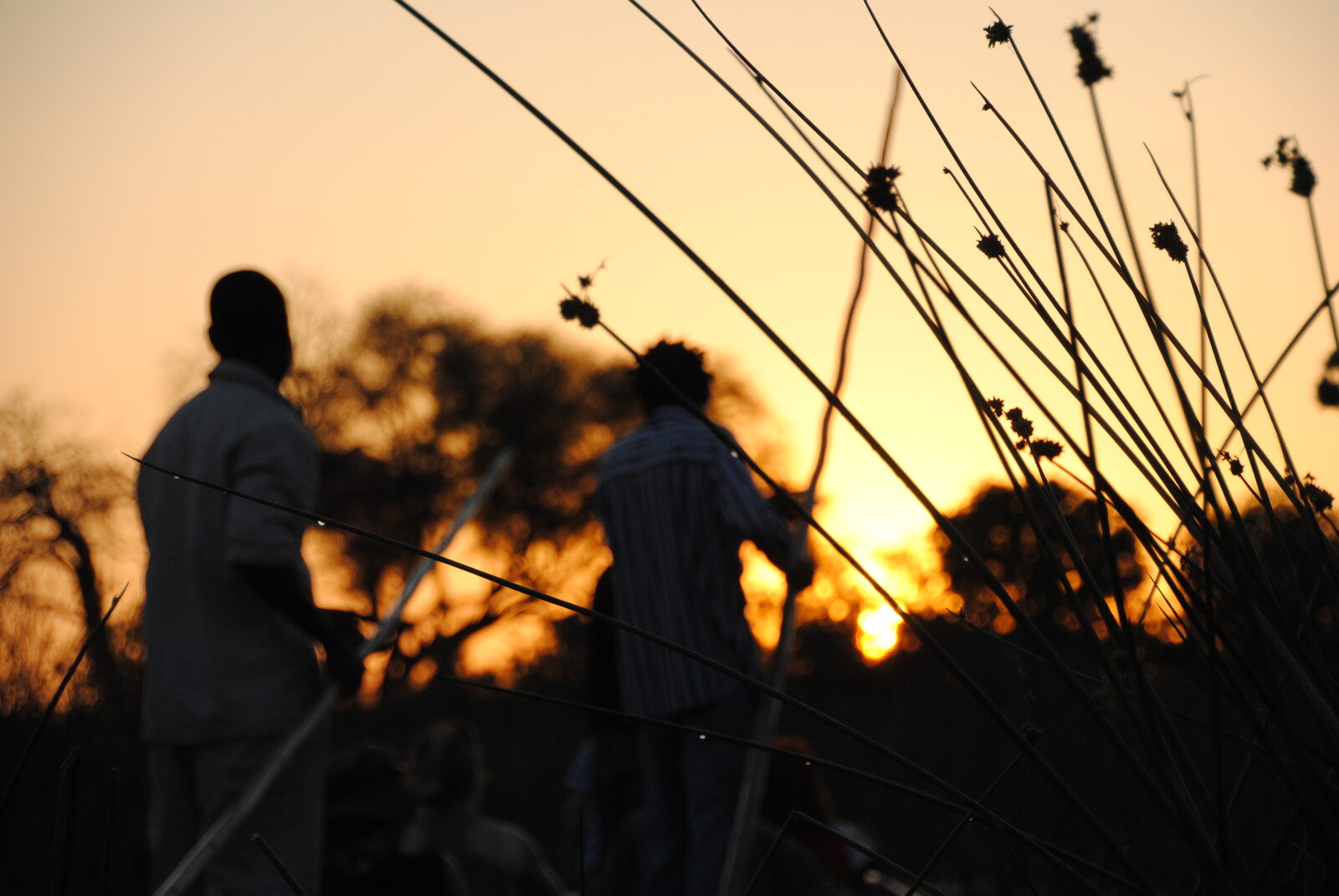
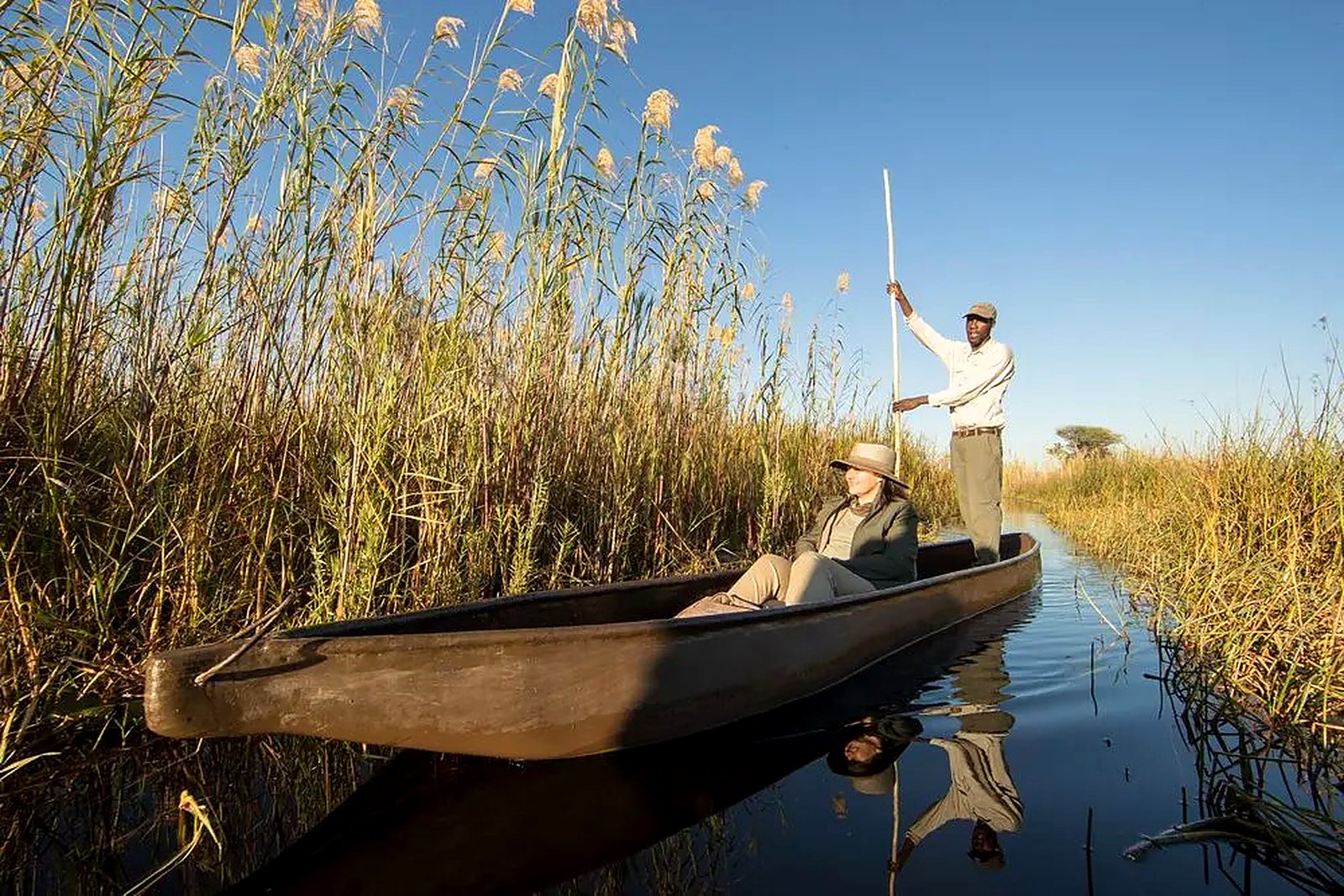
The Okavango Delta is the one place where the safari happens on the water as much as on land. A mokoro is a shallow canoe, poled from the stern by a guide who stands and reads the channels, and it moves you through the reed beds in near silence at the level of the water itself — reed frogs, painted dragonflies, a red lechwe watching from the bank, elephants feeding across a lagoon. After the noise of a vehicle engine, the quiet is the thing people remember.

The Delta floods from around June, so the water channels are at their fullest from June to September, which is also the dry-season game peak — a rare case where the best water and the best land viewing coincide. The private water concessions keep guest numbers low, and most camps combine mokoro trips, motorboat outings and game drives on the islands. Camps are reached by light aircraft onto the Delta strips.

Our Botswana safari guide explains how the water and land concessions differ and how to combine them.
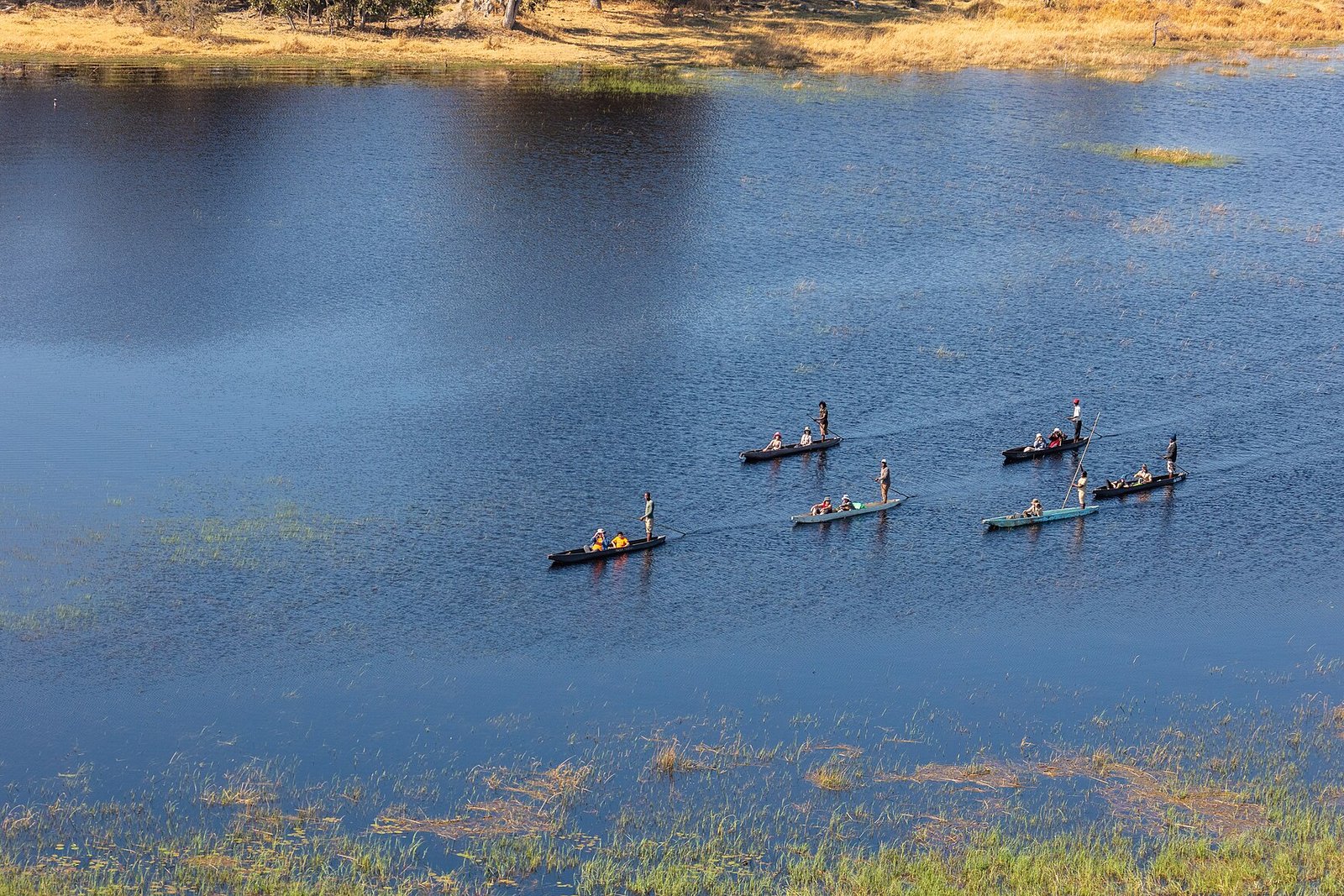
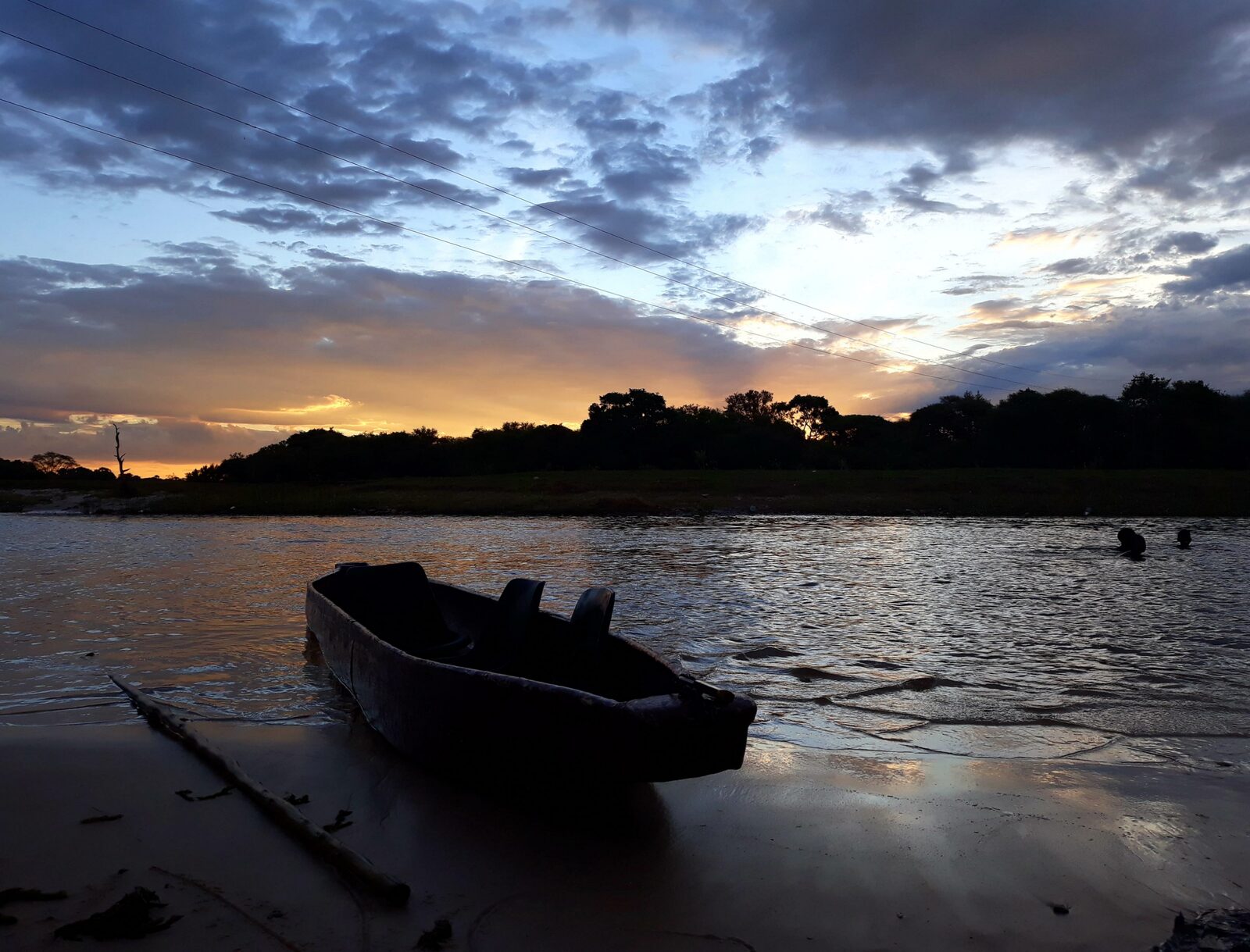
A poler standing at the stern of a mokoro gliding through reed channels in the Okavango Delta
A guide poling a mokoro through still Delta water lined with tall green reeds
A mokoro silhouetted on the Okavango water at sunset, reeds black against an orange sky
A mokoro moving down a narrow water channel between papyrus in the Delta
Water Safaris

The Okavango by mokoro — water at eye level, in near silence. Swipe to view.

6. Bush and beach

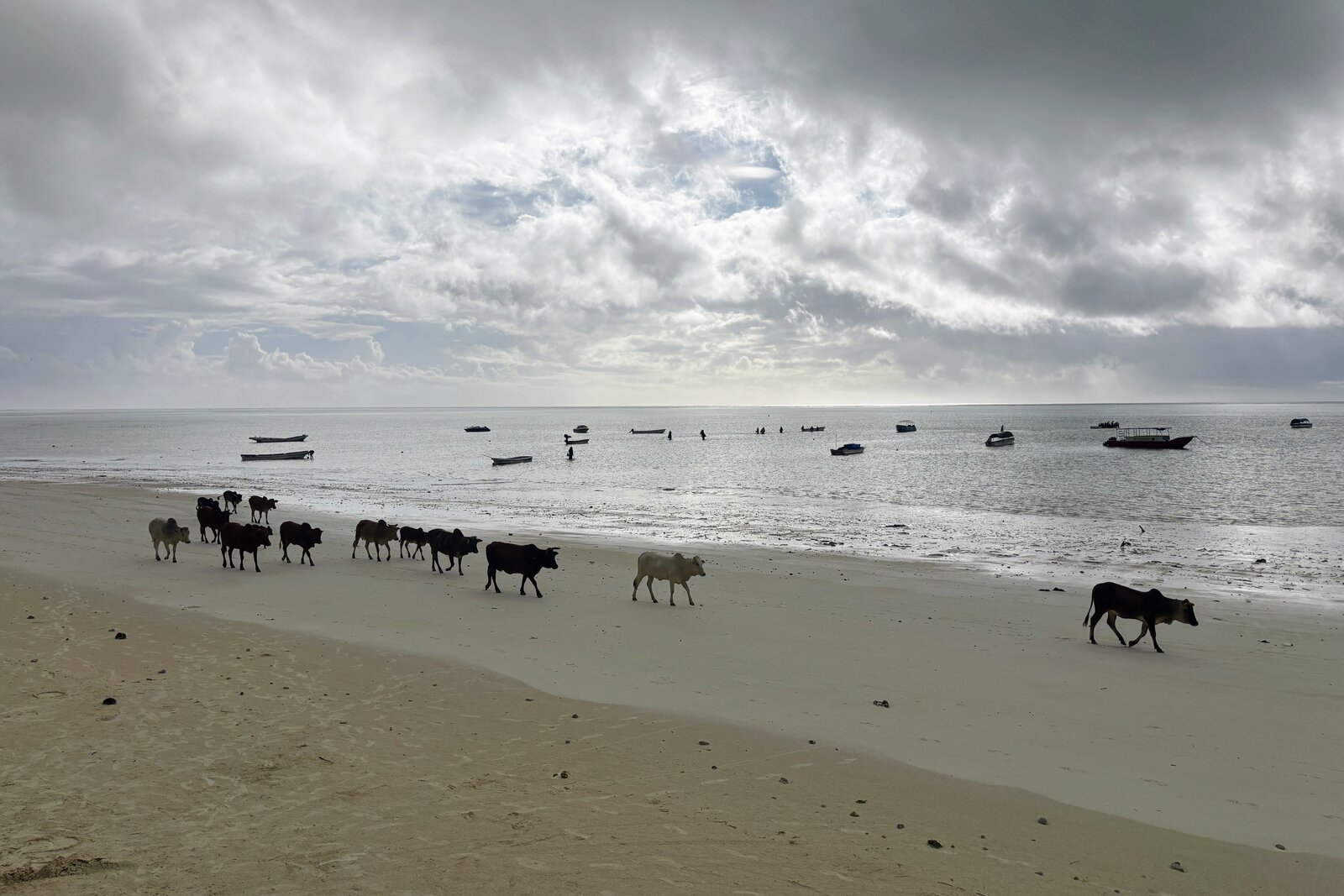
The most popular shape of trip we build is not a single experience at all — it is two: several nights of game viewing, then a flight to the coast to do nothing at all. After early mornings and dusty afternoons in the bush, a few days on a warm shore is the right way to end, and the Indian Ocean coast makes it easy.

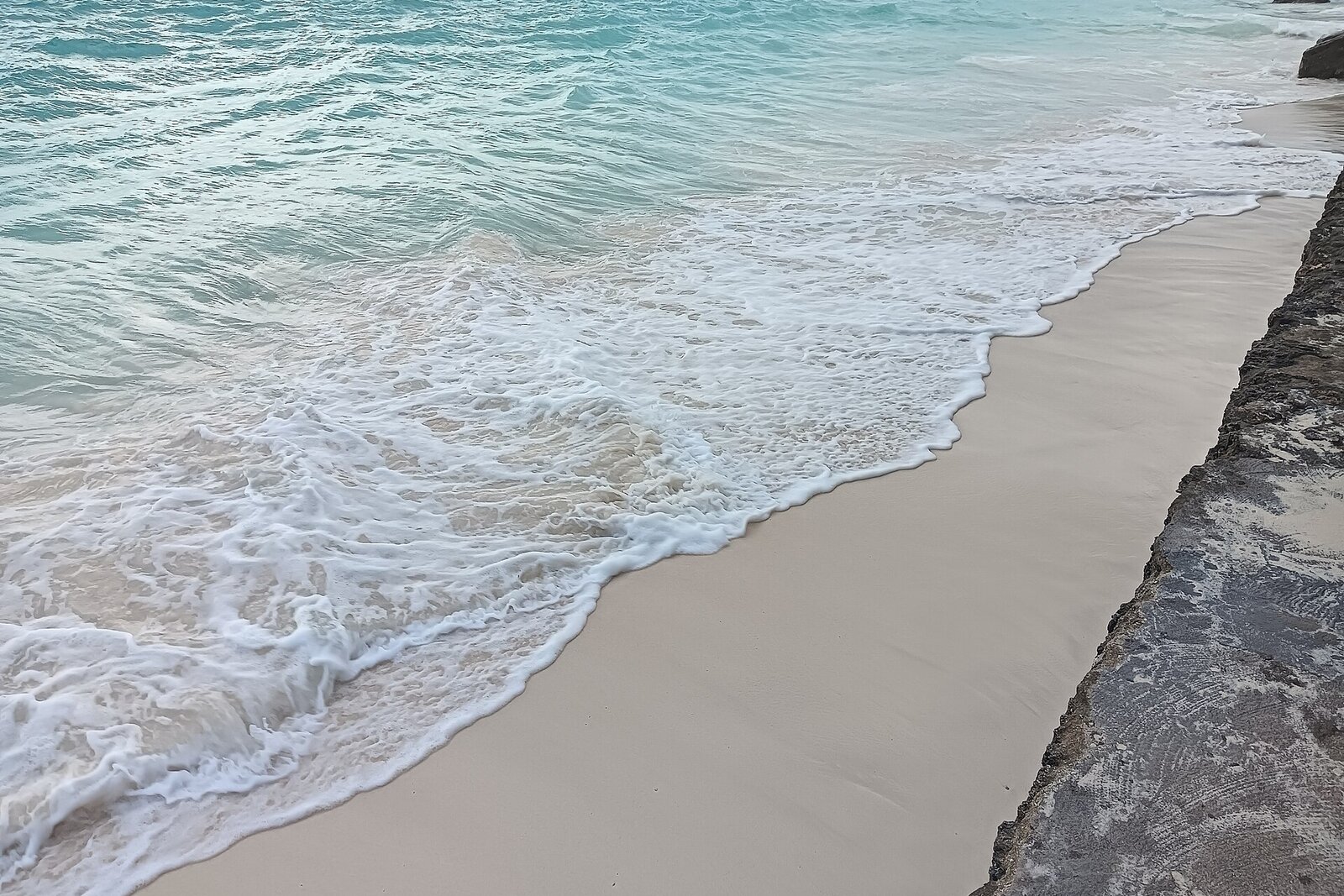
From the South African and Kruger-region camps, the natural coast is the Mozambique archipelagos — Bazaruto and Benguerra — with their sandbanks and turquoise channels. From the East African parks, Zanzibar is a short hop from the Serengeti or the Kenyan reserves. For a longer, quieter finish there is the Seychelles. The flights are the thing to plan carefully; a well-timed light-aircraft or scheduled connection turns two separate holidays into one trip.

Our safari holiday guide sets out the common bush-and-beach combinations and how long each leg should be.

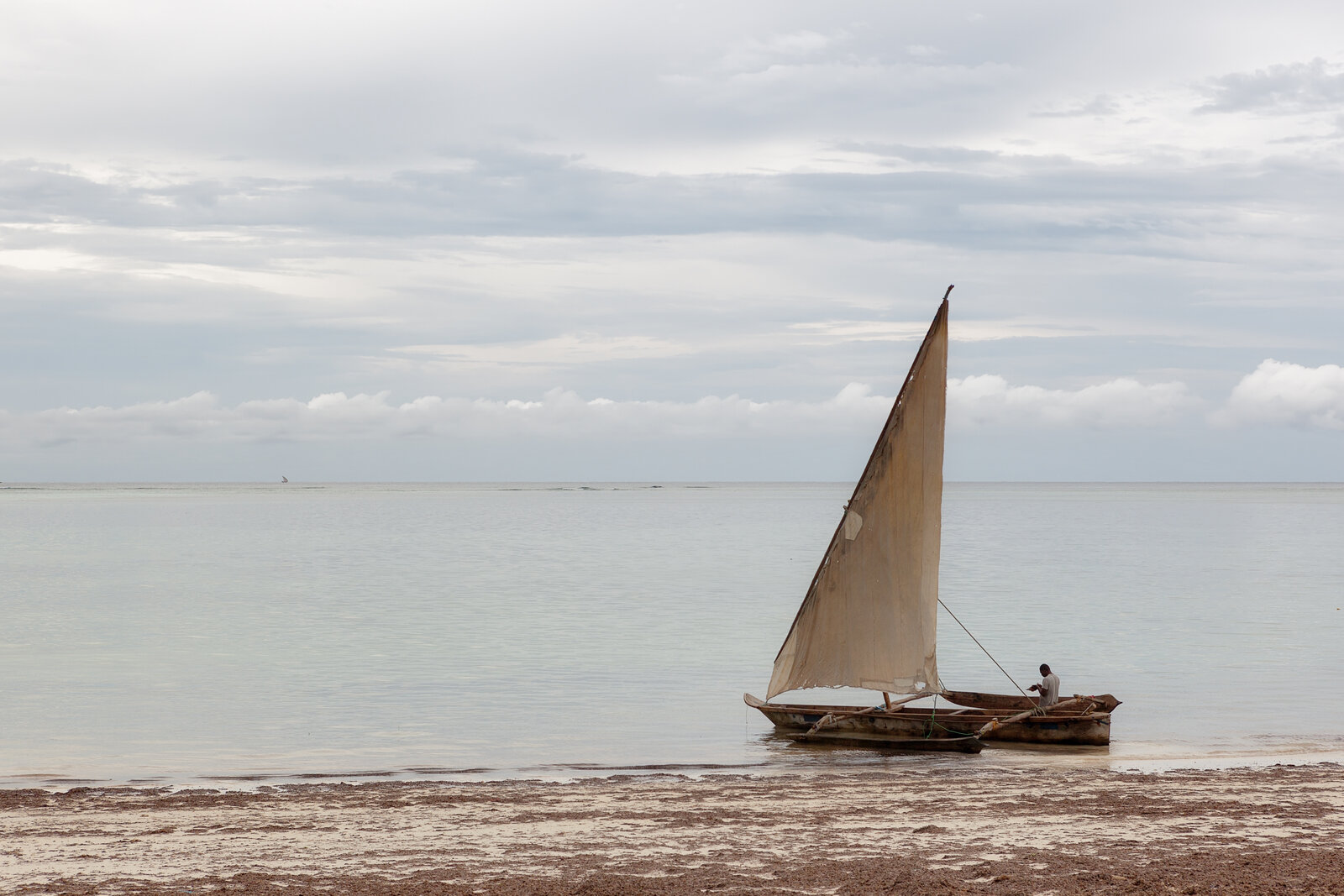
A turquoise lagoon and white sandbank in the Bazaruto Archipelago off Mozambique
A traditional wooden dhow on a white Zanzibar beach with clear shallow water
Palm-fringed white sand and calm turquoise sea on the Zanzibar coast
A dhow sailing off a palm-lined Zanzibar shore at golden hour
Bush and Beach

The game-viewing leg, then the Mozambique or Zanzibar coast. Swipe to view.

7. Family-private safaris

Travelling with children changes what a safari needs to be, and a private trip is what makes it work. One vehicle for the whole family means a crying toddler or a teenager who has had enough does not spoil anyone else's drive, and a guide who is good with children will turn a slow afternoon into a tracking lesson or a spoor hunt. Shorter drives, a pool back at camp, and the freedom to set your own hours matter more than ticking off the Big Five.

Malaria-free reserves are the sensible choice for young families — the Eastern Cape, Madikwe and the Waterberg in South Africa all deliver Big Five viewing without the malaria risk. Many camps set a minimum age for drives or offer family units and dedicated guides; we match the camp to the ages of your children rather than the other way round. A Cape Town leg at the start adds beaches, Table Mountain and penguins for the younger ones.

See the shape of a family trip in our family Cape Town and Kruger safari.
A family on a private open safari vehicle watching game, a guide at the wheel
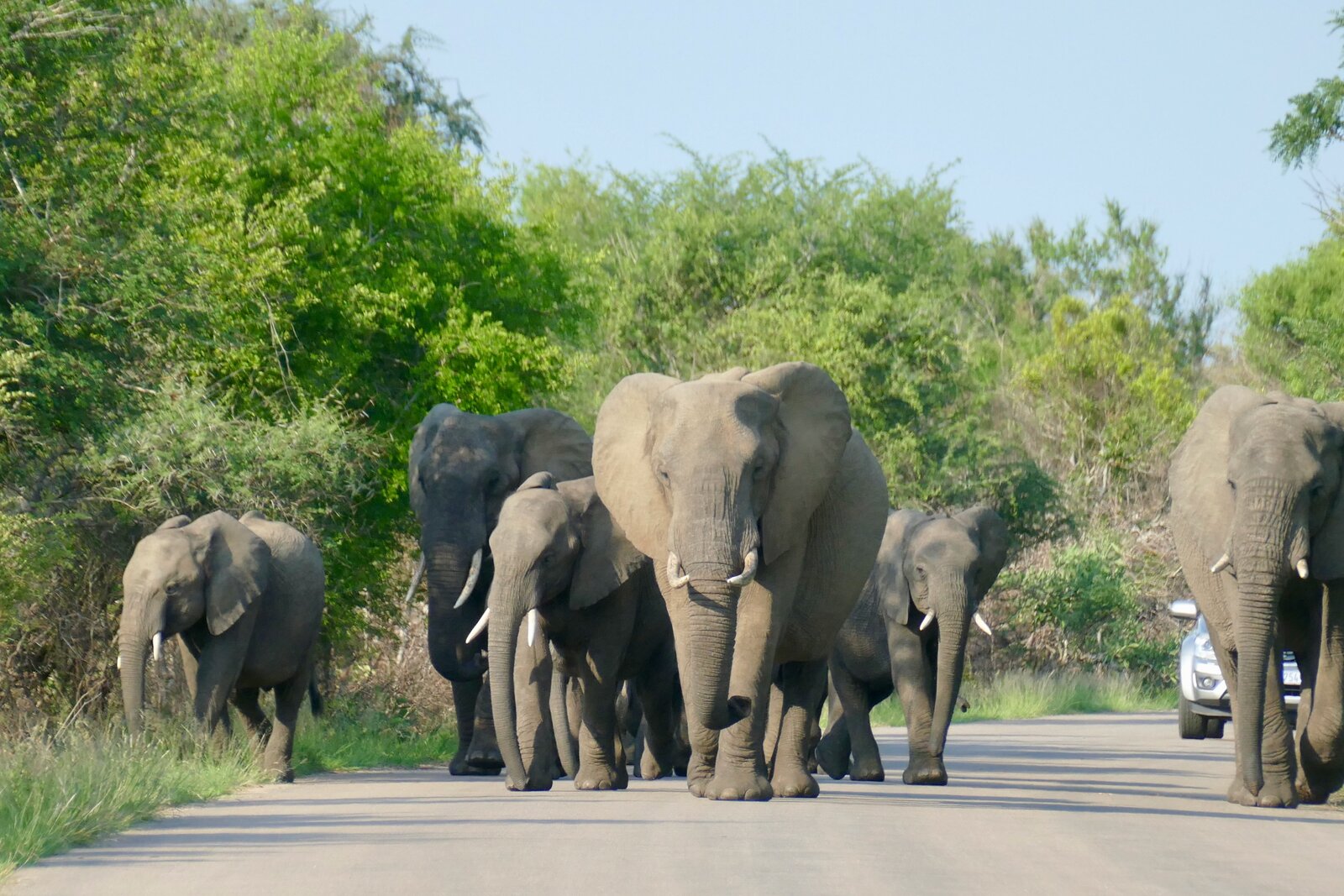
An elephant herd with a small calf walking together through open bush
A family stopped for sundowners in the bush beside the safari vehicle at golden hour
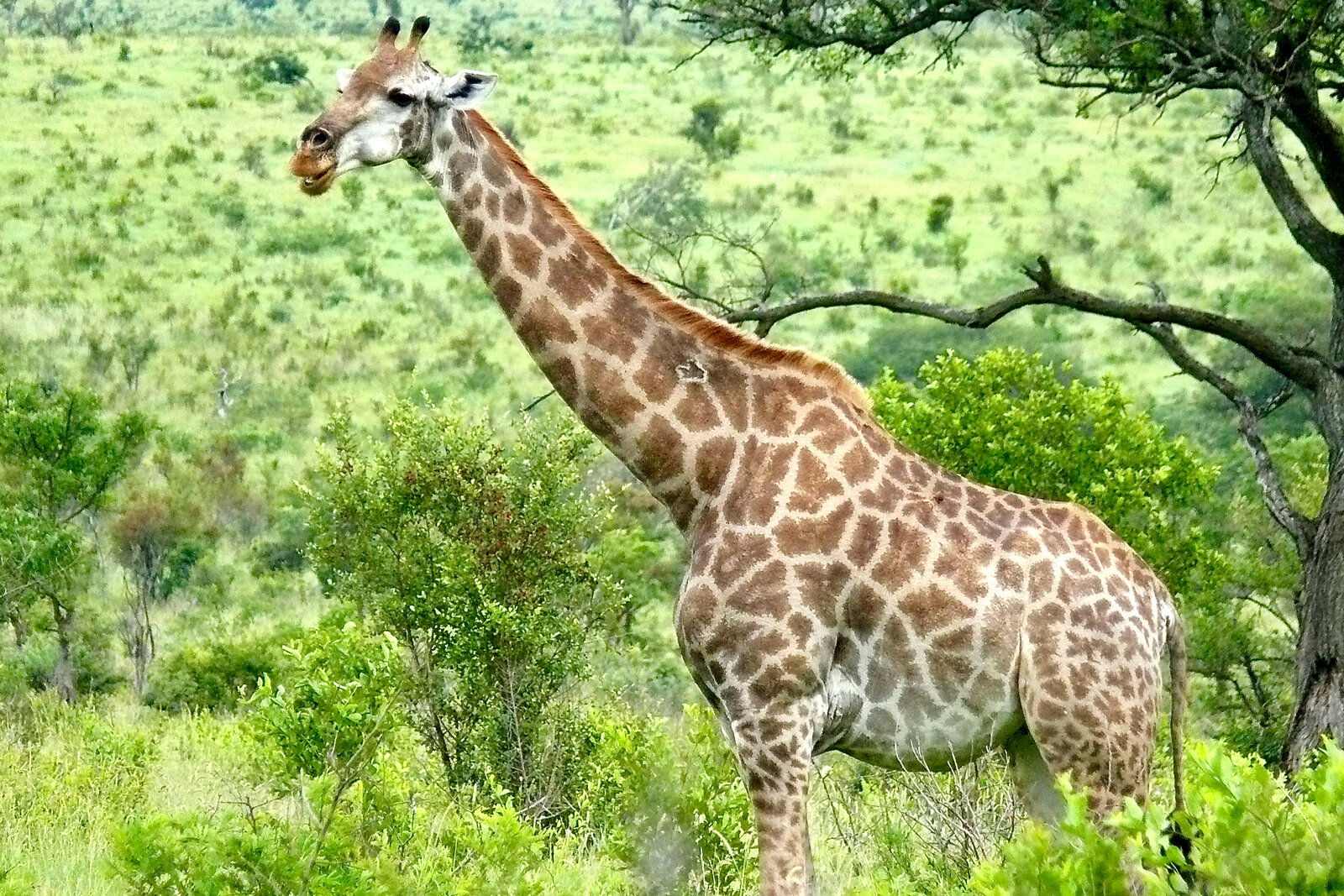
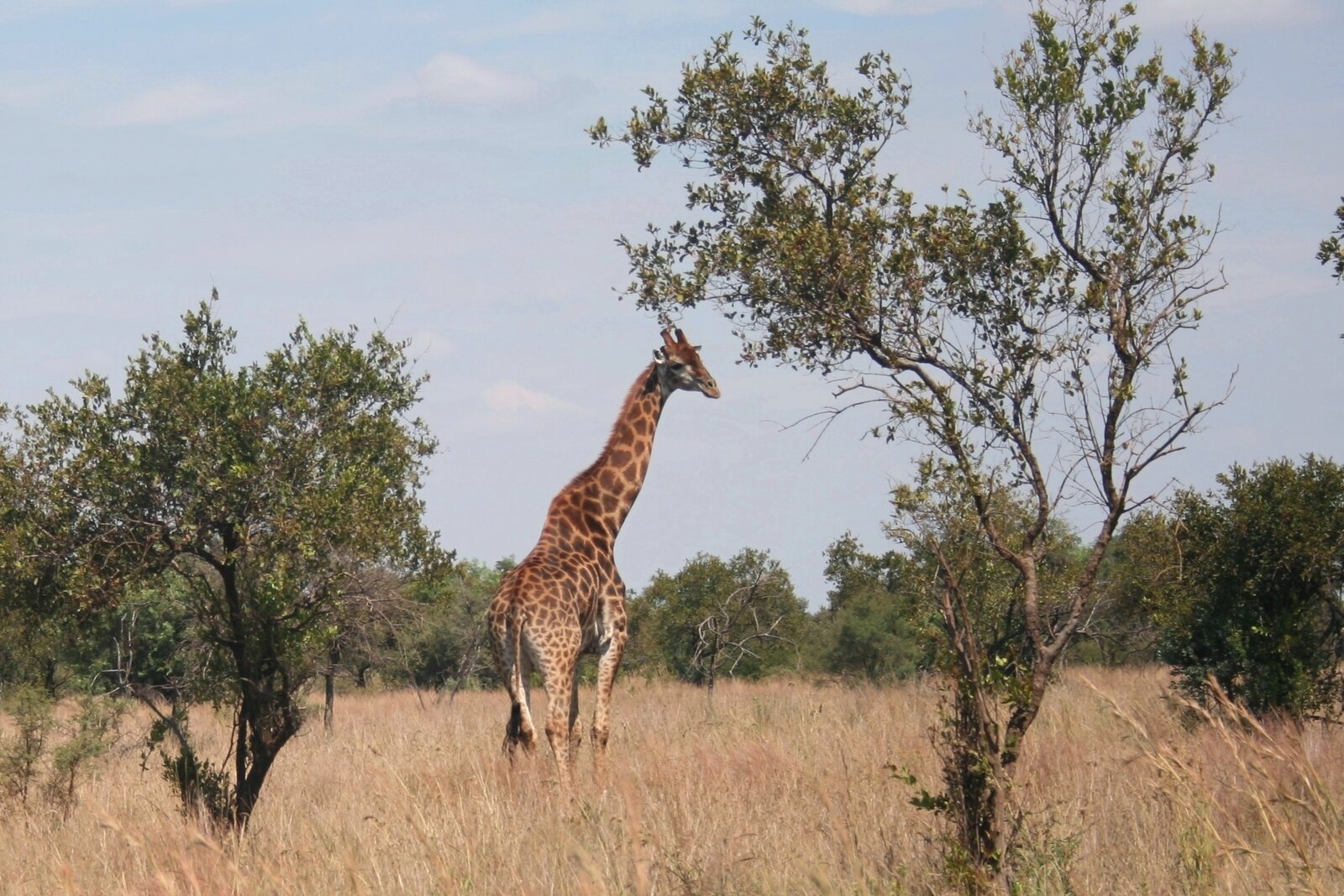
A giraffe standing close to a safari track as a family watches from the vehicle
Family-Private Safaris

One private vehicle, child-friendly guiding, malaria-free reserves. Swipe to view.

8. Conservation and photographic safaris

For some travellers the most valuable part of the trip is the part most people never see: the work that keeps the animals there at all. A growing number of camps let guests spend real time with the people doing it — a morning with an anti-poaching unit, an afternoon at a rhino-monitoring project, a visit to a pangolin rehabilitation programme where trafficked animals are fed, walked and returned to the wild. It is humbling, and it is the opposite of a staged photo opportunity.

We wrote about one such place at length in the people of Gorongosa, where a wrecked park in Mozambique was brought back by putting local families first. Trips like these pair naturally with serious photography: dedicated ground-level hides, specialist photographic guides and vehicles with camera mounts, and the dawn balloon flights over the Serengeti and the Mara that give you the plains from above. If you travel to give something back and to come home with real images, this is the lane.
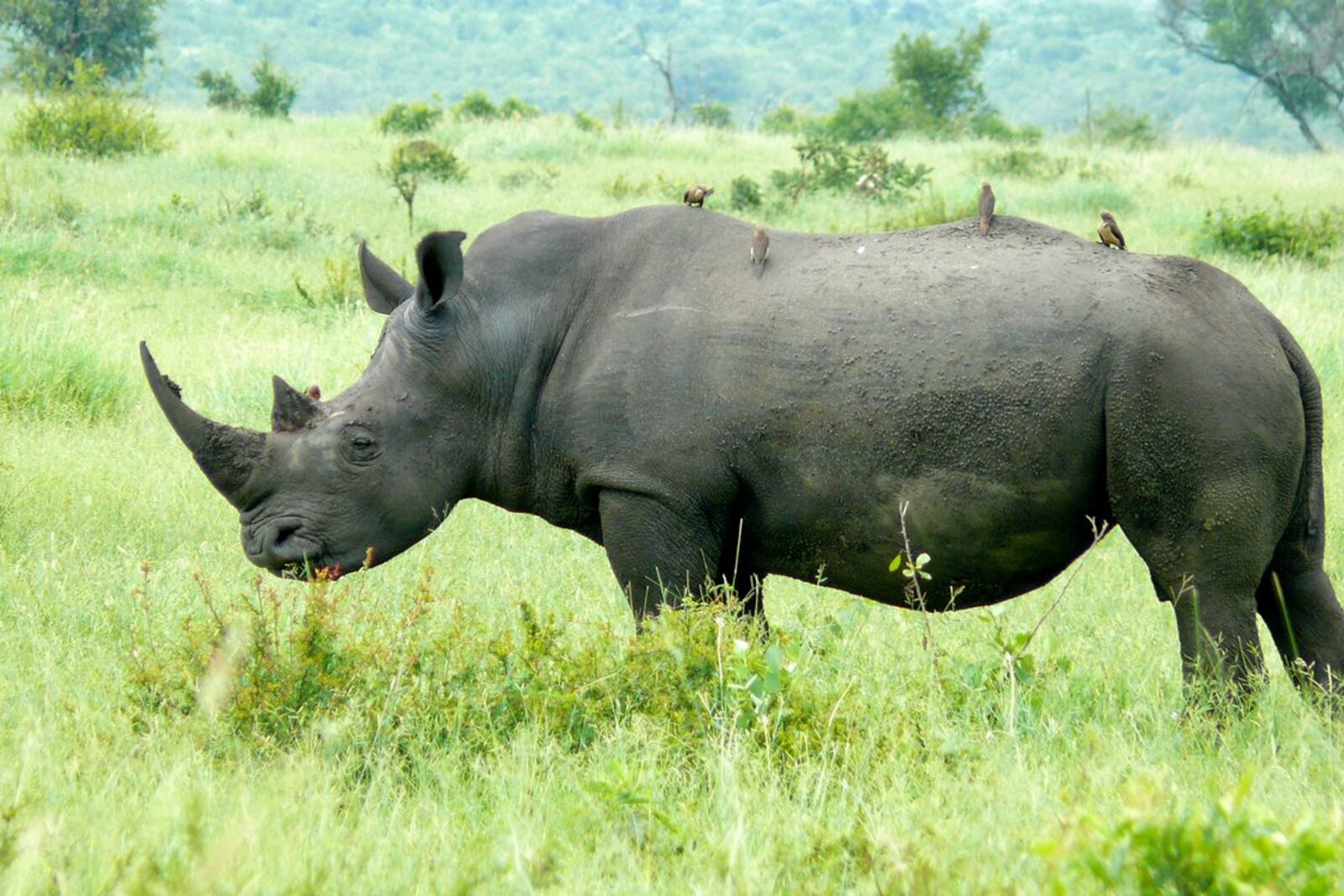
A white rhino grazing on open grassland, guard escort at a distance
A rhino on the plains of Ol Pejeta Conservancy in the Kenyan highlands
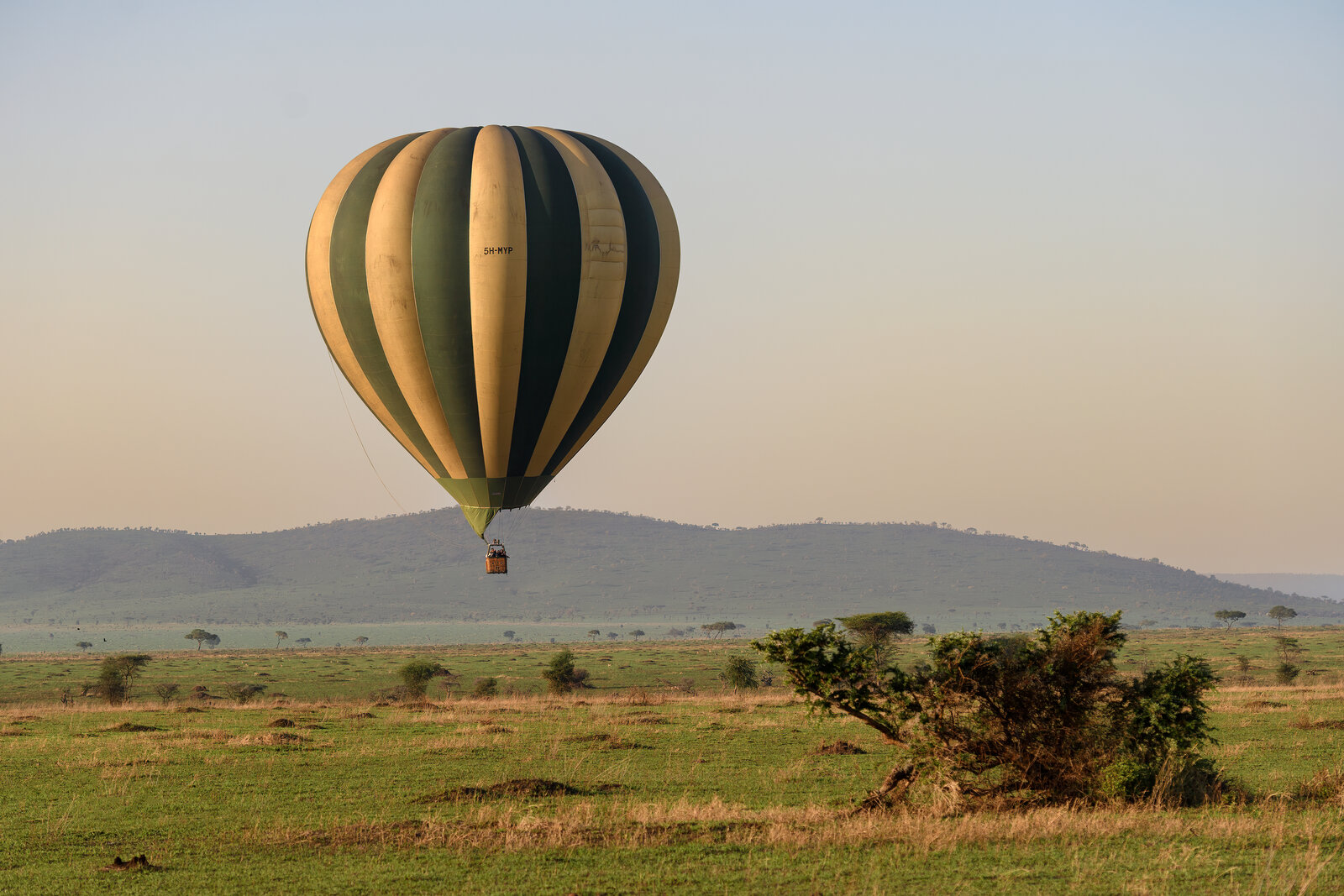
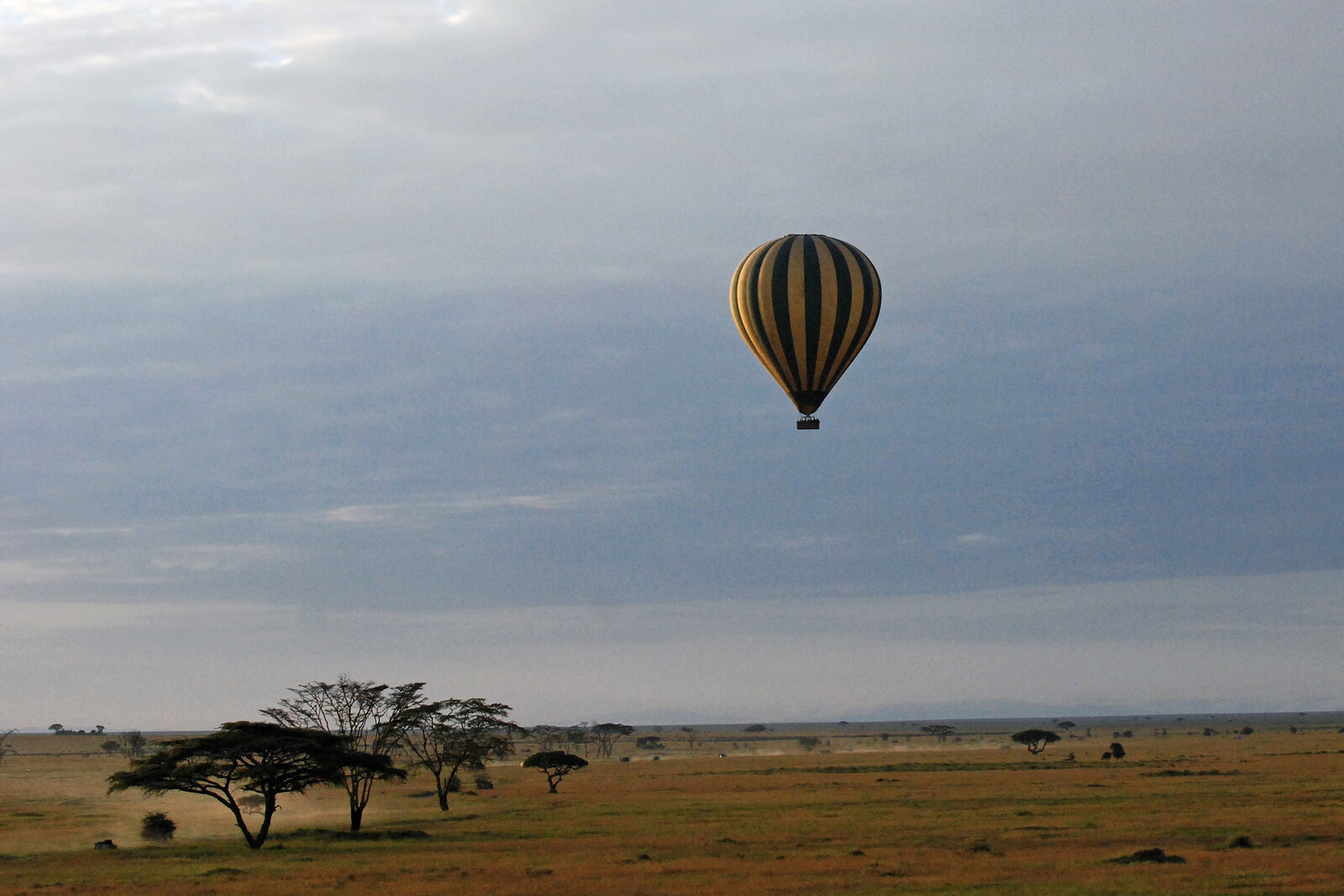
A hot-air balloon lifting over the Serengeti plains at dawn with long shadows below
A hot-air balloon drifting low over golden grassland at sunrise with game below
Conservation and Photographic

Time with the people doing the protection work, hides, and dawn balloon flights. Swipe to view.

How to choose, and how to combine

If this is a first safari, start with big cats and general game in a private conservancy with short flights and reliable sightings, then add one contrasting second experience — water, walking or beach — if you have the days. If you have been before, the second and third experiences are where the trip becomes personal: the walk, the mokoro, the hour with the gorillas.

The month you can travel will often make the decision for you, and that is fine. Tell us when you can go and what you most want to do, and we will build the order around the seasons and the flights so each leg lands at its best moment. There is no fixed itinerary here to buy — every one of these is assembled around you.

Tell us the experience. We will build the 2027 trip around it.

One guide, one vehicle, your pace — with the real all-in cost quoted before you commit. Speak to Remondy and the team directly.

Start planning your 2027 safari

2027 Planning

Choose the experience first, then the place

Most safari guides sort the year by country. This one sorts it by what you actually want to do — and every experience here is run privately, with your own guide and vehicle.

Frequently Asked Questions

It means the vehicle, the guide and the daily plan are yours alone — you are not sharing a game drive with strangers and you are not tied to a fixed group timetable. You decide when to leave, how long to sit with a sighting, and when to turn for camp. A guide who knows the area is the single biggest factor in what you see, so on every experience in this guide the guiding is the thing we spend the most time getting right.

Any year is a good year somewhere in Africa; the trick is matching the month to the experience. Migration river crossings peak July to October. Walking safaris in Zambia run roughly June to October when the bush is thin and dry. Gorilla trekking is possible all year, slightly easier in the drier spells. Green-season months bring newborns, birds and lower rates. Tell us the experience and the dates you can travel, and we will tell you honestly whether they line up.

For the small, owner-run camps that make these experiences private — the northern Serengeti crossing camps, the Luangwa walking bushcamps, the Okavango water camps — six to twelve months is sensible, and the migration crossing camps for July to October fill earliest. Gorilla permits are capped daily and are worth securing well ahead. Shoulder-season and green-season trips can often be arranged closer in.

Most of these camps sit on private airstrips reached by small aircraft rather than long road drives. We use Federal Air for the light-aircraft transfers and private charters, which keeps the connections between camps short and lets you spend the time in the bush rather than in a vehicle on a transfer road.

That is how most of our 2027 trips are built. A common shape is one classic game-viewing leg, then a contrasting second leg — big cats then walking, or migration then a few nights on the coast. Two weeks comfortably holds two experiences; ten days holds two if they are close. We plan the order around the season and the flights so each leg lands at its best moment.

For a first trip we usually start with a private big-cat and general game leg in a reserve with reliable sightings and short flights — a private conservancy in Kenya or the Sabi Sand in South Africa — then add one distinctive second experience if time allows. Walking and gorilla trekking are wonderful but more demanding, so they often work best as the second thing you do rather than the first.

As a rough guide for private, guided travel in 2027: mid-to-upper camps run from around 650 to 1,200 US dollars per person per day all-inclusive; the small owner-run camps and the premium conservancy camps run higher. Gorilla permits, light-aircraft transfers and park fees sit on top. We quote the real all-in number before you commit, with nothing hidden in the small print.

Make It Happen

Safari Packages

Ready to experience it yourself?

Let our local experts craft a private journey around the places you just read about.

Explore ToursPlan My Trip
Curated For You

You May Also Like

A Kinara tented suite raised on timber stilts above a forested bend of the Mara River at golden hour, its private plunge pool glowing, with the Maasai Mara plains beyondluxury-safari

Kinara, A Luxury Collection Safari Camp Review 2026: River Suites on the Mara

Kinara, A Luxury Collection Safari Camp opened in September 2026 on a bend of the Mara River inside Kenya's Masai Mara National Reserve — the first safari camp anywhere to carry Marriott's Luxury Collection name. There are twenty-one tented suites rebuilt from the site of the former Mara Eden camp, from nineteen one-bedroom suites of about 137 square metres, each with a private temperature-controlled plunge pool and a river deck, up to a two-bedroom family suite and an 848-square-metre signature villa with its own cellar, gym, spa and vehicle. It runs all-inclusive, with two restaurants, a working farm, a spa built around Kenyan botanicals, and game drives on classic Mara ground. For American travellers there is a second draw: it earns and takes Marriott Bonvoy points. This is our honest, in-depth 2026 review — what the suites are really like, what the rate covers, how the points work, the game on this stretch of the river, the fair question of building a new permanent camp inside the reserve, and exactly who it suits — written by a private Cape Town safari house that builds tailor-made journeys across Kenya.

26 Nov 2026 · 18 min read
A Ritz-Carlton Masai Mara treetop tented suite on timber stilts above the Sand River at golden hour, its infinity plunge pool glowing, with the Mara plains beyondluxury-safari

The Ritz-Carlton Masai Mara Safari Camp Review 2026: Treetop Suites on the Sand River

The Ritz-Carlton Masai Mara Safari Camp opened in August 2025 on the Sand River near the Kenya-Tanzania border, the brand's first tented camp anywhere. There are twenty suites raised on timber platforms among the treetops — each with a heated infinity plunge pool, a sunken lounge, indoor and outdoor showers and a private Maasai butler called an Encholiek — all of it all-inclusive, from two private game drives a day to the Whispering Tree Spa and the use of Canon camera kit. For American travellers there is a second draw: it takes Marriott Bonvoy points, which turns a loyalty balance into a stay at the sharp end of the Mara. This is our honest, in-depth 2026 review — what the suites are really like, what the rate covers, how the points work, the game on this stretch of the river, the Maasai land question that has followed the camp since it opened, and exactly who it suits — written by a private Cape Town safari house that builds tailor-made journeys across Kenya.

26 Nov 2026 · 19 min read
A JW Marriott Masai Mara Lodge tented suite deck raised above the Talek River at golden hour, with the Mara plains beyondluxury-safari

JW Marriott Masai Mara Lodge Review 2026: Marriott's First Safari Camp in Africa

JW Marriott Masai Mara Lodge sits on a bend of the Talek River in Kenya's Masai Mara, the first safari camp Marriott has built anywhere in Africa. There are twenty tented suites — river-facing rooms under canvas with private terraces, a honeymoon tent with its own plunge pool, and two interconnecting family tents — all of it all-inclusive, from the game drives in open Land Cruisers to the Spa by JW and the farm-to-table JW Garden. For American travellers especially, there is a second draw: the lodge takes Marriott Bonvoy points, which turns a bucket of loyalty nights into real time in the Mara. This is our honest, in-depth 2026 review — what the tents are really like, what the rate does and does not include, how the points actually work, the game on this stretch of the Mara, and exactly who the lodge suits — written by a private Cape Town safari house that builds tailor-made journeys across Kenya.

26 Nov 2026 · 18 min read
Simple, Personal, Expert-Led

How It Works

From first message to the trip of a lifetime — planning your safari with us is effortless.

  1. 1

    Share Your Dream

    Tell us who is travelling, your dates and what you long to see. One quick message is all it takes to begin.

  2. 2

    We Design It

    Your specialist crafts a private, tailor-made itinerary — the right camps, the right season, every detail considered.

  3. 3

    Refine Together

    We fine-tune the journey with you until every day feels perfect, then handle flights, transfers and permits.

  4. 4

    Travel With Confidence

    Set off knowing every detail is handled and a dedicated specialist is on call from your first game drive to home.

Plan with a real person

One consultant. Your whole journey, handled by name.

Tell us roughly what you have in mind and one named consultant takes it from there — the lodges worth the money, the camps to skip, the right months, the drive times. The same person from your first email to the day you fly home.

A named consultant, never a call centre
Free, no-obligation planning
A reply within 24 hours
On African ground since 2008
We speak your language

Or reach us directly — WhatsApp +27 78 471 4852 · res@privatetourscapetown.com

Your Journey Starts Here

Let Our Experts Craft Your Perfect Safari

Every itinerary is handcrafted by our team of local specialists who have spent 18+ years exploring Southern and East Africa. From Big Five game drives to gorilla trekking — we create journeys that stay with you forever.

Start PlanningChat with Us
Chat