Key Takeaways
- 🦁 The biggest 2027 shift is behavioural, not geographic — how people travel Africa is changing faster than where they go.
- 🦁 Privacy has become the real luxury: requests for exclusive-use camps, private vehicles and private guides are up about 70% on previous years.
- 🦁 Trips are getting longer and slower — the average safari in our data now runs around 8.2 nights, and 64% of bookings cross more than one country.
- 🦁 The green (shoulder) season is no longer the off-season: roughly 38% of travellers now choose it on purpose for the value, the light and the newborn wildlife.
- 🦁 Even with AI planning everywhere, four in five travellers still want a human specialist who has stood on the ground — which is exactly how we work.
Towards the end of every year the trend lists arrive, and for Africa they tend to say the same few things. The useful question is not which five words appear on every list — it is what is actually changing in the trips people book, and what that means for how you plan 2027. We build private African journeys for a living, all year, and we publish our own Beyond Africa Safari Report off real booking data. So this is the view from the ground and from the numbers, not from a press release.
Read together, the ten trends below point one way: the where of African travel is steady — the Serengeti, Kruger, the Okavango and the Cape still lead — but the how is moving fast. People are travelling longer, slower, more privately and with more intent than they did even two years ago. Here is each shift, the data behind it, and the honest way to travel ahead of it.
1. Privacy is the new luxury
The clearest signal in our 2027 data is what people now mean by luxury. It is no longer thread counts and chandeliers — it is space, quiet and the trip being yours alone. Requests for exclusive-use camps, a private vehicle and guide, and whole villas taken by a single family or group of friends are up roughly 70% on previous years. A private vehicle used to be the upgrade; in 2027 it is close to the default for the travellers we look after.
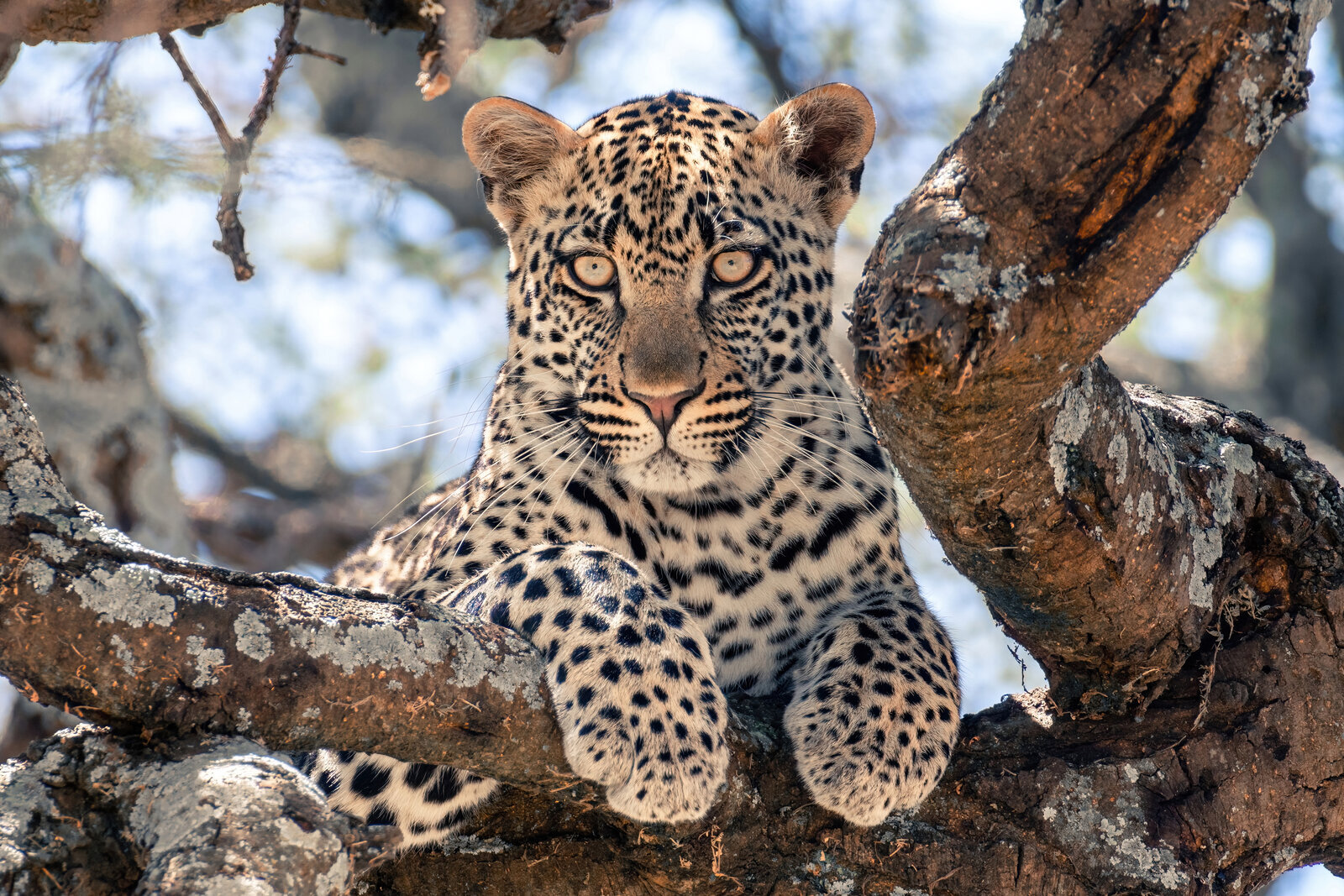
The reason is simple once you have felt the difference. On a shared game drive, the sighting ends when someone else's schedule says so. On a private vehicle you stay with the leopard until the light goes, you eat breakfast where you choose, and a slow morning with coffee on the deck is a legitimate plan. If one trend defines the top of the market this year, it is this. To see how we build it, start with our private African safari tours and the fuller private safari packages.
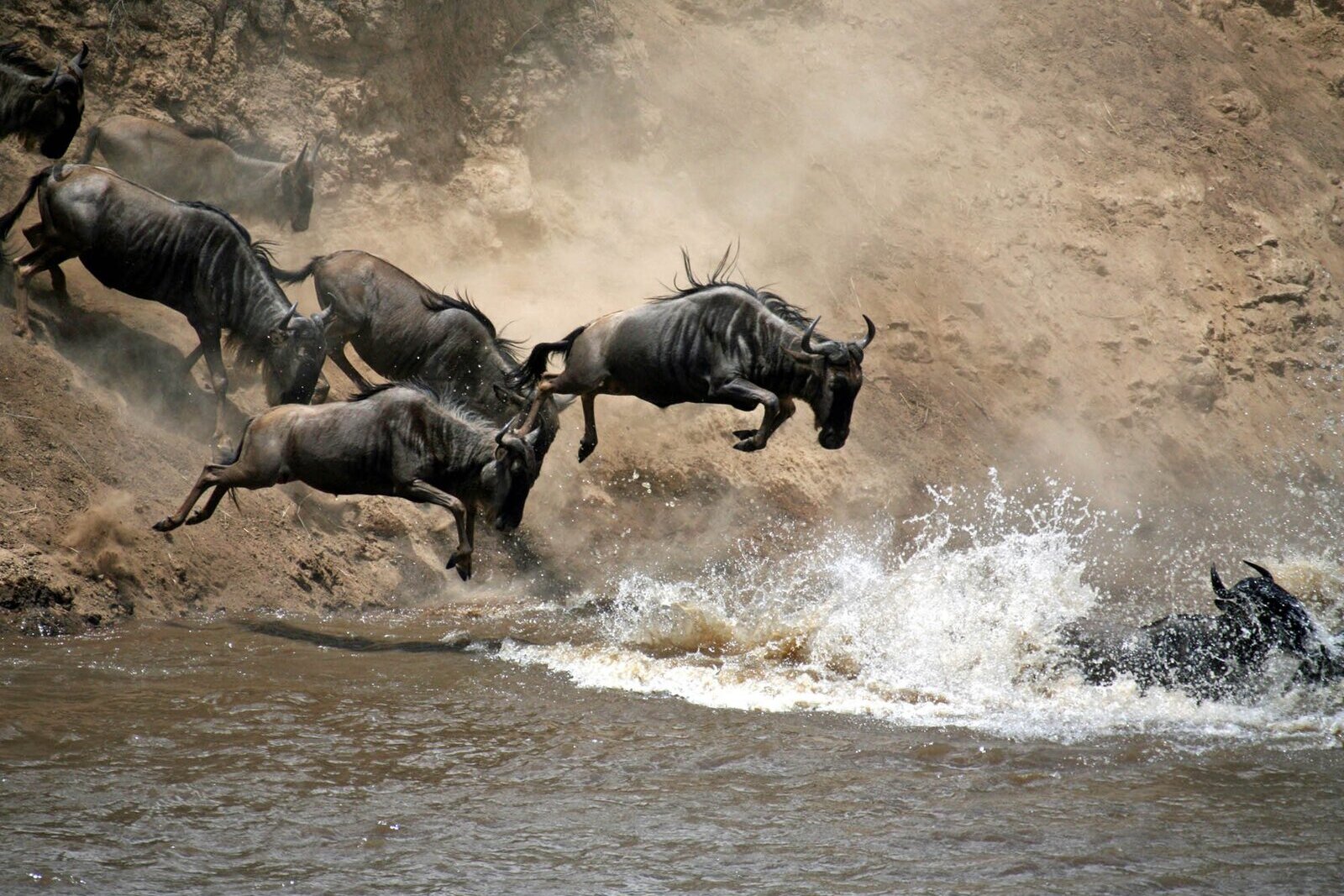
2. The slow safari — longer stays, fewer flights
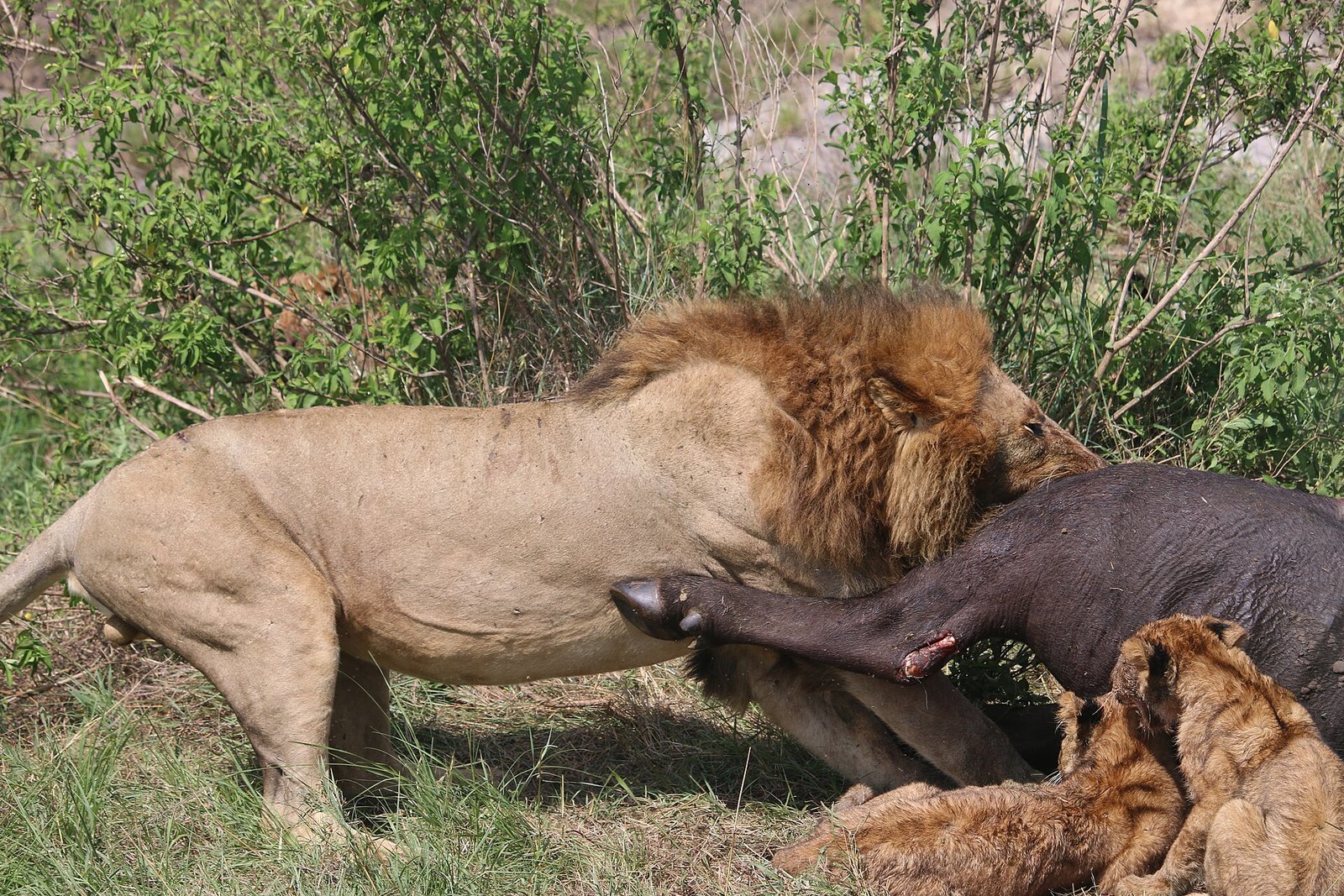
The three-night, tick-and-move safari is fading. In our data the average trip now runs about 8.2 nights, and more of those nights are spent in one place rather than scattered across four camps in a week. People have worked out that the second and third mornings at a camp are often the best ones — the guide knows what the lions did overnight, you have found the rhythm of the bush, and nothing feels rushed.
Slower travel also means fewer internal light-aircraft hops, which cuts both the cost and the carbon of a trip, and leaves room for the unplanned — a full day following wild dogs, an afternoon that becomes a sleep-out under the stars. We plan for this deliberately now: fewer camps, longer stays, more depth. Our which safari is right for you guide is built around matching pace to the traveller, and if cost is part of the thinking, the what an African safari costs breakdown shows how longer single-camp stays often work out better value than a packed circuit.
3. Multi-country grand tours
It sounds like a contradiction with slow travel, but it is the same instinct — make a long-haul trip count. About 64% of the trips in our 2026–2027 data cross more than one country, pairing ecosystems rather than repeating one. The point is contrast: the open plains of East Africa against the waterways of the south, bush against beach, big cats against gorillas.
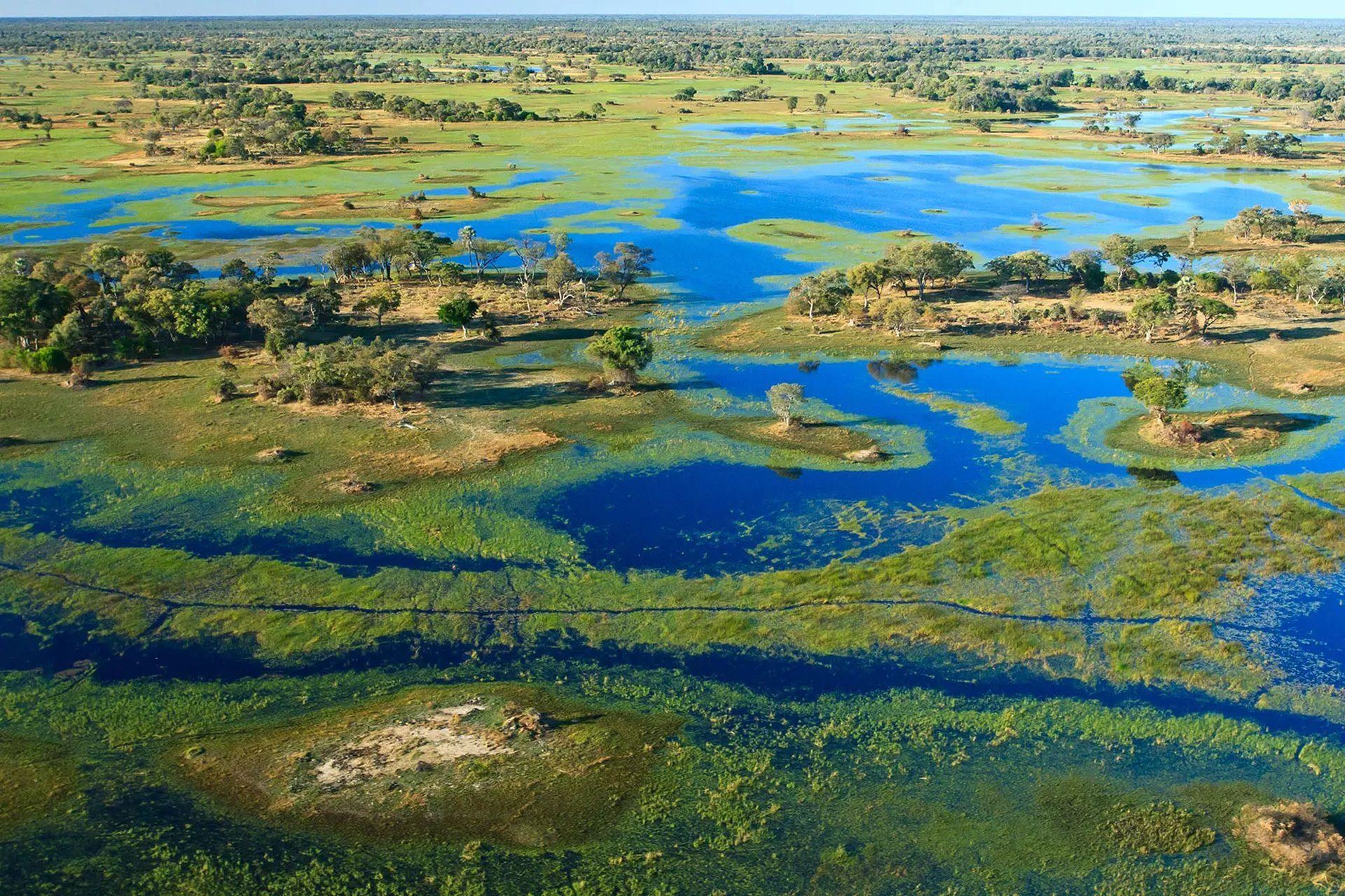
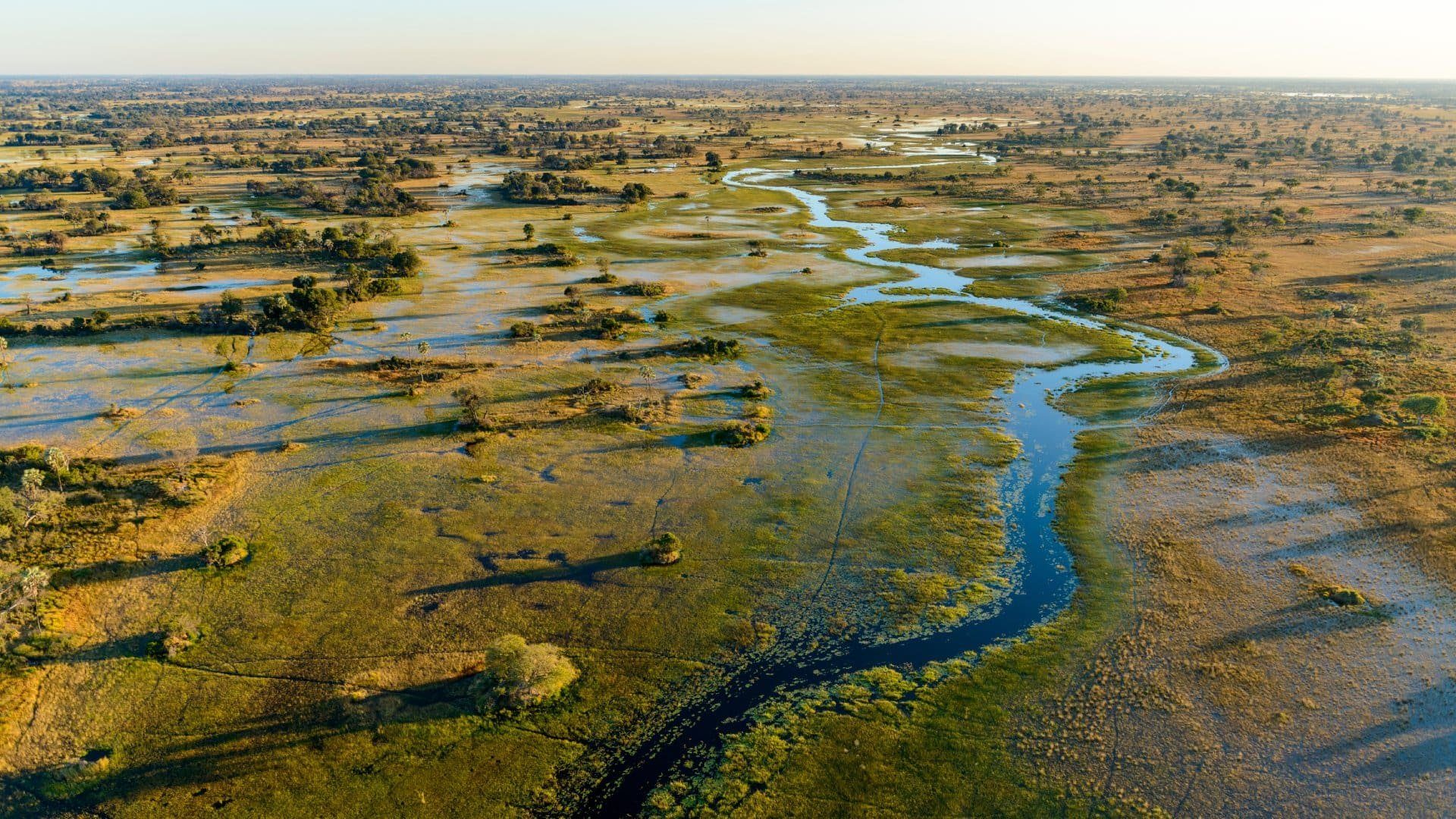
The pairings that work are well worn for good reason. Kenya's Masai Mara with Tanzania's Serengeti and a Zanzibar finish. South Africa's Kruger or Sabi Sand with Victoria Falls, Chobe and the Okavango — the five-country KAZA wilderness. Gorilla trekking in Rwanda or Uganda followed by the warm water of the coast. For the beach half of the equation, our safari and Zanzibar combo is the classic, and for the wider shortlist of what to pair, see the best safari destinations in Africa and our ten best places to travel in Africa in 2027.
4. Canvas over concrete
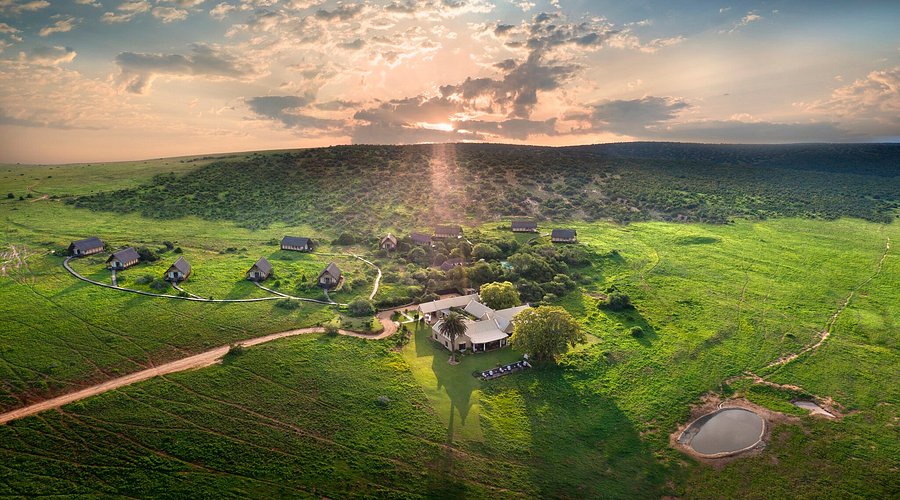
The tented camp has quietly overtaken the brick-and-mortar lodge. Canvas now accounts for well over half of the camp bookings we handle — around 58% — and the reason is not budget. A modern tented suite can have a private plunge pool, an outdoor shower, a star bed on the deck and service to match any lodge, while putting only a sheet of canvas between you and the sound of the bush at night.
That closeness is the whole point. Lions calling a few hundred metres off, the dawn chorus coming through the walls, the smell of the dust after rain — a tented camp gives you the night-time half of the safari that solid walls shut out. It also treads more lightly, which ties straight into the next trend. When we match camps to a trip now, canvas is where most journeys start.
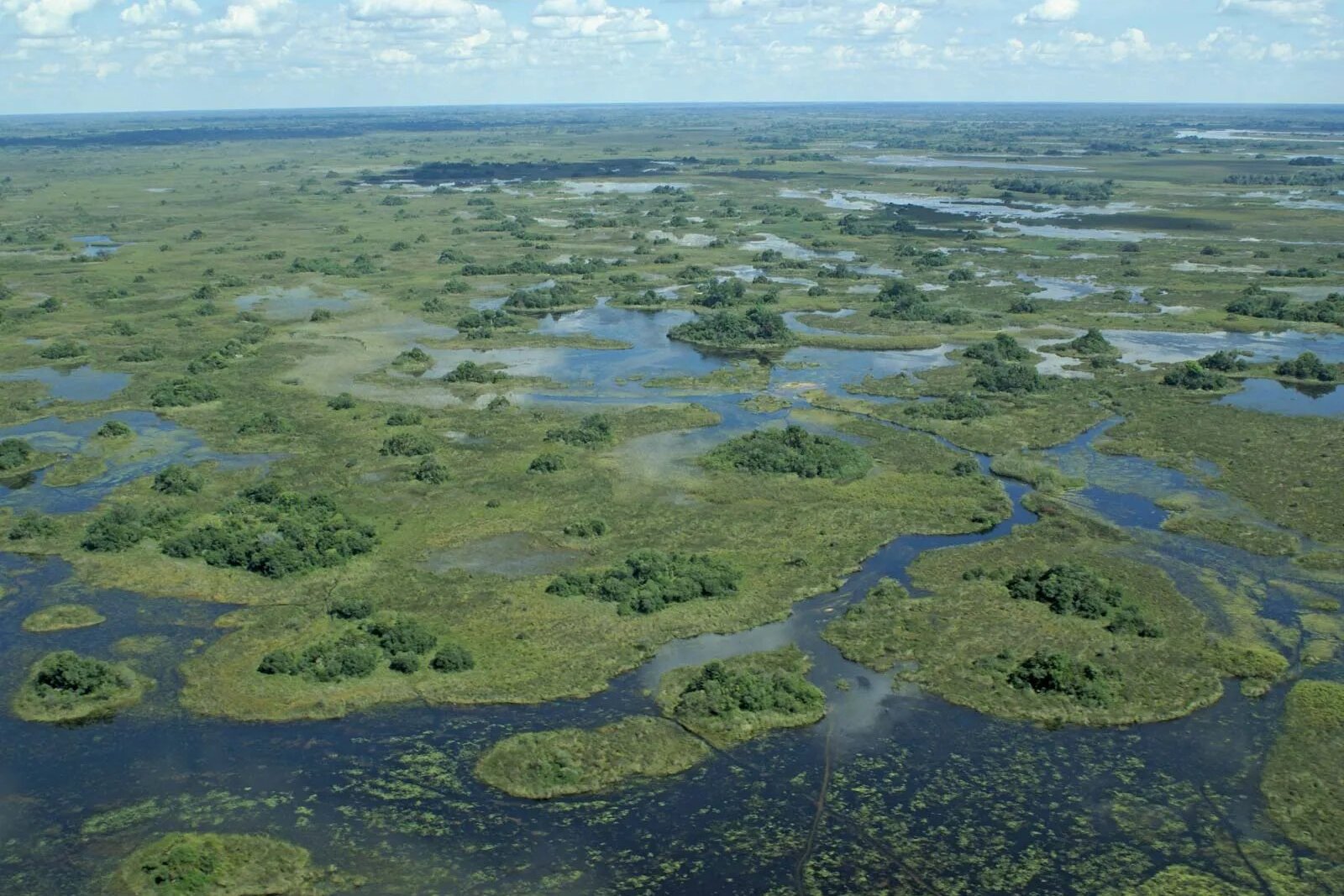
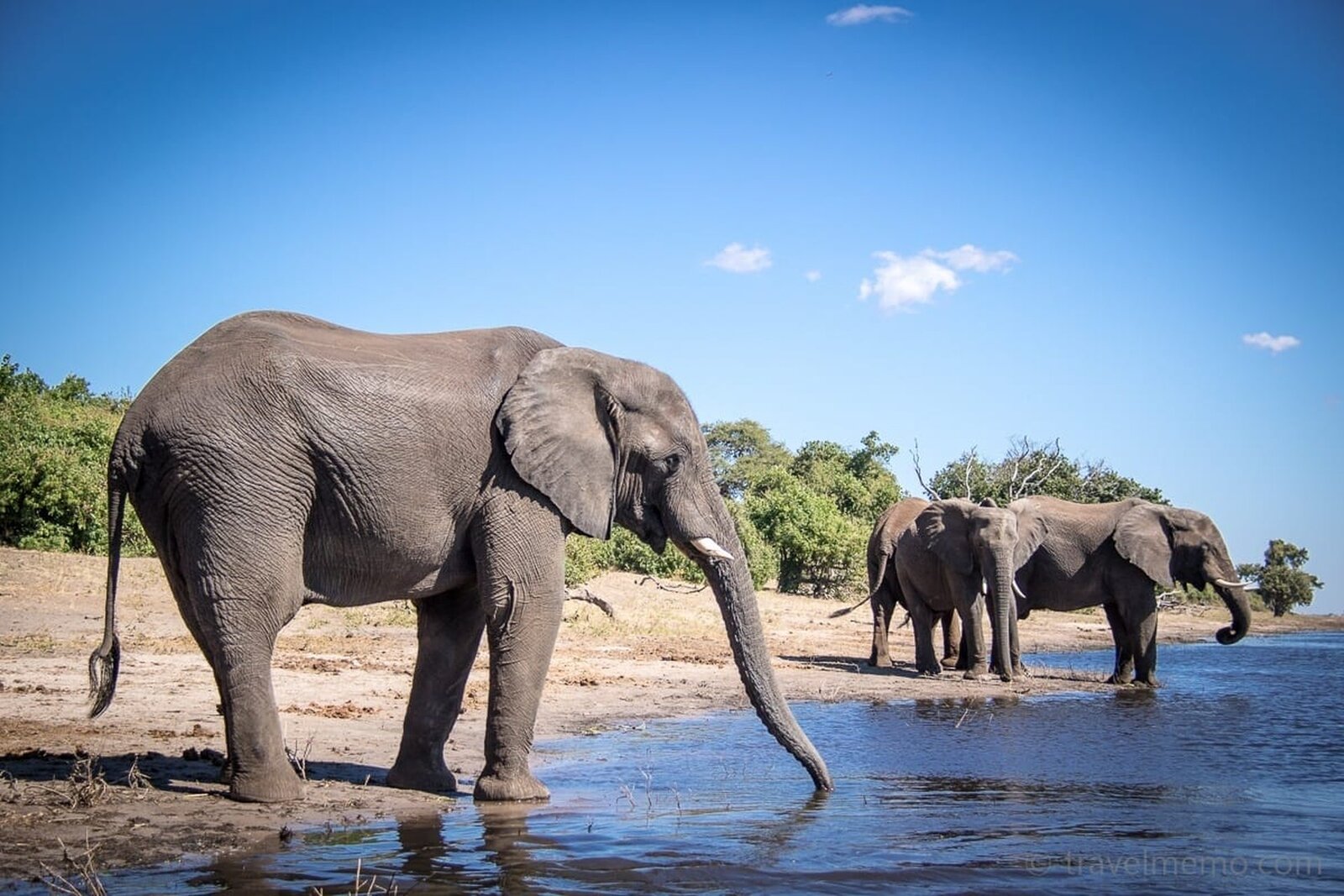
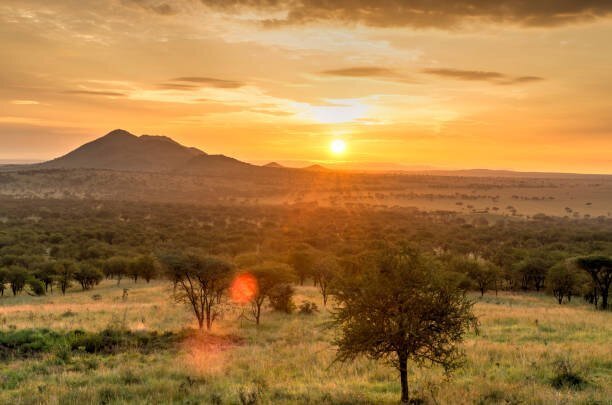
5. Regenerative travel — conservation you can see
Sustainability has grown teeth. Travellers are no longer satisfied with a towel-reuse card and an eco label — they want proof that their trip leaves the place better than it found it. In 2027 that means camps that fund anti-poaching patrols, employ and train from the surrounding villages, and let guests see the work: a morning with a research team collaring a lion, a walk with the people restoring a wetland, a visit to a school the lodge built.
This is where private travel and conservation meet, because the high-value, low-volume model — fewer guests paying properly — is what keeps large wild areas economically alive rather than fenced and farmed. The camps leading on this are some of the finest on the continent, and choosing them is the single most useful thing a traveller can do. See our best conservation safaris and the wider conservation safari guide for the properties doing it properly.
6. The green-season advantage
The old rule said go in the dry season or do not go at all. That rule is breaking. Roughly 38% of travellers in our data now choose the green or shoulder season on purpose, and not only for the 15–30% saving on camps and flights. The green season is when the bush turns, the light goes soft and dramatic for photography, the migratory birds arrive in colour, and the plains fill with newborn impala, wildebeest and zebra — which in turn brings the predators out.
It is not right for every trip. Some roads get harder, and a few camps close for the heavy rains. But for value, for photographers, and for anyone who wants the great parks with a fraction of the vehicles, the green months are now a first choice rather than a compromise. Our green-season safari guide sets out which regions reward it and which to avoid, month by month.
7. Multigenerational and celebration safaris
More of the trips we plan now carry a reason beyond the trip itself — a milestone birthday, a big anniversary, three generations finally in one place. The safari has become the way families mark the moments that matter, and camps have responded with multi-bedroom villas, private chefs and guides, child-friendly guiding and the flexibility a mixed-age group needs.
A private villa or exclusive-use camp is what makes this work: grandparents who want a slow morning and teenagers who want every drive can share the same trip without compromise, because the vehicle, the chef and the day are yours to shape. For the family side, see our best African family safaris; for the landmark trips, the milestone-birthday safari guide and our safaris for special occasions.
8. The rise of the solo safari
Solo travellers are now about 22% of safari bookings, and a high share of them are women travelling alone. Africa suits it well — a good camp is sociable at dinner and private the rest of the time, the guiding structure means you are never truly alone in the bush, and the safety and care at a well-run camp are high. In response, more camps are waiving the single supplement in the shoulder seasons and running small-group departures built for people arriving on their own.
The trend matters because it opens the finest trips to people who were once priced or paired out of them. We build solo safaris that balance company and space, with guiding and camps chosen for exactly that. Start with our solo safari guide, and for women travelling alone, the dedicated women's solo safari guide.
9. New frontiers — and the 2027 calendar driving them
South Africa, Kenya and Tanzania still anchor the industry, but the growth is at the edges. Zimbabwe and Uganda are seeing the sharpest surges in interest, Zambia's South Luangwa is pulling experienced safari-goers who want walking safaris and fewer vehicles, Namibia's conservancy corridors are opening up, and Angola is entering the guided-safari market for the first time with a side of the KAZA region almost no one has seen.
A packed 2027 calendar is adding fuel. The Africa Cup of Nations comes to Kenya, Tanzania and Uganda in mid-2027; the ICC Men's Cricket World Cup returns to South Africa, Zimbabwe and Namibia from October, its first time on the continent in over two decades; and a total solar eclipse crosses North Africa on 2 August 2027. Each is pulling travellers who then add a safari either side. The practical takeaway is the same on every frontier: the parks have room, but the good camps and the light-aircraft seats are few, so these are the trips to lock earliest. Our safari destinations guide and the 2027 places list map where the momentum is.
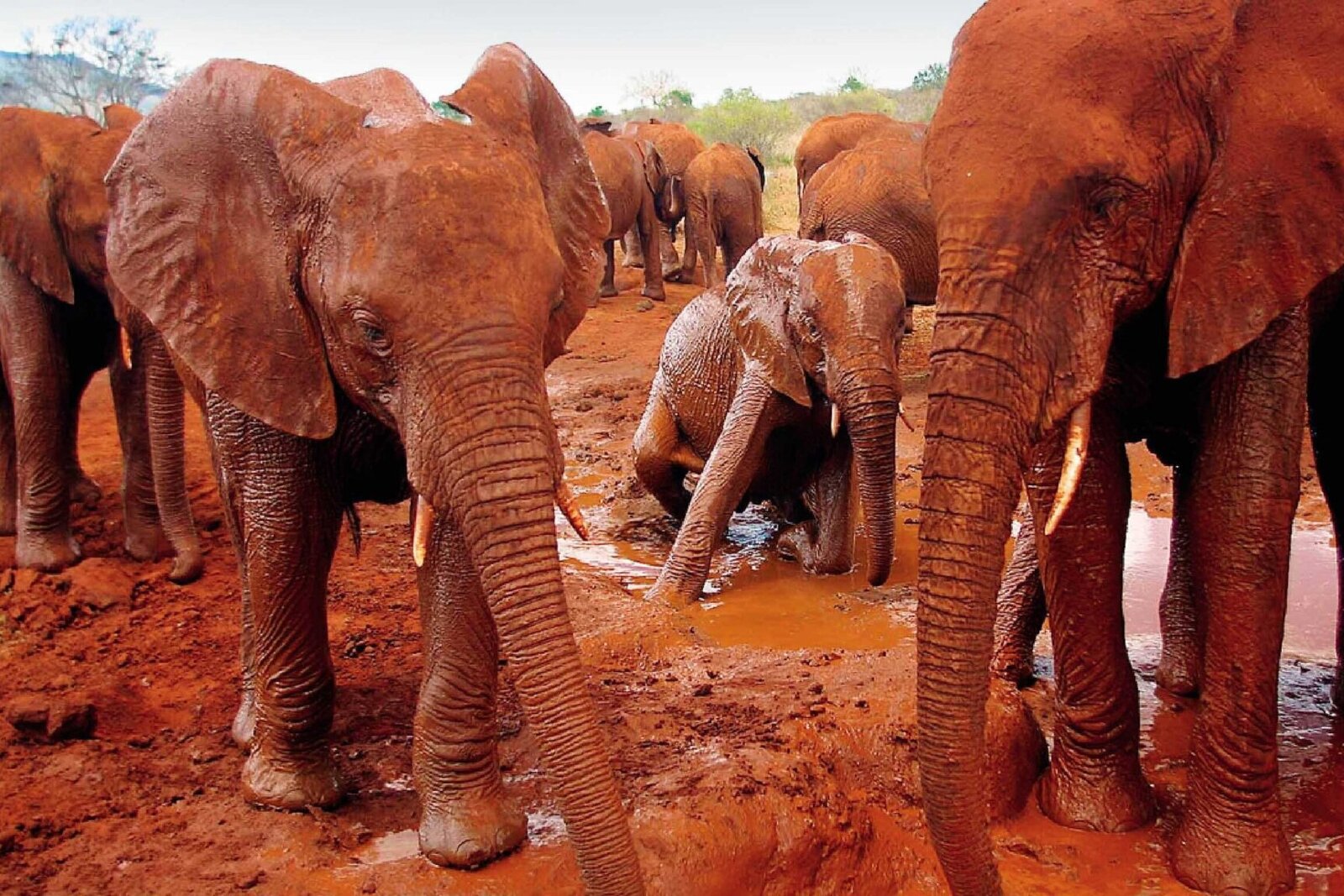
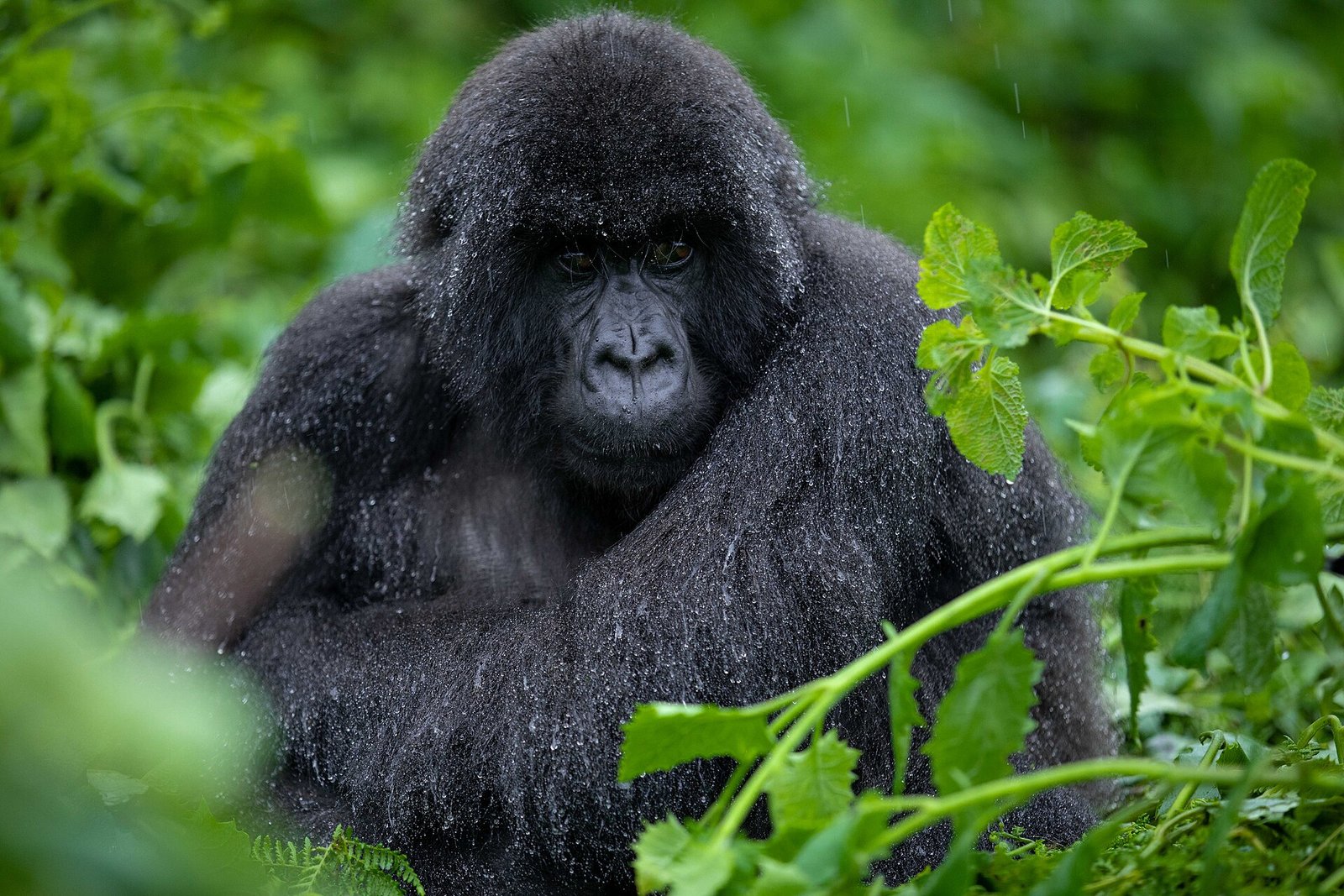

10. The human expert over the algorithm
This is the trend the technology headlines miss. AI trip-planning is everywhere now, and people do use it to gather ideas — yet at the point of actually booking, about four in five travellers still want a human specialist who has personally stood on the ground. The reason is that the things that make or break a safari are not searchable: which side of a river camp catches the morning light, which guide is worth flying across the country for, when a camp's rooms are being rebuilt, how to hold a gorilla permit against a flight that has not opened yet.
An algorithm can rank; it cannot phone a camp manager, read a river level, or rebuild a route overnight when the weather turns. In a year when the best camps, guides and seats are scarcer and booking earlier than ever, having a real person who knows the ground is not nostalgia — it is the edge. That is how we have always worked, and in 2027 it matters more, not less. Tell us which of these trends fits how you want to travel, and we will build the trip around it.
Plan a 2027 trip that travels ahead of the trends
Private vehicles, slower stays, the right camps in the right season — built around you, not a fixed departure. Tell us your dates and we will shape the route.
Start planning with Beyond Africa
Or reach us directly on WhatsApp at +27 78 471 4852.