Key Takeaways
- The Big Five has nothing to do with size. The term was coined by big-game hunters for the five animals most dangerous to hunt on foot.
- The five are the lion, leopard, elephant, rhino and Cape buffalo - chosen for the risk and skill of the hunt, not their weight.
- The buffalo was feared most. Wounded buffalo would ambush their pursuers, earning the grim nickname "the Black Death".
- The term outlived the hunt. Today the goal is to "shoot" all five with a camera - the phrase is now the icon of the photographic safari.
- They are now conservation symbols. The rhino in particular is critically threatened, and safari tourism has become one of its strongest protections.
Say the words "Big Five" anywhere in the world and a certain picture forms: a lion in golden grass, a leopard draped over a branch, elephants at a waterhole. It is the most famous phrase in African travel - printed on lodge signs, safari brochures and even South African banknotes. And yet almost everyone who uses it believes it means something it does not.
The Big Five is not a list of Africa's largest animals. If it were, the hippo and the giraffe - both far bigger than a leopard - would be on it. The truth is darker, older and far more interesting. This guide tells the real story: where the term comes from, why these particular five animals earned it, and how a phrase born in the hunting camps of colonial Africa became the beating heart of the modern, camera-carrying safari.
Where the Term "Big Five" Really Comes From
The term Big Five was coined by big-game hunters in the 19th and early 20th centuries. In the era of colonial expeditions across Africa, professional hunters and their clients needed shorthand for the animals that mattered most to their trade - and the five that stood apart were not the biggest, but the most difficult and dangerous to hunt on foot.
These were the animals that could kill you. A hunt for any of the five carried genuine risk of death: a wounded animal could turn, charge and gore, maul or trample the person pursuing it. Bagging a lion, leopard, elephant, rhino and buffalo became the ultimate measure of a hunter's skill and nerve, and the phrase "the Big Five" entered the language of safari to describe exactly that grim, prized quintet.
There is no single inventor of the term - it grew organically out of the hunting and safari communities of the time. But its meaning was crystal clear to everyone who used it: these were the five you approached with the greatest caution, and brought home with the greatest pride.
Why These Five? It Was Never About Size
This is the single most misunderstood fact about the Big Five, so it is worth stating plainly: the Big Five has nothing to do with how big the animals are. The hippopotamus is more massive than a lion and kills more people in Africa every year, yet it is not a member. The giraffe towers over an elephant's shoulder, yet it is not on the list either.
What united the five was the specific danger of hunting them on foot, in thick bush, often after they had been wounded. Each of the five, when cornered or injured, was known to attack the hunter rather than flee - and each had the strength, speed or cunning to make that attack lethal. The Big Five, in other words, is a list defined by the behaviour of the hunted, not the dimensions of the animal.
The Big Five: The Five Animals and Why Each Earned the Name
Here are the five, and the reason each one struck fear into the hunters who named them.
1. The Lion - The King That Charged Back
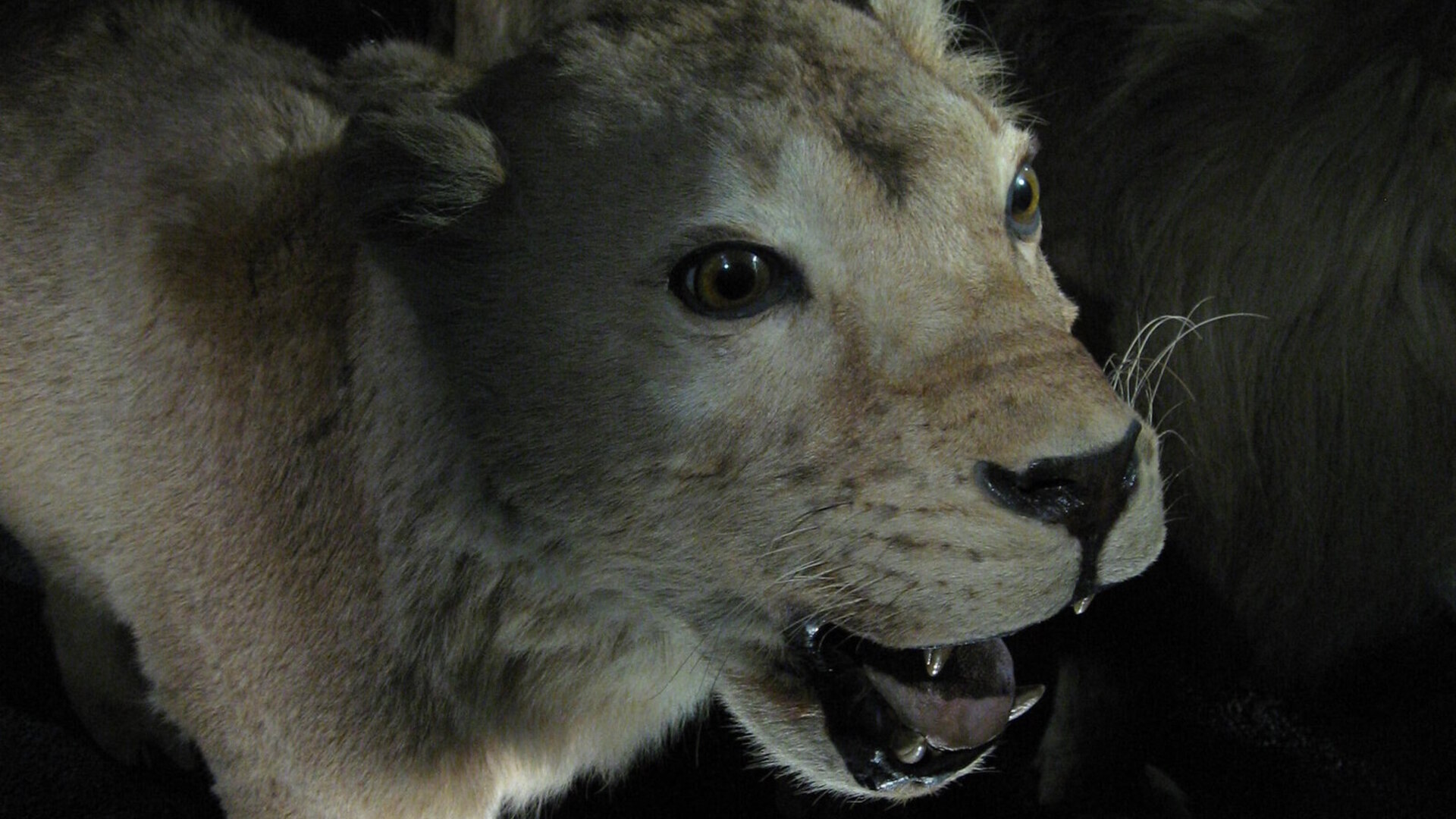
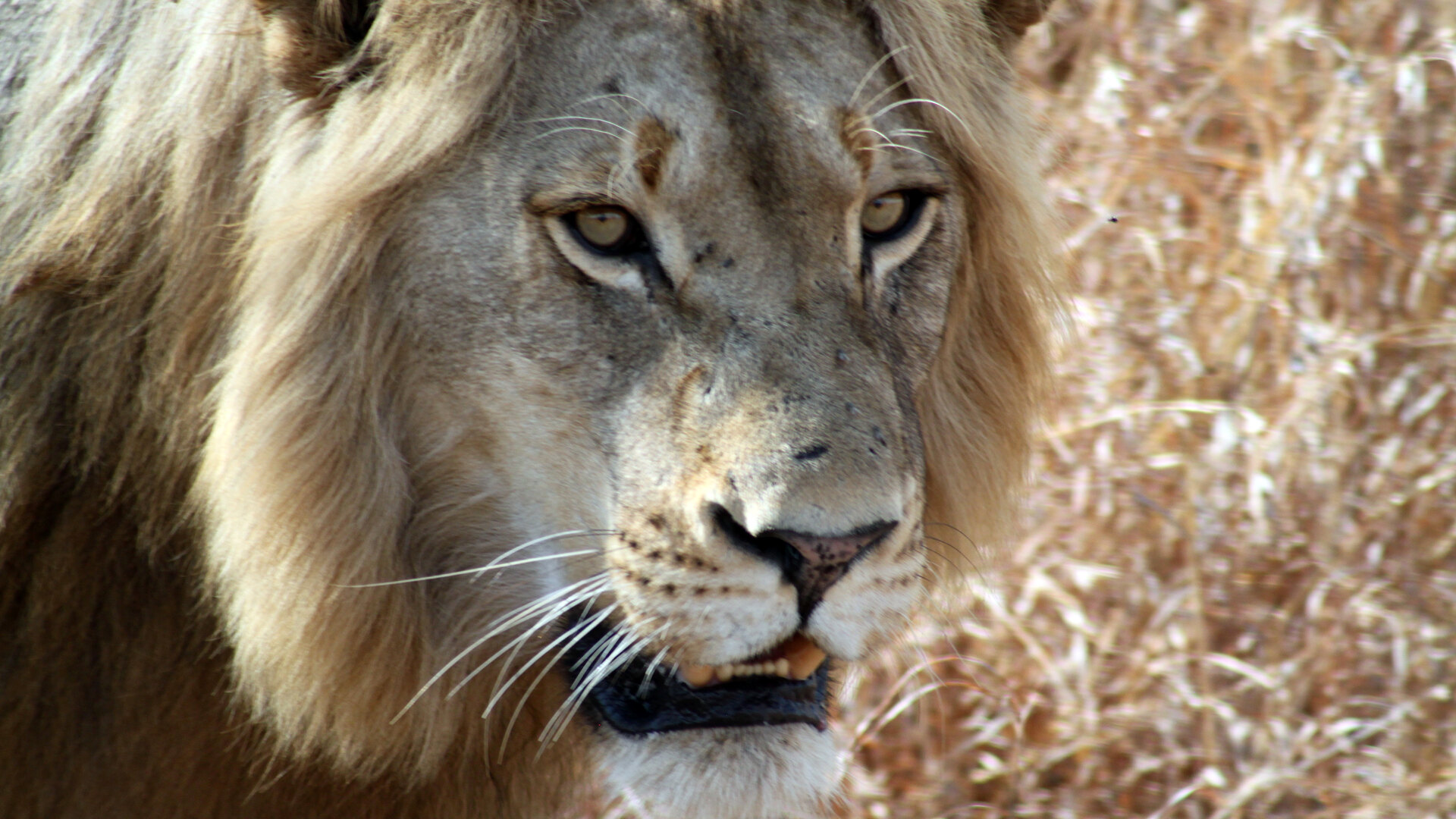
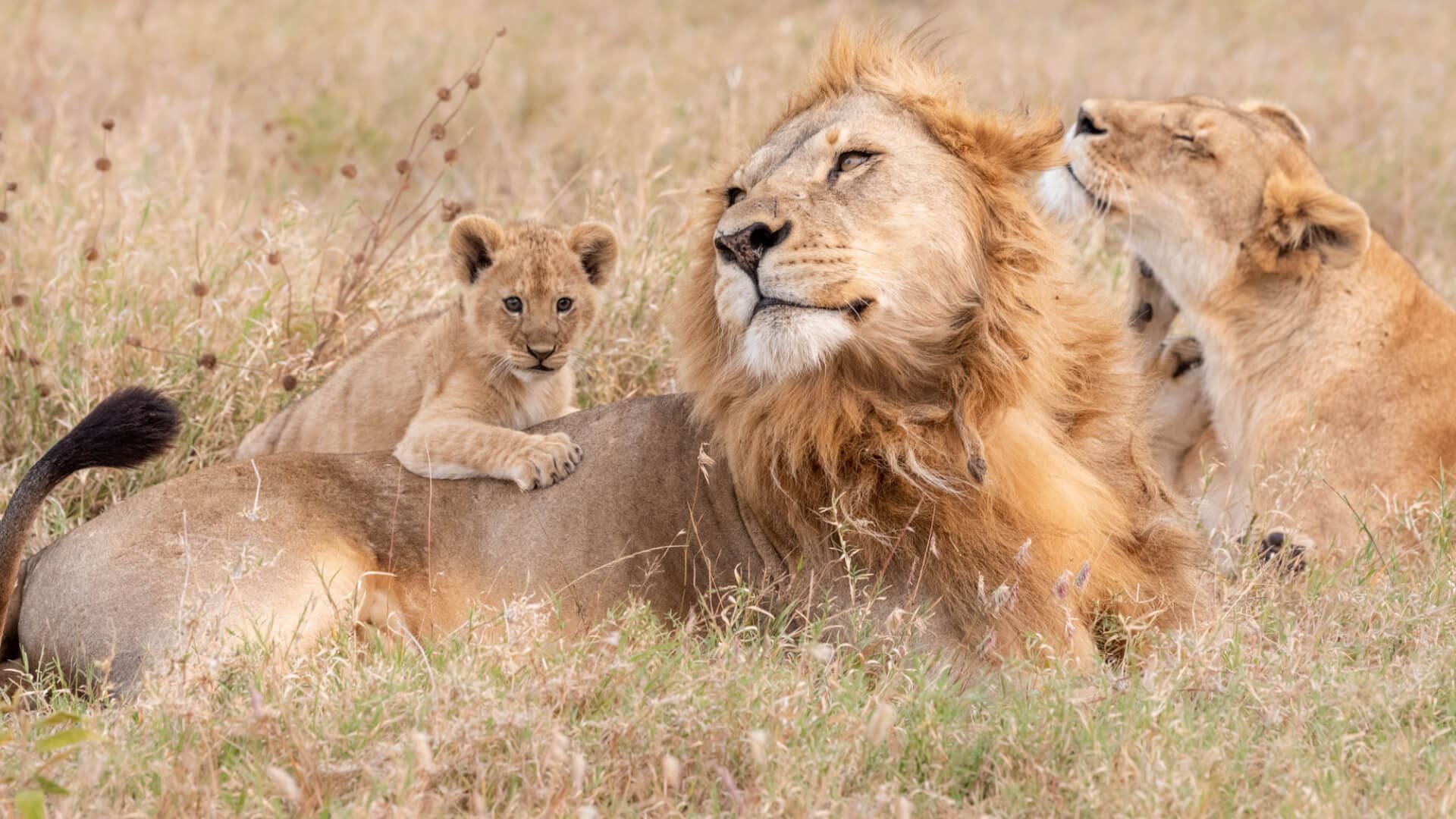
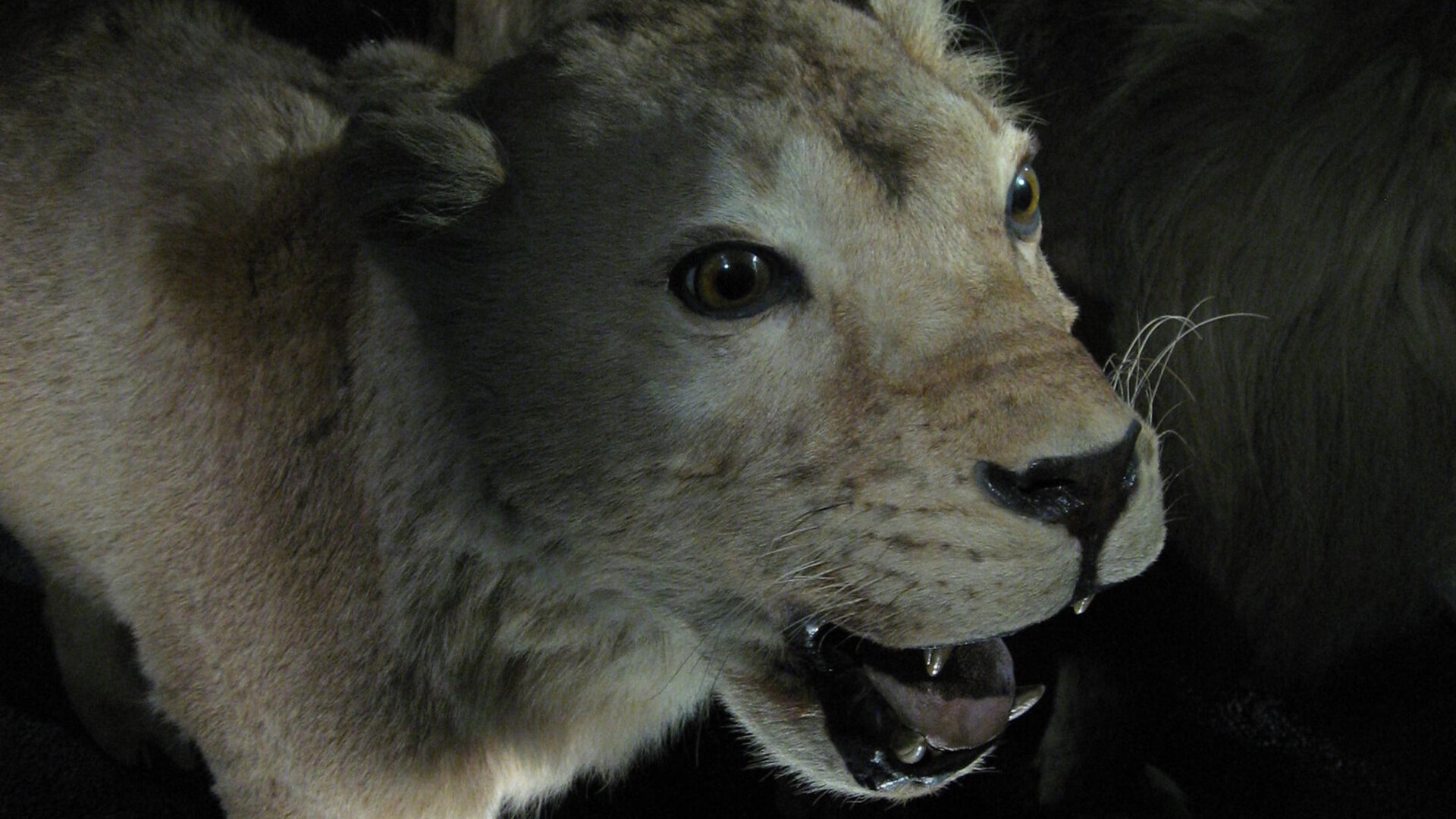
The lion was the most coveted trophy of all, and one of the most dangerous to pursue. A wounded lion does not run - it charges, covering ground at astonishing speed, and a hunter who missed the killing shot could be overwhelmed in seconds. Worse, lions live in prides, and following a wounded animal into cover risked provoking the whole group. The lion's combination of power, courage and social hunting made it the definitive Big Five animal - and it remains the sighting most safari-goers dream of today.
2. The Leopard - The Silent Ambusher
Many professional hunters considered the leopard the single most dangerous animal to follow up when wounded. Solitary, nocturnal and extraordinarily fast over short distances, a wounded leopard would melt into the thickest bush and lie in wait, exploding into a close-range ambush that left almost no time to react. Its elusiveness - the very quality that makes it the most prized sighting on a modern safari - was exactly what made it so deadly to hunt. To this day the leopard is the hardest of the five to find.
3. The Elephant - Intelligent and Unpredictable
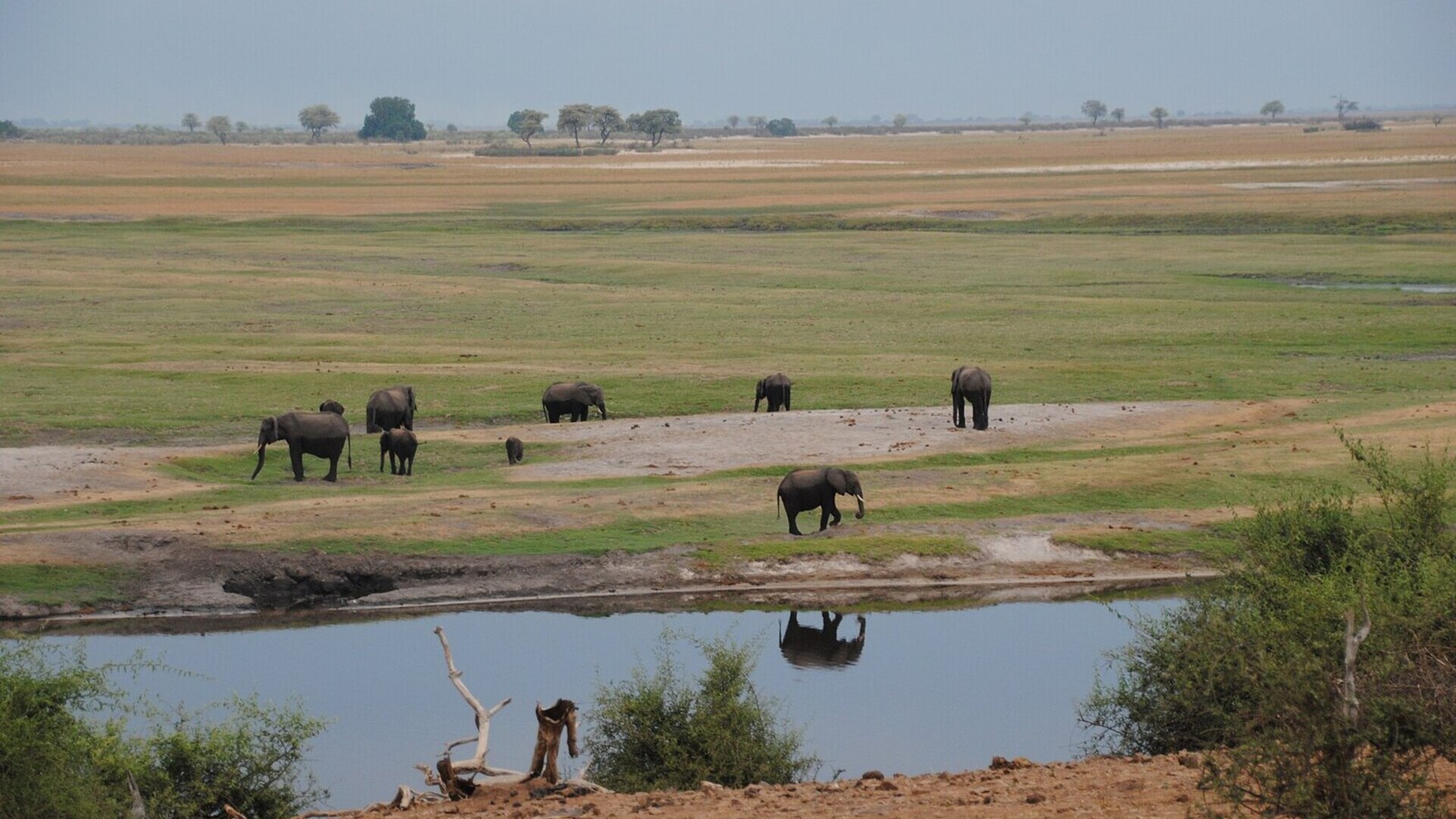
The African elephant is the largest land animal on Earth, but it earned its place through more than sheer size. Highly intelligent, deeply social and capable of surprising stealth despite their bulk, elephants could charge with devastating force, and a matriarch defending her herd was among the most terrifying encounters imaginable on foot. Their unpredictability - the difference between a mock charge and a real one is a split-second judgement - made them a supreme test of a hunter's nerve.
4. The Rhino - The Armoured Charge
The rhinoceros - both the black and white species - combined immense power with a short temper and famously poor eyesight. A rhino would charge at the slightest provocation, thundering toward a sound or a scent with little warning and no easy way to predict its line. Black rhino in particular were notoriously aggressive. Tragically, the very trait that made them formidable quarry - and later, the horn they carried - has made the rhino the most poached and most endangered of all the Big Five.
5. The Cape Buffalo - "The Black Death"
Ask any old-school professional hunter which of the five they feared most, and the answer was almost always the Cape buffalo. Weighing up to 900 kilograms and armed with a fused helmet of horn, wounded buffalo were infamous for circling downwind and ambushing the hunters tracking them - actively hunting the hunter. This deadly cunning earned the buffalo its chilling nicknames: "the Black Death" and "the widowmaker". Of all the Big Five, it is the buffalo that best captures why the term exists at all.
From Hunting Trophy to Conservation Icon
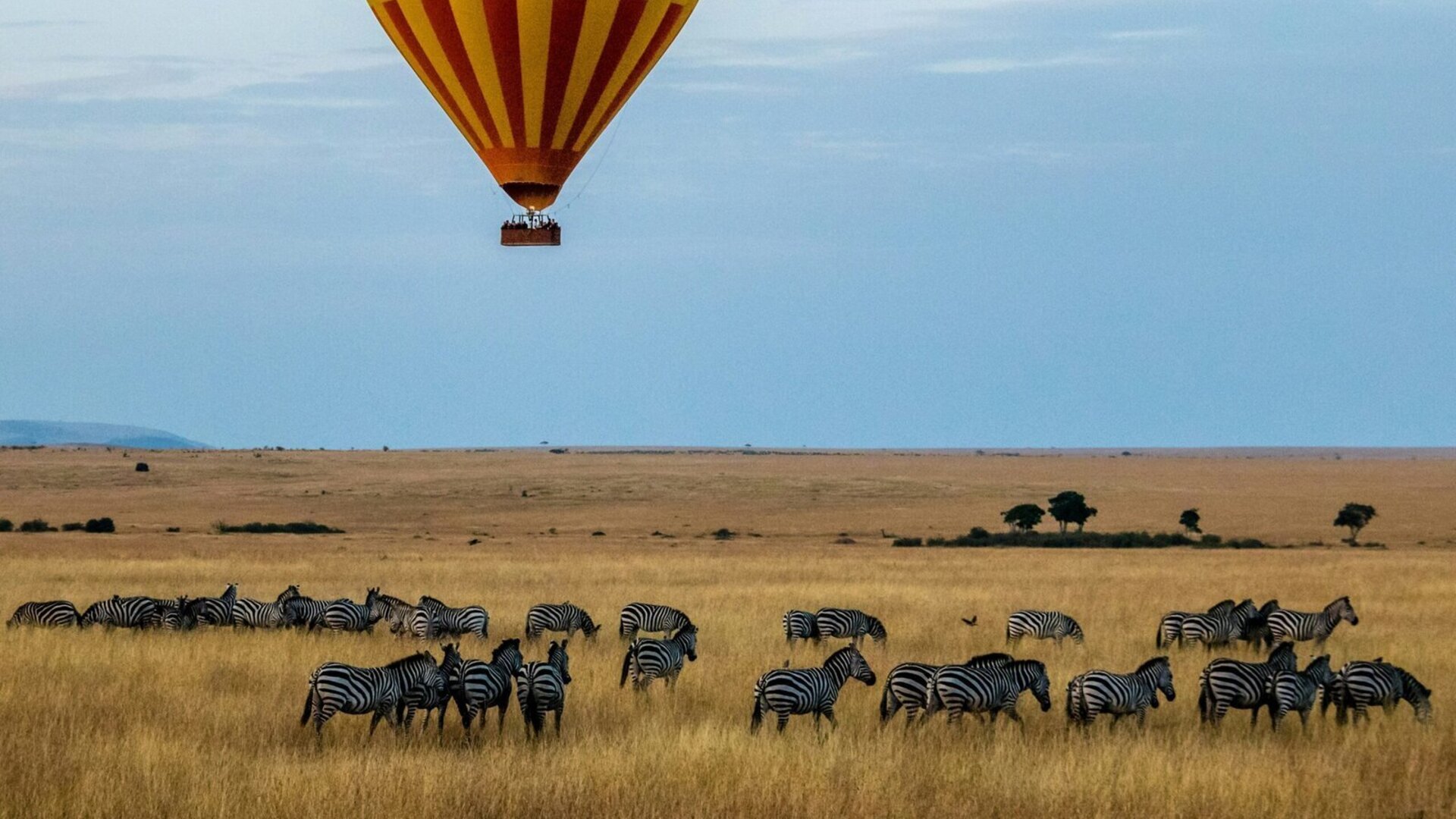
The remarkable thing about the Big Five is how completely its meaning has been transformed. The phrase was born in an age of trophy hunting, when success was measured in animals killed. Today, the same five animals are the stars of a photographic safari industry worth billions - and the only shooting involves a camera.
Modern safari-goers set out to "collect" all five, ticking off each sighting with a lens rather than a rifle. The term has been embraced so thoroughly by the tourism and conservation worlds that it now appears on lodge names, reserve marketing and even currency - South Africa's banknotes each feature one of the Big Five. What was once a hunter's checklist has become a celebration of living, wild Africa.
That shift matters more than sentiment. The revenue generated by travellers who come to see the Big Five now funds the anti-poaching units, the reserves and the community programmes that keep these animals alive. The rhino, hunted to the brink for its horn, survives today in large part because it is worth more alive to a tourism economy than dead to a poacher. In a very real sense, the photographic safari has become the successor - and the antidote - to the hunt that named the Big Five.
Where to See the Big Five Today
Now that the goal is a sighting rather than a trophy, the question travellers ask is a happier one: where can I see all five? Several African countries hold the complete Big Five in the wild - South Africa, Kenya, Tanzania, Botswana, Zambia, Zimbabwe and Namibia among them - but the ease of seeing them, the cost, the malaria risk and the chance of a rhino sighting vary enormously from one to the next.
South Africa's Kruger and the Sabi Sand are widely considered the most reliable and beginner-friendly Big Five destinations, with some private reserves offering malaria-free game viewing. Kenya and Tanzania add the drama of the great migration; Botswana delivers the Big Five in the pristine wilderness of the Okavango. For a full, honest country-by-country comparison - which nations have all five, which are easiest, and which need a rhino add-on - see our Big Five Countries in Africa: Where to See All Five by Country.
Ready to See the Big Five for Yourself?
Our specialists design private, tailor-made safaris to the finest Big Five country in Africa - shooting all five with a camera, never a rifle.
Explore Big Five Safari PackagesFrequently Asked Questions
Why are they called the Big Five?
The term "Big Five" was coined by big-game hunters in the 19th and early 20th centuries, not to describe the largest animals, but the five African animals considered the most difficult and dangerous to hunt on foot: the lion, leopard, elephant, rhino and Cape buffalo. The name reflected the risk and skill involved in hunting them, and it has nothing to do with size - which is why the giraffe and hippo, both enormous, are not part of the Big Five.
What are the Big Five animals?
The Big Five are the lion, leopard, African elephant, rhinoceros (both black and white) and Cape buffalo. Together they became the most sought-after sightings on an African safari. Today the term has shifted entirely from hunting to wildlife viewing and photography - the goal is to "shoot" all five with a camera.
Is the Big Five about the size of the animals?
No - this is the most common misconception. The Big Five has nothing to do with size or weight. If it did, the hippo and giraffe would qualify. The term specifically describes the five animals that hunters found the most dangerous and challenging to pursue on foot, where a wounded animal could turn and kill its pursuer.
Which of the Big Five is the most dangerous?
Historically, hunters feared the Cape buffalo most - wounded buffalo were notorious for circling back to ambush and gore their pursuers, earning the nickname "the Black Death" or "the widowmaker". In terms of human fatalities across Africa today, the hippo and elephant cause more deaths, but among the Big Five specifically, the buffalo and the wounded leopard were considered the deadliest to follow up on foot.
Who invented the term Big Five?
There is no single named individual credited with inventing it - the term emerged among the professional big-game hunters and safari communities of colonial Africa in the 1800s as shorthand for the five most prized and dangerous quarry. It was later adopted by the photographic safari industry and popularised worldwide, appearing on everything from lodge names to South African banknotes.
Where can you see all of the Big Five?
Several African countries offer all five in the wild, though the ease of seeing them varies. South Africa (especially Kruger and the Sabi Sand) is widely considered the easiest and most reliable, and is malaria-free in some reserves. Kenya, Tanzania, Botswana, Zambia, Zimbabwe and Namibia also hold all five, with rhino being the hardest to find almost everywhere. For a full country-by-country breakdown, see our Big Five countries comparison guide.
Are the Big Five endangered?
The picture is mixed. Lions and leopards are classified as vulnerable, with declining populations. The African elephant is endangered (and the forest elephant critically so). The rhino is the most threatened - the black rhino is critically endangered and the northern white rhino is functionally extinct - due to poaching for horn. The Cape buffalo is the most secure. This is why the modern safari, and the tourism revenue it generates, has become one of conservation's most powerful tools.
The Verdict: A Name Born of Danger, Reborn in Wonder
So, why are they called the Big Five? Because more than a century ago, hunters singled out the five African animals most likely to kill them - the lion, leopard, elephant, rhino and buffalo - and the name stuck. It was never about size; it was about danger, skill and the raw risk of the pursuit on foot.
What makes the story remarkable is its ending. The phrase survived the fall of the hunt and was reborn as the rallying cry of a very different age - one in which we travel across the world not to take these animals, but to marvel at them, photograph them, and pay for their protection. When you set out to find all five on a modern safari, you are joining that better tradition. To plan where to do it, see our Big Five Countries in Africa comparison and our guide to seeing the Big Five in Kruger.