Why Mikumi National Park Deserves Your Full Attention
Mikumi National Park is Tanzania's best-kept secret — and the Southern Circuit's most accessible wild heart.
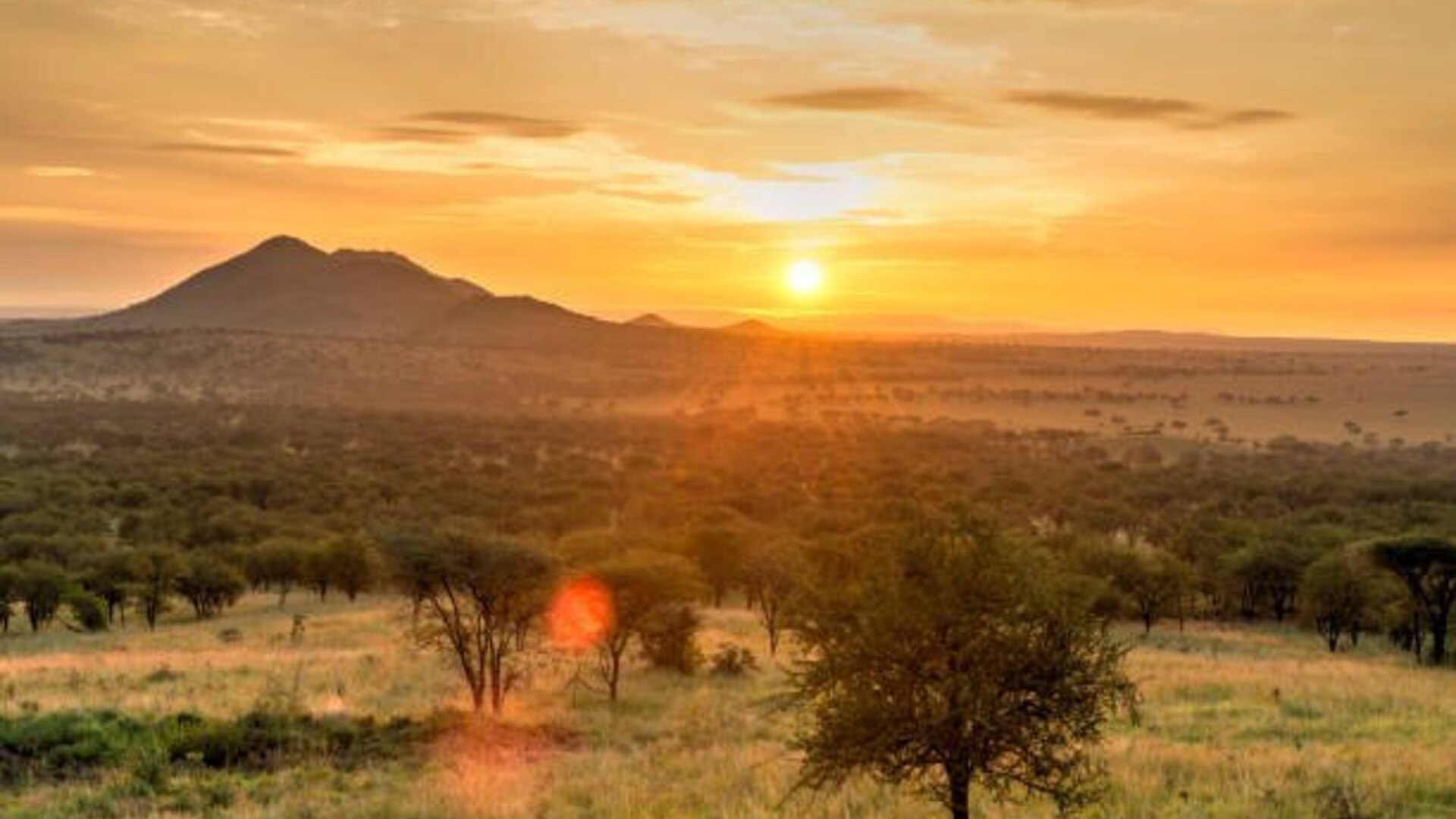
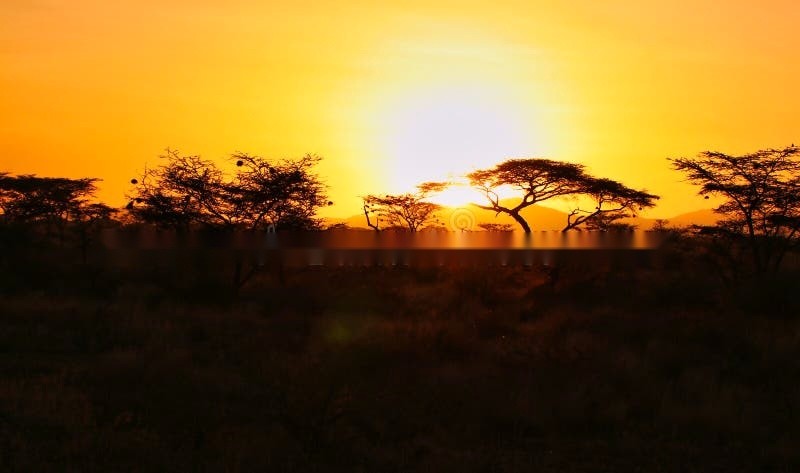
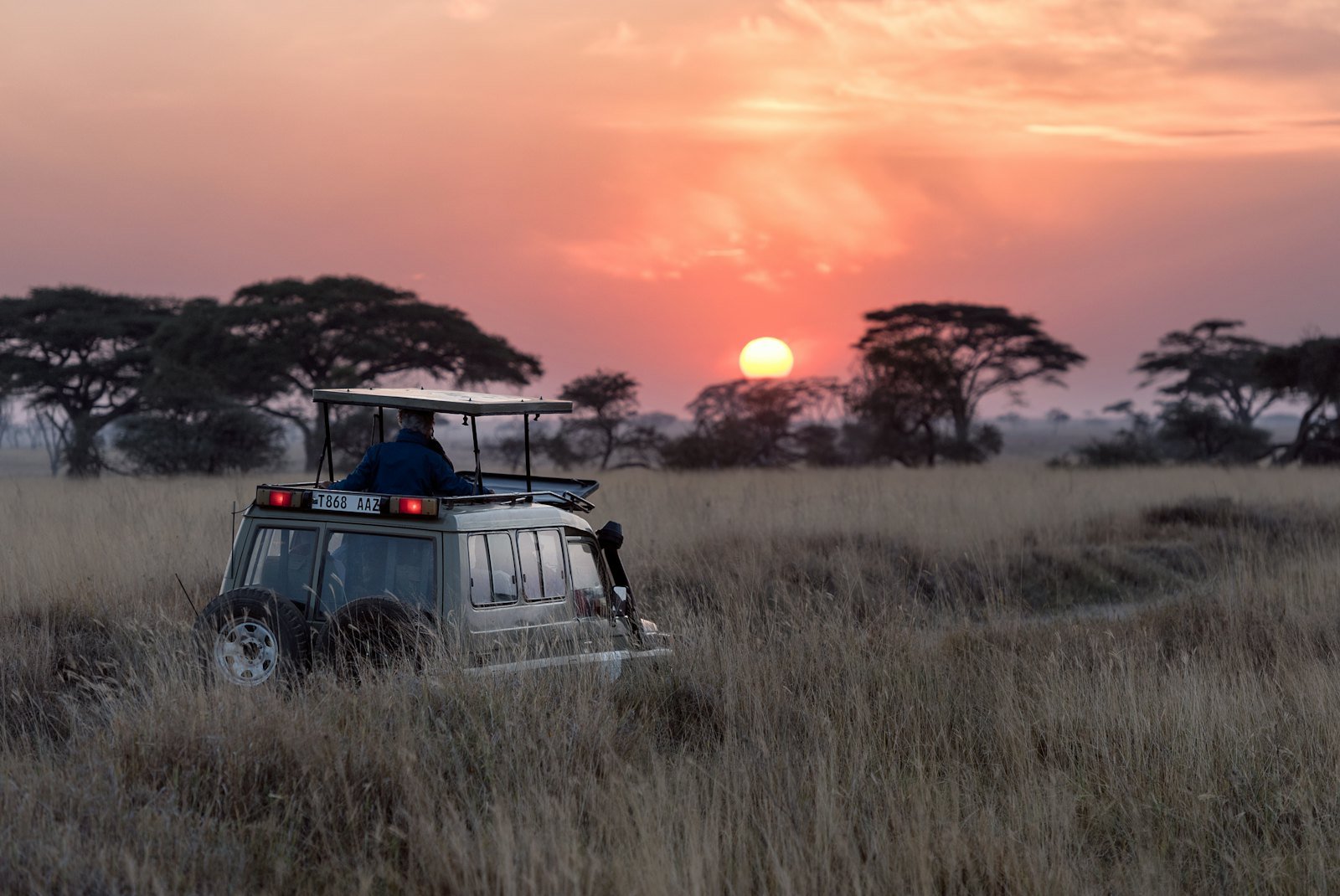
At 3,230 km², it's the country's fourth-largest national park, yet it sits just 283 kilometres (4–5 hours on tarmac) west of Dar es Salaam on the all-weather A7 highway. No light aircraft charter. No bone-jarring bush tracks. Just a beautiful drive through the Uluguru Mountains, emerging onto the sweeping Mkata River floodplain — a landscape so reminiscent of the Serengeti that rangers nicknamed it the "mini-Serengeti".
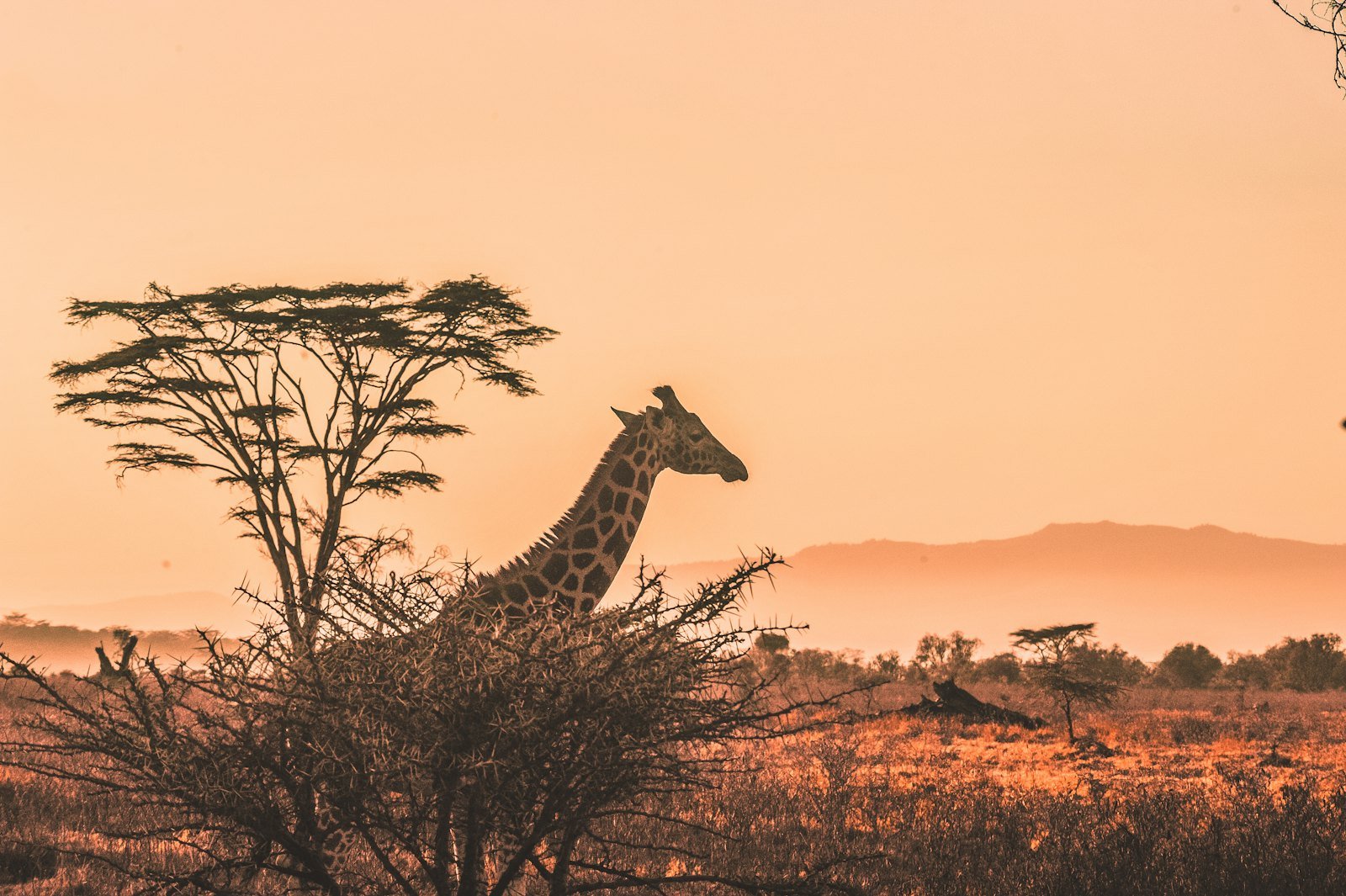
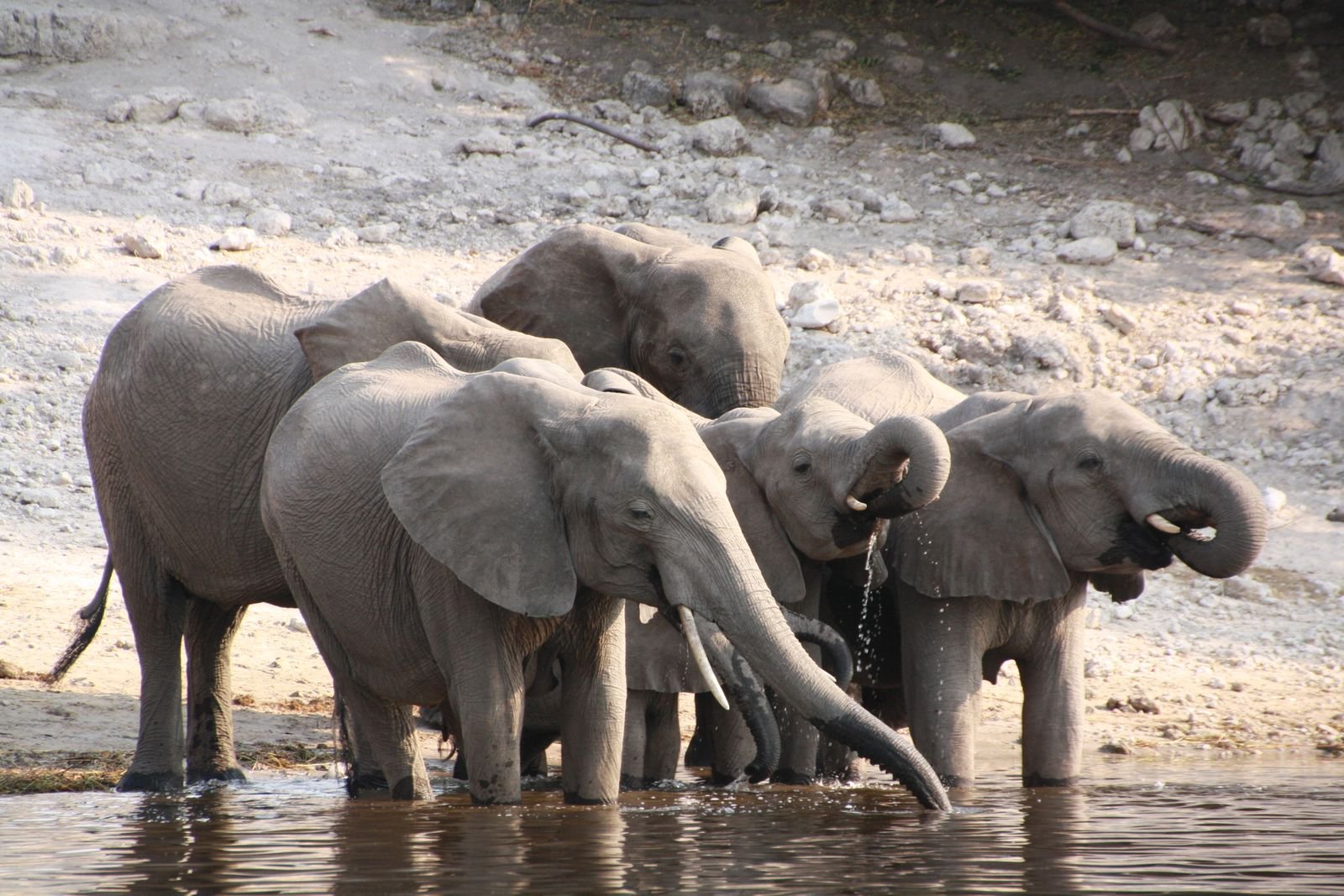
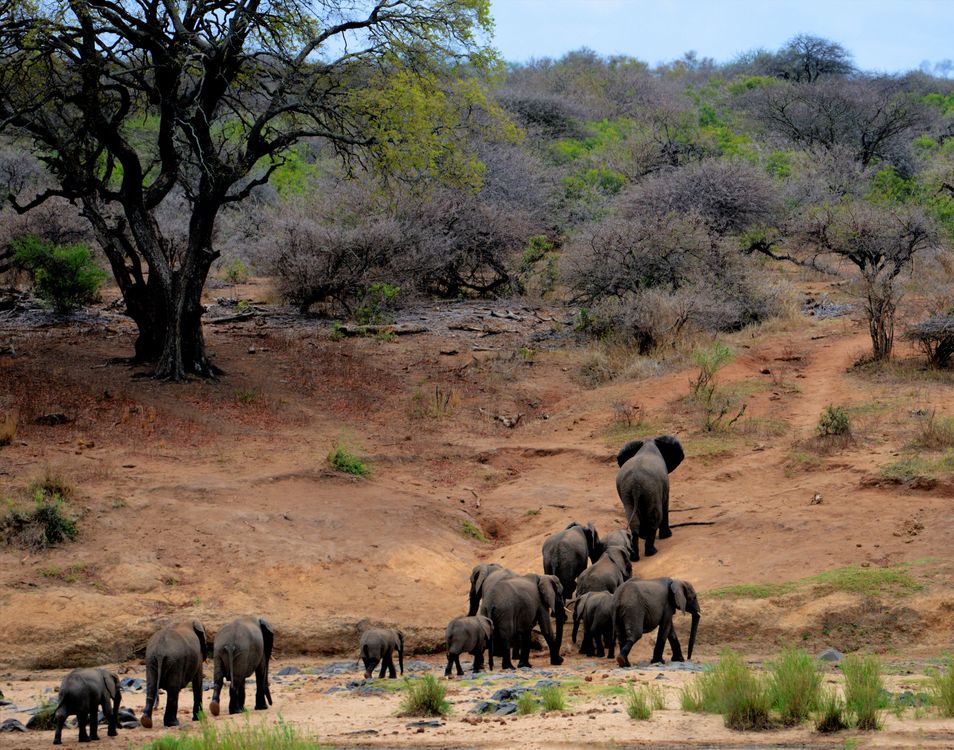
Elephants cross the road in front of you. Lion prides patrol the open grasslands. Giraffes browse beneath 500-year-old baobabs. Hippos wallow in permanent pools. And because Mikumi forms the northern buffer of the 45,000 km² Selous-Nyerere ecosystem — one of Africa's largest wilderness complexes — wildlife populations here are wild, healthy, and year-round resident.
For safari-goers who value accessibility without sacrificing authenticity, Mikumi is unmatched. It's the perfect opening act for a Southern Circuit combo (pair it with Ruaha, Udzungwa Mountains, or Nyerere). It's the ideal road-safari destination for families, self-drivers, or anyone flying into Dar who wants bush immersion immediately — no domestic flight delays, no logistics gymnastics.
This guide gives you everything: wildlife, seasons, lodges, planning, costs, and how to thread Mikumi into the perfect Tanzania itinerary.
What Makes Mikumi Special
1. The "Mini-Serengeti" Landscape
The Mkata River floodplain — Mikumi's scenic centrepiece — is a 30-kilometre-wide savannah bowl framed by the Uluguru Mountains to the east and the Rubeho Mountains to the north. The grasslands flood gently in the rains (November–April), then dry into golden mosaics from May onwards. The visual echo of the Serengeti is unmistakable: open horizons, scattered acacias, and that rare sense of space that lets you watch predator-prey interactions unfold across kilometres.
Year-round water from the Mkata and Vuma rivers keeps game concentrations high even in the dry season — you're guaranteed sightings, not guesswork.
2. Genuine Big Game Accessibility
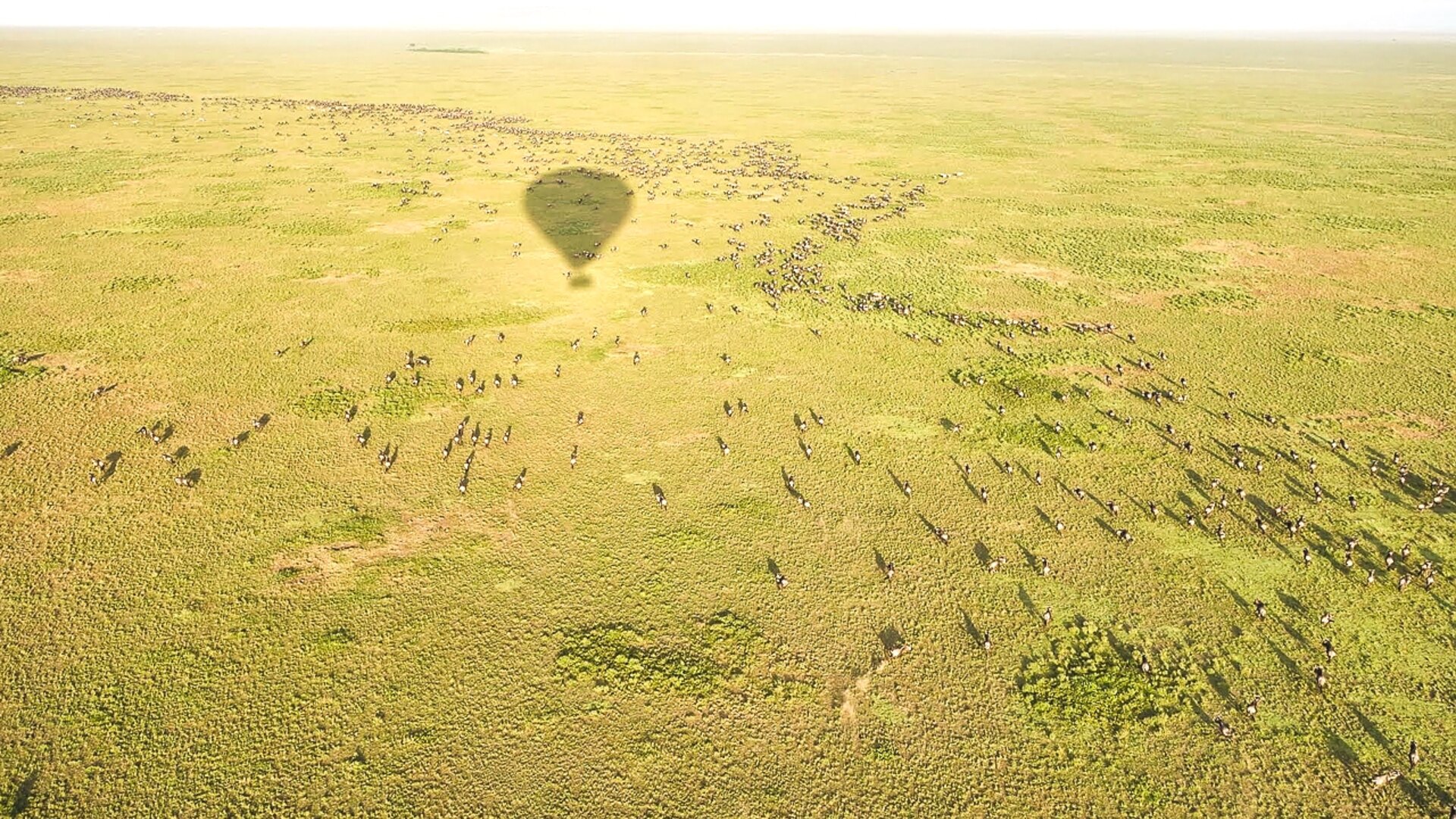
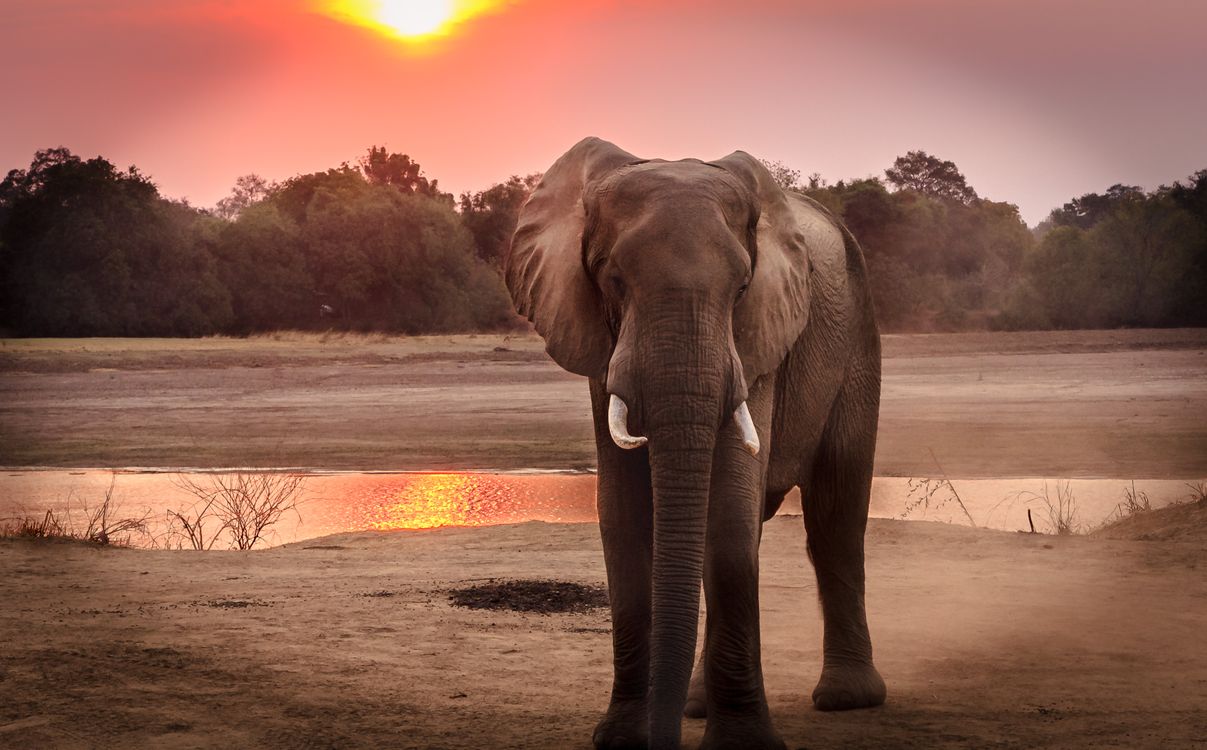
Mikumi is home to all of Tanzania's charismatic megafauna except rhino. Elephant herds of 50+ individuals are daily sightings. Lions are regularly seen (often resting in shade near the main waterhole circuit). Leopards hunt the woodland edges at dusk. Buffalos form super-herds of 300+ in the dry season. Spotted hyenas, black-backed jackals, and the endangered African wild dog (seen occasionally, as Mikumi is part of their migratory range from Ruaha) complete the predator roster.
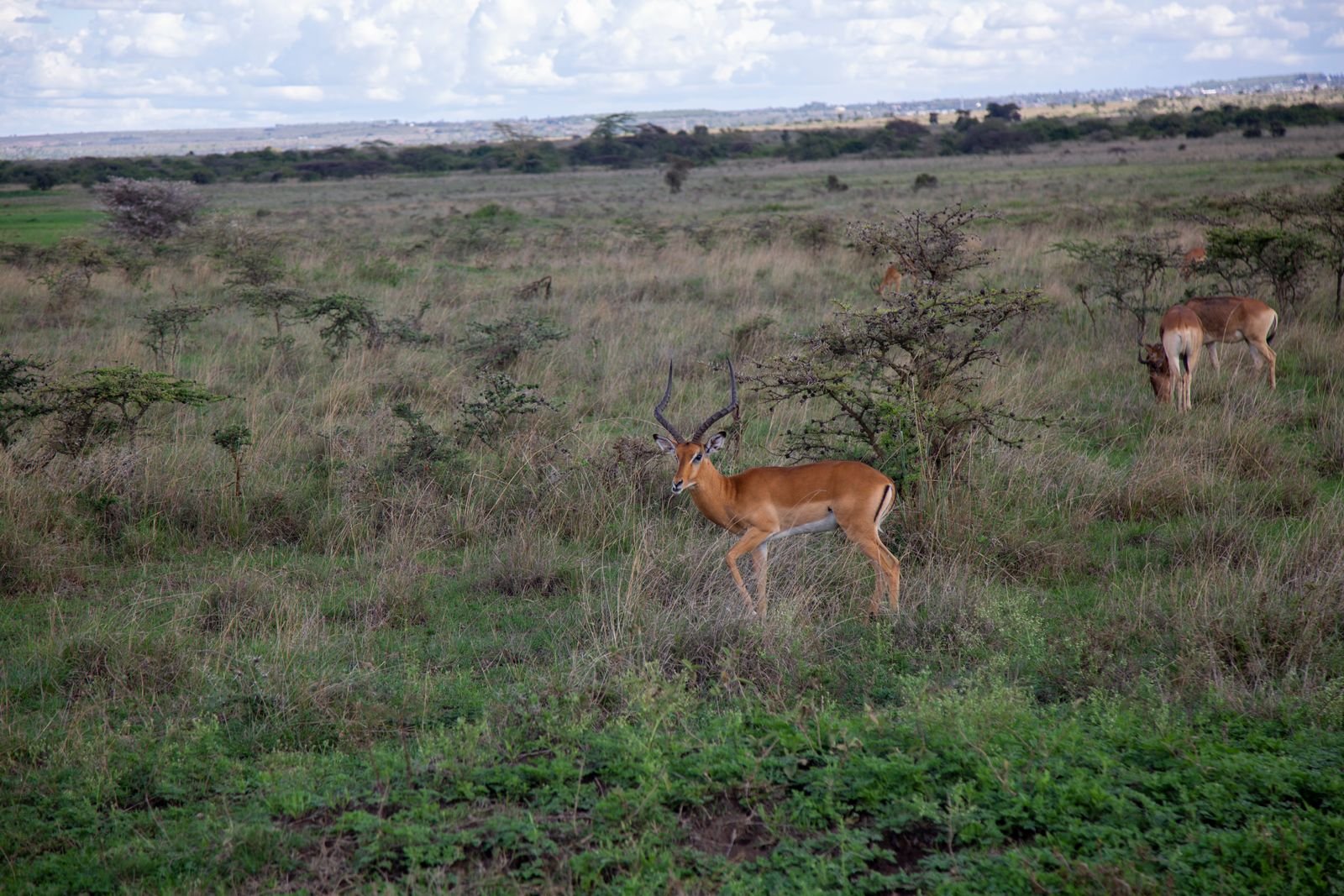
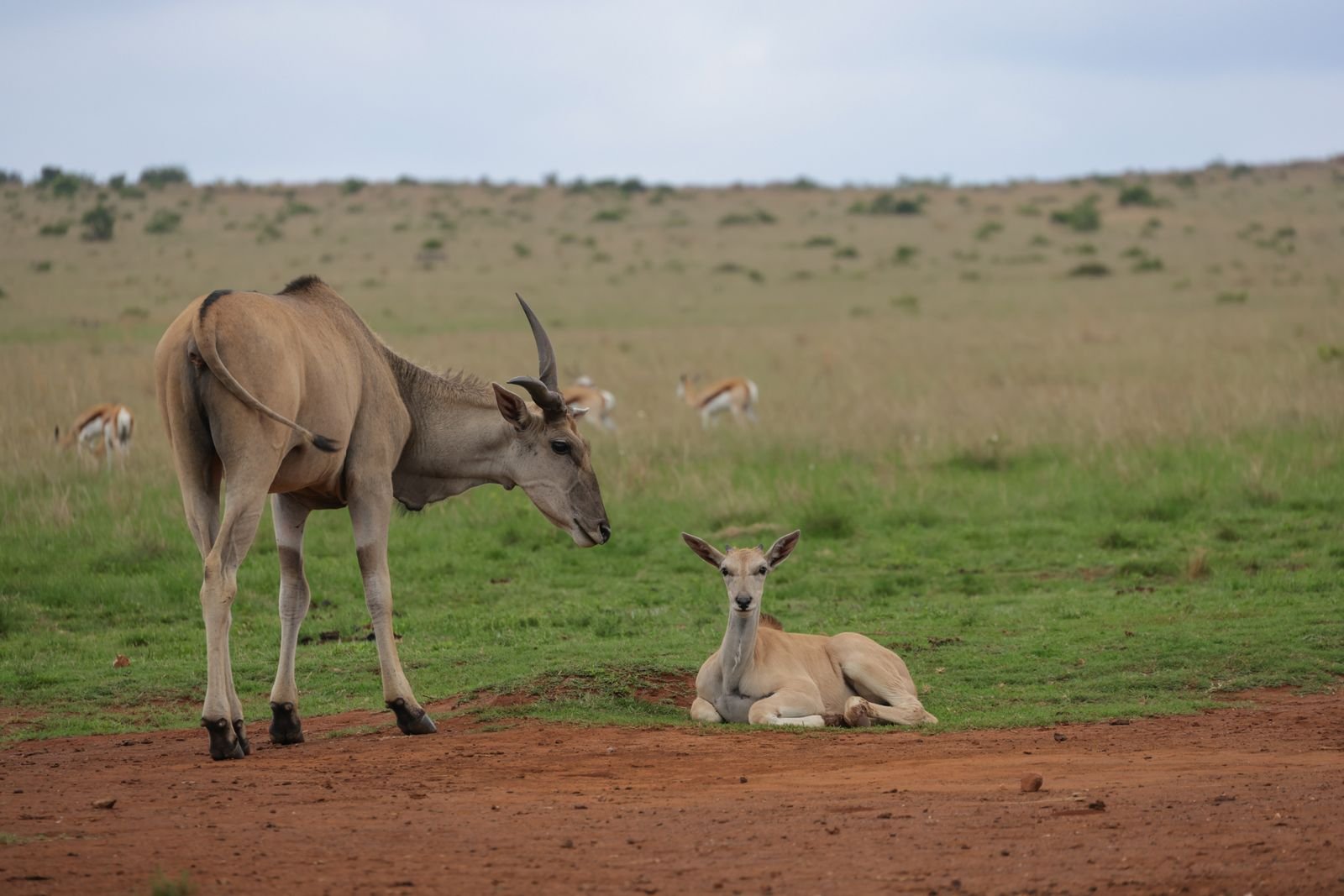
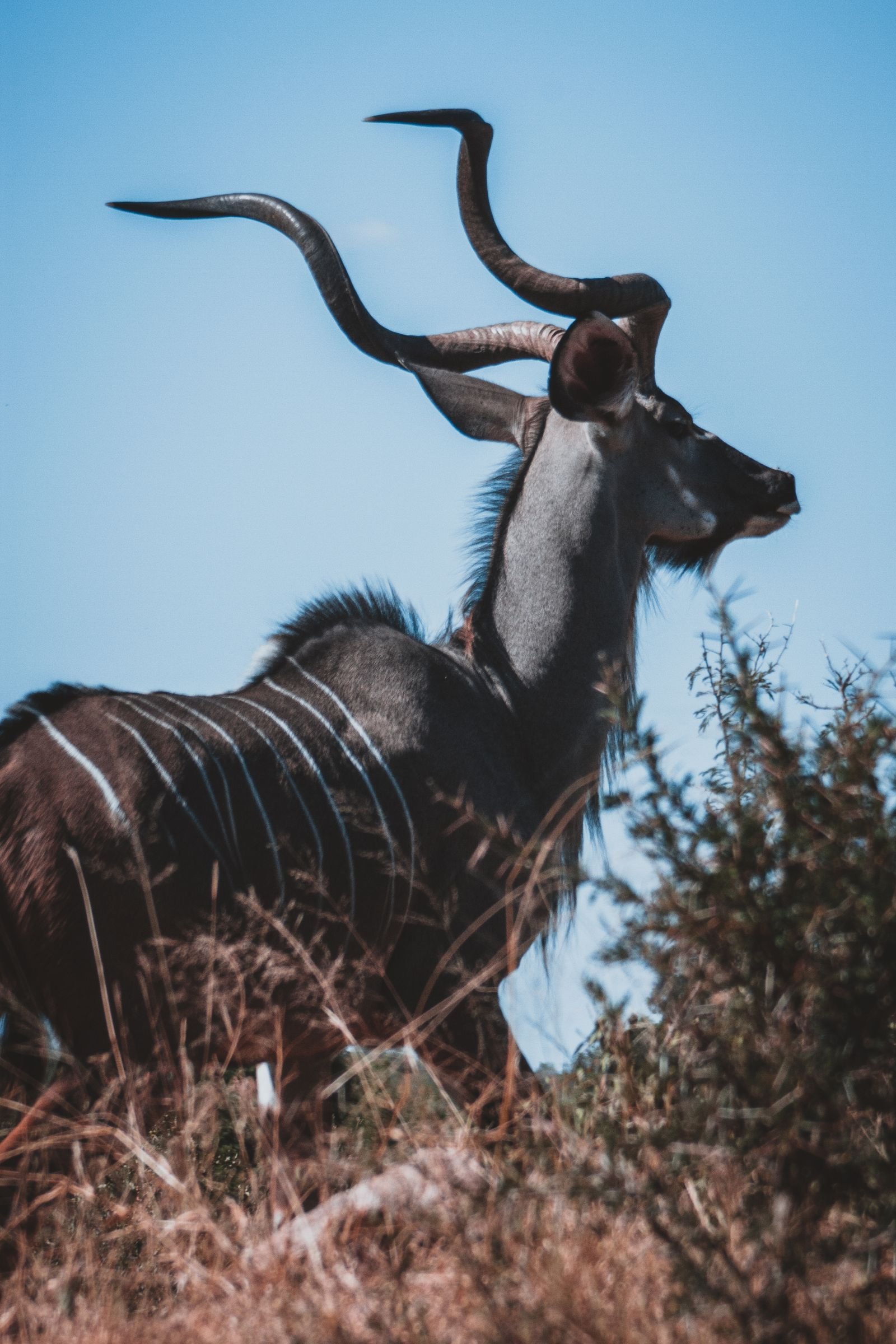
Grazers include zebras (thousands), wildebeest, elands (Africa's largest antelope), impalas, and the elegant greater kudu. Giraffe sightings are near-certain — Mikumi's baobab woodlands are giraffe heaven.
Birdlife is phenomenal: over 400 recorded species, including lilac-breasted rollers, yellow-throated longclaws, bateleur eagles, and seasonal influxes of European migrants (October–April).
3. Year-Round Road Access
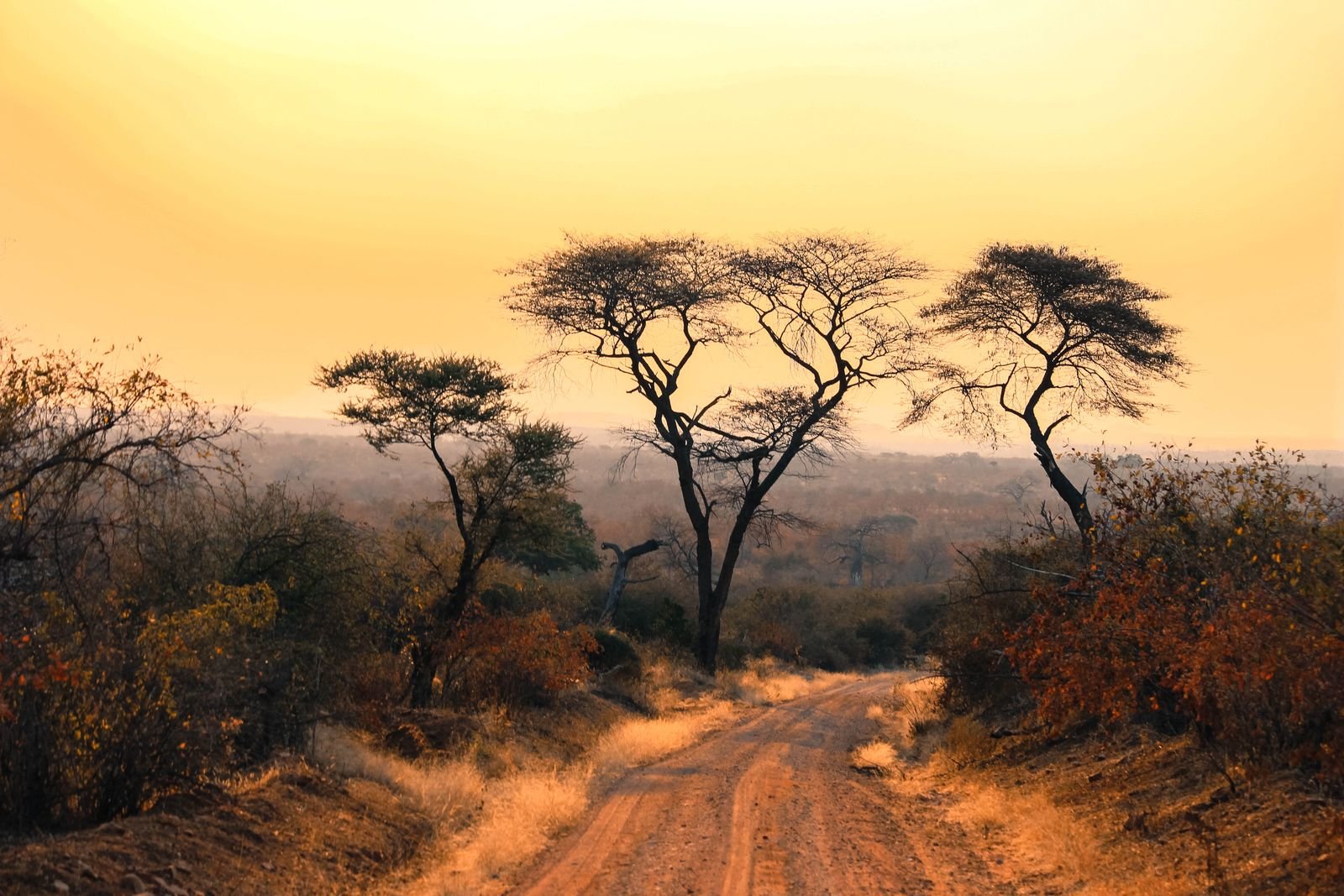
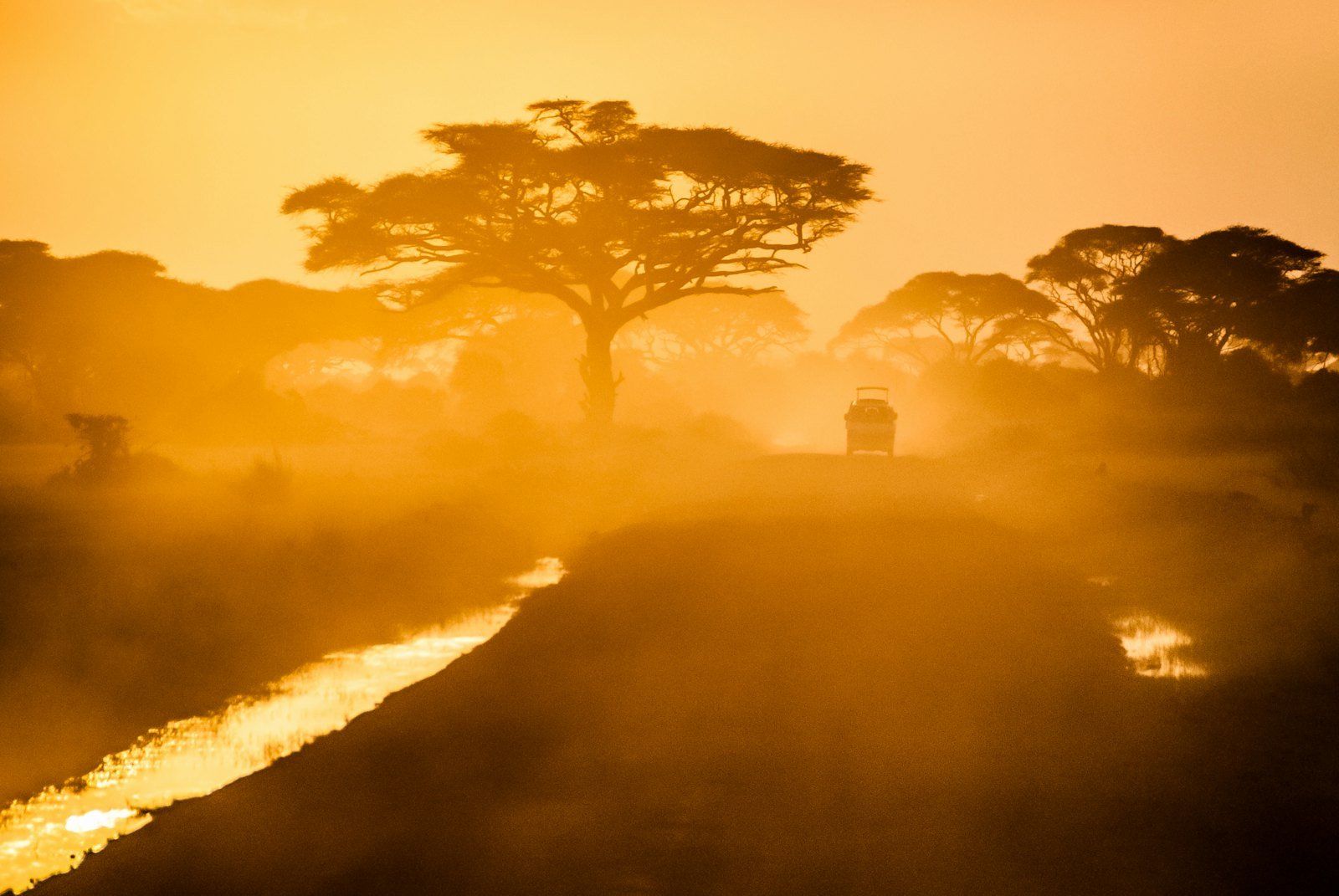
Unlike Ruaha (seasonal airstrip-dependent) or Nyerere (boat/fly-in logistics), Mikumi is accessible every single day of the year by road. The A7 Dar–Iringa highway bisects the park (a 50 km/h speed limit applies within park boundaries, and wildlife regularly crosses). Internal game-drive tracks are well-maintained gravel, passable in 2WD during the dry season (though 4WD is always recommended for off-track flexibility).
This makes Mikumi the only Southern Circuit park you can realistically self-drive — or the easiest one to reach if you're chartering a vehicle from Dar, Zanzibar (via ferry + road), or flying into nearby Morogoro.
4. Strategic Position in the Southern Circuit
Mikumi is geographically central to three bucket-list destinations:
- Ruaha National Park (5–6 hours west) — Tanzania's largest park and premier predator theatre
- Udzungwa Mountains National Park (1 hour south) — hiking, waterfalls, endemic primates
- Nyerere National Park (formerly Selous, 4–5 hours southeast) — boat safaris and walking safaris in Africa's largest protected area
A classic 7–10 day Southern Circuit loop flows beautifully: Dar → Mikumi (2 nights) → Ruaha (3 nights) → Udzungwa (1 night) → return. Or substitute Nyerere for a boat-safari finale. Mikumi anchors the itinerary without adding a domestic flight.
Wildlife You'll See in Mikumi
| Species | Likelihood | Best Viewing Season | Where to Look |
|---|---|---|---|
| Elephants | Very High | Year-round (peak dry: Jun–Oct) | Mkata floodplain, Chamgore waterhole |
| Lions | High | Year-round (easier dry season) | Open grasslands, shaded acacia groves |
| Leopards | Moderate | Early morning / late afternoon drives | Woodland edges, rocky outcrops |
| Buffalos | Very High | Dry season (Jun–Oct) — super-herds of 300+ | Mkata riverbanks, grassland edges |
| Giraffes | Very High | Year-round | Baobab woodlands, acacia thickets |
| Zebras | Very High | Year-round (huge herds dry season) | Mkata floodplain |
| Hippos | Certain | Year-round (pools never dry) | Hippo Pool viewing point |
| Wild Dogs | Rare (seasonal) | Jun–Aug (migratory from Ruaha) | Open plains (sightings opportunistic) |
| Elands / Greater Kudus | High | Year-round | Woodland-grassland transition zones |
| Birdlife (400+ species) | Certain | Oct–Apr (migrants + breeding plumage) | Waterhole edges, miombo woodlands |
Key takeaway: Mikumi delivers quantity and quality. You'll see elephants and zebras in numbers that rival the Serengeti, with far fewer vehicles and a fraction of the cost.
Best Time to Visit Mikumi National Park
Mikumi is a year-round destination, but your priorities (game concentration vs. scenery vs. birding vs. budget) will determine the sweet spot.
Dry Season: June–October (Peak Wildlife Viewing)
Why it's prime:
- Concentrated game — animals cluster around permanent water (Mkata River, Chamgore pool, Hippo Pool), making sightings predictable and abundant.
- Easier tracking — grass is short, visibility is excellent, and predators are more active during the cooler mornings/evenings.
- Comfortable weather — daytime highs of 25–30°C, negligible rain, low humidity.
- Road conditions perfect — all tracks passable, including secondary loops.
Trade-offs: July–August is high season across Tanzania, so lodges fill fast (book 4–6 months ahead). Prices peak. Dust on afternoon drives can reduce photography clarity.
Shoulder Season: November & May (The Sweet Spot)
Why it's brilliant:
- Green-season photography — fresh grass transforms the Mkata plain into an emerald carpet (November), or golden-amber tapestry (May).
- Newborns — impala, zebra, and wildebeest calving peaks in November–December; predator activity spikes as they hunt the inexperienced young.
- Fewer tourists — you'll often have sightings entirely to yourself.
- Lower rates — lodges drop to mid-season pricing (15–25% below peak).
- Birdlife explosion — migratory species arrive in November, staying through April; breeding plumage is spectacular.
Trade-offs: Short afternoon rains in November (rarely disruptive). Game is more dispersed, so sightings require patience — but when you do find animals, the backdrops are cinematic.
Green Season: December–April (Budget & Birding)
Why it's underrated:
- Lowest prices — lodges offer 30–40% discounts; some run "stay 3, pay 2" specials.
- Dramatic skies — towering thunderheads and post-rain light create epic photography conditions.
- Lush landscapes — the park is at its most beautiful (if you don't mind occasional mud).
- Birding paradise — European migrants, Abdim's storks, carmine bee-eaters, and breeding weavers.
Trade-offs: Afternoon thunderstorms (usually 1–2 hours, clearing by evening). Some secondary tracks may close temporarily after heavy rain (main circuits remain open). Wildlife is harder to spot in thick vegetation, though elephant and buffalo herds are still visible daily.
Our recommendation: First-time safari-goers should target July–September for guaranteed big-game drama. Repeat visitors or photographers should explore November or May for cinematic light and solitude. Budget travellers win huge in February–March.
Where to Stay: Mikumi's Best Safari Lodges & Camps
Accommodation in Mikumi ranges from intimate tented camps inside the park to comfortable lodges just outside the boundary. Unlike the Northern Circuit (where Serengeti luxury can hit $1,500/night), Mikumi's top-tier properties rarely exceed $400–500 per person per night — exceptional value for full-board, game drives, and the Southern Circuit's wild authenticity.
Inside the Park (Immersive Bush Experience)
Vuma Hills Tented Camp ★★★★
Location: Eastern edge of Mkata floodplain, overlooking the plains
Style: 16 luxury safari tents (family units available) with en-suite bathrooms, verandas, eco-chic décor
Highlights: The only lodge with direct floodplain views from your tent. Walking safaris with armed ranger. Swimming pool. Sundowner platform. Generator power (solar-backed). Outstanding guiding team.
Best for: Couples, honeymooners, serious wildlife photographers seeking golden-hour access without driving.
Approximate cost: $350–450 pp/night (full-board, 2 game drives daily)
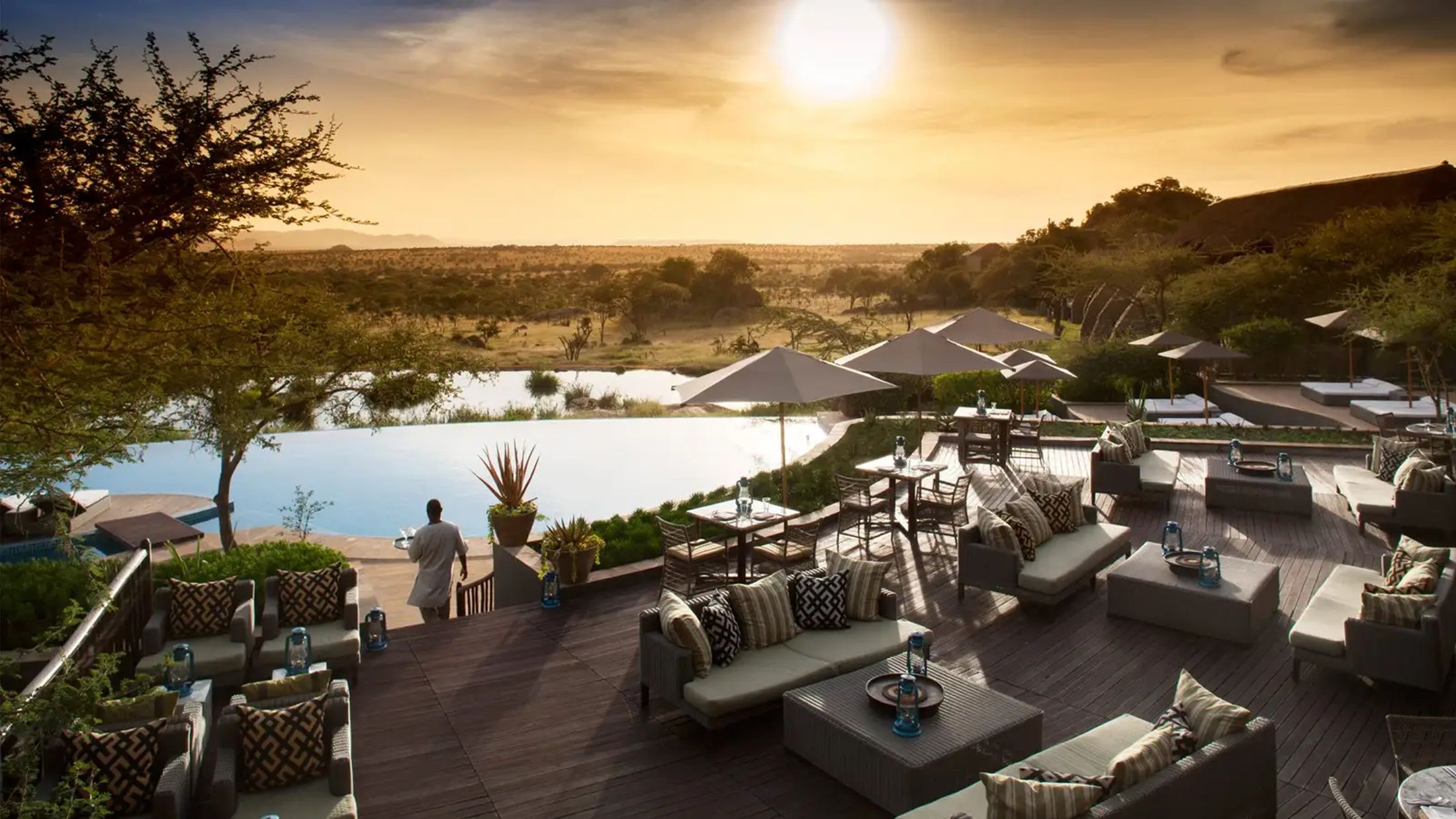
Stanley's Kopje Camp ★★★★
Location: Rocky kopje overlooking seasonal waterhole, northern sector
Style: 12 stone-and-thatch chalets with floor-to-ceiling windows, private decks, contemporary African design
Highlights: Elevated position = natural game viewing from your room (elephants at the waterhole below). Infinity pool. Excellent kitchen. Night drives (rare in Mikumi). Bush dinners under the stars.
Best for: Families (interconnecting units), small groups, anyone wanting a "lodge feel" with wilderness isolation.
Approximate cost: $320–420 pp/night (full-board, game drives included)
Just Outside the Park (Accessibility + Value)
Camp Bastian Mikumi ★★★★
Location: 2 km from the main gate, on private land adjacent to park boundary
Style: 20 tented suites (permanent structures) with rustic-luxe interiors, open-air showers, deck seating
Highlights: Walking distance to park gate (ideal for early-morning drives). Swimming pool. Cultural visits to nearby Maasai villages. Flexible meal times. Family-run warmth.
Best for: Self-drivers, road-trippers, families with teens, budget-conscious travellers seeking comfort without luxury-tier pricing.
Approximate cost: $200–280 pp/night (full-board, park fees separate)
Mikumi Wildlife Camp ★★★
Location: 5 km north of the park, en route from Morogoro
Style: 30 standard bandas (thatched cottages) with fans, mosquito nets, simple but spotless
Highlights: The most affordable Mikumi option that doesn't sacrifice cleanliness or safety. Restaurant serves hearty Tanzanian and continental meals. Campsite available for overland trucks.
Best for: Backpackers, overland tours, anyone prioritising game drives over accommodation luxury.
Approximate cost: $80–120 pp/night (full-board, park fees separate)
Booking strategy: Vuma Hills and Stanley's Kopje fill quickly (especially July–September); reserve 5–6 months ahead. Camp Bastian and Mikumi Wildlife Camp have more availability, but July–August still books out 2–3 months in advance due to European summer holidays.
Getting to Mikumi: Logistics Made Simple
By Road from Dar es Salaam (Most Popular)
Distance: 283 km (175 miles)
Drive time: 4.5–5.5 hours (depending on Dar traffic)
Route: A7 highway via Morogoro (excellent tarmac throughout)
Options:
- Private charter: Most lodges arrange airport pick-up from Dar (cost: $300–400 one-way for a 4WD with driver-guide). You depart Dar at 7–8am, stop in Morogoro for lunch (the Oasis Restaurant is a favourite), and reach Mikumi by 1–2pm for an afternoon game drive.
- Self-drive: Perfectly feasible. Rental 4WDs in Dar cost $80–120/day. Road is safe, well-signposted, and scenic (the Uluguru mountain pass is stunning). Fuel up in Morogoro (last reliable station before the park).
- Public bus: Budget travellers can take a Dar–Iringa bus (departs Ubungo terminal 6–7am daily, $10–15). Tell the conductor you're stopping at Mikumi gate. From there, arrange a lodge transfer or park taxi ($20–30 to most lodges).
By Road from Zanzibar (Via Ferry)
Total time: 6.5–7.5 hours
Route: Stone Town → Dar ferry (2 hours) → road to Mikumi (4.5 hours)
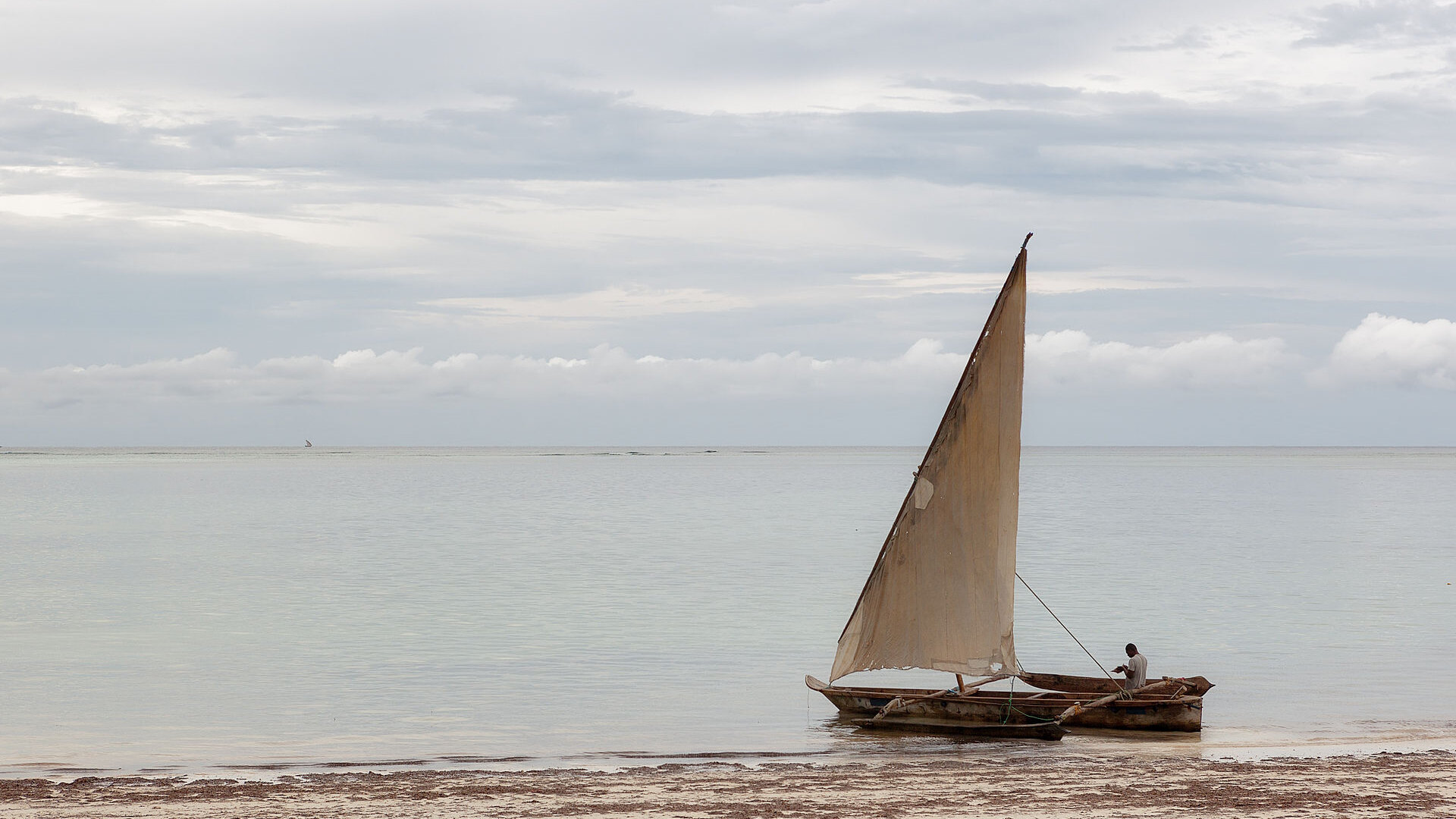
Several operators offer seamless Zanzibar-to-Mikumi packages: you board the 7am Azam Marine fast ferry in Stone Town, get met at Dar port, and transfer directly to Mikumi (lunch stop in Morogoro). This is the only Southern Circuit park realistically combinable with a Zanzibar beach stay without flying.
Our "Bush & Beach" combo: 3 nights Zanzibar → day-ferry to Dar → 2 nights Mikumi → return to Dar → fly home. Total ground cost (excluding lodges): ~$150–200 per person.
By Air (Chartered Only)
Mikumi has a small dirt airstrip inside the park (IATA: none; used by charter only). Coastal Aviation and Safari Airlink operate on-demand charters from Dar ($250–350 per person, minimum 4 passengers, 45-minute flight). This makes sense only if you're combining Mikumi with Ruaha or Nyerere on a multi-park fly-in itinerary. For standalone Mikumi visits, the road is cheaper, more flexible, and scenically rewarding.
Planning Your Mikumi Safari: Practical Details
Park Fees (2026 Rates)
| Category | Fee (24 hours) |
|---|---|
| Adult (16+ years) | $30 USD |
| Child (5–15 years) | $10 USD |
| Vehicle (non-Tanzanian registered) | $40 USD |
| Guide fee (if using local guide) | $20 USD/day |
| Camping (public sites) | $30 USD pp/night |
Payment: Cash USD (crisp notes post-2013) or Tanzanian shillings. Credit cards not accepted at gate (though some lodges can pre-pay on your behalf). Park fees are valid for 24 hours from entry time.
What to Pack
- Binoculars — essential for distant sightings on the floodplain
- Neutral clothing — khaki, olive, beige (avoid bright colours; black/dark blue attract tsetse flies)
- Layers — mornings (6–8am) can be cool (15–18°C), afternoons hot (28–32°C)
- Sun protection — hat, SPF 50+, sunglasses (UV reflection off grasslands is intense)
- Insect repellent — DEET 30%+ for tsetse flies (present but not overwhelming)
- Camera gear — telephoto lens (300mm+ ideal); dust-proof bag; extra batteries (no charging on game drives)
- Reusable water bottle — lodges provide filtered water; single-use plastics banned in Tanzanian parks
Health & Safety
Malaria: Mikumi is a moderate-risk zone (lower than Nyerere, higher than Arusha). Prophylaxis (Malarone, doxycycline, or Atovaquone-Proguanil) is recommended. Sleep under mosquito nets (all lodges provide them). Avoid dusk/dawn exposure when mosquitoes are most active.
Vaccinations: Yellow fever certificate required if arriving from endemic countries (Kenya, Uganda, Rwanda, DRC). Hepatitis A, typhoid, and tetanus boosters are sensible.
Altitude: 550 metres above sea level — no acclimatisation issues.
Wildlife safety: Never exit your vehicle except at designated picnic sites and lodges. Elephants and buffalos are habituated to vehicles but not to humans on foot. Follow your guide's instructions without exception.
Mobile Connectivity
Vodacom and Airtel have intermittent 3G coverage near the main gate and Morogoro highway corridor. Inside the park, expect no signal (which is exactly what a safari should be). Lodges offer WiFi in communal areas (speeds are slow but functional for WhatsApp and emails).
Combining Mikumi with the Southern Circuit
Mikumi's strategic location makes it the anchor point for Tanzania's greatest wilderness circuit. Here's how to thread it into unforgettable multi-park itineraries:
Classic Southern Circuit Loop (8–10 Days)
Day 1–2: Dar es Salaam → Mikumi (2 nights) — acclimatise to bush rhythms, tick off elephants/lions/giraffes
Day 3–5: Drive to Ruaha (3 nights, 5–6 hours) — Tanzania's premier predator park; wild dogs, cheetahs, 10,000+ elephants
Day 6–7: Drive to Udzungwa Mountains (1–2 nights, 3 hours from Ruaha) — hiking, Sanje Waterfalls, red colobus monkeys
Day 8: Return to Dar via Mikumi (optional overnight) or direct (6 hours)
Why it works: Ruaha delivers the "big wow" wildlife spectacle. Udzungwa provides active hiking relief from vehicle-based safaris. Mikumi bookends the trip with easy logistics.
Nyerere–Mikumi Road Safari (5–6 Days)
Day 1–3: Dar → Nyerere National Park (boat safaris, walking safaris, riverine game viewing)
Day 4–5: Drive north to Mikumi (2 nights) — contrast Nyerere's rivers with Mikumi's open plains
Day 6: Return to Dar
Why it works: Nyerere and Mikumi share the same ecosystem but offer completely different safari experiences (water-based vs. land-based).
Bush-and-Beach Quickie (5 Days)
Day 1–2: Dar → Mikumi (2 nights safari)
Day 3: Drive to Dar, afternoon ferry to Zanzibar
Day 4–5: Zanzibar beaches (Nungwi, Paje, or Matemwe)
Why it works: You get authentic bush and Indian Ocean bliss without needing internal flights or a 10-day commitment. Perfect for time-pressed travellers or honeymooners on moderate budgets.
What a Mikumi Safari Actually Costs
Mikumi is 30–50% cheaper than Northern Circuit equivalents (Serengeti, Ngorongoro) — one of its greatest selling points. Here's a realistic budget breakdown for a 3-day/2-night safari:
Budget Tier ($600–900 per person total)
- Accommodation: Mikumi Wildlife Camp or camping ($80–120/night full-board)
- Transport: Public bus to park gate + local guide/vehicle hire ($150 total)
- Park fees: $60 (2 days × $30/day)
- Game drives: Shared vehicle with lodge ($40–60 per drive)
Total: ~$600–900 (depending on group size, camping vs. bandas)
Mid-Range Tier ($1,200–1,800 per person total)
- Accommodation: Camp Bastian ($200–280/night full-board)
- Transport: Private 4WD charter from Dar (shared cost if 4 pax: $100 pp one-way)
- Park fees: $60
- Game drives: Included with lodge (2 per day)
Total: ~$1,200–1,600
Luxury Tier ($2,200–3,000 per person total)
- Accommodation: Vuma Hills or Stanley's Kopje ($350–450/night full-board)
- Transport: Private charter from Dar ($350 one-way, $700 return)
- Park fees: $60
- Game drives: Included (private vehicle, expert guide)
- Extras: Bush dinners, sundowners, walking safaris ($100–200 total)
Total: ~$2,200–3,000
Key insight: Even at the luxury tier, Mikumi costs half what you'd pay for equivalent Serengeti camps (which start at $800–1,200/night). You're trading brand-name prestige for authentic wilderness and far better value.
Mikumi vs. the Competition: How It Stacks Up
| Factor | Mikumi | Serengeti | Ruaha | Nyerere |
|---|---|---|---|---|
| Road access from Dar | 4.5 hours (easy) | Fly-in only (12+ hours road) | 10 hours (tough) | 5 hours (rough tracks) |
| Wildlife density | High (7/10) | Very High (10/10) | High (8/10) | Moderate (6/10) |
| Big Five present | 4/5 (no rhino) | 5/5 | 4/5 (no rhino) | 4/5 (no rhino) |
| Avg. luxury lodge cost/night | $350–450 | $800–1,500 | $600–900 | $500–800 |
| Crowds | Low (2–5 vehicles max at sightings) | High (10–30 vehicles common) | Very Low (often solo sightings) | Low |
| Best for first-timers? | Yes (ease + value) | Yes (iconic status) | No (remote, costly logistics) | No (boat safaris niche appeal) |
The verdict: Mikumi can't match the Serengeti's migration spectacle or Ruaha's predator density — but for accessibility, value, and authentic wilderness with minimal logistics friction, it's unbeaten in Tanzania.
FAQs: Mikumi National Park Safari
Is Mikumi National Park worth visiting?
Absolutely — especially if you value accessibility, authentic wildlife, and value. Mikumi delivers Big Five-minus-rhino game viewing (elephants, lions, leopards, buffalos, plus giraffes, zebras, and hippos) just 4–5 hours by road from Dar es Salaam, with none of the Serengeti's crowds or costs. It's Tanzania's most underrated safari park.
How many days do you need in Mikumi?
2 nights / 3 days is the sweet spot. Day 1: arrive lunchtime, afternoon game drive. Day 2: full-day exploration (sunrise drive, midday at lodge, sunset drive). Day 3: early-morning drive, depart by 10am. This gives you 5–6 game drives — enough to see all the key species without redundancy. Single-night stays feel rushed; 3+ nights risk repetition (Mikumi's circuit is compact).
Can you self-drive Mikumi National Park?
Yes — Mikumi is the only Southern Circuit park practical for self-drive. The A7 highway to the park is excellent tarmac; internal game-drive tracks are well-maintained gravel (4WD recommended but 2WD feasible in dry season). Rent a vehicle in Dar ($80–120/day), bring a GPS or offline map (Maps.me works), and either hire a local guide at the gate ($20/day, highly recommended for species ID) or follow the marked circuit yourself. Park rules require you stay on designated tracks.
What's the best time of year to visit Mikumi?
July–September for guaranteed peak wildlife viewing (concentrated game at waterholes, dry conditions, comfortable weather). November and May for green-season photography, newborn animals, fewer tourists, and lower prices. December–April for budget travellers and birders (migratory species, dramatic skies, 30–40% lodge discounts). Mikumi is rewarding year-round — your priorities determine the best window.
Are there rhinos in Mikumi National Park?
No. Mikumi had a small black rhino population until the 1980s, but they were wiped out by poaching. The park has not reintroduced rhinos (unlike Ngorongoro or private reserves in South Africa). You'll see 4 of the Big Five here (elephant, lion, leopard, buffalo), but for rhinos, you'd need to add Ngorongoro Crater or a South African destination to your itinerary.
Can you combine Mikumi with Zanzibar?
Yes — and it's the easiest bush-and-beach combo in Tanzania. Take the morning ferry from Zanzibar to Dar (2 hours, $35–50), transfer directly to Mikumi by road (4.5 hours, arranged by your lodge or safari operator), spend 2 nights on safari, then reverse the route back to Zanzibar beaches. No flights required, total ground cost ~$150–200 per person (excluding lodges). This is the only Southern Circuit park you can realistically combine with Zanzibar without flying.
How much does a Mikumi safari cost?
For a 3-day/2-night safari: Budget tier (camping or basic bandas) = $600–900 per person total. Mid-range (comfortable tented camps) = $1,200–1,800 per person. Luxury (Vuma Hills, Stanley's Kopje) = $2,200–3,000 per person. This includes accommodation (full-board), game drives, park fees, and transport from Dar. Mikumi is 30–50% cheaper than Serengeti equivalents — exceptional value for authentic Tanzania wilderness.
What wildlife will I see in Mikumi?
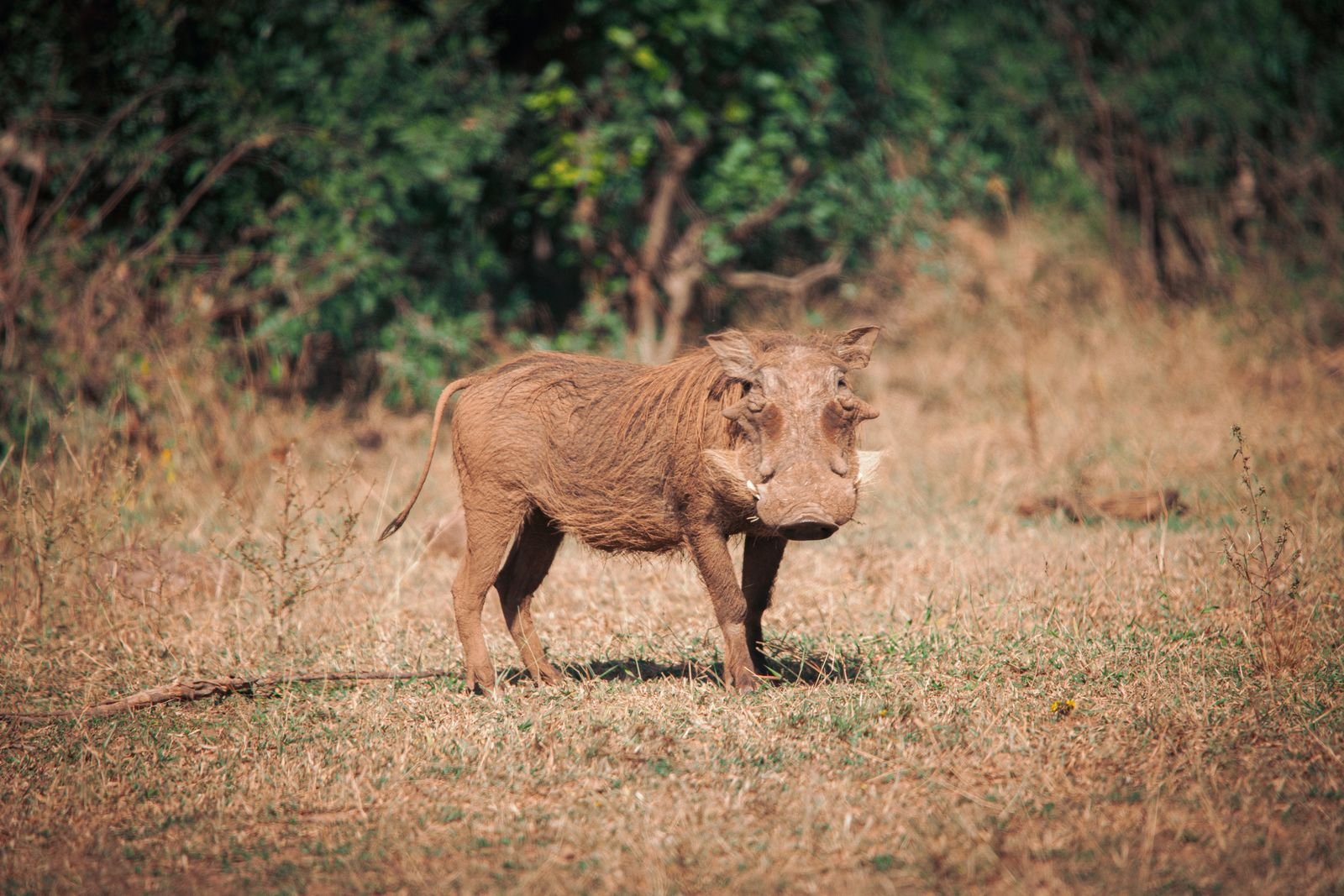
Near-certain sightings: elephants (huge herds, 50+), zebras (thousands), giraffes, hippos, buffalos, impalas, warthogs. High-probability: lions (often resting near waterholes), elands, greater kudus. Moderate: leopards (early-morning/late-afternoon drives in woodland edges), spotted hyenas, jackals. Rare but possible: African wild dogs (seasonal migrants from Ruaha, June–August). Plus 400+ bird species. Game density rivals the Serengeti in dry season, with a fraction of the tourist vehicles.
Is Mikumi better than Ruaha or Nyerere?
Different, not better. Mikumi wins on accessibility and ease (4.5-hour road trip vs. 10+ hours or fly-in for Ruaha/Nyerere). Ruaha wins on wildlife intensity (10,000+ elephants, wild dogs, cheetahs, more predator action). Nyerere wins on diversity (boat safaris, walking safaris, riverine ecosystems). The ideal Southern Circuit itinerary combines them: Mikumi for the opening act, Ruaha for the climax, Nyerere or Udzungwa for variety. First-timers or road-safari lovers should start with Mikumi.
Why Book Your Mikumi Safari with Beyond Africa Safaris
We've guided over 14,000 travellers through Tanzania's Southern Circuit since 2004 — and Mikumi remains one of our most requested (and most underrated) parks.
What sets us apart:
- Southern Circuit specialists — while most operators push Serengeti packages, we've spent two decades mastering the logistics, lodges, and wildlife rhythms of Mikumi, Ruaha, Nyerere, and Udzungwa. We know which Mikumi waterhole delivers the best elephant sightings in September. We know which Vuma Hills tents have unobstructed floodplain views. We know the Morogoro lunch stop that won't give you food poisoning.
- Seamless Zanzibar combos — our Bush & Beach Quickie (2 nights Mikumi + 3 nights Zanzibar, from $1,850 per person) is the most-booked 5-day Tanzania itinerary we offer. We coordinate ferry tickets, road transfers, park permits, and lodge bookings as a single package — zero stress on your end.
- Private guiding, always — no shared safari trucks stuffed with strangers. Your guide, your vehicle, your pace. Want to spend an extra hour watching a leopard stalk impala? Done. Want to skip the hippo pool because you saw hippos yesterday? Your call.
- Direct lodge relationships — we've worked with Vuma Hills, Stanley's Kopje, and Camp Bastian since they opened. You get preferential rates, room upgrades when available, and the assurance that if something goes sideways (vehicle breakdown, illness, travel delays), we have direct mobile numbers to fix it fast.
- Transparent pricing, zero hidden fees — our quotes include everything: park fees, conservation levies, government VAT, vehicle fuel, guide wages, lodge transfers. The price we quote is the price you pay. No "supplements" at checkout.
Ready to explore the "mini-Serengeti" the way it deserves? WhatsApp us at +27 12 662 5633, email info@privatetourscapetown.com, or browse our Southern Circuit safari packages.
Union Forever ♾️🦁⚡ More fire 🔥