Key Takeaways
- The Serengeti offers far more than game drives — balloon flights, walking safaris, cultural visits and the Great Migration all reward the traveller who slows down.
- A hot air balloon safari at sunrise is the number one Serengeti bucket-list experience and books out months ahead in peak season.
- Walking safaris with an armed ranger let you experience the wild on foot — slower, deeper and profoundly moving.
- The Great Migration moves through different regions by season, so the region you choose should follow the herds.
- Olduvai Gorge, the cradle of humankind, sits a short drive from the Serengeti and rewards anyone curious about human origins.
- Night drives are not allowed inside the national park but are spectacular in the private conservancies that ring it — choose a conservancy camp if nocturnal wildlife matters to you.
Ask most travellers what they imagine when they picture the Serengeti and they will describe a game drive — a vehicle rolling across golden grass, a lion in the shade, a cloud of dust behind a herd of wildebeest. And they are right. The game viewing here is the finest on earth. But the Serengeti offers so much more than the view from a seat, and the travellers who go home changed are almost always the ones who stepped beyond the drive. Here are the ten experiences we recommend to everyone, in the order we would do them ourselves.
1. Hot Air Balloon Safari at Sunrise
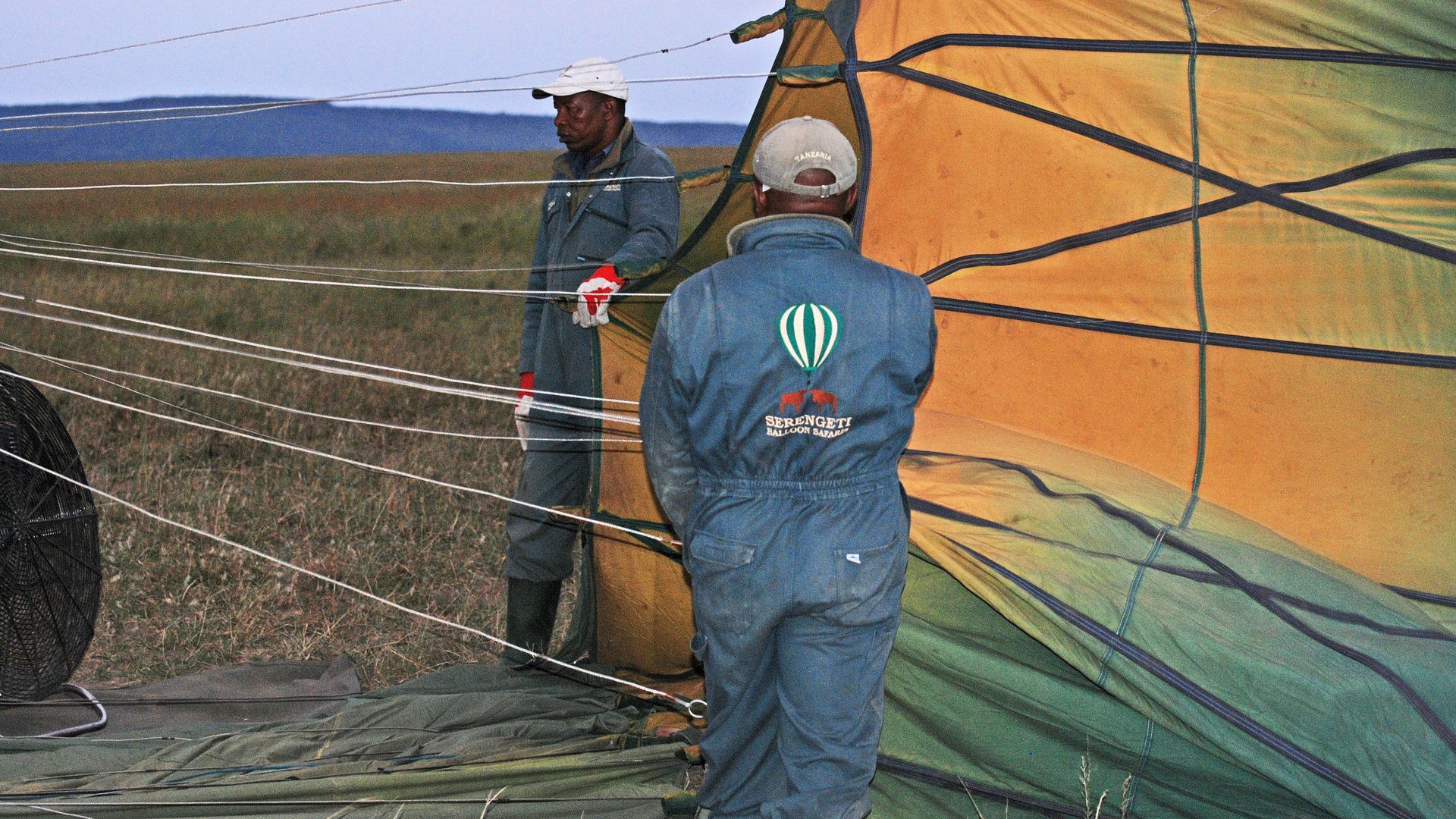
This is it. The single most magical thing the Serengeti offers. You gather before dawn at the launch site, watch the crew inflate the envelope as the sky turns from black to indigo, then climb into the basket. The burner roars. The ground falls away. And suddenly you are floating — silent, weightless, suspended above the endless plains as the sun lifts over the horizon and sets the grass alight.
Below you the Serengeti wakes. Elephants drift like shadows through the acacias, giraffe browse the treetops, and the great herds move in slow rivers across the plains. You turn gently on the wind, the only sound the occasional hiss of the burner and your pilot's calm voice. Balloons launch year-round, from the central Seronera area or the western corridor depending on the season, and cost roughly US$550 to US$650 per person. Book the moment you confirm your safari — baskets hold only twelve to sixteen guests and fill up months ahead.
2. Walking Safari with an Armed Ranger
The first time you step out of the vehicle, everything changes. The sounds are louder, the smells richer, and the sense of being in the wild rather than passing through it is immediate. You walk for two to three hours with an armed ranger and your guide, moving quietly, reading tracks, examining dung, learning the plants and the birds. It is not about distance or ticking off animals — it is about slowing down and feeling the ground beneath your feet.
Walking is permitted in certain zones, chiefly the western corridor and parts of central Seronera, and not every camp offers it, so confirm when you book. The dry season, June to October, gives the shortest grass and the clearest tracking, but a walk is worthwhile in any month.
3. Witness the Great Migration
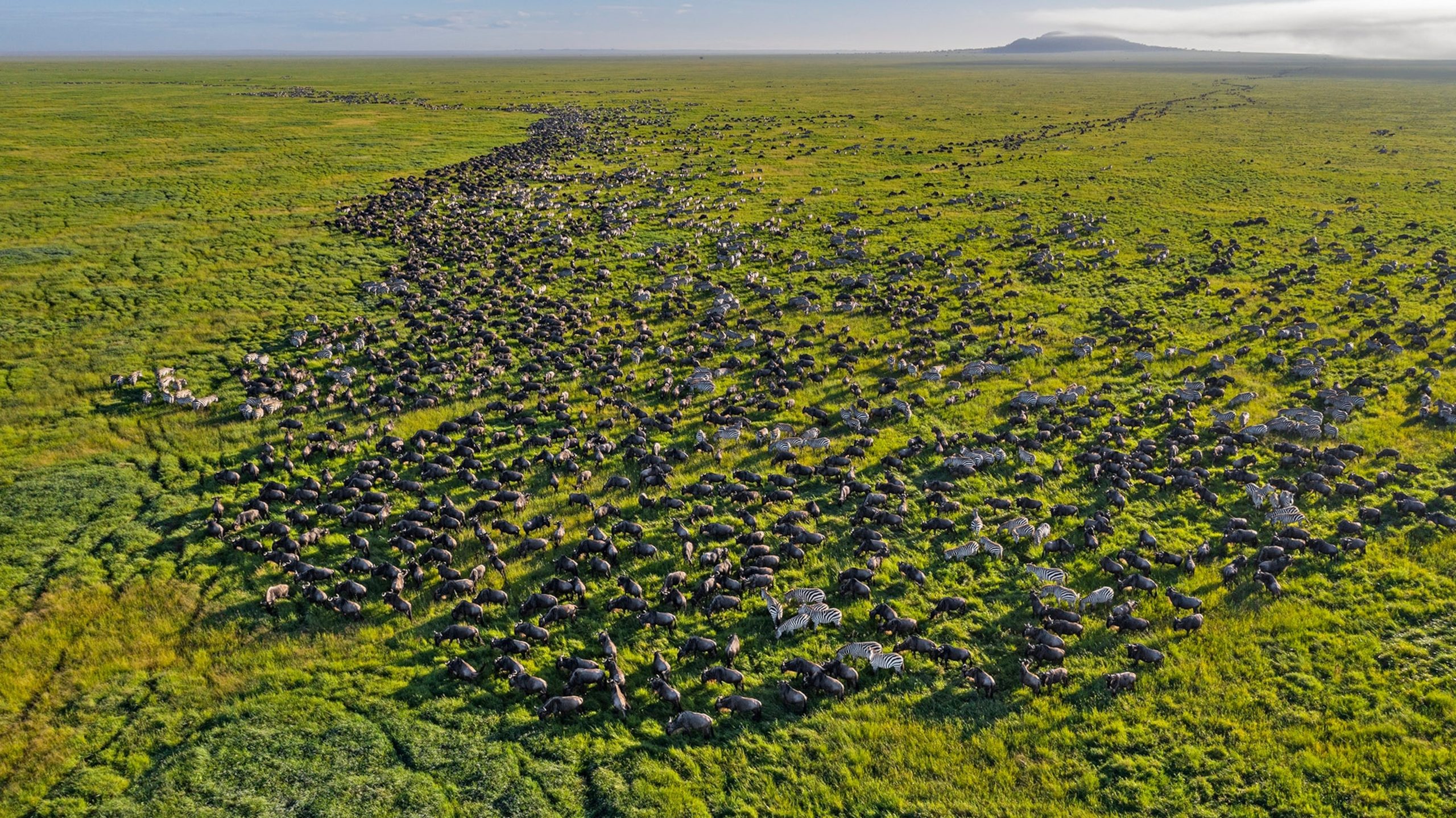
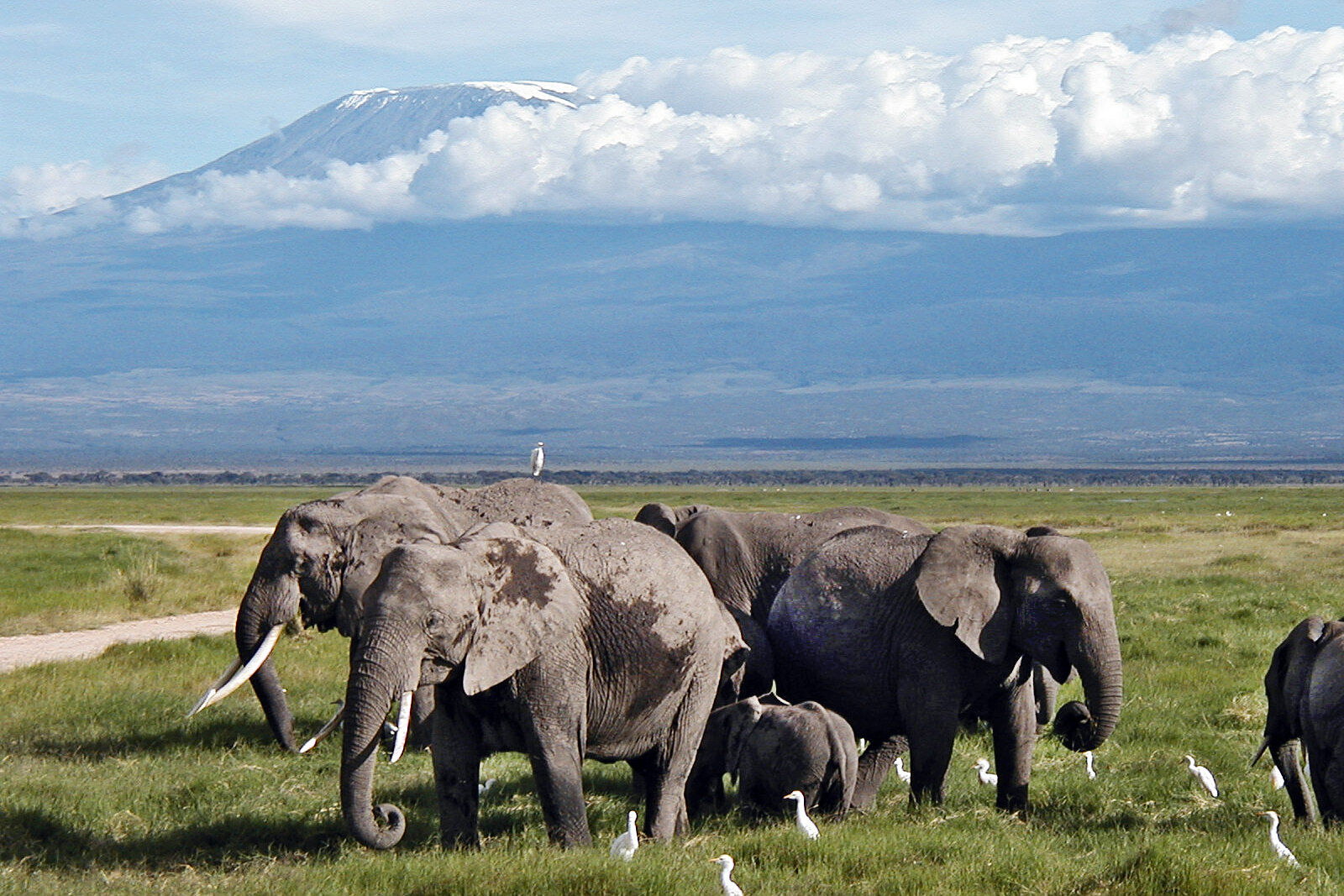
Nearly two million wildebeest, zebra and gazelle move through the Serengeti-Mara ecosystem in a great clockwise loop, following the rains and the fresh grass. It is the largest overland migration on earth, and depending on the month you can watch calving on the southern plains, thundering river crossings in the north, or long grazing columns strung across the horizon. The key is to place yourself where the herds are: the southern plains from January to March for calving, the western corridor from May to July, and the northern Serengeti and Mara River from August to October.
Our advice is simple — tell us when you can travel, and we will send you to the region where the drama is unfolding. A migration safari timed well is the closest thing to witnessing the pulse of the planet.
4. Stand in the Cradle of Humankind at Olduvai Gorge
A short drive from the Serengeti, on the road towards Ngorongoro, lies Olduvai Gorge — where Mary and Louis Leakey uncovered some of the oldest human fossils on earth. This is, quite literally, one of the places our species began. The small museum on the rim tells the story beautifully, and standing on the edge looking down into the layered rock, you feel the depth of time in a way no book can convey. Most northern-circuit safaris can fold in a stop at Olduvai en route between parks.
5. Share Tea with a Maasai Community
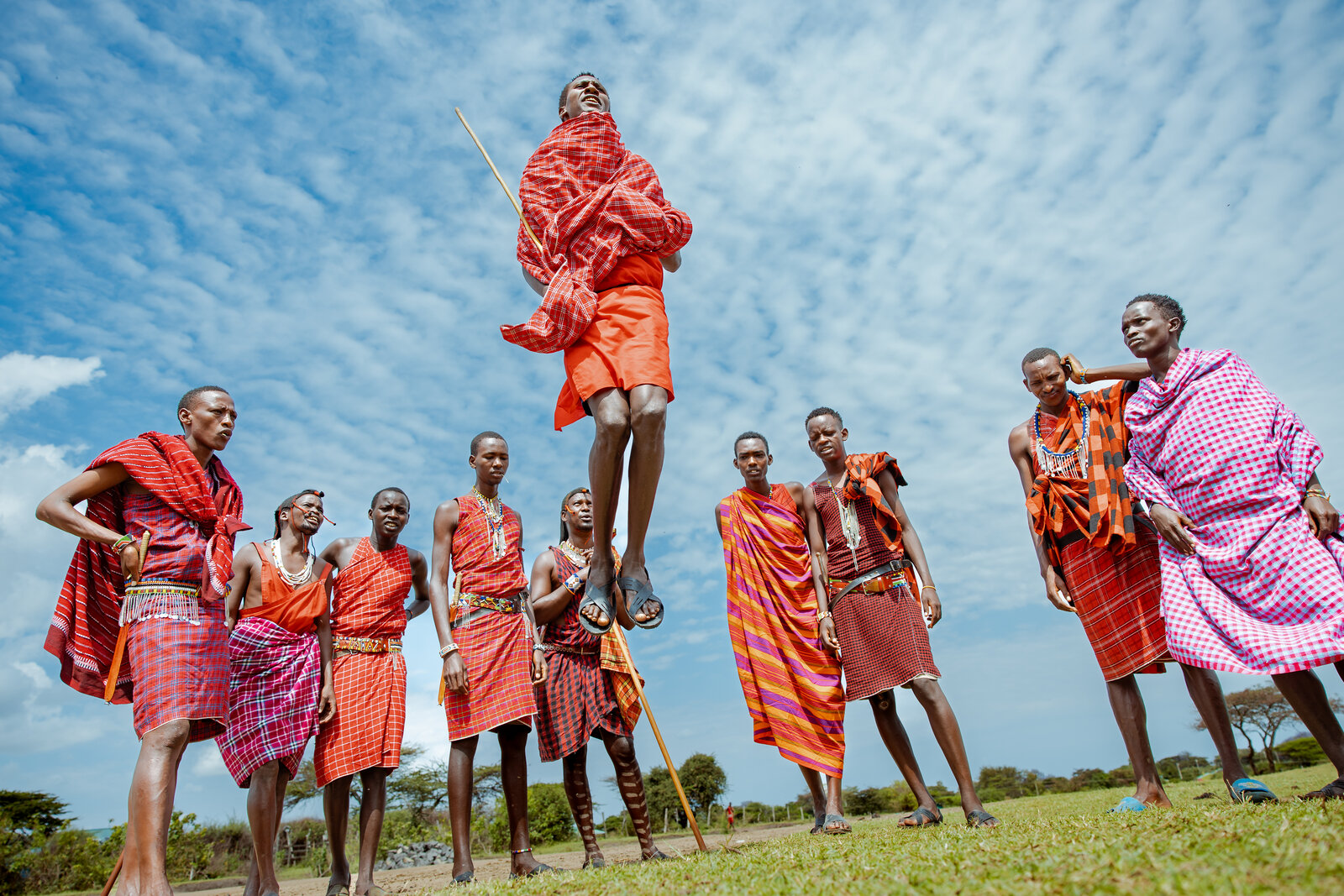
The Maasai have lived alongside this land for centuries, and a visit arranged through your camp offers a respectful, genuine window into their world. You are welcomed into a village, share tea, watch the warriors leap in the traditional adumu dance, and hear stories passed down through generations. The best visits are the ones your camp has built over years of relationship, so that your presence brings real benefit to the community. Go with curiosity and humility, and you will leave with far more than photographs.
6–10. The Rituals That Complete the Ten
The remaining five are smaller in scale but every bit as memorable:
6. Sundowners on the plains. Every evening the vehicle stops on a rise, the guide opens the cooler box, and you stand with a drink in hand as the sky burns orange and the plains fall quiet. It is the safari's daily gift.
7. Night game drives in the conservancies. Not permitted inside the national park, but spectacular in the private concessions that ring it. With a spotlight you may find leopard on the hunt, bat-eared foxes, genets and a thousand gleaming eyes you would never see by day.
8. Photographic hides and low-angle photography. Several camps now offer sunken hides at waterholes and specialist photographic vehicles — a dream for anyone serious about their images.
9. A bush breakfast or private dinner. Breakfast laid out under an acacia after your balloon flight, or a lantern-lit dinner beneath the stars, arranged by your camp for a special occasion.
10. Simply stopping. The most underrated experience of all. Ask your guide to switch off the engine beside a pride of lions and just watch — for an hour, without rushing on. The Serengeti reveals its finest moments to those who wait.
Ready to explore? Browse our safari tours and packages →