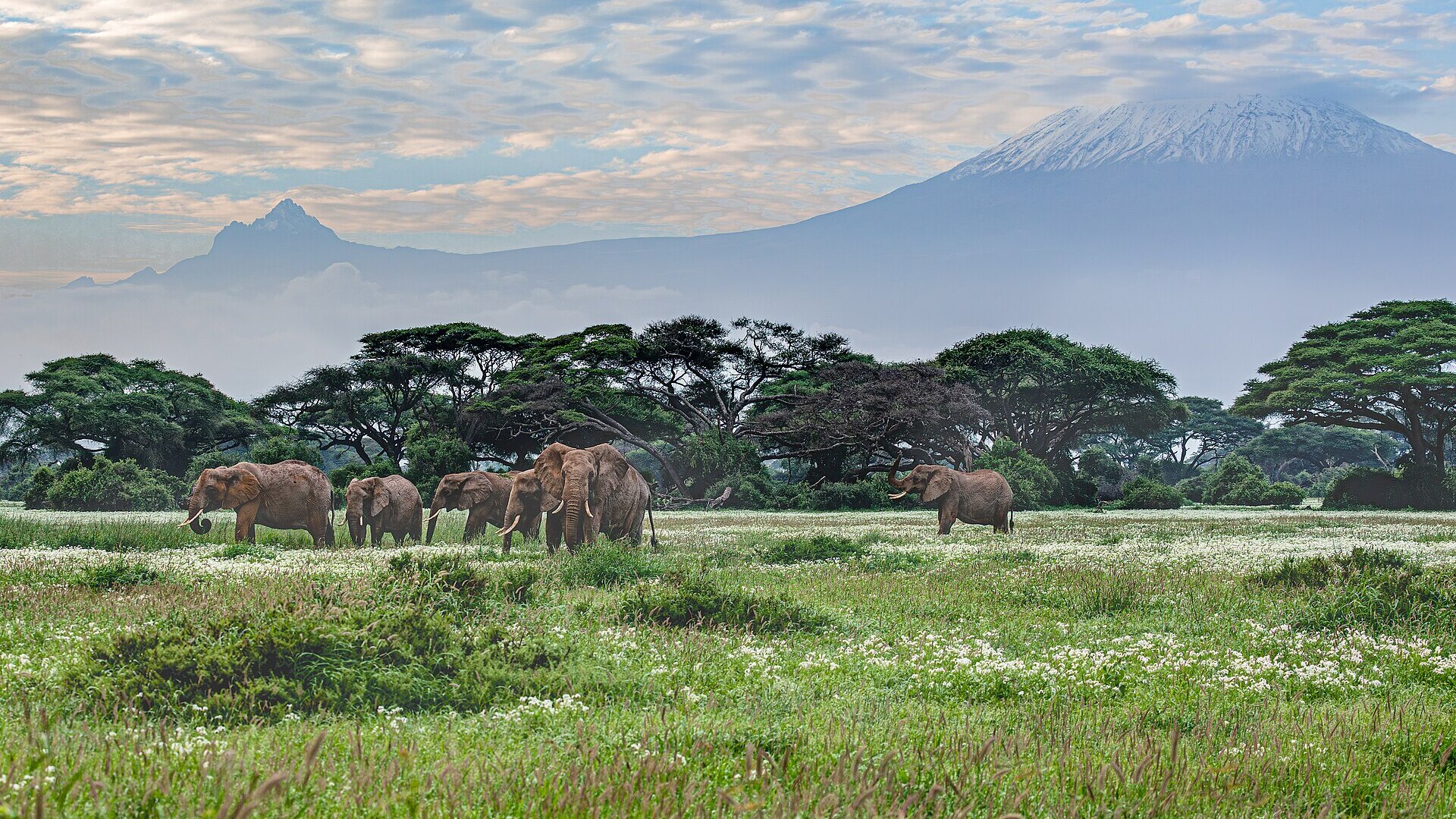
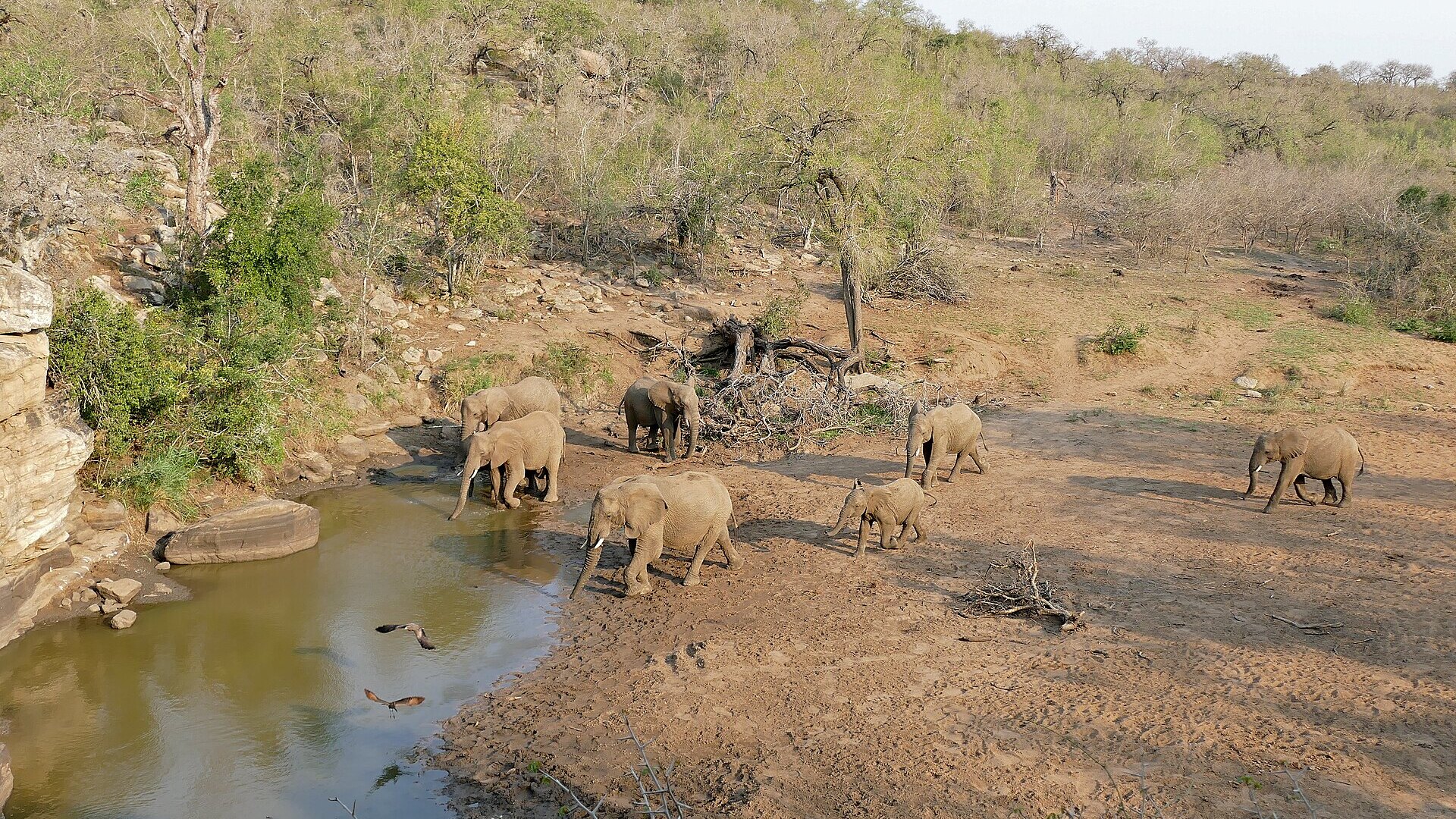
The northern Serengeti is where the Great Migration earns its reputation. Between roughly July and October, more than a million wildebeest and hundreds of thousands of zebra press up against the Mara River, hesitate on the bank, and then plunge into water patrolled by some of the largest crocodiles in Africa. It is the single most dramatic scene in the migration calendar, and the camps of the Kogatende and Lamai sectors exist to put you close to it.
The northern Serengeti — the theatre of the Mara River crossings, in the far north of Tanzania.
Quick Answer
The best northern Serengeti camp is not the most expensive one, nor the one that markets itself as "closest to the river." It is the camp whose confirmed seasonal position, guiding style, accommodation and rate inclusions match your travel dates and priorities.
Top picks by tier: Sayari Camp and Serengeti Bushtops for permanent luxury near Kogatende; Singita Mara River Tented Camp for ultra-exclusive, right on the river in Lamai; Lamai Serengeti (Nomad) for design and walking; Olakira, Ubuntu and Gnu Mara River Camp for mobile value that follows the herds. Best time: July–October. Plan three to four nights. Fly in to Kogatende Airstrip.
🦓 Planning Your Tanzania Safari?
For the complete Tanzania safari resource — expert guides, honest costs, luxury lodges, curated itineraries and everything you need to plan your trip — visit our comprehensive hub:
View Complete Tanzania Safari Hub →Why the Northern Serengeti Is the Migration's Grand Finale
The Serengeti holds the Great Migration all year — calving on the southern short-grass plains from December to March, the columns marching north-west through the central woodlands in April and May, the Grumeti River in June. The northern sector is the chapter most travellers dream of, because it stages the river crossings against the Mara. The herds do not simply wade across; they pile up in their thousands, driven by instinct and pressure from behind, until one animal commits and the rest follow in a stampede of dust, water and panic.
Two things make the north special beyond the crossings. First, it is genuinely quieter than Seronera in the centre, because the permanent camps are few and several concessions sit away from the main tracks. Second, the country itself is more varied — rolling hills, granite kopjes, riverine forest and the permanent water of the Mara — which supports strong resident populations of lion, leopard, elephant and buffalo even when the migration has moved on.
What "Northern Serengeti" Actually Means
Travellers often use "northern Serengeti" loosely. For choosing a camp it helps to be precise, because the name covers several distinct areas and not all of them front the crossing points.
- Kogatende: the main crossing sector on the eastern and southern side of the Mara River. This is the fly-in hub, served by Kogatende Airstrip, and it holds the greatest concentration of accommodation and vehicles.
- Lamai (the Lamai Wedge or Lamai Triangle): the ground on the northern bank of the Mara, between the river and the Kenyan border. It is generally quieter and more remote, reached via its own Lamai Airstrip.
- Wogakuria (also spelled Kogakuria): the hilly, kopje-strewn country a little back from the river, home to several permanent lodges.
- Lobo and the greater north-east: lovely resident-game country, but not a river-crossing base. Do not book Lobo expecting front-row crossings.
A separate distinction matters just as much: permanent lodges stay in one place all year (or for the open season), while mobile camps relocate between ecosystems — north for July to October, then south to Ndutu or Kusini for the December-to-March calving. Mobile does not mean the camp chases the herds day to day; it means the whole camp moves two or three times a year to sit in the right region for the season.
When the Mara River Crossings Happen
The consensus window is July through October, and within that, August and September are the most reliable for repeated crossing activity. Here is the honest month-by-month picture.
- June: the leading edge of the migration begins to arrive and a few mobile camps open their northern sites. Crossings are possible but not the norm.
- July: herds build in the north; the first big crossings usually start. A strong month, slightly less busy than the peak.
- August–September: the peak. The greatest numbers and the most frequent crossings, and also the busiest period for camps and vehicles.
- October: still very good, with herds beginning to drift back south as the short rains approach.
- November: a margin month — some years hold late action, most do not. Not reliable for crossings.
- December–March: the herds are in the south for calving, and most mobile camps have moved with them. Permanent northern lodges rely on resident game.
The single most important thing to understand is that crossings are wildlife behaviour, not a timetabled event. No camp can promise you a crossing on a given day. You might witness several in an afternoon, or wait three days for one. This is exactly why we recommend giving the north time rather than a single night.
Northern Serengeti Lodges at a Glance
The shortlist below gathers the properties covered in this guide, so you can compare sector, style, size and who each one suits before reading the full reviews. Rates are indicative public high-season guidance per person per night; always confirm current pricing, since inclusions differ sharply between camps.
| Camp / Lodge | Sector | Type | Rooms | Best for | Indicative high-season rate pppn |
|---|---|---|---|---|---|
| Singita Mara River Tented Camp | Lamai, on the river | Permanent | 6 suites | Ultra-exclusive riverside luxury | ~$3,220 / adult |
| Serengeti Bushtops | Wogakuria | Permanent | ~13 tents | Big tents, hot tubs, families | ~$2,160–2,600 |
| Sayari Camp (Asilia) | Kogatende | Permanent | 15 suites | Polished all-rounder, families | ~$2,250 |
| Lamai Serengeti (Nomad) | Lamai (Kogakuria Kopje) | Permanent | 12 rooms | Design lovers, private groups, walking | On request |
| Lemala Kuria Hills | Wogakuria Hills | Permanent | 15 suites | Glass-fronted design (drives extra) | from ~$1,496* |
| &Beyond Kogatende camp | Kogatende (seasonal) | Mobile | On request | Butler-serviced luxury mobile | ~$2,000–2,500+ |
| Olakira Migration Camp (Asilia) | Bolongonja (seasonal) | Mobile | ~9–10 tents | Star-bed romance, value luxury | ~$1,490–1,550 |
| Ubuntu Migration Camp (Asilia) | Lamai Wedge (seasonal) | Mobile | 10 tents | Comfortable mobile, families | On request |
| Serengeti Safari Camp (Nomad) | Wogakuria (seasonal) | Mobile | 6 tents | Traditional mobile purists | On request |
| Gnu Mara River Camp | Kogatende (seasonal) | Mobile | 10 tents | Value pick, honest comfort | from ~$286* |
| Mara Mara Tented Lodge | Kogatende | Permanent | ~16–20 tents | Family space, mid-range value | ~$714–724 |
*Rates marked with an asterisk exclude game drives, airstrip transfers and/or park and concession fees, so they are not directly comparable to all-inclusive camps. See the rate section below.
Kogatende vs Lamai — Which Sector Should You Choose?
Both sectors sit on the Mara River and both deliver crossings, so the choice is one of degree rather than a right-or-wrong decision.
Kogatende is the practical, well-connected choice. It has the main airstrip, the widest range of camps and the shortest transfers to the busiest crossing points. That access is also why it draws the most vehicles at peak times. If you want reliable logistics, plenty of accommodation choice and to be near the classic crossing sites, Kogatende works well.
Lamai, on the northern bank, feels more remote and generally sees fewer vehicles. It suits travellers who value a sense of seclusion and are happy to fly into the smaller Lamai Airstrip. The crossings are every bit as good; you are simply watching from the quieter side. For a first northern trip we often base guests in Kogatende for convenience, and for a returning or exclusivity-minded guest we lean towards Lamai.
The Best Permanent Lodges in the Northern Serengeti
Permanent lodges are the right choice if you want a fixed, fully built property with pools, spas and solid infrastructure, and if your dates fall inside their open season. Here are the strongest.
Sayari Camp (Asilia)
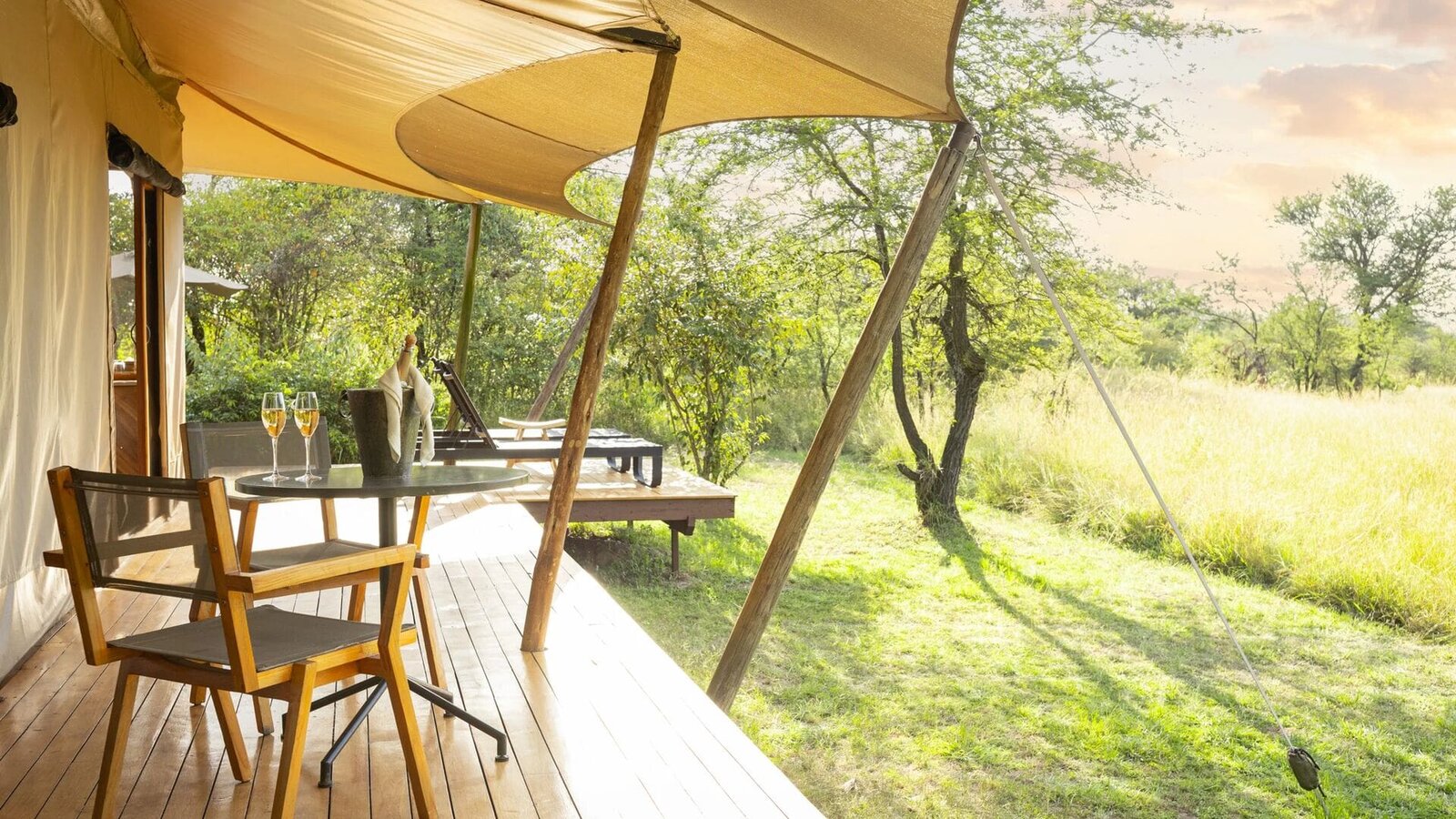
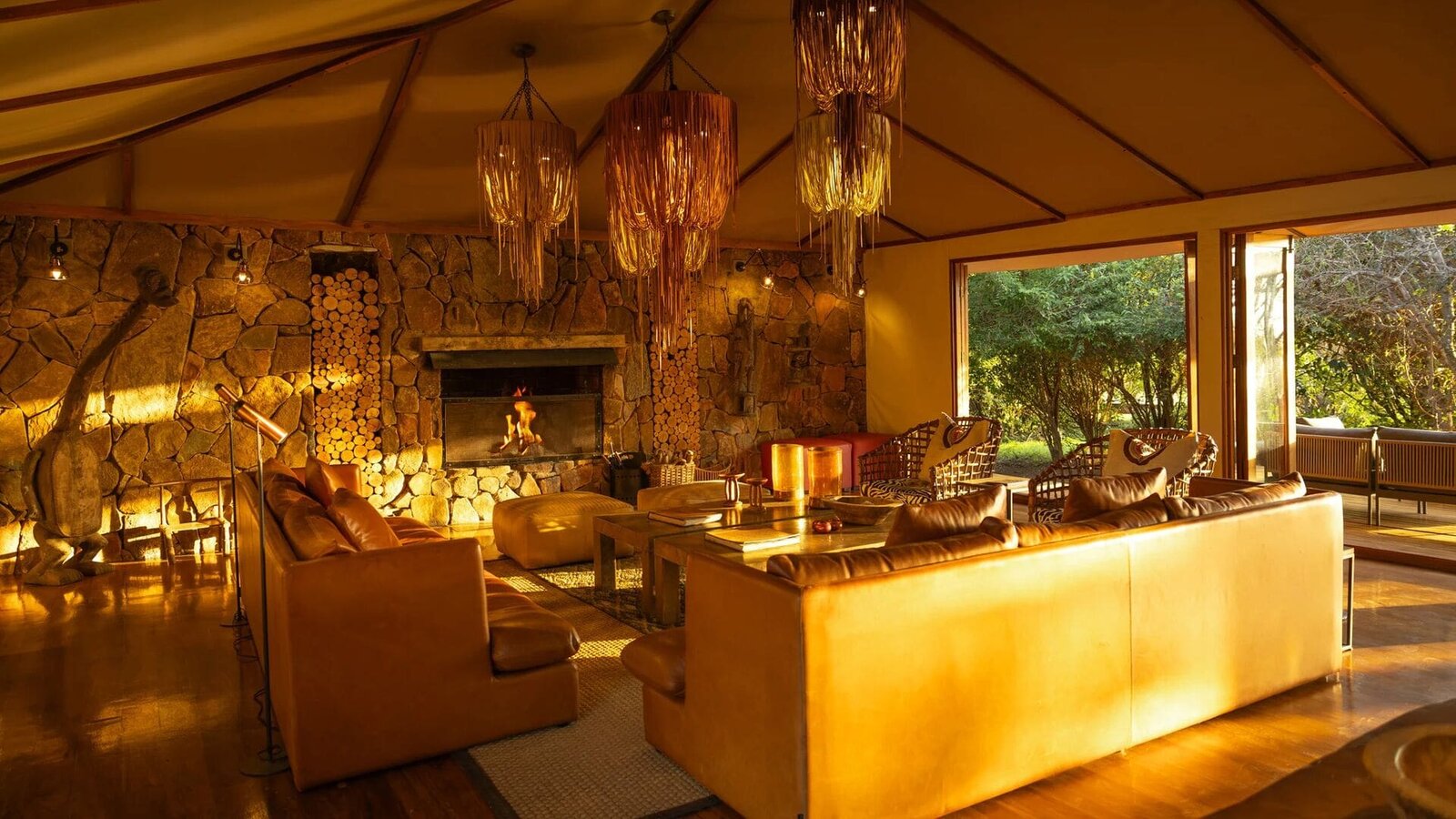
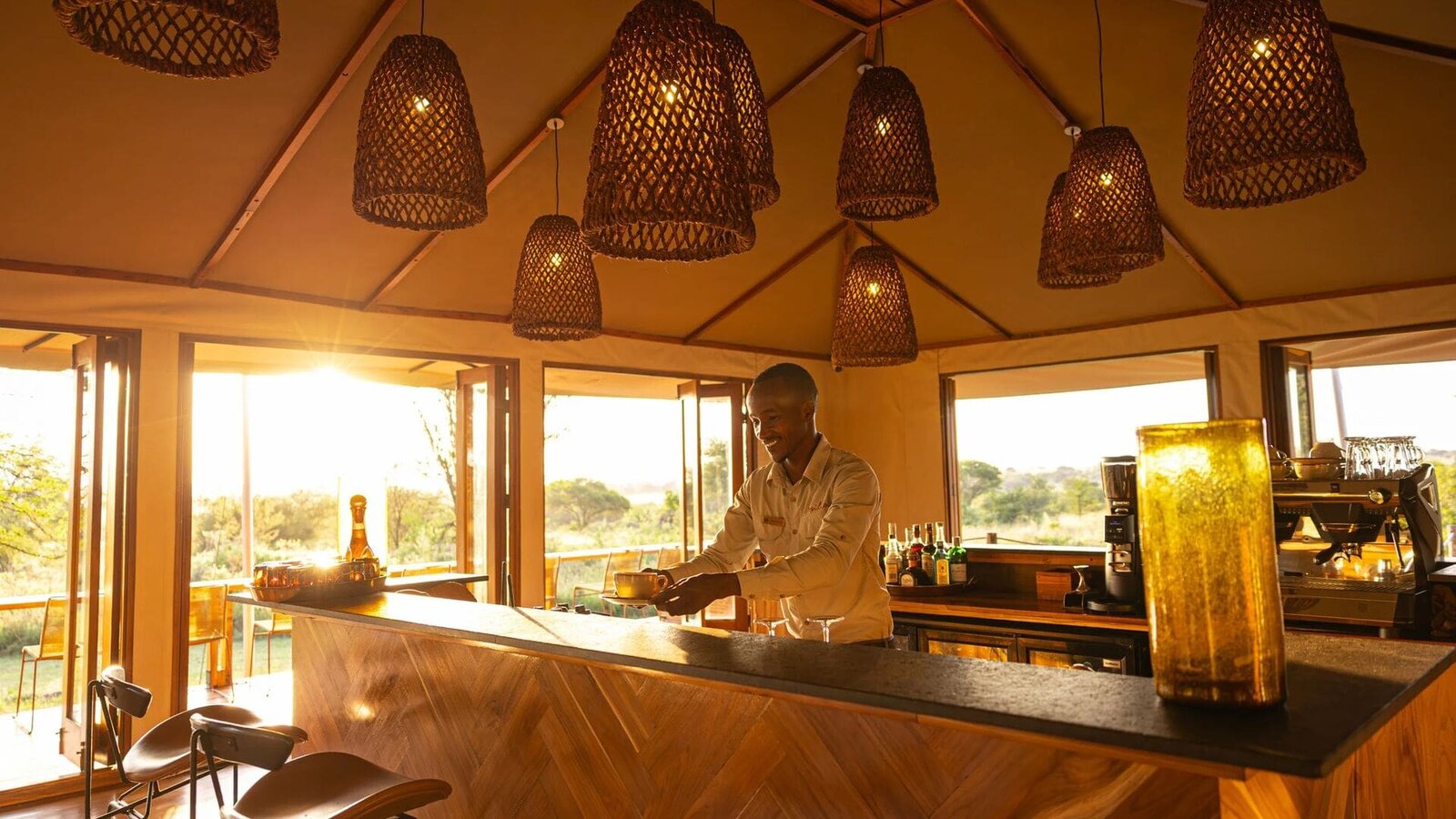
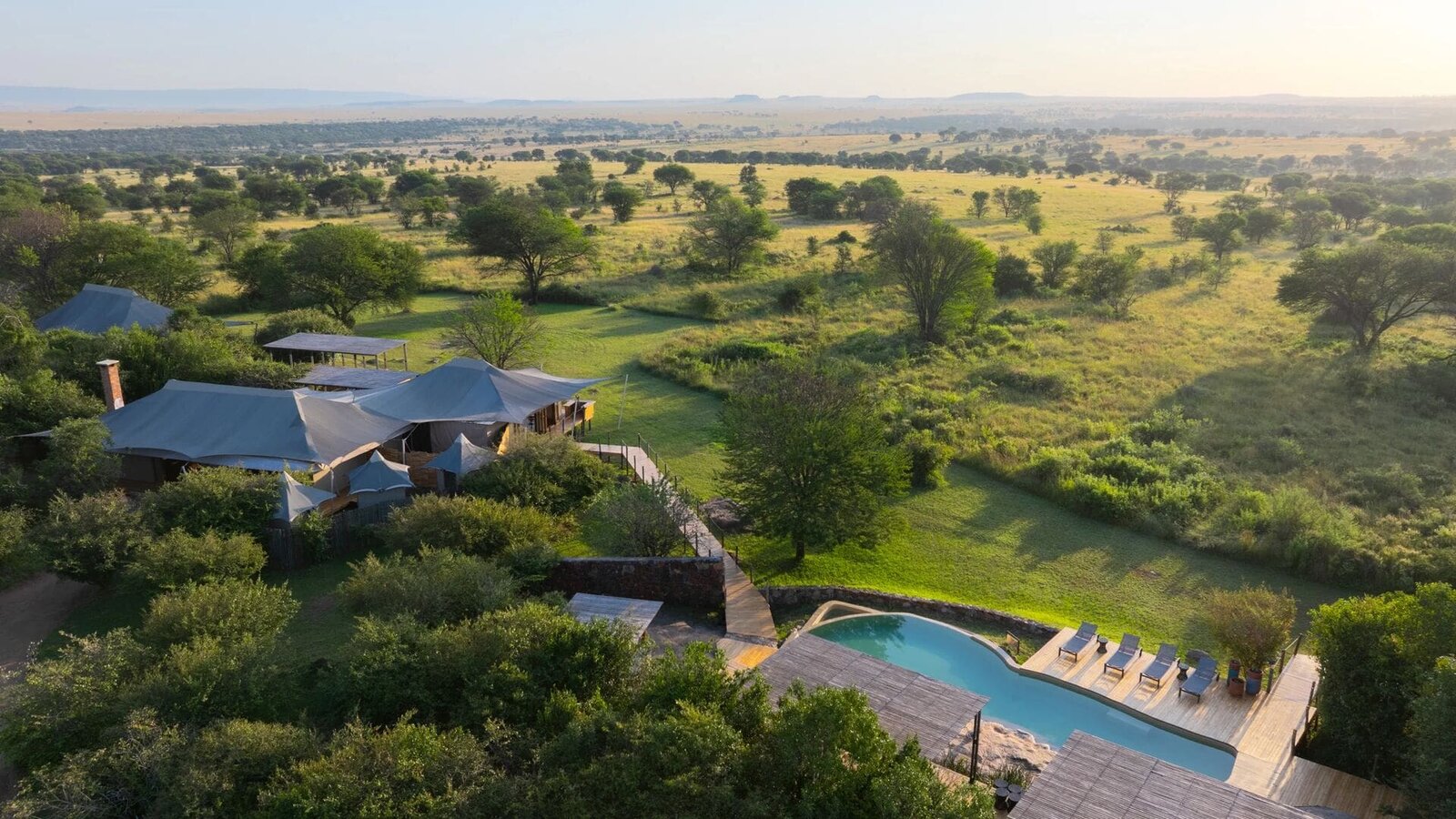
Sayari is the polished all-rounder of the Kogatende side, and for many guests the safest single recommendation in the north. It has 15 elevated tented suites about 20 minutes from Kogatende Airstrip, with a rim-flow pool, spa, library and even a small solar-powered microbrewery. Children aged five and over are welcome, and there are family units and larger Retreat suites for groups. Guiding is excellent and the camp is close to several reliable crossing points.
Indicative 2026 rates run from around $1,030 per person per night in the Secret Season to roughly $2,250 in High Season, full board, including house drinks, limited laundry, scheduled game drives and airstrip transfers. Sayari is open from June to March and closed in April and May. Best for: travellers who want dependable luxury, strong guiding and family flexibility without going ultra-premium.
Serengeti Bushtops
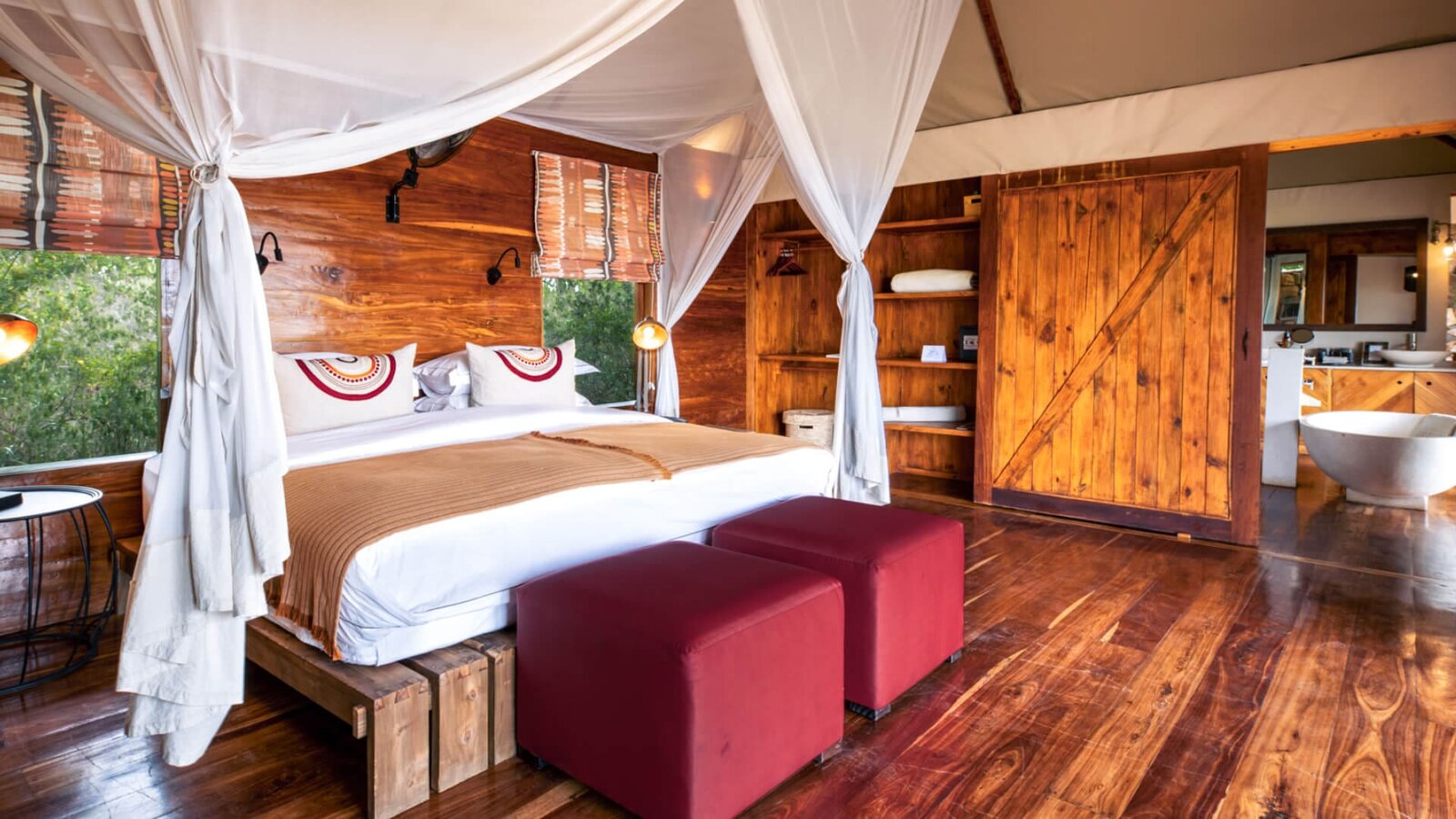
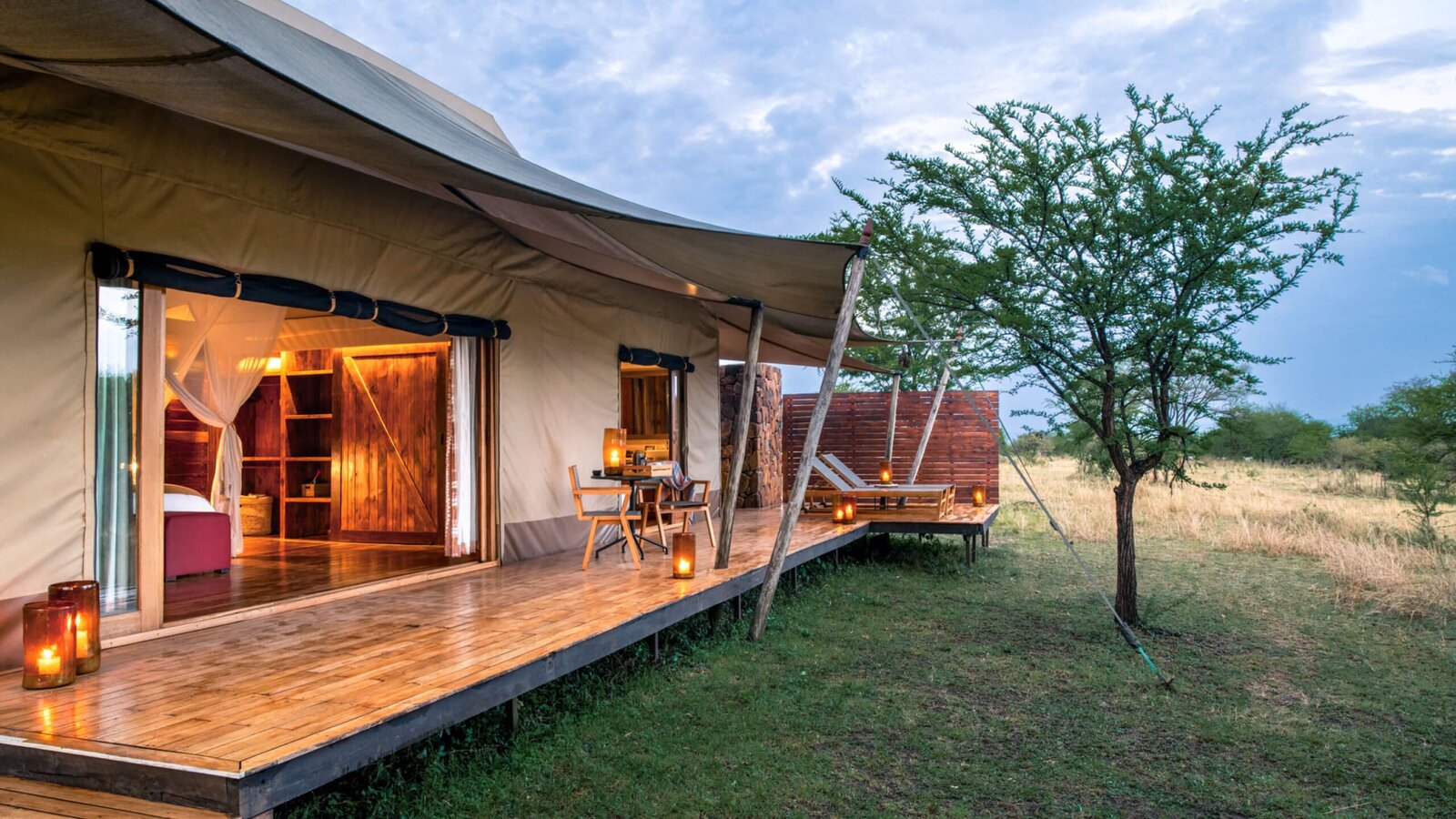
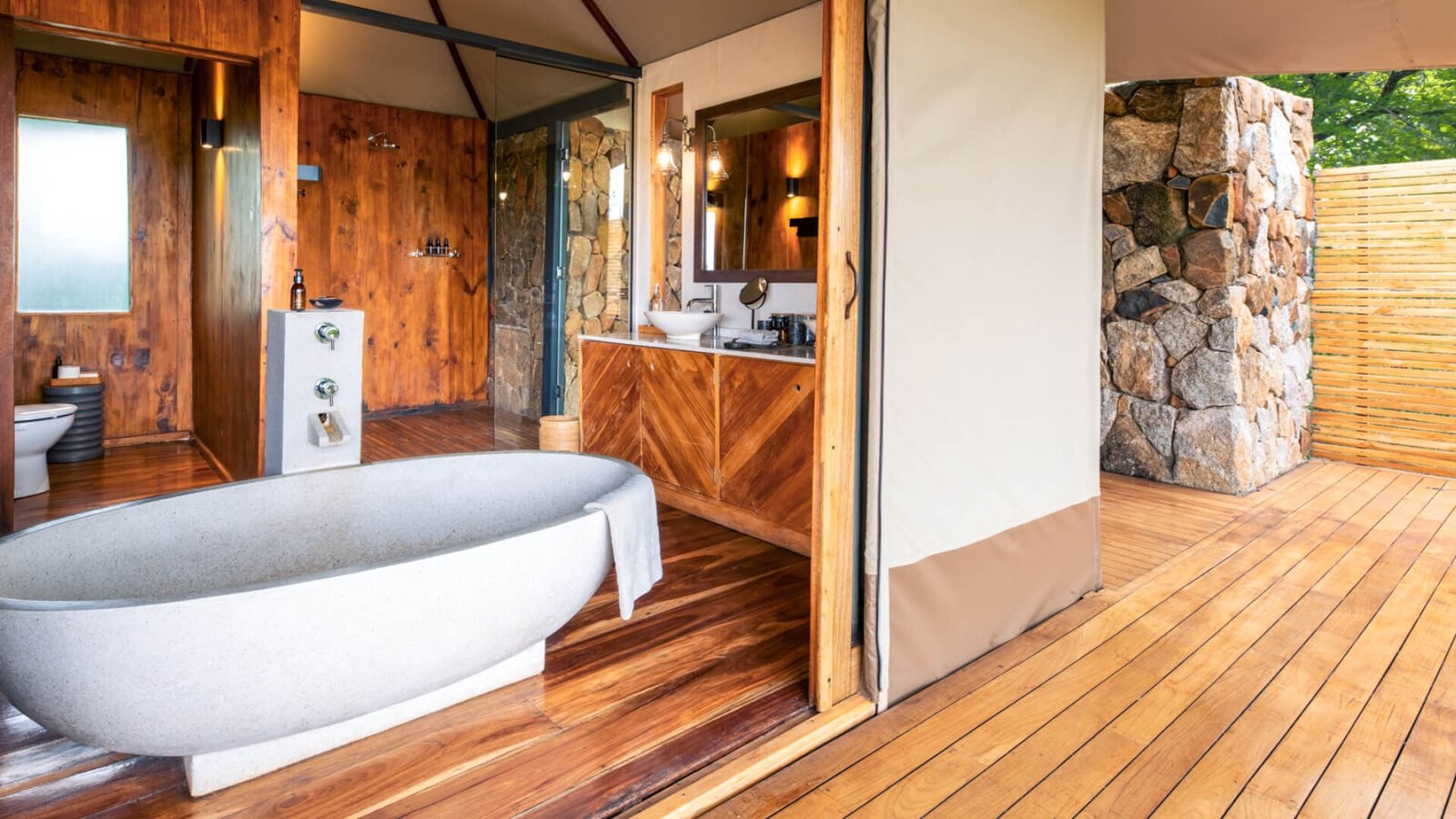
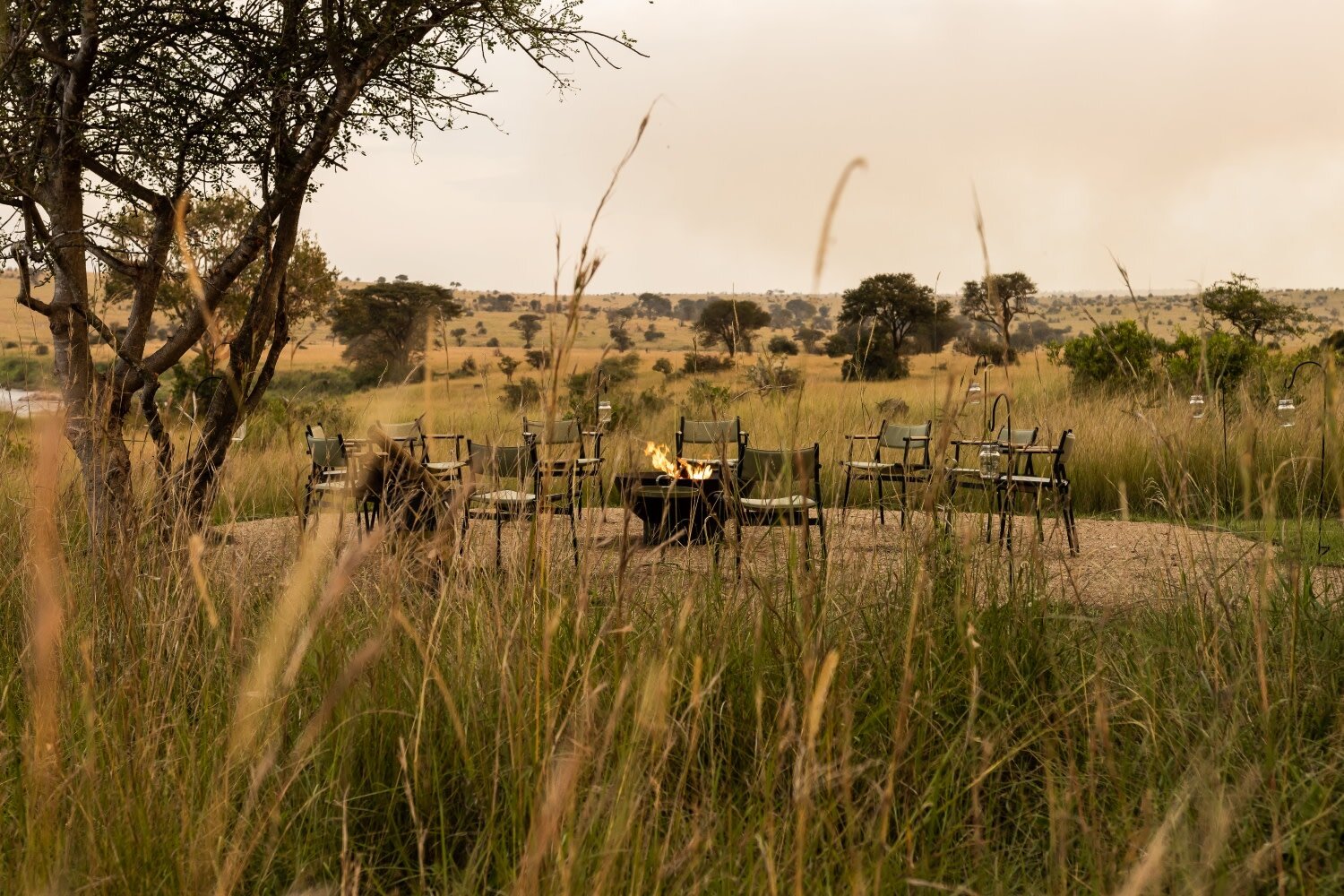
Bushtops trades on space and comfort. Its roughly 13 very large elevated tents in the Wogakuria area come with private hot tubs, and the camp adds 24-hour butler service, a pool, a fire pit and a spa. Its signature 6x6 "Beest" game vehicle is a talking point, and linked family configurations make it a genuine option for households. It peaks from July to November and sits back from the river among the hills rather than right on it.
Indicative rates are around $2,160–2,600 per person per night in high season and roughly $1,090–1,200 in mid season, best confirmed on request. Best for: couples and families who prize big, comfortable tents with hot tubs and attentive service over being right on the water.
Lamai Serengeti (Nomad Tanzania)
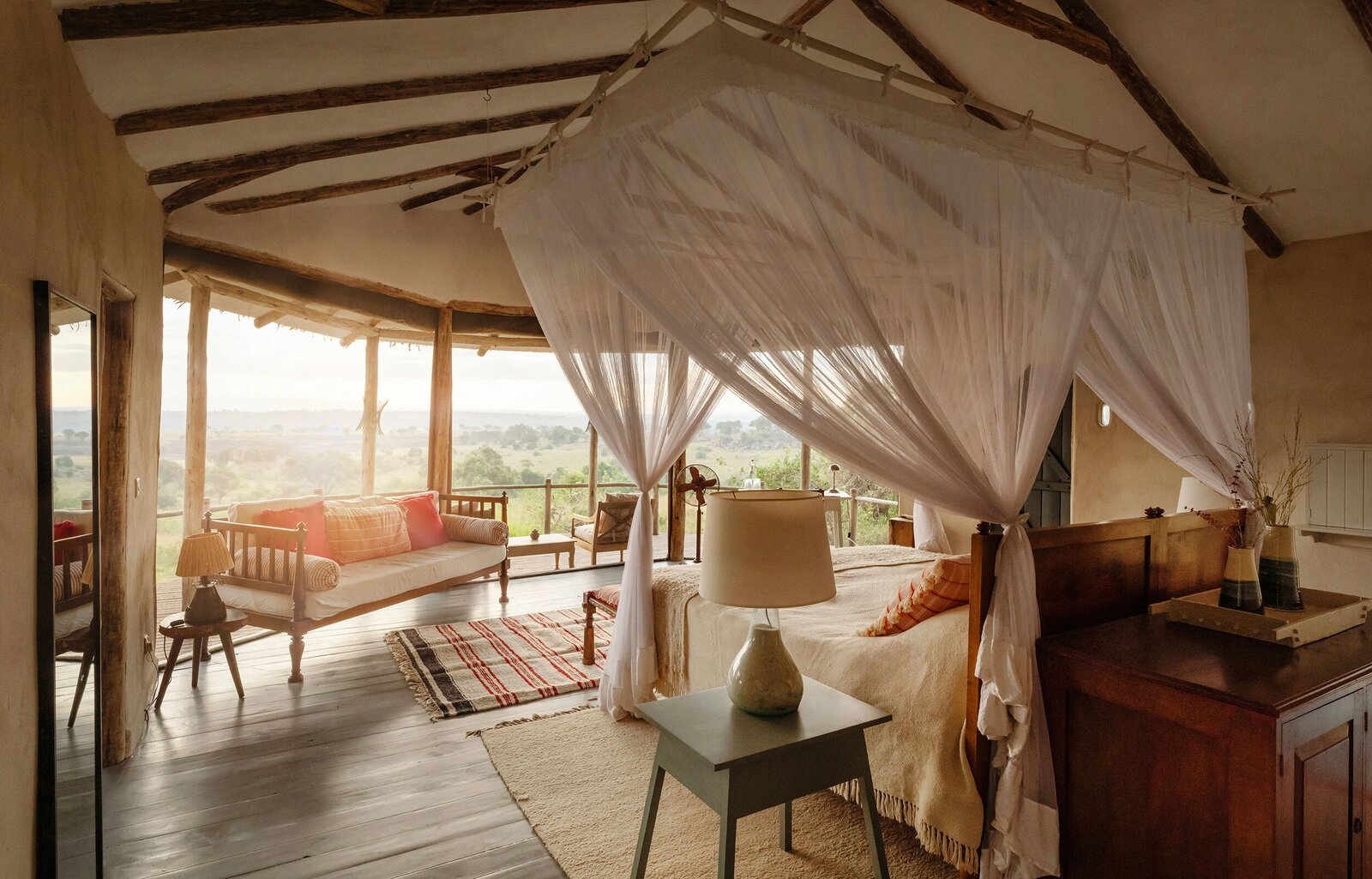
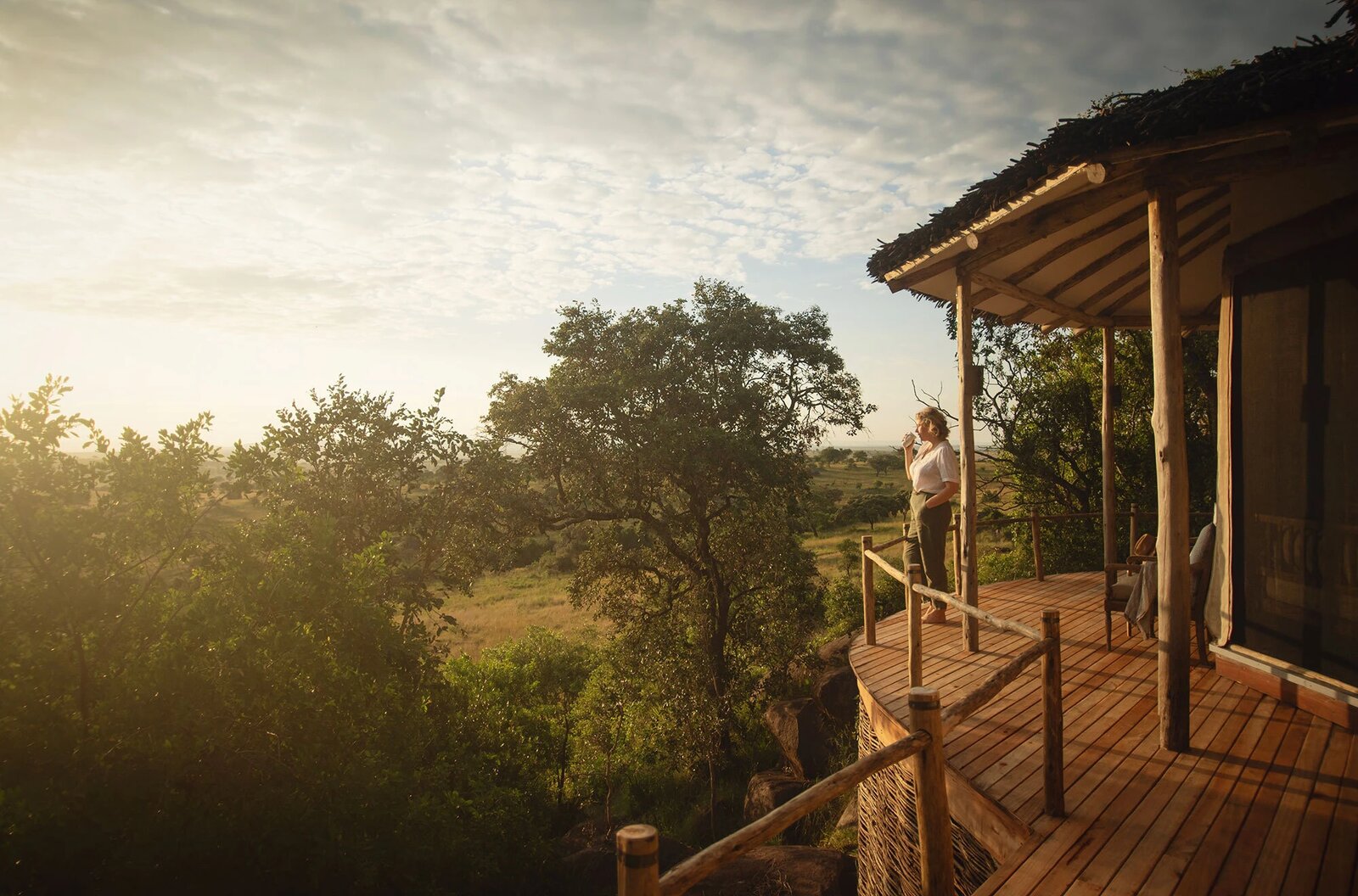
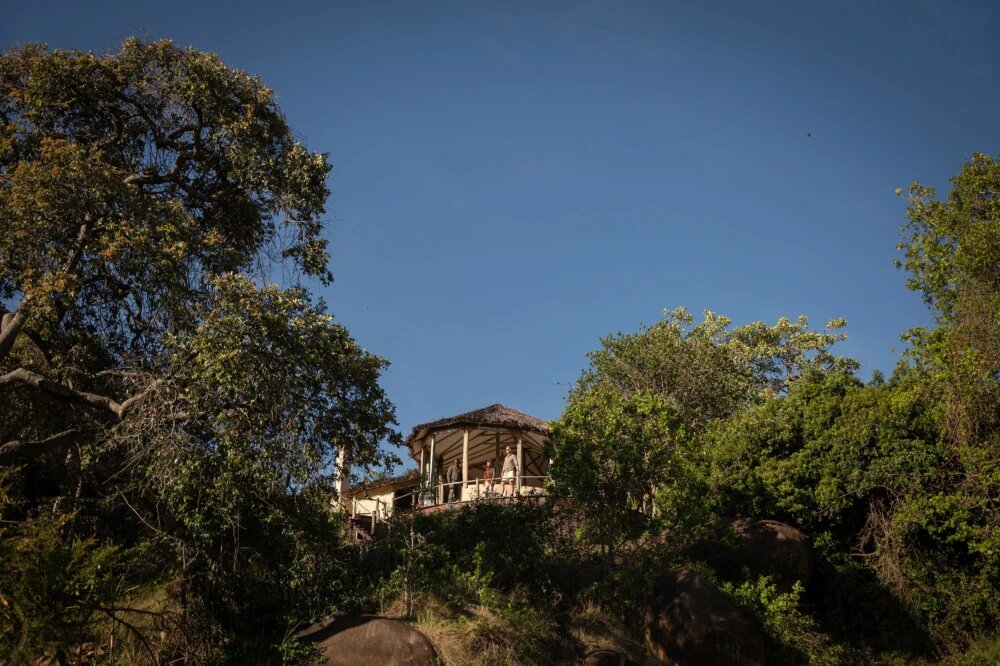
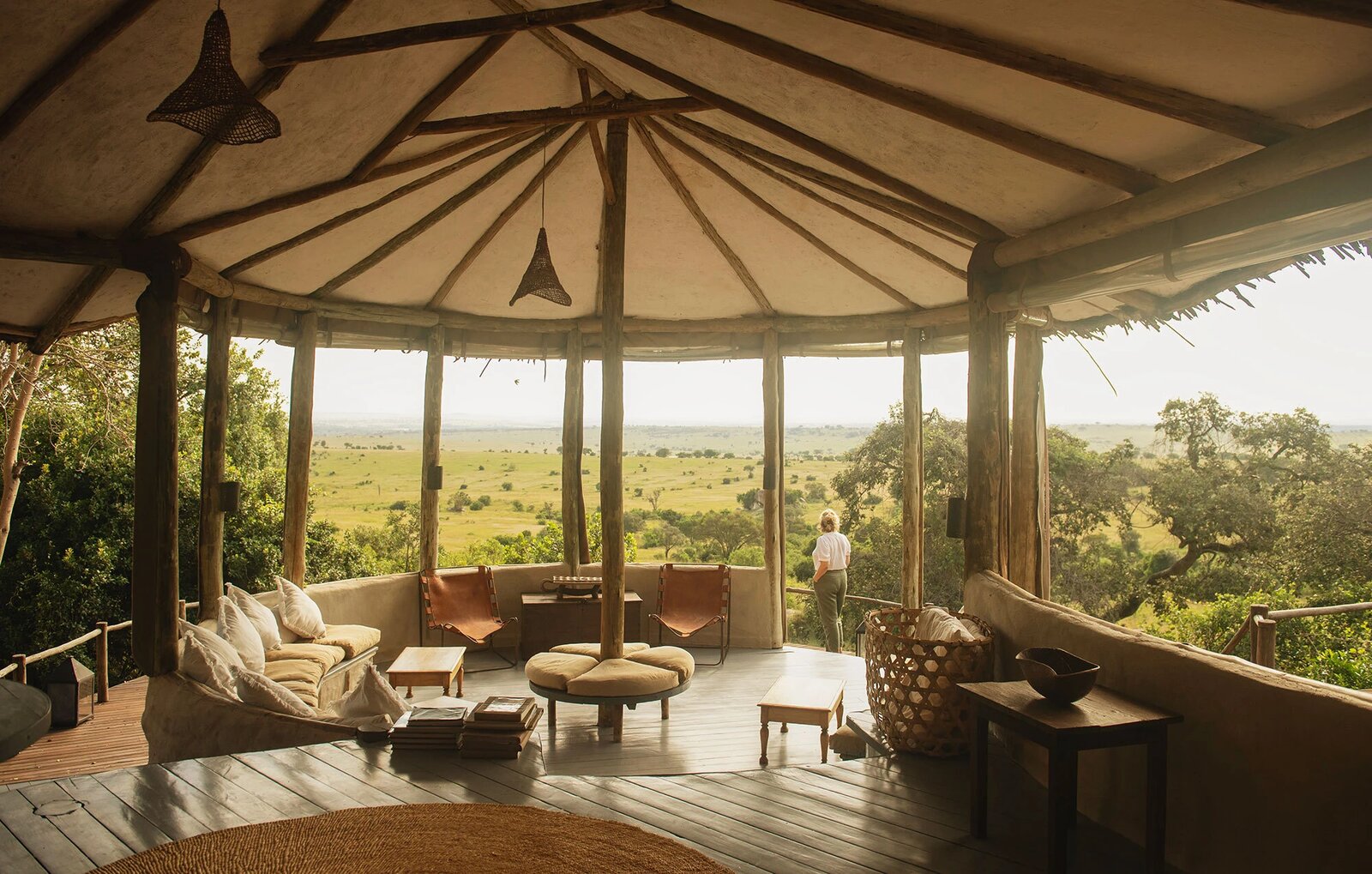
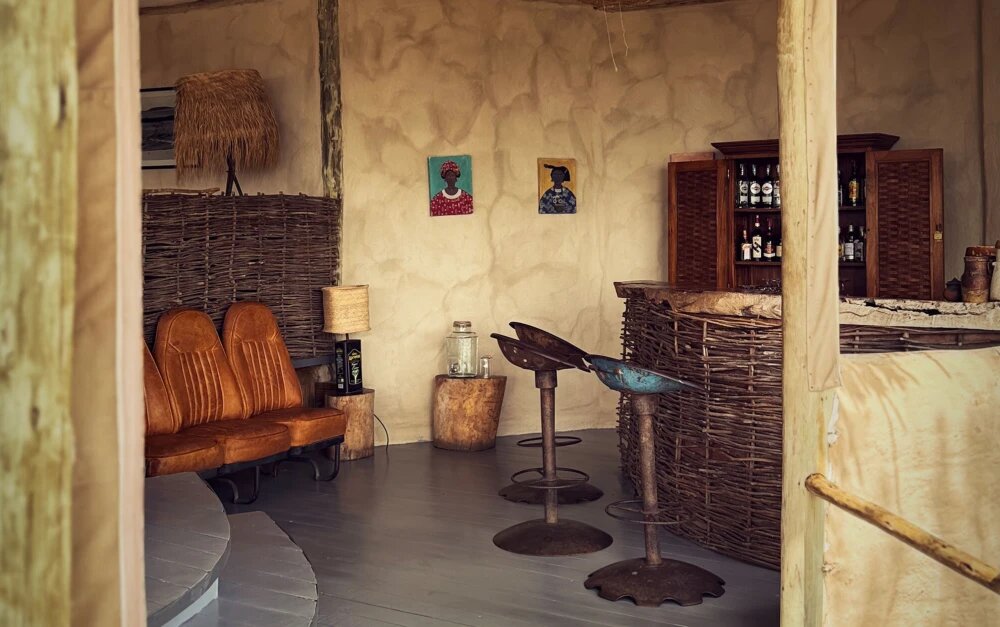
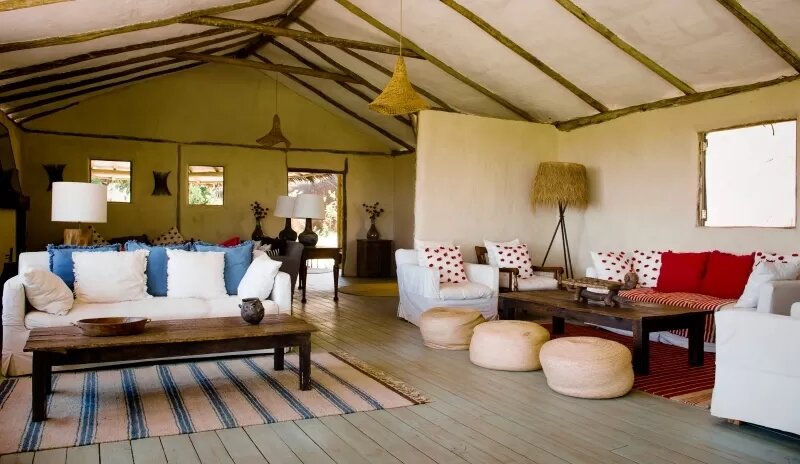
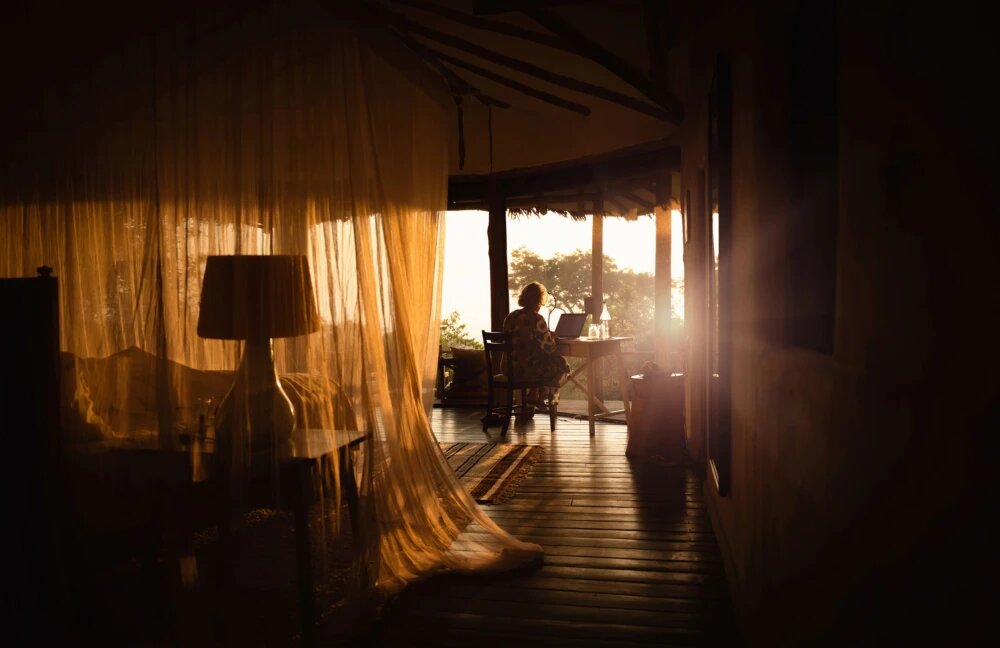
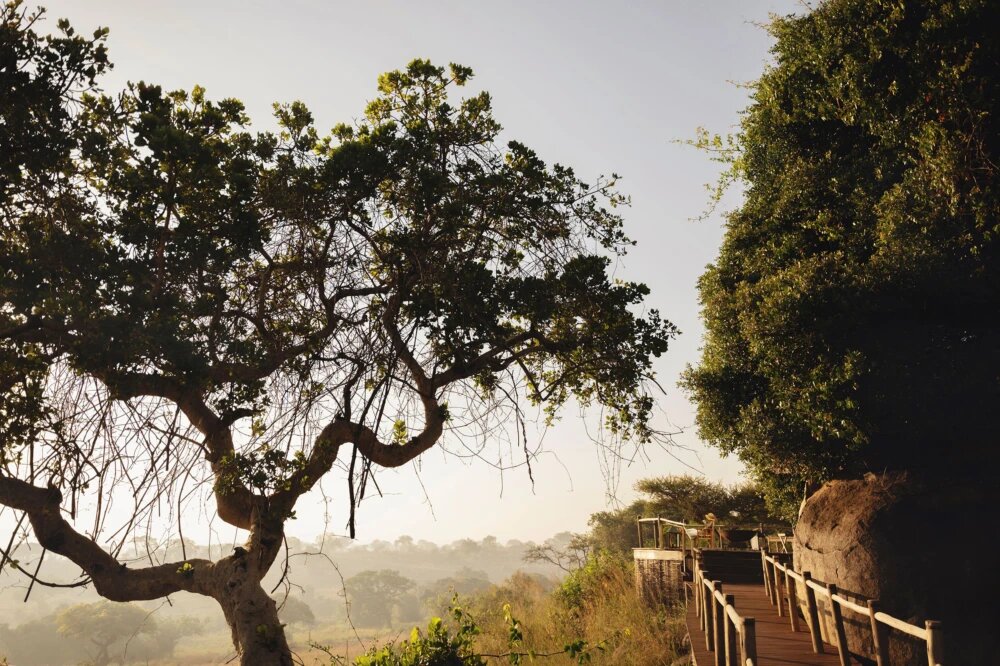
Often referred to as "Nomad Lamai," this is a single property, not two — the name simply reflects its operator. It is built into the boulders of the Kogakuria Kopje on the Lamai side, with 12 open-fronted rooms (eight in the main lodge and four in the separate Lamai Private wing, which has its own pool, crew and lounge). Walking safaris are a feature here, and the design is among the most characterful in the north. The Mara River is a short drive away.
The camp is open from June to mid-March, with rates provided on request. Best for: design-conscious guests, walking enthusiasts and private groups who can take the Lamai Private wing as an exclusive-use retreat.
Lemala Kuria Hills Lodge
Kuria Hills brings a more contemporary, glass-fronted aesthetic to the Wogakuria Hills, about 45 minutes from Kogatende Airstrip. Its 15 tented suites — including a two-bedroom family suite with a private plunge pool — sit among granite boulders, and the lodge has a main pool, a spa tent, ballooning and seasonal walking safaris.
Pay close attention to inclusions here. Rates valid for the 2026 season start from roughly $520 per person per day in low season, about $902 in mid and around $1,496 in high — but crucially they exclude game drives, airstrip transfers, park and concession fees and premium alcohol. Once those are added, Kuria Hills is not directly comparable to the all-inclusive camps, so compare the fully loaded figure. Best for: travellers who love a modern, glass-and-boulder design and want to build a package where drives and fees are priced separately.
Singita Mara River Tented Camp
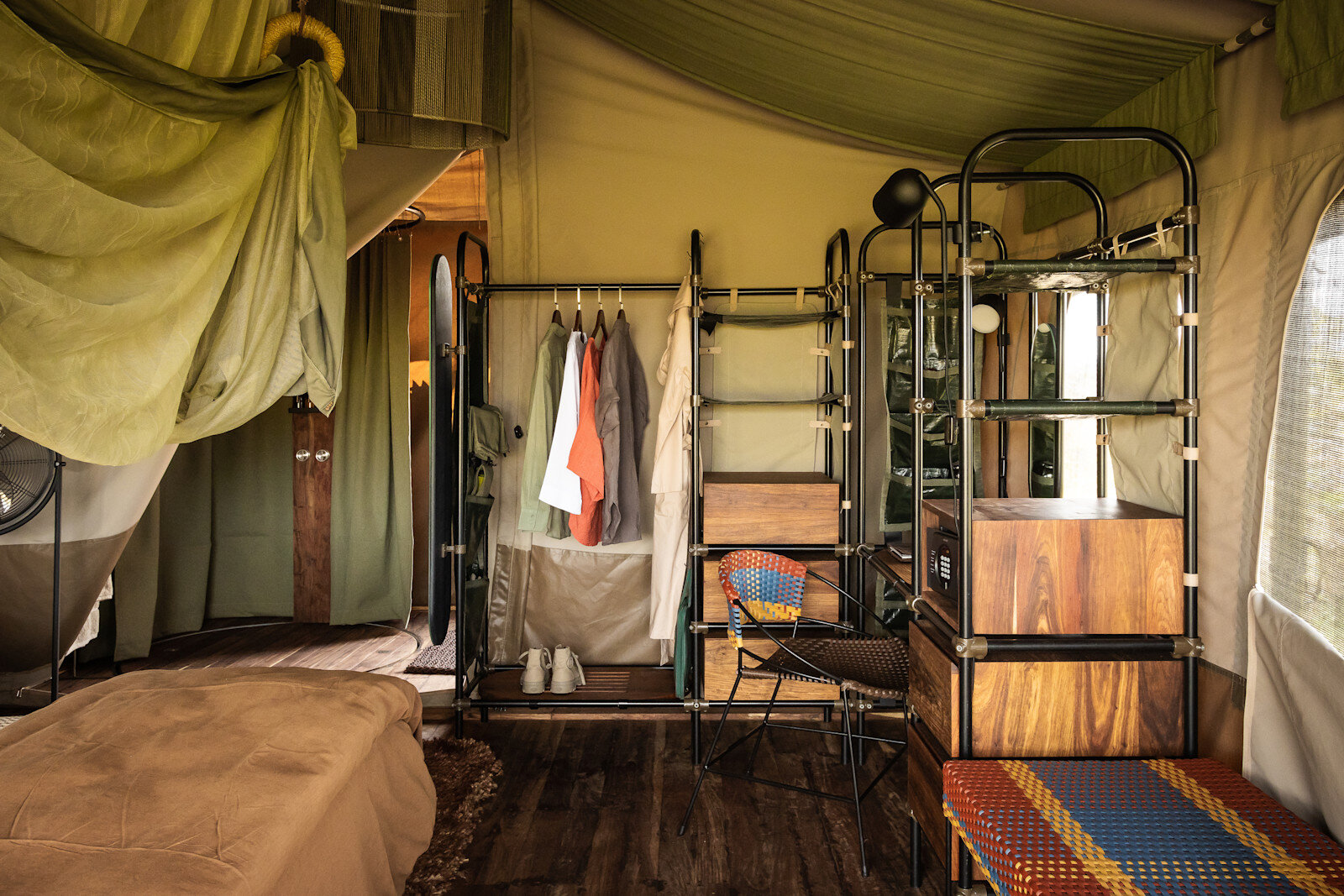
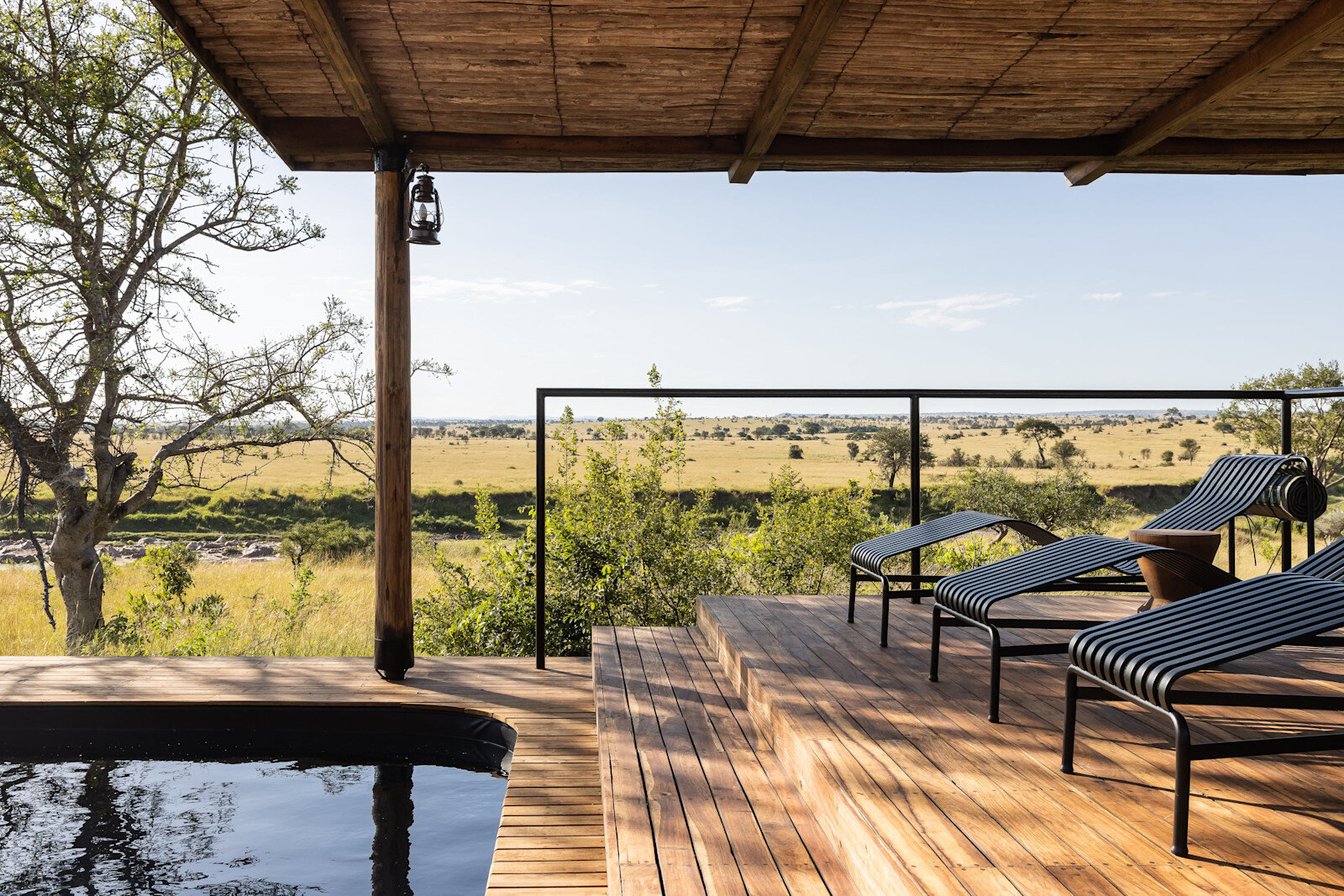
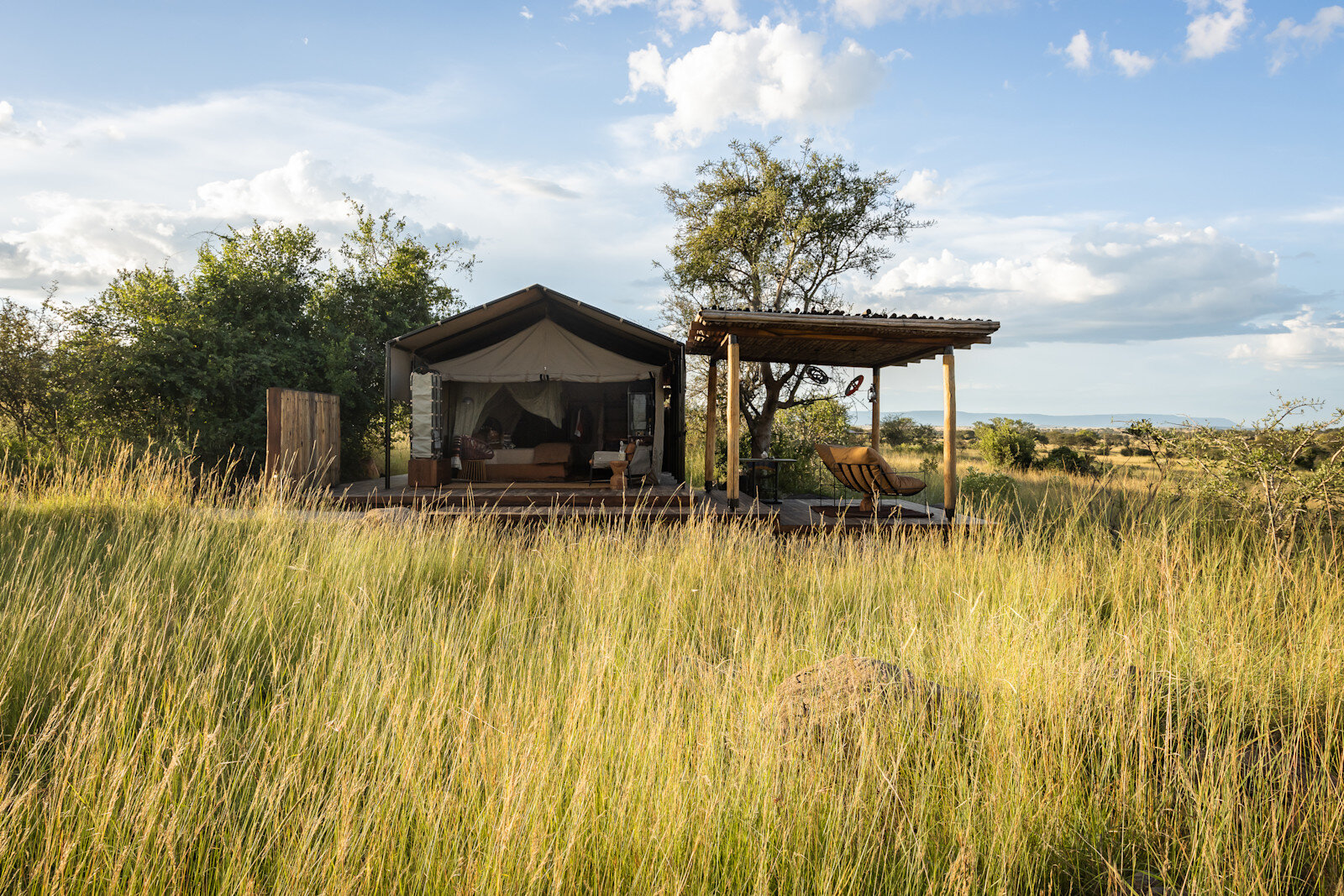
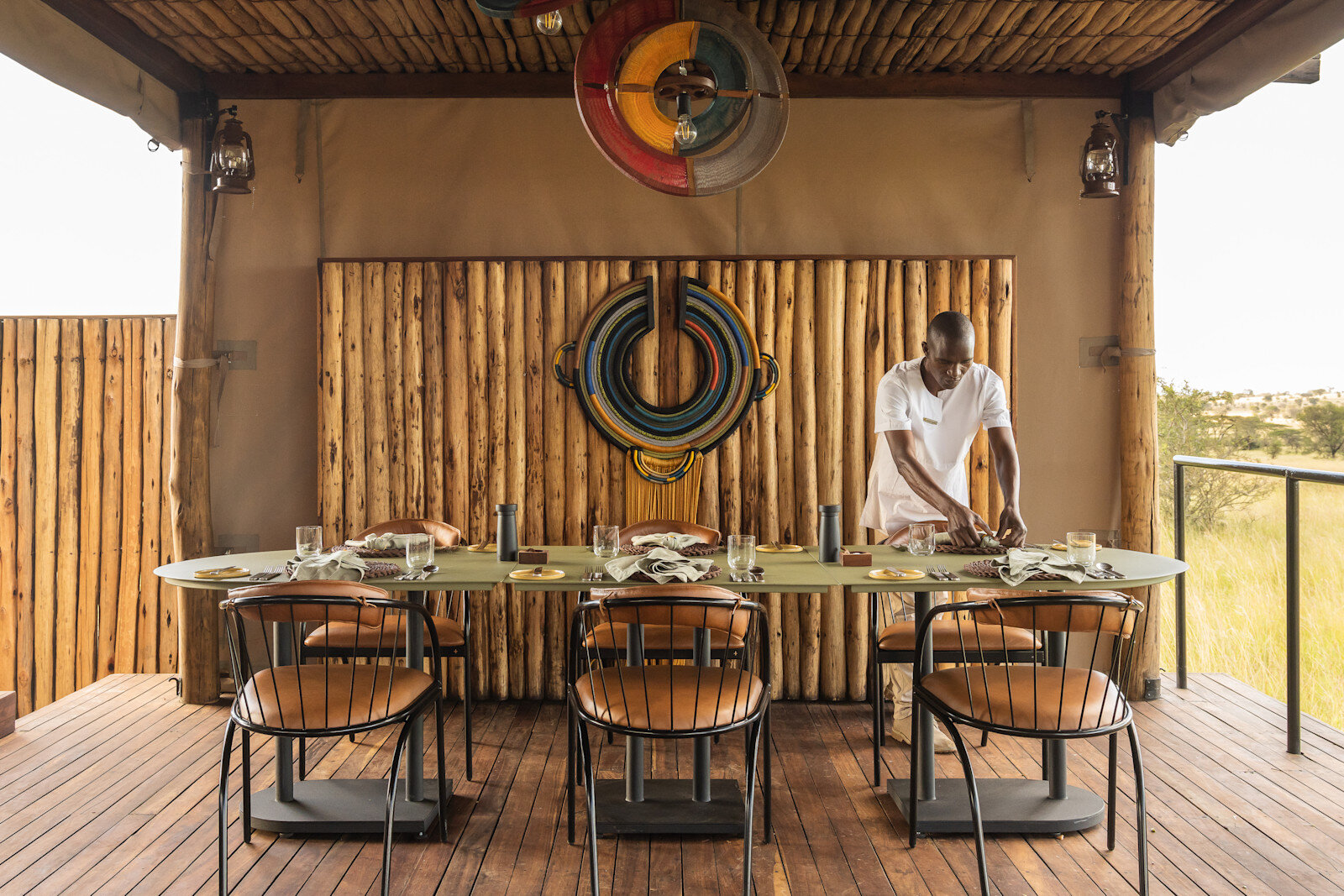
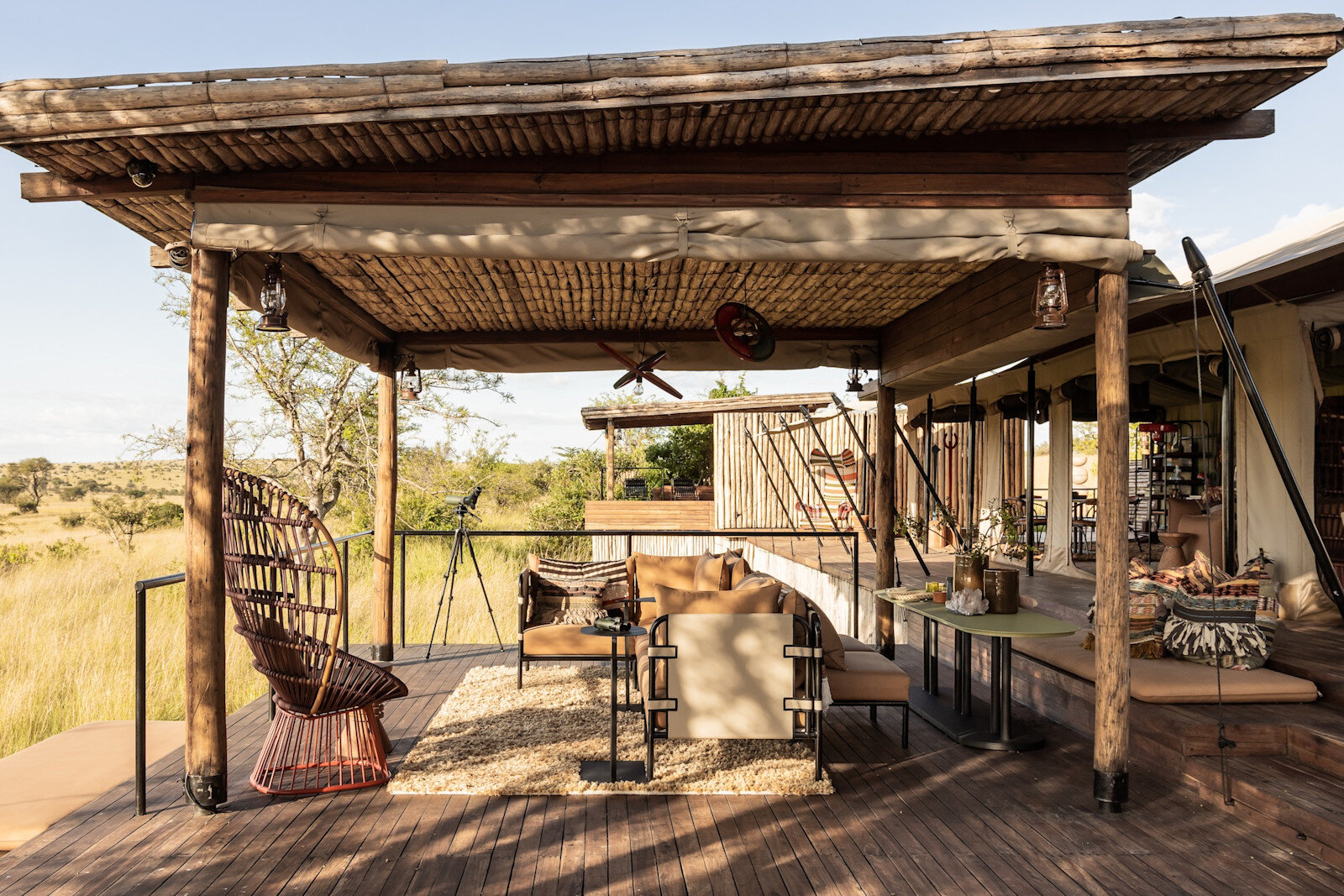
This is the ultra-luxury benchmark of the north and, with just six suites, the most exclusive. It sits on the northern bank of the Mara in the Lamai Triangle — genuinely on the river — with four one-bedroom suites and two family suites that sleep four (two adults and two children). It is off-grid and solar-powered, with a bar-deli, plunge pool and wellness offering, and welcomes children aged ten and over, with a Mini Rangers programme for younger guests.
Rates are among the highest in Tanzania. For the main season (1 June to 31 October and 15 December to 5 January), expect around $3,220 per adult per night sharing, with a family tent about $9,660 per suite for one to three guests; the shoulder months of November to 14 December and 6 to 14 January run lower, near $2,210 per adult and $6,630 per family suite. Rates include taxes, all meals, beverages (including premium labels), twice-daily game drives and Lamai-airstrip road transfers, but exclude park, wildlife and concession fees and wellness treatments. The camp is closed from 15 January to 31 May. Best for: travellers who want the lowest room count, a genuine riverside position and the highest level of service, and for whom budget is not the deciding factor.
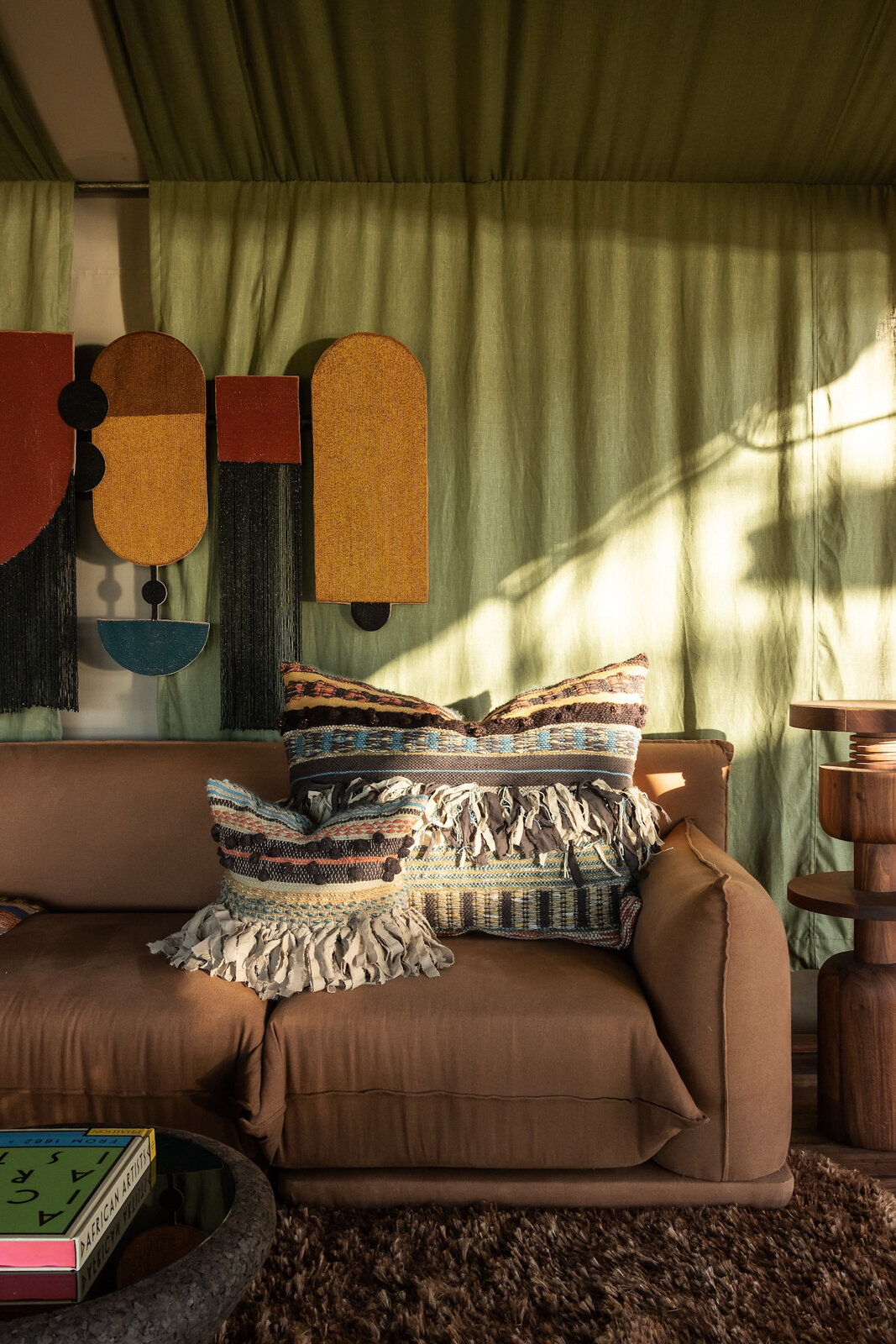
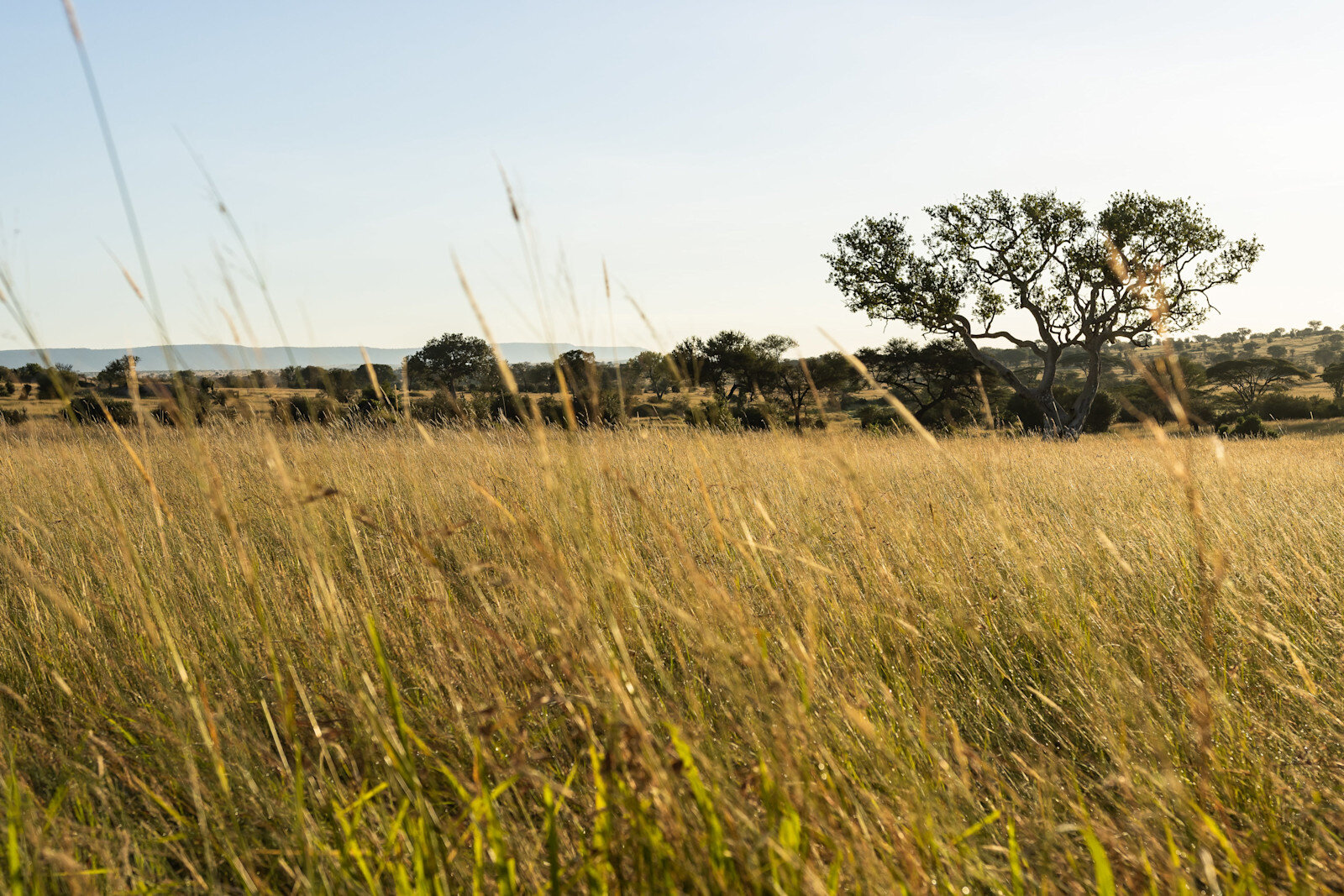
The Best Mobile & Migration Camps
Mobile camps move between ecosystems to sit near the herds each season. In the north they run a smaller, lighter footprint than permanent lodges — which is part of their charm — and several offer the best value in the sector.
&Beyond's Kogatende Camp (Serengeti Under Canvas)
Naming clarification
There is no fixed permanent lodge literally called "&Beyond Kogatende." The &Beyond presence in the north is a luxury mobile camp (part of the Serengeti Under Canvas operation) that relocates seasonally and takes up a Kogatende-area position during the crossing months. If a site lists it as a permanent building, treat that as marketing shorthand and confirm the actual set-up for your dates.
With that understood, the &Beyond crossing-season camp delivers the group's hallmark butler service and refined bush comfort in a genuinely mobile format, placed to intercept the herds. Inventory and rates are confirmed on request and sit at the top of the mobile range, roughly $2,000–2,500 or more per person per night. Best for: guests who want mobile flexibility with polished, high-touch service.
Olakira Migration Camp (Asilia)
Olakira is the romantic's mobile camp. Its northern site near Bolongonja runs roughly June to October before it moves to Ndutu for December to March (closed in April, May and November), about 45 minutes from Kogatende Airstrip. The signature feature is a mesh stargazing section in each of its nine to ten tents, where the beds roll out under the stars. Children aged five and over are welcome.
Indicative 2026/27 rates are around $1,100 per person per night in the Secret Season and roughly $1,490–1,550 in High Season, full board, including house drinks (champagne excepted), limited laundry, scheduled game drives and local transfers. One third-party listing has claimed a site "300m from a crossing," but because the camp moves and site positions change, we would not headline that. Best for: couples wanting star-bed romance and honest value in a mobile camp.
Ubuntu Migration Camp (Asilia)
Ubuntu is the comfortable, sociable mobile option, and a natural replacement for guests who once looked at the retired Kimondo camp. It runs a Lamai Wedge site from June to mid-November, then Kusini from mid-December to mid-March, reached via Lamai Airstrip. Its 10 canvas tents (including one family tent for four) are en-suite with flush toilets, bucket showers and solar power, and children aged five and over are welcome.
Rates are provided on request and generally sit a notch below the premium camps. Best for: families and first-time mobile-camp guests who want comfort and flexibility without a top-tier price.
Serengeti Safari Camp (Nomad)
This is the choice for purists who want a genuinely active mobile camp. It moves four or five times a year, taking a northern base around Wogakuria and Bolongonja from mid-July to early November. Its six Meru-style tents (one a two-bedroom family tent) keep things classic and simple — eco flush toilets and bucket showers — and children aged eight and over are welcome.
Rates are on request. Best for: travellers who love the traditional, low-footprint mobile-camp tradition and want the smallest, most authentic set-up.
Gnu Mara River Camp (Mawe Lodges)
Gnu is the value standout of the Kogatende mobile camps. It holds a northern site from June to mid-November before moving to Ndutu from late December to March, about 40 minutes from the airstrip. Its 10 en-suite tents (double, twin, triple and family configurations) have flush toilets, hot showers and solar power.
Indicative 2026 full-board rates are around $286 per person per night, though that figure excludes park, concession and campsite fees, which are substantial in the Serengeti — so budget for those on top. Best for: value-focused travellers who want an honest, comfortable mobile camp in the right place and are happy to add park fees separately.
Mara Mara Tented Lodge (Tanganyika Wilderness Camps)
Mara Mara offers more room-count and family space in the Kogatende area, roughly 20–24km from the airstrip. It has around 16 to 20 tents plus four bungalows, a pool and raised tents, with interconnecting family tents and bungalows. Its main window is July to October, broadening across June to November.
Third-party 2026 guidance runs near $377 per person per night in June and November and about $714–724 from July to October and in December, full board. Best for: families and groups who want space and mid-range value near the crossings.
More Northern Camps Worth Knowing
Beyond the headline properties, several other camps operate in the north and can be excellent depending on availability and budget. Names to know include Mara River Post (16 tents on a hill above the river), the villa-style One Nature Mara River, Nyikani Migration Camp – Kogatende (12 tents, roughly late May to November), Serengeti North Wilderness Camp (10 tents, July to October), Nasikia Mobile Migration Camp (10–12 tents, around $505 per person per night), TAASA Migration Camp (12 suites, May to October, all-inclusive), the butler-serviced Roving Bushtops (eight mobile units), Lemala Mara Mobile Tented Camp, and the Karibu group's Serengeti Mara River Camp. That last one should not be confused with the unrelated "Mara River Safari Lodge" in Bali, a common search mix-up.
Nightly Rates & What's Included
Comparing northern Serengeti rates is only meaningful once you normalise inclusions. Two camps quoting the same headline figure can differ by hundreds of dollars a day once game drives, transfers and — most significantly — park and concession fees are added. The table below shows what typically sits inside the rate at each tier.
| Tier | Example camps | Indicative rate pppn | Usually included | Watch for |
|---|---|---|---|---|
| Value mobile | Gnu Mara River, Nasikia, Mara Mara | ~$286–724 | Full board, tent, camp facilities | Park/concession fees often extra |
| Comfort mobile / luxury | Ubuntu, Olakira | ~$1,000–1,550 | Full board, house drinks, scheduled drives, local transfers | Champagne, premium spirits extra |
| Premium permanent | Sayari, Serengeti Bushtops, Lamai | ~$1,800–2,600 | Full board, house drinks, drives, airstrip transfers, spa/pool access | Season closures (e.g. Apr–May) |
| Ultra-luxury | Singita Mara River, &Beyond mobile | ~$2,000–3,220+ | All meals, premium beverages, twice-daily drives, transfers | Park/concession/wellness fees excluded |
| Design (drives priced apart) | Lemala Kuria Hills | from ~$520–1,496 | Accommodation and meals | Drives, transfers, fees and premium drinks all extra |
The practical takeaway: always ask us for the fully loaded per-person, per-day cost including park and concession fees. That is the only figure that lets you compare two camps fairly.
Best Lodge for Every Type of Traveller
If you would rather match a camp to your priorities than read every review, this matrix summarises who each property tends to suit best.
| If you are… | Best-fit camp | Why |
|---|---|---|
| A honeymoon couple | Olakira or Singita Mara River | Star-beds and romance, or ultimate riverside exclusivity |
| A family with children | Sayari, Serengeti Bushtops or Ubuntu | Family tents, flexible ages, space and activities |
| Design and style focused | Lamai Serengeti or Lemala Kuria Hills | Boulder-set architecture and contemporary suites |
| A traditional mobile-camp lover | Serengeti Safari Camp (Nomad) | Smallest, most authentic moving camp |
| Value conscious | Gnu Mara River or Mara Mara | Honest comfort at the lowest northern rates |
| Seeking maximum seclusion | A Lamai-side camp | Quieter northern bank, fewer vehicles |
How Close Is "Close to the River"?
Marketing leans heavily on river proximity, so it pays to be clear-eyed. Only a couple of camps — Singita Mara River and Lamai Serengeti among them — genuinely sit on or overlook the Mara, and even they cannot control where the herds choose to cross on a given day. Most northern camps are a 10 to 30 minute drive from the active crossing points, and that is completely normal and fine. What matters far more than how many metres your tent is from the water is whether your camp and guide can read the herds and get you into position when a crossing builds.
Crossings also happen at several points along the river, and the herds shift which one they favour from day to day. A camp that is "on the river" at one bend may still drive to reach the action at another. Judge camps on guiding quality and vehicle flexibility, not on a single distance claim.
How Crowded Is the Northern Serengeti, Really?
It is tempting to repeat the line that the north is always uncrowded. The honest version is more nuanced. Across the sector as a whole, the north sees far fewer vehicles than central Seronera. Within it, the Lamai side is usually quieter than the busier Kogatende hub. But a popular crossing point at the peak of August can still draw a cluster of vehicles, because everyone is trying to watch the same rare event.
To judge exclusivity properly, separate it into three questions. How many rooms or tents does the camp have — fewer generally means a better in-camp feel? Will you have a private vehicle and guide, or share? And how concentrated are vehicles at the sightings you will visit? A small camp with a private vehicle on the quieter Lamai side gives you the best odds of a peaceful experience, but no camp anywhere can guarantee an uncrowded crossing.
Getting There — Flights, Airstrips & Transfers
The north is a fly-in destination. The standard route is a light-aircraft flight of roughly 45 to 60 minutes from Arusha to Kogatende Airstrip, the primary gateway for the crossing sector. Camps on the Lamai side, such as Singita Mara River and Ubuntu, use the smaller Lamai Airstrip instead. From either airstrip, road transfers to camp typically run 15 to 45 minutes depending on the property, and most lodges include them in the rate.
Driving up from central Serengeti is possible but takes four to six hours on rough tracks and eats a day at each end, so we rarely recommend it unless a guest specifically wants the overland journey. The efficient way to combine regions — for example central Seronera plus the north — is to fly between sectors and keep your game-viewing time on the ground.
How Many Nights Do You Need?
Because crossings cannot be scheduled, time is your best insurance. We recommend a minimum of three nights in the north during crossing season, and four is better. With three or four nights you give yourself several attempts at a crossing, room to explore the resident wildlife between attempts, and a buffer against a quiet day or two. A single night is a gamble we would talk you out of. Within a wider northern-circuit itinerary, the north usually anchors three to four nights alongside the central Serengeti and the Ngorongoro Crater.
Common Mistakes to Avoid When Booking
- Treating a crossing as guaranteed. It is wildlife behaviour. Book enough nights and manage expectations rather than chasing a promise no honest operator can make.
- Comparing rates without inclusions. A camp that excludes park fees or game drives can end up costing more than a pricier all-inclusive once everything is added.
- Confusing Lobo with the crossings. Lobo is fine resident-game country in the greater north-east, but it is not a river-crossing base.
- Booking outside the season. If your dates fall in April or May, several northern camps are closed and the herds are elsewhere; a permanent lodge with resident game is then the play.
- Assuming mobile means chasing herds daily. Mobile camps relocate two or three times a year between ecosystems; they do not move every day.
Closed & Renamed Camps — Don't Get Caught Out
Fact-check box
Kimondo Migration Camp (formerly Asilia) closed in late 2021 and is no longer bookable, despite still appearing on some older listings. Asilia's current mobile camps that fill its role are Ubuntu and Olakira.
There is also no permanent building called "&Beyond Kogatende" — the &Beyond northern presence is a seasonal mobile camp, as noted above. And the Karibu group's Serengeti Mara River Camp is unrelated to the similarly named "Mara River Safari Lodge" in Bali.
Northern Serengeti vs Central & Southern — Which to Choose
The right sector depends on your dates and what you most want to see. The north is the place for the Mara River crossings from July to October, and it stays quieter than the centre. The central Serengeti (Seronera) holds superb resident big cats all year and is the most reliable first-visit base, with the easiest logistics. The south and Ndutu come into their own from December to March for the calving season, when predators are at their most active on the short-grass plains. A great trip often links two of these — commonly the centre and the north — flown together into one seamless itinerary. For the full picture, read our Serengeti National Park safari guide.
How to Choose the Right Northern Serengeti Lodge
Work through four questions in order. First, do your dates fall inside the crossing window and inside the camp's open season? Second, what is your fully loaded per-day budget once park and concession fees are added? Third, what style suits you — permanent lodge with pools and spa, or a lighter mobile camp that moves with the seasons? Fourth, what matters most: being on the river, having a private vehicle, family flexibility, walking safaris, or sheer seclusion? Answer those honestly and the shortlist narrows quickly, which is exactly the conversation our specialists have with every guest.
What a Day in the Northern Serengeti Looks Like
Days here revolve around the light and the herds. Most camps wake guests before dawn for coffee, then head out as the sun rises, when predators are still active and the air is cool. During crossing season a morning drive often means positioning near a build-up on the riverbank and waiting — sometimes for an hour, sometimes longer — for the herds to commit. Patience is the currency of the north, and a good guide reads the tension in the animals to judge when a crossing is close.
Midday is usually spent back in camp over lunch and a rest, with an afternoon drive returning to the river or exploring the surrounding hills for resident lion, leopard and elephant. Some camps offer bush breakfasts or a picnic lunch out on the plains so you can stay near the action through the middle of the day when a crossing feels imminent. Sundowners on a kopje or riverbank close the day before dinner back at camp.
Packing and Practical Tips for a Northern Serengeti Stay
The north sits at altitude, so mornings and evenings are genuinely cold in the June-to-October dry season even though midday is warm — pack layers, a warm fleece and a windproof jacket for open game vehicles. Neutral colours work best, and a wide-brimmed hat and high-factor sunscreen matter under the equatorial sun. Bring binoculars for each person, since crossings unfold at a distance, and a camera with a decent zoom and plenty of storage for the volume of images you will take.
Light-aircraft transfers carry strict soft-bag luggage limits, usually around 15kg in a squashable holdall, so travel light and leave hard cases in Arusha. A dust-proof cover for your camera, a headtorch, personal medication, insect repellent and a reusable water bottle round out the essentials. Anti-malarial precautions and a yellow-fever certificate are worth confirming with your clinic well before departure.
Plan Your Northern Serengeti Safari
The north rewards good planning above all — the right camp, on the right dates, with a guide who reads the river. That is our craft. Explore our best Serengeti lodges and camps guide, read the full Serengeti safari guide, dive into the Great Migration, use our trip planner, or contact our specialists to design a fully private northern Serengeti safari timed to the Mara River crossings.