Seventy kilometers south of Luanda, where the Kwanza River meets the Atlantic Ocean, Kissama National Park (Parque Nacional da Quiçama) is Angola’s living monument to resilience. This is not a pristine wilderness untouched by human hands — it is a comeback story, a place where elephants, giraffe, and buffalo are reclaiming savanna once devastated by civil war, poaching, and decades of neglect.
In 2001, a daring international rescue mission called Operation Noah’s Ark airlifted wildlife from overcrowded reserves in Botswana and South Africa, giving Kissama a second chance. Today, the park is a UNESCO Biosphere Reserve (designated 2025), spanning 9,960 km² of savanna, gallery forest, wetlands, and mangrove-lined Atlantic coast.
What makes Kissama special is not pristine abundance — it’s accessibility, hope, and honest transformation. You can leave Luanda after breakfast, safari by lunchtime, and witness Africa’s enduring wild spirit reclaiming its rightful home. Wildlife populations are rebuilding, not exploding. You’ll see elephants drinking at the Kwanza River, giraffe browsing acacia, and buffalo herds grazing the grasslands — but this is not the Serengeti. It’s Angola’s own story, unfolding one generation at a time.
This guide covers everything: the Operation Noah’s Ark legend, wildlife you’ll encounter, where to stay (from fishing lodges to inside-the-park camps), honest costs, and how to combine Kissama with Iona’s desert coast or Luanda’s vibrant culture for a complete Angola safari journey.
What Makes Kissama National Park Special
Kissama (also spelled Quiçama or Quissama) is Angola’s most accessible national park, and arguably its most symbolic. Here’s why it stands apart:
- Operation Noah’s Ark Legacy: The 2001 wildlife translocation was the largest of its kind in history, bringing 16 elephants, dozens of giraffe, eland, buffalo, wildebeest, zebra, and more to repopulate a war-torn landscape.
- Proximity to Luanda: At 70km (2-3 hours drive), Kissama is the only Angolan national park you can realistically visit as a day-trip or weekend escape from the capital.
- Atlantic Coastline: 120km of wild, mangrove-fringed ocean coast where savanna meets the Benguela Current. Flamingos, pelicans, and marine life thrive offshore.
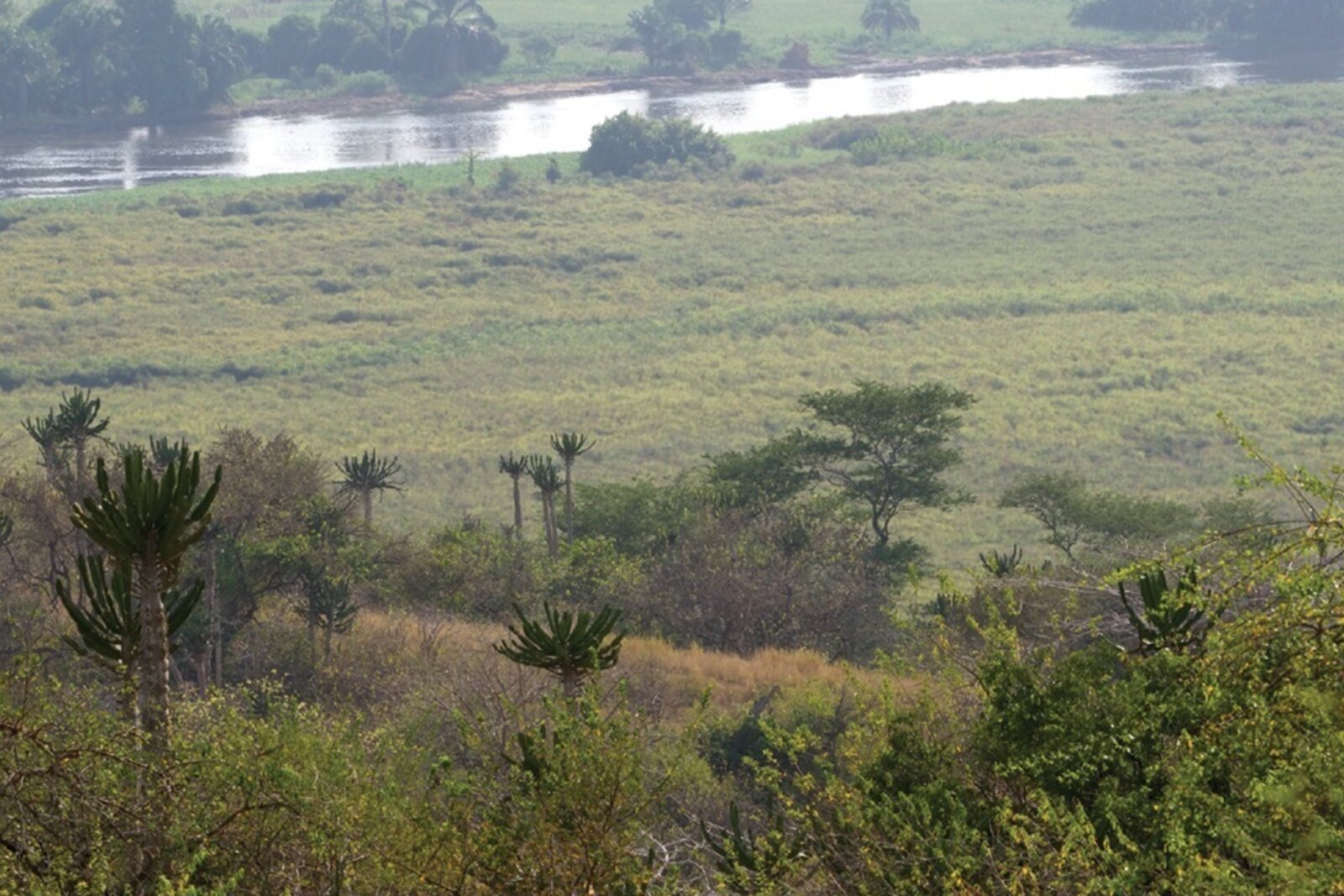
- Kwanza River: Angola’s largest river forms the park’s northern boundary, hosting hippos, crocodiles, and hundreds of bird species.
- UNESCO Biosphere Reserve (2025): International recognition of the park’s conservation comeback and ecological importance.
- Honest Rebuilding: Unlike marketed-to-perfection safari parks, Kissama wears its scars openly. Wildlife numbers are growing, but this is conservation in motion — not a zoo. The reward is witnessing a genuine ecological resurrection.
Geography and Ecosystems
Kissama National Park covers 9,960 km² (3,845 square miles), making it Angola’s second-largest functional national park after Iona (15,150 km²). It straddles Bengo and Cuanza Sul provinces in northwestern Angola, with dramatic geographical diversity:
Savanna Grasslands
The park’s interior is dominated by open savanna dotted with flat-topped acacia, baobab, and mopane trees. Golden grasses stretch to the horizon during the dry season (May–October), turning lush green after the rains (November–April). This is where you’ll spot elephants, giraffe, and buffalo herds.
Gallery Forest
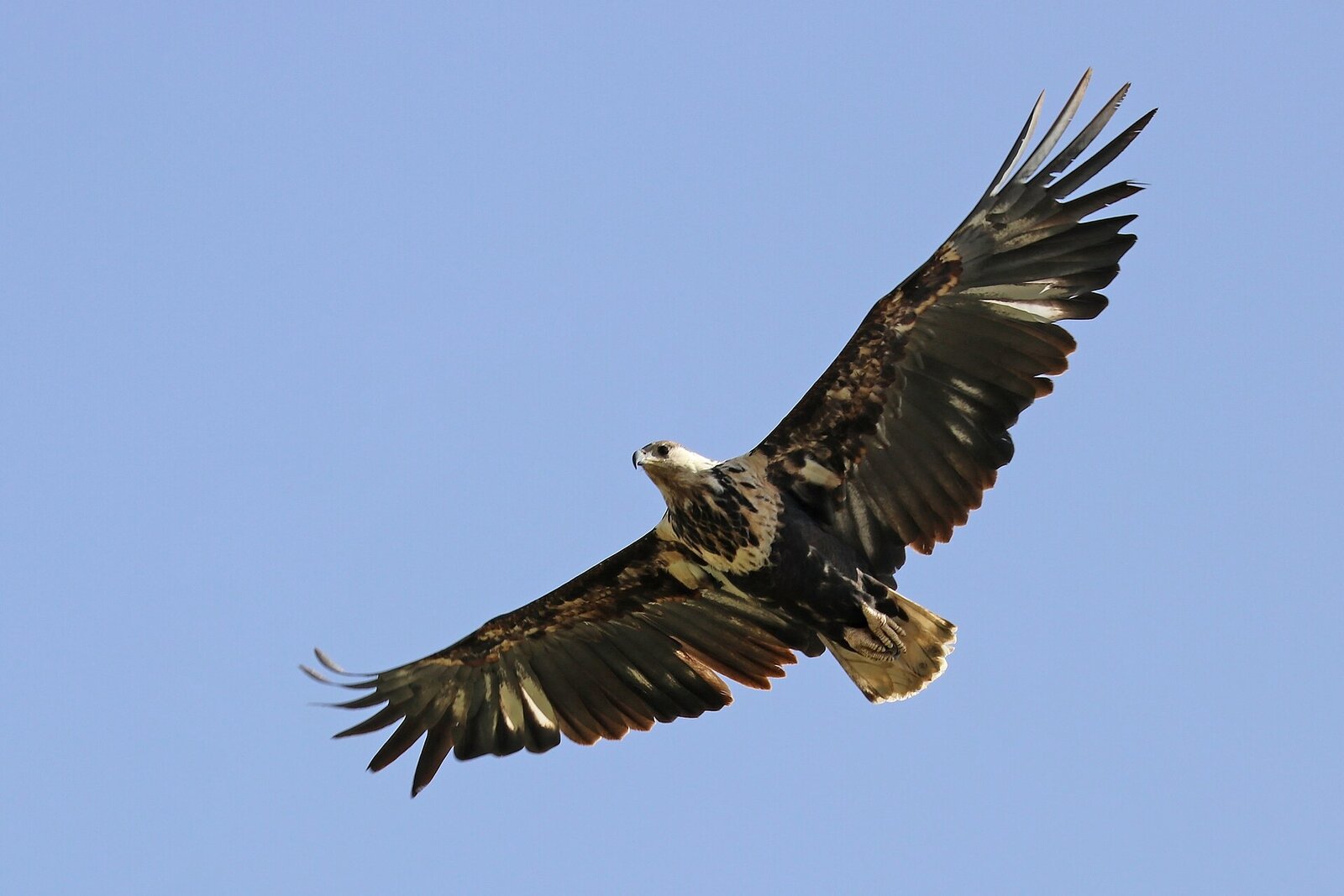
Along the Kwanza and Longa rivers, dense gallery forests create shaded corridors — vital refuges during the dry season. Waterbuck, bushbuck, and duiker browse here, and you’ll hear the calls of African fish eagles and woodland kingfishers.
Wetlands and Estuaries
Where the Kwanza River meets the Atlantic, seasonal wetlands and mangrove estuaries host flamingos, pink-backed pelicans, herons, and waders. This is one of Angola’s richest birding zones, especially during the European winter (November–March) when Palearctic migrants arrive.
Atlantic Coastline
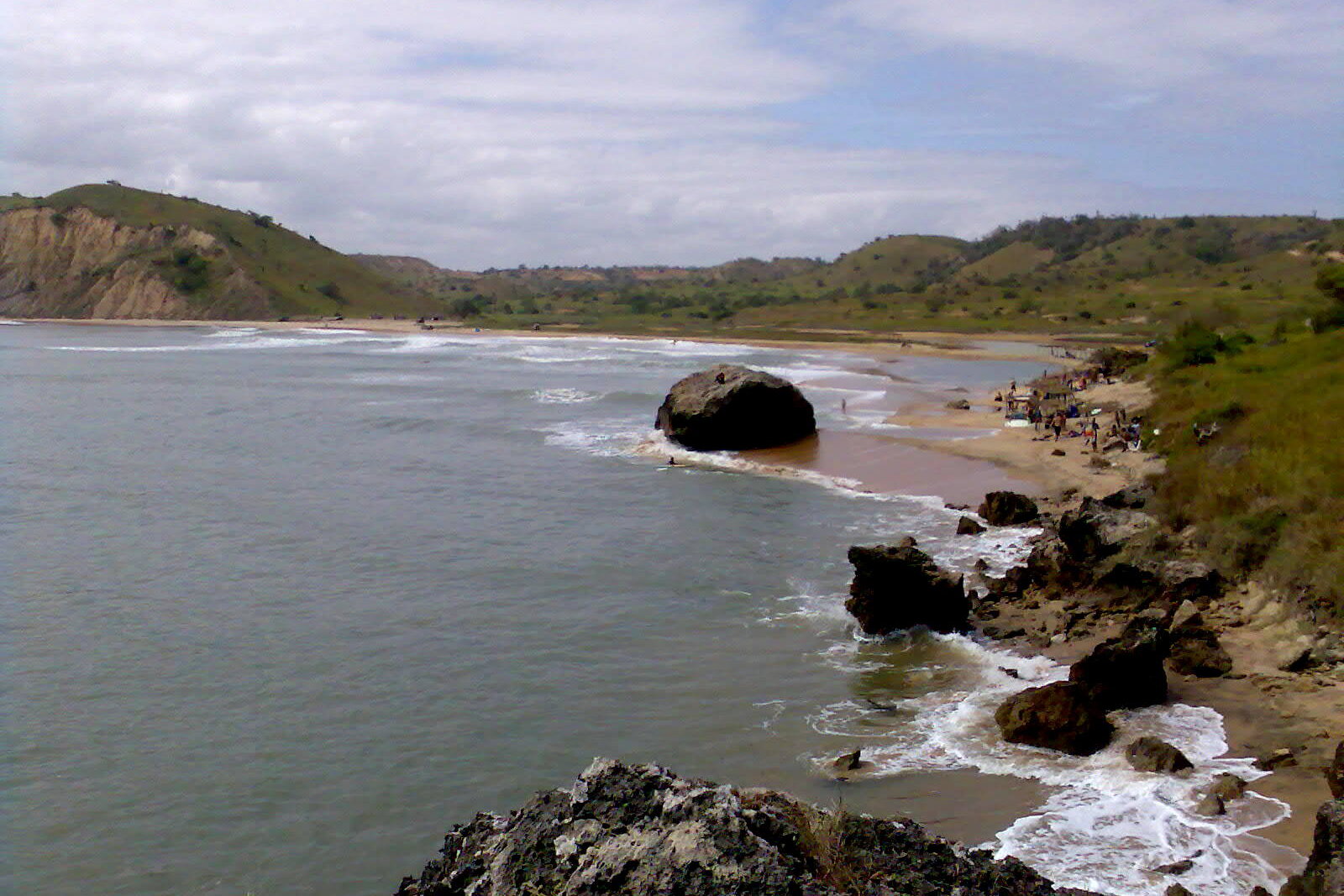
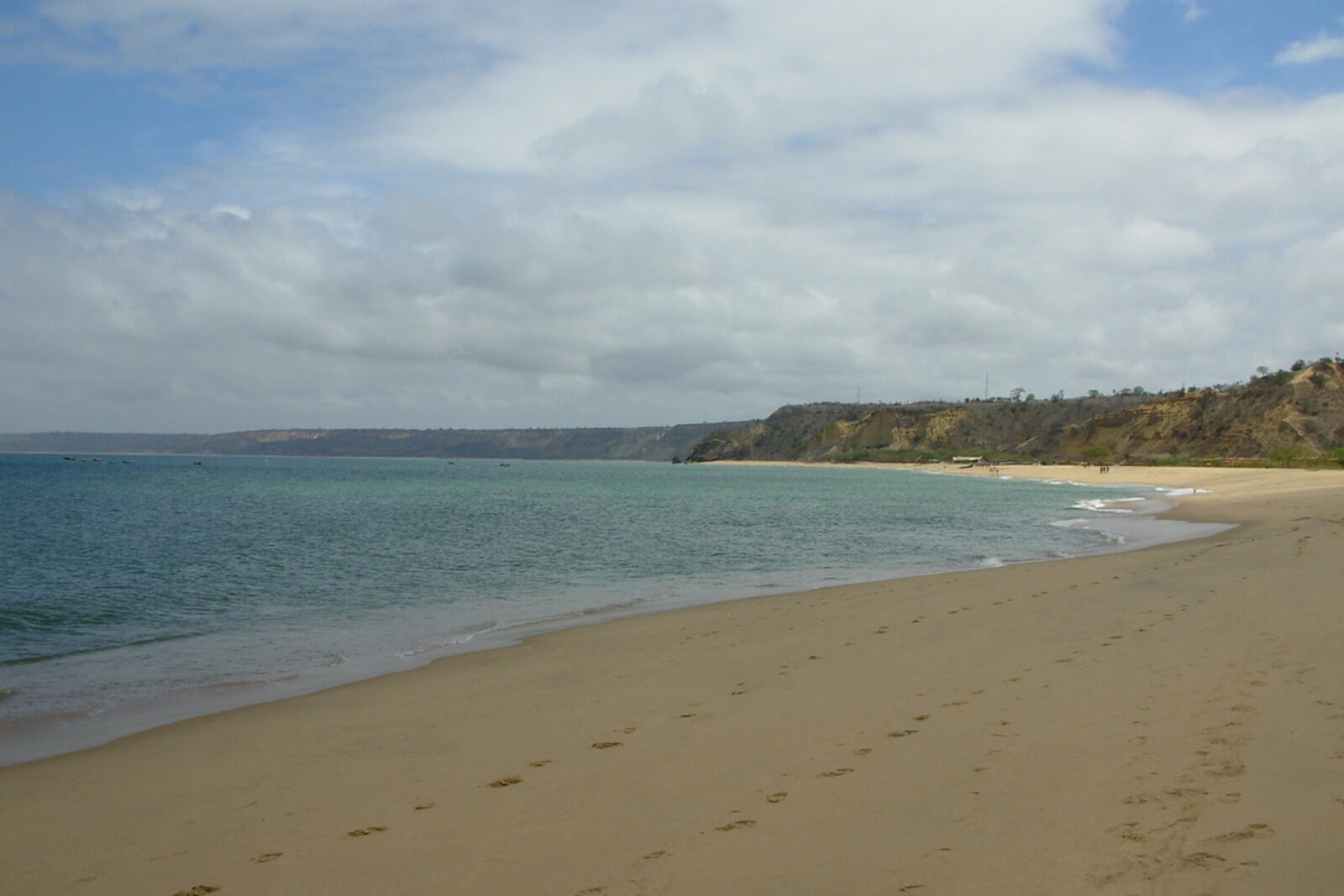
Kissama’s 120km of wild coast is rarely visited but ecologically vital. Marine life thrives offshore (dolphins, humpback whales during migration, seals on rocky outcrops), and beach walks reveal giant ghost crabs, seabird colonies, and dramatic dune systems.
Climate
Kissama experiences a tropical savanna climate moderated by the cool Benguela Current:
- Dry Season (May–October): Clear skies, cooler temperatures (20–30°C / 68–86°F), best game-viewing as animals congregate around water sources.
- Wet Season (November–April): Afternoon thunderstorms, lush vegetation, birding peak, but harder to spot wildlife in thick growth.
Wildlife: The Reintroduction Miracle
Kissama’s wildlife story is one of near-total collapse and slow, determined recovery. By the end of Angola’s 27-year civil war (1975–2002), the park was a ghost town — poached out, mined, and abandoned. Operation Noah’s Ark changed everything.
The Big Five? Not Yet
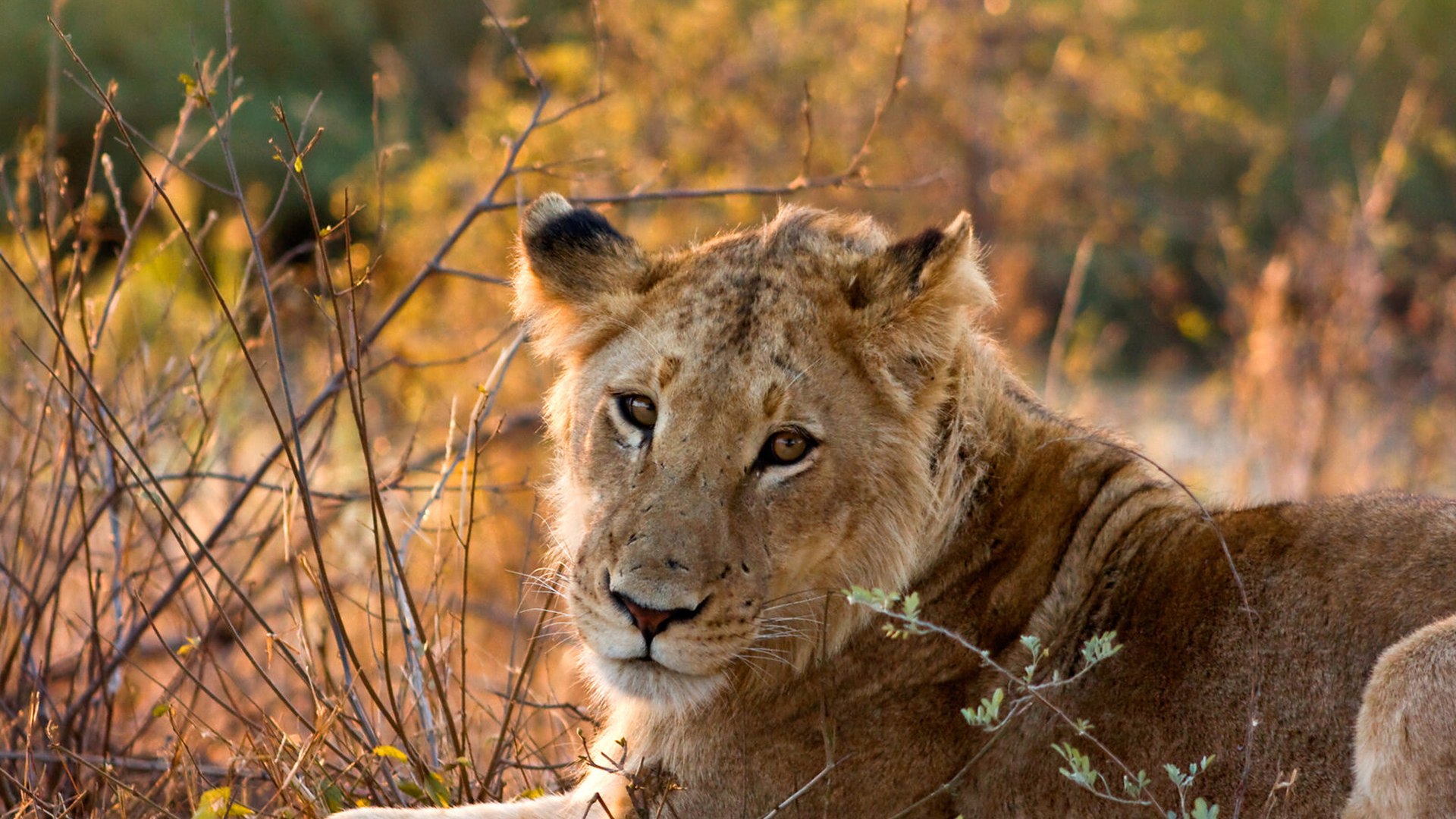
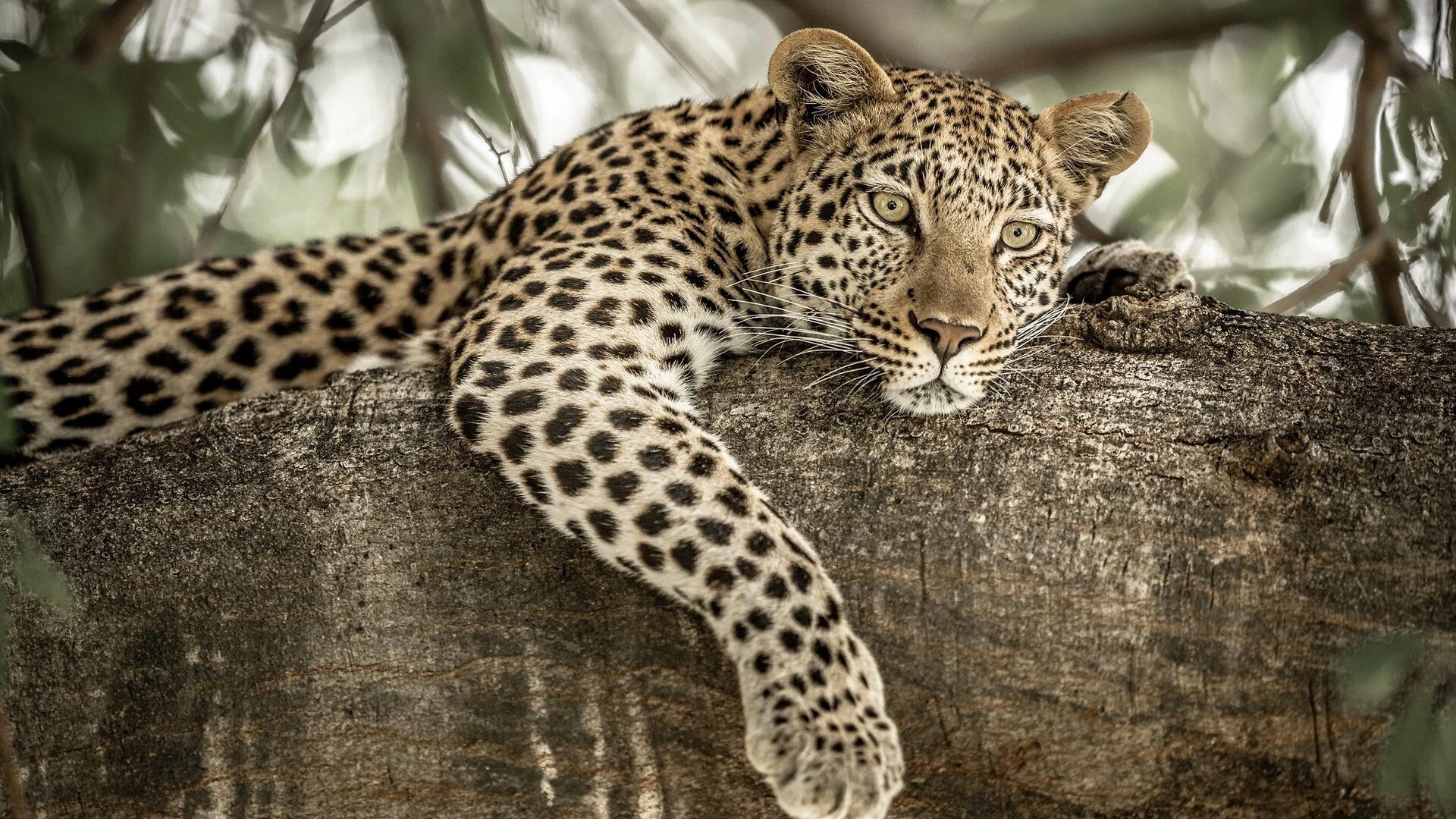
Let’s be honest: Kissama is not a Big Five destination. Lions, leopards, and rhinos are absent (though leopard sightings are occasionally reported in the densest gallery forests). The park’s stars are the reintroduced megaherbivores and resilient antelope species that survived the war.
Elephants (Loxodonta africana)
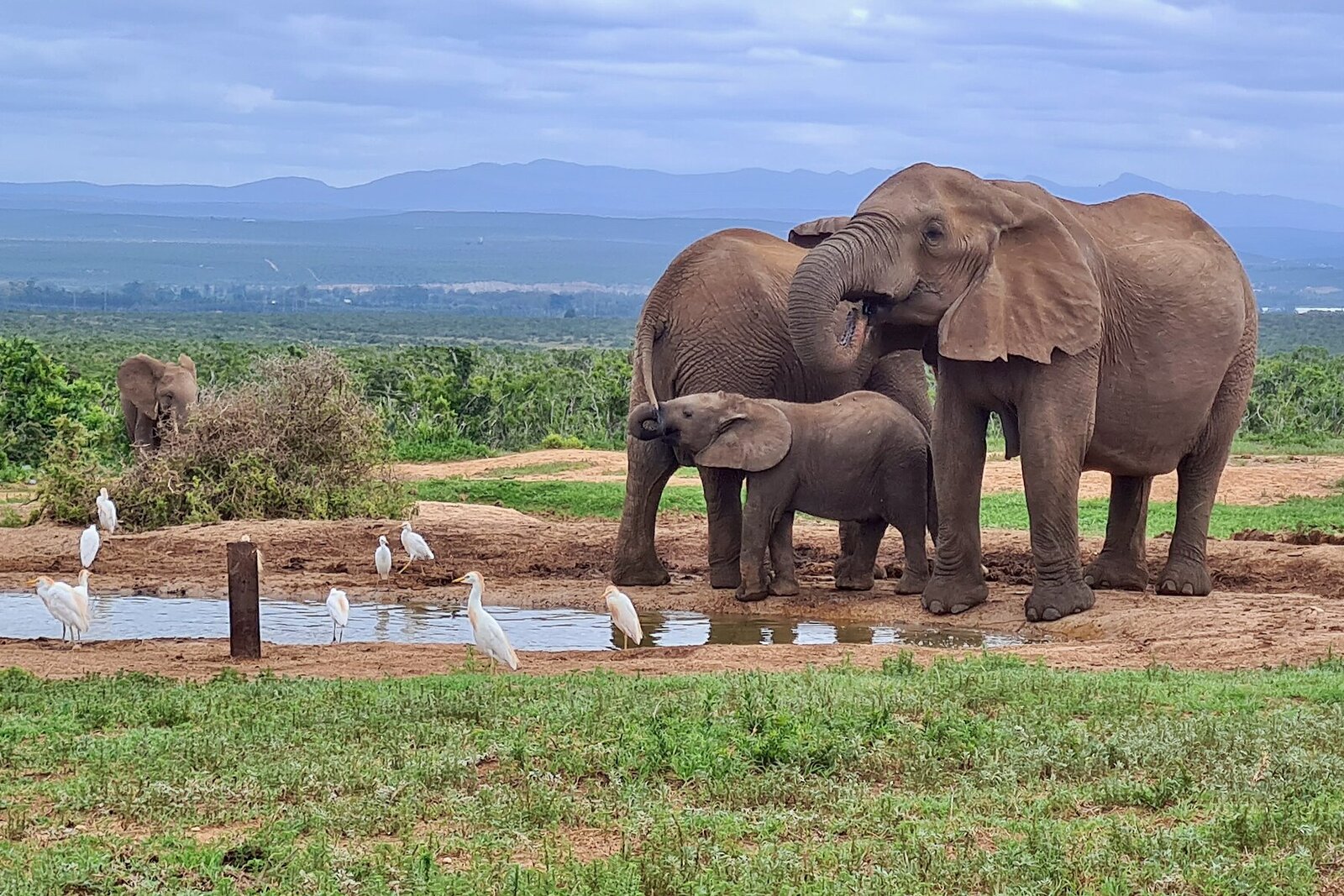
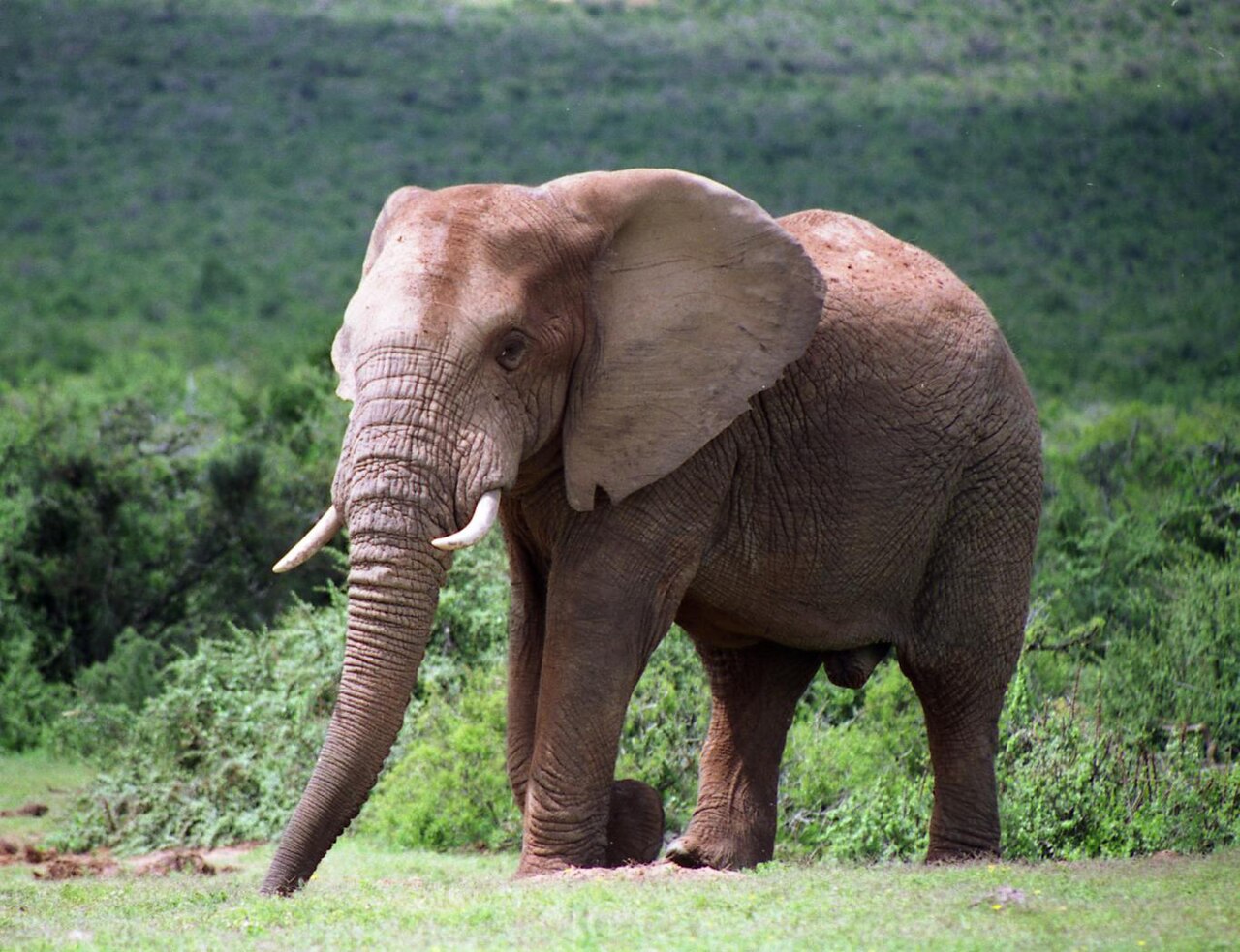
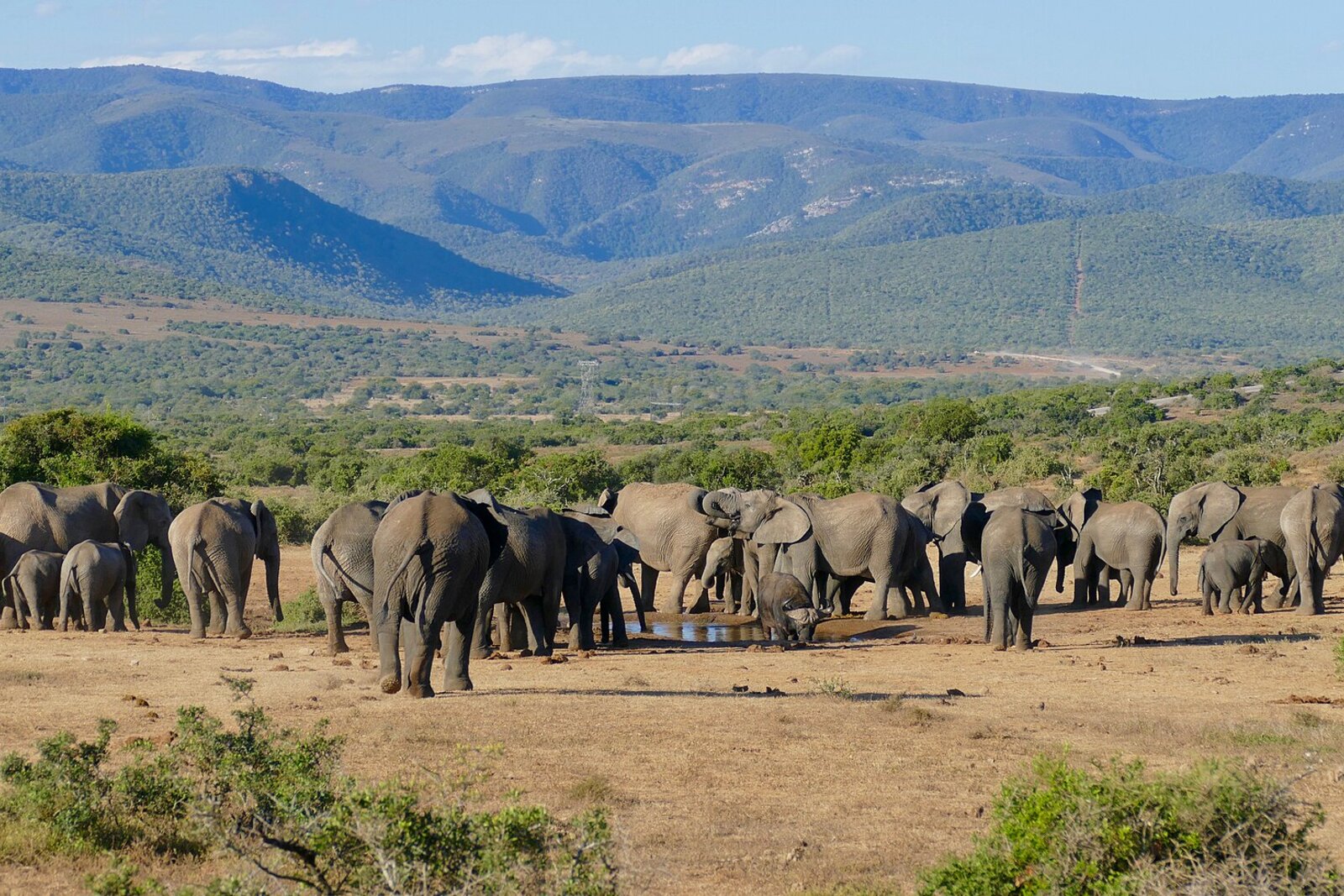
The 16 elephants flown in from Botswana in 2001 were the founding herd. Today, the population has grown to estimated 100+ (exact numbers vary — the Kissama Foundation conducts aerial surveys periodically). You’ll often see small family groups near the Kwanza River or around seasonal waterholes. Bulls are typically solitary or in bachelor groups.
Giraffe (Giraffa camelopardalis angolensis)
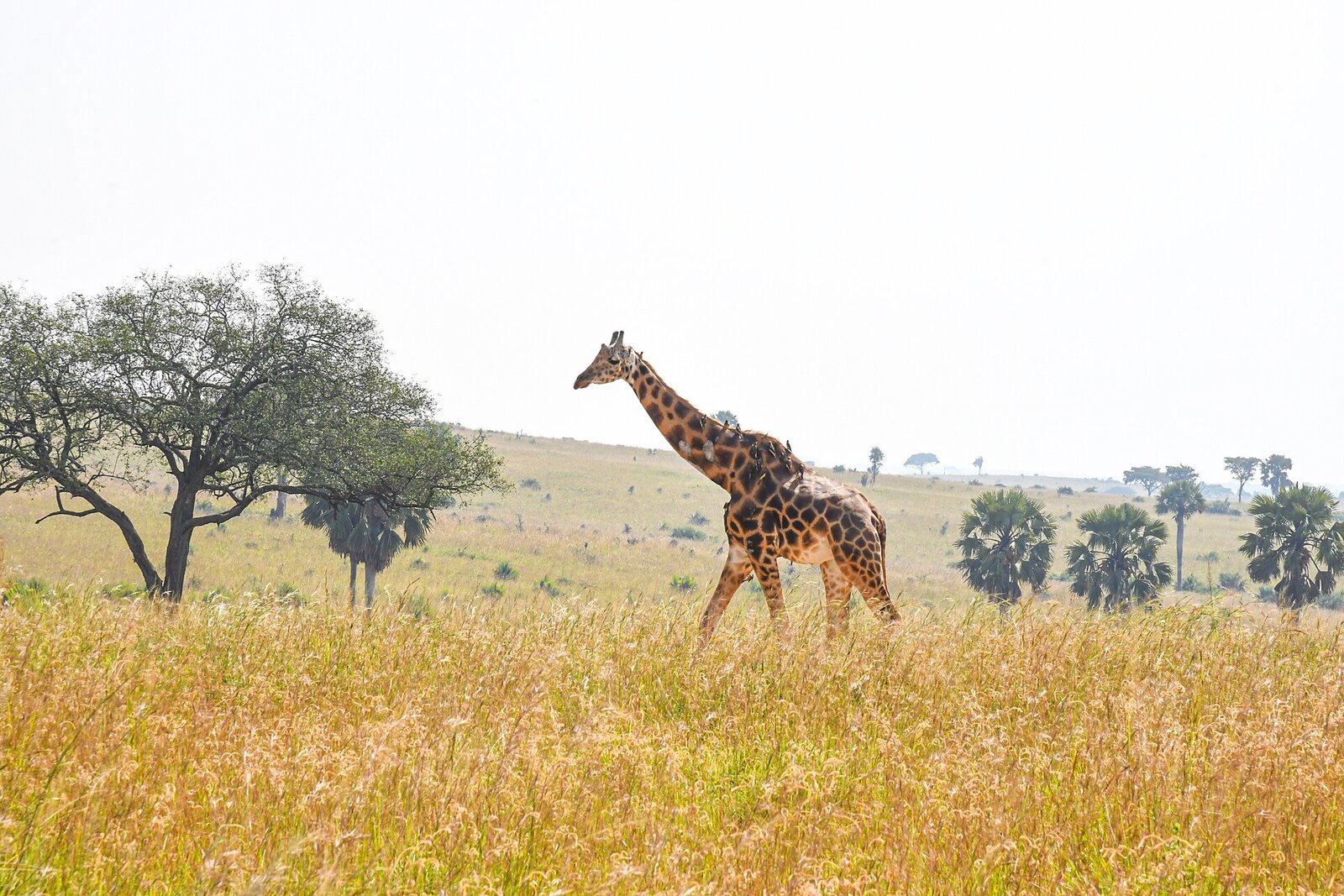
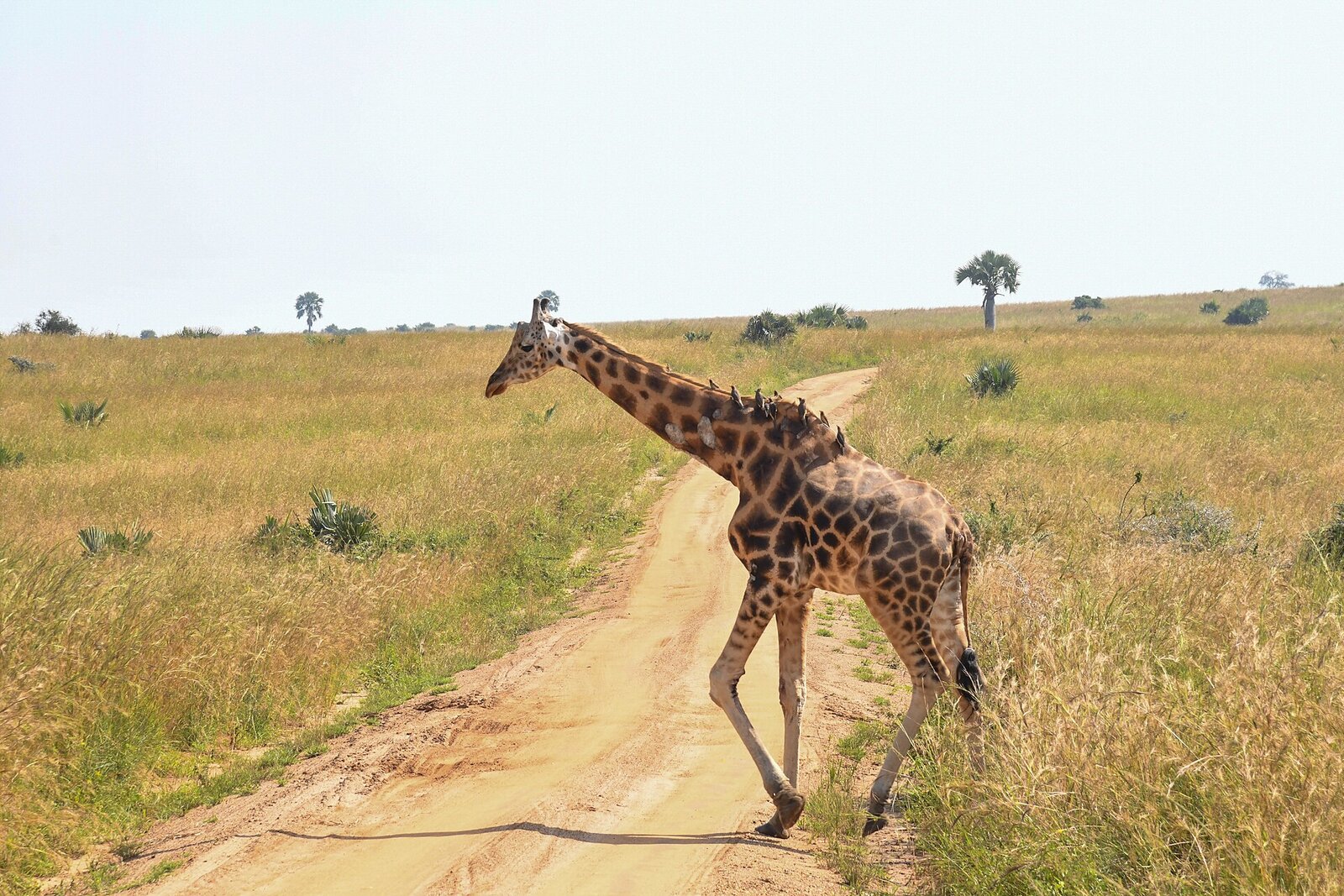
The Angolan giraffe subspecies was reintroduced in 2001. Herds of 3–10 individuals browse acacia and mopane foliage. Their gentle movements against the savanna sunset are Kissama’s most iconic image.
Buffalo (Syncerus caffer)
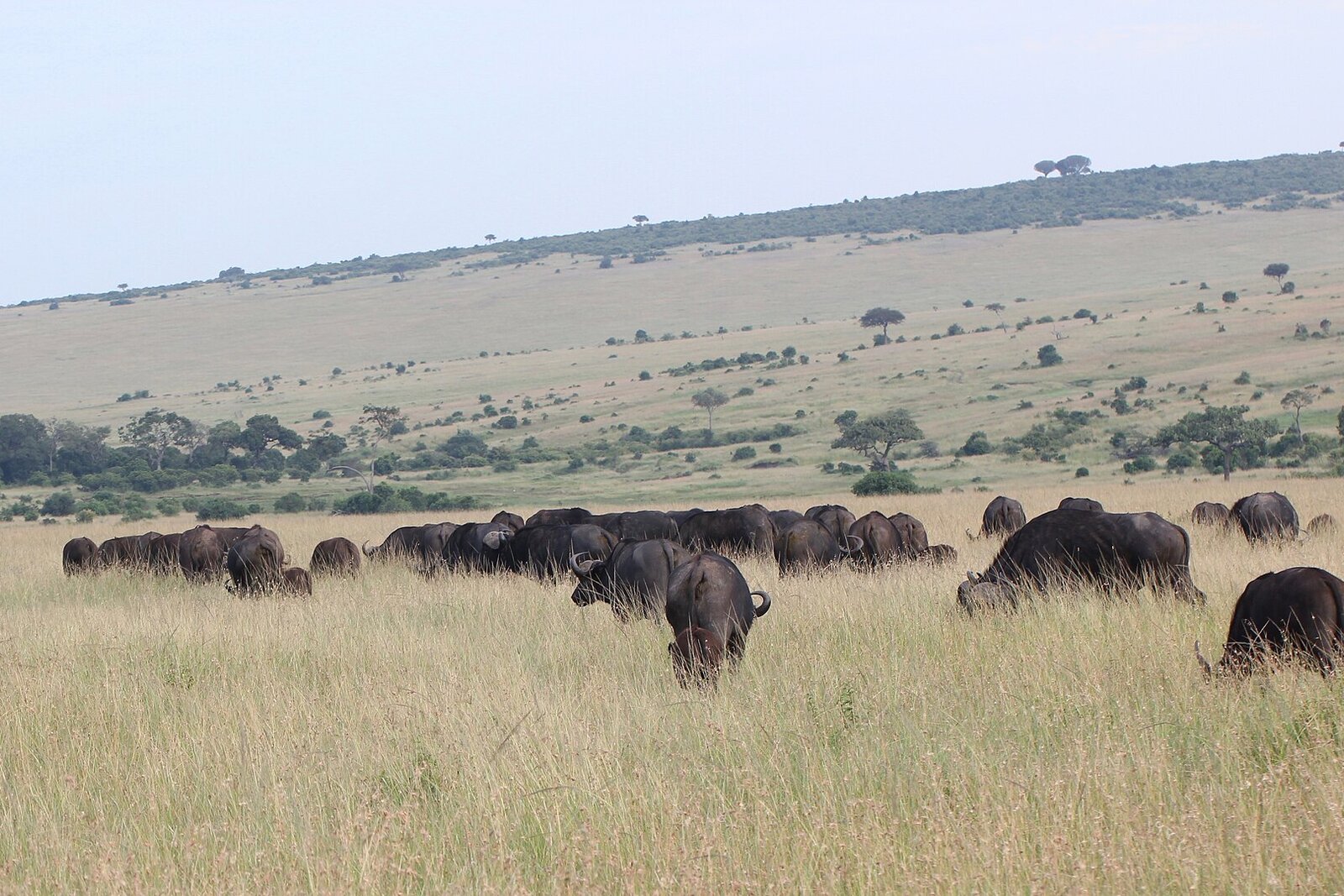
Cape buffalo herds were also part of Operation Noah’s Ark. Today, you’ll encounter groups of 10–50 animals, often near water sources. Males are grumpy, so keep a respectful distance if you’re on foot.
Antelope
- Eland (Taurotragus oryx): Africa’s largest antelope, reintroduced in 2001. Herds of 5–20 graze the open plains.
- Roan Antelope (Hippotragus equinus): Rare but present. One of Africa’s most majestic antelopes, with curved horns and a horse-like build.
- Waterbuck (Kobus ellipsiprymnus): Common along rivers and wetlands. Males have impressive lyre-shaped horns.
- Bushbuck (Tragelaphus scriptus): Shy, forest-dwelling antelope. Early-morning sightings in gallery forests.
- Duiker (Cephalophinae): Several duiker species inhabit the park’s thickets.
Zebra and Wildebeest
Plains zebra and blue wildebeest were also translocated, though populations remain modest. Zebra herds of 5–15 animals are occasionally spotted grazing alongside antelope.
Hippos and Crocodiles
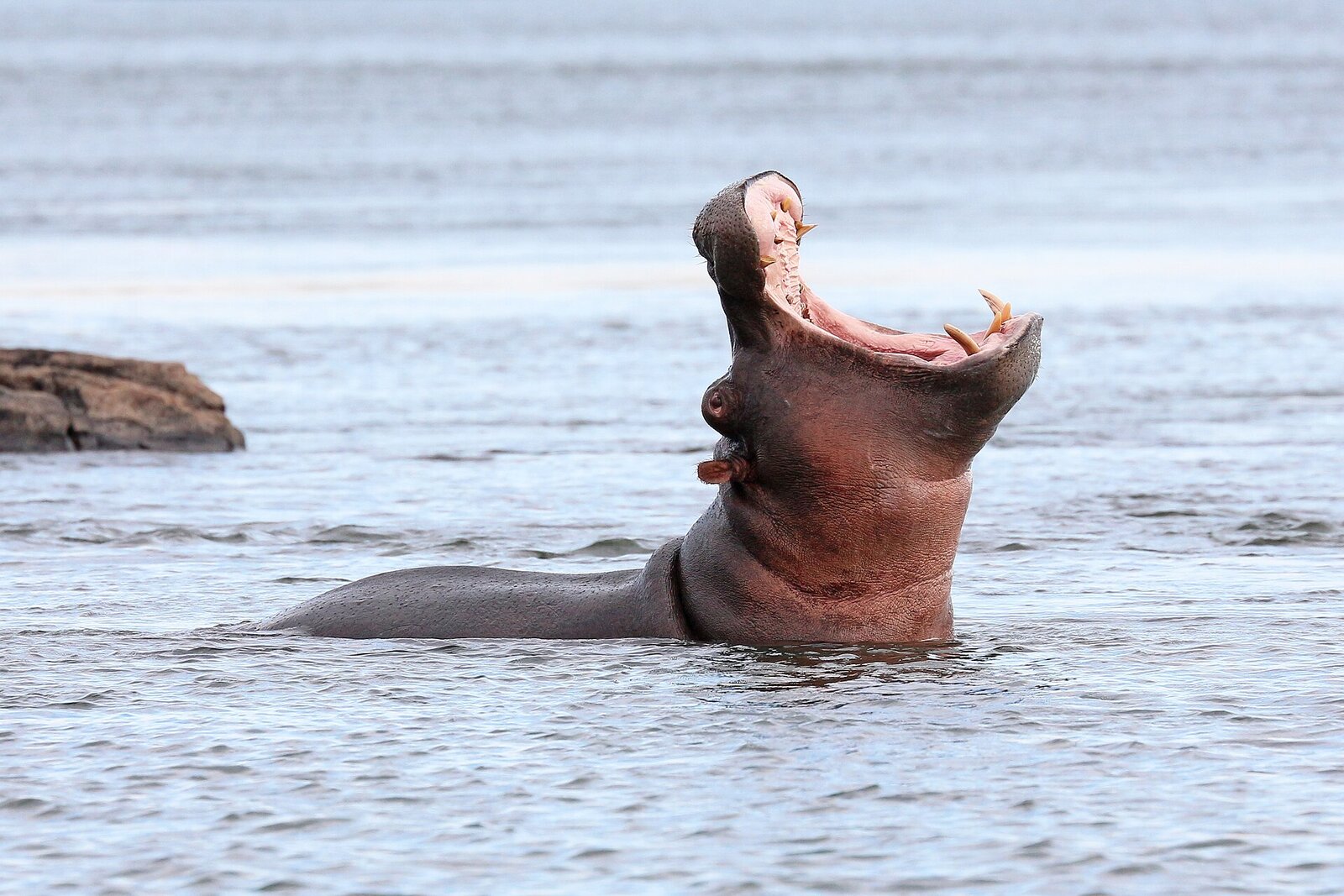
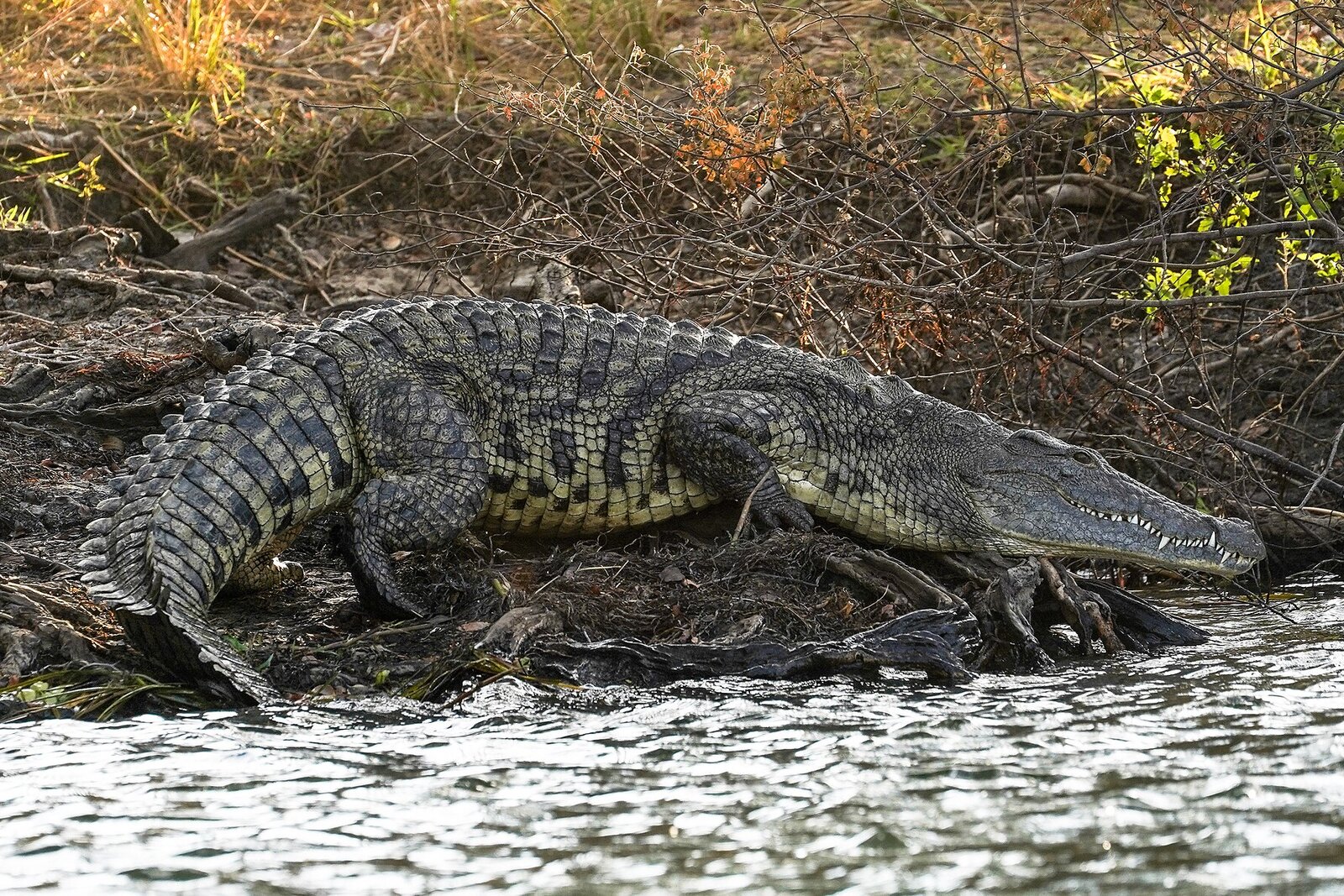
The Kwanza River hosts resident populations of hippos (mostly submerged during the day, active at night) and Nile crocodiles (basking on sandbanks). River safaris or sunset cruises offer the best viewing.
What About Giant Sable?
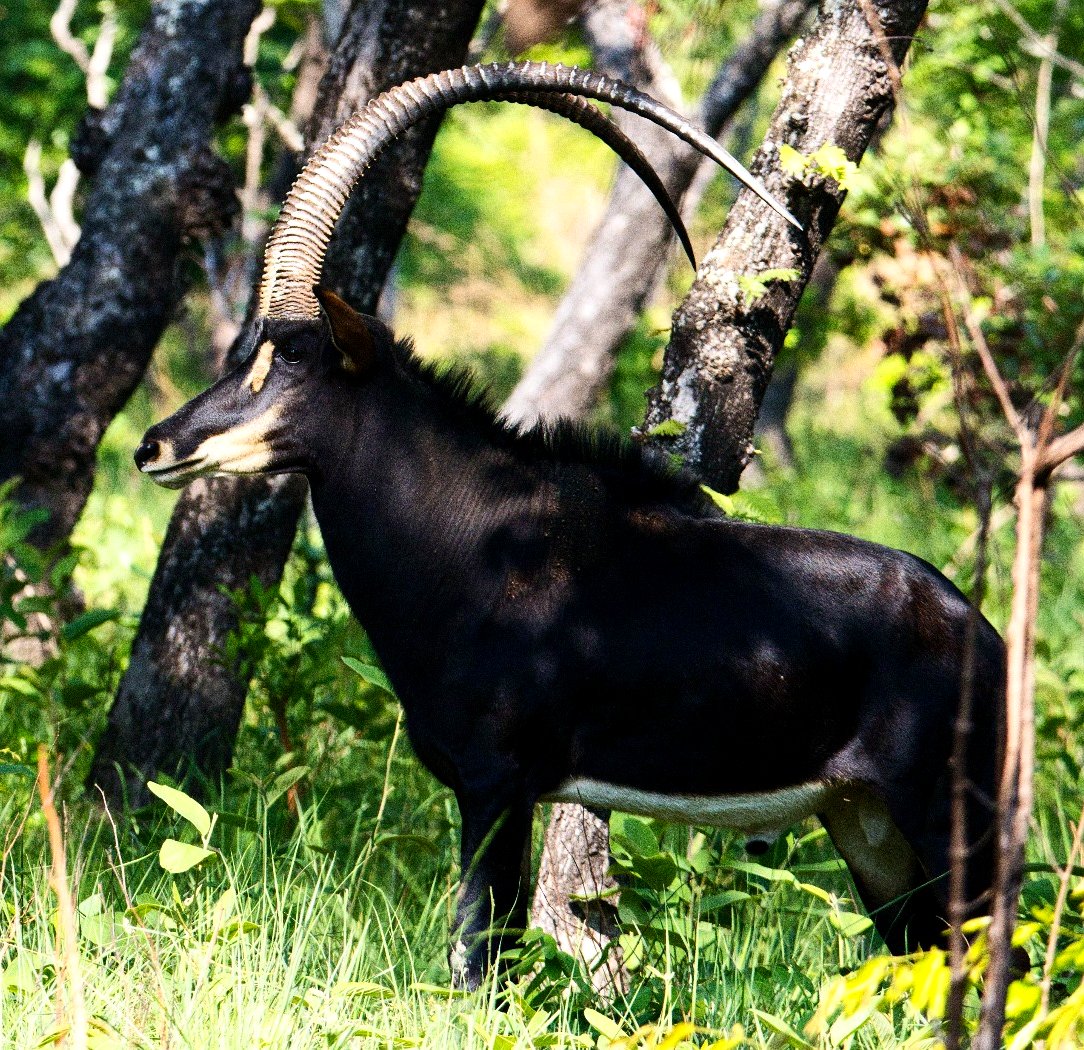
The Giant Sable Antelope (Hippotragus niger variani) — Angola’s national symbol — does NOT live in Kissama. This critically endangered subspecies is found only in Cangandala National Park and Luando Reserve in Malanje Province, 400km east of Luanda. If Giant Sable is your priority, you’ll need a separate expedition.
Birdlife (200+ Species)
Kissama is a birding paradise. Key species include:
- African Fish Eagle: The quintessential African raptor, perched along the Kwanza River.
- Pink-backed Pelican: Wetland specialist, often in flocks.
- Greater and Lesser Flamingo: Seasonal visitors to estuaries.
- Saddle-billed Stork, Goliath Heron, Hammerkop: Wading birds in wetlands.
- Palearctic Migrants (Nov–Mar): European bee-eaters, rollers, warblers.
- Raptors: Martial eagle, tawny eagle, bateleur.
Operation Noah’s Ark: The Legend
Operation Noah’s Ark is one of the most audacious wildlife rescues in history — and the reason Kissama exists as a safari destination today.
The Crisis
By 2000, Angola’s civil war had raged for 25 years. Kissama, gazetted as a national park in 1957 and originally home to thriving elephant, lion, and antelope populations, was decimated. Landmines, poaching, and collapse of park management left the ecosystem hollow. Meanwhile, reserves in Botswana and South Africa faced overcrowding — too many elephants and buffalo for the available land.
The Plan
In 2000, the Kissama Foundation (founded by Angolan businesspeople and conservationists) partnered with the governments of Angola, Botswana, and South Africa, plus international NGOs, to launch a wildlife translocation. The goal: repopulate Kissama with surplus animals from thriving reserves, giving Angola a safari economy and the animals a new home.
The Execution
In April 2001, the first wave began:
- 16 elephants from Botswana’s Tuli Block were trucked to Francistown, loaded onto a Russian Ilyushin Il-76 cargo plane, and flown to Luanda. From there, trucks transported them to Kissama’s release site.
- Over the following months, additional translocations brought dozens of giraffe, eland, buffalo, zebra, wildebeest, roan antelope, ostrich, and more from South Africa’s Eastern Cape and North West Province.
The Challenges
Not all went smoothly. Some elephants broke through fences and wandered into nearby villages. A few died from stress or disease during acclimatization. Landmines remained a threat. But the majority adapted, bred, and spread across the park.
The Result
By 2010, elephant numbers had grown from 16 to an estimated 60+. Giraffe, eland, and buffalo populations stabilized and began reproducing. Today, Kissama hosts 100+ elephants, dozens of giraffe, thriving antelope herds, and a growing birding reputation. It’s not perfect — poaching still occurs, infrastructure is basic, and wildlife densities are far below East African parks — but it’s a genuine success story.
Best Time to Visit Kissama National Park
The optimal window for wildlife viewing is the dry season (May–October), but each season offers unique experiences:
Dry Season (May–October) — Best for Game Viewing
- Weather: Clear skies, cooler temperatures (20–30°C / 68–86°F), low humidity.
- Wildlife: Grass thins out, animals congregate around permanent water sources (Kwanza River, seasonal pans). Easier spotting.
- Accessibility: Dry roads, minimal mud. 4×4 still recommended but not always essential.
- Peak Months: June–September — coolest, driest, best for photography.
Wet Season (November–April) — Birding and Green Season
- Weather: Afternoon thunderstorms, lush green vegetation, warmer (25–35°C / 77–95°F).
- Wildlife: Animals disperse as water is everywhere. Harder to spot, but newborn calves and foals (Jan–March).
- Birding Peak: November–March — resident breeders in full plumage + Palearctic migrants.
- Accessibility: Muddy tracks, potential river flooding. 4×4 essential.
Should You Visit in the Wet Season?
If you’re a serious birder, photographer seeking dramatic storm light, or prefer fewer tourists, absolutely. Just lower your expectations for big mammal sightings and prepare for muddy conditions.
Getting to Kissama National Park
Kissama is Angola’s easiest national park to reach — a major advantage over remote Iona or Cangandala.
Fly to Luanda (LAD)
All journeys start at Quatro de Fevereiro International Airport (LAD) in Luanda. International flights arrive from Lisbon, Johannesburg, Addis Ababa, Dubai, and other African hubs.
Drive to Kissama (70km, 2–3 Hours)
From central Luanda, the park entrance is 70km south via the EN-100 coastal highway toward Cabo Ledo and Barra do Kwanza. Road conditions have improved significantly since 2015, but:
- Paved road to Barra do Kwanza: The first 50km are smooth tarmac.
- Final 20km: Gravel/dirt tracks. 4×4 recommended (essential in wet season).
- Driving time: 2–3 hours depending on traffic leaving Luanda and road conditions.
Organized Safari Transfers
Most visitors book guided day-safaris from Luanda or 2–3-night packages that include:
- 4×4 vehicle pickup/drop-off from your Luanda hotel
- Park entry fees
- Game drives with experienced guides
- Accommodation at Kwanza Lodge or inside-the-park camps
Operators like Palace Travel Angola, Eco Tur, and Karibu Travel run regular Kissama safaris. We include Kissama as an optional add-on to our Angola Discovery 7-Night Safari and Angola Expedition 10-Night Journey.
Self-Drive?
Technically possible if you rent a 4×4 in Luanda, but not recommended unless you:
- Have extensive African bush driving experience
- Speak Portuguese (limited English outside Luanda)
- Carry spare fuel, tools, and a satellite phone (cell coverage is patchy)
- Know how to navigate without detailed maps (GPS coverage is improving but not perfect)
Where to Stay: Lodges and Accommodation
Kissama’s accommodation scene is improving but still basic compared to Southern African luxury safari lodges. Your options:
1. Kwanza Lodge (Kwanza River Lodge) — PRIMARY GATEWAY ⭐
Location: Mouth of the Kwanza River, 70km south of Luanda, on the Atlantic coast (technically just outside the park boundary but immediate proximity).
Type: Originally a fishing lodge (famous for tarpon and offshore marlin), now doubling as the primary safari base for Kissama excursions.
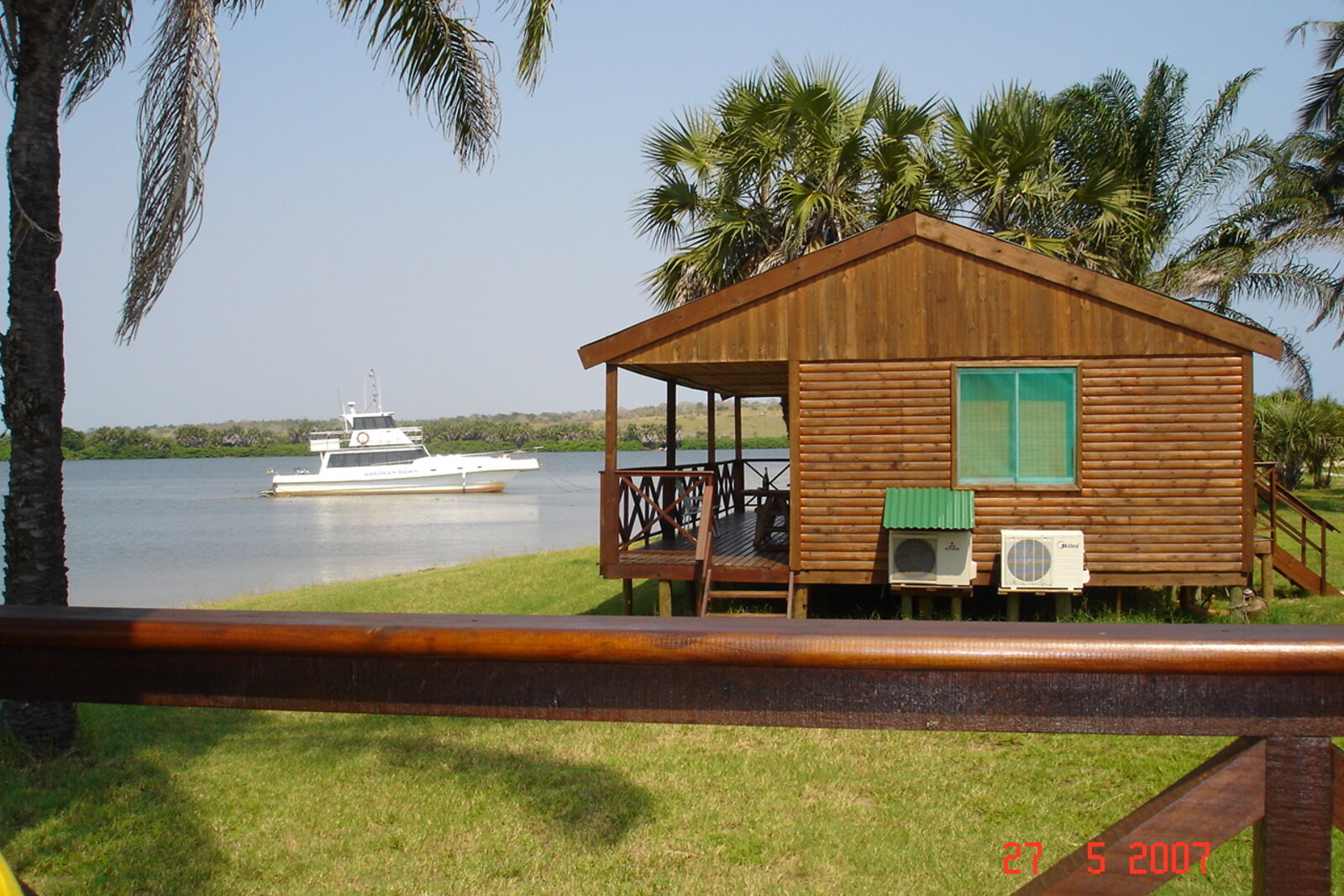
Accommodation: Rustic but comfortable cabin-style rooms with AC, en-suite bathrooms, river or ocean views. Not luxury — think functional fishing camp vibe.
Amenities: Restaurant (seafood-focused), bar, swimming pool, boat excursions, Wi-Fi (intermittent).
Signature: Tarpon fishing in the Kwanza River estuary (world-class action Oct–Mar) + offshore marlin/sailfish charters on the 50ft live-aboard Angolan Dawn. Safari day-trips to Kissama depart daily.
Rates: $43–$310/night depending on season and room type (Palace Travel quotes).
Booking: Palace Travel, Sportquest Holidays, or direct via Untamed Travelling.
2. Mangais Ecoturismo Golf Resort — LUXURY ALTERNATIVE ⛳
Location: Barra do Kwanza, 55–80km south of Luanda (30min drive from Kissama gates).
Type: Ecotourism golf resort with an 18-hole Nicklaus Design championship course — one of Angola’s most upscale properties.
Accommodation: 40-room lodge + T1/T2/T3 bungalows. Modern, air-conditioned, luxury finishes.
Amenities: 3 restaurants, spa, swimming pools, polo club (Angola’s only), boat tours, fishing, cultural excursions, Kissama safari packages.
Best For: Families, golfers, or travelers seeking comfort + safari combo.
Note: This is a resort experience, not a bush camp. If you want to wake up to elephant calls, stay elsewhere.
3. Kissama-Kurica Safari Lodge — INSIDE-THE-PARK OPTION 🦁
Location: Inside Kissama National Park (rare!).
Type: Basic safari lodge with cabin-style accommodation, bar, and swimming pool.
Rating: 3/5 TripAdvisor (ranked 12th specialty lodging Luanda), 6/10 Trip.com, 78% Facebook recommend.
Pros: You’re inside the park — no daily commute. Authentic bush atmosphere.
Cons: Infrastructure is dated. Electricity can be unreliable. Food is basic but edible.
Best For: Budget-conscious safari purists who prioritize location over luxury.
4. Kissama Eco Lodge — BOUTIQUE INSIDE-PARK 🌿
Location: Inside Kissama NP.
Type: Small eco-lodge with bungalows and meeting spaces.
Use Case: Popular for corporate retreats, team-building, and environmental gatherings rather than traditional safari tourists.
Availability: Limited public visibility — bookings often via Angolan corporate networks.
5. Pousada Caua — RIVER LUXURY 🌊
Location: Banks of the Cuanza (Kwanza) River.
Type: Luxury thatched chalets with river views.
Amenities: Fishing, river cruises, beach walks, birdwatching.
Best For: Travelers seeking a river-and-nature escape with optional safari add-ons.
Luanda Hotel Base + Day-Safari Model
Many visitors skip overnight stays near Kissama and instead base themselves at a Luanda luxury hotel (Epic Sana, Skyna, HTLA Talatona) and take full-day safari excursions. This works if you:
- Prefer urban comfort and amenities
- Want to explore Luanda’s culture, restaurants, and nightlife
- Are short on time (2–3 days total in Angola)
Safari Activities in Kissama
Kissama is not a Big Five park, so don’t expect Kruger-style daily lion sightings or cheetah hunts. What you will experience:
Game Drives (Half-Day or Full-Day)
- Early Morning Drives (6–9am): Best for elephants at waterholes, giraffe browsing, and antelope activity. Light is golden, temperatures cool.
- Late Afternoon Drives (3–6pm): Animals emerge as heat subsides. Sunset over baobab-studded savanna is spectacular.
- Full-Day Expeditions: Pack a picnic, explore deeper into the park. Kwanza River viewpoints, hidden pans, and remote gallery forests.
Kwanza River Cruises
Sunset or early-morning boat safaris on the Kwanza River reveal hippos, crocodiles, and prolific birdlife (African fish eagles, pink-backed pelicans, kingfishers). The river mouth’s mangrove maze is eerily beautiful.
Birdwatching
With 200+ species, Kissama is a birding hotspot. Key zones:
- Kwanza River estuaries: Flamingos, herons, storks, pelicans.
- Gallery forests: Woodland kingfishers, turacos, hornbills.
- Open savanna: Raptors (martial eagle, bateleur), ground hornbills, ostriches (reintroduced).
Walking Safaris (Limited)
Not widely offered due to safety concerns (landmines in some areas, unpredictable elephants, lack of trained walking guides). If available, walks are short, guided, and near lodges.
Fishing (Kwanza Lodge)
If you’re staying at Kwanza Lodge, don’t miss tarpon fishing (world-class, especially Oct–Mar) and offshore marlin/sailfish charters aboard the Angolan Dawn.
Beach Walks and Coastal Exploration
Kissama’s 120km Atlantic coastline is wild and rarely visited. Walk the beaches, spot ghost crabs, watch seabirds, and feel the Benguela Current’s cool breeze.
Luanda: The Gateway City
Your Angola safari begins and ends in Luanda — Africa’s most expensive city (for decades), now more accessible but still pricey. Here’s what to experience:
Top Luanda Attractions
- Fortaleza de São Miguel: 16th-century Portuguese fortress, now the Museum of the Armed Forces. Panoramic bay views.
- Ilha do Cabo (Ilha de Luanda): Luanda’s playground — a narrow peninsula lined with beaches, seafood restaurants, nightclubs, and bars. Sunset cocktails are obligatory.
- National Museum of Slavery: Harrowing but essential. Documents Angola’s role in the transatlantic slave trade.
- Mussulo Island: White-sand beach escape, 30min boat ride from Luanda. Turquoise waters, beach clubs, water sports.
- Miradouro da Lua (Moon Viewpoint): 40km south of Luanda. Eroded clay cliffs resembling a lunar landscape. Surreal photo opportunity.
Luanda Luxury Hotels
- Epic Sana Luanda: 5-star, rooftop pool, skyline views.
- Skyna Hotel: Modern, central location.
- HTLA Talatona: Business hotel near the upscale Talatona district.
Sample 6-Night Luanda + Kissama Itinerary
This itinerary balances city culture, safari, and Atlantic coast relaxation:
Day 1: Arrive Luanda (LAD)
- Transfer to luxury hotel (Epic Sana or Skyna)
- Afternoon rest and city orientation walk
- Evening: Sunset cocktails on Ilha do Cabo
- Overnight: Luanda
Day 2: Luanda City Tour
- Morning: Fortaleza de São Miguel + National Museum of Slavery
- Lunch at a traditional Angolan restaurant (muamba de galinha — chicken palm oil stew)
- Afternoon: Mussulo Island beach excursion (boat ride + swimming)
- Evening: Marginal promenade stroll
- Overnight: Luanda
Day 3: Transfer to Kwanza Lodge + Kissama Afternoon Safari
- Morning: Drive south to Kwanza Lodge (2–3 hours)
- Check-in, lunch at the lodge
- Afternoon: First Kissama game drive (3–6pm) — elephants, giraffe, buffalo
- Sunset river views
- Overnight: Kwanza Lodge
Day 4: Full-Day Kissama Safari + Kwanza River Cruise
- Dawn game drive (6–9am) — prime wildlife activity
- Return for breakfast
- Late morning: Kwanza River boat safari (hippos, crocodiles, birdwatching)
- Lunch and siesta at lodge
- Afternoon: Second game drive, exploring remote park sectors
- Evening: Sundowner in the bush
- Overnight: Kwanza Lodge
Day 5: Morning Safari + Beach Walk + Transfer to Luanda
- Early game drive (last wildlife sightings)
- Return for breakfast
- Mid-morning: Walk Kissama’s wild Atlantic beach (optional)
- Depart for Luanda (arrive mid-afternoon)
- Evening: Free time or optional Ilha do Cabo dinner
- Overnight: Luanda
Day 6: Optional Iona Extension or Kalandula Falls
- Option A: Fly to Namibe for a 2–3-night Iona National Park desert expedition (add-on)
- Option B: Fly to Malanje for Kalandula Falls (Angola’s Niagara) + Pedras Negras (Black Rocks) day-trip
- Option C: Relax in Luanda, explore markets, final shopping
- Overnight: Luanda (or Namibe/Malanje if extending)
Day 7: Depart Luanda (LAD)
- Morning at leisure
- Transfer to Luanda airport
- International departure
Kissama vs. Other African Parks: Honest Comparison
How does Kissama stack up against iconic safari destinations? Let’s be transparent:
| Feature | Kissama (Angola) | Etosha (Namibia) | Kruger (South Africa) | Chobe (Botswana) |
|---|---|---|---|---|
| Distance from Capital | 70km (Luanda) — 2–3 hours | 400km (Windhoek) — 5 hours | 360km (JNB) — 5 hours | 100km (Kasane airport) |
| Wildlife Density | Rebuilding (low–moderate) | High | Very High | Very High (elephants) |
| Big Five? | No (elephants only) | Yes (except buffalo) | Yes (all five) | Yes (no rhino) |
| Signature Story | Reintroduction / comeback | Etosha Pan / salt flats | Iconic Big Five safari | River elephants (100+/herd) |
| Lodge Options | Gateway base + 2–3 camps | Many in-park camps + lodges | 100+ lodges, all budgets | Luxury river camps |
| Accessibility | Very easy from Luanda | Moderate (long drive or fly) | Easy (fly Kruger/Hoedspruit) | Easy (fly Kasane) |
| Infrastructure | Basic, improving | Excellent (Namibia standards) | World-class (tar roads, camps) | Excellent (luxury camps) |
| Best For | Accessibility, conservation story, Angola combo | Classic savanna safari | Ultimate Big Five experience | Elephant herds + river safari |
| Honest Verdict | Not as wildlife-rich as Kruger/Etosha, but unmatched accessibility in Angola + inspiring comeback | Premier Namibian park | Africa’s safari benchmark | Best elephant viewing on Earth |
Conservation and UNESCO Biosphere Reserve Status
In 2025, Kissama National Park was designated a UNESCO Biosphere Reserve, recognizing its ecological importance, successful wildlife reintroduction, and potential as a model for post-conflict conservation.
What Is a Biosphere Reserve?
UNESCO Biosphere Reserves are areas that balance biodiversity conservation, sustainable development, and research. They’re not strict no-go zones — people can live, work, and visit, but under sustainable management frameworks.
Kissama’s Conservation Challenges
- Poaching: Still occurs, though reduced. Kissama Foundation and park rangers patrol, but resources are limited.
- Human-Wildlife Conflict: Elephants occasionally break through fences and raid crops in nearby villages.
- Landmines: Remnants of the civil war still threaten both wildlife and people in remote sectors.
- Funding: Angola’s oil-dependent economy means park budgets fluctuate with oil prices.
Kissama Foundation
The Kissama Foundation (Fundação Kissama) is the driving force behind the park’s recovery. Founded in 1996 by Angolan and international conservationists, it oversees:
- Wildlife monitoring (aerial surveys, GPS collaring)
- Anti-poaching patrols
- Community outreach and education
- Tourism infrastructure development
A portion of safari fees supports the Foundation’s work. By visiting Kissama, you’re directly funding Angola’s conservation renaissance.
What to Pack for Kissama
Clothing
- Neutral-colored clothing (khaki, olive, beige) — avoid bright colors and white
- Long sleeves and pants (sun protection + mosquitoes)
- Light fleece or jacket (early mornings can be cool, even in summer)
- Wide-brimmed hat and sunglasses
- Comfortable walking shoes or hiking boots
- Swimsuit (lodges have pools, and Kwanza River/beach swims are possible)
Gear
- Binoculars (essential for distant wildlife and birding)
- Camera with telephoto lens (300mm+ recommended)
- Spare batteries and memory cards
- Headlamp or flashlight
- Reusable water bottle (stay hydrated)
- Daypack for game drives
Health and Safety
- Malaria prophylaxis (Kissama is a malaria zone — consult your doctor)
- Insect repellent (DEET 30%+)
- Sunscreen (SPF 50+)
- Basic first-aid kit
- Anti-diarrheal medication (just in case)
- Yellow fever vaccination certificate (required for Angola entry)
Honest Expectations: What Kissama Is (and Isn’t)
Let’s set the record straight so you arrive with realistic expectations:
What Kissama IS
- An inspiring conservation success story: Wildlife returning after near-total collapse.
- Angola’s most accessible park: 70km from Luanda, perfect for short trips.
- A birding paradise: 200+ species, wetlands, river habitats.
- Scenic and uncrowded: You’ll have the savanna largely to yourself.
- A chance to support post-conflict conservation: Your visit funds the Kissama Foundation.
What Kissama IS NOT
- A Big Five park: Lions, leopards, and rhinos are absent.
- High wildlife density: You’ll see elephants, giraffe, and antelope, but not Kruger-style abundance.
- Luxury safari infrastructure: Lodges are functional, not five-star.
- Guaranteed daily sightings: Wildlife populations are rebuilding — some days are quiet.
The Bottom Line: If you want predictable Big Five sightings, go to Kruger or Etosha. If you want accessibility, authenticity, and the privilege of witnessing Africa’s resilience, Kissama is unmatched.
Cost and Budget: How Much Does Kissama Cost?
Angola is historically one of Africa’s most expensive destinations (thanks to oil-boom inflation). Costs have moderated since the 2015–2020 recession, but it’s still pricier than East Africa. Here’s an honest breakdown:
Kissama Day-Safari from Luanda
- $150–$300 per person (4×4 vehicle, guide, park fees, lunch)
- Depart Luanda 6am, return 6pm
- Ideal for travelers with limited time
Kwanza Lodge 2–3-Night Safari Package
- $500–$1,200 per person (depending on season, room type, and inclusions)
- Includes: accommodation, meals, 2–4 game drives, Kwanza River cruise, park fees
- Add-on: fishing charters ($200–$500/day)
Full Angola Journey (Luanda + Kissama + Iona, 7–10 Nights)
- $3,500–$10,000 per person
- Includes: Luanda luxury hotel, Kwanza Lodge, Iona expedition, internal flights, guides, meals
- See our Angola Discovery and Angola Expedition packages
Park Entry Fees
- ~$10–$20 per person per day (foreign visitors)
- Vehicle fees: ~$5–$10
- Fees go to Kissama Foundation and park management
Budget Tips
- Travel in shoulder season (Apr–May, Nov): Lower lodge rates, fewer crowds.
- Join a group tour: Sharing 4×4 costs cuts per-person rates significantly.
- Stay in Luanda, do day-safaris: Cheaper than multi-night lodge packages.
- Combine with Iona: Amortize internal flight costs over a longer trip.
Cultural Aspects: Respectful Travel in Angola
Angola is a Portuguese-speaking, predominantly Christian nation (Catholic majority, growing Protestant/Pentecostal communities). Here’s how to travel respectfully:
Language
- Portuguese is the official language. English is spoken in Luanda’s upscale hotels and among tour operators, but rarely elsewhere.
- Learn basic Portuguese greetings: Bom dia (Good morning), Obrigado/a (Thank you), Por favor (Please).
Photography Etiquette
- Always ask permission before photographing people, especially in villages.
- Government buildings, military sites, and infrastructure (bridges, airports) are strictly off-limits for photography.
Dress Code
- Luanda is cosmopolitan — casual, smart-casual, and beachwear are all fine in appropriate contexts.
- In rural areas and lodges, dress modestly (covered shoulders, knees).
Tipping
- Safari guides: $10–$20 per person per day
- Lodge staff: $5–$10 per day (pooled tip box)
- Restaurants: 10% if service charge not included
Combining Kissama with Iona: The Ultimate Angola Safari
Angola’s two flagship parks — Kissama (savanna comeback) and Iona (desert coast wilderness) — are complementary contrasts. Here’s how to combine them:
7–10-Night Luanda + Kissama + Iona Journey
- Days 1–2: Luanda city exploration
- Days 3–4: Kissama (Kwanza Lodge, game drives, Kwanza River)
- Day 5: Fly Luanda → Namibe (2 hours)
- Days 6–8: Iona National Park 4×4 expedition (Namib desert, welwitschia, oryx, Atlantic coast)
- Day 9: Fly Namibe → Luanda
- Day 10: Depart Luanda
This itinerary showcases Angola’s full safari spectrum: urban vibrancy (Luanda), accessible savanna wildlife (Kissama), and remote desert adventure (Iona). See our Angola Expedition 10-Night Journey for the full package.
Photography Tips for Kissama
- Golden Hour: Dawn (6–7:30am) and late afternoon (4:30–6pm) offer soft, warm light. Plan game drives accordingly.
- Telephoto Lens: 300–600mm range. Wildlife is not always close, and you can’t leave vehicles.
- Patience: Wildlife sightings are less predictable than in Kruger. Sit at waterholes, wait for elephants to emerge from gallery forests.
- Dust and Humidity: Keep lenses clean (microfiber cloth + blower). Humid coastal air can fog lenses when moving from AC vehicles to hot bush.
- Storytelling Shots: Capture the reintroduction narrative — elephants against baobabs, giraffe silhouettes at sunset, Kissama Foundation rangers at work.
Safety and Health Considerations
Malaria
Kissama is a malaria zone year-round. Prophylaxis (Malarone, doxycycline, or mefloquine) is strongly recommended. Combine with:
- Long sleeves and pants after dusk
- DEET repellent (30%+)
- Sleeping under mosquito nets (provided at lodges)
Yellow Fever
Yellow fever vaccination is mandatory for entry to Angola. Carry your yellow fever certificate — you’ll be asked at Luanda airport immigration.
Wildlife Safety
- Never leave your vehicle during game drives unless your guide explicitly permits it.
- Elephants: Can be unpredictable, especially lone bulls or mothers with calves. Keep distance.
- Hippos: Most dangerous mammal in Africa. Never approach on foot, especially near water or at night.
- Crocodiles: Present in Kwanza River. No swimming unless lodge staff confirm it’s safe.
Landmines
Angola’s civil war left landmine contamination in some areas. Stick to marked roads and trails. Never wander off-path in remote sectors. Kissama Foundation and tour operators know safe zones.
Crime and Personal Safety
- Luanda has petty crime (pickpocketing, bag-snatching). Use hotel safes, avoid displaying valuables, take registered taxis or lodge transfers.
- Kissama itself is safe — isolated, low population density, tourist-focused.
Booking Your Kissama Safari
Ready to experience Angola’s comeback story? Here’s how to book:
Through Beyond Africa Safaris (Private Tours Cape Town)
We offer tailor-made Angola safari packages that combine Kissama, Luanda, and Iona into seamless journeys:
- Angola Discovery (7 Nights): Luanda + Kissama + Iona highlights
- Angola Expedition (10 Nights): In-depth exploration with extended time in each park
- Custom Angola Itineraries: We design around your dates, interests, and budget
Our packages include:
- All accommodation (Luanda hotels + Kwanza Lodge + Iona camps/lodges)
- Internal flights (Luanda – Namibe)
- 4×4 vehicles with experienced guides
- All game drives, park fees, and activities
- Meals as specified
- 24/7 in-country support
Contact us to start planning your Angola safari, or explore our full Ultimate Angola Safari & Travel Guide for broader context.
Local Angolan Operators
- Palace Travel Angola: Established operator, Kissama day-safaris and multi-day packages
- Eco Tur Angola: Eco-focused tours, Kissama + Kalandula Falls combos
- Karibu Travel: Bespoke Angola journeys, strong Luanda connections
Final Thoughts: Why Kissama Matters
Kissama National Park will never compete with the Serengeti’s wildebeest herds or Kruger’s lion prides. It doesn’t need to. What Kissama offers is something rarer: a front-row seat to Africa’s resilience.
Twenty-five years ago, this land was silent — emptied by war, poaching, and despair. Today, elephants trumpet at dawn, giraffe browse beneath acacias, and buffalo herds reclaim the savanna. Operation Noah’s Ark didn’t just save animals; it restored hope to a nation rebuilding itself.
When you safari in Kissama, you’re not ticking off a bucket list. You’re witnessing a miracle in motion — imperfect, ongoing, and profoundly human. You’re supporting the Kissama Foundation’s rangers, funding anti-poaching patrols, and proving that conservation can thrive even in post-conflict landscapes.
So yes, go to Kruger for Big Five abundance. But come to Kissama for something deeper: the privilege of watching Africa heal, one elephant, one giraffe, one sunrise at a time.
See you in the savanna. 🦁