Why Cangandala — The Giant Sable Alone
I have arranged safaris across Angola for long enough to know that the question about Cangandala almost always begins the same way: Can I actually see a Giant Sable? It is the right question to ask first, and I will answer it honestly before anything else, because the journey to this park deserves to be made with open eyes. — Alain Kabura, African Safari Specialist
The Giant Sable Antelope — known in Portuguese as the Palanca Negra Gigante — is Angola's national symbol. It appears on the country's coat of arms, on bank notes, on airline tail fins. It is the single most potent symbol of Angolan nationhood and natural heritage. And it exists, in the wild, only in Angola. Not in Botswana. Not in Tanzania. Not in South Africa. Only here, in a small pocket of miombo woodland in Malanje Province, and in the more remote Luando Reserve deeper in the interior.
Fewer than 200 animals survive. During Angola's 27-year civil war — one of Africa's longest and most destructive — the Giant Sable was almost hunted and displaced to extinction. Landmines scattered through Malanje Province killed animals directly. Poaching by armed groups reduced the population to an estimated 50 to 100 individuals by the late 1990s. Conservation researchers working after the 2002 peace found further damage: documented hybridisation between the Giant Sable and the closely related roan antelope had compromised the genetic purity of the few remaining animals.
The recovery since then has been slow, hard-won and genuinely moving. Researchers led by Pedro Vaz Pinto established a monitoring programme using GPS collars and camera traps, conducted DNA testing to identify purebred individuals, and worked with the Angolan government to give Cangandala proper protected status. Today the numbers are growing — slowly — and the subspecies is not extinct. That itself is a near miracle.
So: can you see one? Yes, you can — but a sighting is never guaranteed. The animals are wild, the park is a genuine wilderness of roughly 630 km², and the Giant Sable is a cryptic species that lives in dense woodland, not on open plains where you can simply drive the horizon. Specialist operators access GPS collar data and camera-trap intelligence from the conservation teams to put you in the best position. Some expeditions result in extraordinary close encounters. Others do not produce a sighting. The right mindset is to value the journey as much as the outcome, and to hold the Malanje region's other extraordinary attractions — Kalandula Falls and Pungo Andongo — as equally compelling reasons to make the trip.
With those foundations in place, here is everything you need to plan a Cangandala expedition properly.
The Giant Sable — Angola's Palanca Negra
The Giant Sable Antelope (Hippotragus niger variani) is a subspecies of the sable antelope, and the largest and most dramatically horned of all four sable subspecies. A mature bull stands roughly 140 cm at the shoulder and carries horns that sweep back in a magnificent curve — in exceptional individuals reaching 160 cm in length. The coat is a deep, lustrous black on the upper body, contrasting with a white face and belly. Females and younger males are chestnut brown.
What separates the Giant Sable from its subspecies relatives is not just size and horn length — it is its absolute geographic specificity. Sable antelope occur across a broad swathe of southern and east-central Africa. The Giant Sable occurs in one small corner of one country, and nowhere else. Its range has always been limited to the central Angolan plateau, where the miombo woodland ecosystem it depends on reaches a particular quality of structure and vegetation density.
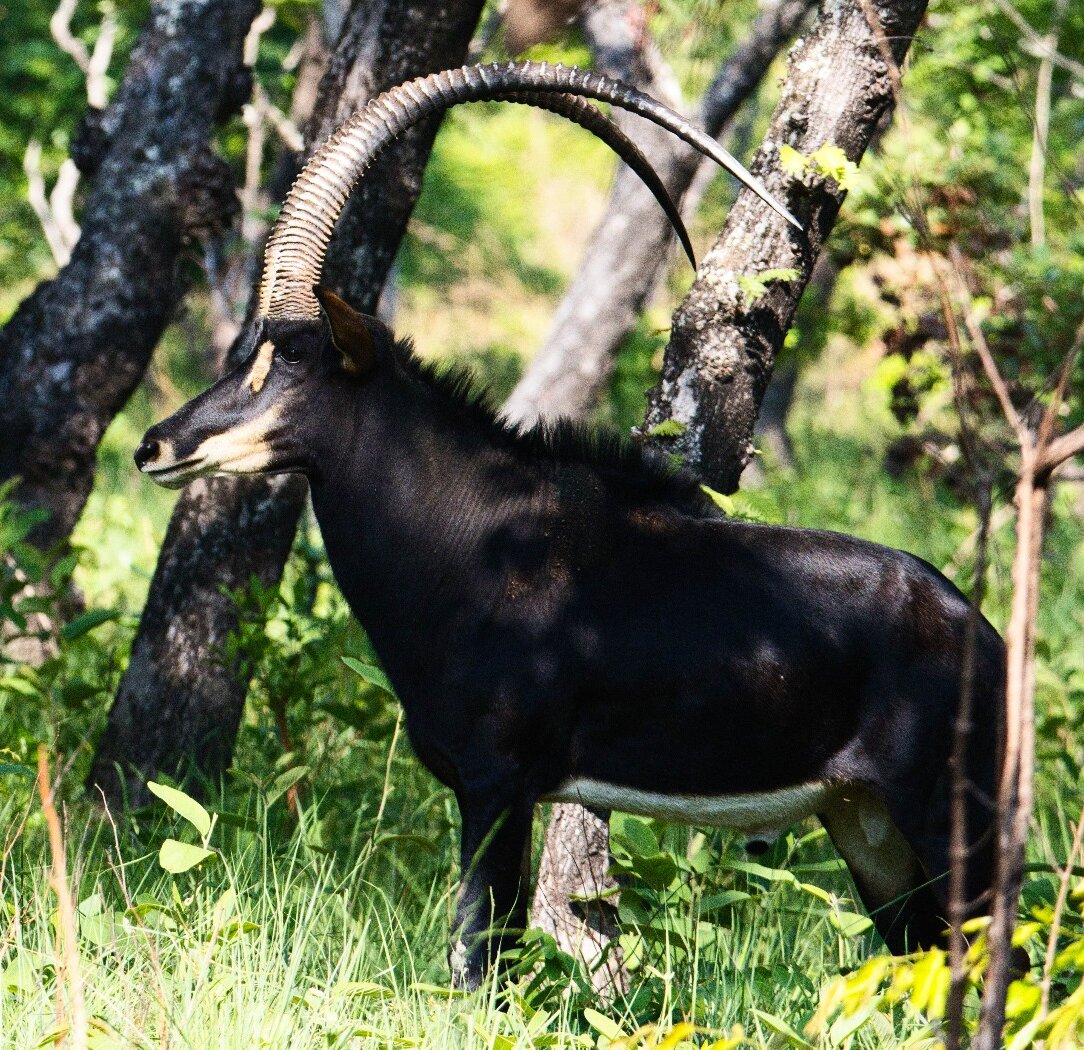
Cangandala National Park was established specifically to protect the Giant Sable. At approximately 630 km², it is relatively small by African national park standards, but it covers the core miombo woodland habitat the animals depend on. The park also borders the Luando Natural Integral Reserve — a much larger area of roughly 8,400 km² that holds a second, smaller and more isolated population.
The conservation story here is one of the most dramatic in African wildlife history. During the civil war, the park was effectively unmanageable. Anti-poaching operations collapsed, armed groups moved through freely, and both direct hunting and secondary pressures from cattle competition degraded habitat. By the time peace came in 2002 and researchers could safely enter the area, they found something alarming: not just a depleted population, but evidence that the Giant Sable had been interbreeding with the roan antelope (Hippotragus equinus), the only other Hippotragus species sharing the habitat. With so few pure Giant Sable remaining, genetic dilution posed an existential threat.
The response was a rigorous DNA-based identification programme — separating purebred animals from hybrids, managing breeding to preserve the original genotype, and establishing camera-trap and GPS monitoring networks. It works. The population is now verified to be growing, slowly but consistently. The Giant Sable is still critically endangered, but it is no longer declining. For a species that came within a handful of individuals of extinction, that is a significant achievement.
Cangandala National Park — What to Know Before You Go
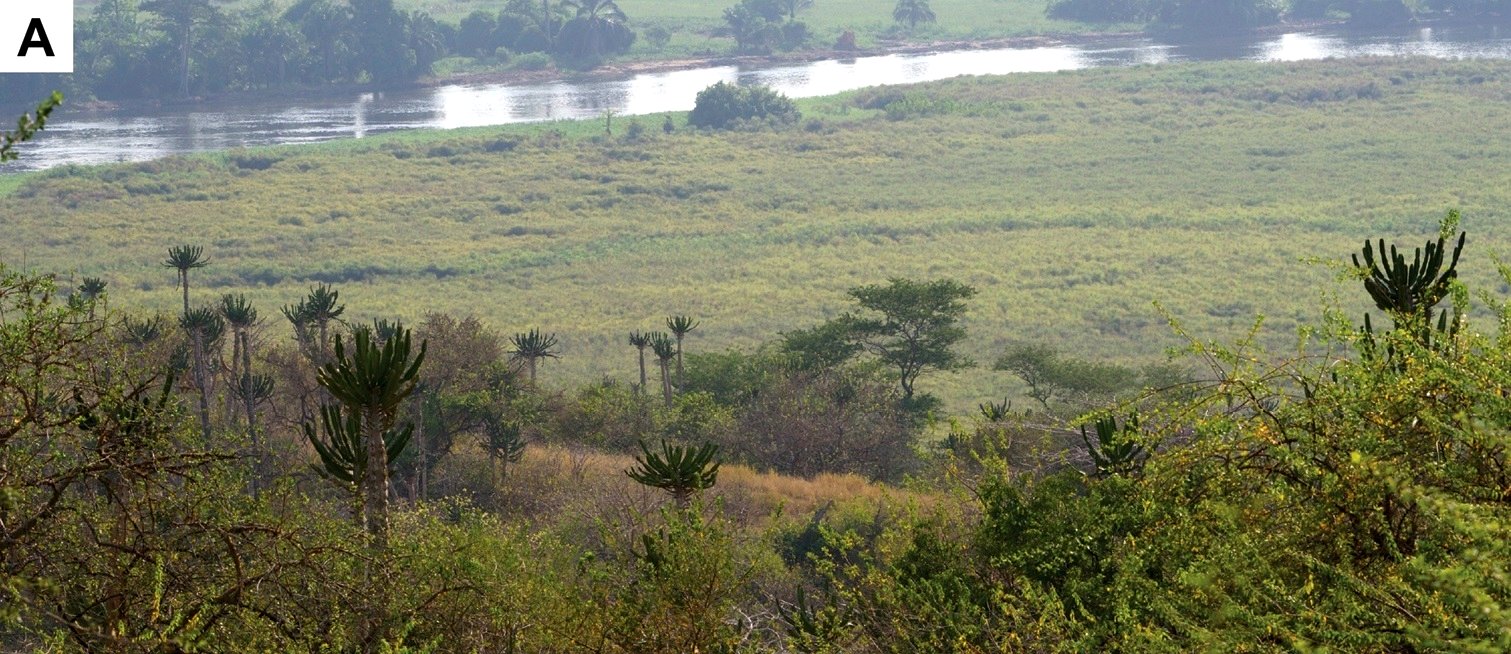
Cangandala sits in Malanje Province, roughly 70 km south of Malanje city and approximately 320 km east of Luanda. The park covers terrain typical of the central Angolan plateau: miombo woodland — a biome dominated by Brachystegia and Julbernardia tree species — interspersed with seasonal dambos (grassland depressions that hold water after rain) and open rocky areas.
The miombo biome is one of Africa's great underrated ecosystems. It covers a vast band of south-central Africa from Angola through Zambia and Zimbabwe to Tanzania, and it supports an extraordinary range of species — including many that do not occur in the more famous savanna parks of east and southern Africa. Beyond the Giant Sable, Cangandala's wildlife includes roan antelope, common sable (the nominate subspecies), sidestriped jackals, spotted hyenas, and a rich bird community including endemic and near-endemic miombo species.
There are no tarmac roads inside the park. Tracks are rough, seasonal, and require a capable 4x4. There is no visitor centre, no marked self-drive circuit and no general tourist infrastructure. This is a working conservation area, managed primarily for the protection of its headline species, not for visitor volume. That is both its limitation and its appeal.
An important note on access and permits: visiting Cangandala requires permits arranged through an authorised operator with established relationships with the conservation programme. Independent visitors cannot simply arrive at the gate. Working with a specialist — one who has the current GPS and camera-trap intelligence on animal locations — is the only way to give yourself a realistic chance of a Giant Sable sighting.
The Malanje Region: Three Wonders in One Journey
Cangandala's remoteness would make a journey worthwhile on its own if the Giant Sable were the only attraction. But the Malanje region offers two further spectacles that rank among Angola's most extraordinary natural and geological features — and both are within comfortable driving range of the park.
Kalandula Falls — One of Africa's Largest Waterfalls
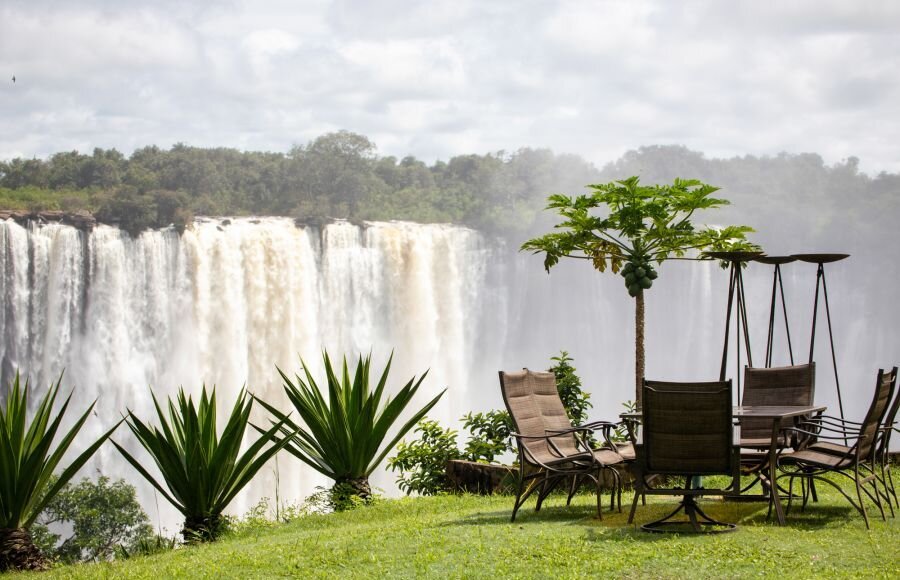
Kalandula Falls (also known as Calandula Falls) sits about 120 km north of Malanje city, on the Lucala River. The falls drop approximately 105 metres over a face roughly 400 metres wide — placing them among the ten largest waterfalls in Africa by volume and among the most visually dramatic on the continent. For context, the main falls at Victoria Falls reach about 108 metres, so the scale here is genuinely comparable. The difference is that almost nobody knows Kalandula exists.
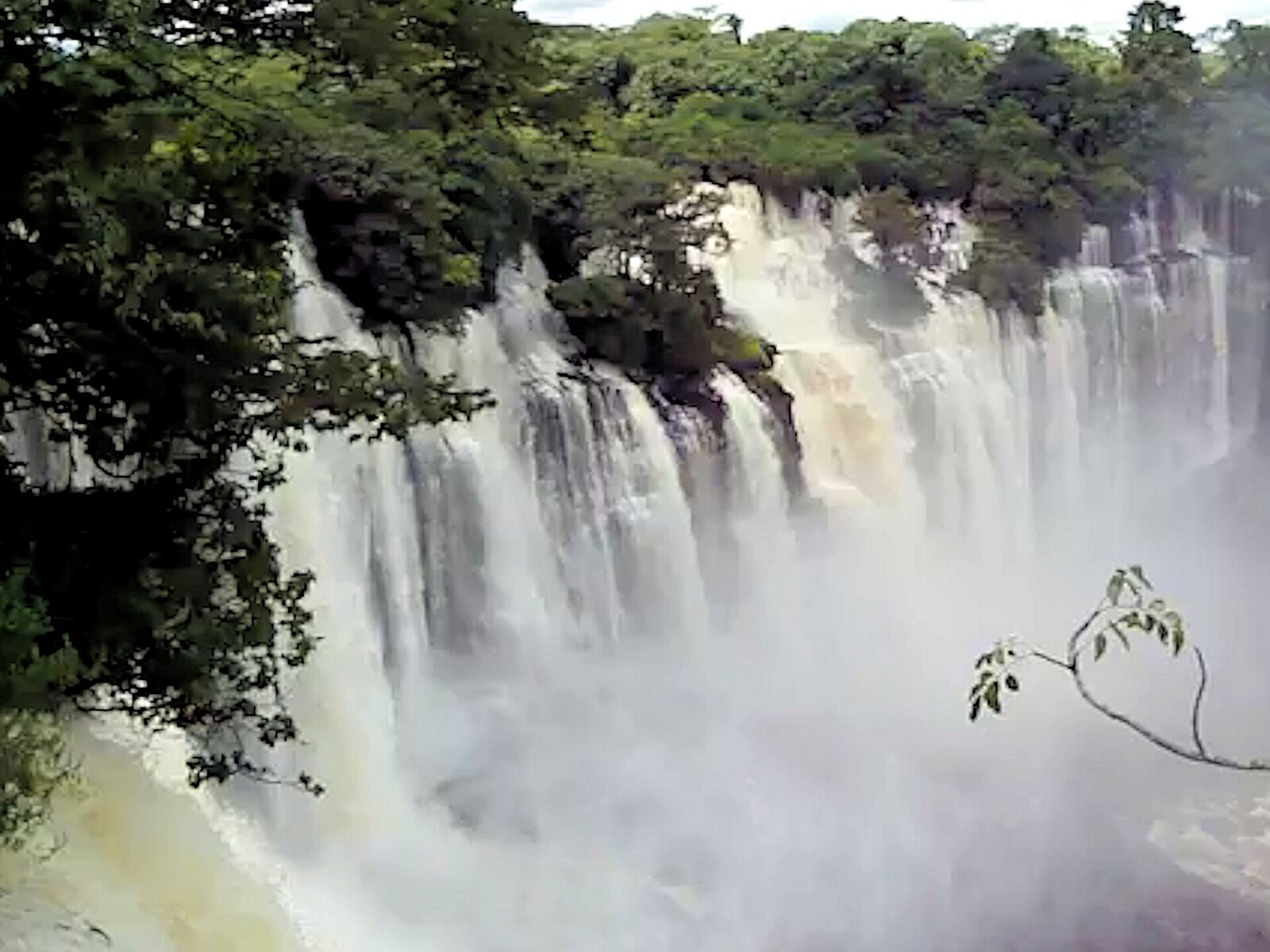
The falls are at their most powerful between December and April, after the rains have swollen the Lucala River. During the dry season (May to October) the volume drops but the spray corridor remains impressive and the surrounding vegetation is clearer and more accessible. The viewpoint above the falls and the path down to river level both offer different perspectives; a morning visit in good light produces extraordinary photographs.
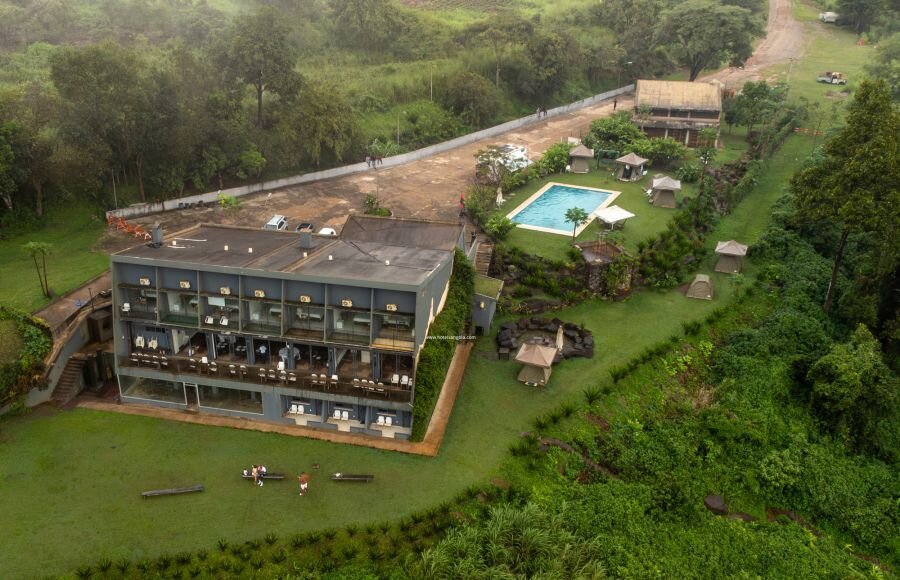
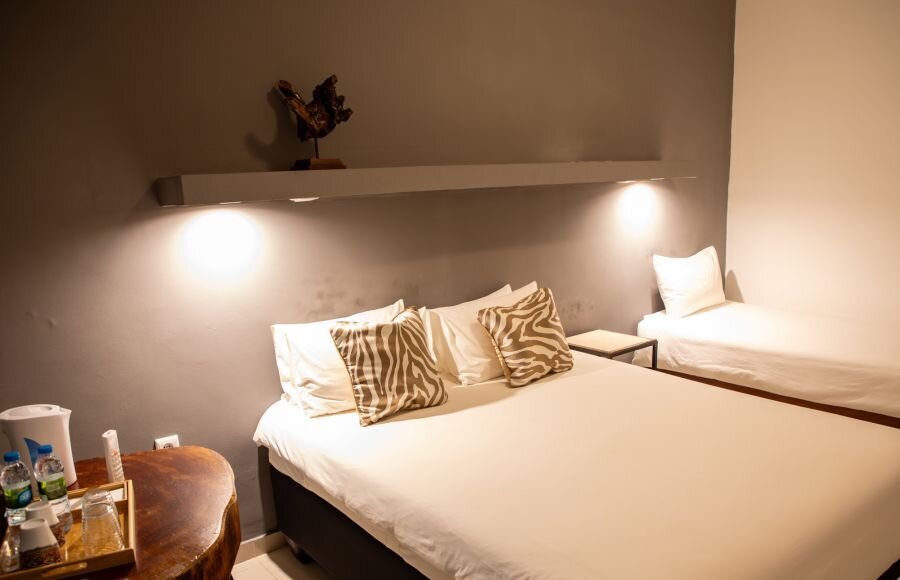
The best base for Kalandula is Pousada Calandula — a well-positioned guesthouse lodge with falls-view dining, a pool and comfortable rooms. It is the only quality accommodation option directly adjacent to the falls, and it serves naturally as the staging point for the wider Malanje-region loop.
Pungo Andongo — Angola's Black Rocks
Pungo Andongo (also called Pedras Negras de Pungo Andongo — the Black Rocks of Pungo Andongo) is a geological formation about 70 km southeast of Malanje city. Enormous black granite inselbergs rise dramatically from the surrounding savanna, the largest standing over 90 metres tall. The formations are ancient — Precambrian age — and were shaped by differential erosion over hundreds of millions of years into the striking rounded and fractured shapes that define the landscape today.
The site carries deep historical significance in Angola. It was a stronghold of Queen Nzinga — Nzinga Mbande, the 17th-century ruler of the Ndongo and Matamba kingdoms, one of Africa's most remarkable historical figures — during her resistance against Portuguese colonisation. Rock engravings and oral traditions link specific formations to her era. Standing among these rocks with that history in mind adds a dimension to the landscape that pure geology cannot provide.
The black rocks are also excellent wildlife habitat. Monitor lizards, rock hyrax and a range of raptors use the formations. Klipspringer antelope may be present. Birding around the rocky outcrops in the early morning is rewarding, with specialist species drawn to the rocky terrain.
How to Get to Cangandala National Park
The logistics for a Malanje expedition are straightforward once you have the right operator, but they do require advance planning. Here is how a journey typically unfolds:
Step 1: Fly to Luanda
All major Angola journeys start at Quatro de Fevereiro International Airport in Luanda (IATA: LAD). Connections from Johannesburg (South Africa), Addis Ababa (Ethiopian Airlines), Lisbon (TAP Air Portugal), Casablanca (Royal Air Maroc) and several European hubs are available. We recommend a night at EPIC SANA Luanda — the best city hotel in the country — on arrival, to rest before the Malanje leg.
Step 2: Fly Luanda → Malanje
TAAG Angola Airlines operates scheduled domestic flights from Luanda to Malanje (IATA: MEG). The flight takes approximately 40 minutes. Charter options are also available for private groups. Flights depart early morning, which puts you in Malanje before midday and leaves the afternoon free for the first drive.
Step 3: Transfer to Your Base
From Malanje Airport, your operator's 4x4 vehicles take you to your chosen accommodation. Pousada Calandula (for Kalandula Falls access) is roughly 120 km from Malanje — approximately two hours by road. Malanje town itself has basic hotel options for those structuring a different itinerary. The park entrance is approximately 70 km south of Malanje city — around one and a half hours by 4x4.
Step 4: Enter Cangandala
Your operator handles park permits and coordinates with the conservation monitoring team to get the latest sighting intelligence. Mornings are the best time inside the park — the Giant Sable is most active in the cool early hours, and the light for photography is at its best between 6am and 9am.
Where to Stay — The Expedition Approach
Accommodation for a Cangandala expedition requires flexibility, because there are no permanent lodges inside the park boundary. Here are the realistic options:
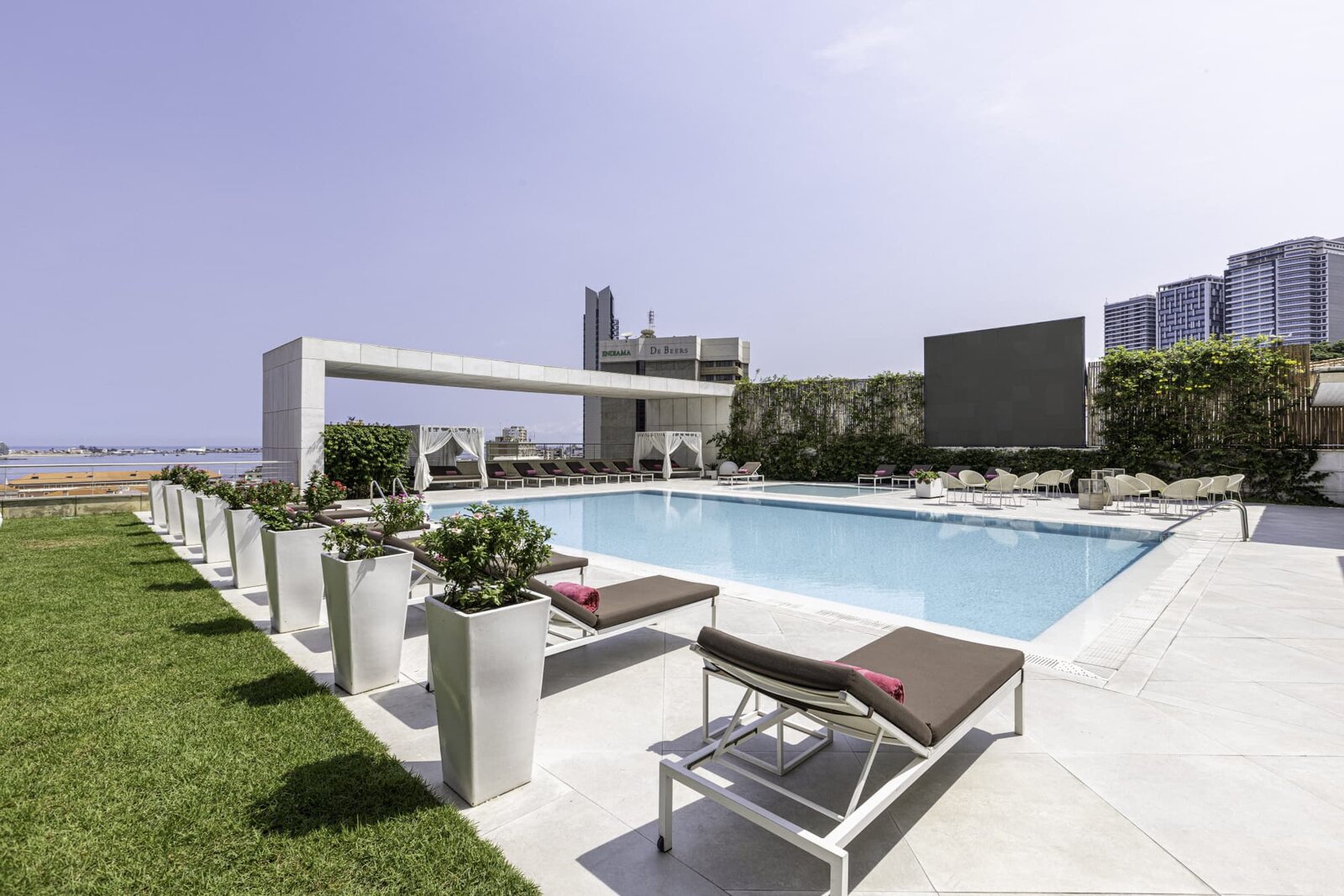
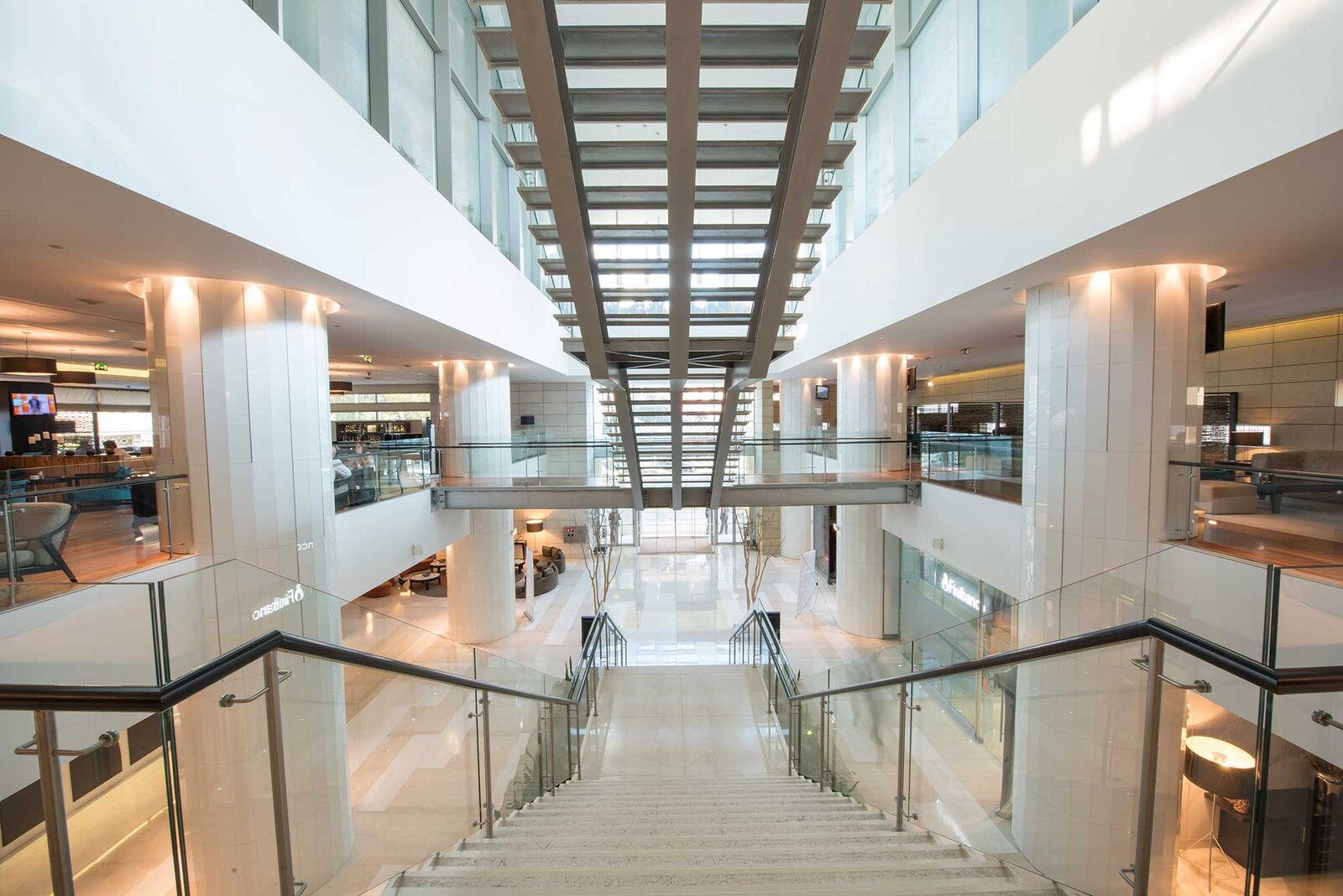
EPIC SANA Luanda — the start and end point of every Angola itinerary worth doing. Five-star, with a rooftop pool, multiple restaurants, a full spa and Luanda Bay views. The best place to arrive tired from an international flight and the best place to clean up after a week in the field. Rates run approximately USD 350 to 500 per night.
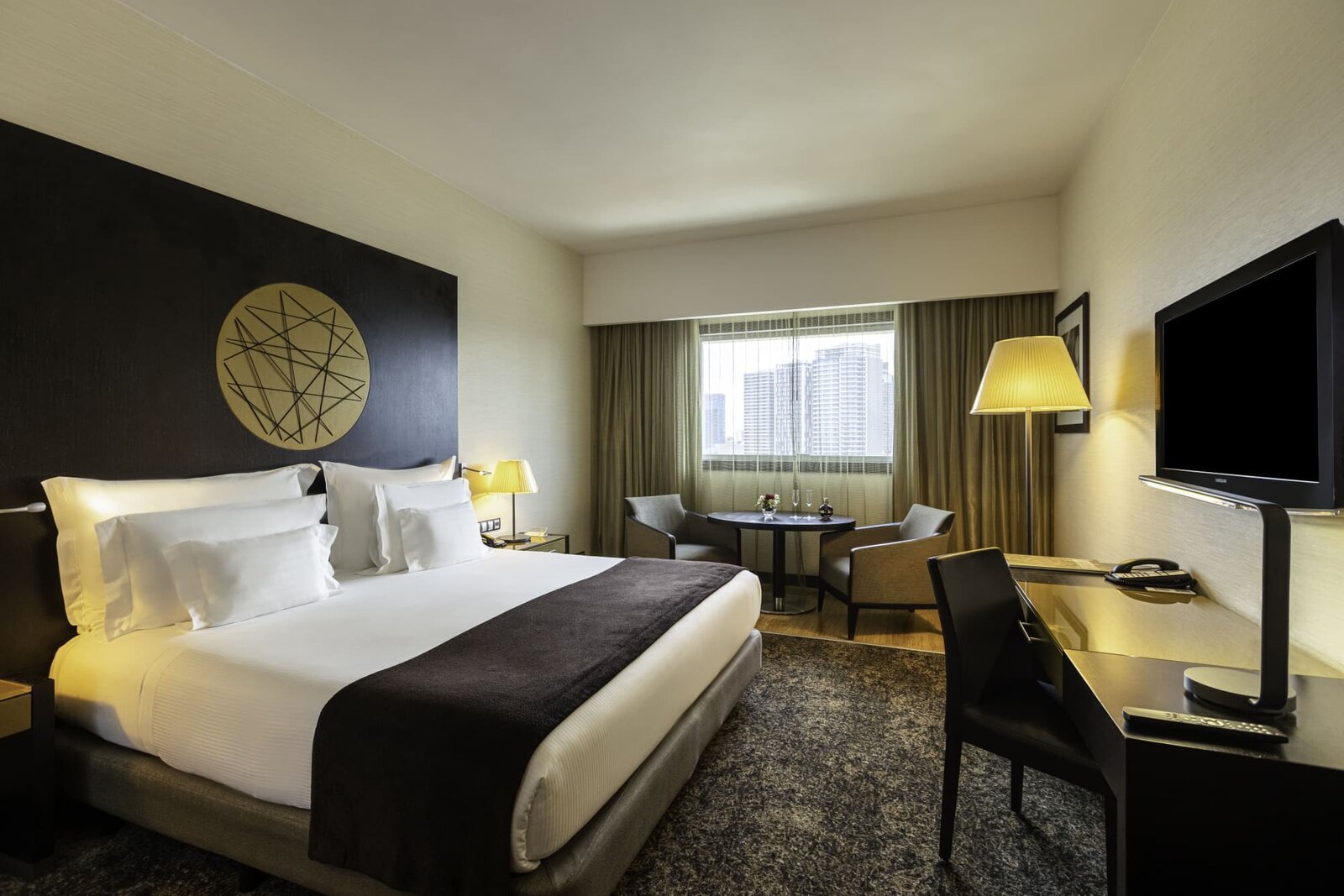
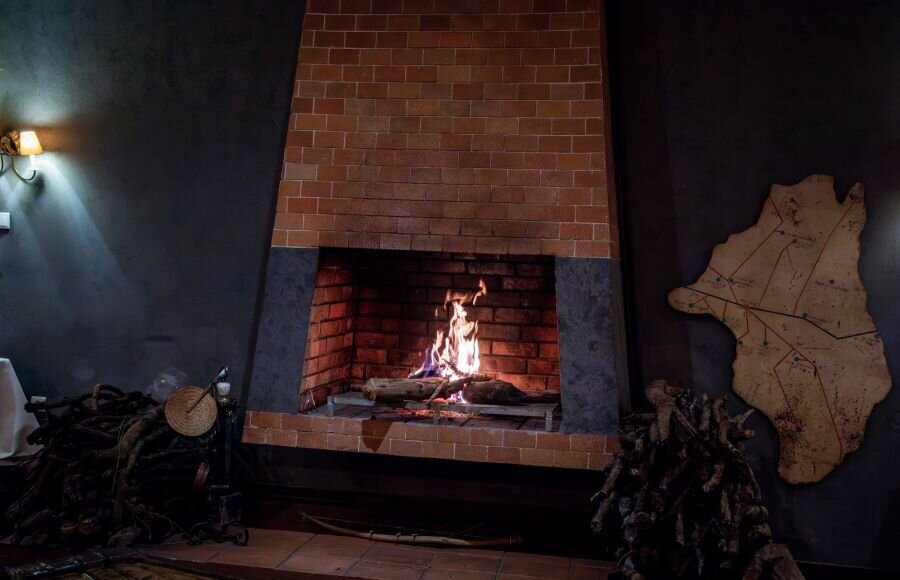
Pousada Calandula — the recommended Malanje-region base. A falls-view lodge with comfortable rooms, a pool, a restaurant and a lounge with fireplace for cool plateau evenings. Its proximity to Kalandula Falls makes it the natural staging point for the full Malanje loop. Rates vary by season; your operator will confirm current pricing.
Mobile expedition camps inside/adjacent to Cangandala — for those wanting to sleep as close to the Giant Sable habitat as possible. These are properly set-up bush camps, not survival camping. A specialist operator brings the tent infrastructure, equipment, kitchen and guide team. This is the most immersive option and the one that puts you in the park at first light for the best sighting conditions.
Malanje city hotels — a practical fallback for one-night stopovers. Standards are basic by international comparison, but functional.
When to Go — Honest Expectations
The dry season, running from approximately May to October, is the recommended time for a Cangandala expedition. Reasons:
- Park access is better. Miombo woodland tracks become impassable in the rainy season — rivers flood, laterite roads turn to mud, and even capable 4x4 vehicles can get stuck. Dry-season access is reliable.
- Vegetation is lower. After the rains, the miombo grows dense and tall, making it harder to spot animals even when they are close. In the dry season, reduced leaf cover and shorter grasses improve visibility in woodland conditions.
- Animals concentrate near water. As seasonal water sources dry up, wildlife (including the Giant Sable) gravitates toward the permanent water points, making sightings slightly more predictable.
The wet season (November to April) is not a complete write-off. The landscape is stunning — vivid green, alive with flowers and birds — and some specialist operators run wet-season expeditions for photographers willing to accept the access challenges. Kalandula Falls is at its most dramatic in the wet season. But for a first-time Cangandala visit, the dry season is the right choice.
On Giant Sable sightings specifically: the conservation team has significantly improved its ability to locate the animals using collars and camera traps. This makes dry-season expeditions more productive than they were five or ten years ago. But "more productive" is not the same as "guaranteed." Come with genuine patience and curiosity about the landscape, not just the headline animal.
For the broader Angola picture — best times for Kissama, Iona and Luanda — our complete best-time-to-visit-Angola guide covers all regions in detail.
Combining Cangandala with Wider Angola
Most Angola itineraries make strategic sense as combinations rather than single-park visits. Here is how Cangandala fits into a broader journey:
Cangandala + Kissama + Luanda — the 7 to 10-night Angola foundation. Start in Luanda (EPIC SANA), head south to Kissama National Park for the elephant and reintroduction story (Kwanza Lodge), return to Luanda then fly east to Malanje for the Cangandala expedition, Kalandula Falls and Pungo Andongo. This is the itinerary that gives you the full range of Angola's natural heritage: coastline, savanna, waterfall, geology, miombo woodland and the Giant Sable.
Cangandala + Iona — a more adventurous pairing for those with 12+ days. After the Malanje leg, return to Luanda and fly south to Namibia's border for Iona National Park — the Namibian desert ecosystem spilling across the Angolan border, home to desert-adapted elephants and oryx on an ancient coastal plain. See our Iona National Park guide for the full picture.
Angola alone — for dedicated Angola specialists, the complete Angola safari and travel guide lays out every region, every park and every realistic itinerary in depth.
Our available Angola Expedition (10 nights) and Angola Discovery (7 nights) packages both incorporate Malanje-region elements. Speak to us about building in Cangandala specifically — it requires advance coordination with the conservation programme and the right operator relationships to do properly.
Planning Your Cangandala Expedition
Angola is not a destination where you can book a package online on Thursday and fly on Monday. It requires lead time, specialist knowledge and the right operator. Here is what that means practically:
Book at least 3 months in advance. Domestic flights to Malanje fill on key days. Pousada Calandula has limited rooms. Park permits require advance application. And the coordination with the conservation monitoring team — getting the current GPS data and camera-trap intelligence — needs to be established before you arrive.
Use an operator with genuine Angola ground experience. This is not the destination for a generalist who will "sort it out on arrival." The operator you choose needs real relationships with the Cangandala conservation programme, current knowledge of Malanje road conditions, a Malanje-based fixer and field guides who understand miombo ecology.
Carry the right documentation. Angola requires a visa, which for most nationalities must be arranged in advance or obtained on arrival at Luanda airport (conditions change, so verify current requirements before booking). Yellow fever vaccination is mandatory and certificate required. Malaria prophylaxis is strongly recommended for the Malanje interior.
Budget for the expedition model. Cangandala is not a volume destination. The cost of a Malanje leg — mobile camp inside the park, specialist guiding, park permits, conservation programme coordination — reflects the genuine cost of operating responsibly in a remote, limited-infrastructure area. Our Angola safari cost guide breaks down what to budget at each tier.
If you want to stand in the same woodland as one of the rarest, most powerful antelopes in the world — an animal that survived civil war, poaching and near-extinction to still be here, still wild, still free — the effort and cost are worth every element. No zoo. No fenced reserve. The real thing, in the real Angola, on the animal's own terms.
Frequently Asked Questions
Can you actually see Giant Sable in Cangandala National Park?
You can, but sightings are never guaranteed. The Giant Sable is one of the rarest antelopes on Earth — fewer than 200 survive — and Cangandala is a functioning wilderness, not a zoo. Specialist operators access GPS collar data and camera-trap intelligence from the conservation team to maximise your chances. Some expeditions result in extraordinary close encounters; others do not produce a sighting. Come with patience, and value the Malanje region's other wonders alongside the headline animal.
How do I get to Cangandala National Park?
Fly from Luanda to Malanje (about 40 minutes by TAAG Angola Airlines or charter), then transfer by 4x4 approximately 70 km south to the park — around one and a half hours. There is no public transport option. A specialist operator with the right logistics, permits and local relationships is essential.
Are there lodges inside Cangandala National Park?
No. The park has no permanent lodge infrastructure. Options are mobile expedition camps inside or adjacent to the park, Pousada Calandula (near Kalandula Falls, about 120 km away) as a comfortable base, or basic Malanje town hotels. EPIC SANA Luanda is the recommended gateway hotel at the start and end of every Angola itinerary.
Is Angola safe for safari travel?
Angola is significantly safer than its civil-war reputation suggests — peace came in 2002 and the country has been stable for over two decades. That said, road conditions in the interior can be challenging, landmine clearance in rural areas is ongoing, and visitor infrastructure is limited. Travelling with a specialist operator who knows current ground conditions is essential, not optional.
How does Cangandala differ from Kissama National Park?
Kissama is 70 km from Luanda, accessible as a day trip, and offers a solid general wildlife experience (elephants, giraffe, buffalo) with established lodges including Kwanza Lodge. Cangandala is a remote 630 km² park in Malanje Province with no permanent accommodation — but it holds the only wild Giant Sable population. They serve completely different purposes and combine well in a longer Angola itinerary.
Do I need a specialist guide?
Yes, without exception. Access to the park and its Giant Sable monitoring programme requires working through an authorised operator with park permits, local relationships and GPS tracking data from the conservation team. Self-drive visits are not realistic or responsible.
What is the Giant Sable's conservation status?
Critically Endangered. The population collapsed during the civil war to an estimated 50 to 100 individuals. Conservation efforts since 2002, led by Pedro Vaz Pinto's team, have stabilised and slowly grown the numbers to fewer than 200 today across Cangandala and the Luando Reserve. A DNA-verified breeding programme is working to restore the subspecies' genetic integrity after documented hybridisation with roan antelope during the war years.
Can I combine Cangandala with Kalandula Falls and Pungo Andongo?
Yes, and this is exactly the recommended approach. The Malanje region packages all three in a logical 2 to 3-day circuit: Cangandala National Park (Giant Sable expedition, about 70 km south of Malanje), Kalandula Falls (about 120 km from Malanje — 105 m high, 400 m wide, one of Africa's largest) and Pungo Andongo (the dramatic black granite rock formations 70 km southeast). Based at Pousada Calandula, all three are within comfortable driving range.