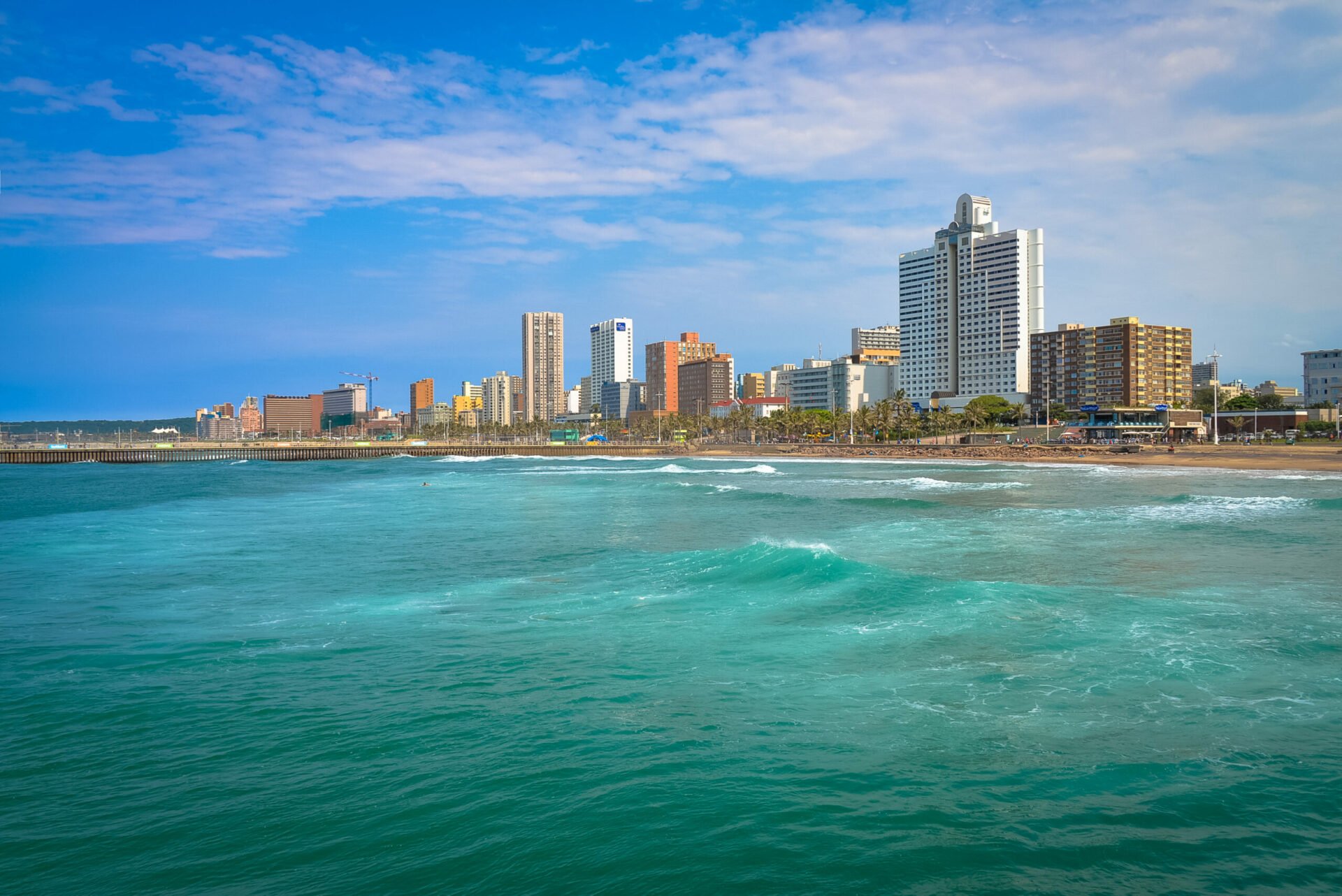
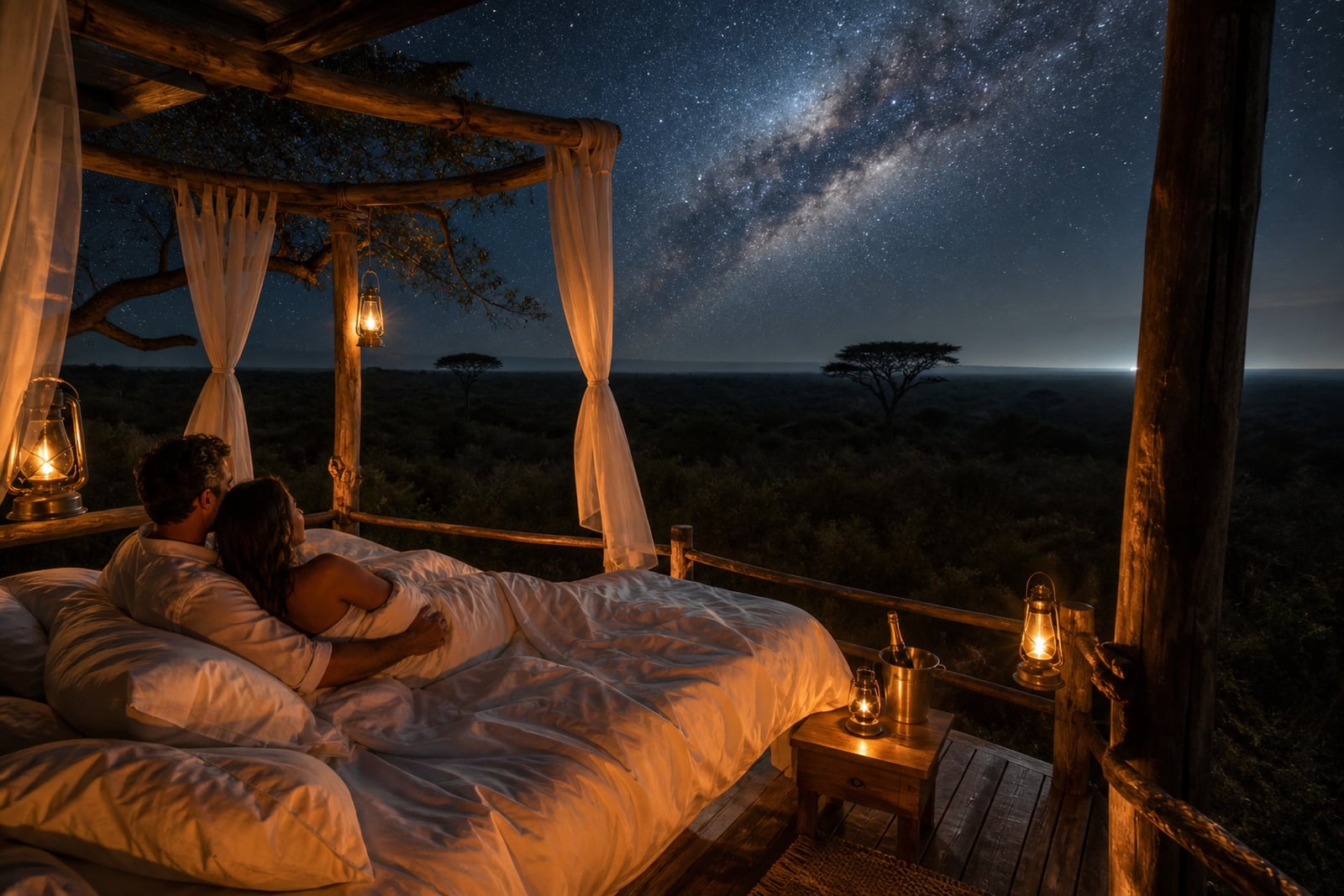
The dry season (roughly May to October) is best for easy big-game viewing and the classic safari experience. The wet or green season (November to April) is best for value, birding, newborn animals, photography and quiet camps. Neither is objectively better — it depends entirely on what you want from your trip.
The dry season case
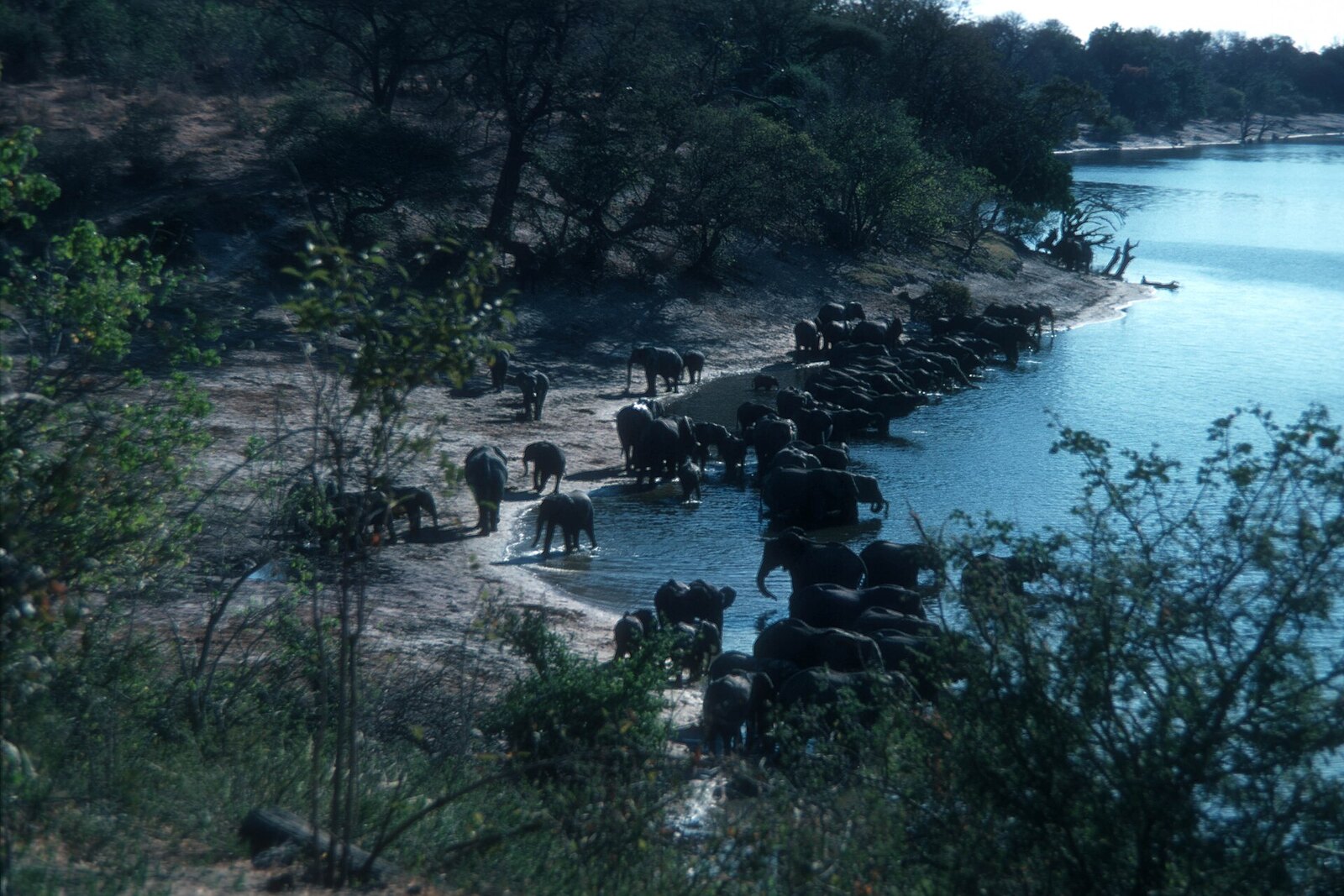
In the dry months, vegetation thins, waterholes shrink and animals concentrate at permanent water, making wildlife dramatically easier to find. Skies are clear, malaria risk is lower and roads are reliable. The trade-offs are higher prices, more vehicles at sightings and cold early mornings. For first-time safari-goers set on the Big Five, this is the safer choice.
The wet season case
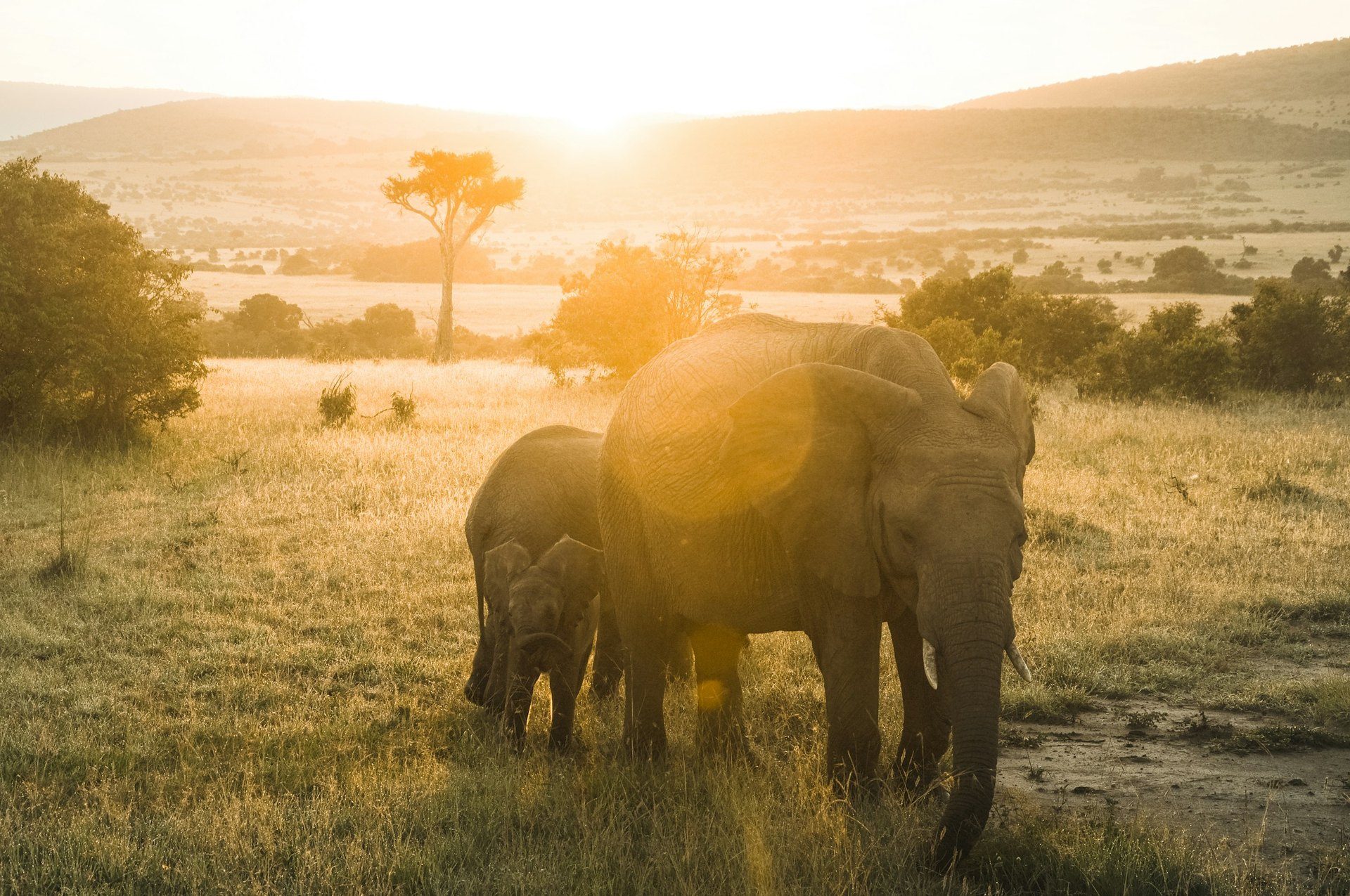
The green season brings lush landscapes, dramatic skies, migrant birds and newborn animals — and the southern Serengeti calving, the best predator action of the year. Rates can be half of peak, camps are quiet and photography is superb. The trade-offs are longer grass, afternoon storms, some roads becoming tricky and a few remote camps closing.
Head to head
For game viewing, the dry season wins on ease. For value and exclusivity, the green season wins clearly. For birding and photography, the green season is unbeatable. For weather comfort, the dry season is more predictable. For predator drama, both excel — the dry season at waterholes, the green season at the calving.
Which regions suit which season
Classic dry-season destinations include the Kruger, Sabi Sands, Chobe and Hwange. The southern Serengeti, Botswana's Kalahari and South Africa's Lowveld shine in the green season. Kenya and Tanzania's northern circuits are strong year-round, while the Cape's best weather is actually the southern-hemisphere summer.
Our honest recommendation
If it is your first safari and you want guaranteed big game, travel in the dry season and book early. If you are a returning traveller, a photographer or a birder — or you want the best value and quiet camps — the green season will reward you enormously. The shoulder months of May and November blend the best of both.
| Factor | Dry season (May–Oct) | Wet season (Nov–Apr) |
|---|---|---|
| Game viewing | Excellent, easy | Good, harder in bush |
| Price | High | Low (up to half) |
| Crowds | Busier | Quiet |
| Birding | Good | Excellent |
| Scenery | Dry, sparse | Lush, dramatic |
| Best for | First safari, Big Five | Value, birds, photography |
Explore these safari destinations
Discover the parks and reserves behind this guide:
Safaris to plan around the season
Private journeys we tailor to your dates and budget:
- Ultimate Big Five Kruger Safari — 7 days, dry-season classic
- Serengeti Great Migration Safari — 7 days, calving in green season
- Central Kalahari, Deception Valley — 6 days, green-season value
- South Luangwa Explorer — 5 days, emerald season
Related Reading
Start Planning
Every safari we craft is private and built entirely around you — your dates, your pace, your budget and the wildlife you most want to see. Our specialists have travelled this ground themselves and design each itinerary by hand. Speak to our team to begin, or browse our safari packages for inspiration.